Archiepiscopal Chapel
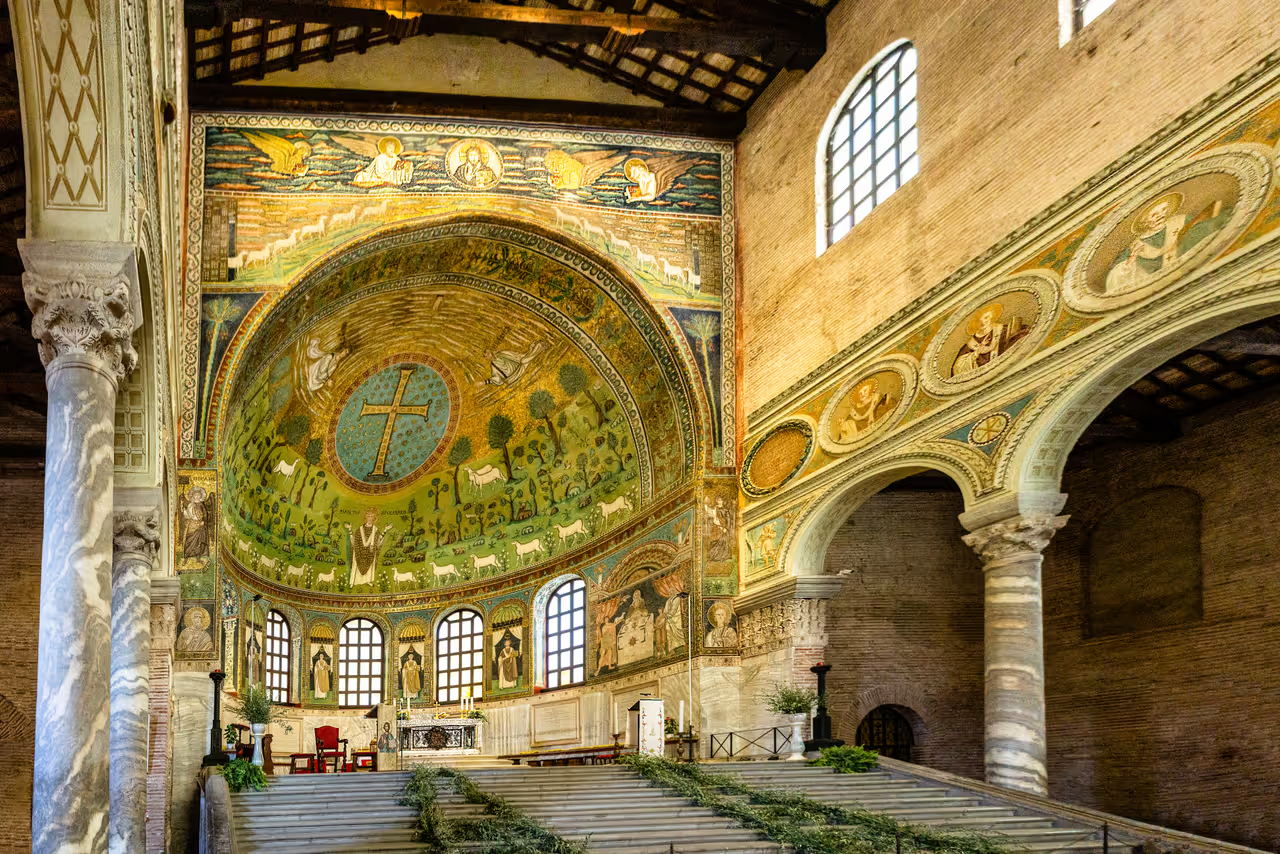
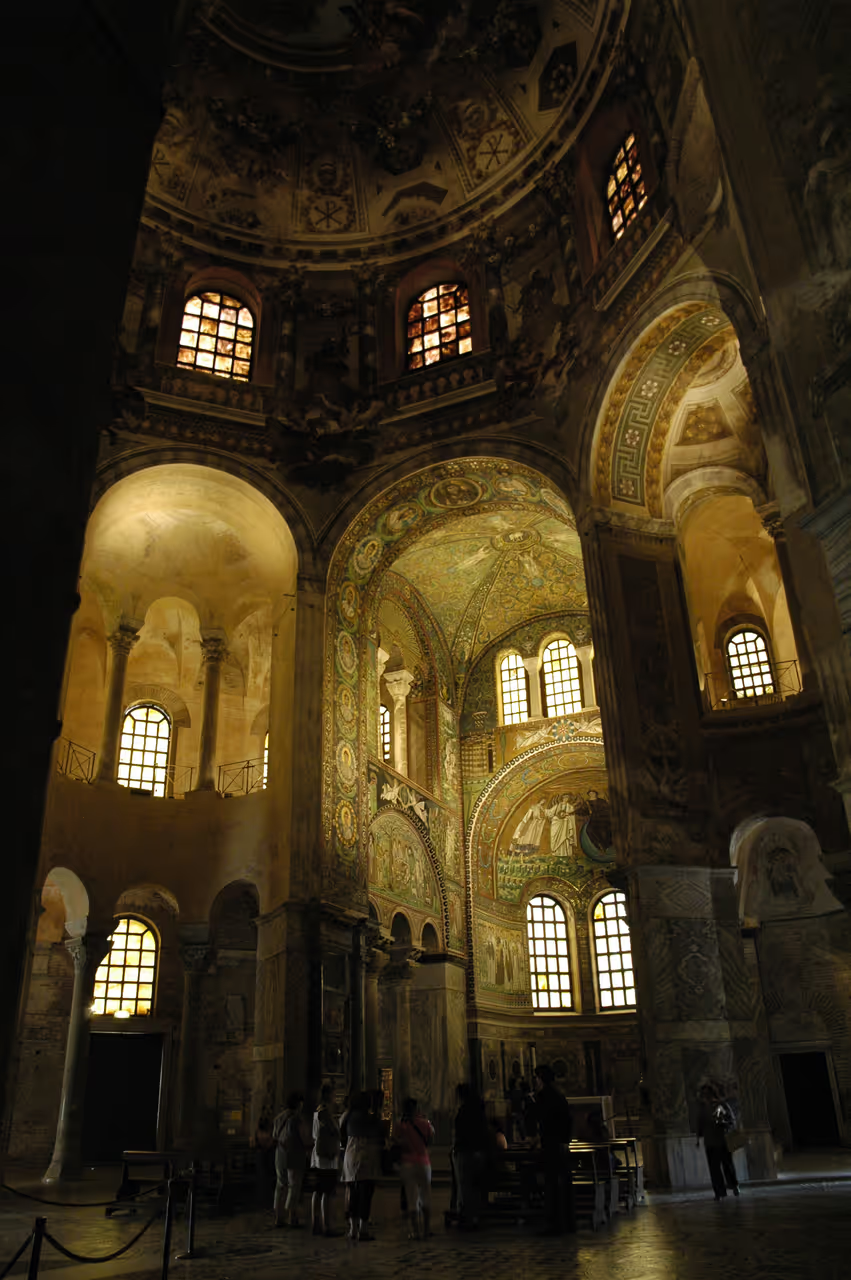
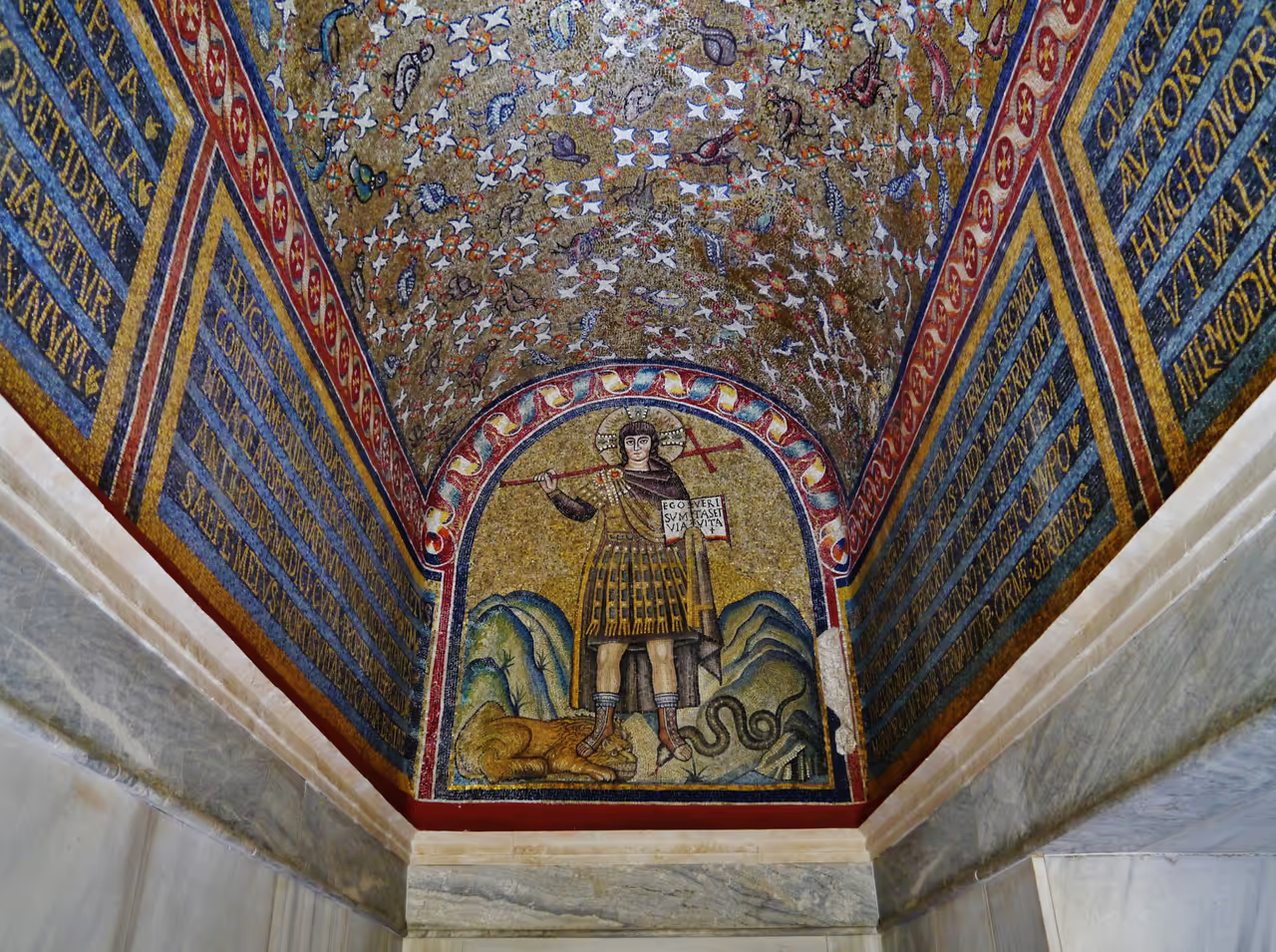
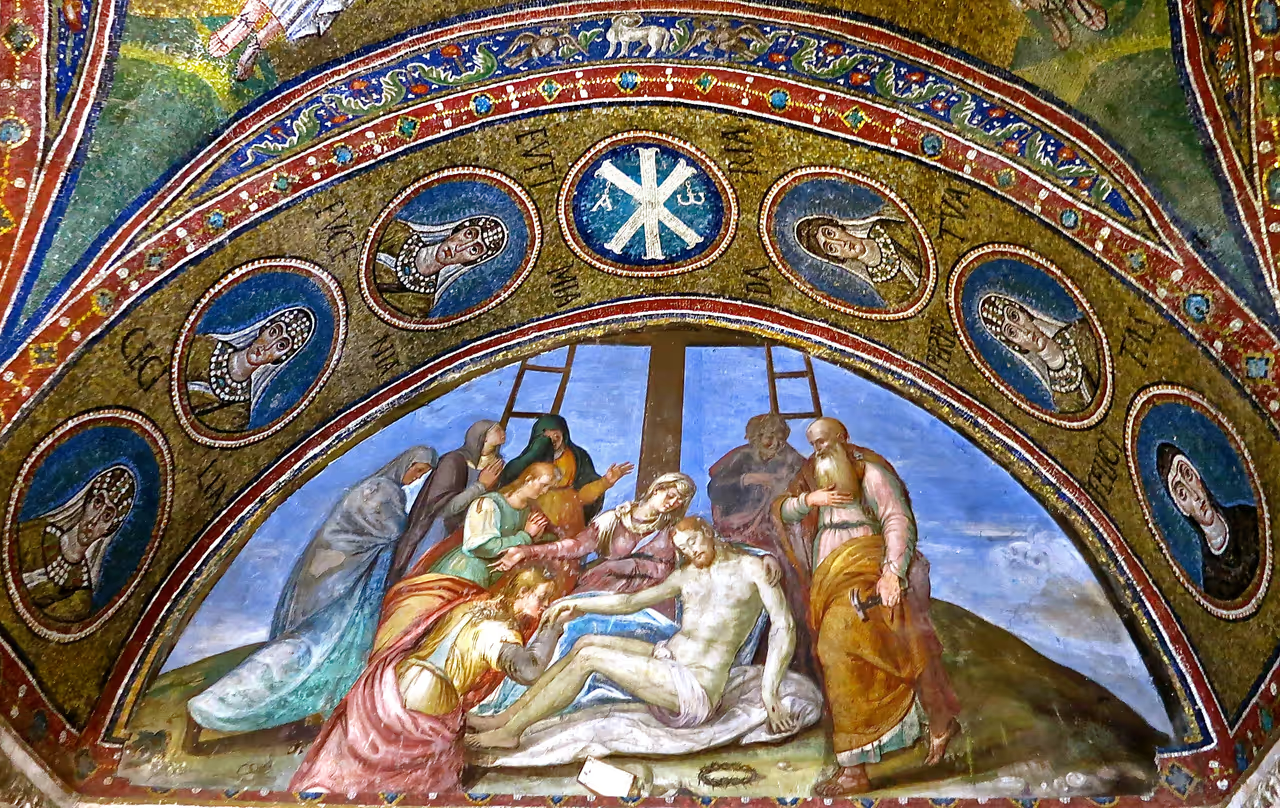
Step into the Archiepiscopal Chapel and witness one of the most intimate, yet powerful, treasures of Ravenna. As the only Orthodox monument constructed during the reign of the Arian king Theodoric the Great, this gem serves as a silent testament to the theological struggles that defined the city in the fifth century. You will find yourself surrounded by breathtaking mosaics that serve as both brilliant art and bold political statements. The chapel, also known as the Chapel of St. Andrew, invites you to look upward at the spectacular vault where archangels hold the monogram of Christ amidst a lush, paradisiacal setting. It offers an incredibly rare glimpse into early Christian life, wrapped in the quiet beauty of marble and gold. Visiting here is essential for anyone wanting to grasp the profound historical layering that makes Ravenna a world class destination.
Videos
History of Archiepiscopal Chapel
The Archiepiscopal Chapel emerged in 495 under the guidance of Bishop Peter II, a time when Ravenna served as a crucial hub for the intersection of political and religious power. While the city was under the dominion of the Ostrogothic king Theodoric the Great, who favoured Arian Christianity, this chapel stood as a deliberate assertion of Orthodox belief. It was constructed as a private oratory for the bishops, creating a secluded space for prayer and reflection away from the intense public scrutiny of the period. The very existence of such a structure within an Arian dominated administration highlights the complex diplomatic and spiritual landscape the church leaders had to navigate to maintain their influence. The artistic programme inside reveals a calculated use of visual language to convey specific religious messages. Most notable is the mosaic of Christ the Warrior, a striking image designed to proclaim the strength of the orthodox faith against competing doctrines. By depicting Christ with a cross and trampling the beasts of heresy, the artists created a visual polemic that was impossible to ignore. This was a form of silent, permanent resistance, ensuring that every visitor to the chapel understood the official theological position of the bishopric. Over the centuries, the chapel has survived the fall of kingdoms and the shifting tides of history to become a celebrated UNESCO World Heritage site. Its preservation within the Archiepiscopal Museum allows modern visitors to engage with the same imagery that provided comfort and conviction to the clergy fifteen centuries ago. The delicate balance of marble and gold, combined with the profound historical weight of its origins, ensures that the chapel remains a vital link to the early Christian world. It stands today as a testament to the endurance of faith and the power of art to communicate ideas that transcend the era of their creation.
Events spanning 1501 years
Fun Facts
- • It is one of the eight monuments in Ravenna that collectively earned the city its status as a premier location for early Christian art.
- • Small birds are depicted throughout the mosaic patterns, acting as symbols for the paradisiacal setting and the peace of the heavenly realm.
- • The architecture follows a Greek cross plan, a rare and deliberate choice that enhances the sense of intimacy and sacredness within the space.
- • The chapel is frequently referred to as the Chapel of Saint Andrew, named after the saint to whom it was eventually dedicated.
- • The chapel serves as a testament to the influence and authority of the bishops of Ravenna during a time when the city was a capital of the Western Roman Empire and later the Ostrogothic Kingdom.
- • The depiction of Christ as a warrior, complete with armour and a cross upon his shoulder, represents a direct ideological challenge to the Arianism favoured by the contemporary ruling power.
- • The interior design is split into two distinct visual sections, with the lower walls clad in marble and the upper sections covered in vibrant, intricate mosaics.
- • The presence of the four Evangelists in the vault corners emphasises the primacy of the Orthodox gospels during a period of fierce religious debate.
- • The vault features four majestic archangels holding a central medallion containing the Christogram, a symbol of extreme prestige and theological significance in the fifth century.
- • This is the only Orthodox chapel in Ravenna built during the reign of the Arian King Theodoric the Great, making it a unique historical outlier.
- • Visitors can find this site housed within the Archiepiscopal Museum, which allows for a comprehensive experience of the city religious history.
RESOURCES
Heritage UNESCO SiteArchiepiscopal Chapel FAQ
While we strive to keep this information accurate and up to date, we recommend verifying any details independently before making decisions based on them.
Archiepiscopal Chapel Map & Neighborhood Explorer
This interactive map is centered on Archiepiscopal Chapel. Zoom in and move the map around to automatically discover Wikipedia photos and summaries of other nearby sights, monuments, and historical points of interest and stories in real-time!
Places near Archiepiscopal Chapel
Make the most of your trip. Check out these top-rated spots located nearby.
 45m
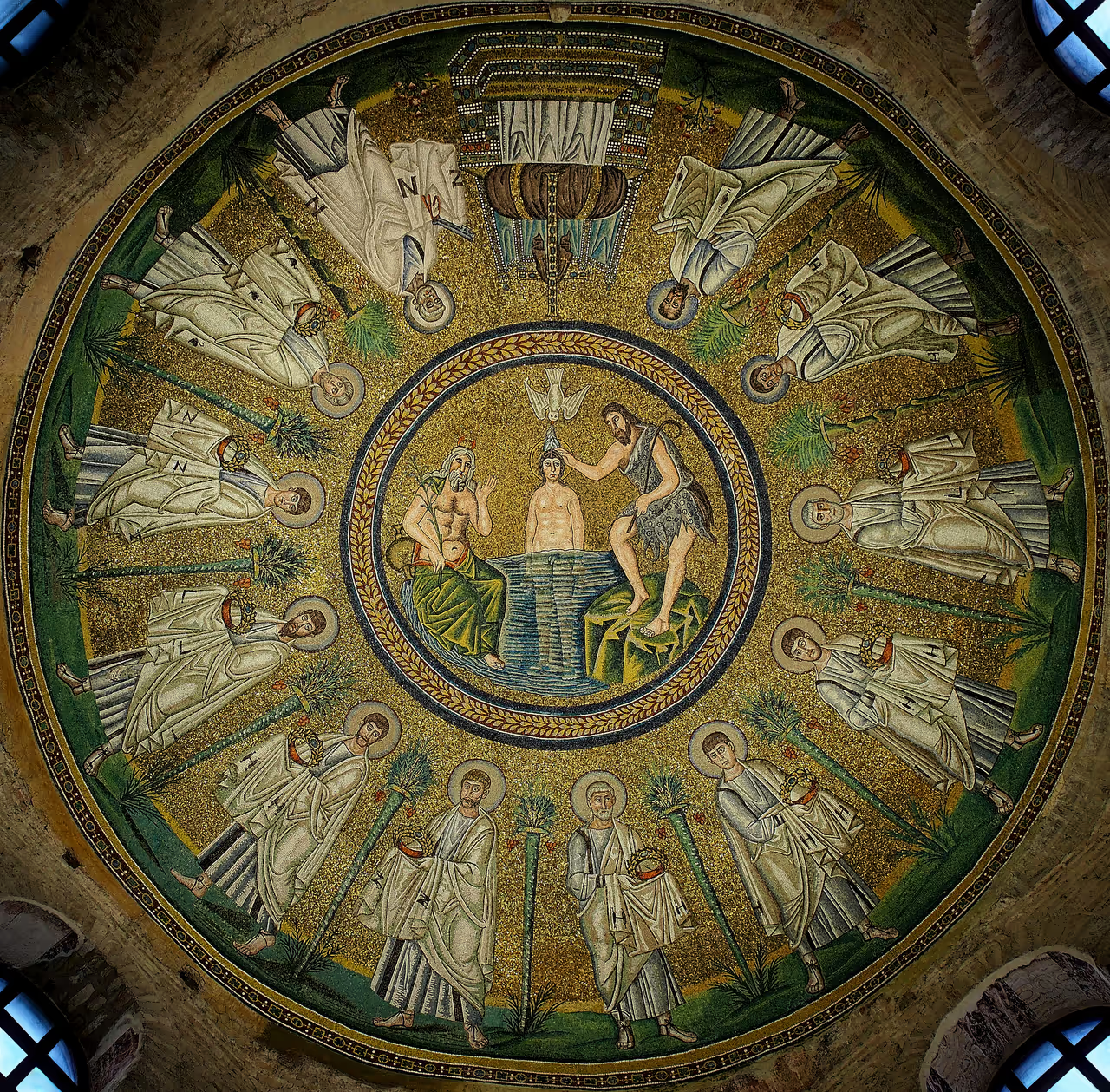
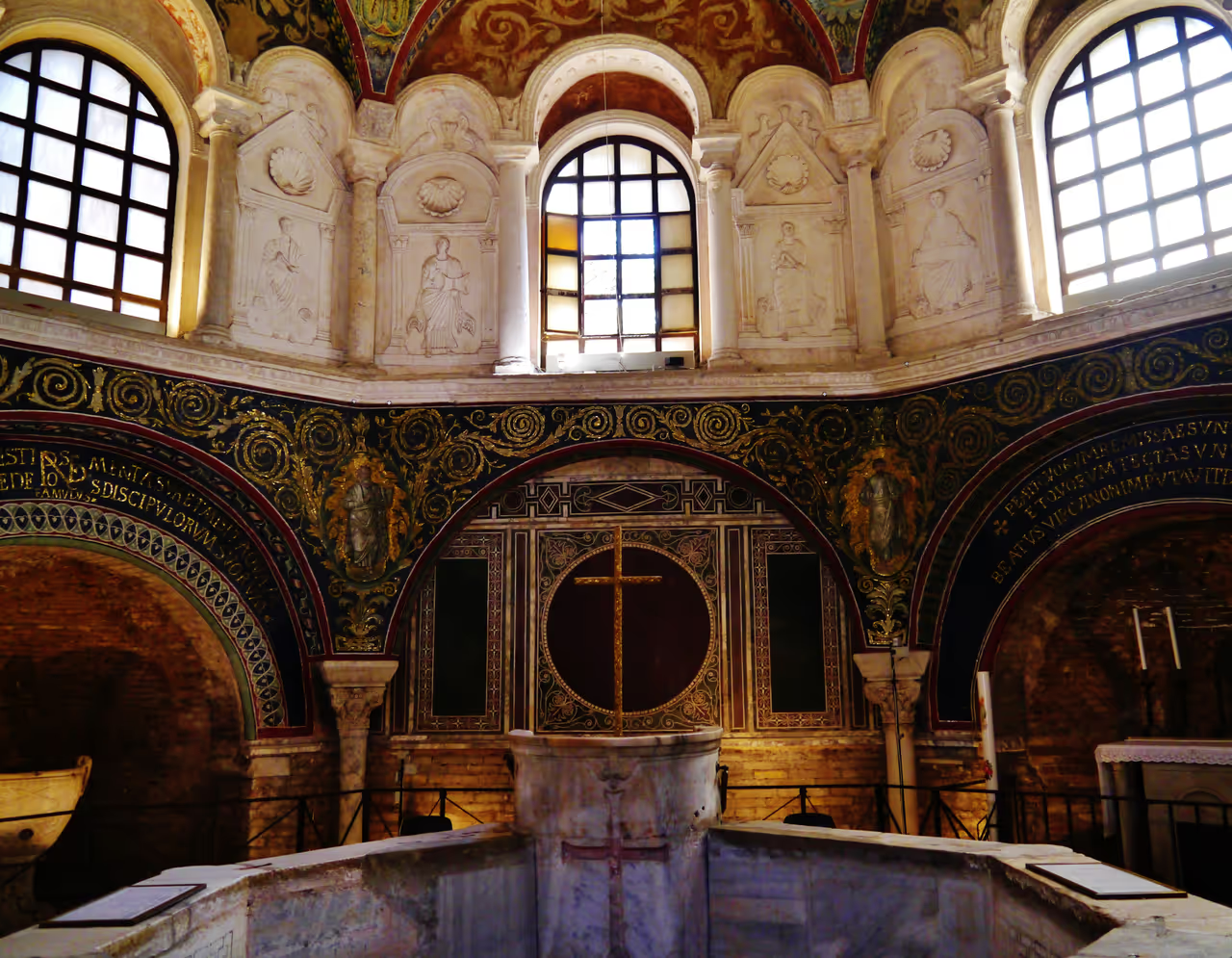
45mMosaics of the Neonian Baptistery
Standing as the oldest monument in the city, the Neonian Baptistery offers a breathtaking glimpse into the artistic transition from the Roman Empire to the Byzantine era. Its modest red-brick exterior hides one of the most vibrant and well-preserved mosaic cycles in the world, featuring a stunning deep blue and gold ceiling. Visiting this site is a serene experience where you can stand beneath a dome that has inspired awe for over fifteen centuries. The atmosphere is heavy with history, as the building has physically sunk two metres into the marshy ground over time, creating a unique perspective for modern visitors. It is a place to witness the birth of Christian iconography and admire the clever engineering of Late Antiquity. This site is essential for anyone wanting to understand why Ravenna is considered the world capital of mosaics.
unesco heritage site view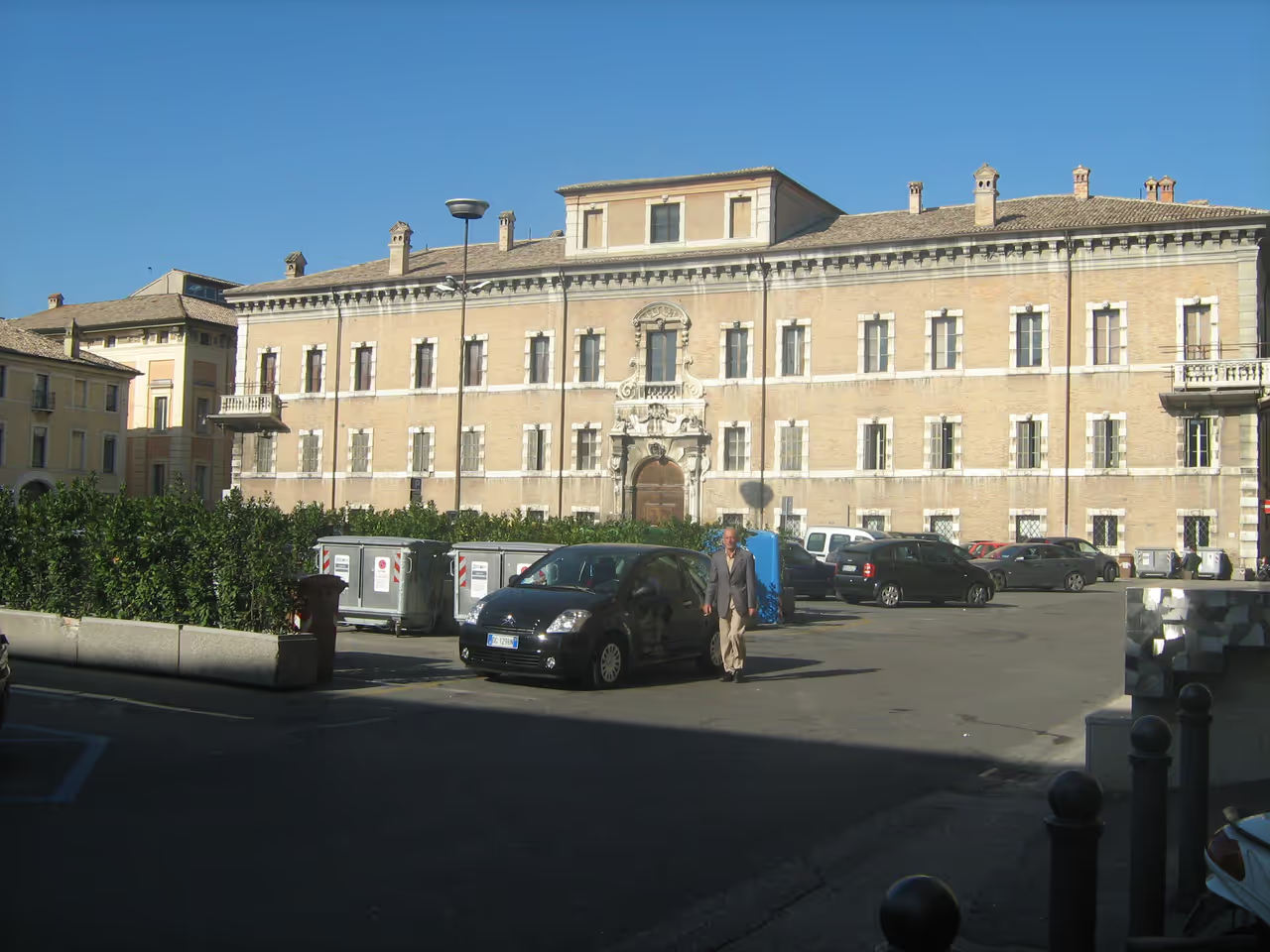 179m
179mRasponi dalle Teste Palace
An imposing and magnificent noble palace located in the historical centre, built by one of the most powerful and feared families in the city's history. The architecture speaks of vast wealth and influence, featuring a grand facade and spectacularly decorated interior halls. Recently restored, it now serves as a prestigious venue for municipal offices and public exhibitions. The sheer scale of the building reflects the fierce aristocratic rivalries of the era.
architecture view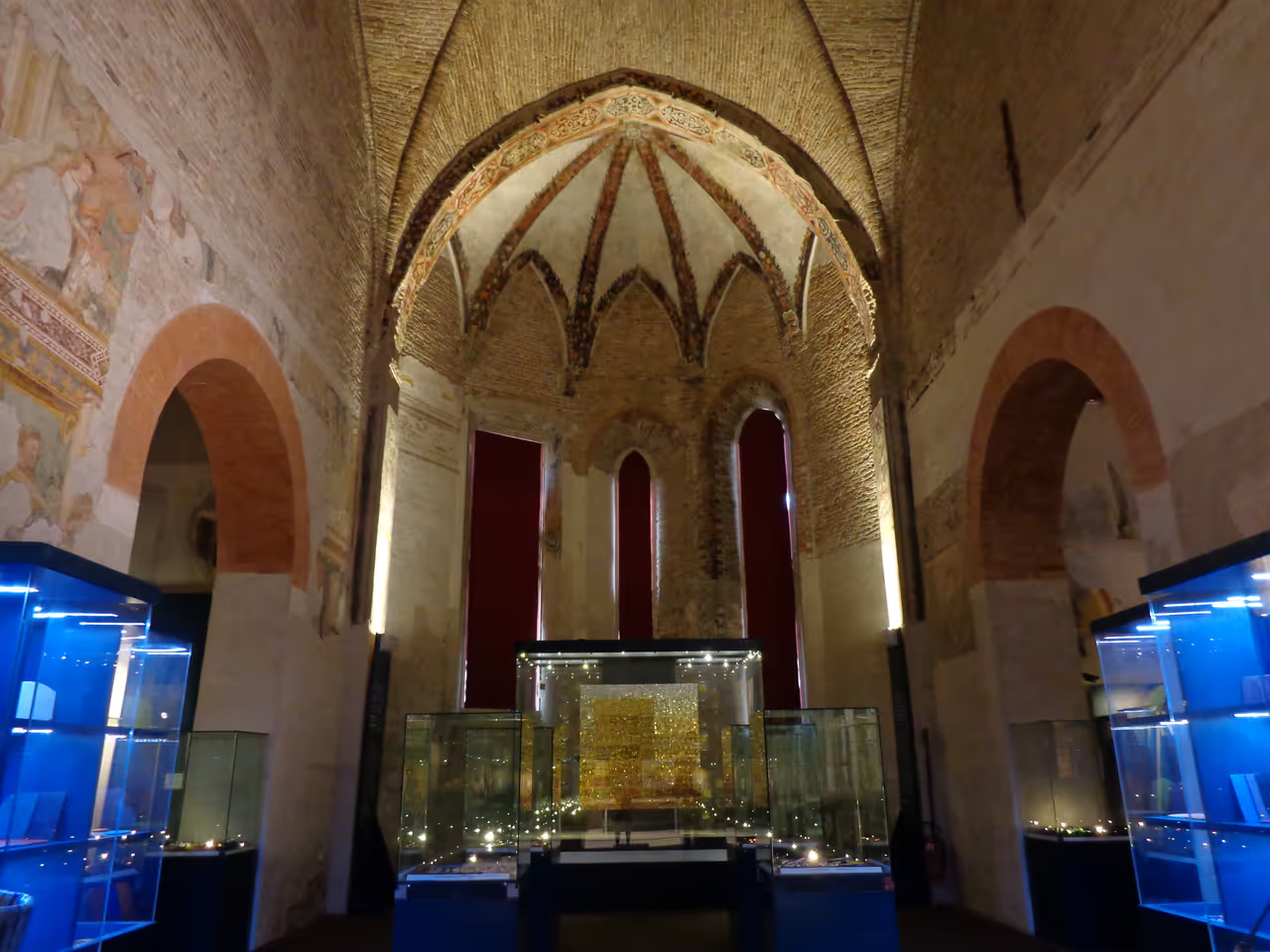 183m
183mTAMO Mosaic Museum
Set inside the beautiful fourteenth century Church of San Nicolò, this interactive exhibition is entirely dedicated to the craft and history of mosaic making. It guides visitors through the complex techniques, tools, and materials used by artisans over the centuries. You will find incredible floor mosaics recovered from local archaeological digs displayed beautifully alongside modern pieces. It is highly educational and visually rewarding.
highlight view 191m
191mArchiepiscopal Museum
Step into a treasure house where the echoes of Ravenna's imperial past resonate through ancient stone and gold. The Archiepiscopal Museum offers an intimate glimpse into the city's spiritual heritage, housing precious fragments from the demolished ancient cathedral. You will stand before the exquisite ivory Cattedra of Maximian, a masterpiece of antiquity that defies time. The true magic lies in the Chapel of Sant'Andrea, a private oratory preserved for over fifteen centuries with its vibrant mosaics still shimmering in the dim light. It is an essential stop for anyone wanting to touch the very soul of this historic city.
attraction view
Explore Similar Places in This Collection
Featured on This Route
See all unesco sites in Ravenna
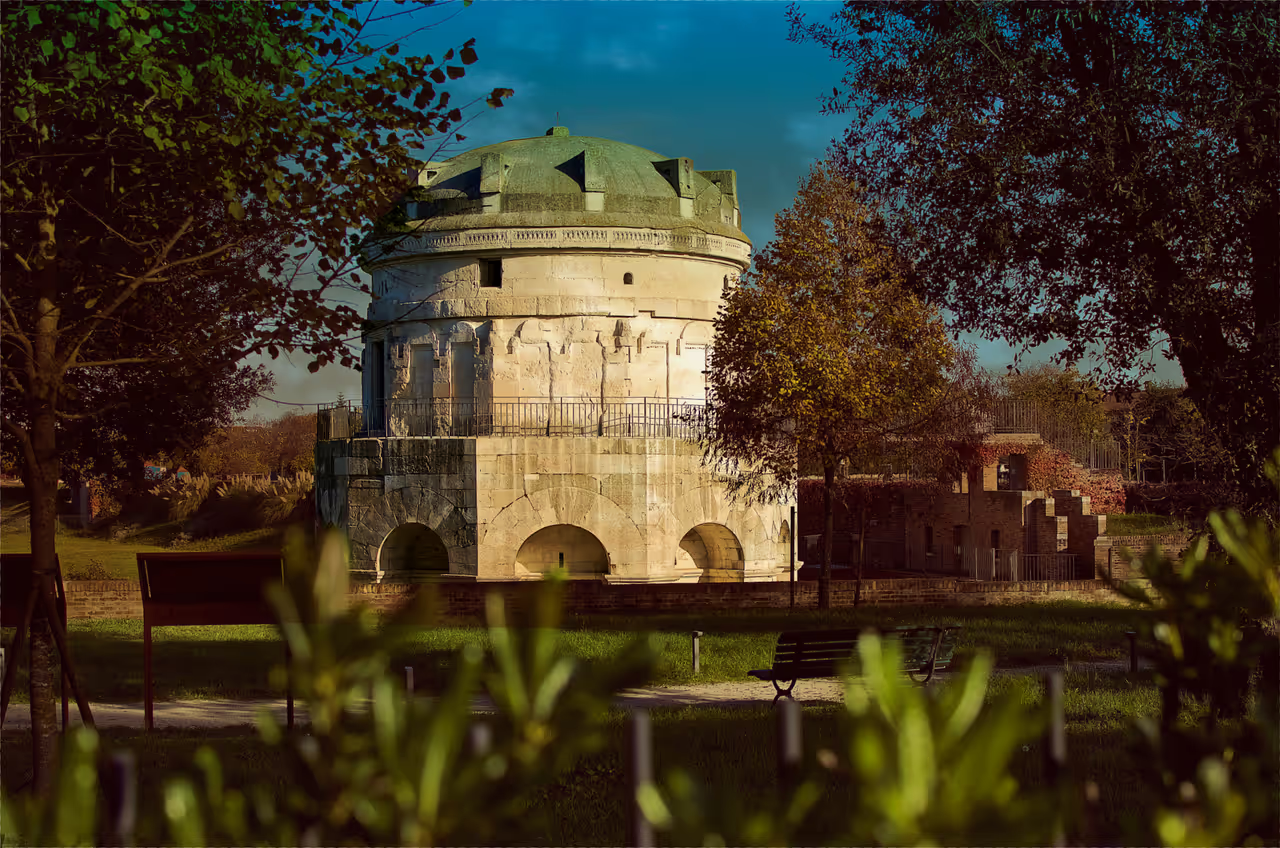
Basilica of Sant'Apollinare in Classe, Basilica of Sant'Apollinare Nuovo, Basilica of San Vitale, Mausoleum of Galla Placidia, Mausoleum of Theodoric, Mosaics of the Neonian Baptistery, Arian Baptistry...