Mosaics of the Neonian Baptistery
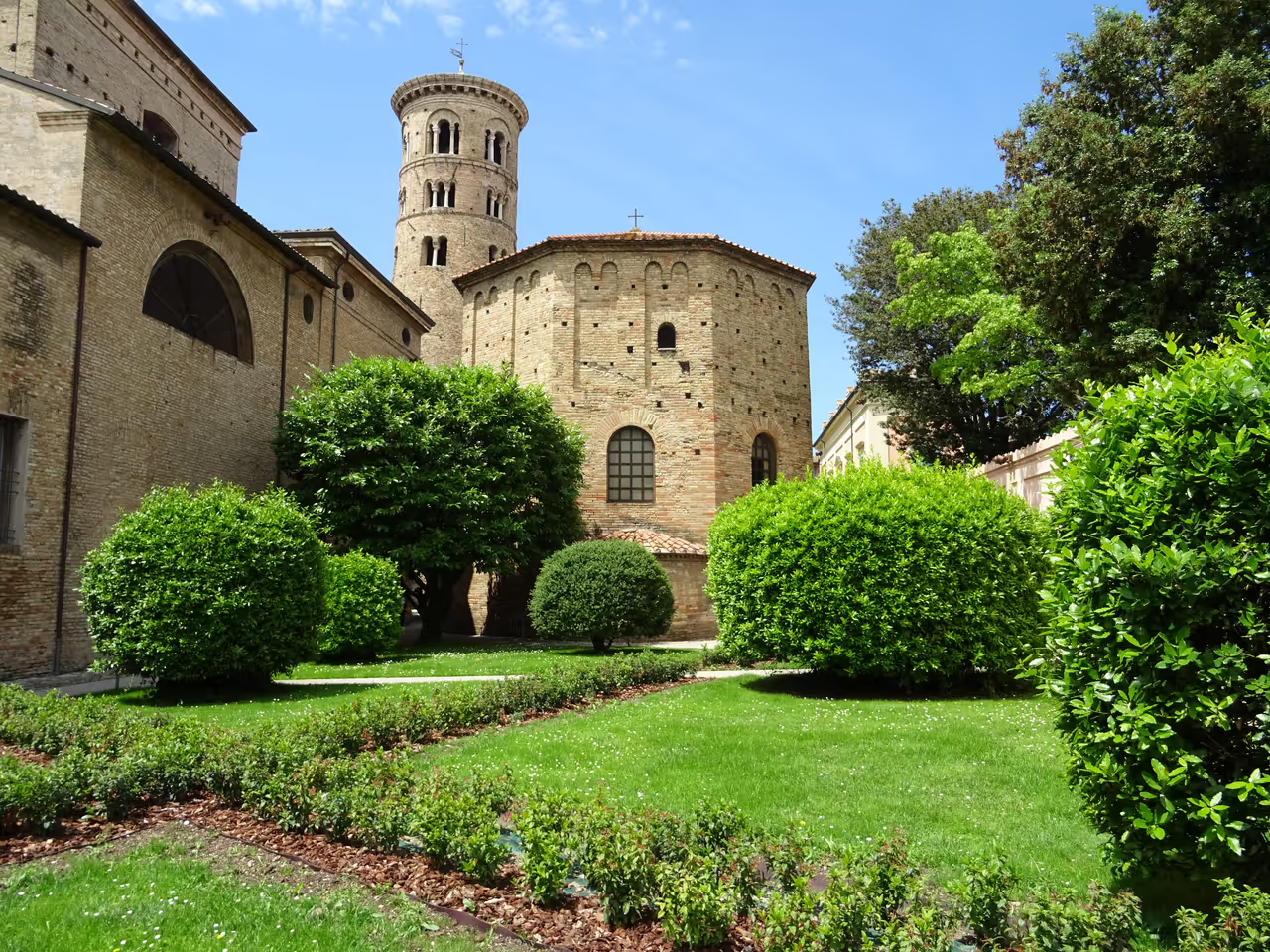
Standing as the oldest monument in the city, the Neonian Baptistery offers a breathtaking glimpse into the artistic transition from the Roman Empire to the Byzantine era. Its modest red-brick exterior hides one of the most vibrant and well-preserved mosaic cycles in the world, featuring a stunning deep blue and gold ceiling. Visiting this site is a serene experience where you can stand beneath a dome that has inspired awe for over fifteen centuries. The atmosphere is heavy with history, as the building has physically sunk two metres into the marshy ground over time, creating a unique perspective for modern visitors. It is a place to witness the birth of Christian iconography and admire the clever engineering of Late Antiquity. This site is essential for anyone wanting to understand why Ravenna is considered the world capital of mosaics.
Videos
History of Mosaics of the Neonian Baptistery
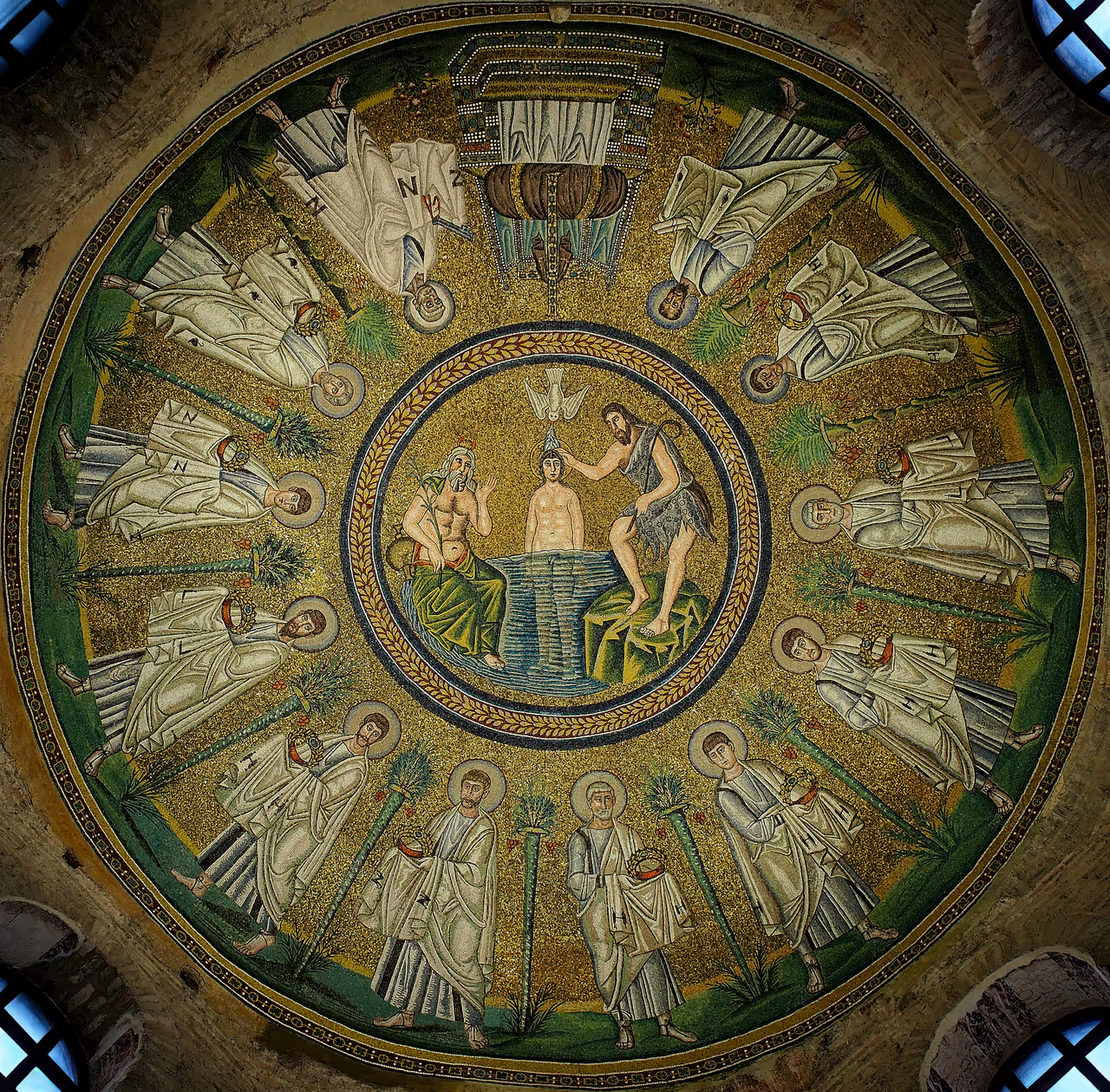
The story of the Neonian Baptistery begins with a city in flux. When the Roman Empire's capital moved to Ravenna in the early 5th century, the city underwent a dramatic religious and architectural expansion. Bishop Ursus initiated the construction of a new cathedral, but it was his successor, Bishop Neon, who truly transformed the baptistery into a masterpiece. Neon was an ambitious leader who sought to solidify the theological identity of his congregation. By replacing a simple flat roof with a magnificent dome and commissioning elaborate mosaics, he created a space that served as a visual manifesto of faith. At the heart of the baptistery's identity was a fierce theological struggle. During this era, Ravenna was a melting pot of different Christian interpretations, most notably the divide between the Orthodox and the Arians. The 'Orthodox' baptistery was designed to be more grand and iconographically rich than any other in the city. The mosaics were not merely decorative; they were educational tools for the newly baptised. As they emerged from the water, they would look up to see the twelve apostles and the baptism of Christ, feeling themselves part of a grand, celestial hierarchy that transcended the earthly disputes of the time. Today, the baptistery stands as a survivor of both ideological battles and geological shifts. The very ground of Ravenna has tried to reclaim the building, pulling it deep into the earth. Yet, the brilliance of the 5th-century mosaics remains largely undimmed. Walking into the baptistery today feels like stepping into a time capsule. The engineering brilliance of the terracotta-tube dome and the artistic mastery of the tesserae continue to tell the story of a city that was once the most important gateway between the Eastern and Western worlds.
Events spanning 1596 years
Fun Facts
- • A personification of the River Jordan appears in the central mosaic as a pagan-style river god, highlighting the transition from classical Roman art to Christian imagery.
- • Because of Ravenna's marshy soil, the building is now located two metres below the modern street level, giving it a subterranean feel as you enter.
- • The baptistery was originally built on top of a Roman bathhouse, a detail that local legend persisted in for centuries though modern archaeology suggests otherwise.
- • The deep blue lapis lazuli background of the mosaics was incredibly expensive to produce in the 5th century, reflecting the wealth and power of the Ravenna bishopric.
- • The dome is constructed from thousands of hollow terracotta tubes called 'tubi fittili' fitted together to make the structure lightweight enough to stay standing.
- • The lowest ring of mosaics depicts empty thrones and altars, symbolising the 'Etimasia' or the preparation of the throne for the second coming of Christ.
- • The middle ring of the mosaic features the twelve apostles carrying crowns, dressed in Roman-style togas and palliums in alternating white and gold colours.
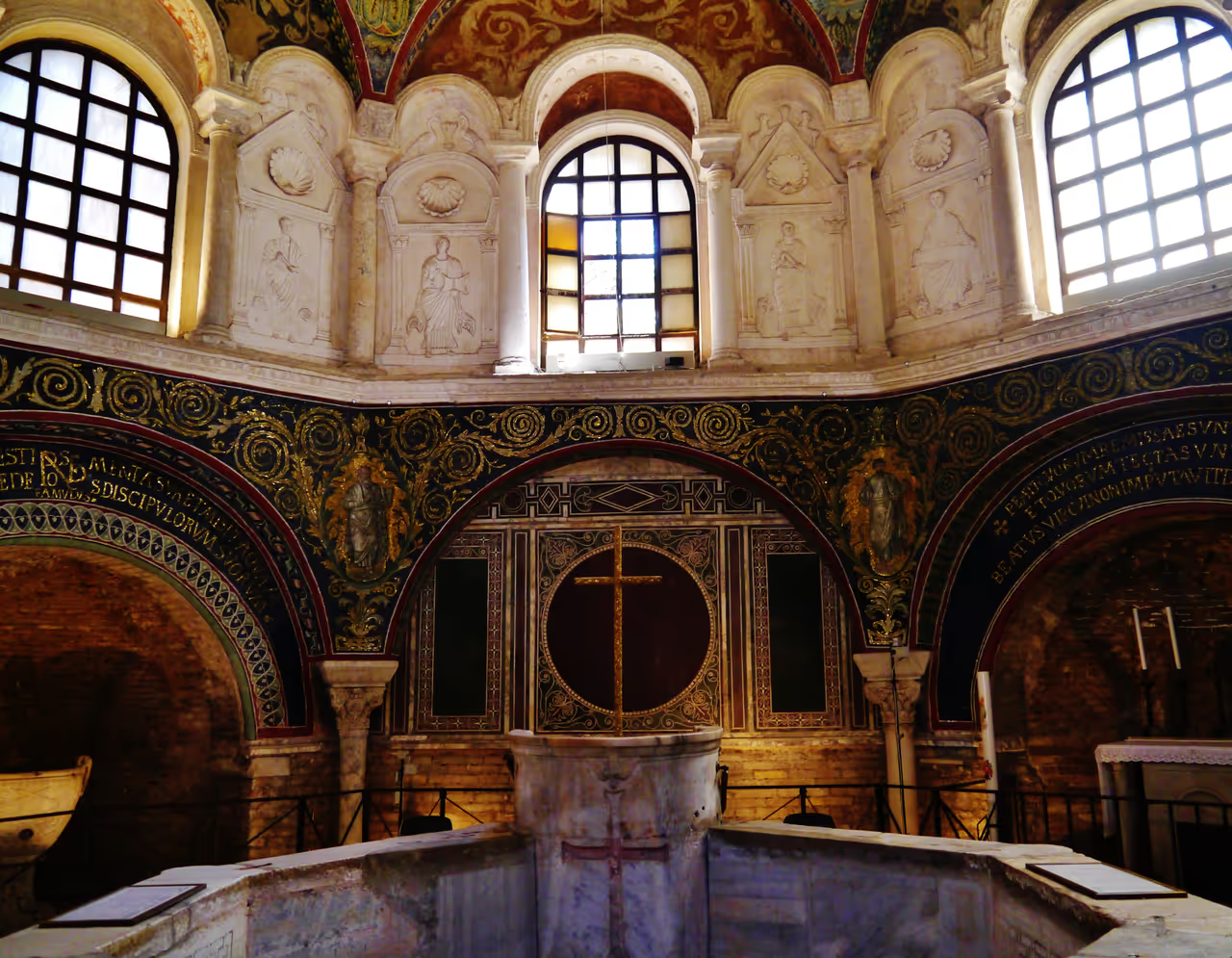
- • The octagonal shape of the building is not random; eight represents the day of the Resurrection, following the six days of creation and the seventh day of rest.
- • The stucco figures of the sixteen prophets found in the wall niches were nearly lost forever when 20th-century restorers mistakenly tried to remove them, thinking they were modern additions.
- • Though the marble font in the centre dates mostly from the 16th century, the pulpit where the priest stood to administer baptism is a 5th-century original.
Mosaics of the Neonian Baptistery FAQ
While we strive to keep this information accurate and up to date, we recommend verifying any details independently before making decisions based on them.
Mosaics of the Neonian Baptistery Map & Neighborhood Explorer
This interactive map is centered on Mosaics of the Neonian Baptistery. Zoom in and move the map around to automatically discover Wikipedia photos and summaries of other nearby sights, monuments, and historical points of interest and stories in real-time!
Places near Mosaics of the Neonian Baptistery
Make the most of your trip. Check out these top-rated spots located nearby.
 45m
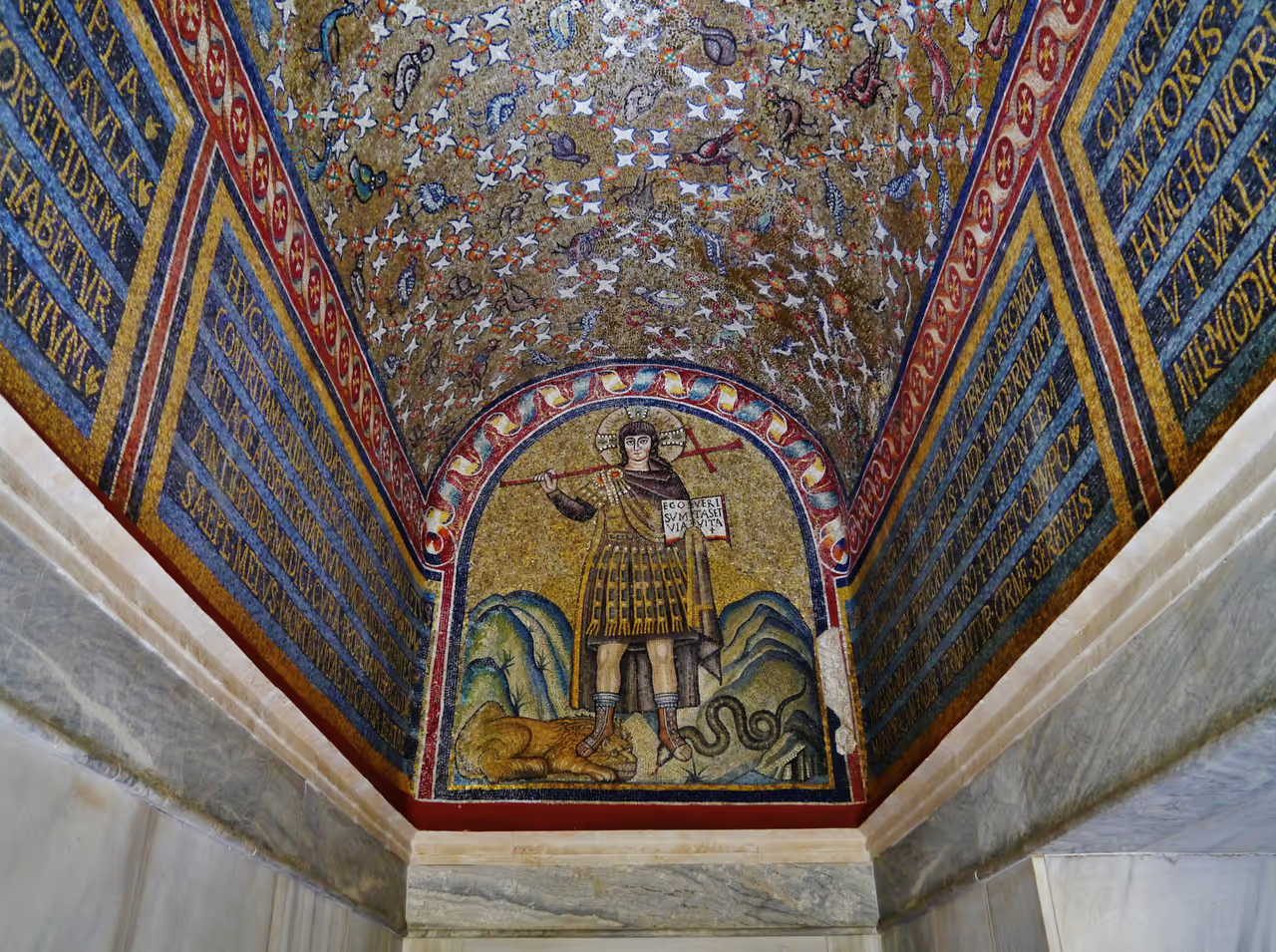
45mArchiepiscopal Chapel
Step into the Archiepiscopal Chapel and witness one of the most intimate, yet powerful, treasures of Ravenna. As the only Orthodox monument constructed during the reign of the Arian king Theodoric the Great, this gem serves as a silent testament to the theological struggles that defined the city in the fifth century. You will find yourself surrounded by breathtaking mosaics that serve as both brilliant art and bold political statements. The chapel, also known as the Chapel of St. Andrew, invites you to look upward at the spectacular vault where archangels hold the monogram of Christ amidst a lush, paradisiacal setting. It offers an incredibly rare glimpse into early Christian life, wrapped in the quiet beauty of marble and gold. Visiting here is essential for anyone wanting to grasp the profound historical layering that makes Ravenna a world class destination.
unesco heritage site view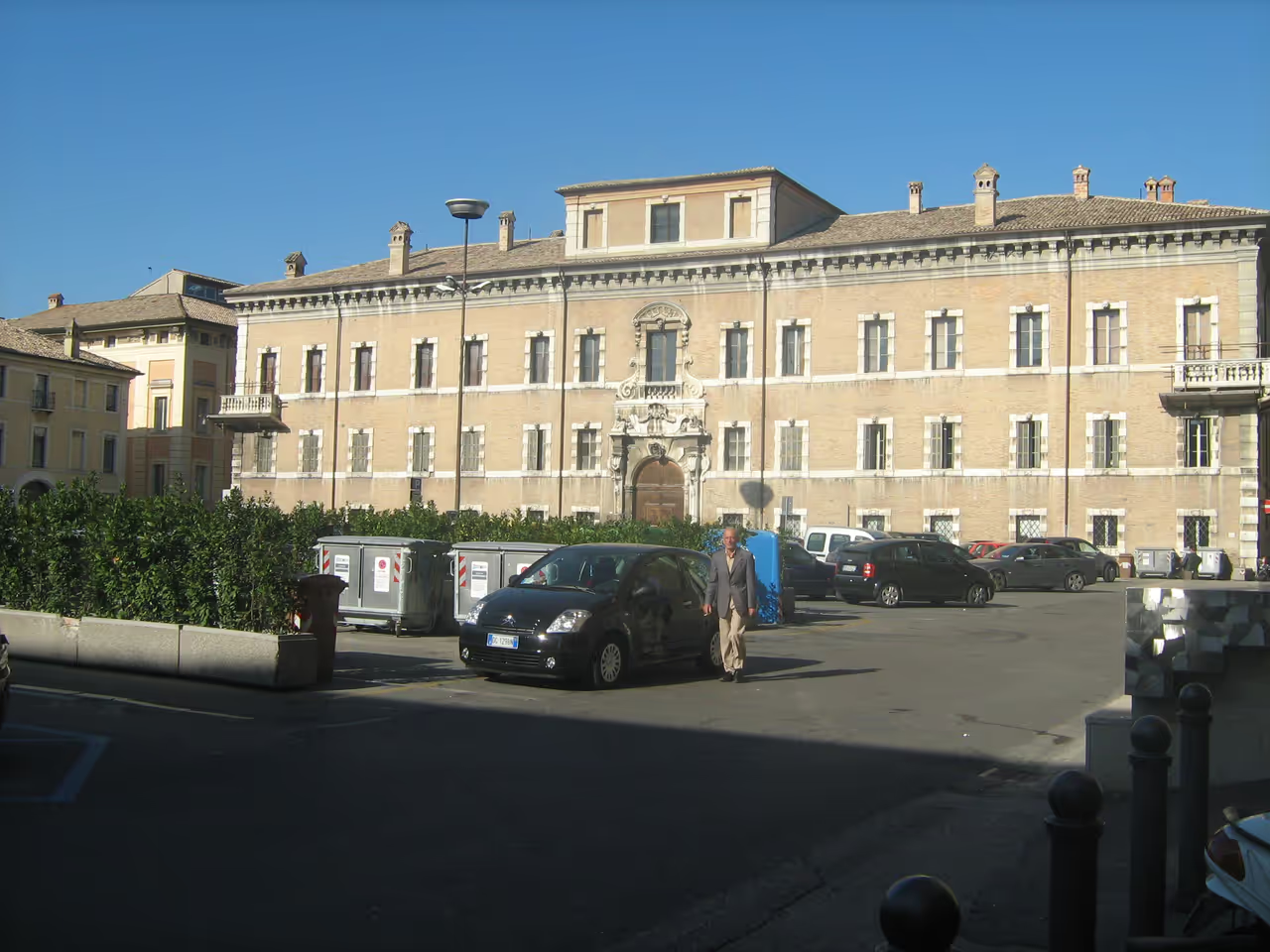 149m
149mRasponi dalle Teste Palace
An imposing and magnificent noble palace located in the historical centre, built by one of the most powerful and feared families in the city's history. The architecture speaks of vast wealth and influence, featuring a grand facade and spectacularly decorated interior halls. Recently restored, it now serves as a prestigious venue for municipal offices and public exhibitions. The sheer scale of the building reflects the fierce aristocratic rivalries of the era.
architecture view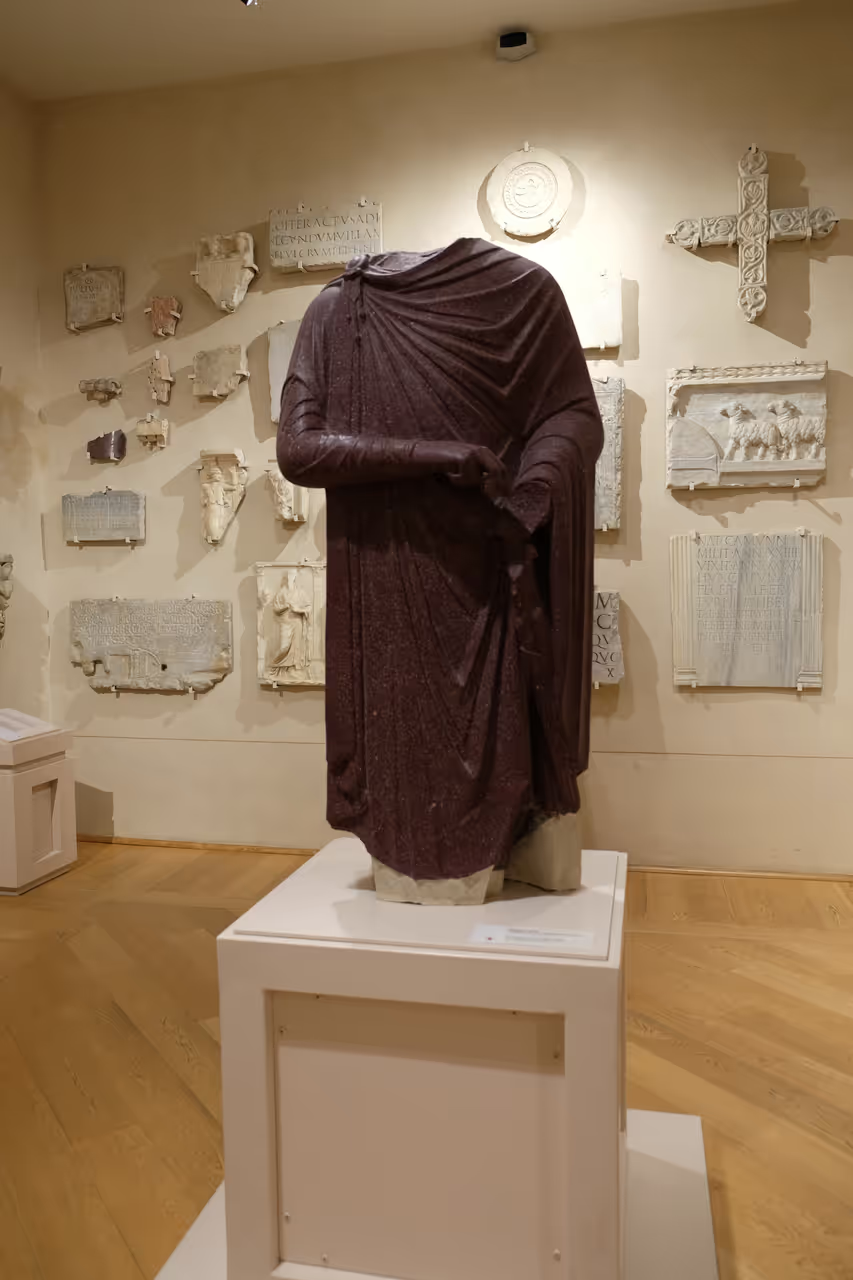 155m
155mArchiepiscopal Museum
Step into a treasure house where the echoes of Ravenna's imperial past resonate through ancient stone and gold. The Archiepiscopal Museum offers an intimate glimpse into the city's spiritual heritage, housing precious fragments from the demolished ancient cathedral. You will stand before the exquisite ivory Cattedra of Maximian, a masterpiece of antiquity that defies time. The true magic lies in the Chapel of Sant'Andrea, a private oratory preserved for over fifteen centuries with its vibrant mosaics still shimmering in the dim light. It is an essential stop for anyone wanting to touch the very soul of this historic city.
attraction view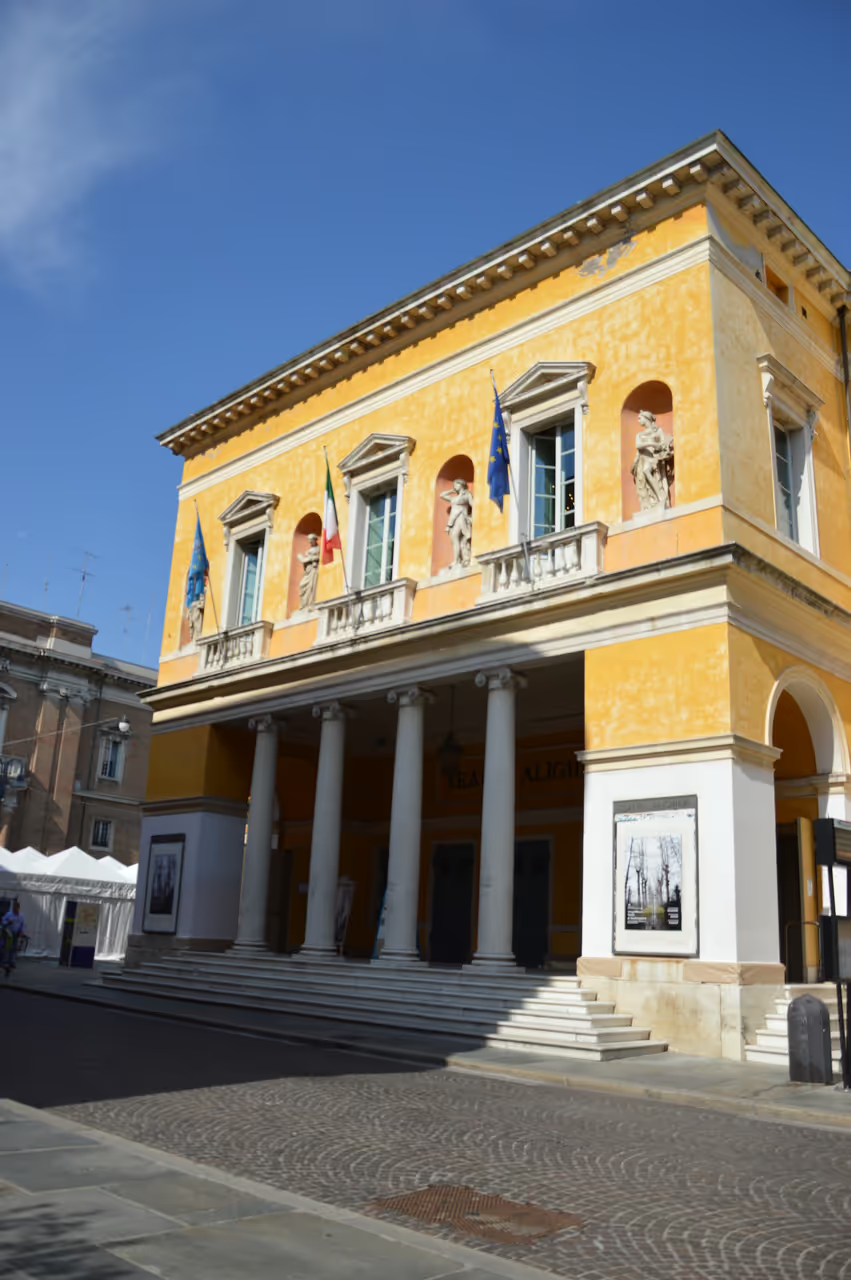 208m
208mAlighieri Theatre
A magnificent neoclassical opera house completed in 1852, designed to echo the grandeur of La Fenice in Venice. The interior is a sumptuous display of plush red velvet, intricate gilded stucco, and sparkling chandeliers. It serves as the primary venue for the prestigious Ravenna Festival and hosts a full season of opera, ballet, and symphonic music. Even if you don't catch a performance, the elegant facade is a major highlight of the city centre.
highlight view
Explore Similar Places in This Collection
Featured on These Itineraries and Routes
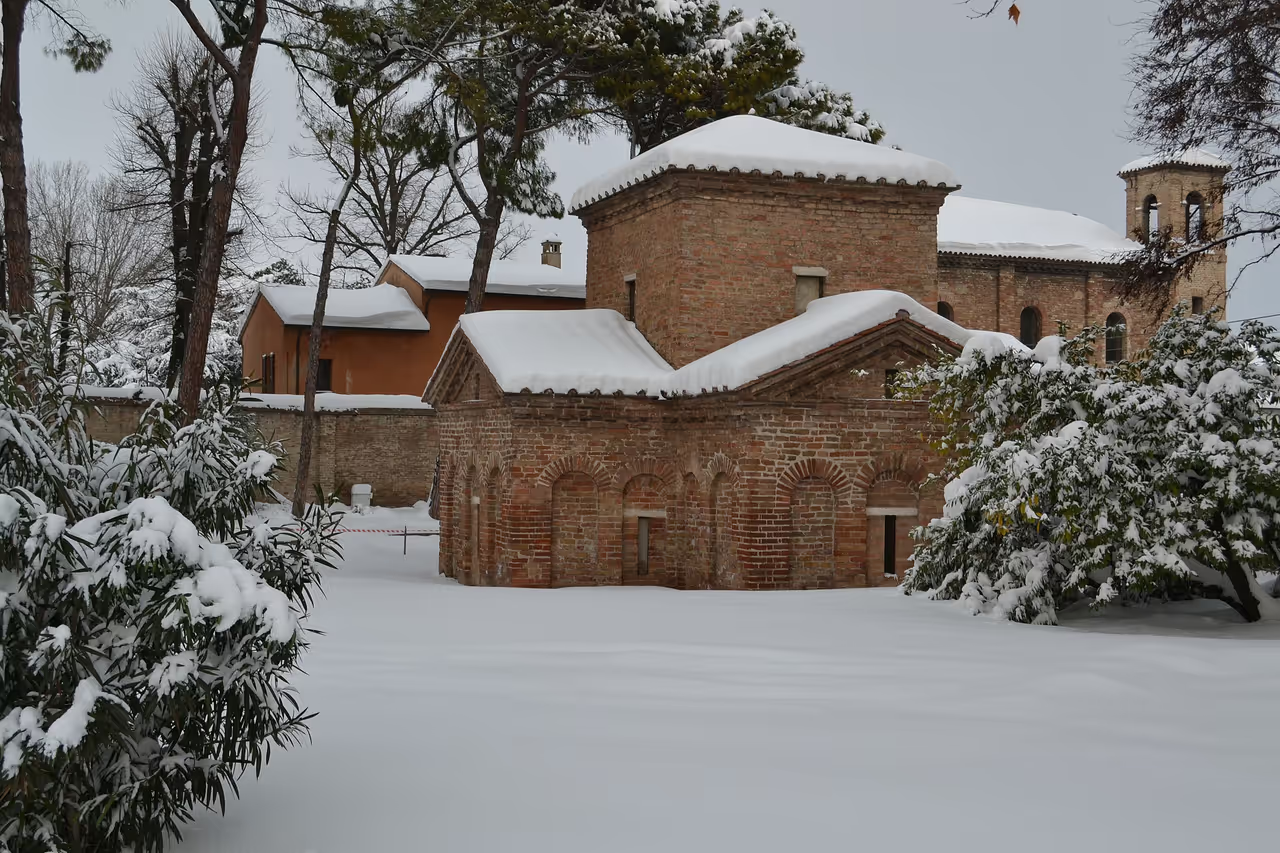
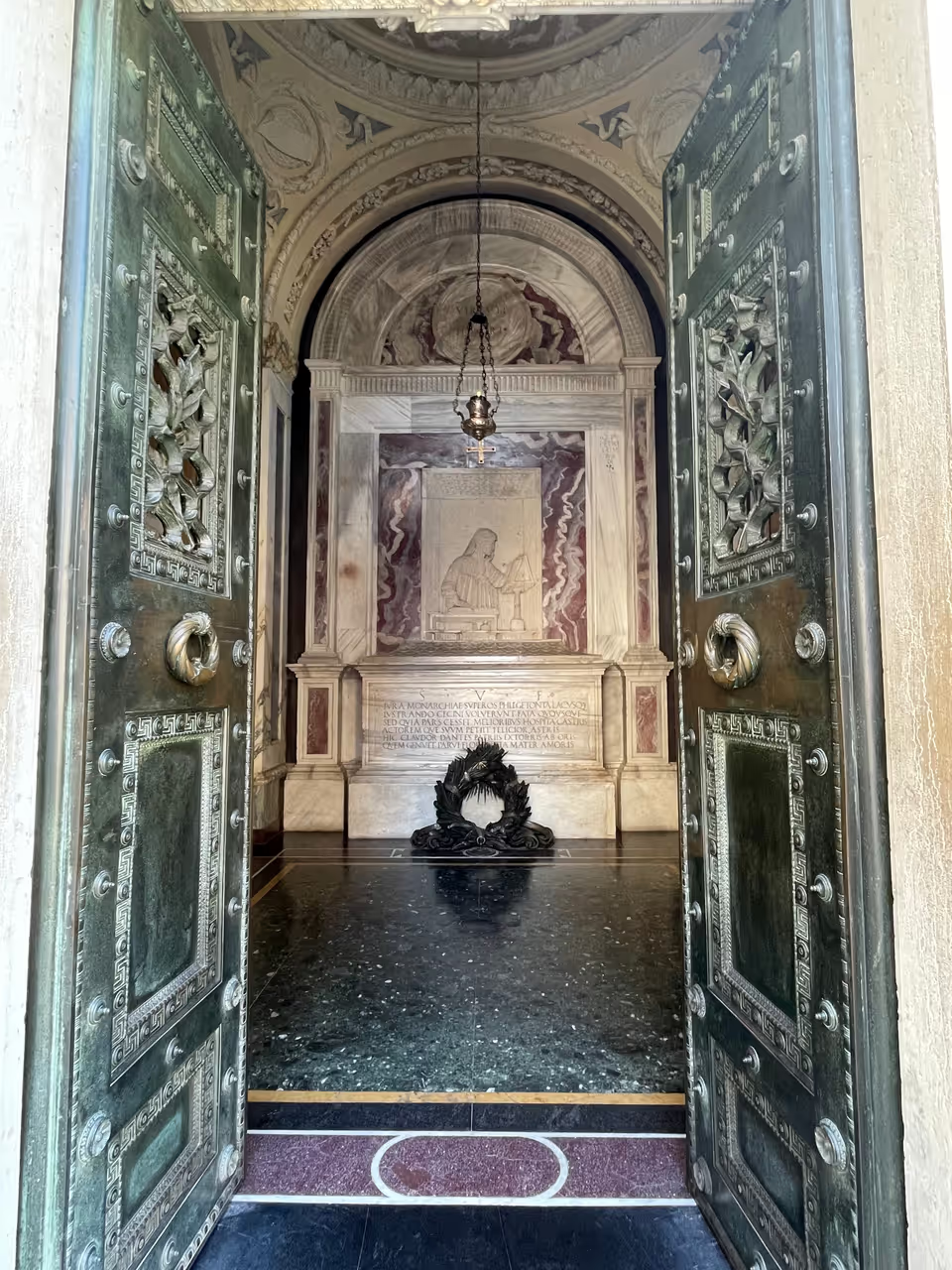
1 Day in Ravenna: Mosaics and Poetry Itinerary
This tightly packed itinerary focuses entirely on the absolute must see highlights located within the easily walkable historical centre. It ensures you witness the most spectacular UNESCO mosaics and pay your respects to Dante, capturing the essence of the city in a short time. Prepare for a visually overwhelming day as you jump between awe inspiring, golden interiors. It is perfectly designed for a day trip, ending with a relaxing moment in the main square.
view itinerary
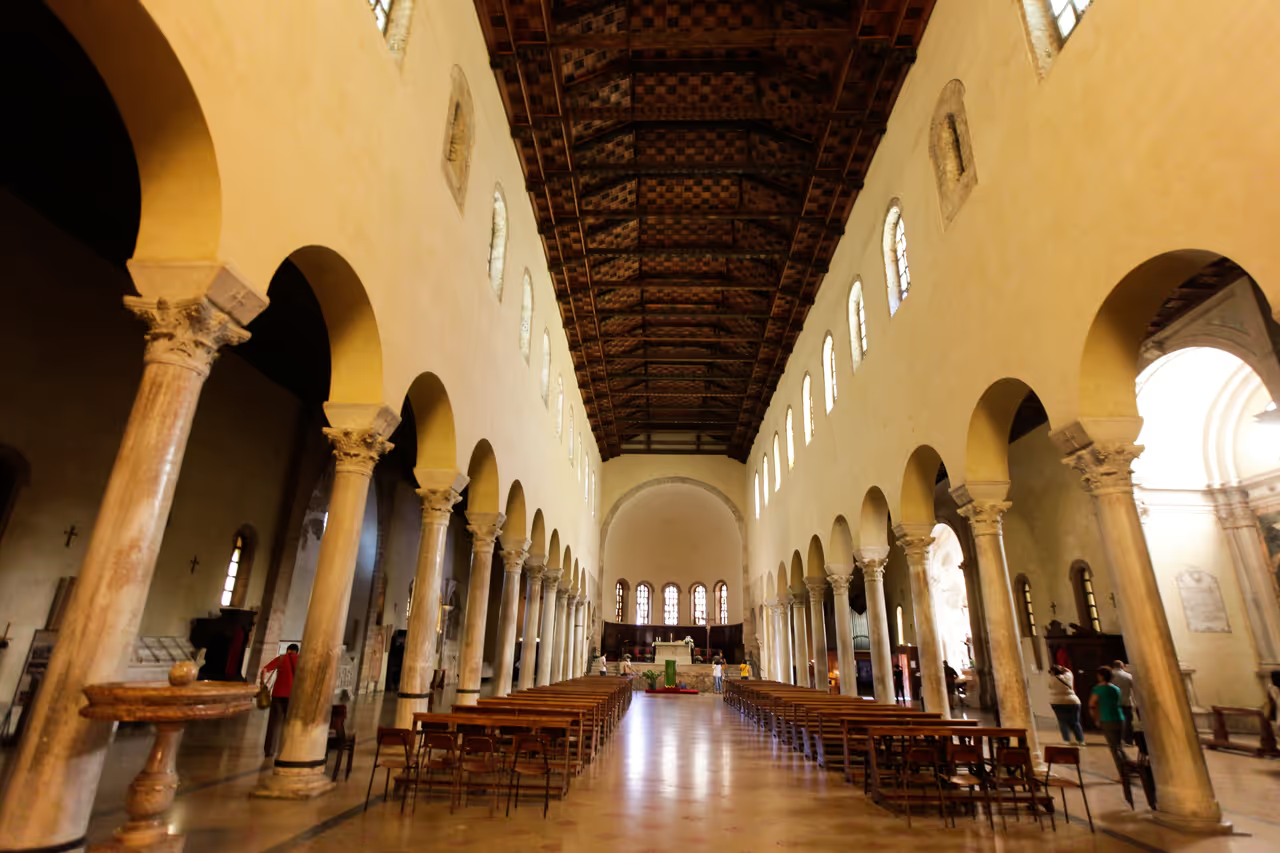
3 Days in Ravenna: Exploring Empires Itinerary
With three days, you can significantly expand your exploration beyond the central cluster, taking the time to absorb the profound differences between the Arian, Orthodox, and Byzantine monuments. This pace allows for unhurried museum visits, a trip to the magnificent flooded crypt, and a short excursion outside the city centre to Classe. It strikes the perfect balance between intense cultural sightseeing and the slow, enjoyable lifestyle of the Romagna region. You will leave with a deeply comprehensive understanding of the city's golden age.
view itinerary
5 Days in Ravenna: The Complete Experience Itinerary
A five day stay transforms a cultural trip into a fully immersive holiday. You have the luxury to discover every single UNESCO monument, including the imposing Mausoleum of Theodoric, and explore the city's superb art museums. Crucially, it allows you to step outside the history books and experience the city's stunning natural surroundings, from the ancient pine forests to the lively Adriatic beaches. It is the ultimate way to appreciate both the ancient grandeur and the vibrant modern spirit of the area.
view itinerary
Golden Mosaics Trail
Embark on a visually staggering journey through the pinnacle of early Christian and Byzantine art. This tour connects the most breathtaking UNESCO World Heritage sites located within the historic centre. You will witness the evolution of mosaic artistry, moving from the rich, starry blues of the fifth century to the dazzling, imperial gold of the sixth century. It is a profound exploration of how light, glass, and faith were woven together to create eternal masterpieces.
view self-guided tour
See all unesco sites in Ravenna
Archiepiscopal Chapel, Basilica of Sant'Apollinare in Classe, Basilica of Sant'Apollinare Nuovo, Basilica of San Vitale, Mausoleum of Galla Placidia, Mausoleum of Theodoric, Arian Baptistry...