Archiepiscopal Museum
Step into a treasure house where the echoes of Ravenna's imperial past resonate through ancient stone and gold. The Archiepiscopal Museum offers an intimate glimpse into the city's spiritual heritage, housing precious fragments from the demolished ancient cathedral. You will stand before the exquisite ivory Cattedra of Maximian, a masterpiece of antiquity that defies time. The true magic lies in the Chapel of Sant'Andrea, a private oratory preserved for over fifteen centuries with its vibrant mosaics still shimmering in the dim light. It is an essential stop for anyone wanting to touch the very soul of this historic city.
Videos
History of Archiepiscopal Museum
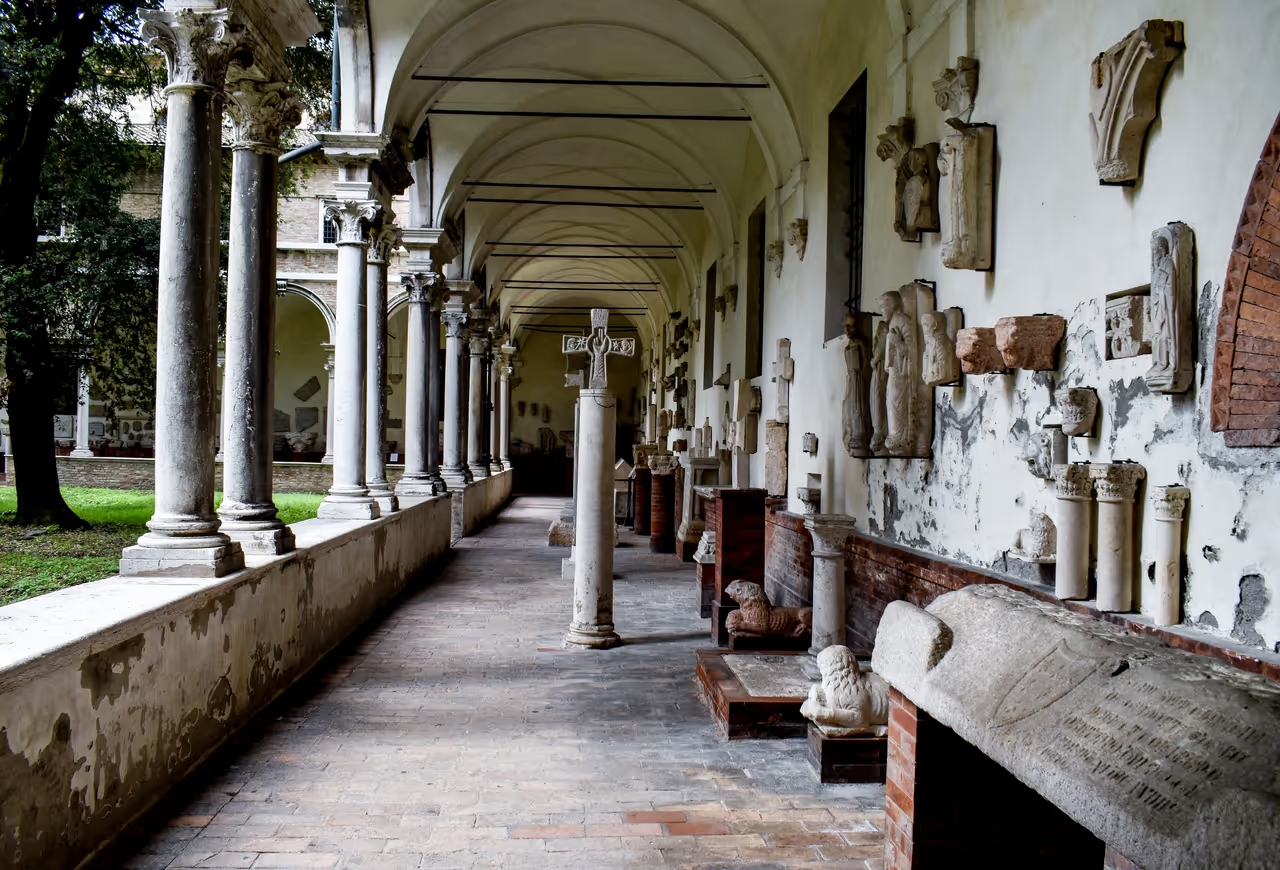
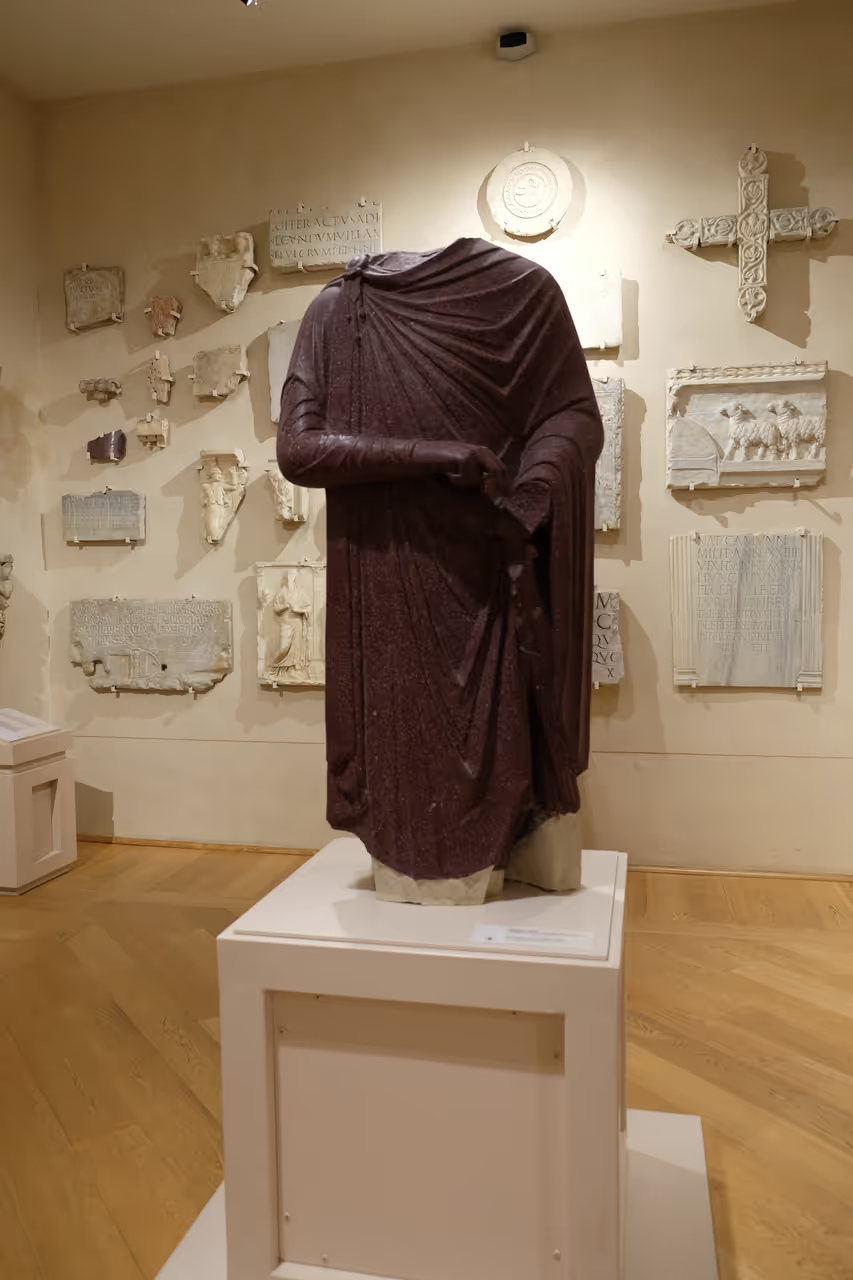
In the early eighteenth century, the church authorities in Ravenna took the monumental decision to tear down their medieval cathedral to construct a grander version. This could have spelled disaster for the countless sacred objects and Roman era remnants held within its walls. Archbishop Maffeo Nicolò Farsetti, however, had the foresight to preserve this legacy rather than let it vanish. He gathered the mosaics, inscriptions, and stone fragments, effectively creating the first diocesan museum in Italy in 1734. Today, the museum serves as a bridge between the city's Roman glory and its Christian artistic evolution. It holds pieces that were saved from the wrecking ball, including remnants from the original Ursian Cathedral. Walking through the halls, visitors encounter silent witnesses to history like the porphyry statue and the silver cross of Archbishop Agnello. Each piece tells a specific chapter of Ravenna's past, transforming the visit into a curated journey through the centuries. The experience culminates in the Chapel of Sant'Andrea, a space so pristine it feels as though the bishop who commissioned it in the fifth century might return at any moment. As a UNESCO World Heritage site, this oratory remains the only private episcopal chapel from late antiquity to survive in its original form. Its mosaics, featuring Christ as a conqueror and various saints, cast a warm, eternal glow over the space. It serves as a reminder that Ravenna's beauty is found in these quiet, enduring corners of history as much as in its grander basilicas.
Events spanning 276 years
Fun Facts
- • A headless porphyry statue, long believed to depict the Emperor Justinian, serves as a powerful symbol of the city's imperial era.
- • Founded in 1734, this institution holds the distinction of being the first diocesan museum ever established in Italy.
- • The Chapel of Sant'Andrea, located within the museum complex, remains the only private episcopal oratory from late antiquity to survive in its original form.
- • The Ivory Cattedra of Maximian is a supreme example of sixth century Byzantine art, likely gifted to the church by the emperor.
- • The collection features rare mosaic fragments salvaged from the original Ursa Cathedral, which was constructed in the late fourth century.
- • The museum complex is partially housed in the Torre Salustra, a Roman tower integrated into the architecture of the archbishop's palace.
- • The museum underwent a multi year closure to update its infrastructure, ensuring the preservation of its delicate artefacts.
- • To provide an inclusive experience, the museum features information panels in Braille, allowing everyone to learn about its history.
- • UNESCO inscribed the Chapel of Sant'Andrea as a World Heritage site in 1997 due to its exceptional mosaic preservation.
- • Visitors can examine a sixth century marble slab featuring an Easter table, which was once used by the clergy to calculate the date of the holiday.
RESOURCES
Official WebsiteArchiepiscopal Museum FAQ
While we strive to keep this information accurate and up to date, we recommend verifying any details independently before making decisions based on them.
Archiepiscopal Museum Map & Neighborhood Explorer
This interactive map is centered on Archiepiscopal Museum. Zoom in and move the map around to automatically discover Wikipedia photos and summaries of other nearby sights, monuments, and historical points of interest and stories in real-time!
Places near Archiepiscopal Museum
Make the most of your trip. Check out these top-rated spots located nearby.
 155m
155mMosaics of the Neonian Baptistery
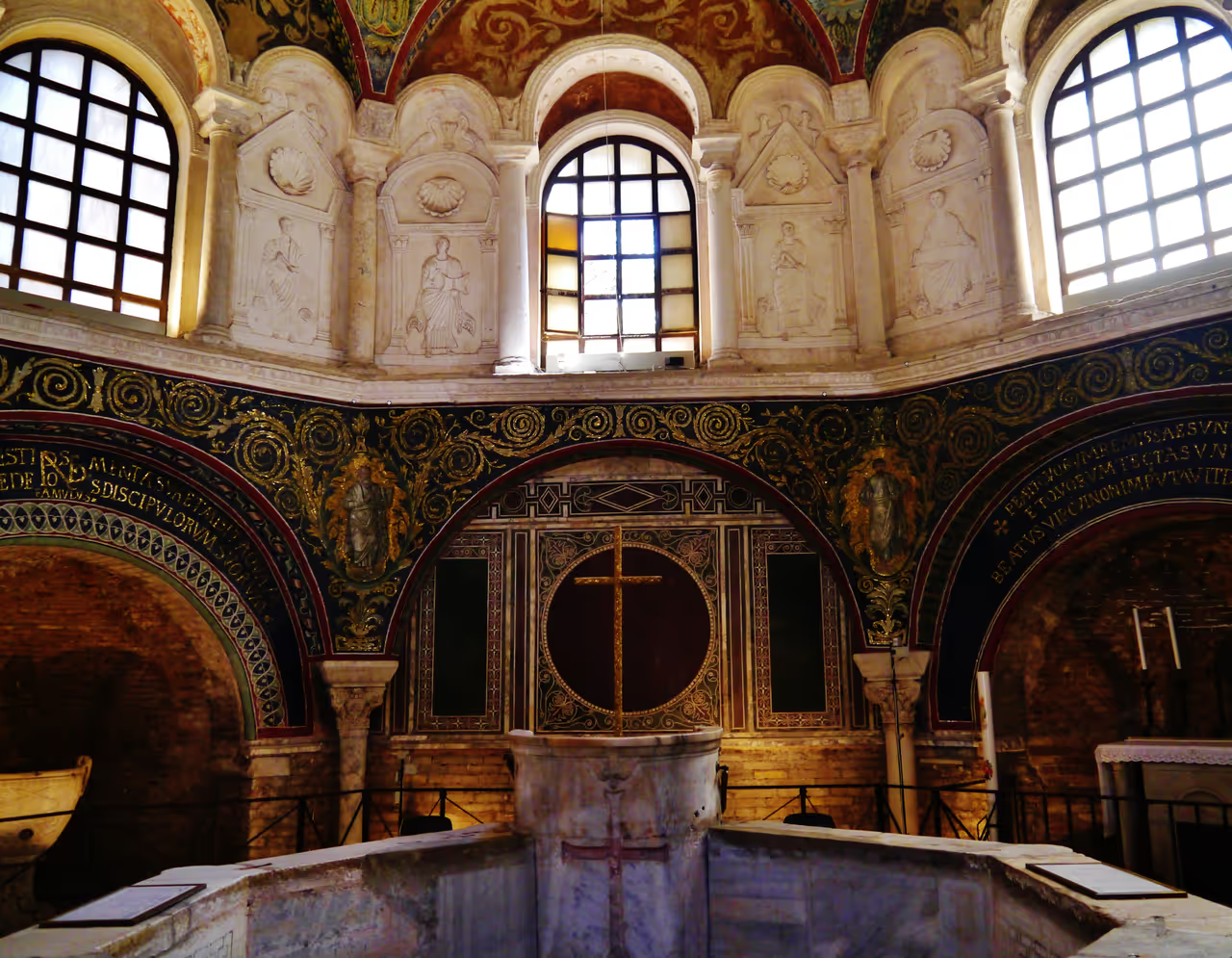
Standing as the oldest monument in the city, the Neonian Baptistery offers a breathtaking glimpse into the artistic transition from the Roman Empire to the Byzantine era. Its modest red-brick exterior hides one of the most vibrant and well-preserved mosaic cycles in the world, featuring a stunning deep blue and gold ceiling. Visiting this site is a serene experience where you can stand beneath a dome that has inspired awe for over fifteen centuries. The atmosphere is heavy with history, as the building has physically sunk two metres into the marshy ground over time, creating a unique perspective for modern visitors. It is a place to witness the birth of Christian iconography and admire the clever engineering of Late Antiquity. This site is essential for anyone wanting to understand why Ravenna is considered the world capital of mosaics.
unesco heritage site view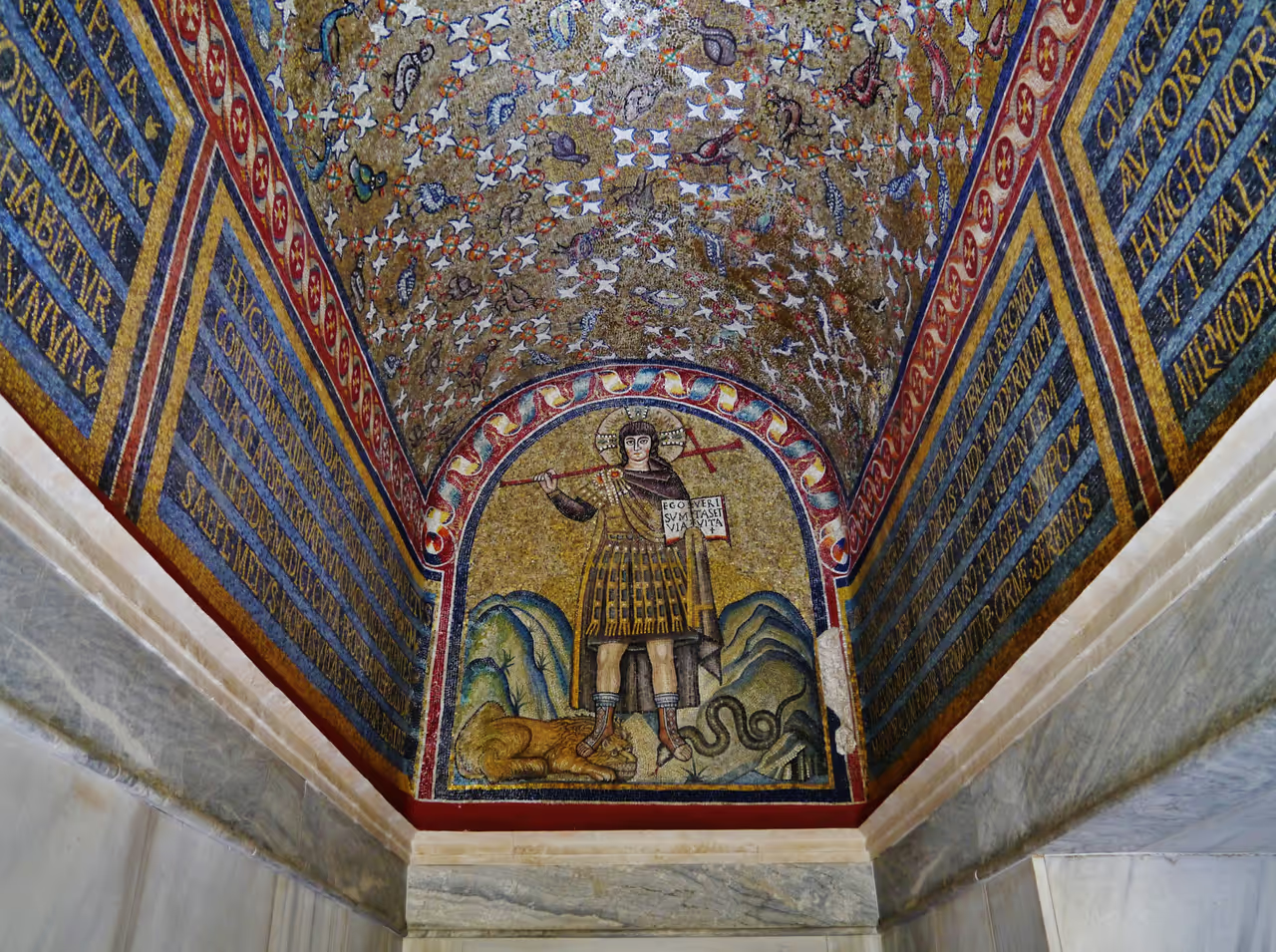 191m
191mArchiepiscopal Chapel
Step into the Archiepiscopal Chapel and witness one of the most intimate, yet powerful, treasures of Ravenna. As the only Orthodox monument constructed during the reign of the Arian king Theodoric the Great, this gem serves as a silent testament to the theological struggles that defined the city in the fifth century. You will find yourself surrounded by breathtaking mosaics that serve as both brilliant art and bold political statements. The chapel, also known as the Chapel of St. Andrew, invites you to look upward at the spectacular vault where archangels hold the monogram of Christ amidst a lush, paradisiacal setting. It offers an incredibly rare glimpse into early Christian life, wrapped in the quiet beauty of marble and gold. Visiting here is essential for anyone wanting to grasp the profound historical layering that makes Ravenna a world class destination.
unesco heritage site view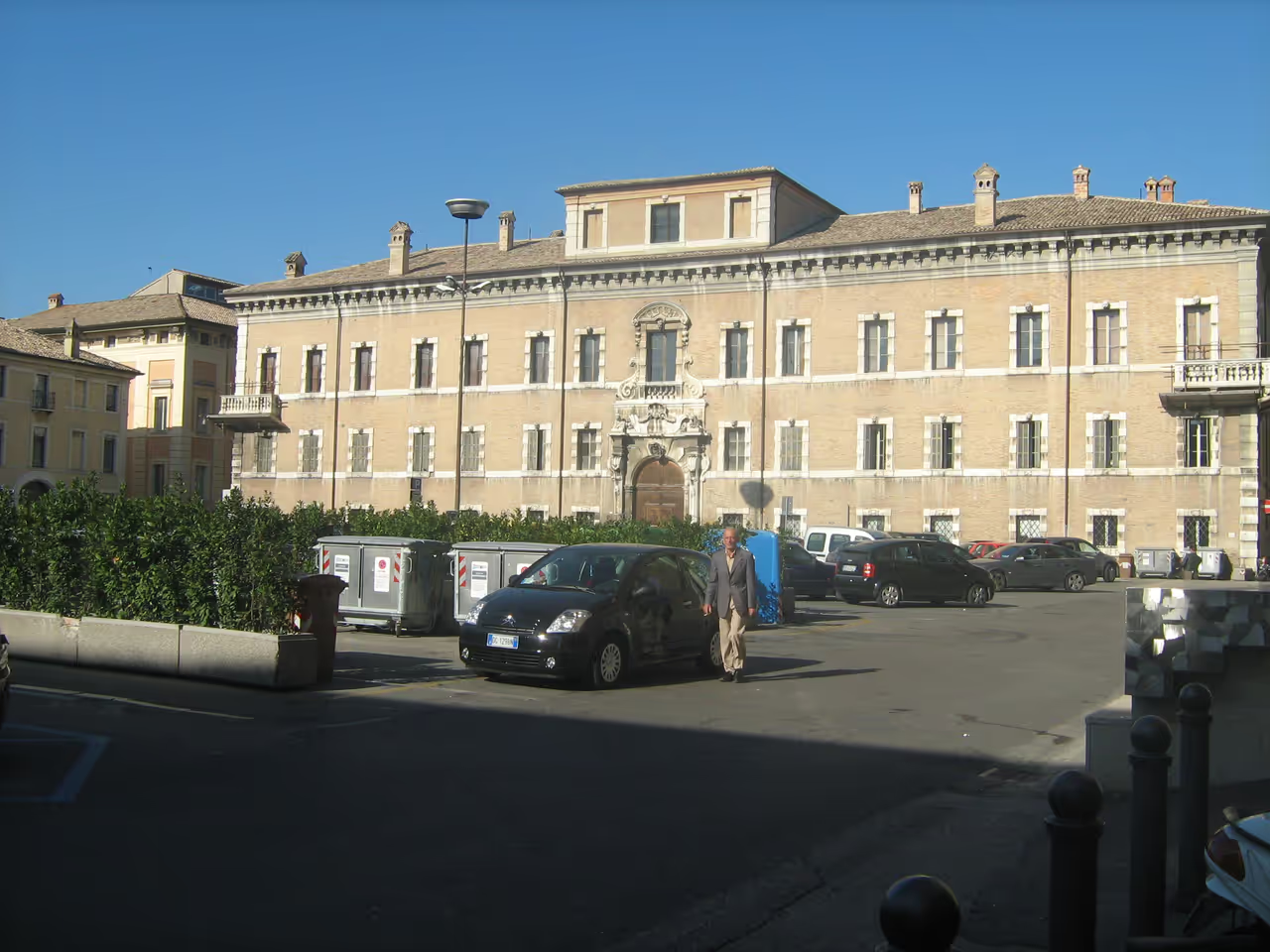 223m
223mRasponi dalle Teste Palace
An imposing and magnificent noble palace located in the historical centre, built by one of the most powerful and feared families in the city's history. The architecture speaks of vast wealth and influence, featuring a grand facade and spectacularly decorated interior halls. Recently restored, it now serves as a prestigious venue for municipal offices and public exhibitions. The sheer scale of the building reflects the fierce aristocratic rivalries of the era.
architecture view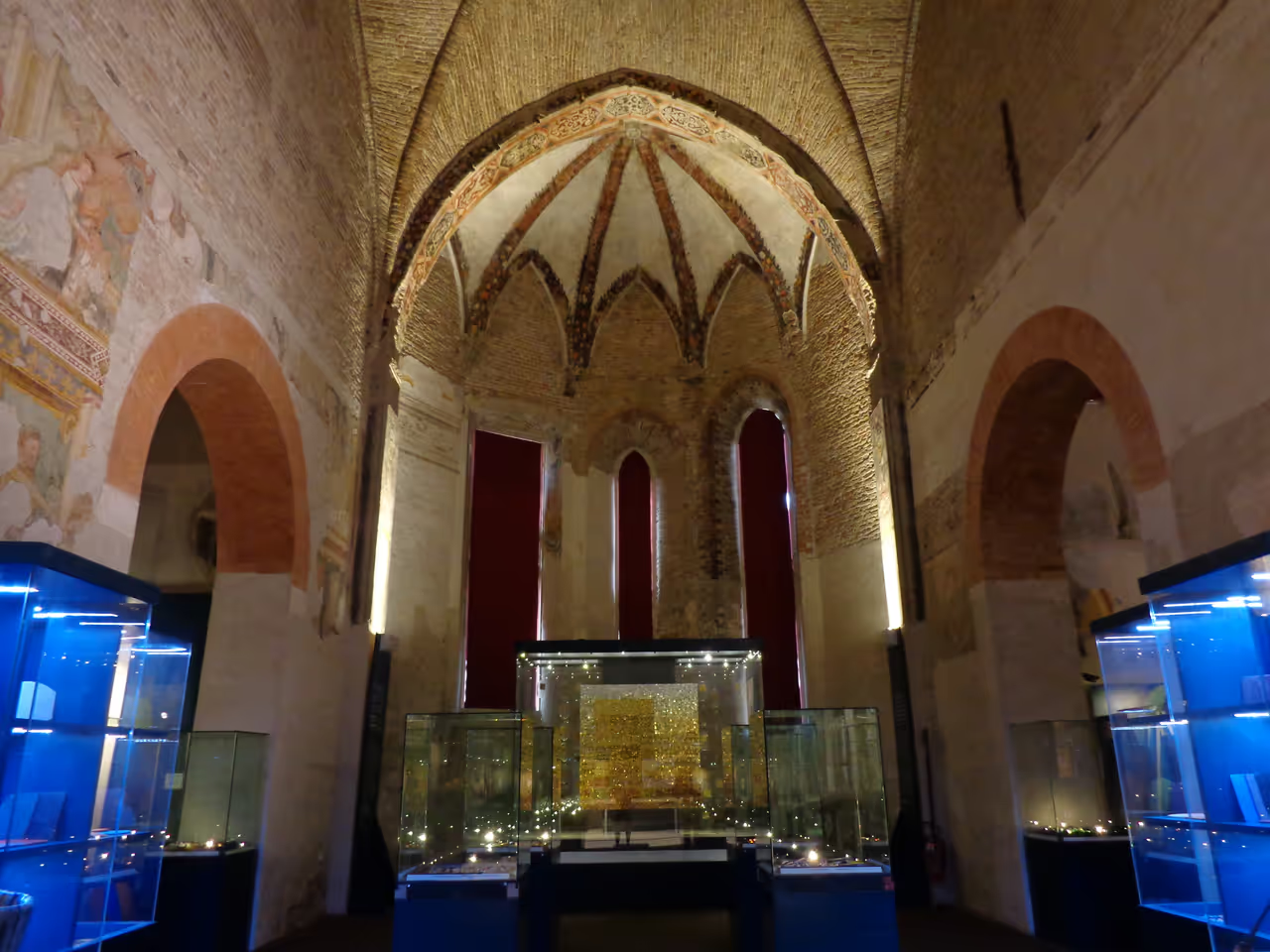 253m
253mTAMO Mosaic Museum
Set inside the beautiful fourteenth century Church of San Nicolò, this interactive exhibition is entirely dedicated to the craft and history of mosaic making. It guides visitors through the complex techniques, tools, and materials used by artisans over the centuries. You will find incredible floor mosaics recovered from local archaeological digs displayed beautifully alongside modern pieces. It is highly educational and visually rewarding.
highlight view
Explore Similar Places in These Collections
Featured on These Itineraries
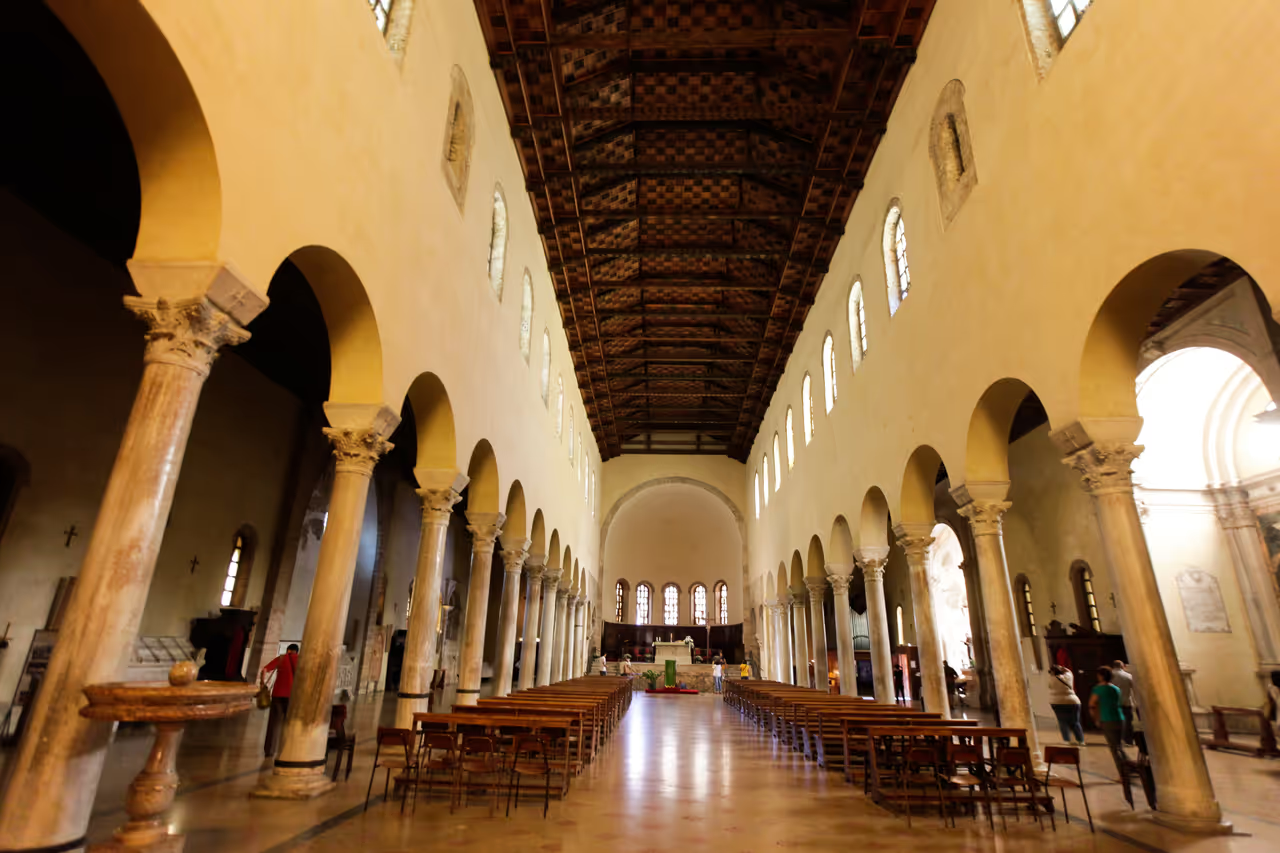
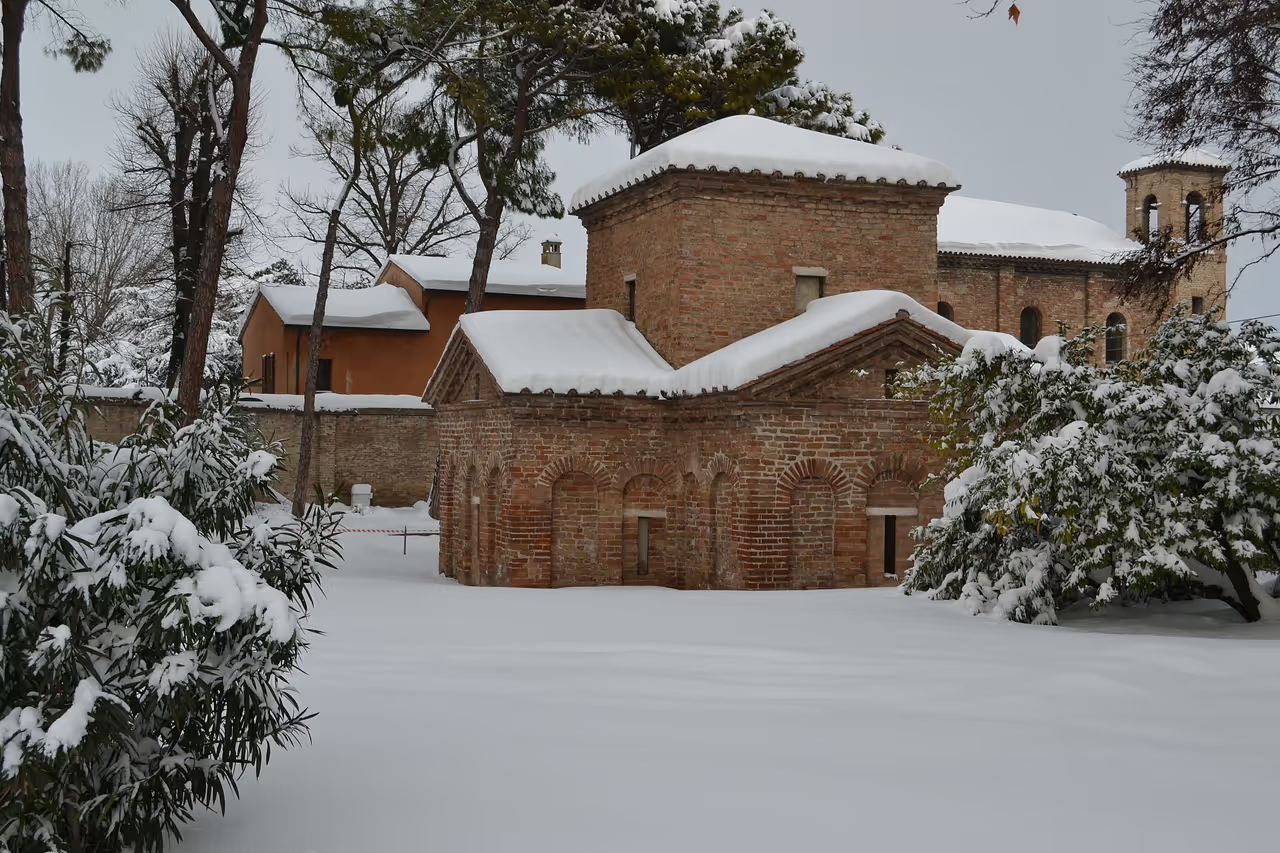
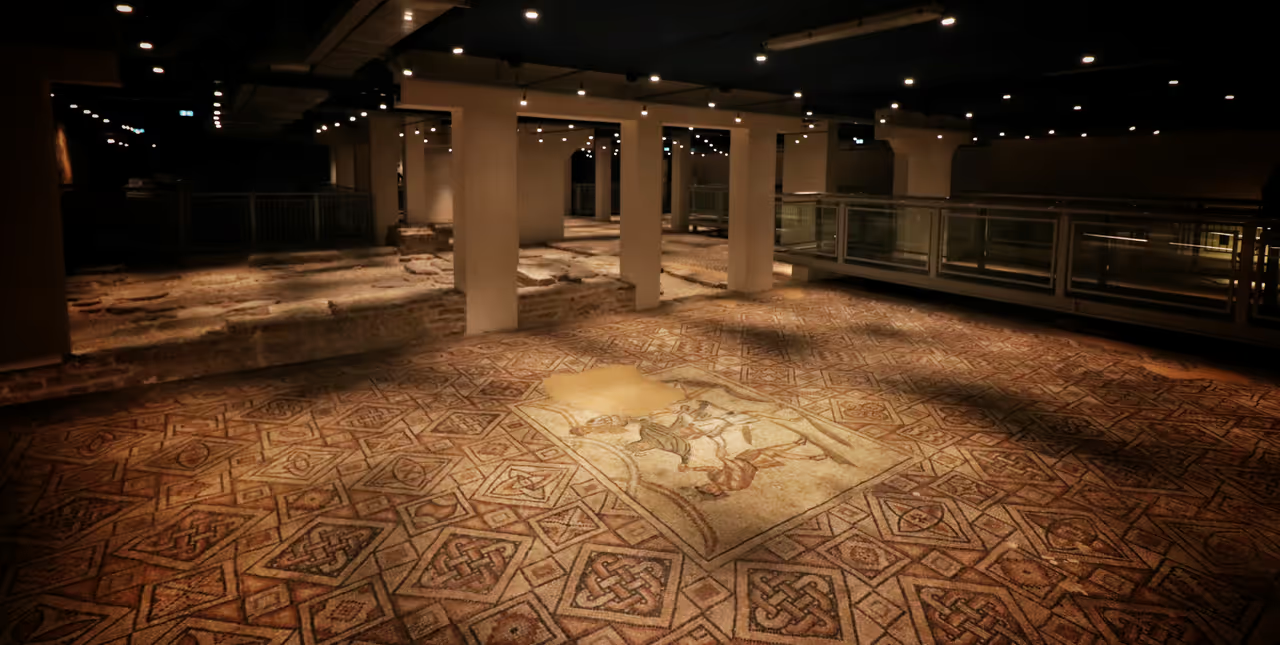
3 Days in Ravenna: Exploring Empires Itinerary
With three days, you can significantly expand your exploration beyond the central cluster, taking the time to absorb the profound differences between the Arian, Orthodox, and Byzantine monuments. This pace allows for unhurried museum visits, a trip to the magnificent flooded crypt, and a short excursion outside the city centre to Classe. It strikes the perfect balance between intense cultural sightseeing and the slow, enjoyable lifestyle of the Romagna region. You will leave with a deeply comprehensive understanding of the city's golden age.
view itinerary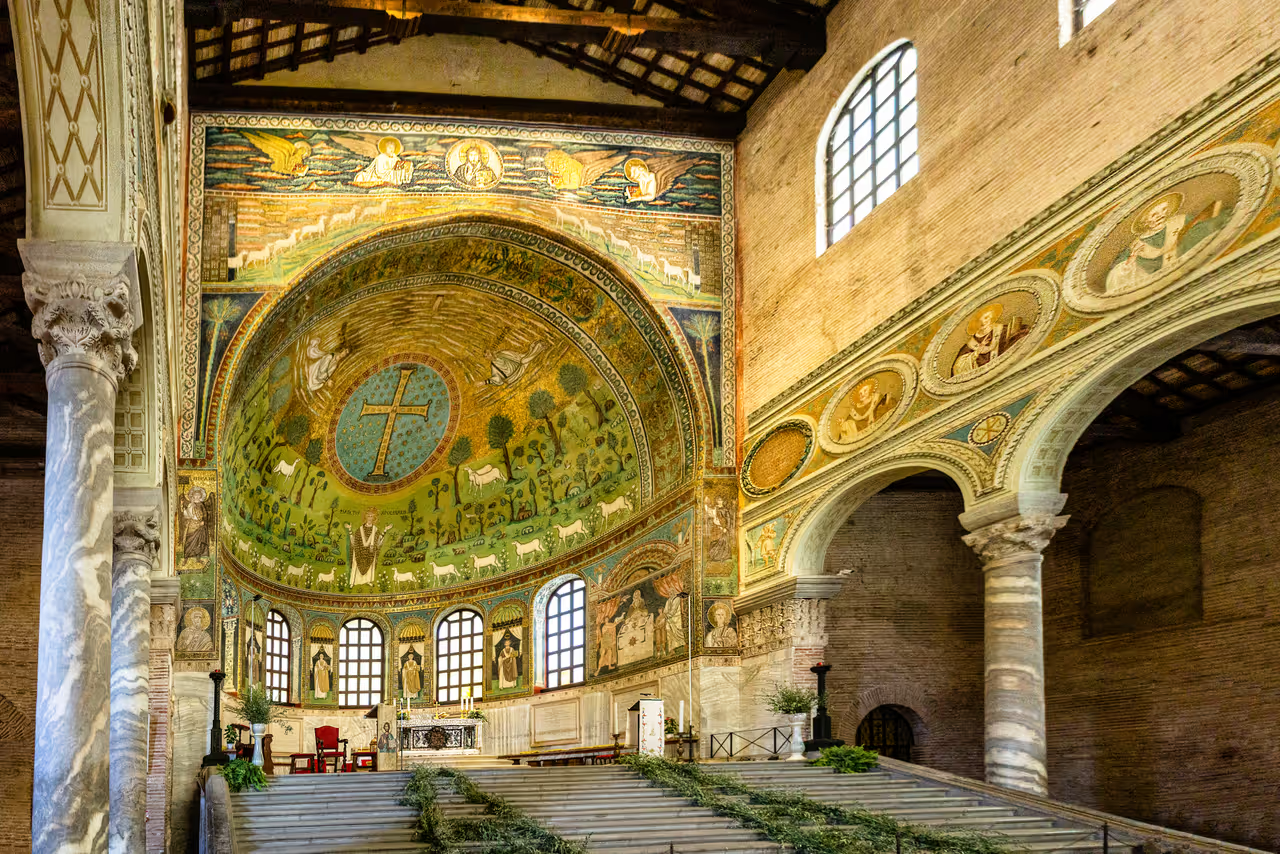
5 Days in Ravenna: The Complete Experience Itinerary
A five day stay transforms a cultural trip into a fully immersive holiday. You have the luxury to discover every single UNESCO monument, including the imposing Mausoleum of Theodoric, and explore the city's superb art museums. Crucially, it allows you to step outside the history books and experience the city's stunning natural surroundings, from the ancient pine forests to the lively Adriatic beaches. It is the ultimate way to appreciate both the ancient grandeur and the vibrant modern spirit of the area.
view itinerary
See all attractions in Ravenna
Tomb of Dante Alighieri, Basilica of Saint Francis, House of the Stone Carpets, National Museum of Ravenna...