Basilica of Sant'Apollinare Nuovo
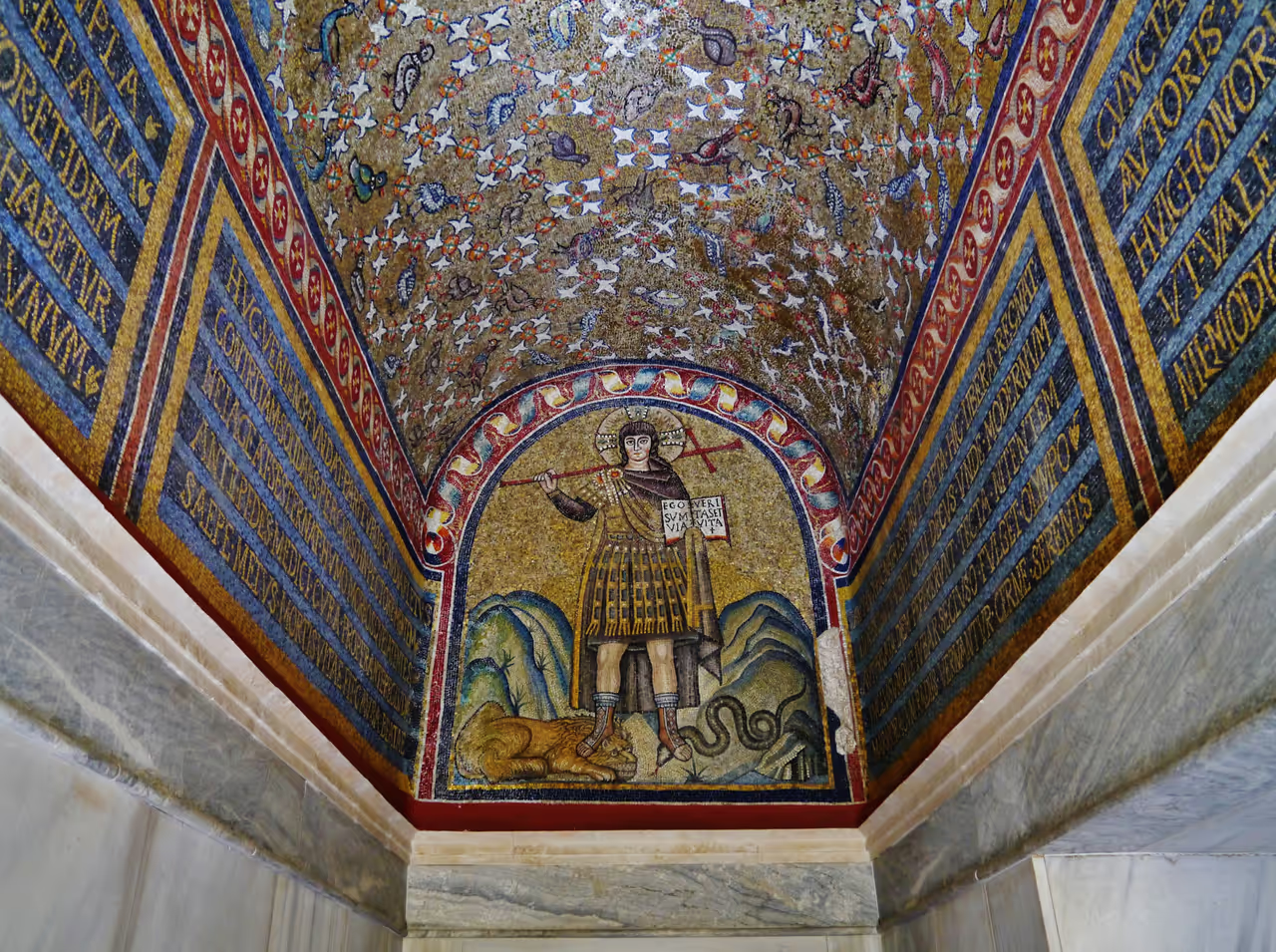
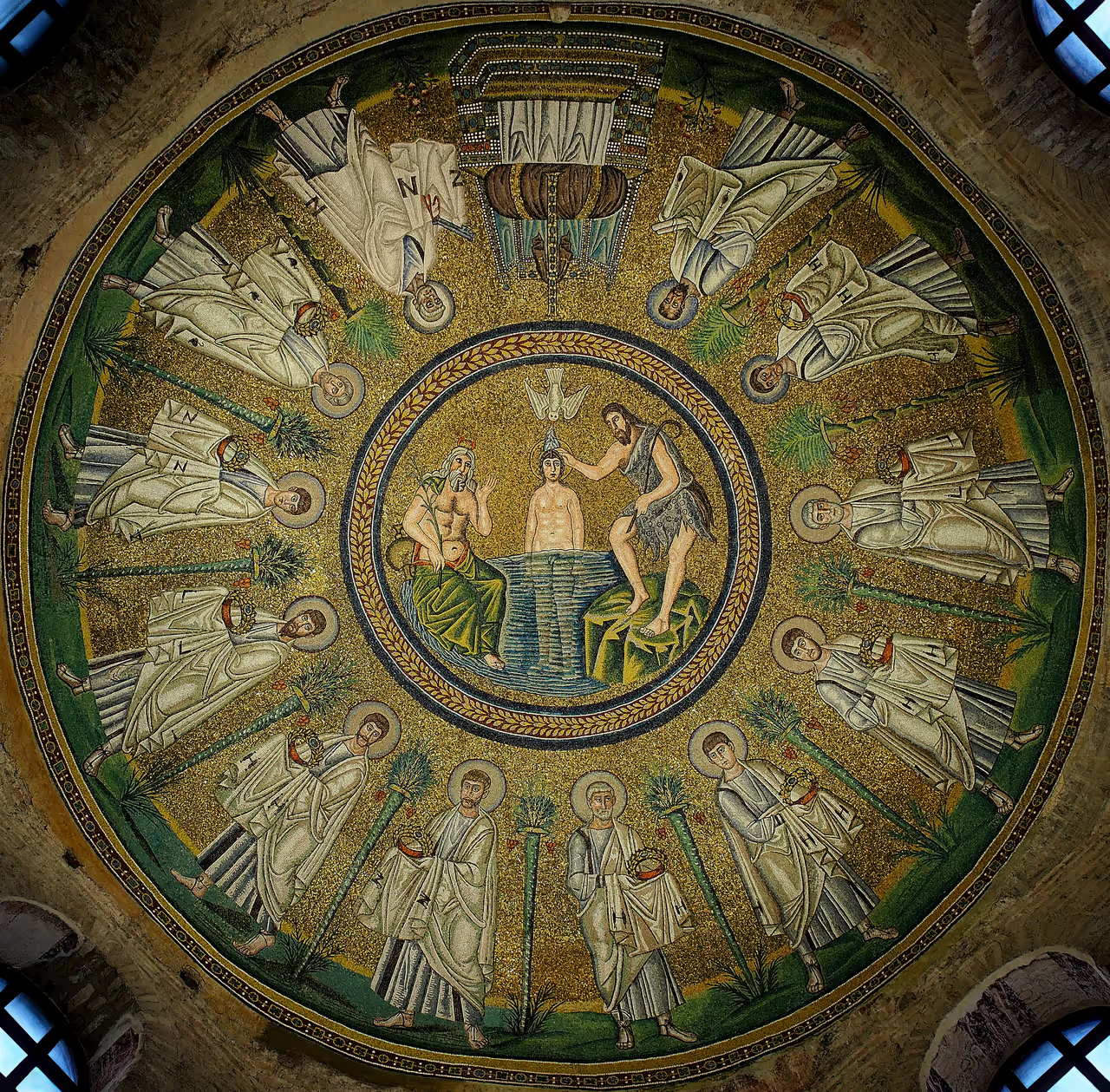
This UNESCO World Heritage site is a breathtaking testament to Ravenna's golden age. Step inside to witness some of the world's finest late antique mosaics, which line the upper walls with stunning detail and vibrant colours. Built originally as the palace church for the Ostrogoth King Theodoric, the basilica underwent significant changes to align with later religious shifts, creating a unique historical tapestry. Its simple brick exterior hides an interior of unmatched artistic splendour that has captivated visitors for over a millennium. Spending time here allows you to immerse yourself in the transition between cultures, where every wall tells a story of faith and power. It is an essential stop for anyone wanting to feel the true artistic heart of Ravenna.
Videos
History of Basilica of Sant'Apollinare Nuovo
King Theodoric the Great established the basilica in 505 as his own private palace church for the Arian faith. It served as a grand display of power for the Ostrogoth reign in Italy, featuring lavish mosaics that reflected the religious beliefs of the royal family. The design integrated the building seamlessly with the surrounding palace grounds, marking it as the centre of royal spiritual life. The mid 6th century brought a massive political shift. When the Byzantine Empire conquered the region, officials initiated a campaign to purge the city of Arian influence. Bishop Agnellus spearheaded the transformation of this church, scrubbing away the original images of the Gothic king and his court from the walls. In their place, artists created new orthodox icons, including the famous processions of saints and virgins that we admire today. This dramatic erasure turned the palace church of a barbarian king into a glorious centre of Roman Catholic devotion. Over the centuries, the building evolved, becoming a repository for sacred relics and a focal point for the city. It survived wars and political upheaval, remaining one of the most significant examples of Early Christian architecture globally. Today, the basilica stands as a quiet witness to the complex layers of history in Ravenna, inviting visitors to look beyond the surface of its golden mosaics to understand the centuries of change that shaped them.
Events spanning 1491 years
Fun Facts
- • It contains one of the oldest cycles of New Testament mosaics in existence, providing incredible insight into early artistic representations of Christ.
- • It is one of the only places where visitors can see a depiction of the old port of Classe, which was a vital maritime hub in antiquity.
- • Many of the columns inside are made from Proconnesian marble, imported all the way from the island of Marmara.
- • The basilica was once dedicated to Saint Martin of Tours before later being renamed for Saint Apollinaris.
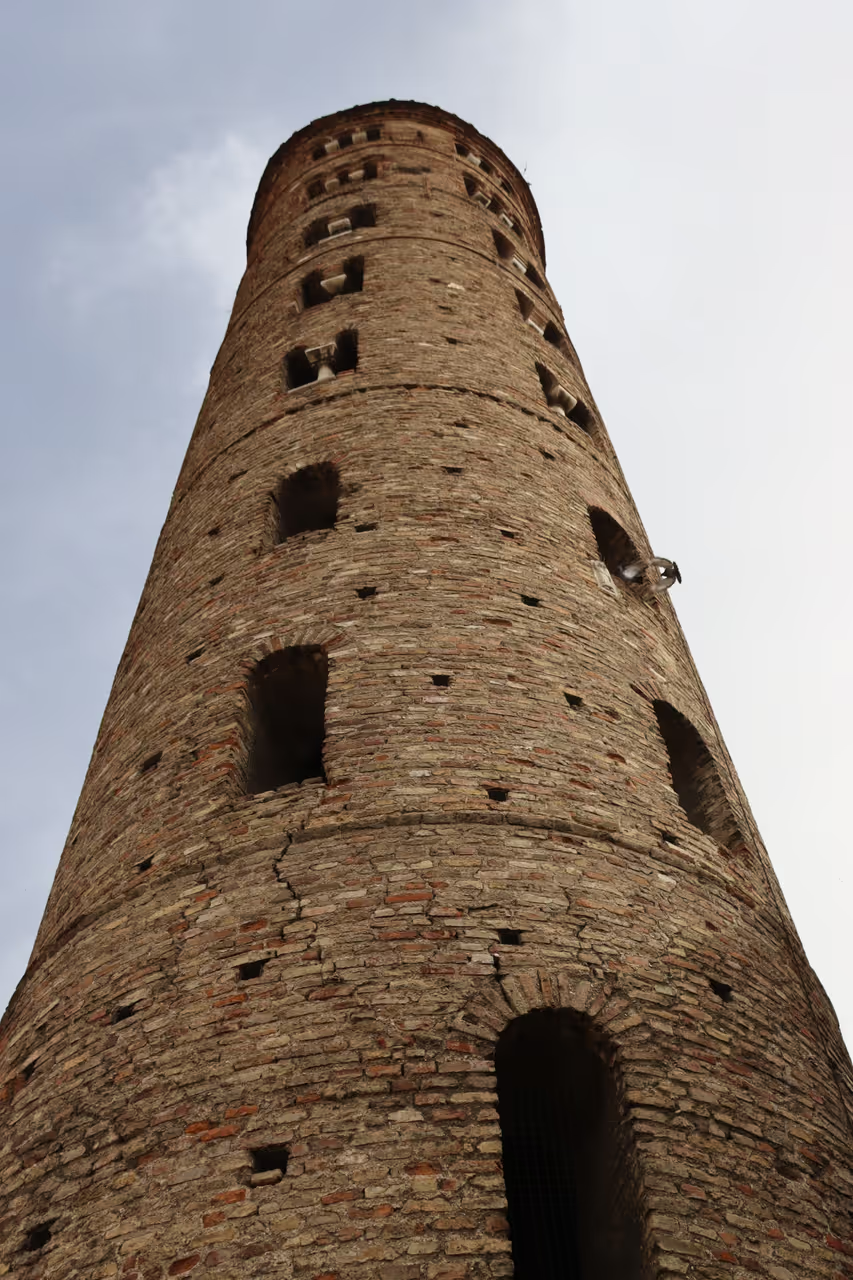
- • The distinctive round bell tower was added between the 9th and 10th centuries and stands 38 metres tall.
- • The mosaic procession of the virgins is inspired by the Council of Ephesus, which established the dogma of the divine motherhood of Mary.
- • The original mosaics were altered to erase images of King Theodoric and his court to align the church with Byzantine orthodox traditions.
- • The three layered bands of mosaics offer a rare look at the artistic evolution within the church over several centuries.
- • The upper walls feature thirteen scenes of the miracles of Christ on the left and thirteen scenes of the Passion on the right.
Basilica of Sant'Apollinare Nuovo FAQ
While we strive to keep this information accurate and up to date, we recommend verifying any details independently before making decisions based on them.
Basilica of Sant'Apollinare Nuovo Map & Neighborhood Explorer
This interactive map is centered on Basilica of Sant'Apollinare Nuovo. Zoom in and move the map around to automatically discover Wikipedia photos and summaries of other nearby sights, monuments, and historical points of interest and stories in real-time!
Places near Basilica of Sant'Apollinare Nuovo
Make the most of your trip. Check out these top-rated spots located nearby.
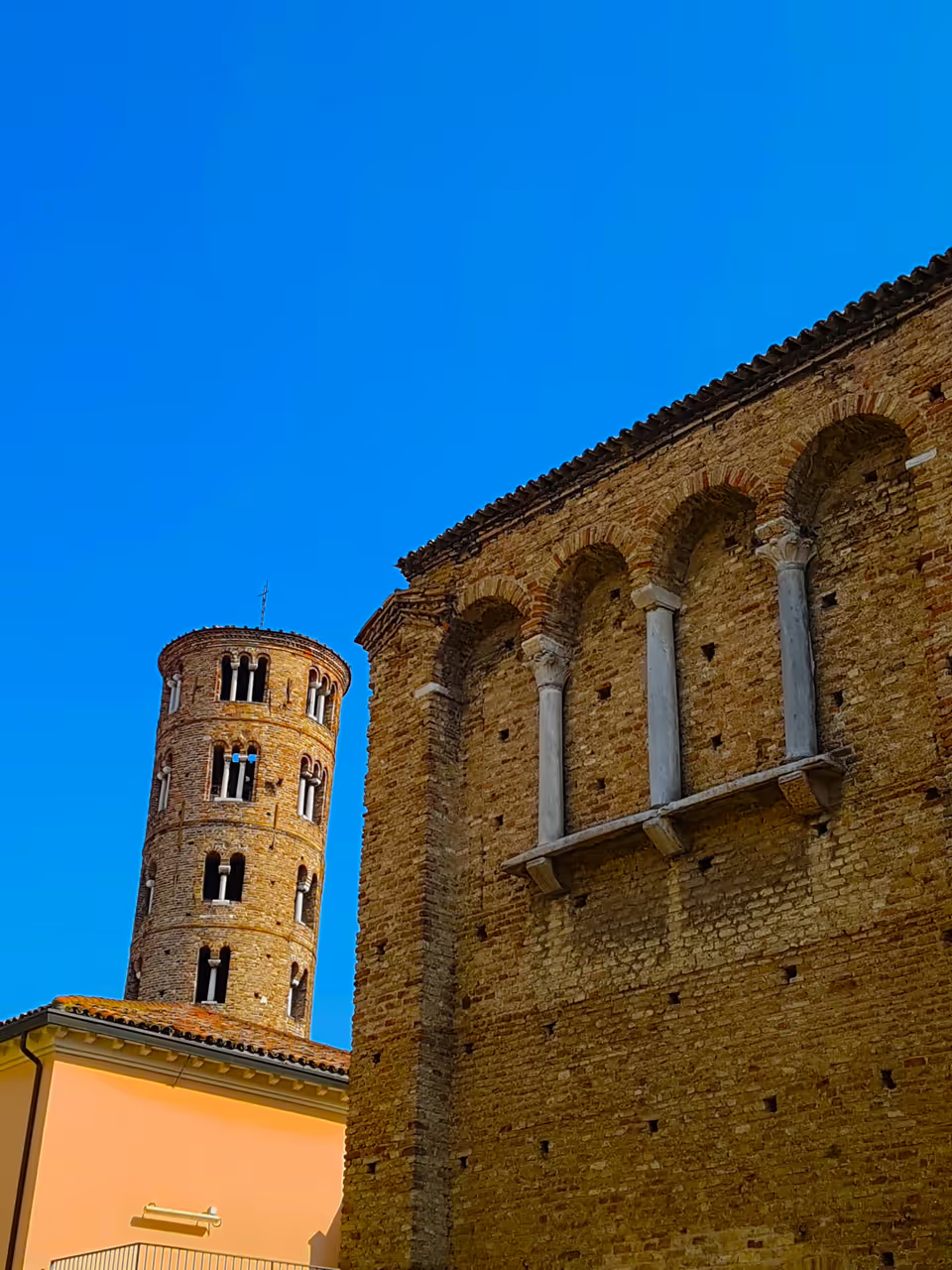 85m
85mPalace of Theodoric
Standing as a hauntingly beautiful fragment of late antiquity, these striking brick ruins were long thought to be the royal residence of the Ostrogothic king. It is now understood to be the remains of an eighth century guardhouse or narthex to a lost church. Regardless of its exact origin, the structure features elegant blind arches and a grand portal that exude an undeniable imperial aura. It preserves the rare architectural forms of the Dark Ages in spectacular fashion.
architecture view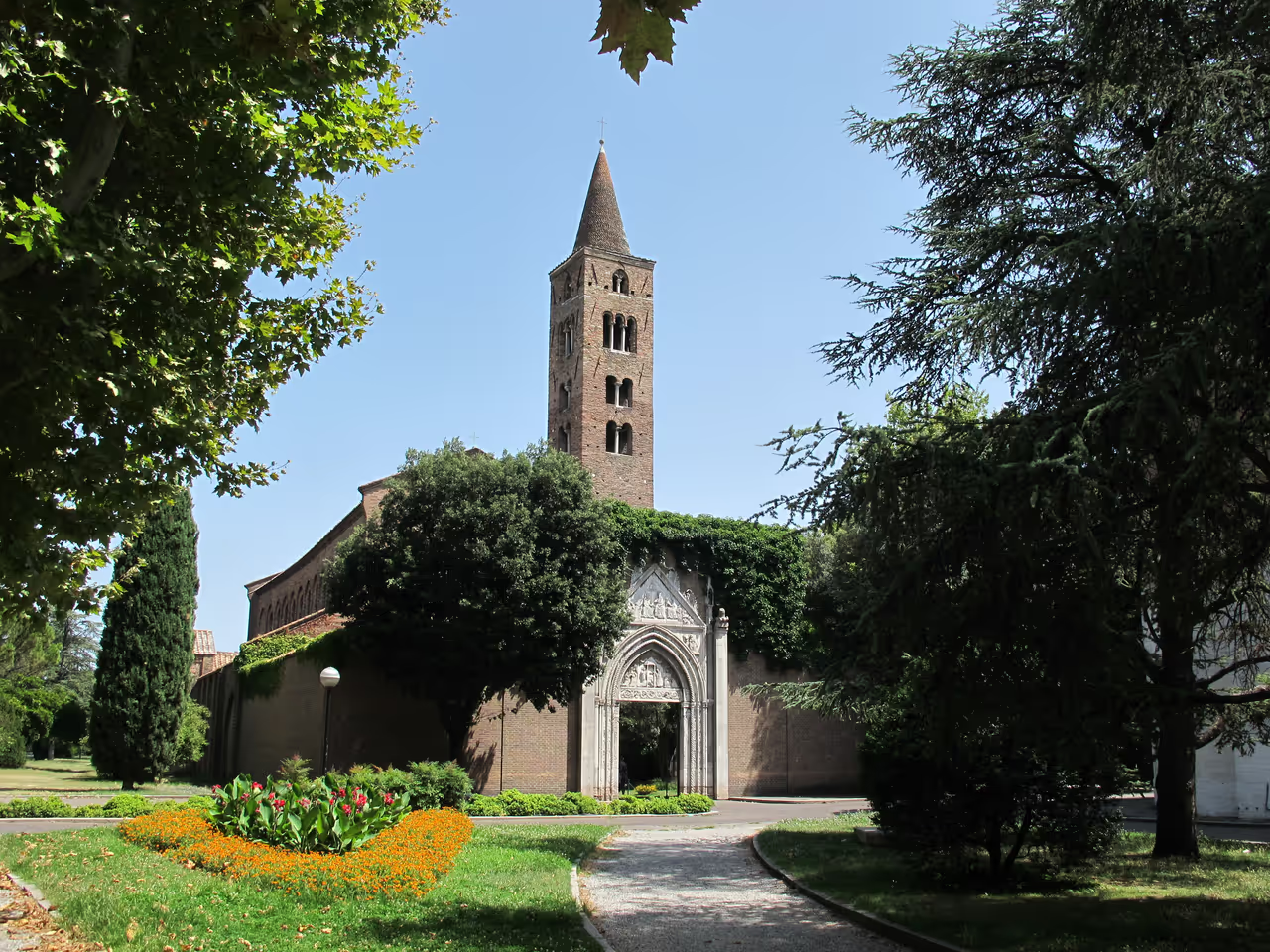 164m
164mChurch of Saint John the Evangelist
This is the oldest place of worship in the city, an imposing and starkly beautiful basilica founded in 424 AD by Empress Galla Placidia. Unlike the glittering monuments nearby, it possesses a raw, unadorned charm, having lost its original mosaics over the centuries. A massive Gothic portal marks the entrance, leading into a vast, silent nave that survived heavy bombing during World War II. Intriguingly, fragments of bizarre medieval floor mosaics depicting mythical beasts and crusades are mounted on the walls.
hidden gem view- 198m
Nightmare Film Fest
A thrilling cinematic event dedicated entirely to the horror, thriller, and darker genres of cinema. Attracting genre fans and filmmakers, it showcases independent films, retrospectives, and premieres. The atmospheric autumn setting in a city famous for its ancient tombs and crypts adds a uniquely eerie charm to the screenings. It is a fantastic cultural divergence from the typical classical arts scene.
festival view - 226m
Japanese October
A fascinating cultural exchange festival that celebrates the deep ties between the city and Japanese culture. The month long event features a rich program of Japanese cinema, art exhibitions, traditional ceremonies, and literary discussions. It offers a surprising and enriching international flavour to the autumn season. The festival highlights a completely different artistic tradition alongside the city's Byzantine heritage.
festival view
Explore Similar Places in These Collections

Featured on These Itineraries and Routes
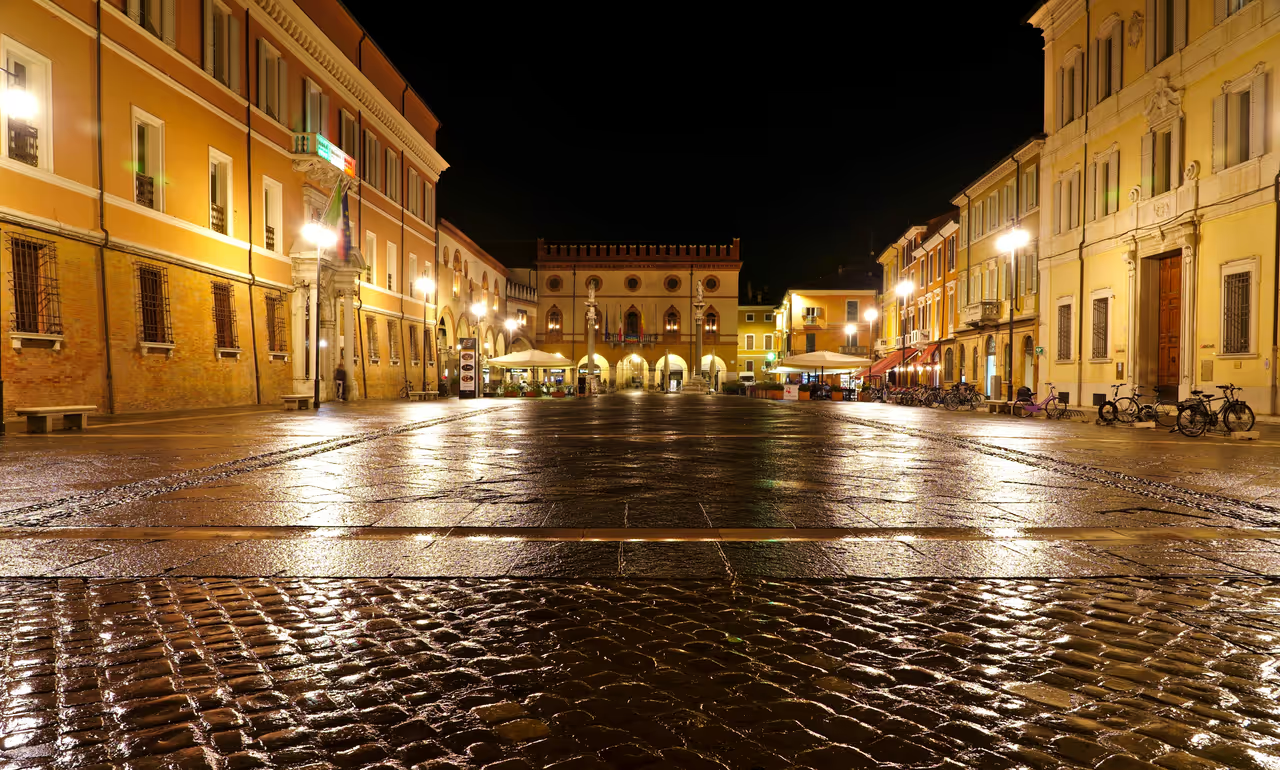
3 Days in Ravenna: Exploring Empires Itinerary
With three days, you can significantly expand your exploration beyond the central cluster, taking the time to absorb the profound differences between the Arian, Orthodox, and Byzantine monuments. This pace allows for unhurried museum visits, a trip to the magnificent flooded crypt, and a short excursion outside the city centre to Classe. It strikes the perfect balance between intense cultural sightseeing and the slow, enjoyable lifestyle of the Romagna region. You will leave with a deeply comprehensive understanding of the city's golden age.
view itinerary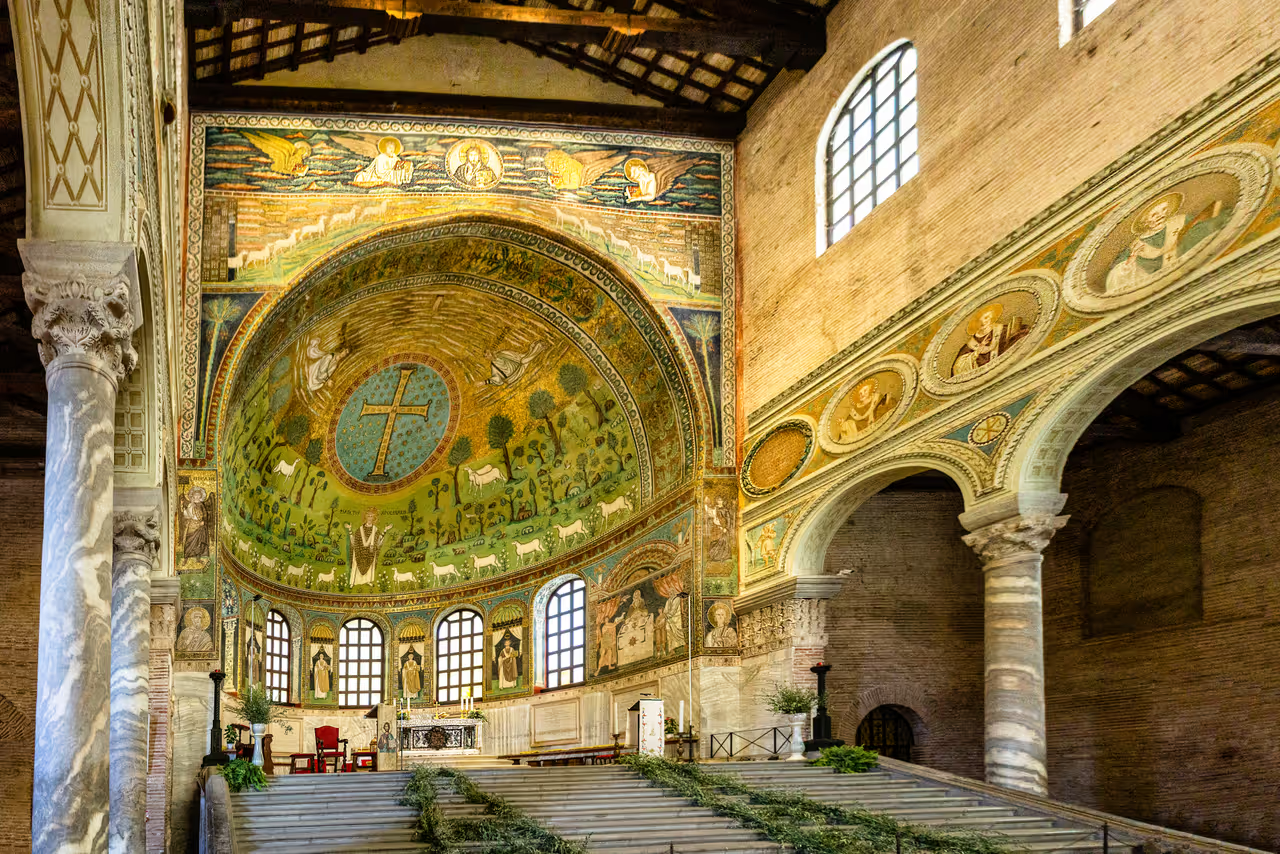
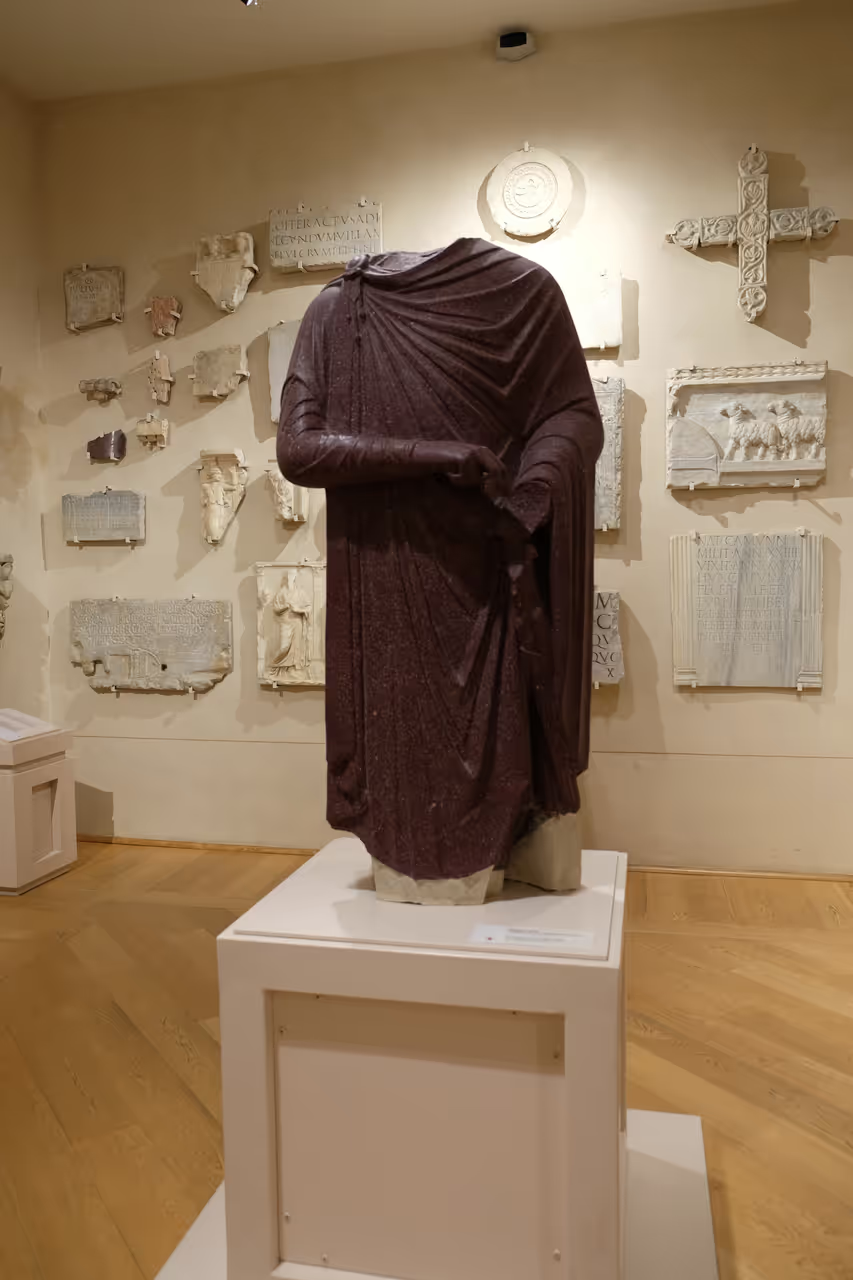
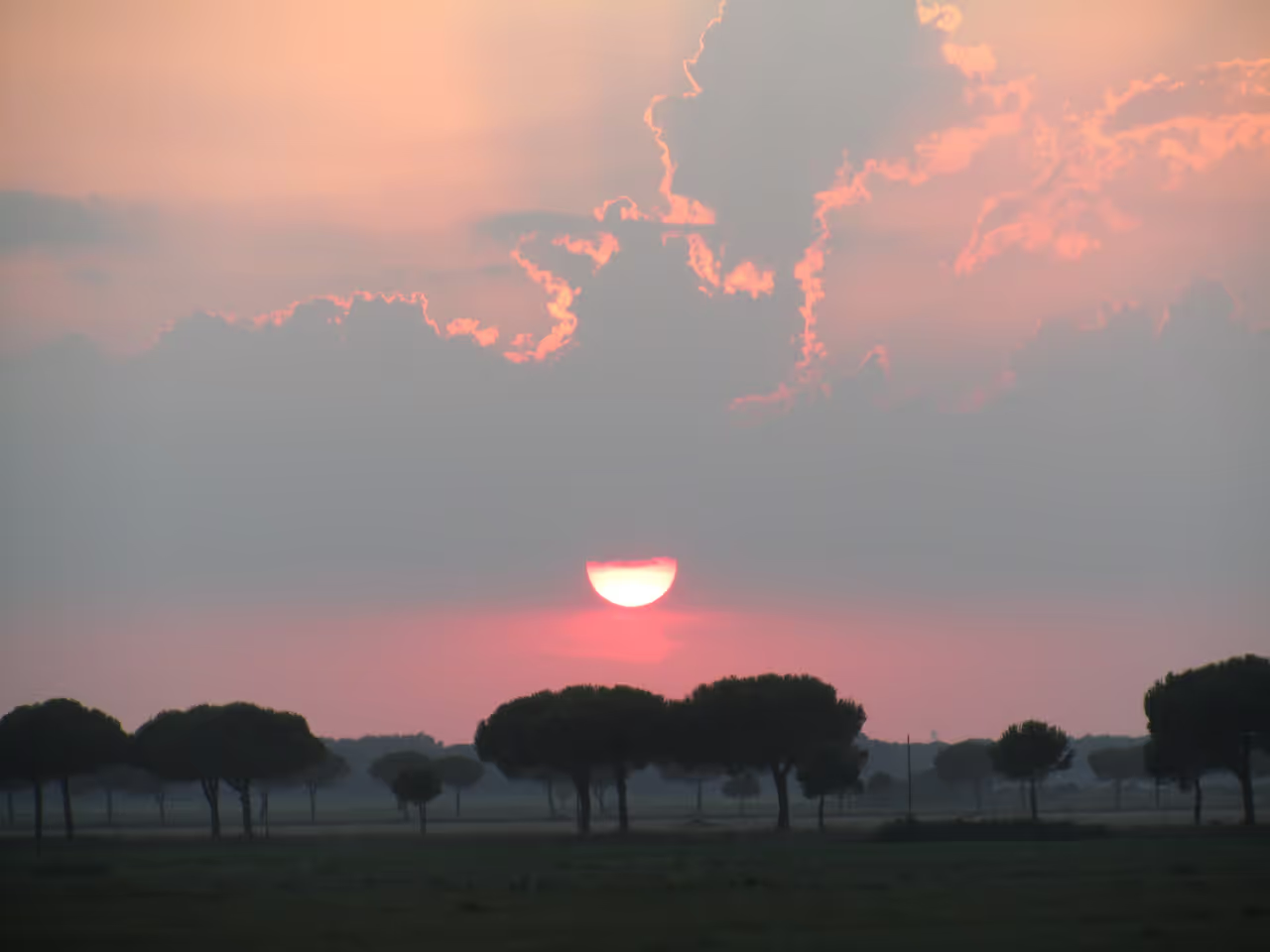
5 Days in Ravenna: The Complete Experience Itinerary
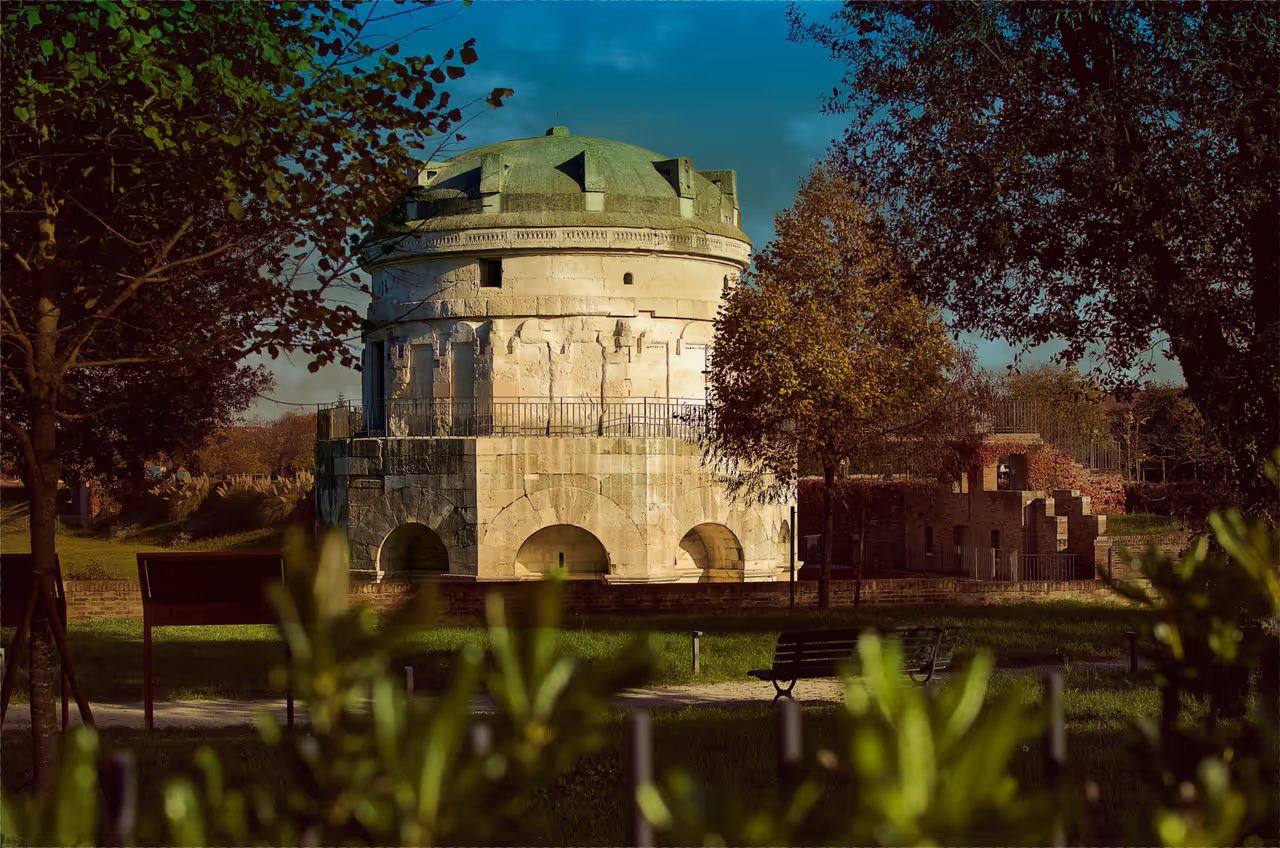
A five day stay transforms a cultural trip into a fully immersive holiday. You have the luxury to discover every single UNESCO monument, including the imposing Mausoleum of Theodoric, and explore the city's superb art museums. Crucially, it allows you to step outside the history books and experience the city's stunning natural surroundings, from the ancient pine forests to the lively Adriatic beaches. It is the ultimate way to appreciate both the ancient grandeur and the vibrant modern spirit of the area.
view itinerary
Golden Mosaics Trail
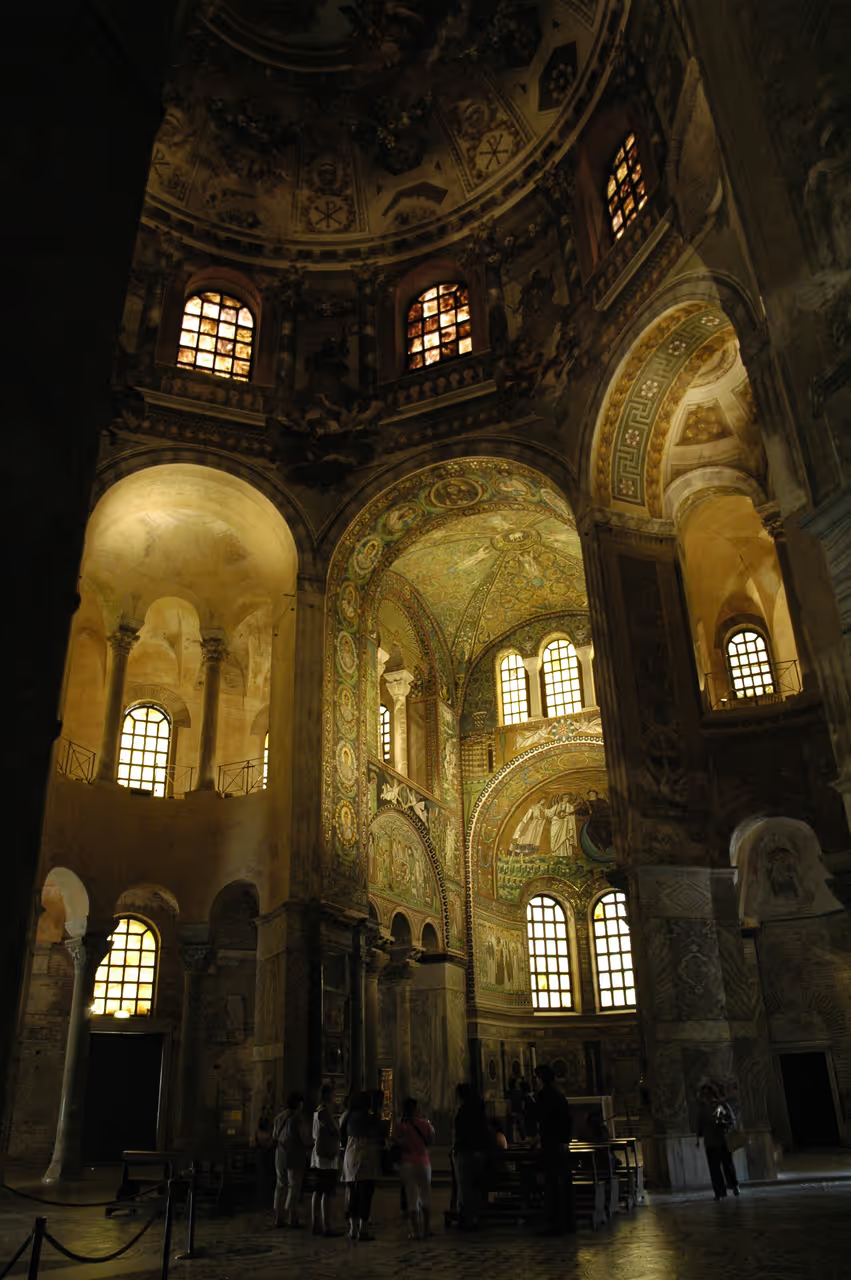
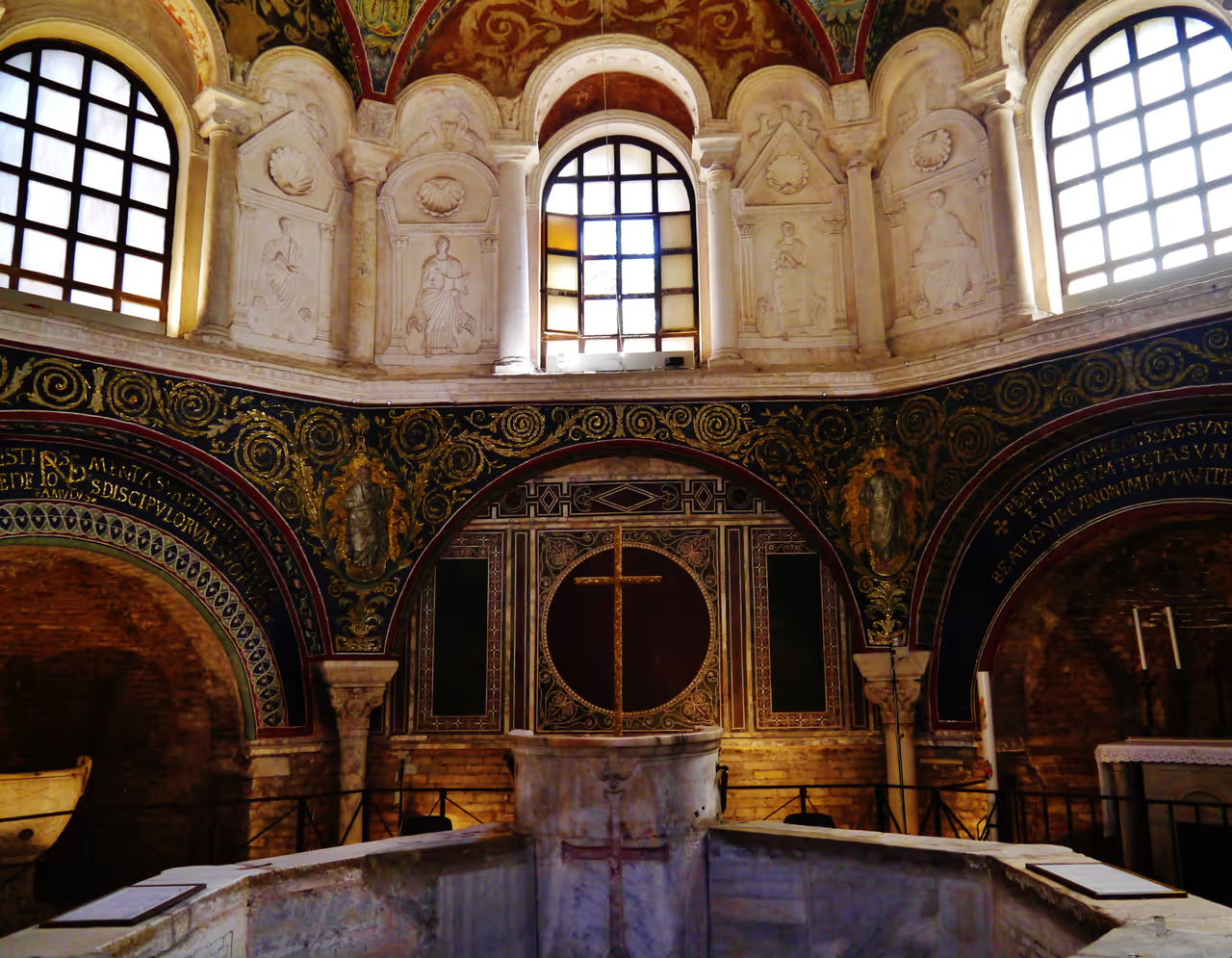
Embark on a visually staggering journey through the pinnacle of early Christian and Byzantine art. This tour connects the most breathtaking UNESCO World Heritage sites located within the historic centre. You will witness the evolution of mosaic artistry, moving from the rich, starry blues of the fifth century to the dazzling, imperial gold of the sixth century. It is a profound exploration of how light, glass, and faith were woven together to create eternal masterpieces.
view self-guided tour
See all unesco sites in Ravenna
Archiepiscopal Chapel, Basilica of Sant'Apollinare in Classe, Basilica of San Vitale, Mausoleum of Galla Placidia, Mausoleum of Theodoric, Mosaics of the Neonian Baptistery, Arian Baptistry...