Pisa
Full City Guide, Map & 118 Things To Do
88,737 people live here.
That's 0.15% of the entire population of Italy.
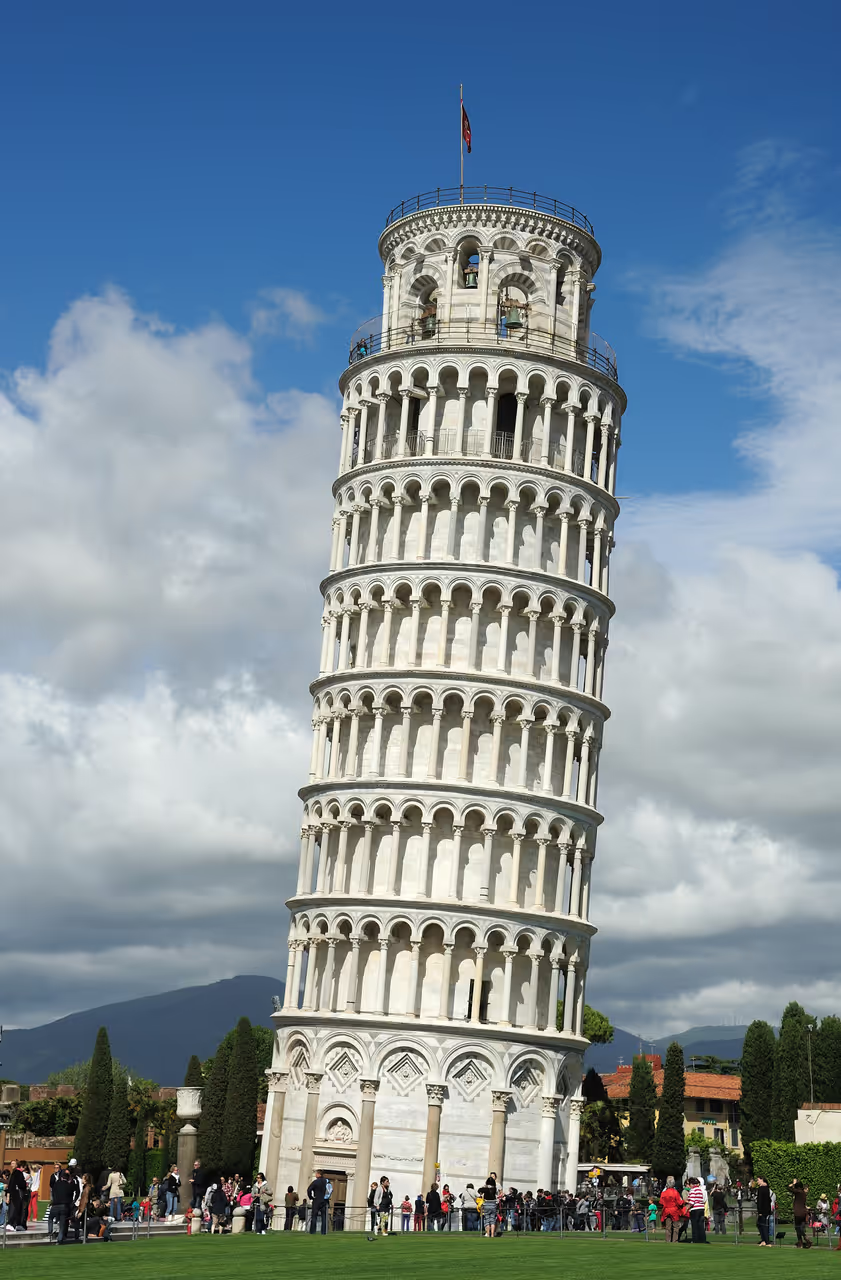
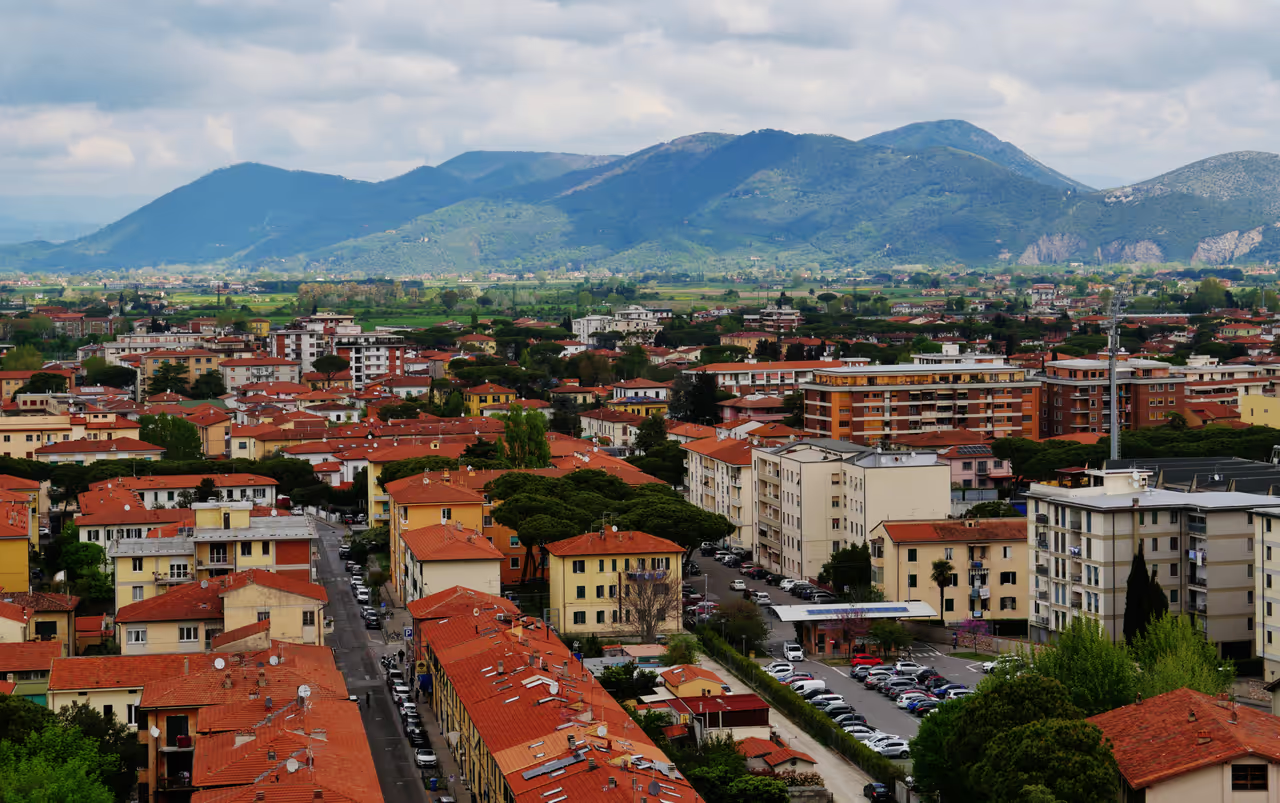
Pisa is a captivating Tuscan city renowned globally for its iconic leaning bell tower, but it offers far more than a single architectural marvel. This historic powerhouse was once a formidable maritime republic, and today its wealth is visible in the stunning Pisan Romanesque architecture gracing its squares. Beyond the famous Field of Miracles, visitors discover a vibrant university atmosphere fueled by tens of thousands of students. Elegant riverside promenades lined with pastel palazzos provide the perfect backdrop for romantic evening walks. The culinary scene delights with traditional flatbreads and rich stews, offering a true taste of coastal Tuscany. Exploring these historic streets reveals hidden gothic churches, vibrant street art, and a youthful energy that makes every visit unforgettable.
Pisa DNA
History of Pisa
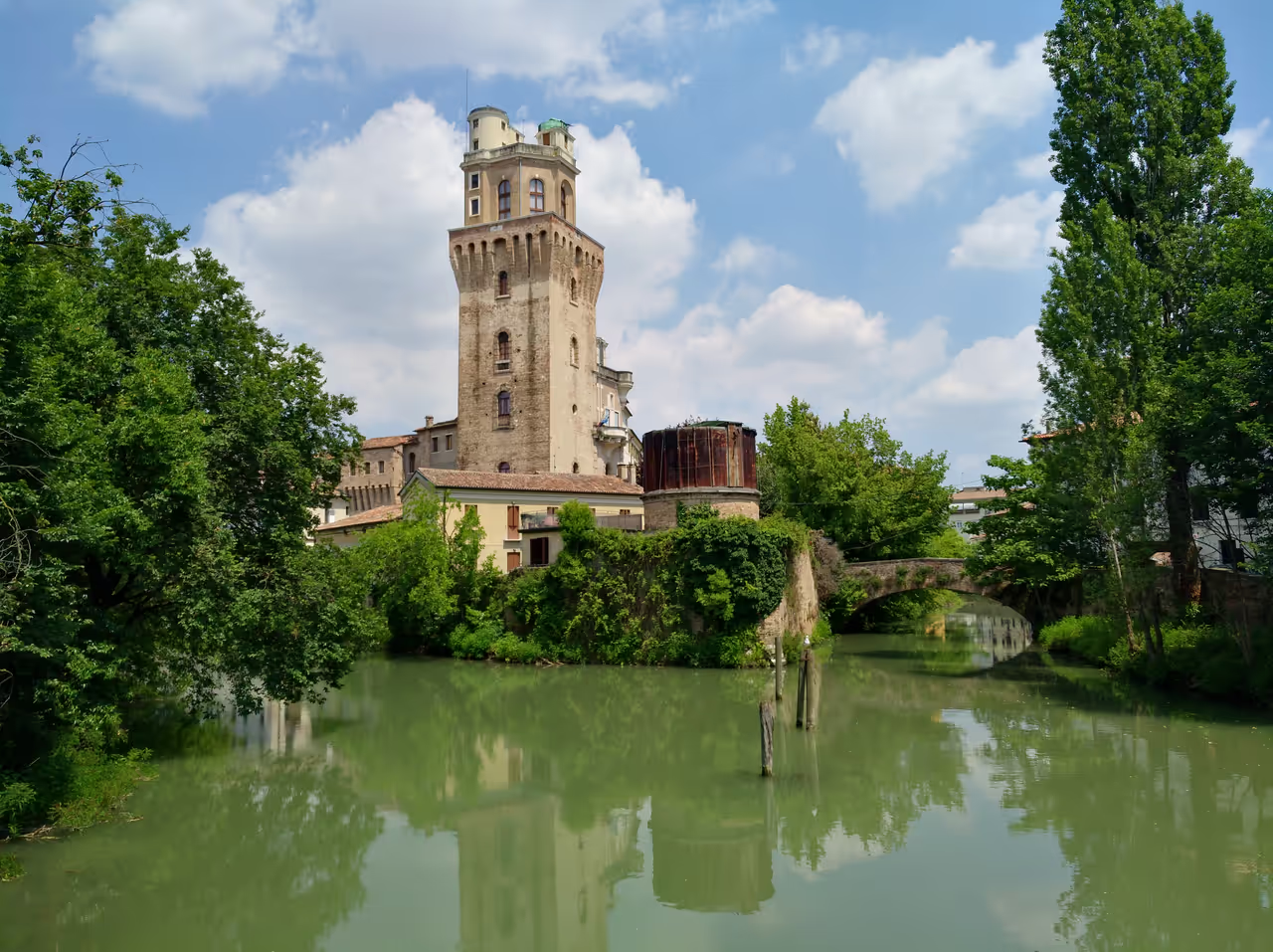
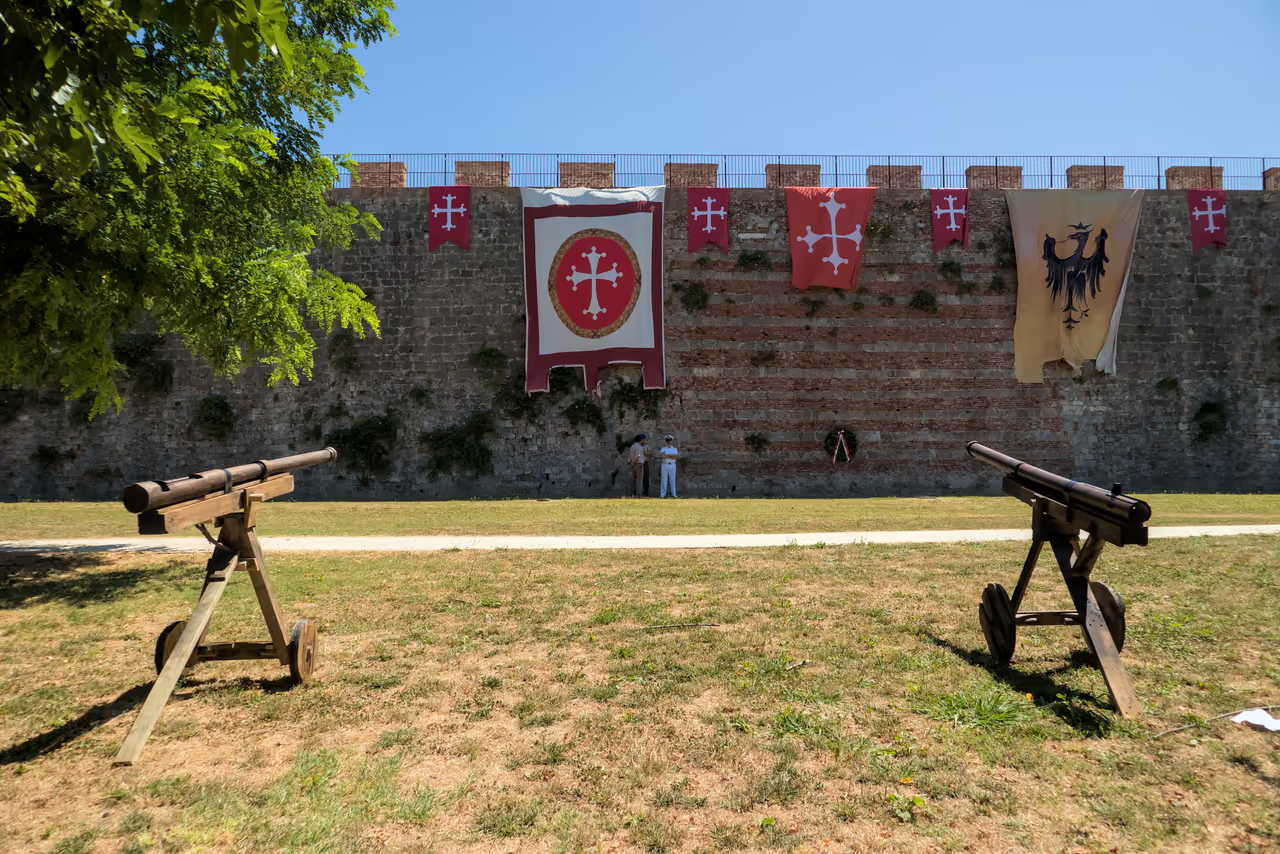
Long before any architectural miscalculations made it a global icon, Pisa was a damp, marshy settlement built on the shifting mud of the Arno delta. Excavations along Via Marche in the late twentieth century revealed that Etruscan and Villanovan societies thrived in this waterlogged environment, burying their dead in grand tumuli. The river dictated everything. The very name of the settlement likely derived from an ancient Greek term for an irrigated meadow. Roman colonists eventually formalised the street grid and piped in fresh water through the Caldaccoli aqueduct, turning a muddy trading outpost into a strategic naval base. The eleventh century transformed this coastal town into a terrifying Mediterranean superpower. In 1063, the Pisan fleet sailed south and brutally sacked the Islamic stronghold of Palermo. Admiral Giovanni Orlandi returned with ships weighed down by looted gold and used the spoils to finance a colossal new cathedral on a grassy field at the edge of town. Architects like Buscheto threw out traditional rulebooks. They fused Lombard masonry with Byzantine mosaics and Islamic geometric patterns, creating an entirely new aesthetic called Pisan Romanesque. Pisan ships soon returned from the Crusades carrying tonnes of soil excavated directly from Golgotha, dumping it into the Camposanto so the local nobility could decompose in holy earth. During this ruthless golden age, wealthy merchant families erected thousands of narrow stone tower houses along the riverbanks to defend their cargo from rival clans. Naval supremacy rarely lasts forever. The turning point arrived in 1284 off the rocky coast of Livorno at the Battle of Meloria, where the Genoese fleet annihilated Pisan forces and choked off their trade routes. Weakened and landlocked as the river silted up, the city eventually fell under Florentine control. The locals despised their new overlords. In 1494, they seized a moment of political chaos to expel the Florentine administrators, launching the fiercely independent Second Pisan Republic. They adopted a vermilion flag bearing a distinctive white cross and held out against multiple sieges for fifteen years. Starvation ultimately forced their surrender in 1509. The conquering Medici family restructured the neighbourhoods and ordered new defensive bastions, burying the old maritime republic under Renaissance bureaucracy. With its naval teeth pulled, the city pivoted toward the intellect. The ruling elite poured funds into the local university, establishing the Palazzo della Sapienza as a premier institution for law and science. This intellectual pivot proved vital. Standing at the top of the defensive Torre del Cantone, a local mathematics professor named Galileo Galilei demonstrated his modified telescope to the Grand Duke of Tuscany, forever altering humanity's understanding of the cosmos. The dark, narrow streets of the Kinzica merchant quarter began filling with academics rather than sailors. Twentieth century conflicts nearly erased this layered history. Allied bombing raids in 1943 obliterated the bridges spanning the Arno and shattered entire medieval blocks, leaving gaps in the urban fabric that were hastily patched with concrete in the postwar years. The river itself rebelled in 1966, flooding the historic lungarni and forcing engineers to dismantle and elevate the tiny Gothic church of Santa Maria della Spina stone by stone to save it from the currents. The academic spirit survived the destruction intact. Today, thousands of students pour out of the elite Scuola Normale Superiore in Piazza dei Cavalieri every afternoon, parking their bicycles against Vasari's painted facades and queuing for espresso under the stone porticoes of Borgo Stretto.
13 Events spanning 2181 years
Map of Pisa
Interactive Destination & Itinerary Map
This map blends our curated city guides—featuring best photo spots, scenic walks, viewpoints, hidden gems and much more—with a live Wikipedia explorer. Click on our numbered pins to plan your routes, or zoom in on the surrounding neighborhoods to discover verified local landmarks, museums, and stories with dynamic Wikipedia summaries and photos!
Fun Facts
- • The famous bell tower is actually just one of three leaning towers in the city, with the others located at the churches of San Nicola and San Michele degli Scalzi.
- • Legend dictates that the sacred soil in the monumental cemetery was brought all the way back from the Holy Land by crusading knights.
- • Scientific pioneer Galileo Galilei purportedly dropped objects of different masses from the leaning bell tower to prove his groundbreaking theories on gravity.
- • The vibrant Tuttomondo mural was painted by iconic artist Keith Haring as a gift to the city after a chance encounter with a local student in New York.
- • Traditional bread here is baked entirely without salt, a historical culinary quirk stemming from heavy medieval salt taxes imposed by rival Florence.
- • Despite being situated inland today, this settlement was once a massively powerful coastal republic before the river slowly silted up over the centuries.
Did You Know?
- • The city gave its name to Pisan Romanesque architecture, a distinctive and highly influential style featuring elegant blind arcades and alternating coloured marble.
- • The local university system serves an incredible sixty thousand students, an astonishing demographic presence for a municipality of just ninety thousand permanent residents.
- • The monumental baptistery boasts phenomenal acoustics, miraculously allowing a single singer to harmonise with their own echoing voice.
- • Brilliant mathematician Leonardo Fibonacci was born here, famously introducing the Hindu Arabic numeral system to the European continent.
- • The Scuola Normale Superiore remains one of the most elite and rigorous academic institutions in Europe, producing numerous Nobel laureates.
- • Local researchers host the largest branch of the National Research Council, cementing the area as a paramount modern scientific hub.
RESOURCES
Official WebsiteVideos of Pisa
Seasons
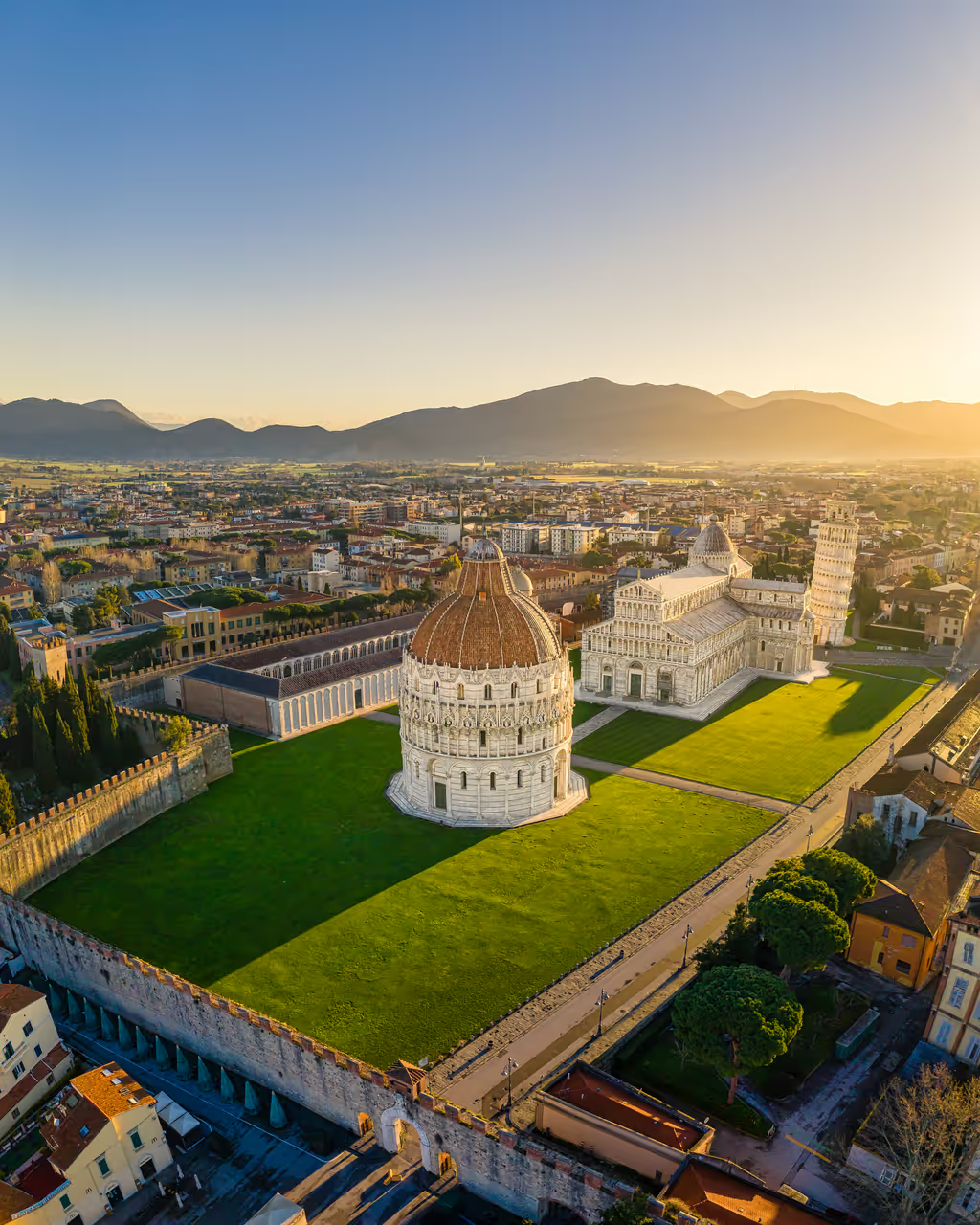
Spring
This season brings wonderfully mild temperatures, perfect for exploring the ancient streets without the exhausting summer heat...
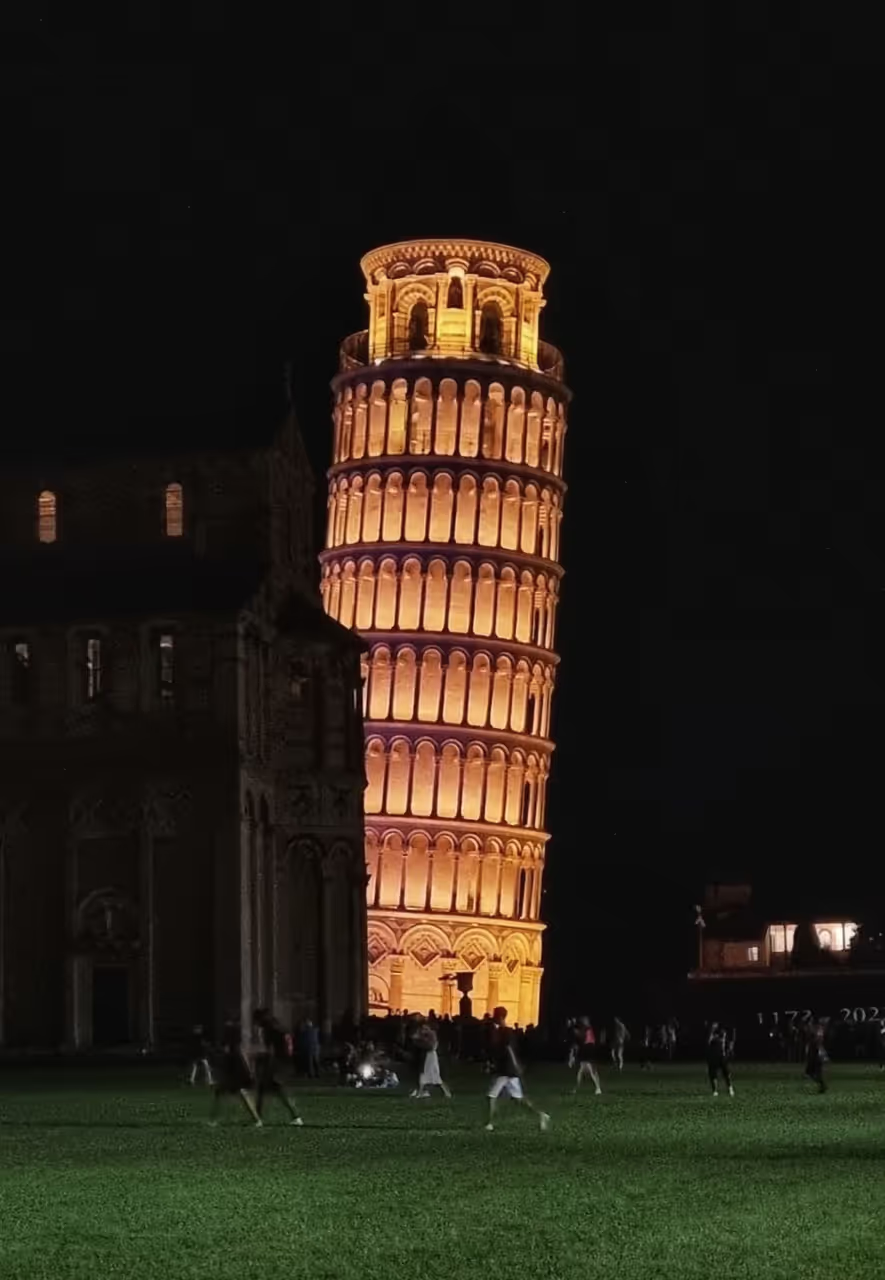
Summer
The city truly comes alive with immense heat and vibrant, massive historic festivals. The spectacular Luminara celebration...
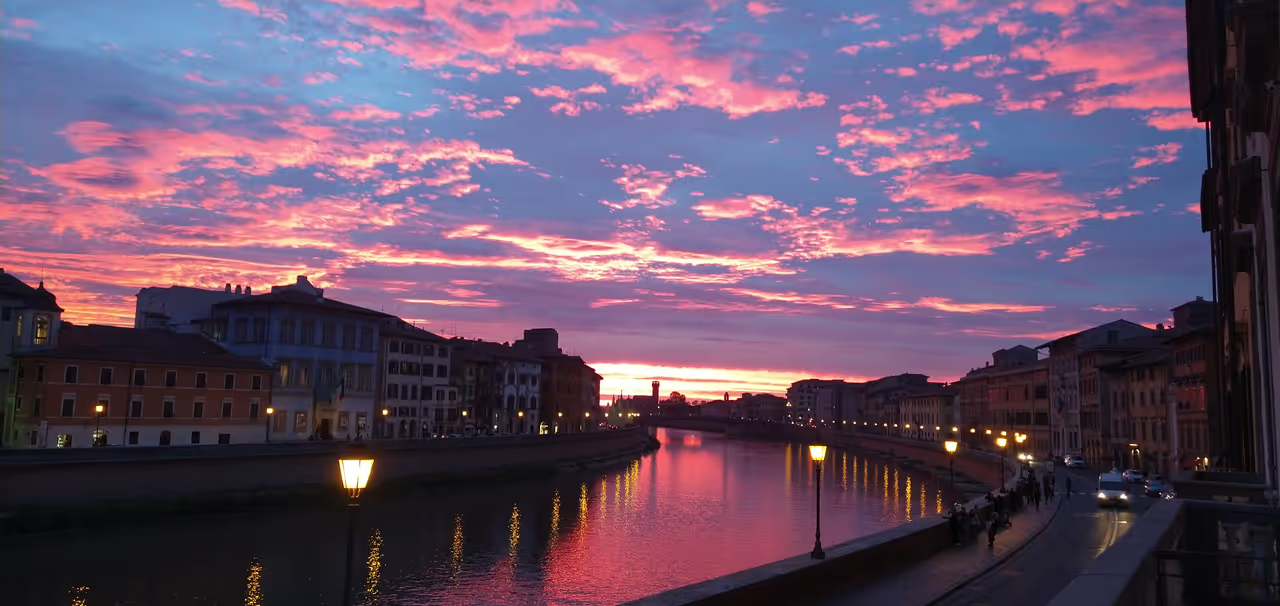
Autumn
As the intense heat fades, the city settles into a relaxed, deeply intellectual rhythm as university classes resume. The major...
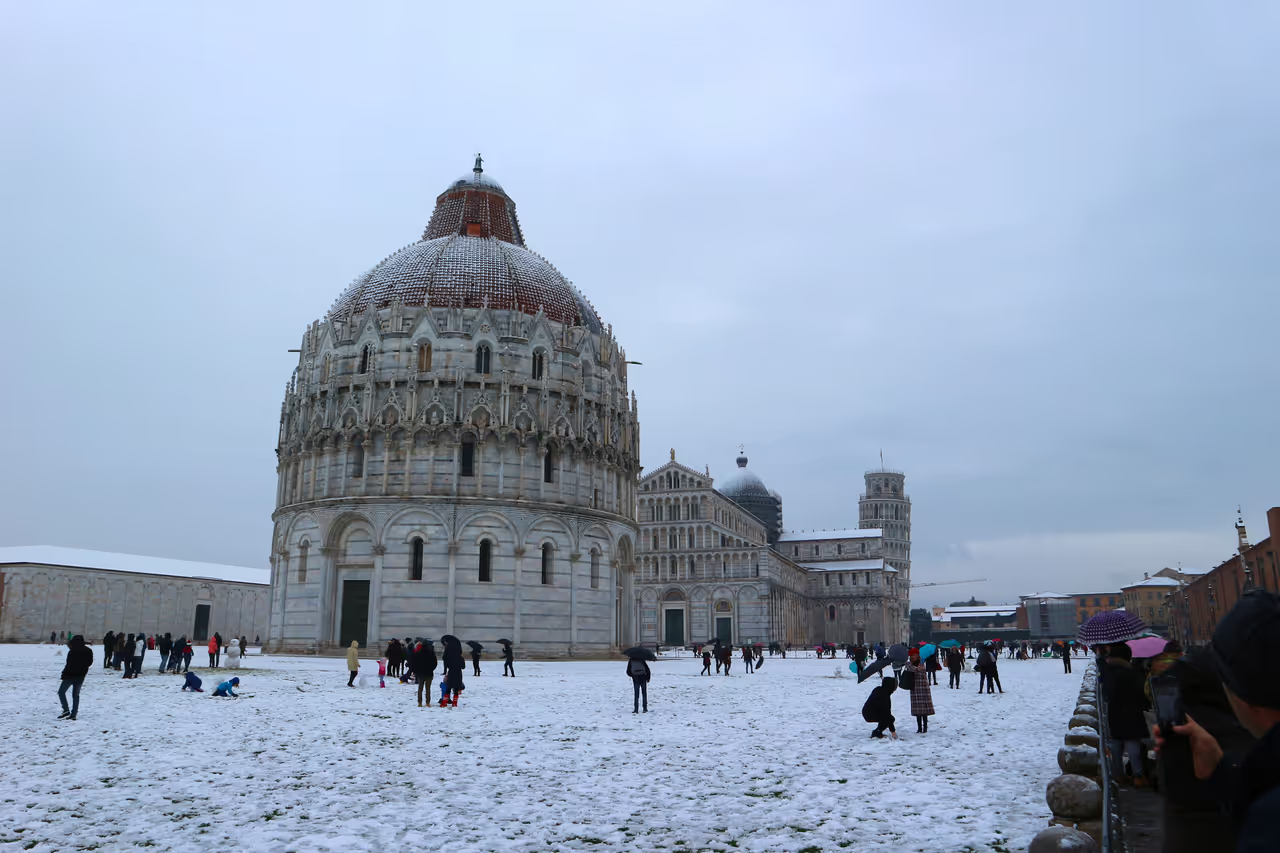
Winter
The weather remains relatively mild compared to northern cities, though the air carries a sharp, damp chill from the river. The...
Top Attractions in Pisa
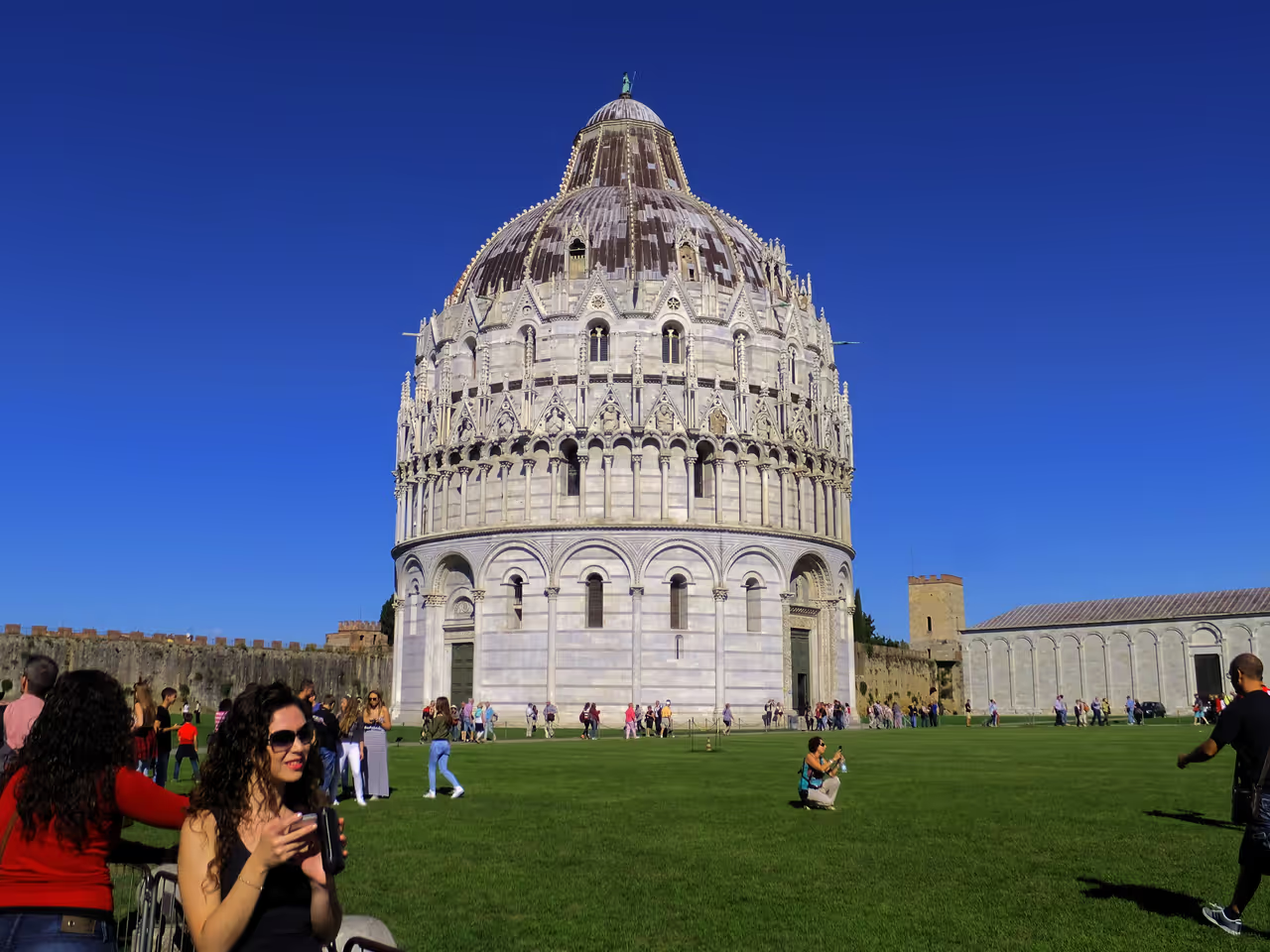
Baptistery of St. John in Pisa
The Baptistery of St. John stands as a masterpiece of medieval architecture, rightfully holding the title of the largest...
view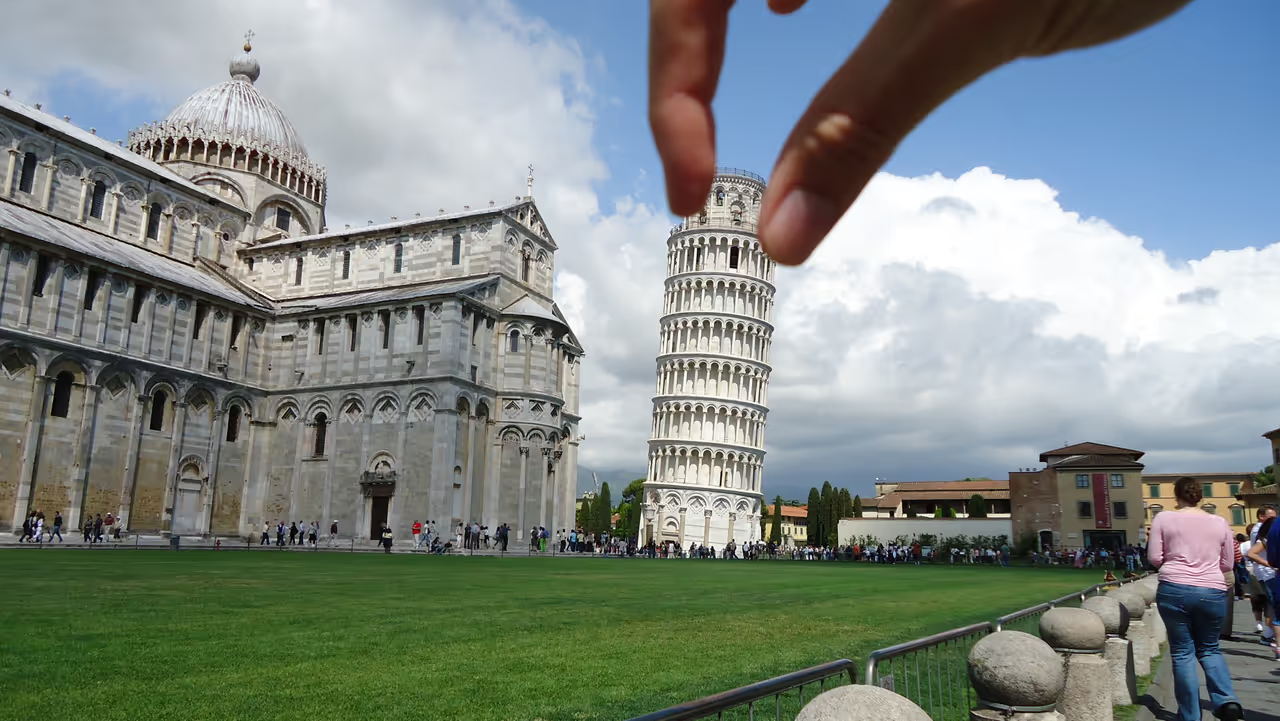
Leaning Tower of Pisa
The Leaning Tower of Pisa is arguably the most recognisable bell tower on the planet and serves as an enduring symbol of Italy’s...
view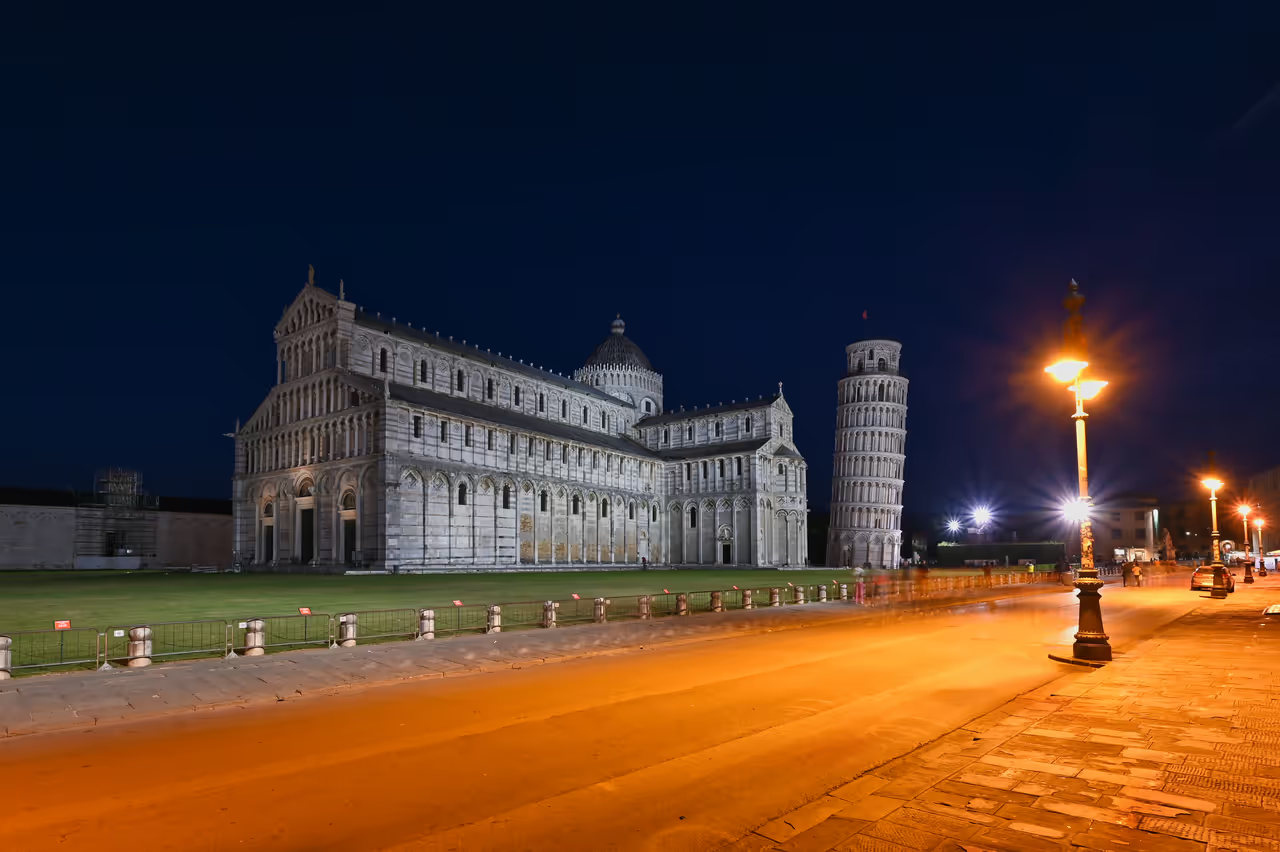
Pisa Cathedral
Standing at the heart of the Piazza dei Miracoli, the Duomo di Pisa is a profound testament to the artistic ambition of the...
view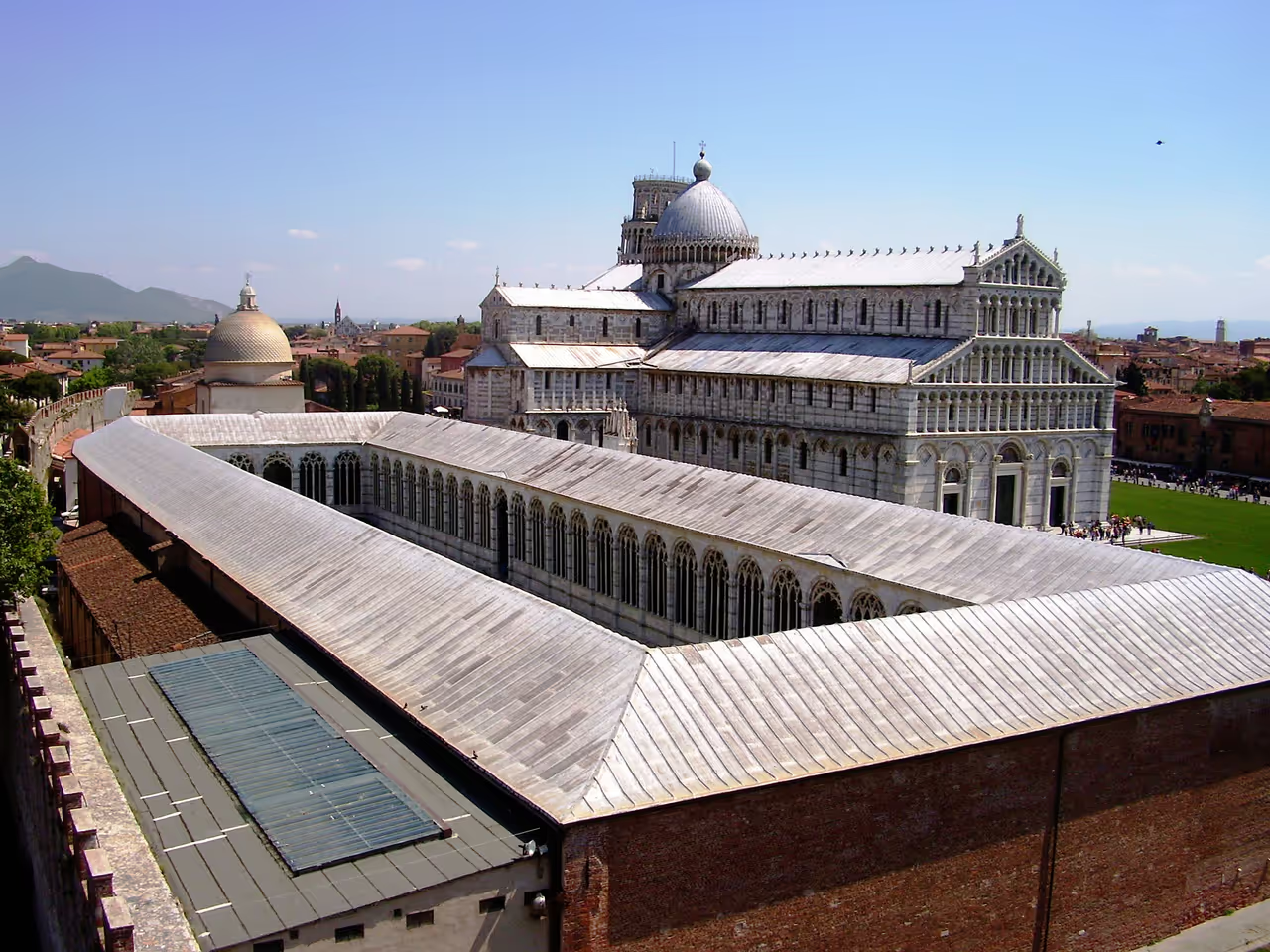
Monumental Cemetery of Pisa
Step into the quiet beauty of the Monumental Cemetery of Pisa, a place where history, art, and legend collide in one of Italy's...
view
Best Views
Pisa Itineraries
TRIP PLANNER
3 Days Recommended
Three days provide ample opportunity to explore the major monuments without rushing. It allows for a full day admiring the central marble landmarks, a second day discovering the riverside museums and historic squares, and a third day venturing out to the coastal beaches or nearby nature reserves. This pace ensures visitors can soak up the vibrant evening atmosphere when the day trippers depart.
1 Day in Pisa Itinerary
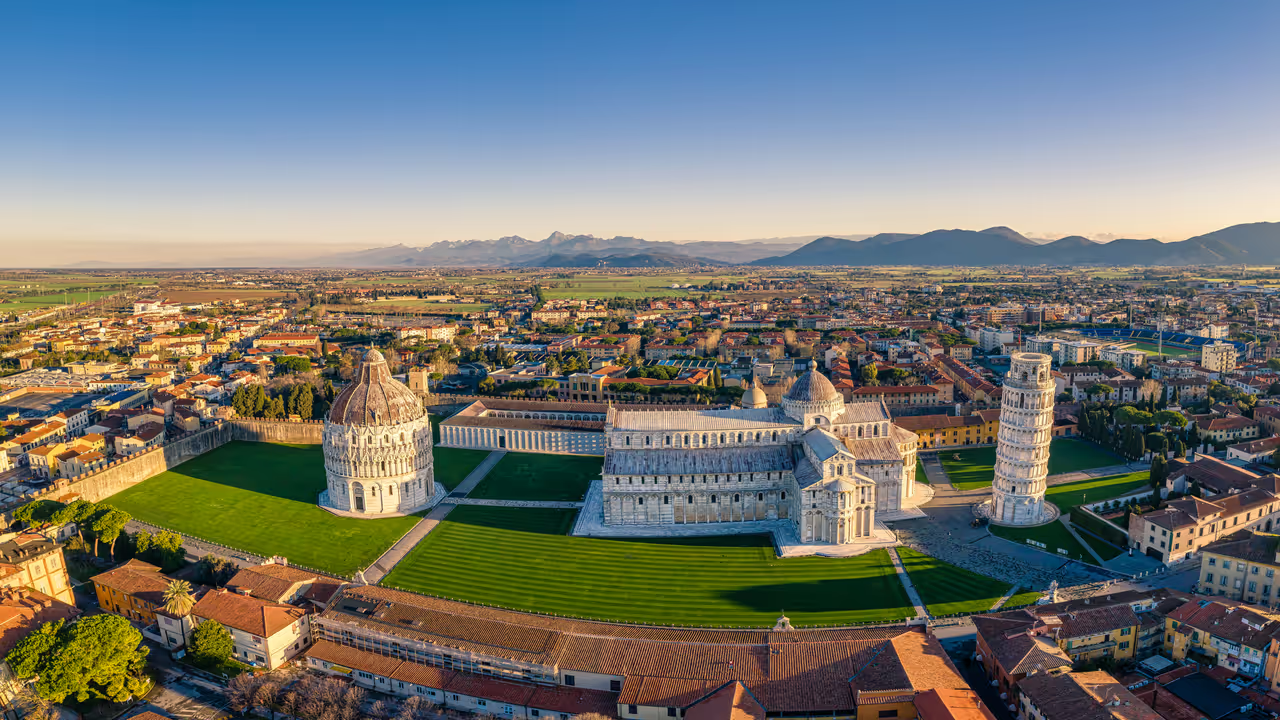
This highly efficient itinerary captures the absolute essence of the city for those on a strict timeline. It covers the globally iconic marble monuments in the morning before diving into the historic, deeply atmospheric streets of the old town. The day concludes with a romantic stroll along the elegant riverbanks, ensuring you experience both the famous sights and the authentic local vibe.
view itinerary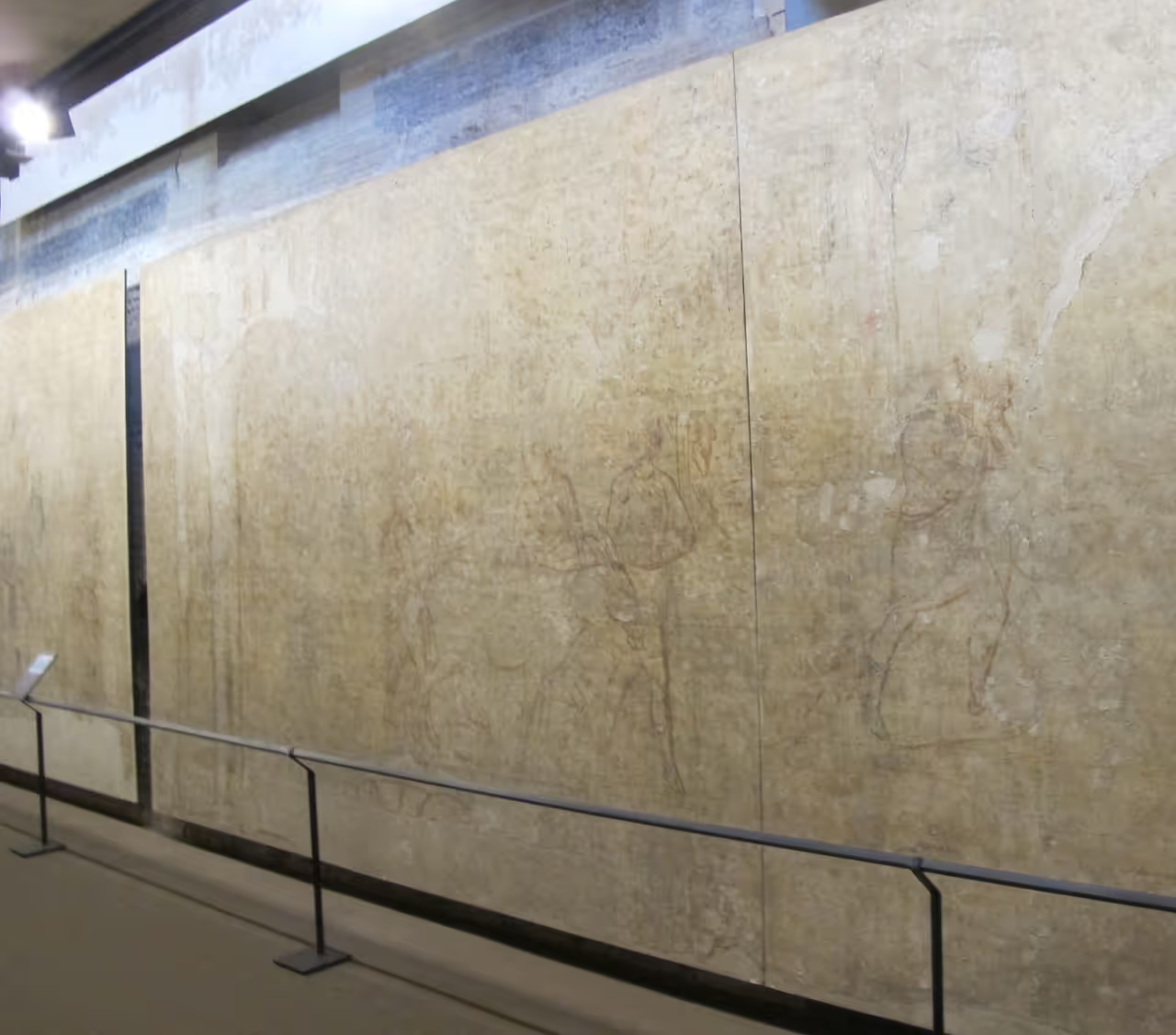
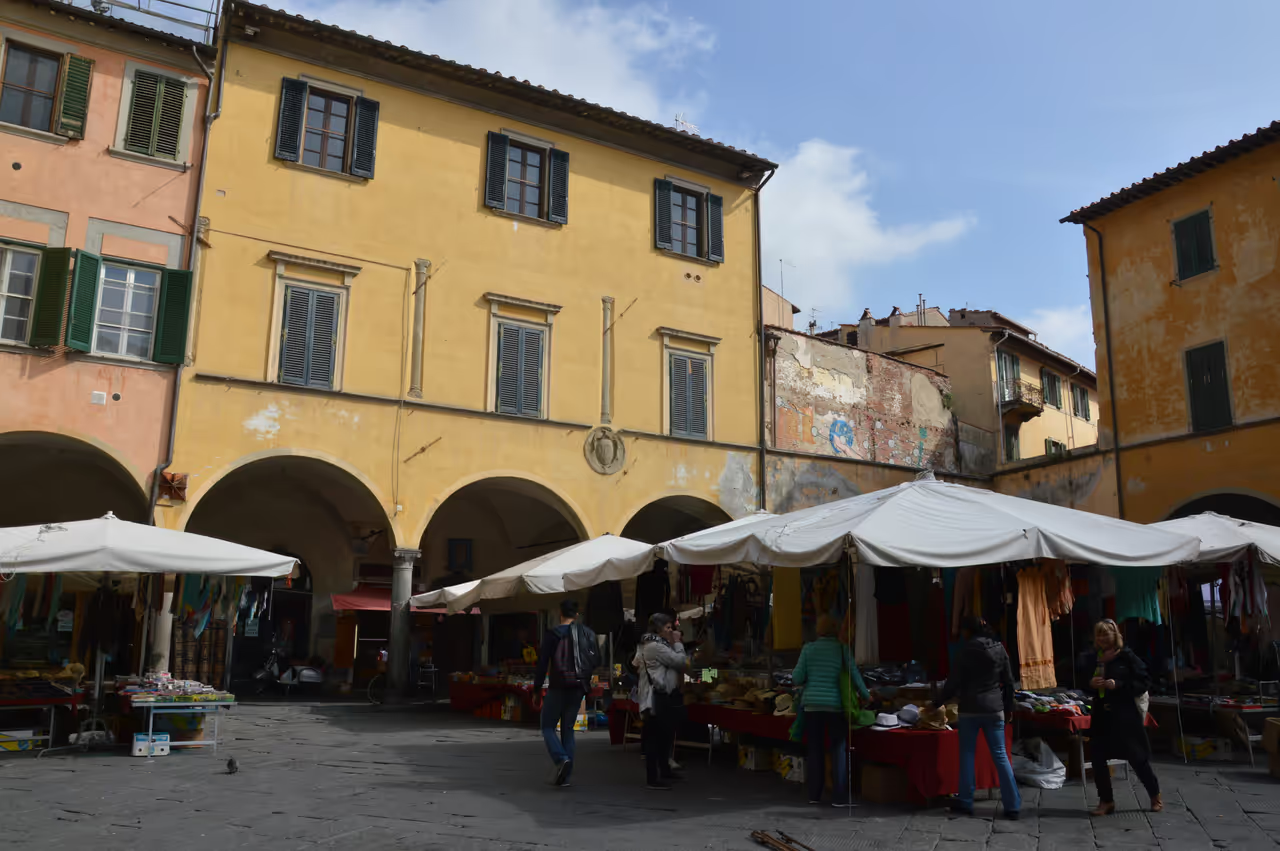
3 Days in Pisa: Days of Discovery Itinerary
This balanced route allows you to look far beyond the famous leaning tower and truly understand the rich history of the maritime republic. It provides ample time to explore the phenomenal, hidden art museums, the quiet botanical gardens, and the heavily fortified old citadel. You will experience the vibrant student nightlife and discover quirky architectural oddities scattered throughout the ancient alleyways.
view itinerary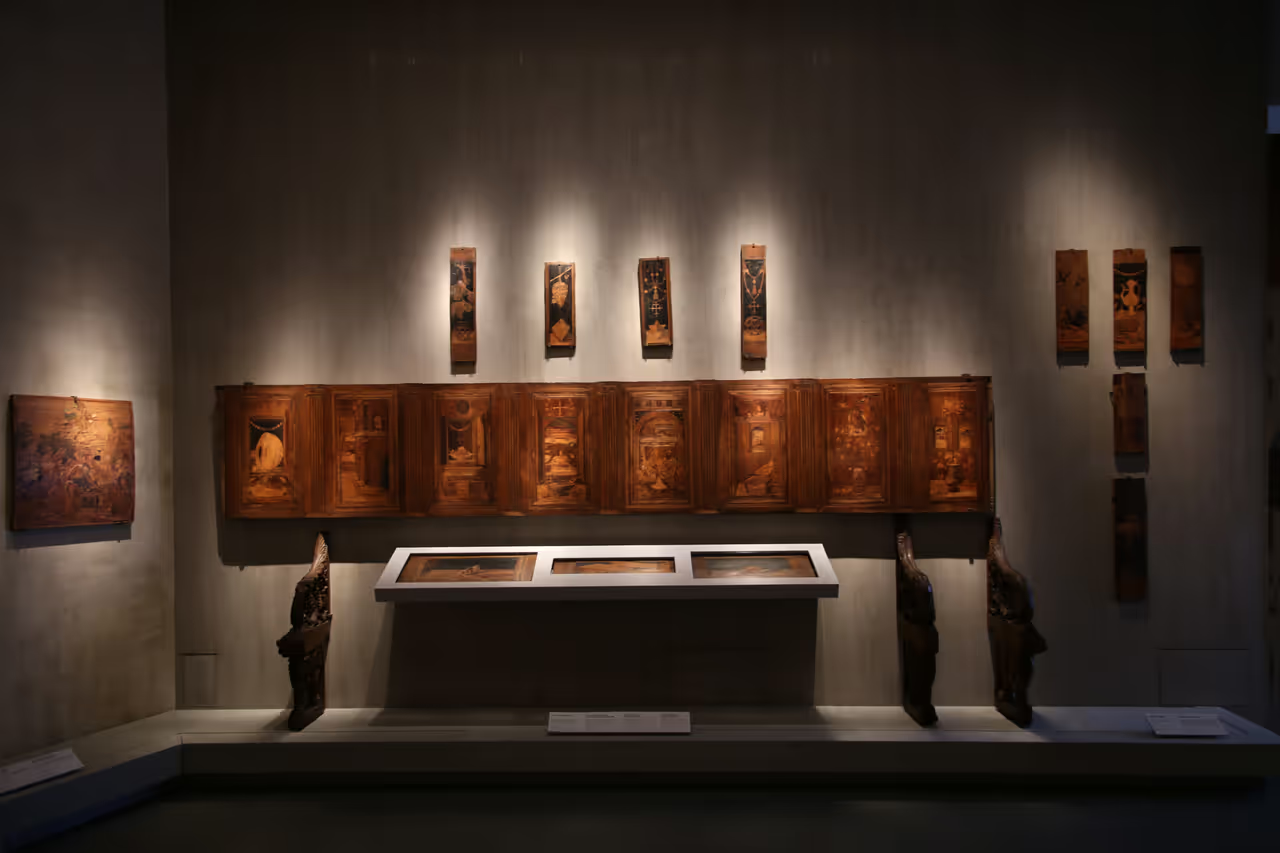
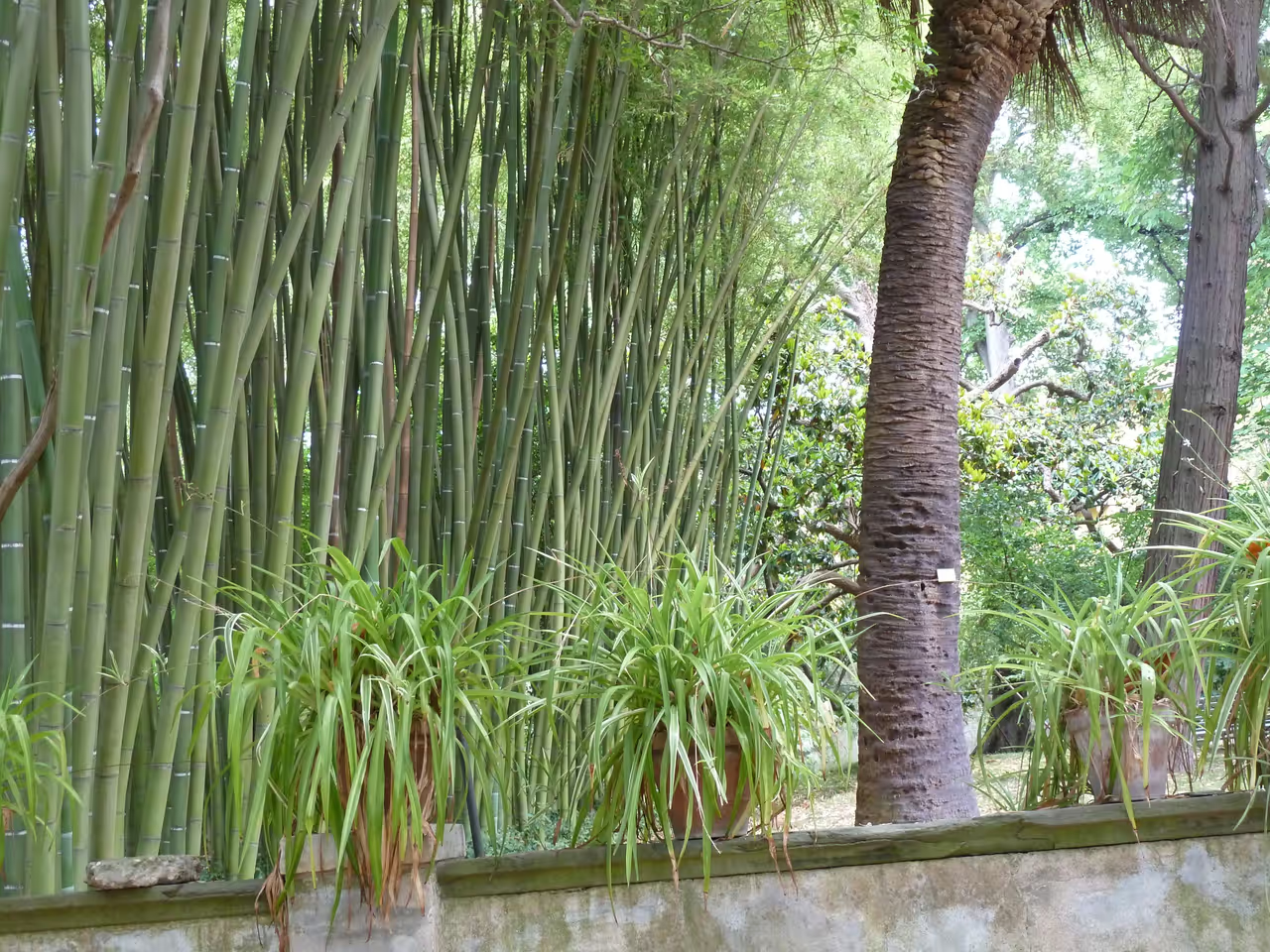

5 Days in Pisa: City and Sea Itinerary
The ultimate, unhurried exploration of the city and its stunning natural surroundings. This extensive plan incorporates all the major urban highlights, museums, and hidden gems, while dedicating significant time to the nearby pristine nature reserves and the Mediterranean coastline. It perfectly balances rigorous cultural sightseeing with profound relaxation and outdoor adventure.
view itinerary
Food in Pisa
UNESCO World Heritage Sites
Free Things to do in Pisa
Parks & Nature
Pisa Botanical Garden and Museum
Step into the world's oldest university botanical garden, a serene green sanctuary hidden in the heart of Pisa. Just moments...
view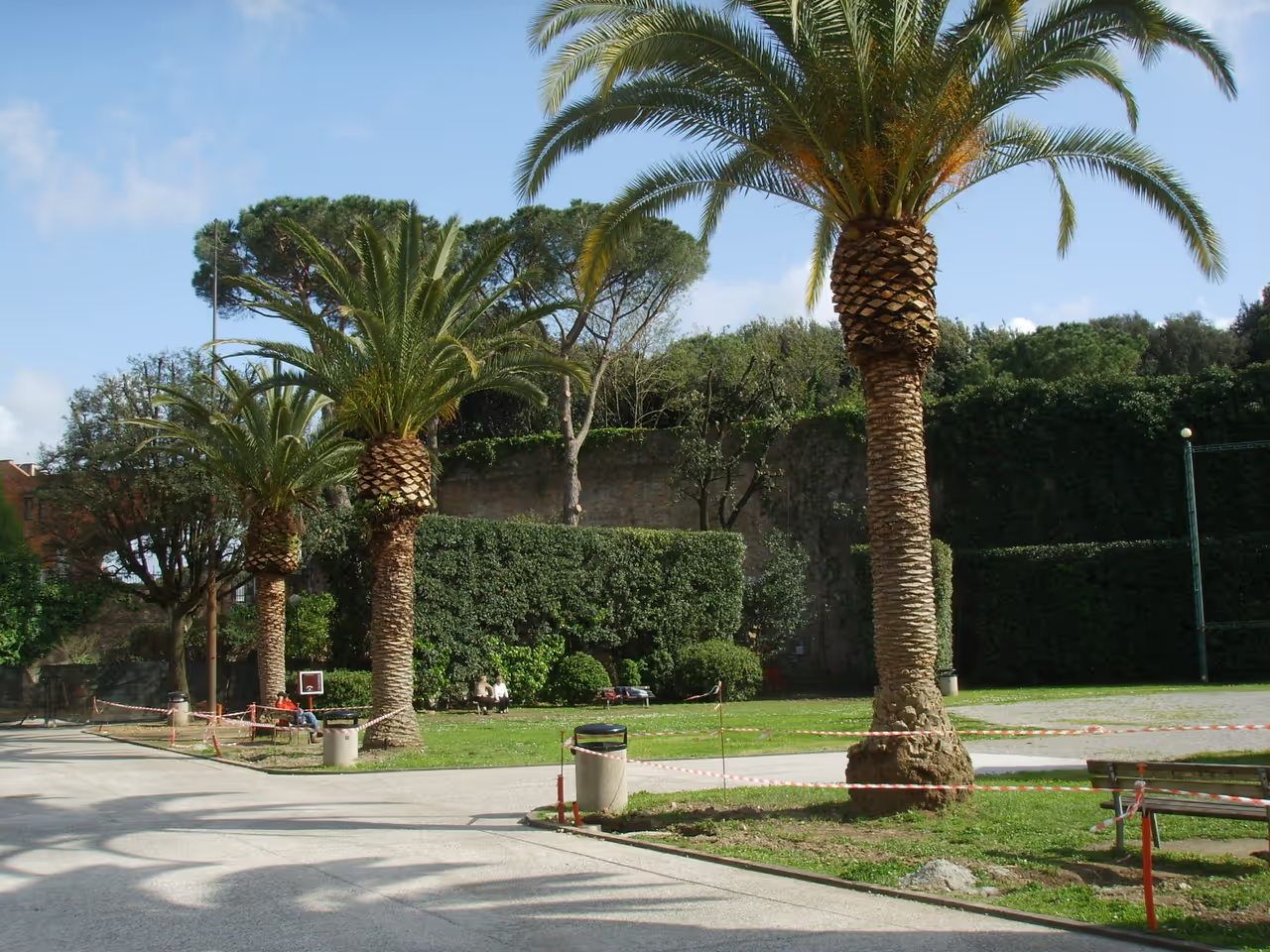
Giardino Scotto
Step into a space where the echoes of ancient warfare soften into the tranquility of a lush sanctuary. Originally forged as a...
viewMigliarino, San Rossore, Massaciuccoli Natural Park
Spanning the stunning coastline between Pisa and Lucca, this sprawling protected area serves as a magnificent sanctuary for...
view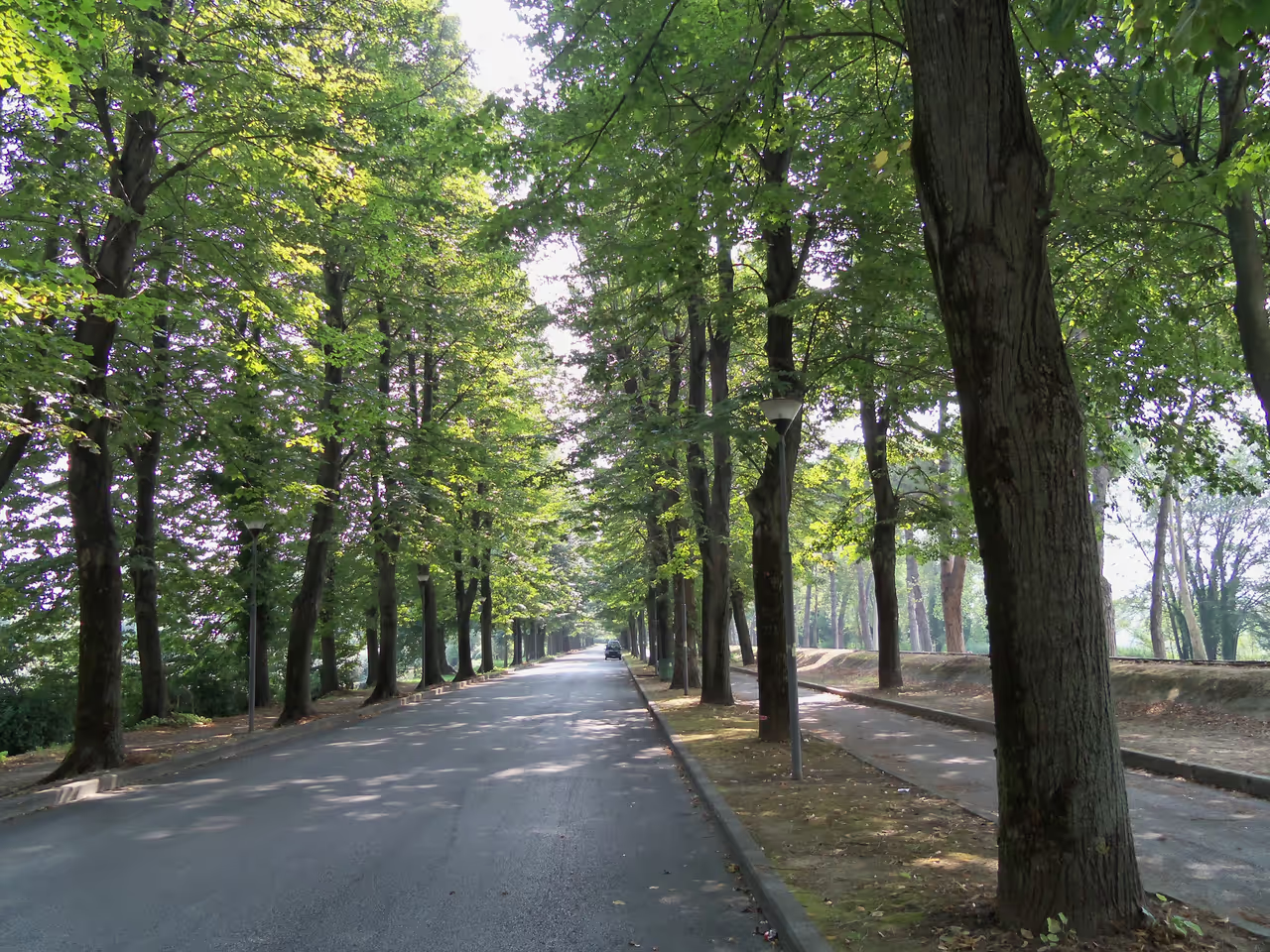
Viale delle Piagge
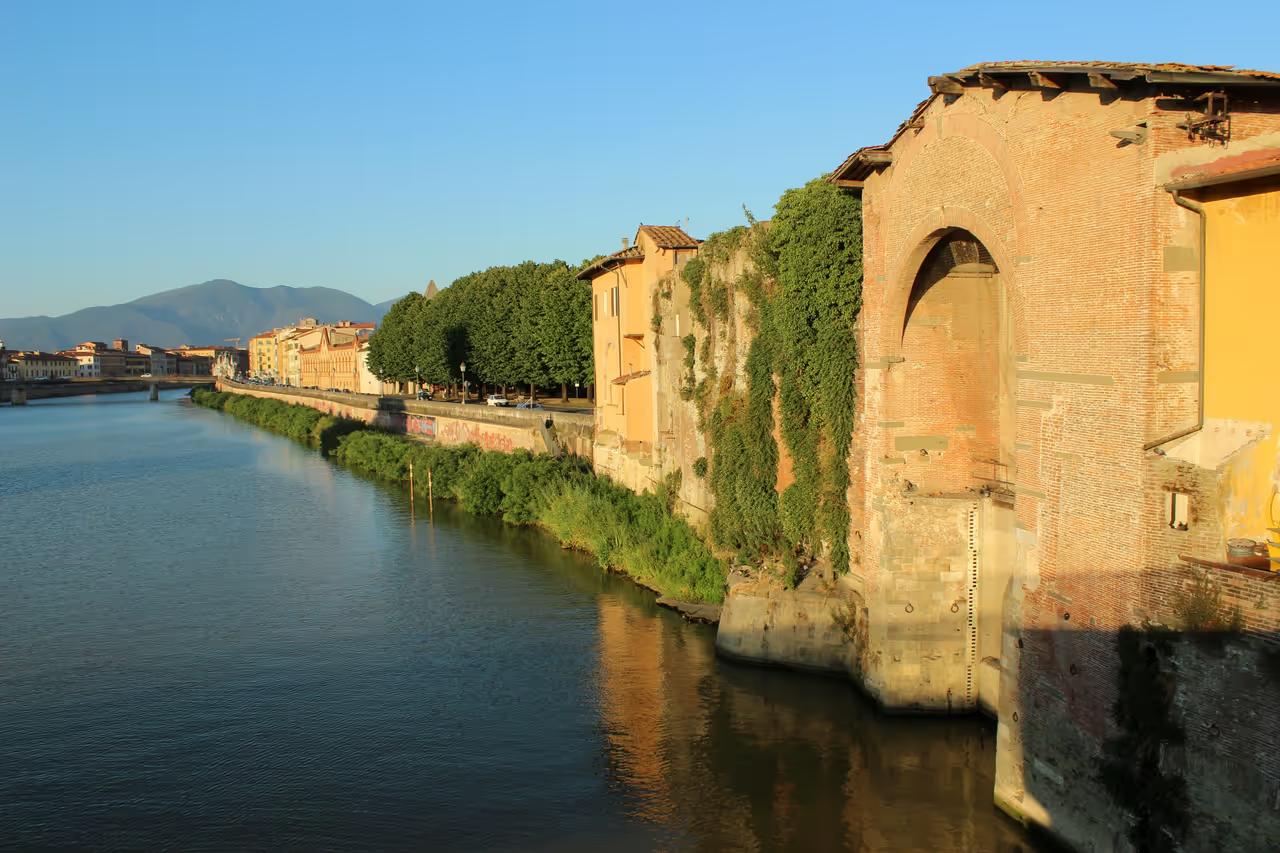
Wander along the tranquil Viale delle Piagge, a delightful tree-lined promenade that stretches elegantly beside the Arno River...
view
Highlights & Must-Sees
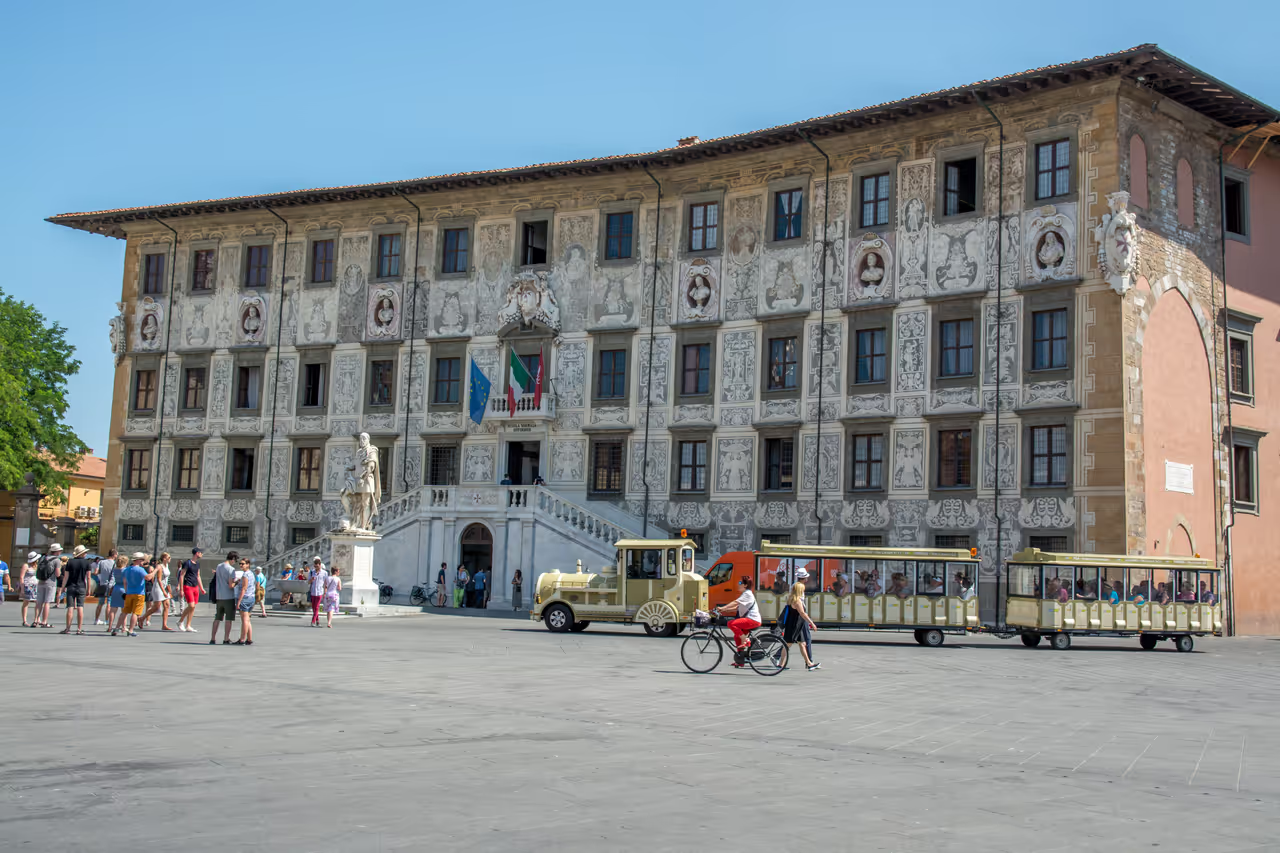
Palace of the Caravan
Dominating the magnificent Knights Square, this sweeping Renaissance palace is an absolute masterpiece of architectural...
view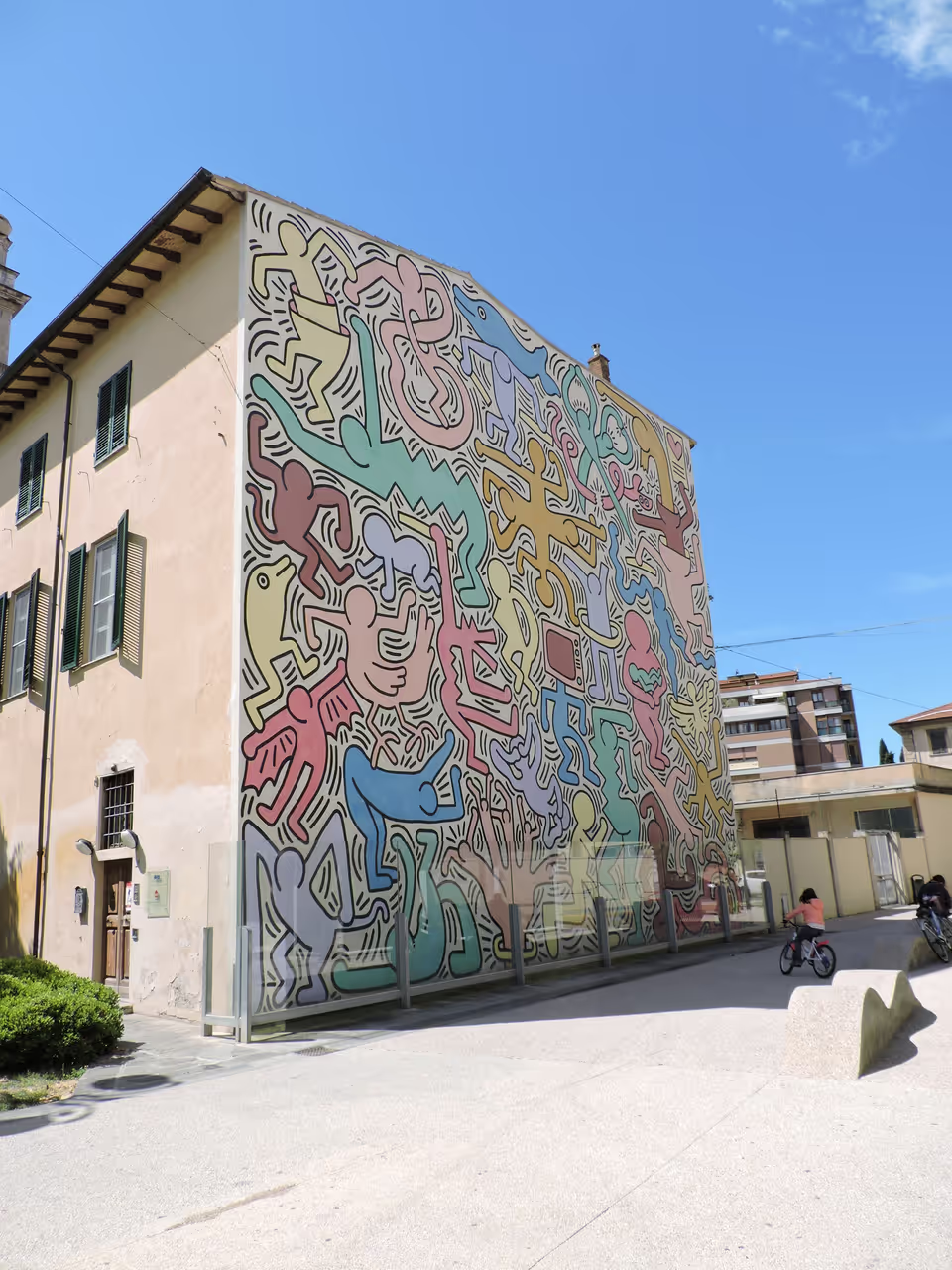
Tuttomondo Mural
Splashed across the massive exterior wall of a historic convent, this vibrant explosion of colour is one of the most significant...
view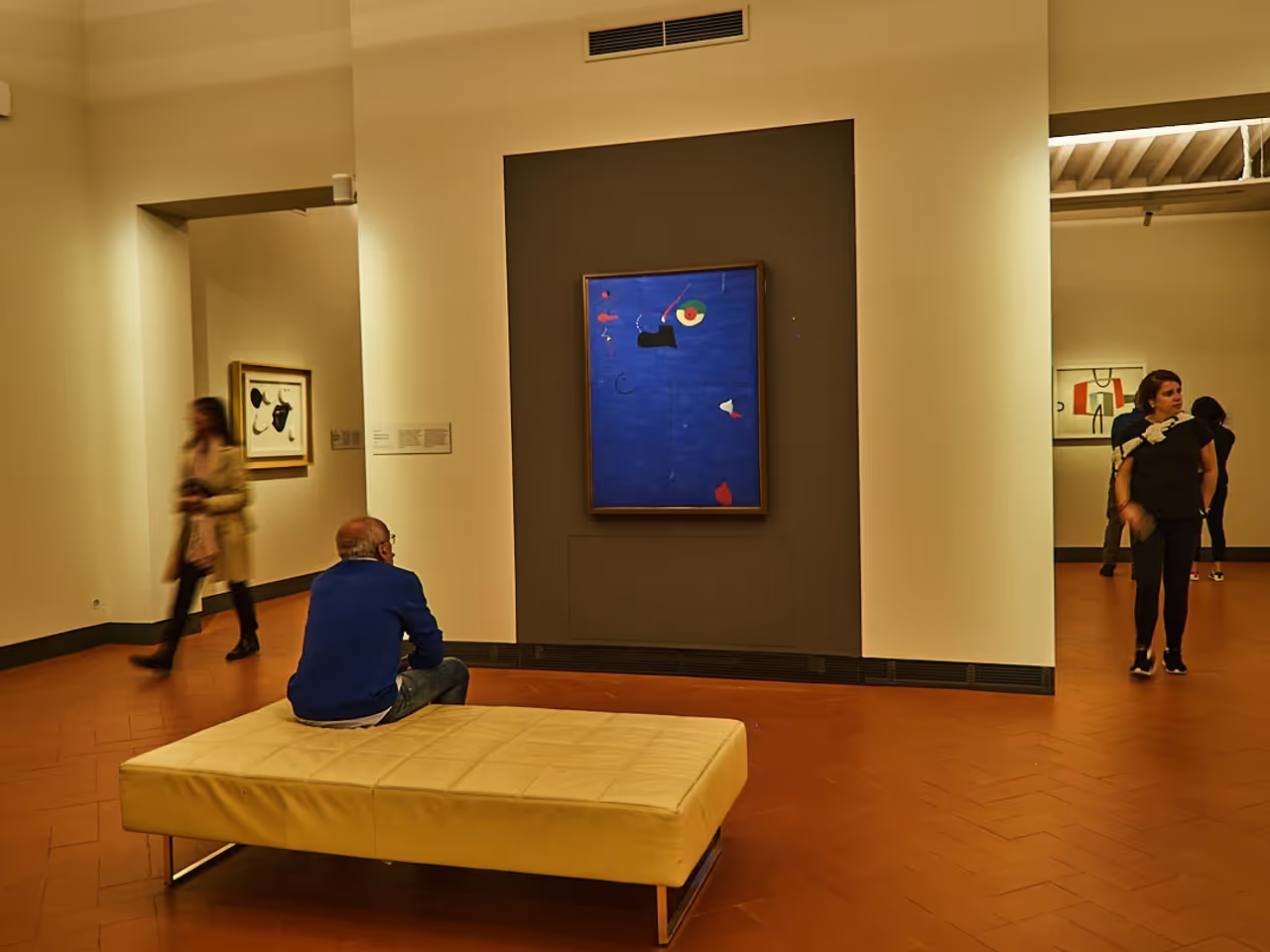
Blue Palace
Instantly recognizable by its unusually vibrant facade, this beautifully restored aristocratic mansion is the premier venue for...
viewCathedral Museum
Recently renovated and expertly curated, this museum protects the delicate original sculptures and treasures removed from the...
view
Best Walks in Pisa
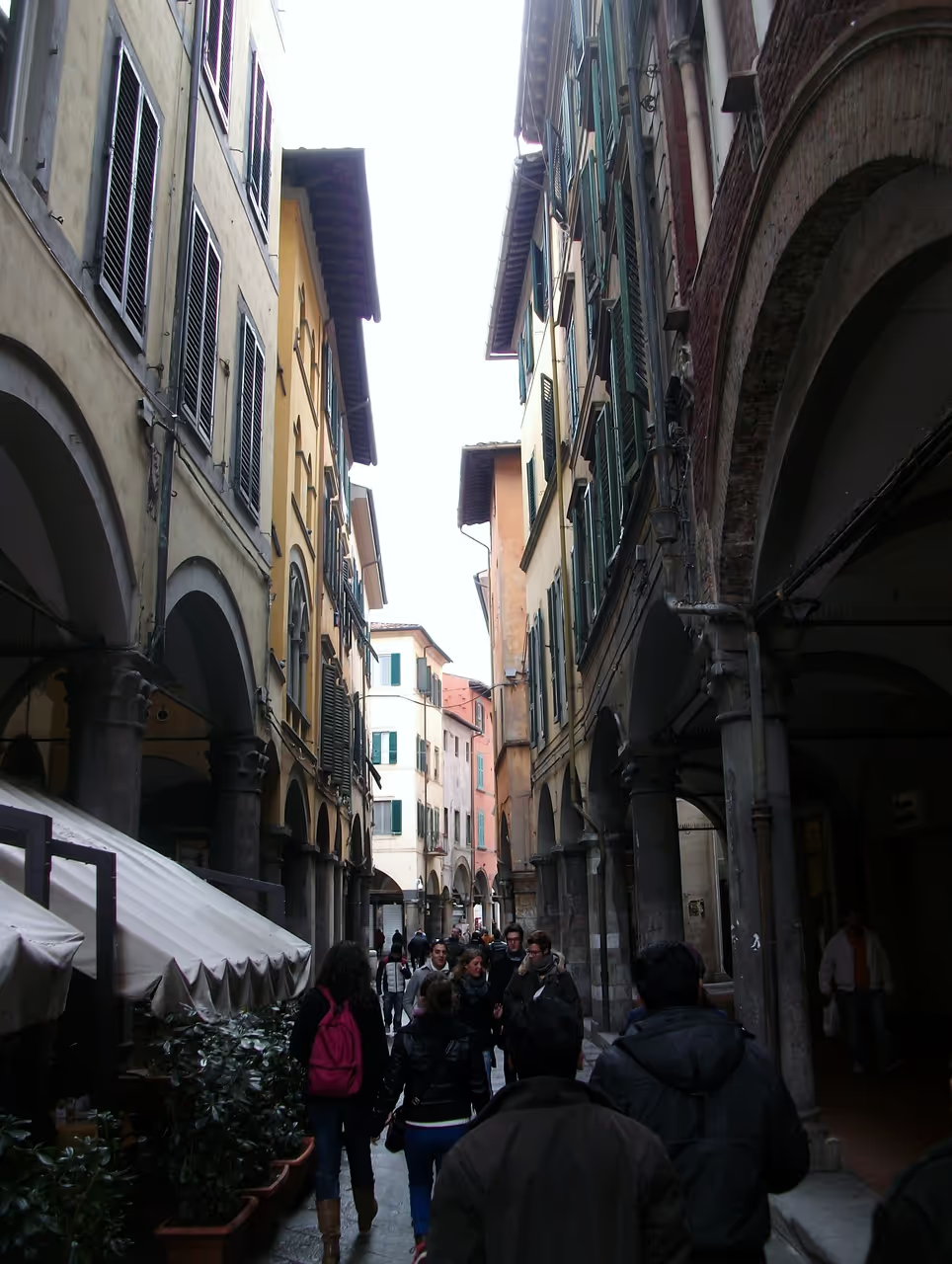
Arcades and Hidden Piazzas
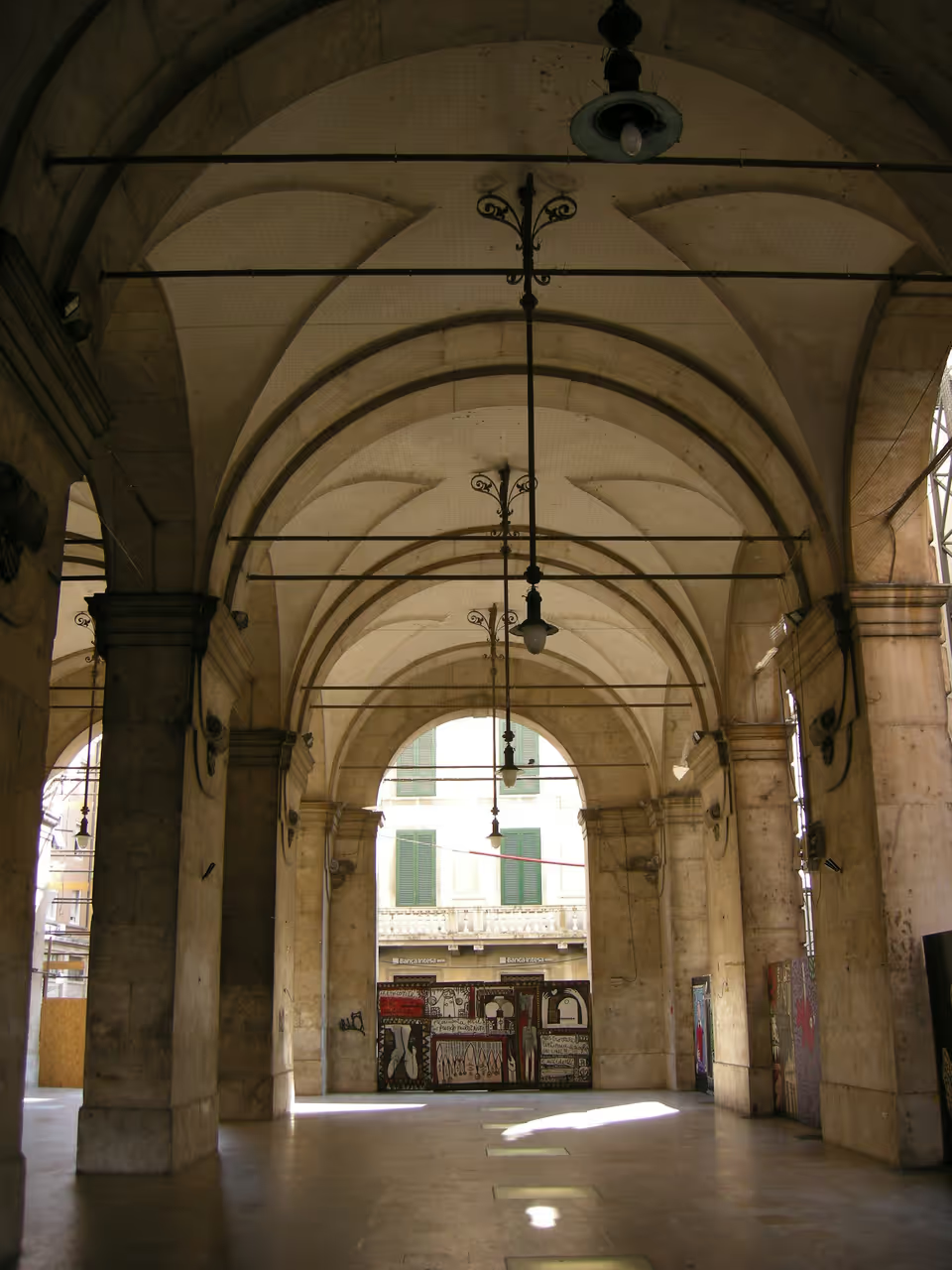
Dive deep into the medieval heart of the city by wandering under ancient porticos and through incredibly narrow alleyways. The shadows here are cool and deep, completely blocking out the harsh summer sun. The air is filled with the scent of fresh pastries, rich coffee, and old books spilling out from hidden shops.
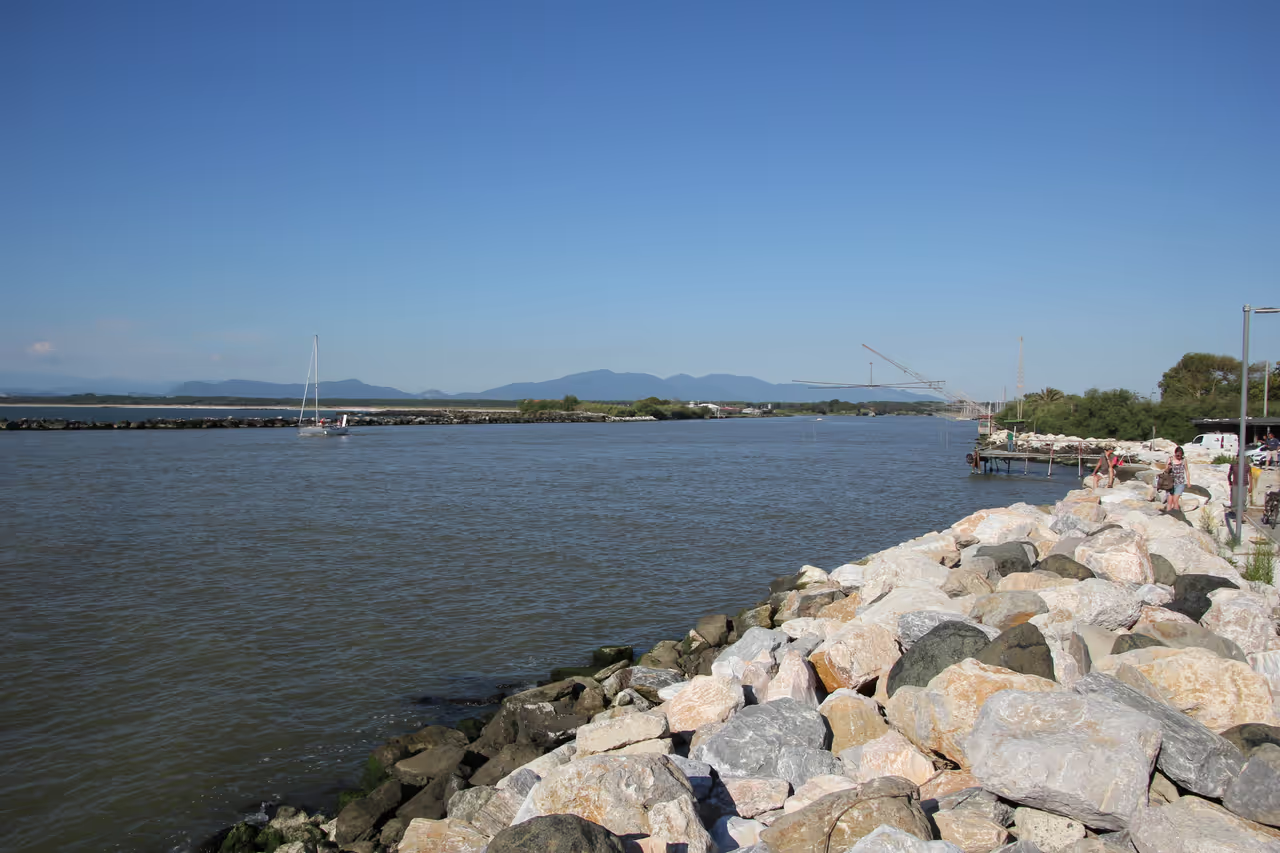
Marble Pebble Promenade
Escape the city entirely for this breezy, wide open stroll right along the crashing waves of the Mediterranean. The sharp smell of salt air and the sound of water rushing over smooth stones provides profound mental relaxation. To the east, the towering peaks of the Apuan Alps create a dramatic and stunning backdrop to the sea.
- HIGHLY RECOMMENDED
Grand River Loop
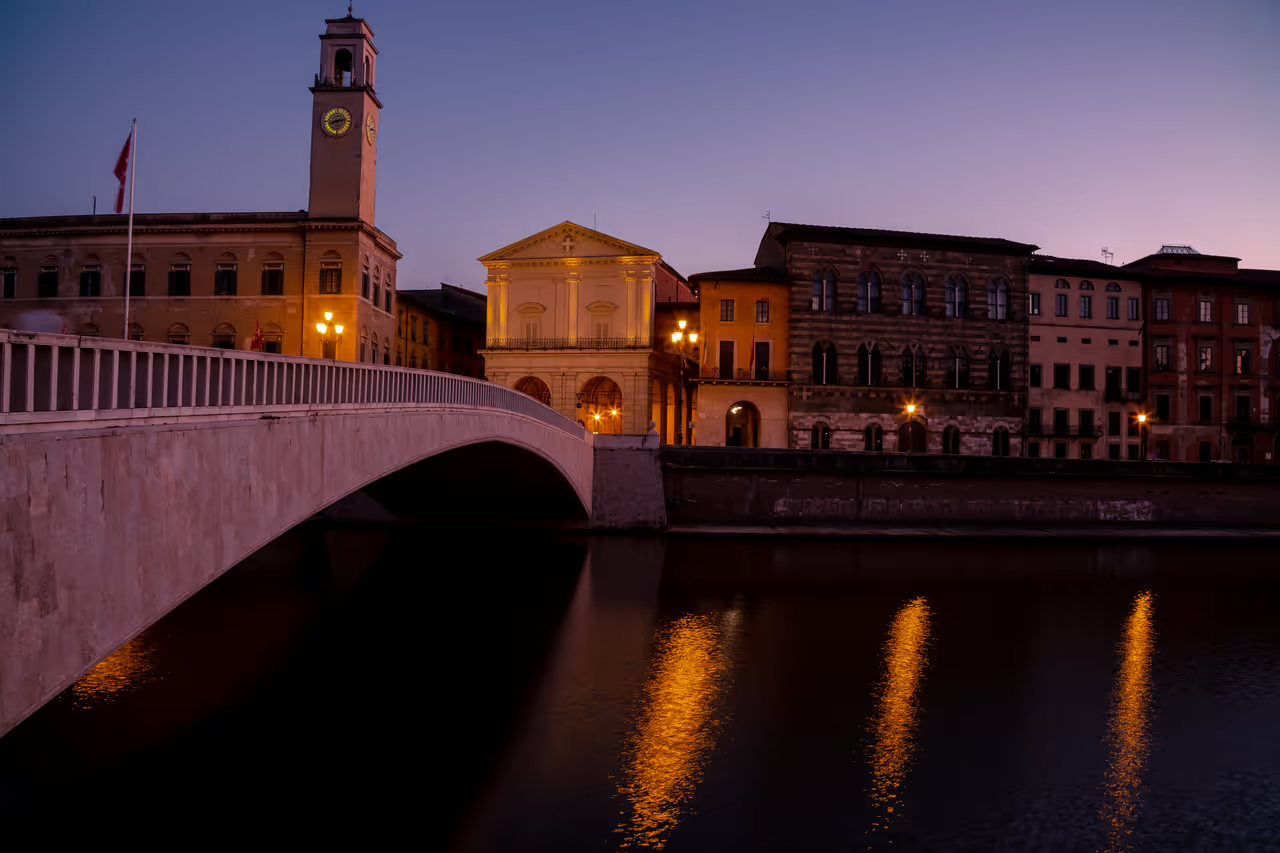
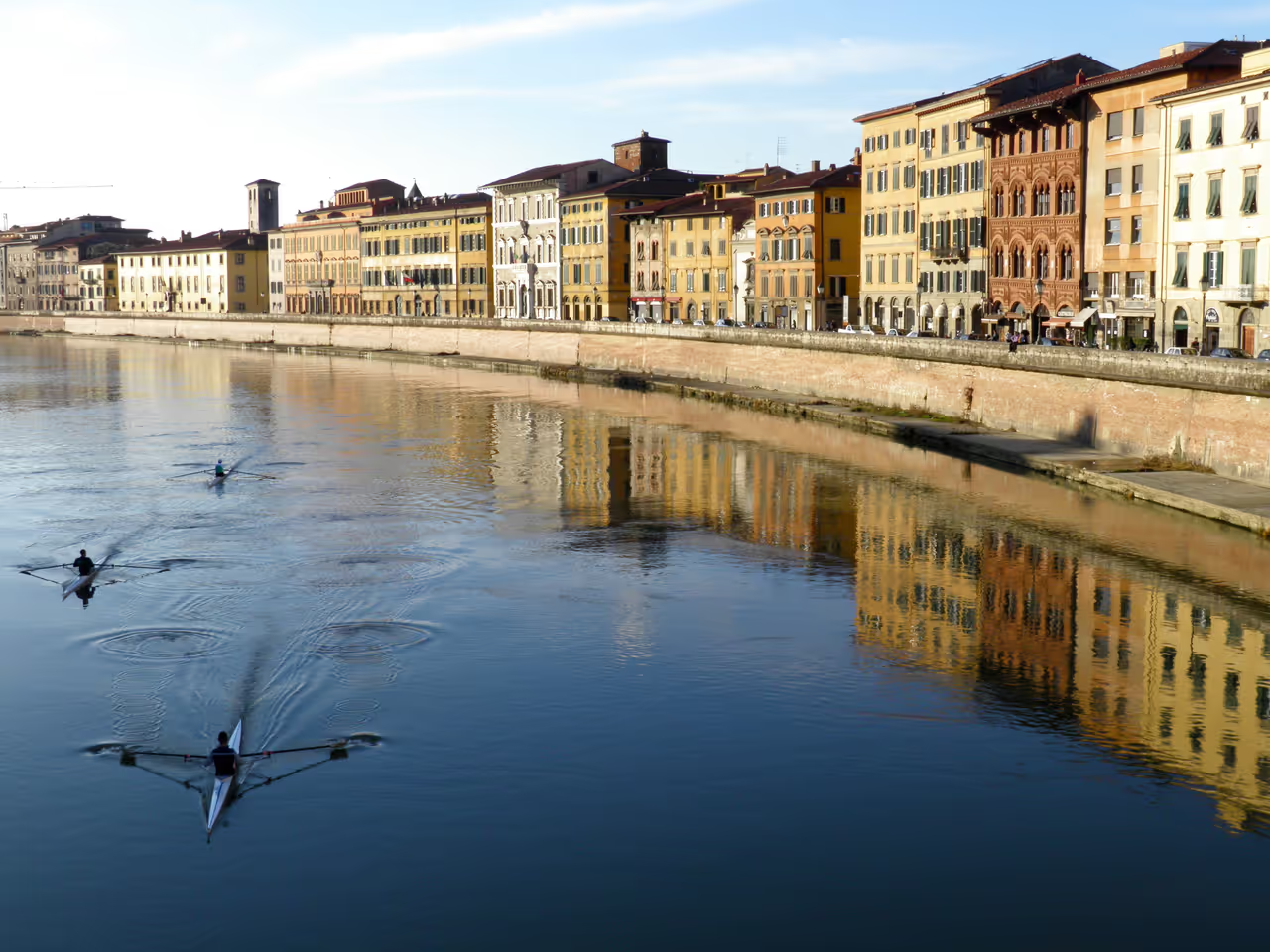
This walk traces the elegant, sweeping curves of the river, framed on both sides by stunning historical palaces. The gentle sound of the water and the absence of dense crowds create a highly romantic and reflective atmosphere. The route crosses multiple historic bridges, offering shifting perspectives of the pastel coloured architecture.
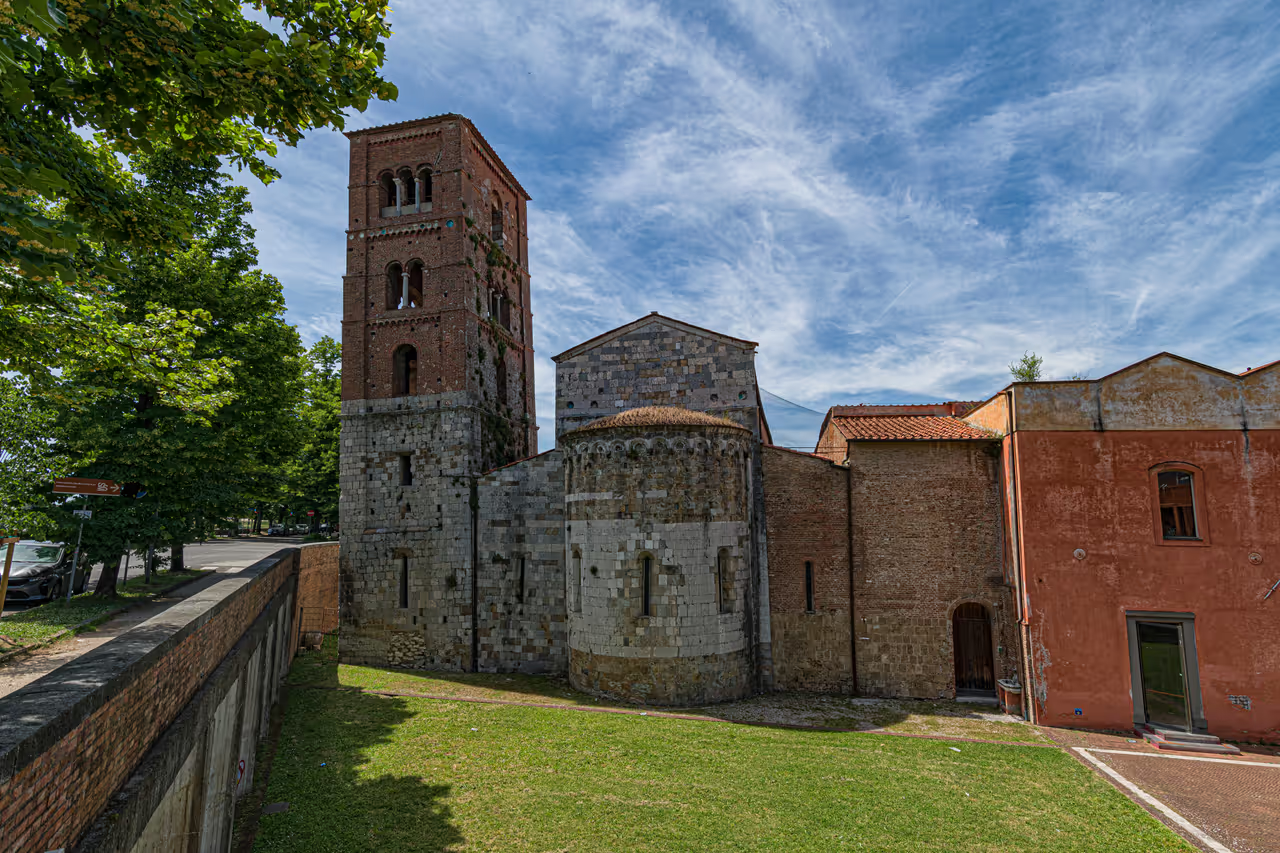
Architecture & Landmarks
Great Cathedral
This vast, cruciform basilica established an entirely new architectural vocabulary that spread across the Mediterranean. The...
viewLeaning Tower
Beyond its famous structural failure, this freestanding bell tower is an absolute triumph of medieval aesthetics. The...
viewMonumental Baptistery
As the largest structure of its kind in the country, this massive circular building showcases a fascinating architectural...
view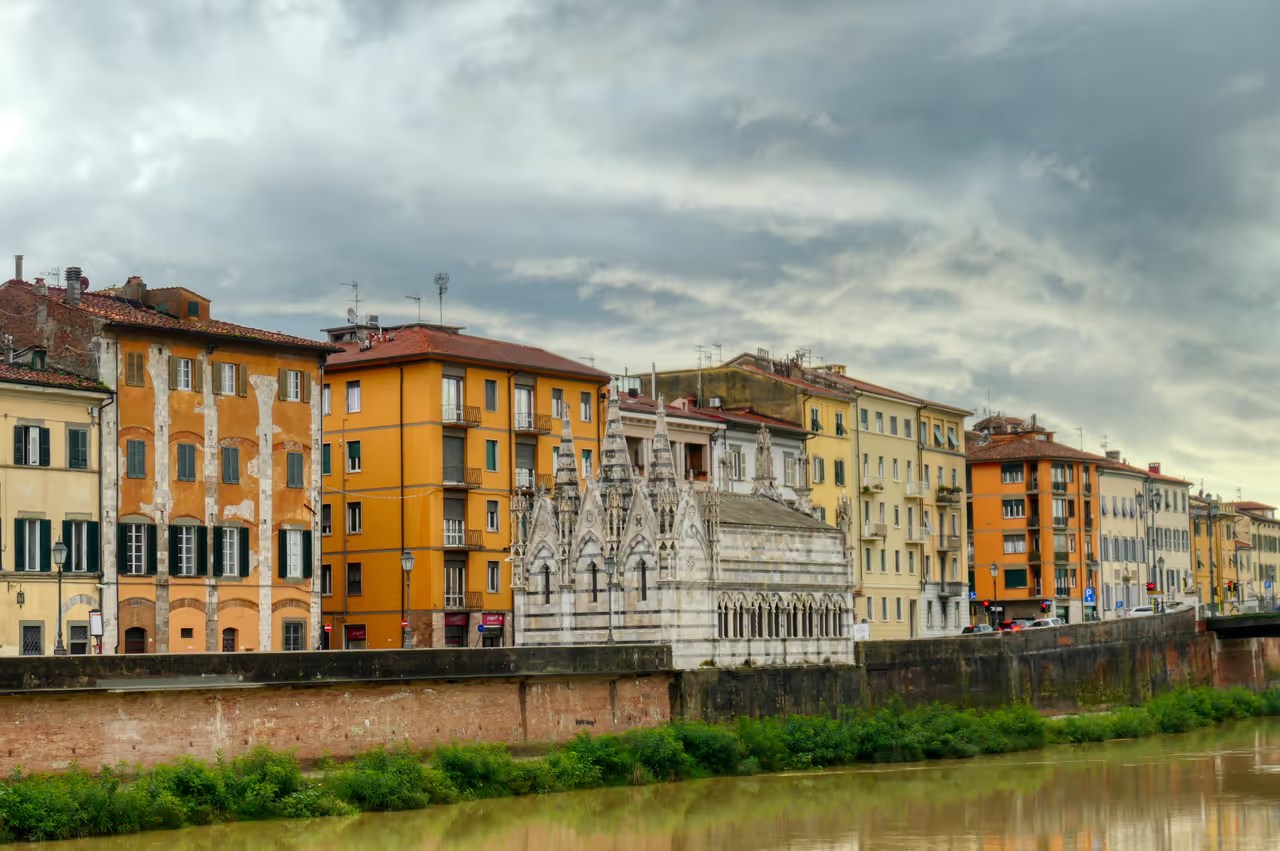
Church of the Thorn
Sitting precipitously on the stone banks of the river, this tiny chapel looks like a highly ornate jewellery box. It is arguably...
view
Markets & Shopping
Pisa Nightlife
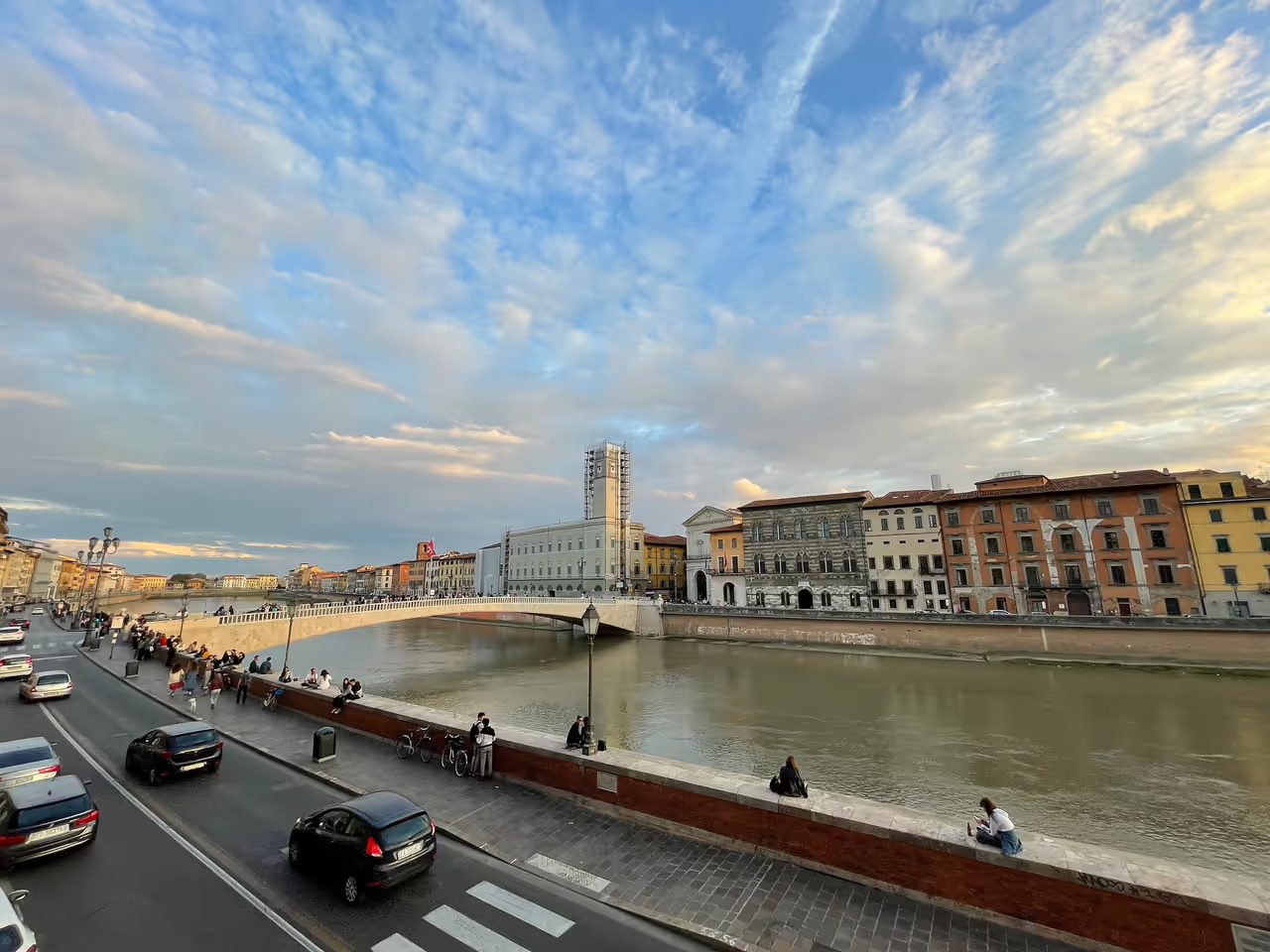
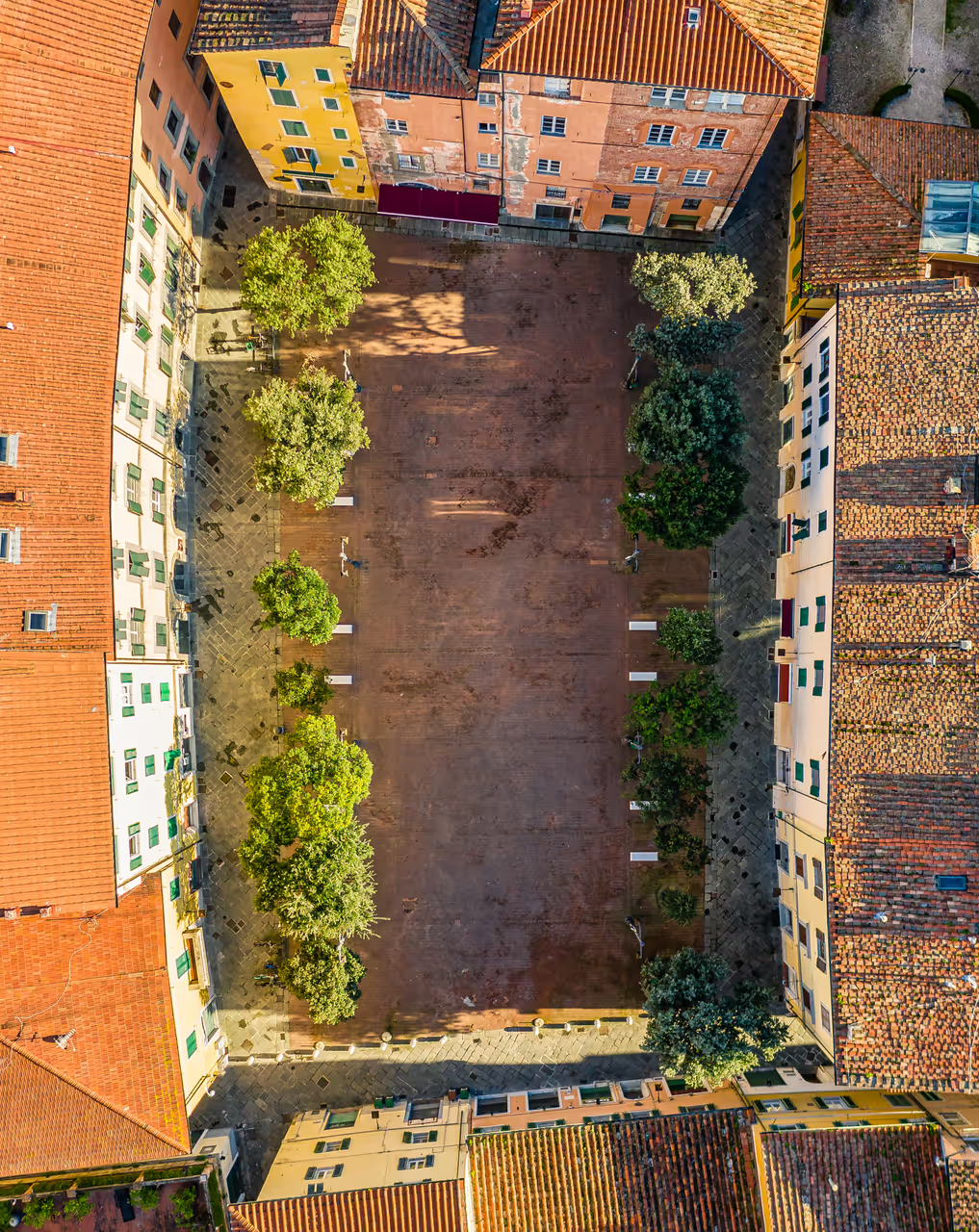
Photo Spots
Activities & Experiences
Cycling Routes
Arno River Greenway
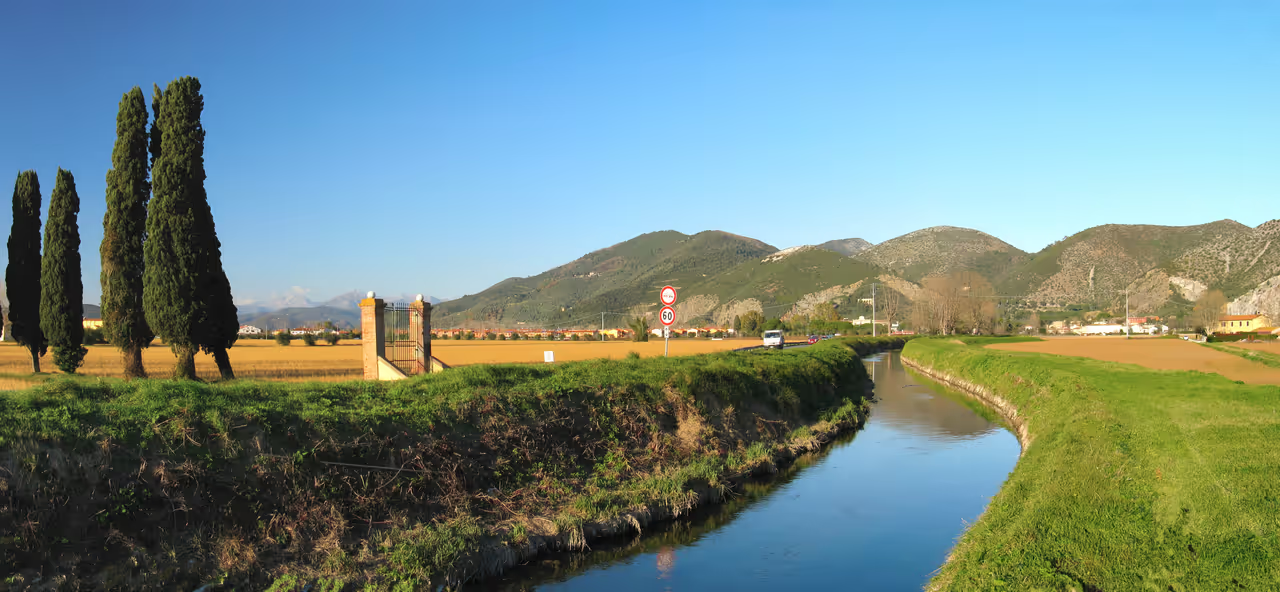
This gentle ride hugs the banks of the historic waterway that gave life to the city. Following a mix of dedicated paths and quiet riverside roads, cyclists can enjoy continuous views of the water and the surrounding agricultural landscapes. It highlights the tranquil, pastoral side of the region just outside the urban boundaries.
- HIGHLY RECOMMENDED
Trammino Coastal Greenway
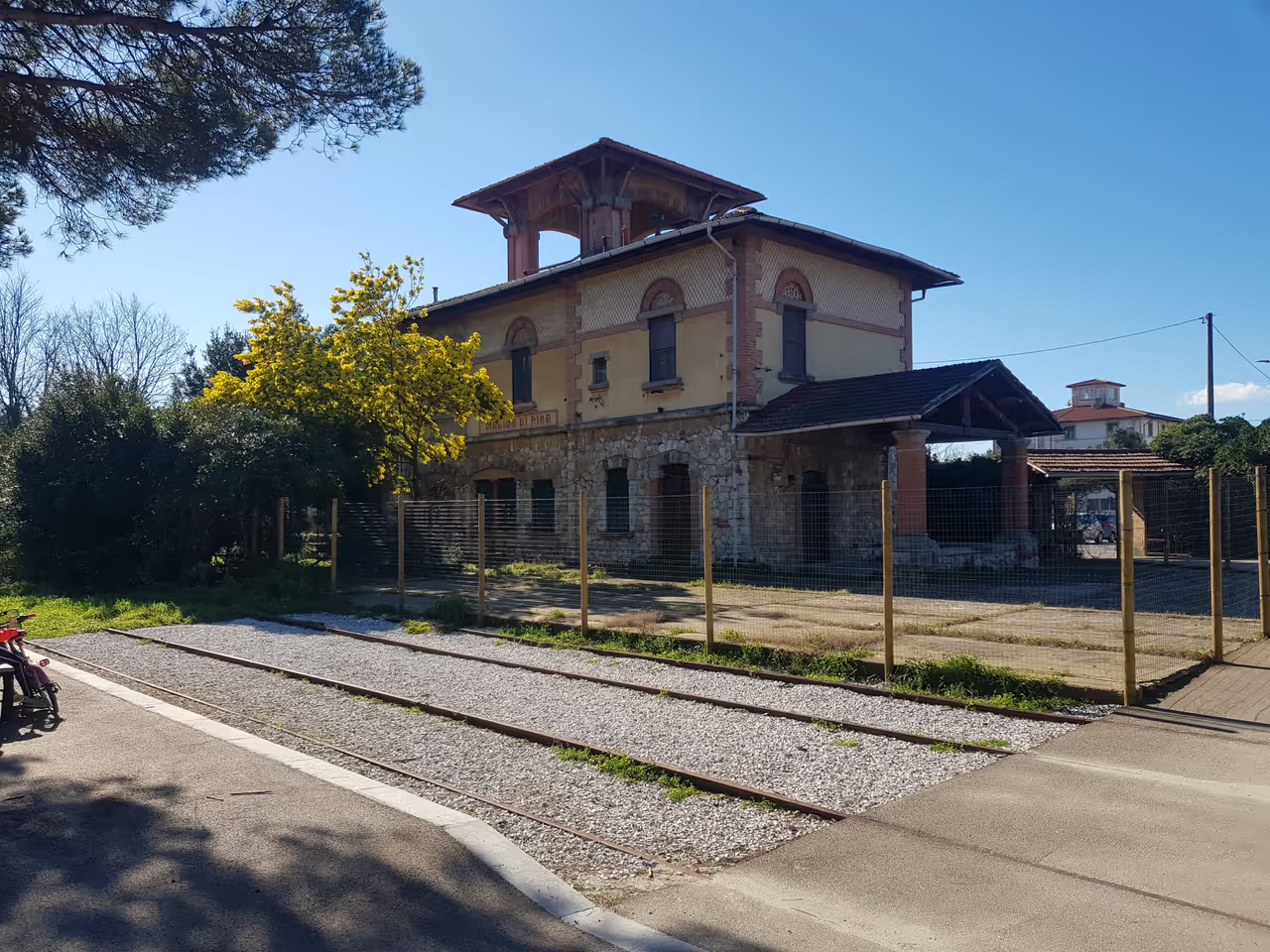
This smooth and completely car free route follows the ghost of an old railway line straight to the glittering sea. It provides a peaceful, shaded journey through agricultural landscapes and quiet suburban fringes. The ride culminates at the pebbled beaches of the coastline, offering a perfect reward for the gentle effort.
San Rossore Royal Estate Ride
Venture into the pristine wilderness of a former royal hunting estate just a stone's throw from the iconic monuments. This vast nature reserve offers miles of flat, shaded dirt paths winding through dense pine forests and open meadows. It is a fantastic opportunity to spot wild boars, deer, and vibrant birdlife in their natural habitat.
Self-Guided Tours
 HIGHLY RECOMMENDED
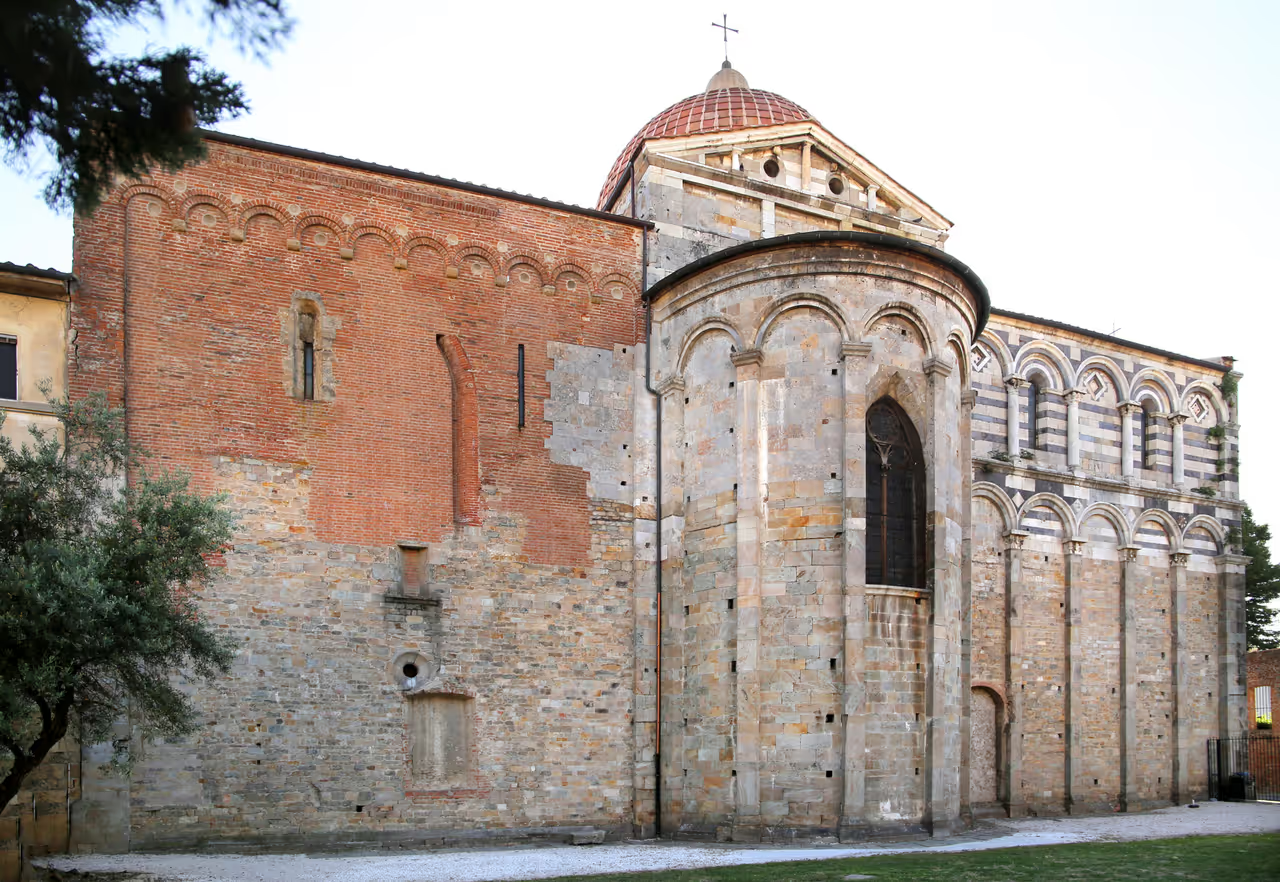
Pisan Romanesque Masterpieces
Embark on an architectural journey exploring the unique, gleaming white marble style that this city exported across the Mediterranean. This tour focuses on the intricate geometric patterns, blind arcades, and oriental influences that define this iconic aesthetic. It is a deep dive into the visual legacy of immense wealth and profound religious devotion.
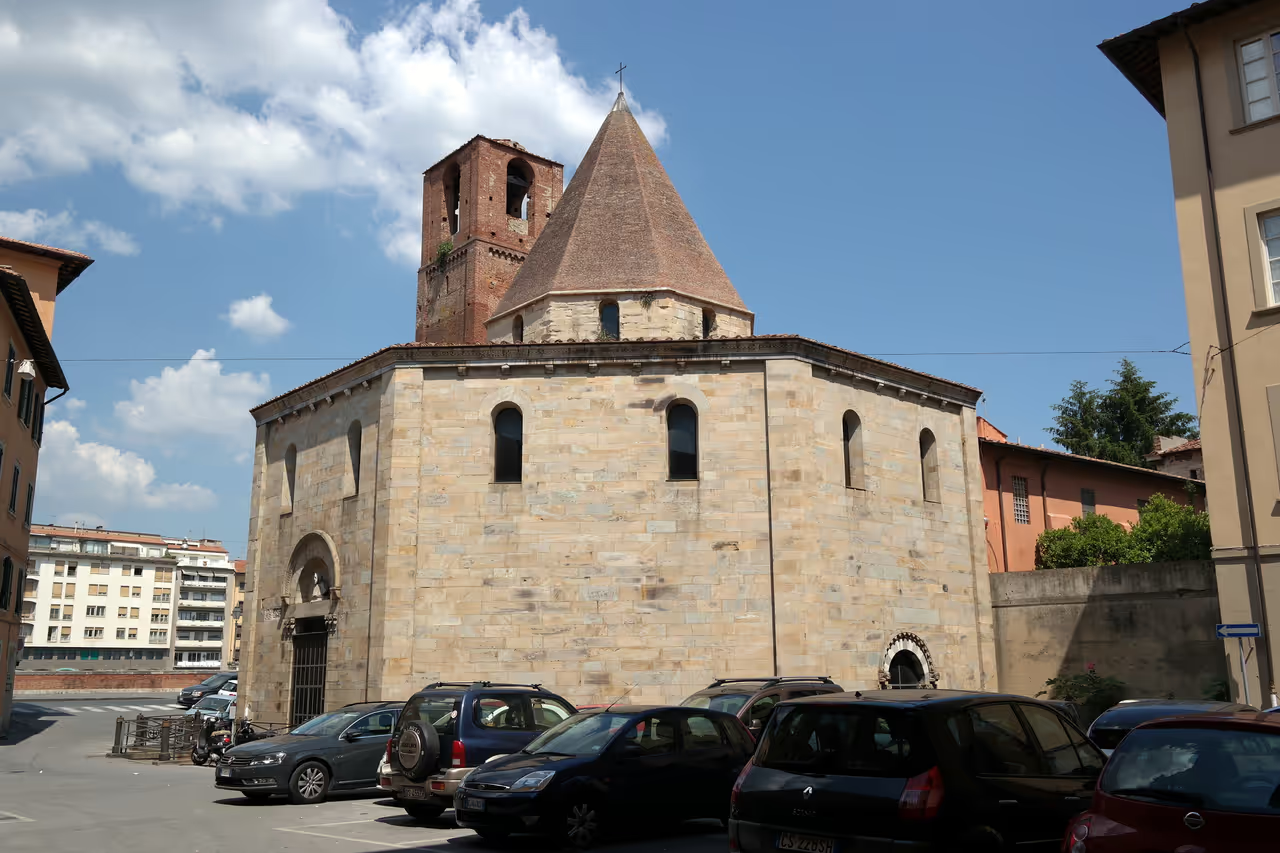
Legacy of the Maritime Republic
Trace the fading footsteps of a naval superpower that once dominated the waves from Spain to the Holy Land. This narrative explores the gritty reality behind the marble facades, focusing on ancient shipyards, fortress walls, and defensive towers. It reveals the military muscle and strategic brilliance that funded the city's golden age.
Scholars and Scientists
Follow in the footsteps of brilliant minds, from Galileo Galilei to modern Nobel laureates, in a city entirely shaped by its academic institutions. This route highlights historic lecture halls, botanical pioneers, and the elite schools that replaced the power of the sword with the power of the pen.
Annual Festivals & Events
 HIGHLY RECOMMENDED
Luminara of San Ranieri
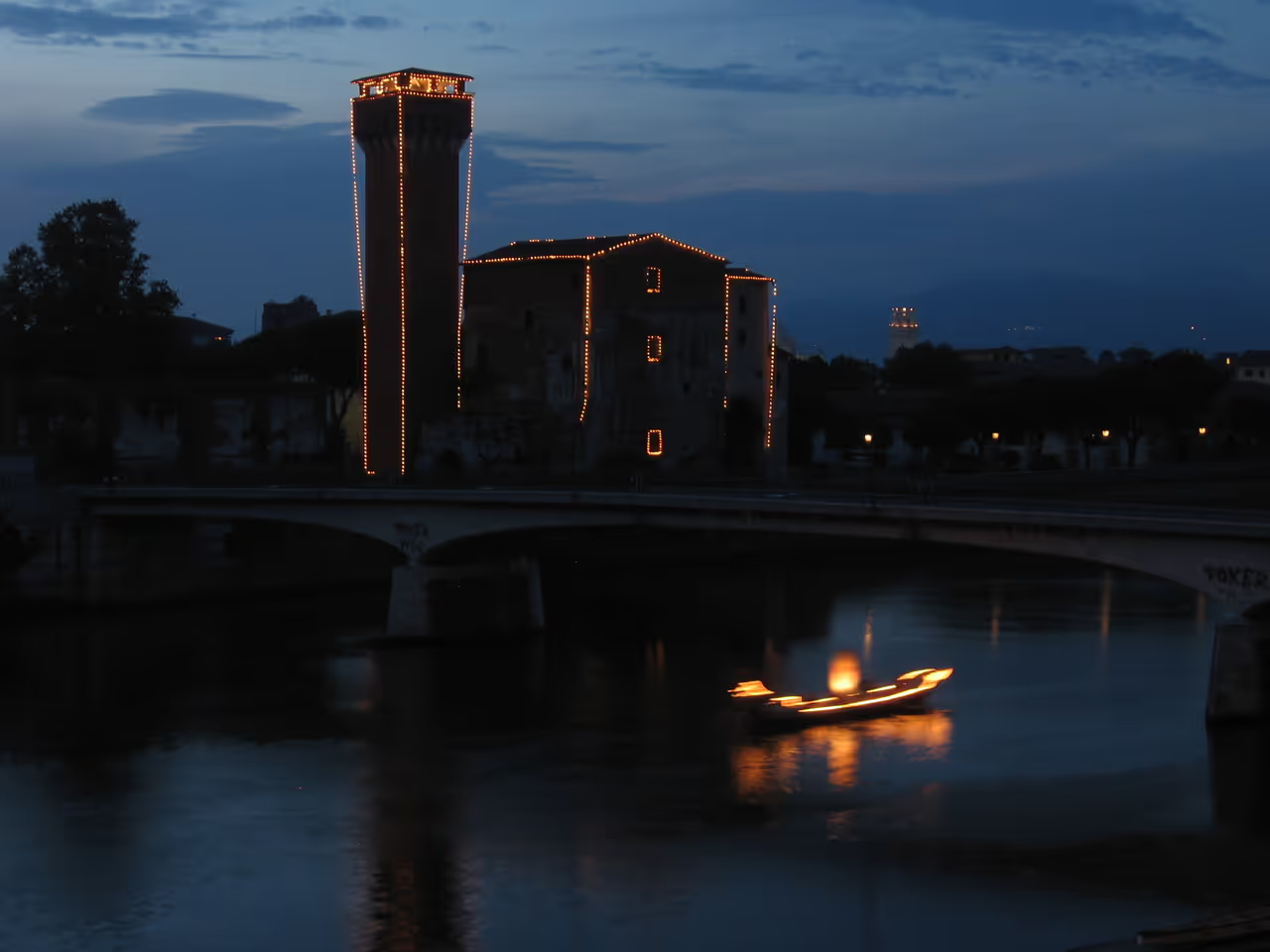
This breathtaking event takes place on the eve of the patron saint's feast day. As the sun sets, all electric lights along the riverbanks are dimmed, and over ten thousand wax candles are lit on the facades of the historic palaces. The reflection of thousands of flickering flames on the dark water creates a truly magical and unforgettable atmosphere. The night culminates in a spectacular fireworks display launched from the ancient citadel. It is a deeply cherished local tradition that brings the entire community together in celebration.
Anima Mundi Sacred Music Festival
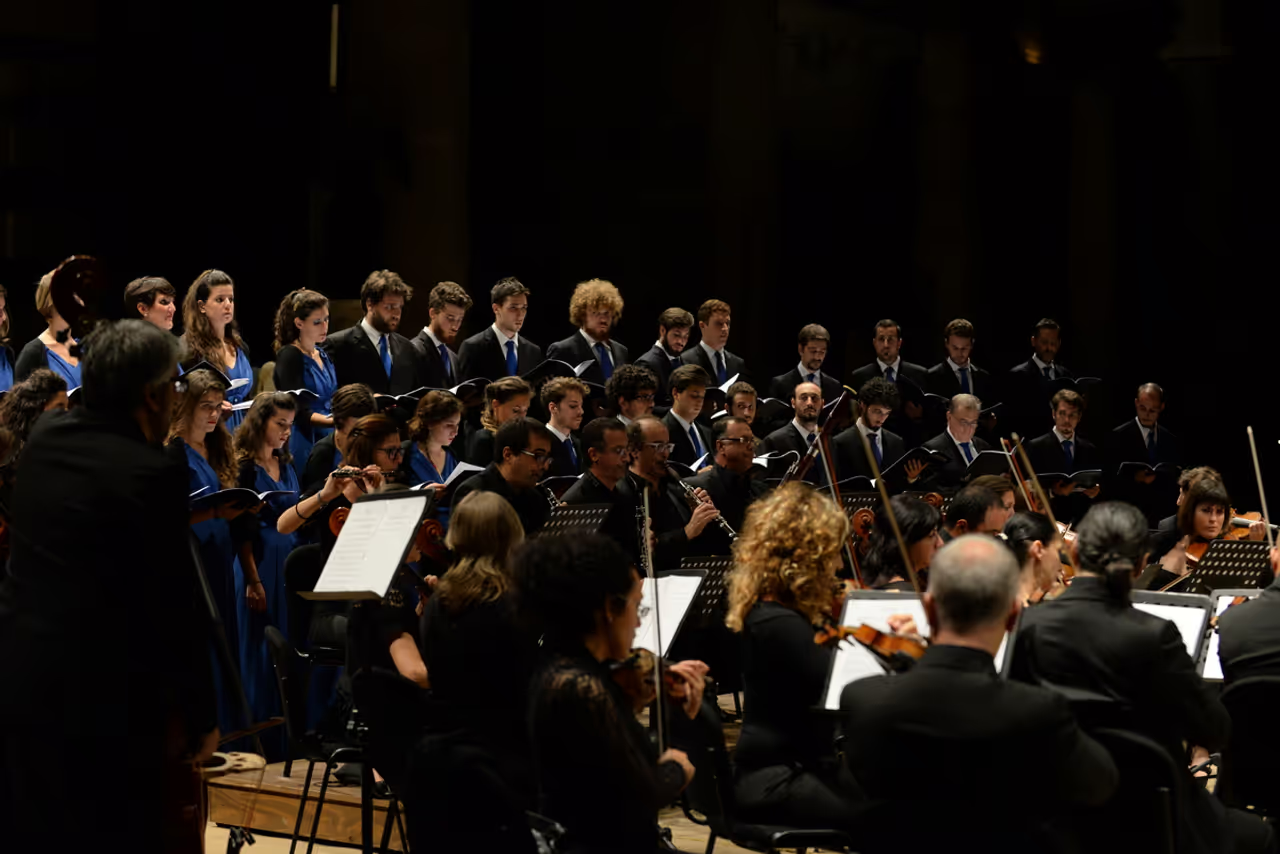
This prestigious international festival brings world class sacred music to some of the most acoustically and visually stunning venues imaginable. Concerts are held inside the magnificent cathedral and the monumental cemetery, where the ancient architecture perfectly complements the ethereal sounds. Choirs and orchestras from around the globe perform classical masterpieces, creating an atmosphere of profound spiritual and artistic beauty. It is an extraordinary opportunity to experience these iconic monuments through the power of world class musical performance.
Game of the Bridge
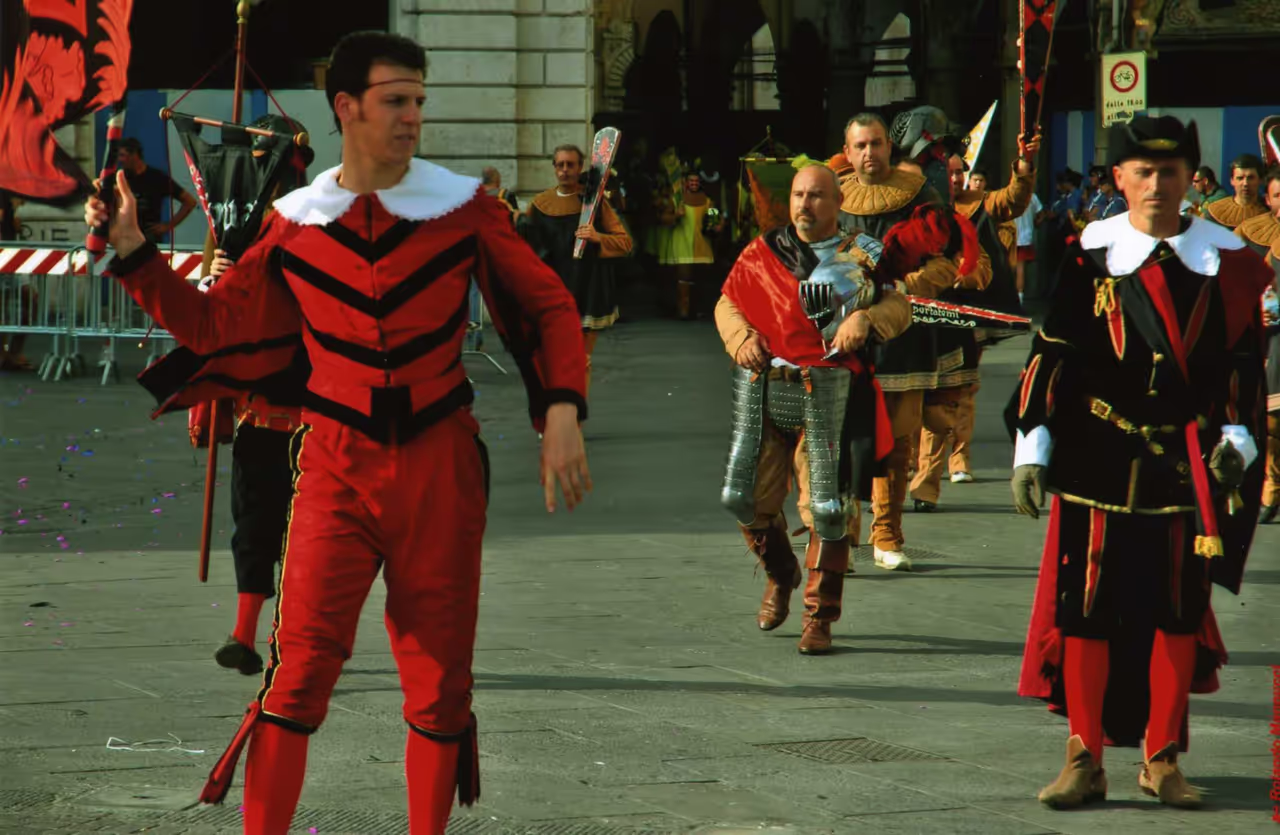
A fierce and historic rivalry comes to life in this traditional physical contest held on the city's central bridge. The northern and southern districts first parade in elaborate sixteenth century Spanish costumes, complete with banners and armour. Following the vibrant parade, massive teams attempt to push a heavy wooden trolley onto the opposing side's territory. The sheer strength required and the passionate roaring of the local crowds make it a thrilling spectacle. It offers a fascinating glimpse into the enduring medieval rivalries that still shape local identity.
Insider Tips
Avoid driving into the city centre at all costs, as the camera enforced limited traffic zones will result in hefty fines sent to your home address months later.
When buying tickets for the automated airport tram, use the self service machines right next to the platform gates rather than the main railway kiosks.
Never buy souvenirs from unlicensed street vendors operating near the main monuments, as undercover police actively issue massive fines to tourists caught purchasing counterfeit goods.
The red city bus line is your best friend for navigating between the central railway station, the riverbanks, and the major historic monuments.
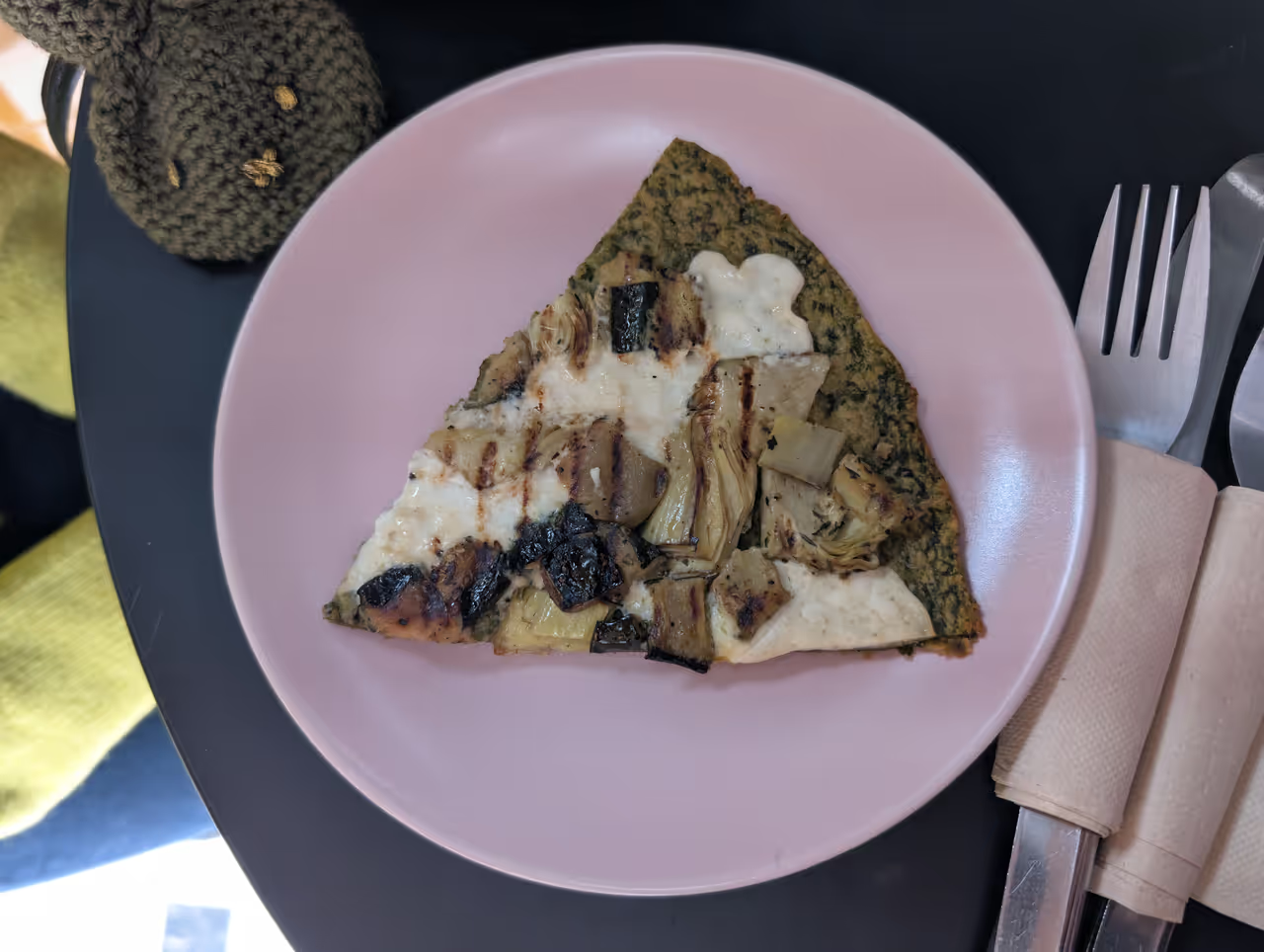
For a cheap and incredibly authentic local lunch, grab a slice of cecina flatbread from a traditional bakery and eat it while strolling through the old market squares.
Walk along the riverbanks in the evening rather than during the midday heat, as the setting sun reflecting off the pastel palaces provides the most magical lighting.
PERFECT FOR
This destination is perfect for curious travellers who appreciate stunning architecture and deep historical roots. Art enthusiasts and architecture lovers will marvel at the Romanesque masterpieces, while younger travellers will enjoy the lively student driven nightlife and affordable eateries. It is also an ideal spot for romantic getaways, offering scenic riverside walks and charming hidden squares.
VIBE
The atmosphere is a captivating blend of magnificent medieval grandeur and lively youthful energy. Students fill the narrow alleys and riverside cafes, creating a vibrant, lived in feel that contrasts beautifully with the ancient marble monuments. Walking along the illuminated riverbanks at night feels endlessly romantic and deeply historical.
Frequently Asked Questions about Pisa
While we strive to keep this information accurate and up to date, we recommend verifying any details independently before making decisions based on them.
Similar Destinations in Italy
Continue your journey. Explore these highly recommended cities and uncover more of what Italy has to offer.