Pisa Cathedral
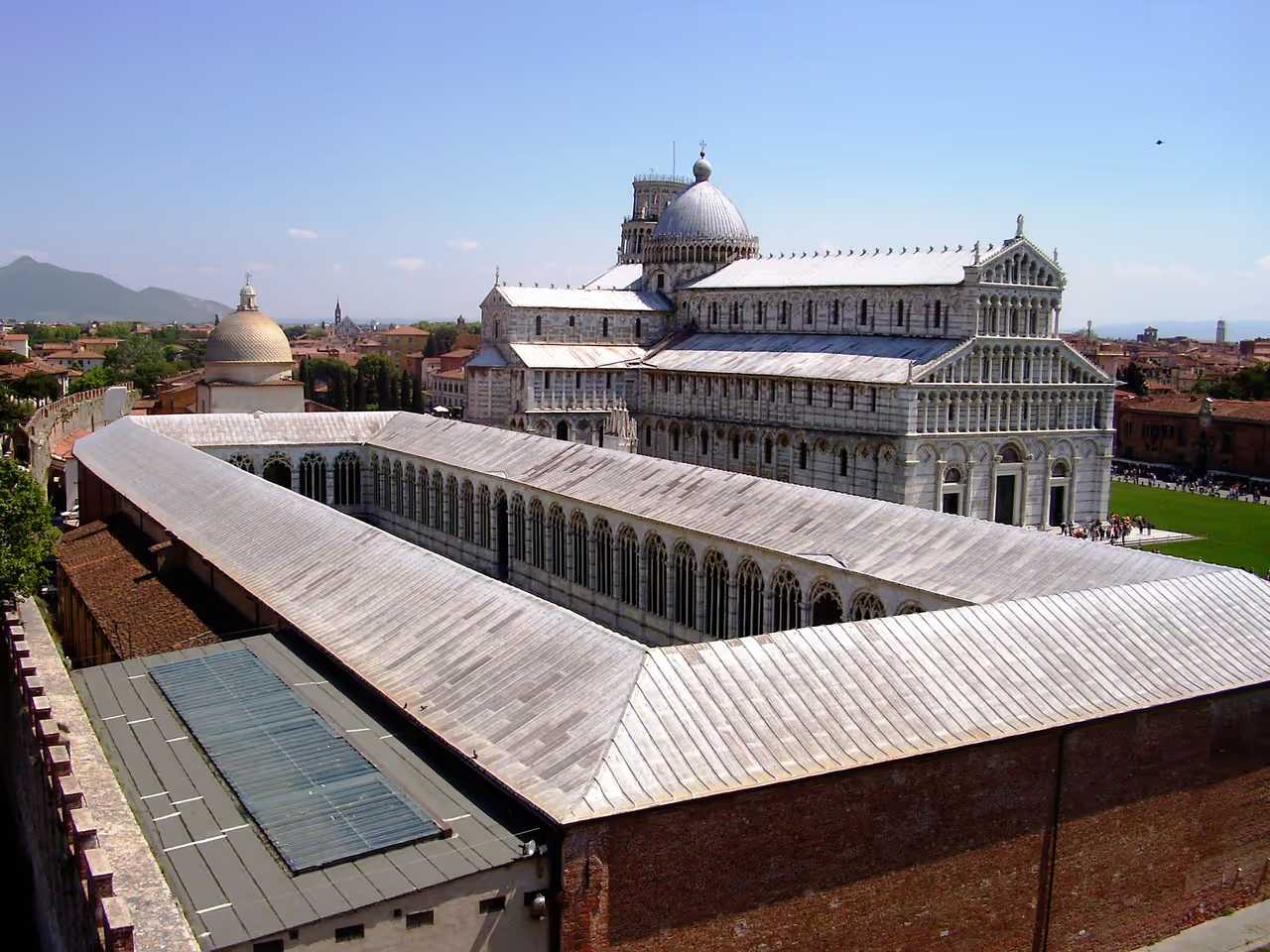
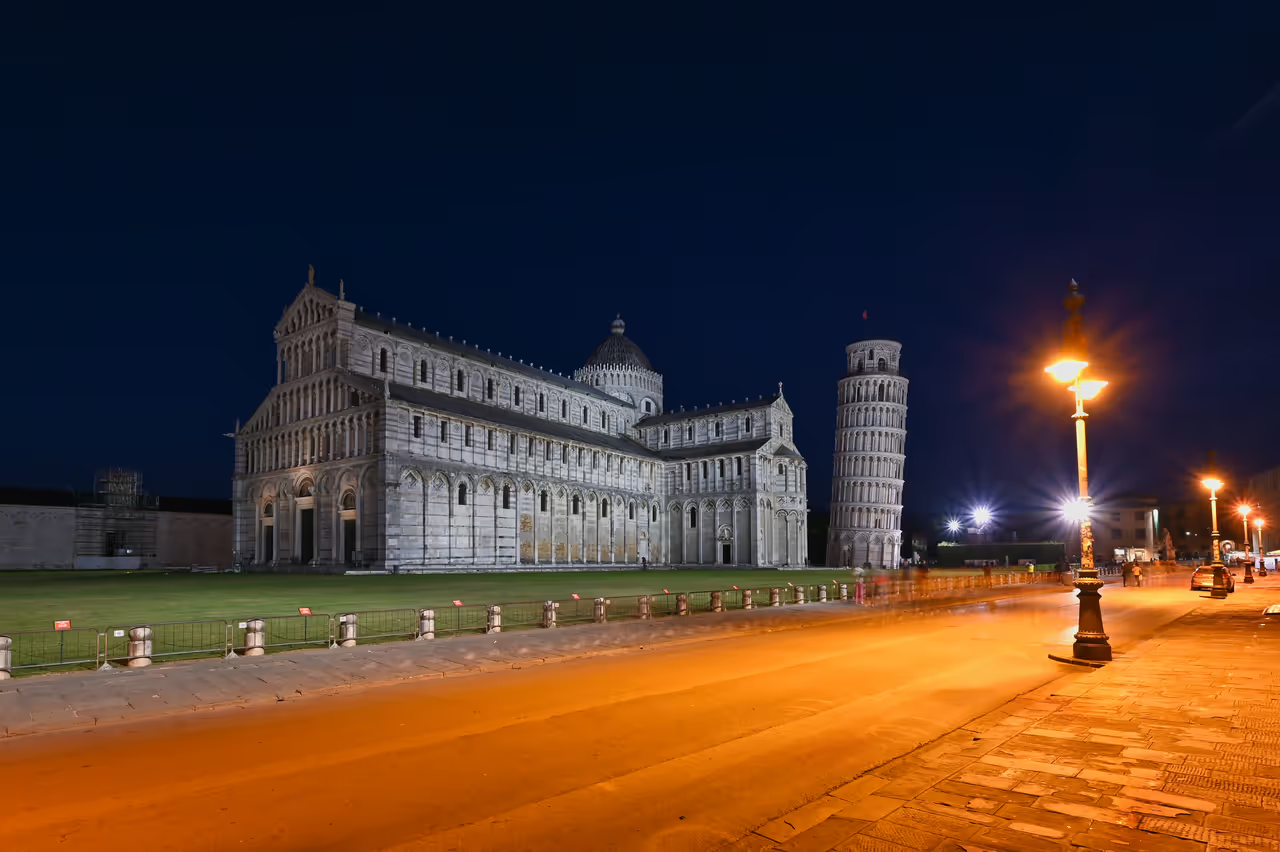
Standing at the heart of the Piazza dei Miracoli, the Duomo di Pisa is a profound testament to the artistic ambition of the medieval maritime republic of Pisa. This masterpiece of Romanesque architecture invites visitors to admire its intricate marble facade and an interior that blends diverse cultural influences with grace. Stepping inside reveals a sanctuary filled with precious treasures, including the awe-inspiring pulpit by Giovanni Pisano and the celestial mosaic by Cimabue. Whether you are an art enthusiast or seeking a moment of peace, the cathedral offers a window into a rich, storied past that feels remarkably present today. Its unique atmosphere, shaped by centuries of history and devotion, makes every visit a memorable experience.
Videos
History of Pisa Cathedral
The story of the Duomo begins in 1064, born from the audacity of a rising maritime power. Funded by the spoils of a triumphant military expedition to Palermo, Pisa sought to create a monument that would announce its arrival on the world stage. The architect Buscheto blended classical, Byzantine, and Islamic influences, creating a unique Pisan Romanesque style that defied standard conventions of the era. The cathedral was intentionally built outside the old city walls, a bold statement that Pisa no longer feared its enemies and possessed the wealth to stand tall and unburdened. Over the centuries, the cathedral grew and changed, mirroring the fortunes of the city itself. In 1595, a devastating fire swept through the structure, scarring its interior but ultimately leading to a new chapter of renewal. Baroque painters filled the voids left by the flames, and new bronze doors replaced those lost, ensuring the cathedral remained a living, breathing testament to faith and art. It became a repository for masterpieces, housing work by greats like Cimabue, Giovanni Pisano, and Andrea del Sarto, each piece layering more meaning onto the church walls. Today, the cathedral stands as a historic monument and the heart of Pisa's identity. From the precise alignment of sunlight illuminating specific marble markers during the equinox to the whispered legends of the devil's claws on its outer walls, the Duomo is steeped in folklore and science. It continues to inspire wonder, reminding visitors that while empires rise and fall, the dedication to beauty and craftsmanship can endure through time, inviting all who walk through its doors to become part of its ongoing story.
Events spanning 862 years
Fun Facts
- • A legendary connection links the cathedral to Galileo Galilei. It is said he formulated his theory on the isochronism of the pendulum while observing a swinging lamp inside the nave.
- • An ancient amphora is kept in the cathedral, which, according to local tradition, is one of the vessels used during the Wedding of Cana, where Jesus performed his first miracle.
- • Locals whisper that the peculiar black markings on the cathedral's outer marble wall are the result of the devil attempting to stop the construction of the church. These are known as the devil's claws.
- • On specific dates, a single ray of sunlight penetrates the cathedral at solar noon, illuminating precise points on the marble floor. This phenomenon tracks the solar equinox and the historic Pisan New Year.
- • The apse features a stunning mosaic of Christ in Majesty, which includes a depiction of Saint John the Evangelist attributed to the master Cimabue. This artwork miraculously survived the great fire of 1595.
- • The cathedral was intentionally built outside the city's ancient walls, a deliberate display of confidence and wealth indicating that the republic no longer needed defensive fortifications to feel secure.
- • The cathedral's architecture profoundly influenced the Tuscan Romanesque style, serving as a model for many other religious buildings across the region.
- • The interior ceiling features a magnificent coffered design, gilded with gold that was reportedly gifted by the Medici family of Florence.
- • The interior design reflects a surprising cosmopolitanism, featuring elements influenced by Islamic, Byzantine, and Lombard styles, showcasing the reach of Pisan merchants in the Middle Ages.
RESOURCES
Official WebsitePisa Cathedral FAQ
While we strive to keep this information accurate and up to date, we recommend verifying any details independently before making decisions based on them.
Pisa Cathedral Map & Neighborhood Explorer
This interactive map is centered on Pisa Cathedral. Zoom in and move the map around to automatically discover Wikipedia photos and summaries of other nearby sights, monuments, and historical points of interest and stories in real-time!
Places near Pisa Cathedral
Make the most of your trip. Check out these top-rated spots located nearby.
 0m
0mPisan New Year
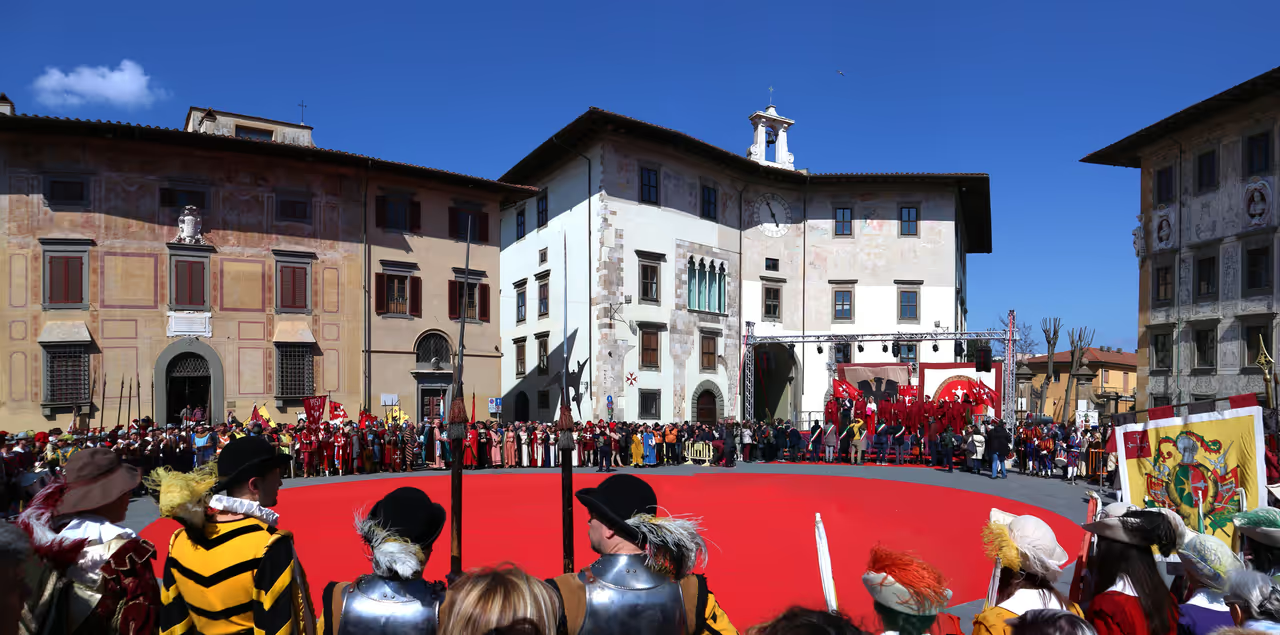
According to a unique medieval calendar, the new year here officially begins nine months ahead of the standard Gregorian calendar. The precise moment is marked when a specific ray of sunlight shines through a window in the cathedral and strikes a designated marble egg. The day is celebrated with historical parades, flag throwing performances, and various cultural events across the historic centre. It is a quirky and charming celebration that highlights the region's fiercely independent historical identity.
festival view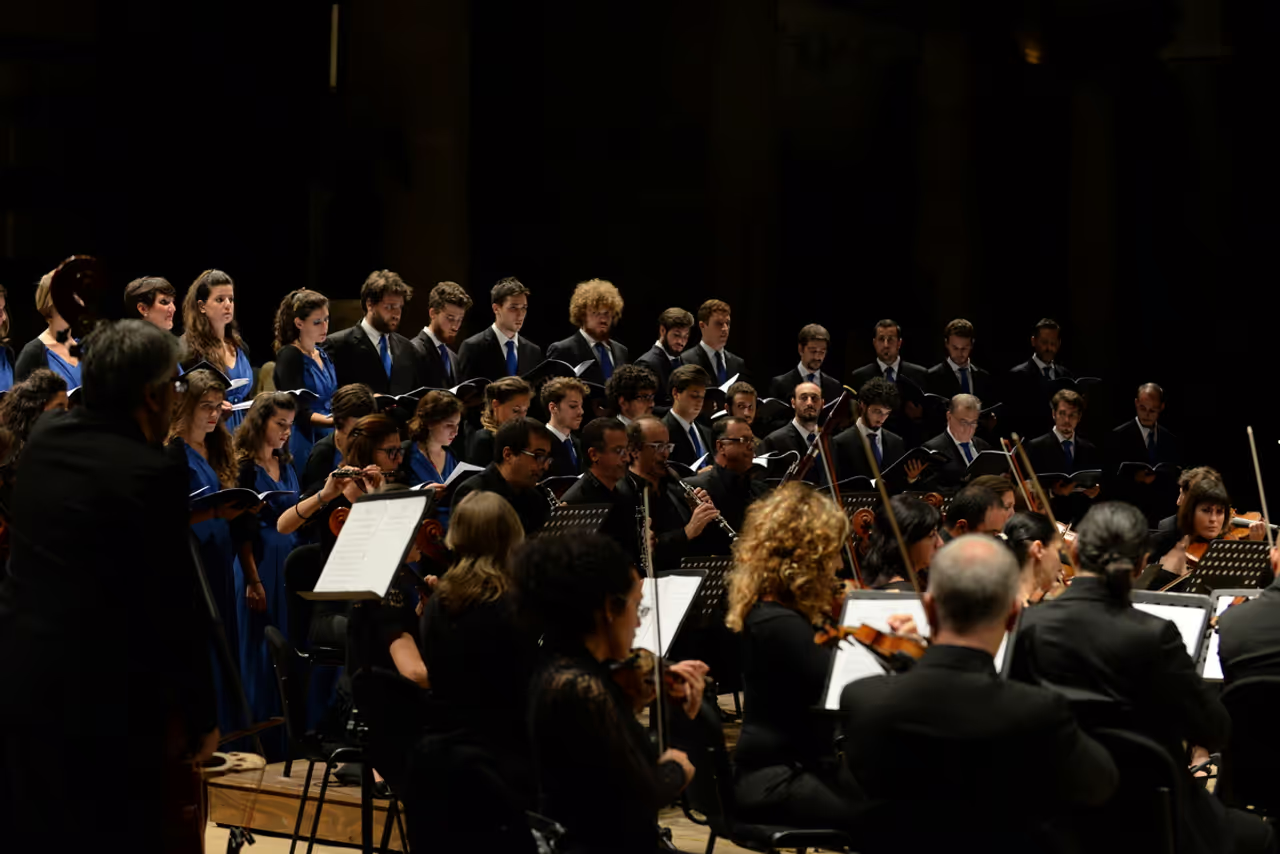 39m
39mAnima Mundi Sacred Music Festival
This prestigious international festival brings world class sacred music to some of the most acoustically and visually stunning venues imaginable. Concerts are held inside the magnificent cathedral and the monumental cemetery, where the ancient architecture perfectly complements the ethereal sounds. Choirs and orchestras from around the globe perform classical masterpieces, creating an atmosphere of profound spiritual and artistic beauty. It is an extraordinary opportunity to experience these iconic monuments through the power of world class musical performance.
festival view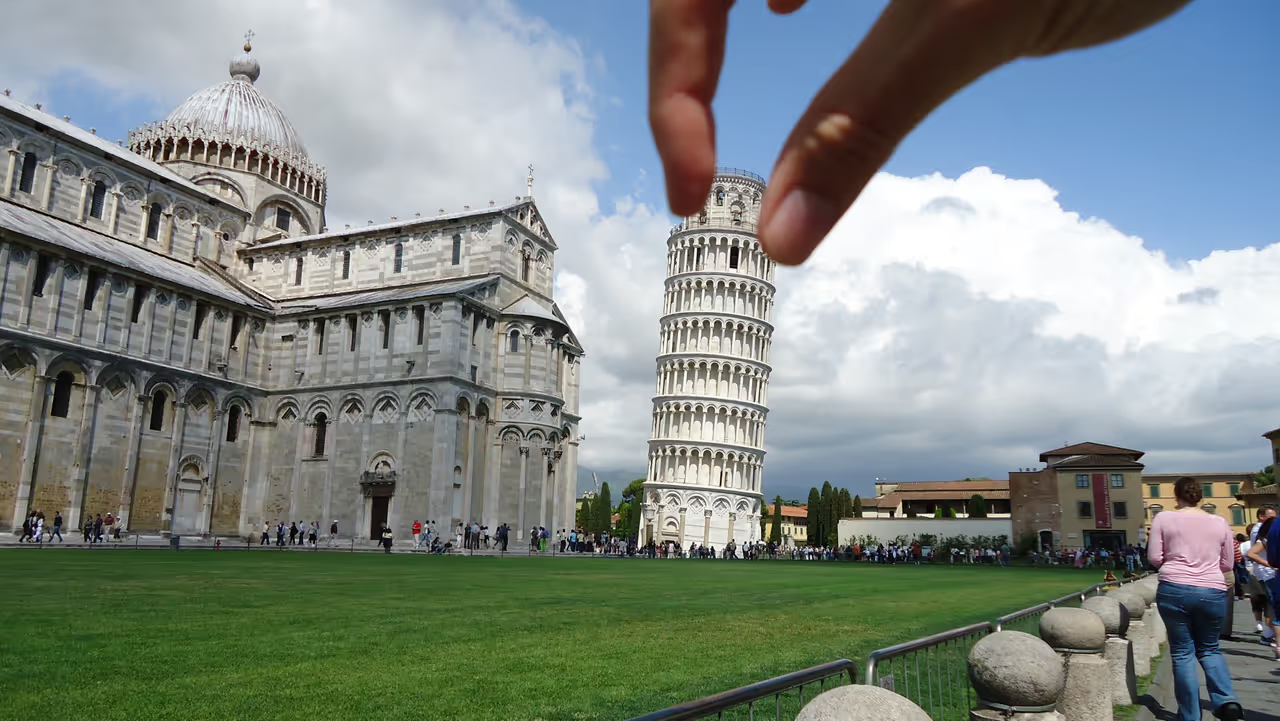 78m
78mLeaning Tower of Pisa
The Leaning Tower of Pisa is arguably the most recognisable bell tower on the planet and serves as an enduring symbol of Italy’s architectural ambition and serendipitous engineering history. Visitors flock to the Piazza dei Miracoli to witness this gravity defying marble marvel, which tilts gracefully against the Tuscan sky. Despite its accidental nature, the tower is a masterwork of Romanesque design, adorned with intricate arcades and delicate loggias. You can climb the nearly three hundred steps to the top, where the reward is a panoramic view of the cathedral and the surrounding city. It is a place where history, art, and science collide, leaving every visitor in awe of how such a monumental blunder became a beloved world treasure.
attraction view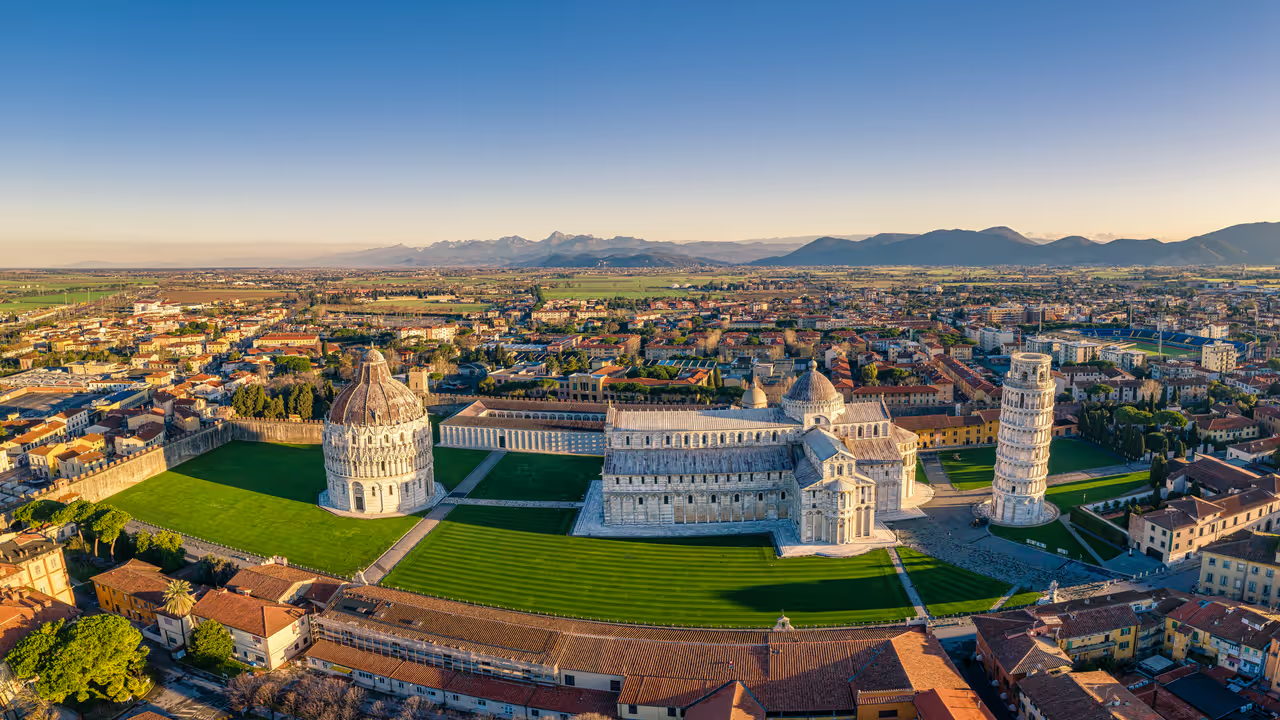 103m
103mPiazza dei Miracoli
Step onto the pristine green lawns of the Piazza dei Miracoli and find yourself surrounded by some of the most extraordinary architecture on the planet. This UNESCO World Heritage site is home to four legendary monuments that have captivated visitors for centuries: the Leaning Tower, the Cathedral, the Baptistery, and the Camposanto. Gabriele D'Annunzio famously dubbed this the Meadow of Miracles for its sheer beauty and originality. You can wander between these gleaming white marble structures, marvelling at the Romanesque artistry that seems to defy both logic and gravity. It is a place where history and human ambition collide in a breathtaking display, offering a serene atmosphere that stays with you long after you leave.
unesco heritage site view
Explore Similar Places in These Collections

Featured on These Itineraries and Routes
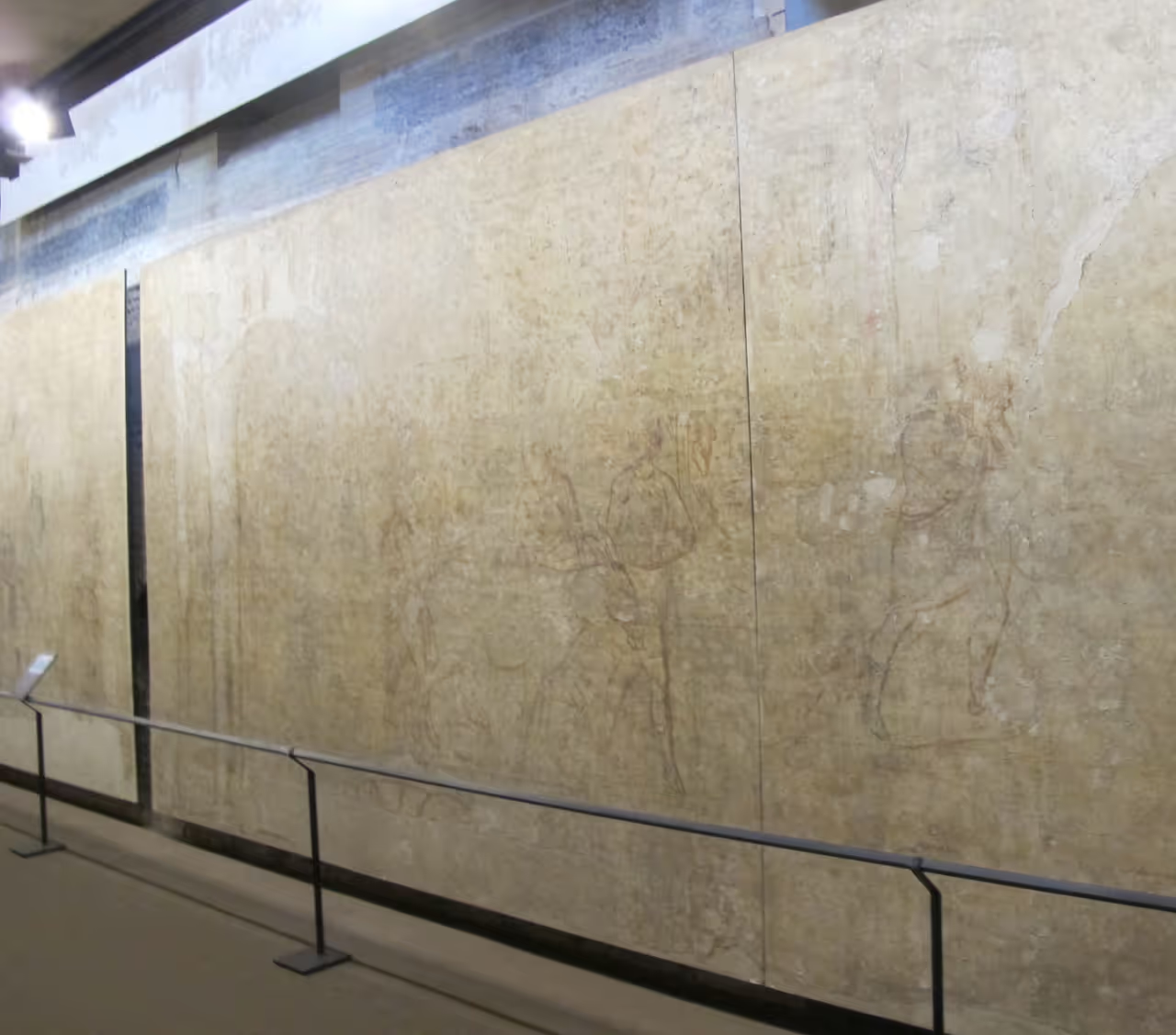
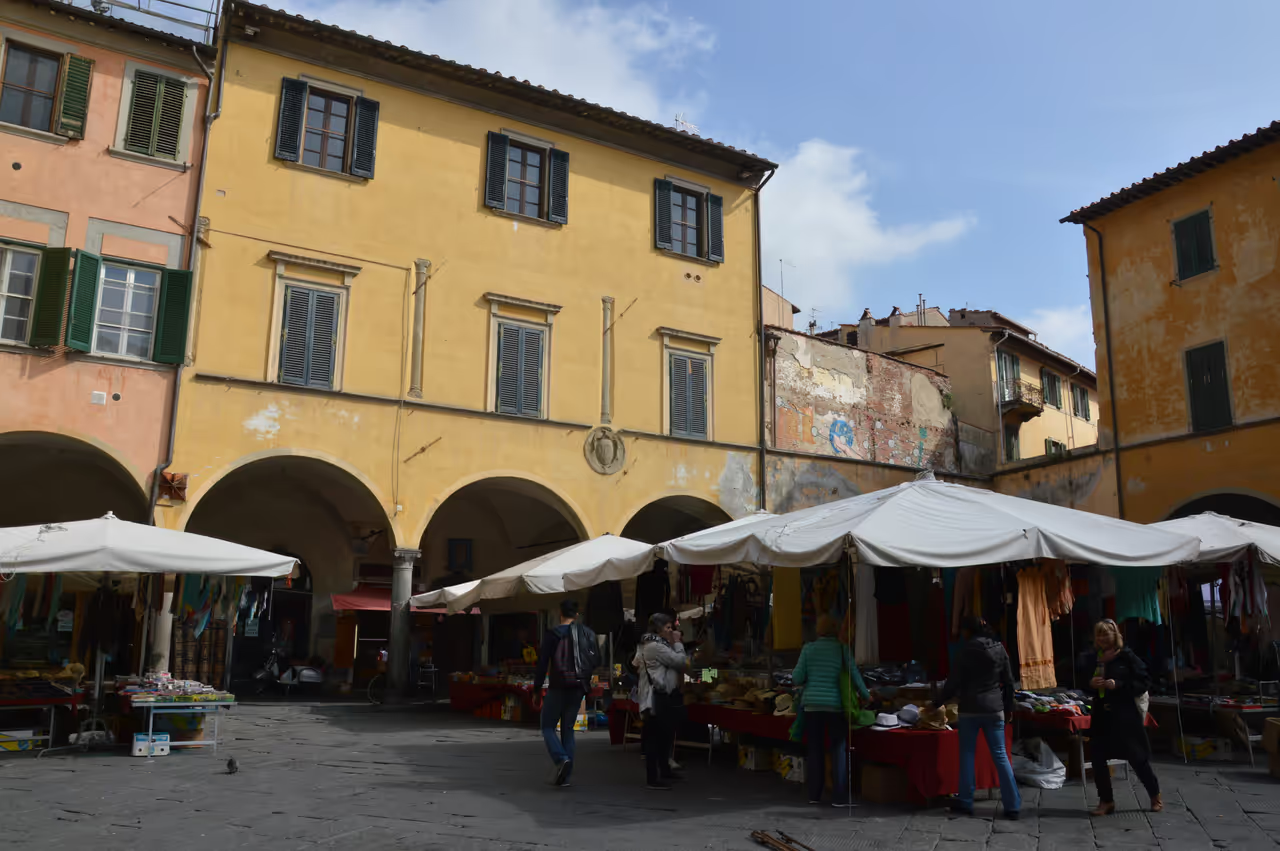
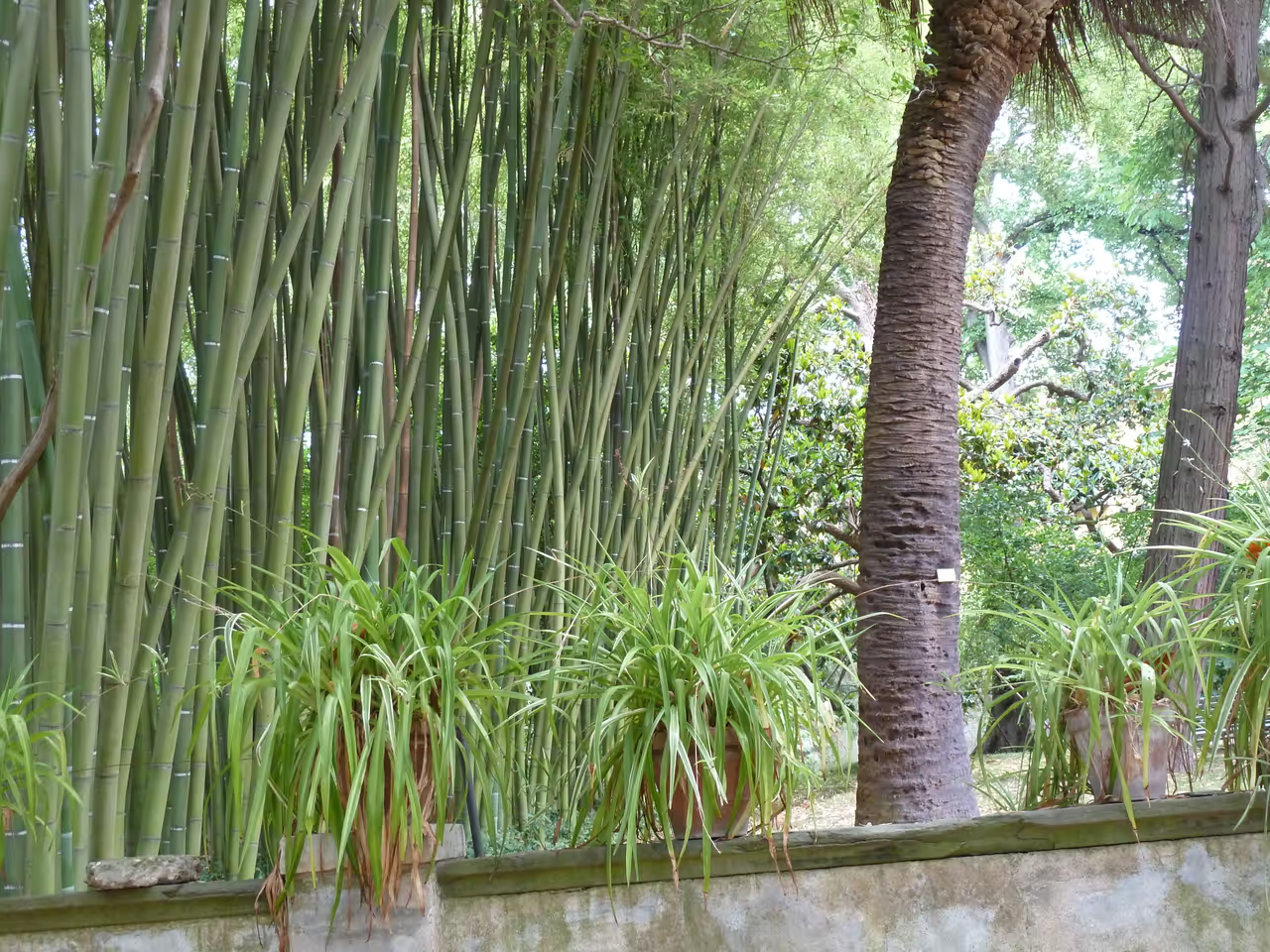
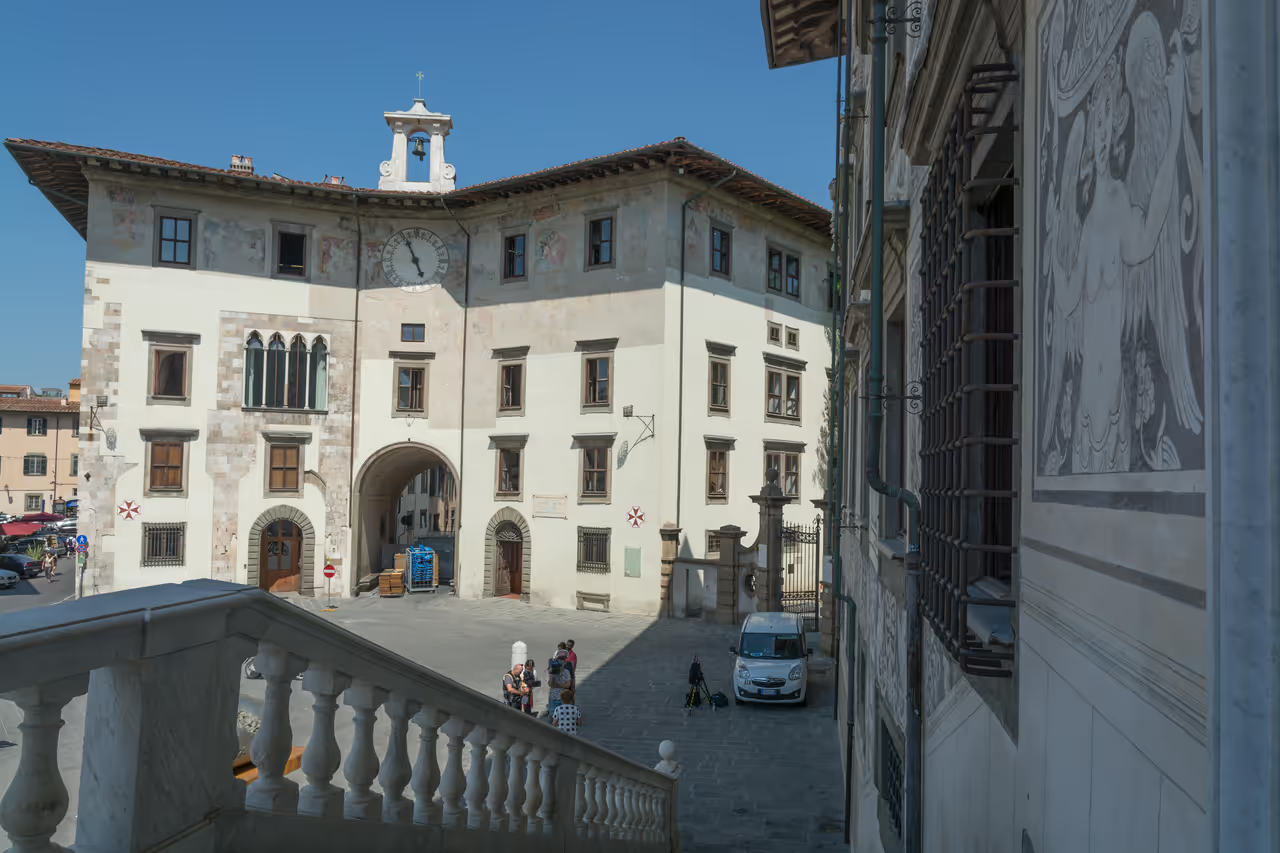
3 Days in Pisa: Days of Discovery Itinerary
This balanced route allows you to look far beyond the famous leaning tower and truly understand the rich history of the maritime republic. It provides ample time to explore the phenomenal, hidden art museums, the quiet botanical gardens, and the heavily fortified old citadel. You will experience the vibrant student nightlife and discover quirky architectural oddities scattered throughout the ancient alleyways.
view itinerary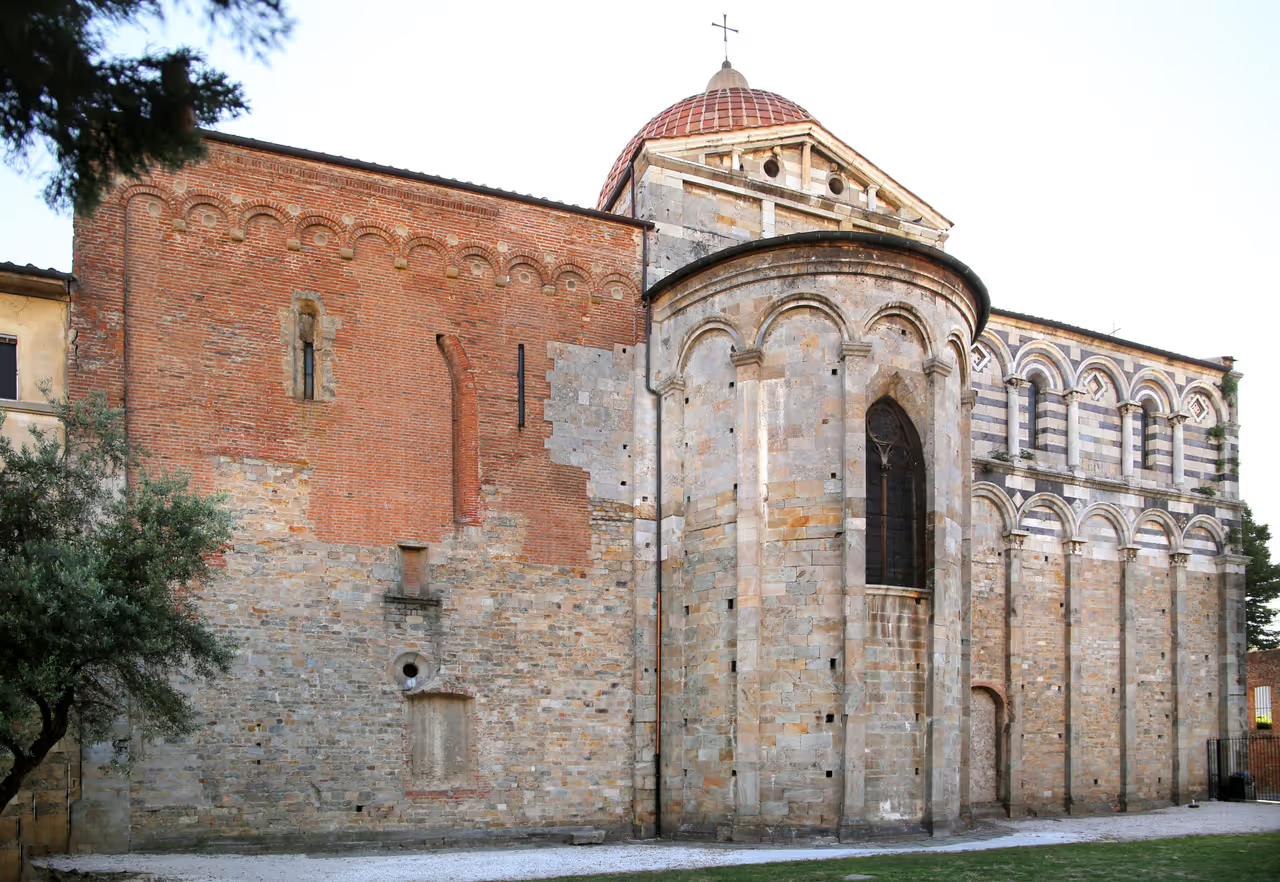
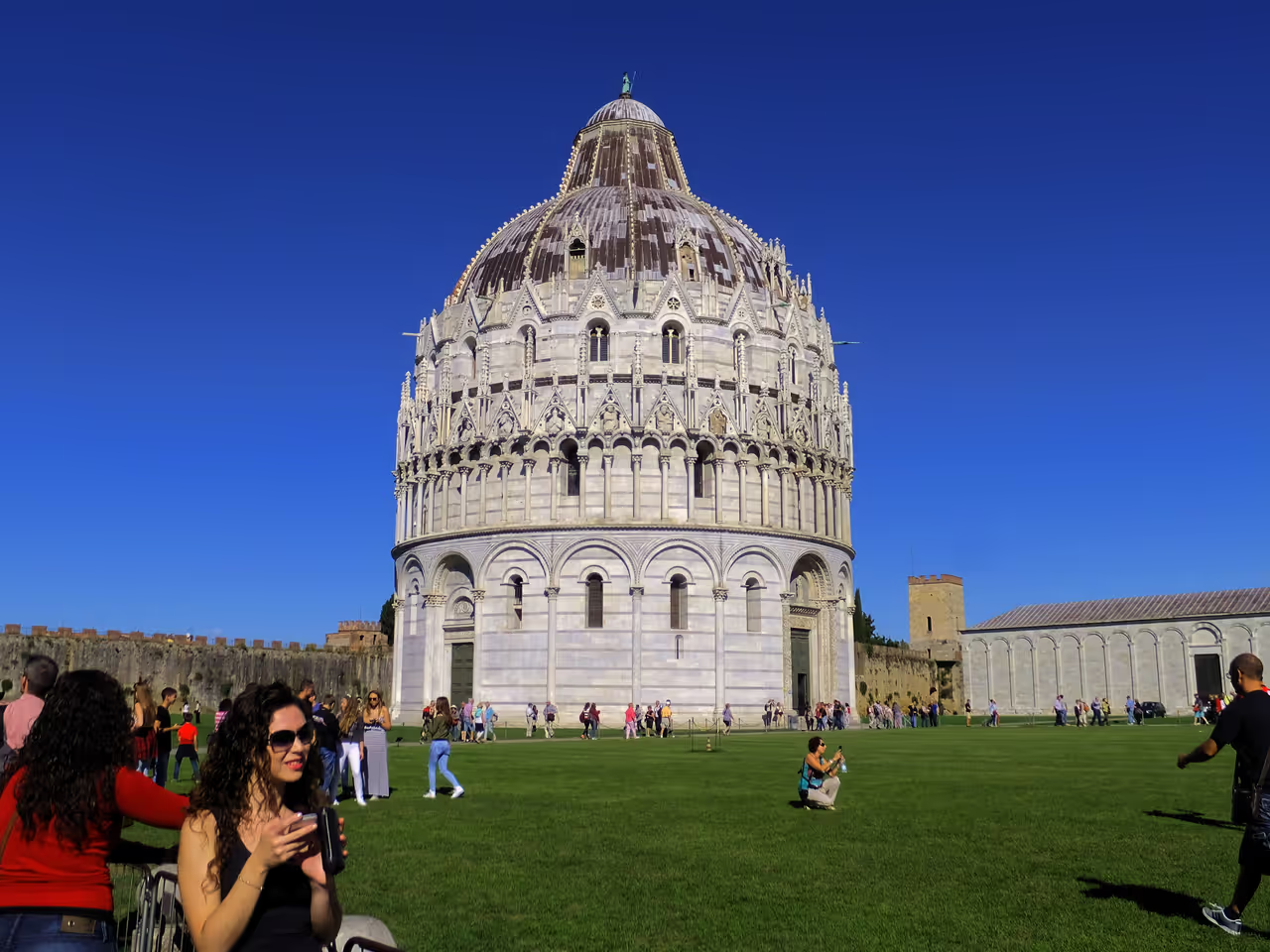
Pisan Romanesque Masterpieces
Embark on an architectural journey exploring the unique, gleaming white marble style that this city exported across the Mediterranean. This tour focuses on the intricate geometric patterns, blind arcades, and oriental influences that define this iconic aesthetic. It is a deep dive into the visual legacy of immense wealth and profound religious devotion.
view self-guided tour
See all attractions in Pisa
Baptistery of St. John in Pisa, Leaning Tower of Pisa, Monumental Cemetery of Pisa, Santa Maria della Spina...