Piazza dei Miracoli
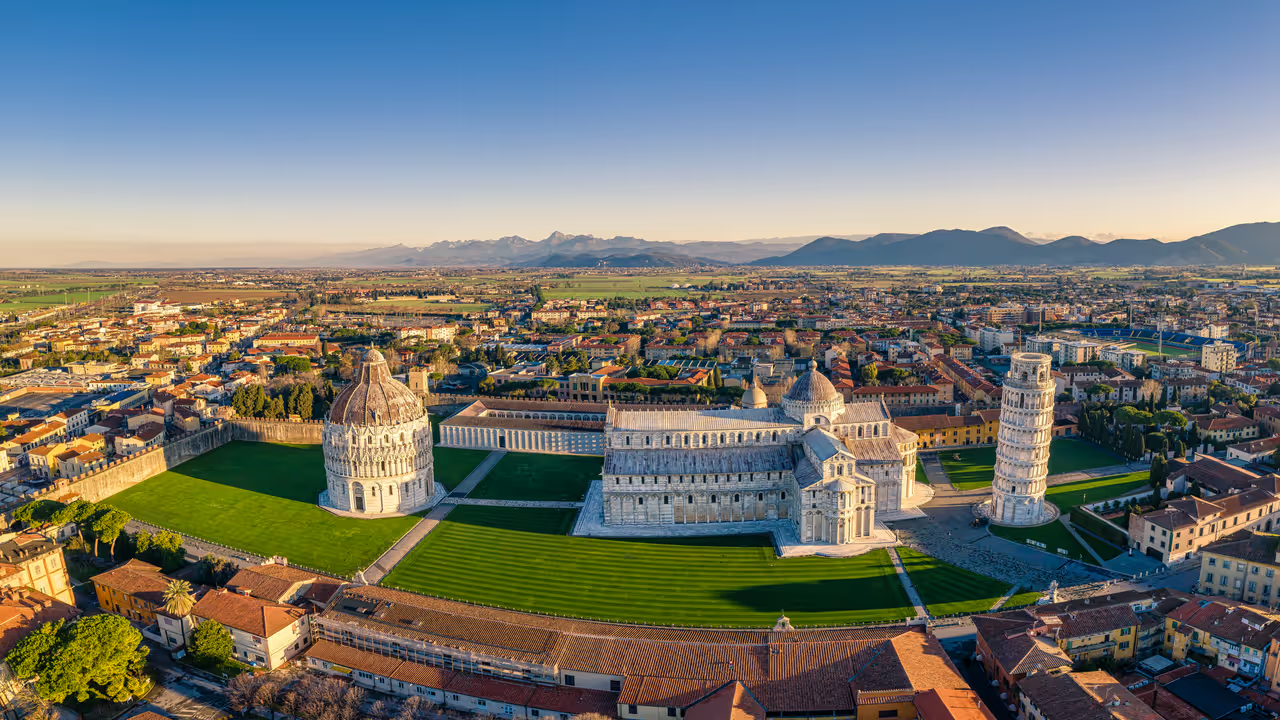
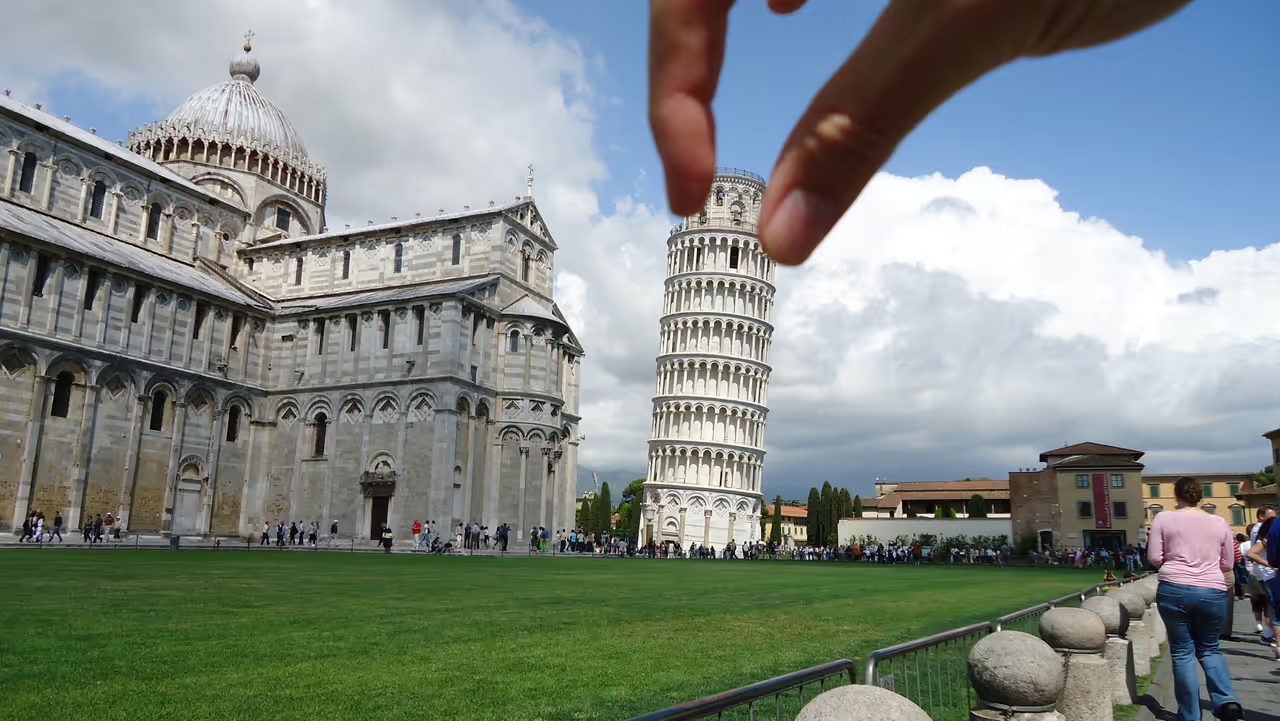
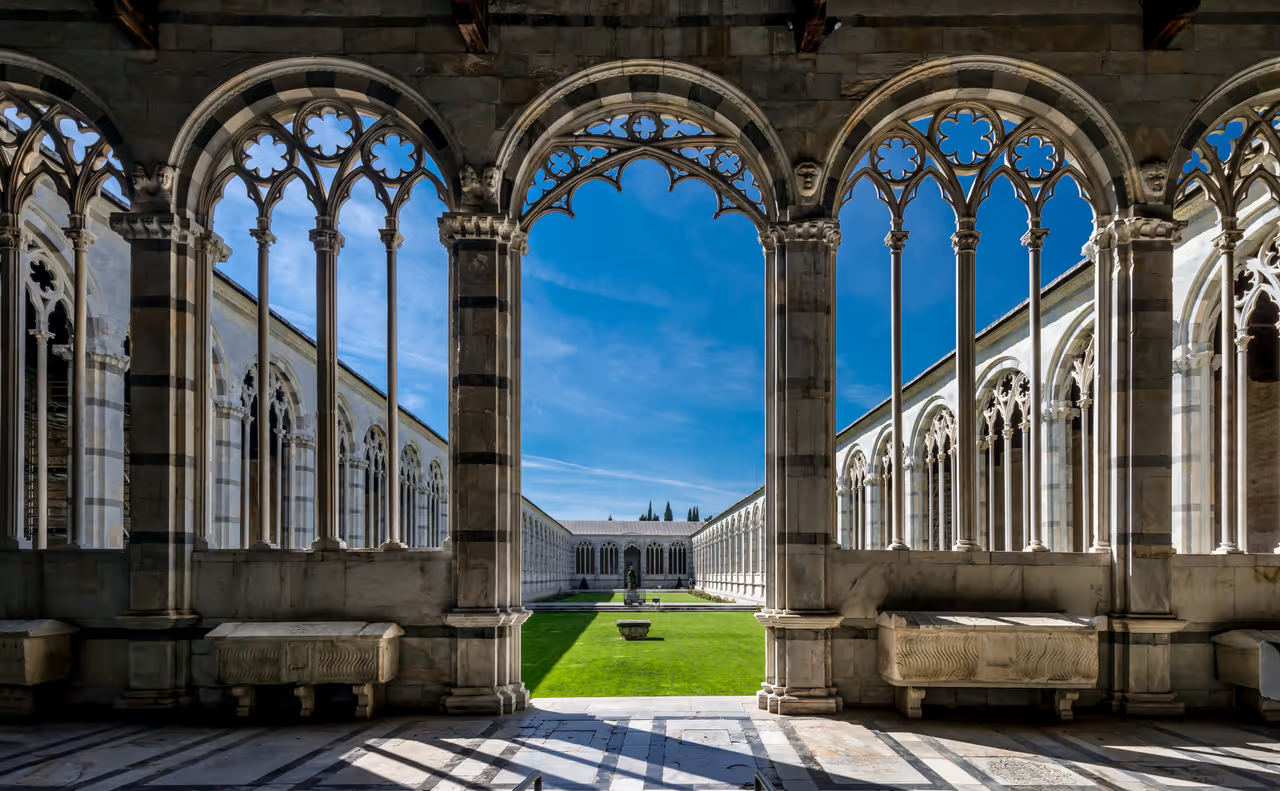
Step onto the pristine green lawns of the Piazza dei Miracoli and find yourself surrounded by some of the most extraordinary architecture on the planet. This UNESCO World Heritage site is home to four legendary monuments that have captivated visitors for centuries: the Leaning Tower, the Cathedral, the Baptistery, and the Camposanto. Gabriele D'Annunzio famously dubbed this the Meadow of Miracles for its sheer beauty and originality. You can wander between these gleaming white marble structures, marvelling at the Romanesque artistry that seems to defy both logic and gravity. It is a place where history and human ambition collide in a breathtaking display, offering a serene atmosphere that stays with you long after you leave.
Videos
History of Piazza dei Miracoli
The story of this square began not with a quiet prayer, but with a daring military triumph. In 1063, the Republic of Pisa secured a decisive naval victory against the Saracens in Palermo. Flush with gold and power, the Pisans decided to express their dominance by erecting a grand cathedral that would outshine all others. They chose an area outside the city walls, transforming a former harbour zone into a sacred precinct that served as a physical manifesto of their maritime strength. Over the following centuries, the square grew into a complex geometric puzzle, blending architectural influences from the Islamic world, the Byzantine empire, and local Romanesque traditions. Each addition, from the massive Baptistery to the world famous bell tower, was a statement of artistic intent. Architects like Buscheto and the Pisano family turned stone into poetry, decorating the structures with spoils of war and intricate sculptures. Through the shifting tides of history, from the Medici control that altered the landscape to the scars of the Second World War, the square has survived to define the identity of Pisa. It stands today as a testament to the resilience of human vision. What visitors witness now is the result of centuries of refinement and restoration, preserving a legacy that transformed a muddy riverbank into an eternal icon of human achievement.
Events spanning 924 years
Fun Facts
- • Galileo Galilei is said to have developed his theory of pendulum isochronism while observing a swinging lamp inside the Cathedral, though the original lamp was replaced long ago.
- • In 1595, a major fire devastated the interior of the Cathedral, destroying most of the medieval artwork, though the famous mosaic attributed to Cimabue miraculously survived.
- • The Baptistery is the largest in Italy and features a unique conical dome that provides it with such perfect acoustics that the interior sounds like a giant organ.
- • The Camposanto was built to house sacred soil from the Holy Land, which was supposedly brought back by ships after the Third Crusade.
- • The Cathedral is technically a Primaziale because the Archbishop of Pisa once held the title of Primate of Corsica and Sardinia.
- • The Lupa Capitolina, or Capitoline Wolf statue, was placed in the square during the Fascist era in 1926 to mark a visit by Benito Mussolini.
- • The Romanesque marble columns used in the cathedral's construction were brought back to Pisa as war booty following a naval campaign against Palermo in 1063.
- • The Vaso del Talento, now kept in storage, was once considered a monumental symbol of imperial power and was thought to be a vessel used by Caesar to measure tax tributes.
- • The famous Leaning Tower is actually the cathedral's bell tower, and it took nearly two hundred years to complete due to interruptions caused by soil instability and political conflicts.
- • The nickname Piazza dei Miracoli was popularised by the Italian poet Gabriele D'Annunzio in his 1910 novel, though locals often referred to the area as the Field of Miracles.
- • The square is built upon a former Etruscan and Roman site, and archaeological excavations have revealed the foundations of ancient homes beneath the green grass.
- • The square was not always a peaceful tourist attraction; during the Medici rule, a portion of the area was used as a Jewish cemetery after the closing of one of the medieval gates.
RESOURCES
Heritage UNESCO SitePiazza dei Miracoli FAQ
While we strive to keep this information accurate and up to date, we recommend verifying any details independently before making decisions based on them.
Piazza dei Miracoli Map & Neighborhood Explorer
This interactive map is centered on Piazza dei Miracoli. Zoom in and move the map around to automatically discover Wikipedia photos and summaries of other nearby sights, monuments, and historical points of interest and stories in real-time!
Places near Piazza dei Miracoli
Make the most of your trip. Check out these top-rated spots located nearby.
 20m
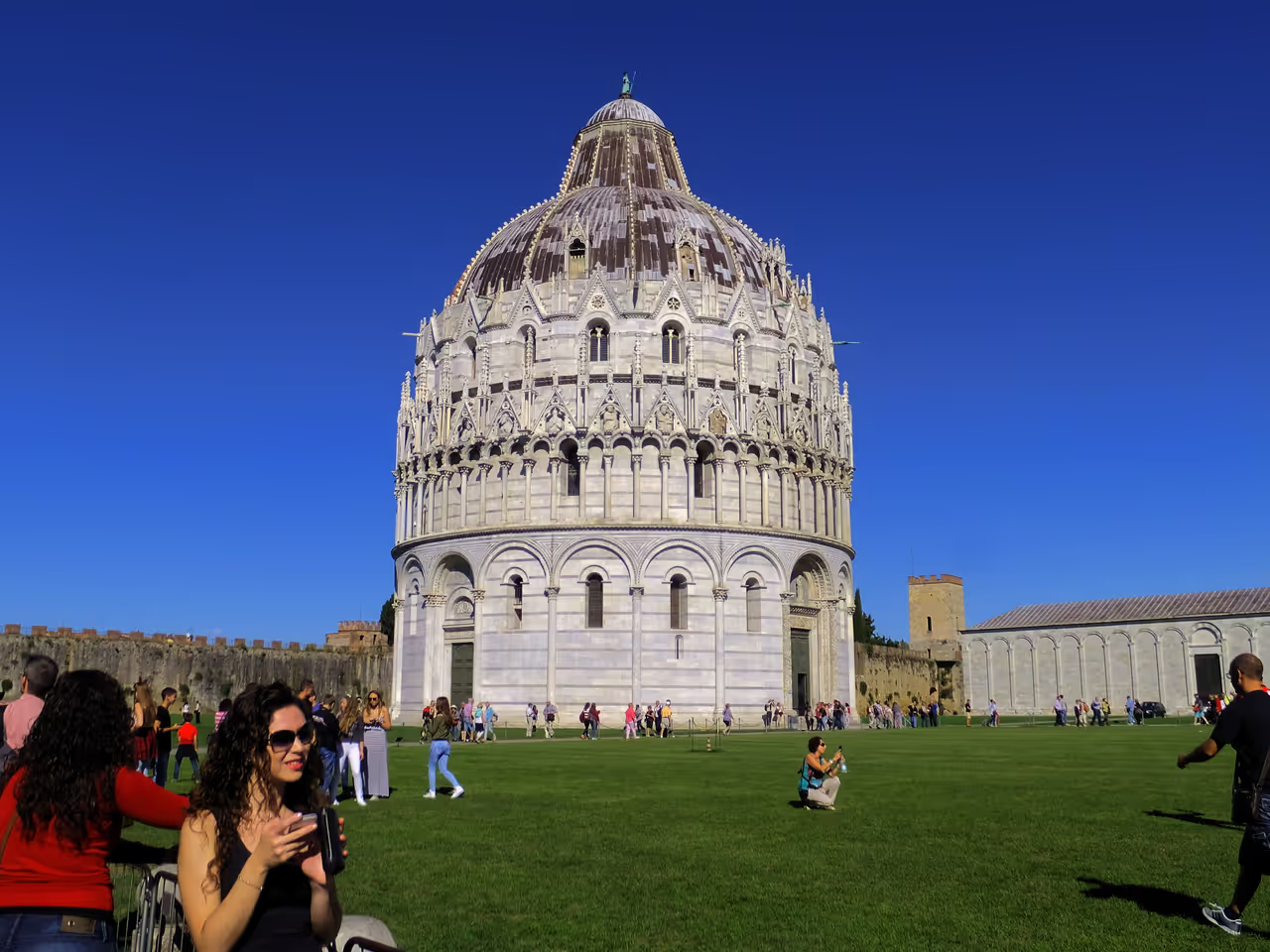
20mBaptistery of St. John in Pisa
The Baptistery of St. John stands as a masterpiece of medieval architecture, rightfully holding the title of the largest baptistery in the world. Its striking exterior, where Romanesque foundations meet Gothic flourishes, perfectly captures the transformative artistic spirit of medieval Pisa. Visitors are often captivated by its sheer scale, but the real secret lies within its walls, home to an acoustic phenomenon that turns a simple whisper into an ethereal echo. Beyond its architectural beauty, it serves as a historic guardian of the Piazza dei Miracoli, completing the iconic trio alongside the cathedral and the Leaning Tower. Whether you are admiring the intricate pulpit sculpted by Nicola Pisano or simply standing beneath the immense dome, the experience is profound and deeply resonant. It is an essential stop for anyone wanting to truly understand the artistic soul of Tuscany.
attraction view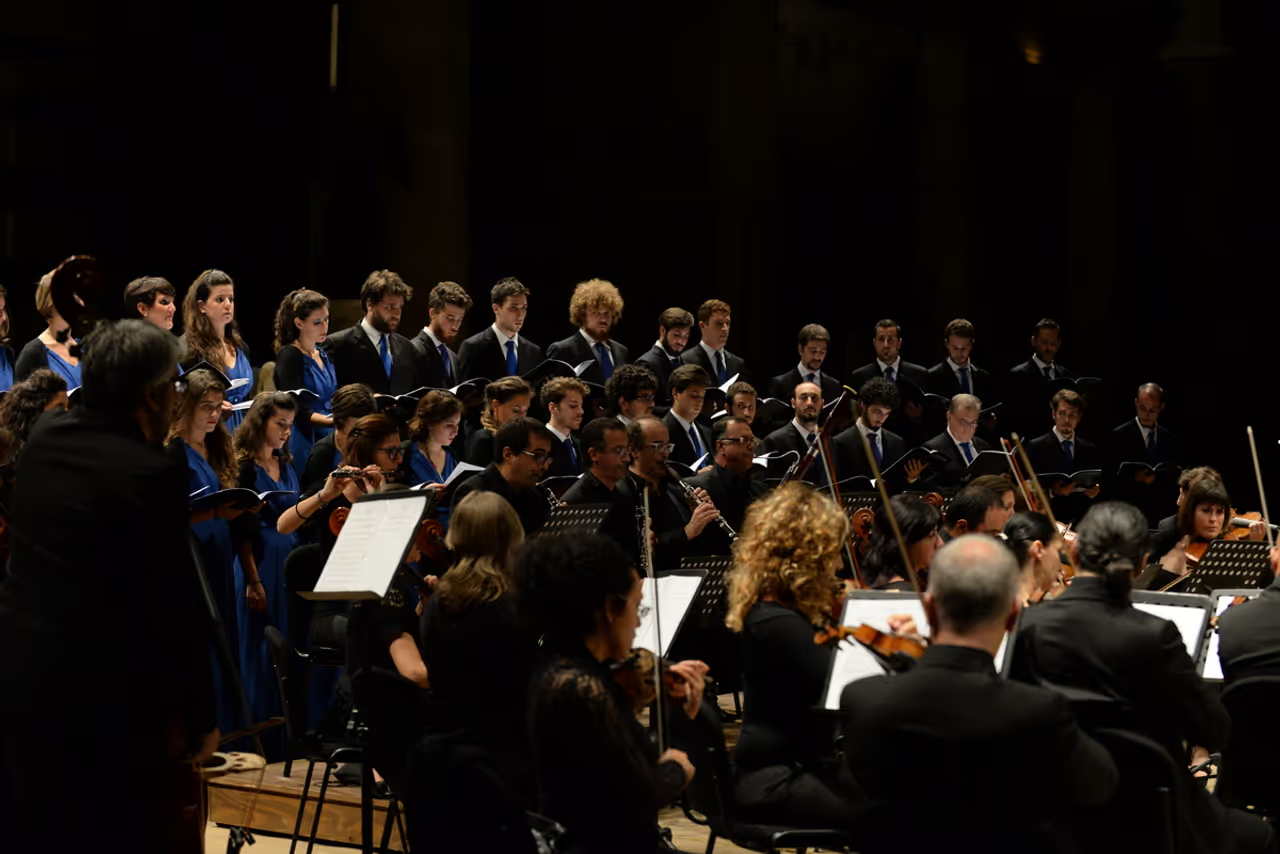 73m
73mAnima Mundi Sacred Music Festival
This prestigious international festival brings world class sacred music to some of the most acoustically and visually stunning venues imaginable. Concerts are held inside the magnificent cathedral and the monumental cemetery, where the ancient architecture perfectly complements the ethereal sounds. Choirs and orchestras from around the globe perform classical masterpieces, creating an atmosphere of profound spiritual and artistic beauty. It is an extraordinary opportunity to experience these iconic monuments through the power of world class musical performance.
festival view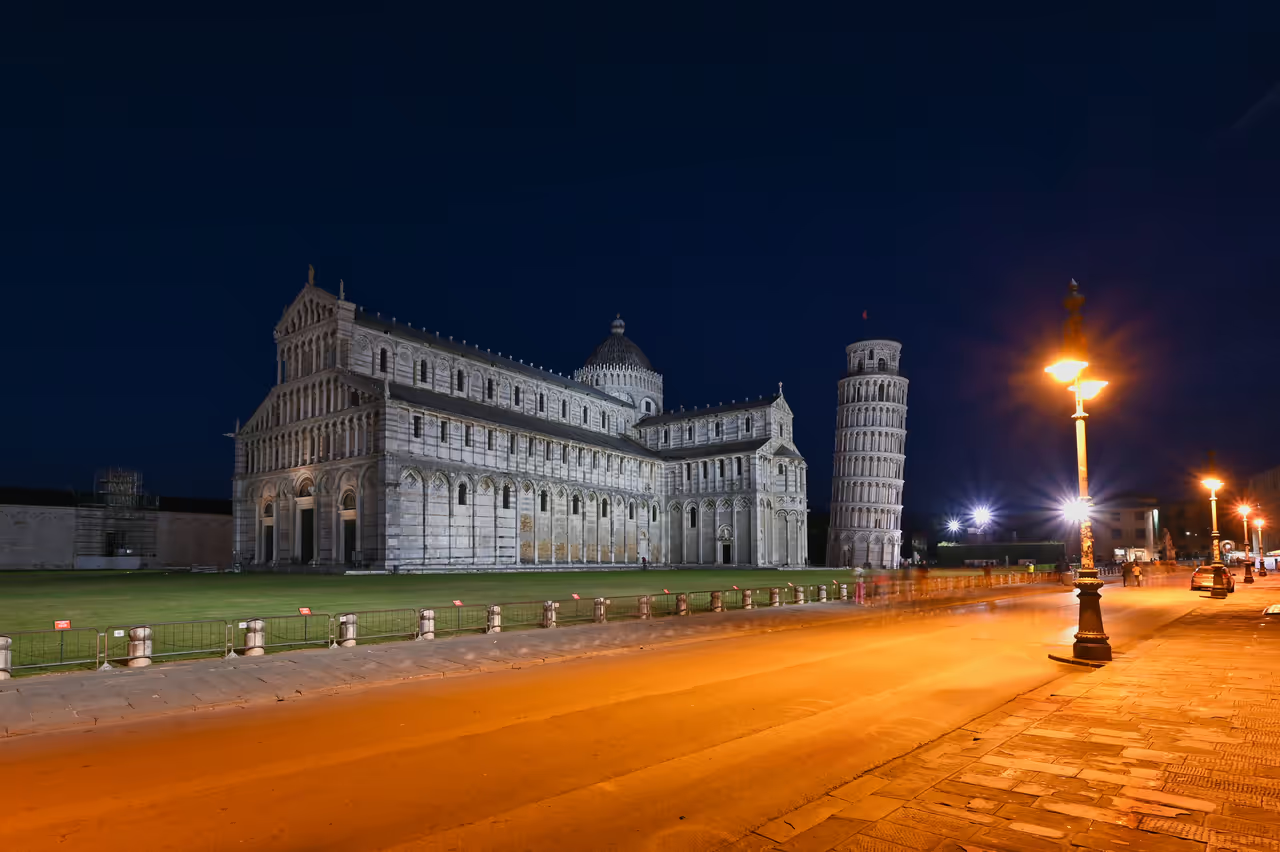 103m
103mPisa Cathedral
Standing at the heart of the Piazza dei Miracoli, the Duomo di Pisa is a profound testament to the artistic ambition of the medieval maritime republic of Pisa. This masterpiece of Romanesque architecture invites visitors to admire its intricate marble facade and an interior that blends diverse cultural influences with grace. Stepping inside reveals a sanctuary filled with precious treasures, including the awe-inspiring pulpit by Giovanni Pisano and the celestial mosaic by Cimabue. Whether you are an art enthusiast or seeking a moment of peace, the cathedral offers a window into a rich, storied past that feels remarkably present today. Its unique atmosphere, shaped by centuries of history and devotion, makes every visit a memorable experience.
attraction view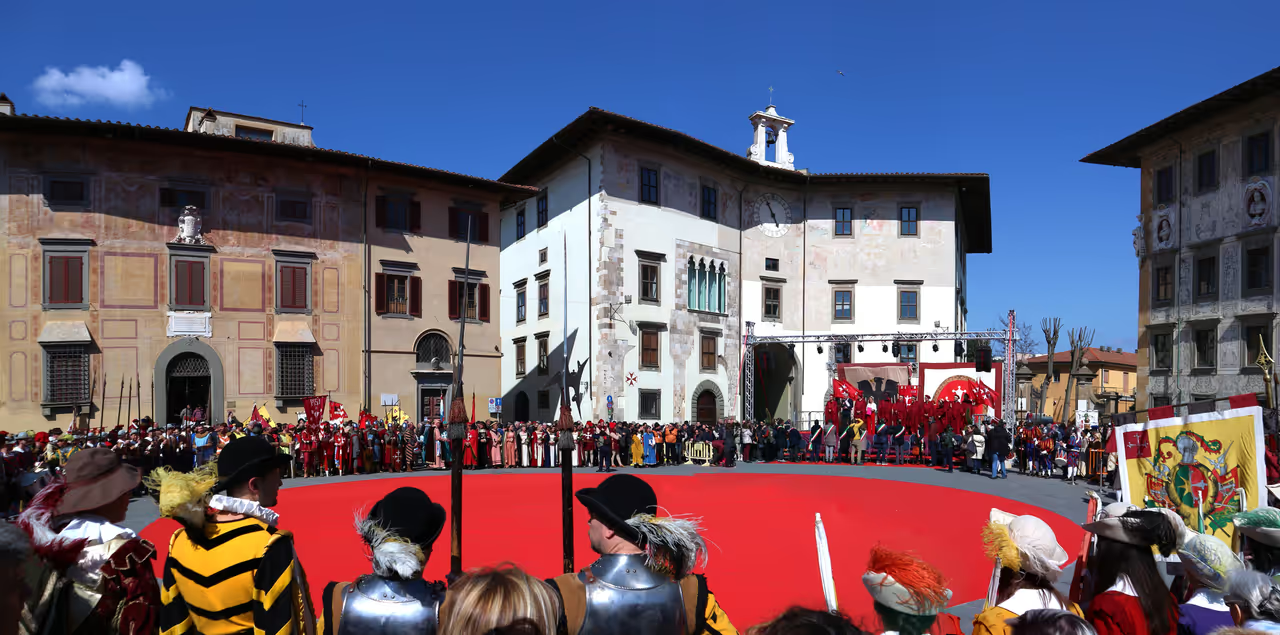 103m
103mPisan New Year
According to a unique medieval calendar, the new year here officially begins nine months ahead of the standard Gregorian calendar. The precise moment is marked when a specific ray of sunlight shines through a window in the cathedral and strikes a designated marble egg. The day is celebrated with historical parades, flag throwing performances, and various cultural events across the historic centre. It is a quirky and charming celebration that highlights the region's fiercely independent historical identity.
festival view
Featured on These Itineraries and Routes
1 Day in Pisa Itinerary
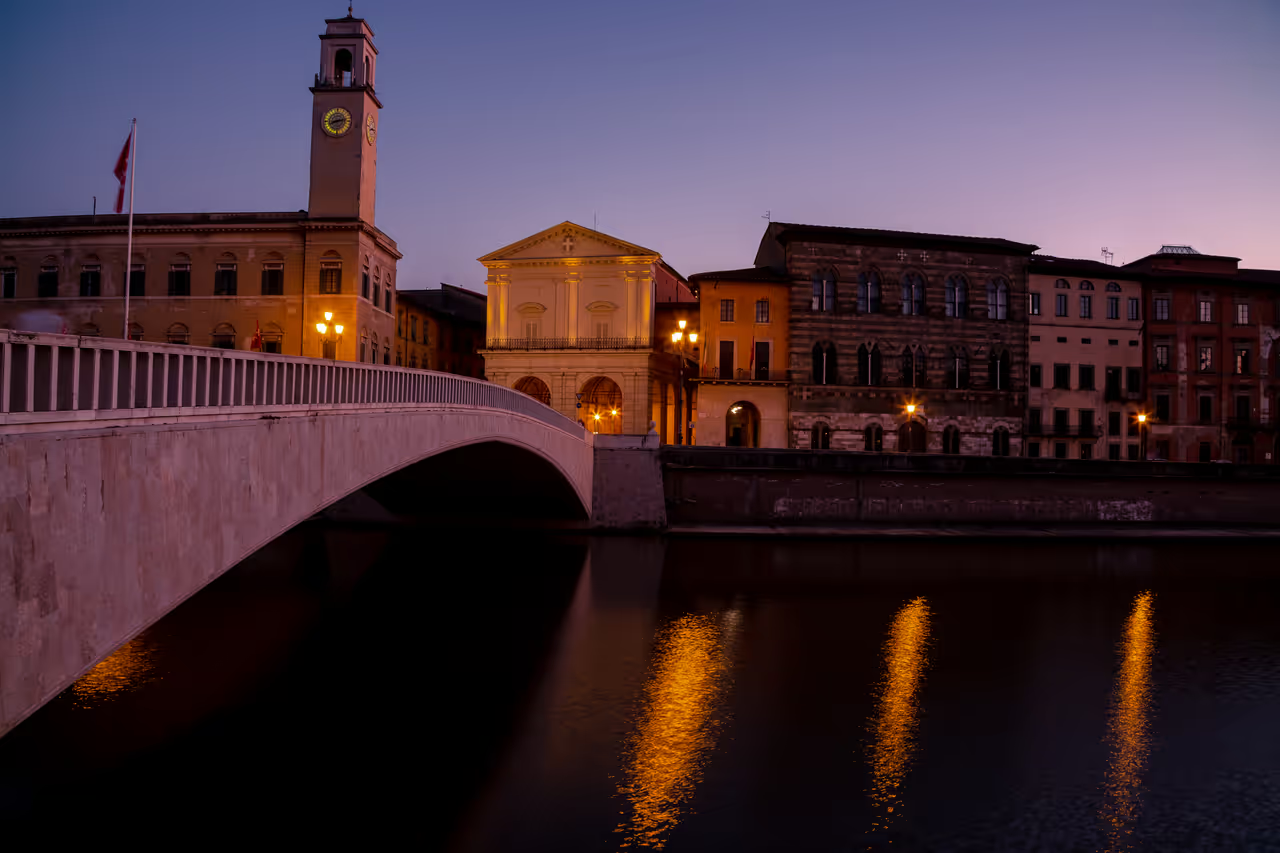
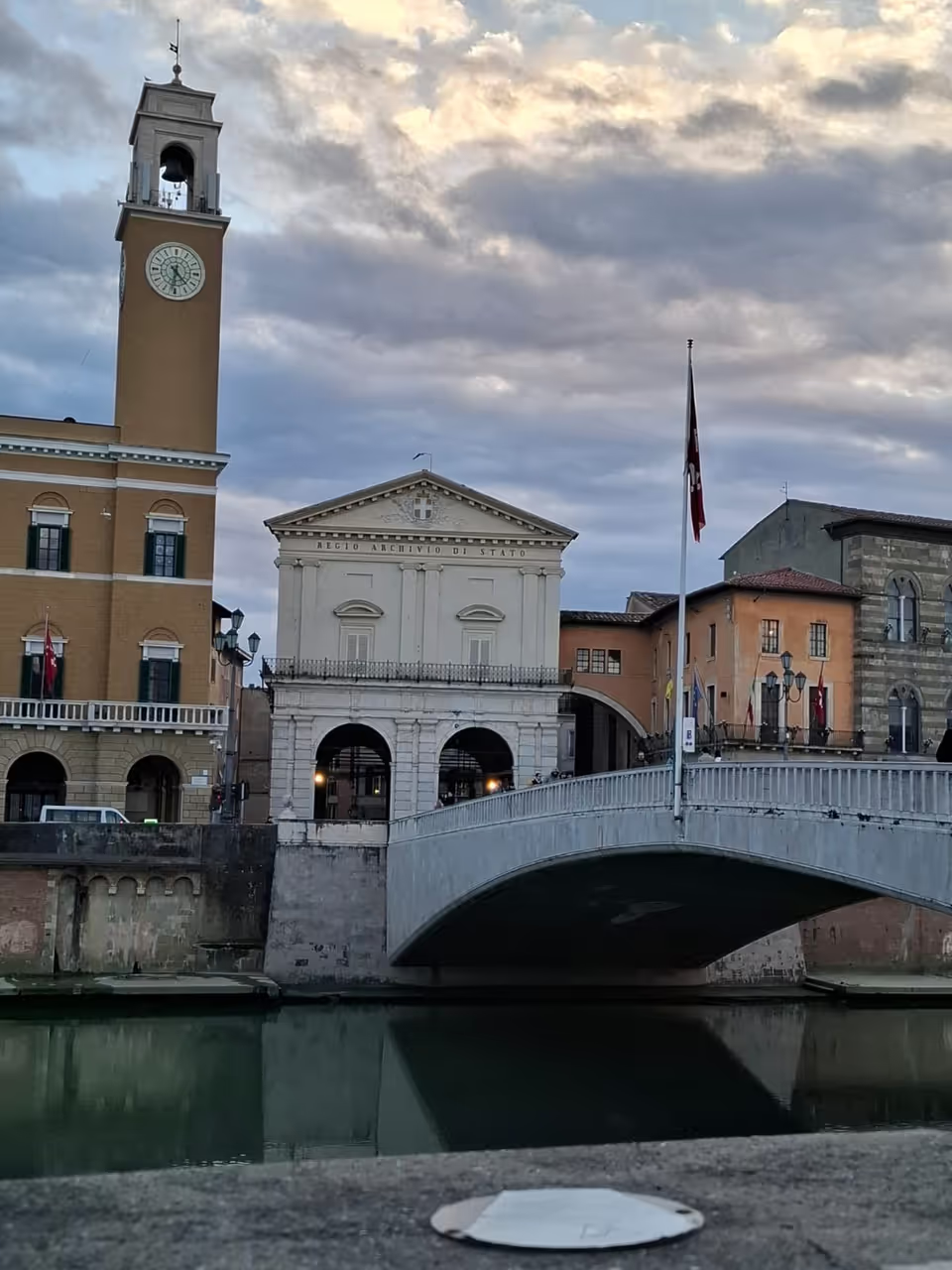
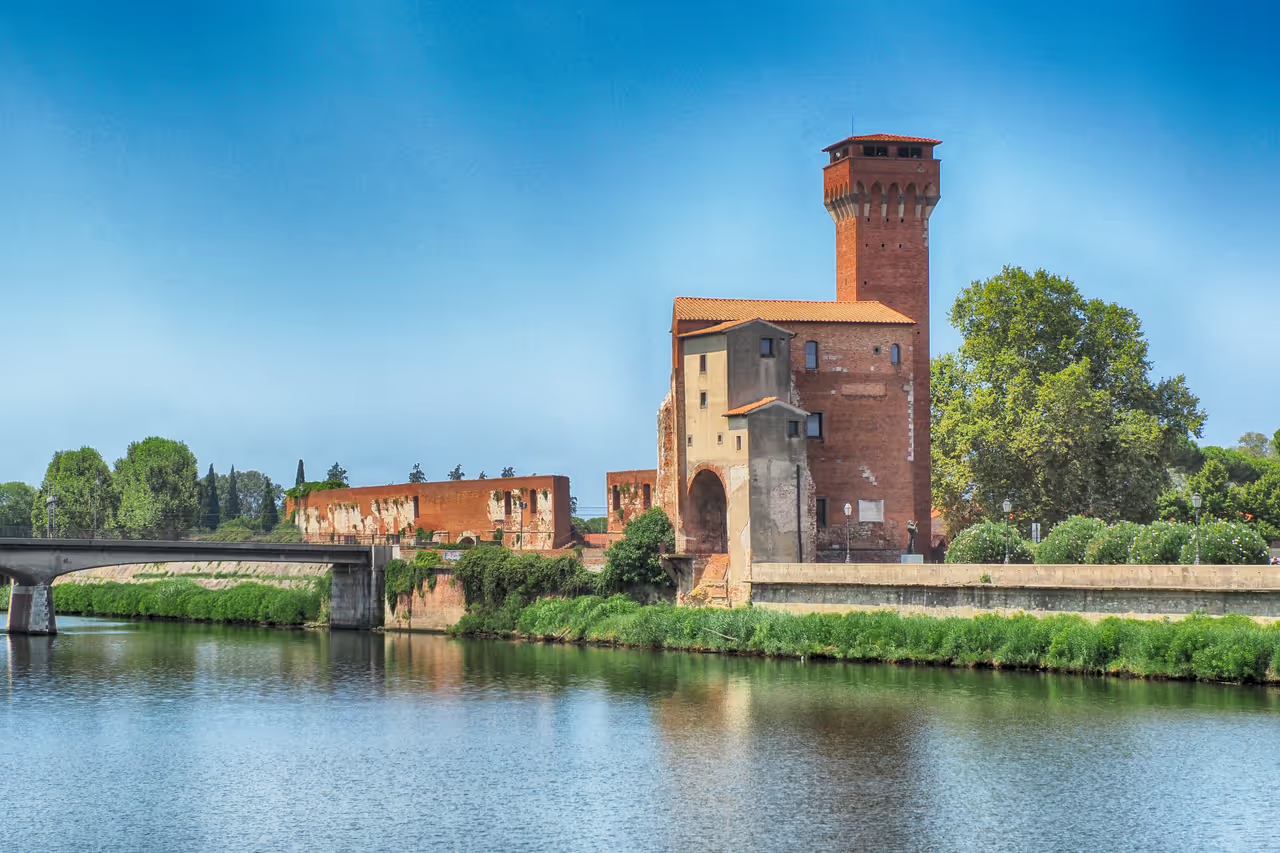
This highly efficient itinerary captures the absolute essence of the city for those on a strict timeline. It covers the globally iconic marble monuments in the morning before diving into the historic, deeply atmospheric streets of the old town. The day concludes with a romantic stroll along the elegant riverbanks, ensuring you experience both the famous sights and the authentic local vibe.
view itinerary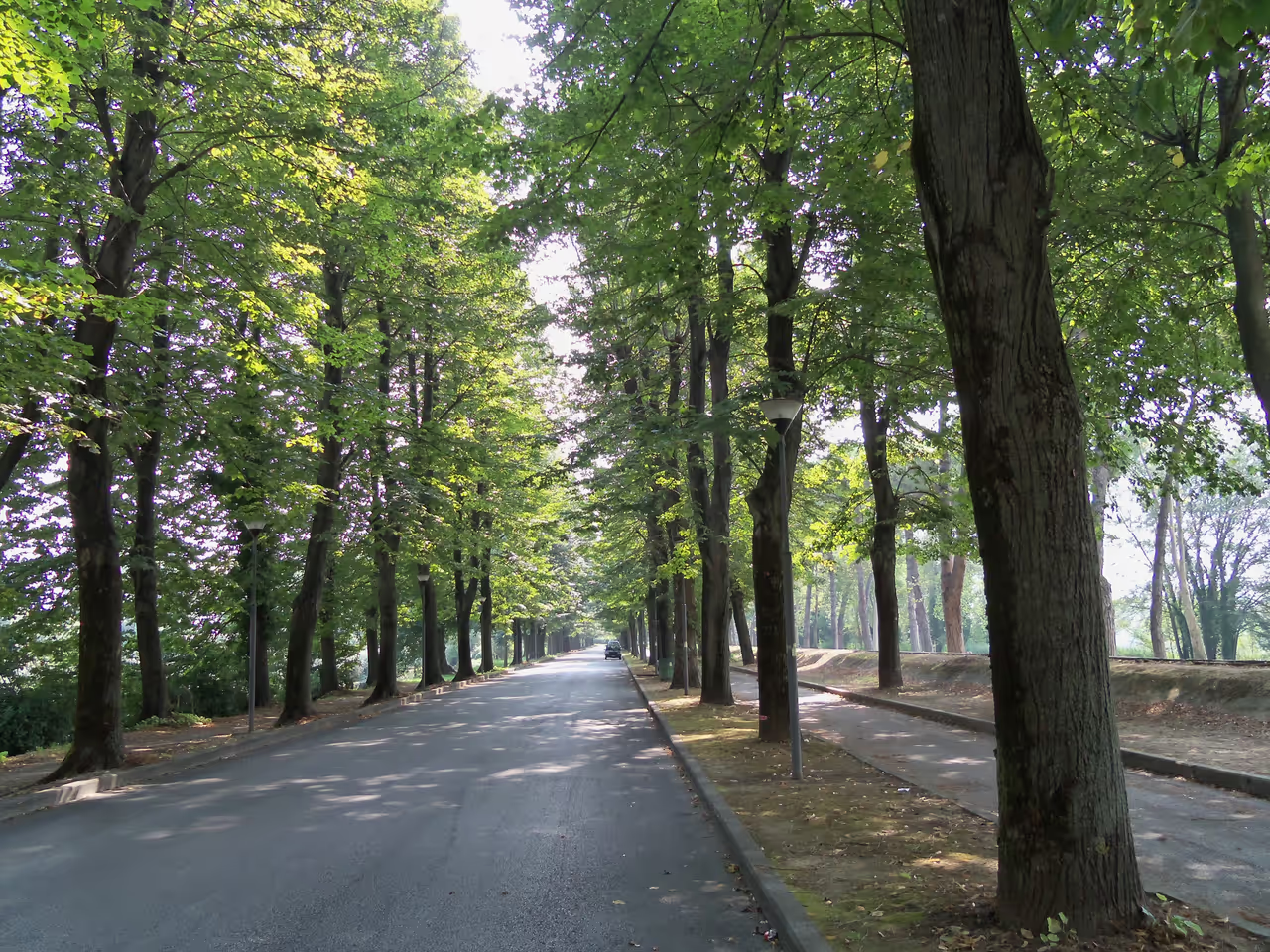
5 Days in Pisa: City and Sea Itinerary
The ultimate, unhurried exploration of the city and its stunning natural surroundings. This extensive plan incorporates all the major urban highlights, museums, and hidden gems, while dedicating significant time to the nearby pristine nature reserves and the Mediterranean coastline. It perfectly balances rigorous cultural sightseeing with profound relaxation and outdoor adventure.
view itinerary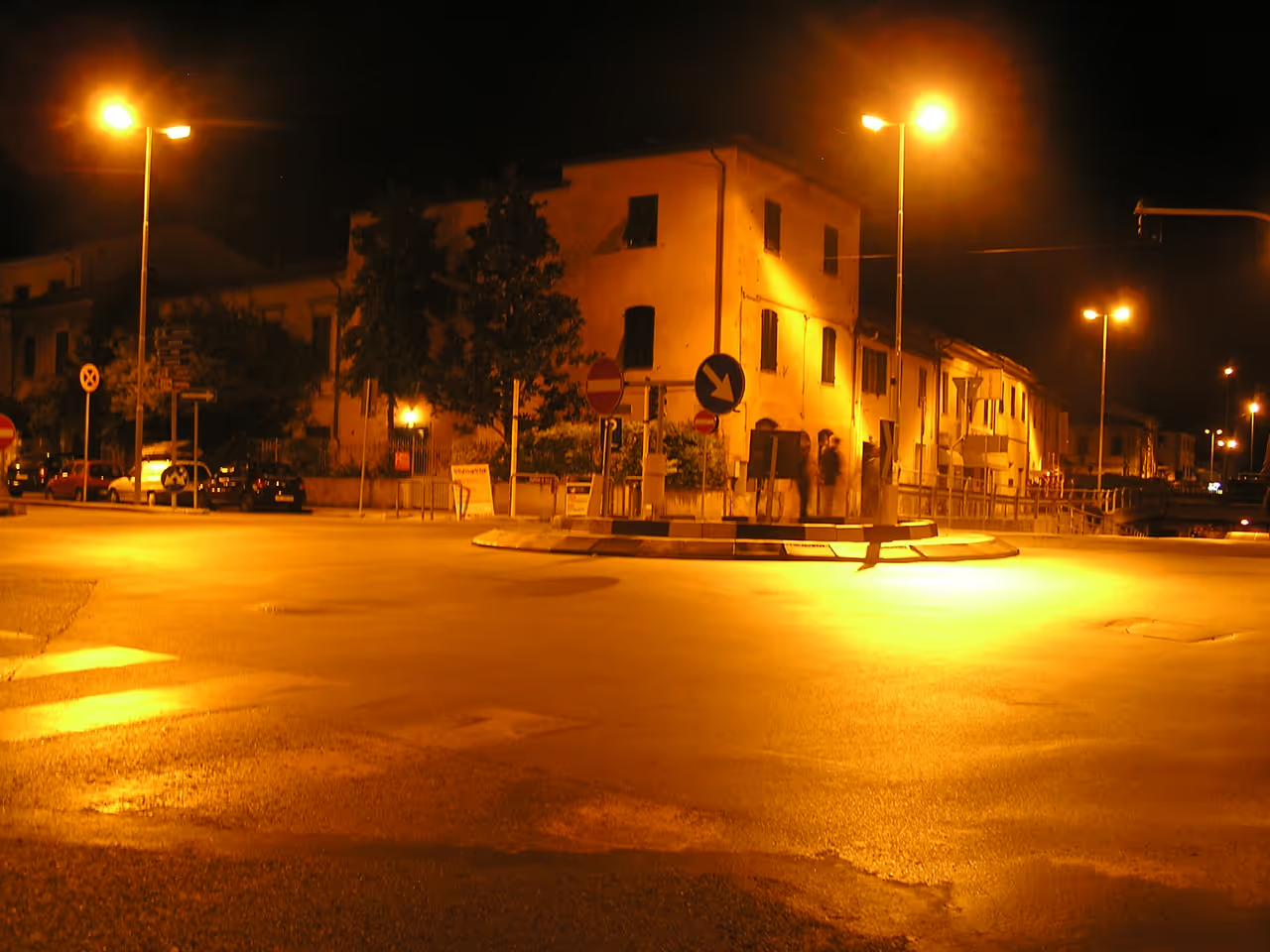
San Rossore Royal Estate Ride
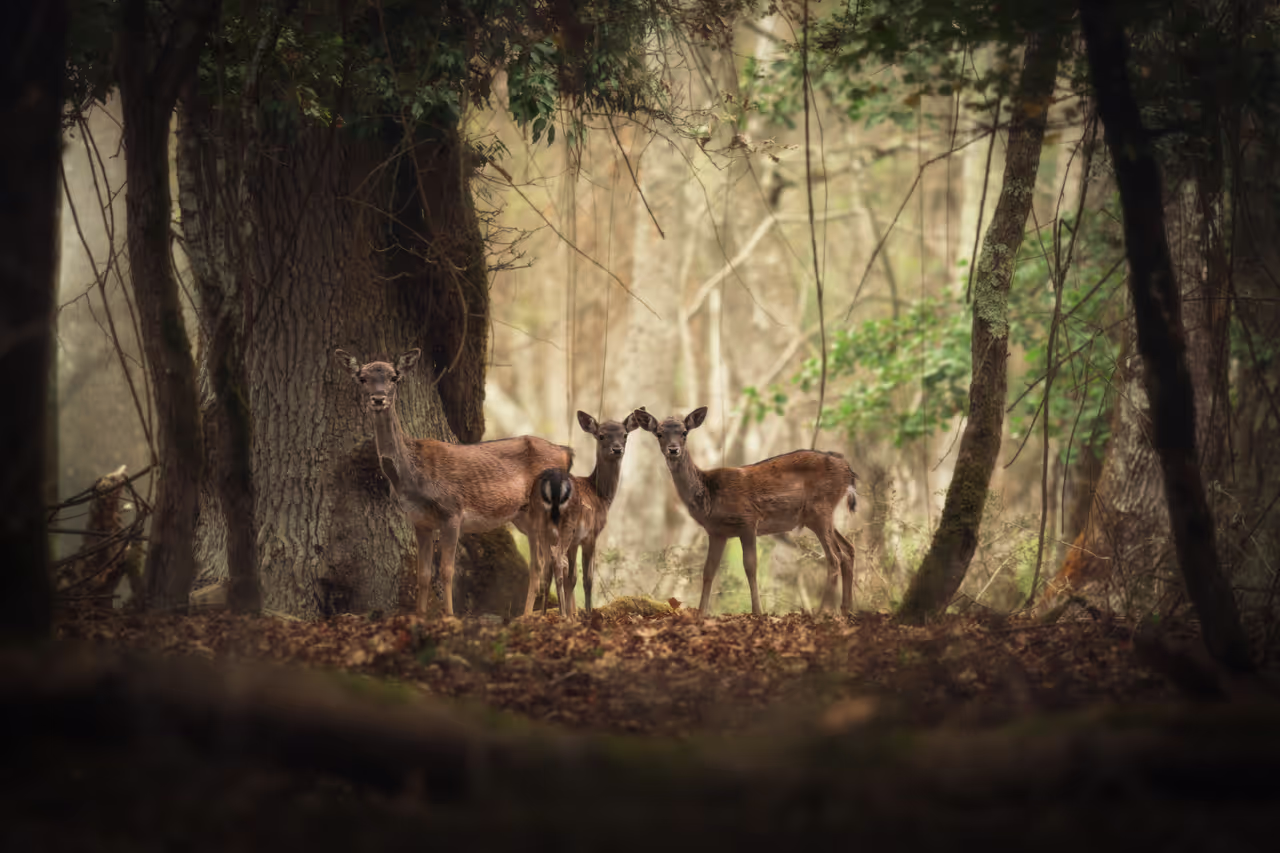
Venture into the pristine wilderness of a former royal hunting estate just a stone's throw from the iconic monuments. This vast nature reserve offers miles of flat, shaded dirt paths winding through dense pine forests and open meadows. It is a fantastic opportunity to spot wild boars, deer, and vibrant birdlife in their natural habitat.
view cycling route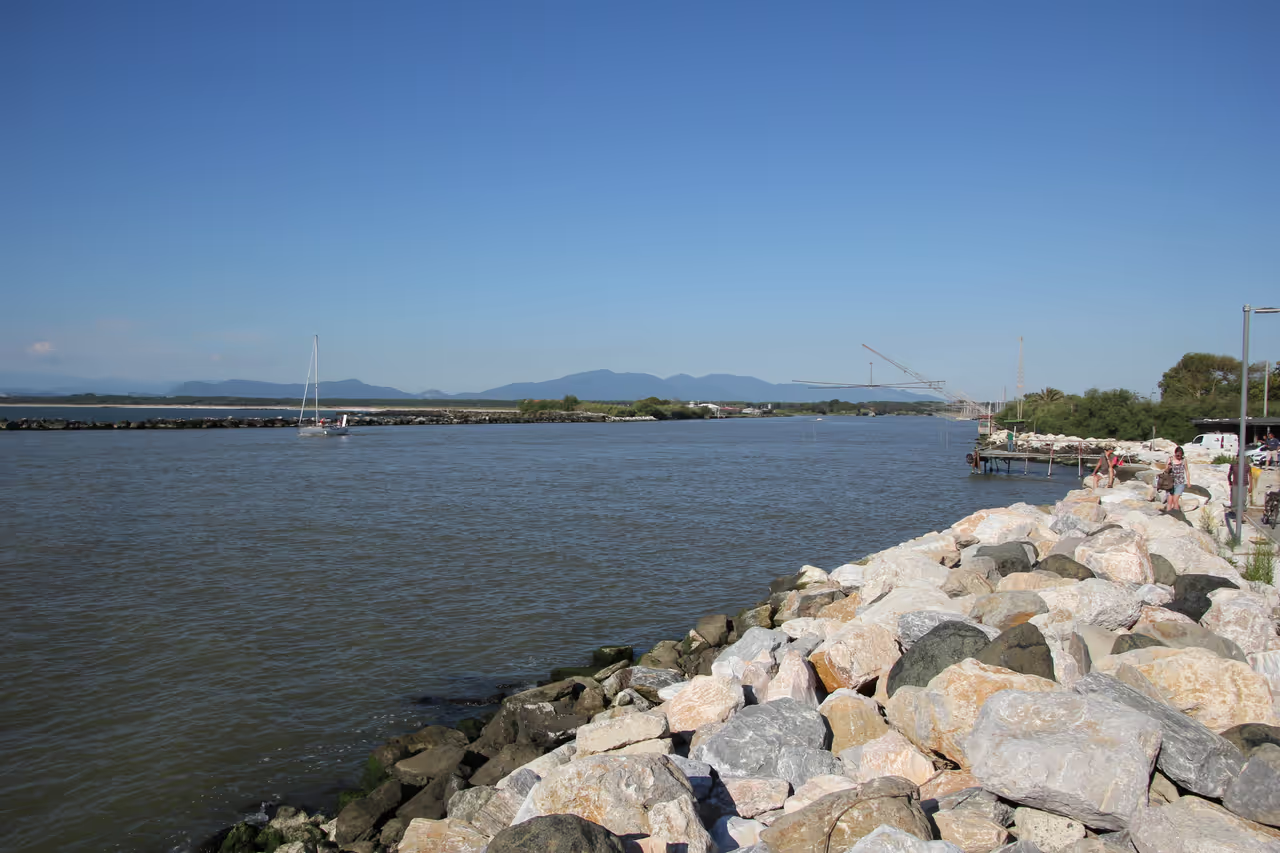
Marble Pebble Promenade
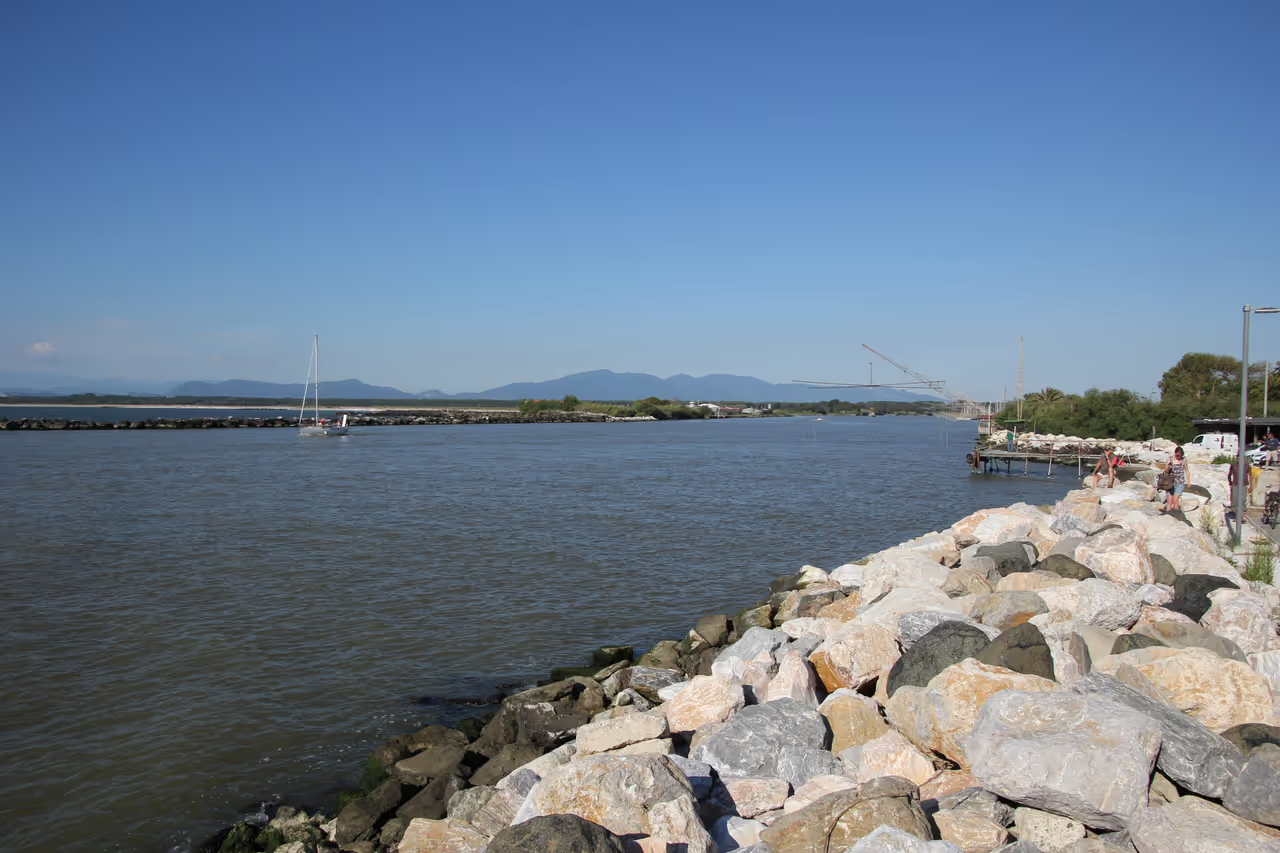
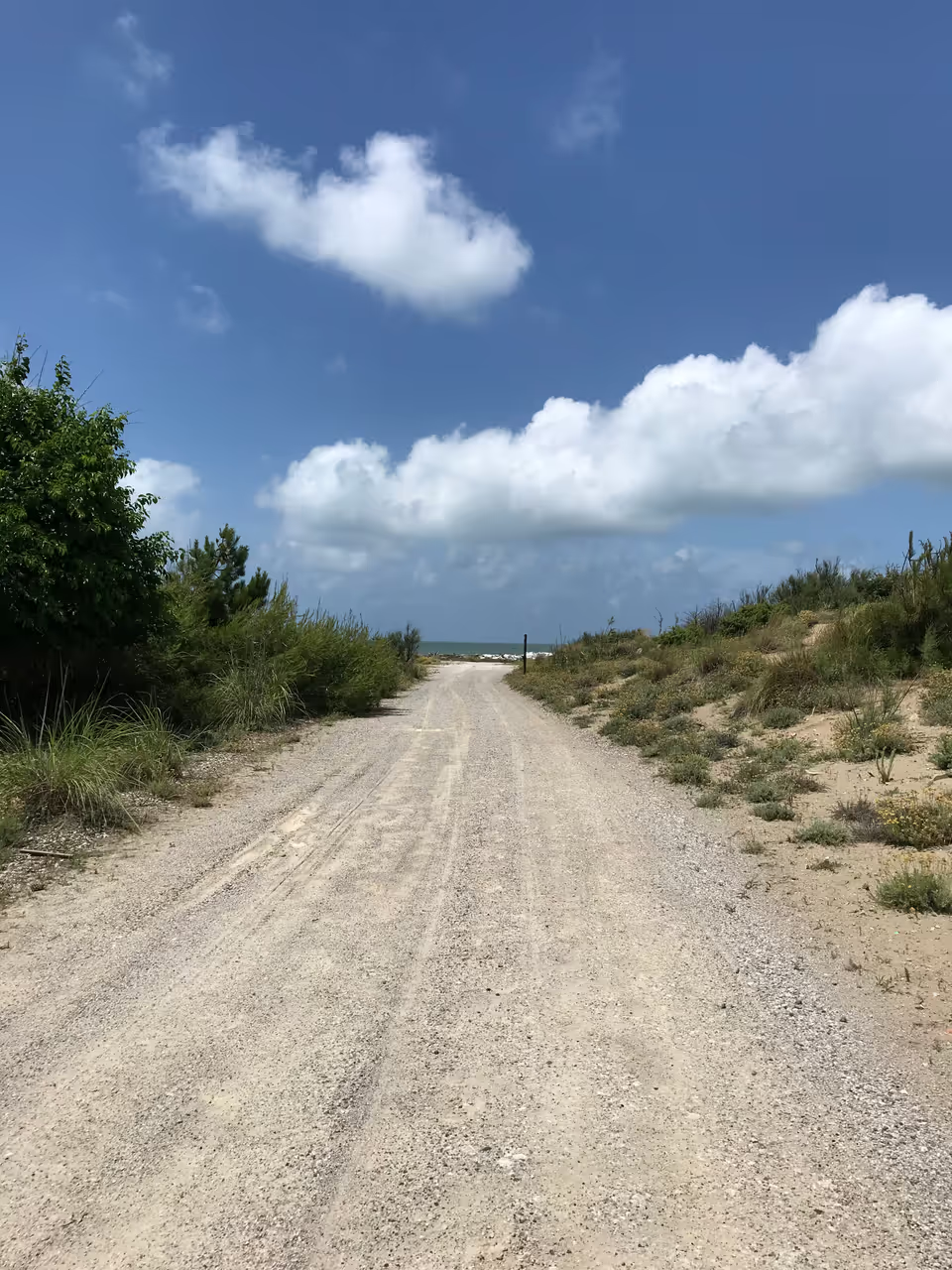
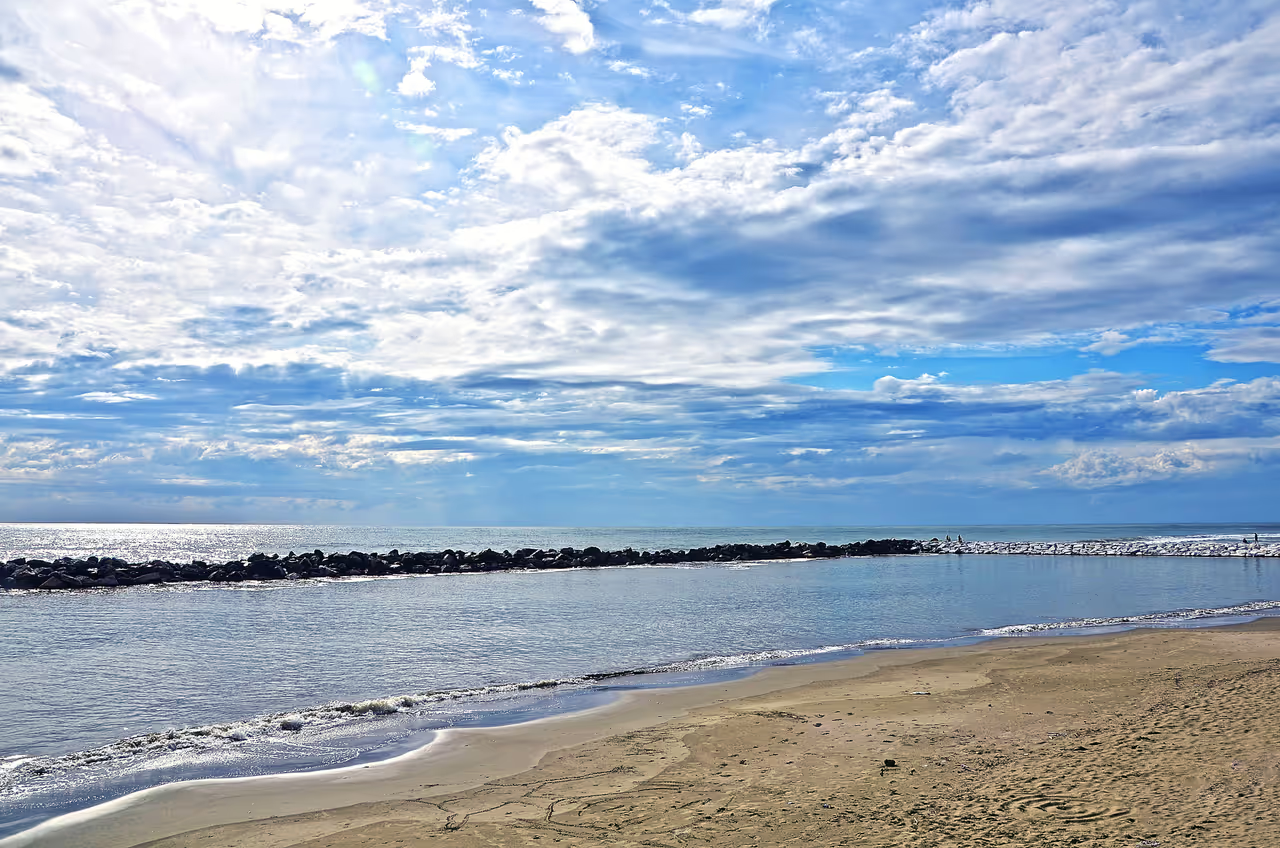
Escape the city entirely for this breezy, wide open stroll right along the crashing waves of the Mediterranean. The sharp smell of salt air and the sound of water rushing over smooth stones provides profound mental relaxation. To the east, the towering peaks of the Apuan Alps create a dramatic and stunning backdrop to the sea.
view walking route