Baptistery of St. John in Pisa
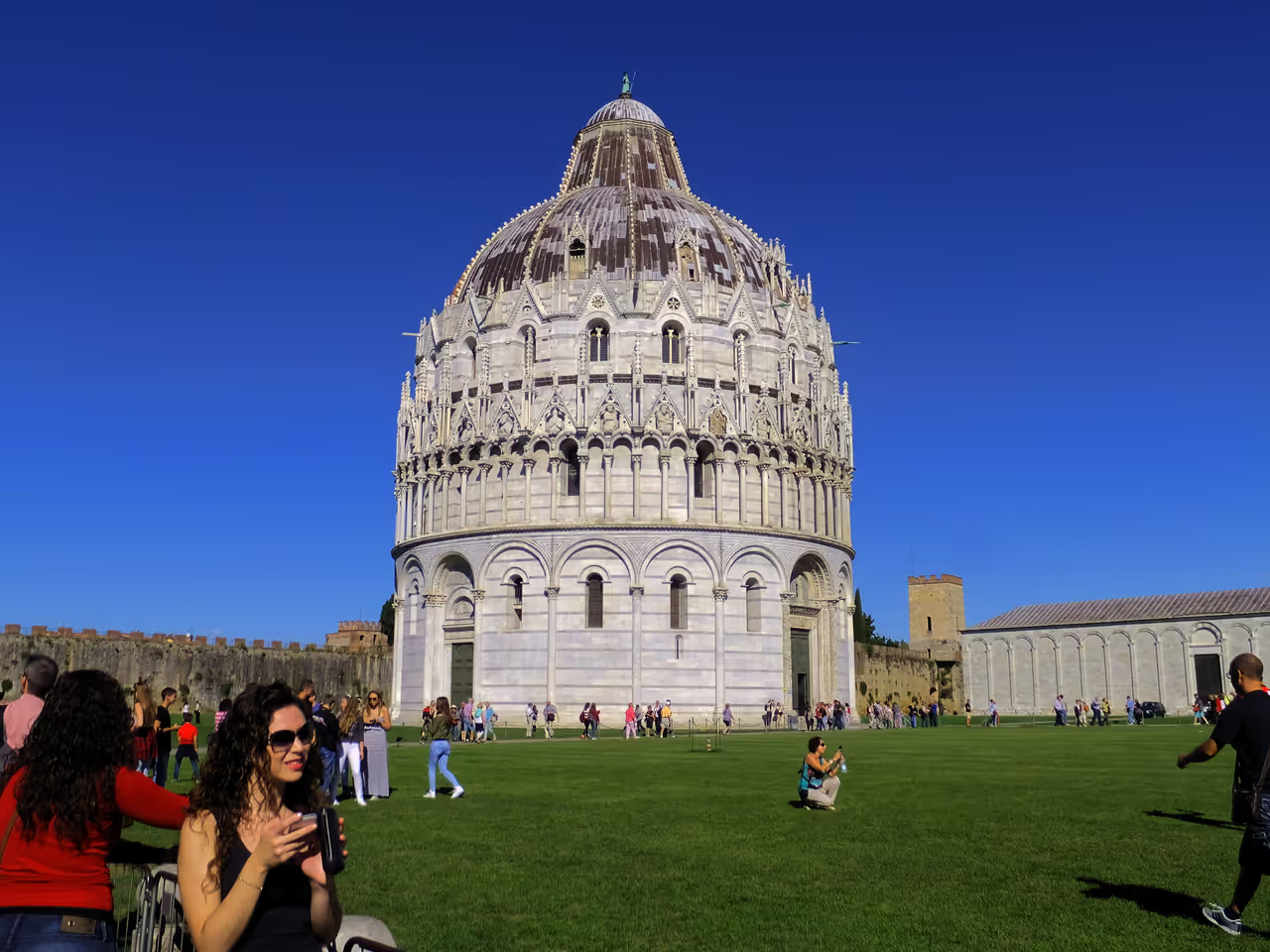
The Baptistery of St. John stands as a masterpiece of medieval architecture, rightfully holding the title of the largest baptistery in the world. Its striking exterior, where Romanesque foundations meet Gothic flourishes, perfectly captures the transformative artistic spirit of medieval Pisa. Visitors are often captivated by its sheer scale, but the real secret lies within its walls, home to an acoustic phenomenon that turns a simple whisper into an ethereal echo. Beyond its architectural beauty, it serves as a historic guardian of the Piazza dei Miracoli, completing the iconic trio alongside the cathedral and the Leaning Tower. Whether you are admiring the intricate pulpit sculpted by Nicola Pisano or simply standing beneath the immense dome, the experience is profound and deeply resonant. It is an essential stop for anyone wanting to truly understand the artistic soul of Tuscany.
Videos
History of Baptistery of St. John in Pisa
The construction of the Baptistery of St. John began in 1152, replacing a smaller, older structure. Its architect, known as Diotisalvi, envisioned a building that would bridge the spiritual gap between the city of Pisa and the Holy Land, explicitly drawing inspiration from the Dome of the Rock and the Church of the Holy Sepulchre in Jerusalem. This was not merely a place of worship but a bold statement of Pisan naval power and religious devotion during the twelfth century. As the decades passed, the building evolved alongside the artistic movements of the time. While the base remained firmly Romanesque, later masters like Nicola and Giovanni Pisano introduced delicate Gothic details, including a soaring loggia and a redesigned dome. The interior holds a true treasure of Italian art, the pulpit created by Nicola Pisano between 1255 and 1260. This masterpiece, featuring classical motifs like a nude Hercules, marked a turning point in sculptural history and helped pave the way for the Renaissance. The legacy of the Baptistery has seen periods of both preservation and controversy. In the nineteenth century, a radical restoration effort removed many original sculptures, though these pieces were thankfully salvaged for local museums. Today, the building stands as a testament to the ingenuity of the medieval mind, with its dual roof system and intentional acoustic design still impressing modern visitors. It remains an integral part of the Piazza dei Miracoli, inviting travellers to step inside and experience a space where history, religion, and art converge in silence.
Events spanning 648 years
Fun Facts
- • A mysterious and undeciphered inscription remains etched into the stone near the entrance, continuing to baffle historians and epigraphers.
- • It holds the prestigious title of being the largest baptistery in Italy and indeed the world.
- • Many original sculptures by Nicola and Giovanni Pisano were removed during a controversial nineteenth century restoration but are now safely preserved in the nearby Museum of the Opera del Duomo.
- • Originally, the dome had an open oculus at the summit which allowed direct light and rainwater to enter the baptismal font, though this was later enclosed.
- • The acoustics of the building are so precise that a skilled guide can demonstrate a multi part harmony by singing single notes at specific intervals.
- • The building suffers from a slight tilt, a structural quirk it shares with its famous neighbor, the Leaning Tower of Pisa.
- • The dome utilizes a clever dual roof system, featuring a conical inner roof and a hemispherical outer one to manage the weight and aesthetic requirements of the time.
- • The interior design was explicitly modeled after the Church of the Holy Sepulchre in Jerusalem to create a physical and spiritual link to the Holy Land.
- • The pulpit inside is considered a vital bridge to the Renaissance, as it famously features a depiction of a nude Hercules, signaling a return to classical artistic forms.
- • The roof is covered in two different materials, with red tiles facing the sea and lead sheets covering the side facing the rising sun, likely due to varying budgets or weather exposure.
- • The structure was built to replace an older, smaller baptistery that once stood exactly where the monumental cemetery known as the Camposanto is located today.
RESOURCES
Official WebsiteBaptistery of St. John in Pisa FAQ
While we strive to keep this information accurate and up to date, we recommend verifying any details independently before making decisions based on them.
Baptistery of St. John in Pisa Map & Neighborhood Explorer
This interactive map is centered on Baptistery of St. John in Pisa. Zoom in and move the map around to automatically discover Wikipedia photos and summaries of other nearby sights, monuments, and historical points of interest and stories in real-time!
Places near Baptistery of St. John in Pisa
Make the most of your trip. Check out these top-rated spots located nearby.
 20m
20mPiazza dei Miracoli
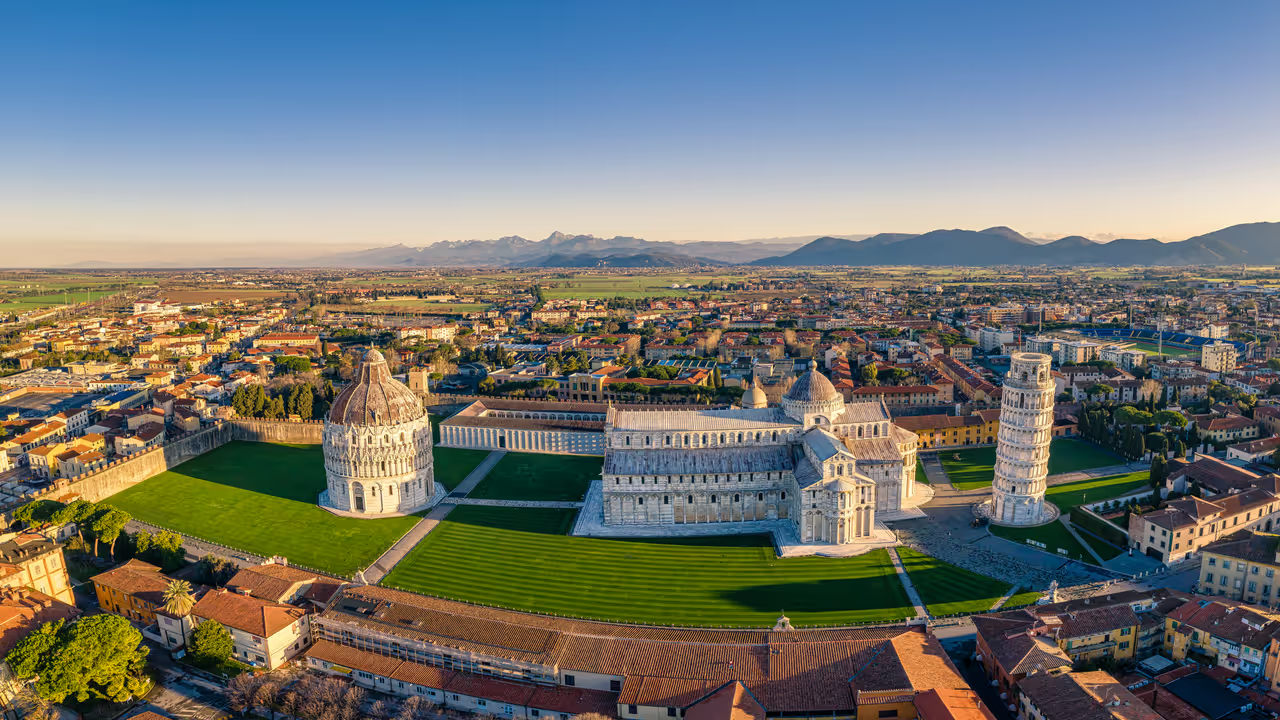
Step onto the pristine green lawns of the Piazza dei Miracoli and find yourself surrounded by some of the most extraordinary architecture on the planet. This UNESCO World Heritage site is home to four legendary monuments that have captivated visitors for centuries: the Leaning Tower, the Cathedral, the Baptistery, and the Camposanto. Gabriele D'Annunzio famously dubbed this the Meadow of Miracles for its sheer beauty and originality. You can wander between these gleaming white marble structures, marvelling at the Romanesque artistry that seems to defy both logic and gravity. It is a place where history and human ambition collide in a breathtaking display, offering a serene atmosphere that stays with you long after you leave.
unesco heritage site view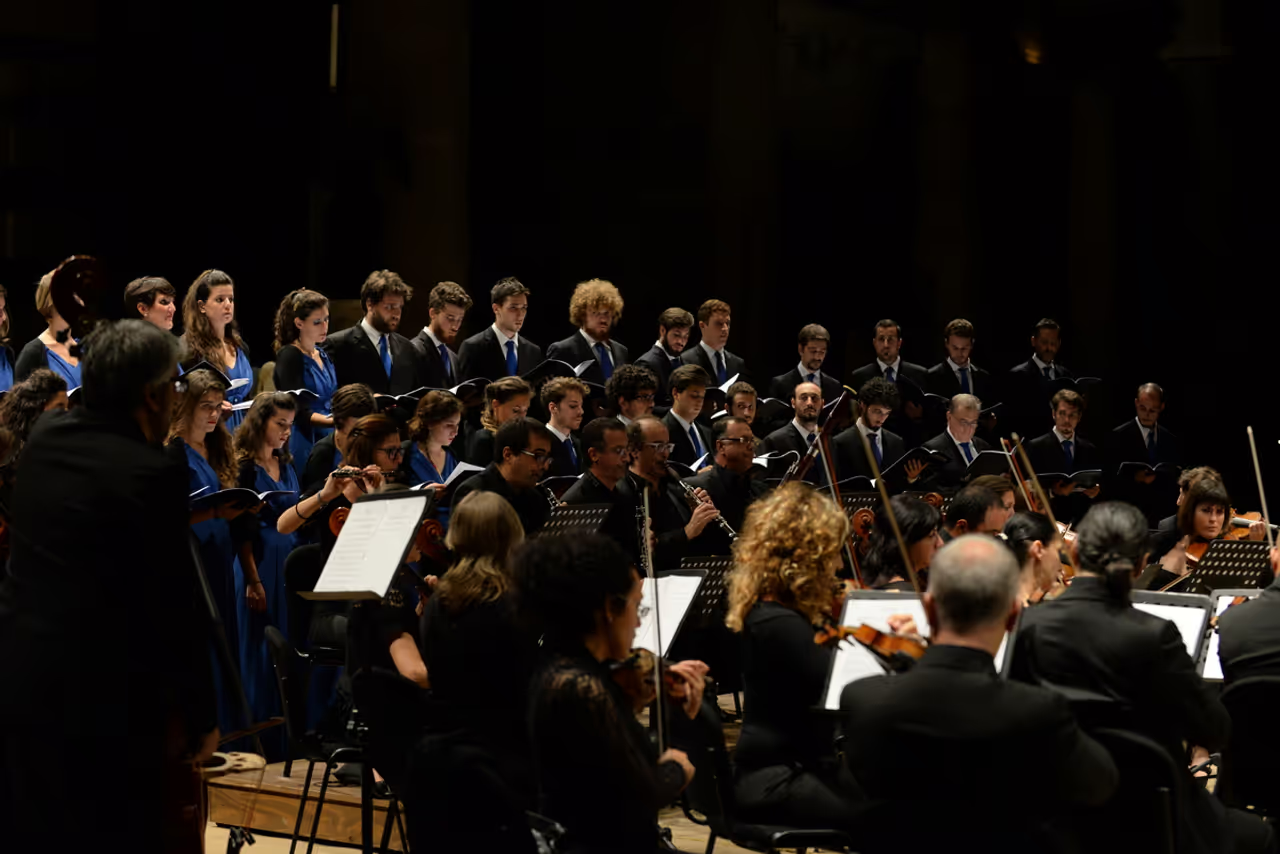 92m
92mAnima Mundi Sacred Music Festival
This prestigious international festival brings world class sacred music to some of the most acoustically and visually stunning venues imaginable. Concerts are held inside the magnificent cathedral and the monumental cemetery, where the ancient architecture perfectly complements the ethereal sounds. Choirs and orchestras from around the globe perform classical masterpieces, creating an atmosphere of profound spiritual and artistic beauty. It is an extraordinary opportunity to experience these iconic monuments through the power of world class musical performance.
festival view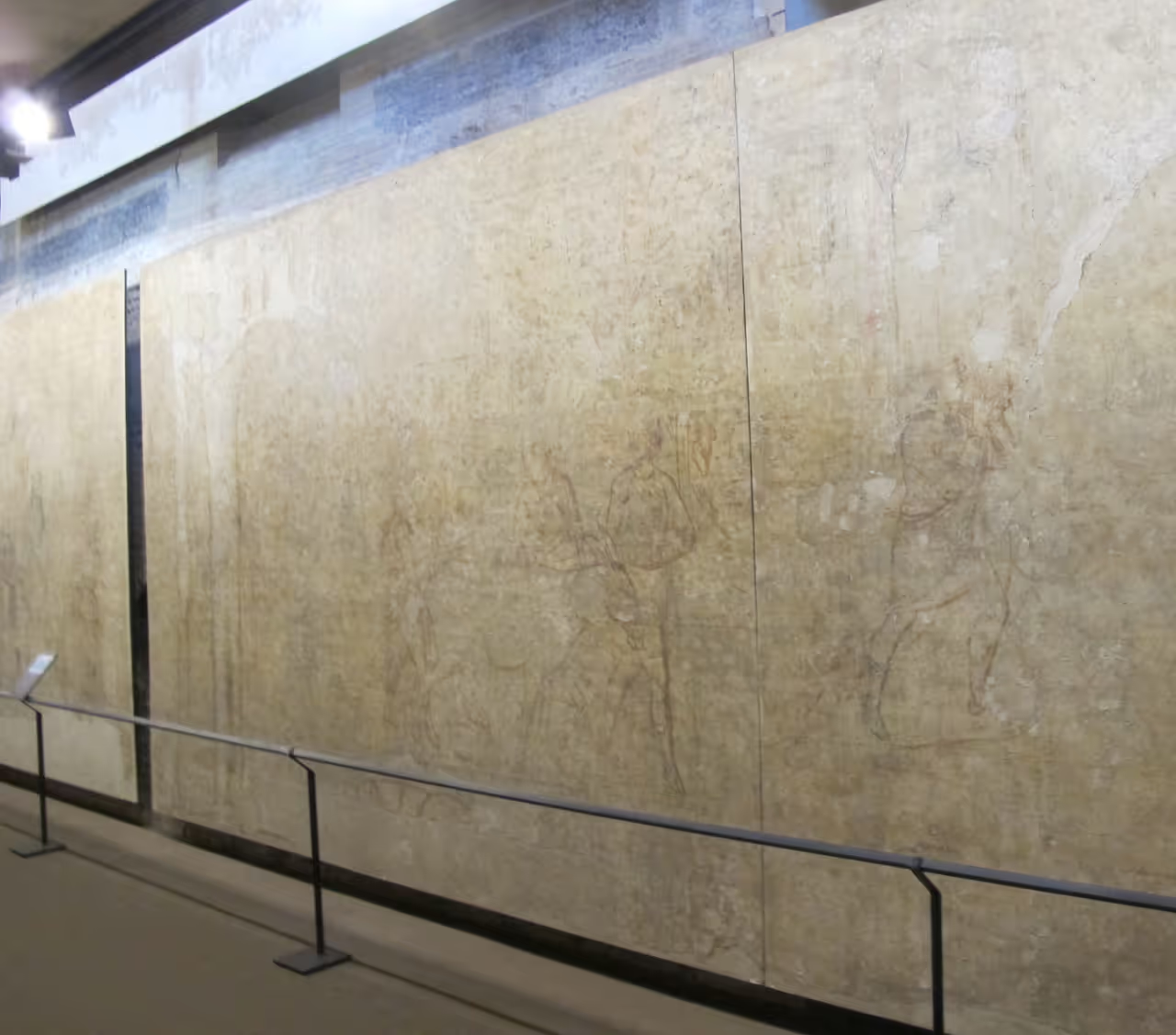 122m
122mMuseum of the Sinopias
Housed in a massive, beautifully restored medieval hospital building bordering the main square, this vast museum is incredibly often ignored by the crowds rushing to the bell tower. It protects the massive, raw preparatory sketches, known as sinopie, that were discovered beneath the frescoes of the monumental cemetery following the devastating bombings of the Second World War. Seeing these huge, expressive underdrawings provides an astonishingly intimate look into the creative process of medieval master painters. The sheer scale of the sketches, displayed on massive walls, is visually staggering and deeply moving. It is an absolute haven for serious art lovers seeking quiet contemplation.
hidden gem view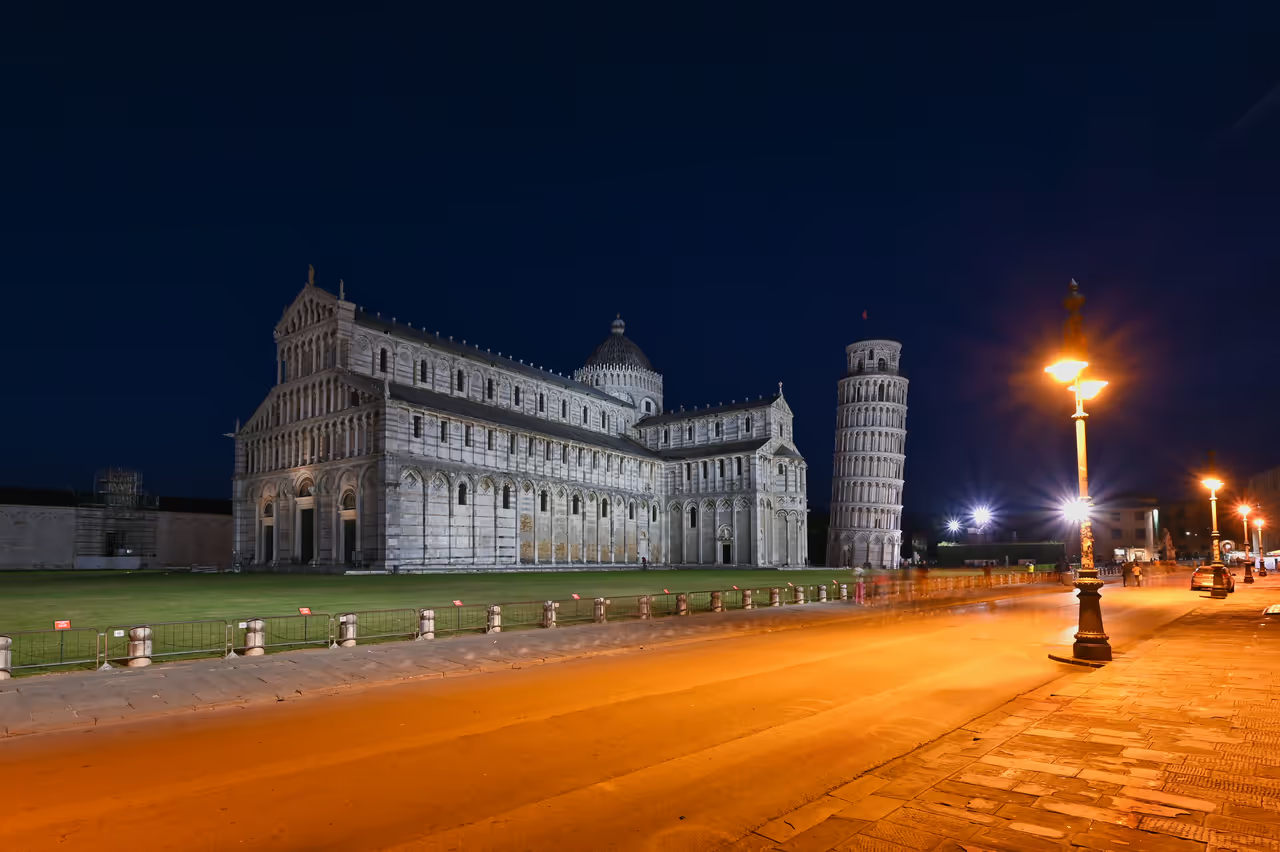 123m
123mPisa Cathedral
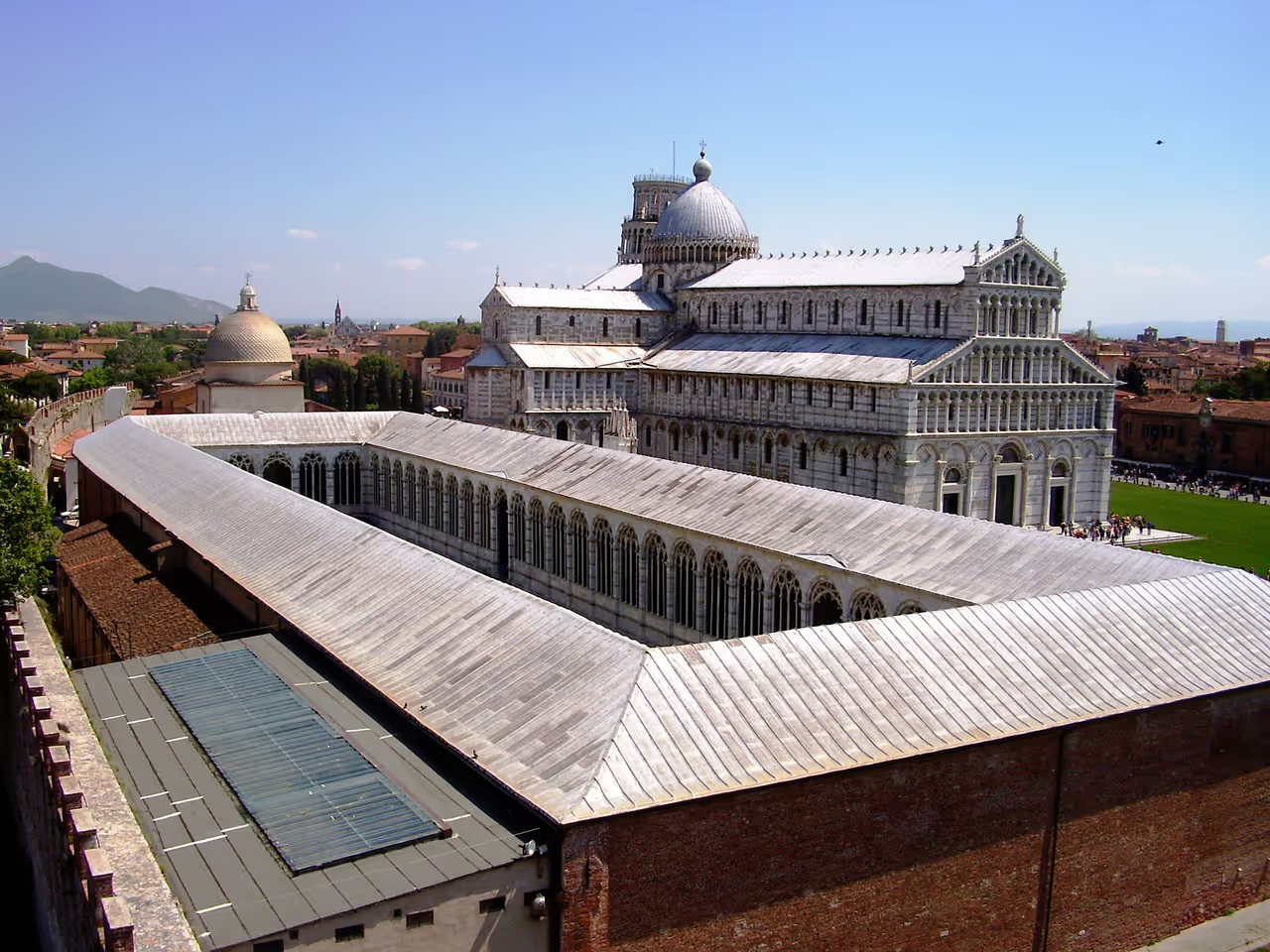
Standing at the heart of the Piazza dei Miracoli, the Duomo di Pisa is a profound testament to the artistic ambition of the medieval maritime republic of Pisa. This masterpiece of Romanesque architecture invites visitors to admire its intricate marble facade and an interior that blends diverse cultural influences with grace. Stepping inside reveals a sanctuary filled with precious treasures, including the awe-inspiring pulpit by Giovanni Pisano and the celestial mosaic by Cimabue. Whether you are an art enthusiast or seeking a moment of peace, the cathedral offers a window into a rich, storied past that feels remarkably present today. Its unique atmosphere, shaped by centuries of history and devotion, makes every visit a memorable experience.
attraction view
Explore Similar Places in These Collections

Featured on These Itineraries and Routes
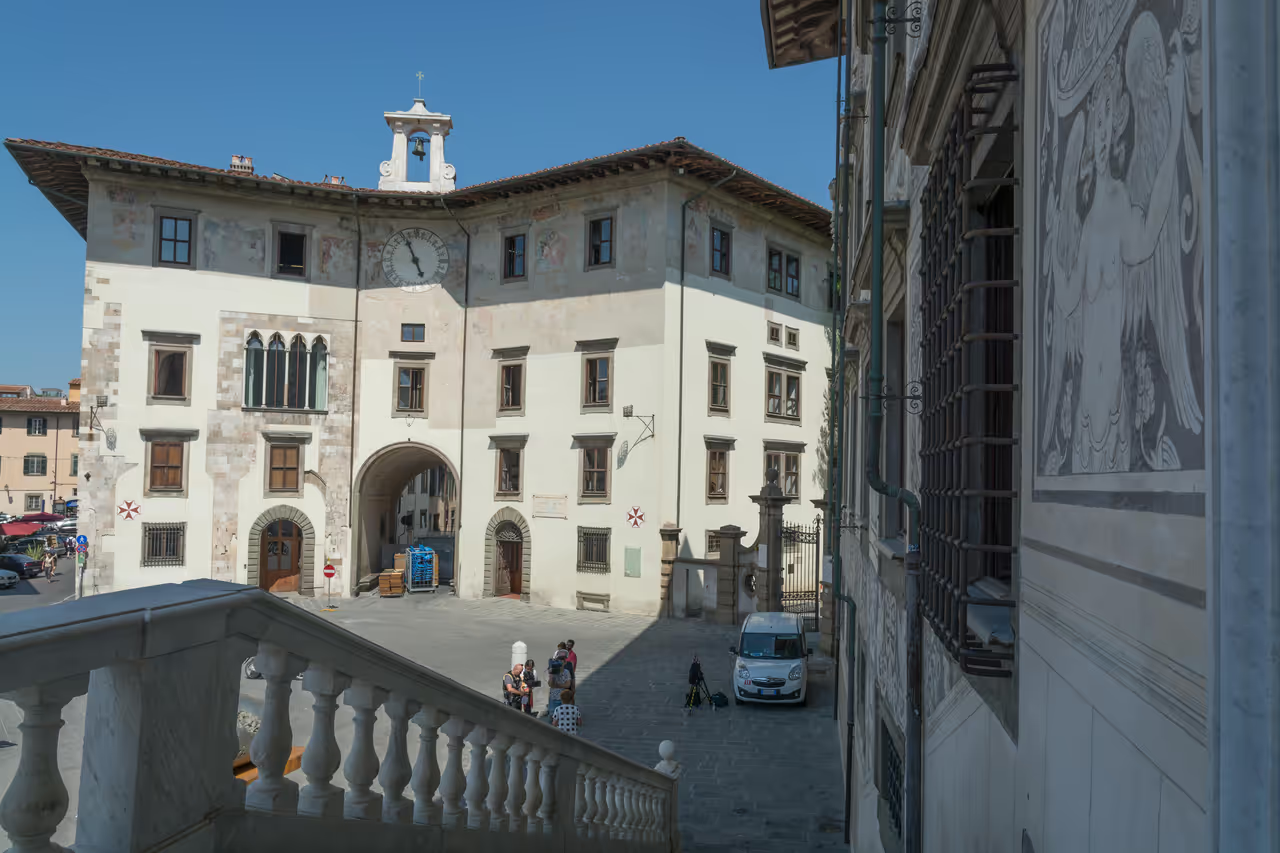
3 Days in Pisa: Days of Discovery Itinerary
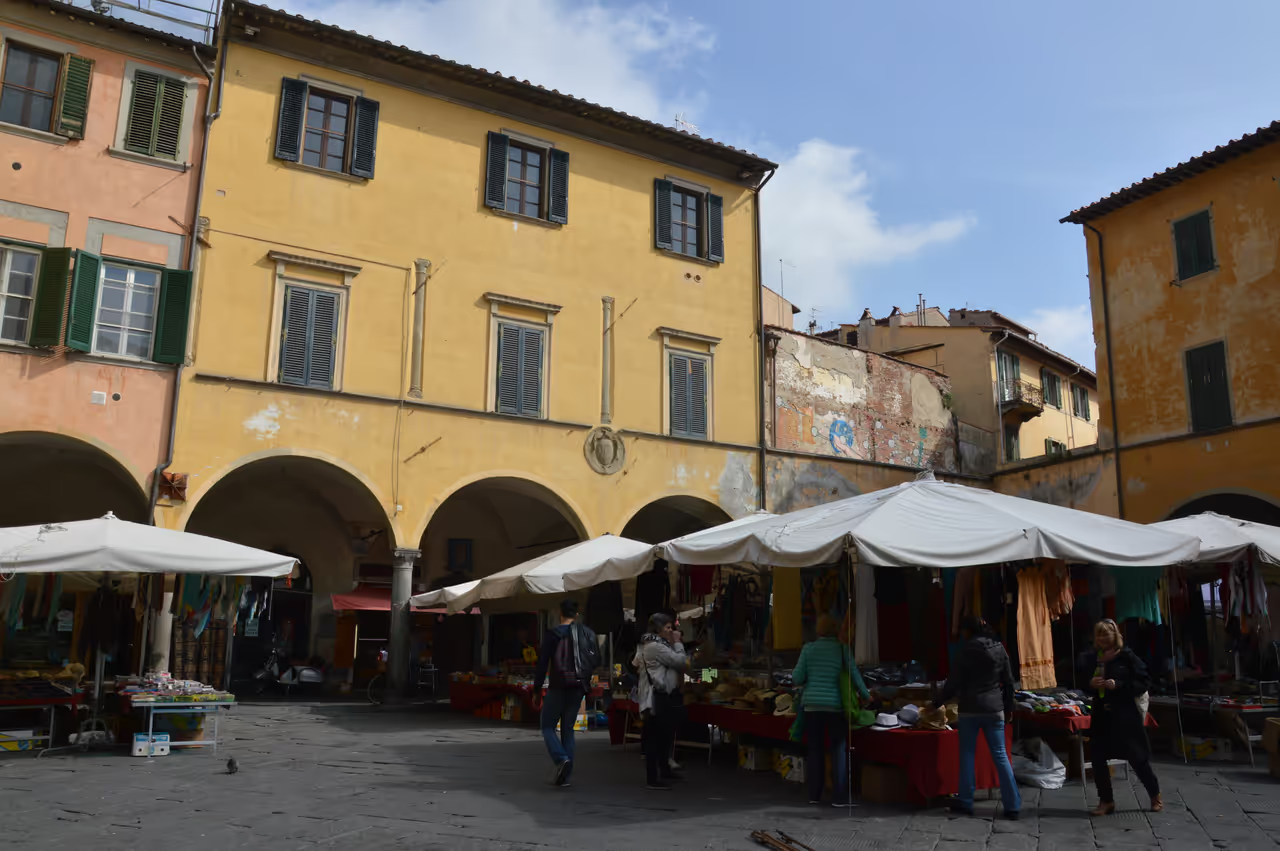
This balanced route allows you to look far beyond the famous leaning tower and truly understand the rich history of the maritime republic. It provides ample time to explore the phenomenal, hidden art museums, the quiet botanical gardens, and the heavily fortified old citadel. You will experience the vibrant student nightlife and discover quirky architectural oddities scattered throughout the ancient alleyways.
view itinerary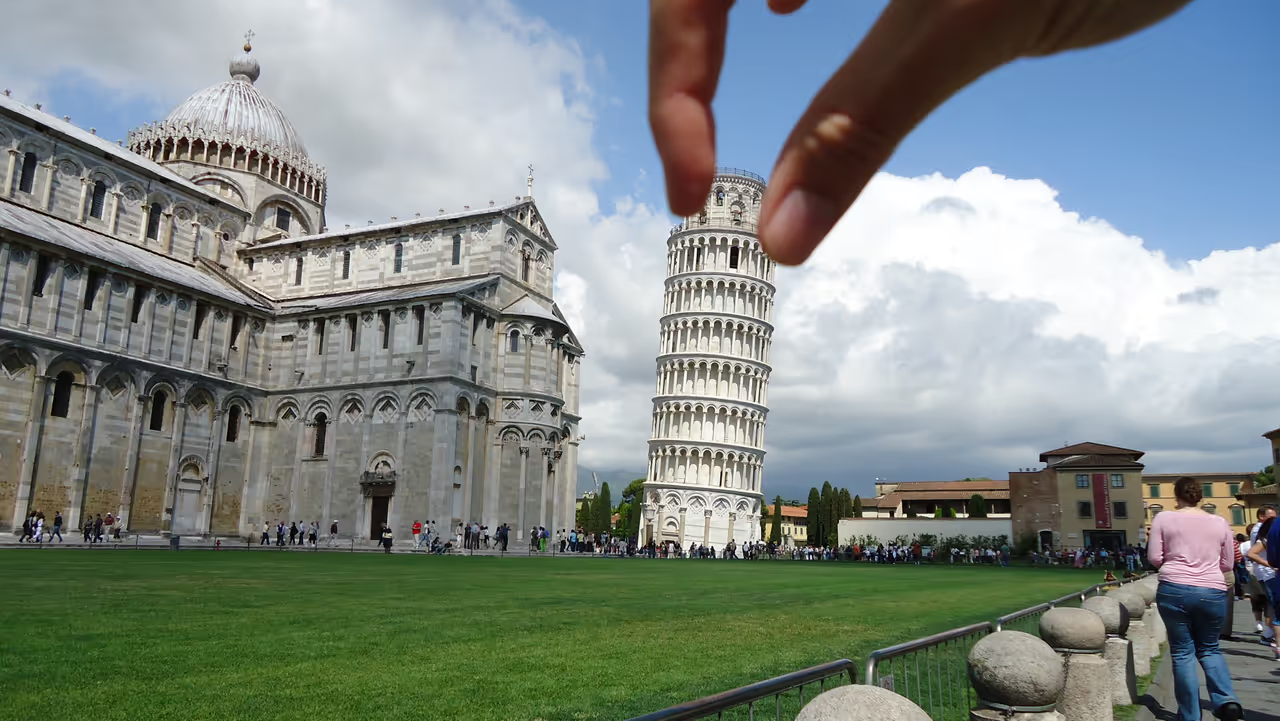
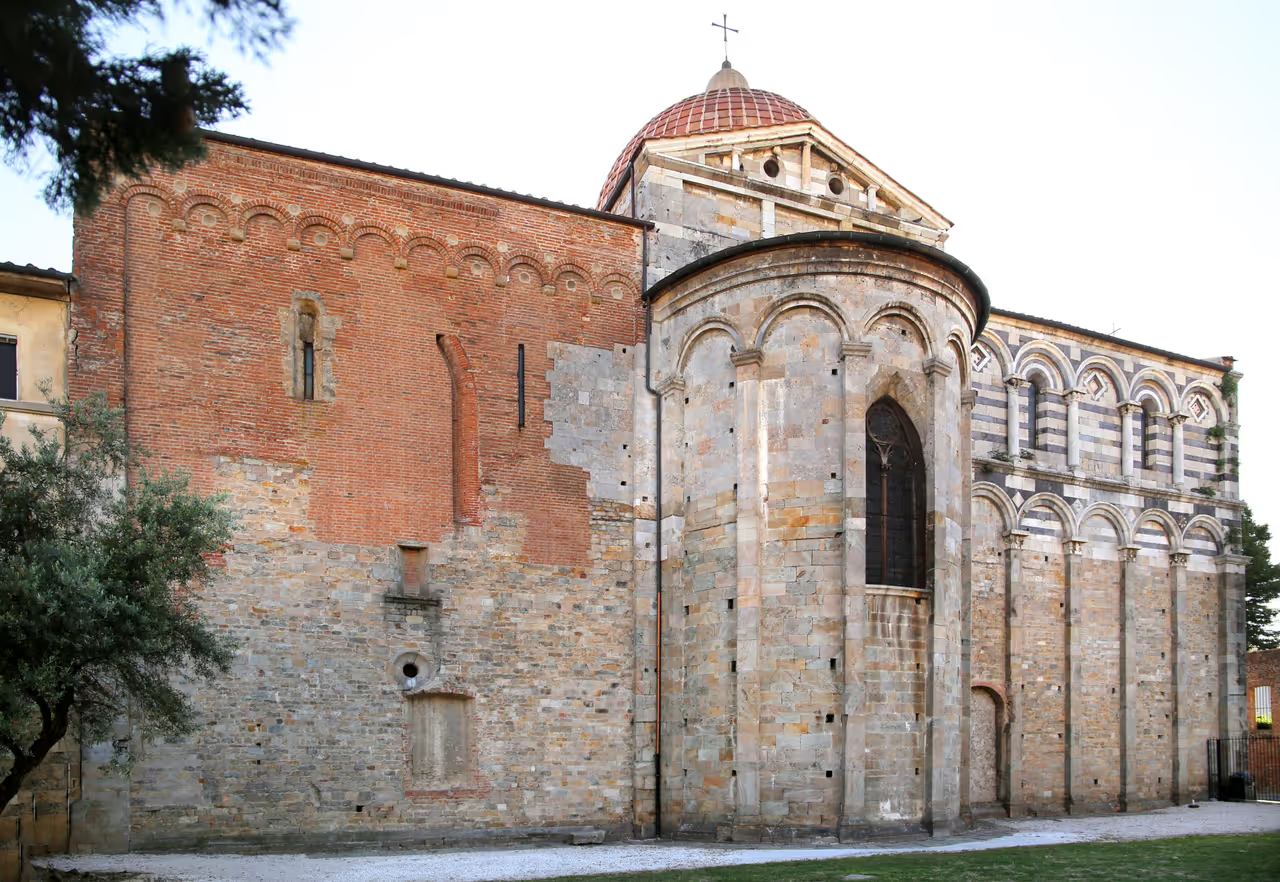
Pisan Romanesque Masterpieces
Embark on an architectural journey exploring the unique, gleaming white marble style that this city exported across the Mediterranean. This tour focuses on the intricate geometric patterns, blind arcades, and oriental influences that define this iconic aesthetic. It is a deep dive into the visual legacy of immense wealth and profound religious devotion.
view self-guided tour
See all attractions in Pisa
Leaning Tower of Pisa, Pisa Cathedral, Monumental Cemetery of Pisa, Santa Maria della Spina...