Leaning Tower of Pisa
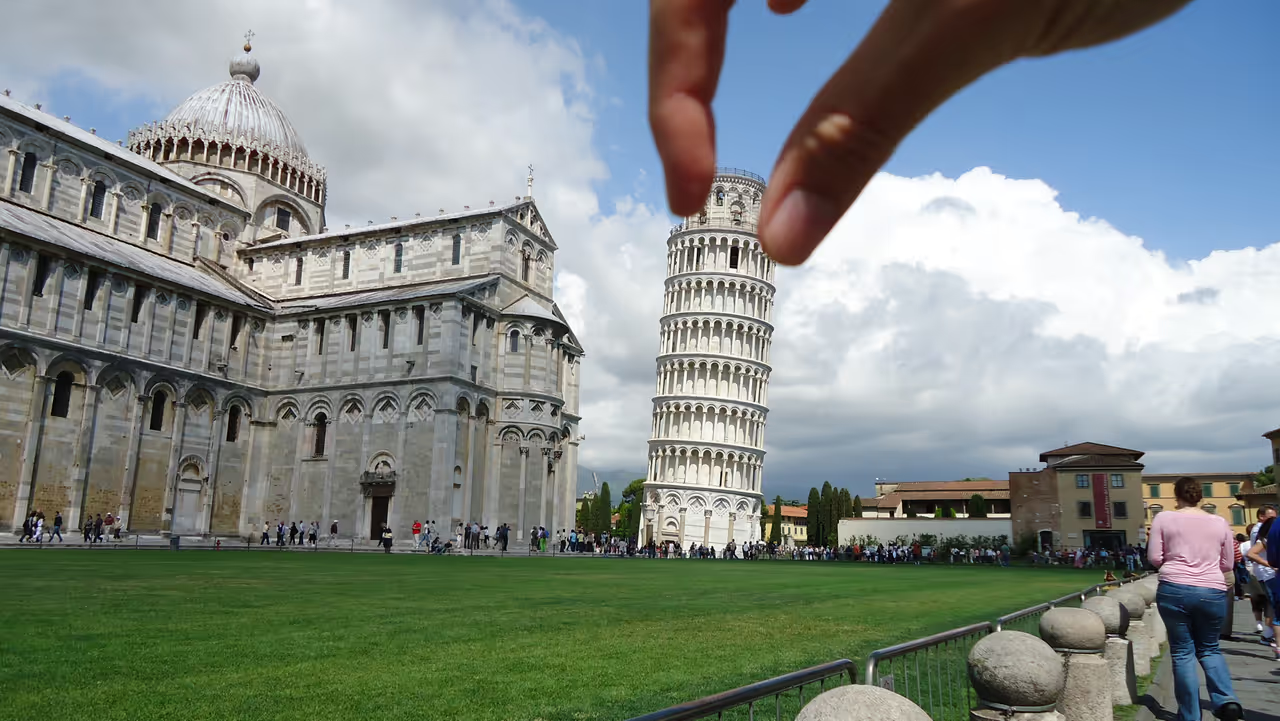
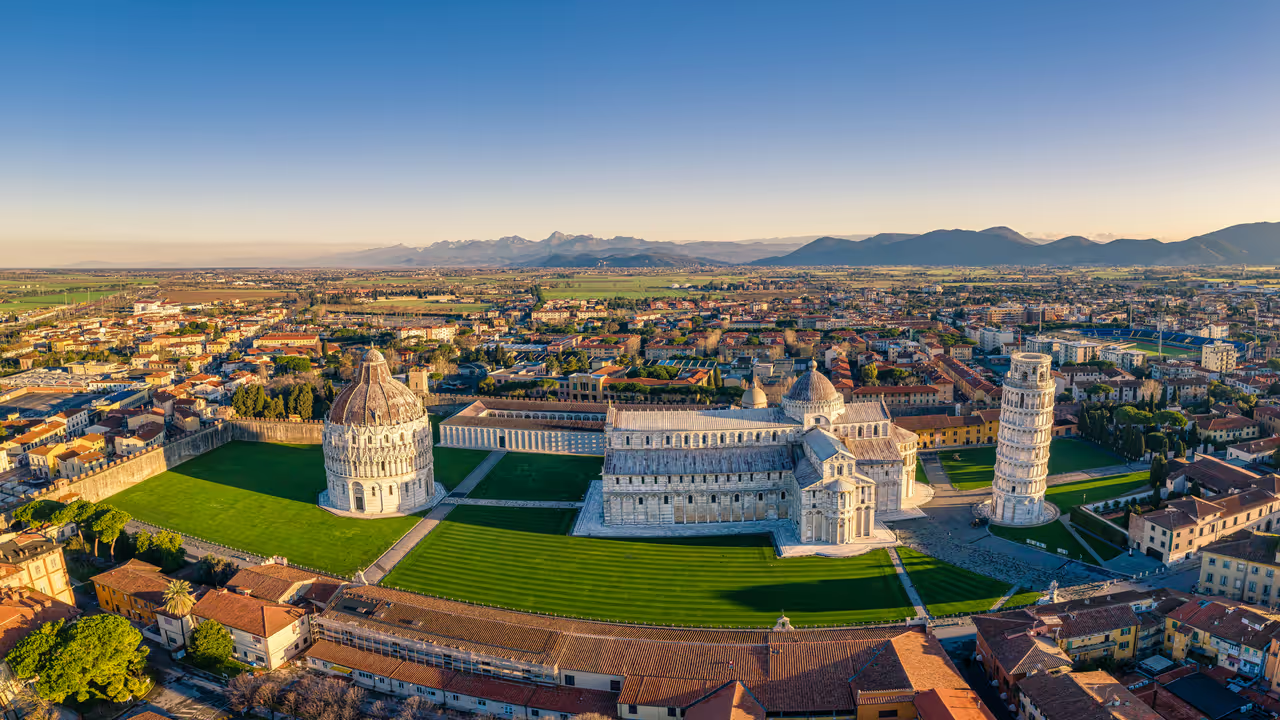
The Leaning Tower of Pisa is arguably the most recognisable bell tower on the planet and serves as an enduring symbol of Italy’s architectural ambition and serendipitous engineering history. Visitors flock to the Piazza dei Miracoli to witness this gravity defying marble marvel, which tilts gracefully against the Tuscan sky. Despite its accidental nature, the tower is a masterwork of Romanesque design, adorned with intricate arcades and delicate loggias. You can climb the nearly three hundred steps to the top, where the reward is a panoramic view of the cathedral and the surrounding city. It is a place where history, art, and science collide, leaving every visitor in awe of how such a monumental blunder became a beloved world treasure.
Videos
History of Leaning Tower of Pisa
Construction began on 9 August 1173 on the soft clay of Piazza del Duomo. The builders laid the heavy marble foundations and reached the third tier before the ground beneath them began to swallow their work. Construction abruptly stopped. Centuries later, workers dug up a pink stone cast near the entrance bearing the name Bonanno Pisano, identifying the original architect who watched his ambitious project sink. Leaving the heavy stone to settle into the unstable earth was an accidental stroke of genius. Had the medieval masons pushed forward without a lengthy pause, the entire structure would have collapsed straight into the mud. When Giovanni di Simone resumed the project in 1275, the southward lean was obvious to everyone in Pisa. He chose to ignore the slope and attempted a clumsy architectural fix instead. He built the next three storeys at a slight angle, actively curving the masonry in the opposite direction to compensate for the sinking base. This severe overcorrection gave the campanile a distinct banana shape that remains clearly visible today. By the middle of the fourteenth century, workers finally completed the belfry and hauled seven large bronze bells to the highest floor. One of these heavy bronzes was named Giustizia, and for centuries it rang out across the city roofs specifically to announce the executions of traitors like Count Ugolino della Gherardesca. Generations of prominent engineers could not resist the urge to tamper with the tilting stone. In the nineteenth century, Alessandro Gherardesca decided to excavate around the buried base to expose the original carved steps. His workers pumped out the subterranean water they found, unwittingly accelerating the soil subsidence and worsening the steep angle. Benito Mussolini took immense personal offence at the crooked architecture in 1934, declaring the slanted landmark a national disgrace. He ordered a team to drill holes directly into the foundation and pump them full of wet cement to force the structure upright. The heavy concrete only made the tower sway dangerously from north to south before settling into an even deeper slump. By the winter of 1990, the 14,453 tonnes of marble were dangerously close to snapping altogether. The shift had reached an extreme angle of 5.5 degrees, forcing officials to lock the doors and call in a rescue committee under engineer Michele Jamiolkowski. They strapped the fragile middle tiers in steel belts and stacked a thousand tonnes of lead ingots on the northern base to act as a desperate temporary counterweight. The ultimate solution proved to be remarkably subtle. Drillers slowly removed small volumes of earth from beneath the northern edge, allowing the enormous weight of the masonry to gently sink back into a safer alignment. Today, the 296 heavily worn, sloping steps inside the marble cylinder lead straight up to the Pasquereccia bell, cast in 1262, suspended safely on a building whose historic tilt has been firmly frozen in place for at least another three centuries.
Events spanning 828 years
Fun Facts
- • Construction of the tower took nearly two hundred years to complete, lasting from 1173 until the middle of the fourteenth century.
- • During the final stabilisation project in the 1990s, engineers removed massive amounts of earth from underneath the north side to reduce the lean by several centimetres.
- • Galileo Galilei reportedly used the tower to conduct his famous experiments on gravity, dropping objects to prove that the speed of descent is independent of mass.
- • In 1934, Benito Mussolini declared the tower a national shame and ordered a fix, but his clumsy attempts to inject concrete into the foundation only caused the structure to sink deeper into the mud.
- • Lead counterweights were used to hold the tower in place while engineers worked to solve the soil subsidence and save the monument from collapse.
- • The bell known as San Ranieri was once called the Justice bell and tolled for the execution of traitors, including, as legends suggest, the infamous Count Ugolino.
- • The ground floor contains a unique, roofless chamber known as the Sala del Pesce, named for a mysterious bas-relief of a fish carved into the wall.
- • The tilt was never intended by the original architects; it is the direct result of building on unstable soil composed of clay, sand, and shells.
- • The tower features 296 steps that wind their way up to the bell chamber, providing a unique workout for anyone brave enough to climb to the top.
- • There are seven bells in the tower, each with a different note and a unique history, with the oldest dating back to 1262.
RESOURCES
Official WebsiteLeaning Tower of Pisa FAQ
While we strive to keep this information accurate and up to date, we recommend verifying any details independently before making decisions based on them.
Leaning Tower of Pisa Map & Neighborhood Explorer
This interactive map is centered on Leaning Tower of Pisa. Zoom in and move the map around to automatically discover Wikipedia photos and summaries of other nearby sights, monuments, and historical points of interest and stories in real-time!
Places near Leaning Tower of Pisa
Make the most of your trip. Check out these top-rated spots located nearby.
 62m
62mCathedral Museum
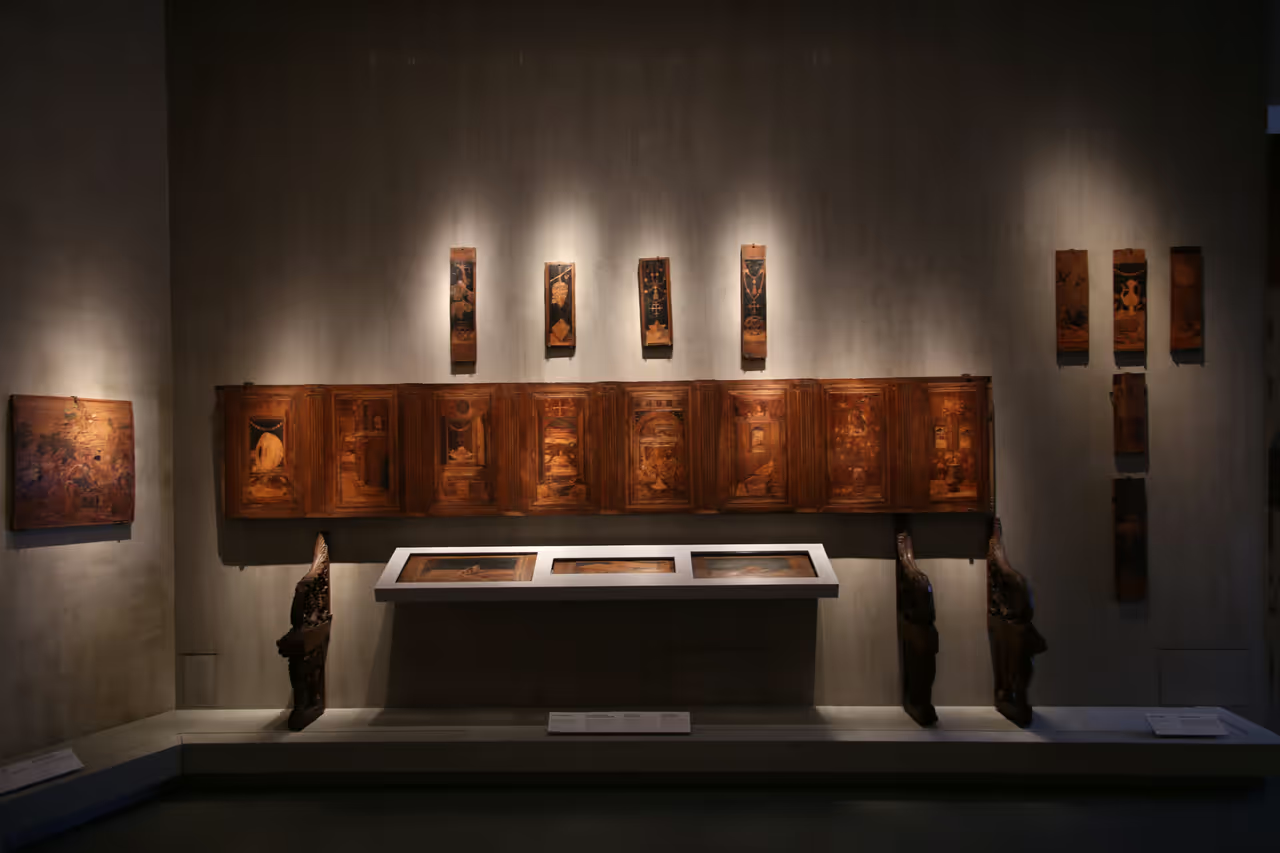
Recently renovated and expertly curated, this museum protects the delicate original sculptures and treasures removed from the harsh elements of the main square. The collection includes incredible marble statuary by the masterful Pisano family and a collection of striking bronze griffins brought back as war booty from the crusades. The layout provides fascinating context to the massive architectural undertaking of the cathedral complex. One of the greatest highlights is the spectacular upper balcony, which offers arguably the best, unobstructed photographic vantage point of the leaning tower and the lush green lawns. It is an essential stop for fully understanding the artistic achievements of the republic.
highlight view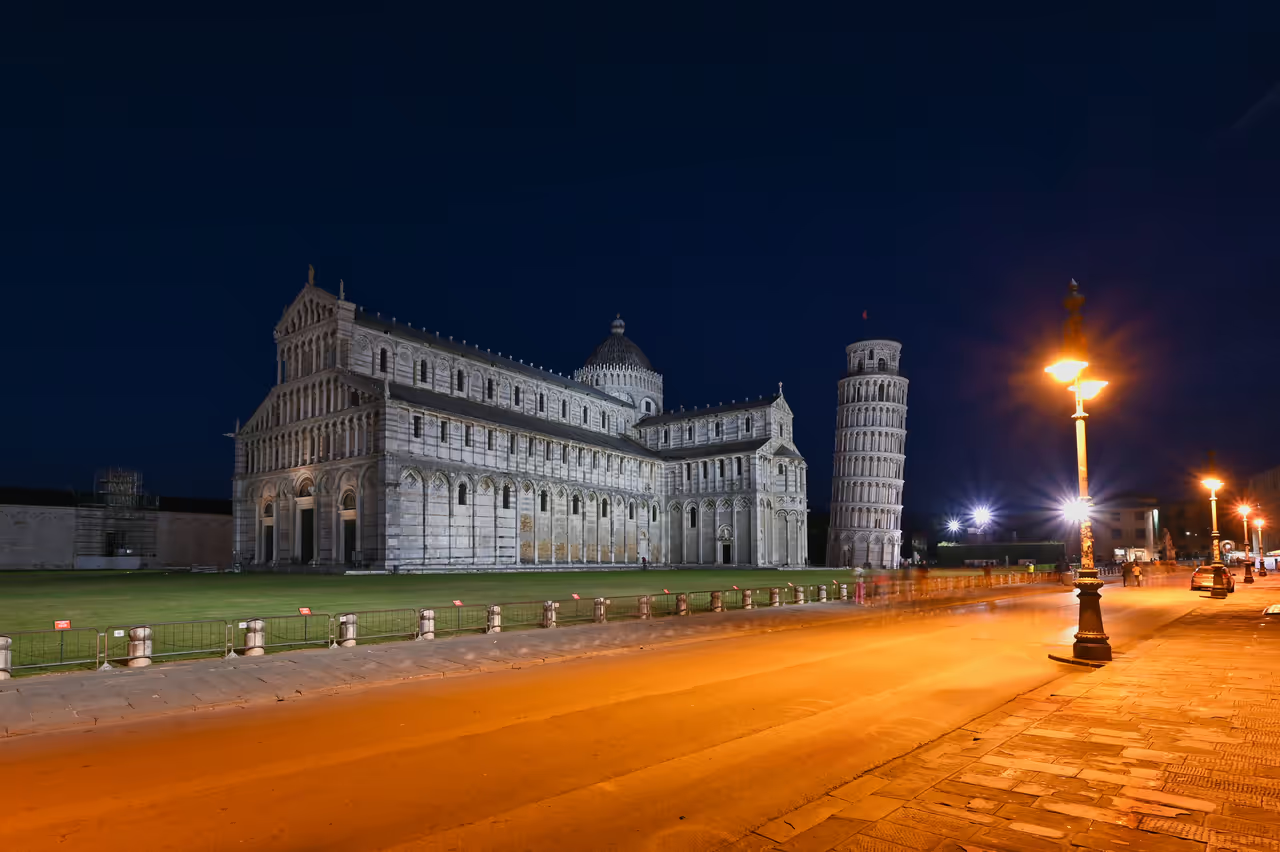 78m
78mPisa Cathedral
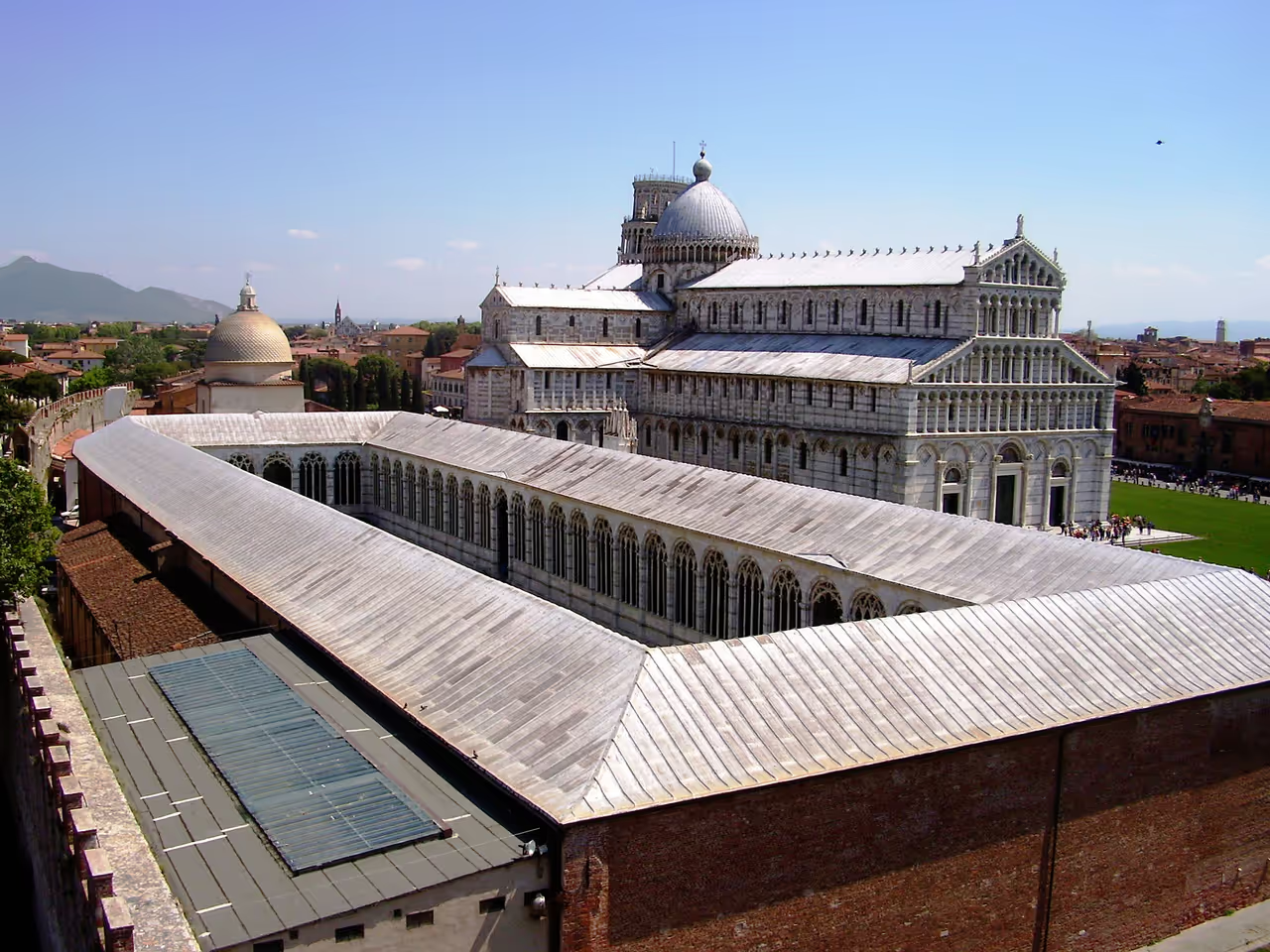
Standing at the heart of the Piazza dei Miracoli, the Duomo di Pisa is a profound testament to the artistic ambition of the medieval maritime republic of Pisa. This masterpiece of Romanesque architecture invites visitors to admire its intricate marble facade and an interior that blends diverse cultural influences with grace. Stepping inside reveals a sanctuary filled with precious treasures, including the awe-inspiring pulpit by Giovanni Pisano and the celestial mosaic by Cimabue. Whether you are an art enthusiast or seeking a moment of peace, the cathedral offers a window into a rich, storied past that feels remarkably present today. Its unique atmosphere, shaped by centuries of history and devotion, makes every visit a memorable experience.
attraction view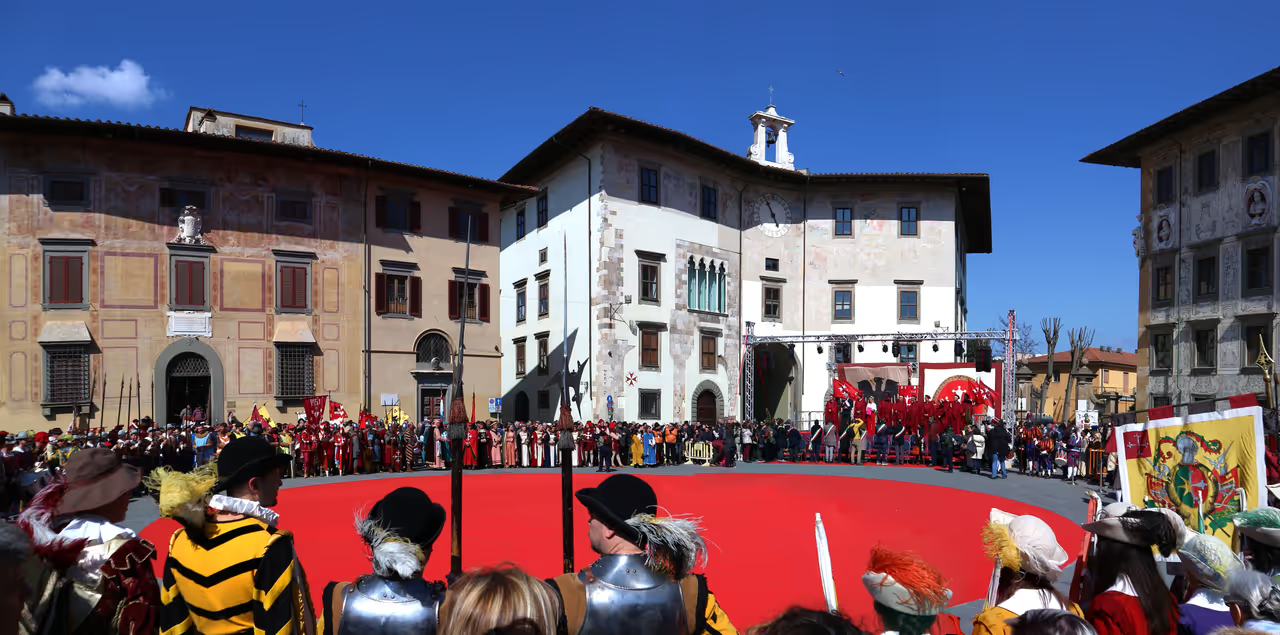 78m
78mPisan New Year
According to a unique medieval calendar, the new year here officially begins nine months ahead of the standard Gregorian calendar. The precise moment is marked when a specific ray of sunlight shines through a window in the cathedral and strikes a designated marble egg. The day is celebrated with historical parades, flag throwing performances, and various cultural events across the historic centre. It is a quirky and charming celebration that highlights the region's fiercely independent historical identity.
festival view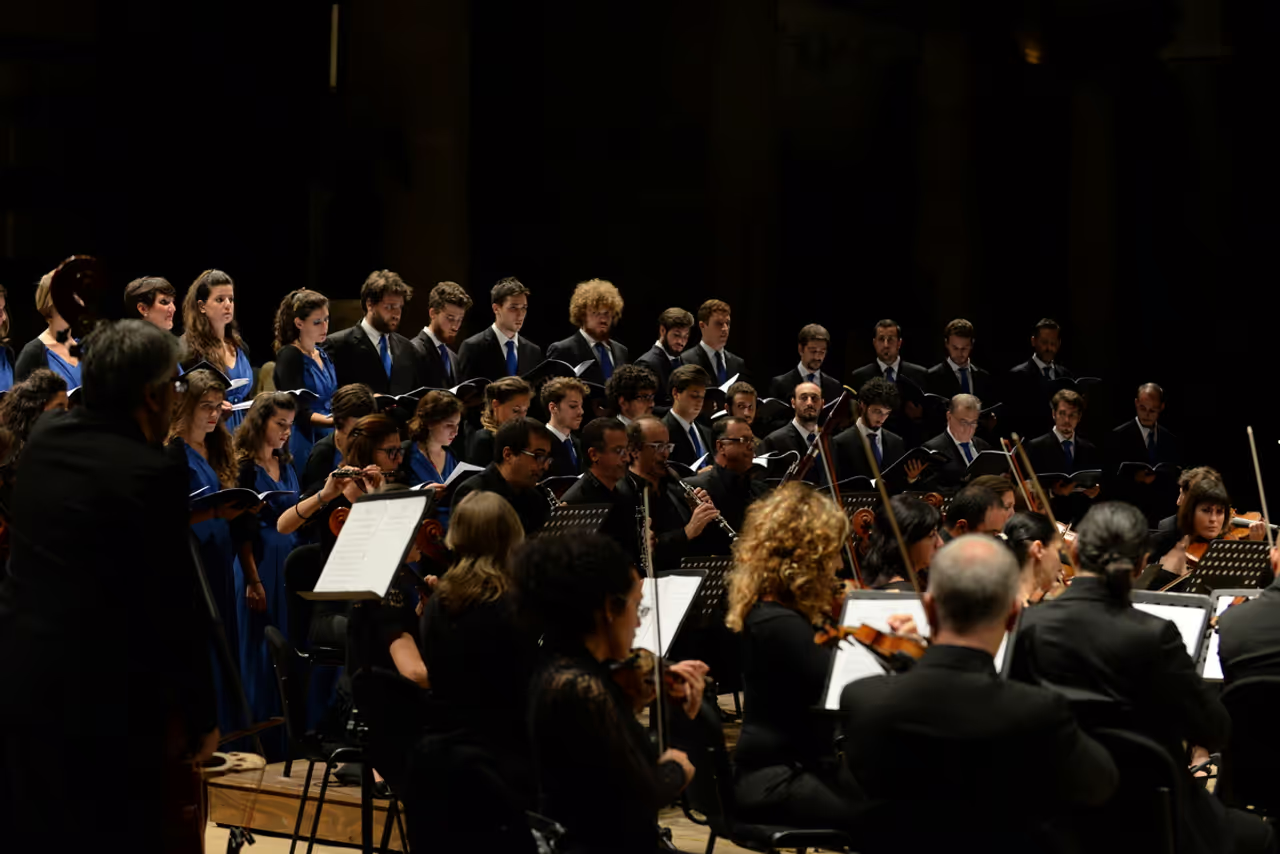 106m
106mAnima Mundi Sacred Music Festival
This prestigious international festival brings world class sacred music to some of the most acoustically and visually stunning venues imaginable. Concerts are held inside the magnificent cathedral and the monumental cemetery, where the ancient architecture perfectly complements the ethereal sounds. Choirs and orchestras from around the globe perform classical masterpieces, creating an atmosphere of profound spiritual and artistic beauty. It is an extraordinary opportunity to experience these iconic monuments through the power of world class musical performance.
festival view
Explore Similar Places in These Collections
Featured on These Itineraries and Routes
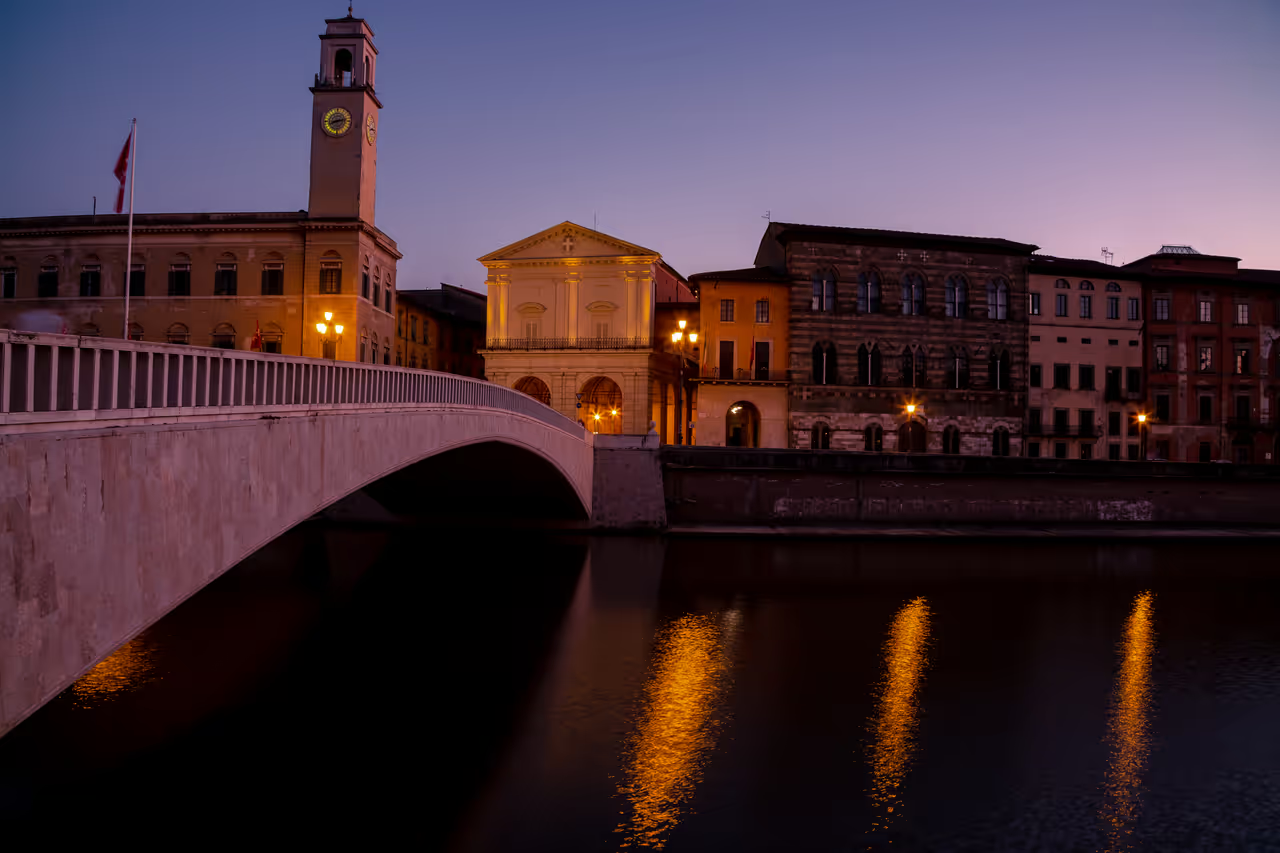
1 Day in Pisa Itinerary
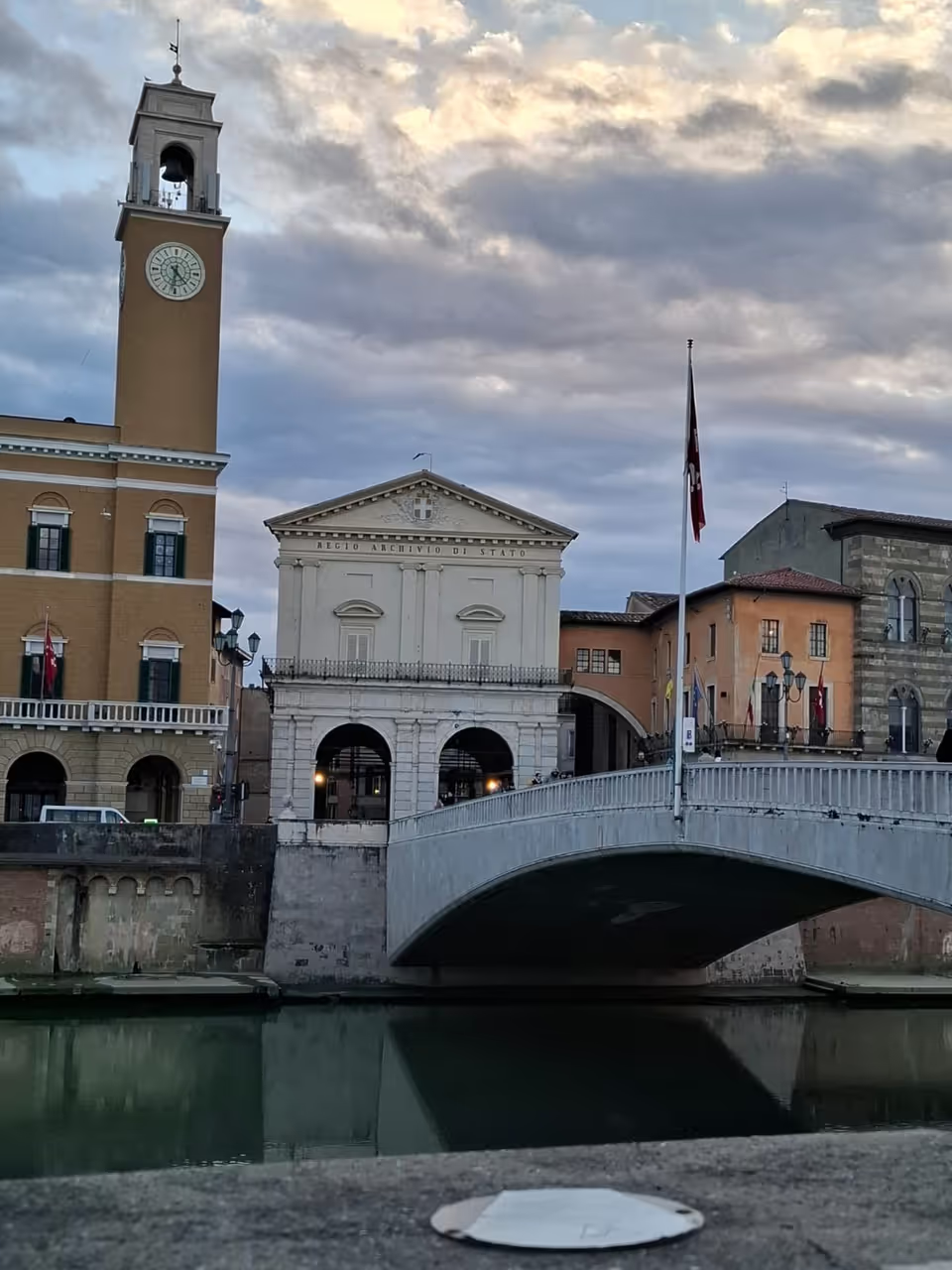
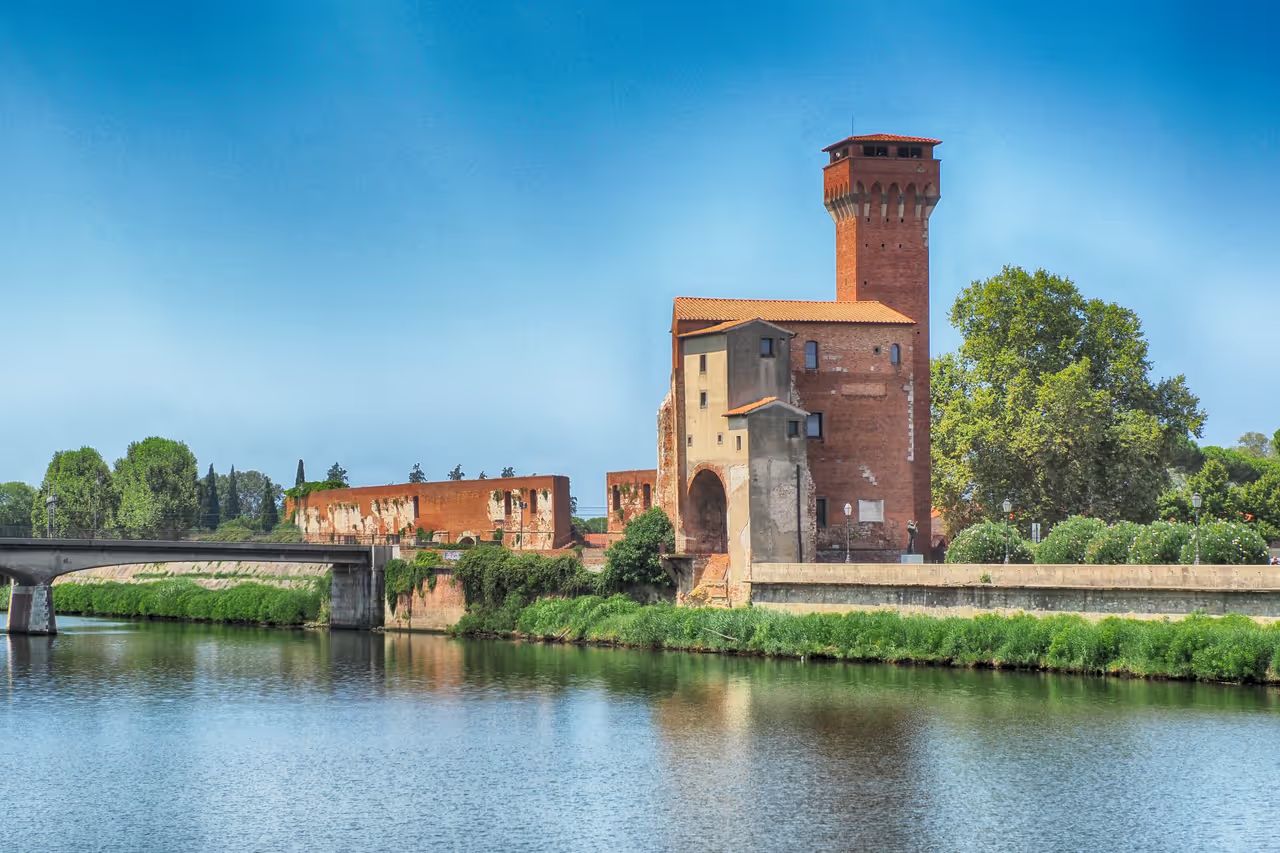
This highly efficient itinerary captures the absolute essence of the city for those on a strict timeline. It covers the globally iconic marble monuments in the morning before diving into the historic, deeply atmospheric streets of the old town. The day concludes with a romantic stroll along the elegant riverbanks, ensuring you experience both the famous sights and the authentic local vibe.
view itinerary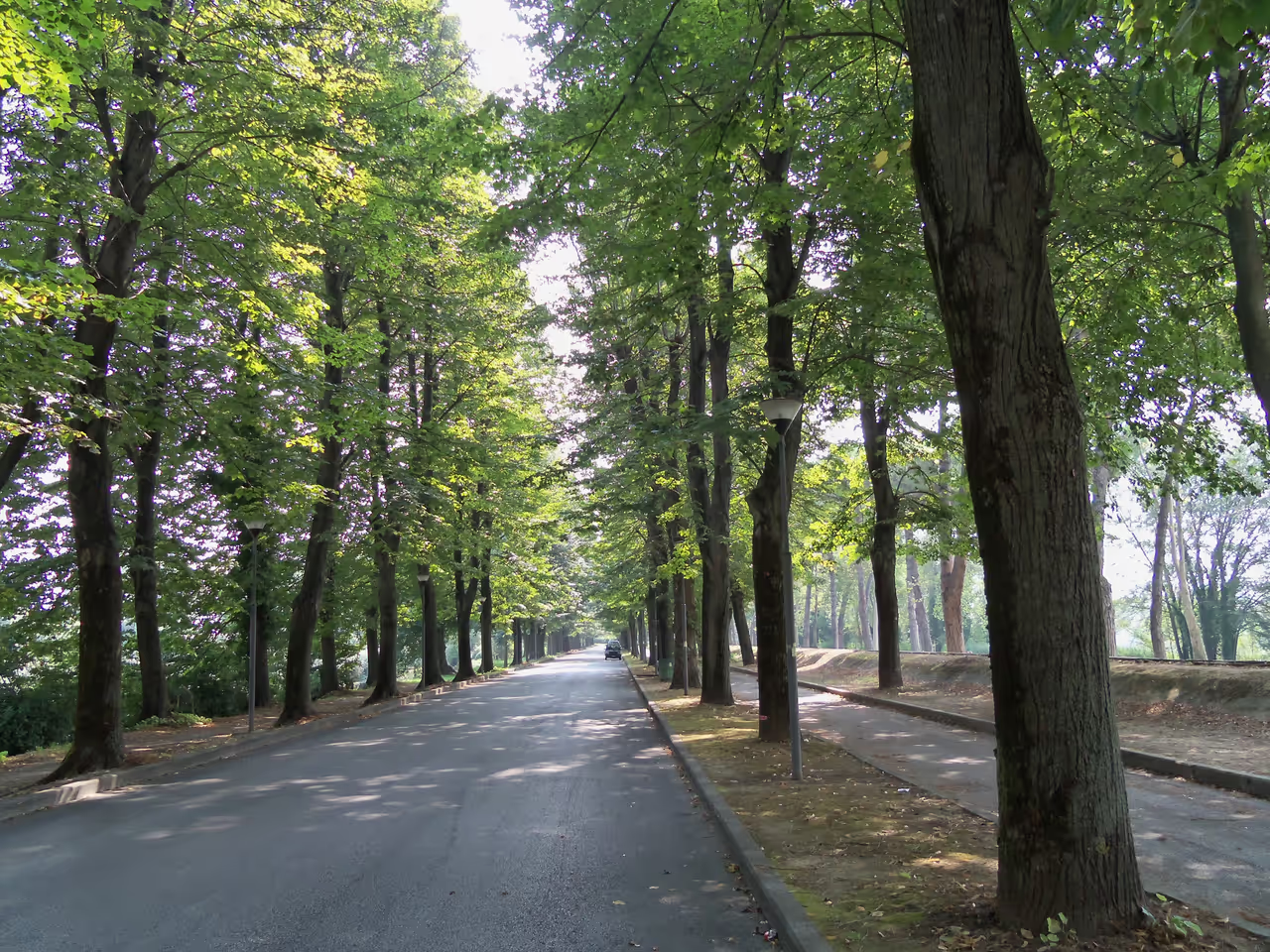
5 Days in Pisa: City and Sea Itinerary
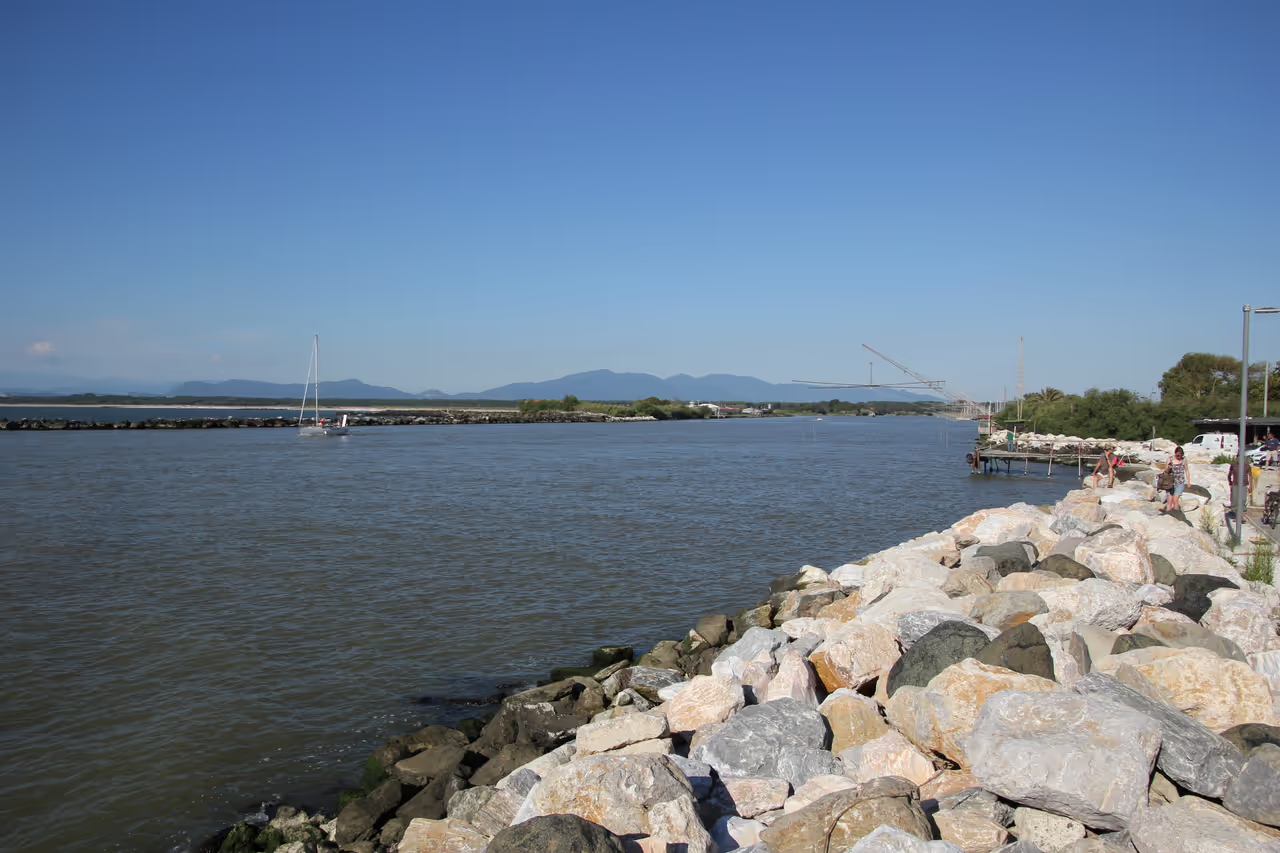
The ultimate, unhurried exploration of the city and its stunning natural surroundings. This extensive plan incorporates all the major urban highlights, museums, and hidden gems, while dedicating significant time to the nearby pristine nature reserves and the Mediterranean coastline. It perfectly balances rigorous cultural sightseeing with profound relaxation and outdoor adventure.
view itinerary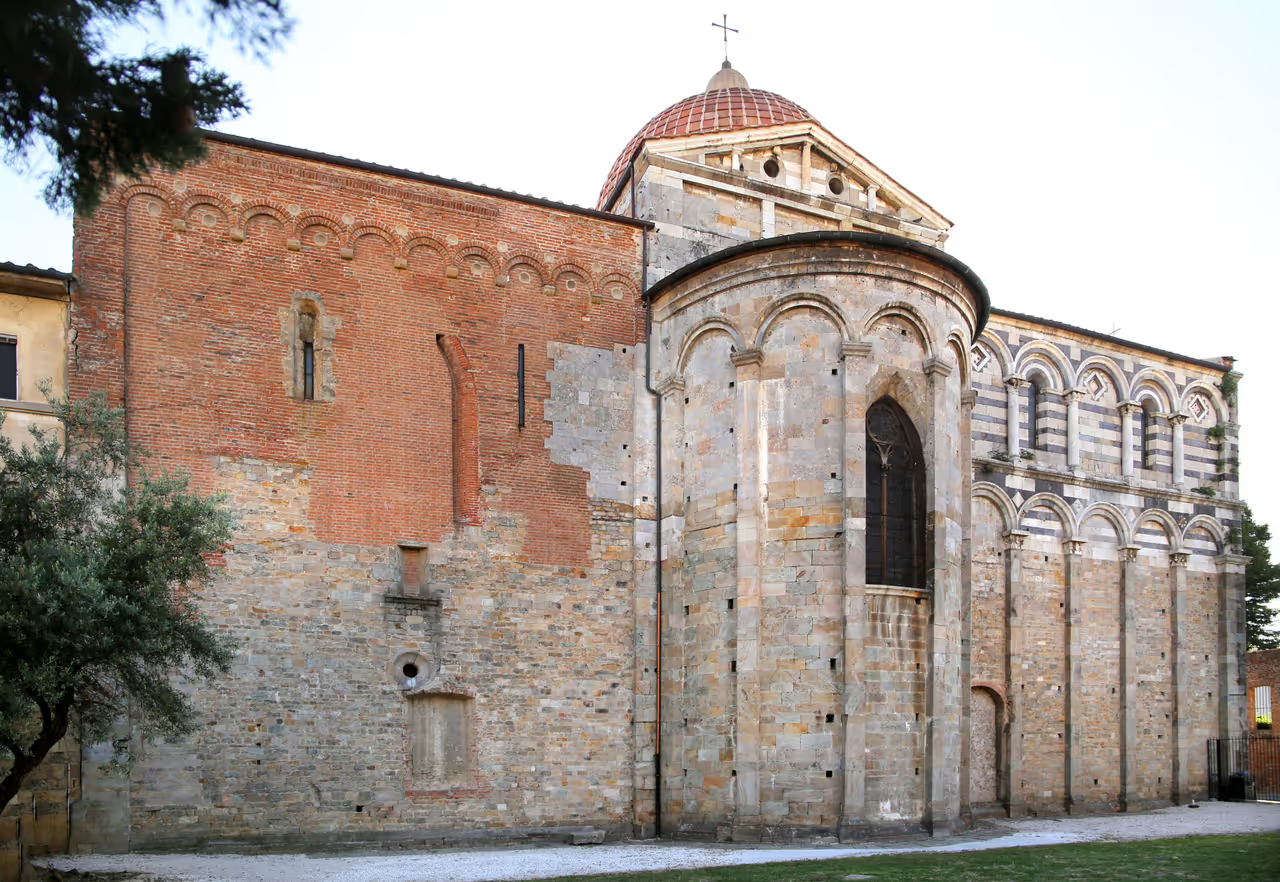
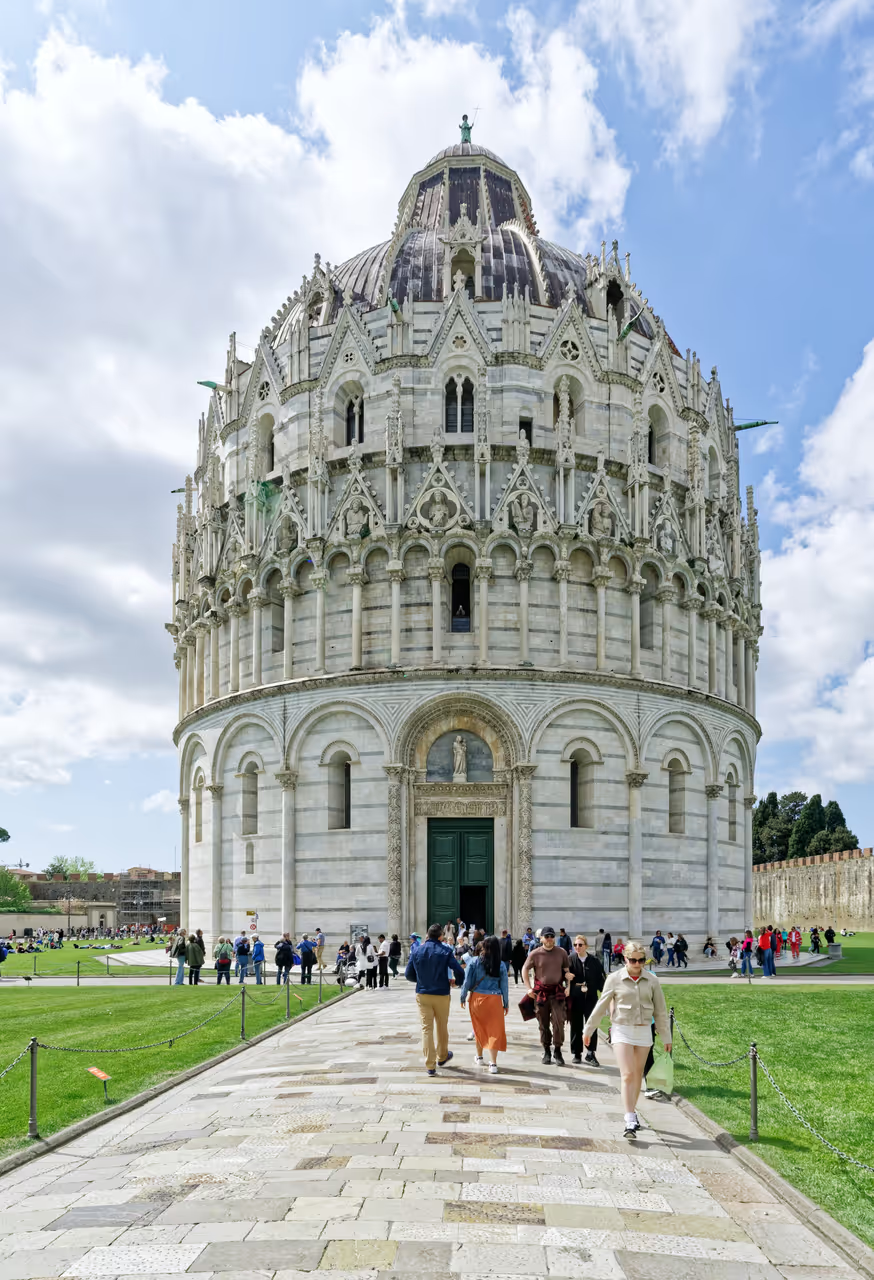
Pisan Romanesque Masterpieces
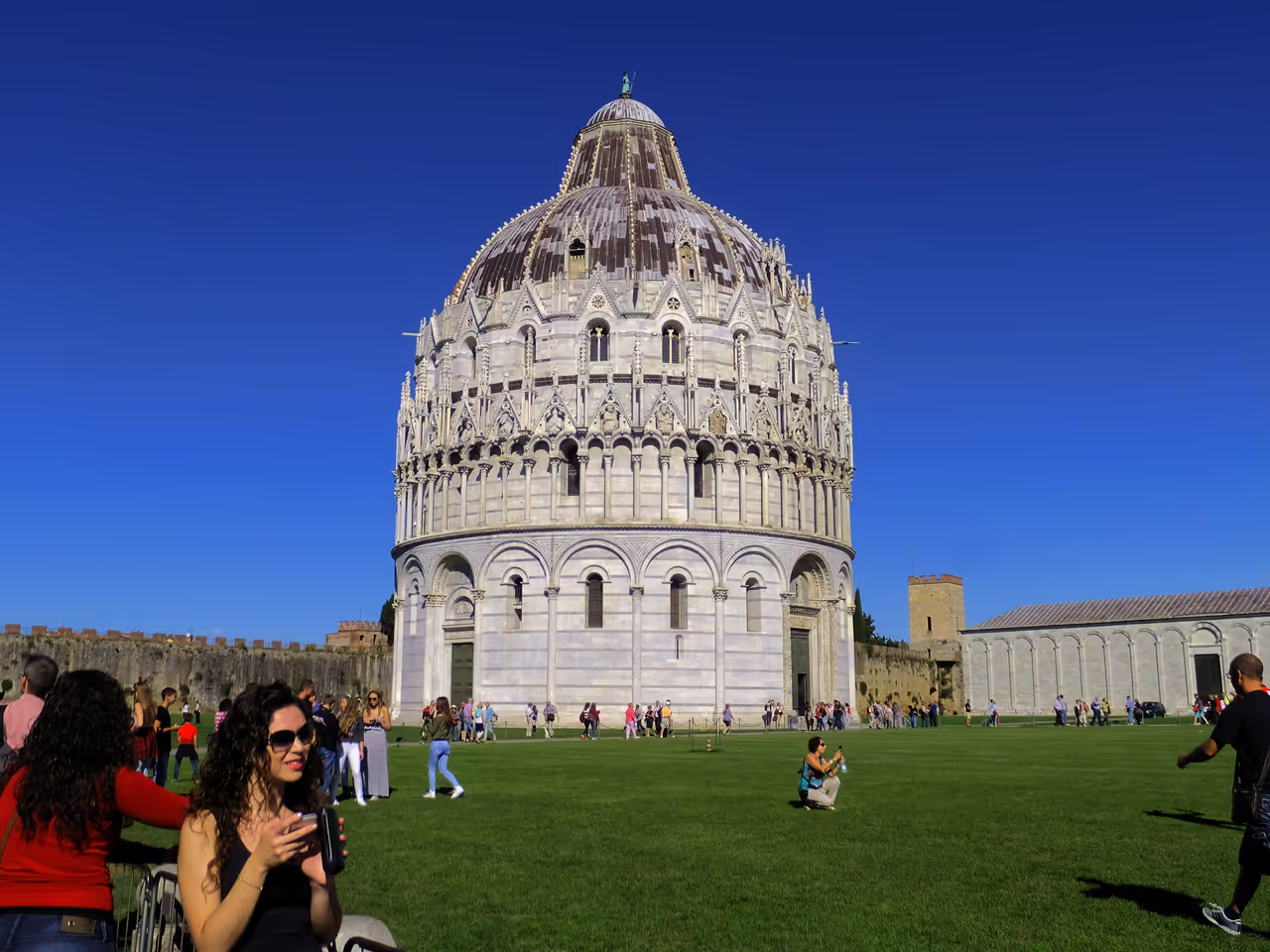
Embark on an architectural journey exploring the unique, gleaming white marble style that this city exported across the Mediterranean. This tour focuses on the intricate geometric patterns, blind arcades, and oriental influences that define this iconic aesthetic. It is a deep dive into the visual legacy of immense wealth and profound religious devotion.
view self-guided tour
See all attractions in Pisa
Baptistery of St. John in Pisa, Pisa Cathedral, Monumental Cemetery of Pisa, Santa Maria della Spina...