Monumental Cemetery of Pisa
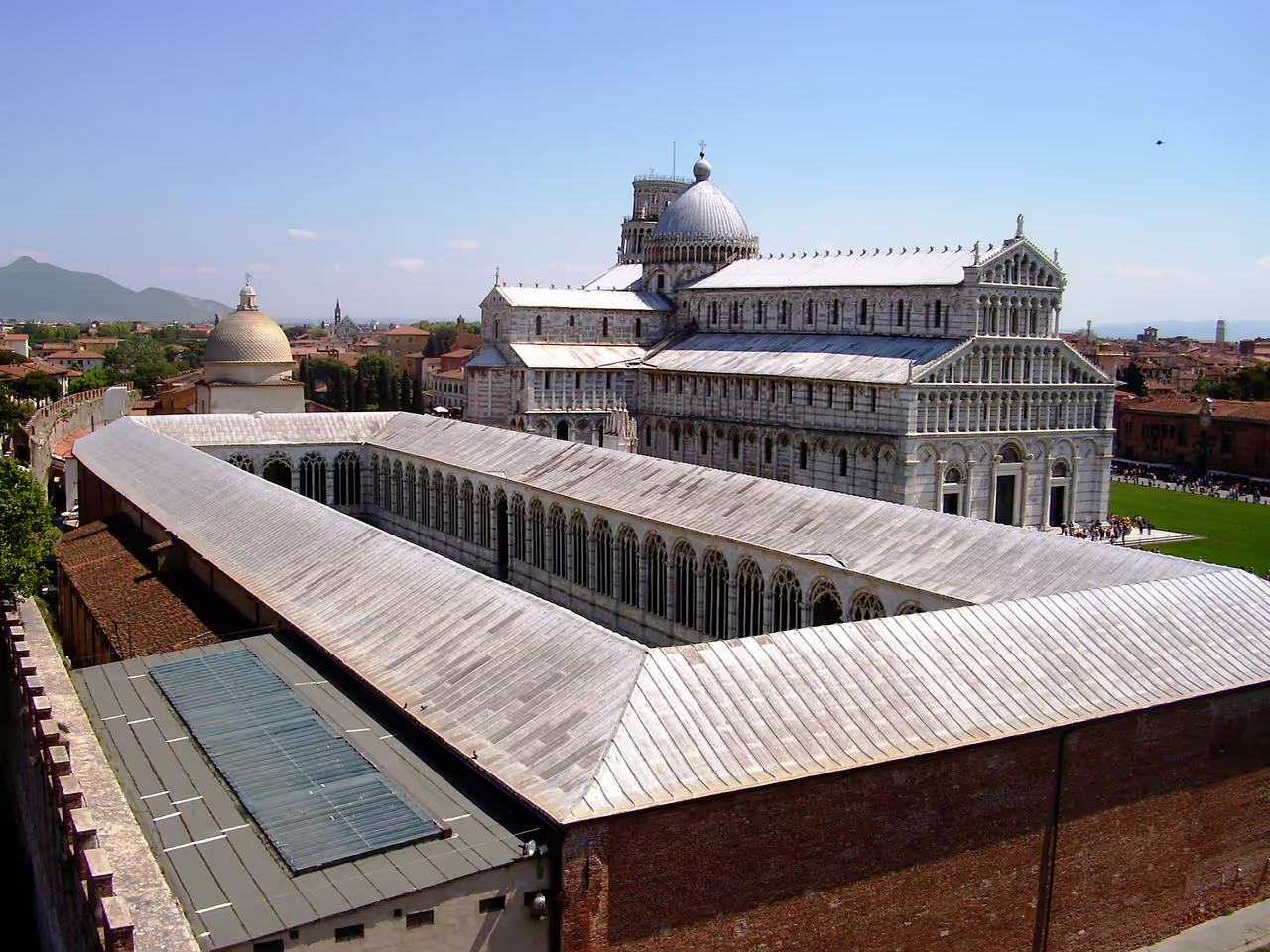
Step into the quiet beauty of the Monumental Cemetery of Pisa, a place where history, art, and legend collide in one of Italy's most serene settings. Unlike typical burial grounds, this sacred space feels like an open air museum, housing stunning frescoes, ancient Roman sarcophagi, and the fabled sacred soil brought back from the Holy Land. Walking through the cloistered walkways, you will discover why this site has mesmerized poets and travelers for centuries. It stands as a testament to the city's golden era as a powerful maritime republic, offering a poignant atmosphere that invites deep reflection. Whether you are an art lover or a history enthusiast, this landmark provides a unique perspective on the medieval soul of Tuscany.
Videos
History of Monumental Cemetery of Pisa
The story of this place begins with a legend that captivates the imagination of everyone who walks through its gates. It is said that Archbishop Ubaldo Lanfranchi, returning from the Holy Land in the 13th century, brought back shiploads of soil from Mount Calvary to fill this sacred ground. While the practical need for a cemetery near the Duomo drove its creation, this myth cemented its status as a site of profound spiritual weight. Over the centuries, it became the final resting place for the elite of the city, their tombs often housed in ancient Roman sarcophagi that remain on display today. In the 14th century, the cemetery transformed into an artistic masterpiece. Painters like Buonamico Buffalmacco adorned the walls with powerful frescoes, including the haunting Trionfo della Morte, which explored themes of life and the fleeting nature of earthly existence. These works captured the medieval imagination and turned the site into a pilgrimage for lovers of fine art. The cemetery evolved into a place where the living could contemplate the infinite while surrounded by the works of great masters. Tragedy struck during the Second World War when an allied bomb caused a devastating fire, damaging many of these irreplaceable artworks. However, the resilient spirit of Pisa shone through in the aftermath. Decades of meticulous restoration have brought the cemetery back to its former glory, allowing visitors to once again admire the layers of history preserved within its walls. Today, it remains a living testament to the endurance of the city, housing not only the dead, but the very memories and culture of a medieval powerhouse.
Events spanning 699 years
Fun Facts
- • It contains the original oil lamp that once hung in the cathedral, the observation of which reportedly inspired Galileo Galilei to formulate his theory on the isochronism of the pendulum.
- • It remains an essential part of the UNESCO World Heritage area of the Piazza dei Miracoli.
- • Many of the sarcophagi used for burials were actually recycled Roman stone coffins, some dating back as early as the 2nd century.
- • The architectural design with its elegant Gothic arcades creates a distinct visual contrast to the nearby Romanesque cathedral and baptistery.
- • The cemetery features a rare and ancient marble stele of an Athenian woman, a significant archaeological find from the classical world.
- • The cemetery serves as a pantheon for some of Pisa's most influential historical figures, including the famous mathematician Leonardo Fibonacci.
- • The restoration of the frescoes is a continuous project involving cutting edge conservation techniques to preserve centuries of artistic heritage.
- • The site houses the iron chains that once closed the medieval port of Pisa, which were returned to the city by Genoa and Florence as a gesture of peace.
- • The walls of the cemetery were once covered in expansive fresco cycles that served as moral guides for the medieval population.
- • Tradition holds that the cemetery floor is filled with soil brought from Mount Calvary in Jerusalem, which is why it earned the name Campo Santo.
Monumental Cemetery of Pisa FAQ
While we strive to keep this information accurate and up to date, we recommend verifying any details independently before making decisions based on them.
Monumental Cemetery of Pisa Map & Neighborhood Explorer
This interactive map is centered on Monumental Cemetery of Pisa. Zoom in and move the map around to automatically discover Wikipedia photos and summaries of other nearby sights, monuments, and historical points of interest and stories in real-time!
Places near Monumental Cemetery of Pisa
Make the most of your trip. Check out these top-rated spots located nearby.
 147m
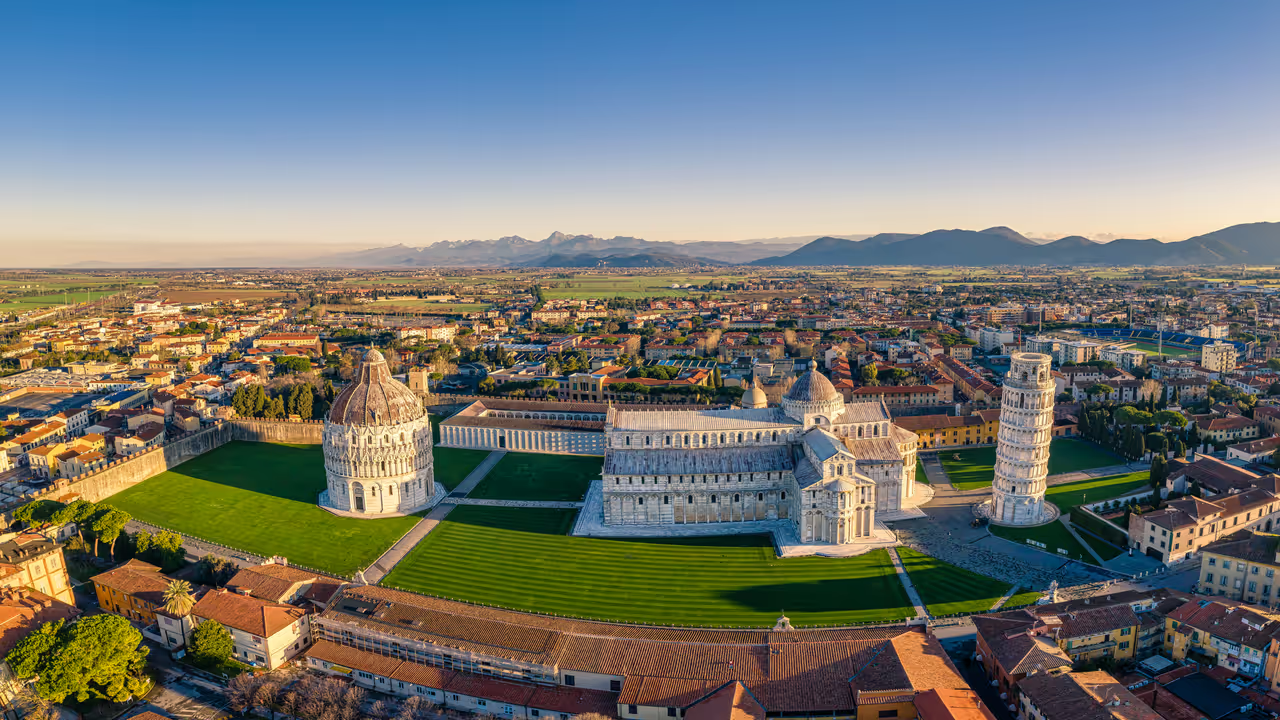
147mPiazza dei Miracoli
Step onto the pristine green lawns of the Piazza dei Miracoli and find yourself surrounded by some of the most extraordinary architecture on the planet. This UNESCO World Heritage site is home to four legendary monuments that have captivated visitors for centuries: the Leaning Tower, the Cathedral, the Baptistery, and the Camposanto. Gabriele D'Annunzio famously dubbed this the Meadow of Miracles for its sheer beauty and originality. You can wander between these gleaming white marble structures, marvelling at the Romanesque artistry that seems to defy both logic and gravity. It is a place where history and human ambition collide in a breathtaking display, offering a serene atmosphere that stays with you long after you leave.
unesco heritage site view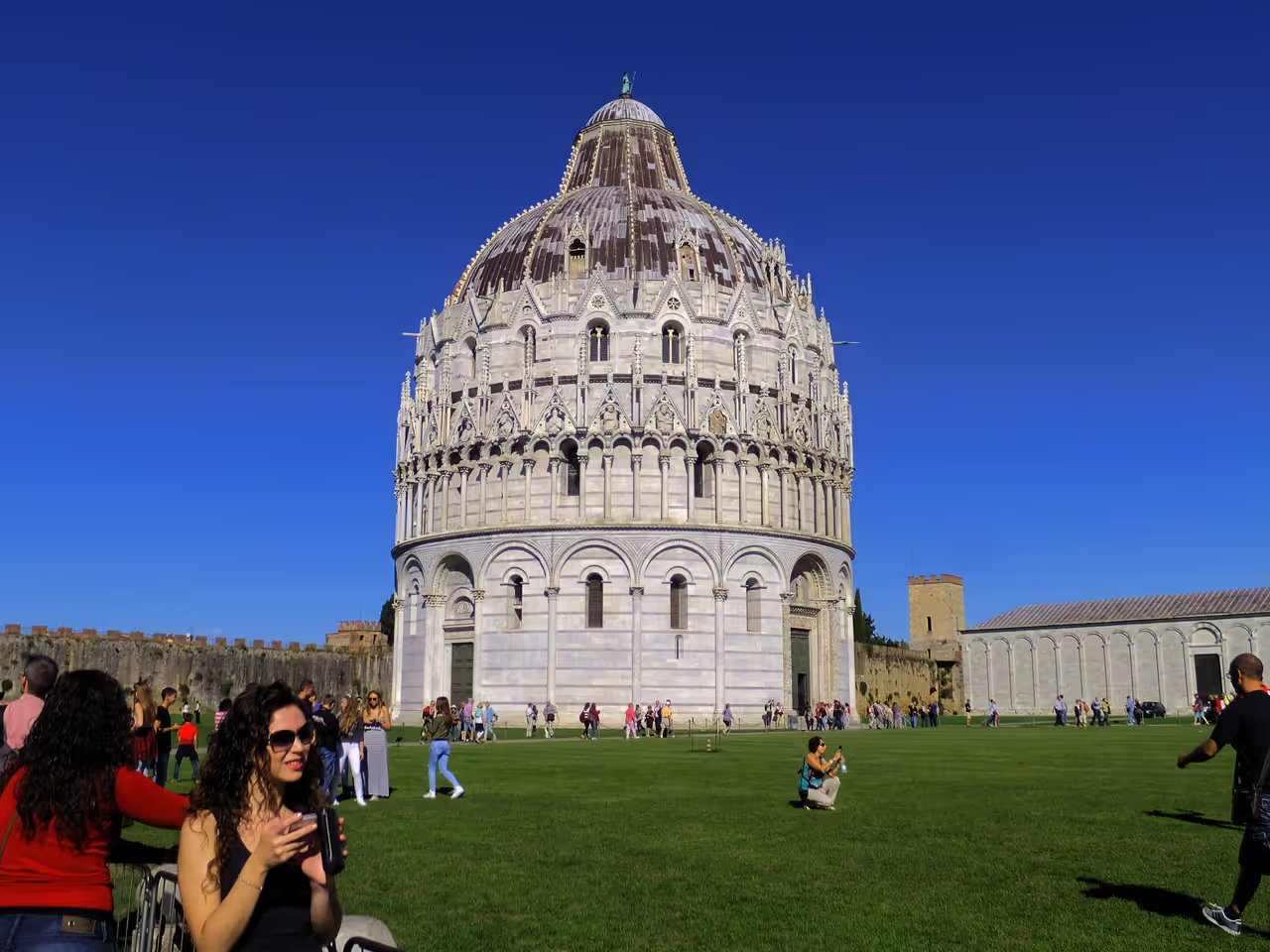 153m
153mBaptistery of St. John in Pisa
The Baptistery of St. John stands as a masterpiece of medieval architecture, rightfully holding the title of the largest baptistery in the world. Its striking exterior, where Romanesque foundations meet Gothic flourishes, perfectly captures the transformative artistic spirit of medieval Pisa. Visitors are often captivated by its sheer scale, but the real secret lies within its walls, home to an acoustic phenomenon that turns a simple whisper into an ethereal echo. Beyond its architectural beauty, it serves as a historic guardian of the Piazza dei Miracoli, completing the iconic trio alongside the cathedral and the Leaning Tower. Whether you are admiring the intricate pulpit sculpted by Nicola Pisano or simply standing beneath the immense dome, the experience is profound and deeply resonant. It is an essential stop for anyone wanting to truly understand the artistic soul of Tuscany.
attraction view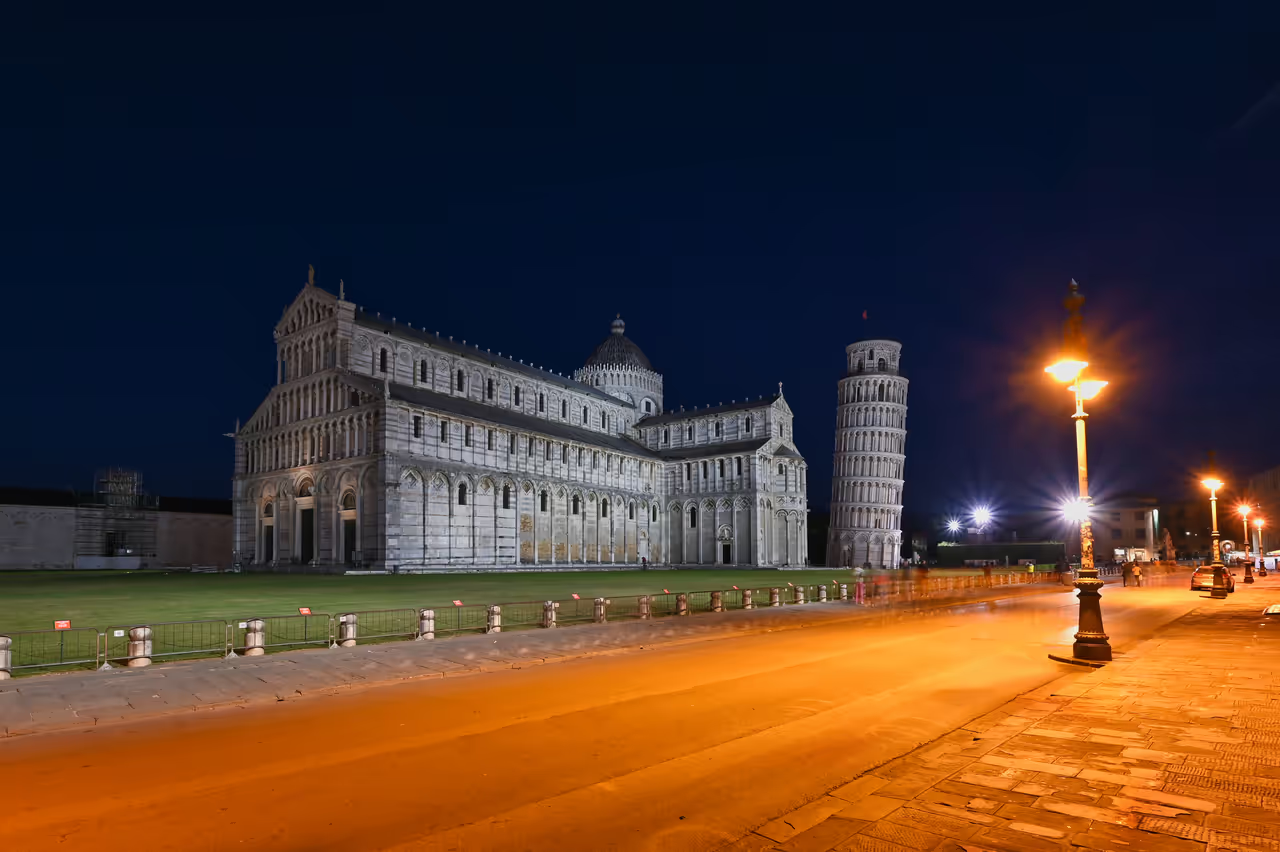 161m
161mPisa Cathedral
Standing at the heart of the Piazza dei Miracoli, the Duomo di Pisa is a profound testament to the artistic ambition of the medieval maritime republic of Pisa. This masterpiece of Romanesque architecture invites visitors to admire its intricate marble facade and an interior that blends diverse cultural influences with grace. Stepping inside reveals a sanctuary filled with precious treasures, including the awe-inspiring pulpit by Giovanni Pisano and the celestial mosaic by Cimabue. Whether you are an art enthusiast or seeking a moment of peace, the cathedral offers a window into a rich, storied past that feels remarkably present today. Its unique atmosphere, shaped by centuries of history and devotion, makes every visit a memorable experience.
attraction view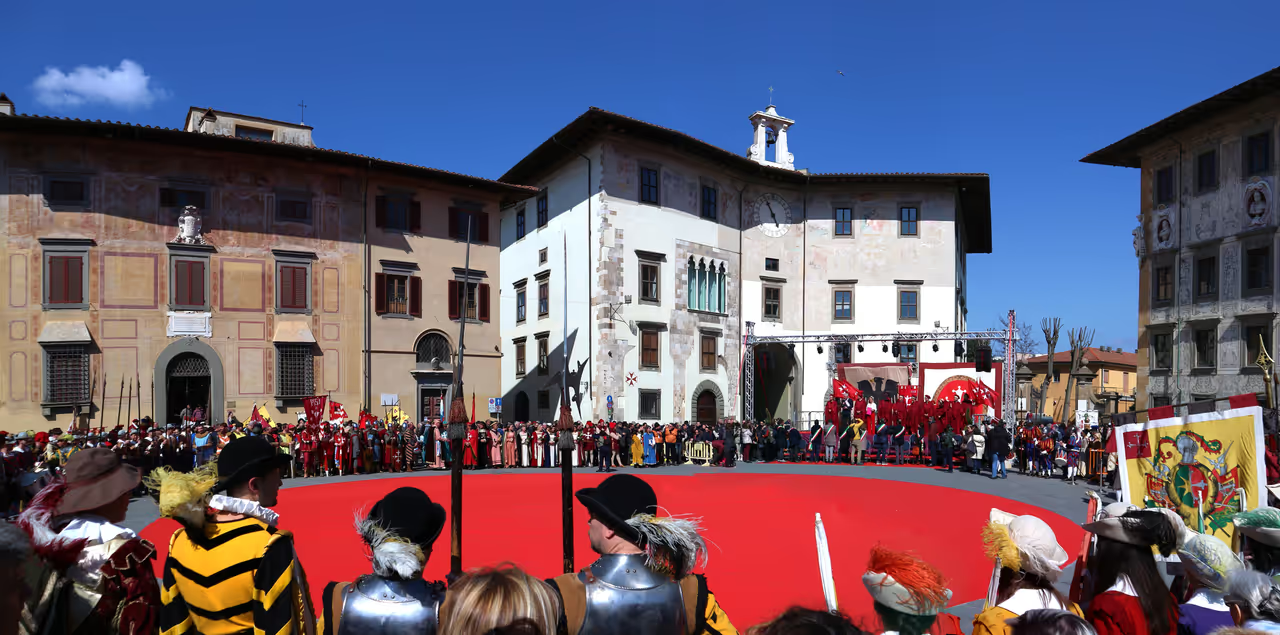 161m
161mPisan New Year
According to a unique medieval calendar, the new year here officially begins nine months ahead of the standard Gregorian calendar. The precise moment is marked when a specific ray of sunlight shines through a window in the cathedral and strikes a designated marble egg. The day is celebrated with historical parades, flag throwing performances, and various cultural events across the historic centre. It is a quirky and charming celebration that highlights the region's fiercely independent historical identity.
festival view
Explore Similar Places in These Collections
See all attractions in Pisa
Baptistery of St. John in Pisa, Leaning Tower of Pisa, Pisa Cathedral, Santa Maria della Spina...