Lecce
Full City Guide, Map & 106 Things To Do
94,783 people live here.
That's 0.16% of the entire population of Italy.
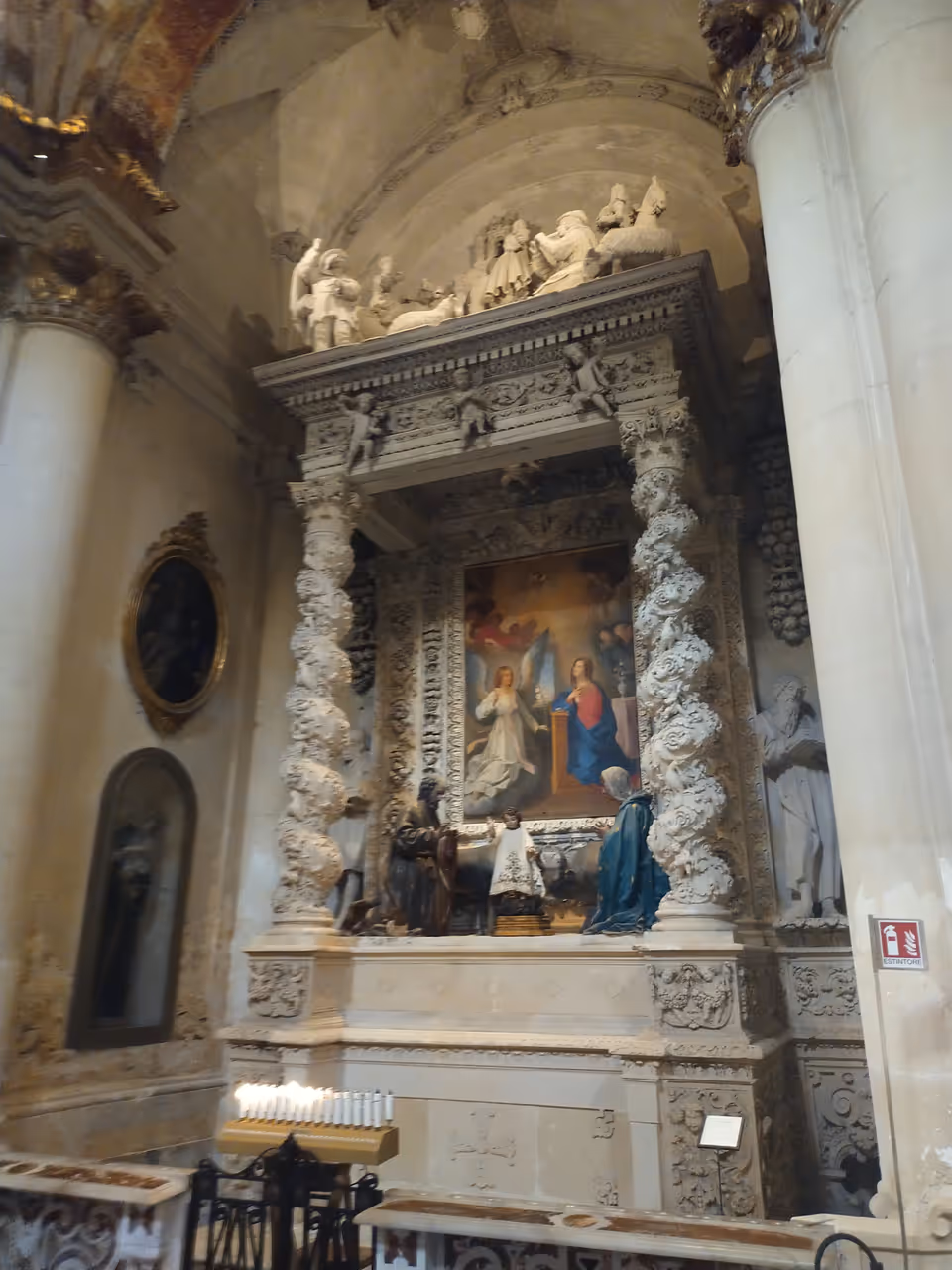
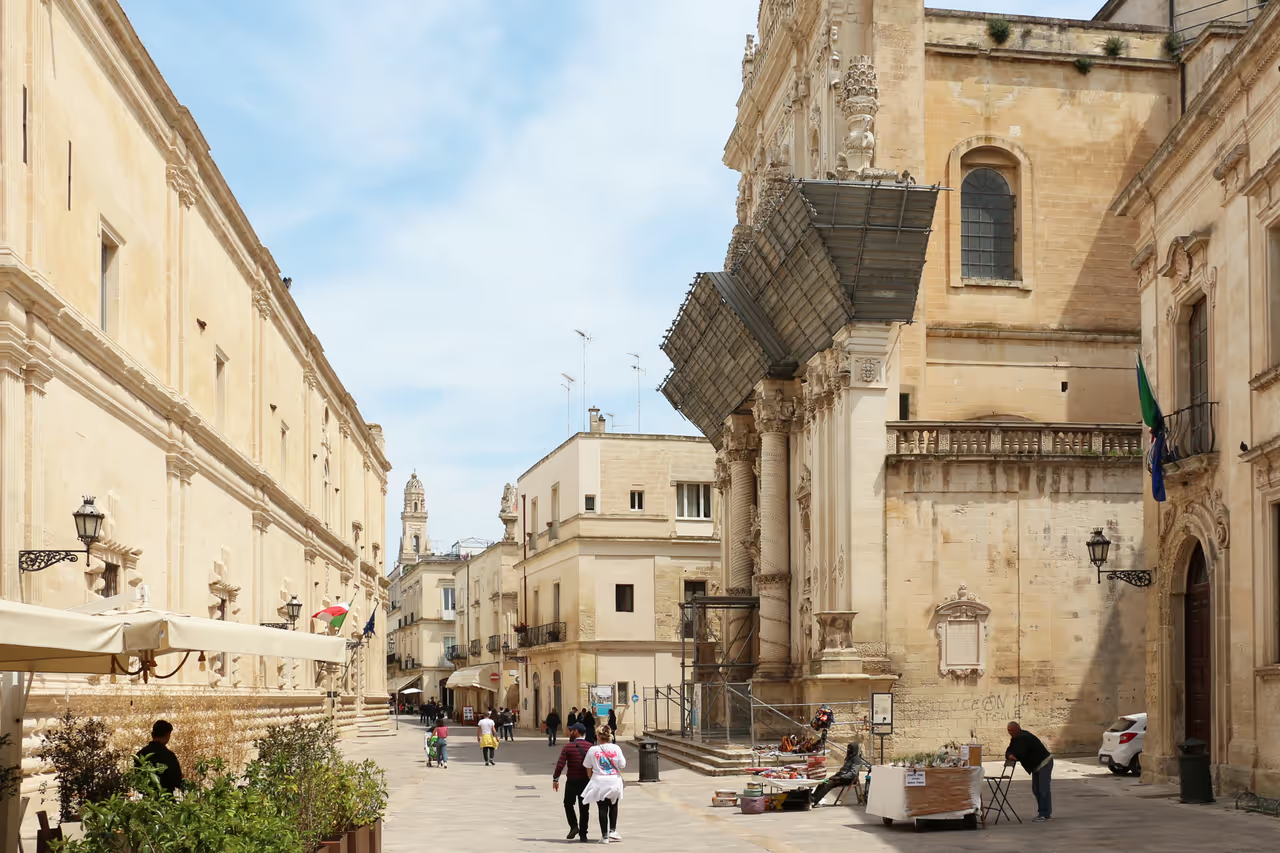
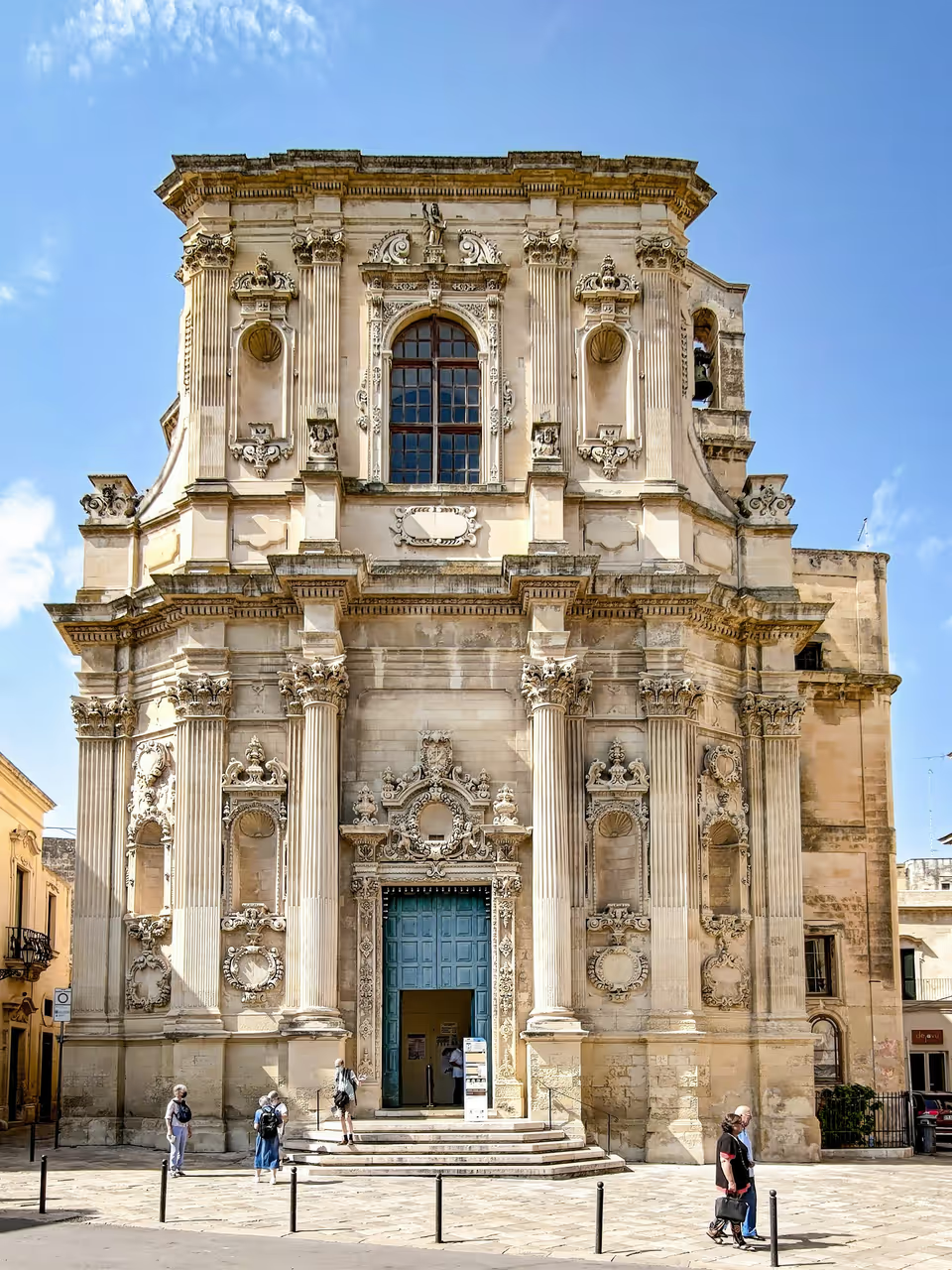
Lecce is a spectacular masterpiece of southern Italian architecture, famously known as the Florence of the South. This dazzling city is renowned for its incredibly ornate buildings carved from soft local limestone, creating a unique style known as Barocco Leccese. Walking through the historic centre feels like stepping into an open air museum where every facade, balcony and doorway features intricate carvings of cherubs, mythical creatures and blooming flowers. Beyond its breathtaking visual appeal, the city offers a deeply relaxed atmosphere filled with artisan workshops, elegant piazzas and outstanding local cuisine. The deep historical roots are visible at every turn, from hidden Messapian tombs to majestic Roman amphitheatres resting quietly beneath modern streets. It is an unforgettable destination that rewards those who take the time to wander slowly and appreciate the finer details.
Lecce DNA
History of Lecce
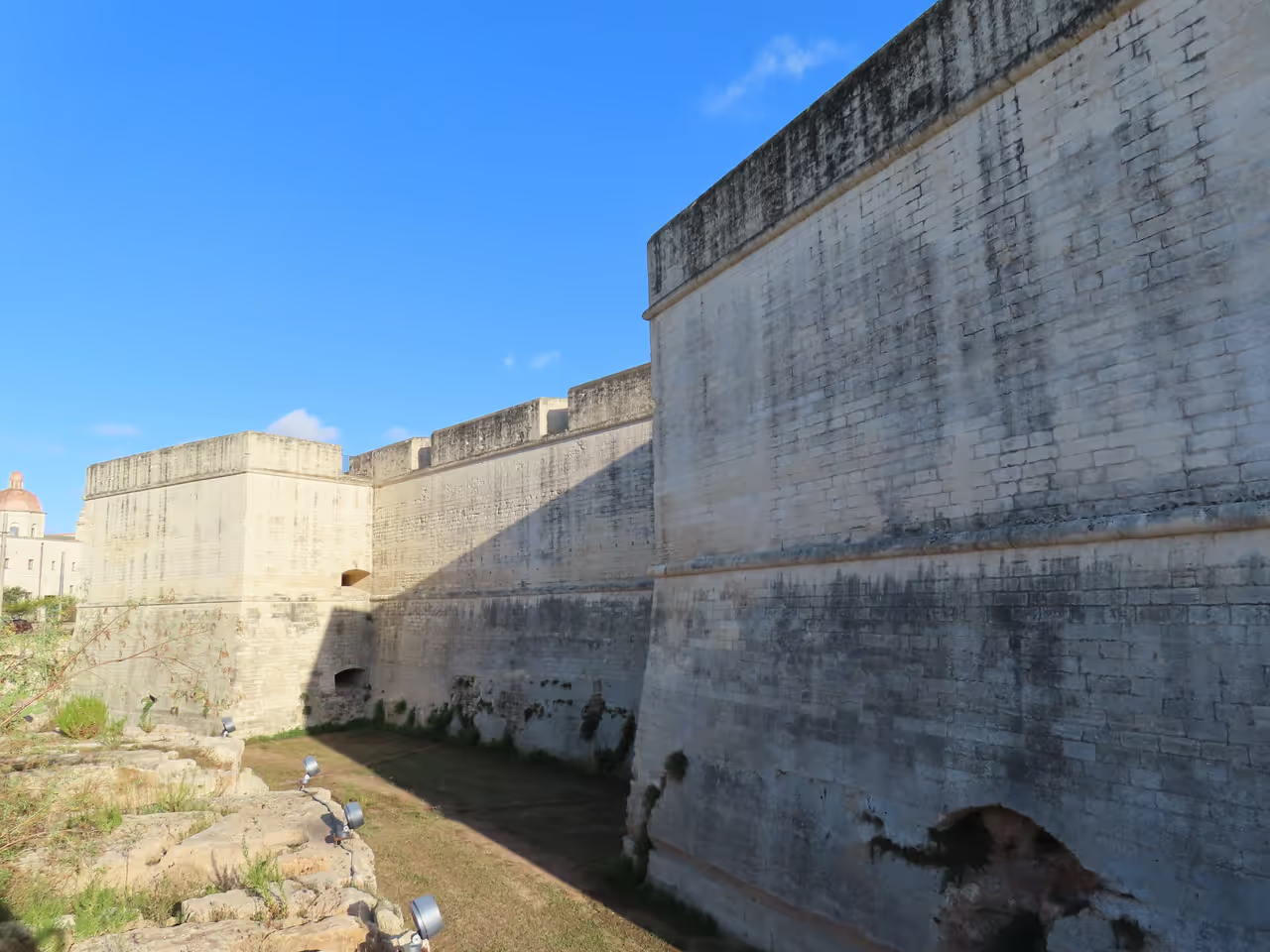
Long before Roman engineers drew their grid lines, a Messapian settlement called Sybar laid the groundwork for this territory. Greek culture permeated the early society, and local legend claims the Trojan war survivor Malennio originally founded the site. Rome eventually annexed the entire Salento peninsula in the third century BCE, renaming the city Lupiae and outfitting it with a forum, two amphitheatres, and a direct road to the Adriatic Sea at San Cataldo. The fall of the empire triggered a chaotic sequence of invasions. Ostrogoths sacked the settlement twice in a single decade. For five centuries, Byzantine administrators largely ignored it in favour of the more powerful coastal port of Otranto. A proper revival only arrived with the Norman conquest in the eleventh century, when Tancredi d'Altavilla established a wealthy court and elevated the town to the administrative capital of the region. A severe geographic vulnerability dictated the next major transformation. In 1480, Ottoman forces captured the nearby city of Otranto, terrorising the entire southern peninsula. Recognising the imminent threat to his territory, Emperor Charles V ordered a massive defensive overhaul. Engineers constructed a formidable quadrangular castle and threw up heavy stone walls to repel maritime raiding parties. Secure behind these new fortifications, the city grew wealthy under Spanish rule. A devastating plague struck in 1656, bringing daily life to a standstill. When the outbreak finally subsided, the deeply relieved population credited their survival to the intervention of Saint Oronzo. The resulting wave of religious fervour coincided with a massive influx of merchant wealth, turning the streets into a chaotic construction site. Private families, monastic orders, and bishops competed to build the most elaborately decorated palazzos and chapels. Stonemasons pushed the soft local limestone to its absolute limits, carving the wildly imaginative facades that still dominate the historic centre.
13 Events spanning 5015 years
Map of Lecce
Interactive Destination & Itinerary Map
This map blends our curated city guides—featuring best photo spots, scenic walks, viewpoints, hidden gems and much more—with a live Wikipedia explorer. Click on our numbered pins to plan your routes, or zoom in on the surrounding neighborhoods to discover verified local landmarks, museums, and stories with dynamic Wikipedia summaries and photos!
Fun Facts
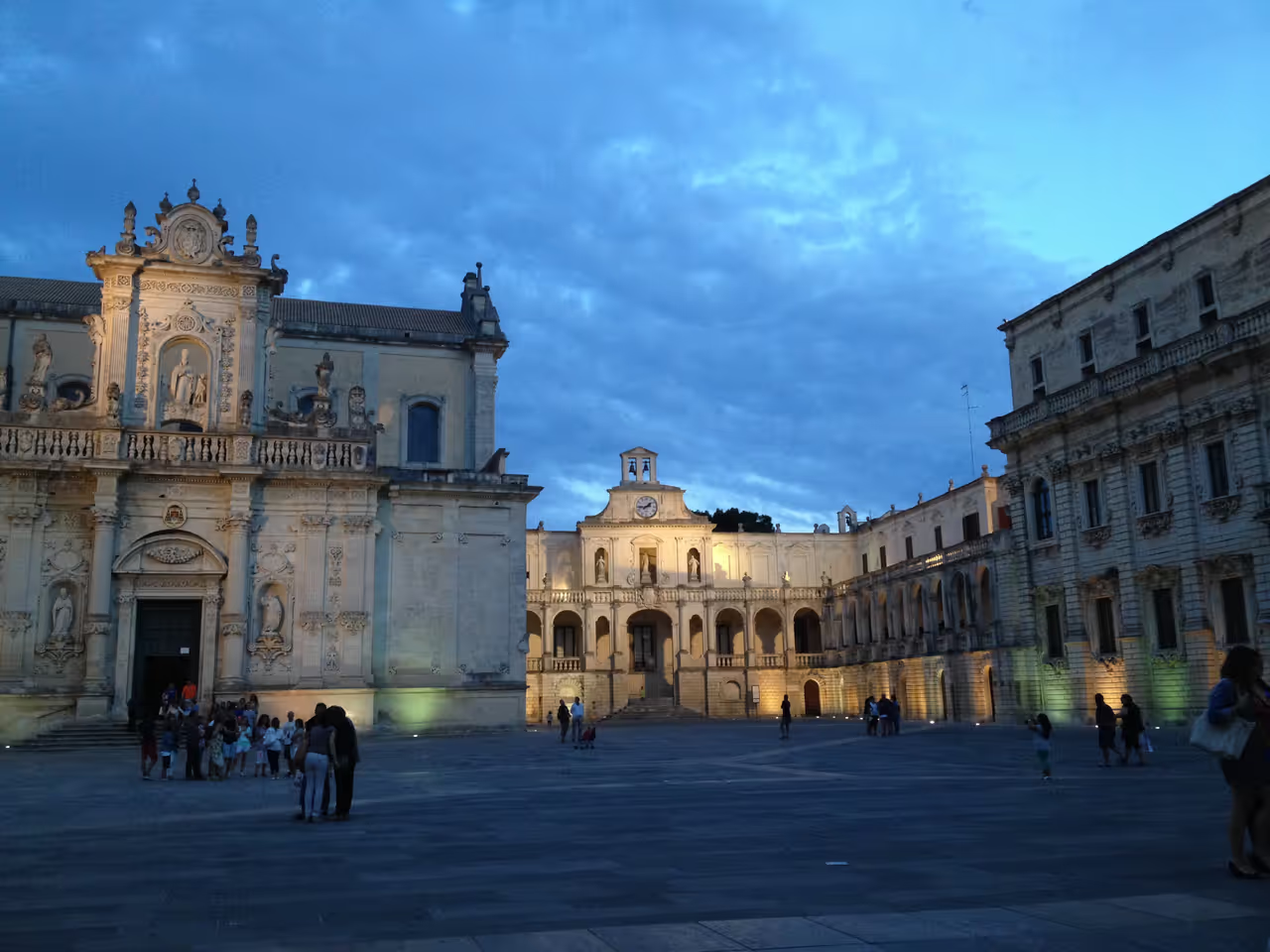
- • The stunning cathedral square greets you with a completely fake facade. The architect realised visitors entering the square would face a blank side wall, so he built an incredibly ornate false front to ensure a dramatic first impression.
- • The local limestone is so incredibly soft when first quarried that artisans could literally shape it using standard woodworking tools like a hand plane.
- • The magnificent Saint Oronzo column standing proudly in the main square is actually a recycled monument. It was assembled using the shattered remains of a Roman column originally located in the nearby city of Brindisi.
- • During the Roman era, the local theatre was equipped with special misters that sprayed rose and saffron scented water over the audience to mask unpleasant odours during hot summer performances.
- • The beloved Paisiello Theatre is so tiny and excessively decorated that local residents affectionately refer to it as the wedding souvenir.
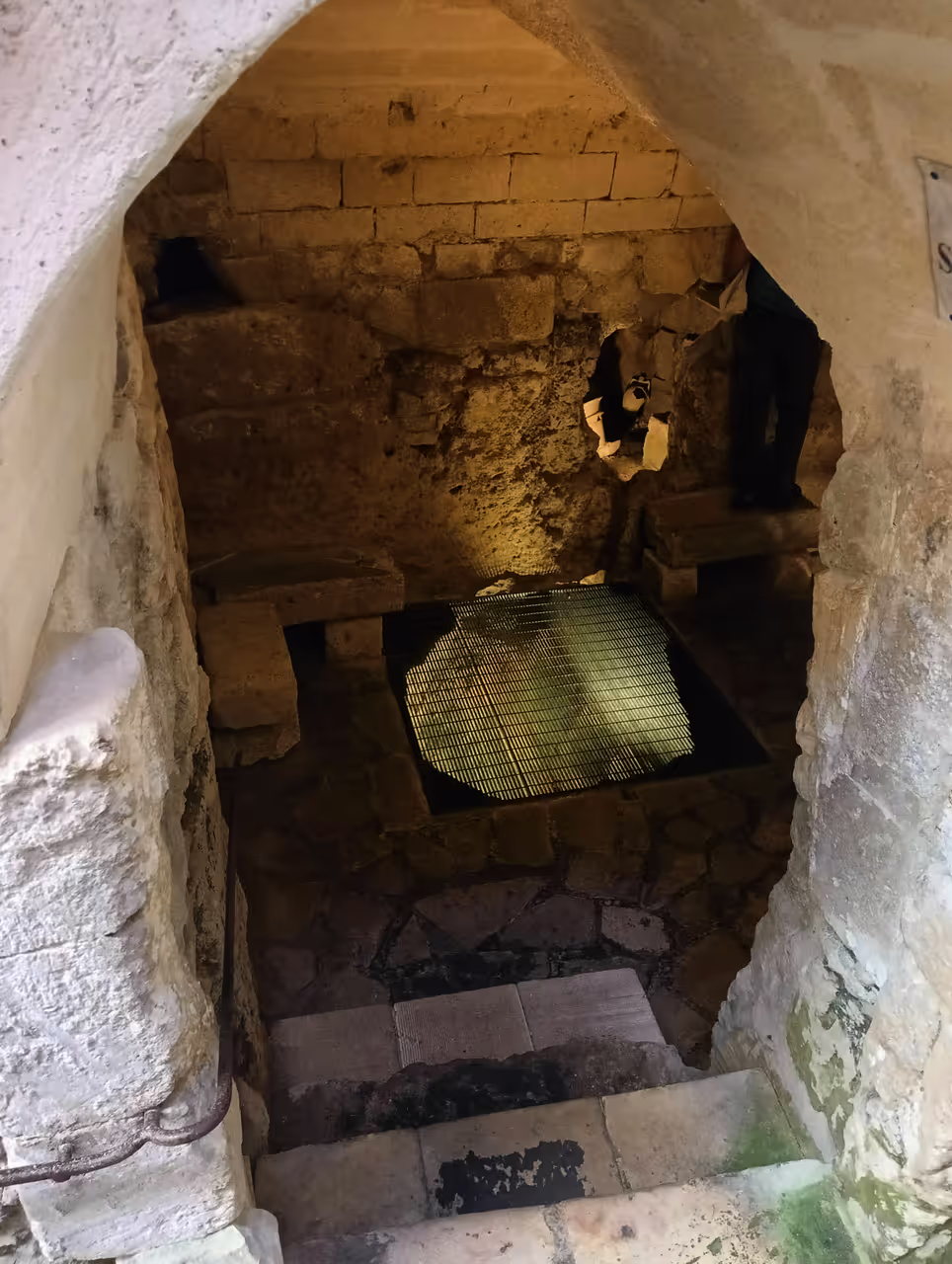
- • A local resident attempting to fix a damp toilet in the year 2000 started digging and accidentally unearthed over two thousand years of history under his living room, now famously known as the Faggiano Museum.
Did You Know?
- • The city is globally recognised as the definitive capital of the Barocco Leccese architectural style, representing a completely unique and highly expressive regional variation of European Baroque.
- • The cathedral bell tower soars to an impressive height of 72 metres, making it the tallest structure in the entire Salento region and a crucial historical watchtower.
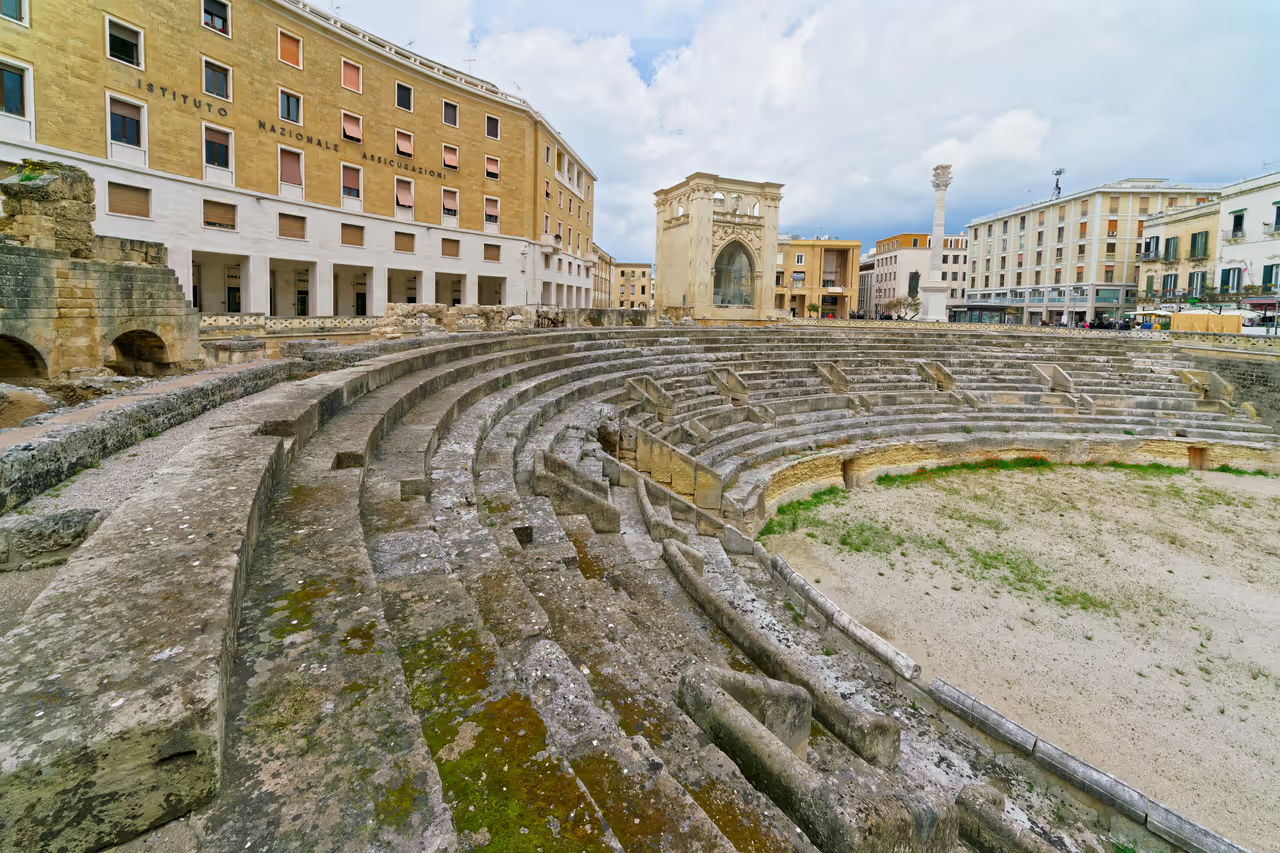
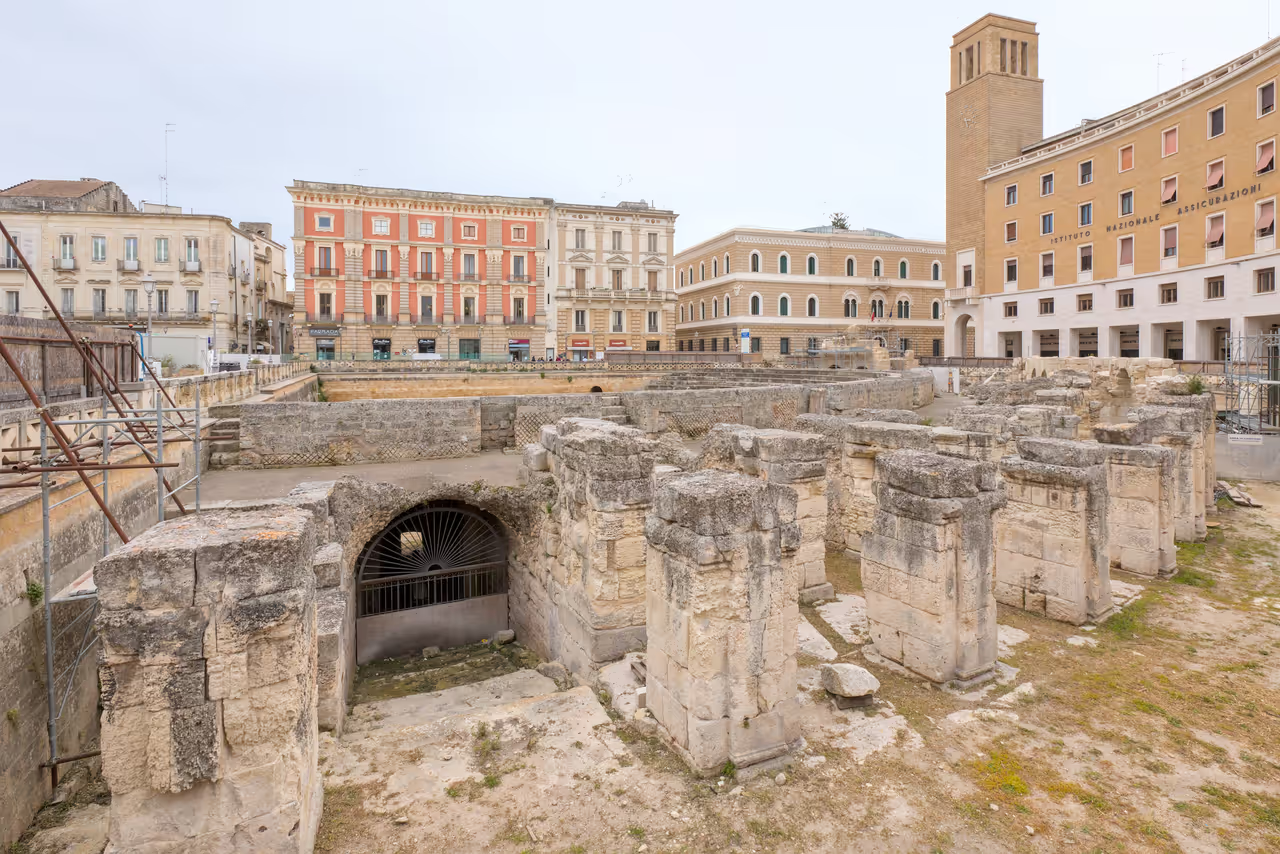
- • The ancient Roman Amphitheatre was an engineering marvel capable of seating over 25,000 spectators, highlighting the immense strategic and cultural significance of the city during the imperial era.
- • The local university houses one of the most important papyrological museums in Europe, containing authentic ancient Egyptian and Greek manuscripts that offer vital insights into early writing.
- • The unique local tradition of crafting religious statues from papier mache was born out of pure economic necessity, allowing impoverished religious orders to create stunningly realistic figures without needing expensive precious metals.
RESOURCES
Official WebsiteVideos of Lecce
Seasons
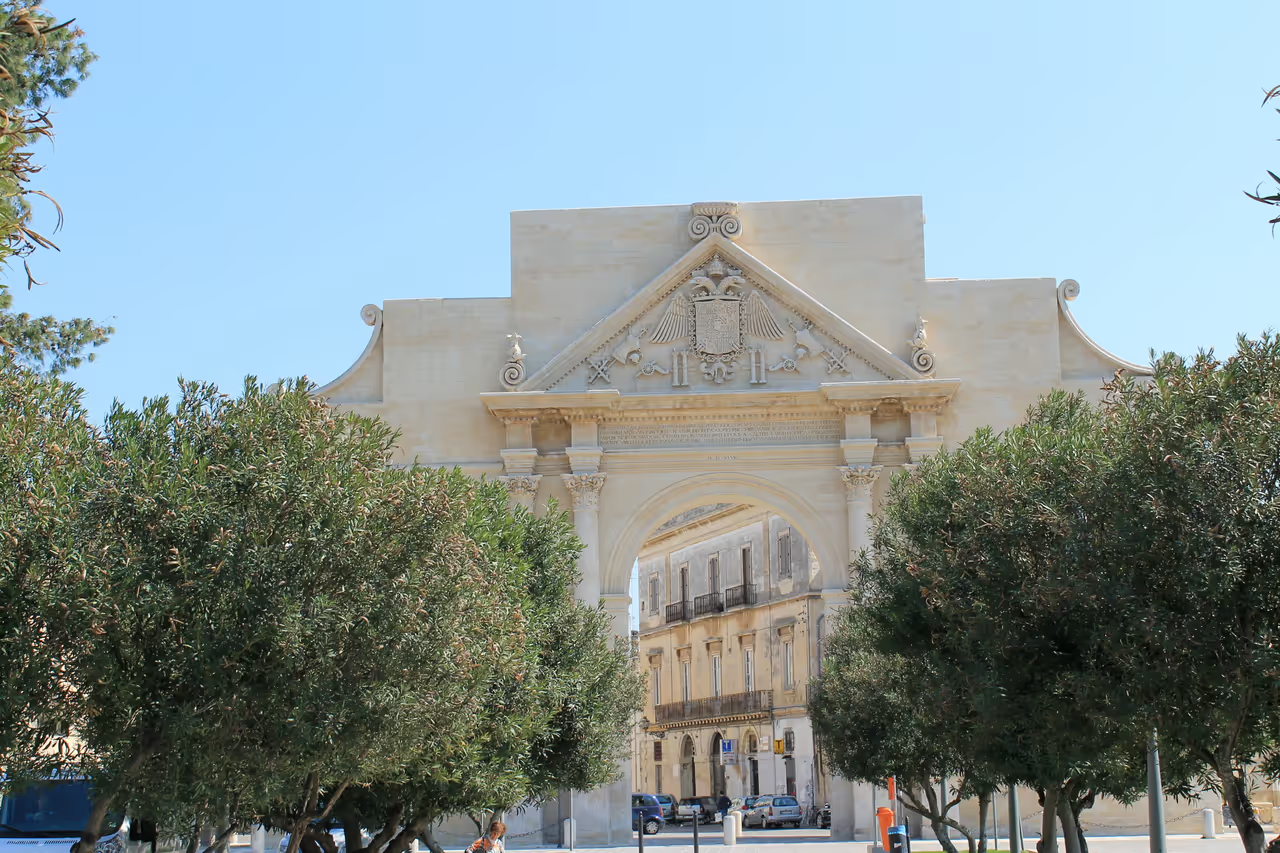
Spring
Spring is arguably the absolute best time to visit the city. The weather warms up beautifully without becoming oppressively hot...
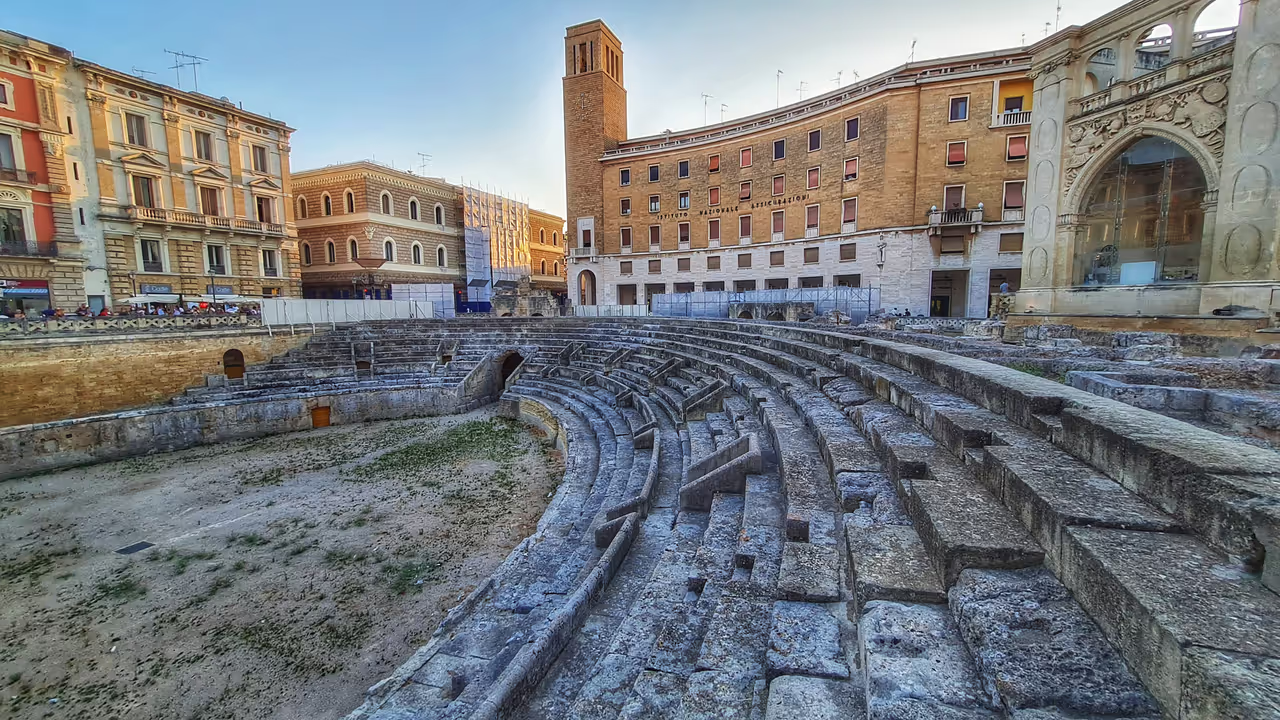
Summer
Summer brings intense, blazing heat and an incredibly vibrant, loud social scene. The city essentially sleeps during the...
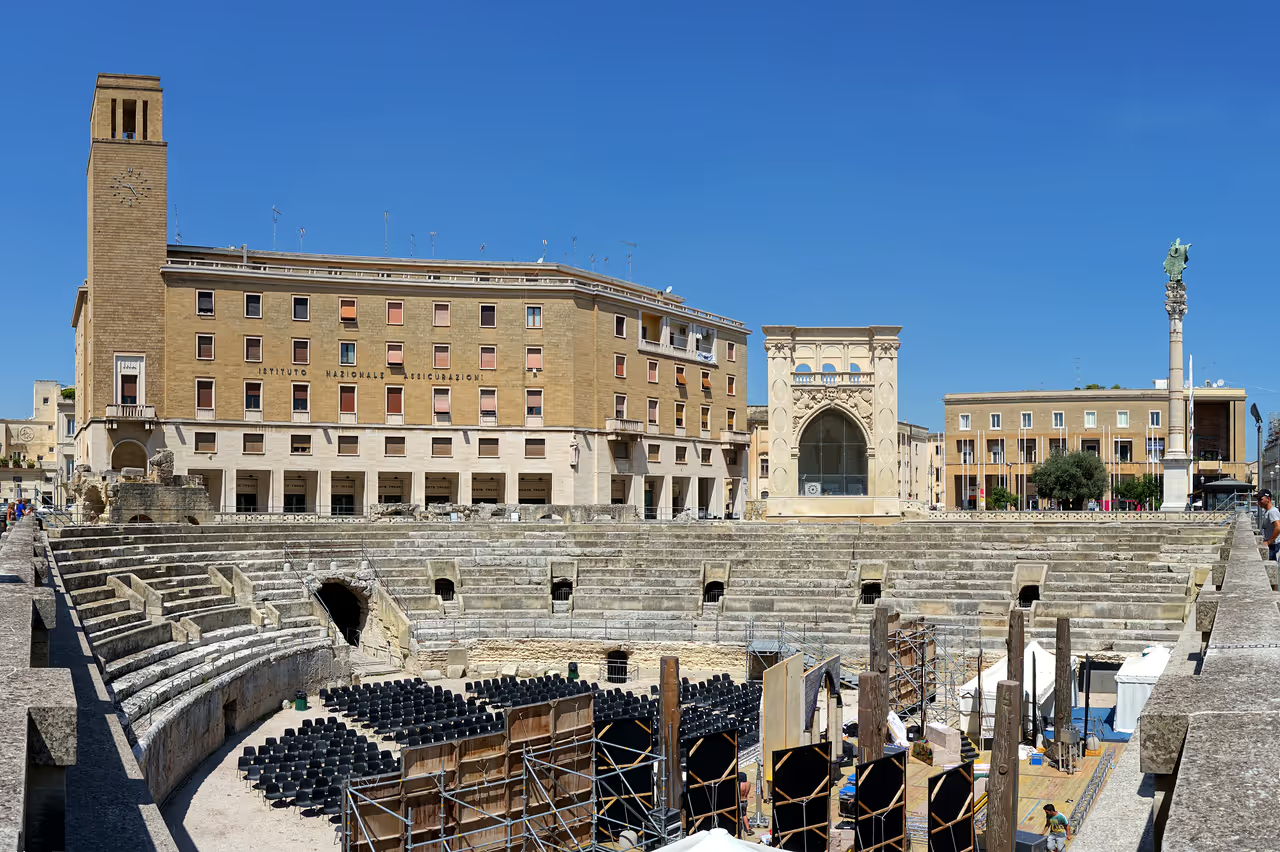
Autumn
As the intense summer heat finally breaks, autumn offers incredibly comfortable temperatures and a much quieter, more...
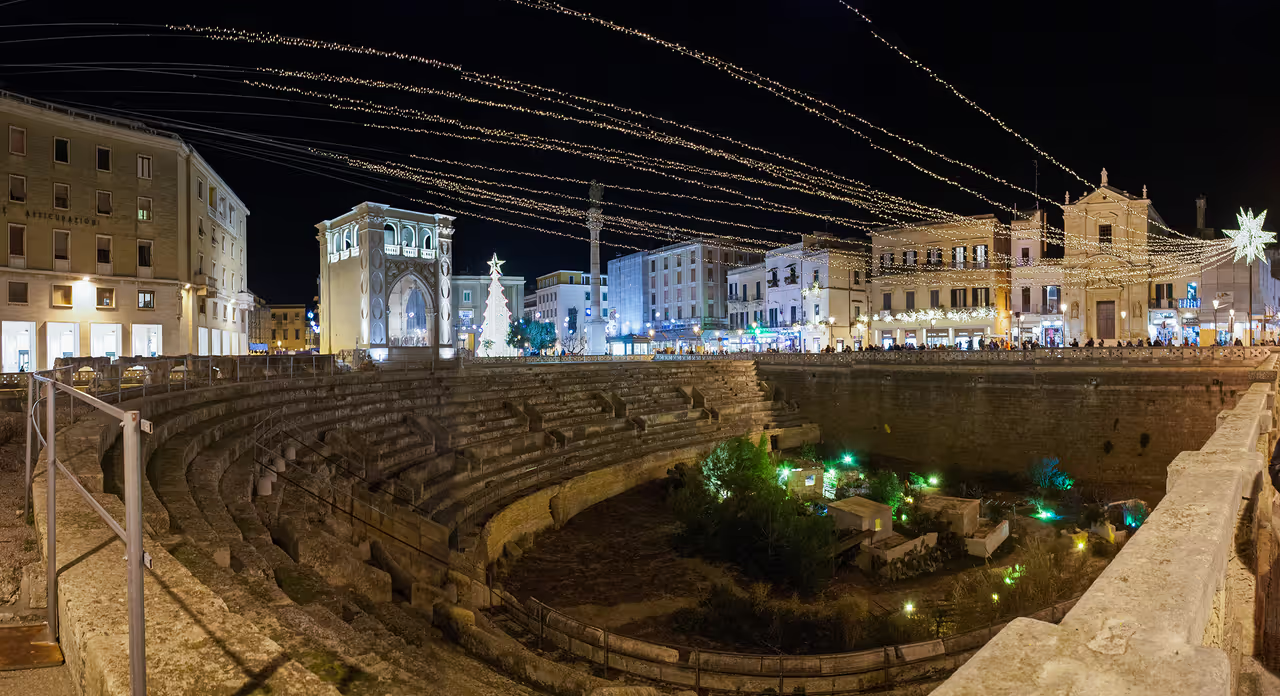
Winter
Winter is generally mild, though occasionally damp, bringing a deeply atmospheric, slightly melancholic beauty to the golden...
Top Attractions in Lecce
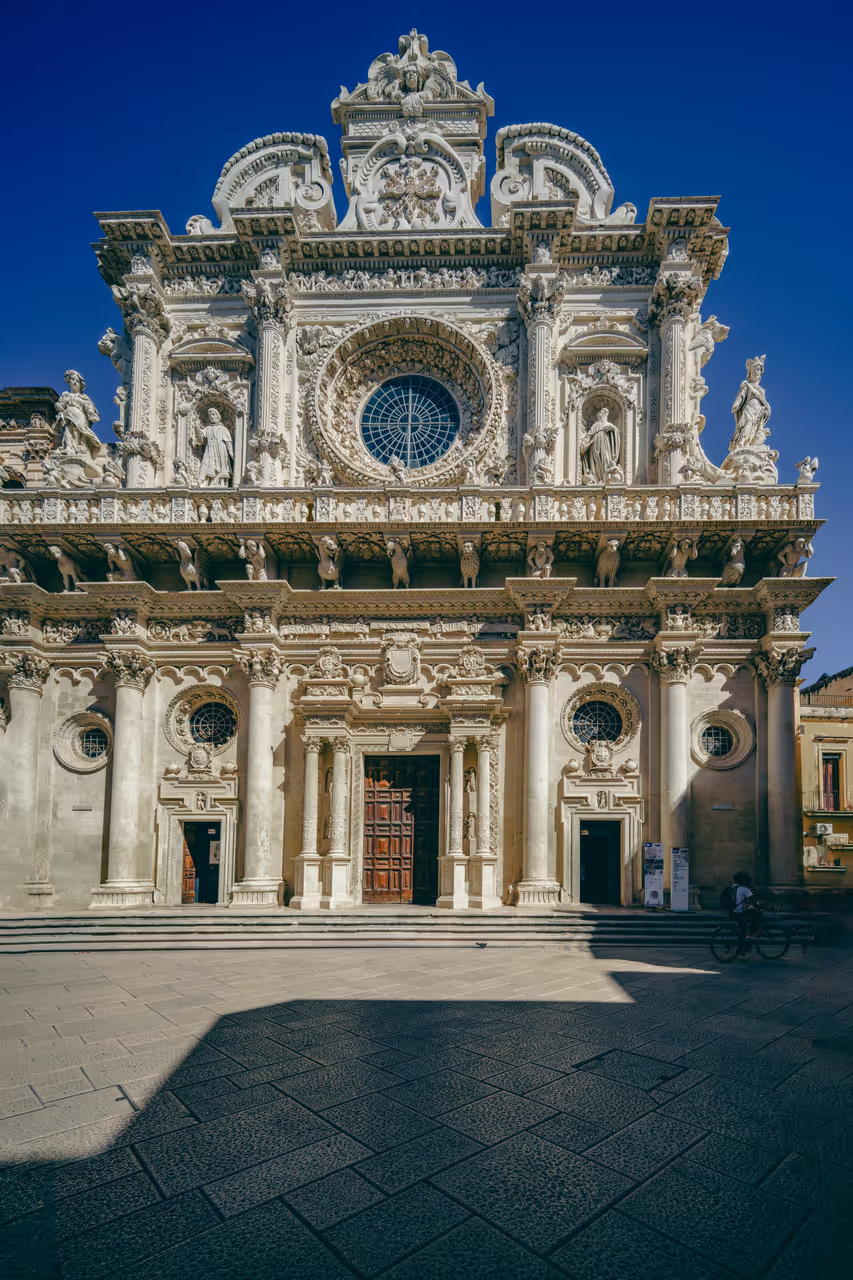
Basilica of Santa Croce
The Basilica of Santa Croce stands as the crown jewel of Lecce, a breathtaking masterpiece of the unique Barocco Leccese style...
view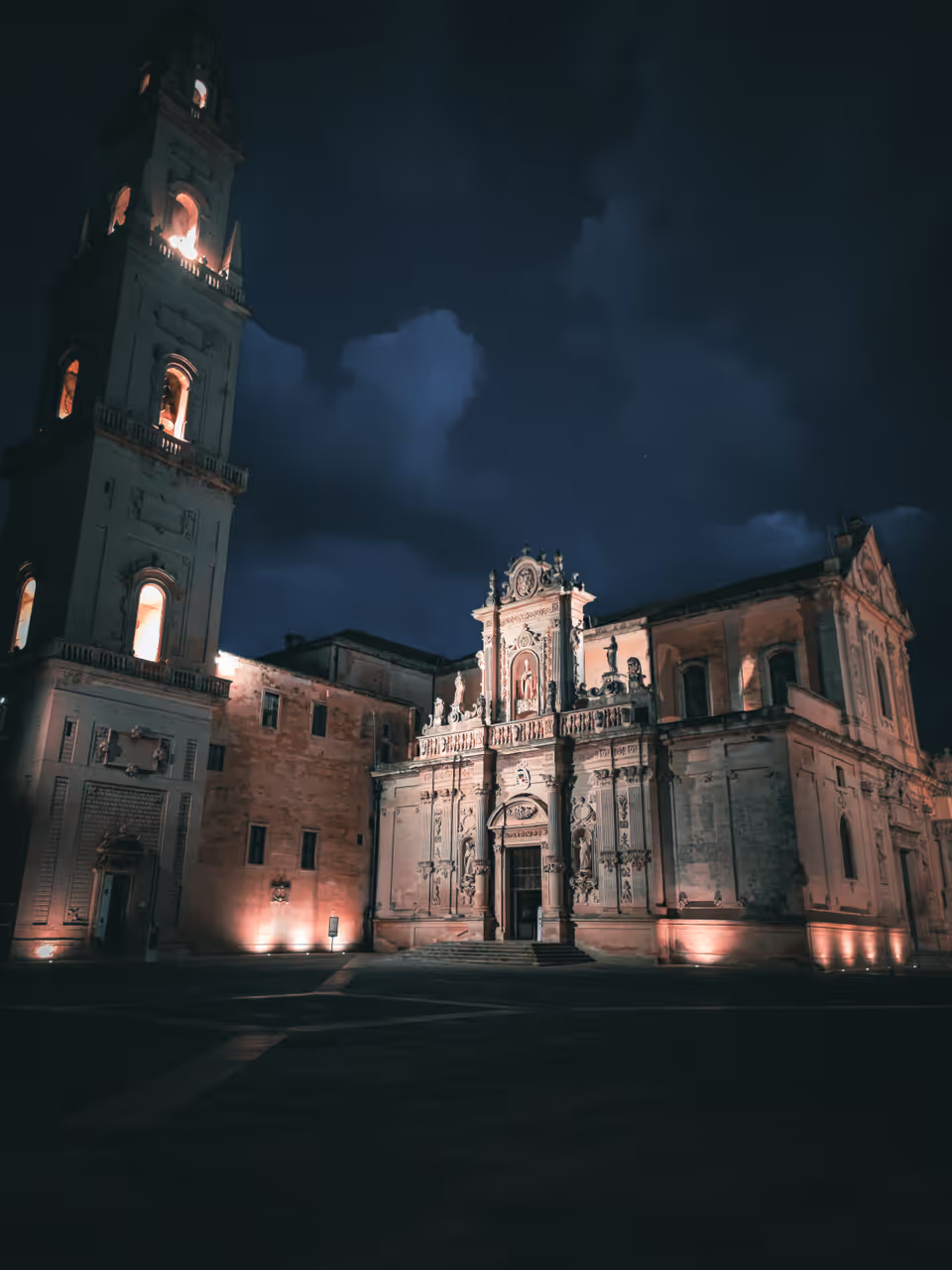
Lecce Cathedral
Step into the heart of Lecce to witness a masterpiece of Southern Italian Baroque. The Lecce Cathedral is the crowning jewel of...
view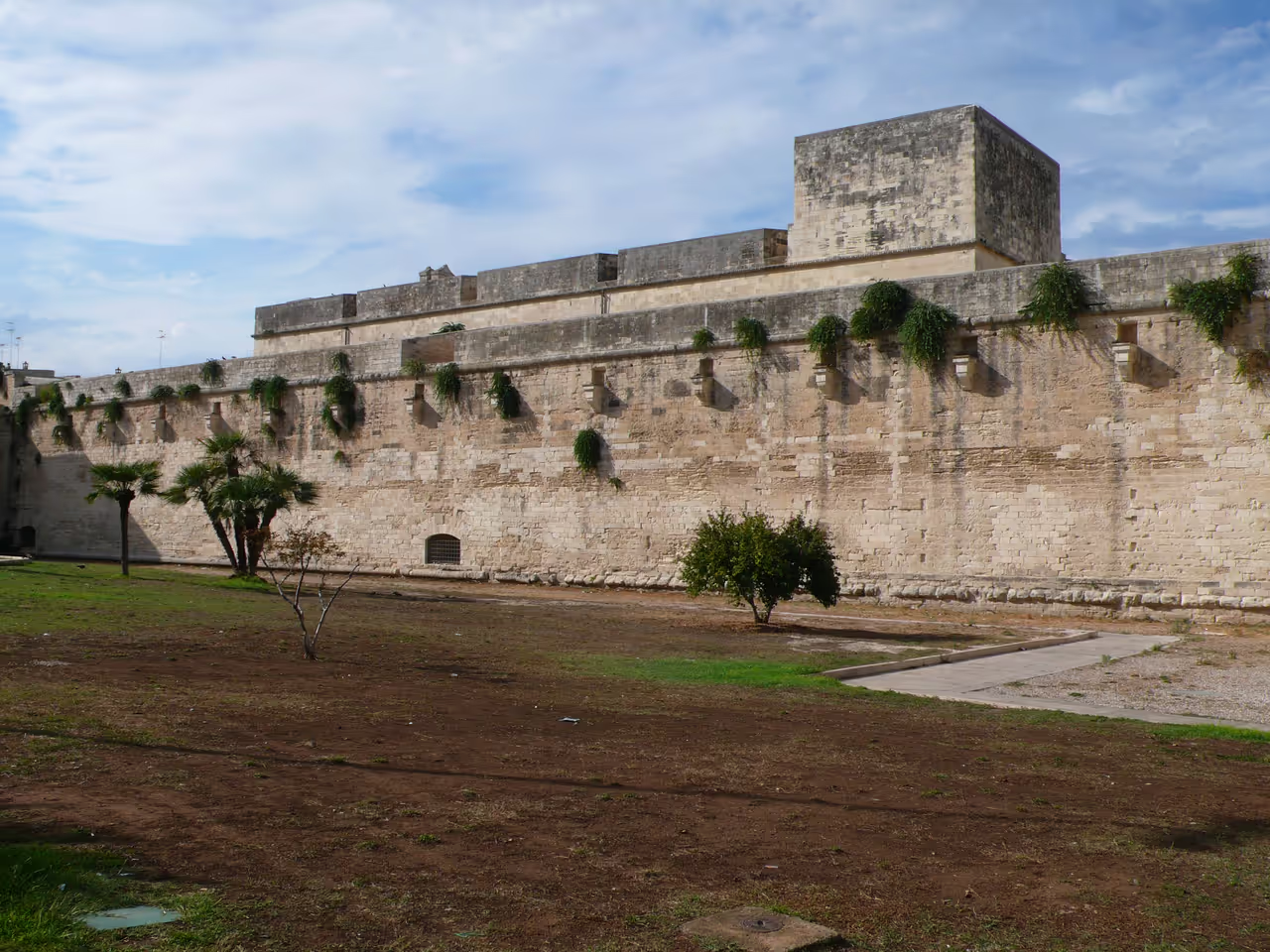
Charles V Castle
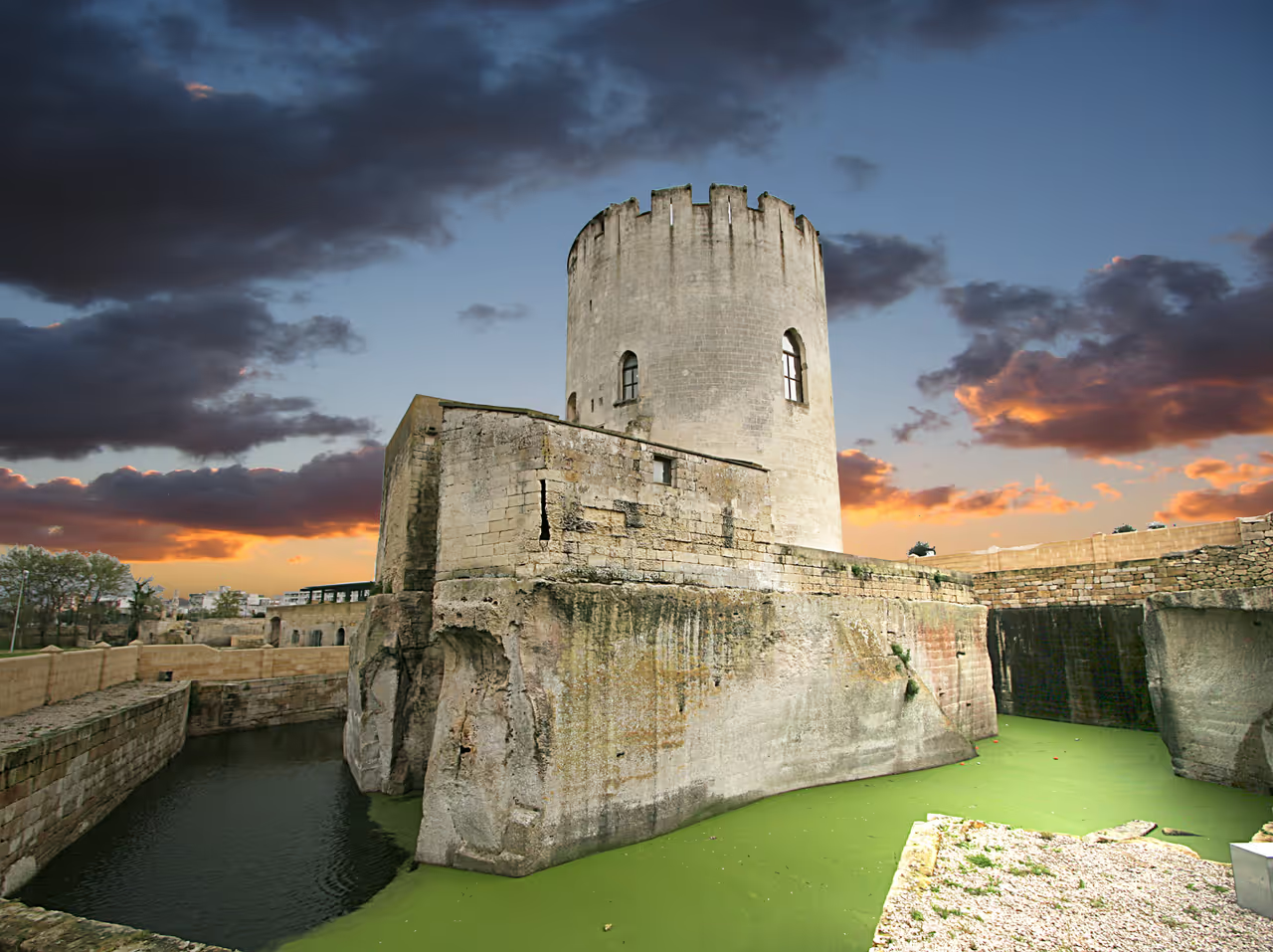
Nestled near the historic heart of Lecce, the Charles V Castle stands as a testament to the city's strategic significance...
view
Best Views
Lecce Itineraries
TRIP PLANNER
3 Days Recommended
Three days provides ample time to thoroughly explore the historic centre and its baroque treasures without feeling rushed. It allows for leisurely meals to enjoy the local cuisine and leaves room for a short excursion to the stunning nearby Adriatic coast. This duration strikes a perfect balance between cultural immersion and pure relaxation.
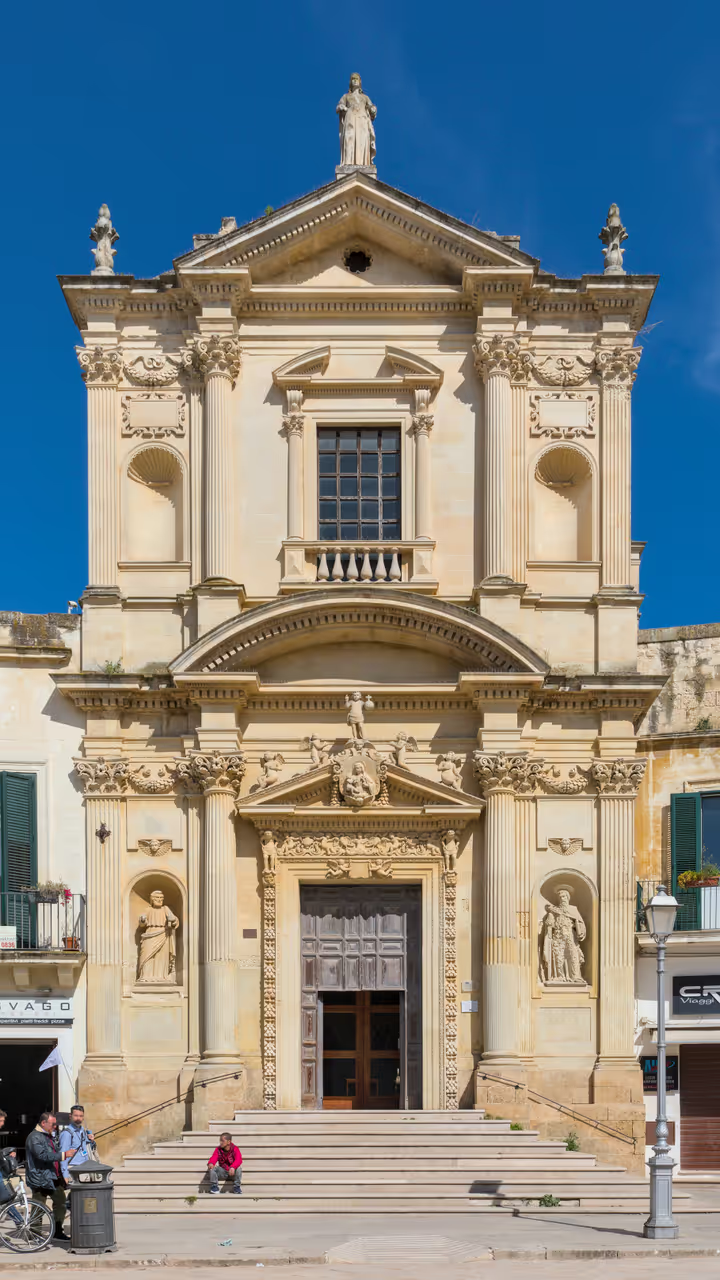
1 Day in Lecce Itinerary
This tightly packed itinerary focuses entirely on the absolute must see masterpieces located within the compact historic centre. It is designed to deliver maximum visual impact, guiding you through the most astonishing baroque churches and the most dramatic ancient ruins. You will experience the vibrant energy of the main squares and the quiet grandeur of the enclosed piazzas. It is the perfect introduction for anyone passing through the region with very limited time.
view itinerary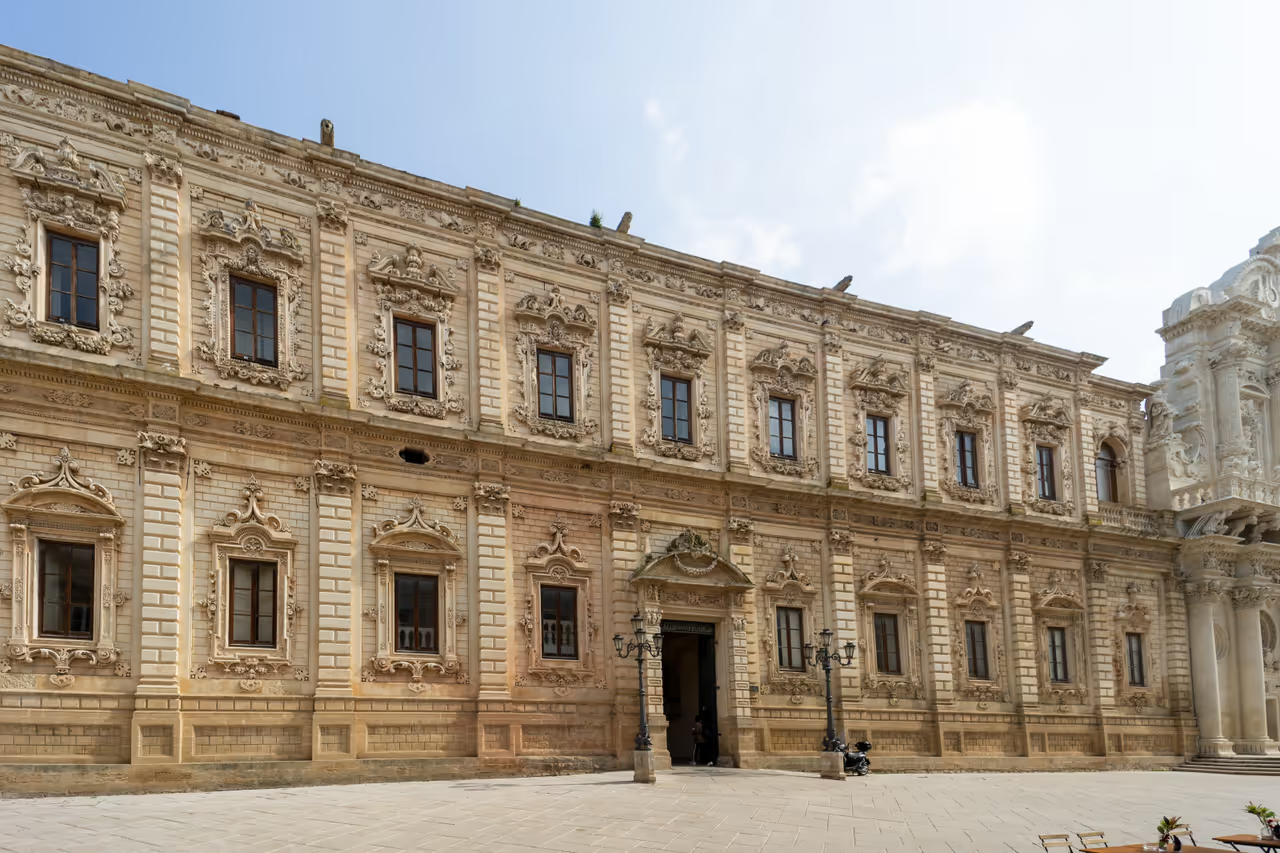
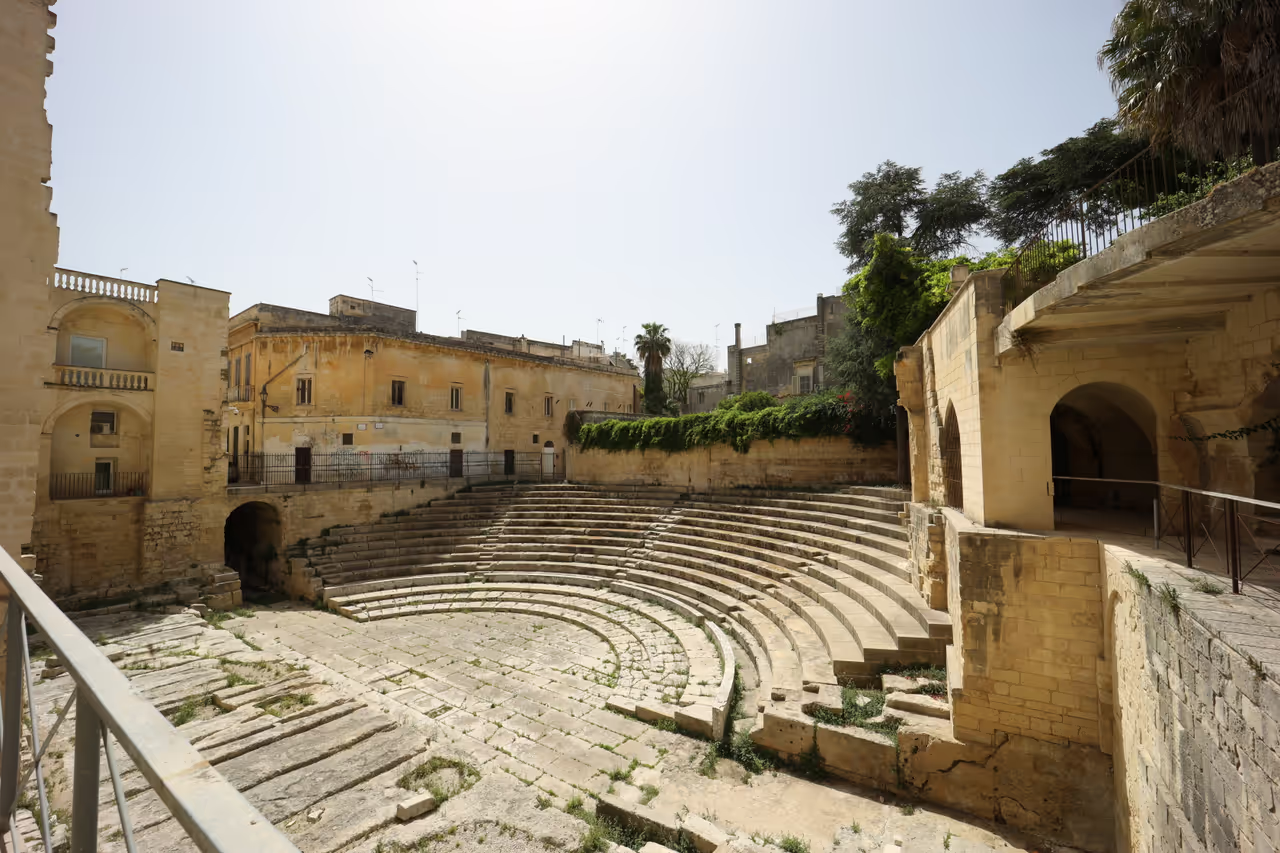
3 Days in Lecce: Baroque and Beyond Itinerary
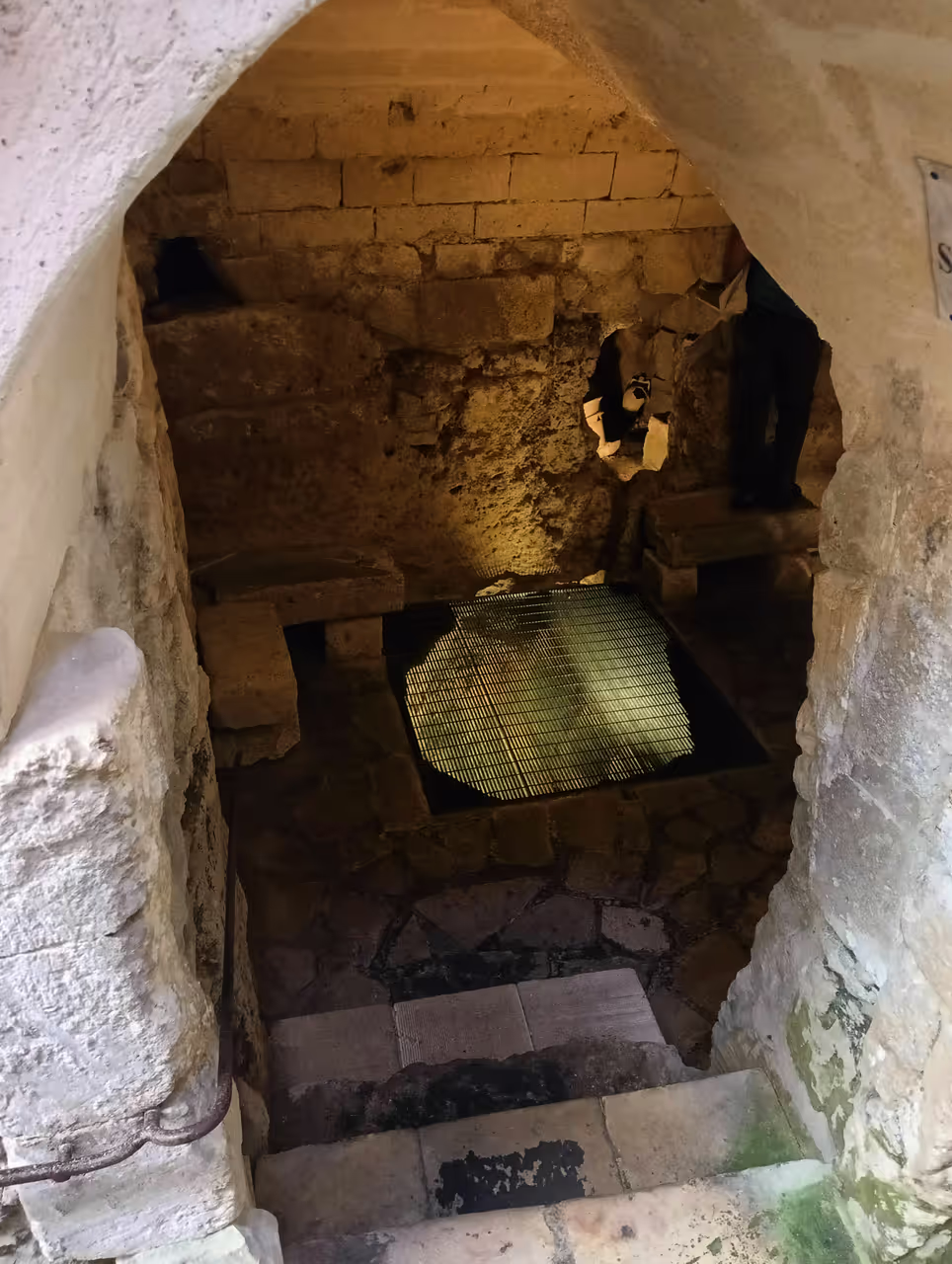
This perfectly balanced itinerary allows you to thoroughly explore the immense architectural heritage of the city without feeling incredibly rushed. Over three days, you will dive deep into the fascinating subterranean history, visit the most significant museums and explore the imposing defensive structures. It includes ample time for leisurely, multi course lunches and joining the locals for their traditional evening strolls. It is the ideal duration to truly understand the complex, layered history of the city.
view itinerary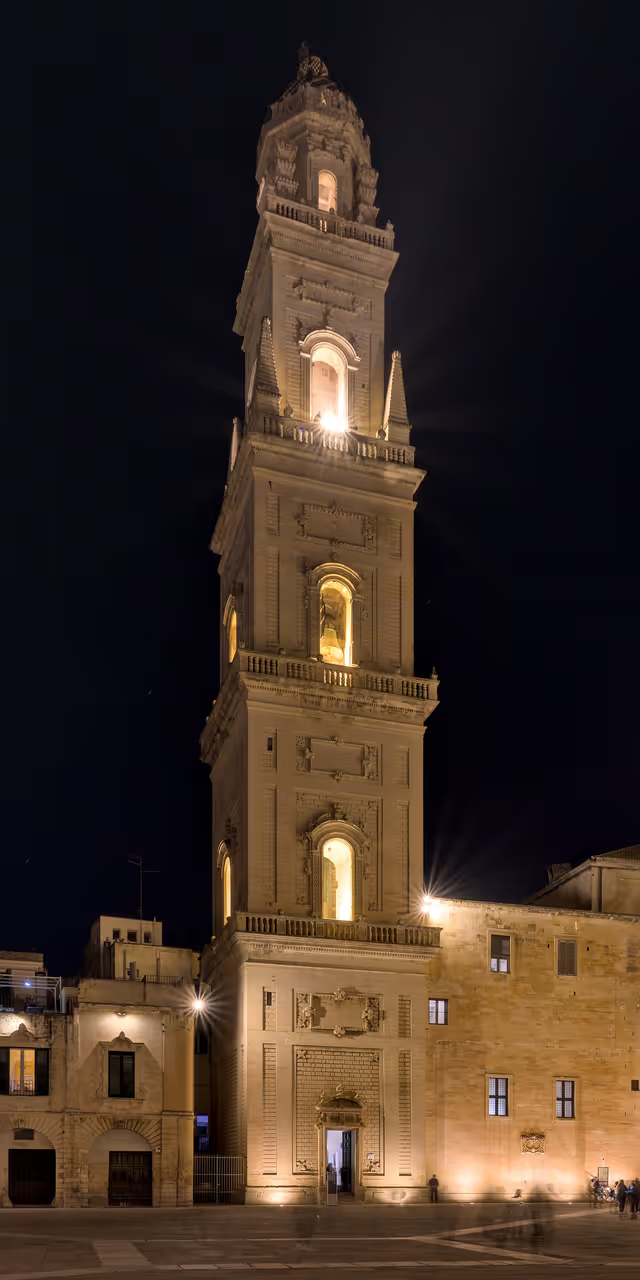
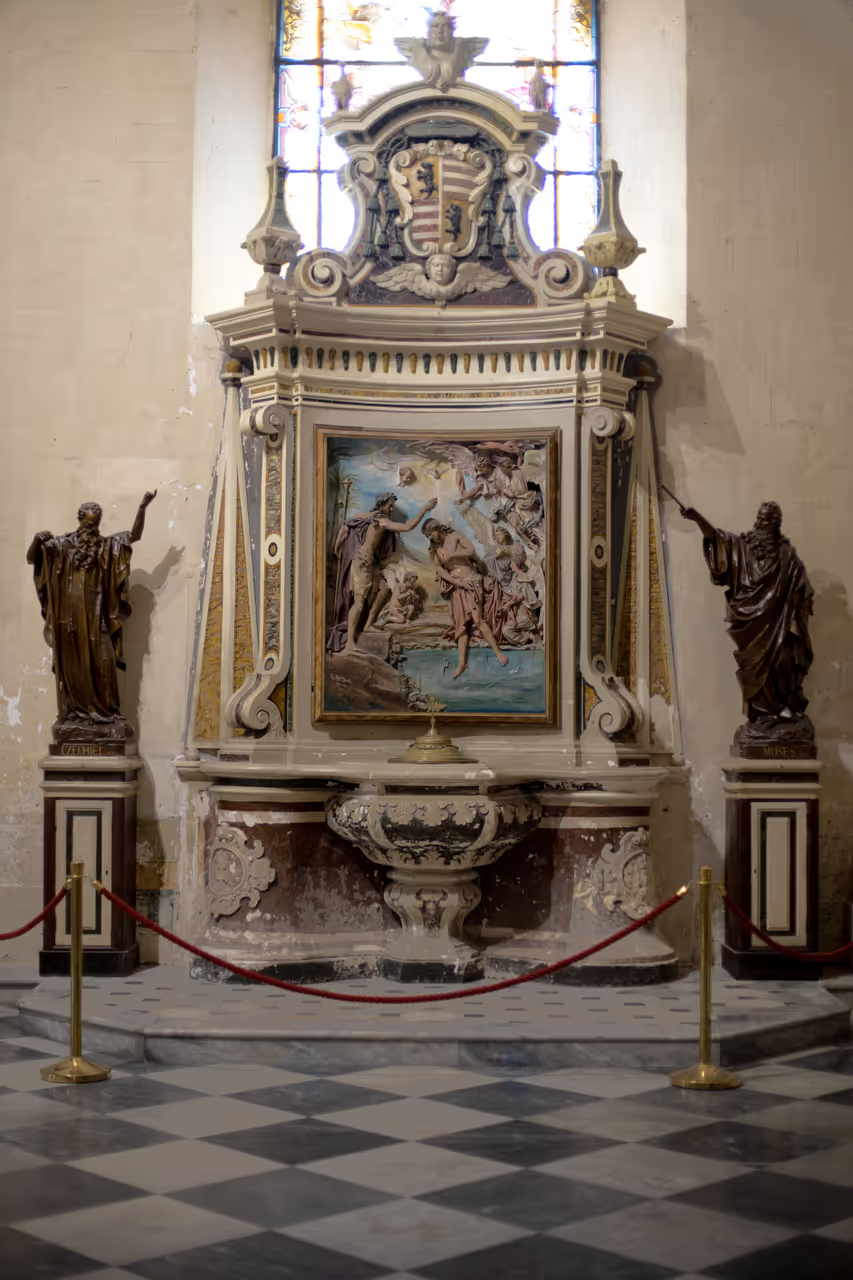
5 Days in Lecce: Salento Immersion Itinerary
This extensive itinerary provides a profound, deeply immersive experience into both the city itself and its crucial connection to the surrounding natural environment. Beyond comprehensively covering all the major urban attractions and hidden museums, it branches out to include the beautiful coastal parks and ancient ruins resting just outside the city limits. It allows you to adopt a deeply relaxed, highly authentic local rhythm, savouring every coffee, pastry and historic alleyway. It is the ultimate cultural deep dive.
view itinerary
Food in Lecce
Free Things to do in Lecce
Parks & Nature
Rauccio Woods and Marshes Regional Natural Park
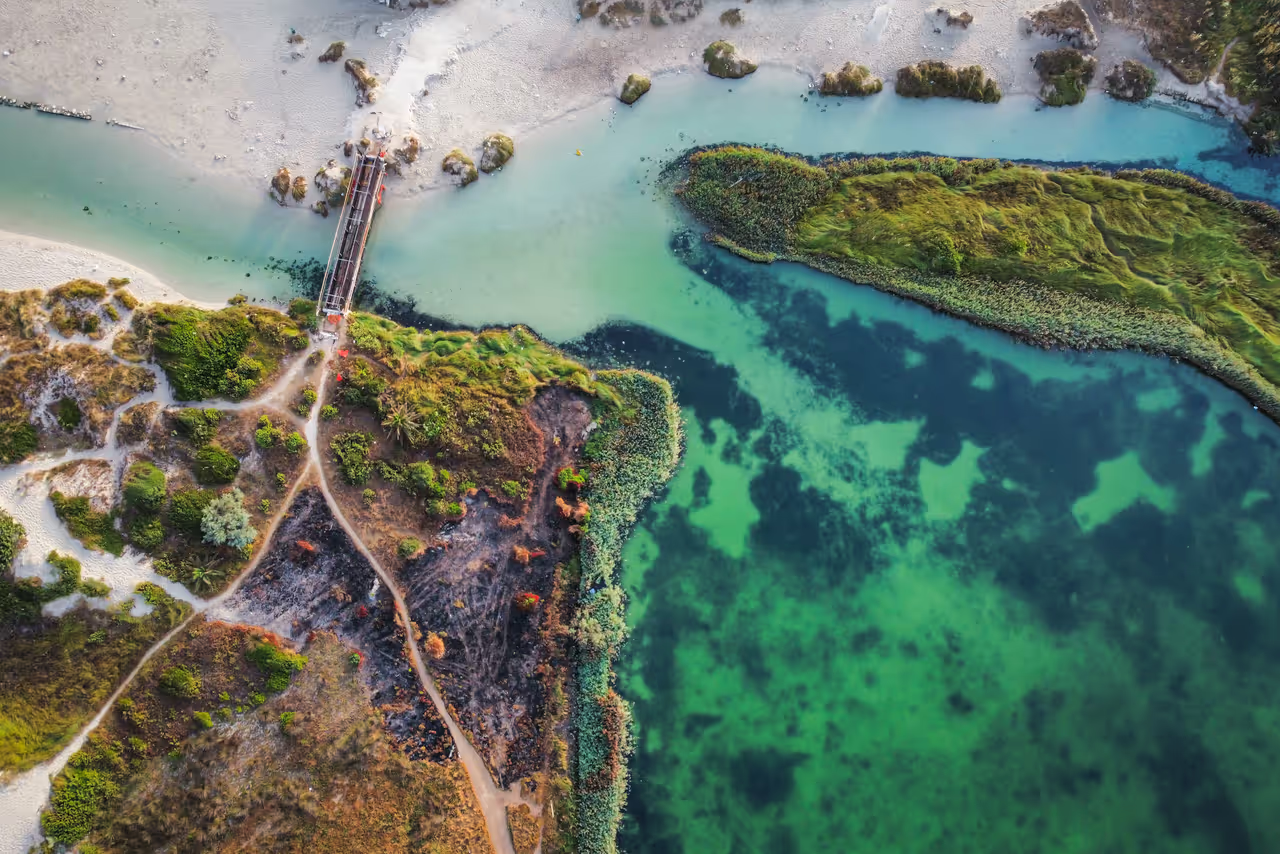
Step into a living time capsule just outside the city of Lecce, where the ancient Forest of Lecce survives in precious pockets...
view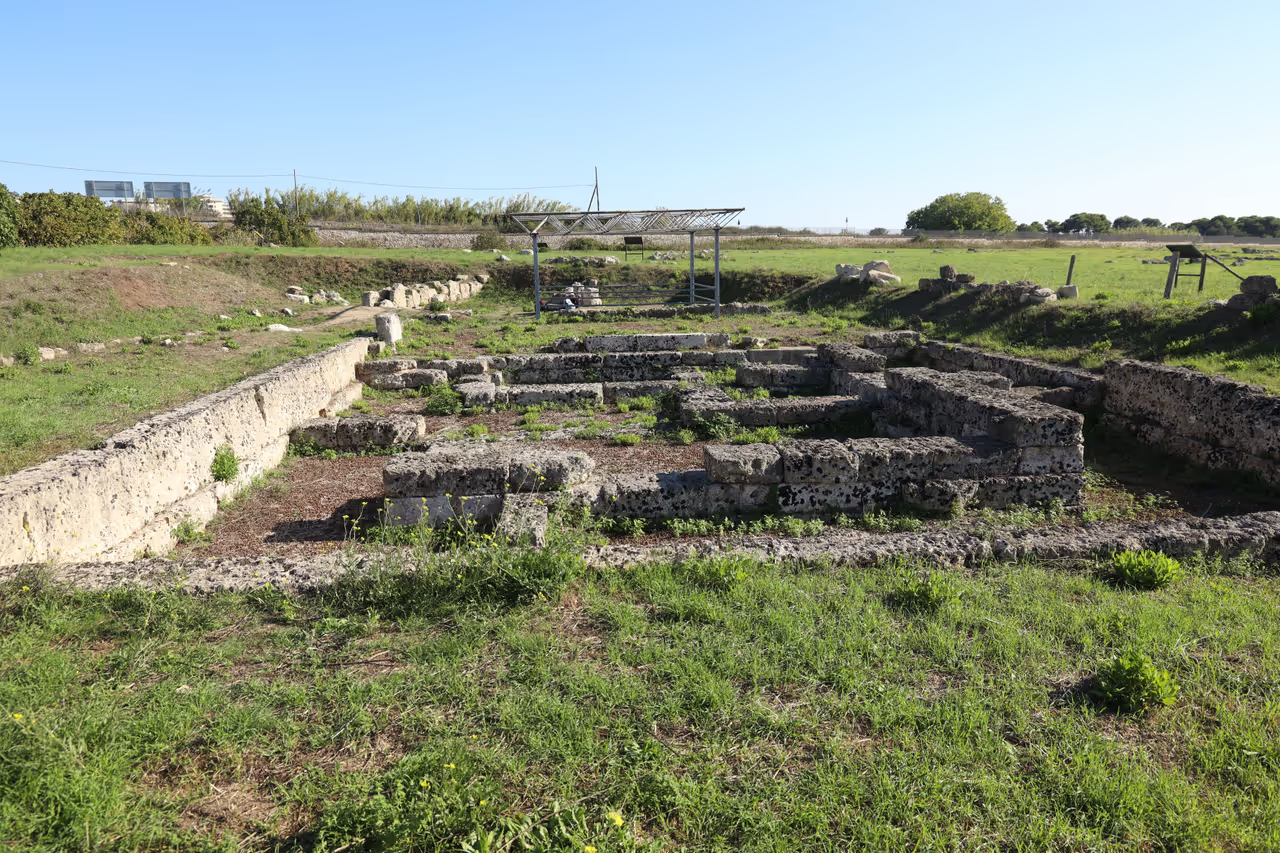
Rudiae Archaeological Site
Step back in time at Rudiae, the ancient Messapian city that served as the cradle for some of Italy's most influential figures...
view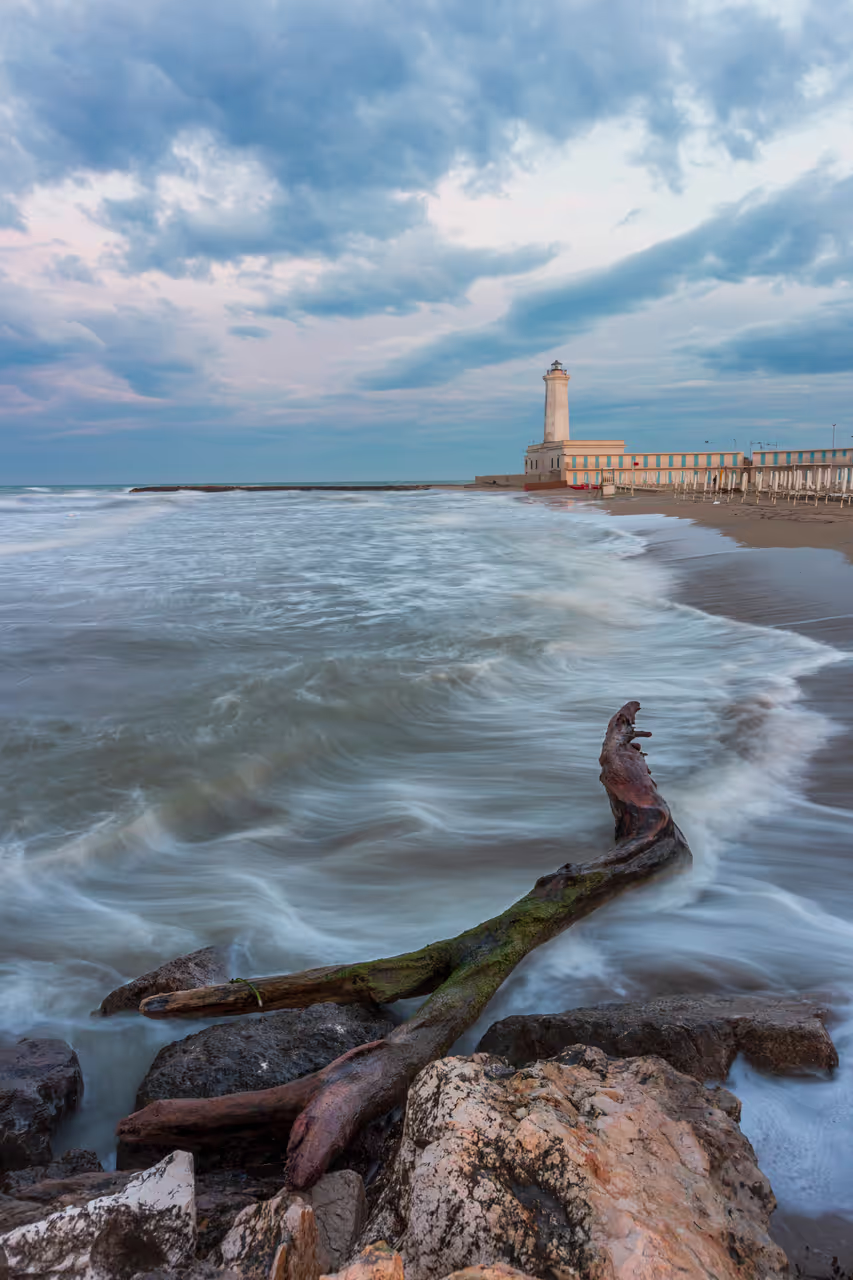
San Cataldo Nature Reserve
This coastal sanctuary offers a peaceful escape just a short distance from the Baroque heart of Lecce. Spanning twenty eight...
view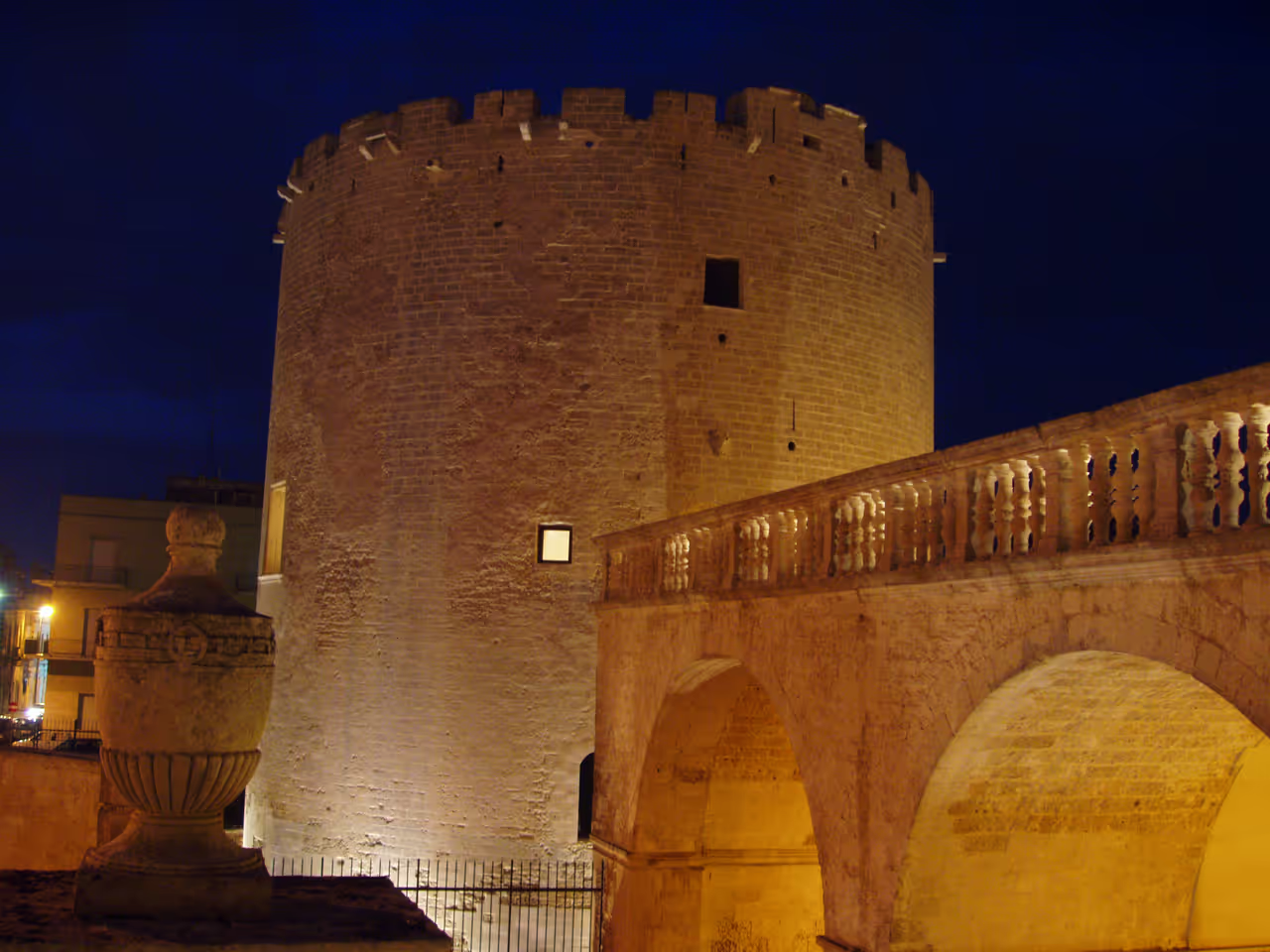
Torre del Parco
Torre del Parco is a captivating remnant of medieval and Renaissance power, standing tall as one of Lecce’s most significant...
view
Highlights & Must-Sees
Historic Centre
The entire walled old town functions as one massive, breathtaking open air attraction. Wandering aimlessly through the tight...
viewRoman Amphitheatre
This colossal sunken arena once hosted epic gladiatorial combat for tens of thousands of cheering citizens. Situated...
viewSaint Oronzo Square
This vast, incredibly vibrant public space is the undeniable heart of the city's social and historical life. It features a...
view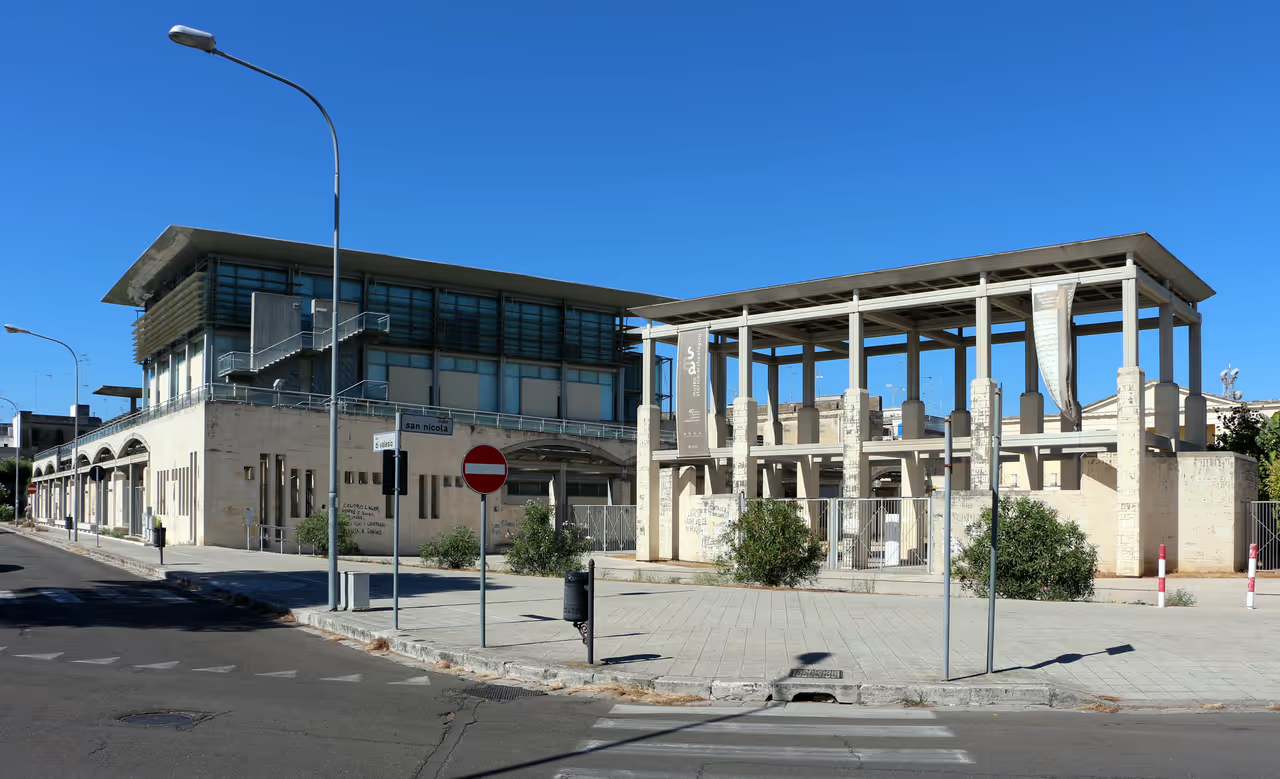
MUSA Historical Archaeological Museum
Run by the local university, this engaging museum is dedicated to showcasing the incredible archaeological finds unearthed...
view
Best Walks in Lecce
- HIGHLY RECOMMENDED
Baroque Masterpieces Stroll
This enchanting walk is designed to immerse you completely in the astonishing architectural beauty that made the city famous. Meandering through the pedestrianised historic centre, you will encounter mind boggling stone carvings, elegant balconies and hidden courtyards at an unhurried pace. The golden hue of the local limestone seems to glow warmly, especially in the late afternoon light. It is a visual feast that allows you to appreciate the incredible craftsmanship of centuries past in a deeply relaxed manner.
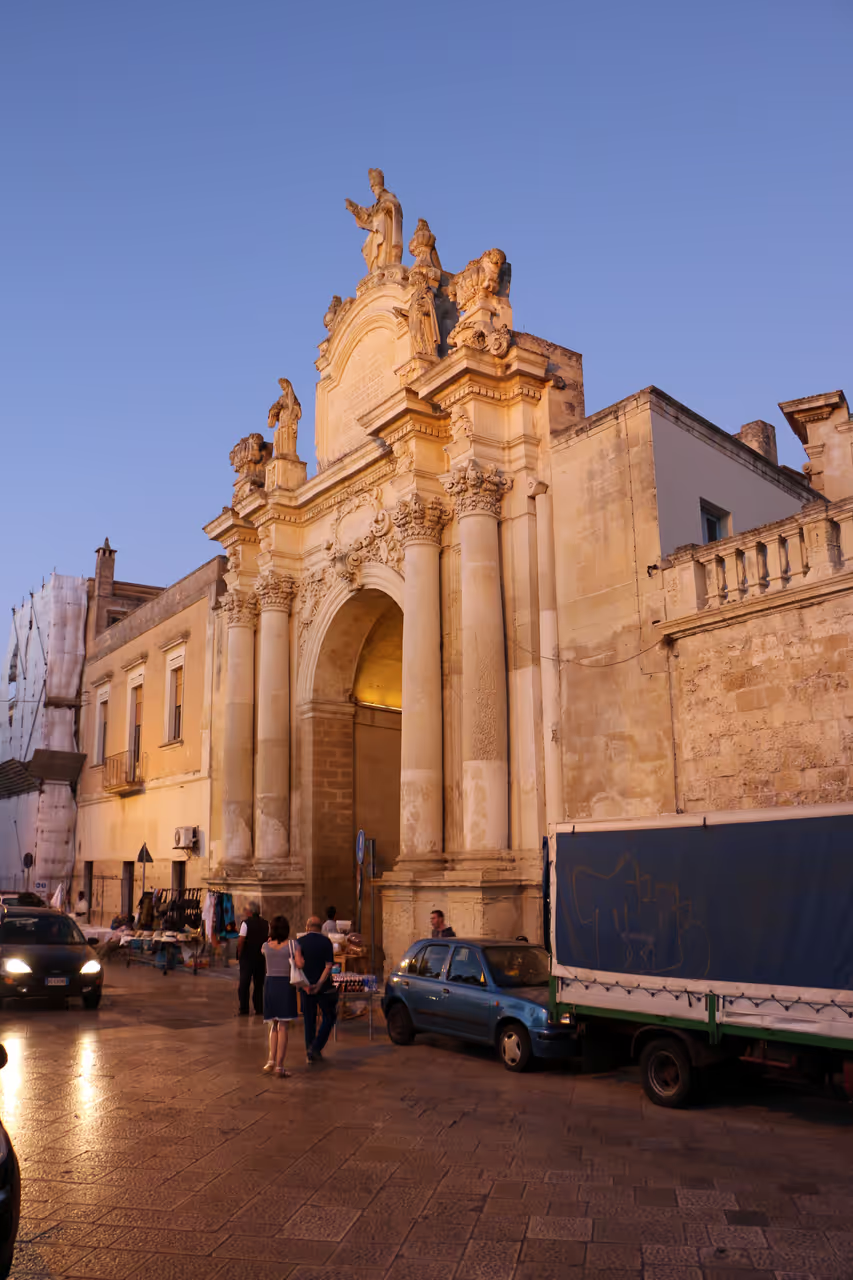
City Walls Walk
Following the perimeter of the ancient defensive fortifications provides a wonderfully tranquil alternative to the busy inner streets. The newly restored sections of the walls allow you to walk among lush green gardens while admiring the imposing stonework that once protected the city from invaders. The path is wide, shaded by large trees and mostly free from crowds. It offers a fascinating dual perspective, looking down into the historic alleys on one side and out towards the modern city on the other.
- HIGHLY RECOMMENDED
Evening Old Town Stroll
Participating in the traditional evening stroll is an absolute must to truly experience the deeply ingrained social culture of the city. As the heat of the day fades, the main squares and elegant avenues fill with impeccably dressed locals out to see and be seen. The atmosphere is joyous, filled with the sounds of animated conversation, clinking glasses and children playing. The dramatic uplighting on the historic monuments creates a highly theatrical, intensely romantic environment.
Architecture & Landmarks
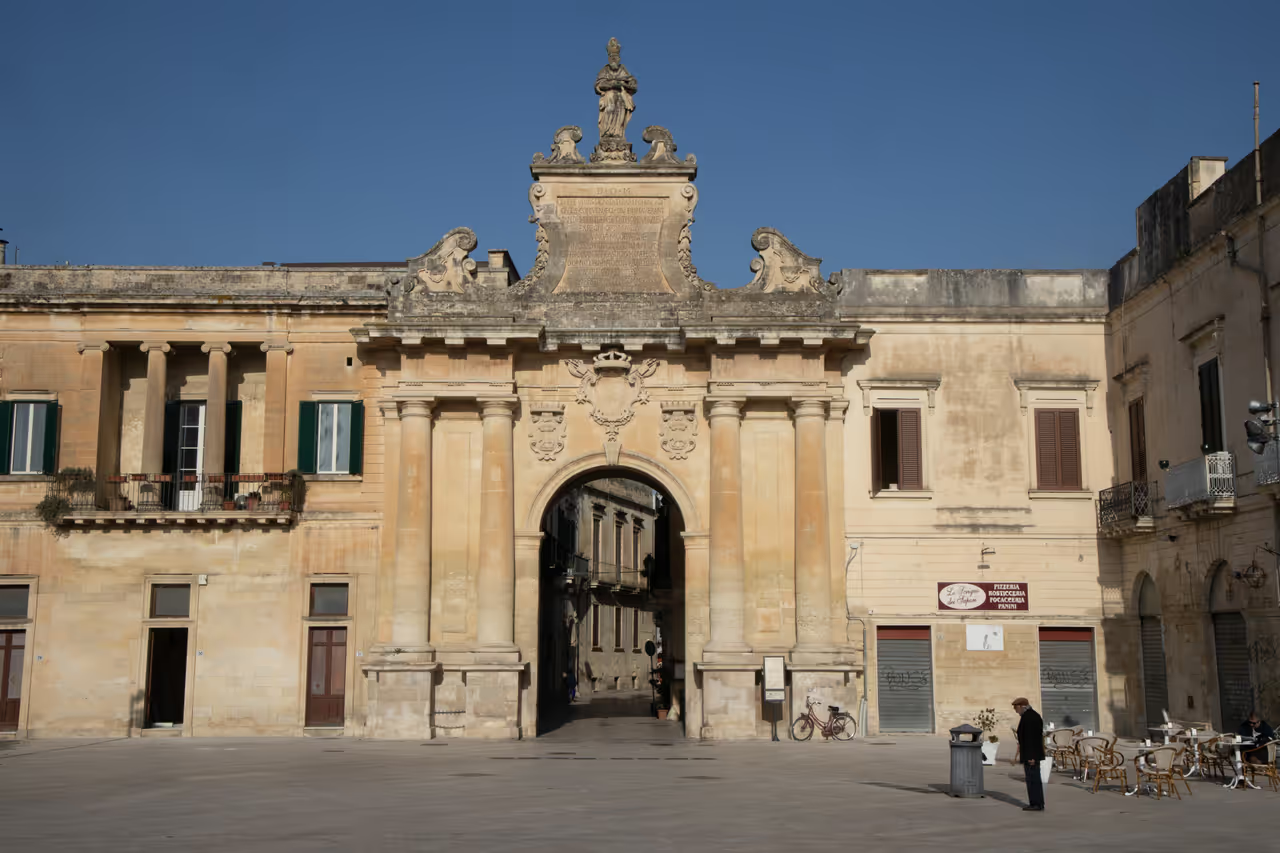
Neapolitan Gate
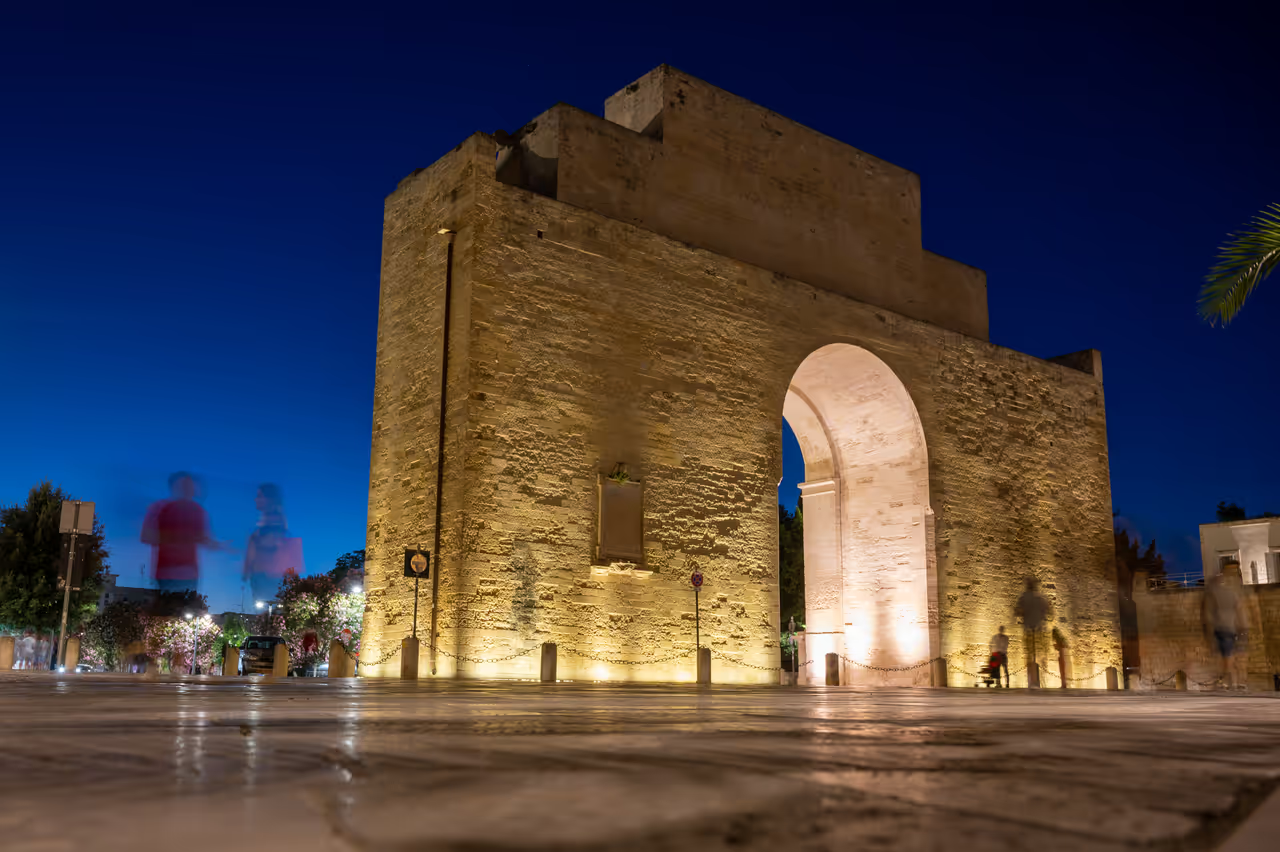
Erected in the mid sixteenth century to honour Emperor Charles V, this massive, standalone monument was consciously designed to...
viewPalazzo dei Celestini
Attached seamlessly to the magnificent Holy Cross Basilica, this incredibly vast former monastery complex is a breathtaking...
view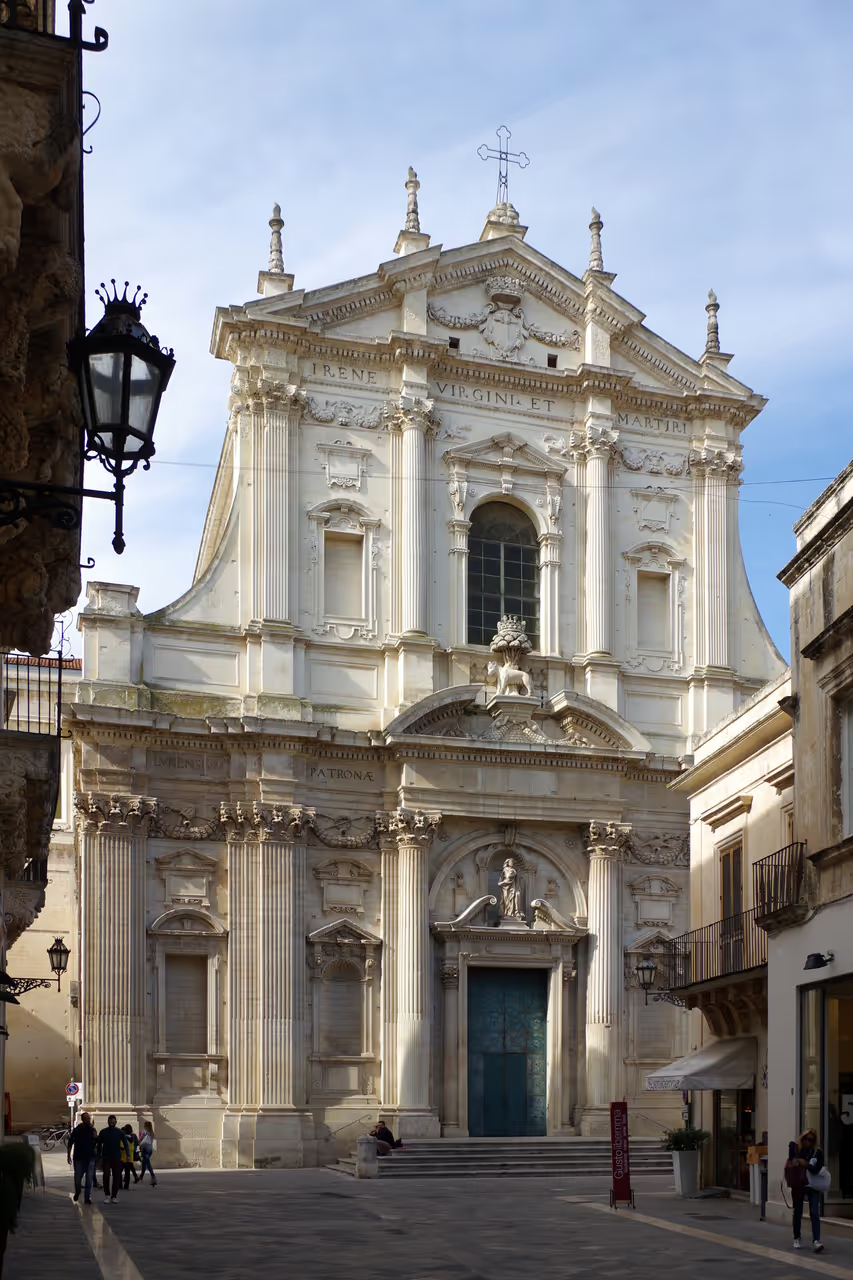
Church of Saint Irene
Dedicated to the former patron saint of the city, this colossal church features a relatively austere and highly monumental...
view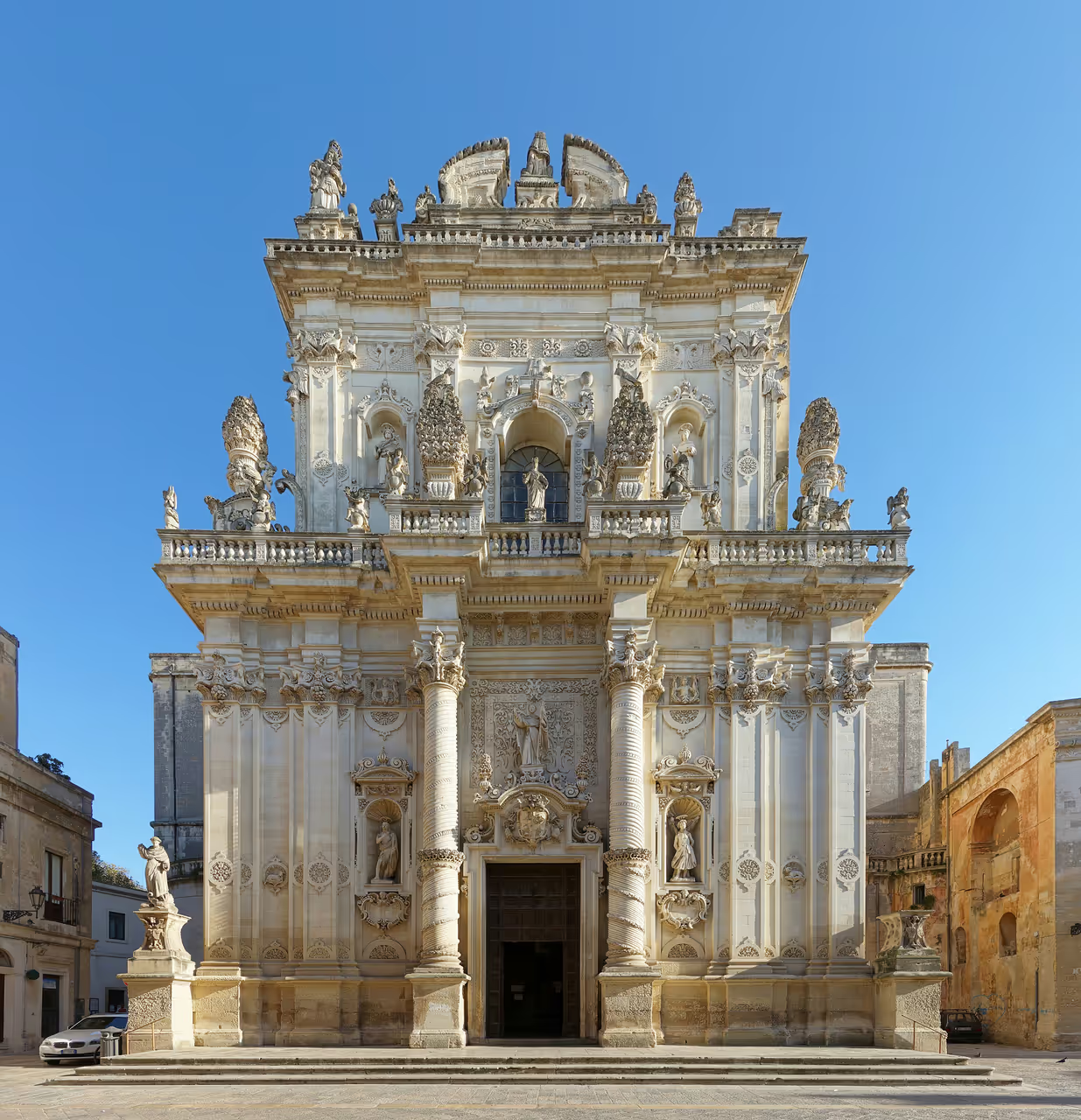
Church of Saint John the Baptist
Completed in the early eighteenth century, this spectacular church represents the magnificent final flowering of the local...
view
Markets & Shopping
Lecce Nightlife
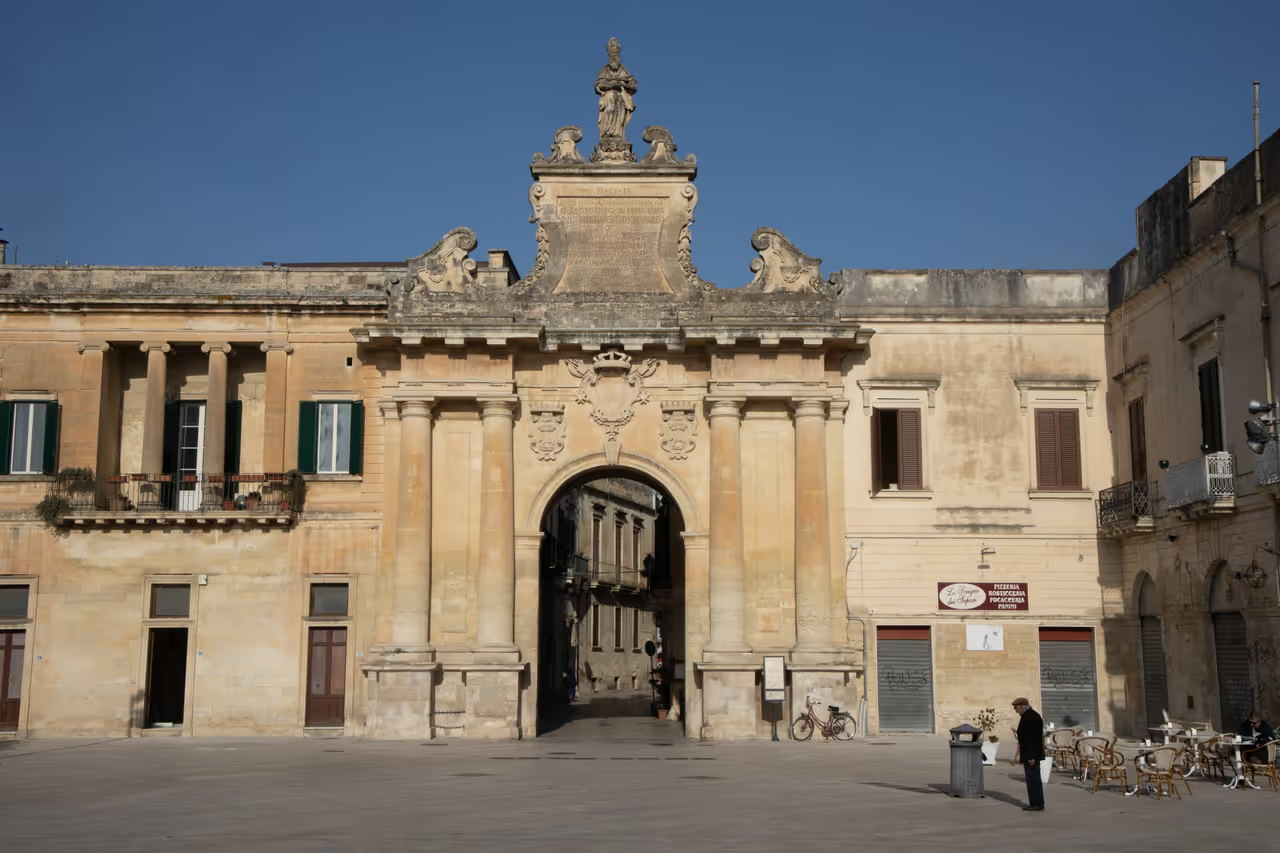
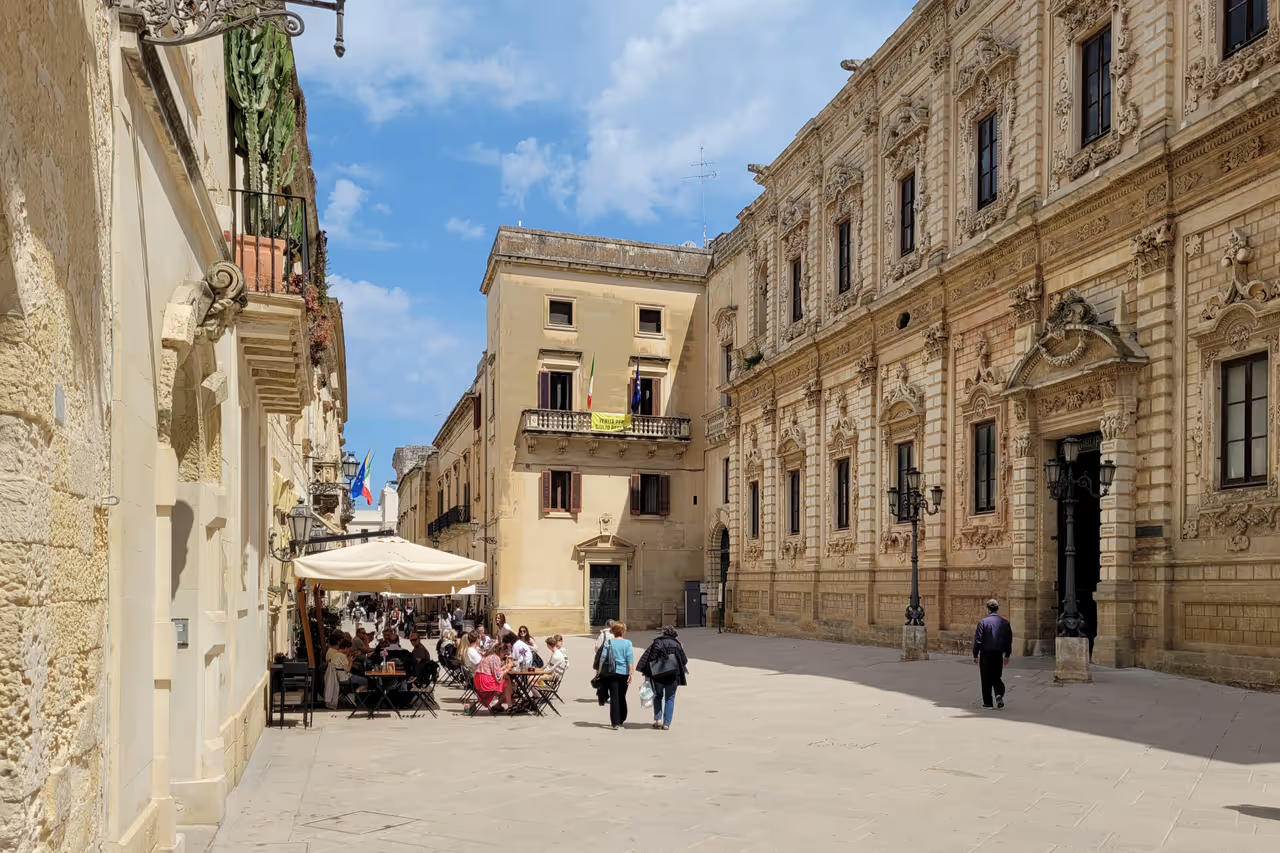
Photo Spots
Activities & Experiences
Cycling Routes
City to Sea Trail
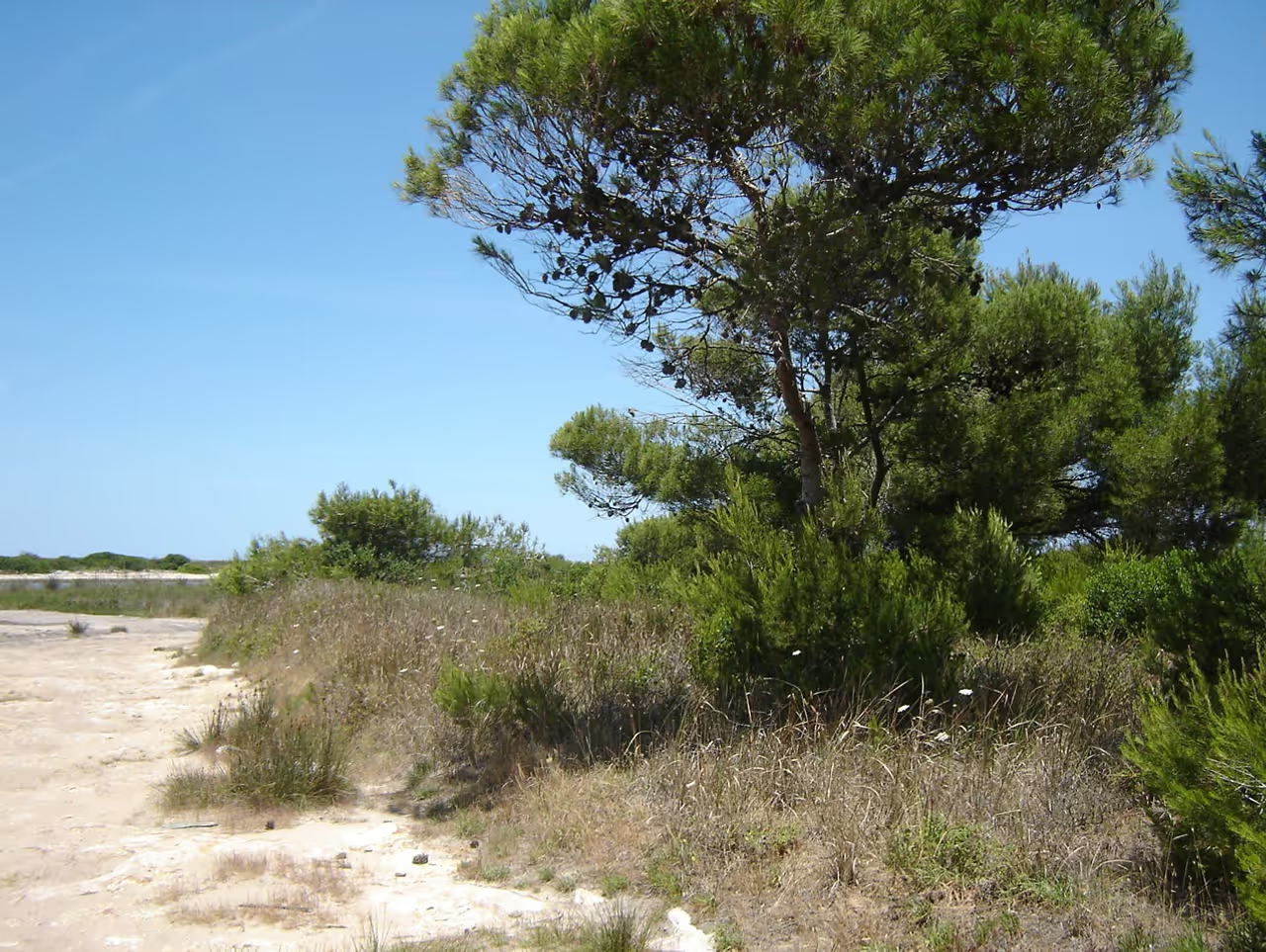
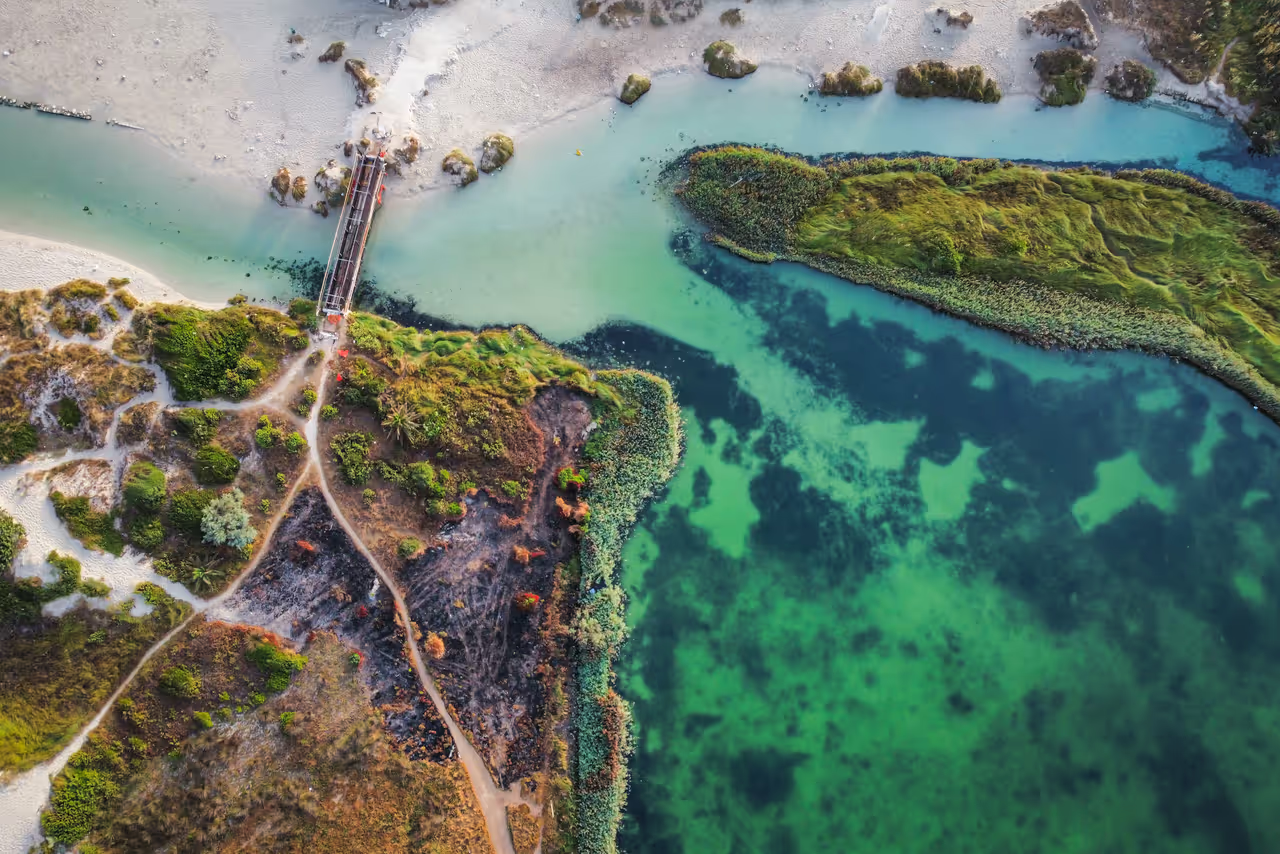
This delightful route traces the historical path connecting the urban centre directly to its ancient Roman seaport on the Adriatic. The journey takes you out of the city and through picturesque Mediterranean scrubland, passing old farmhouses and ancient olive groves. It is a highly accessible, mostly flat ride that provides a wonderfully relaxing transition from ornate architecture to raw coastal beauty. Reaching the sea and feeling the fresh maritime breeze is an incredibly rewarding experience.
Adriatic Coastal Route
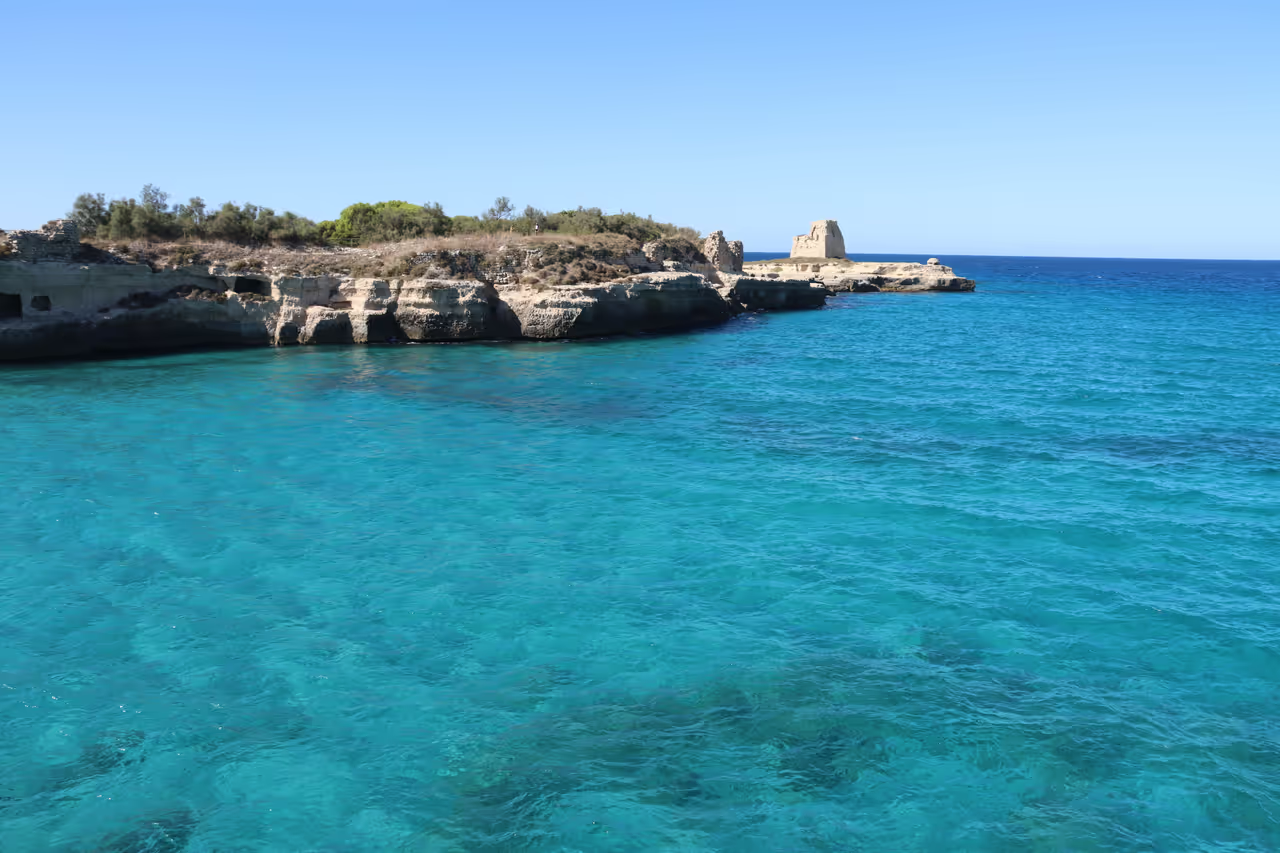
Following a section of the famous EuroVelo 8 route, this spectacular ride traces the rugged and beautiful coastline of the Salento peninsula. The path offers uninterrupted, sweeping views of the sea, passing by ancient stone watchtowers built centuries ago to spot pirate ships. The contrast between the dark rocky shores and the vibrant turquoise water is visually stunning. It is a deeply immersive way to experience the wild, untamed nature of the southern Italian coast.
Self-Guided Tours
Roman Lupiae Heritage Tour
This fascinating journey uncovers the monumental legacy of the ancient Roman city of Lupiae, which still heavily influences the modern urban layout. You will explore spectacular ruins that lay hidden beneath the earth for centuries before being dramatically rediscovered. The tour weaves through the historic centre, connecting massive entertainment venues with hidden subterranean secrets. It is an incredible opportunity to understand the immense scale and sophistication of the city during the imperial era.
Gates and Towers of Lecce
This engaging walking tour maps out the imposing defensive boundaries that once protected the wealth of the sixteenth century city. By visiting the grand triumphal gates and formidable military towers, you will gain a clear sense of the historical layout and strategic importance of the urban centre. The monumental structures serve as dramatic stone storytellers, adorned with royal coats of arms and religious statues. It is a highly visual journey that blends formidable military architecture with exuberant baroque decoration.
- HIGHLY RECOMMENDED
Churches of the Baroque Era
This awe inspiring route delves deep into the intense religious fervour and unimaginable wealth that fuelled the city's architectural golden age. You will visit a curated selection of breathtaking churches, each attempting to outdo the others with wildly expressive stone facades and opulent interiors. The sheer volume of carved cherubs, floral garlands and twisted columns is mind boggling. It is a profound exploration of how art, faith and local geology combined to create a completely unique urban aesthetic.
Annual Festivals & Events
 HIGHLY RECOMMENDED
Feast of Saint Oronzo
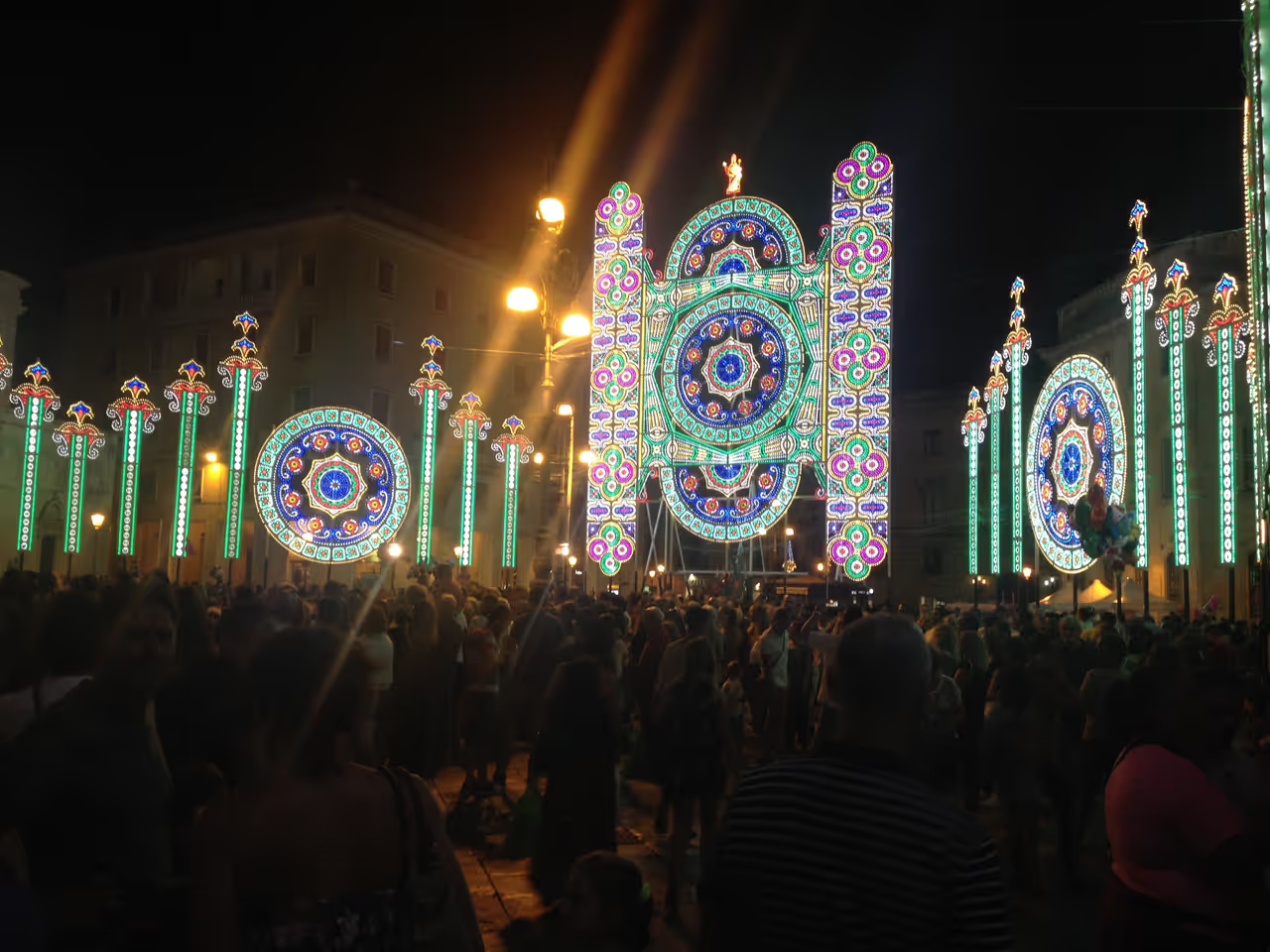
This is the most spectacular and important celebration in the city calendar. For three entire days, the streets are transformed by incredibly elaborate light displays known as luminarie that stretch across the main squares. The highlight is a massive religious procession where grand statues of the patron saints are carried out of the cathedral and paraded through the historic centre. The atmosphere is electric, complete with live concerts, theatrical performances and a vibrant funfair. The festivities always culminate in a breathtaking fireworks display that illuminates the baroque skyline.
European Cinema Festival
This prestigious film festival brings a touch of cinematic glamour to the city, celebrating the very best of contemporary European filmmaking. It attracts international directors, actors and cinema enthusiasts for a week of premier screenings, engaging masterclasses and lively panel discussions. Recognised officially as an event of national interest, it provides a fantastic cultural platform that bridges local heritage with modern European arts. The vibrant energy around the screening venues makes it a thrilling time to visit for any culture lover.
Saint Lucy Fair
This beloved traditional market is entirely dedicated to the intricate art of the nativity scene. Local artisans display hundreds of meticulously handcrafted figurines made from papier mache, terracotta and local stone. The craftsmanship on display is truly astonishing, representing centuries of local artistic heritage passed down through generations. Wandering through the stalls offers a wonderful glimpse into authentic local holiday traditions and provides the perfect opportunity to purchase a unique, handmade piece of art.
Insider Tips
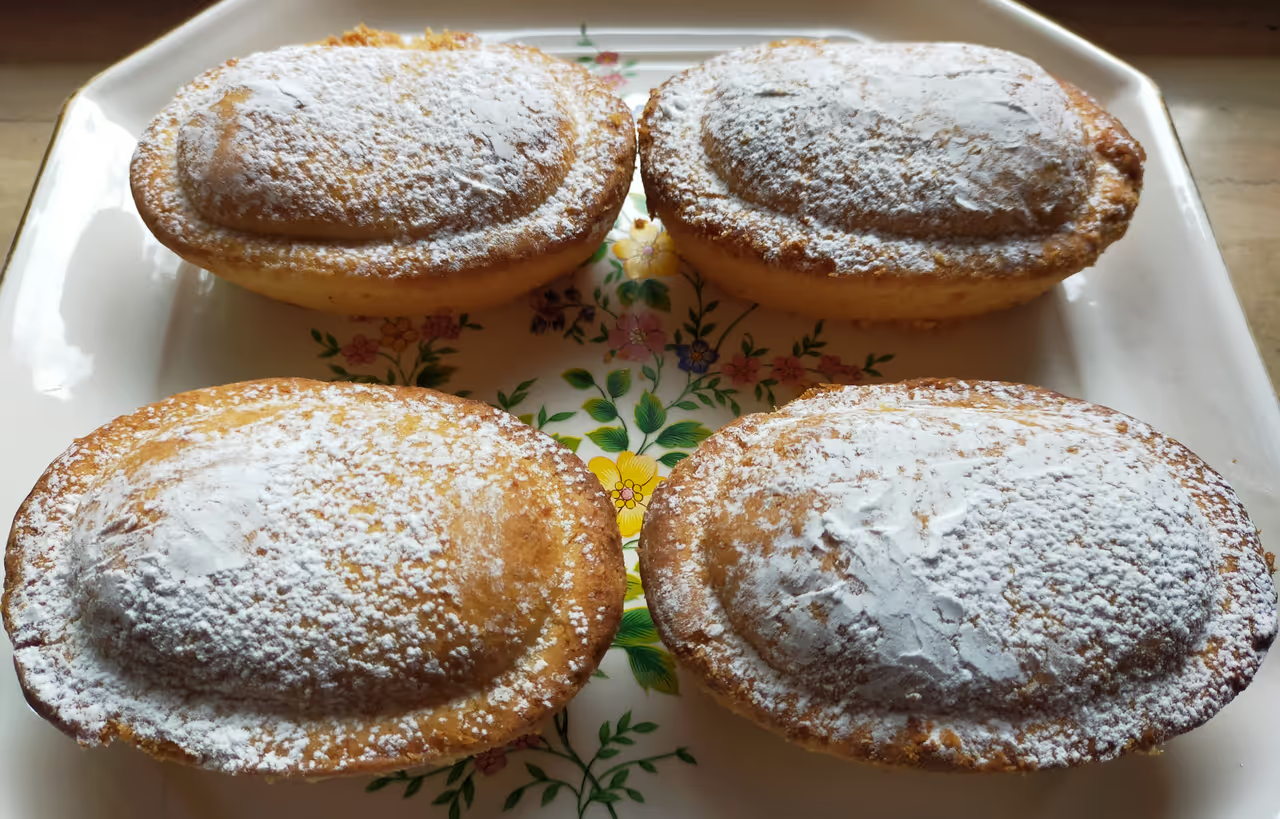
Always eat your pasticciotto warm. Most cafes bake them fresh in the morning, and the contrast between the warm crispy crust and the soft custard is the ultimate local breakfast experience.
The entire historic centre is a strict restricted traffic zone. Do not attempt to drive through the old city gates or you will certainly receive a hefty fine from the automated cameras.
During the hot summer months, order a Caffe Leccese. It is a brilliant local invention featuring a shot of hot espresso poured over ice and sweetened with sweet almond milk.
If you plan to visit the coastal beaches, take the Salentoinbus service which runs directly from the city terminal to the best seaside spots during the summer season.
Many local churches and smaller museums close during the early afternoon for a traditional rest period. Plan your indoor sightseeing for the morning or late afternoon.
When buying local papier mache souvenirs, look for the authenticity certificate to ensure you are buying a genuine handcrafted piece rather than a mass produced imitation.
PERFECT FOR
This destination is an absolute dream for architecture lovers, history enthusiasts and anyone seeking a romantic, culturally rich escape. It strongly appeals to travellers who prefer to soak up an authentic atmosphere at a leisurely pace rather than rushing through crowded tourist traps. Foodies will also find themselves in paradise here, exploring the incredible depth of traditional Puglian cuisine in charming local bistros.
VIBE
The atmosphere is a captivating mix of relaxed southern Italian charm and breathtaking aristocratic elegance. Wandering the narrow streets feels like a continuous treasure hunt where every corner reveals another magnificent golden facade glowing in the sunlight. In the evenings, the elegant piazzas fill with locals enjoying unhurried conversations over wine, creating a wonderfully warm and welcoming environment.
Frequently Asked Questions about Lecce
While we strive to keep this information accurate and up to date, we recommend verifying any details independently before making decisions based on them.
Similar Destinations in Italy
Continue your journey. Explore these highly recommended cities and uncover more of what Italy has to offer.