Rudiae Archaeological Site
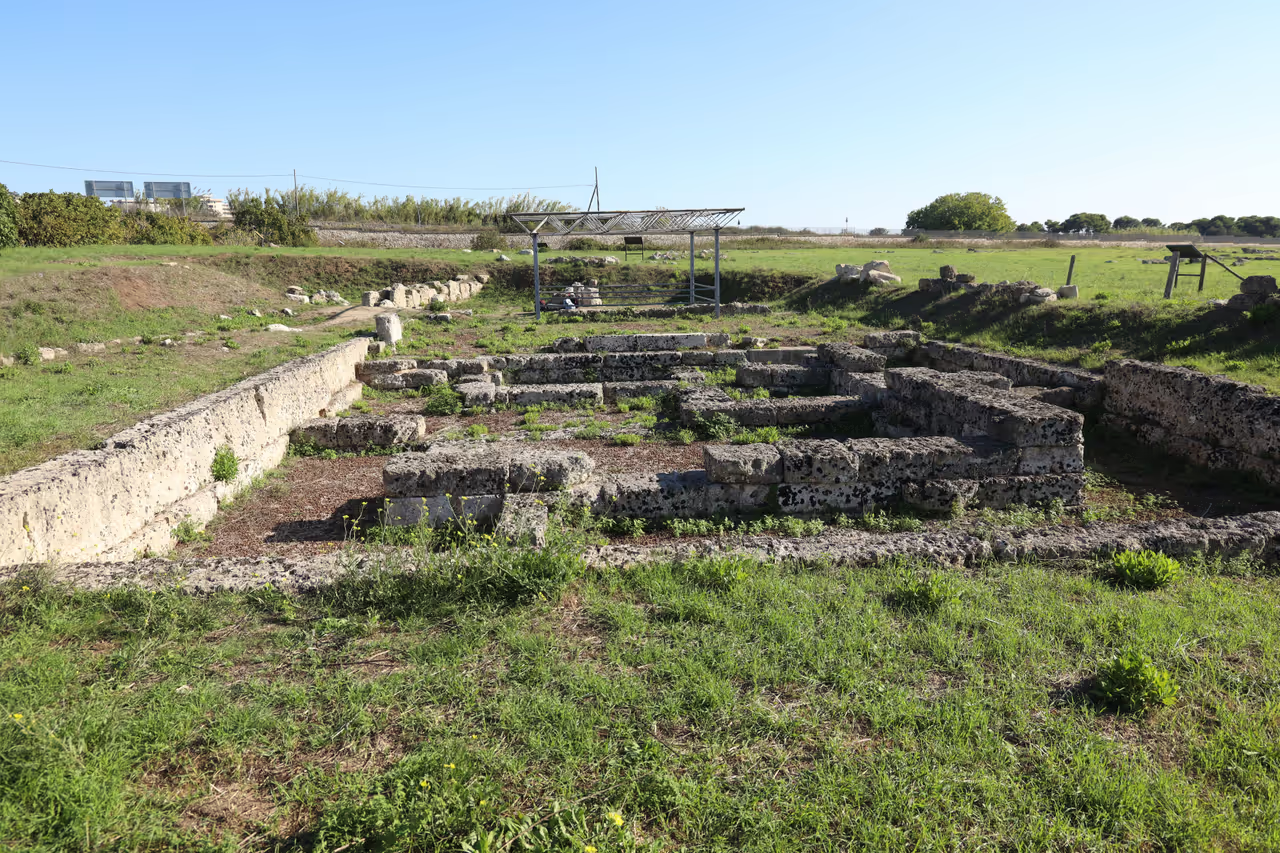
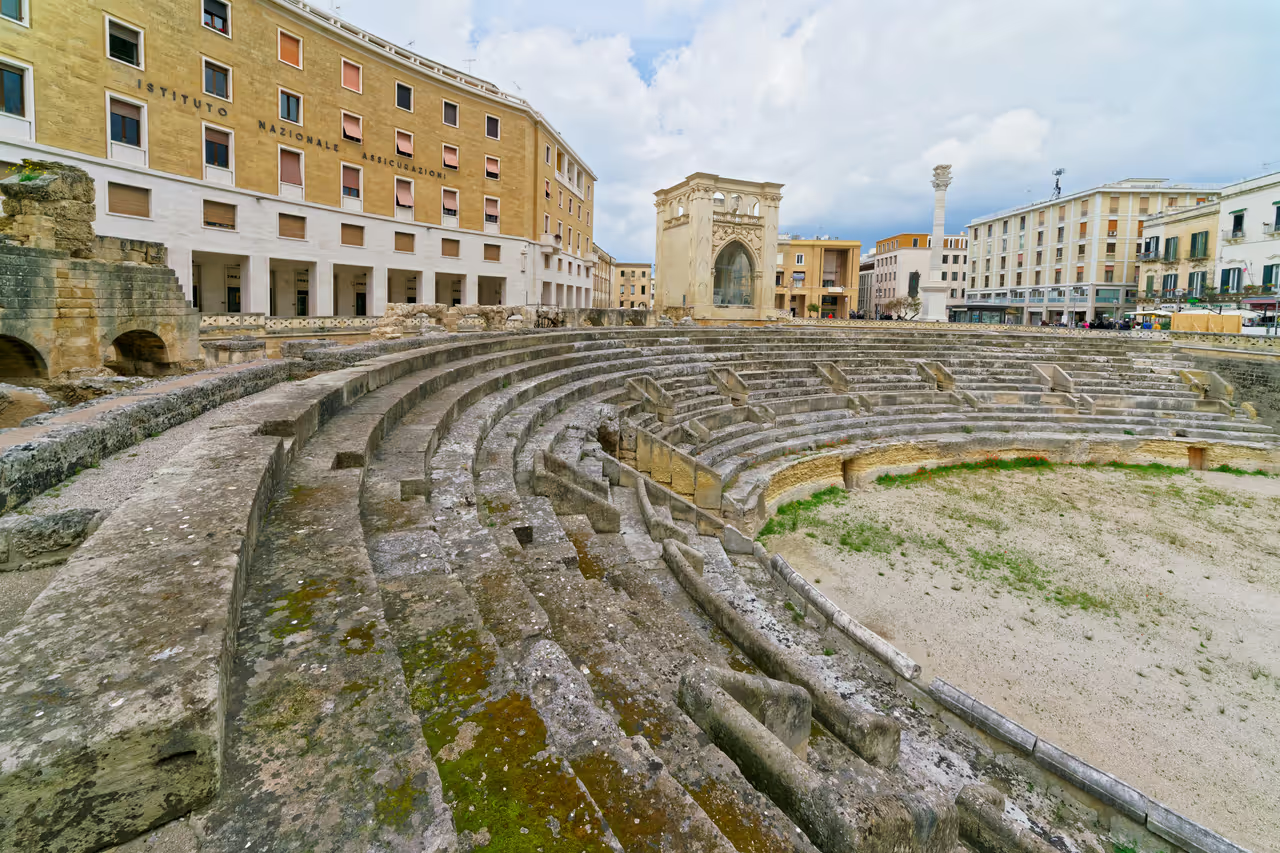
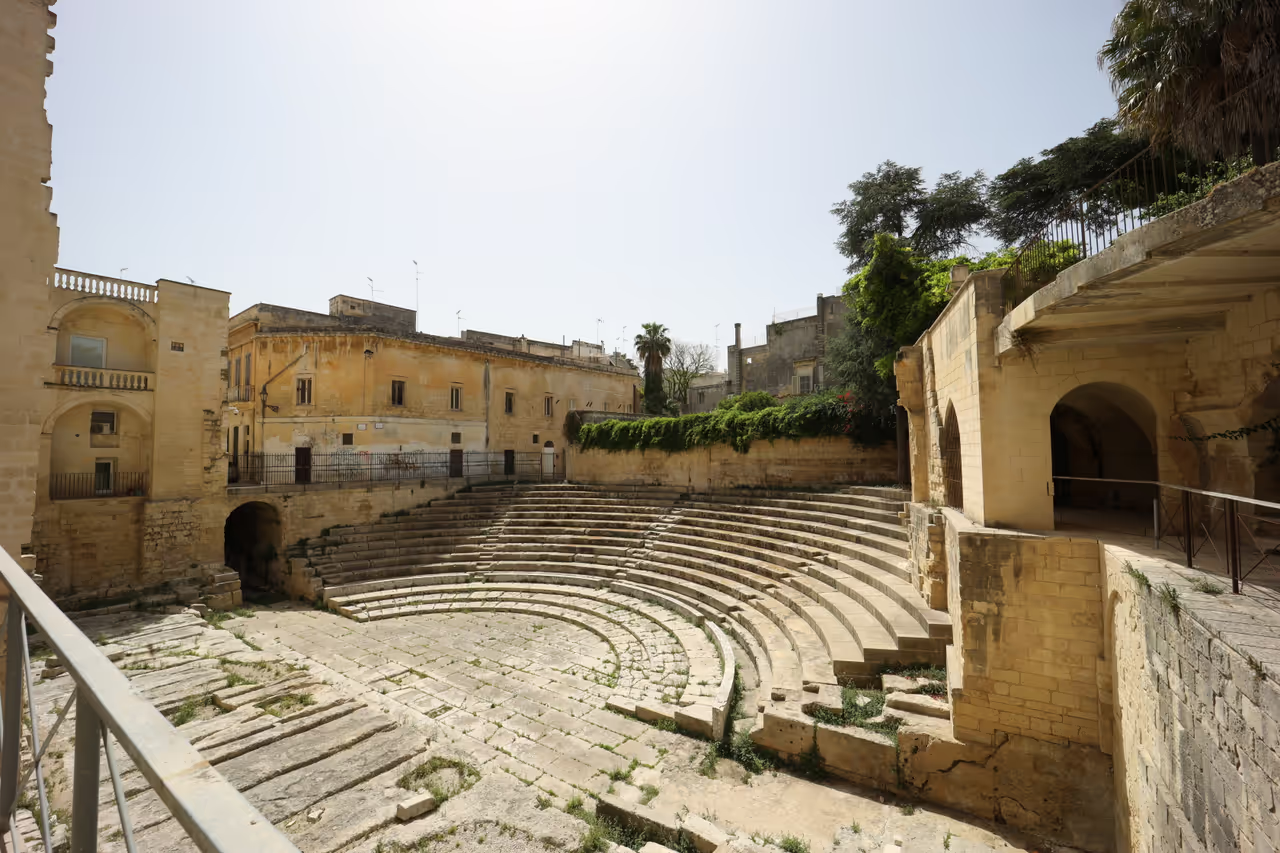
Step back in time at Rudiae, the ancient Messapian city that served as the cradle for some of Italy's most influential figures. Walking through these weathered stone ruins, you can almost hear the echoes of history where the renowned poet Quintus Ennius and the patron saint of Lecce, Saint Oronzo, once walked. Spanning a vast area larger than the nearby Roman city of Lupiae, this site offers a peaceful escape into the past, away from the modern world. Explore the remnants of an amphitheatre and formidable walls that tell stories of a civilisation lost to the ages. It is a profound experience for those who appreciate the quiet dignity of ancient places.
Videos
History of Rudiae Archaeological Site
Rudiae stands as a testament to the complex layers of history in the Salento peninsula. Originally a powerful Messapian settlement, the city reached its peak between the sixth and third centuries BC. It was a place of significant strategic importance where local traditions melded with Greek influence. Most famously, it gave birth to Quintus Ennius, the man who would earn the title of the father of Latin poetry and shape the literary future of Rome. The site flourished for centuries, dominating the surrounding territory with its massive walls and vibrant culture. As the Roman influence expanded, the fate of Rudiae began to shift. The nearby city of Lupiae, the predecessor to modern Lecce, gradually rose to prominence. By the first century AD, Rudiae had effectively faded into the background, transforming from a thriving city into a modest village as power gravitated towards its neighbour. This decline, while marking the end of the city as a major centre, preserved the site in a state of quiet archaeological suspension, free from the heavy urban development that overtook other ancient settlements. For centuries, the exact location of this legendary place remained a puzzle for historians and scholars. Various theories placed it across the Salento region, with some even looking towards the Murge mountains or other towns. It was only through careful study and archaeological excavation that the site near Lecce was confirmed as the true home of Ennius. Today, it offers a window into an ancient world, inviting visitors to wander through the ruins and connect with the profound history that lies beneath the modern landscape.
Events spanning 2730 years
Fun Facts
- • Ancient geographers including Strabo, Pliny the Elder, and Pomponio Mela all wrote about Rudiae, solidifying its status as a noble and significant city in antiquity.
- • During the sixteenth century, the humanist Antonio De Ferrariis correctly hypothesised that the local area known as Rusce was indeed the ancient Rudiae.
- • In the early twentieth century, the site was sometimes mistaken for a suburb of ancient Lecce, but modern archaeology has since corrected this, confirming its distinct and independent status.
- • Legend holds that Saint Oronzo, the patron saint of Lecce, was born here, further cementing the site's importance to local culture and religious history.
- • Rudiae was known in ancient times as the birthplace of Quintus Ennius, who famously claimed to possess three hearts because he could speak Greek, Oscan, and Latin.
- • The archaeological site covers approximately one hundred hectares, which makes it significantly larger than the Roman city of Lupiae in its prime.
- • The poet Silius Italicus once wrote that while Rudiae had faded by his time, it remained memorable solely because it was the home of Quintus Ennius.
- • The site features distinct remnants of an ancient amphitheatre, a necropolis, and impressive defensive walls constructed from calcarenite stone.
- • The site remains a focal point for studies on the Messapians, an ancient people who inhabited the Salento peninsula and left behind a distinct archaeological legacy.
RESOURCES
Official WebsiteRudiae Archaeological Site FAQ
While we strive to keep this information accurate and up to date, we recommend verifying any details independently before making decisions based on them.
Rudiae Archaeological Site Map & Neighborhood Explorer
This interactive map is centered on Rudiae Archaeological Site. Zoom in and move the map around to automatically discover Wikipedia photos and summaries of other nearby sights, monuments, and historical points of interest and stories in real-time!
Places near Rudiae Archaeological Site
Make the most of your trip. Check out these top-rated spots located nearby.
 2420m
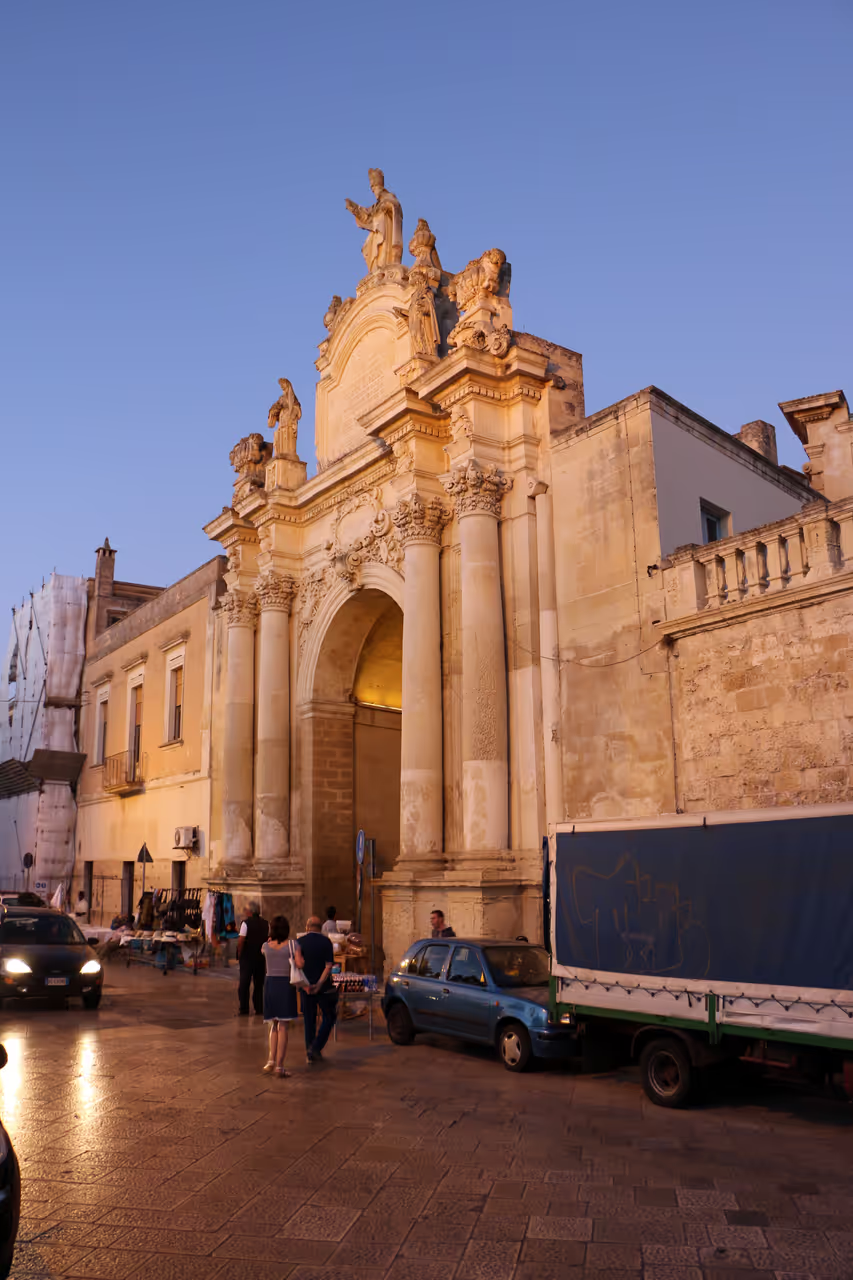
2420mRudiae Gate
Rebuilt in 1703 after the collapse of an older medieval structure, this gate is the most highly decorated and theatrical entrance to the old city. It was designed primarily to impress rather than defend, featuring spectacular statues of Saint Oronzo, Saint Irene and Saint Dominic perched elegantly upon its heavy stone cornices. The incredibly unique inclusion of carved busts representing the mythical founders of the city provides a fascinating nod to classical antiquity. Walking through its grand archway feels like stepping onto an elaborate theatrical stage.
architecture view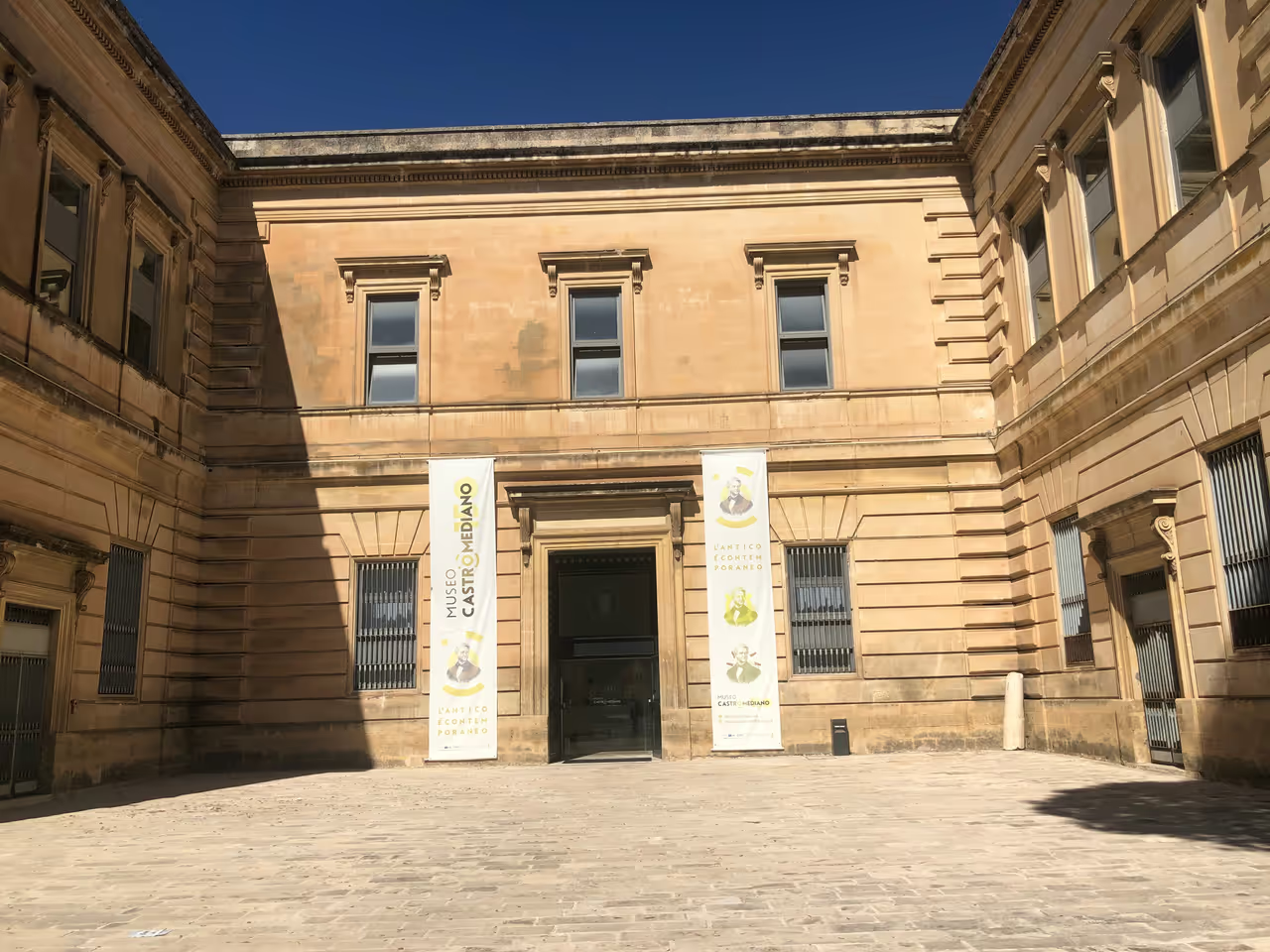 2425m
2425mSigismondo Castromediano Museum
As the oldest museum in the entire region of Puglia, this institution offers an incredibly rich dive into the deep antiquity of the area. The beautifully curated galleries are filled with exquisite Greek and Roman pottery, ancient Messapian artefacts and fascinating underwater archaeological discoveries. The layout is highly accessible, featuring dramatic lighting that highlights the intricate details of the ancient ceramics. Best of all, it offers free entry, making it an absolute must visit for anyone remotely interested in the complex history of the Mediterranean.
highlight view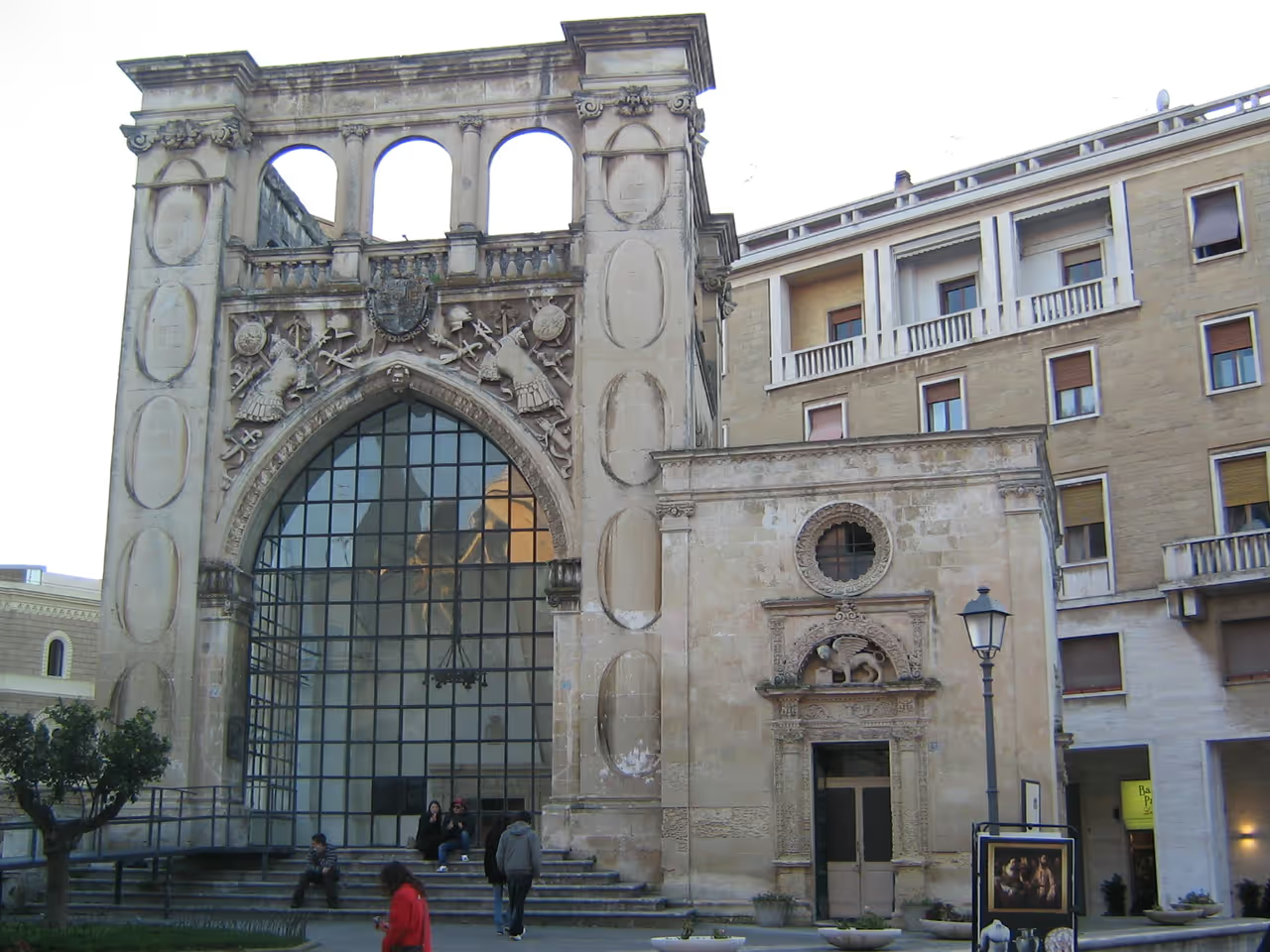 2431m
2431mChurch of San Marco
Sitting quietly right next to the highly prominent Sedile in the main square, this tiny, unassuming church is a remarkable historical footprint. It was built by a wealthy colony of Venetian merchants who resided in the city to manage their lucrative trading networks. The facade features the iconic Winged Lion of Saint Mark, a proud symbol of the Venetian Republic sitting deep in southern territory. It is a fascinating, easily missed reminder of the powerful, far reaching commercial importance the city once held.
hidden gem view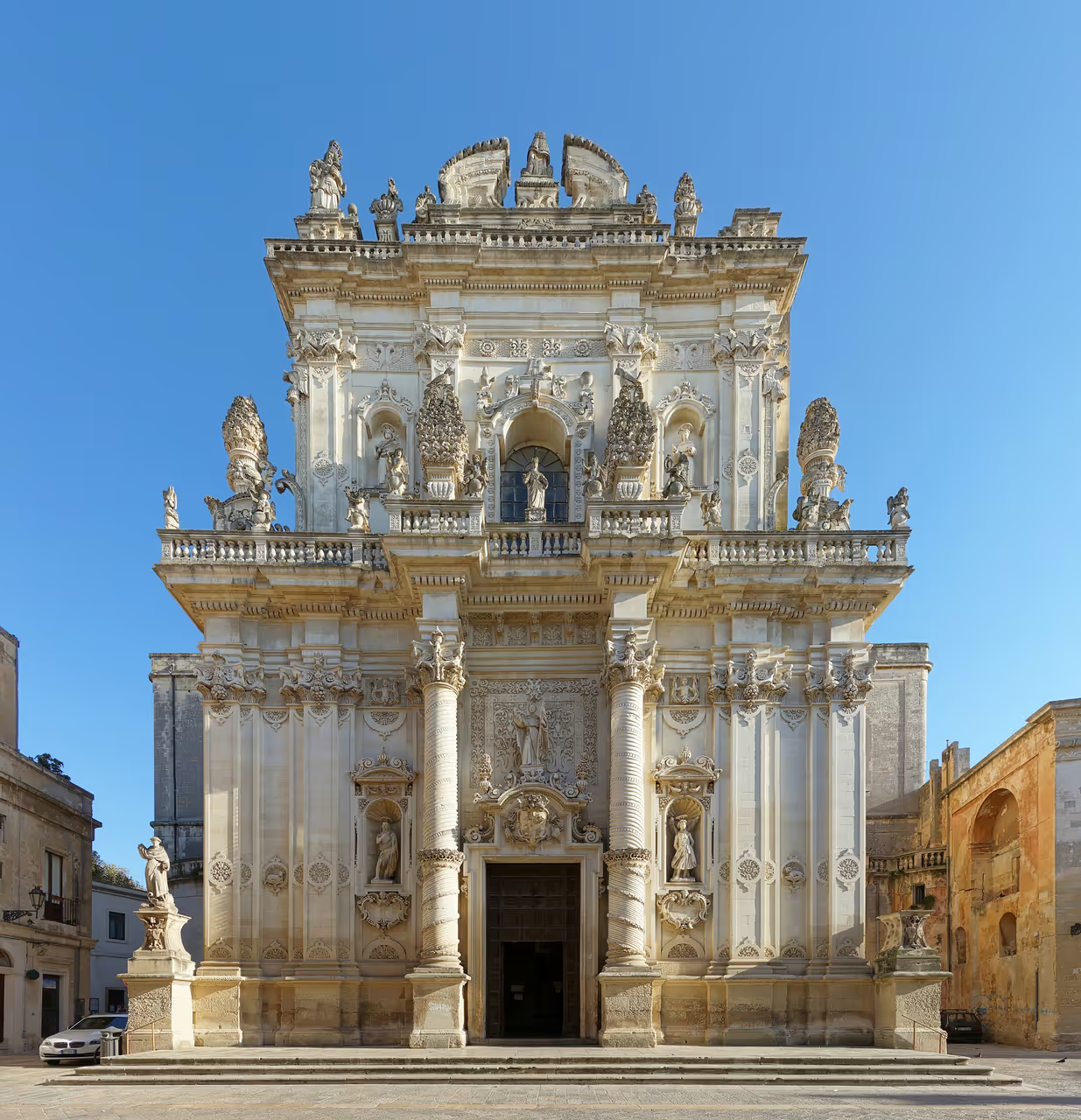 2434m
2434mChurch of Saint John the Baptist
Completed in the early eighteenth century, this spectacular church represents the magnificent final flowering of the local baroque style. The towering facade is a masterpiece of verticality, defined by incredibly striking grooved stone columns and intricate balustrades. The astonishingly detailed stone flower baskets carved near the main entrance are considered some of the finest examples of the local stonemasonry craft. It offers an incredibly theatrical and elegant presence situated just steps away from the western city gate.
architecture view
Featured on This Route
See all nature & parks in Lecce
Rauccio Woods and Marshes Regional Natural Park, San Cataldo Nature Reserve, Torre del Parco...