Rome
Full City Guide, Map & 114 Things To Do
2,748,109 people live here.
That's 4.5% of the entire population of Italy.
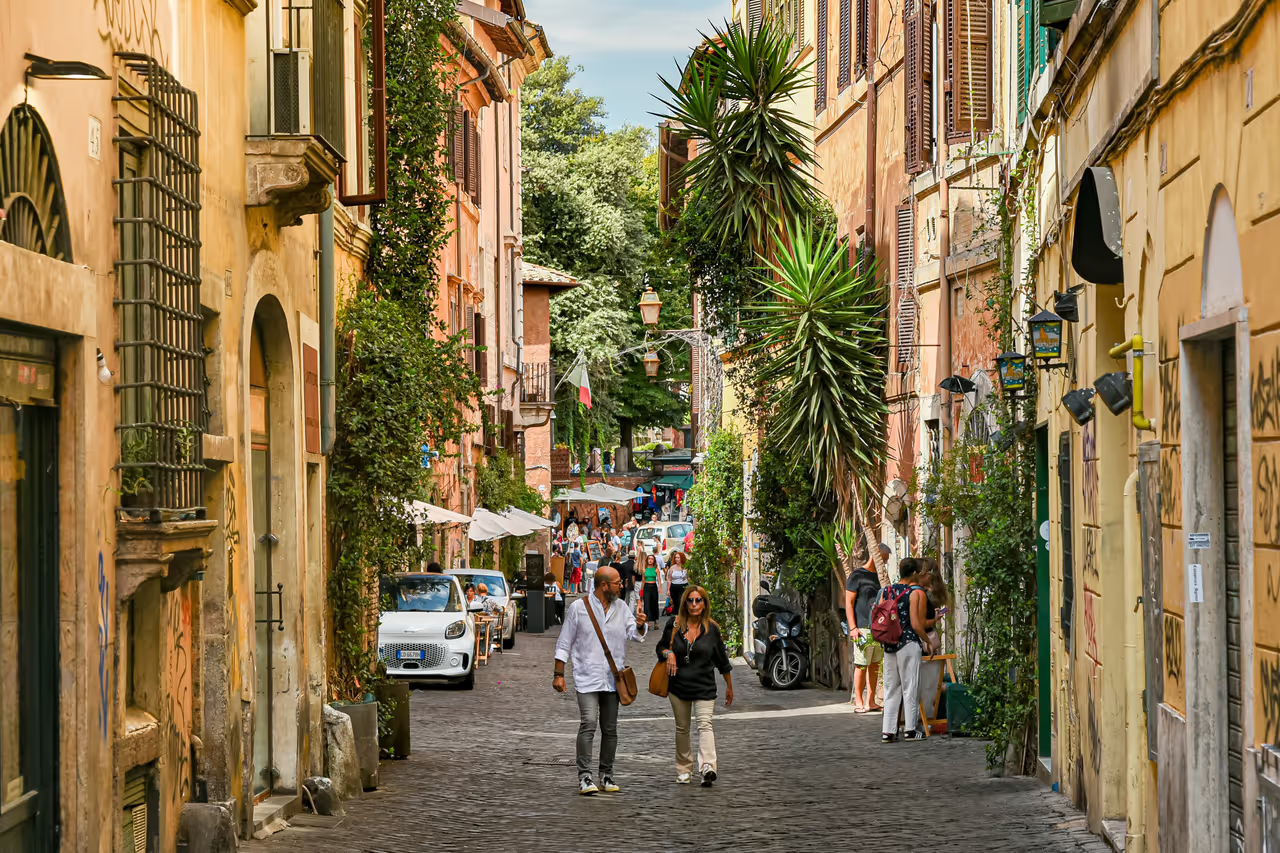
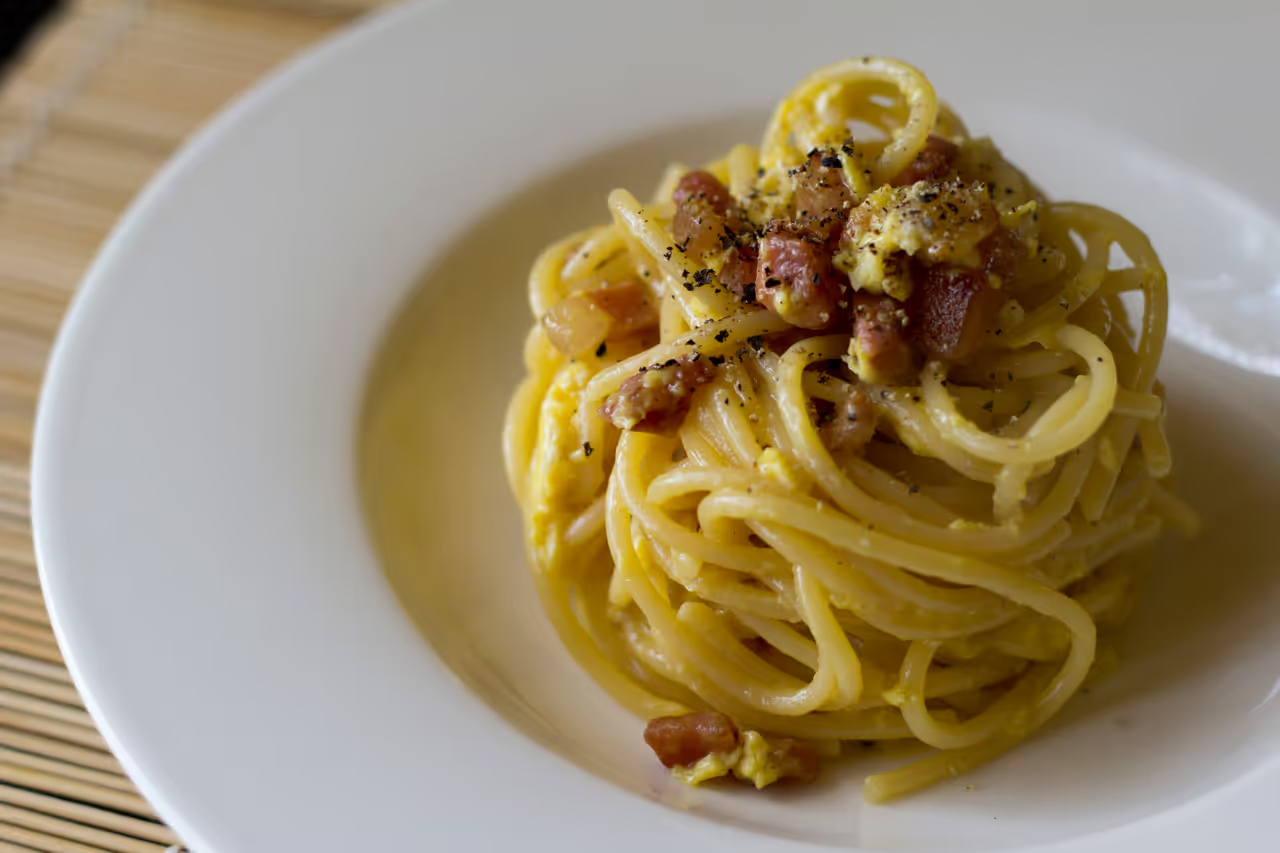
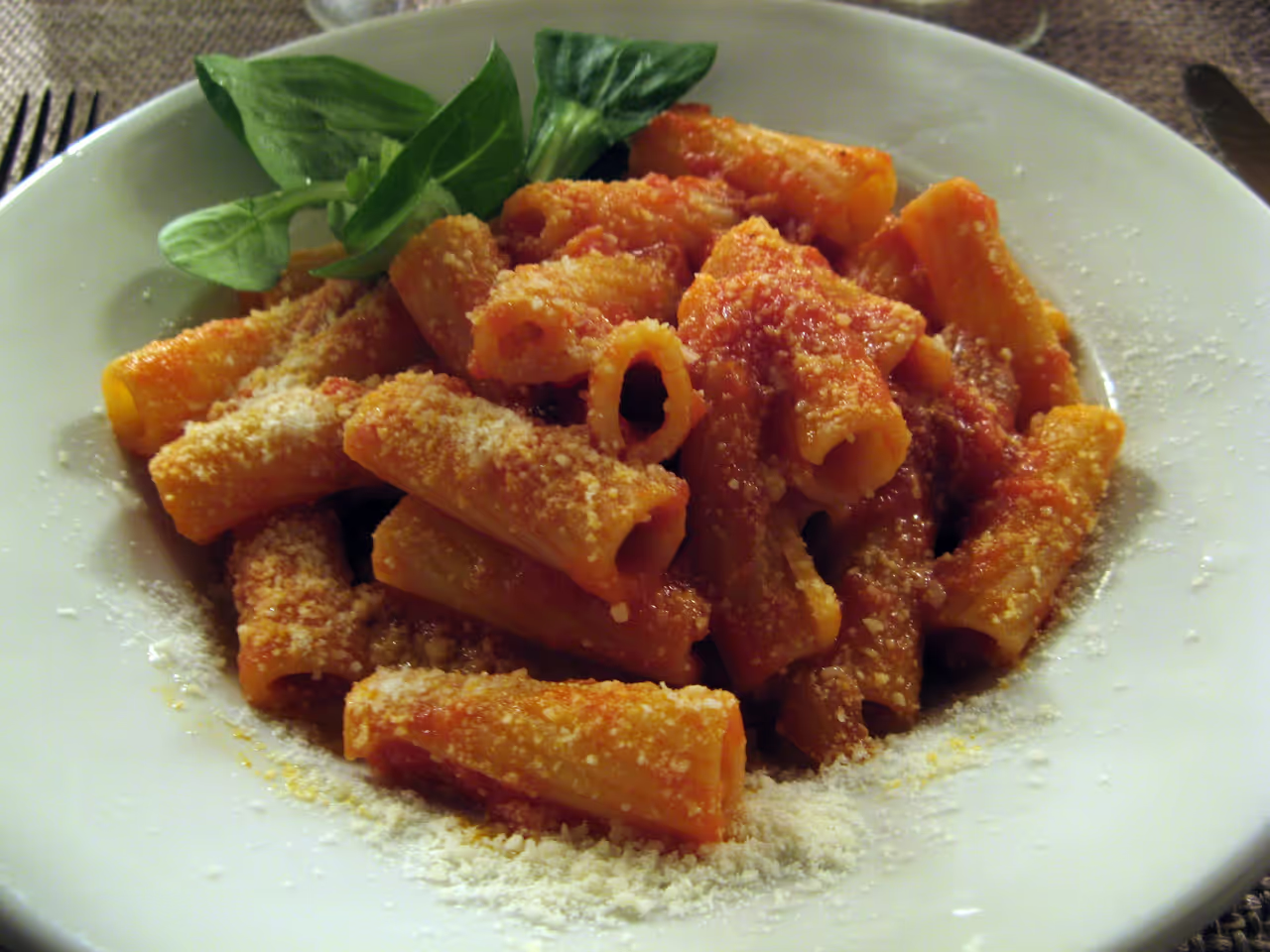
Rome carries its history in layers: the Basilica of San Clemente stacks a 12th-century church over a 4th-century one, over a 1st-century Roman house and Mithraic temple, all open to descend through on one ticket. The Pantheon's dome, poured in unreinforced concrete nearly two thousand years ago, is still the largest of its kind, and rain falls straight through the oculus onto the marble floor below. Trastevere's alleys stay narrow enough that scooters barely clear the outdoor tables, and Campo de' Fiori runs a produce market each morning on the same square where Giordano Bruno was burned for heresy in 1600, marked now by a small statue. Cacio e pepe, made with only pecorino, black pepper, and pasta water, is treated with a seriousness Romans reserve for little else in the kitchen. Beneath the city, subway construction routinely stalls for years when crews hit undocumented ruins, since Roman law requires excavation before digging continues. By evening, Romans fill Via del Corso for the passeggiata, an early-evening stroll that's as much about socialising and being seen as about getting anywhere.
Rome DNA
History of Rome
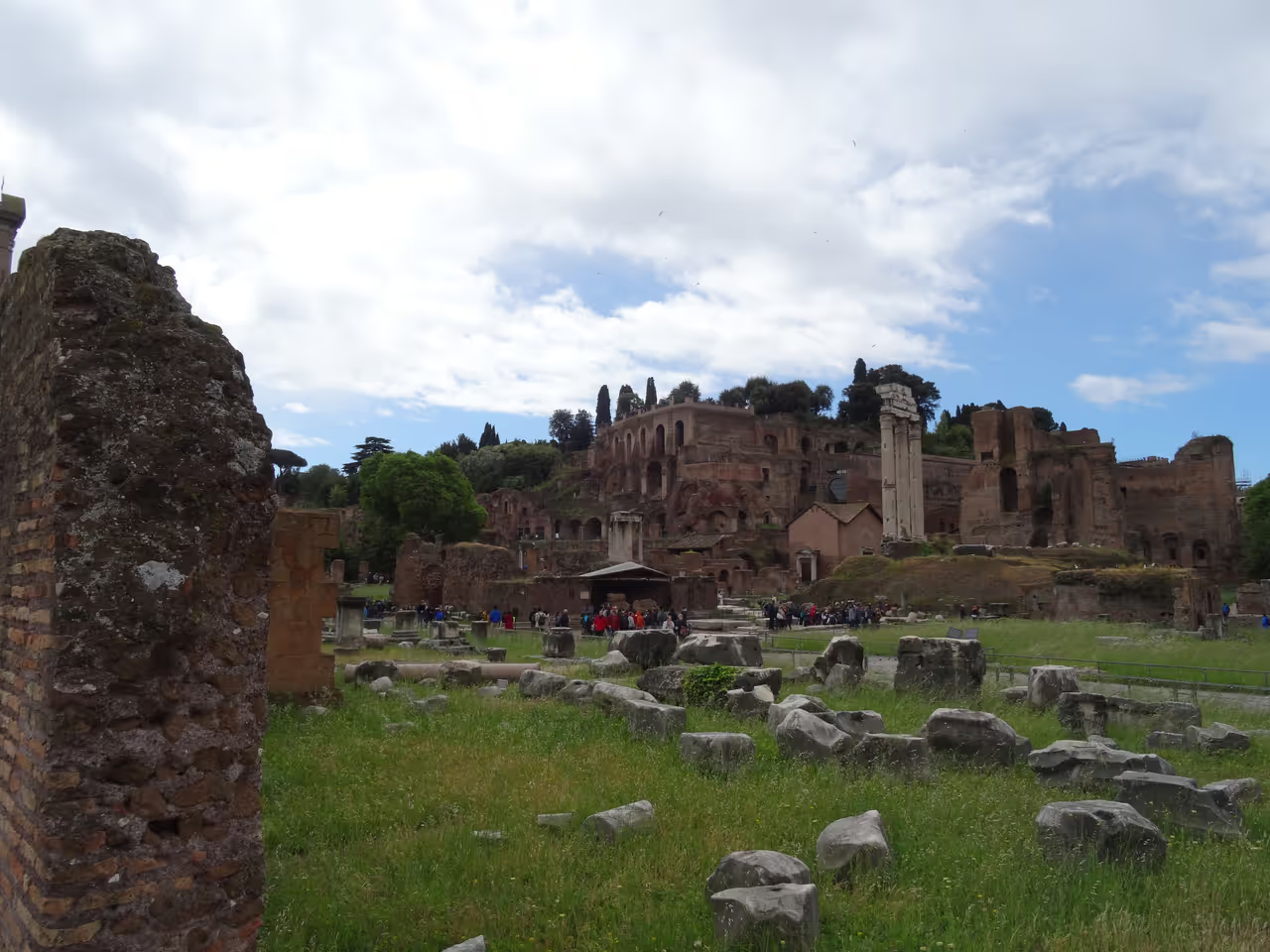
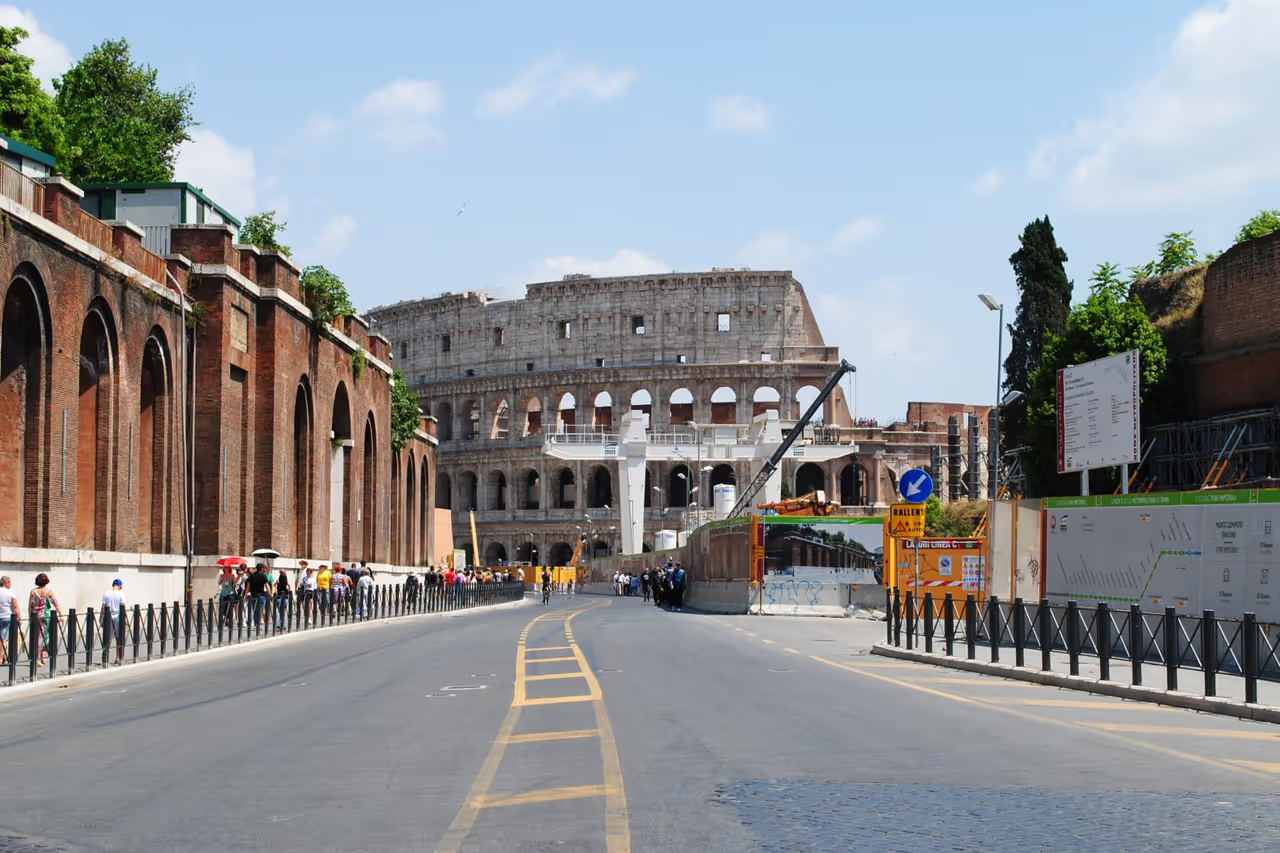
According to legend, the city was founded in the eighth century BC by the mythical twins Romulus and Remus, who were saved from the river Tiber and raised by a she wolf. Romulus dragged a bronze ploughshare through the dirt of the Palatine Hill in 753 BC to carve out a sacred boundary known as the pomerium. To step over this line uninvited was an act of war, a rule enforced immediately when his brother Remus jumped the furrow and was killed for the transgression. This ruthless pragmatism defined the early centuries of the settlement as it overthrew its Etruscan monarchs and established a republic. Patrician senators and plebeian workers fought bitterly over laws and land, eventually forging a military machine that swallowed the Mediterranean. Triumphant generals returned to the Forum to nail the bronze prows of captured Carthaginian warships to the wooden speaker's platform. Brick structures gave way to marble as the republic collapsed into an empire. Augustus remapped the streets and established the first fire brigade, while later emperors built purely to dazzle the masses. The Flavians funded the construction of the Colosseum using the spoils of their eastern campaigns, turning a private imperial lake into a public arena. Shoppers haggled over spices and silk in the tiered corridors of Trajan's Market, their voices competing with the constant clatter of wooden cartwheels on the paving stones outside. When the empire finally fractured under the weight of invasions, Constantine hastily erected his triumphal arch next to the amphitheatre, scavenging statues from the monuments of previous rulers to finish the job quickly. Water stopped flowing into the city when invading armies severed the ancient aqueducts. The population plummeted, and the surviving residents clustered tightly in the Campus Martius near the Tiber to pull drinking water directly from the muddy river. Power shifted entirely from the Senate to the Bishop of Rome. The city fractured into violent fiefdoms controlled by baronial families who repurposed ancient ruins into personal fortresses. The Frangipane clan turned the Colosseum into a castle, while other nobles erected hundreds of brick towers that scraped the medieval sky. Charlemagne felt the cold floor of Old St Peter’s Basilica against his knees on Christmas Day 800, receiving the imperial crown from Pope Leo III in a calculated move that forever tied the fate of the city to the papacy. A devastating sack by mutinous imperial troops in 1527 left the streets in ruins, yet the disaster provoked a feverish era of reconstruction. Popes tore down cramped medieval blocks to carve wide avenues connecting the major pilgrimage basilicas. Sculptors and architects fought bitterly for the most lucrative commissions. Francesco Borromini once carved a pair of donkey ears into the facade of a building just to insult a rival neighbour. Gian Lorenzo Bernini dominated the squares, shaping travertine into dramatic rivers and twisting saints. Water returned in abundance as pontiffs restored the ruined aqueducts, eventually feeding the theatrical cascade of the Trevi Fountain with the same springs that had served the ancients. A cannonball shattered the ancient Aurelian Walls near Porta Pia on the morning of 20 September 1870. Italian infantry poured through the breach, ending centuries of papal rule and dragging the city into a unified Italy. The new government rapidly bulldozed the sprawling, aristocratic gardens of Villa Ludovisi to lay down a rigid grid of modern apartment blocks for bureaucrats. Fifty years later, the fascist regime cut Via dei Fori Imperiali directly through densely populated medieval neighbourhoods to create a parade route framing the Colosseum. Locals today still navigate this layered landscape on their daily commutes. Mopeds dodge uneven cobblestones around Piazza Venezia, circling the immense white marble steps of the Altare della Patria on their way across the river.
14 Events spanning 2713 years
Map of Rome
Interactive Destination & Itinerary Map
This map blends our curated city guides—featuring best photo spots, scenic walks, viewpoints, hidden gems and much more—with a live Wikipedia explorer. Click on our numbered pins to plan your routes, or zoom in on the surrounding neighborhoods to discover verified local landmarks, museums, and stories with dynamic Wikipedia summaries and photos!
Fun Facts
- • Cats are officially recognised as part of the biocultural heritage of the capital, allowing them to roam freely and protected among the ancient ruins.
- • The Trevi Fountain collects over one million euros in coins each year, which are traditionally gathered and donated to a Catholic charity to help the needy.
- • The city contains a fully independent sovereign state within its borders, making it the only place in the world to completely encompass another country.
- • There are more than two thousand five hundred public drinking fountains scattered across the streets, locally known as big noses due to their distinctive spout shape.
- • Ancient Romans used imported flamingo tongues and peacock brains in their grand banquets, showcasing extreme and bizarre culinary extravagance.
Did You Know?
- • The Pantheon still features the largest unreinforced concrete dome in the entire world, a testament to unparalleled ancient engineering skills.
- • At its peak during the second century, the imperial capital was home to over one million inhabitants, a population size not reached by London until the nineteenth century.
- • The sprawling urban area encompasses more than nine hundred churches, representing an incredible continuous timeline of religious architecture from early Christian to modern times.
- • The historic centre is entirely protected as a World Heritage site, containing an unparalleled concentration of ancient monuments and Renaissance palaces.
- • The extensive network of underground catacombs stretches for hundreds of kilometres beneath the modern streets, originally serving as burial grounds for early Christians.
Videos of Rome
Seasons
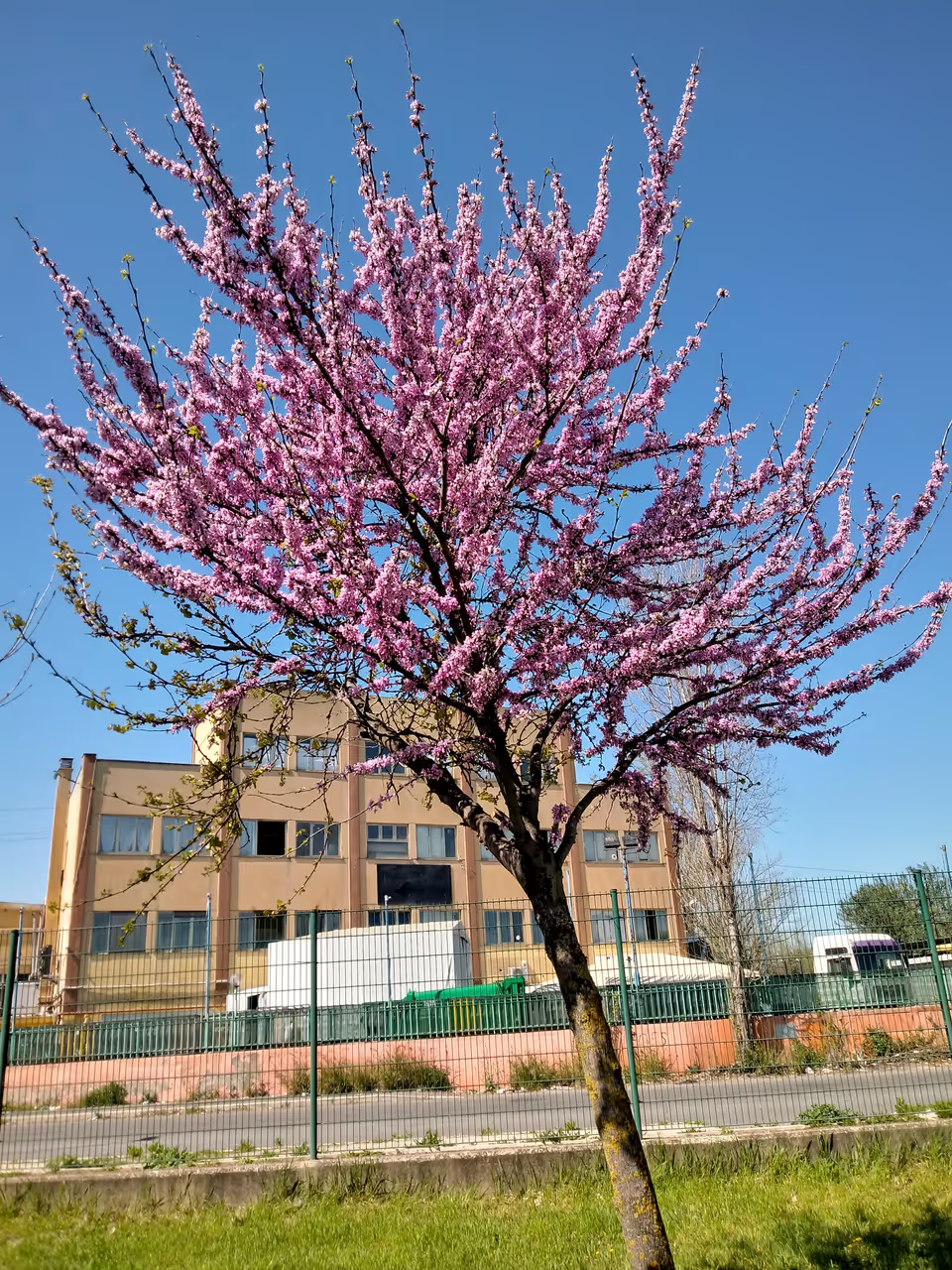
Spring
This is widely considered the absolute best time to visit, as the city emerges from winter with spectacularly mild, pleasant...
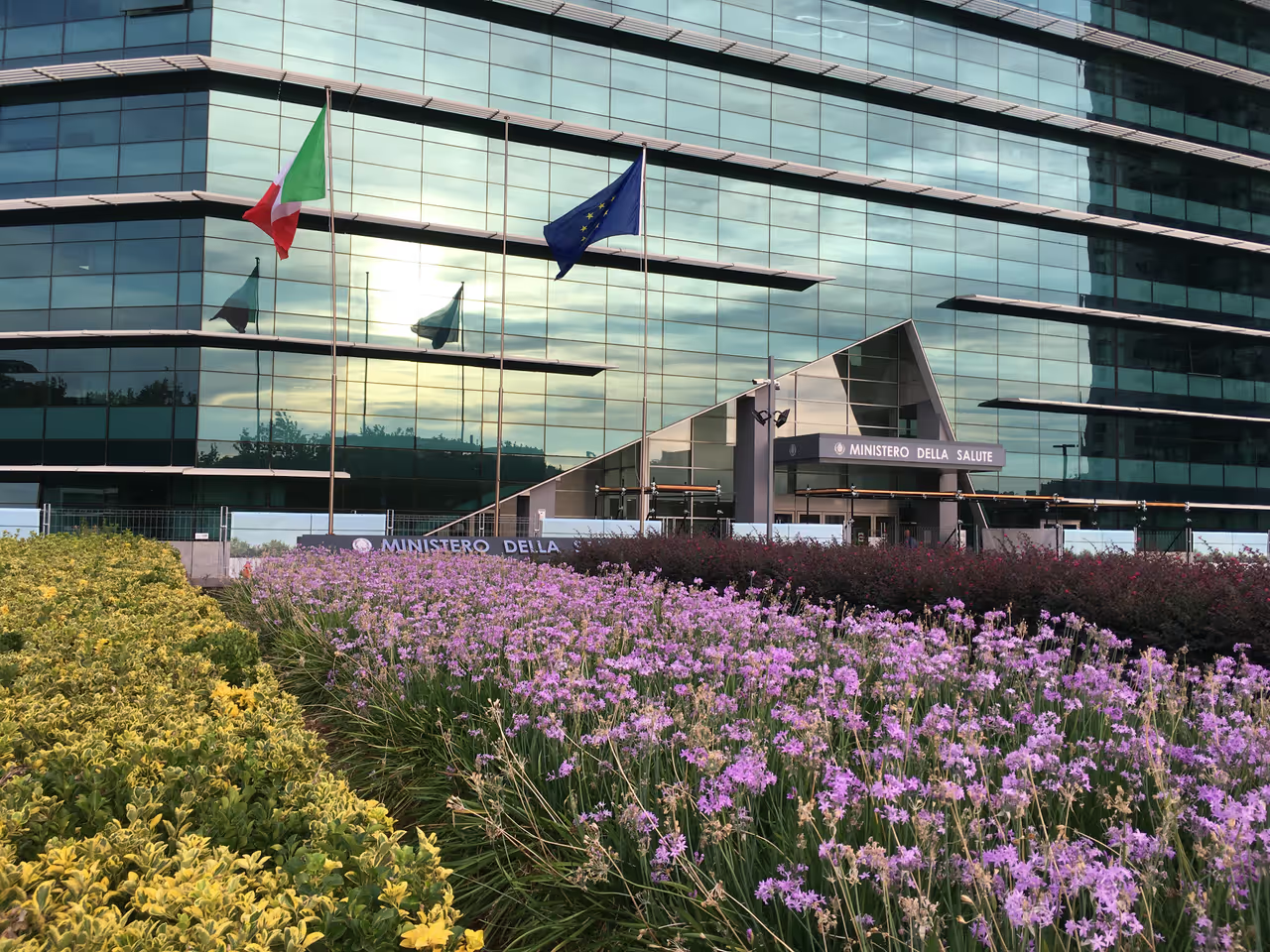
Summer
The hot, incredibly sunny months bring a heavy, slow paced, and deeply passionate energy to the ancient streets. While the...
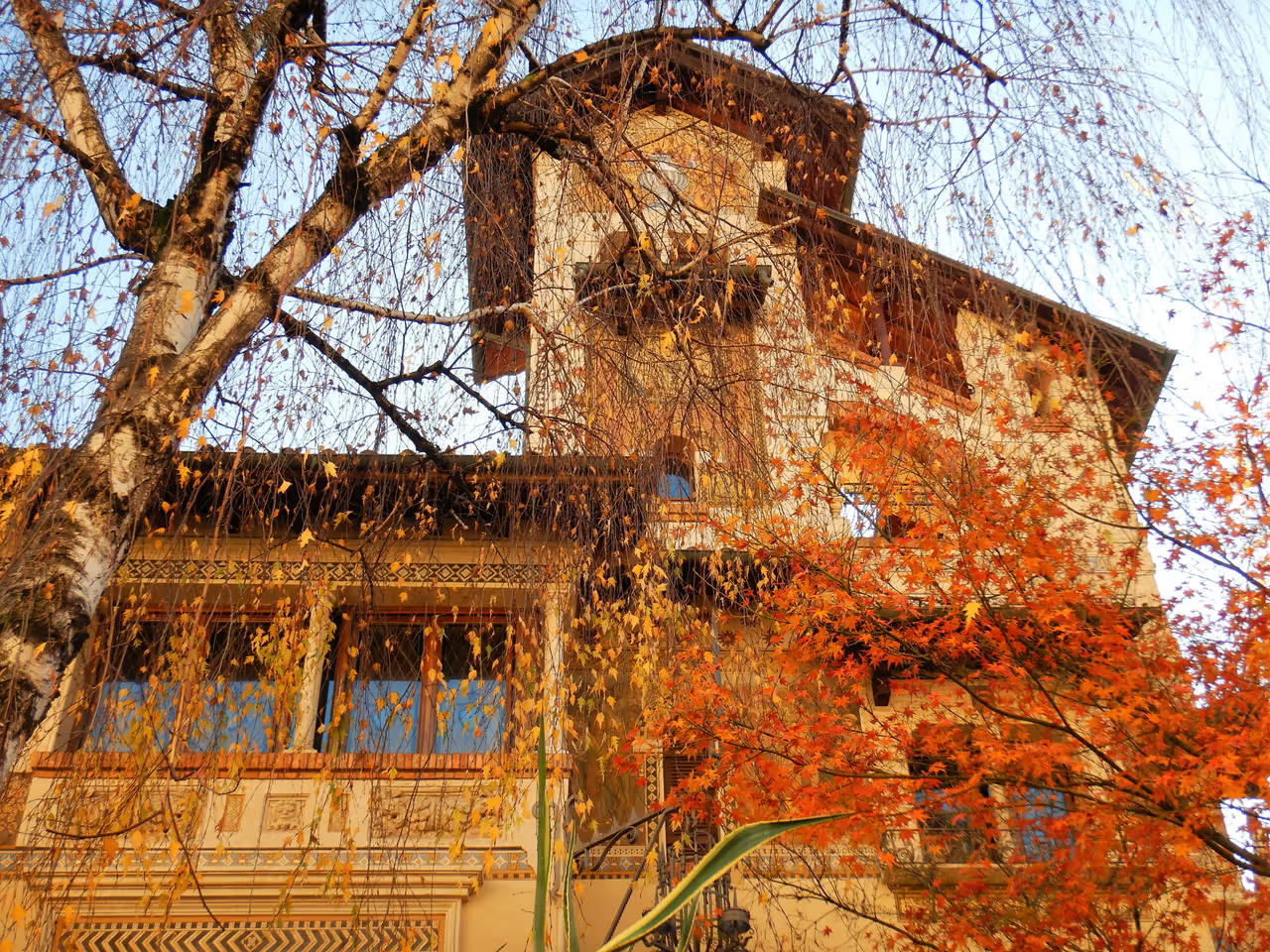
Autumn
The weather remains wonderfully warm well into October, a period locally known as the Ottobrata Romana, known for its beautiful...
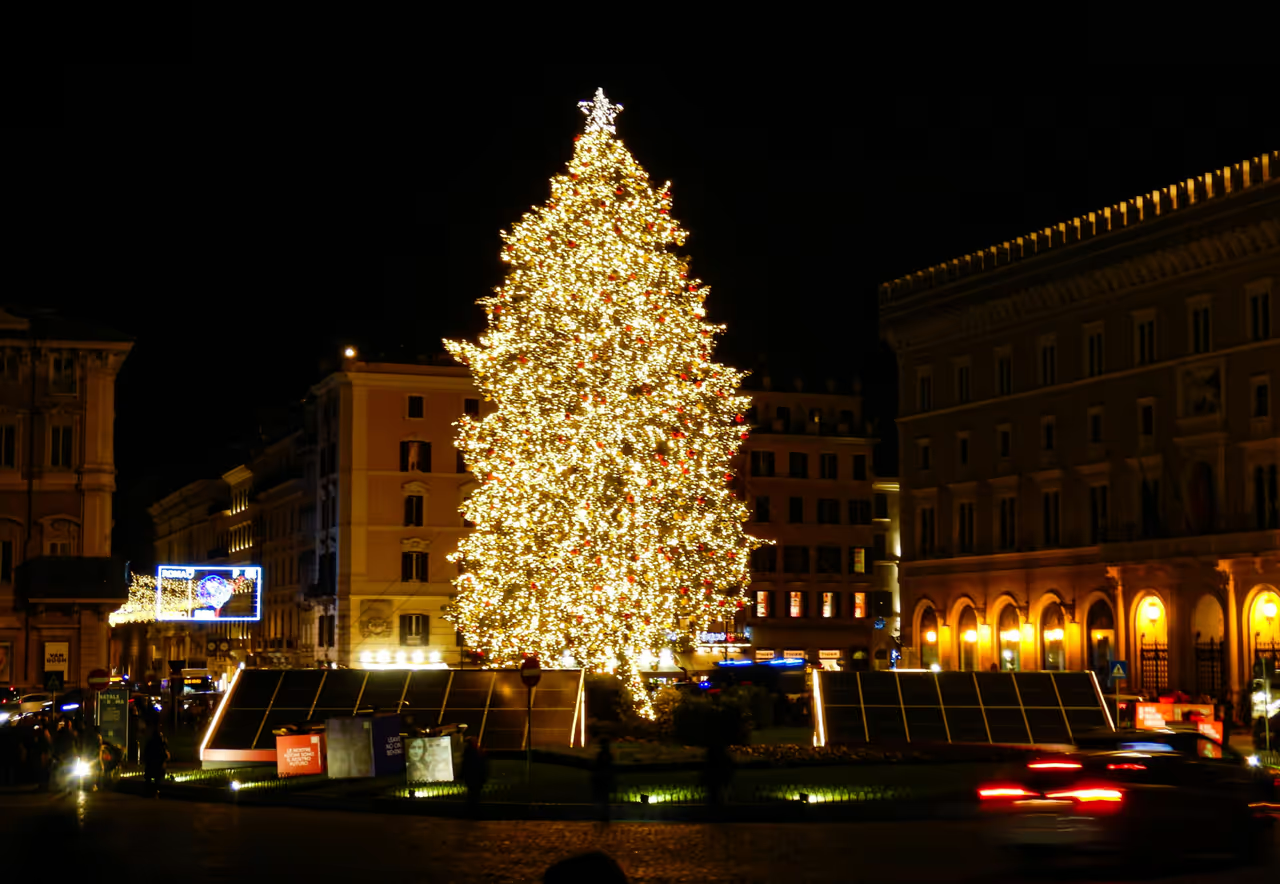
Winter
While occasional rain showers are common, the temperatures remain relatively mild, and the city enjoys a distinctly quiet...
Top Attractions in Rome
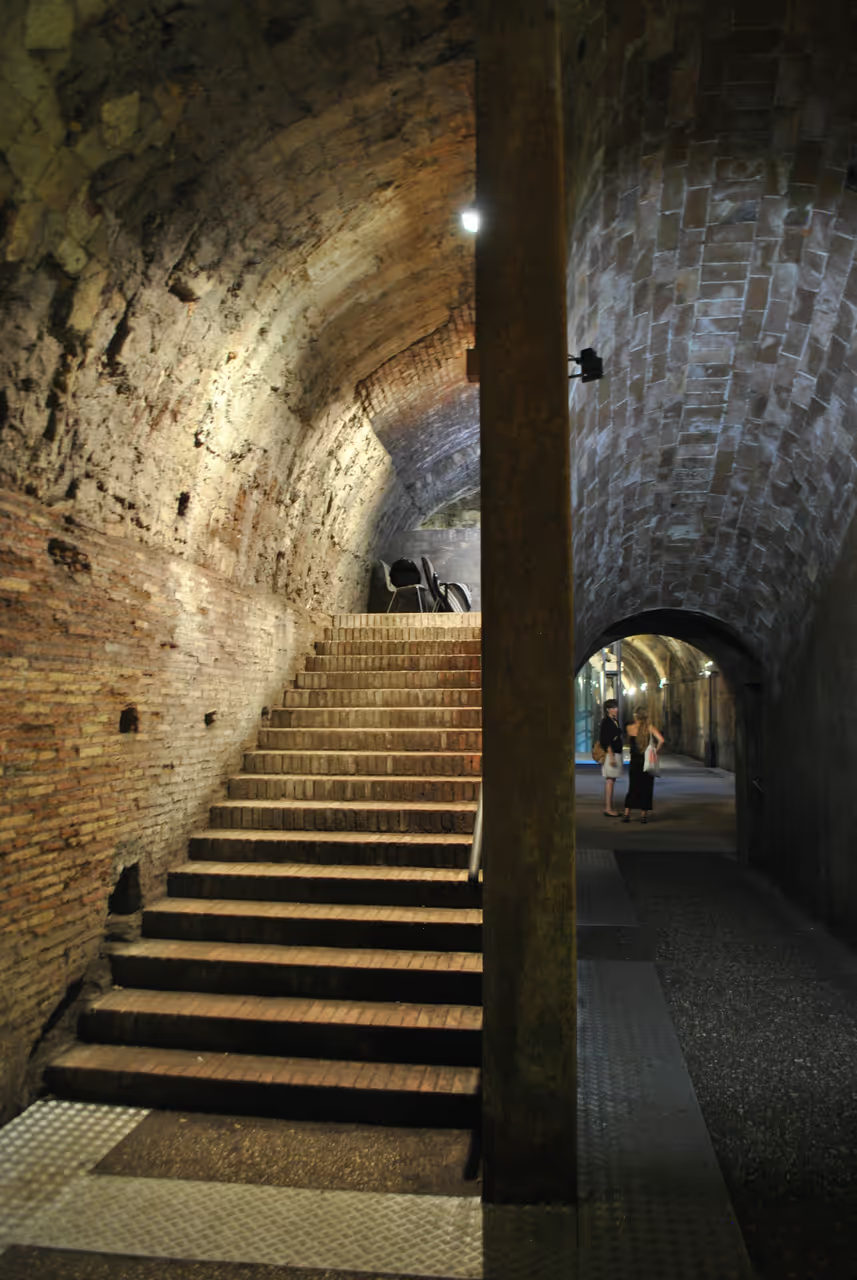
Baths of Caracalla
Step into a world where the scale of ancient engineering will leave you breathless. The Baths of Caracalla are a testament to...
view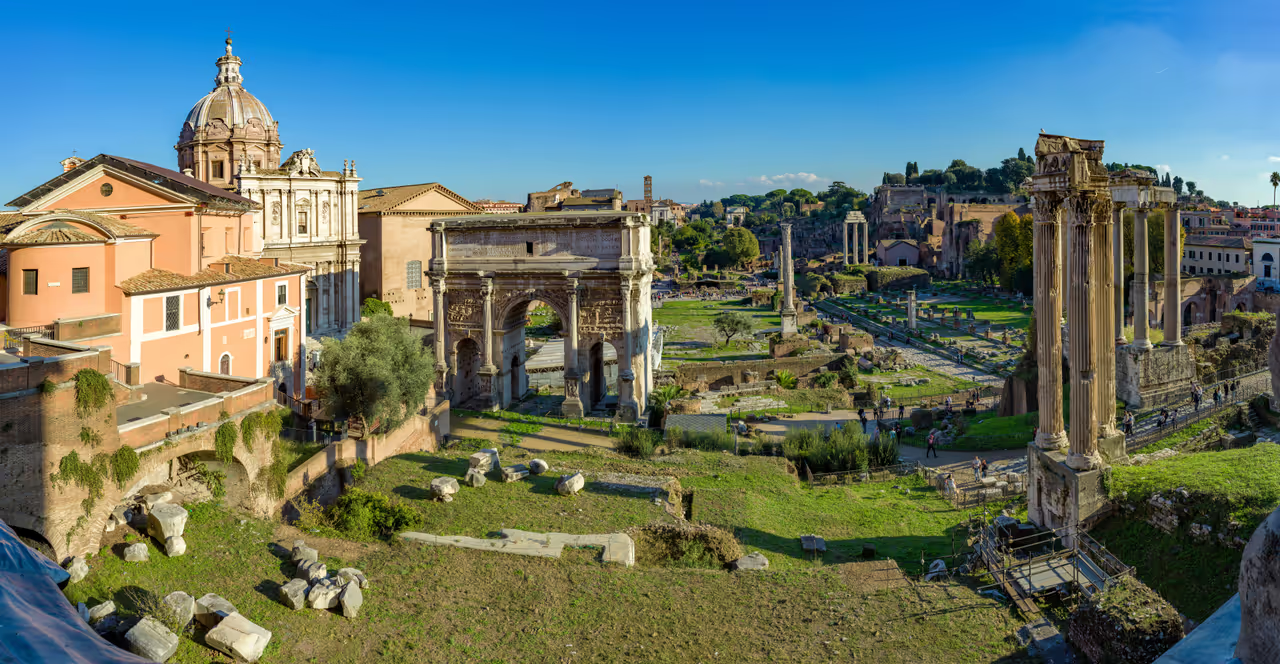
Capitoline Museums
Perched atop the legendary Capitoline Hill, this extraordinary museum complex offers an immersive journey through the heart of...
view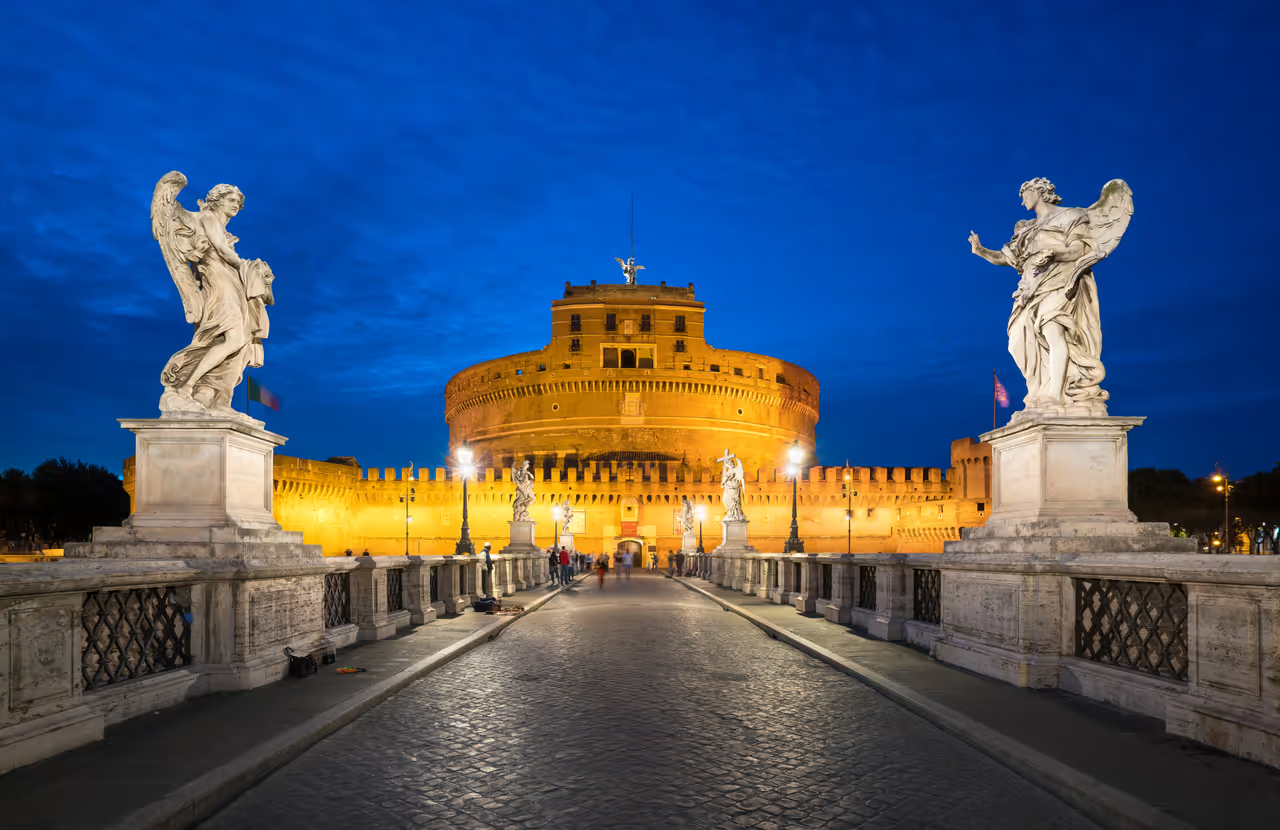
Castel Sant'Angelo
Standing as a colossal guardian over the River Tiber, this fortress is a monumental witness to nearly two thousand years of...
view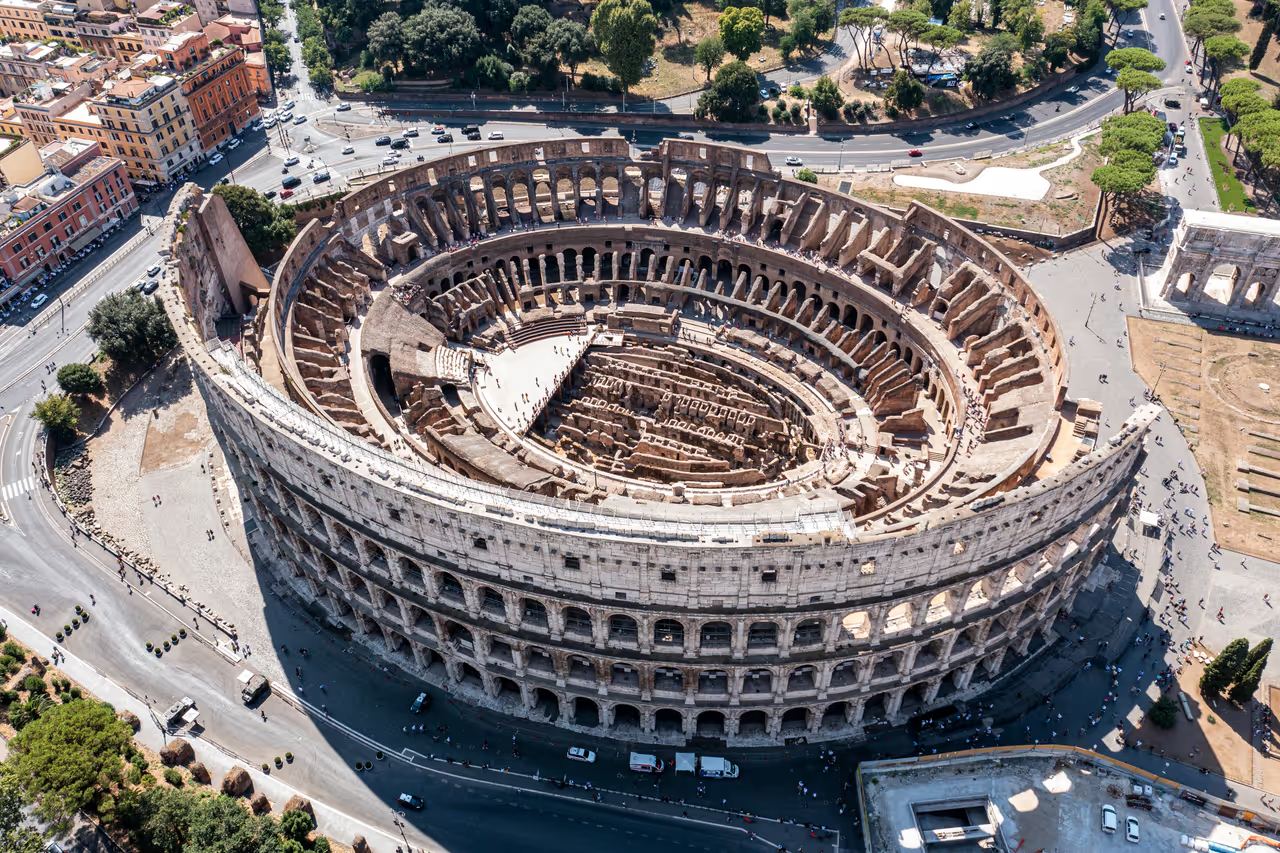
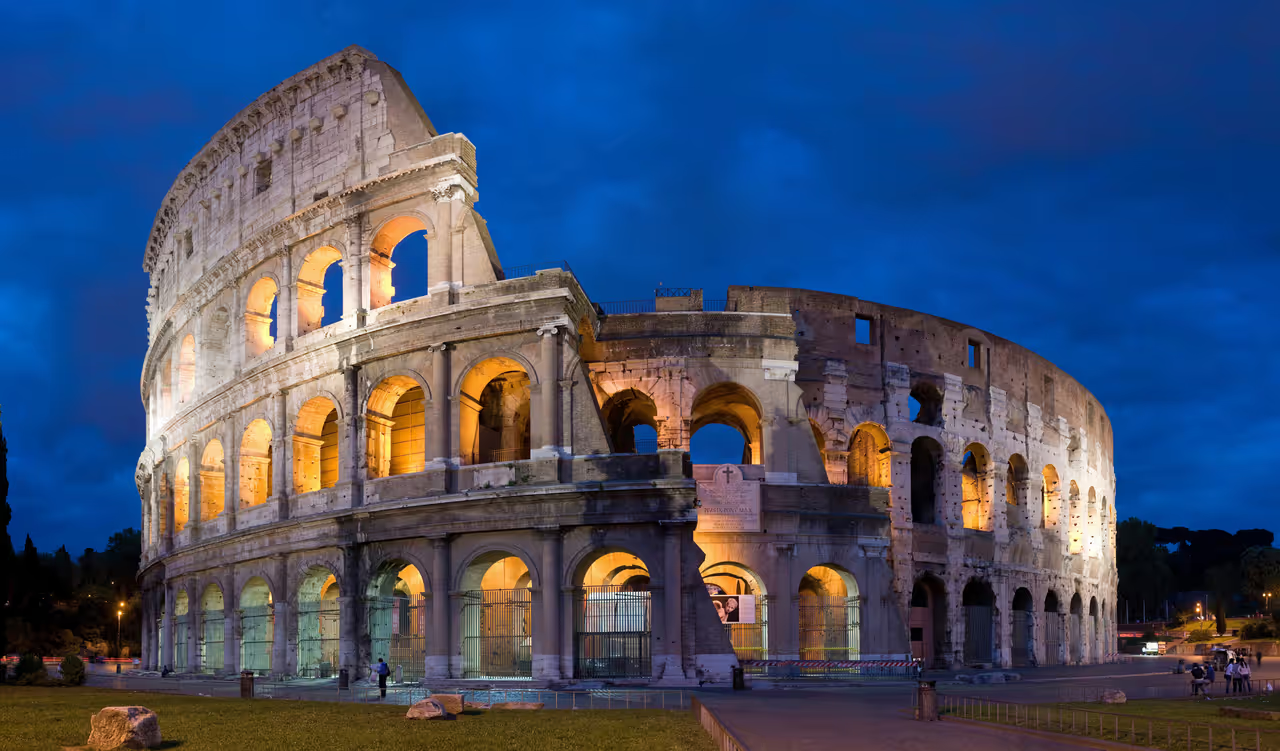
Colosseum
The Colosseum stands as the grandest monument of the Roman Empire, a stone giant that has witnessed centuries of drama and...
view
Best Views
Rome Itineraries
TRIP PLANNER
4 Days Recommended
Four days provide the perfect balance for uncovering the extensive layers of the capital. This allows sufficient time to dedicate full days to the ancient centre and the Vatican without feeling rushed. It also leaves room to enjoy leisurely meals, explore hidden districts, and embrace the local lifestyle.
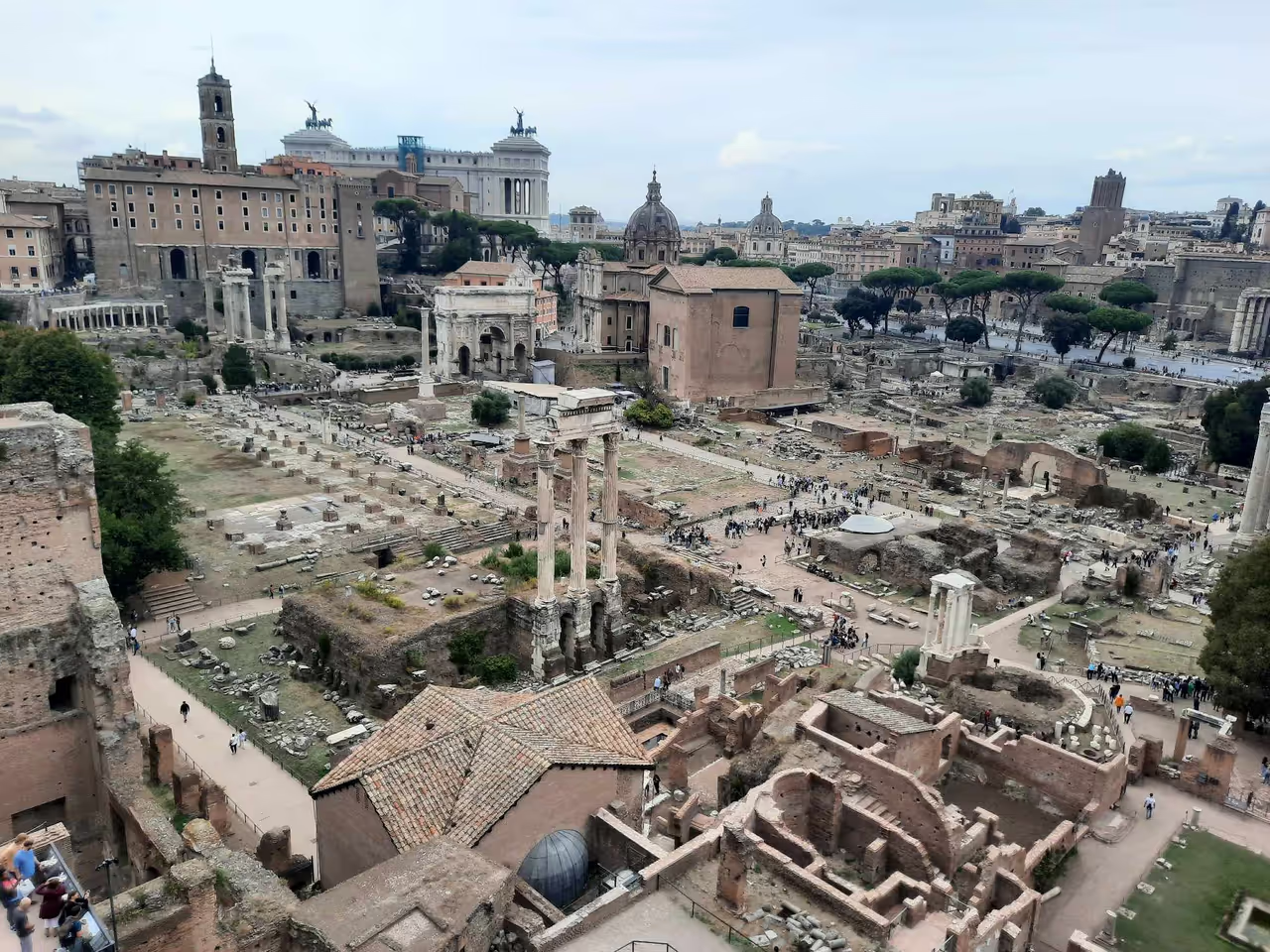
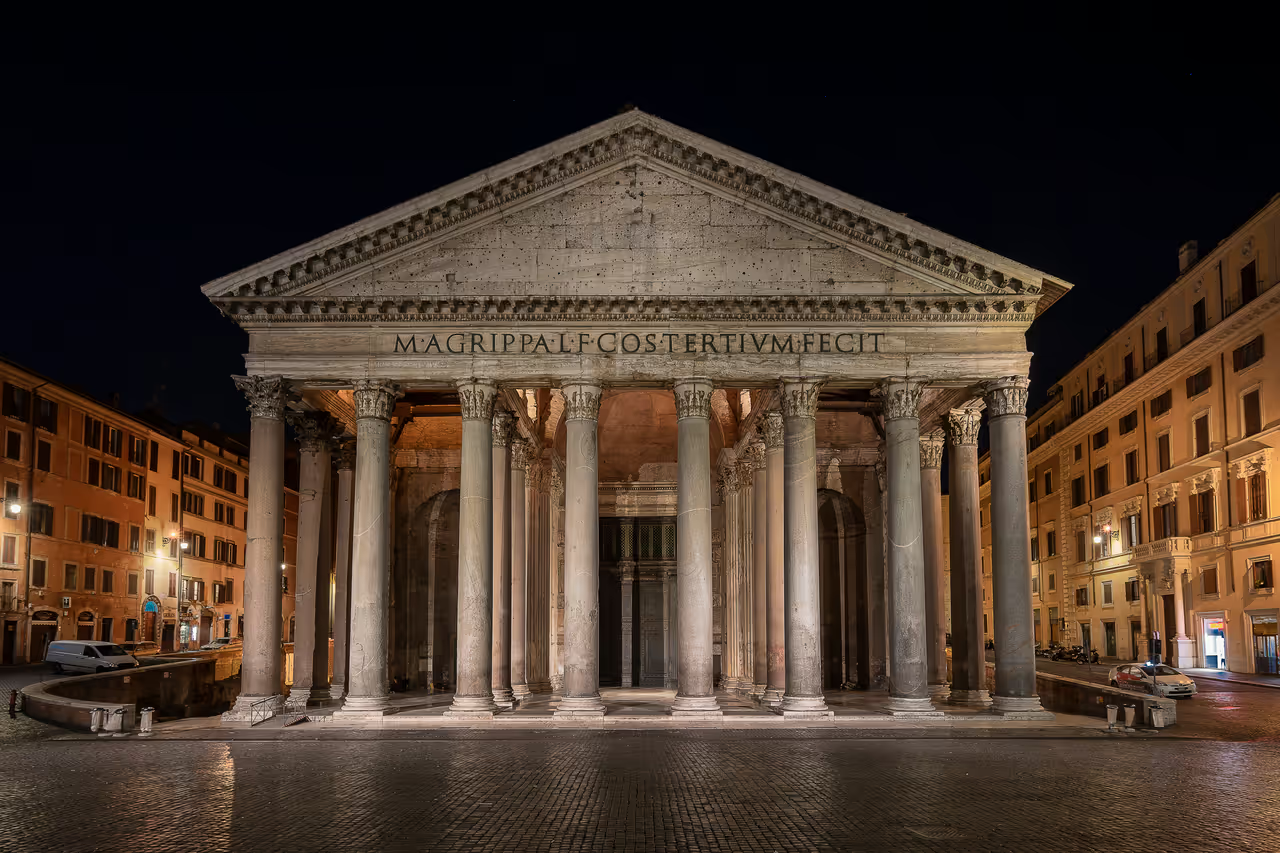
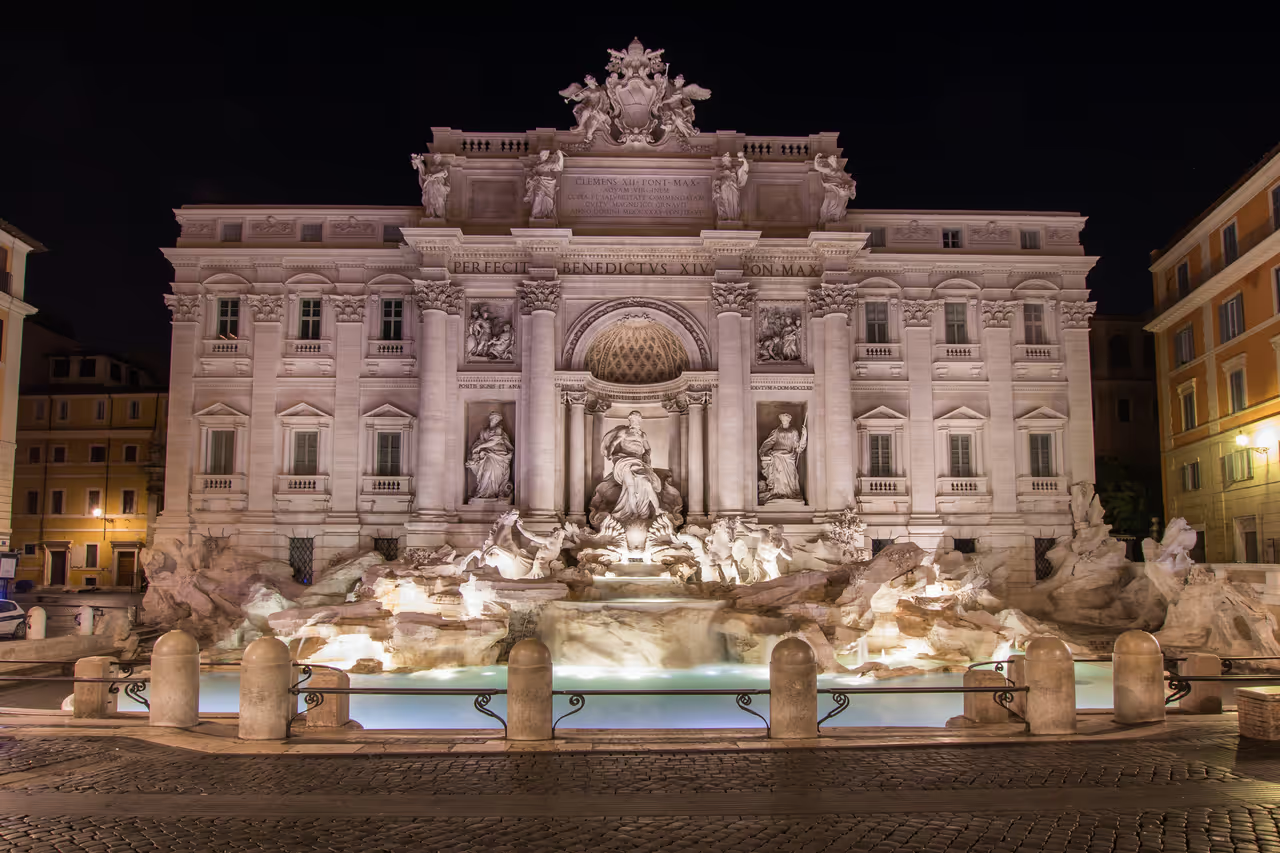
1 Day in Rome: The Eternal City Itinerary
This highly condensed, intensive itinerary is perfectly designed for travellers who only have a single day to capture the absolute essence of the capital. It aggressively prioritises the most legendary, globally recognised monuments, ensuring you see the defining symbols of both antiquity and the Baroque era. The pace is necessarily brisk, requiring an early start to navigate the incredible density of historical masterpieces. It provides a thrilling, unforgettable whirlwind tour that will undoubtedly leave you eager to return for a longer visit. It is the ultimate highlight reel of human history.
view itinerary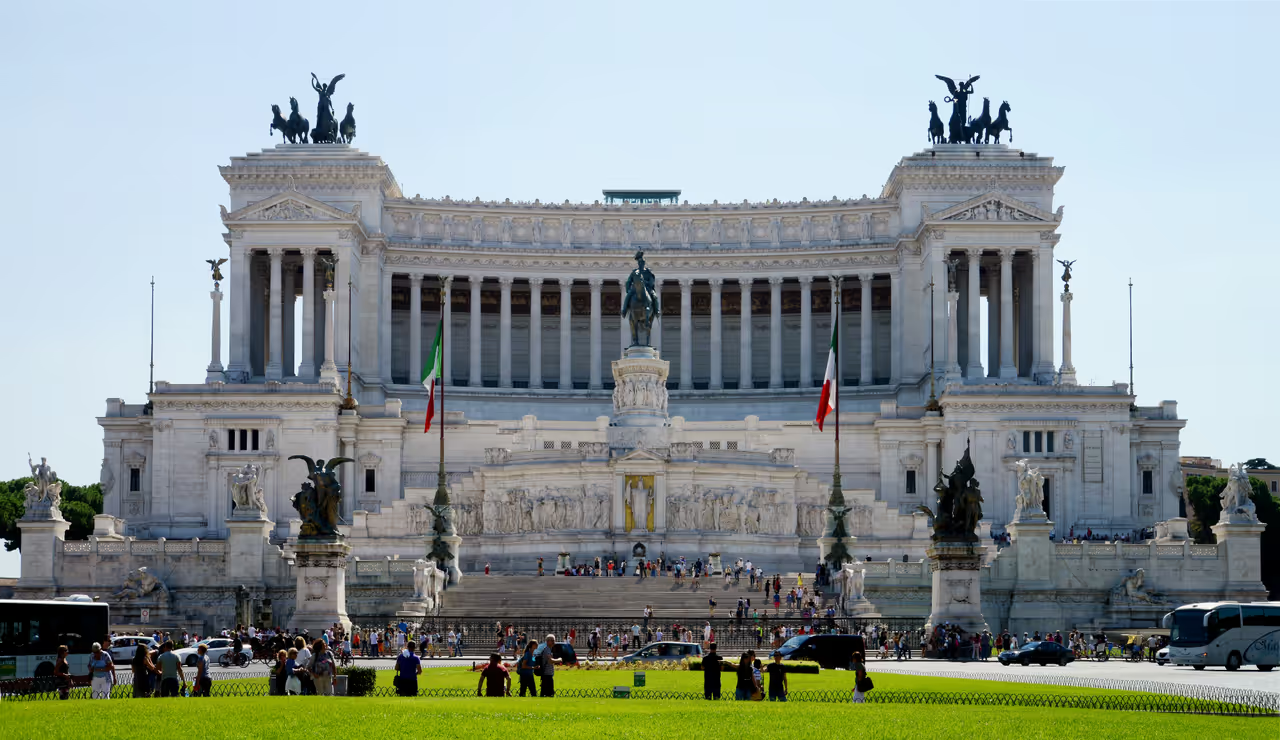
3 Days in Rome: History and Art Itinerary
This balanced, deeply satisfying three day journey allows for a proper, immersive exploration of the city's distinct historical eras. It cleverly dedicates one full day to the sheer power of the ancient empire, another to the breathtaking spiritual grandeur of the Vatican, and the final day to the elegant art and romantic squares of the Renaissance. The pacing is comfortable, leaving ample time to enjoy long, leisurely lunches and appreciate the vibrant local street life. It offers a comprehensive, highly enriching overview of the cultural and architectural evolution of the capital. It is the ideal introductory tour for first time visitors.
view itinerary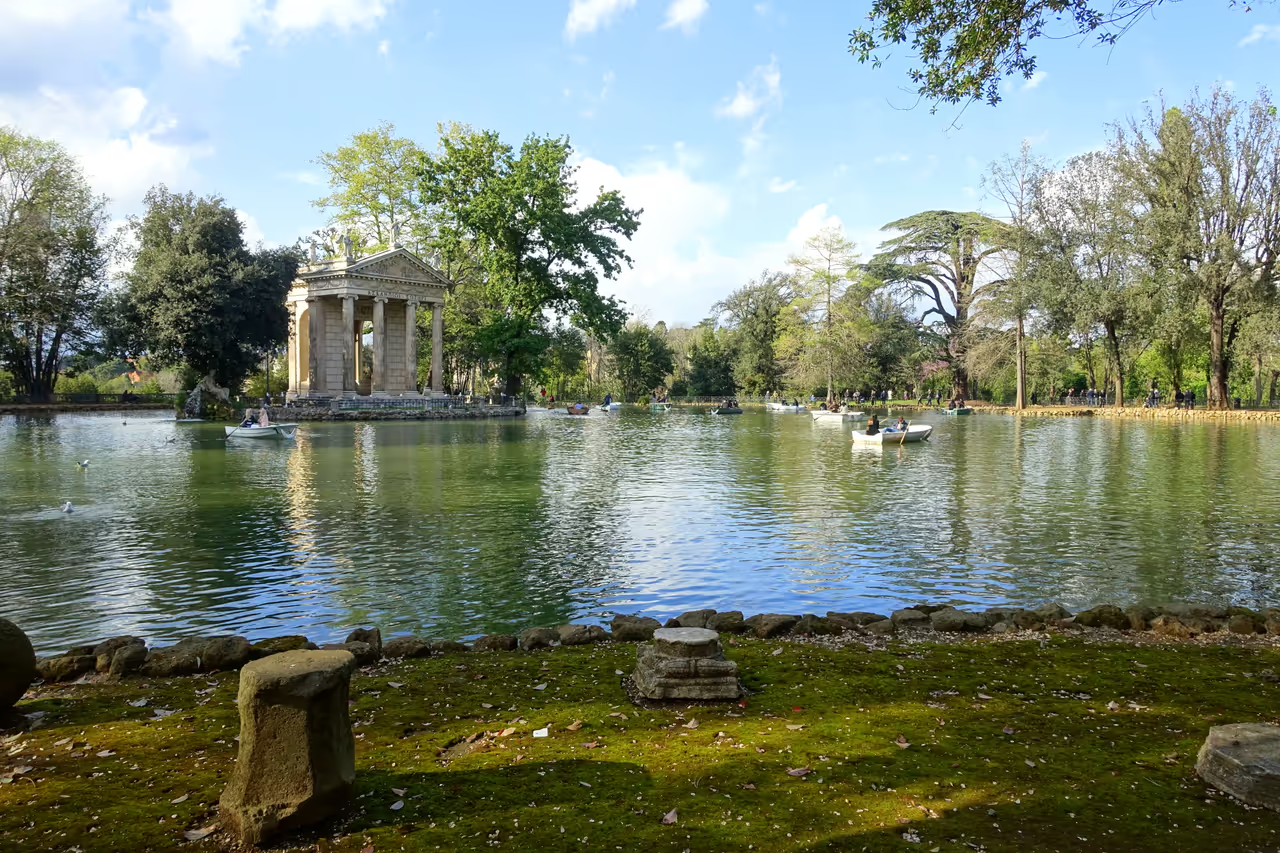
5 Days in Rome: In Depth Discovery Itinerary
This extensive, highly rewarding itinerary is crafted for those who want to move beyond the famous highlights and discover the complex, hidden layers of the city. Building upon the essential classical and Renaissance sights, it introduces fascinating underground archaeological explorations, expansive rural parklands, and gritty, authentic working class districts. It provides a much deeper, nuanced understanding of how the ancient past continuously interacts with modern daily life. The relaxed timeframe allows for genuine cultural immersion, unhurried museum visits, and extensive culinary indulgence. It is a spectacular, complete experience of the multifaceted capital.
view itinerary
Food in Rome
Free Things to do in Rome
Parks & Nature
Appian Way Regional Park
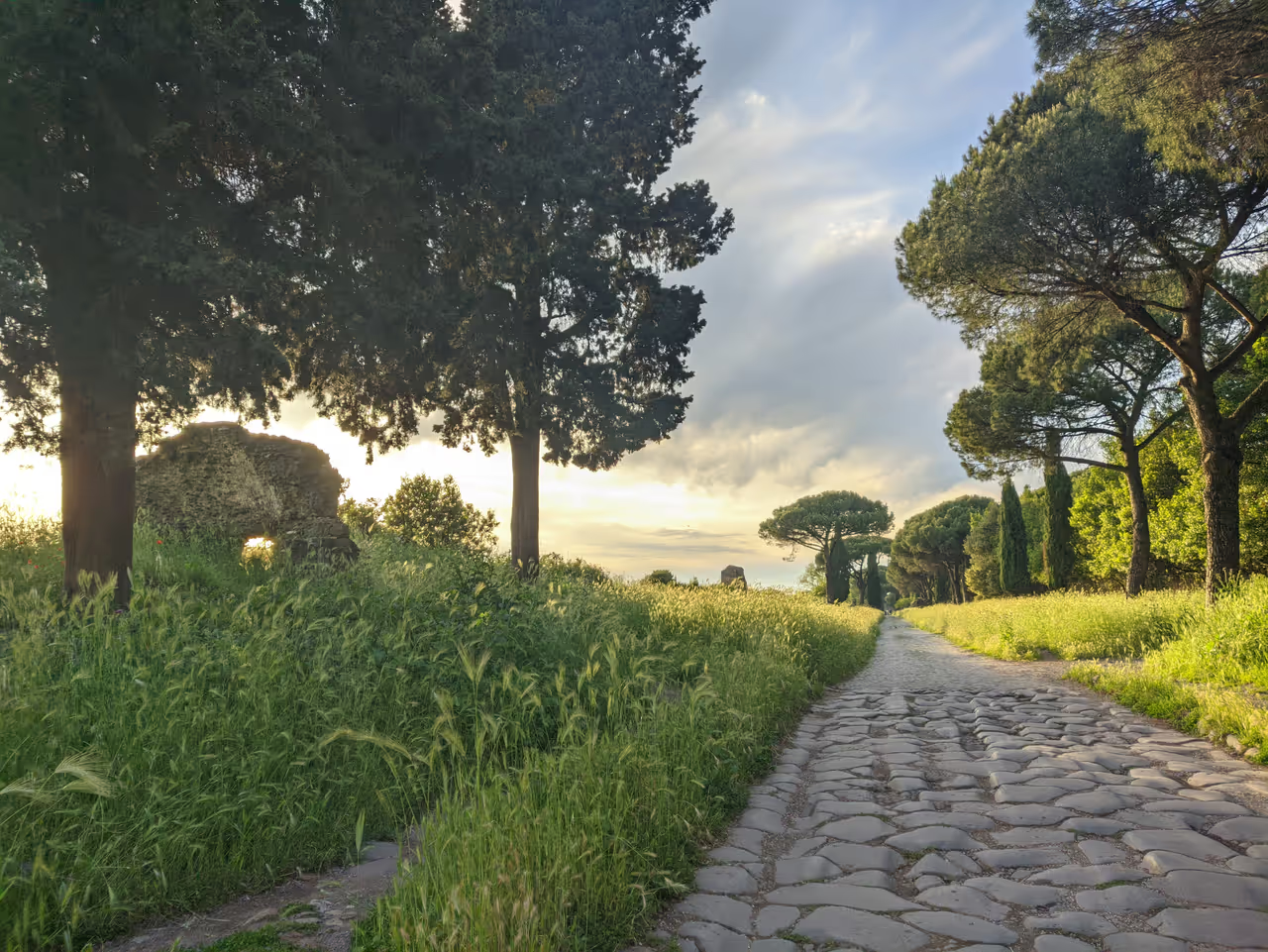
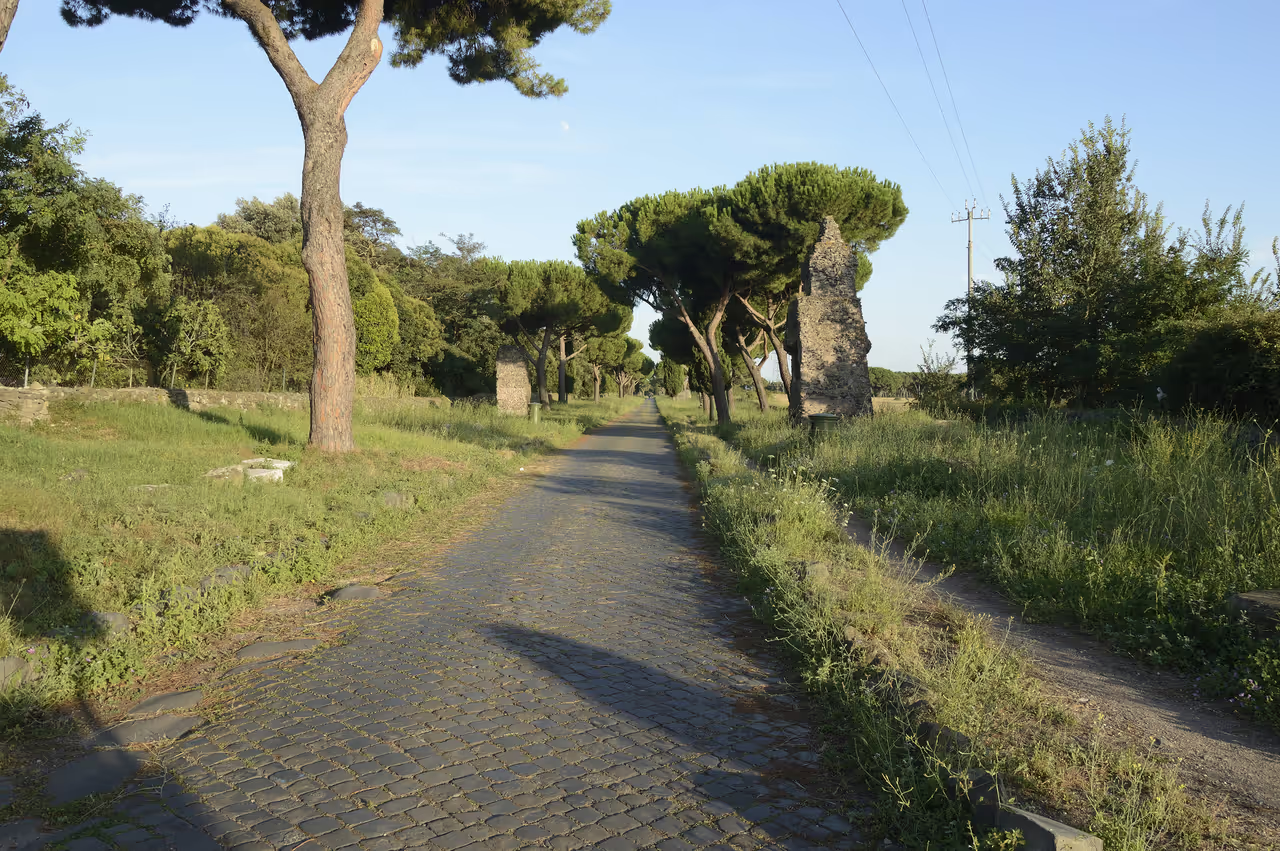
Stretching from the heart of Rome to the Alban Hills, this is the largest urban park in Europe and a true open air museum. You...
view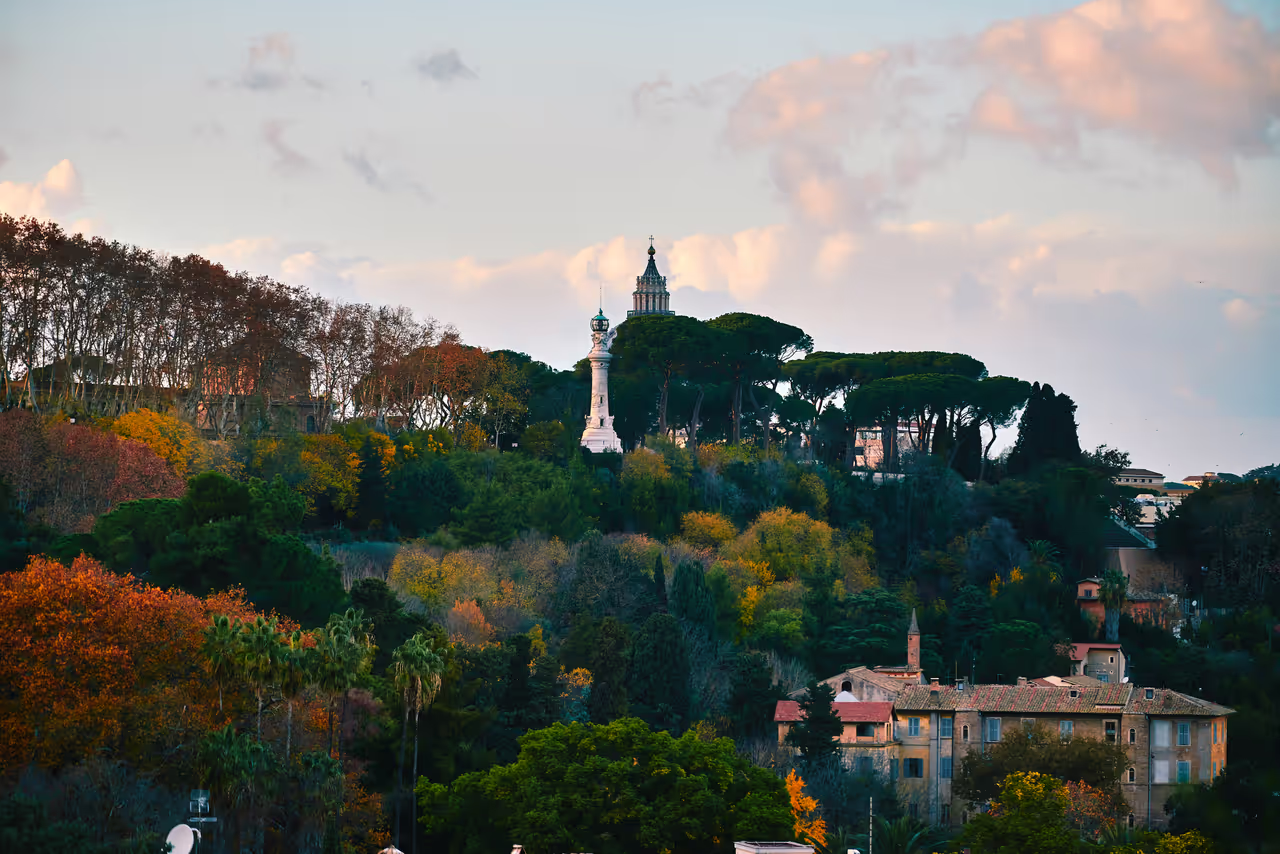
Janiculum Hill
Rising above the rooftops of Trastevere, the Janiculum offers arguably the most breathtaking panorama of Rome. It is a place...
view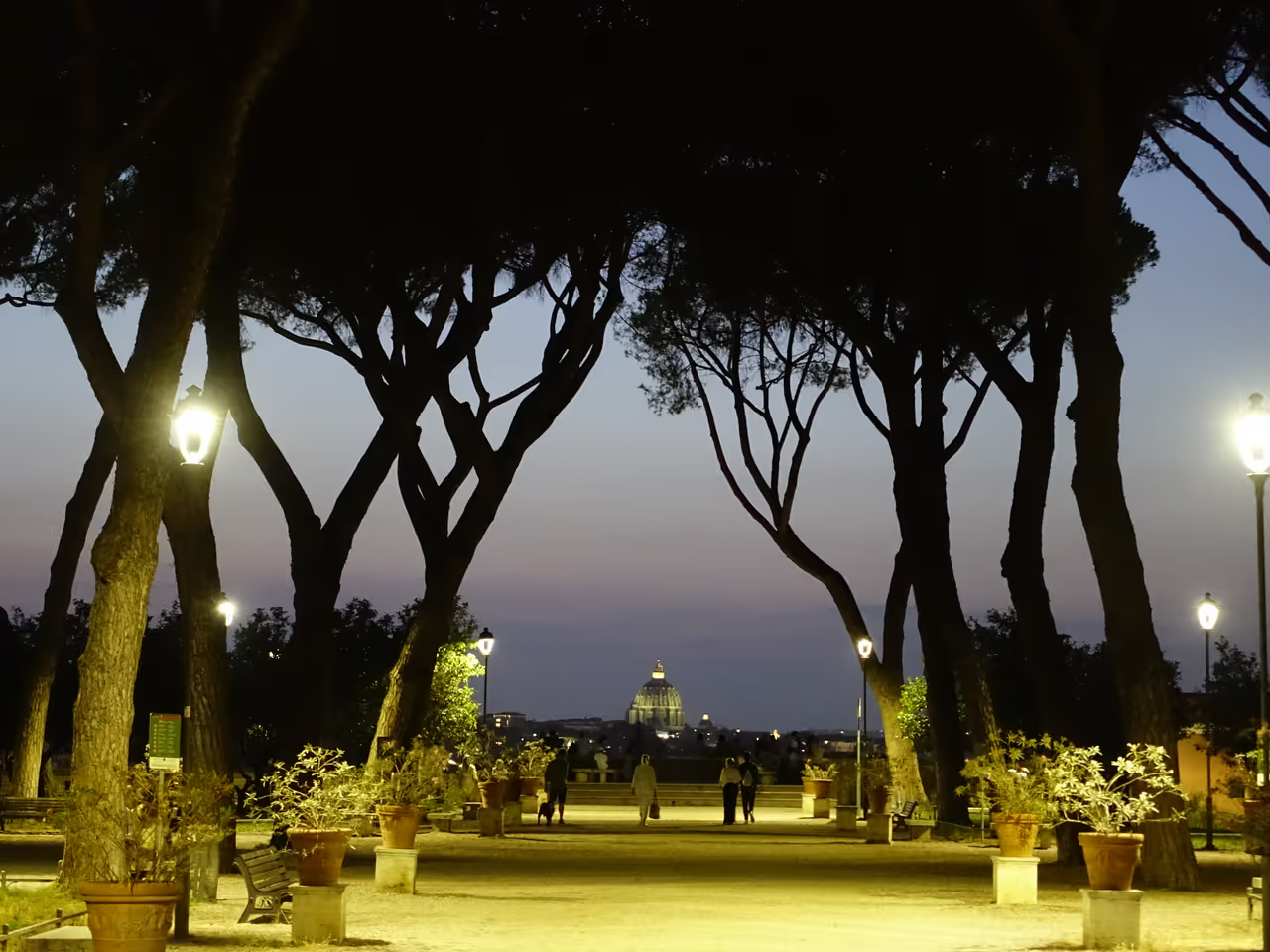
Orange Garden
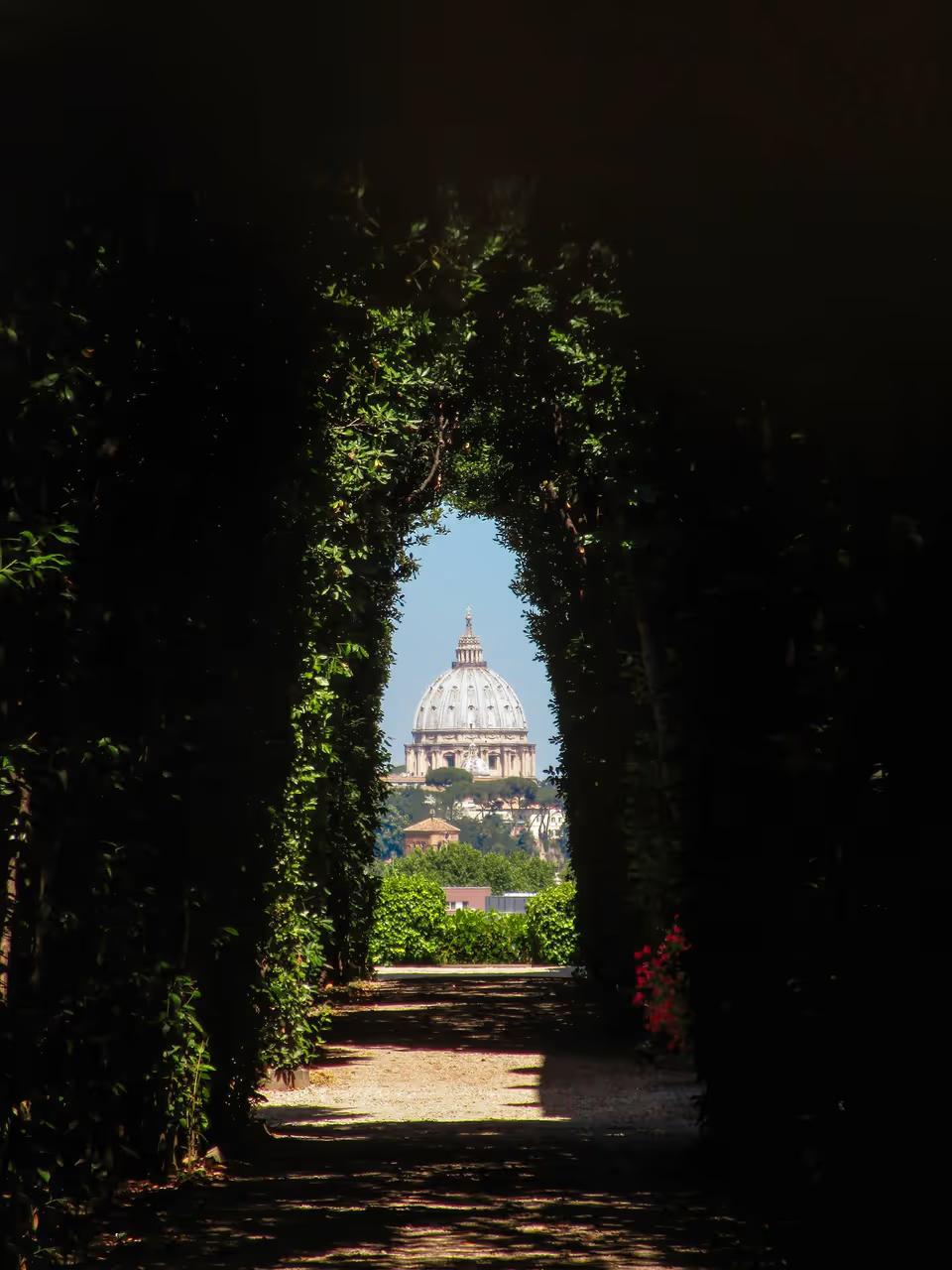
Perched gracefully atop the Aventine Hill, the Orange Garden is widely regarded as one of the most romantic spots in all of...
viewVilla Borghese
Villa Borghese is the most famous park in Rome, offering a perfect blend of lush greenery and world class art. You can wander...
view
Highlights & Must-Sees
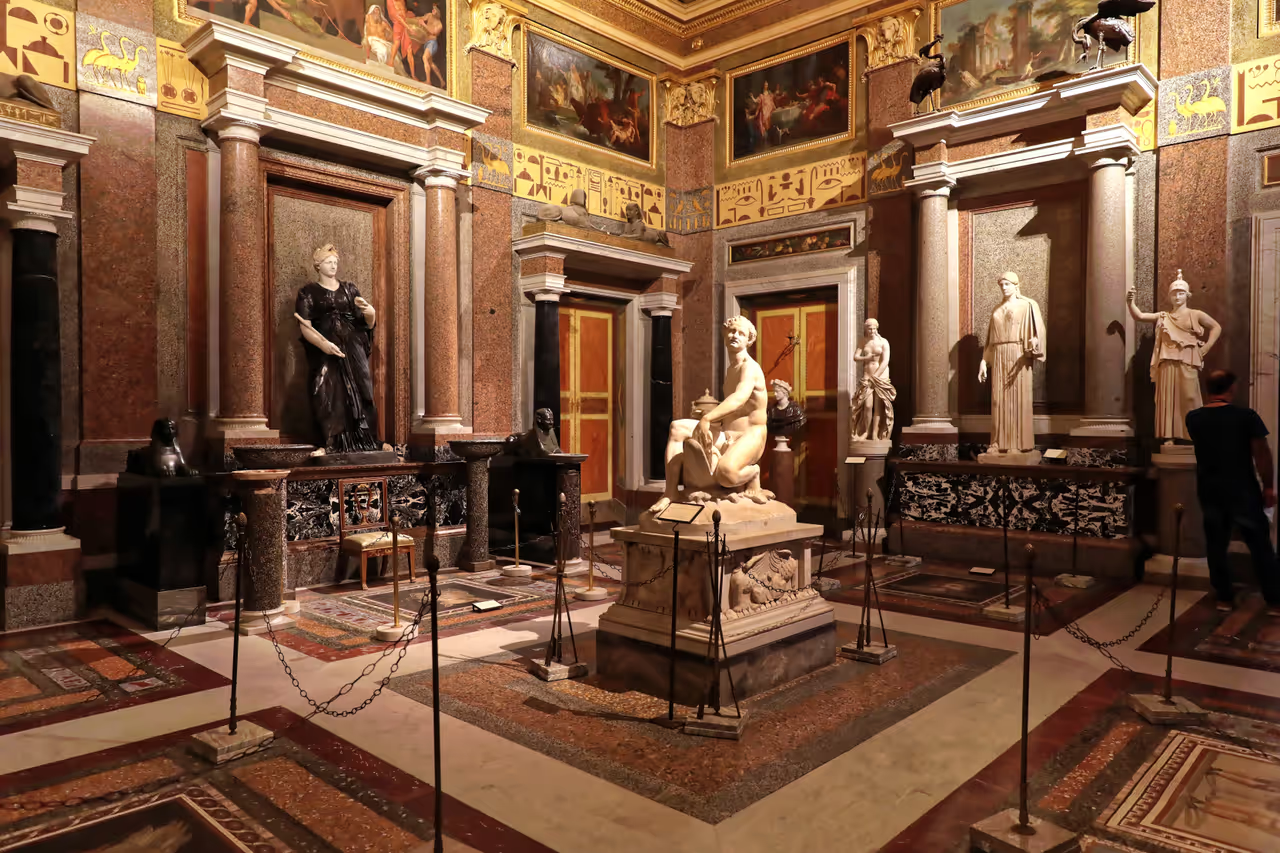
Borghese Gallery
Housed in a spectacular, elegantly proportioned seventeenth century villa, this gallery contains what is arguably the most...
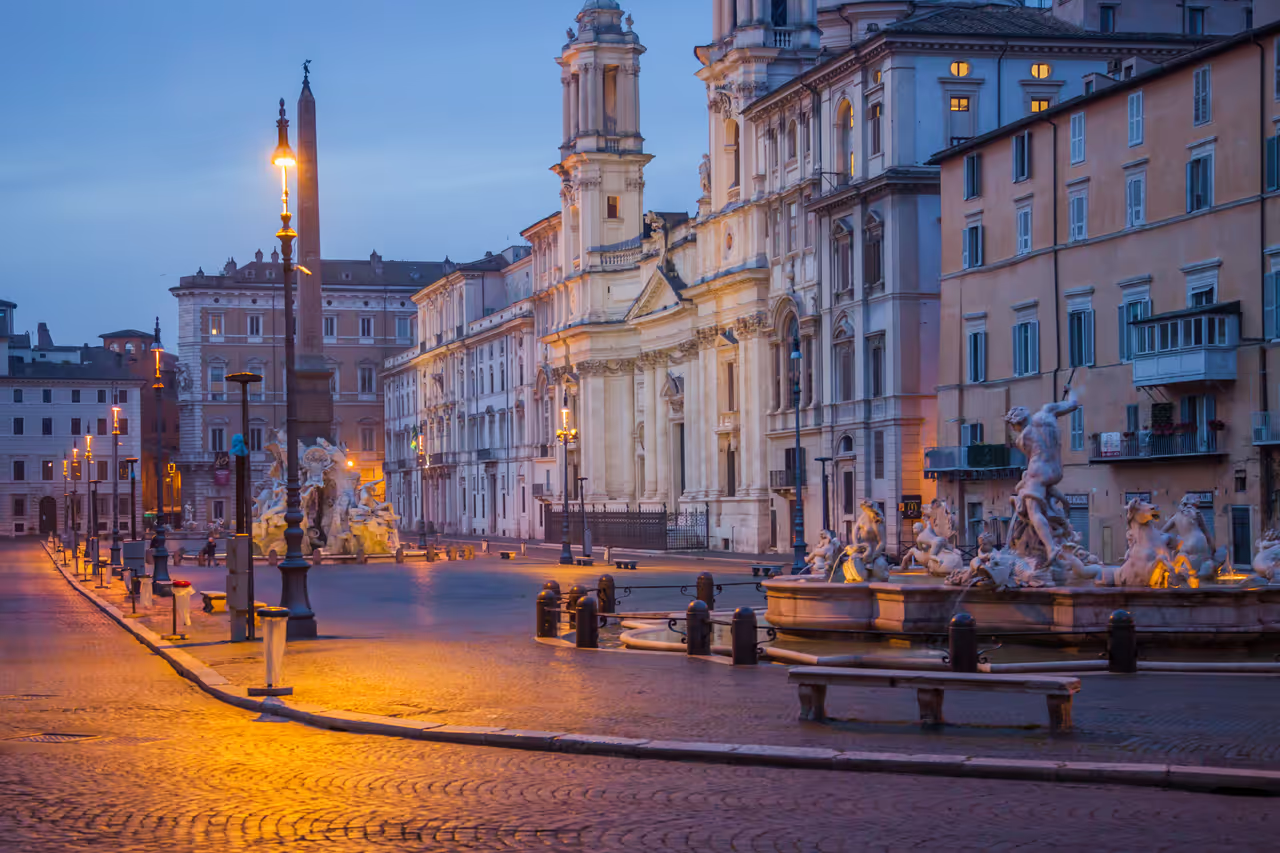
viewPiazza Navona
This elongated, stunningly beautiful square is arguably the most elegant and joyous public space in the entire capital. Built...
viewSpanish Steps
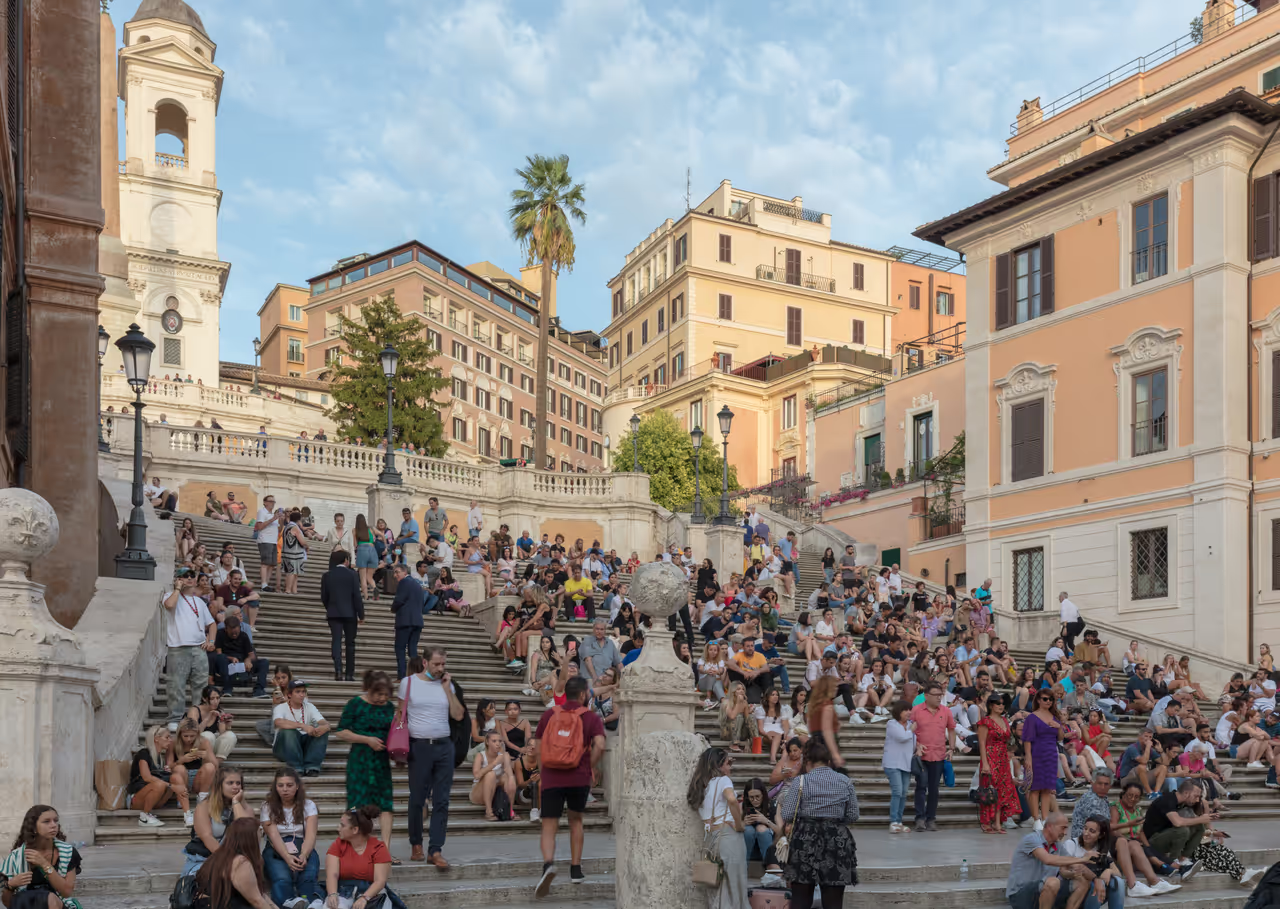
This monumental, beautifully sweeping staircase is one of the most famous and romantic gathering spots in the city. The elegant...
viewTrevi Fountain
This breathtaking, monumental water feature is arguably the most famous and spectacular fountain in the entire world. Tucked...
view
Best Walks in Rome
- HIGHLY RECOMMENDED
Baroque Squares and Fountains Stroll
This delightful stroll weaves through the dense, historic heart of the city, connecting its most theatrical and opulent public spaces. The route is a masterclass in Baroque urban design, featuring dramatic marble fountains, towering obelisks, and elegantly curving church facades. The labyrinthine alleyways between the grand squares are filled with artisan boutiques, historic gelaterias, and the constant, lively chatter of street life. It is an incredibly romantic and visually stunning journey that perfectly encapsulates the theatrical essence of the capital. The gentle sound of splashing water from the numerous fountains provides a constant, soothing soundtrack.
Trastevere Alleys and Hilltop Stroll
This captivating walk explores the incredibly charming, working class roots of the neighbourhood located just across the river. The area is a photogenic maze of narrow, winding streets draped in vibrant ivy and illuminated by warm, flickering streetlamps. The route slowly ascends towards a prominent hill, leaving the bustling local taverns behind for grand, leafy avenues and monumental historical statues. The contrast between the intimate, chaotic alleyways and the sweeping, aristocratic vistas above is truly remarkable. It offers a deeply authentic and immensely rewarding exploration of local character and natural beauty.
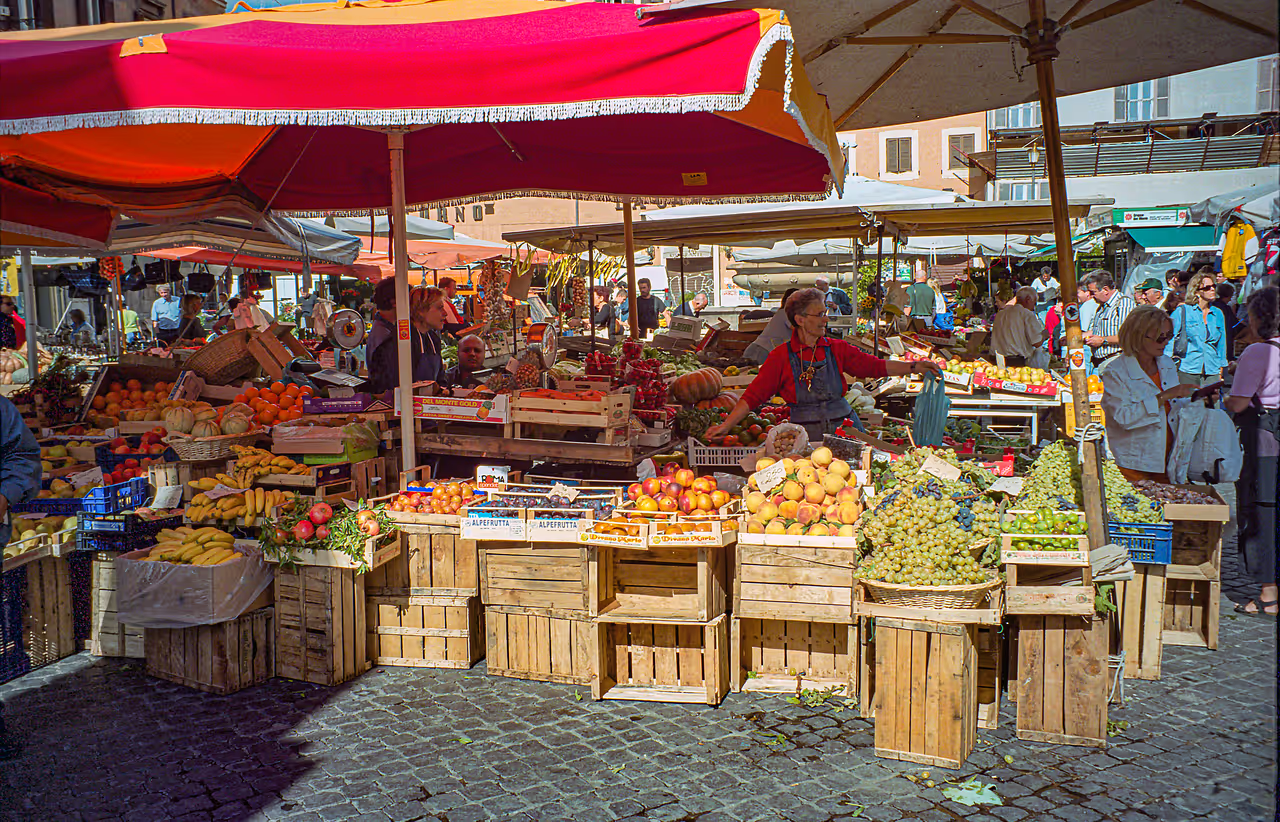
Jewish Ghetto and Tiber Island Wander
This profoundly historical stroll uncovers the rich, complex, and often tragic layers of one of the oldest ethnic neighbourhoods in Europe. The architecture here is incredibly dense and textured, with ancient Roman ruins seamlessly incorporated into medieval apartment buildings. The streets are filled with the tantalising aromas of traditional kosher bakeries and local culinary specialties unique to this specific district. The path crosses a small, ancient footbridge onto the only island in the river, a place associated with healing since antiquity. It is a quiet, evocative journey through resilience and deeply rooted traditions.
Architecture & Landmarks
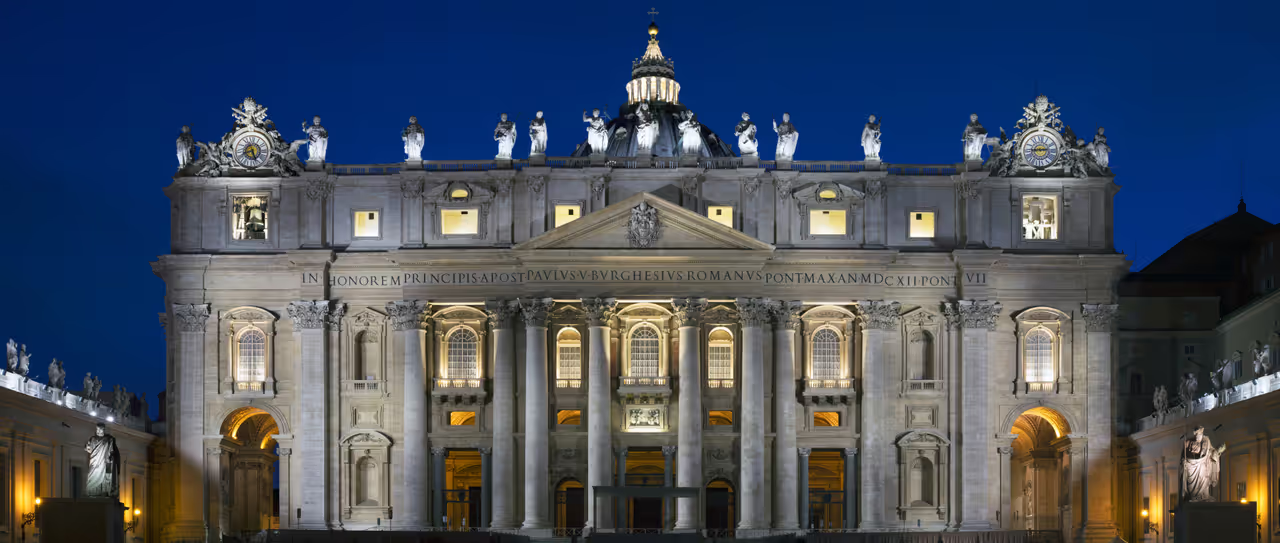
St. Peter's Basilica
This universally recognised masterpiece of Renaissance architecture stands as the most massive and magnificent church in the...
view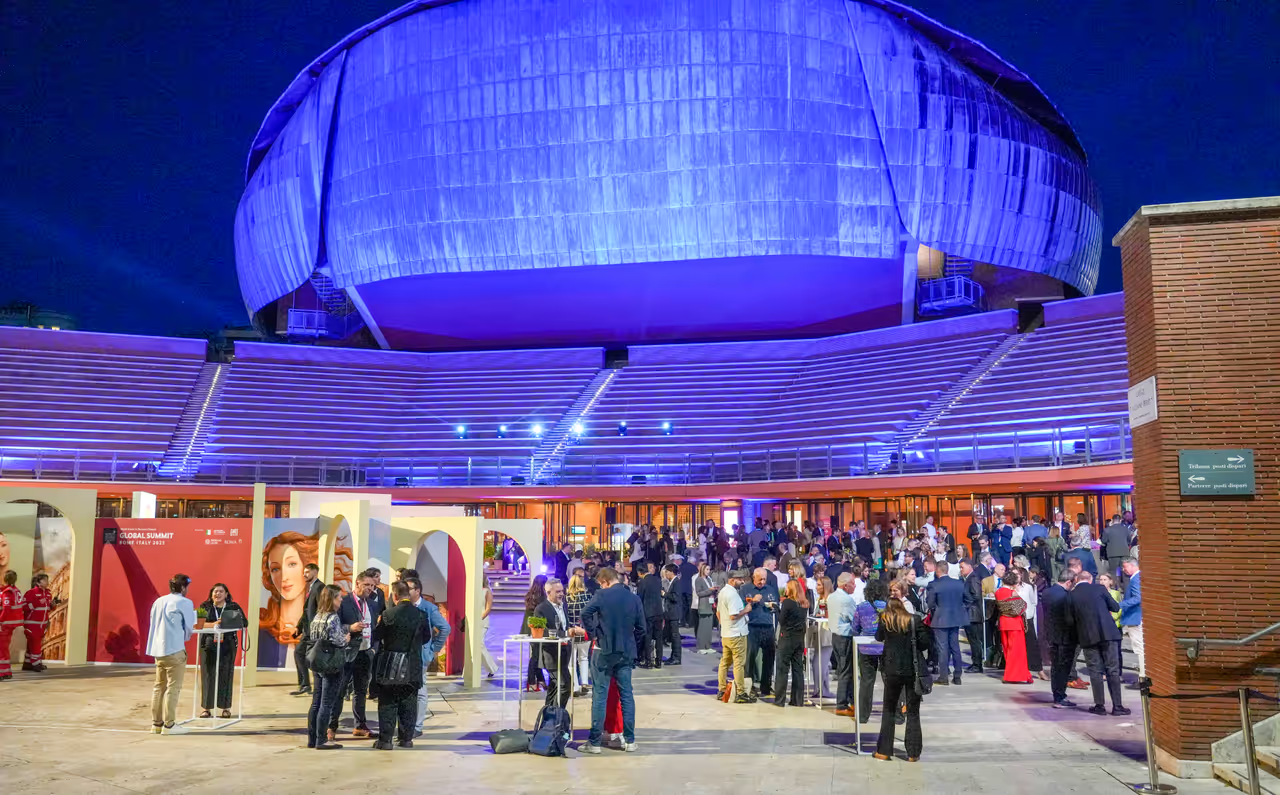
Auditorium Parco della Musica
This sprawling, innovative contemporary music complex was designed by the globally renowned architect Renzo Piano. The structure...
view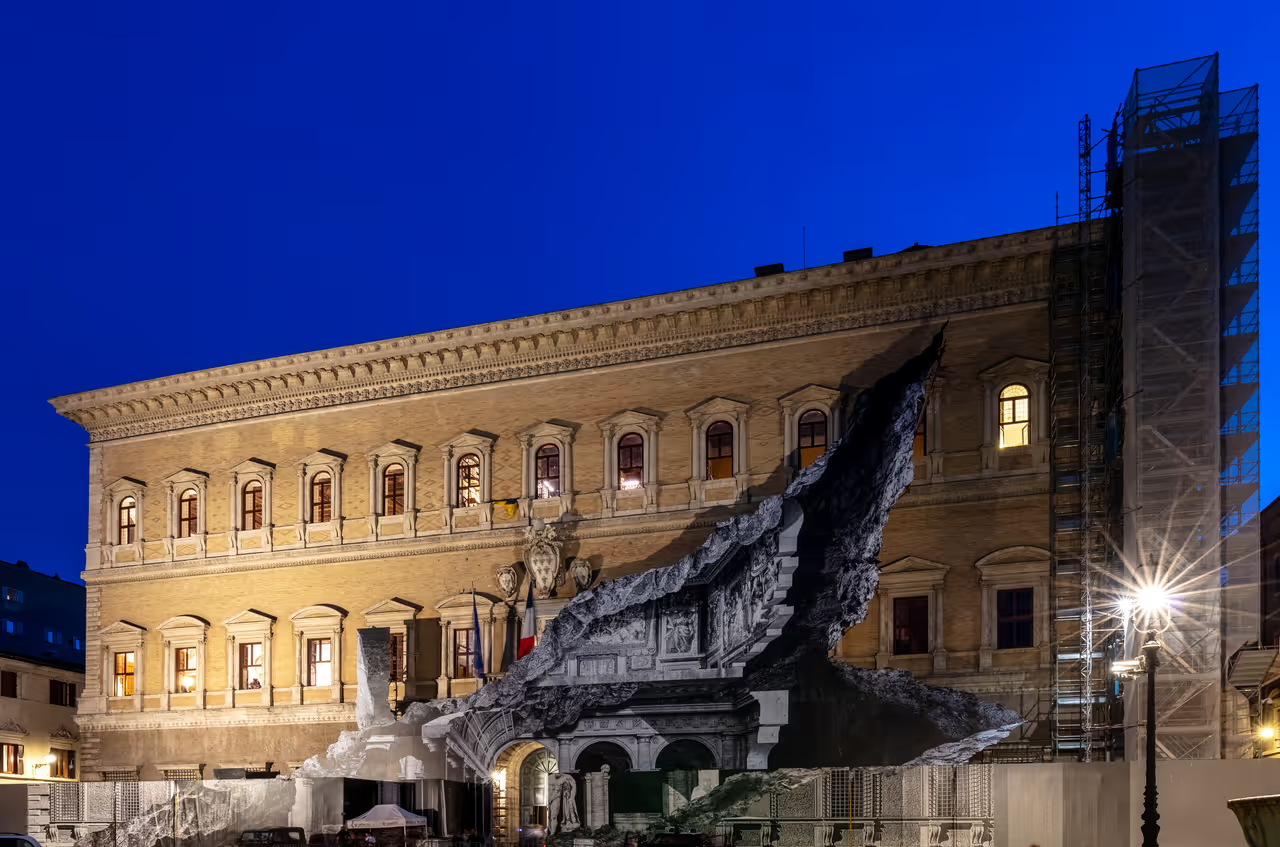
Farnese Palace
This massive, imposing aristocratic residence is widely regarded as one of the most important and impressive High Renaissance...
view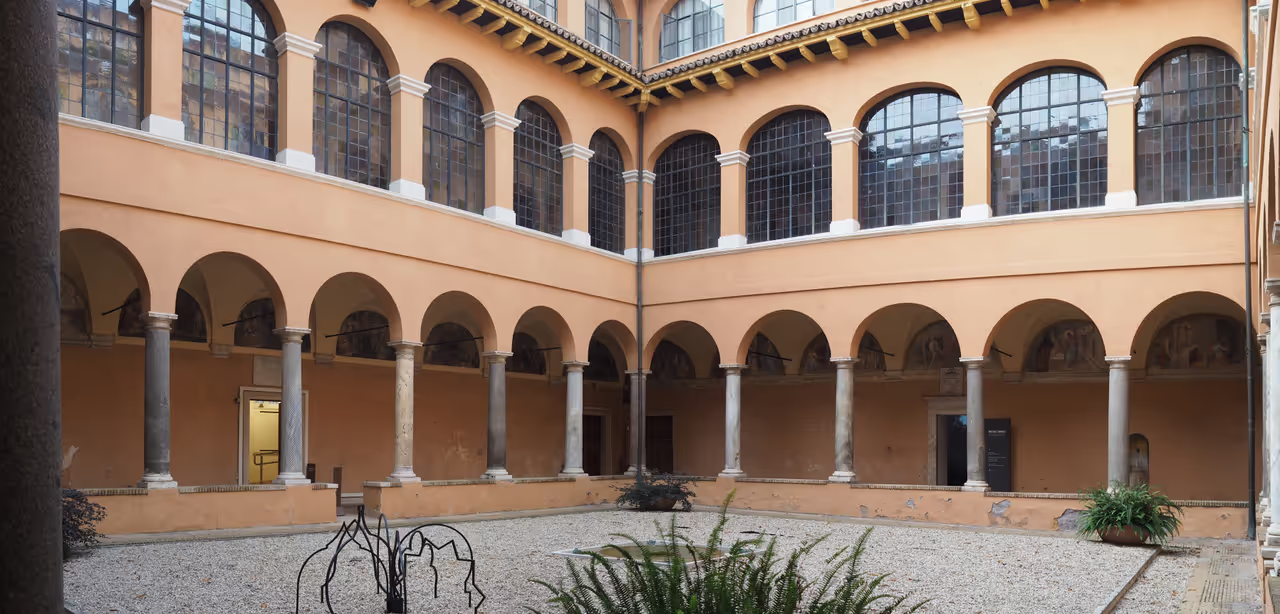
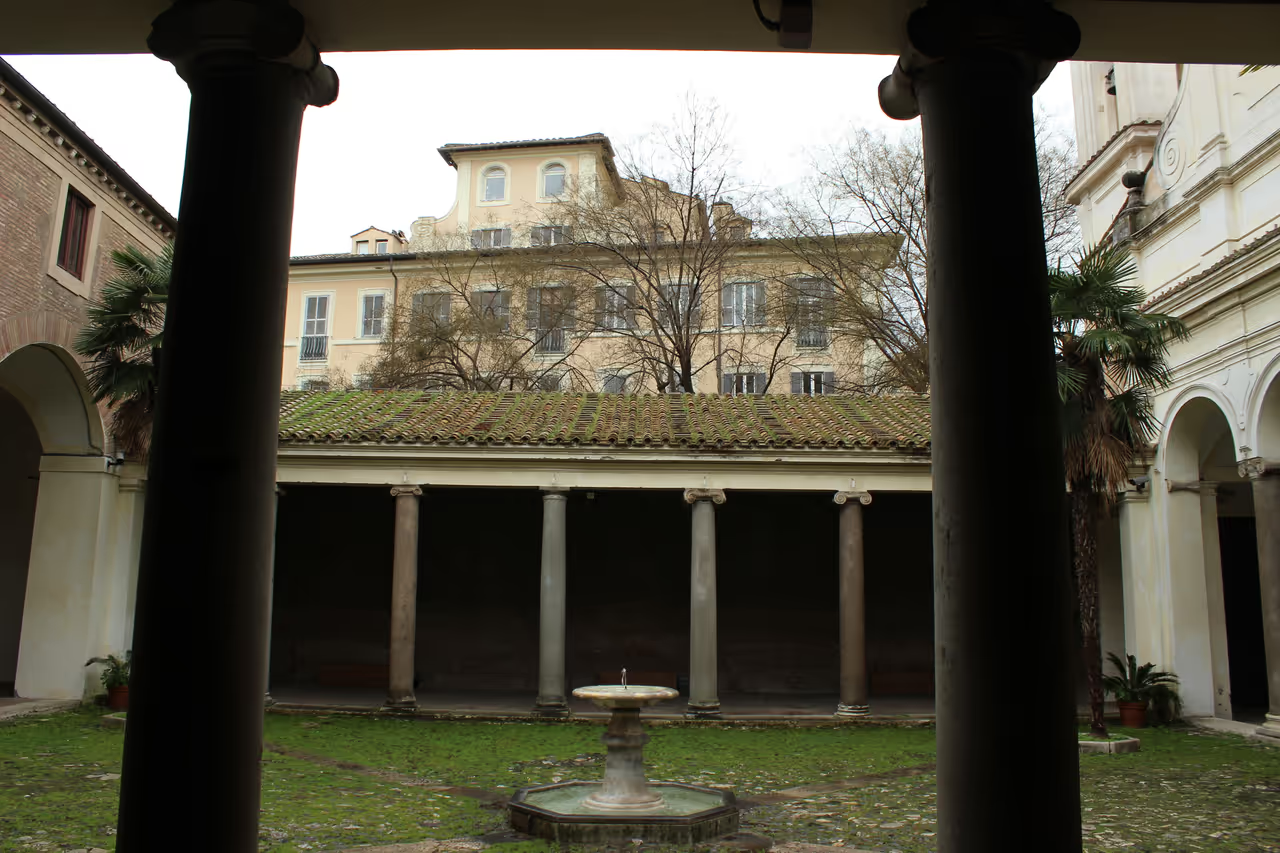
Tempietto of San Pietro
Tucked away in a quiet, unassuming courtyard on the slopes of the Janiculum hill sits this small but absolutely revolutionary...
view
Markets & Shopping
Rome Nightlife
Photo Spots
Activities & Experiences
Cycling Routes
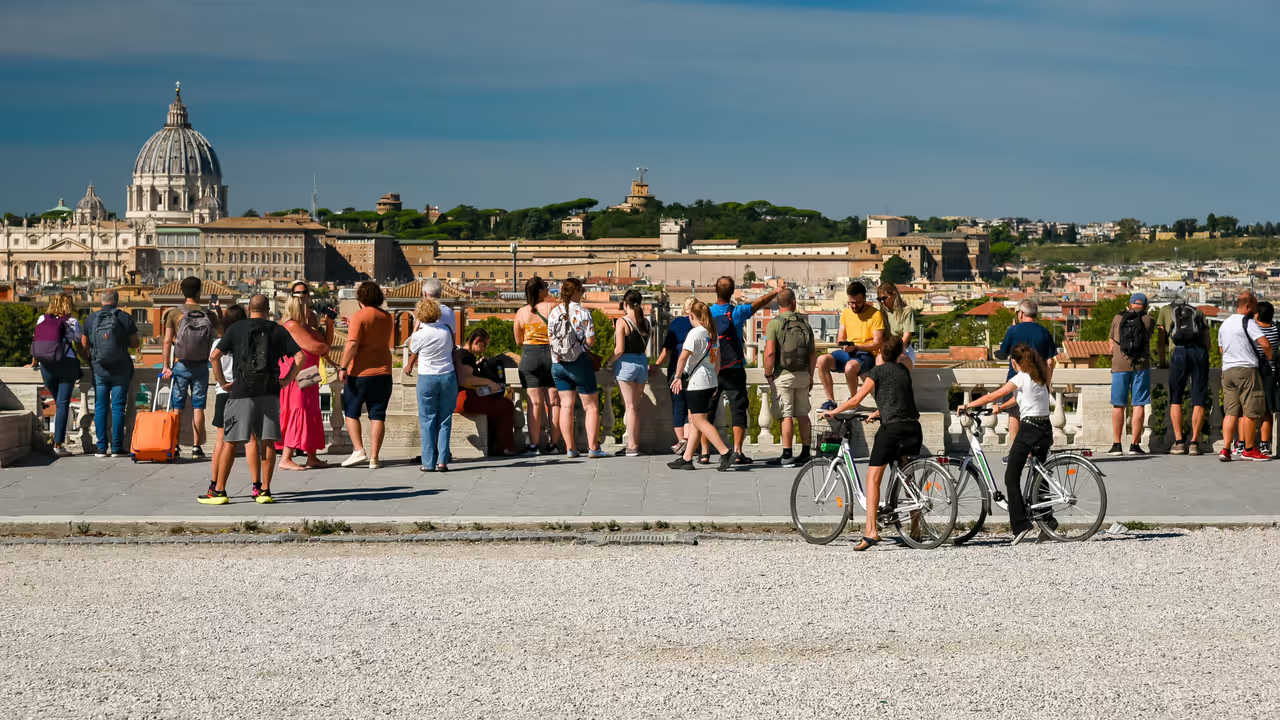
Villa Borghese Gardens Cycle
This delightful route navigates the expansive, heart shaped public park that serves as the most elegant green oasis in the capital. The wide, shaded avenues are largely free of cars, making it an incredibly relaxing and safe environment for a leisurely ride. Cyclists will pass by romantic lakes, beautifully manicured English style gardens, and numerous ornate neoclassical temples. The journey offers several stunning vantage points over the historic skyline, blending natural beauty with architectural elegance. It is a wonderfully romantic and easy going ride suitable for all skill levels.
Tiber River Cycle Path
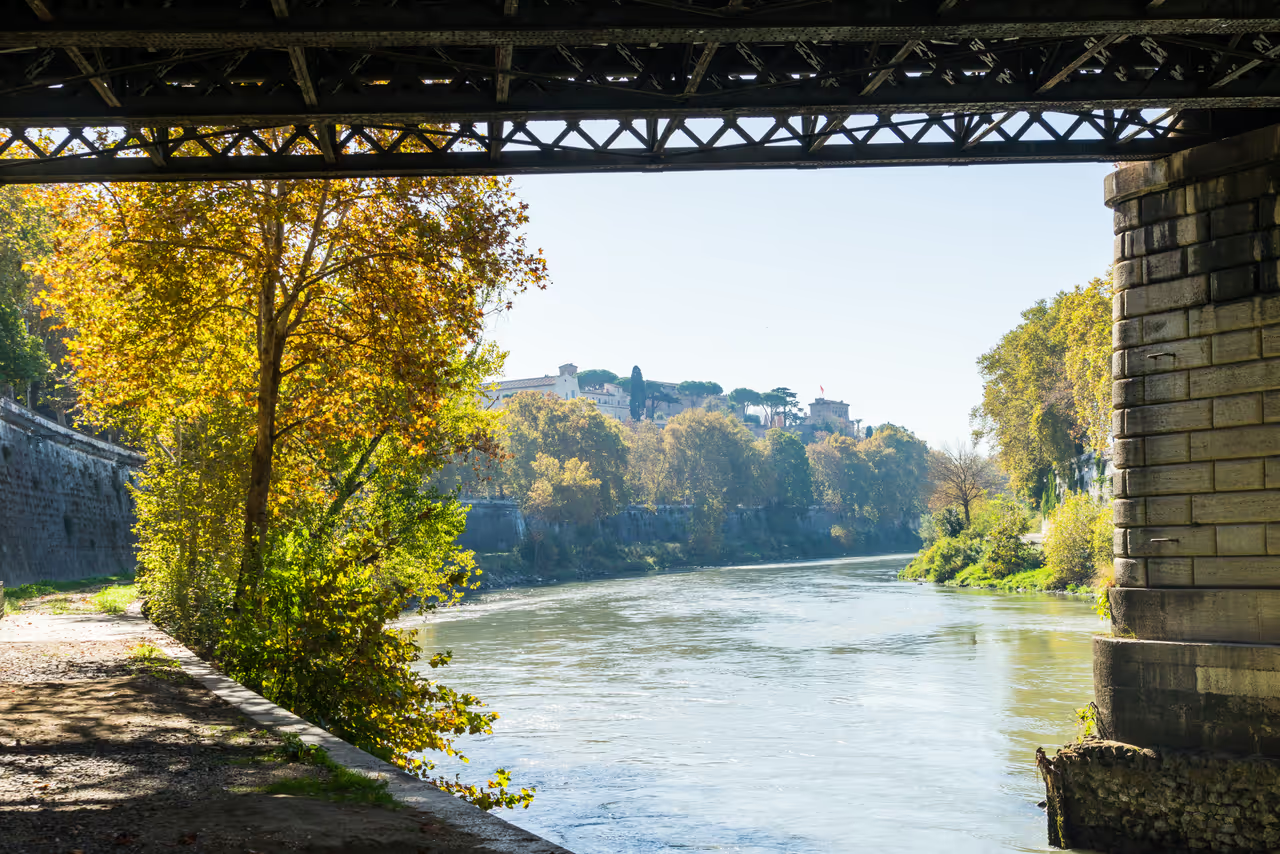
This excellent dedicated cycling path runs directly alongside the banks of the mighty river that cuts through the historic centre. Descending the steps to the river level completely removes you from the chaotic street traffic, offering a uniquely peaceful perspective of the city. The route passes directly beneath massive stone bridges, providing dramatic upward views of ancient castles, grand basilicas, and historic river islands. It is a fantastic, uninterrupted greenway that allows cyclists to cover significant distances rapidly while enjoying cool river breezes. The industrial era embankments add a compelling, gritty contrast to the classical monuments above.
- HIGHLY RECOMMENDED
Ancient Appian Way Ride
This magnificent route takes cyclists along one of the most important and strategically significant roads of the ancient republic. The journey is an incredible mix of sweeping rural landscapes, towering umbrella pines, and monumental archaeological ruins scattered along the roadside. Riding over the massive, original basalt paving stones connects you directly to the footsteps of legions and emperors from millennia past. The profound tranquility of the regional park provides a startling and beautiful contrast to the chaotic energy of the urban centre. It is an absolutely essential experience for anyone wanting to combine gentle exercise with awe inspiring historical exploration.
Self-Guided Tours
 HIGHLY RECOMMENDED
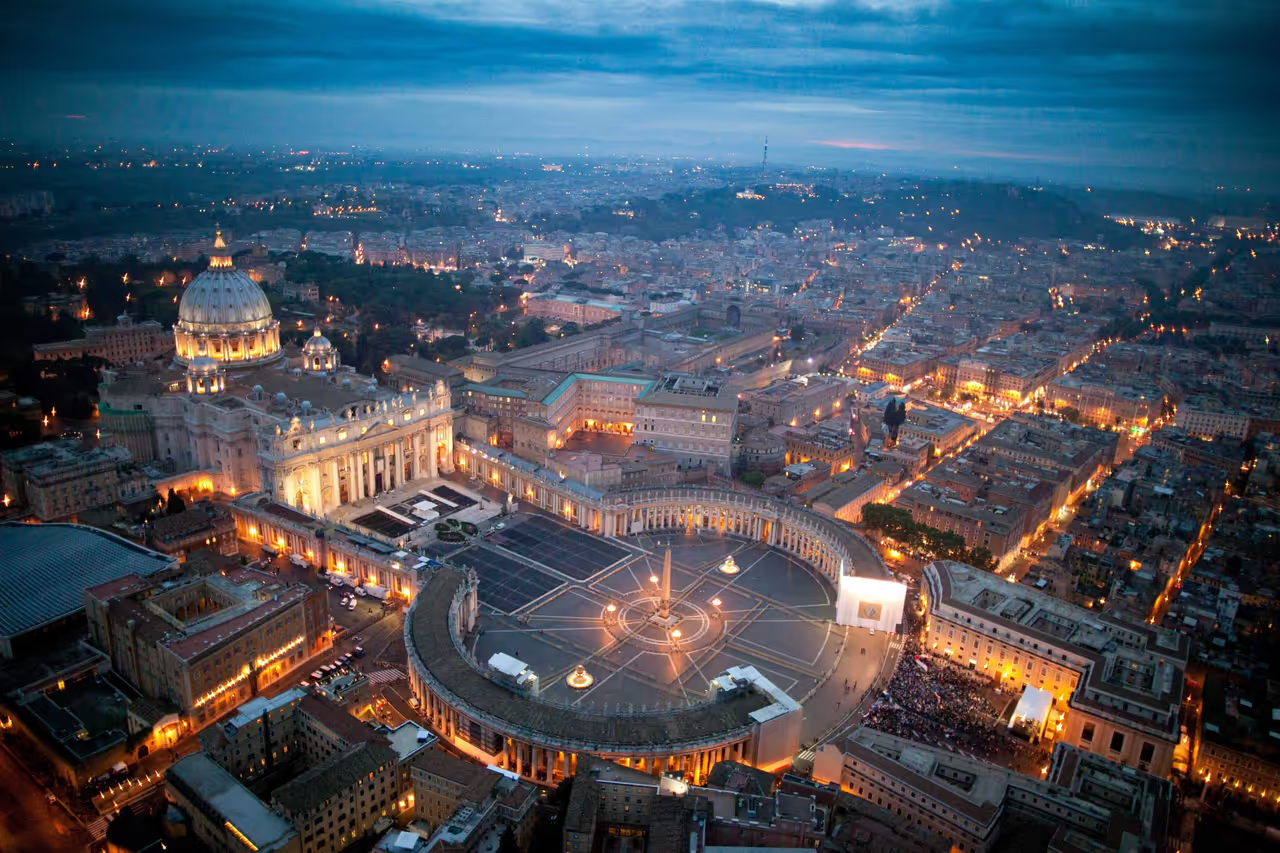
Heart of the Catholic Heritage
This profound route explores the magnificent architectural and spiritual legacy left by centuries of immense papal wealth and influence. The journey focuses on the dramatic, awe inspiring structures commissioned to project the power and glory of the Church. It transitions from heavily fortified, ancient papal strongholds to the breathtaking expanses of the most important squares and basilicas in Christendom. The sheer abundance of priceless art, towering domes, and golden mosaics encountered along the way is truly staggering. It is a fascinating exploration of faith, political might, and unparalleled artistic patronage.
Masterpieces of Art and Architecture
This sophisticated tour highlights the incredible evolution of artistic expression from the classical Renaissance to cutting edge contemporary design. The route deliberately steps away from the ancient ruins to focus on elegant patrician villas, manicured gardens, and striking modern cultural complexes. It reveals a surprisingly dynamic and forward looking side of a city predominantly known only for its past. The juxtaposition of opulent classical paintings with sleek, fluid modern architecture creates a highly stimulating visual journey. It is tailored for those who appreciate high art, innovative design, and refined aesthetics.
- HIGHLY RECOMMENDED
Glory of Imperial Rome
This comprehensive journey plunges deep into the awe inspiring architectural legacy of the most powerful empire of antiquity. The route navigates through massive, crumbling amphitheatres, expansive political plazas, and grand triumphal arches that once dictated the fate of the known world. Walking amidst these colossal stone and marble structures provides a visceral understanding of the incredible scale and ambition of ancient engineering. The narrative traces the dramatic shift from a republic to an autocracy, highlighting the emperors who shaped the landscape. It is an absolute necessity for anyone wanting to grasp the foundational history of Western civilisation.
Annual Festivals & Events
- HIGHLY RECOMMENDED
Roman Summer Festival
This expansive summer festival transforms the warm evenings into a vibrant celebration of arts and culture across the entire city. Historic ruins, public parks, and riverside promenades become spectacular outdoor venues for jazz concerts, classical music, and independent film screenings. The programme is incredibly diverse, ensuring there is always an exciting performance or exhibition to discover under the starry sky. It creates a wonderfully relaxed yet energetic vibe, drawing locals and visitors out into the pleasant night air. Pop up bars and food stalls add to the lively, communal atmosphere.
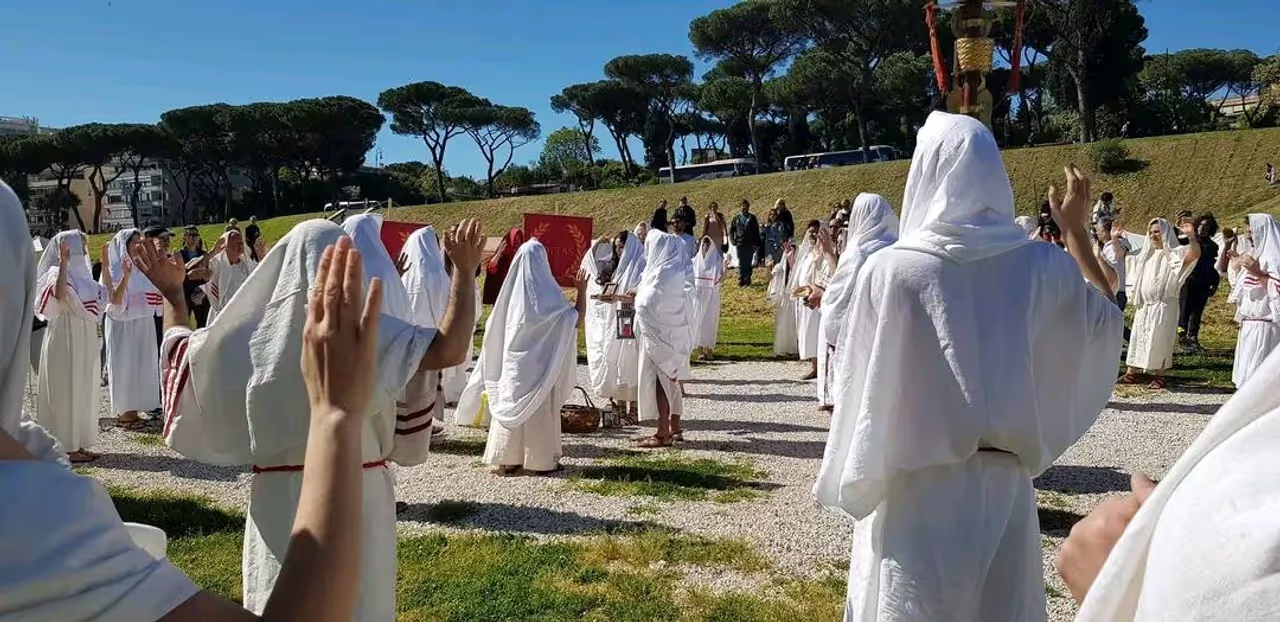
Birthday of Rome
This magnificent festival celebrates the legendary founding of the ancient capital with spectacular historical reenactments and grand parades. Hundreds of enthusiasts dress as gladiators, senators, and legionnaires to march proudly past the Colosseum and the Imperial Fora. The atmosphere is incredibly festive, offering a unique chance to step back into antiquity. Visitors can enjoy thrilling mock battles, ancient rituals, and educational displays that bring the past vividly to life. It is a proud and joyous occasion that perfectly captures the enduring spirit of the city.
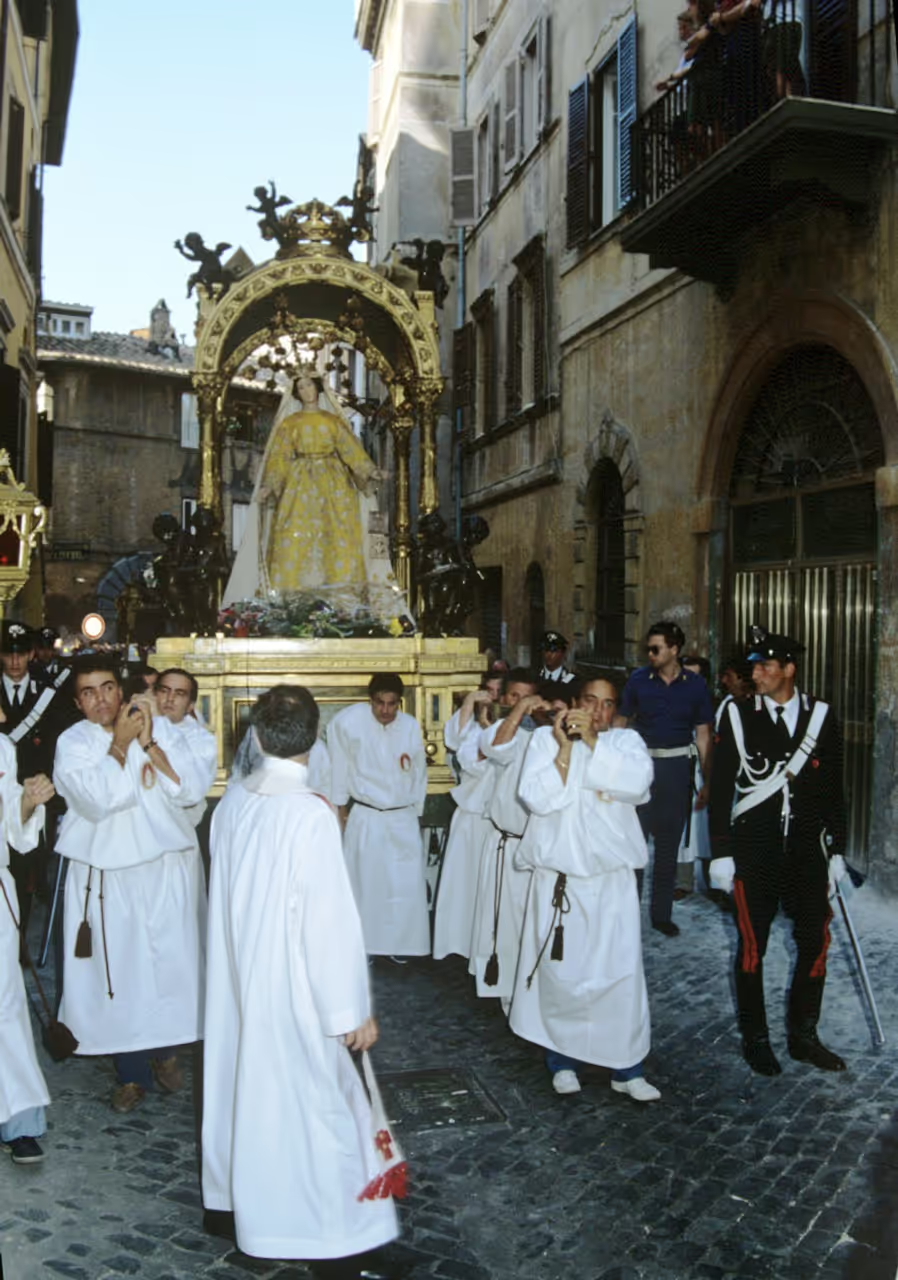
Festival of Ourselves
Deeply rooted in the working class traditions of the Trastevere district, this vibrant religious and cultural festival is a true local treasure. The celebration honours the Madonna of Mount Carmel with a deeply moving procession where a wooden statue is carried through the narrow, cobblestone streets. Following the solemn religious events, the neighbourhood erupts into a lively street fair filled with temporary outdoor taverns, live music, and theatrical performances. It offers an incredibly authentic glimpse into the passionate and proud culture of the historic riverside community. The festivities conclude with a spectacular fireworks display over the water.
Insider Tips
Always remember to validate your paper bus or train ticket in the small yellow machines upon boarding to avoid hefty fines from inspectors.
When ordering a coffee, remember that a latte is simply a glass of milk; ask for a caffè latte if you want coffee, and never order a cappuccino after a heavy meal.
Carry a reusable water bottle to take advantage of the free, fresh spring water flowing constantly from the public fountains found on almost every corner.
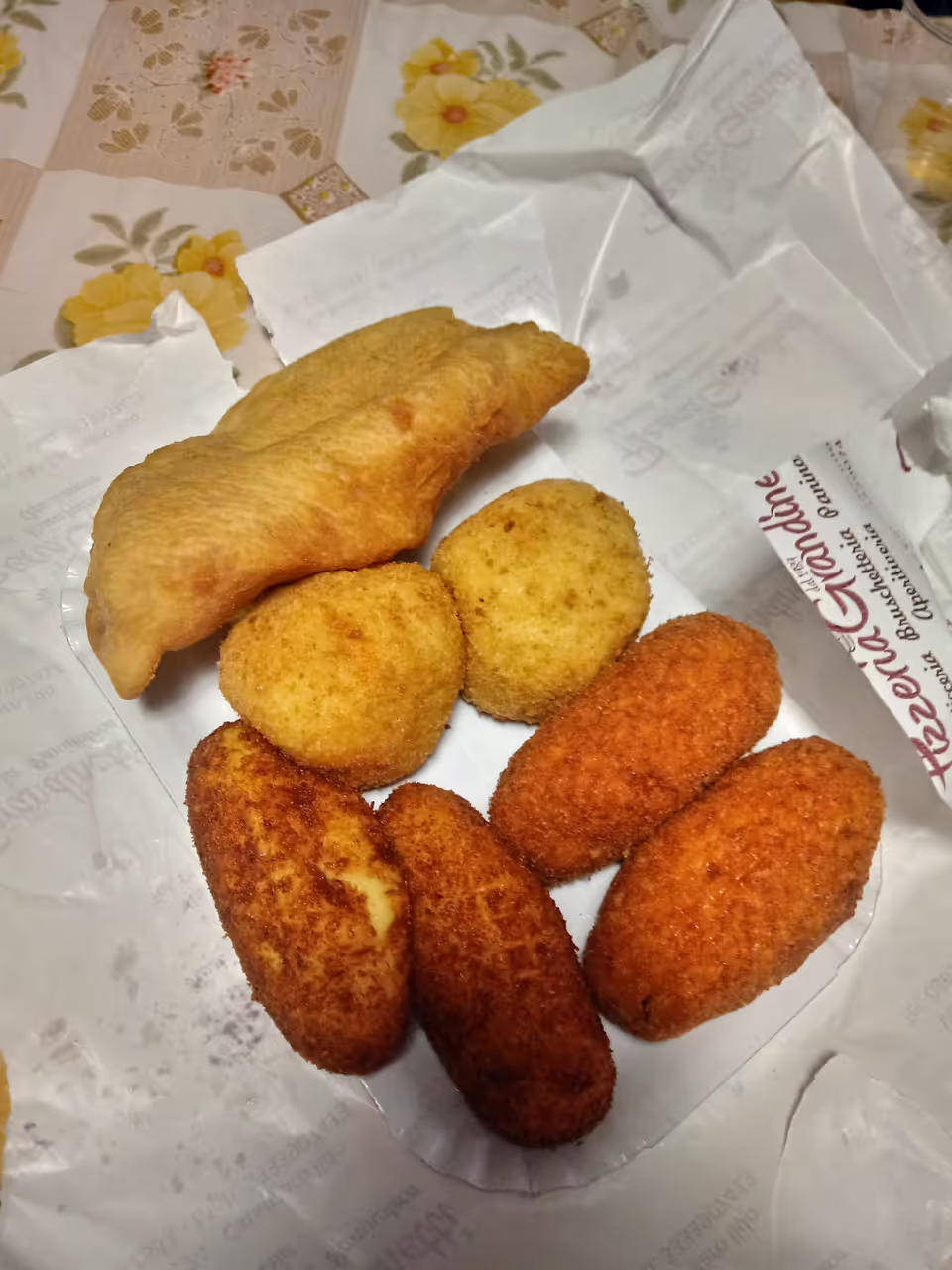
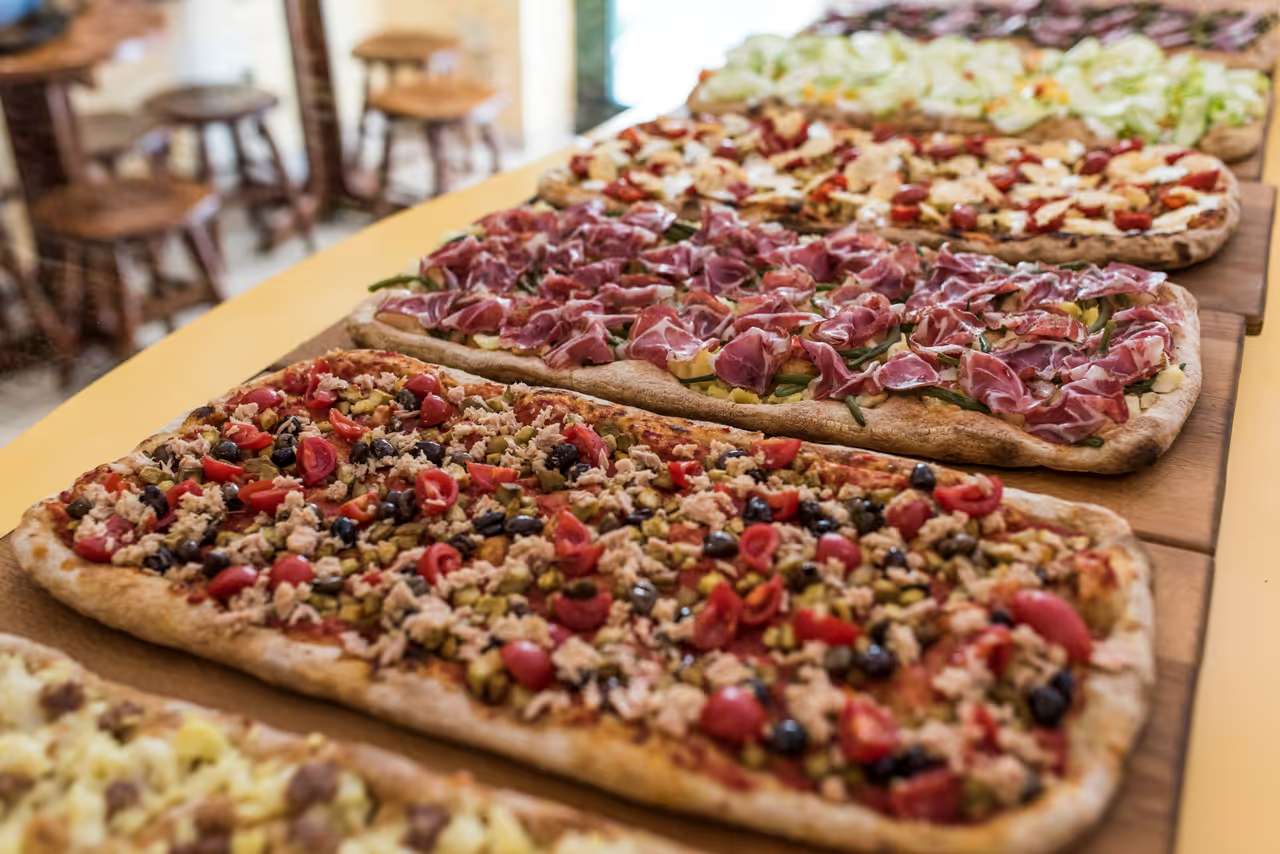
Pizza al taglio is sold by weight, not by the slice; simply point to the pizza you want and indicate with your hands how large of a piece the server should cut.
Be cautious on crowded public transport like bus route sixty four and the Metro system, as these are prime locations for highly skilled pickpockets.
If you wish to visit government owned museums and historical sites, plan your trip to coincide with the first Sunday of the month when admission is completely free.
PERFECT FOR
This destination is perfect for history enthusiasts eager to walk in the footsteps of ancient emperors and Renaissance masters. Food lovers will be in absolute paradise discovering authentic pasta dishes and traditional street food in local neighbourhoods. It is equally ideal for romantic getaways, offering breathtaking sunsets, charming cobblestone alleyways, and an undeniably passionate atmosphere.
VIBE
Rome feels like a grand, chaotic open air museum where millennia of history blend seamlessly with modern life. The atmosphere is vibrant and deeply romantic, filled with the aroma of espresso and the murmur of animated conversations. Walking these ancient streets offers a profound sense of awe and timelessness.
Frequently Asked Questions about Rome
While we strive to keep this information accurate and up to date, we recommend verifying any details independently before making decisions based on them.
Similar Destinations in Italy
Continue your journey. Explore these highly recommended cities and uncover more of what Italy has to offer.