Colosseum
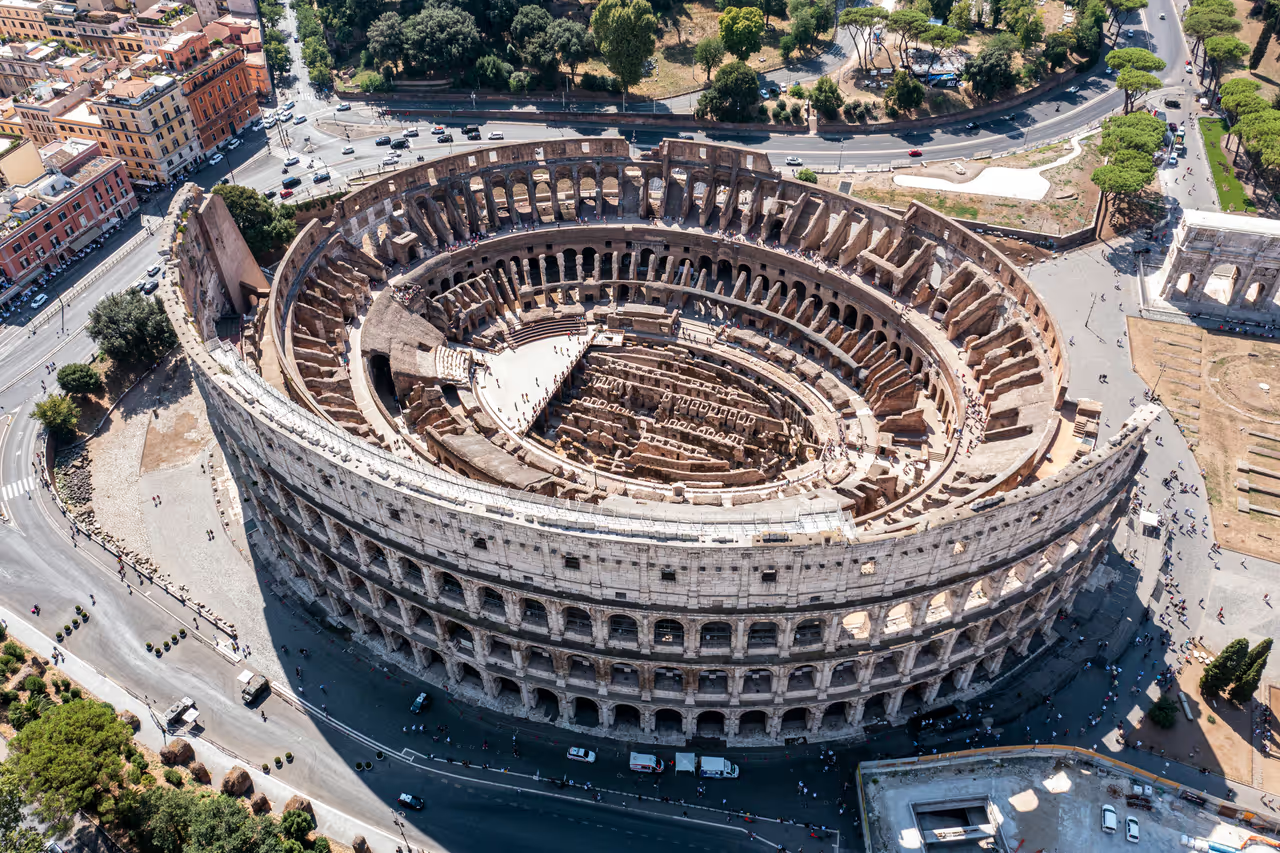
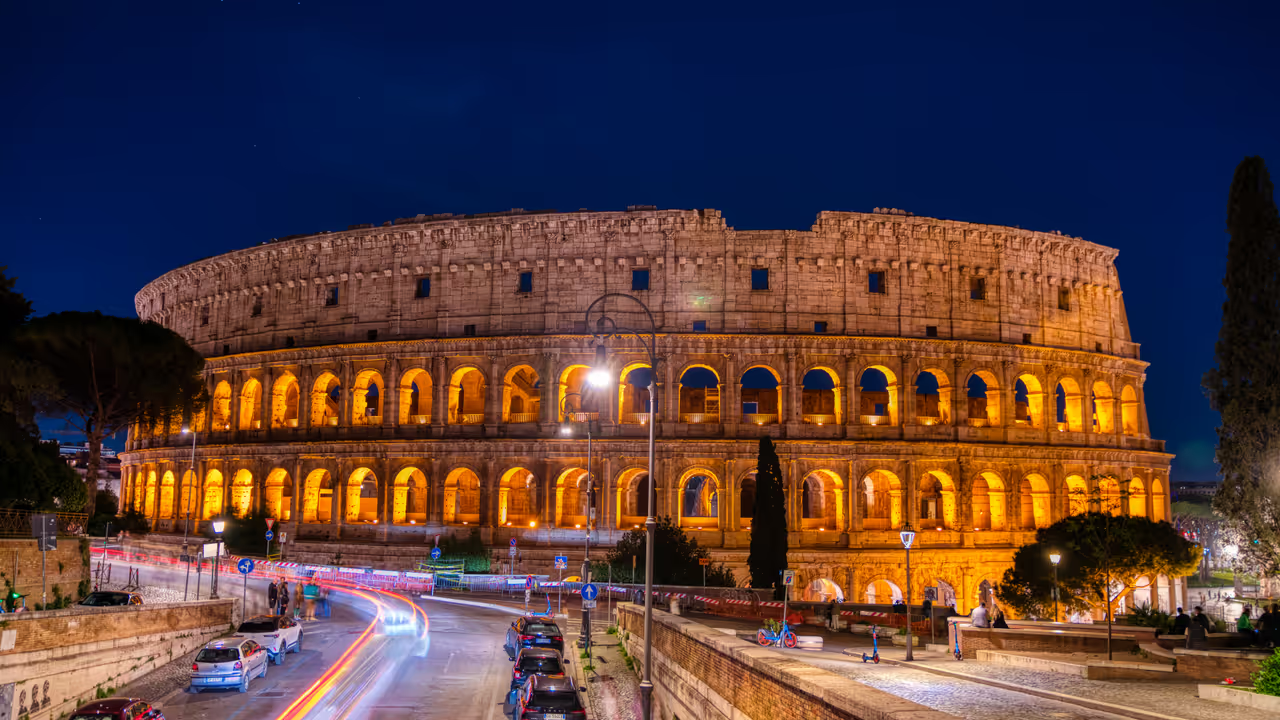
The Colosseum stands as the grandest monument of the Roman Empire, a stone giant that has witnessed centuries of drama and triumph. Its massive elliptical structure was once the stage for legendary gladiatorial contests and exotic animal hunts that captivated thousands. Exploring its tiers today provides a deep sense of connection to the ancient world and the incredible engineering skills of the Romans. The atmosphere inside is both powerful and reflective, especially when viewing the complex labyrinth of the underground tunnels. It is a place that tells a story of ambition, spectacle, and the eventual passage of time. Visiting this world wonder is an essential experience that brings the history of Rome to life in a way few other places can.
Videos
History of Colosseum
The valley between the Palatine and Caelian hills was once a private, artificial lake, the centrepiece of Emperor Nero's sprawling pleasure palace. Following his downfall, the new emperor, Vespasian, made a shrewd political calculation. He drained the water and replaced it with a massive stone amphitheatre for the public, funding the project with the spoils plundered from the Temple of Jerusalem in 70 AD. It was a clear, physical message to the Roman population, returning usurped land to the citizens in the most spectacular fashion possible. When Vespasian’s son Titus inaugurated the structure in 80 AD, he declared one hundred straight days of games. Early crowds watched naval battles float across the flooded arena, a spectacle that ended when his brother Domitian installed a complex underground network of trapdoors and tunnels, known as the hypogeum. Below the wooden floor, sailors from the Misenum fleet operated a massive canvas awning called the velarium to shade the highest tiers. Down in the darkness, winches hoisted bears, lions, and fighters up into the bright Mediterranean light. The stone oval was far from invincible. A lightning strike in 217 AD ignited the upper wooden tiers, forcing the gladiators to relocate to the Circus Maximus for five years while the damage was repaired. Nature eventually proved a harsher critic than any invading army. A devastating earthquake in 1349 shook the unstable alluvial soil beneath the southern side, bringing down the outer ring in a massive collapse. Those fallen blocks did not go to waste. For centuries, popes and noble families treated the ruin as a convenient limestone quarry, carting away thousands of tonnes of travertine to build Palazzo Barberini and the port of Ripetta. By the Renaissance, the cavernous, overgrown archways had acquired a sinister reputation. The artist Benvenuto Cellini wrote of creeping inside with a necromancer at midnight to summon demons among the shadowy rubble. To stop the endless scavenging of stone, Pope Benedict XIV consecrated the arena in 1744, declaring it a sacred memorial to early Christian martyrs and installing a Via Crucis. It soon became a romantic ruin. When the writer Johann Wolfgang von Goethe visited at night in 1787, he found beggars gathered around a campfire on the arena floor, the smoke drifting up past the dark, gigantic walls into the moonlight. The modern silhouette owes its survival to emergency interventions in the early nineteenth century. After another tremor in 1806 left the outer edges perilously close to falling, the architect Raffaele Stern hastily built a crude brick wedge to prop up the failing arches. Today, tourists queueing under the harsh midday sun alongside the Via dei Fori Imperiali will notice that these repaired eastern and western ends do not match the original white stone. Faint traces of red paint still cling to the entrance keystones above, exactly where ancient spectators once searched for their assigned gates.
12 Events spanning 1937 years
Fun Facts
- • Botanists have documented over 400 species of rare plants growing within the ruins, many of which thrived due to the unique microclimate of the site.
- • Contrary to common belief, gladiators rarely fought to the death because they were expensive to train and maintain.
- • During the inaugural games in 80 AD, the arena was filled with water so that real ships could recreate famous naval victories.
- • Renaissance builders viewed the monument as a convenient quarry, using its travertine stone to construct parts of St. Peters Basilica.
- • Roman sailors were specifically employed to operate the Velarium, a giant retractable awning that protected spectators from the scorching Italian sun.
- • Since 1999, the Colosseum changes its night time lighting from white to gold whenever a death sentence is abolished or commuted anywhere in the world.
- • Spectators used small pottery shards called tesserae as tickets, which indicated their specific row and seat number just like a modern stadium.
- • The amphitheatre was originally adorned with 160 bronze statues of gods and heroes placed within the arches of the second and third floors.
- • The name Colosseum actually comes from a massive bronze statue of Emperor Nero, known as the Colossus, which originally stood nearby.
- • The underground hypogeum featured 28 manual elevators that could lift lions, bears, and scenery directly into the path of the gladiators.
RESOURCES
Official WebsiteColosseum FAQ
While we strive to keep this information accurate and up to date, we recommend verifying any details independently before making decisions based on them.
Colosseum Map & Neighborhood Explorer
This interactive map is centered on Colosseum. Zoom in and move the map around to automatically discover Wikipedia photos and summaries of other nearby sights, monuments, and historical points of interest and stories in real-time!
Places near Colosseum
Make the most of your trip. Check out these top-rated spots located nearby.
 252m
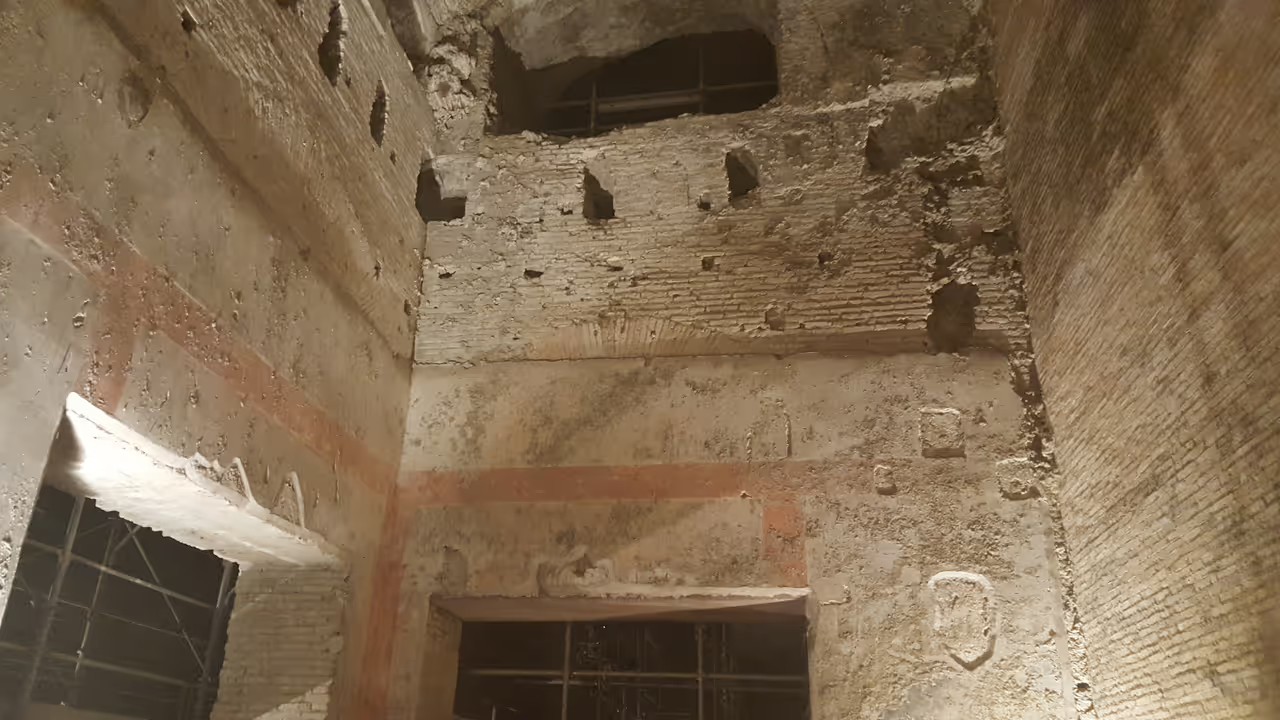
252mNero's Golden House
Hidden entirely beneath a public park lies the fascinating, excavated remains of Emperor Nero's outrageously extravagant ancient palace. Originally a sprawling, opulent complex featuring artificial lakes, rotating dining rooms, and extensive gold leaf decorations, it was buried and built over by later emperors. Today, visitors don hard hats to explore the cavernous, hauntingly beautiful underground brick vaults and corridors. The incredibly well preserved ancient frescoes found here famously inspired Renaissance artists like Raphael when they were rediscovered centuries later. The guided tours often feature cutting edge virtual reality, allowing you to see the magnificent palace exactly as it appeared in antiquity. It is a thrilling, adventurous dive into imperial madness and architectural brilliance.
highlight view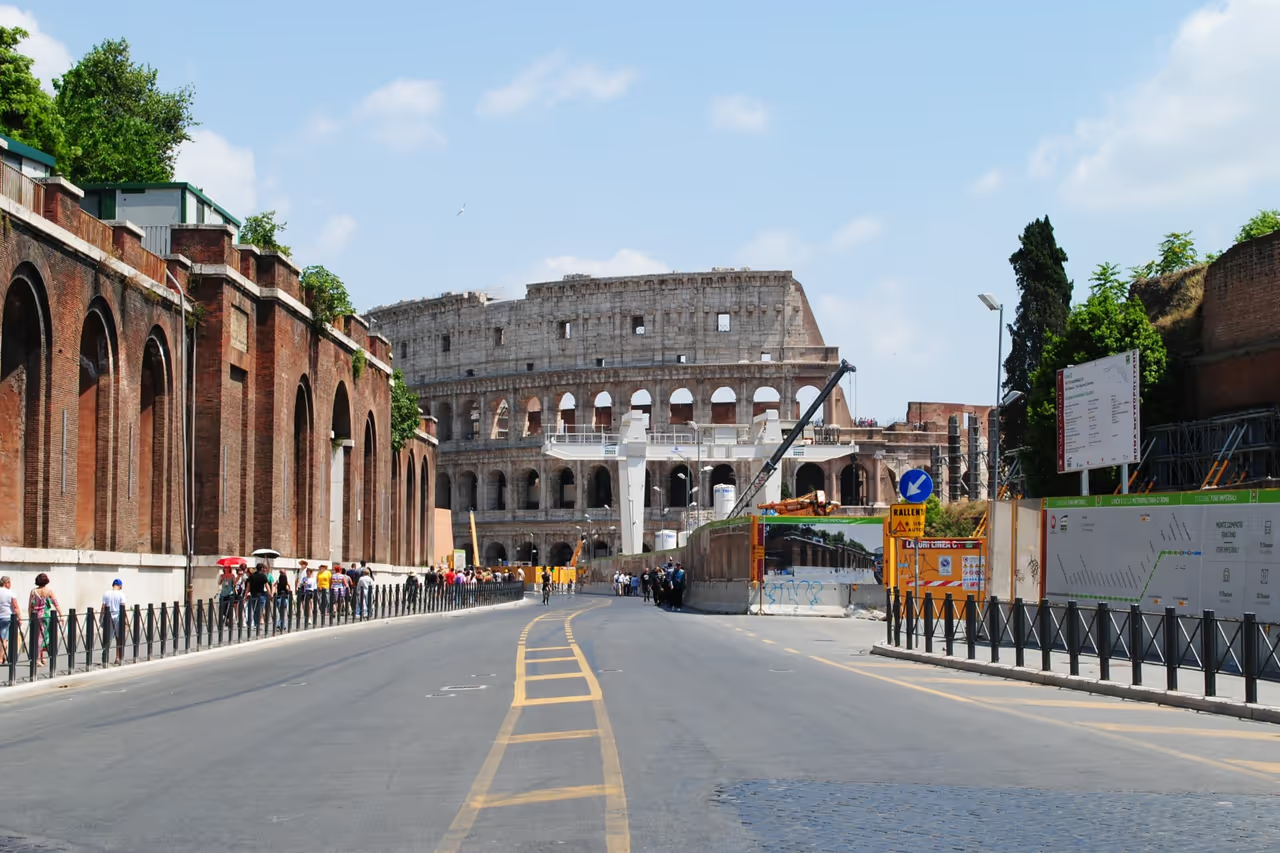 286m
286mColosseum from Via dei Fori Imperiali
Walking down the wide, monumental avenue leading away from Piazza Venezia offers the most iconic and powerful, unobstructed view of the great amphitheatre. The straight, slightly elevated perspective perfectly captures the immense, curved facade of the ancient structure dominating the end of the road. Using a zoom lens from a distance brilliantly compresses the perspective, making the colossal ruins appear incredibly imposing against the modern street level. The location is ideal for capturing the beautiful contrast between the dark, ancient stone and the deep blue Mediterranean sky. It is the definitive, classic angle for photographing the most famous symbol of antiquity.
photo spot view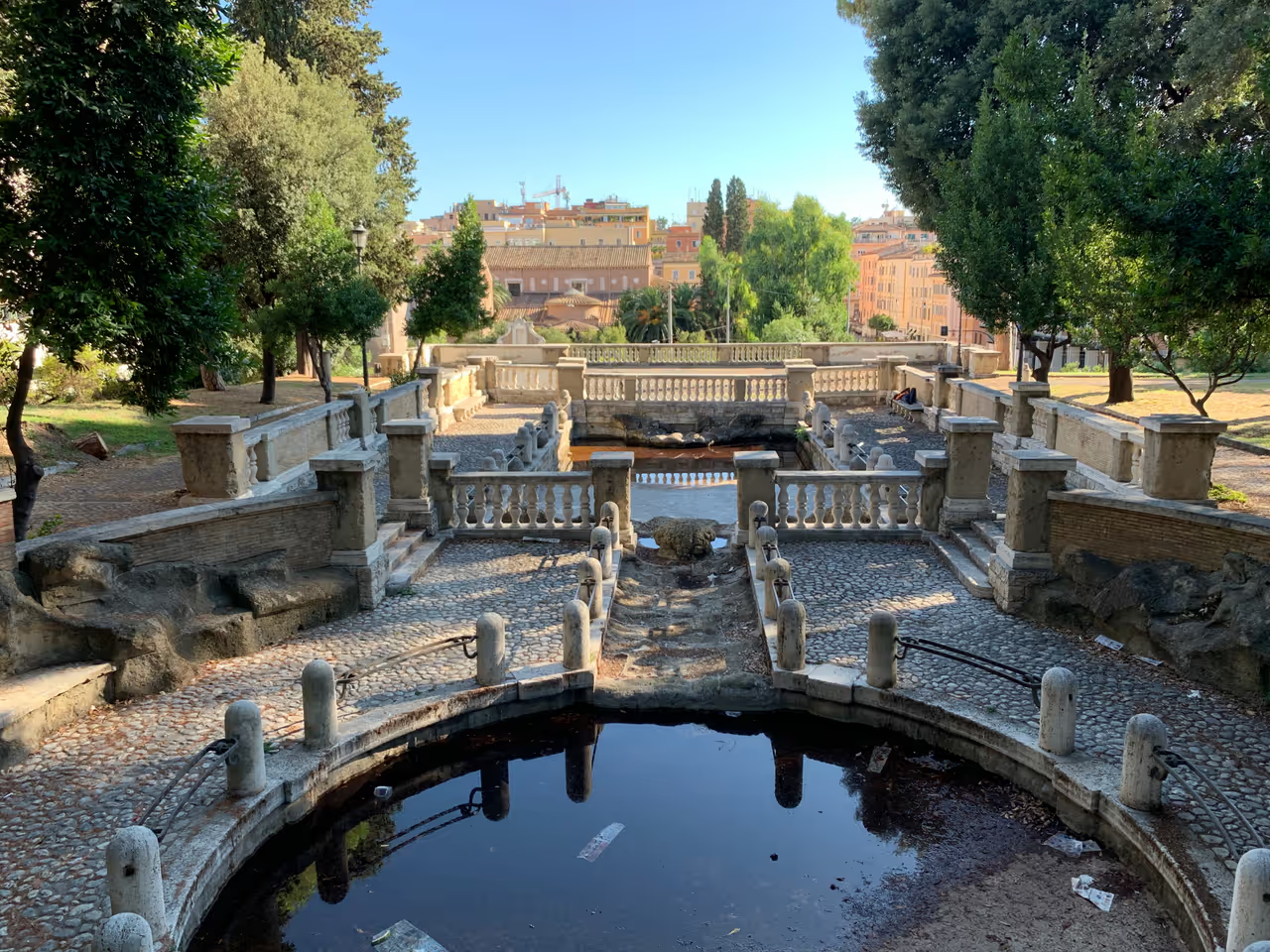 406m
406mColle Oppio Park and Baths of Trajan
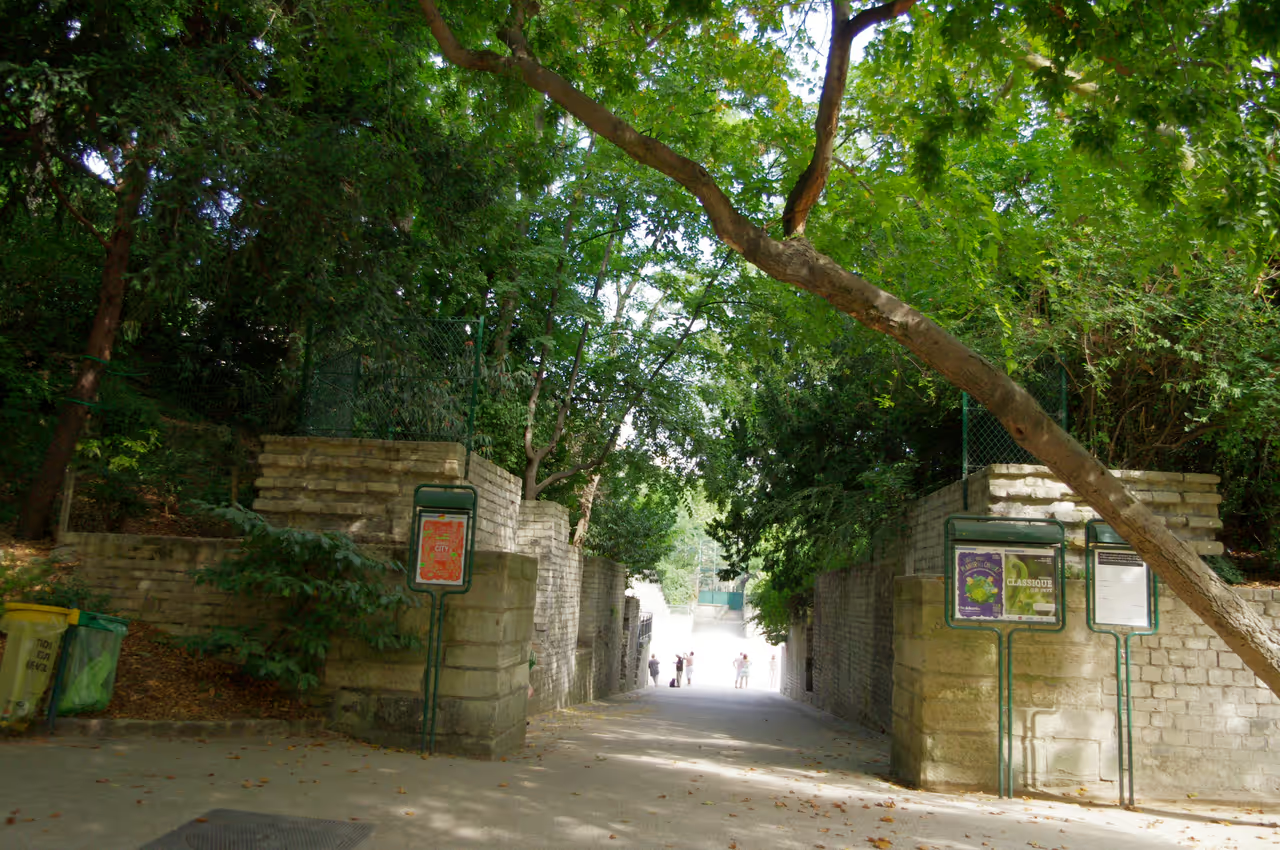
Nestled in the heart of Rome, Colle Oppio Park serves as an elevated oasis that seamlessly bridges the gap between antiquity and the vibrant daily life of the Monti district. This green space is more than just a local garden; it is a sprawling historical site that contains the buried ruins of Nero's legendary Domus Aurea and the impressive remains of the Baths of Trajan. Visiting here offers a rare moment of tranquillity where you can gaze down at the Colosseum without the crushing intensity of the crowds below. Whether you are walking through the shaded paths on a summer afternoon or enjoying the sunset light hitting the nearby arches, the park feels like a quiet witness to centuries of history. It remains one of the best kept secrets for those wanting to absorb the Roman skyline with a bit of space to breathe.
park & nature view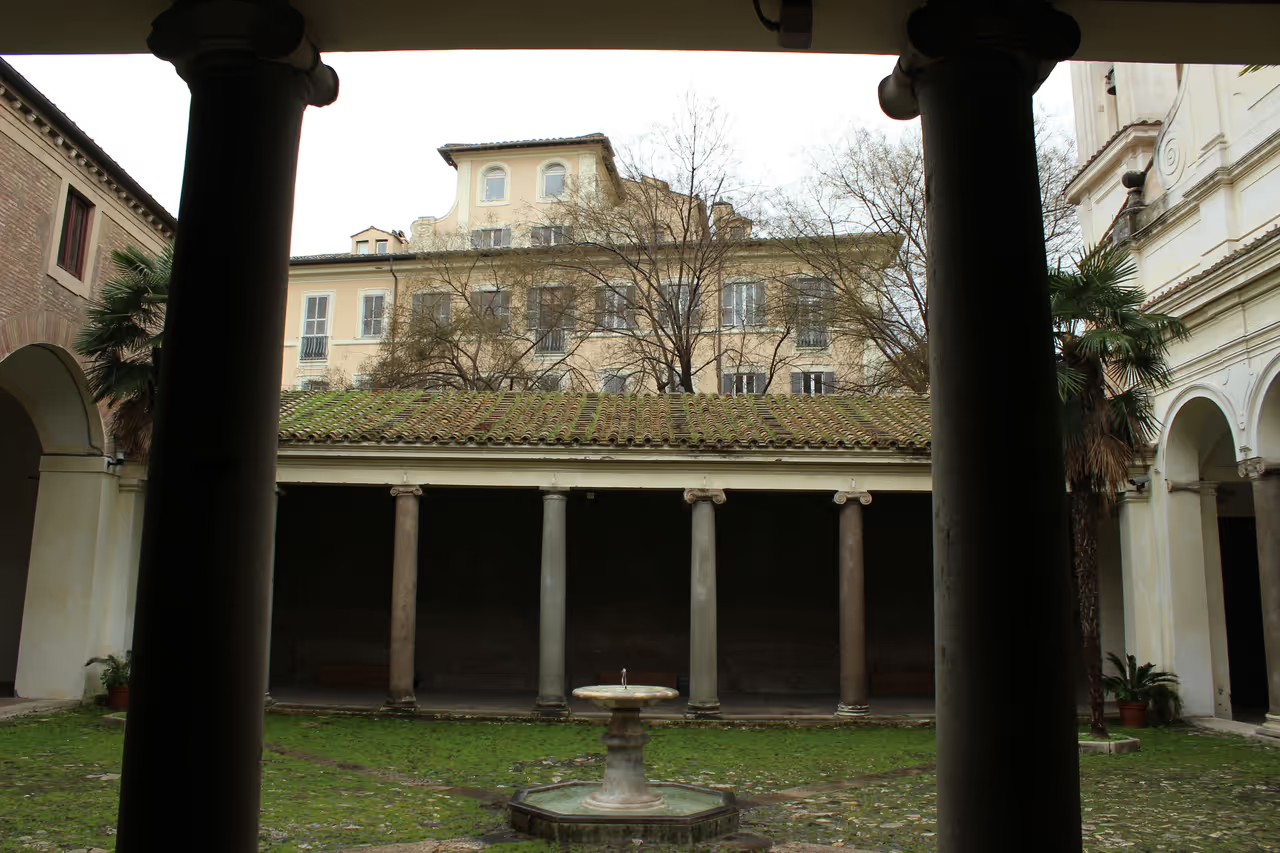 433m
433mBasilica of San Clemente
This unassuming church located near the Colosseum is arguably the most spectacular and literal example of the city's layered history. Visitors enter a beautiful twelfth century basilica, but can then descend a staircase into a remarkably preserved fourth century church hidden directly beneath it. Descending even deeper, you enter a damp, dark first century Roman street featuring an ancient pagan temple dedicated to the god Mithras. The sound of an underground spring rushing through an ancient aqueduct adds a haunting, incredibly evocative soundtrack to the lowest level. Exploring this site is a literal, thrilling journey descending through two thousand years of urban development.
hidden gem view
Explore Similar Places in These Collections
Featured on These Itineraries and Routes
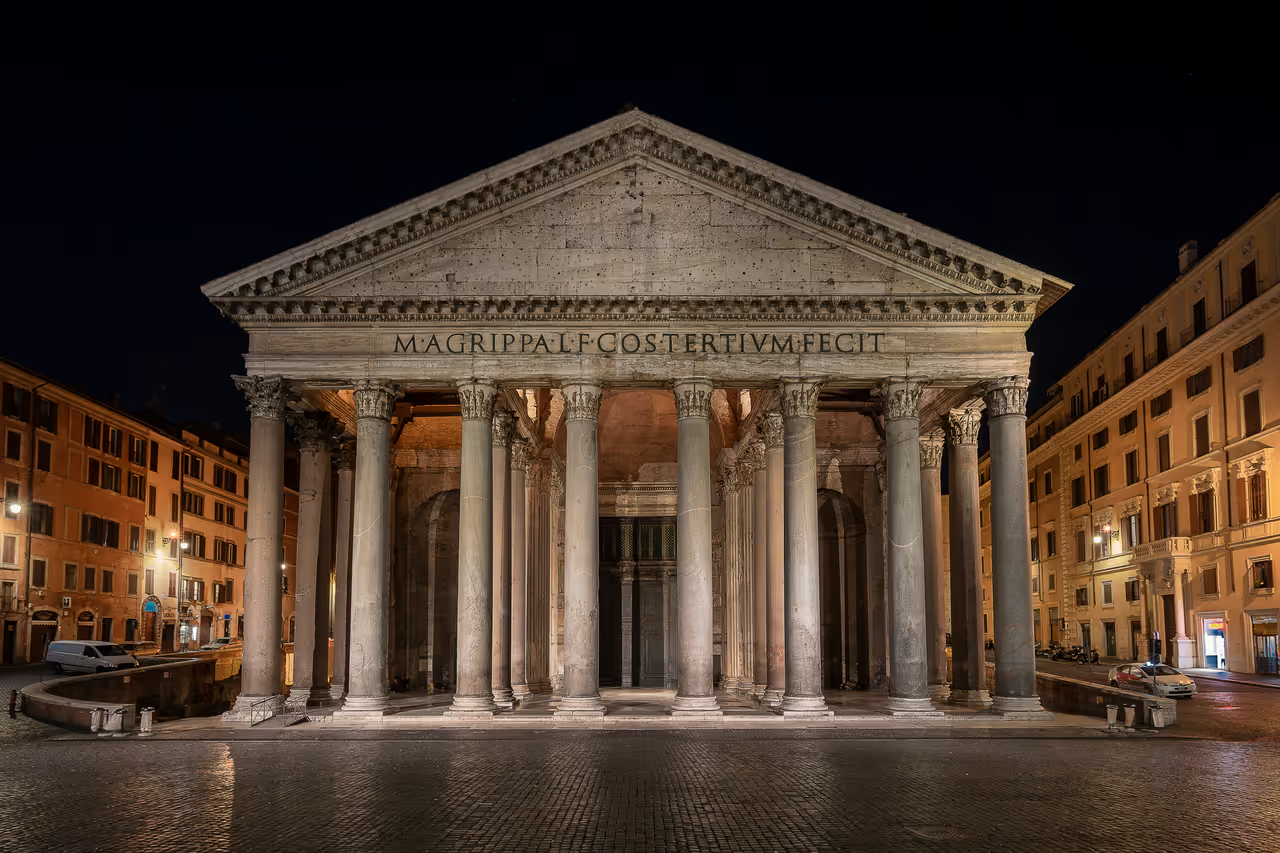
1 Day in Rome: The Eternal City Itinerary
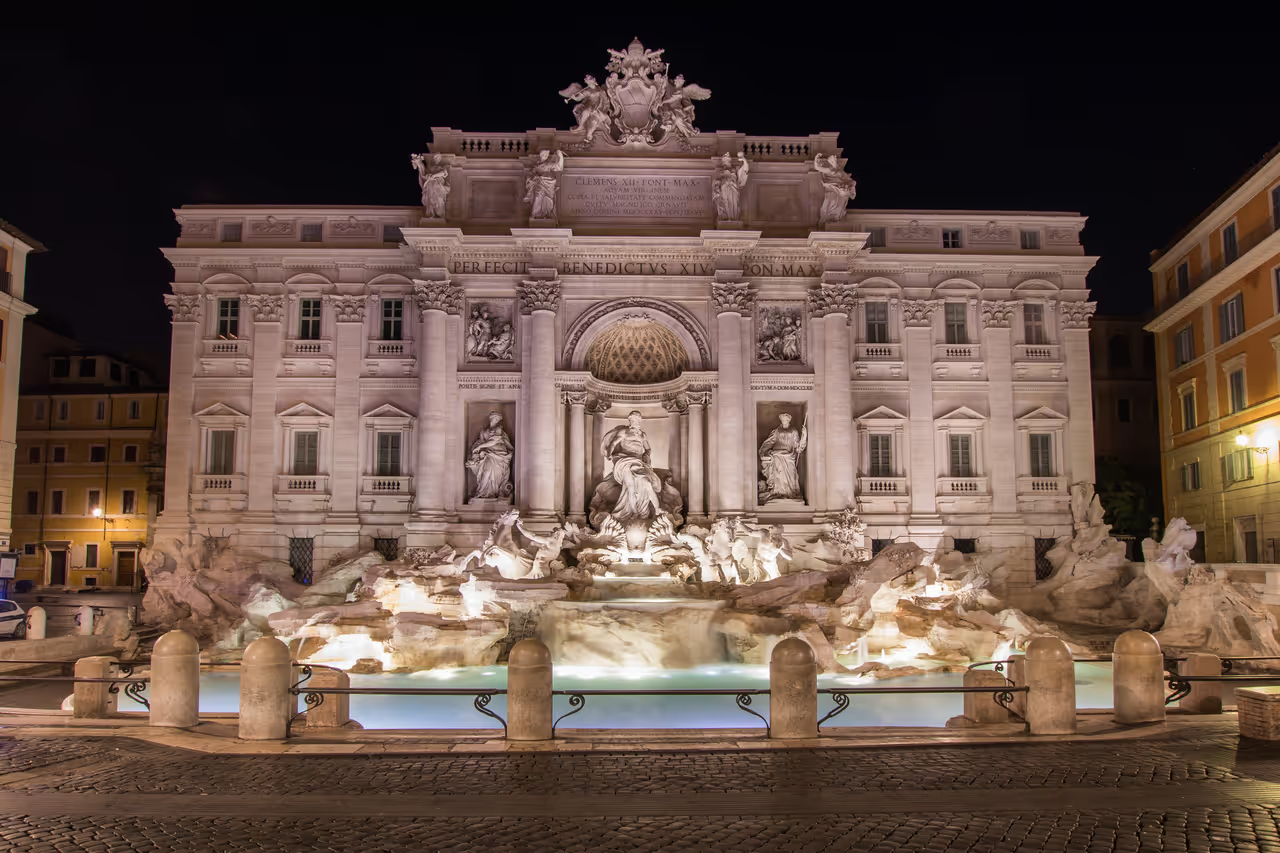
This highly condensed, intensive itinerary is perfectly designed for travellers who only have a single day to capture the absolute essence of the capital. It aggressively prioritises the most legendary, globally recognised monuments, ensuring you see the defining symbols of both antiquity and the Baroque era. The pace is necessarily brisk, requiring an early start to navigate the incredible density of historical masterpieces. It provides a thrilling, unforgettable whirlwind tour that will undoubtedly leave you eager to return for a longer visit. It is the ultimate highlight reel of human history.
view itinerary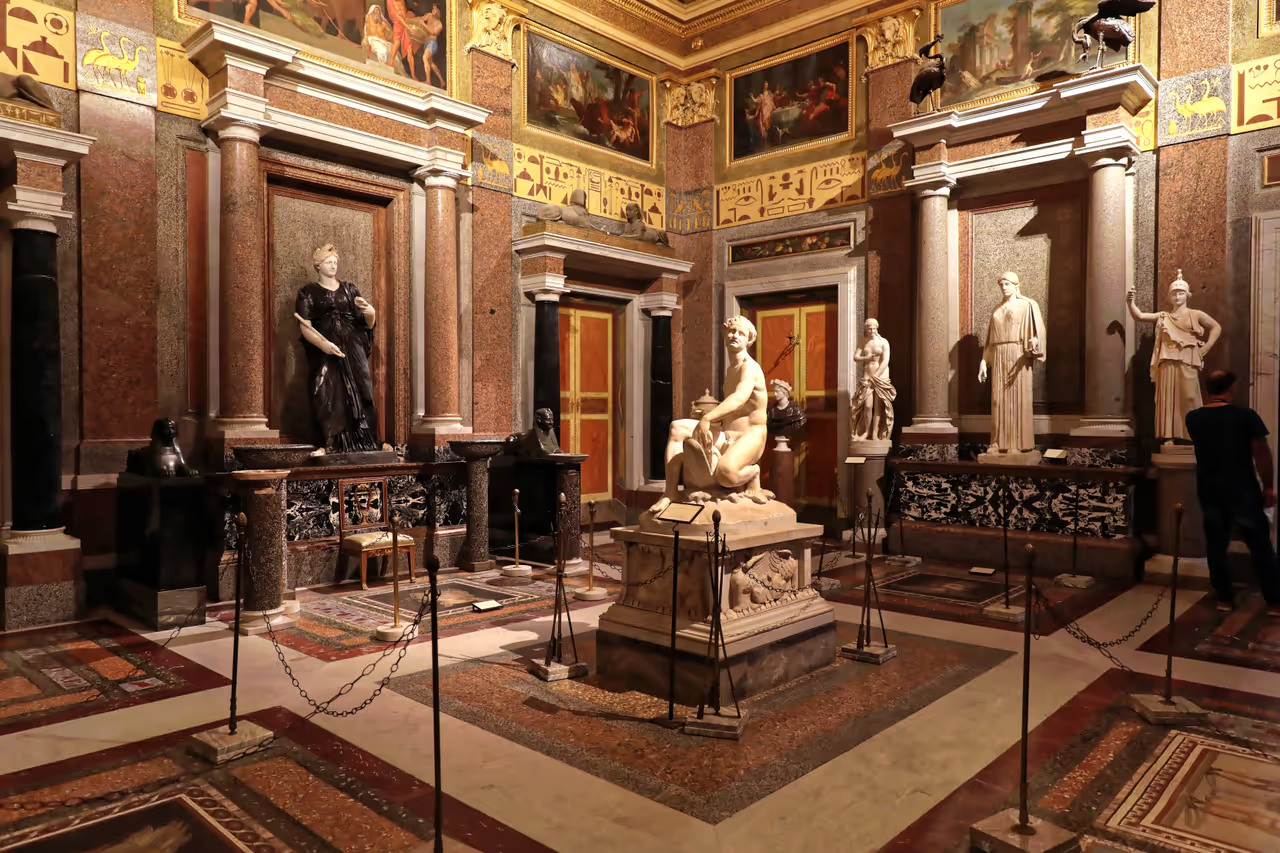
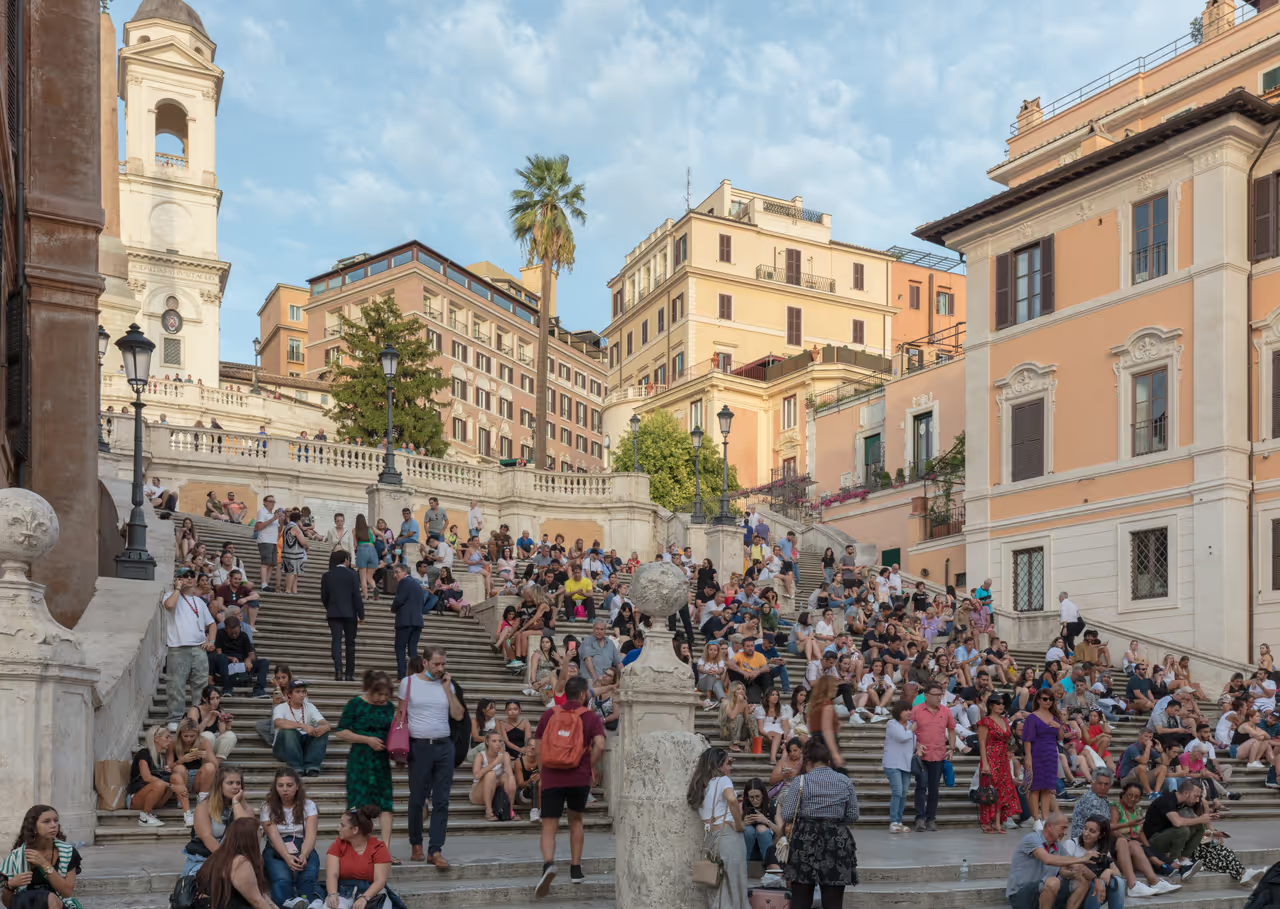
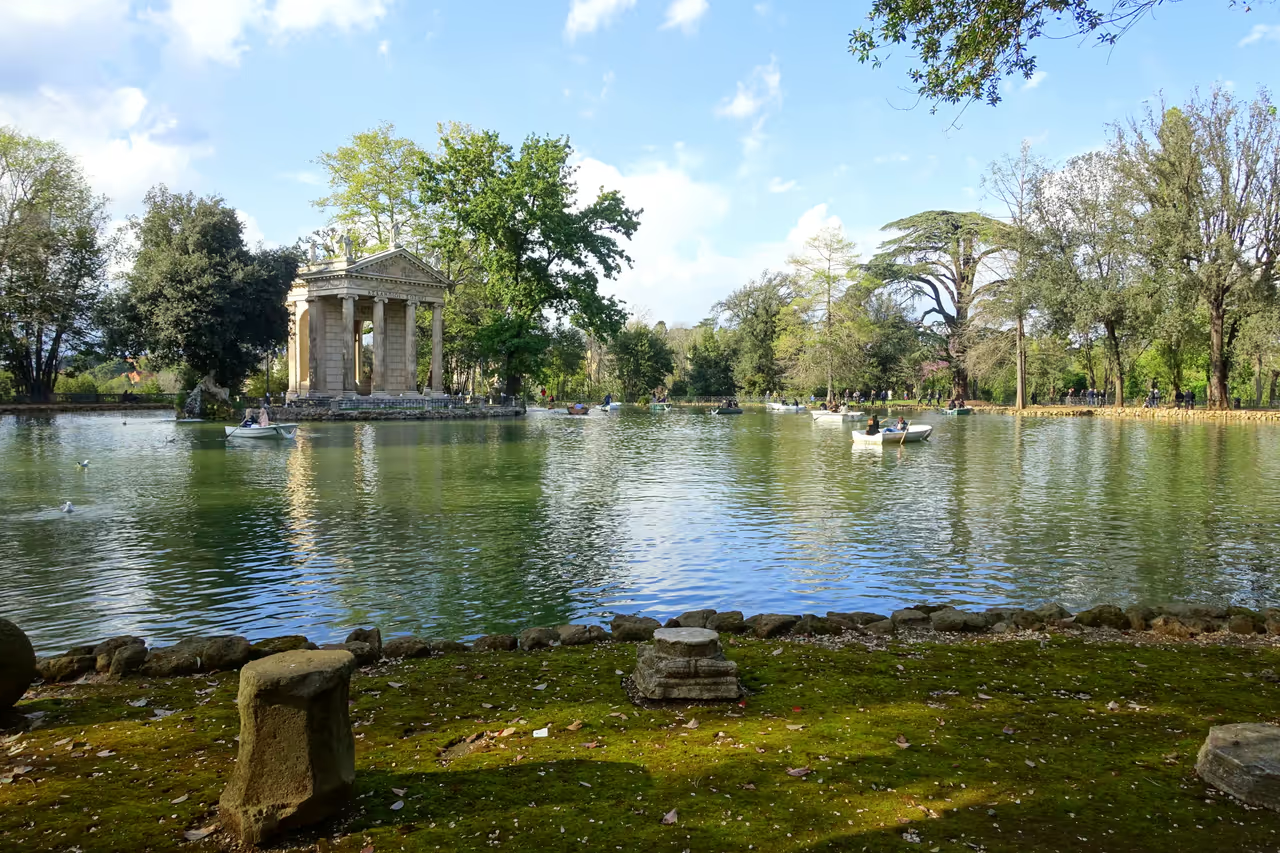
3 Days in Rome: History and Art Itinerary
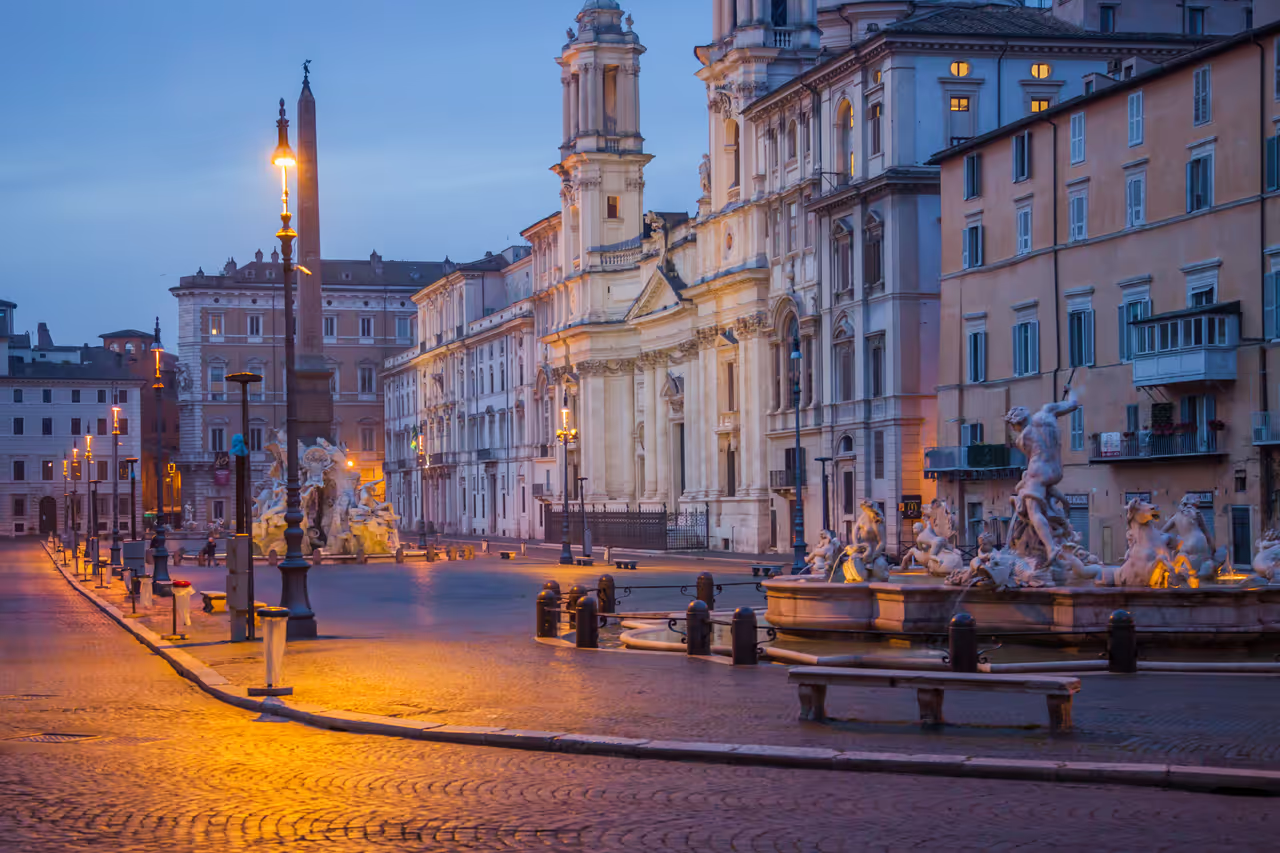
This balanced, deeply satisfying three day journey allows for a proper, immersive exploration of the city's distinct historical eras. It cleverly dedicates one full day to the sheer power of the ancient empire, another to the breathtaking spiritual grandeur of the Vatican, and the final day to the elegant art and romantic squares of the Renaissance. The pacing is comfortable, leaving ample time to enjoy long, leisurely lunches and appreciate the vibrant local street life. It offers a comprehensive, highly enriching overview of the cultural and architectural evolution of the capital. It is the ideal introductory tour for first time visitors.
view itinerary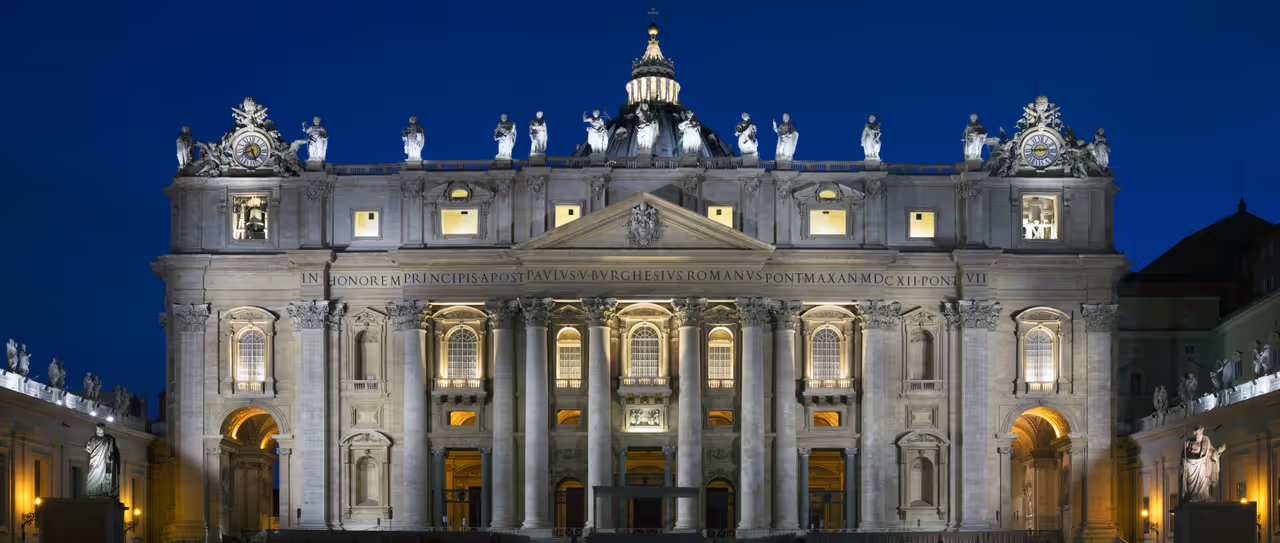
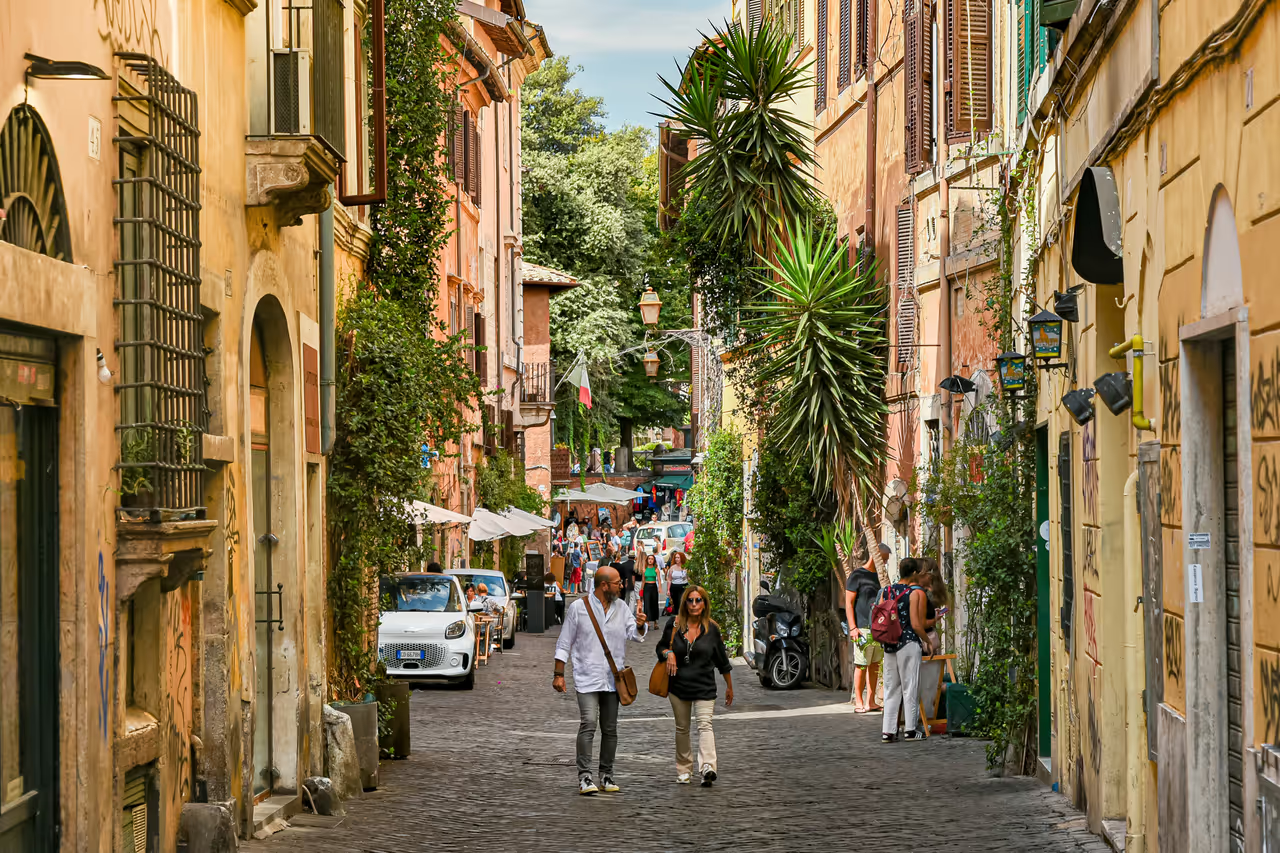
5 Days in Rome: In Depth Discovery Itinerary
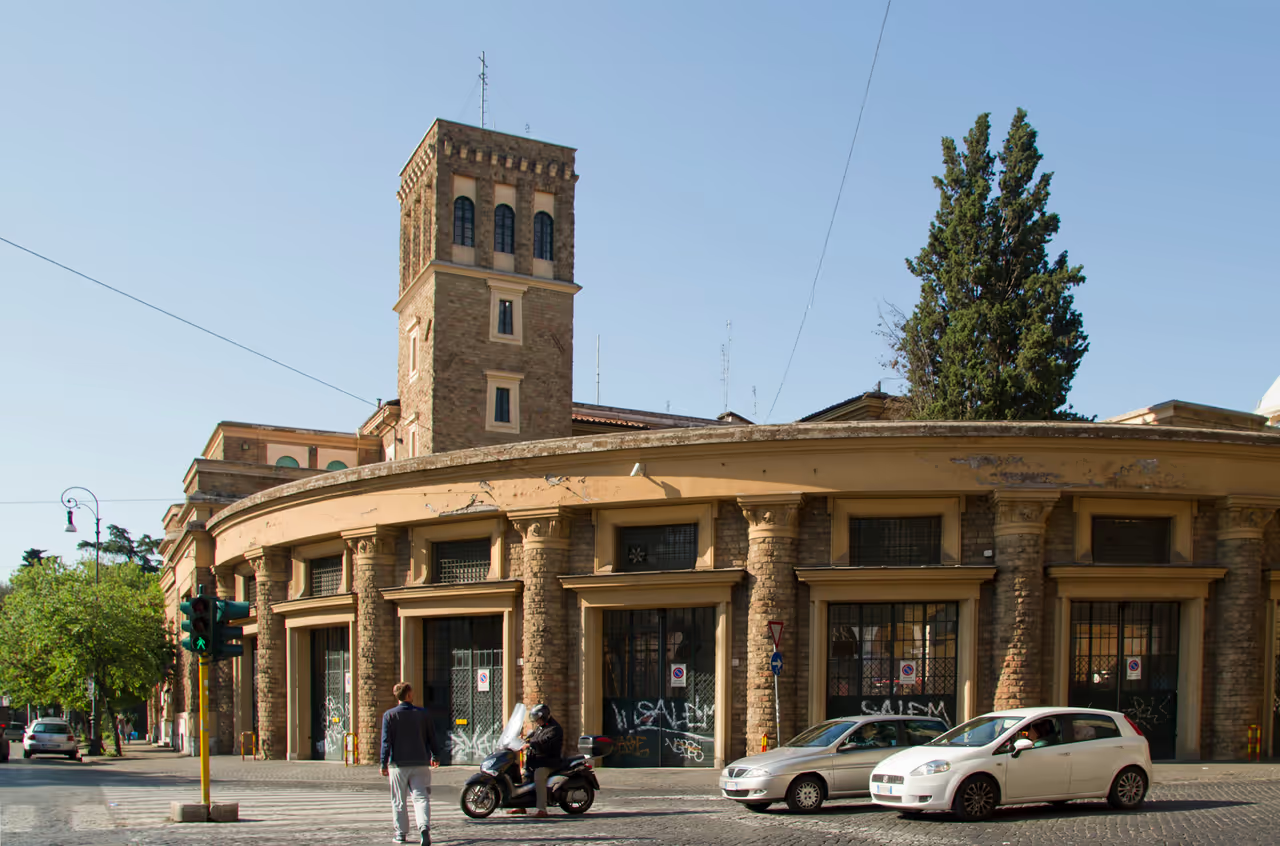
This extensive, highly rewarding itinerary is crafted for those who want to move beyond the famous highlights and discover the complex, hidden layers of the city. Building upon the essential classical and Renaissance sights, it introduces fascinating underground archaeological explorations, expansive rural parklands, and gritty, authentic working class districts. It provides a much deeper, nuanced understanding of how the ancient past continuously interacts with modern daily life. The relaxed timeframe allows for genuine cultural immersion, unhurried museum visits, and extensive culinary indulgence. It is a spectacular, complete experience of the multifaceted capital.
view itinerary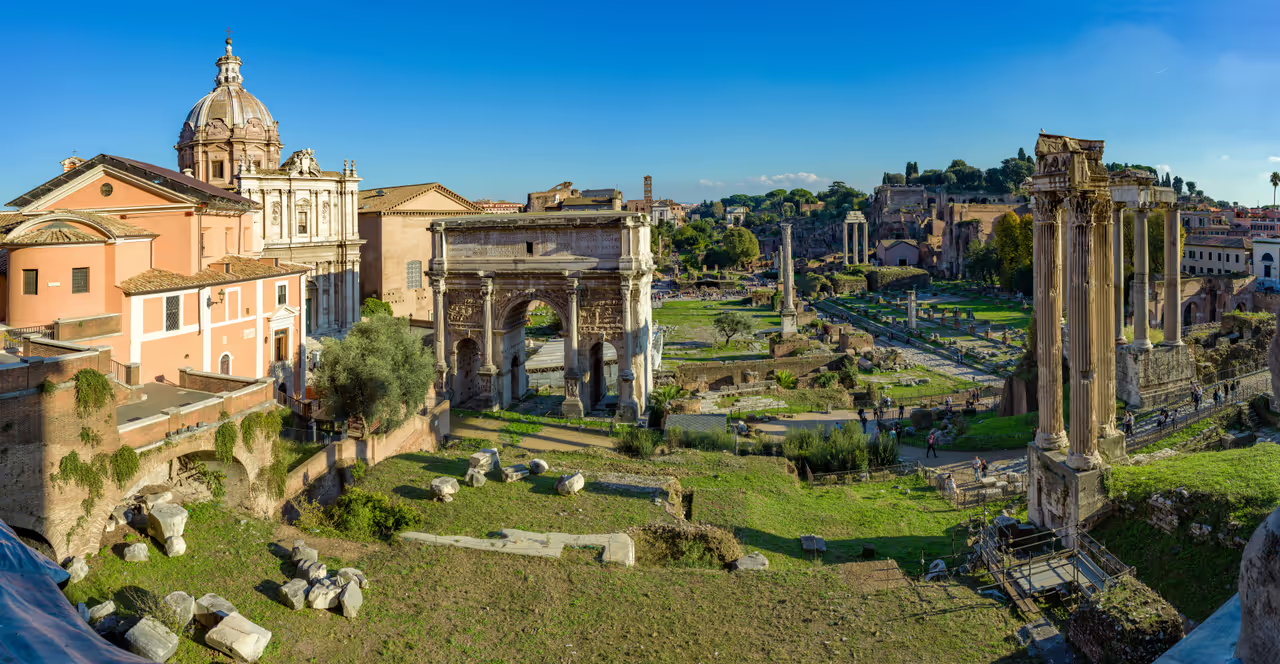
Glory of Imperial Rome
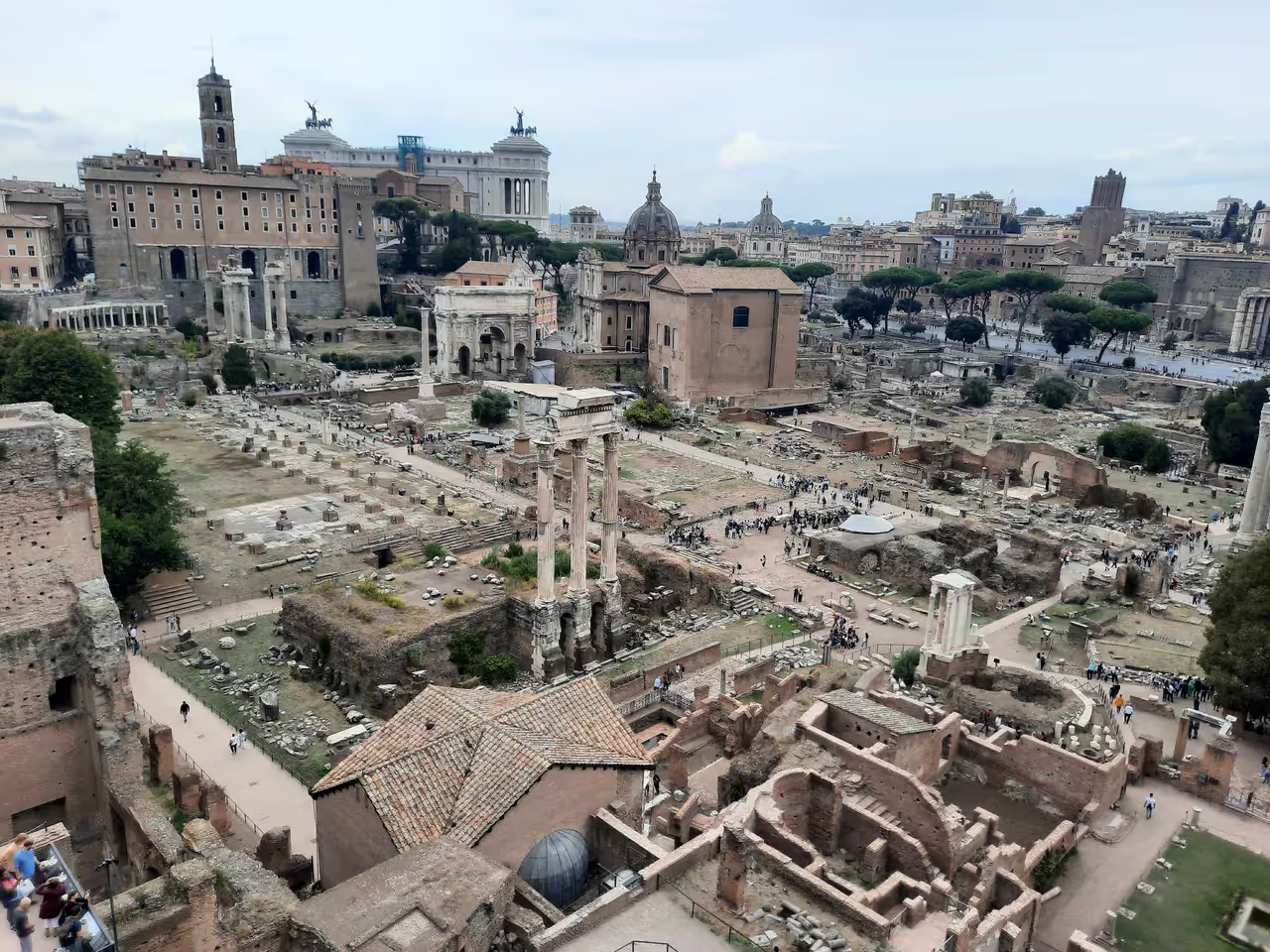
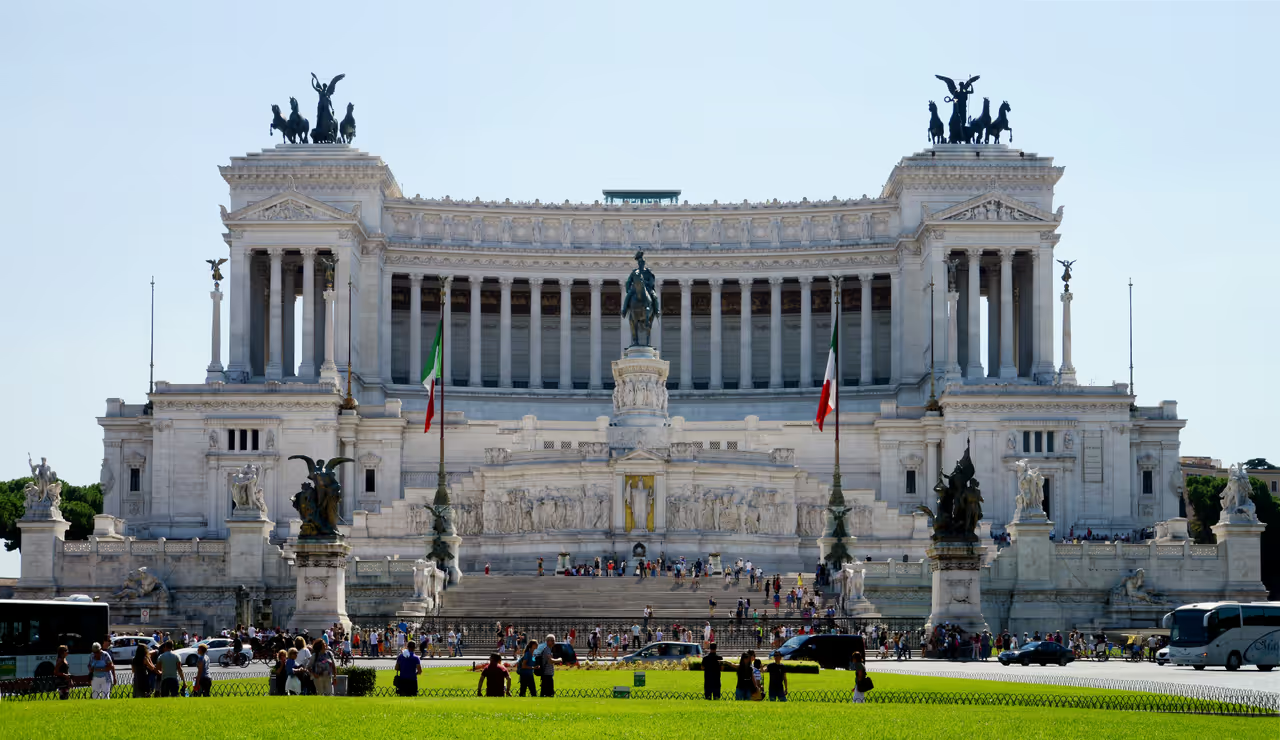
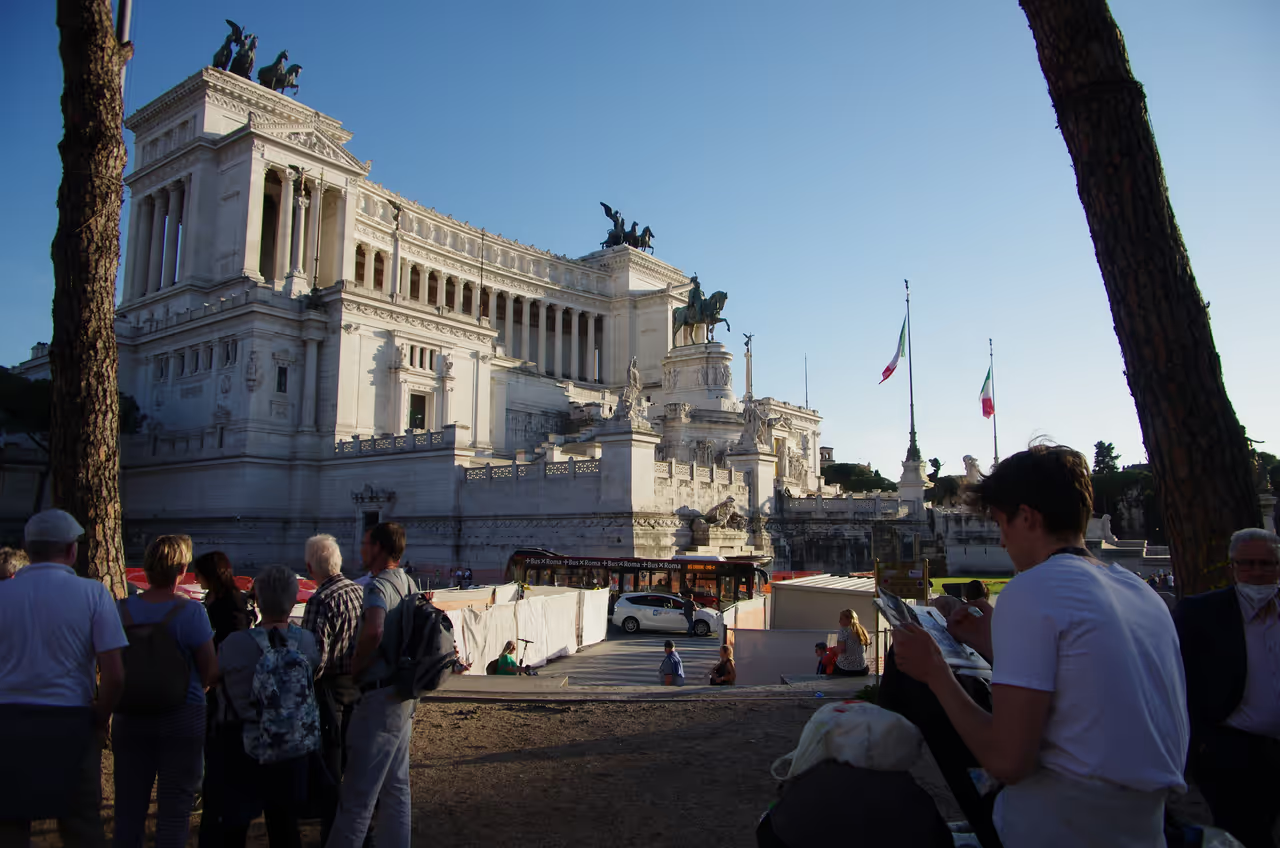
This comprehensive journey plunges deep into the awe inspiring architectural legacy of the most powerful empire of antiquity. The route navigates through massive, crumbling amphitheatres, expansive political plazas, and grand triumphal arches that once dictated the fate of the known world. Walking amidst these colossal stone and marble structures provides a visceral understanding of the incredible scale and ambition of ancient engineering. The narrative traces the dramatic shift from a republic to an autocracy, highlighting the emperors who shaped the landscape. It is an absolute necessity for anyone wanting to grasp the foundational history of Western civilisation.
view self-guided tour
See all attractions in Rome
Baths of Caracalla, Capitoline Museums, Castel Sant'Angelo, Pantheon, Roman Forum...