Colle Oppio Park and Baths of Trajan
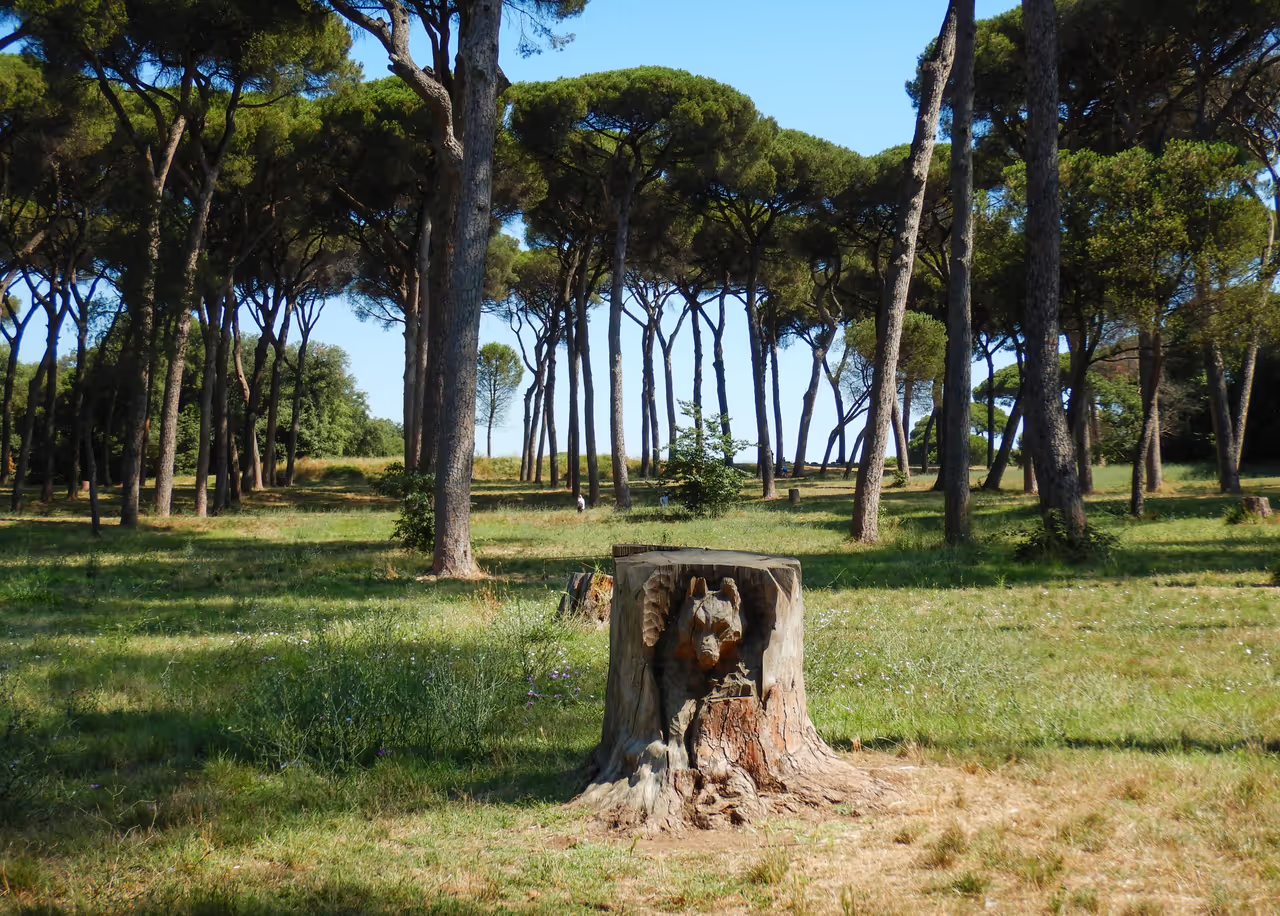
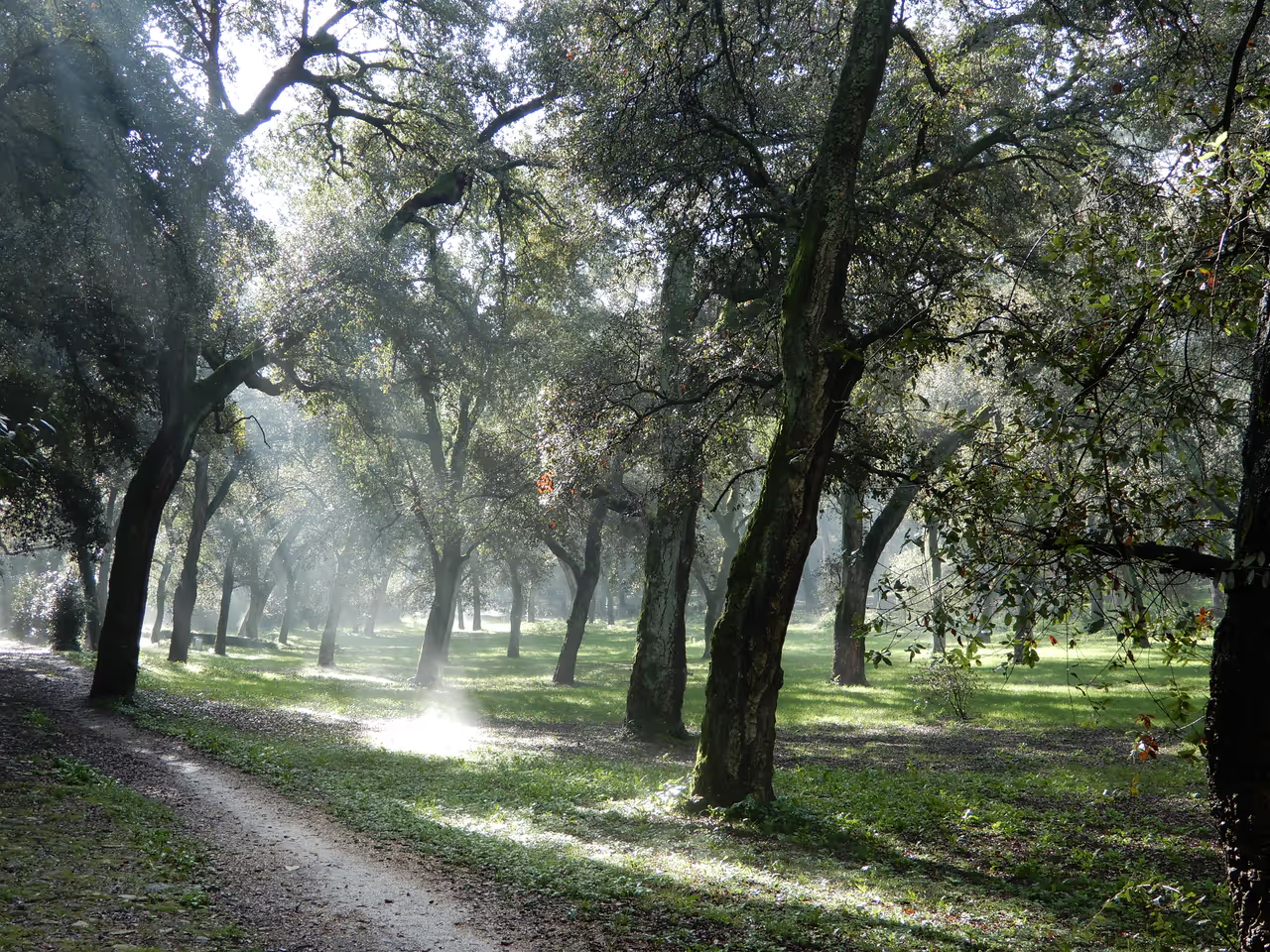
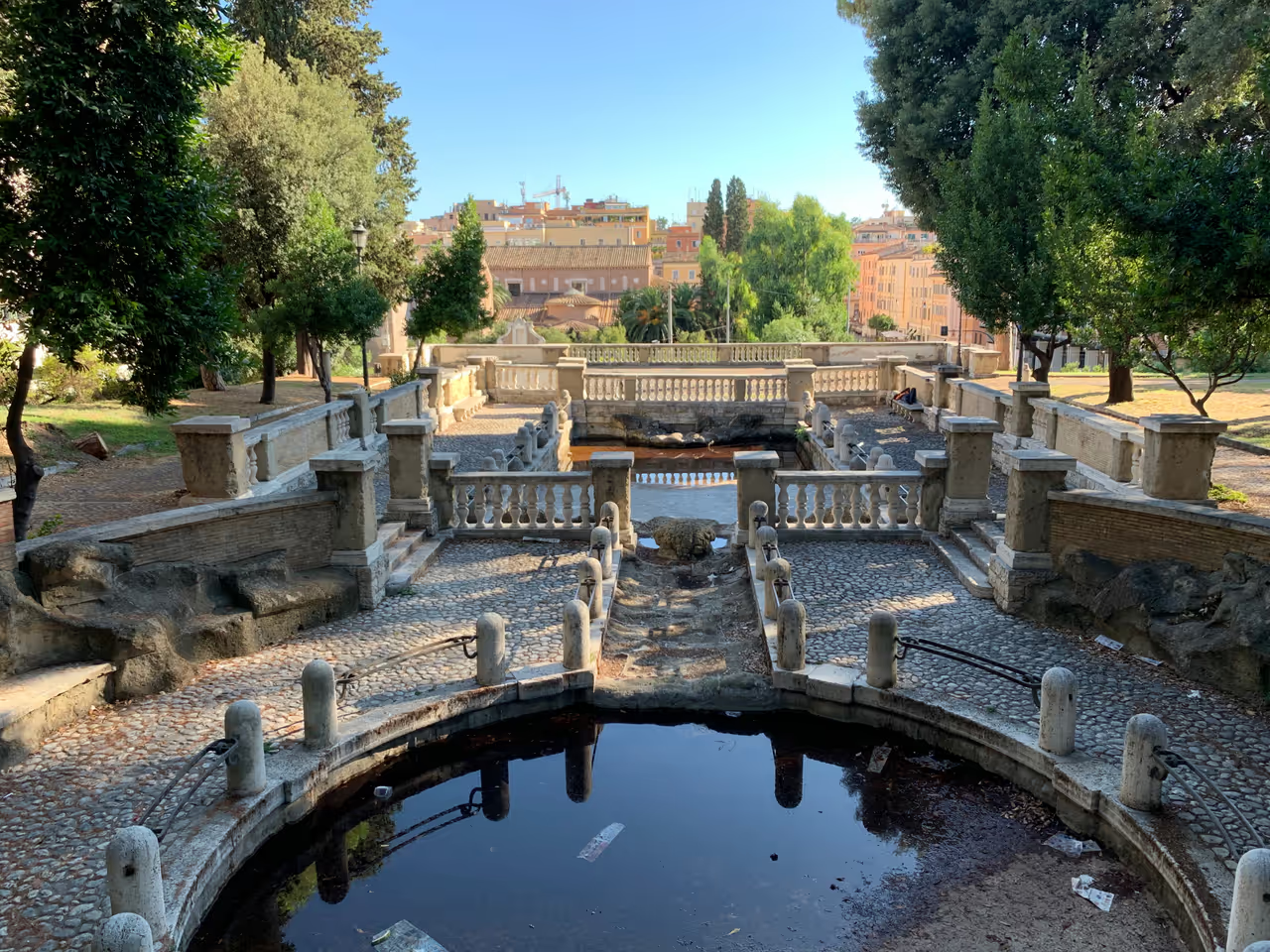
Nestled in the heart of Rome, Colle Oppio Park serves as an elevated oasis that seamlessly bridges the gap between antiquity and the vibrant daily life of the Monti district. This green space is more than just a local garden; it is a sprawling historical site that contains the buried ruins of Nero's legendary Domus Aurea and the impressive remains of the Baths of Trajan. Visiting here offers a rare moment of tranquillity where you can gaze down at the Colosseum without the crushing intensity of the crowds below. Whether you are walking through the shaded paths on a summer afternoon or enjoying the sunset light hitting the nearby arches, the park feels like a quiet witness to centuries of history. It remains one of the best kept secrets for those wanting to absorb the Roman skyline with a bit of space to breathe.
Videos
History of Colle Oppio Park and Baths of Trajan
The history of Colle Oppio is a layered narrative of power, decadence, and public service. Long before it became a park, this hill was part of the ancient Mons Esquilinus, a site that early Romans claimed as a centre of their growing community. In the first century, the hill became the stage for one of history's most notorious chapters. Emperor Nero, seeking to build a palace of unprecedented grandeur after the Great Fire of Rome, seized this land to construct his Domus Aurea. It was a place of gold, marble, and absolute excess, designed to dwarf anything that came before it. Yet, the fate of such ego was typically temporary; following his death, the palace was viewed with disdain, and subsequent emperors sought to erase the memory of the tyrant by reclaiming the land for the people. This reclamation took its most physical form under Emperor Trajan. In the early second century, he commissioned the construction of massive public baths atop the site of Nero's palace. It was a profound statement, turning a private space of selfish luxury into a communal space of public hygiene and leisure. For centuries, the massive arches of the Baths of Trajan stood as a testament to this architectural shift. As the empire fell and time passed, the ruins were reclaimed by nature, eventually becoming a quiet corner of the city, hidden beneath earth and vegetation, waiting for the modern era to rediscover them. In the modern age, the hill was formally designated as a public park in 1871, shortly after Rome was declared the capital of a newly unified Italy. This decision turned a forgotten archaeological field into a lung for the city, allowing residents to walk among the very ruins that defined Roman history. The park evolved further in the early twentieth century, taking on its current landscaped form. Today, it stands as a unique vantage point where the remnants of imperial ambition are softened by greenery, offering a place for reflection and leisure that is deeply rooted in the story of Rome itself.
Events spanning 2773 years
Fun Facts
- • Archaeologists still actively explore the hidden halls of Nero's Domus Aurea located beneath the park, which remain partially buried and preserved by the later construction of the baths.
- • Colle Oppio is one of the three heights that historically formed the Mons Esquilinus, one of the famous seven hills of Rome.
- • Despite its proximity to the Colosseum, the park remains surprisingly quiet, offering locals a space to read, jog, and enjoy the sunset away from the tourist paths.
- • Evidence of a sacellum compitale, a small neighbourhood shrine, was discovered here, proving the area was a significant civilian settlement long before the imperial era.
- • The Baths of Trajan, which dominate the site, were considered a masterpiece of Roman engineering and served as the blueprint for later, even larger bath complexes in the city.
- • The gardens were redesigned between 1928 and 1936 by landscape architect Raffaele De Vico, who gave the park much of its current layout.
- • The park acts as a unique vertical transition point, sloping gently down toward the Colosseum and providing a distinct perspective on the Flavian Amphitheatre.
- • The park is located in the rione Monti, known as one of the most characterful and authentic districts in Rome, filled with artisan shops and ivy draped buildings.
- • The statue of Alfredo Oriani is a significant example of early twentieth century Italian bronzework, reflecting the artistic sensibilities of the era.
Colle Oppio Park and Baths of Trajan FAQ
While we strive to keep this information accurate and up to date, we recommend verifying any details independently before making decisions based on them.
Colle Oppio Park and Baths of Trajan Map & Neighborhood Explorer
This interactive map is centered on Colle Oppio Park and Baths of Trajan. Zoom in and move the map around to automatically discover Wikipedia photos and summaries of other nearby sights, monuments, and historical points of interest and stories in real-time!
Places near Colle Oppio Park and Baths of Trajan
Make the most of your trip. Check out these top-rated spots located nearby.
 162m
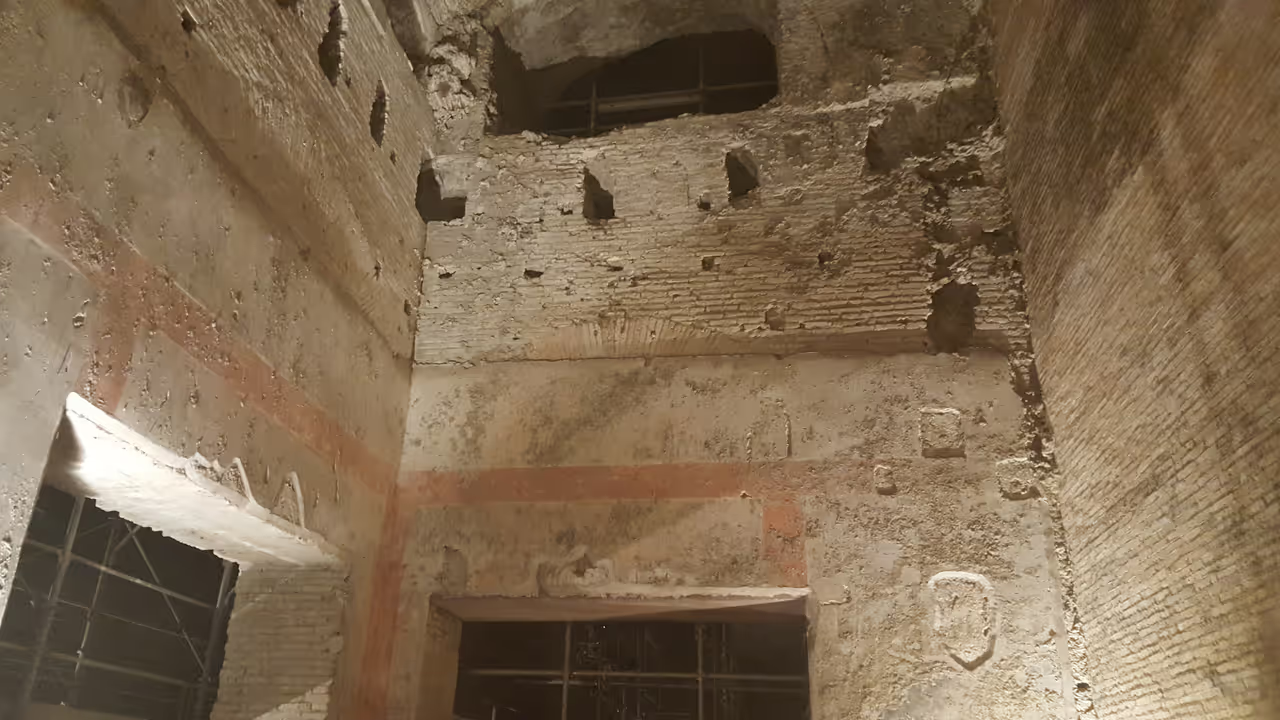
162mNero's Golden House
Hidden entirely beneath a public park lies the fascinating, excavated remains of Emperor Nero's outrageously extravagant ancient palace. Originally a sprawling, opulent complex featuring artificial lakes, rotating dining rooms, and extensive gold leaf decorations, it was buried and built over by later emperors. Today, visitors don hard hats to explore the cavernous, hauntingly beautiful underground brick vaults and corridors. The incredibly well preserved ancient frescoes found here famously inspired Renaissance artists like Raphael when they were rediscovered centuries later. The guided tours often feature cutting edge virtual reality, allowing you to see the magnificent palace exactly as it appeared in antiquity. It is a thrilling, adventurous dive into imperial madness and architectural brilliance.
highlight view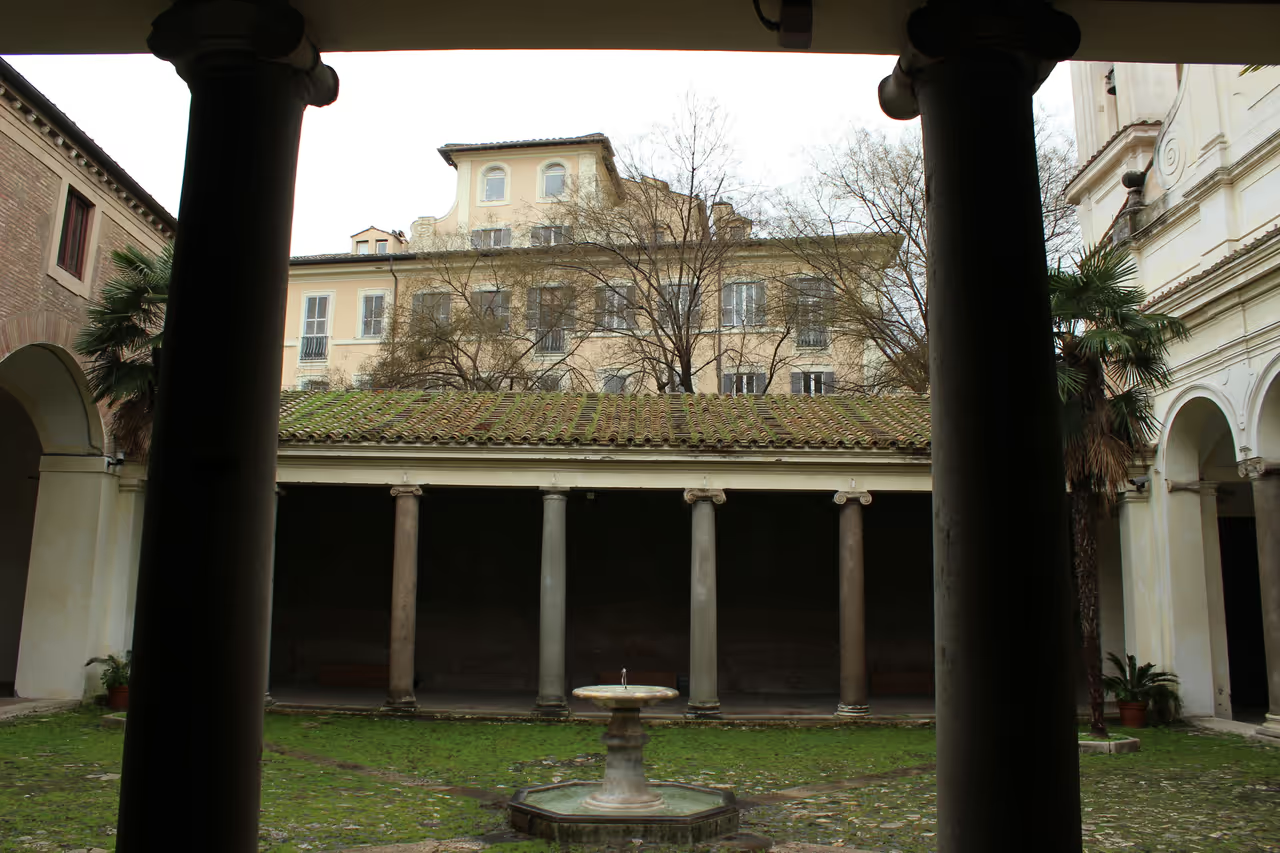 352m
352mBasilica of San Clemente
This unassuming church located near the Colosseum is arguably the most spectacular and literal example of the city's layered history. Visitors enter a beautiful twelfth century basilica, but can then descend a staircase into a remarkably preserved fourth century church hidden directly beneath it. Descending even deeper, you enter a damp, dark first century Roman street featuring an ancient pagan temple dedicated to the god Mithras. The sound of an underground spring rushing through an ancient aqueduct adds a haunting, incredibly evocative soundtrack to the lowest level. Exploring this site is a literal, thrilling journey descending through two thousand years of urban development.
hidden gem view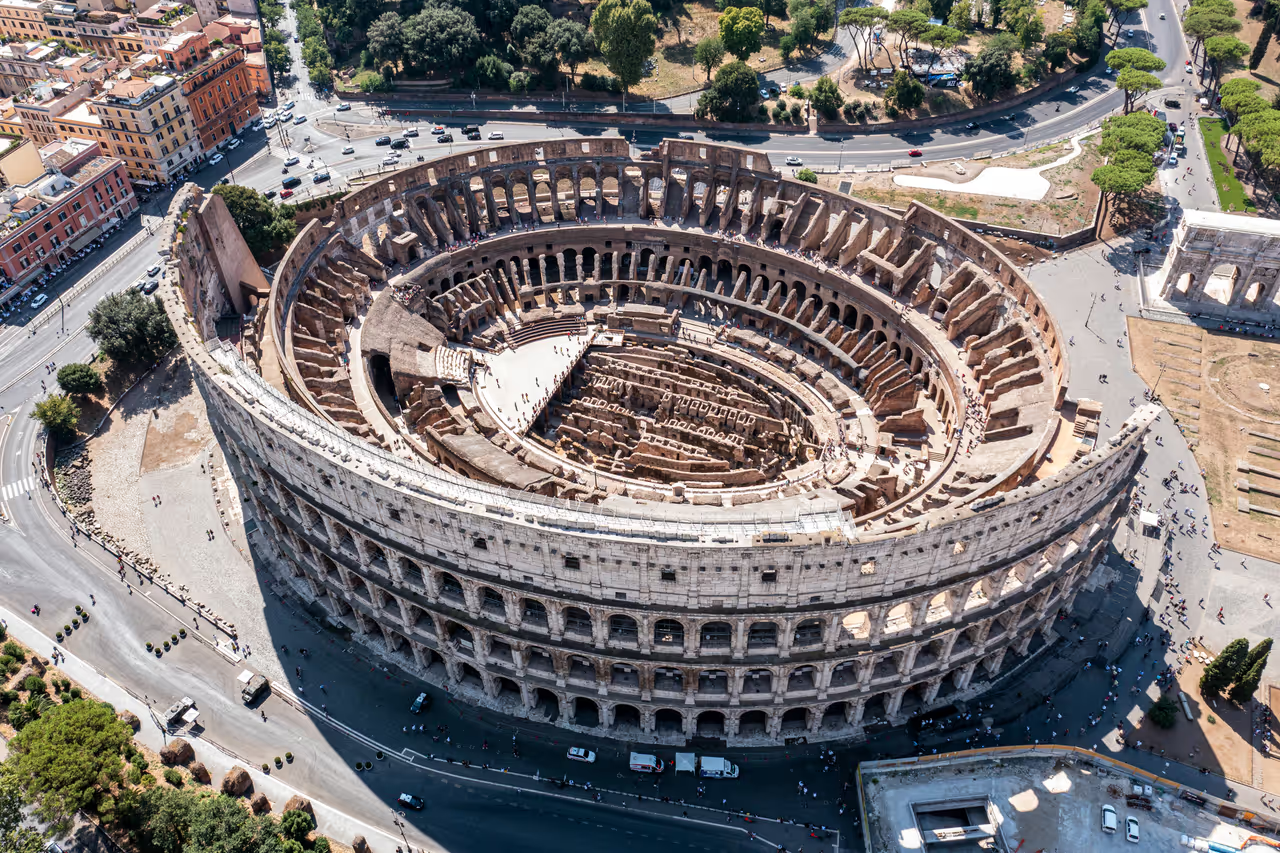 406m
406mColosseum
The Colosseum stands as the grandest monument of the Roman Empire, a stone giant that has witnessed centuries of drama and triumph. Its massive elliptical structure was once the stage for legendary gladiatorial contests and exotic animal hunts that captivated thousands. Exploring its tiers today provides a deep sense of connection to the ancient world and the incredible engineering skills of the Romans. The atmosphere inside is both powerful and reflective, especially when viewing the complex labyrinth of the underground tunnels. It is a place that tells a story of ambition, spectacle, and the eventual passage of time. Visiting this world wonder is an essential experience that brings the history of Rome to life in a way few other places can.
attraction view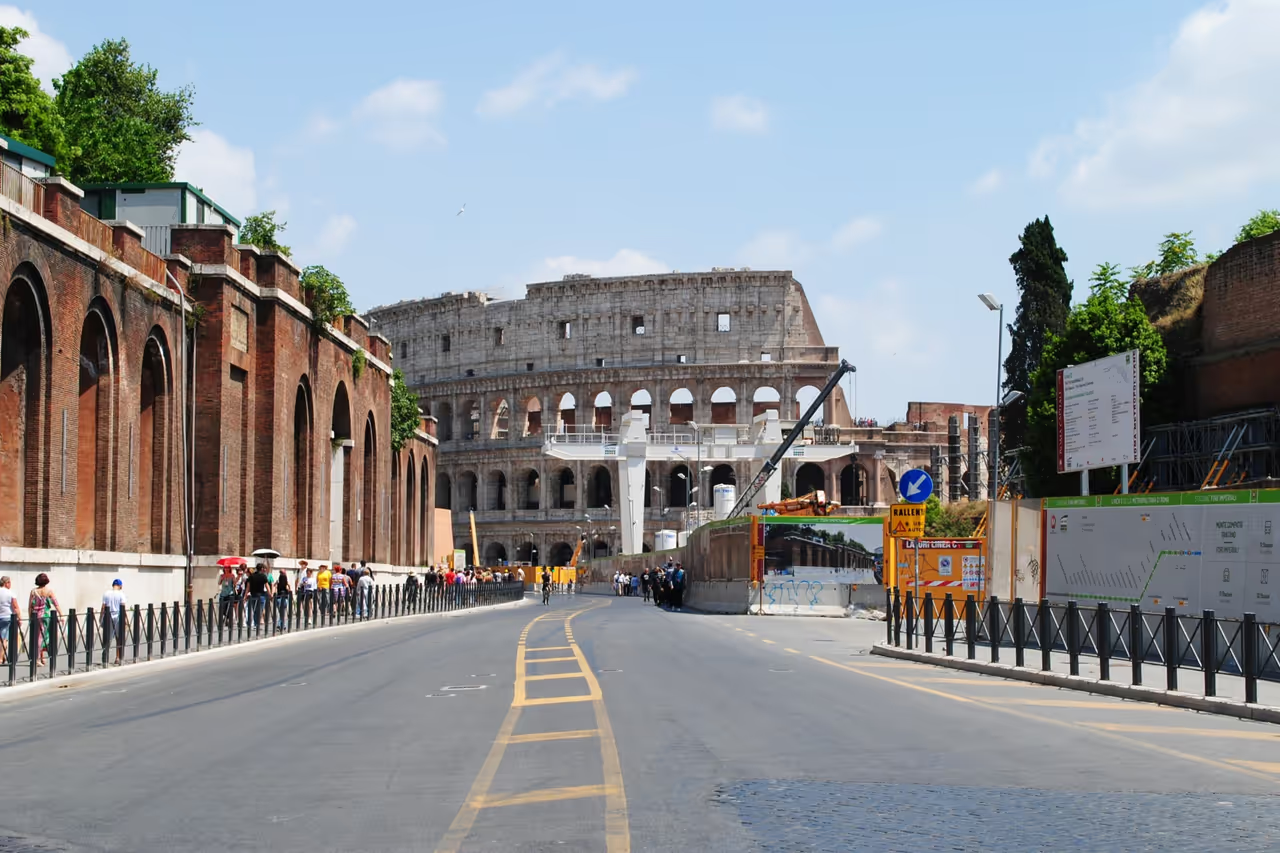 560m
560mColosseum from Via dei Fori Imperiali
Walking down the wide, monumental avenue leading away from Piazza Venezia offers the most iconic and powerful, unobstructed view of the great amphitheatre. The straight, slightly elevated perspective perfectly captures the immense, curved facade of the ancient structure dominating the end of the road. Using a zoom lens from a distance brilliantly compresses the perspective, making the colossal ruins appear incredibly imposing against the modern street level. The location is ideal for capturing the beautiful contrast between the dark, ancient stone and the deep blue Mediterranean sky. It is the definitive, classic angle for photographing the most famous symbol of antiquity.
photo spot view
See all nature & parks in Rome
Appian Way Regional Park, Janiculum Hill, Orange Garden, Villa Borghese, Villa Doria Pamphili, Villa Ada Savoia...