Cagliari
Full City Guide, Map & 115 Things To Do
146,692 people live here.
That's 0.24% of the entire population of Italy.
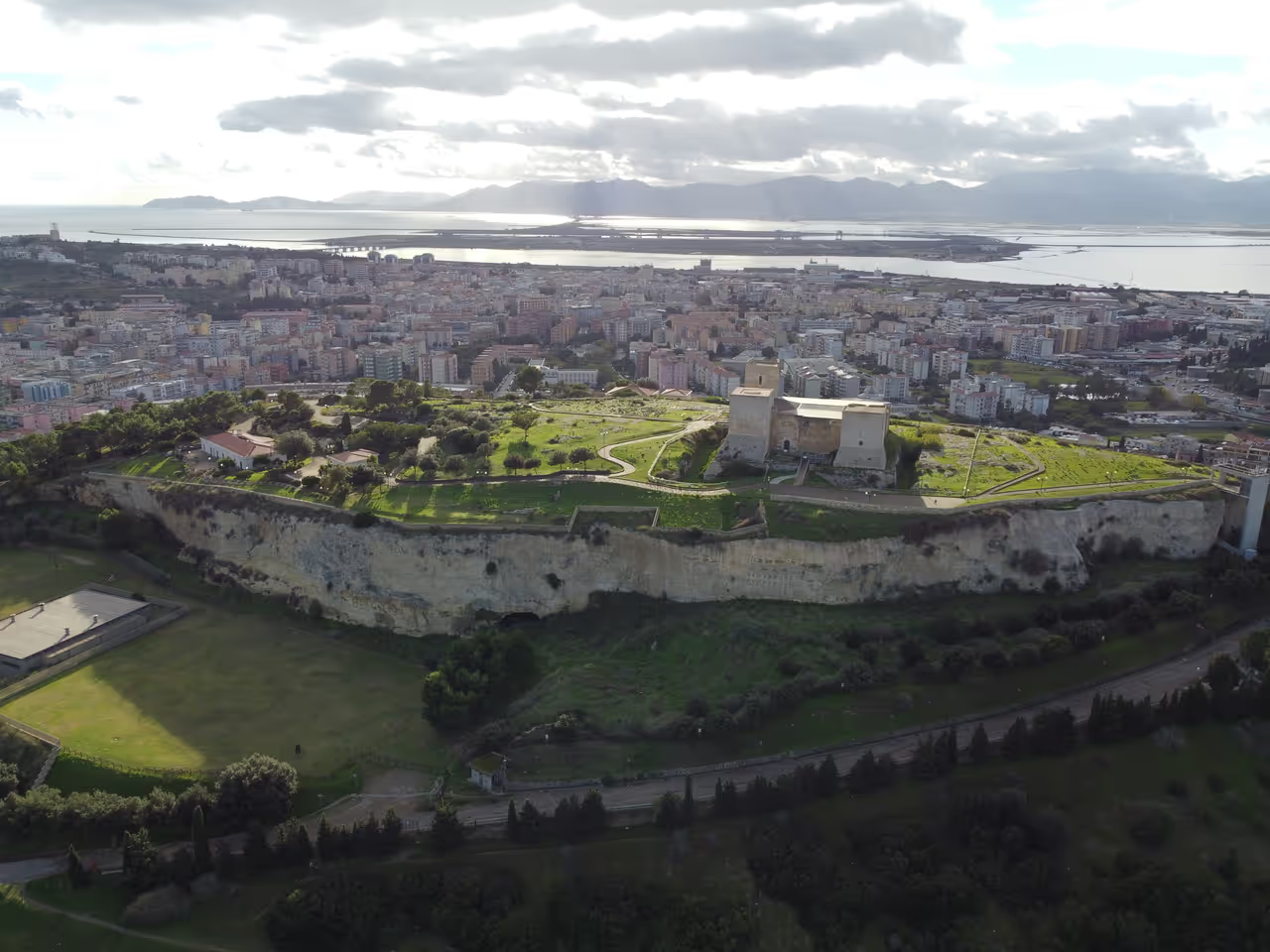
Perched gracefully upon seven limestone hills, Cagliari is a sun-drenched capital where deep history and coastal beauty intertwine seamlessly. This Sardinian metropolis reveals its soul through ancient Pisan towers, elegant palaces, and a labyrinth of golden-hued alleyways winding up to the elevated Castello district. Looking outwards, the city presents a spectacular panorama over the Gulf of Angels and the shimmering salt pans, where colonies of pink flamingos have made their permanent home. Visitors are invited to wander through lively neighbourhoods filled with aromatic trattorias, uncovering layers of Phoenician, Roman, and Spanish heritage at every turn. Down by the sea, the expansive Poetto beach offers a perfect Mediterranean retreat with its soft sands and azure waters. It is a city that captures the imagination, offering a vibrant mix of urban sophistication and raw island charm.
Cagliari DNA
History of Cagliari
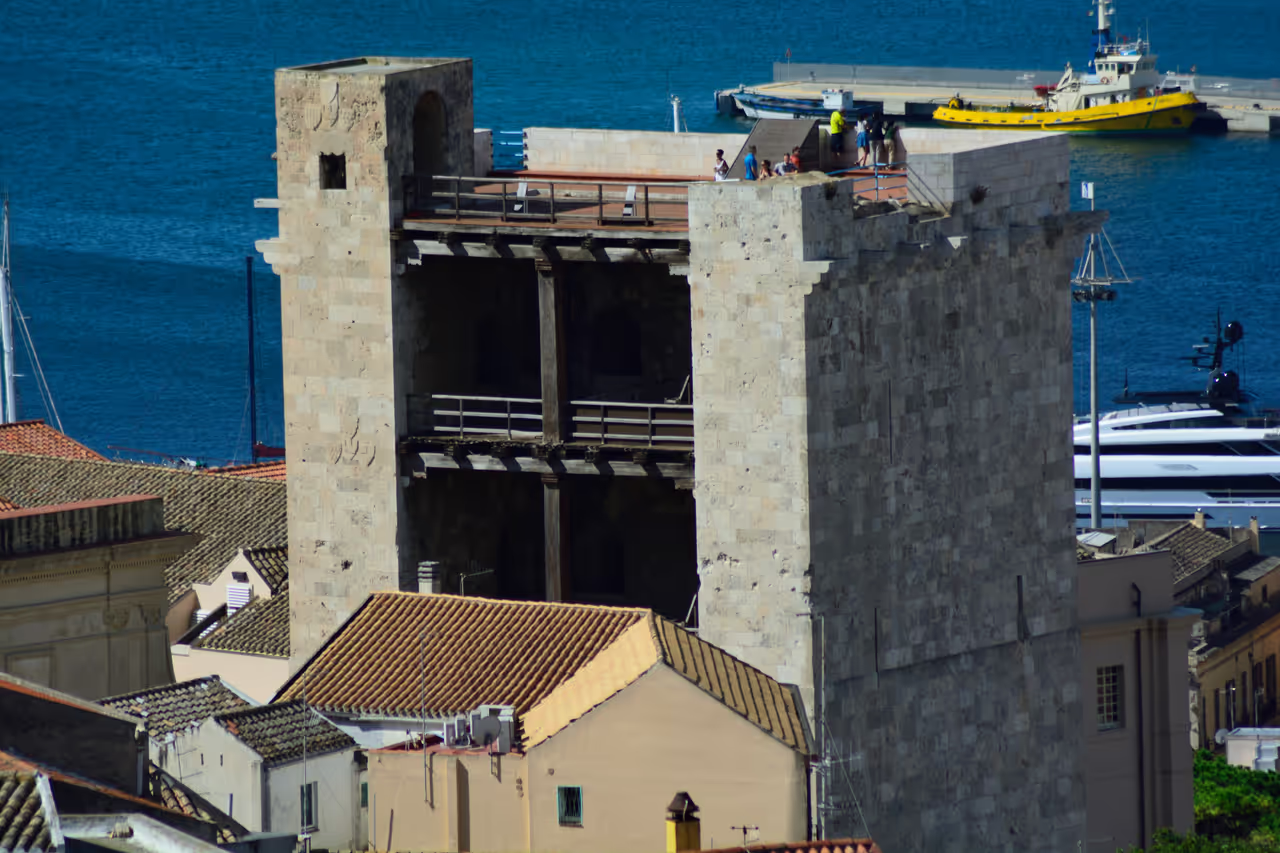
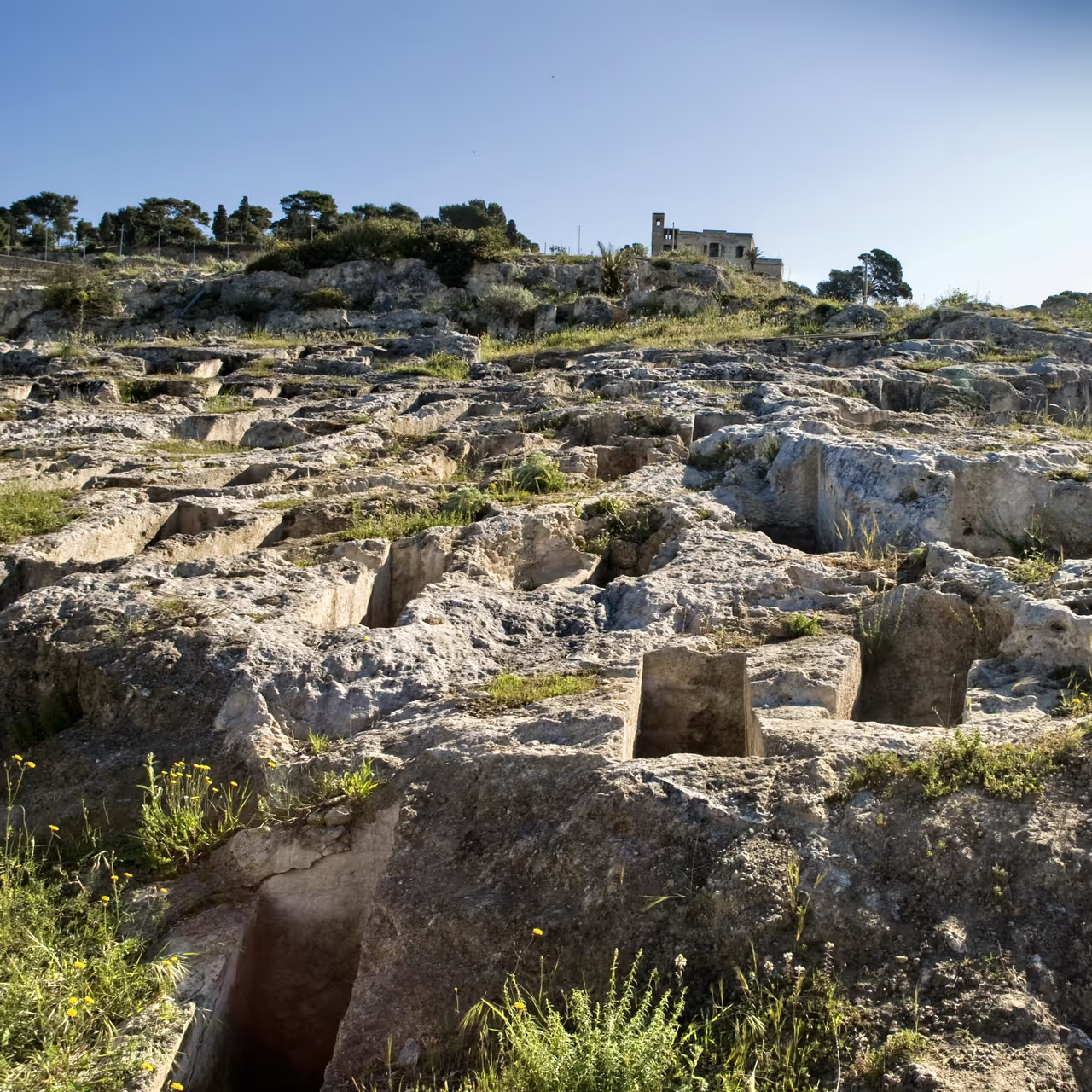
The mythological founder of Cagliari is Aristeus, a son of Apollo who supposedly arrived from Boeotia to introduce hunting and agriculture to the ancient islanders. Archaeological evidence tells a slightly different story. Phoenician sailors anchored their ships near the Santa Gilla lagoon in the eighth century BC. They called their settlement Krly. These early residents dug thousands of tombs into the limestone of Tuvixeddu hill, forming a massive Punic necropolis that anchored the city's early identity as a Mediterranean stronghold. This maritime influence only grew when the Roman Republic claimed the territory in 238 BC. Siding with Julius Caesar during a bitter civil war earned the settlement lucrative municipal privileges, prompting the construction of grand patrician residences like the Villa di Tigellio. Power shifted inland over the following centuries. The old lagoon settlement morphed into the seat of an independent local state called Santa Igia. Pisan nobles wanted a foothold on this coastline. In 1215, they forced the local ruler to surrender a steep limestone outcrop overlooking the gulf, erecting the heavily fortified Castellum Castri de Kallari on its summit. A Pisan led coalition utterly destroyed Santa Igia in the summer of 1258. They sowed salt into the earth to ensure it would never rise again. Displaced locals dragged their belongings out of the ruins and formed the working class suburb of Stampace. High above them, the new masters of the city erected the Torre dell'Elefante, a massive watchtower guarding their exclusive domain. Pisan supremacy ended in 1326 when an Aragonese fleet laid siege from a new fortress on Bonaria hill. The victorious Iberians expelled the Tuscan nobility and transformed the high Castello district into a strict Catalan enclave. Native Sardinians were forbidden from living inside the upper city walls for centuries. Labourers from the Marina district would hike up the hill at dawn to scrub floors and carry goods. At sunset, a guard blew a loud horn. Anyone who failed to rush through the gates before they closed risked being thrown off the precipitous limestone cliffs. Older locals still express a chaotic dismissal by saying someone was thrown out to the sound of the horn. A complex web of European treaties handed the island to the Piedmontese House of Savoy in 1720. The new administrators viewed the city as an inconvenient outpost. This neglect sparked deep resentment among the local merchants and nobles. When the city successfully repelled a French naval bombardment in 1793, they asked the king for a share of government roles. The crown rejected them entirely. Outraged citizens launched a coordinated uprising on 28 April 1794, physically chasing the Piedmontese officials through the cobblestone streets and forcing them onto boats bound for the mainland. This rebellion is commemorated annually as Sa die de sa Sardigna. Within a few years, the Savoy court was forced to flee Turin and actually moved into the Palazzo Viceregio, ruling their fractured kingdom from the very city they had previously neglected. Stripping away the old military barriers took decades. City walls were finally knocked down at the dawn of the twentieth century to make way for the eclectic architecture of the Palazzo Civico on Via Roma, shifting the centre of gravity down to the waterfront. In February 1943, massive aerial bombardments devastated eighty percent of the historic centre, leaving deep scars still visible near the Cathedral of Santa Maria. Rebuilding required a monumental collective effort that pushed the urban sprawl eastward. Residents began laying down roots near the eight kilometre stretch of the Poetto beach. The salt pans of Molentargius separate these newer coastal neighbourhoods from the old city, occasionally creating a minor traffic bottleneck for weekend beachgoers. Just beyond the idling cars, thousands of pink flamingos wade through the shallow basins all afternoon.
15 Events spanning 2813 years
Map of Cagliari
Interactive Destination & Itinerary Map
This map blends our curated city guides—featuring best photo spots, scenic walks, viewpoints, hidden gems and much more—with a live Wikipedia explorer. Click on our numbered pins to plan your routes, or zoom in on the surrounding neighborhoods to discover verified local landmarks, museums, and stories with dynamic Wikipedia summaries and photos!
Fun Facts
- • The city shares a fascinating geographical trait with Rome, Lisbon, and Istanbul, it was built entirely upon seven distinct limestone hills.
- • The name of Argentina's capital, Buenos Aires, was directly inspired by the city's Sanctuary of Our Lady of Bonaria, honouring the patroness of navigators.
- • During the period of Spanish rule, native Sardinians were strictly forbidden from remaining in the upper Castello district after sunset, chased out daily by the sound of a horn.
- • The local football team achieved a miraculous victory in 1970, winning the Italian Serie A championship and bringing unprecedented sporting glory to the island.
- • The city is affectionately called 'Casteddu' in the local language, a word that literally translates to 'castle', reflecting the dominance of its hilltop fortress.
- • It is one of the only urban centres in the world where colonies of pink flamingos choose to live and nest permanently within the city limits.
Did You Know?
- • The Necropolis of Tuvixeddu, located on one of the city's hills, is recognised as the largest Punic burial site existing anywhere in the Mediterranean.
- • The University was established in 1607, making it a historic pillar of higher education and intellectual life in the region.
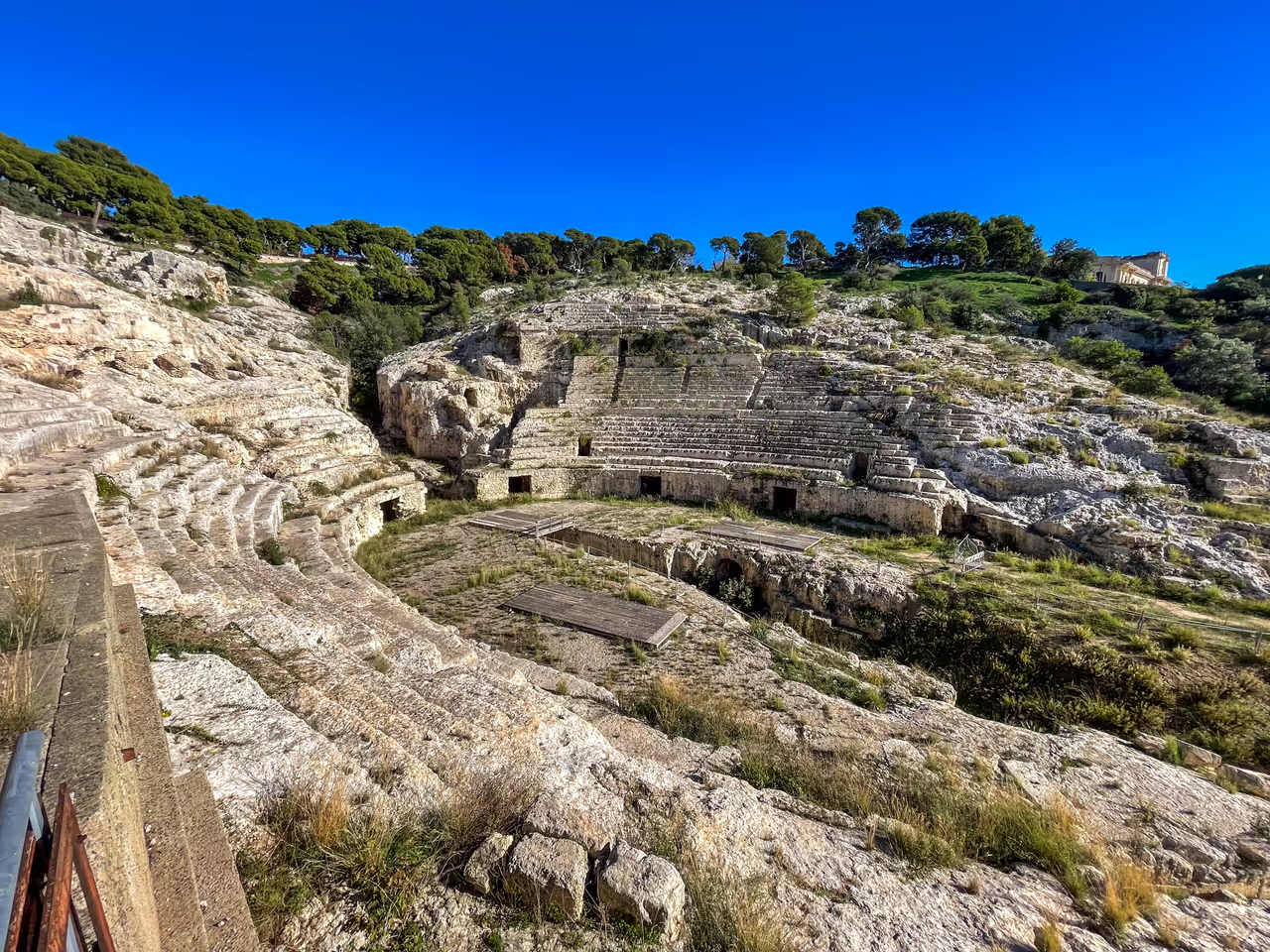
- • The Roman Amphitheatre was an extraordinary feat of engineering, carved directly into the natural rock face rather than built freestanding, accommodating over ten thousand spectators.
- • The city was awarded the prestigious Gold Medal of Military Valour by the Italian Republic for the immense sacrifices and resilience of its people during the devastating aerial bombings of 1943.
- • The Basilica of San Saturnino stands as the oldest known Christian church on the island, with its original construction dating back to the fifth century.
Videos of Cagliari
Seasons
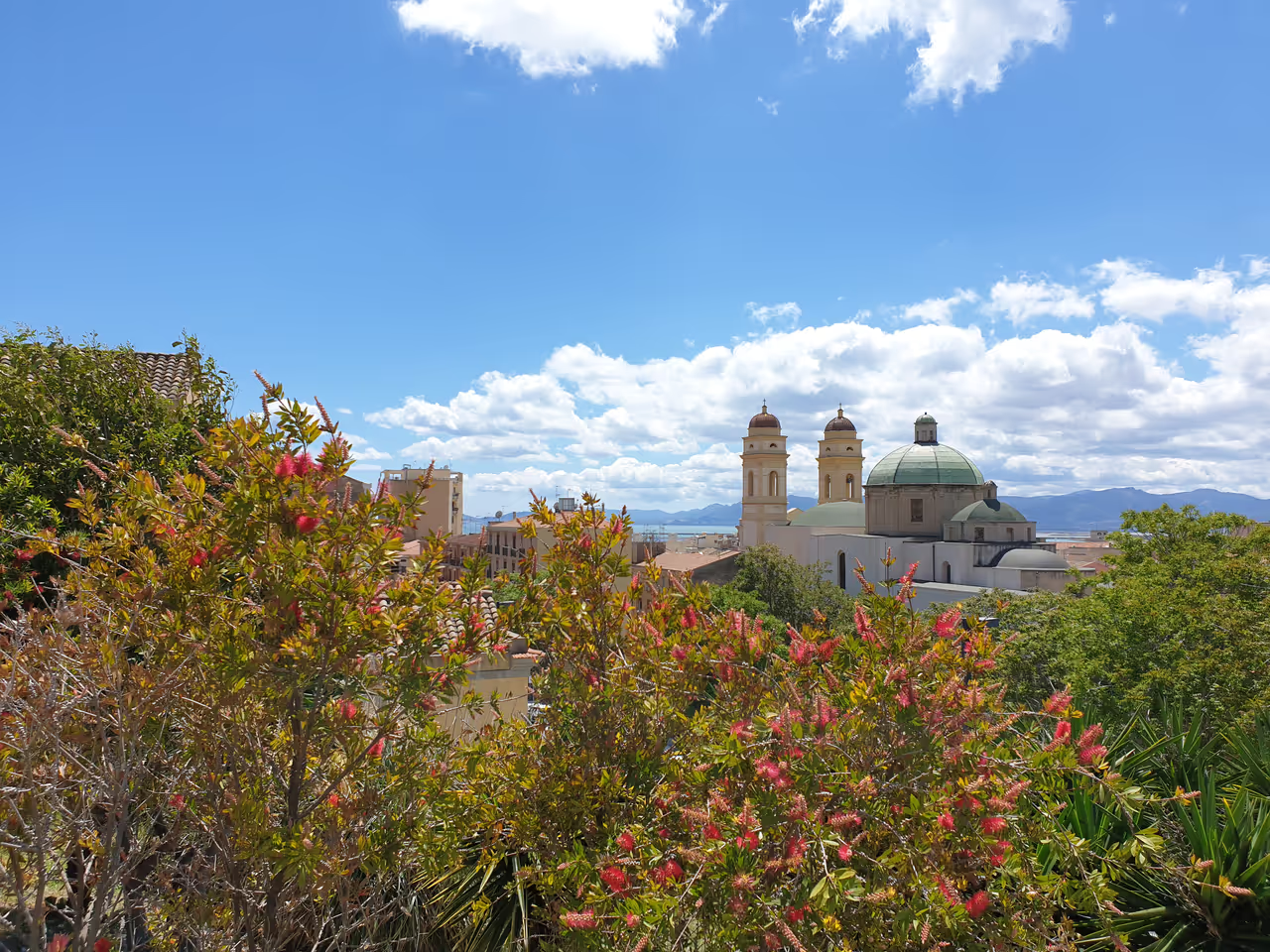
Spring
The city awakens with warm, pleasant temperatures ideal for strenuous hikes up the coastal cliffs or exploring the ancient ruins...
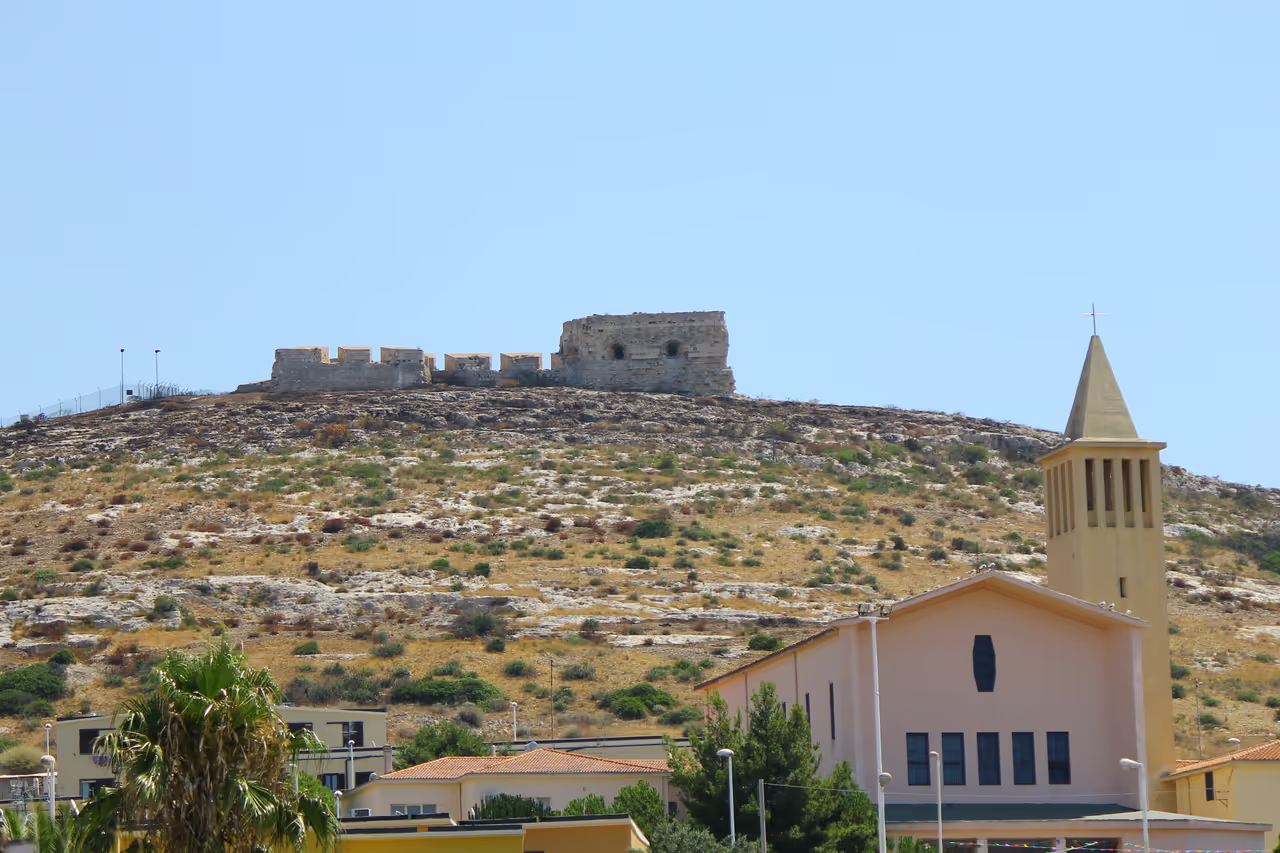
Summer
Heat radiating from the limestone streets drives daily life firmly towards the coast, specifically the eight-kilometre stretch...
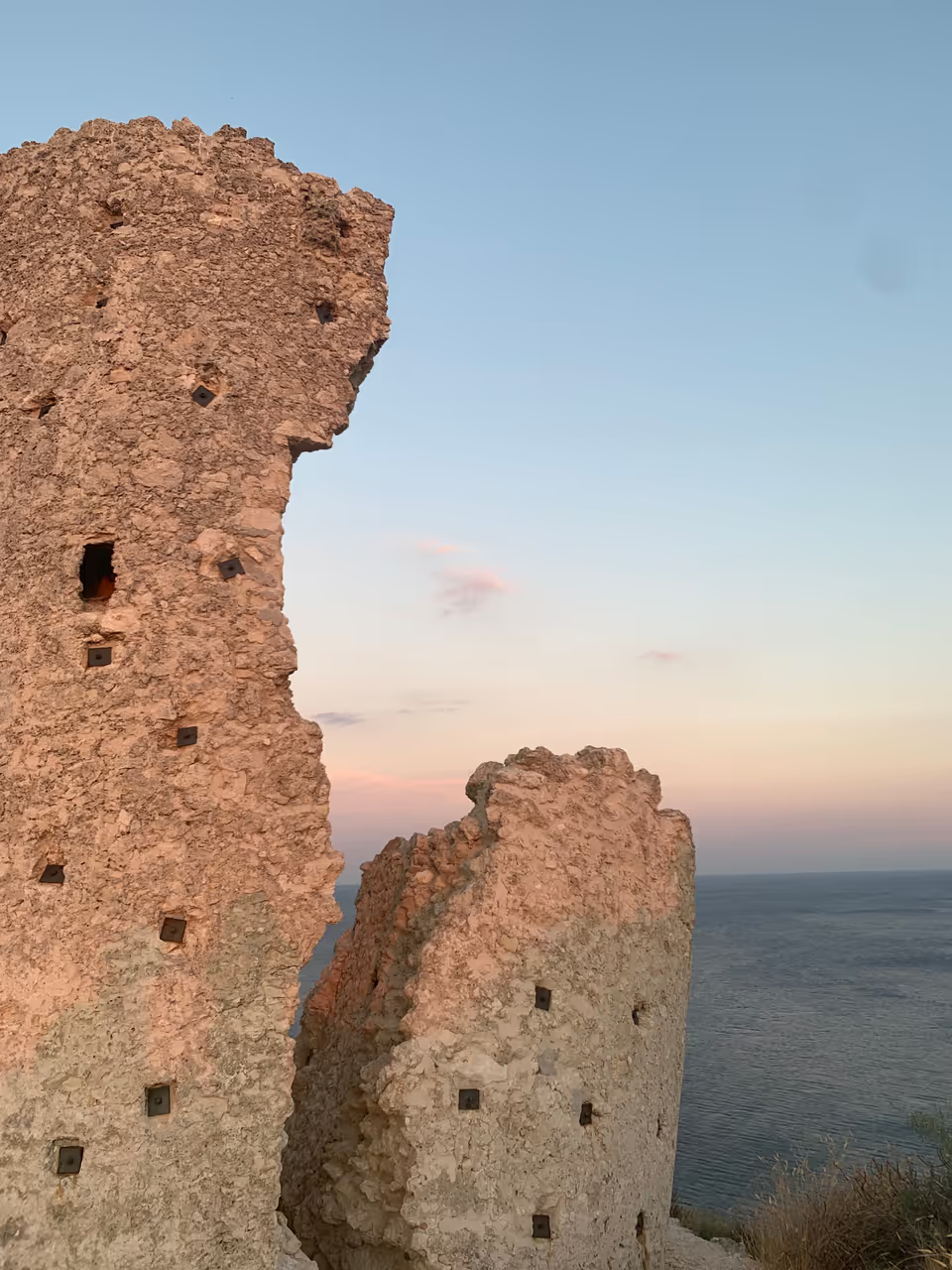
Autumn
The intense summer heat recedes to a highly comfortable, lingering warmth, while the sea remains perfectly swimmable well into...
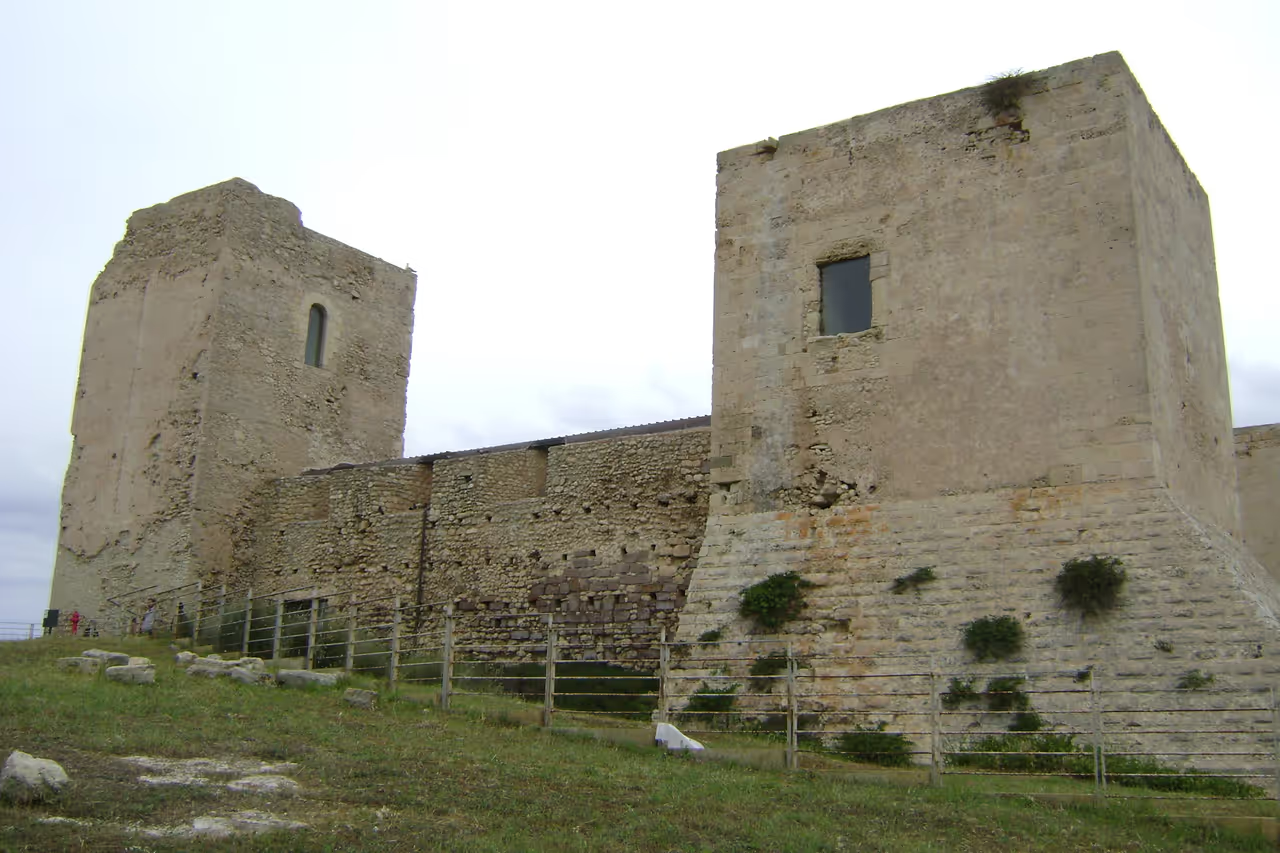
Winter
While occasional winds sweep off the sea, the temperatures remain surprisingly mild compared to mainland Europe, rarely dropping...
Top Attractions in Cagliari
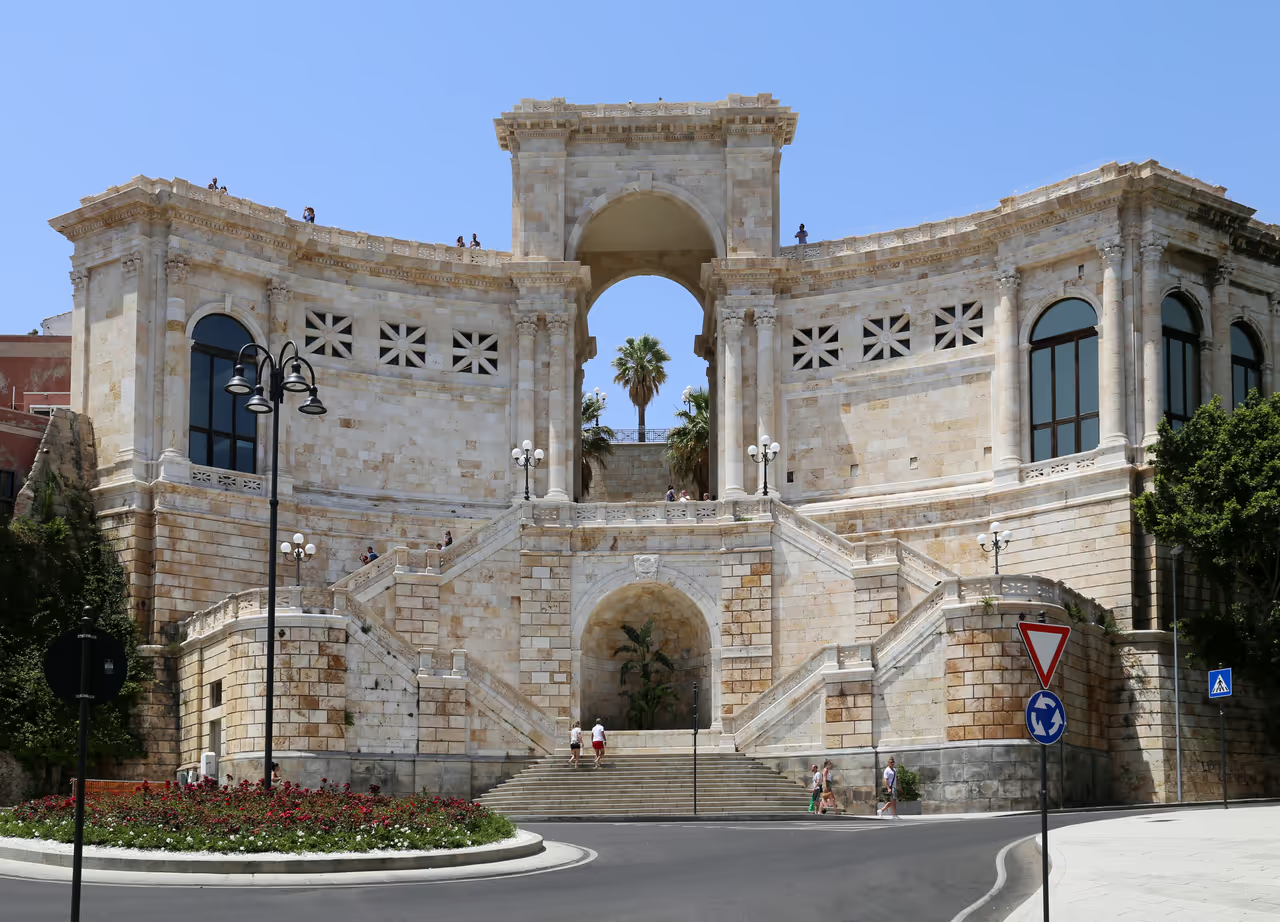
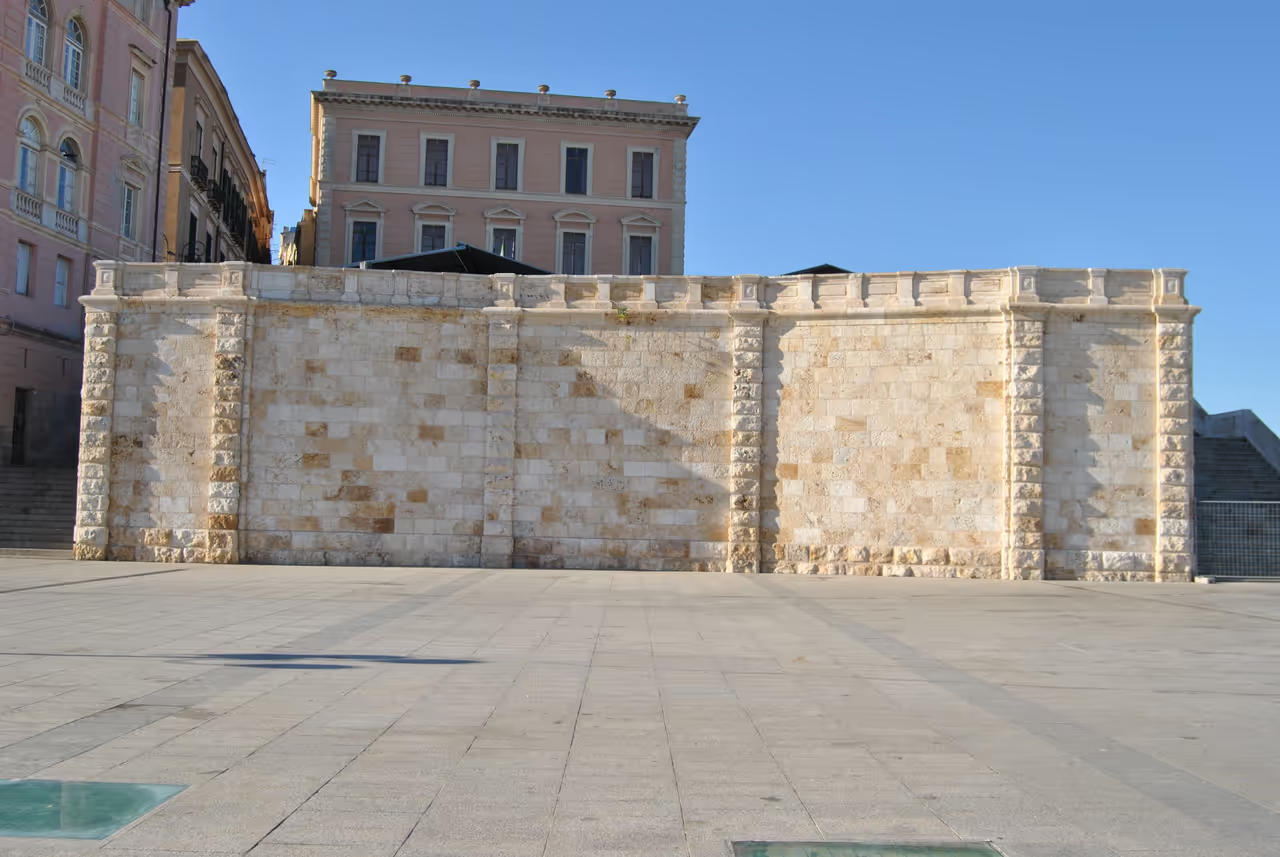
Bastione Saint Remy
Climbing the grand limestone steps of Bastione Saint Remy feels like stepping into the very heart of Cagliari history. This...
view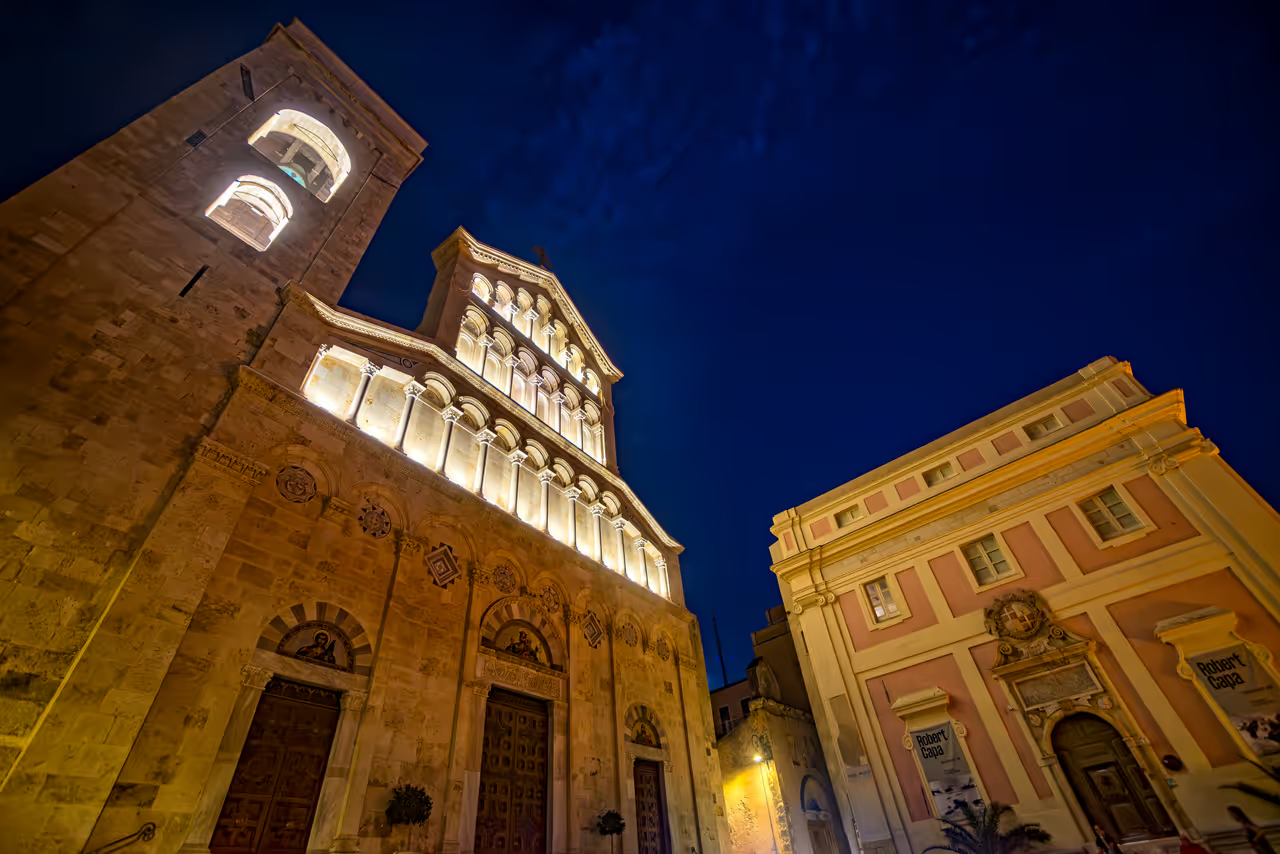
Cagliari Cathedral
Standing as the proud centrepiece of the historic Castello district, the Cagliari Cathedral is a breathtaking architectural...
view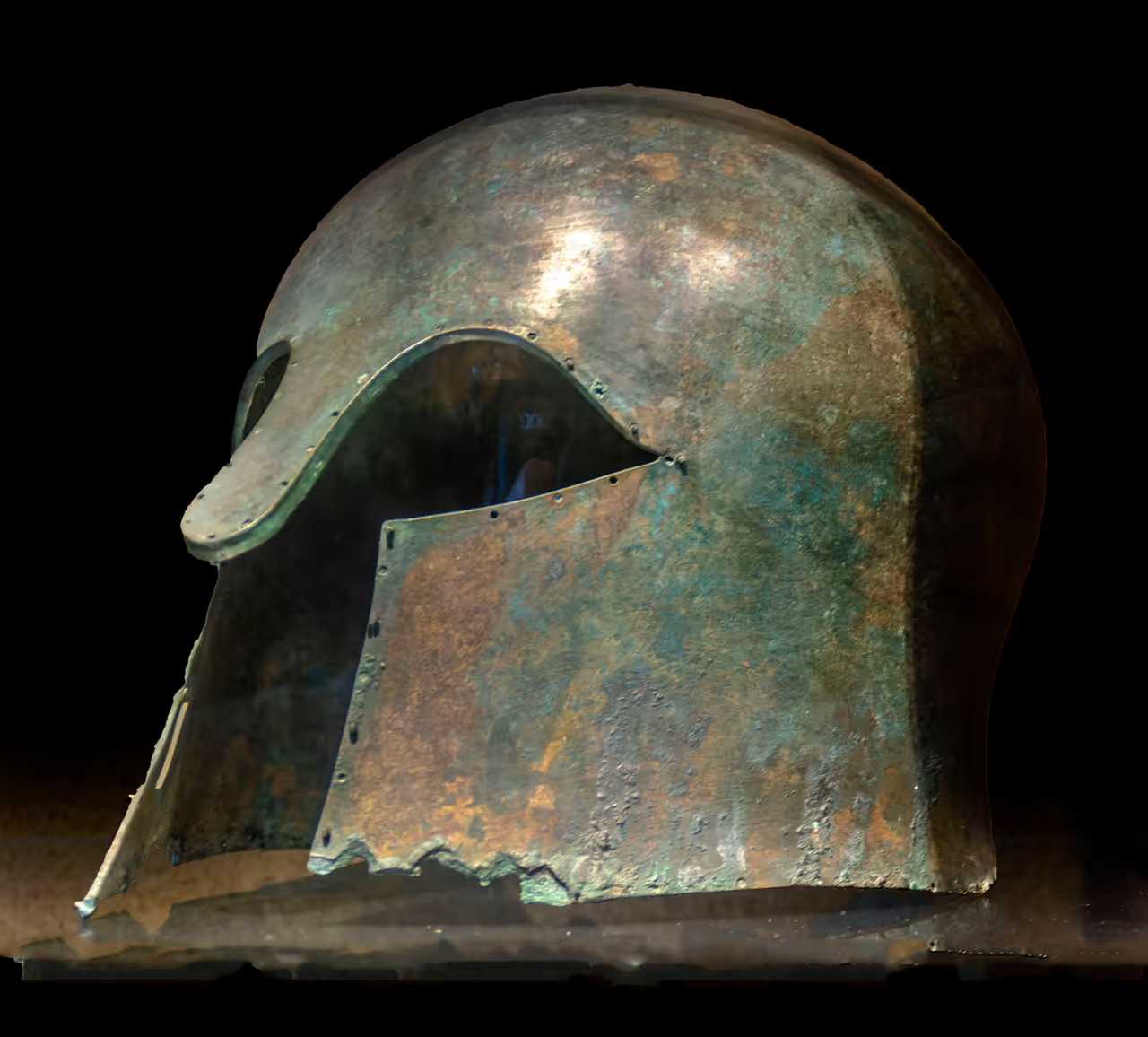
National Archaeological Museum of Cagliari
Step into the most prestigious treasury of Sardinian history, a place where the ancient past feels remarkably present. This...
view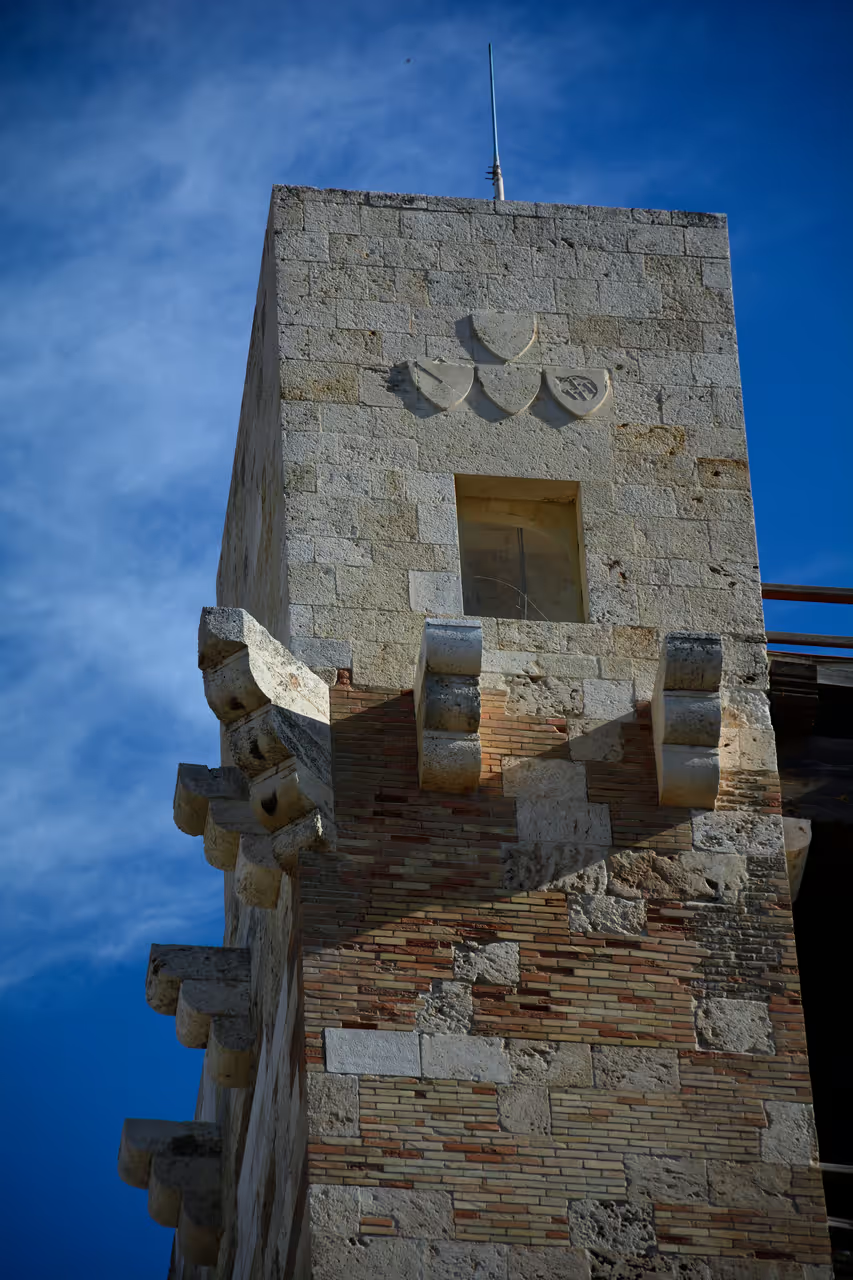
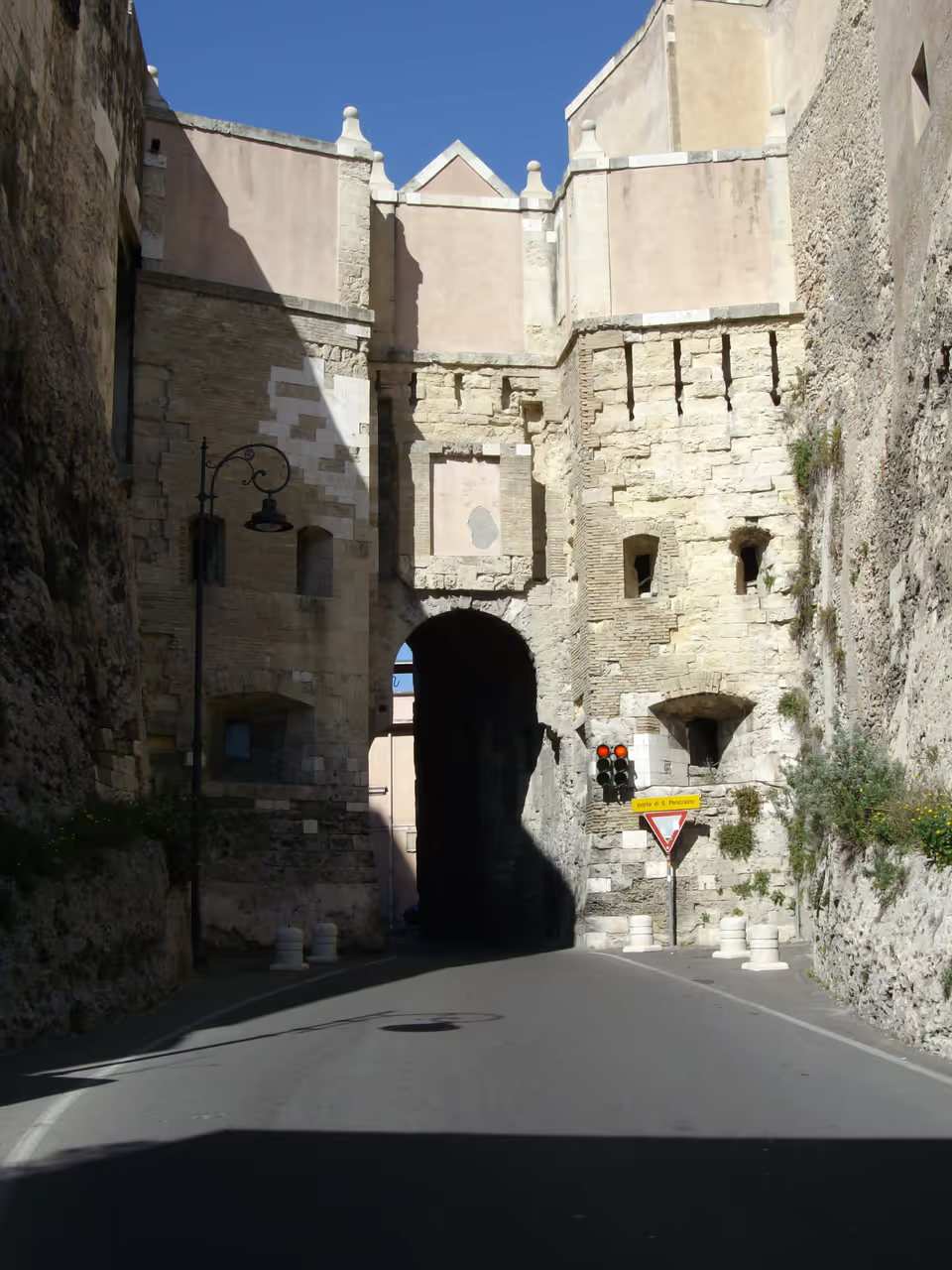
Saint Pancras Tower
Standing as the silent sentinel of Cagliari, the Saint Pancras Tower commands the highest point of the historic Castello...
view
Best Views
Cagliari Itineraries
TRIP PLANNER
3 Days Recommended
Three days offer the perfect balance to explore the historic Castello district, delve into the archaeological museums, and wander the lively Marina area. It allows enough time to dedicate an entire afternoon to relaxing on Poetto beach or cycling through the flamingo-filled salt pans. This timeframe ensures you can enjoy long, leisurely seafood dinners without feeling rushed.
1 Day in Cagliari: Historical Itinerary
This tightly packed itinerary focuses exclusively on the city's rich, layered history, taking visitors from the heights of the medieval citadel down to the ancient Roman ruins. It is designed to hit the absolute most iconic architectural and archaeological landmarks in a logical, descending path. The day demands comfortable walking shoes, as it navigates the steep inclines and cobblestones of the old town. It perfectly captures the essence of the city's past, offering breathtaking views, ancient artifacts, and magnificent churches. It is the ideal plan for a quick, impactful visit.
view itinerary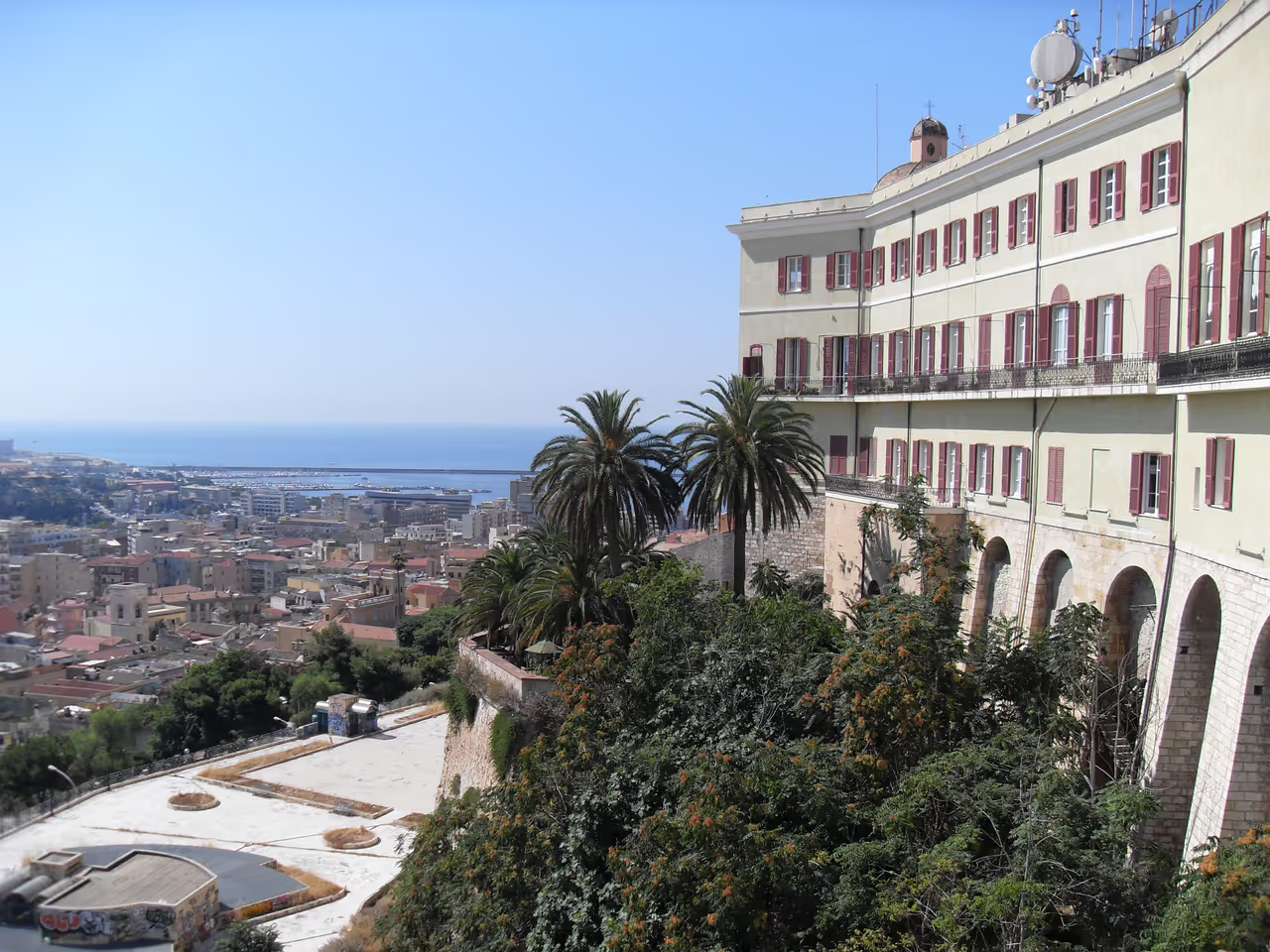
3 Days in Cagliari: City and Sea Itinerary
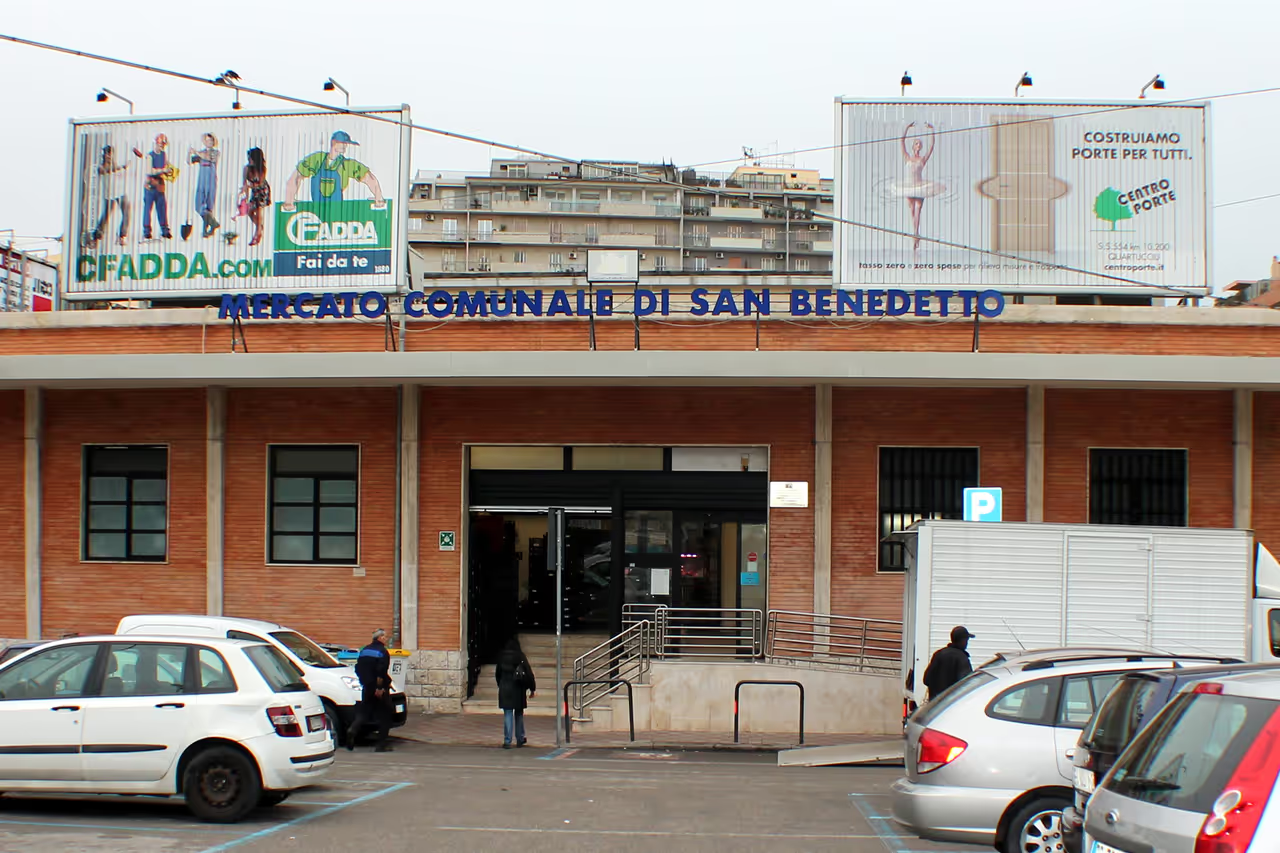
This balanced schedule allows visitors to fully appreciate both the dense historical core and the spectacular natural environments that surround it. The first day tackles the grand monuments and museums of the high city, immersing travellers in history. The second day shifts to authentic local life, exploring vibrant markets and the maritime heritage of the lower districts. The final day is dedicated to the coastline, offering time to relax on the long beaches and cycle alongside the flamingo-filled lagoons. It provides a comprehensive, relaxed overview of everything the area has to offer.
view itinerary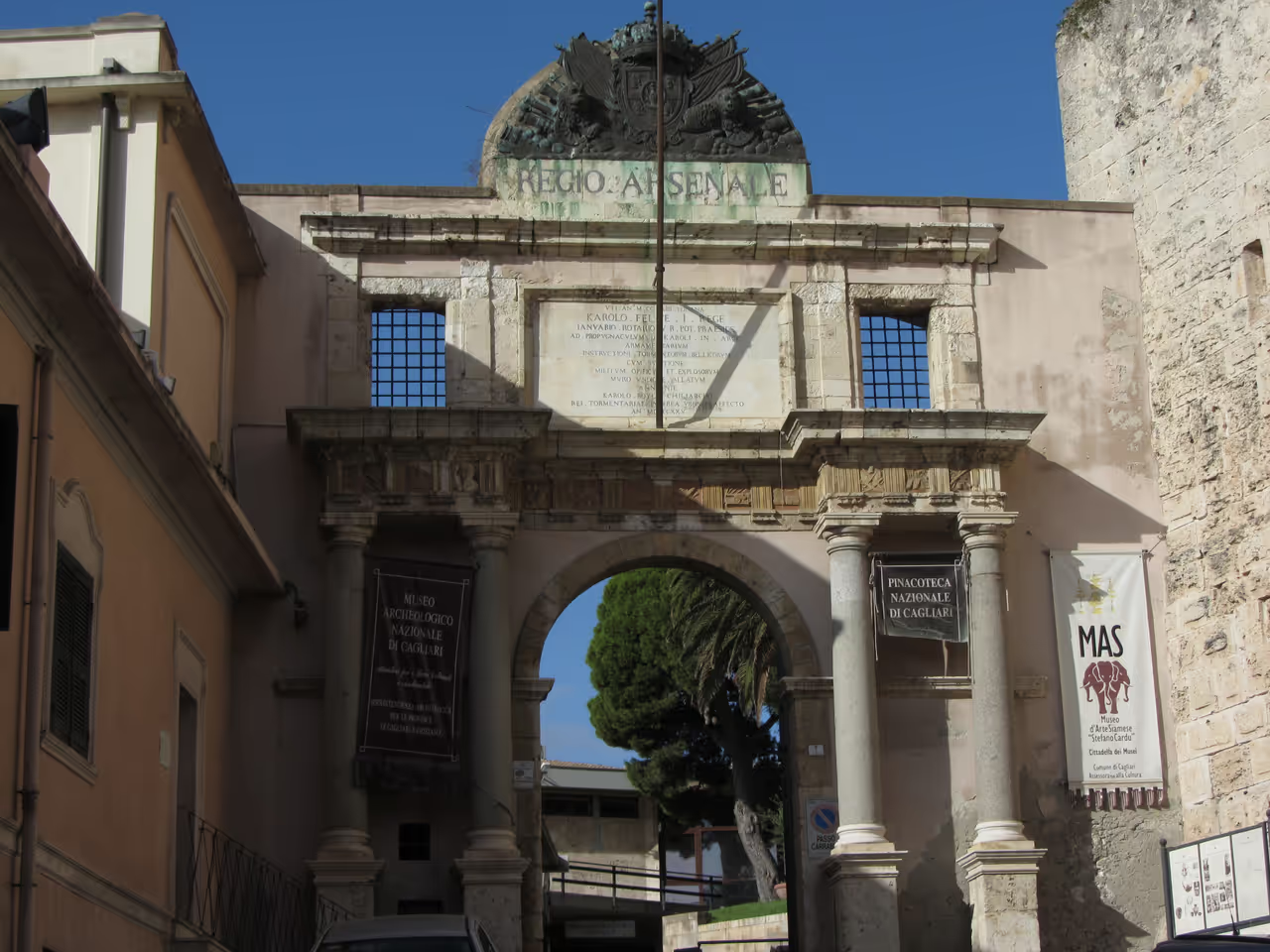
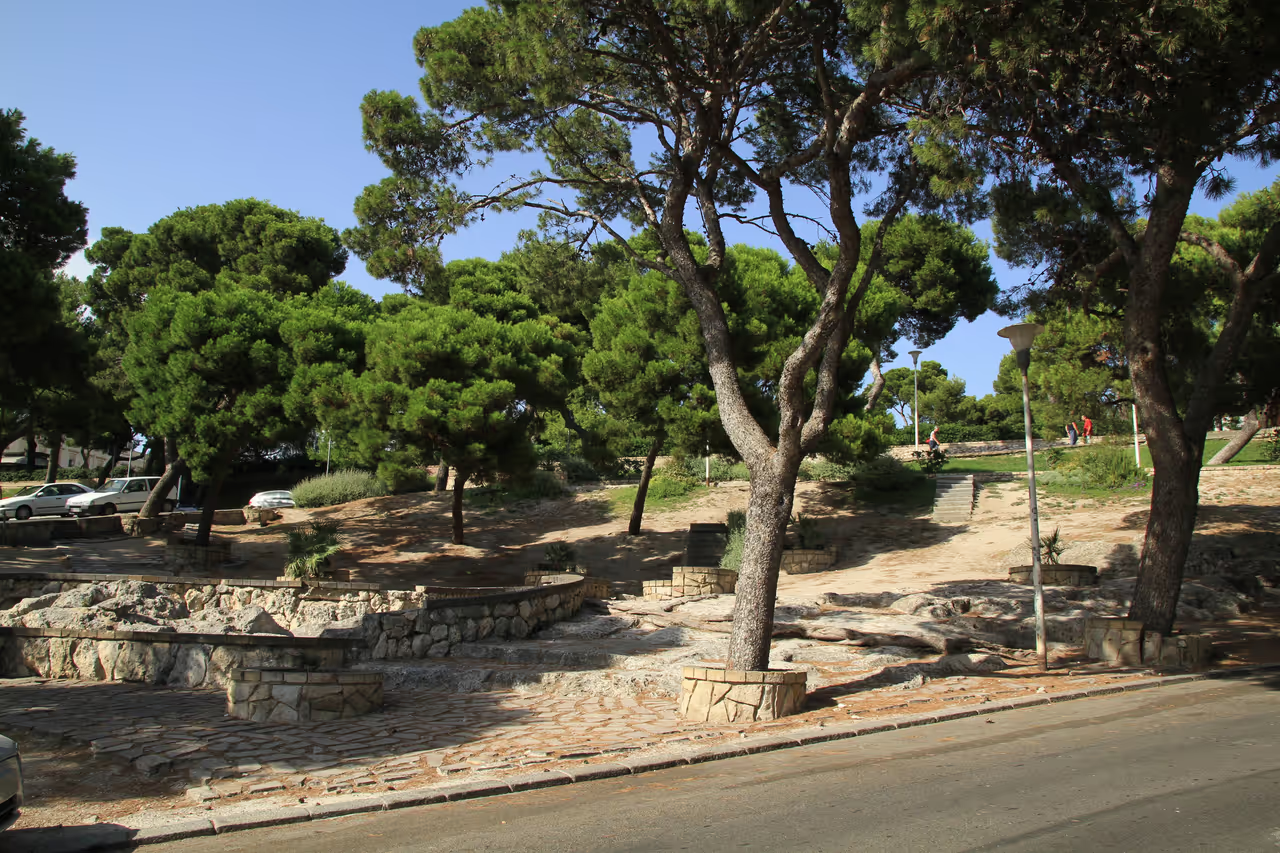
5 Days in Cagliari: Deep Immersion Itinerary
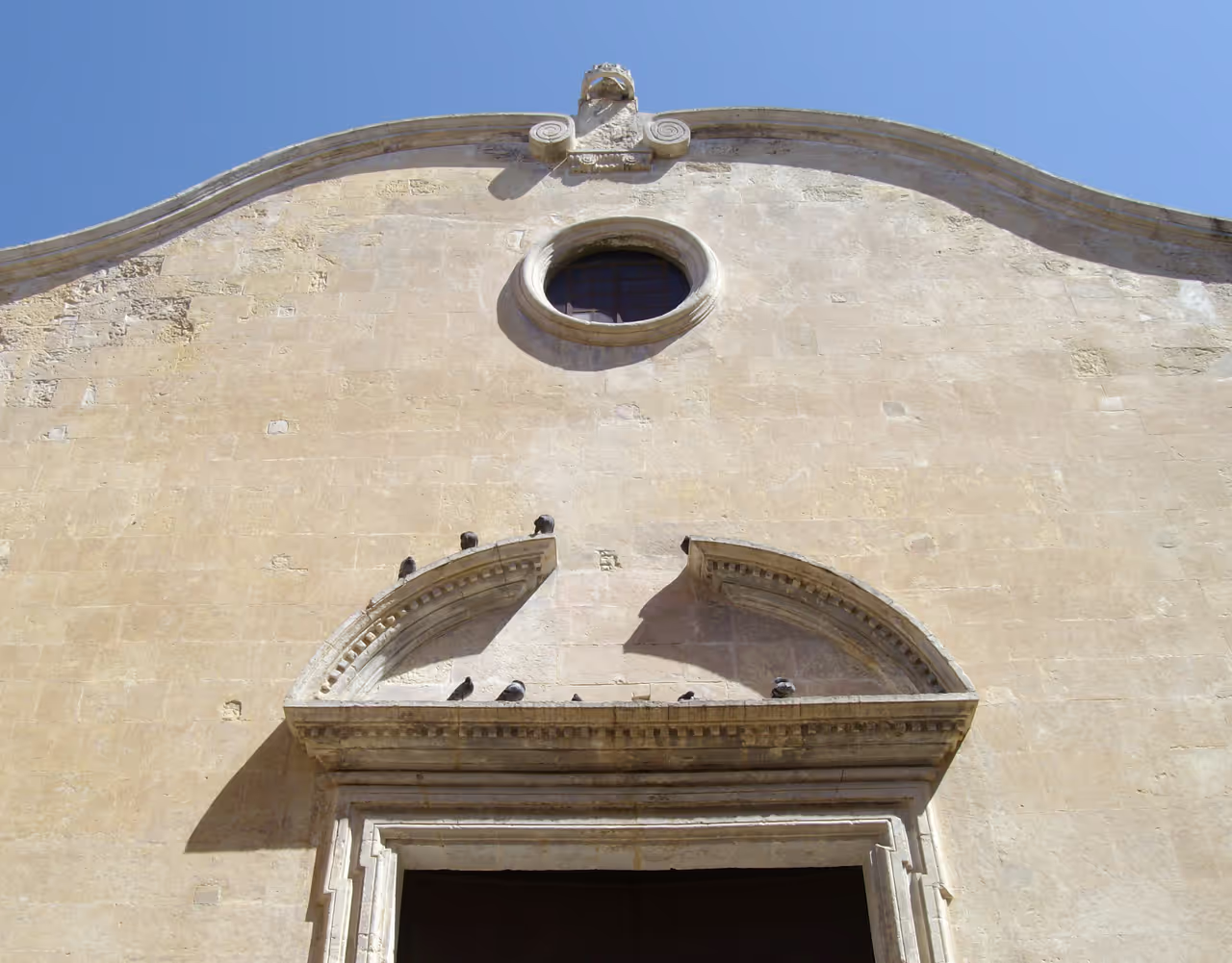
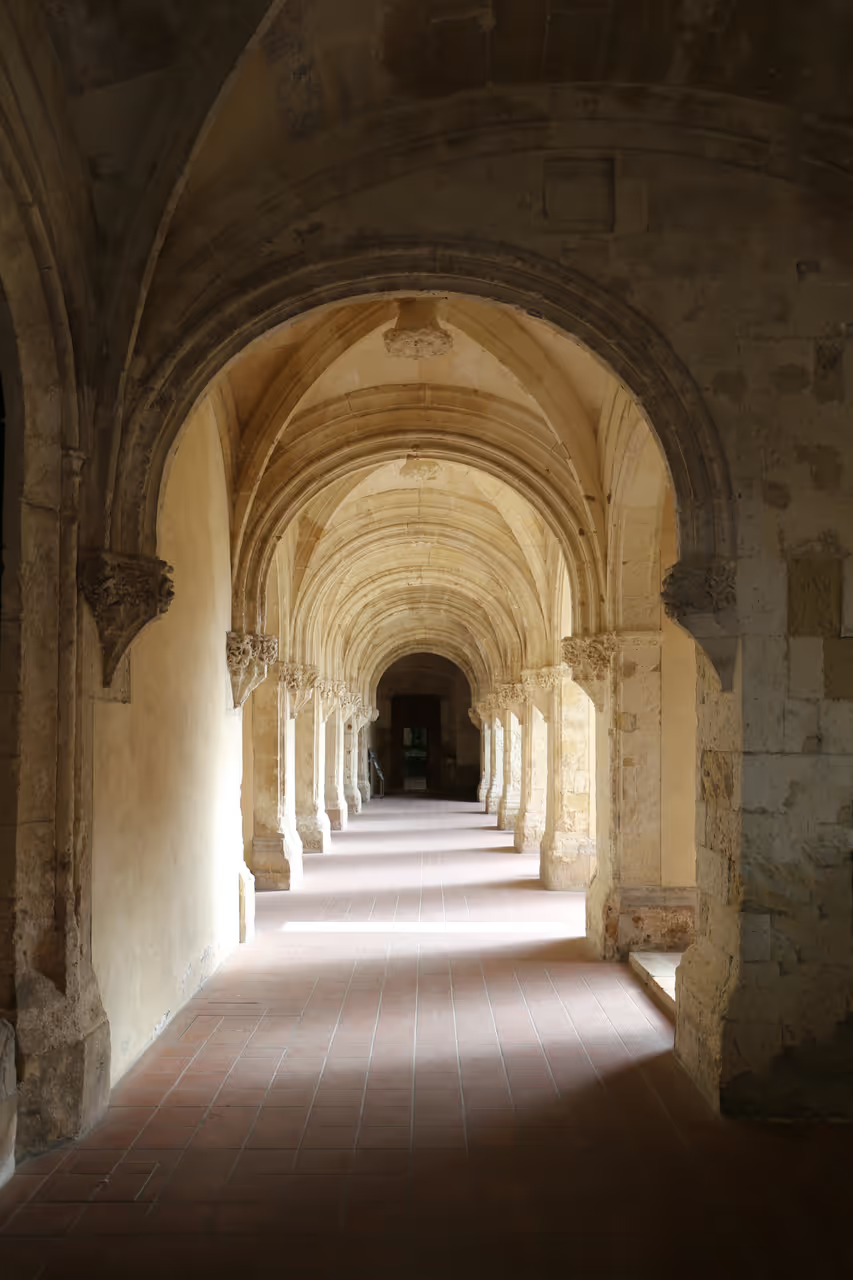
A luxuriously paced itinerary allowing for a deep dive into the city's hidden gems, diverse neighbourhoods, and complex history without feeling rushed. It covers all the major attractions while carving out time for specialized museums, quiet cloisters, and extended coastal relaxation. Visitors will truly get to know the distinct character of the four historic quarters: Castello, Marina, Stampace, and Villanova. It offers ample opportunity to savour the local gastronomy, from morning market visits to long, leisurely seafood dinners. This is the ultimate way to fully absorb the local culture and lifestyle.
view itinerary
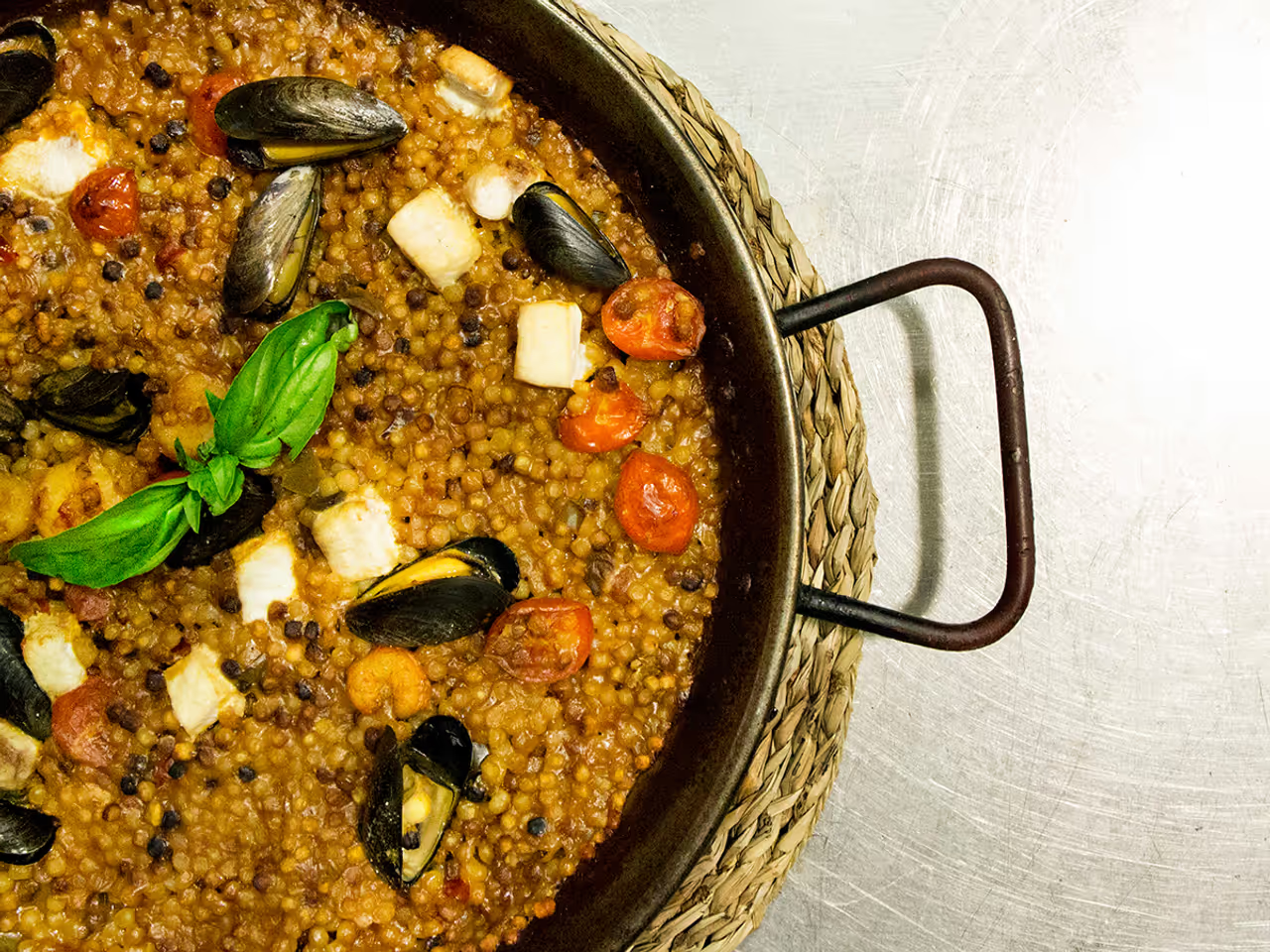
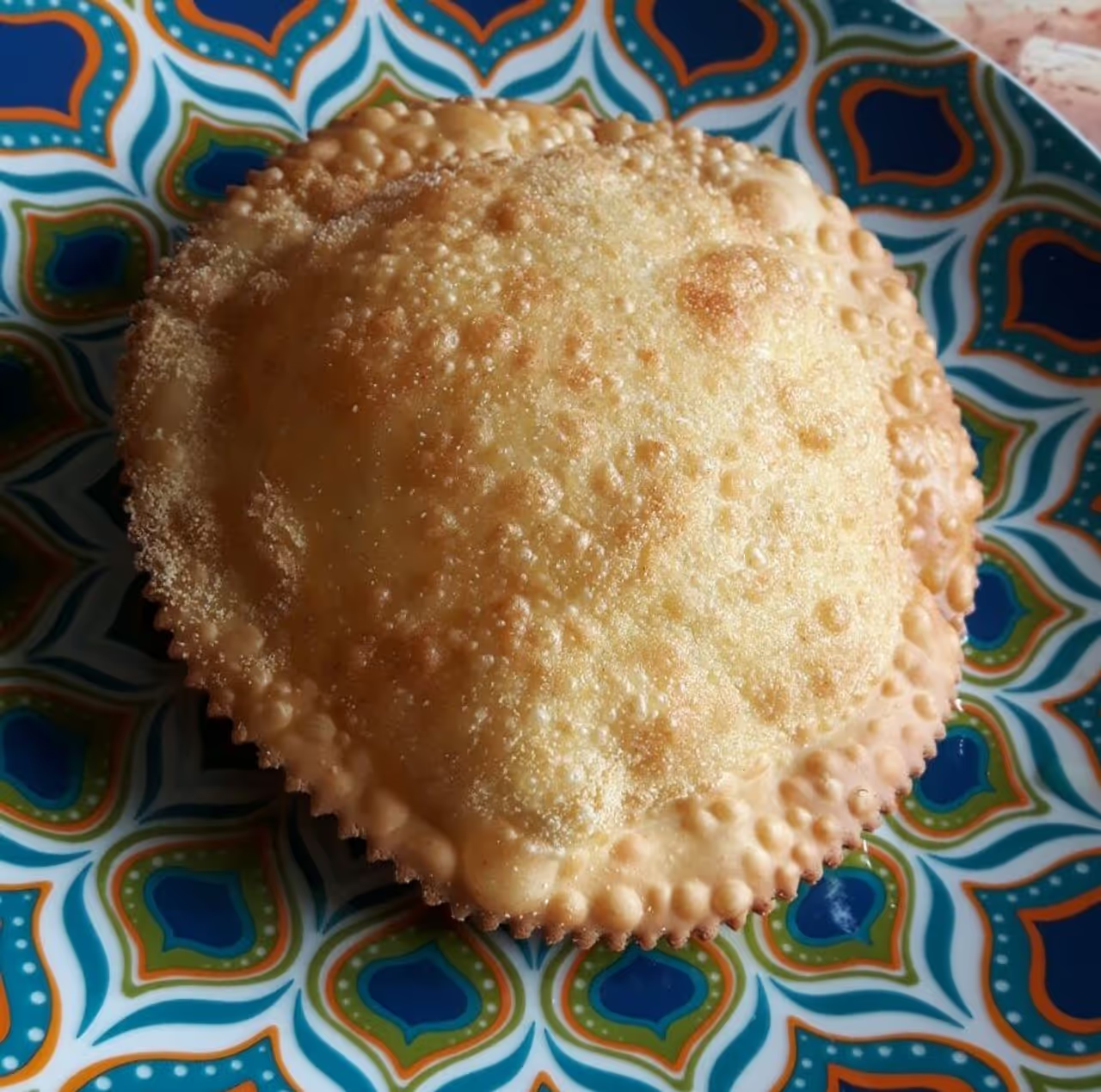
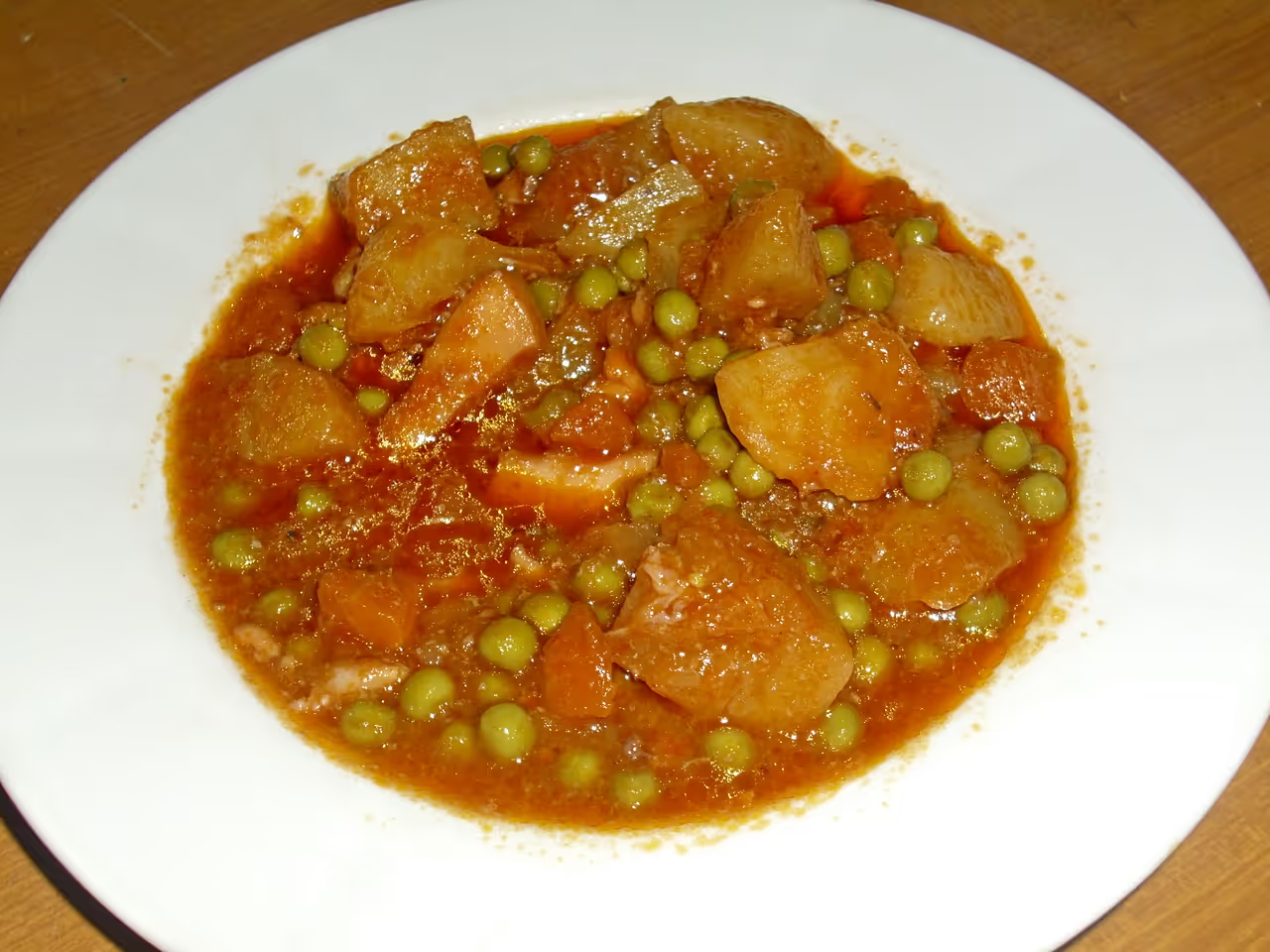
Food in Cagliari
Free Things to do in Cagliari
Parks & Nature
Cagliari Botanical Garden
Nestled in the heart of the Stampace district, this lush five-hectare sanctuary offers a unique blend of rare Mediterranean...
view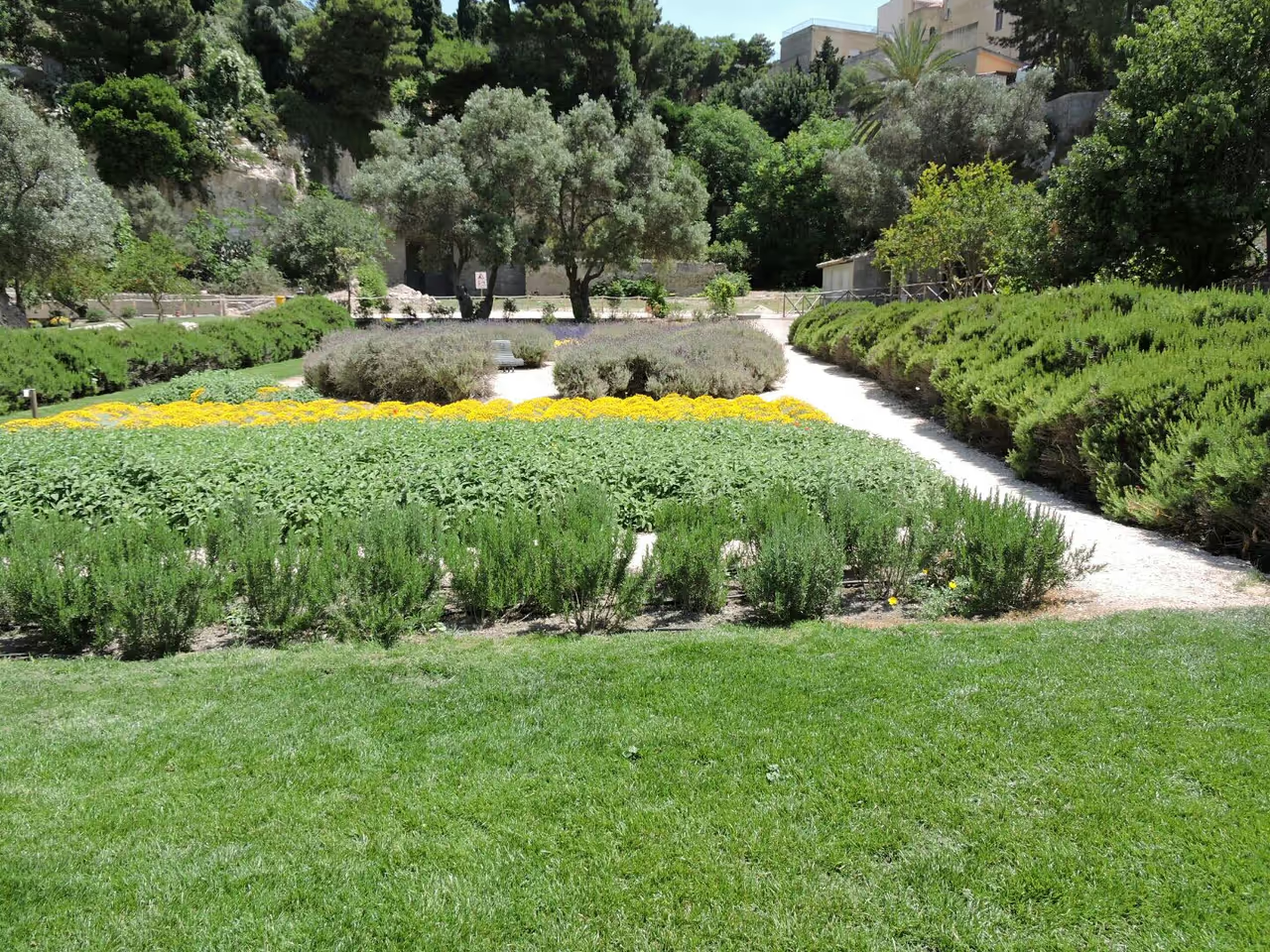
Capuchin Garden
Step into a tranquil oasis that balances ecclesiastical history with the rugged beauty of an ancient Roman past. Located on...
view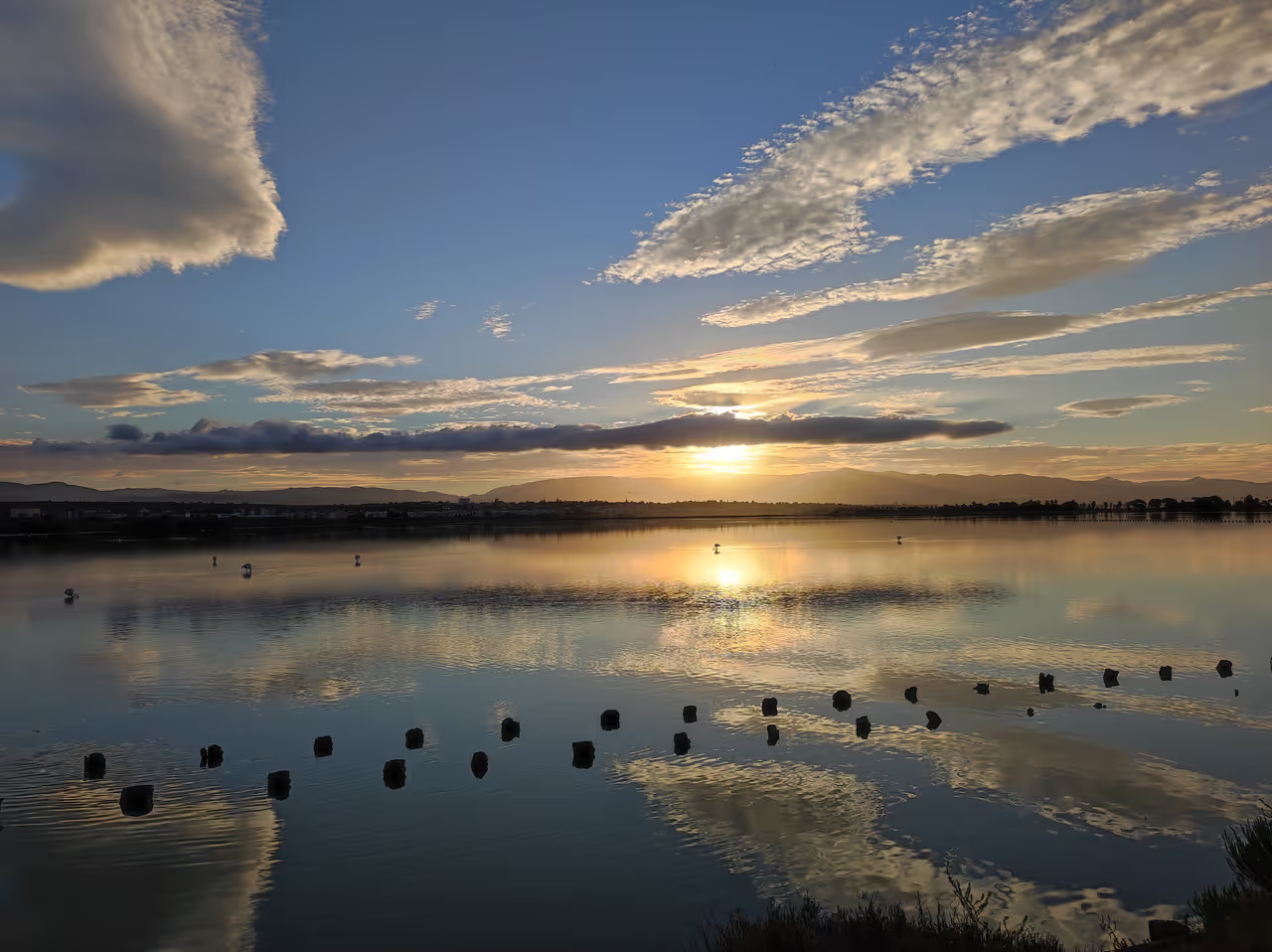
Molentargius-Saline Regional Park
Imagine a place where a major European city meets a thriving wetland paradise. This is the magic of Molentargius-Saline, a...
view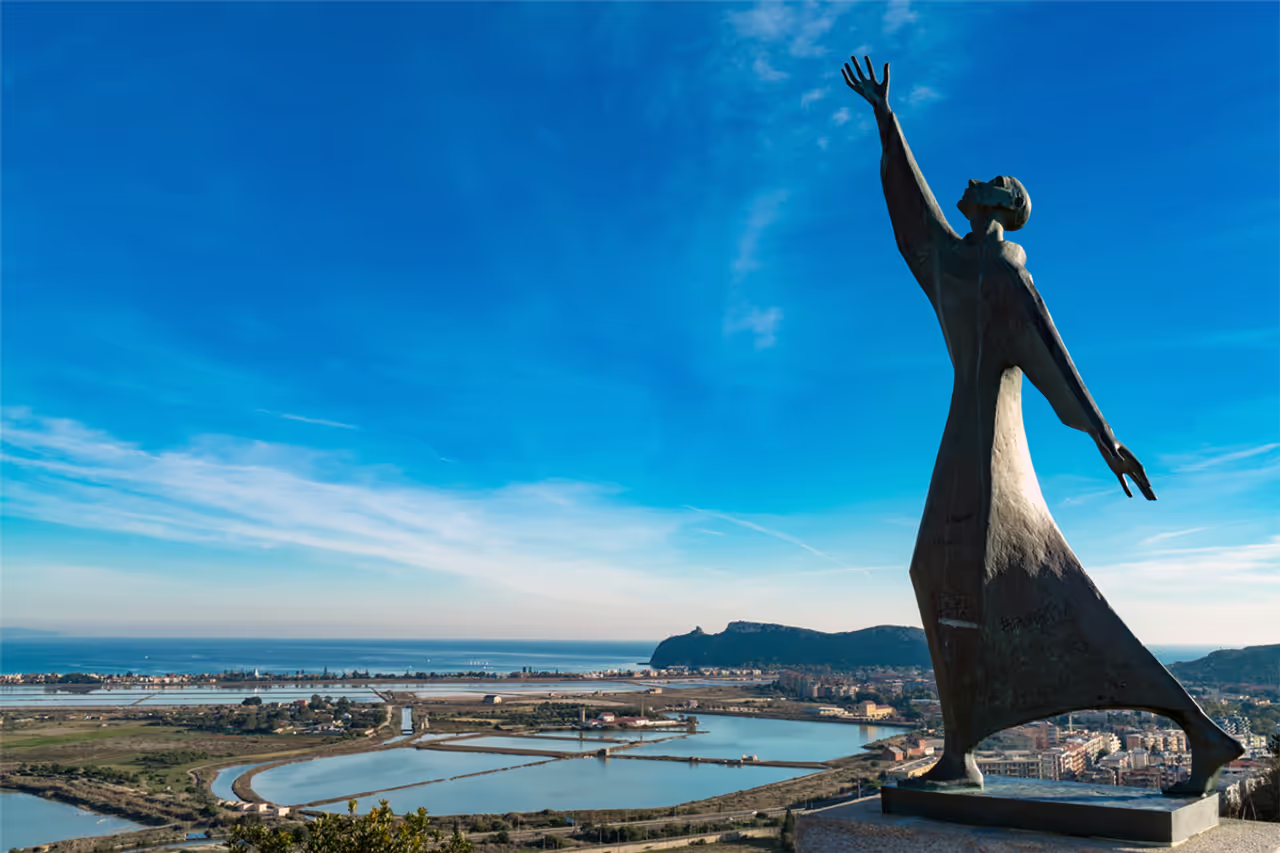
Monte Urpinu
Monte Urpinu offers a refreshing escape from the city streets, serving as a lush green sanctuary perched atop one of Cagliari's...
view
Highlights & Must-Sees
Citadel of Museums
Perched at the highest northern point of the Castello district, this modern complex was brilliantly constructed over the ruins...
view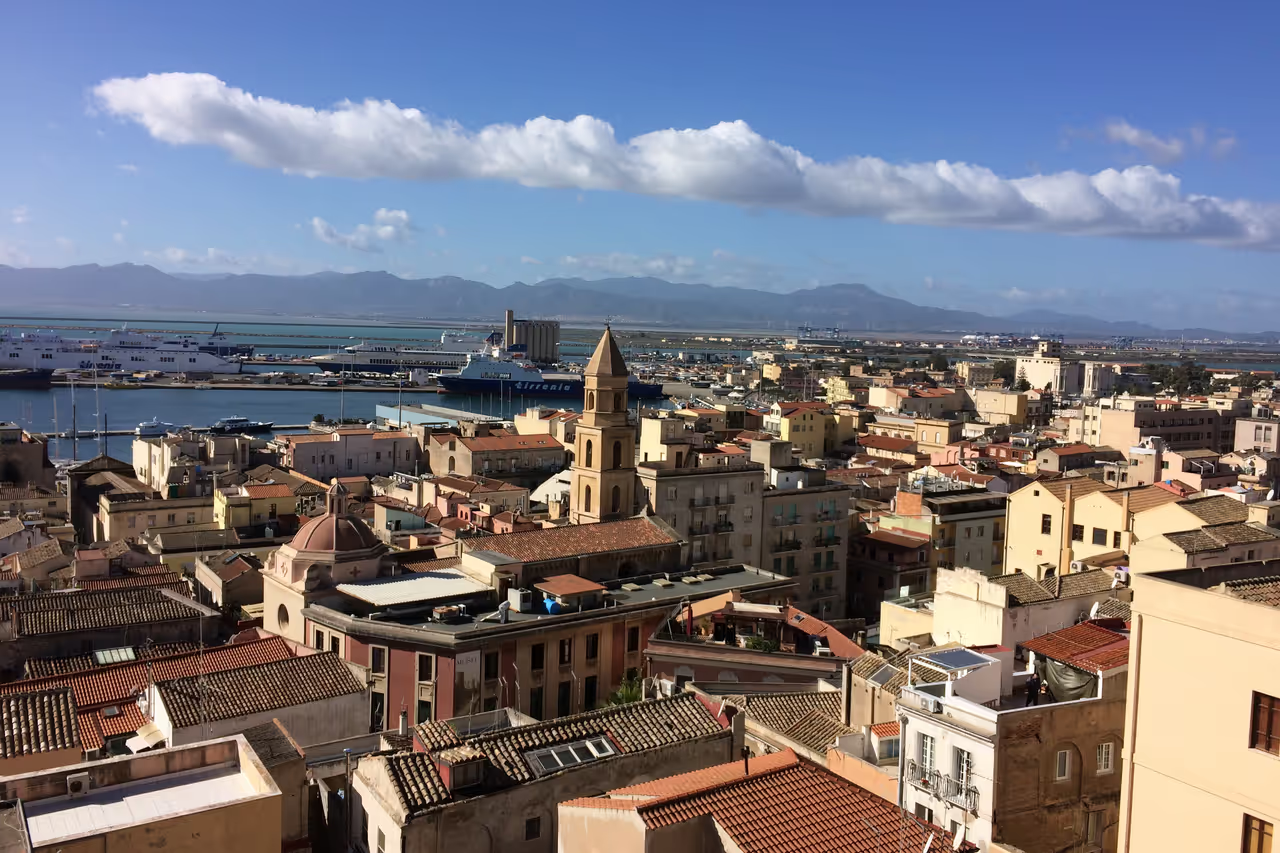
Marina District
Situated directly behind the bustling port, this dense grid of historic streets was traditionally the home of sailors...
view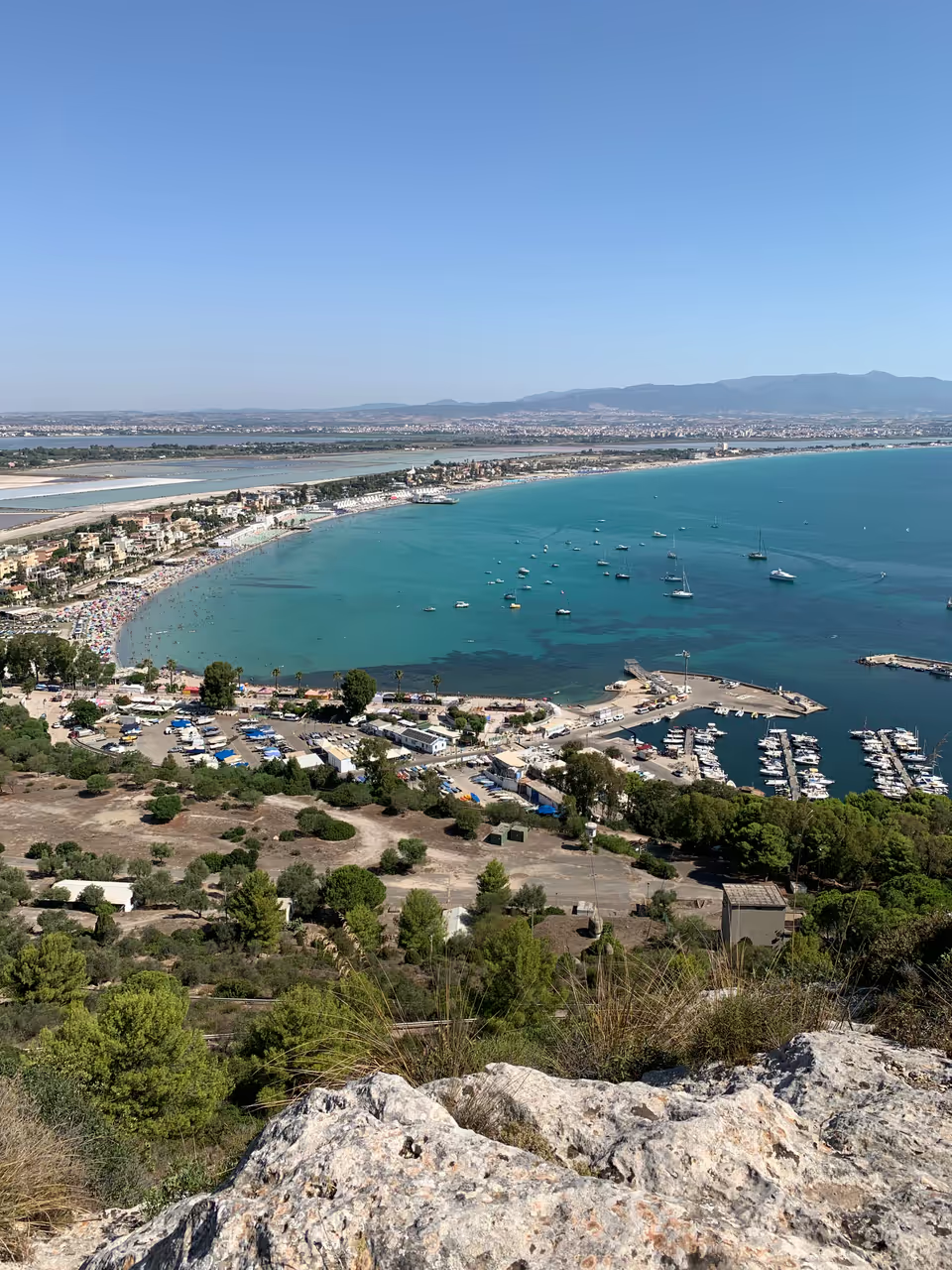
Poetto Beach
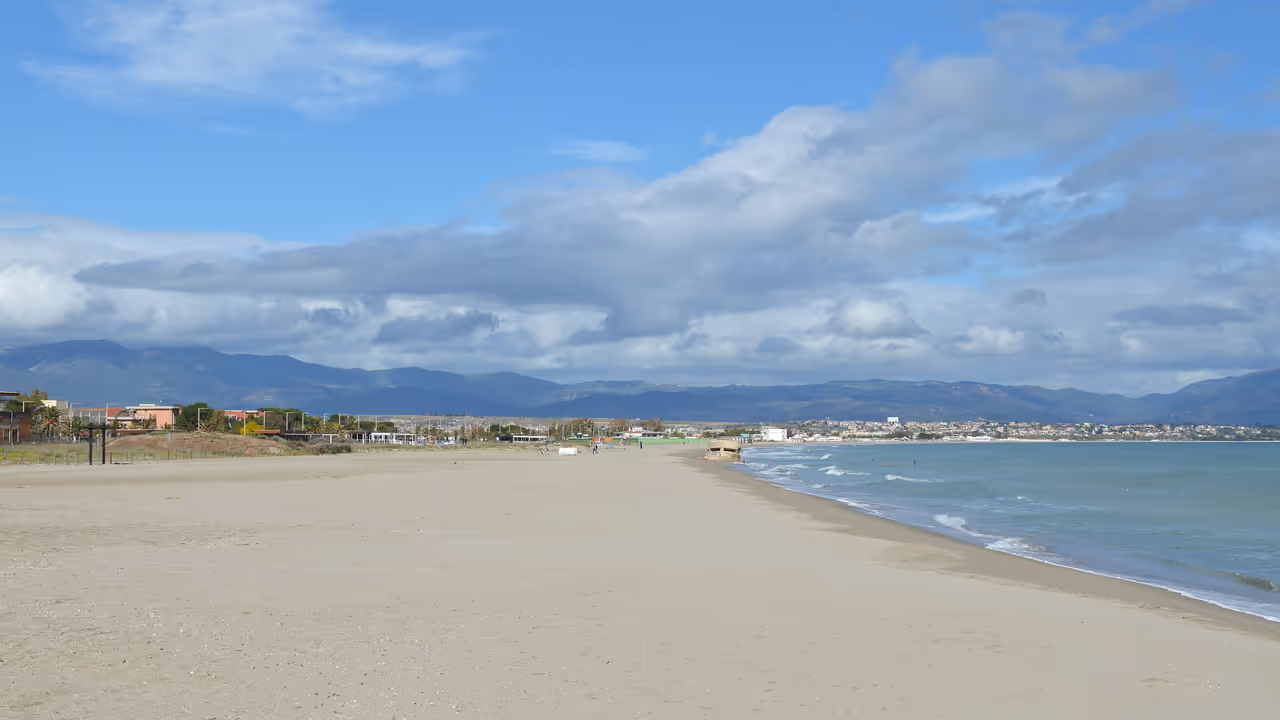
This magnificent stretch of fine sand sweeps for eight continuous kilometres along the city's eastern edge, framed by the iconic...
viewRoyal Palace
This elegant building served as the prestigious residence for the viceroys and royal representatives who governed the island for...
view
Best Walks in Cagliari
- HIGHLY RECOMMENDED
Castello Medieval Walk
This walk wanders through the highest, most ancient quarter of the city, enclosed entirely by formidable Pisan walls. Every corner reveals a piece of history, from grand palaces built by Aragonese nobility to small, hidden piazzas where laundry flutters from wrought-iron balconies. The narrow, shadow-draped alleys frequently open up to breathtaking, sunlit viewpoints overlooking the sea. The atmosphere is quiet, elegant, and deeply historic, feeling miles away from the bustling modern streets below. It is the absolute quintessential stroll to understand the city's majestic past.
Marina District Alleys
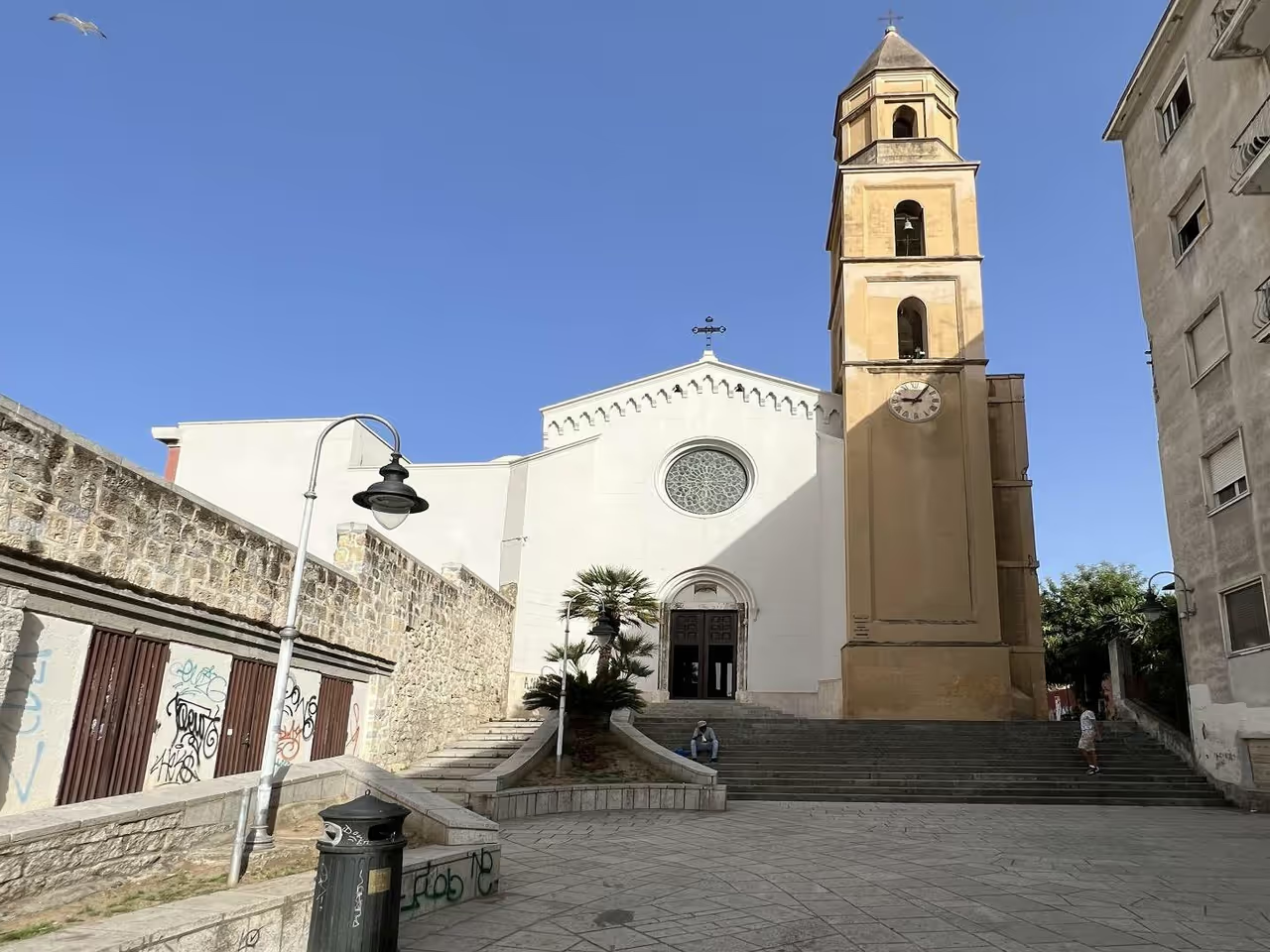
This stroll delves into the historic grid of streets that connect the port to the upper city, an area defined by centuries of maritime trade and multicultural influence. The air here is perpetually filled with the scent of garlic, saffron, and fresh seafood cooking in dozens of traditional trattorias. Walkers pass historic churches, tiny artisan shops, and vibrant street art that brightens the slightly weathered facades. It pulses with a lively, working-class energy that feels incredibly authentic and welcoming. It is the perfect place to absorb the sensory details of daily Sardinian life.
Botanical Garden Path
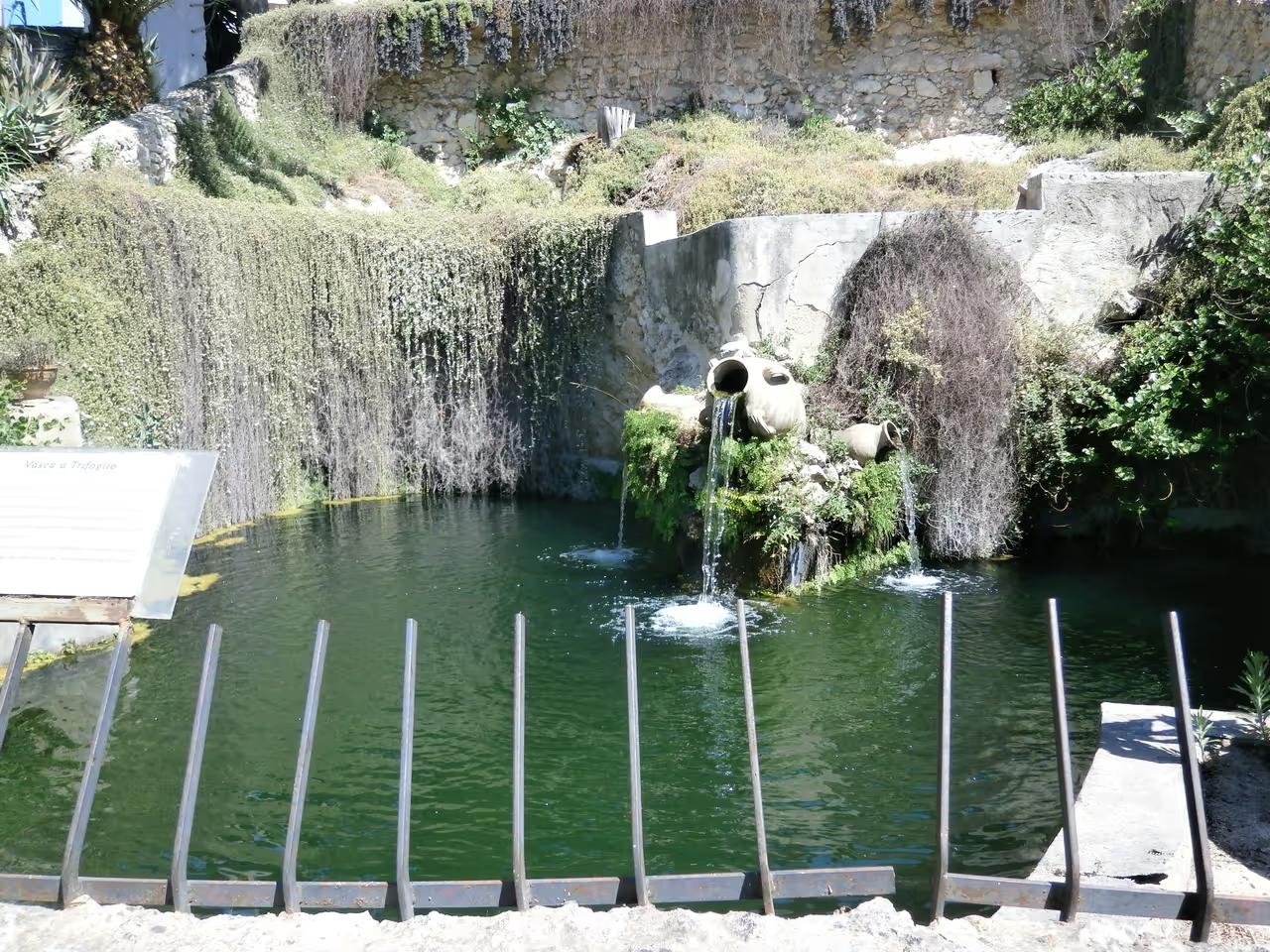
This walk provides a deeply peaceful escape into a lush, shaded sanctuary situated right in the city centre. The path winds through a remarkable collection of Mediterranean and exotic plants, many of which have thrived here for over a century. Visitors walk beneath towering palms, past ancient Roman cisterns cleverly repurposed as water features, and through fragrant herb gardens. The temperature drops noticeably under the thick canopy, offering respite on hot days. It highlights the city's rich intersection of nature, academia, and ancient history.
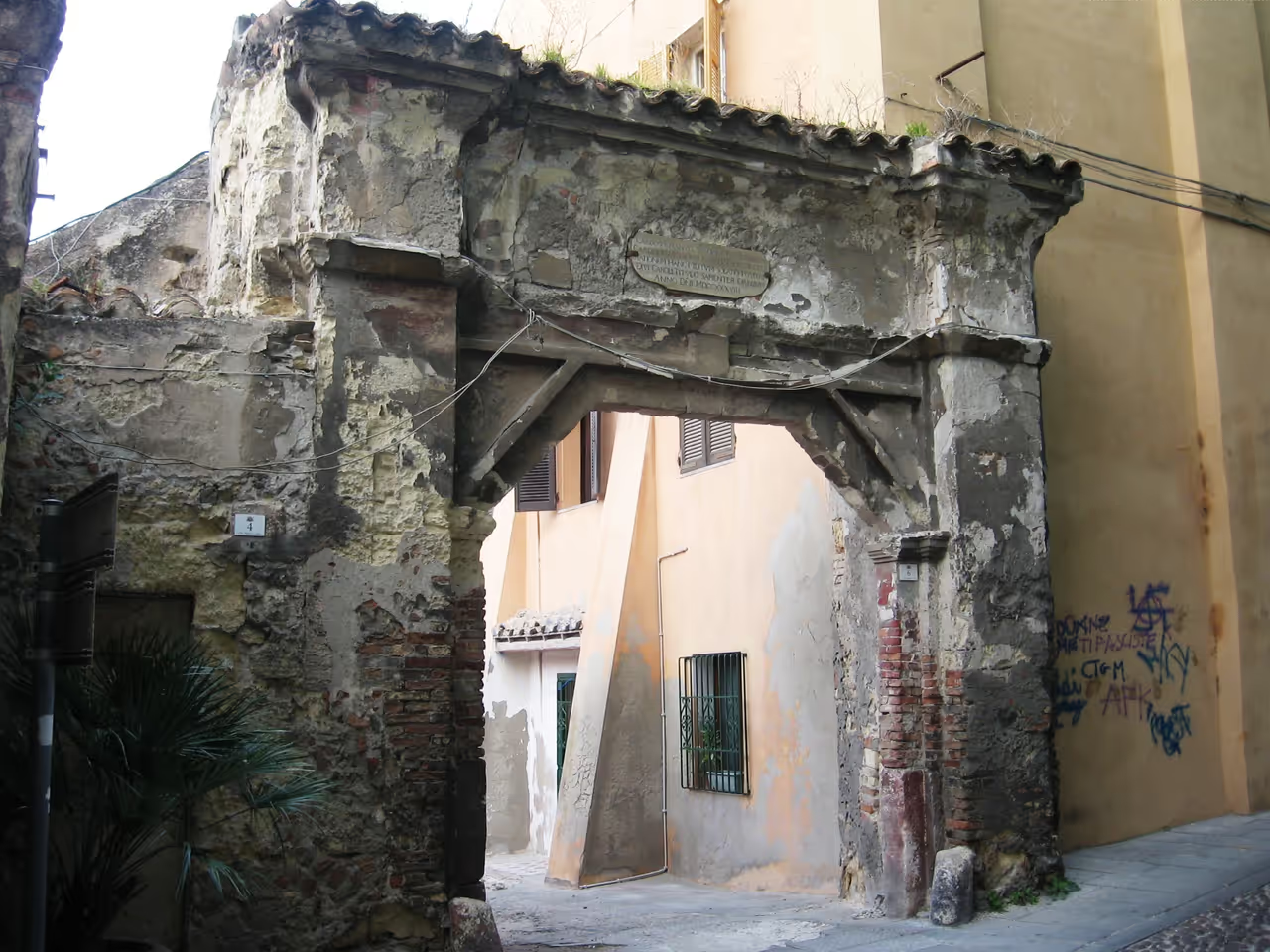
Architecture & Landmarks
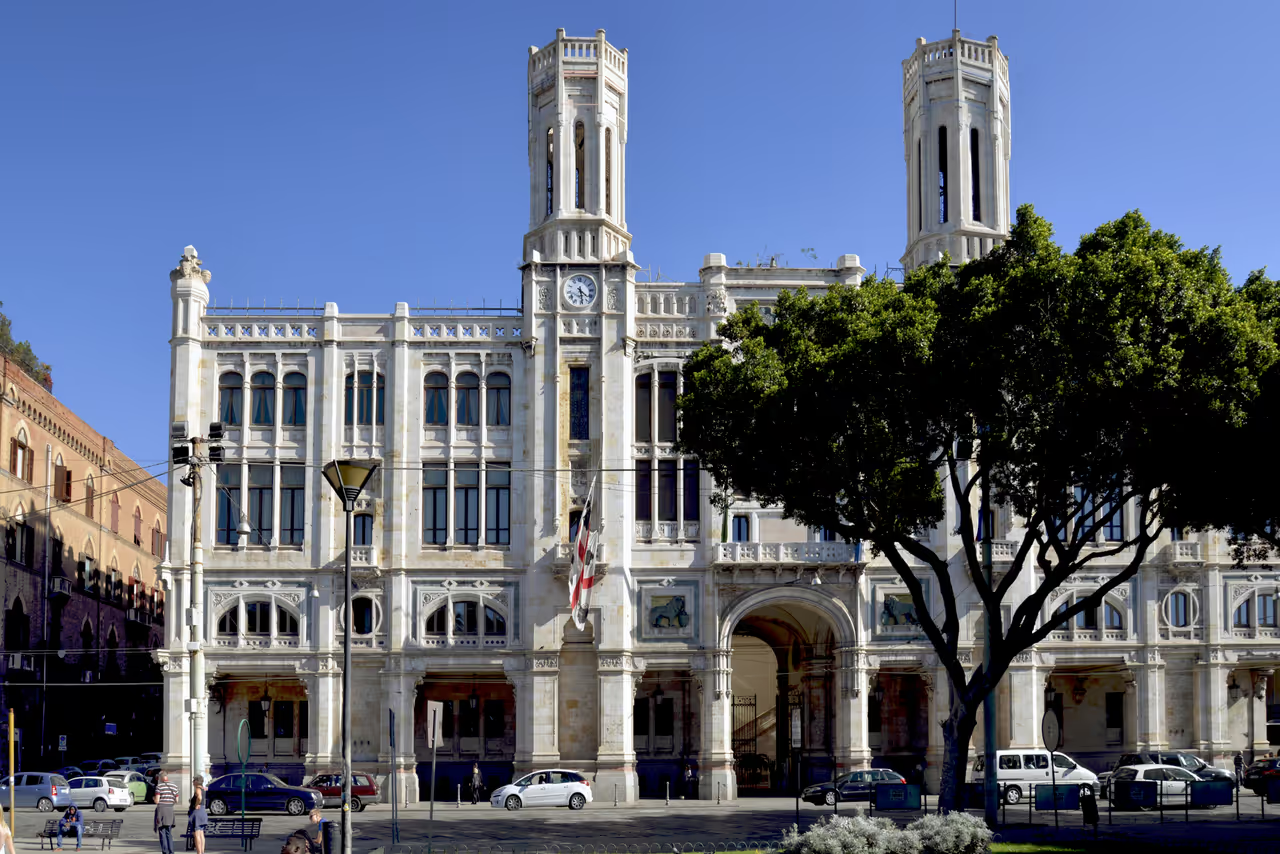
City Hall
Completed in the early twentieth century, this grand municipal building dominates the waterfront with its striking white...
view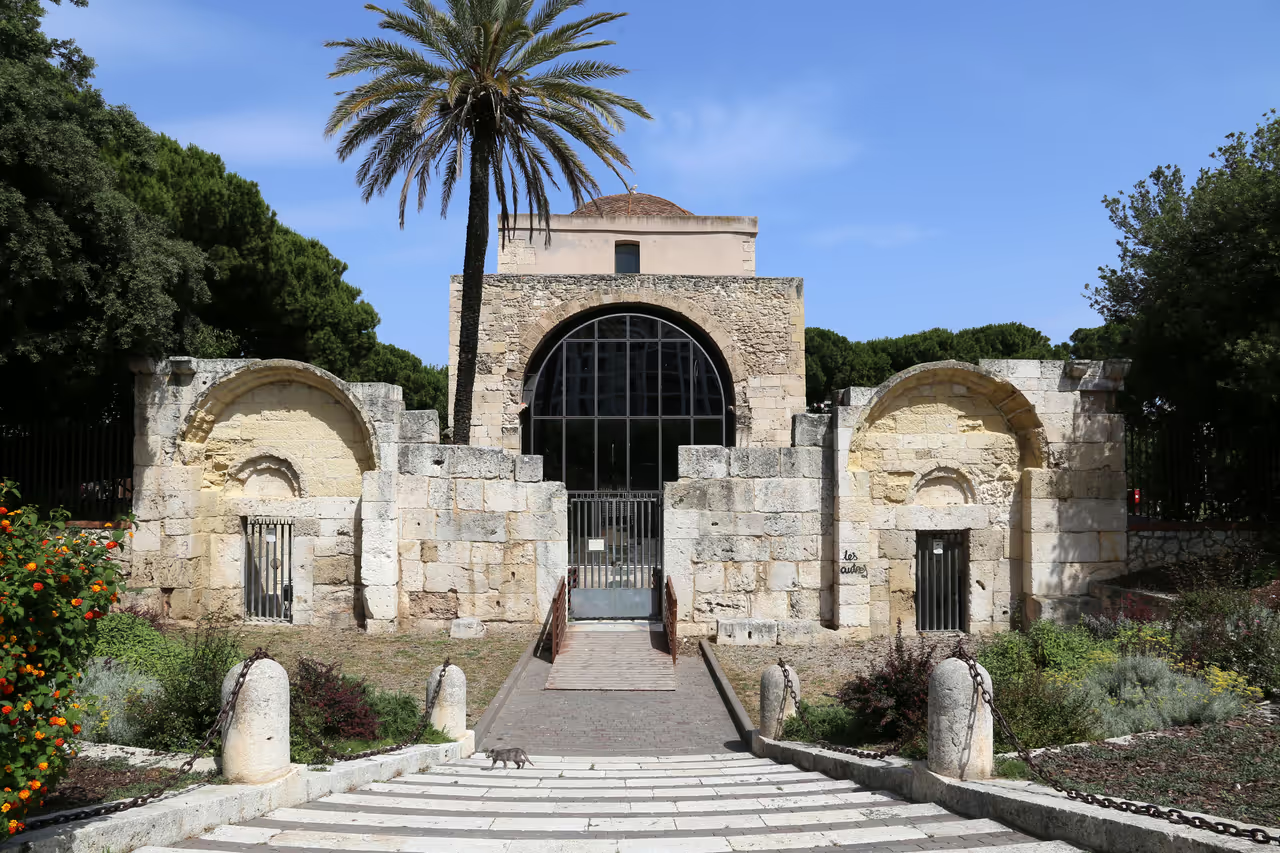
Basilica of Saint Saturninus
This is a rare and precious survival of Paleo-Christian architecture, standing as the oldest known church in the entire region...
view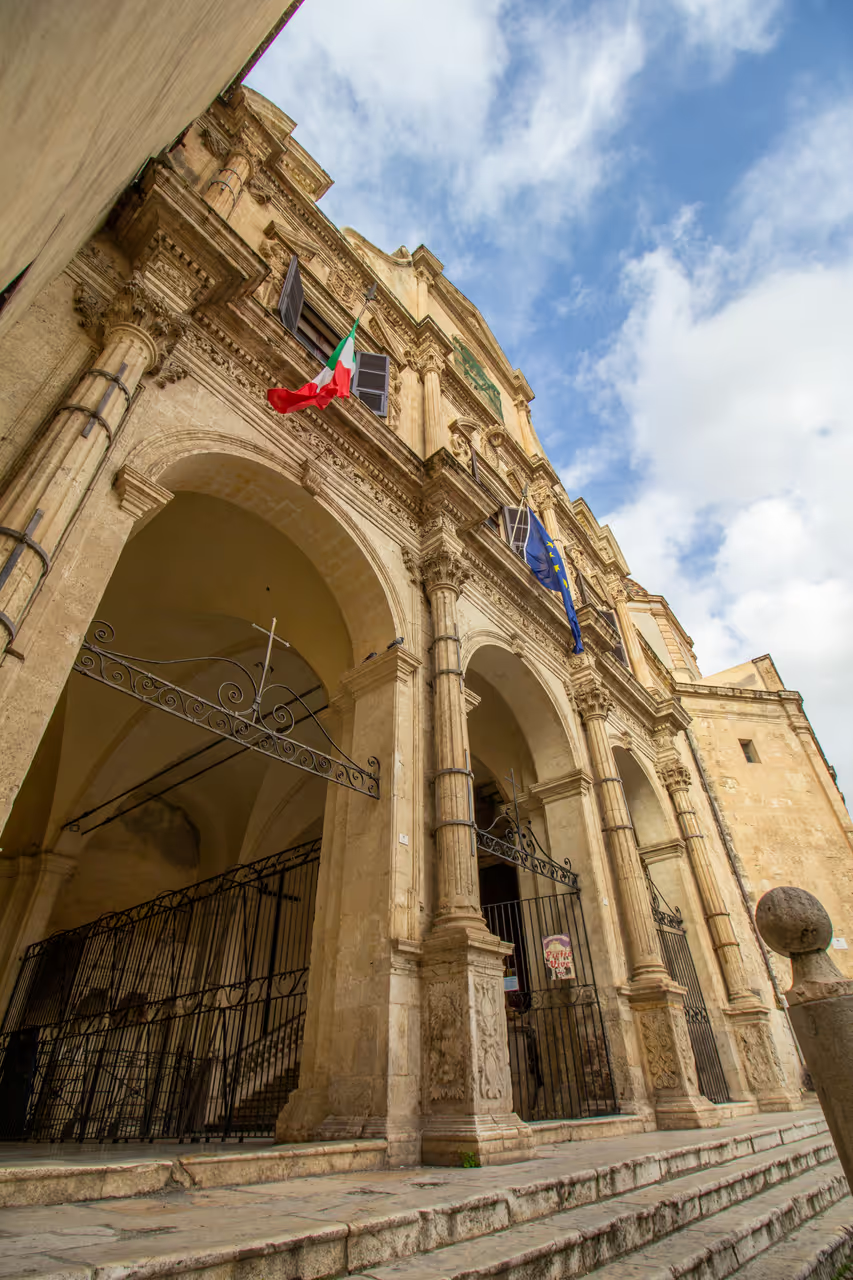
Church of Saint Michael
Tucked away in the historic Stampace district, the rather simple exterior of this church hides an absolute explosion of interior...
view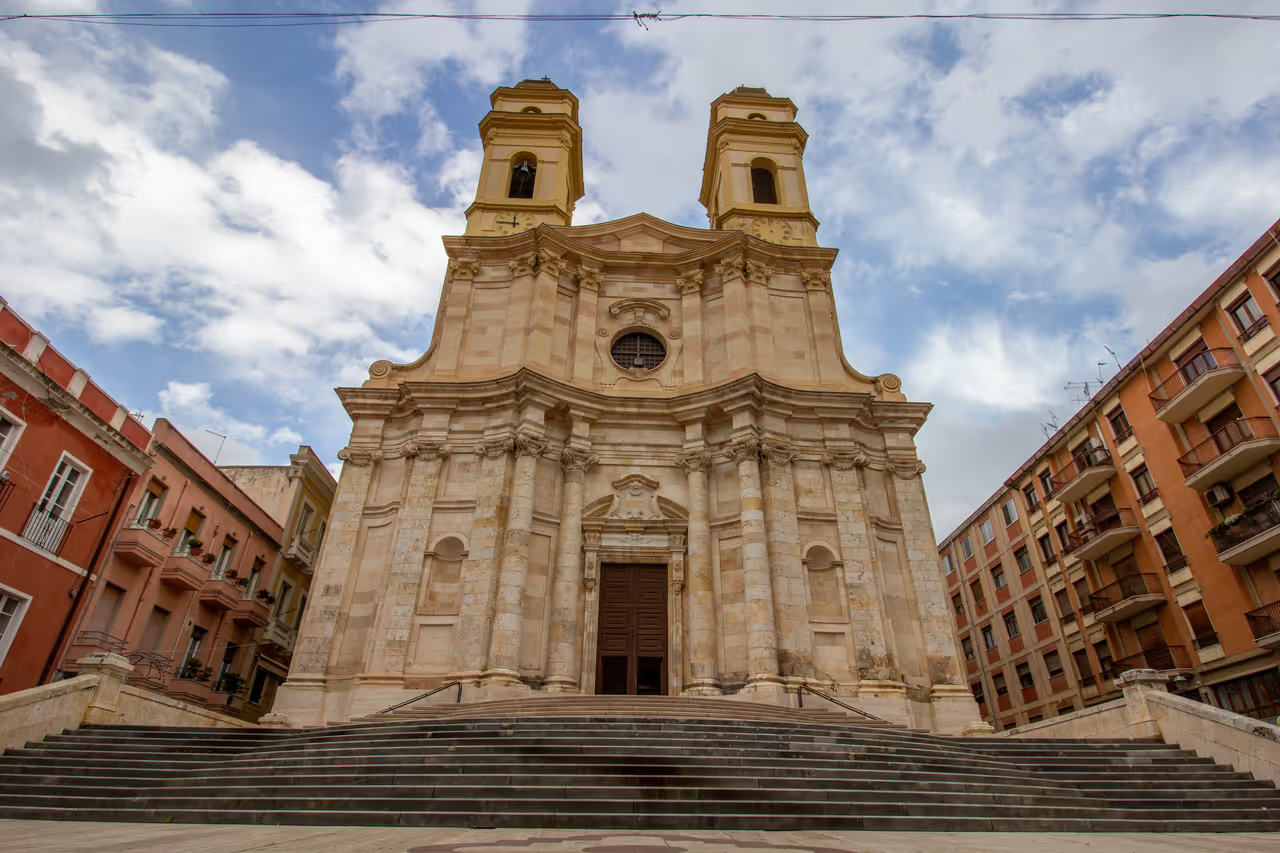
Collegiate Church of Saint Anne
This massive church dominates the skyline of the lower town with its impressive dome and imposing twin bell towers. Constructed...
view
Markets & Shopping
Cagliari Nightlife
Photo Spots
Activities & Experiences
Cycling Routes
- HIGHLY RECOMMENDED
Flamingo Salt Pans Ride
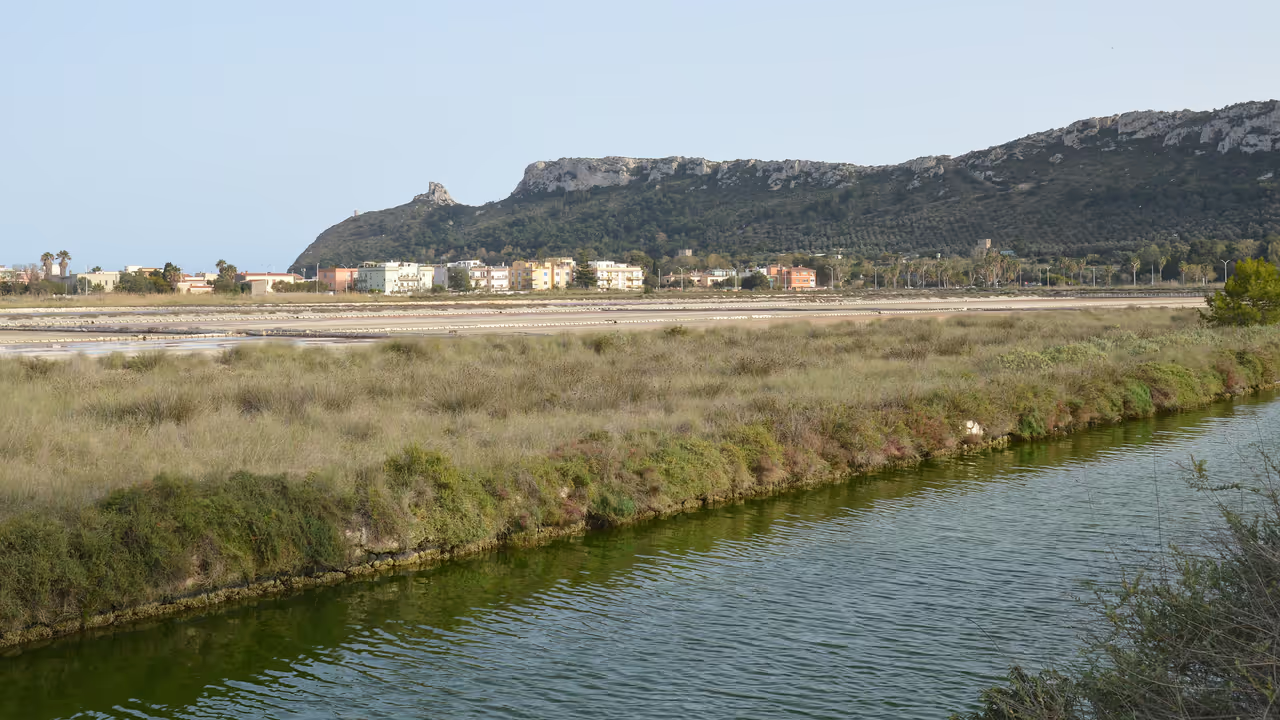
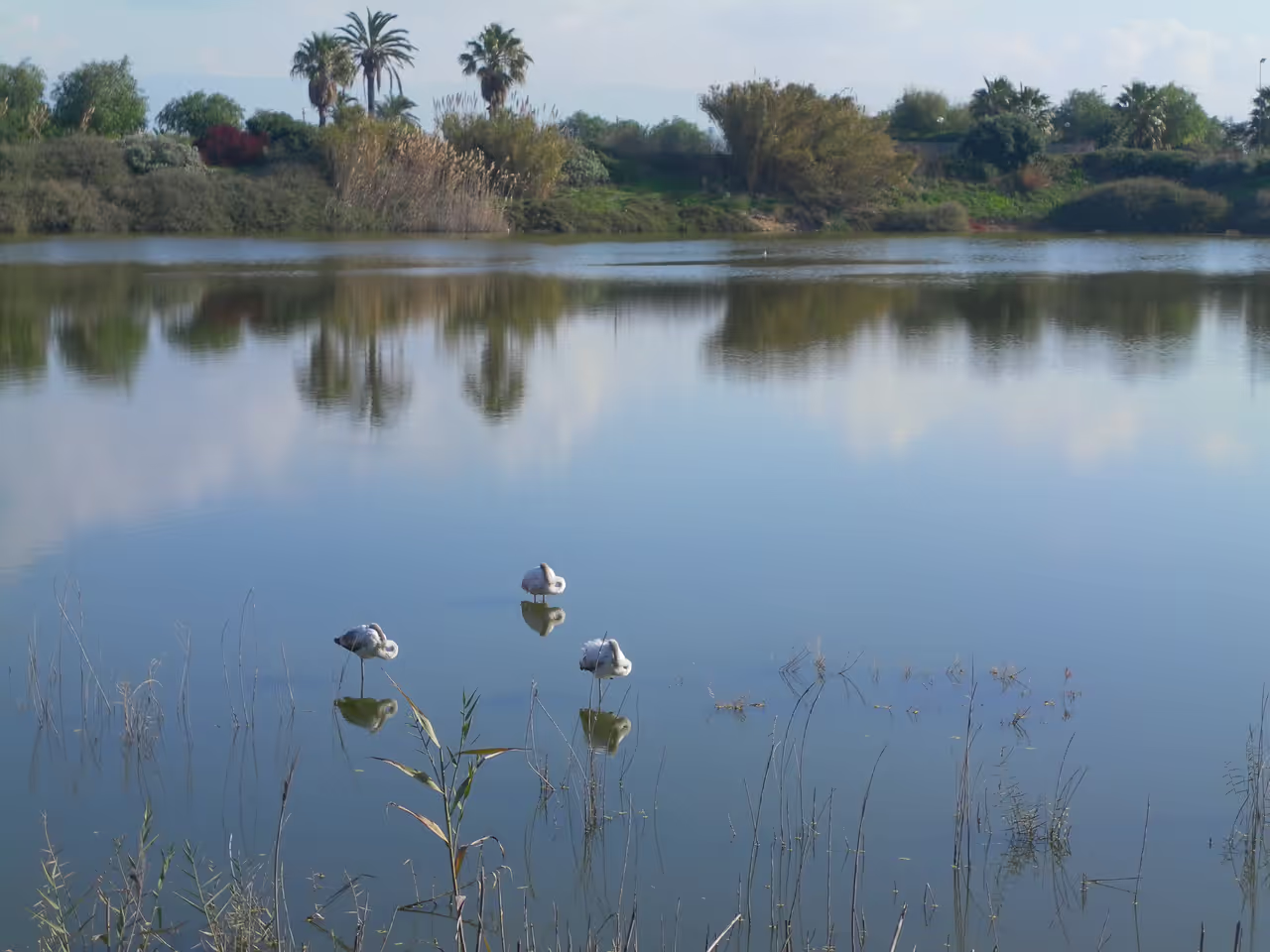
This completely flat, car-free route navigates through the heart of the region's extraordinary protected wetlands. Riders glide past shimmering evaporation pools, historic industrial salt-gathering machinery, and incredible concentrations of birdlife. It provides a serene, almost otherworldly atmosphere as the pink birds wade in the shallow waters right beside the path. The journey brilliantly showcases the delicate balance between historical industry and ecological preservation. It is a universally accessible ride that delivers spectacular natural photography opportunities.
Coastal Lighthouse Ride
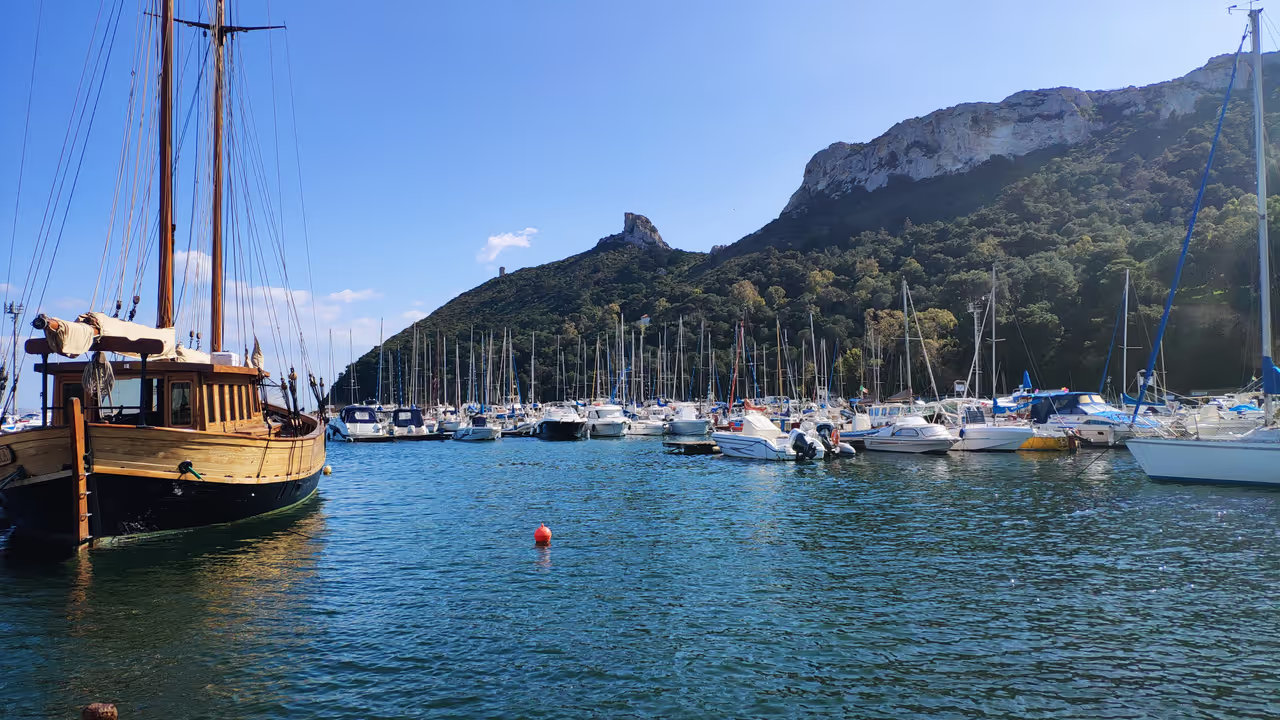
This route hugs the rugged coastline, tracing the edge of the city where the urban landscape yields to dramatic sea cliffs. Cyclists follow the dedicated path past small marinas and hidden coves, enjoying the constant scent of salt and pine. The journey culminates near an iconic lighthouse, offering fantastic spots to rest and watch the waves crash against the rocks. It is a breezy, highly scenic journey that highlights the city's maritime soul. The path features a few gentle rolling hills but remains very approachable.
Urban Parks Circuit
This ride connects several of the city's most beautiful green spaces, providing a quiet, leafy contrast to the stone-paved historic centre. It navigates through wide avenues and dedicated paths, showcasing local life away from the main tourist hubs. Cyclists will encounter panoramic hillocks, beautifully manicured gardens, and spaces dedicated to outdoor concerts and art. It reveals the surprisingly green heart of the city, offering plenty of spots for a picnic or a peaceful rest. The route requires some navigation of shared roads but remains largely stress-free.
Self-Guided Tours
Pisan Towers & Fortifications
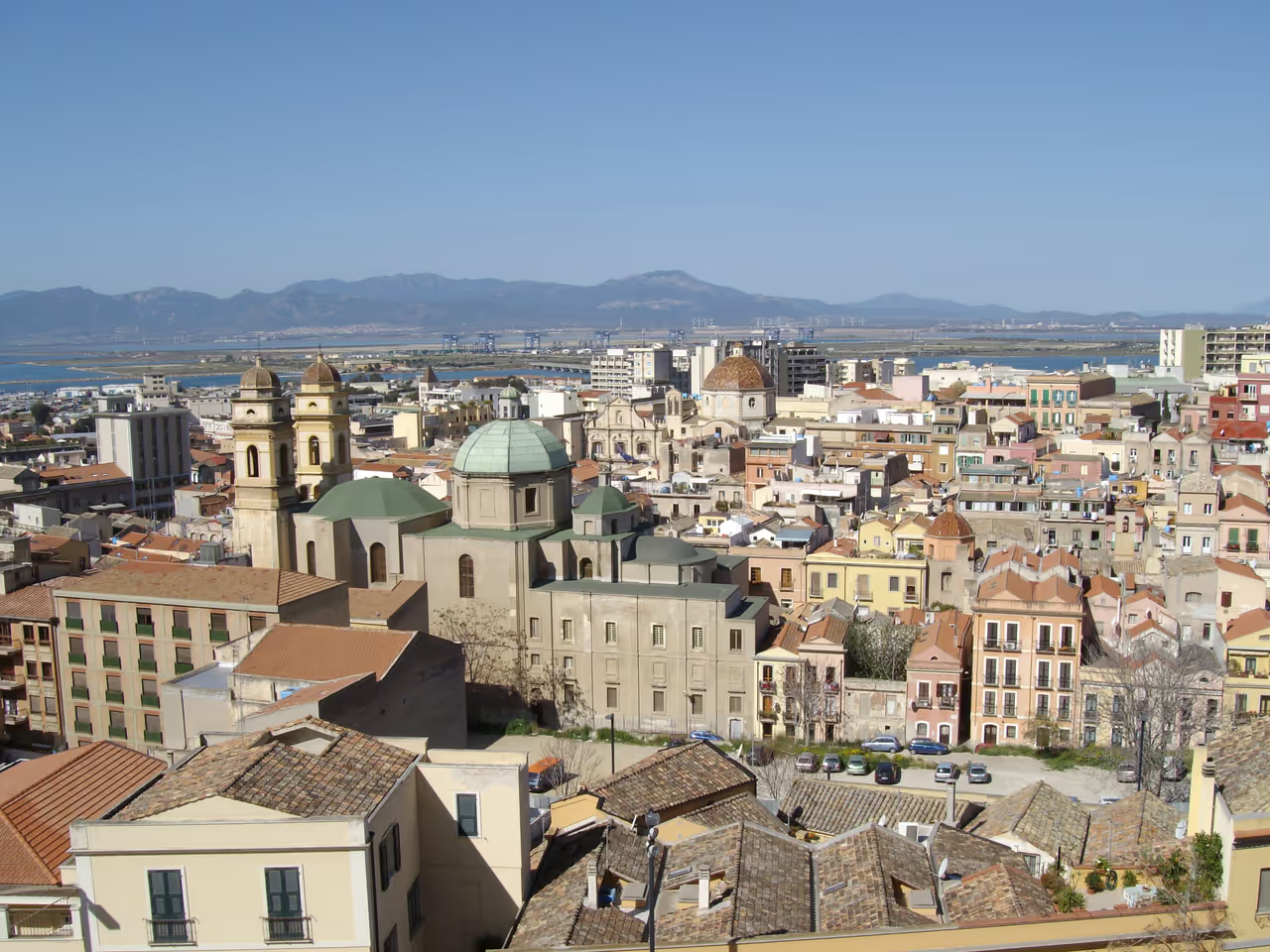
This tour explores the formidable defensive structures erected by the Republic of Pisa in the thirteenth century to secure their dominance over the island. It traces the perimeter of the Castello district, highlighting the sheer scale and ingenuity of medieval military architecture. The route focuses on the massive limestone blocks, the strategic placement of gates, and the brutal history associated with these imposing monuments. Walking this path gives a tangible sense of how impregnable the high city once felt to outsiders. It is a journey through power, conquest, and stone.
Liberty Architecture Tour
This curated path uncovers the elegant, highly decorative buildings constructed during the city's rapid expansion at the turn of the twentieth century. Driven by a prosperous new bourgeoisie, architects embellished the expanding lower neighbourhoods with intricate floral motifs, wrought-iron balconies, and colourful frescoes. The tour highlights a period of great optimism and artistic flair, contrasting sharply with the severe medieval stone of the upper town. It showcases the influence of Art Nouveau as interpreted by talented local designers. The stroll is visually rich and easy to navigate.
Roman and Punic History
This deep-time journey connects the scattered monumental remnants of the city's earliest civilisations. It moves from the vast burial grounds of the Carthaginians to the grand public works constructed by Roman engineers. The tour requires some imagination to visualise the ancient city that now lies buried beneath modern streets. It reveals how the unique limestone geology of the area was utilised for both death and entertainment by ancient peoples. It is a profound exploration of the foundations upon which the entire modern metropolis rests.
Annual Festivals & Events
 HIGHLY RECOMMENDED
Feast of Saint Efisio
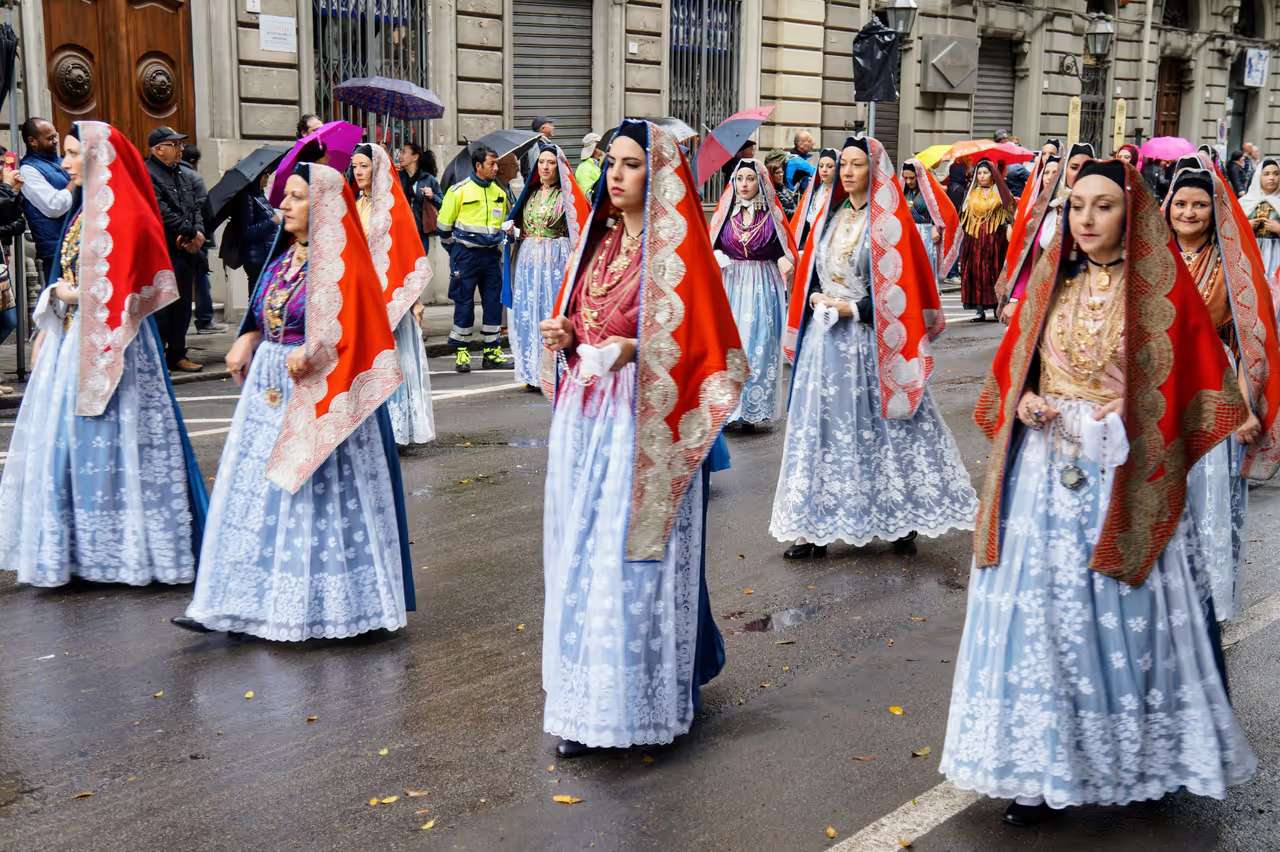
This is the most spectacular and deeply felt religious procession on the island, an uninterrupted tradition fulfilling a vow made during a devastating plague in 1652. Thousands of people from villages across the region gather in their most elaborate traditional garments to march through the city streets. The atmosphere is thick with devotion, the sound of traditional instruments, and roads carpeted in flower petals. A heavy wooden statue of the saint is carried on an ornately decorated ox-drawn cart. It is a profound display of cultural identity that leaves spectators completely mesmerised.
Cagliari Carnival
The streets erupt into a cacophony of colour and sound as traditional masks and satirical floats parade through the historic centre. The rhythm is driven by the infectious beat of the 'ratantira', a distinctive drumming style unique to the city that reverberates off the stone walls. Locals dress in historical caricatures, such as the gossiping baker woman or the eccentric nobleman, keeping old urban legends alive. It is a boisterous, deeply traditional celebration where community spirit shines brightly. The festivities often culminate in a symbolic bonfire, marking the end of winter.
Holy Week Processions
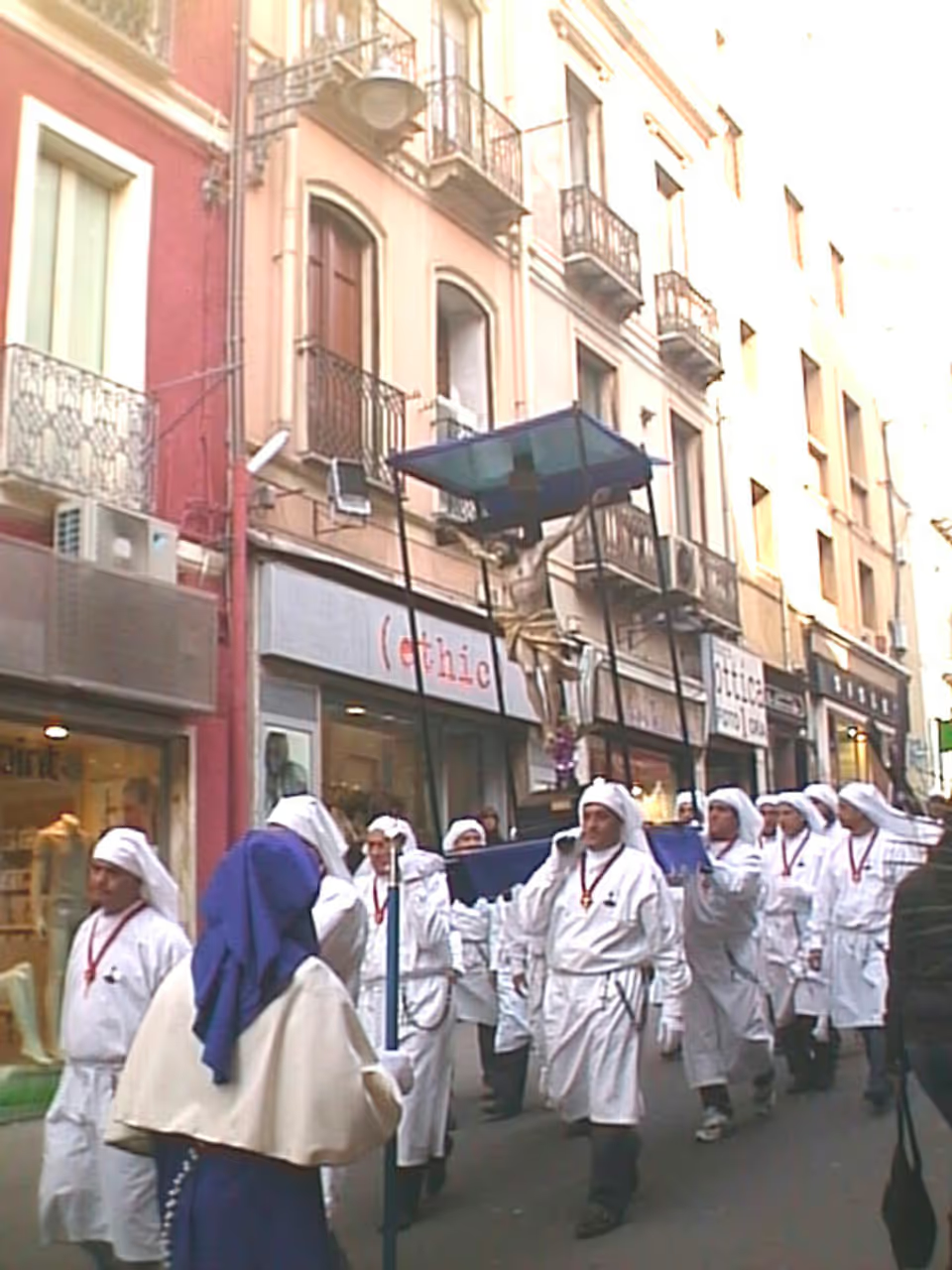
The days leading up to Easter transform the historic districts into stages for solemn, atmospheric rituals organised by ancient brotherhoods. Choirs sing haunting, centuries-old dirges in the local dialect as statues of mourning figures are carried by candlelight. The blending of Spanish colonial traditions with indigenous customs creates an intense, emotional spectacle. Observers line the narrow alleys in respectful silence, captivated by the scent of incense and the slow, rhythmic pace of the penitents. It offers a powerful window into the spiritual heritage of the community.
Insider Tips
Download the local CTM bus app before you arrive; it allows you to purchase tickets digitally and track live bus times, which is incredibly useful for reaching the beach.
Save your legs by using the series of public lifts hidden around the city edges, they whisk you up to the Castello district effortlessly, avoiding the steep climbs.
Head to the San Benedetto market early in the morning, ideally before 9 AM, to witness the incredible energy of the fish auction and secure the best local produce.
When visiting Poetto beach, look out for the numbered bus stops ('fermate') along the promenade; locals use these numbers as precise meeting points.
Remember to validate your physical bus ticket immediately upon boarding using the yellow machines, as inspectors are common and fines are issued on the spot.
If you want a panoramic sunset photo without the crowds of Saint Remy, head instead to the Bastione di Santa Croce, which offers a stunning western view over the rooftops.
PERFECT FOR
This destination thoroughly rewards those with a passion for layered history, offering centuries of architecture packed into a walkable, atmospheric centre. It is incredibly appealing to culinary enthusiasts eager to taste authentic island flavours distinct from mainland Italy. Sun-seekers and nature lovers will find their paradise along the expansive beaches and wildlife-rich lagoons located right on the urban doorstep.
VIBE
Golden light spills over limestone facades as the scent of the sea mingles with freshly roasted coffee from the bustling piazzas. There is an unmistakable rhythm here, balancing the proud elegance of its medieval upper town with the relaxed, sun-soaked energy of its coastal promenades. It feels deeply Mediterranean, rooted in ancient traditions yet warmly inviting to anyone willing to lose themselves in its labyrinthine streets.
Frequently Asked Questions about Cagliari
While we strive to keep this information accurate and up to date, we recommend verifying any details independently before making decisions based on them.
Similar Destinations in Italy
Continue your journey. Explore these highly recommended cities and uncover more of what Italy has to offer.