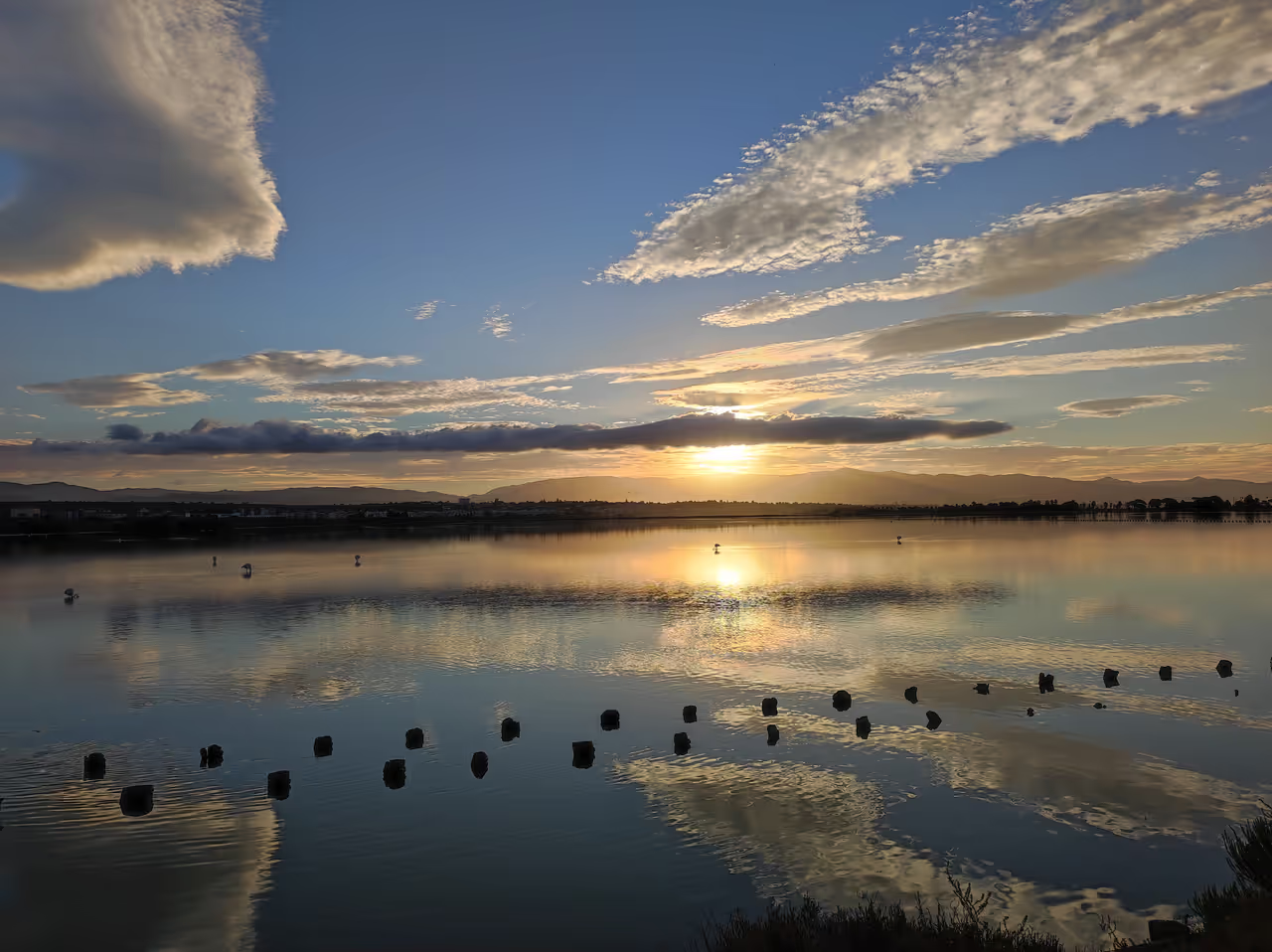
Molentargius-Saline Regional Park
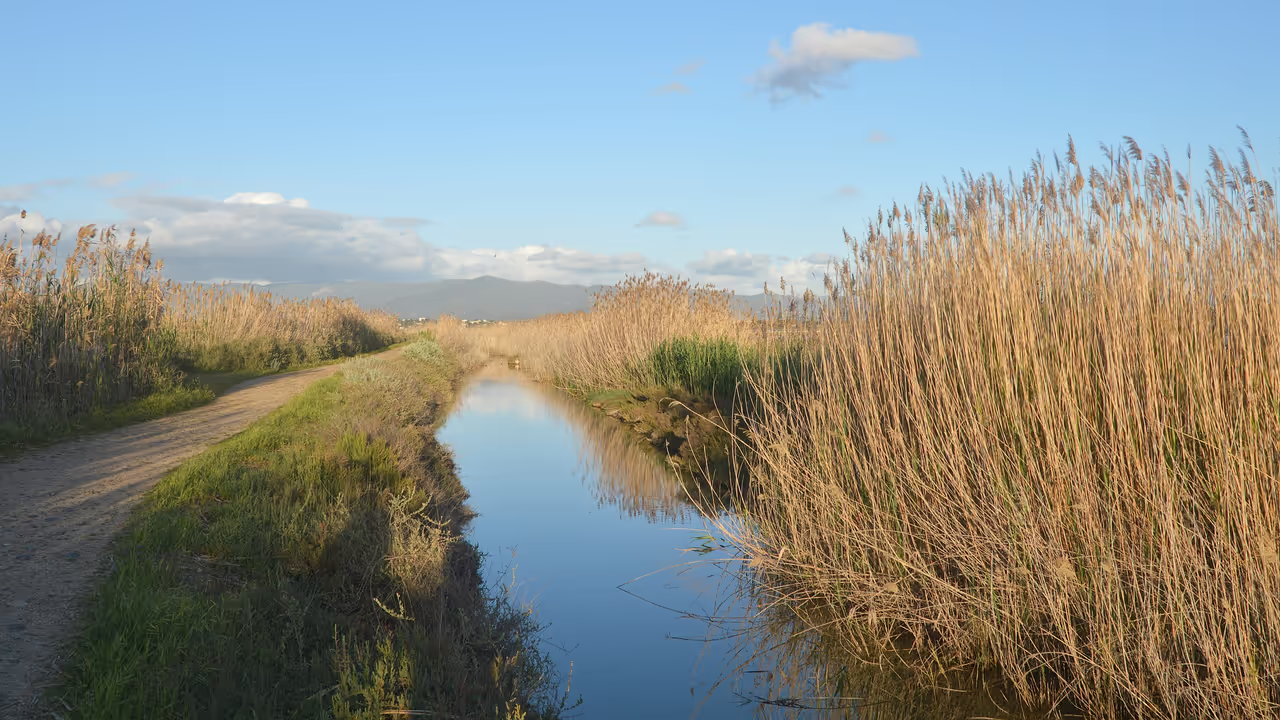
Imagine a place where a major European city meets a thriving wetland paradise. This is the magic of Molentargius-Saline, a stunning natural park nestled right on the doorstep of Cagliari. This extraordinary wetland is a haven for nature lovers, famous for its incredible birdlife, most notably the majestic pink flamingos that call these salt pans home. Whether you explore on foot or by bicycle, you will find yourself immersed in a unique landscape where freshwater meets saltwater, creating a sanctuary that feels worlds away from urban life. It is an ecological treasure and a testament to how nature can flourish alongside human history. Come here to witness one of the most vibrant bird-watching spots in the Mediterranean and see the city from a breathtaking, tranquil perspective.
Videos
History of Molentargius-Saline Regional Park
Deep in the past, the area known as Molentargius was the domain of the molentargius, the drivers of donkeys, who hauled salt from the basins along the coast. These hardworking figures were the masters of the salt flats, turning a natural feature into a cornerstone of Sardinia's economic strength. The land itself was forged by ancient geological shifts, creating the sandy barriers that eventually formed the salt pans and lagoons that define the landscape today. It was a place defined by toil and the rhythmic extraction of the white gold that once fuelled local trade. As the 20th century progressed, the rapid growth of Cagliari and its surrounding towns brought the city right up to the edges of the marshland. This urban expansion turned the wetland into a receptor for city runoff, posing a significant threat to its delicate balance. By the late 1980s, the industrial salt production had ceased, and the ecosystem was struggling under the pressure of human activity. It was a pivotal moment for the area, forcing a rethink of how such a vital natural site could coexist with a modern urban environment. The lagoons were at risk of disappearing under the weight of concrete and pollution. A monumental restoration project, coupled with the foresight to establish the Regional Park in 1999, turned the tide. Today, the park serves as a masterclass in urban ecology, featuring an ingenious filter ecosystem that treats wastewater to nourish the lagoons. The result is a thriving sanctuary where pink flamingos nest comfortably alongside a busy metropolis, proving that nature and urban life can exist in harmony. It stands as a proud symbol of Cagliari's commitment to preserving its natural heritage for future generations.
Events spanning 14 years
Fun Facts
- • During the 20th century, the park was a bustling industrial site for salt production, and many remnants of this era can still be seen, adding a layer of historical intrigue to the scenery.
- • Efforts to preserve the park have turned it from an industrial wasteland facing pollution into a thriving ecological model for urban planning worldwide.
- • The name Molentargius literally translates to donkey drivers in the local dialect, paying homage to the workers who once transported salt across the basins using donkeys.
- • The park features an ingenious Ecosistema Filtro, or filter ecosystem, which uses artificial wetlands to naturally purify wastewater before it reaches the lagoons.
- • The park is home to a rich variety of reptiles and amphibians, including the rare European pond turtle, which thrives in the quieter freshwater sections.
- • The park is one of the few examples in Europe of a Ramsar-protected wetland of international importance located entirely within a metropolitan area.
- • The resident pink flamingos, now the symbol of the city, have flourished here because the local Artemia salina, or brine shrimp, provides a perfect, nutrient-rich diet.
- • The sandy strip of land separating the lagoons from the sea, known as Is Arenas, serves as a fossil beach that offers a glimpse into the geological history of the region.
- • The site encompasses a fascinating mix of freshwater and saltwater lagoons, such as the Bellarosa Minore and Bellarosa Maggiore, each hosting distinct flora and fauna.
- • The wetlands are essential for migratory birds, serving as a critical stopover point for species travelling between Europe and Africa.
RESOURCES
Official WebsiteMolentargius-Saline Regional Park FAQ
While we strive to keep this information accurate and up to date, we recommend verifying any details independently before making decisions based on them.
Molentargius-Saline Regional Park Map & Neighborhood Explorer
This interactive map is centered on Molentargius-Saline Regional Park. Zoom in and move the map around to automatically discover Wikipedia photos and summaries of other nearby sights, monuments, and historical points of interest and stories in real-time!
Places near Molentargius-Saline Regional Park
Make the most of your trip. Check out these top-rated spots located nearby.
 2175m
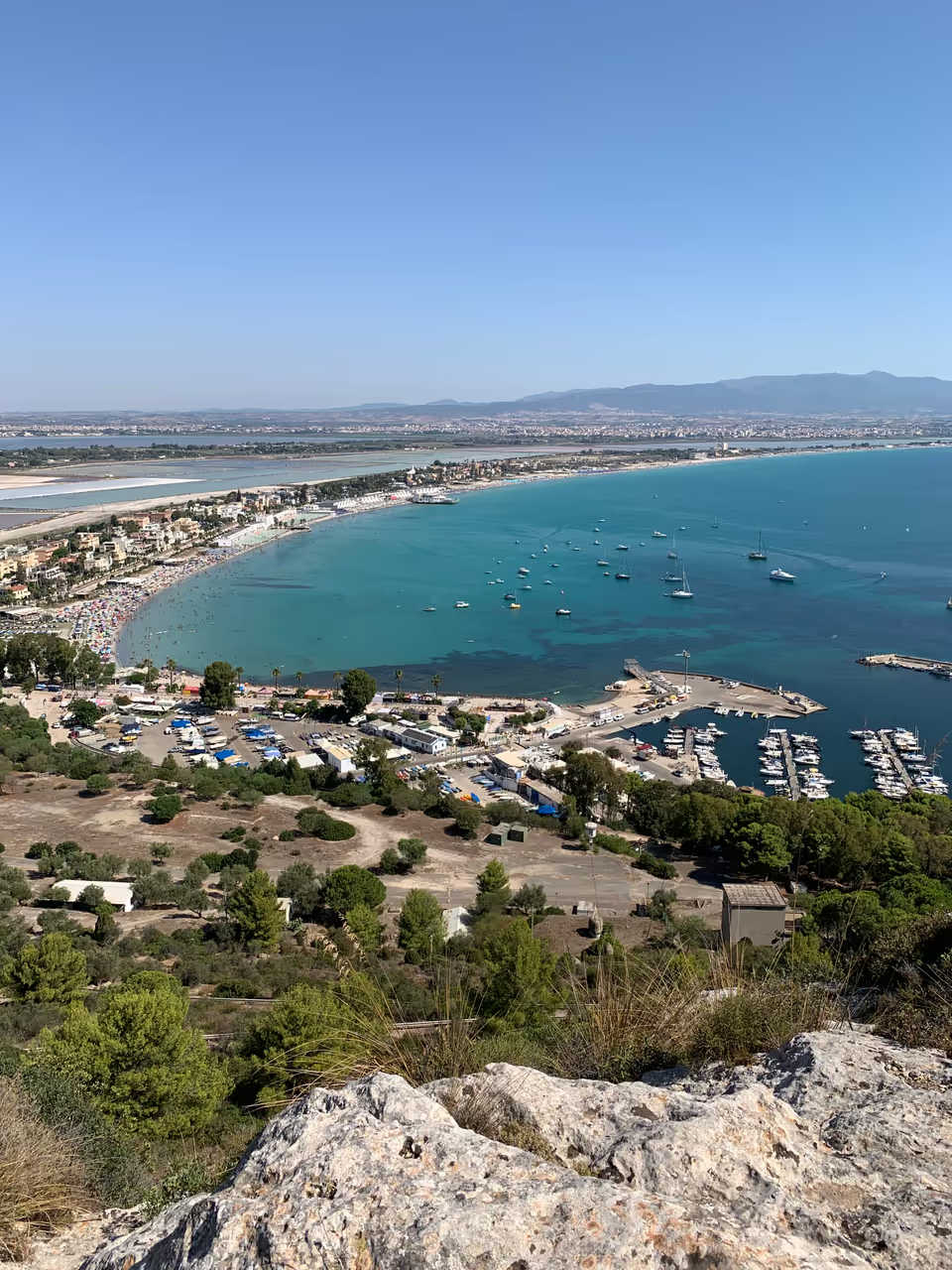
2175mPoetto Beach
This magnificent stretch of fine sand sweeps for eight continuous kilometres along the city's eastern edge, framed by the iconic Devil's Saddle headland. It serves as the ultimate playground for locals, offering everything from quiet sunbathing spots to energetic beach volleyball courts. The wide, paved promenade is perfect for cycling, jogging, or simply enjoying an evening passeggiata by the sea. Dozens of small kiosks provide excellent seafood lunches and transition smoothly into lively cocktail bars as night falls. It embodies the relaxed, sun-drenched lifestyle that makes the city so appealing.
highlight view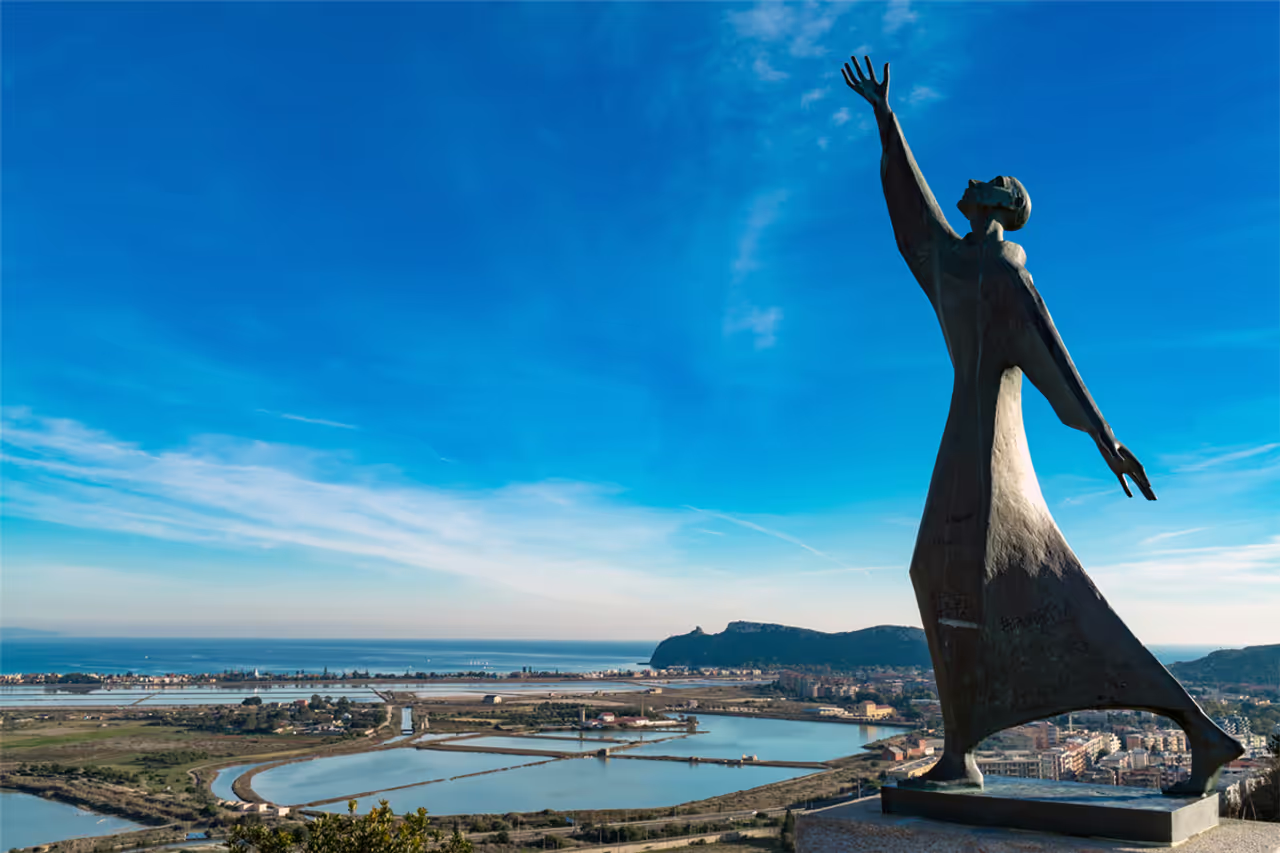 2348m
2348mMonte Urpinu
Monte Urpinu offers a refreshing escape from the city streets, serving as a lush green sanctuary perched atop one of Cagliari's prominent hills. This neighbourhood invites visitors to wander through its sprawling park, where peaceful pine-shaded paths lead to breathtaking viewpoints over the sparkling Poetto beach and the tranquil Molentargius lagoon. Beyond its natural beauty, the area is an elegant residential quarter that balances quiet charm with historic landmarks like the ancient Aragonese Church. It is the perfect place to slow down, enjoy a picnic among the trees, or simply gaze across the city’s panoramic horizon. Whether you are seeking a moment of serenity or a picturesque setting for an afternoon stroll, Monte Urpinu captures the gentle spirit of Cagliari perfectly.
park & nature view- 2840m
Sant'Elia Market
Located near the sea, this market serves a fiercely proud neighbourhood with deep fishing traditions. It provides an authentic, unfiltered glimpse into everyday life away from the typical tourist trails. The seafood here is exceptionally fresh, often sold by the very families who caught it hours earlier. While small, the atmosphere is incredibly welcoming and communal, with vendors eager to explain how to prepare their goods in traditional ways. It is a genuine slice of working-class culture.
market view 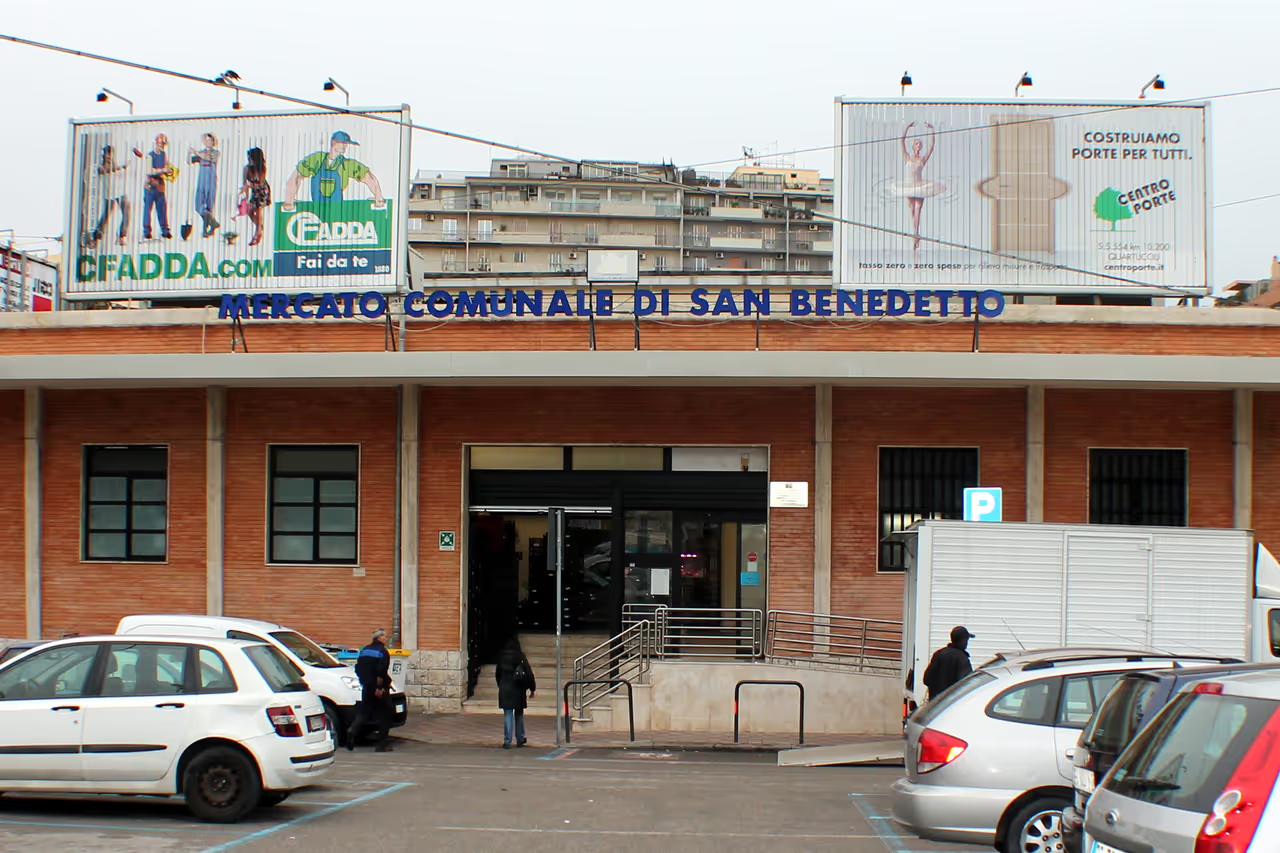 2943m
2943mSan Benedetto Market
This is widely celebrated as one of the largest and most vibrant indoor markets in Europe, sprawling across two massive floors of culinary delights. The ground floor is a sensory explosion entirely dedicated to the daily fish catch, where vendors enthusiastically shout out their prices amidst mountains of glistening seafood. Upstairs, visitors are greeted by an incredible array of local cheeses, cured meats, fresh pasta, and seasonal produce. It is the absolute beating heart of local gastronomy and an unmissable cultural experience. The sheer volume and quality of ingredients provide a perfect snapshot of the island's rich agricultural and maritime heritage.
market view
Featured on These Itineraries and Routes
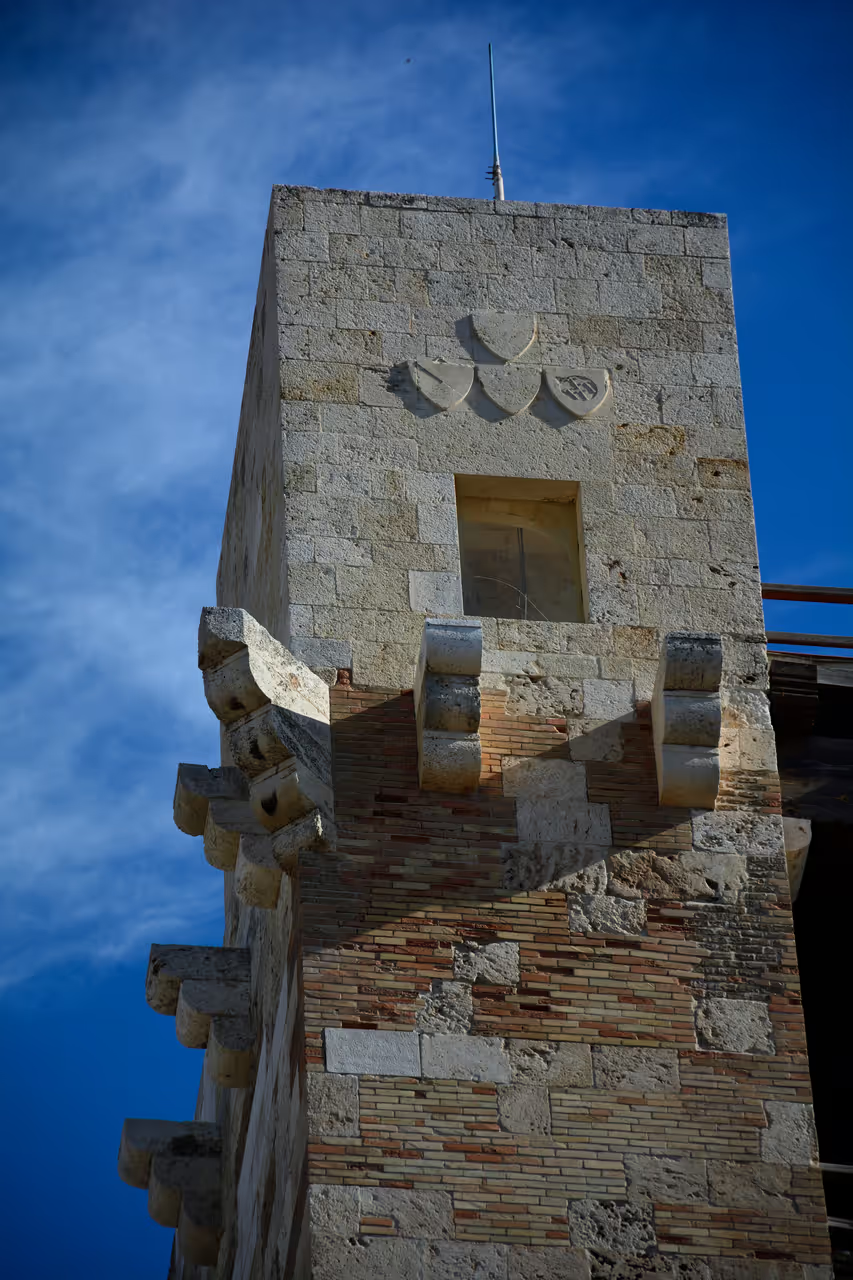
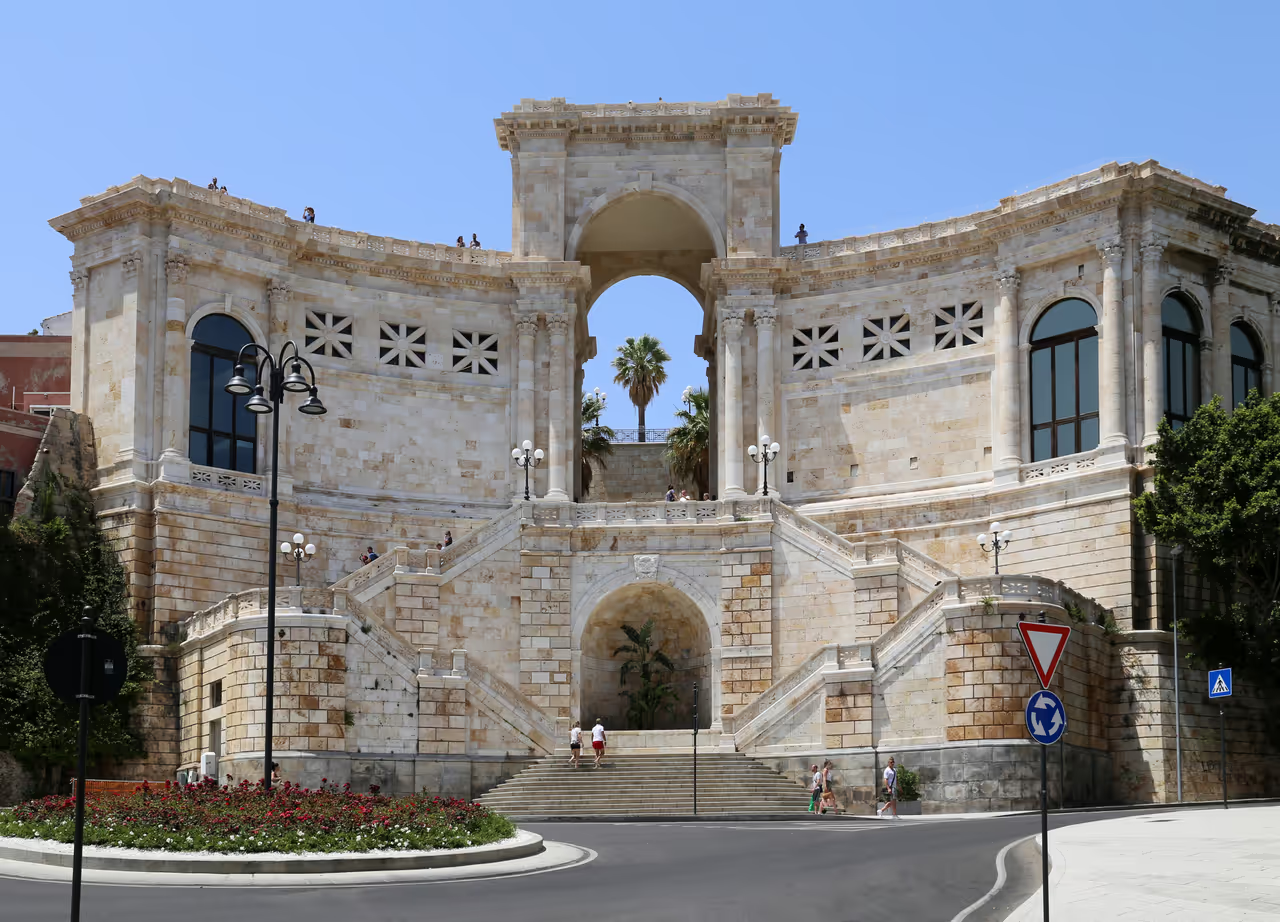
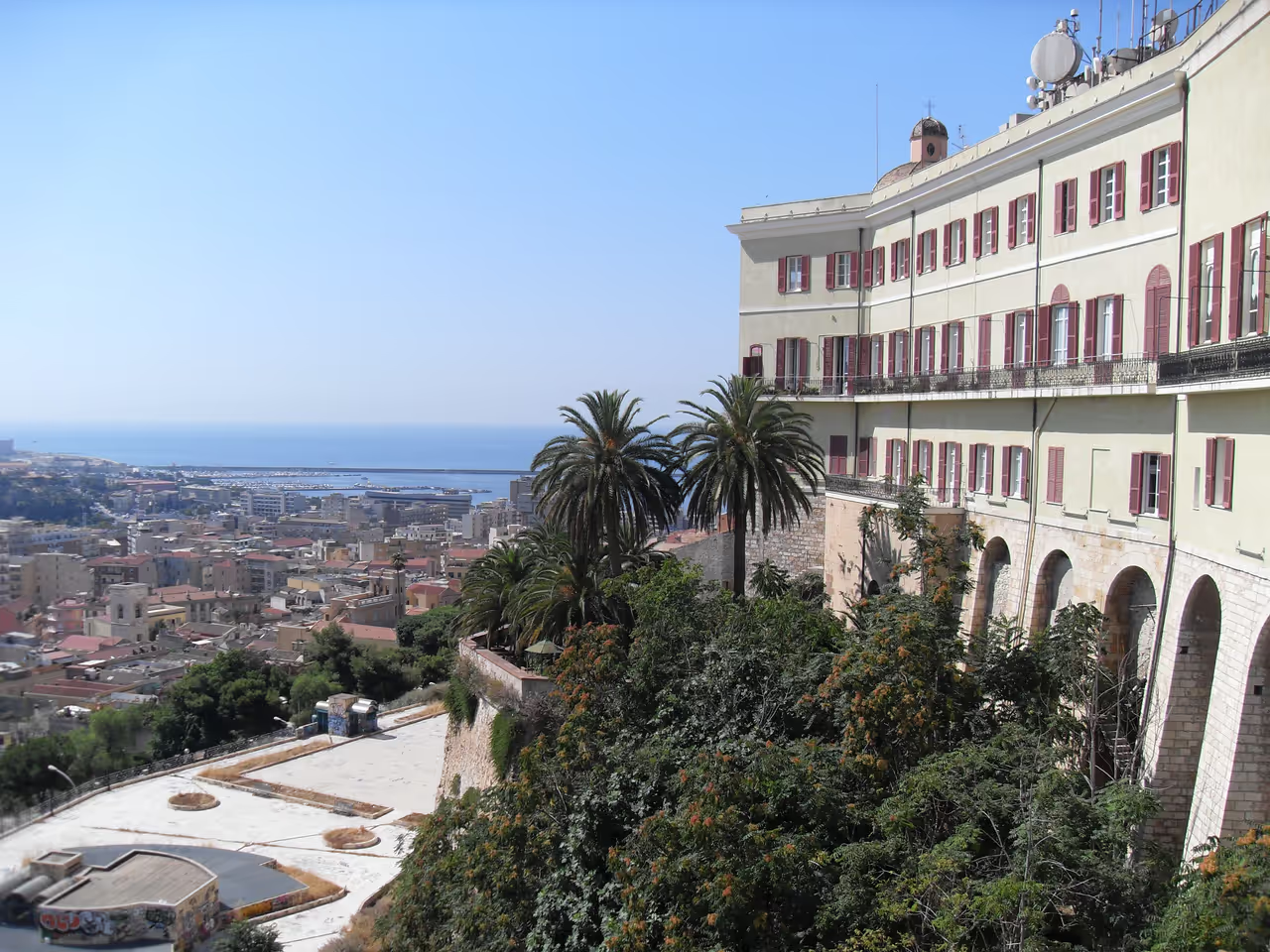
3 Days in Cagliari: City and Sea Itinerary
This balanced schedule allows visitors to fully appreciate both the dense historical core and the spectacular natural environments that surround it. The first day tackles the grand monuments and museums of the high city, immersing travellers in history. The second day shifts to authentic local life, exploring vibrant markets and the maritime heritage of the lower districts. The final day is dedicated to the coastline, offering time to relax on the long beaches and cycle alongside the flamingo-filled lagoons. It provides a comprehensive, relaxed overview of everything the area has to offer.
view itinerary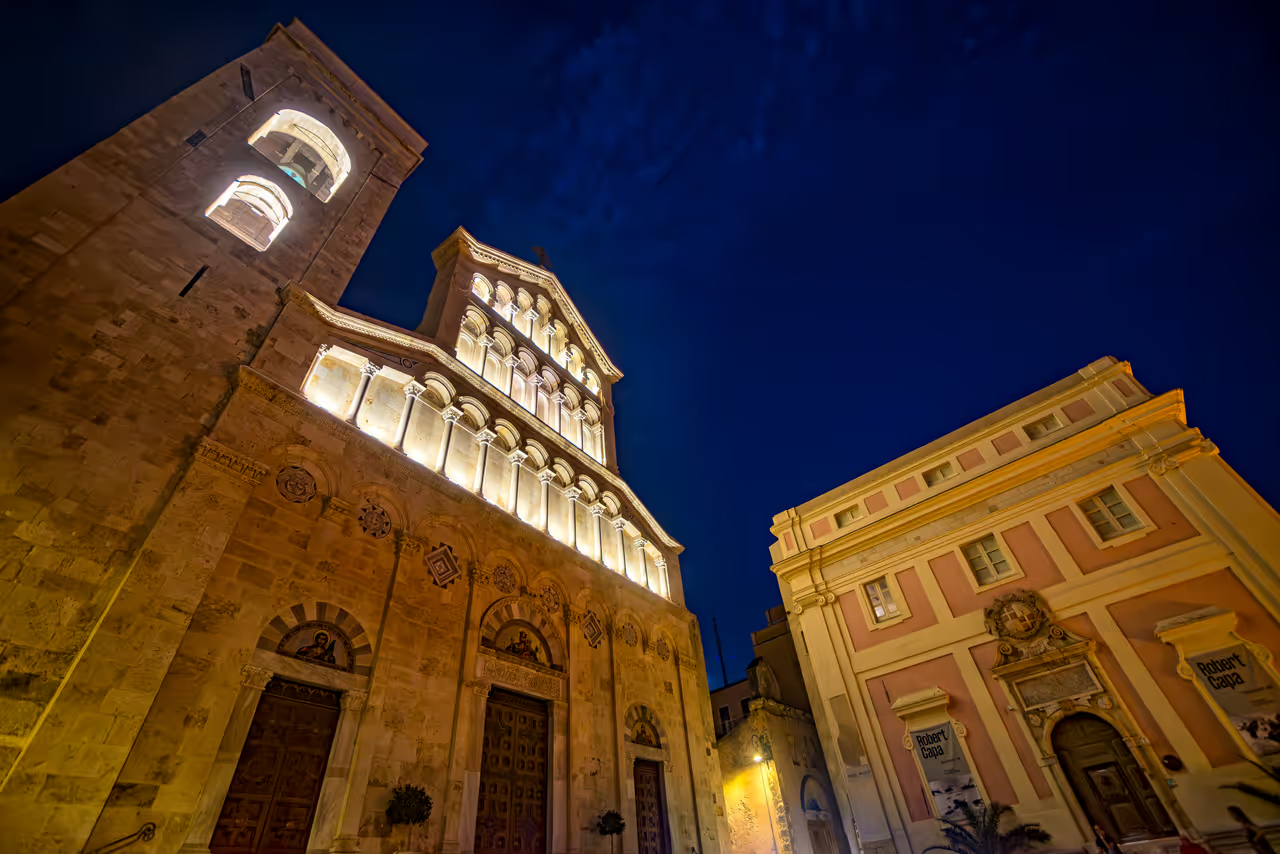
5 Days in Cagliari: Deep Immersion Itinerary
A luxuriously paced itinerary allowing for a deep dive into the city's hidden gems, diverse neighbourhoods, and complex history without feeling rushed. It covers all the major attractions while carving out time for specialized museums, quiet cloisters, and extended coastal relaxation. Visitors will truly get to know the distinct character of the four historic quarters: Castello, Marina, Stampace, and Villanova. It offers ample opportunity to savour the local gastronomy, from morning market visits to long, leisurely seafood dinners. This is the ultimate way to fully absorb the local culture and lifestyle.
view itinerary
Flamingo Salt Pans Ride
This completely flat, car-free route navigates through the heart of the region's extraordinary protected wetlands. Riders glide past shimmering evaporation pools, historic industrial salt-gathering machinery, and incredible concentrations of birdlife. It provides a serene, almost otherworldly atmosphere as the pink birds wade in the shallow waters right beside the path. The journey brilliantly showcases the delicate balance between historical industry and ecological preservation. It is a universally accessible ride that delivers spectacular natural photography opportunities.
view cycling route
See all nature & parks in Cagliari
Cagliari Botanical Garden, Capuchin Garden, Monte Urpinu, Music Park, Public Gardens of Cagliari...