Monte Urpinu
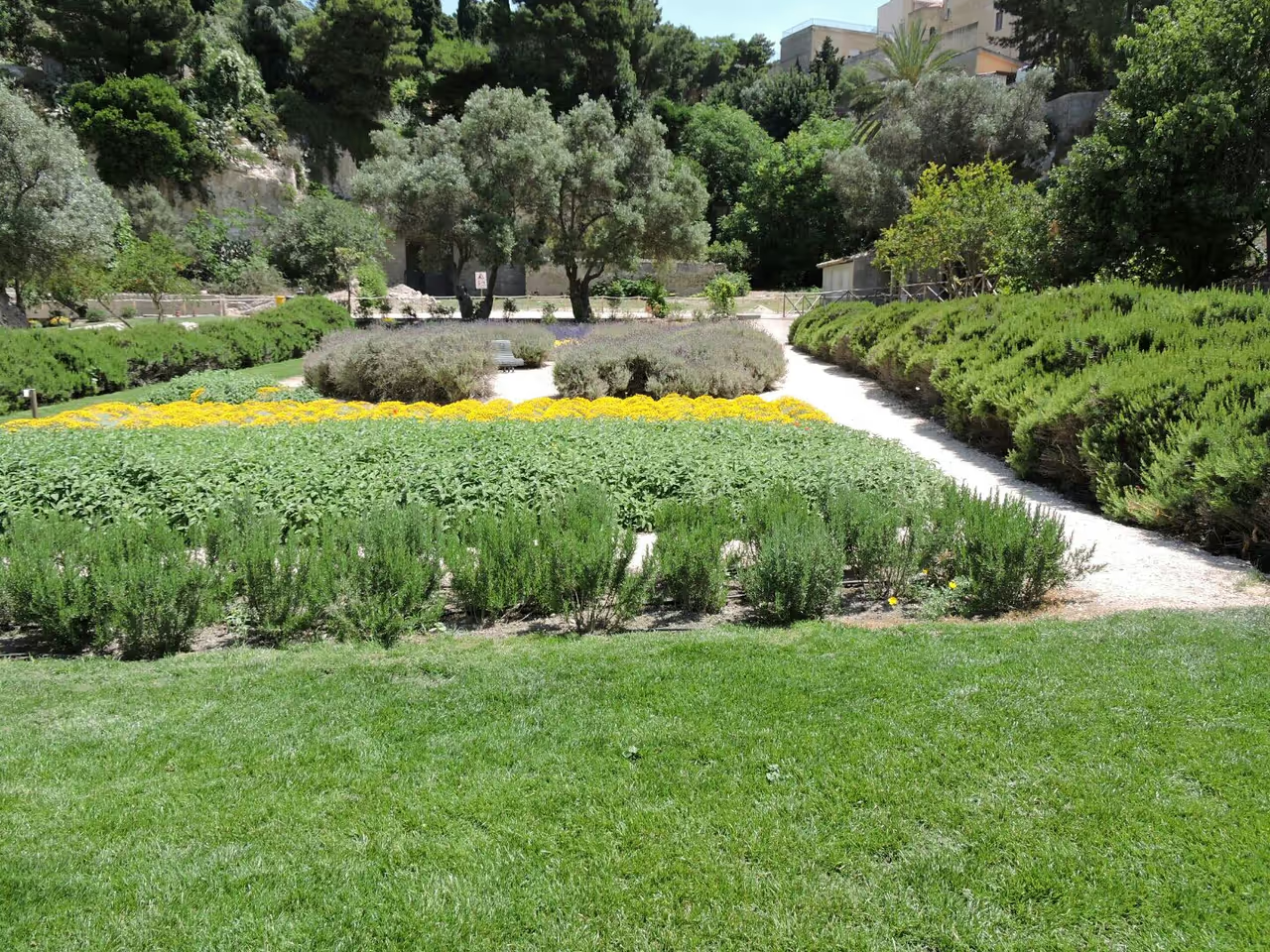
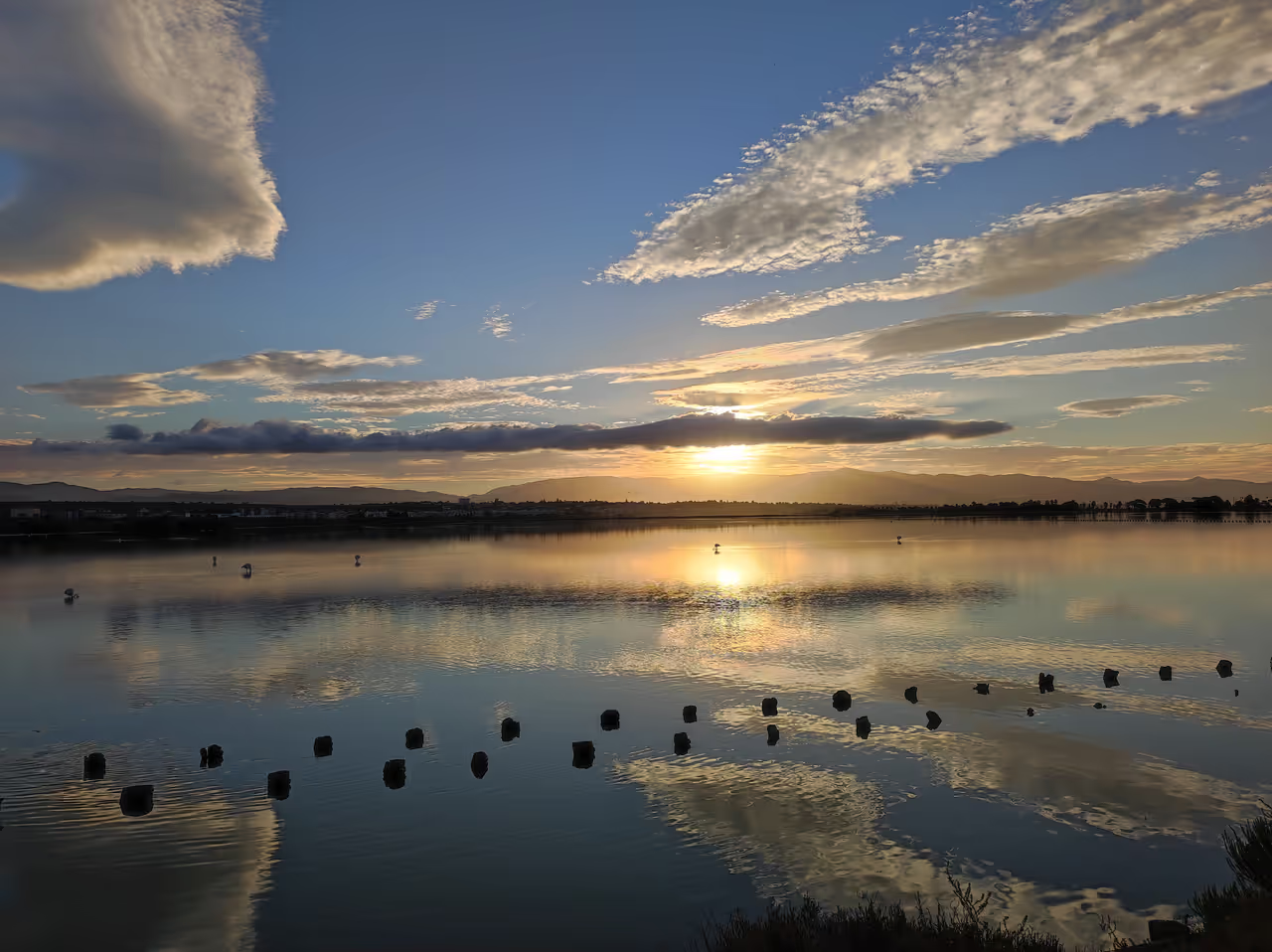
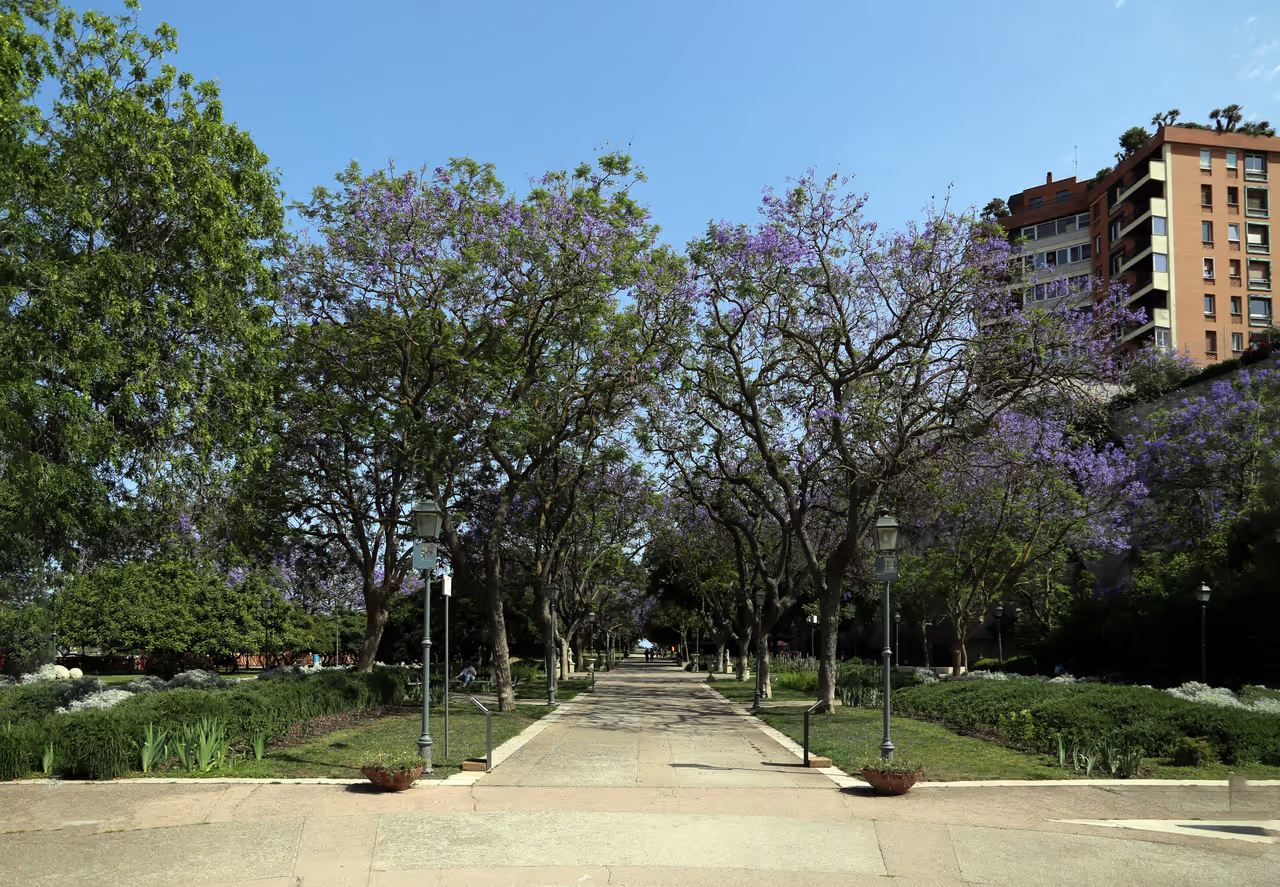
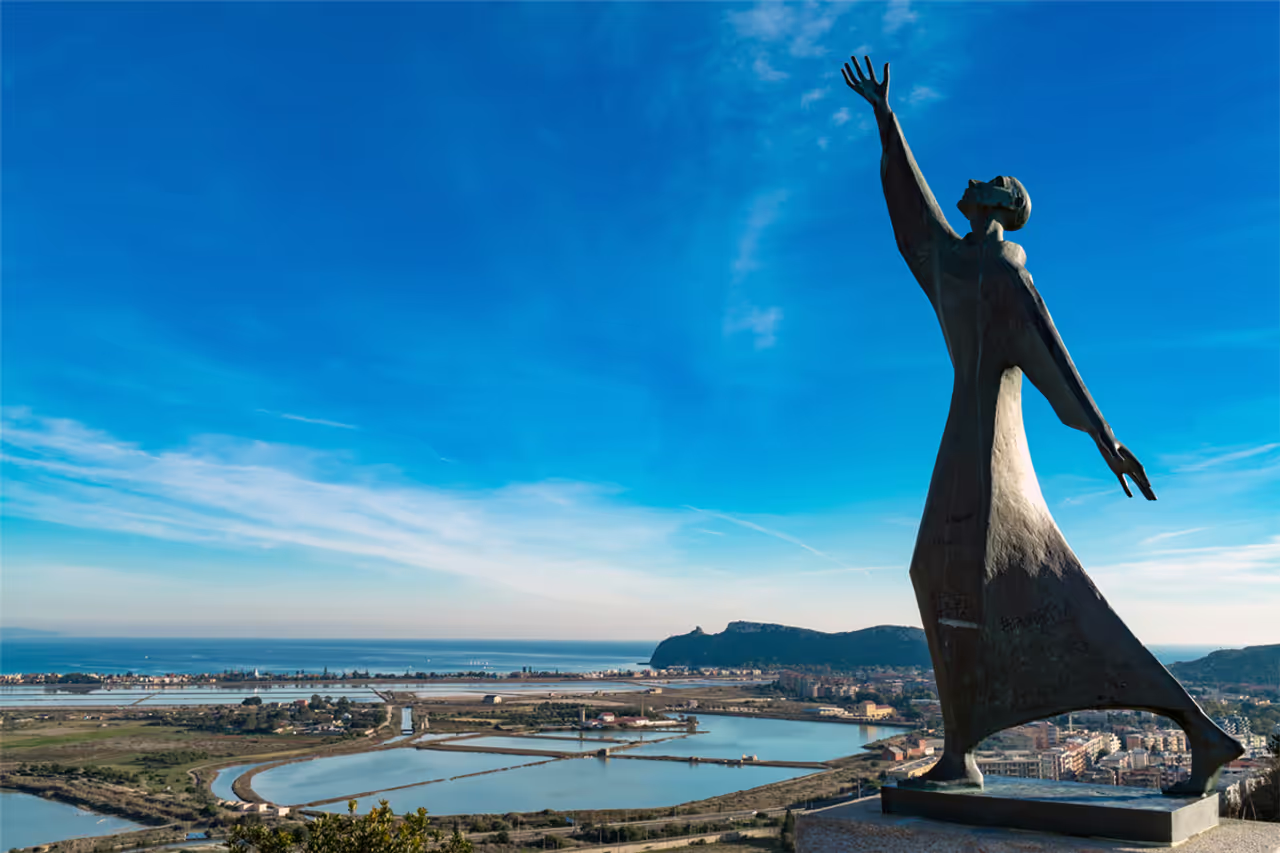
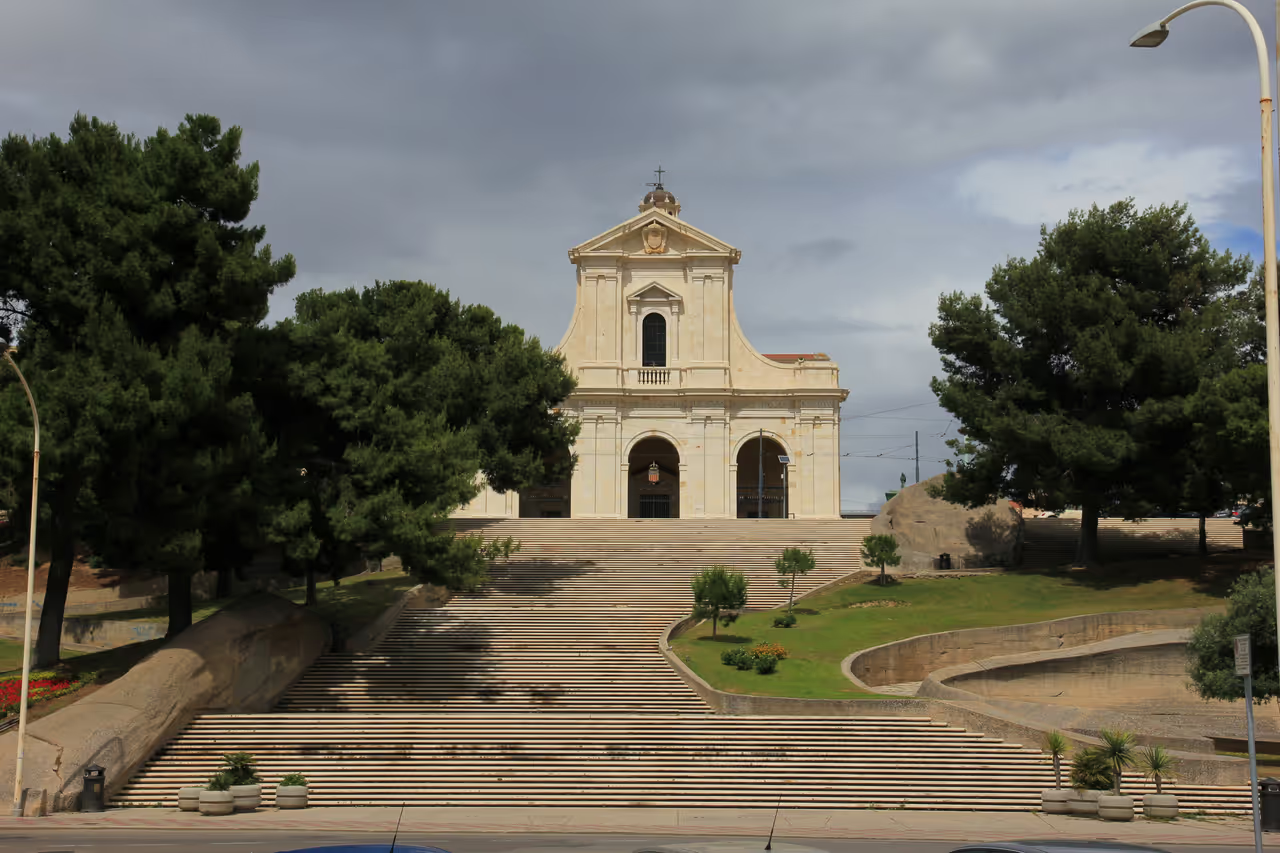
Monte Urpinu offers a refreshing escape from the city streets, serving as a lush green sanctuary perched atop one of Cagliari's prominent hills. This neighbourhood invites visitors to wander through its sprawling park, where peaceful pine-shaded paths lead to breathtaking viewpoints over the sparkling Poetto beach and the tranquil Molentargius lagoon. Beyond its natural beauty, the area is an elegant residential quarter that balances quiet charm with historic landmarks like the ancient Aragonese Church. It is the perfect place to slow down, enjoy a picnic among the trees, or simply gaze across the city’s panoramic horizon. Whether you are seeking a moment of serenity or a picturesque setting for an afternoon stroll, Monte Urpinu captures the gentle spirit of Cagliari perfectly.
Videos
History of Monte Urpinu
For centuries, Monte Urpinu remained a wild, untamed hill on the outskirts of Cagliari, its slopes home to foxes and scattered stone structures rather than streets or homes. The silence of the hill was preserved until the dawn of the 20th century, when the city began to eye the elevation as a space for civic growth. The construction of the courthouse and the Binaghi Hospital signaled a shift, moving the focus of the city outward and establishing the hill as a vital point in the administrative and medical landscape of Sardinia. The true transformation, however, arrived in the mid-1900s. As Cagliari expanded to accommodate a growing population, Monte Urpinu shifted from a rugged vantage point into a sought-after residential sanctuary. Architects and city planners saw the potential in the sloping terrain, weaving residential blocks around the preservation of the dense pine forests. The area avoided the industrial sprawl seen elsewhere, keeping its character as a serene, leafy neighbourhood that feels miles away from the city centre despite being only a short distance away. Today, the legacy of this intentional design is evident. The hill serves as a bridge between the natural beauty of the saline lagoons and the structured, historical heart of Cagliari. It remains a testament to the ability to integrate modern living with the natural landscape, offering locals and visitors alike a place to breathe. Whether through the panoramic vistas offered from its highest paths or the quiet charm of its residential avenues, Monte Urpinu stands as a green anchor in the vibrant life of the capital.
Events spanning 470 years
Fun Facts
- • At its summit, visitors can enjoy a 360-degree view that encompasses the Mediterranean Sea, the historic Castello district, and the expansive saline lagoons.
- • Residential development in the 1970s transformed the hill into one of Cagliari's most prestigious living areas, balancing modern design with natural beauty.
- • The Ospedale Roberto Binaghi, located on the slopes, served as a crucial site for medical research and care throughout the 20th century.
- • The area is home to the Chiesa di Cristo Re, a prominent religious structure that stands out due to its distinct 20th-century architectural style.
- • The construction of the Tribunal building in the early 20th century was one of the first major public works to anchor the area to city administration.
- • The local tennis club, the Tennis Club Cagliari, has been an important hub for local sports since its establishment, hosting several prestigious regional events.
- • The name Monte Urpinu is derived from the Sardinian word for fox, referencing the wild foxes that historically populated the hill before urban expansion.
- • The neighbourhood features a dense network of pine forests, originally planted to reforest the hill and create a cooler microclimate for the growing city.
- • The park provides a unique vantage point to observe the Molentargius-Saline Regional Park, where thousands of pink flamingos nest annually.
- • Unlike many urban neighbourhoods in Italy, Monte Urpinu was developed with a significant focus on preserving large green areas, resulting in a unique garden-city layout.
Monte Urpinu FAQ
While we strive to keep this information accurate and up to date, we recommend verifying any details independently before making decisions based on them.
Monte Urpinu Map & Neighborhood Explorer
This interactive map is centered on Monte Urpinu. Zoom in and move the map around to automatically discover Wikipedia photos and summaries of other nearby sights, monuments, and historical points of interest and stories in real-time!
Places near Monte Urpinu
Make the most of your trip. Check out these top-rated spots located nearby.
 676m
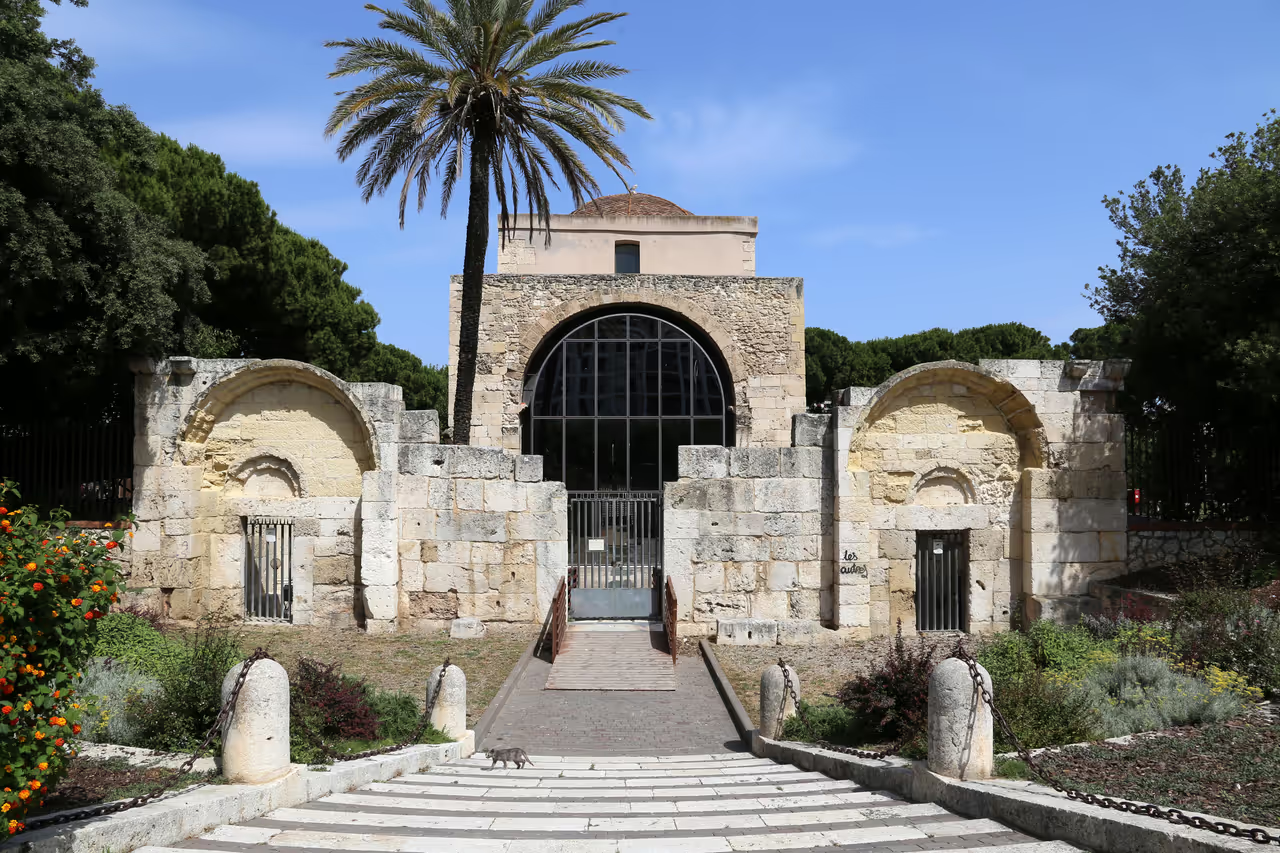
676mBasilica of Saint Saturninus
This is a rare and precious survival of Paleo-Christian architecture, standing as the oldest known church in the entire region. The original structure was erected in the fifth century over the tomb of a local martyr, featuring a classic central dome plan. Over the centuries, it was heavily modified by the Victorine monks who added distinct Romanesque elements to the nave and exterior. Today, it sits peacefully within an enclosed archaeological park, shaded by ancient trees. Its austere, weathered stones offer a profound sense of the city's deepest spiritual roots.
architecture view- 868m
Tuttiestorie Children's Literature Festival
A joyous celebration dedicated entirely to children's and young adult literature, transforming public spaces into realms of imagination. Renowned authors, illustrators, and storytellers gather to engage young minds through interactive workshops, theatrical performances, and art installations. The event fosters a deep love for reading and creativity, providing families with incredibly enriching activities. While aimed at younger audiences, the sheer creativity and whimsical atmosphere often captivate adults as well. It highlights the city's commitment to culture and community education.
festival view 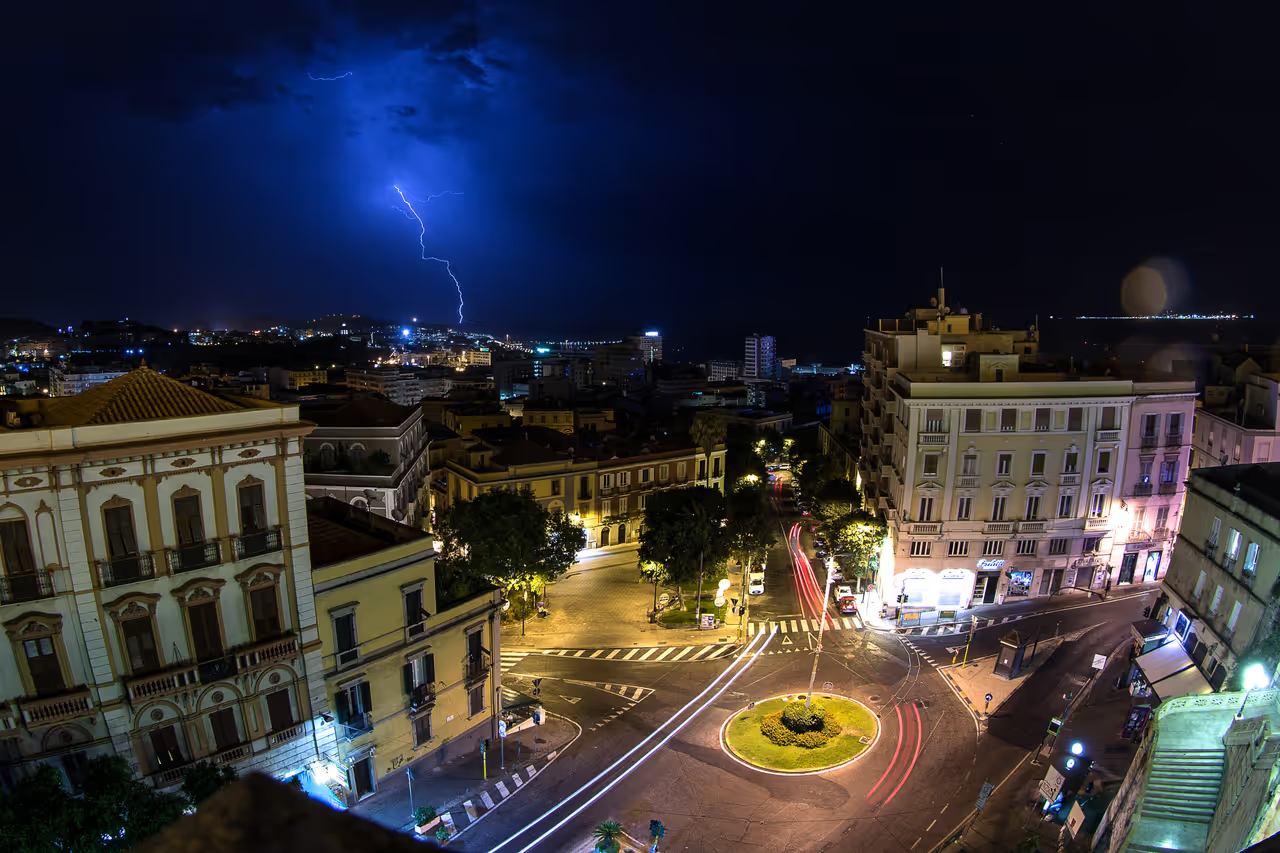 878m
878mVillanova District
Originally settled by farmers and agricultural workers from the surrounding countryside, this quarter has transformed into one of the city's most picturesque areas. It is incredibly charming, defined by low-rise historic houses painted in pastel colours and streets generously adorned with potted plants and flowers. Much of the area is pedestrianised, ensuring a peaceful, village-like atmosphere right in the urban centre. During Holy Week, it becomes the atmospheric stage for solemn, traditional religious processions. It is a delight for photographers and those seeking a quiet stroll.
highlight view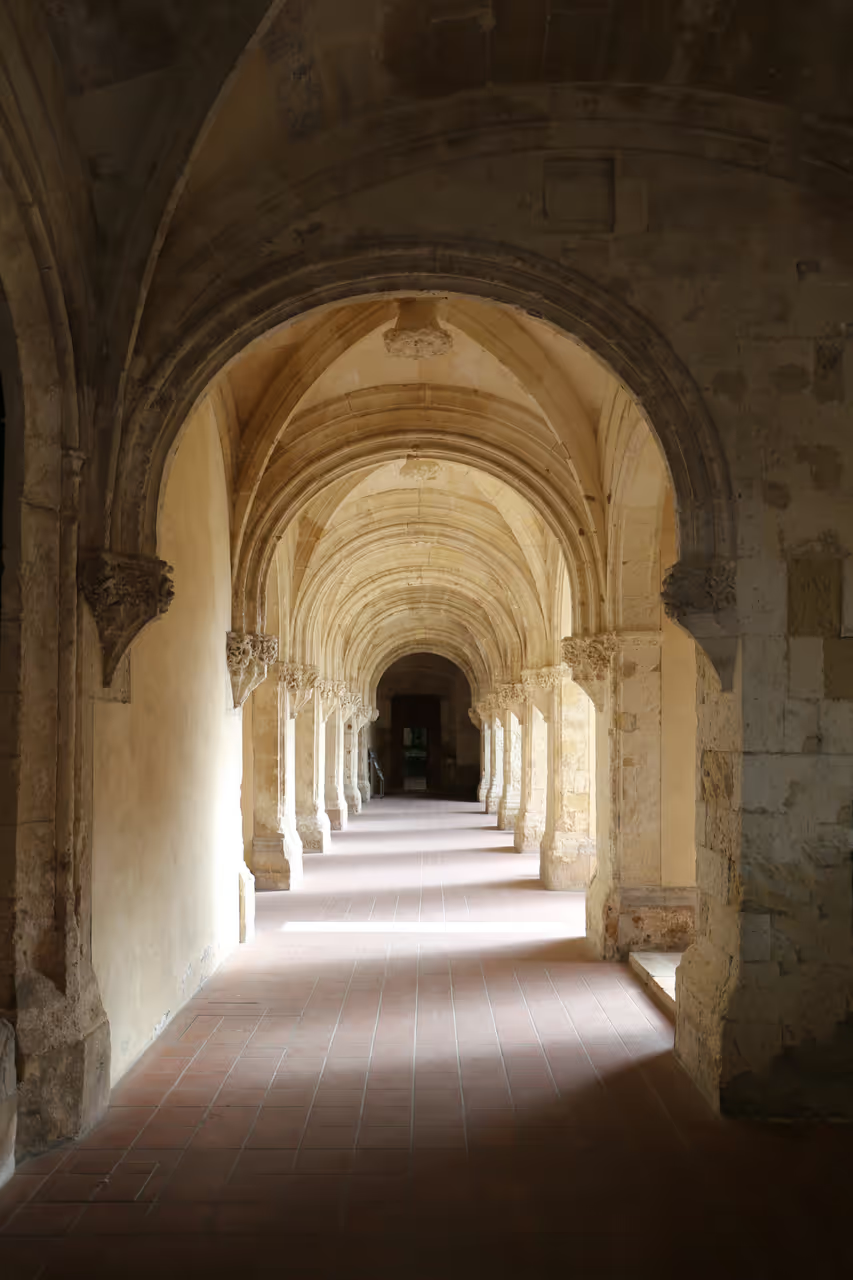 902m
902mCloister of Saint Dominic
Tucked away in the Villanova district, this peaceful, atmospheric cloister is a remarkable survivor of wartime destruction. Originally part of a vast fifteenth-century Dominican convent, the main church was utterly obliterated by bombs in 1943. However, the beautiful Gothic-Catalan cloister miraculously survived the devastation. Today, it stands quietly beneath a modern church built over the ruins, offering a serene, silent space defined by elegant stone arches and a lush central garden. It is a deeply contemplative spot, perfect for escaping the noise of the surrounding streets.
hidden gem view
Featured on This Itinerary
See all nature & parks in Cagliari
Cagliari Botanical Garden, Capuchin Garden, Molentargius-Saline Regional Park, Music Park, Public Gardens of Cagliari...