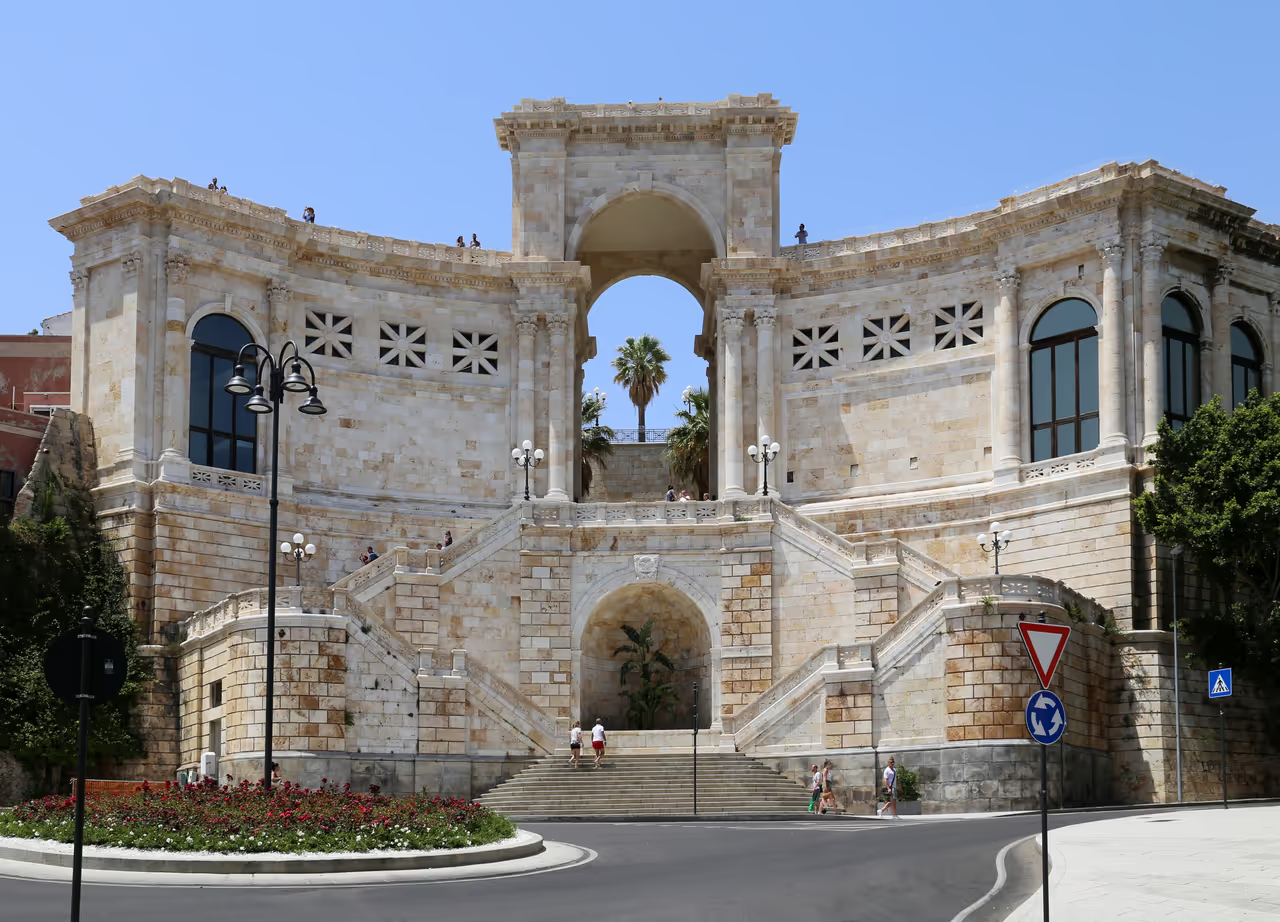
Bastione Saint Remy
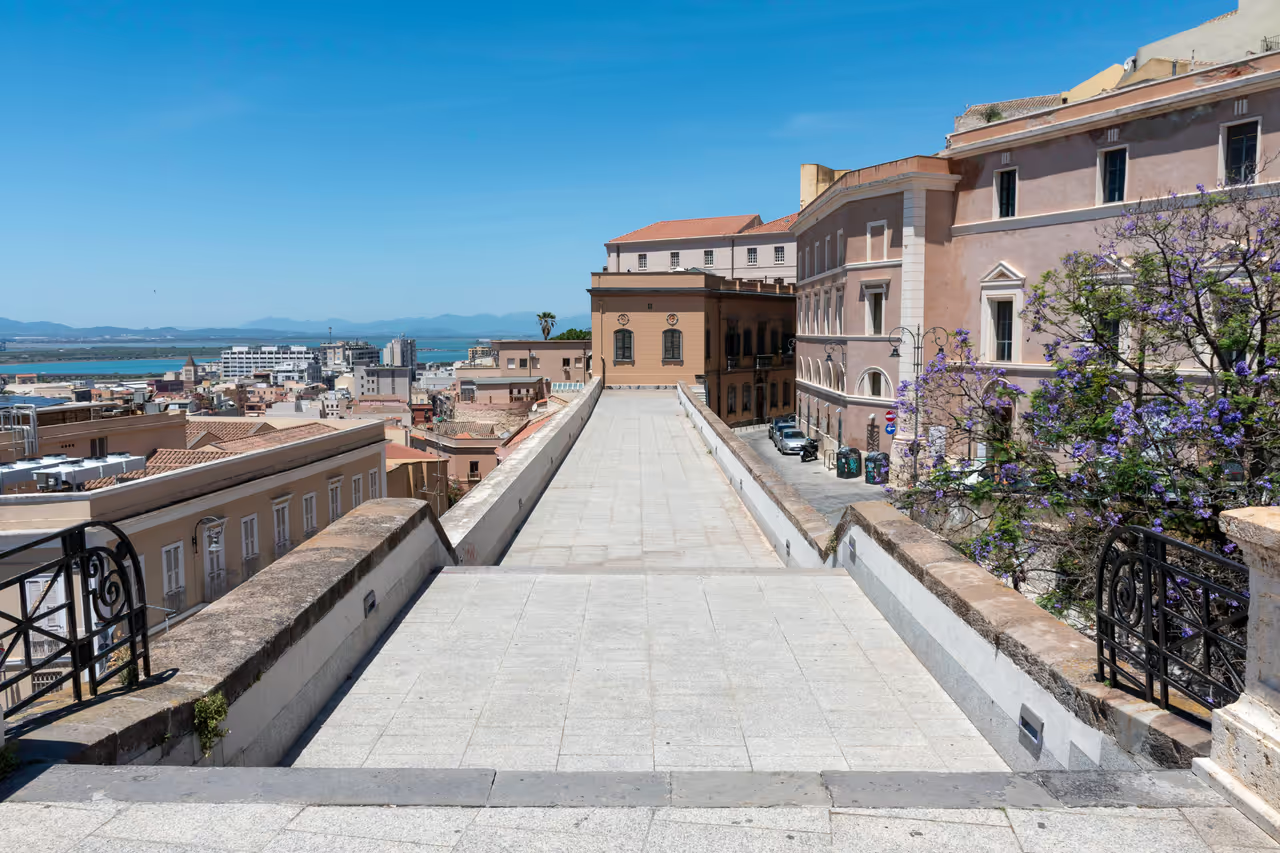
Climbing the grand limestone steps of Bastione Saint Remy feels like stepping into the very heart of Cagliari history. This neoclassical masterpiece serves as a bridge between the ancient fortified district of Castello and the lower streets of Villanova. Its gleaming white columns and massive triumphal arch create an atmosphere of Mediterranean elegance that is hard to match. Visitors are rewarded with a panoramic terrace that offers a stunning 360 degree view of the Gulf of the Angels and the city tiled rooftops. Whether you are enjoying a coffee on the terrace or exploring the hidden exhibition spaces below, the bastion exudes a sense of pride and timelessness. It is the grand balcony of Sardinia where locals and visitors gather to watch the sunset paint the sky.
Videos
History of Bastione Saint Remy
The story of Bastione Saint Remy is one of total transformation, turning a site of military defence and neglected ruins into the most iconic social hub in Cagliari. In the late 19th century, the city was shedding its skin as a restricted fortress. The mayor, Ottone Bacaredda, wanted to create a space that reflected the new prestige of the Sardinian capital. He chose the site of the ancient Spanish fortifications, which had stood for centuries as grim reminders of siege and struggle, and reimagined them as a grand neoclassical belvedere. Construction began in 1896 and the result was a magnificent structure of white limestone that seemed to glow under the Mediterranean sun. The design featured the Passeggiata Coperta, a majestic covered walkway intended for high society strolls and grand banquets. It served as a vital connection between the elevated medieval Castello district and the rapidly growing residential areas below. This period of golden age elegance defined the bastion until the dark years of the Second World War, when the monument became a site of survival rather than celebration. During the 1943 bombings, the bastion was heavily hit, yet its sturdy foundations served as a deep shelter for many citizens whose homes had been turned to rubble. In the post war era, the city made it a priority to rebuild this symbol of identity. The meticulous reconstruction in the 1950s and later restorations have preserved its intricate Corinthian columns and wide terraces. Today, it remains the beating heart of Cagliari, a place where the weight of history meets the breezy, relaxed spirit of modern Sardinian life.
Events spanning 121 years
Fun Facts
- • A small section of the terrace is named after the British writer D.H. Lawrence, who famously visited and wrote about the city in the 1920s.
- • Before its grand transformation, the site was used as a municipal rubbish dump known locally as the muntonàrgiu.
- • During the First World War, the covered walkway inside the bastion was repurposed as an emergency hospital for wounded soldiers.
- • Hidden beneath the modern structure are archaeological remains of Roman and medieval cemeteries and military works.
- • The bastion is named after Baron Filippo Guglielmo Pallavicino of Saint Remy, who served as the first Viceroy of Sardinia under the House of Savoy.
- • The bastion sits at an elevation of over 50 metres above sea level, providing views that stretch as far as the mountains of Sulcis.
- • The covered promenade was once used as a glamorous banquet hall for the city elite before becoming an exhibition space.
- • The grand staircase consists of exactly 170 steps that lead from Piazza Costituzione to the Umberto I Terrace.
- • The iconic triumphal arch was completely rebuilt in the 1950s after being destroyed by aerial bombardment during the Second World War.
- • The monument is built from white Pietraforte, a high quality limestone quarried from the nearby hills of Bonaria.
Bastione Saint Remy FAQ
While we strive to keep this information accurate and up to date, we recommend verifying any details independently before making decisions based on them.
Bastione Saint Remy Map & Neighborhood Explorer
This interactive map is centered on Bastione Saint Remy. Zoom in and move the map around to automatically discover Wikipedia photos and summaries of other nearby sights, monuments, and historical points of interest and stories in real-time!
Places near Bastione Saint Remy
Make the most of your trip. Check out these top-rated spots located nearby.
- 71m
Valdes Palace
This prominent residential building represents the height of bourgeois elegance during the city's Belle Époque expansion. It sits dramatically opposite the Bastion of Saint Remy, demanding attention with its striking rounded corner and intricate terracotta friezes. Designed by talented local architects, it showcases the graceful curves and nature-inspired motifs that define the Liberty style in Italy. The building managed to survive the extensive bombings of the area largely intact. It remains a stunning testament to a highly optimistic era of urban planning.
architecture view  93m
93mCagliari Botanical Garden
Nestled in the heart of the Stampace district, this lush five-hectare sanctuary offers a unique blend of rare Mediterranean flora and ancient Roman engineering. It is a living museum where you can stroll beneath the sprawling canopies of giant Ficus trees or explore underground cisterns that have stood for centuries. The garden provides a peaceful escape from the city streets, inviting visitors to discover over one thousand species of succulents and a dedicated palm grove. Managed by the University of Cagliari, the site carries a scholarly atmosphere while remaining an accessible and enchanting park for all ages. You will find that the air here is noticeably cooler and fresher, making it a perfect retreat during the warm Sardinian afternoons. Visiting is a worthwhile experience because it reveals the layers of Cagliari history, from its Roman roots to its modern scientific achievements.
park & nature view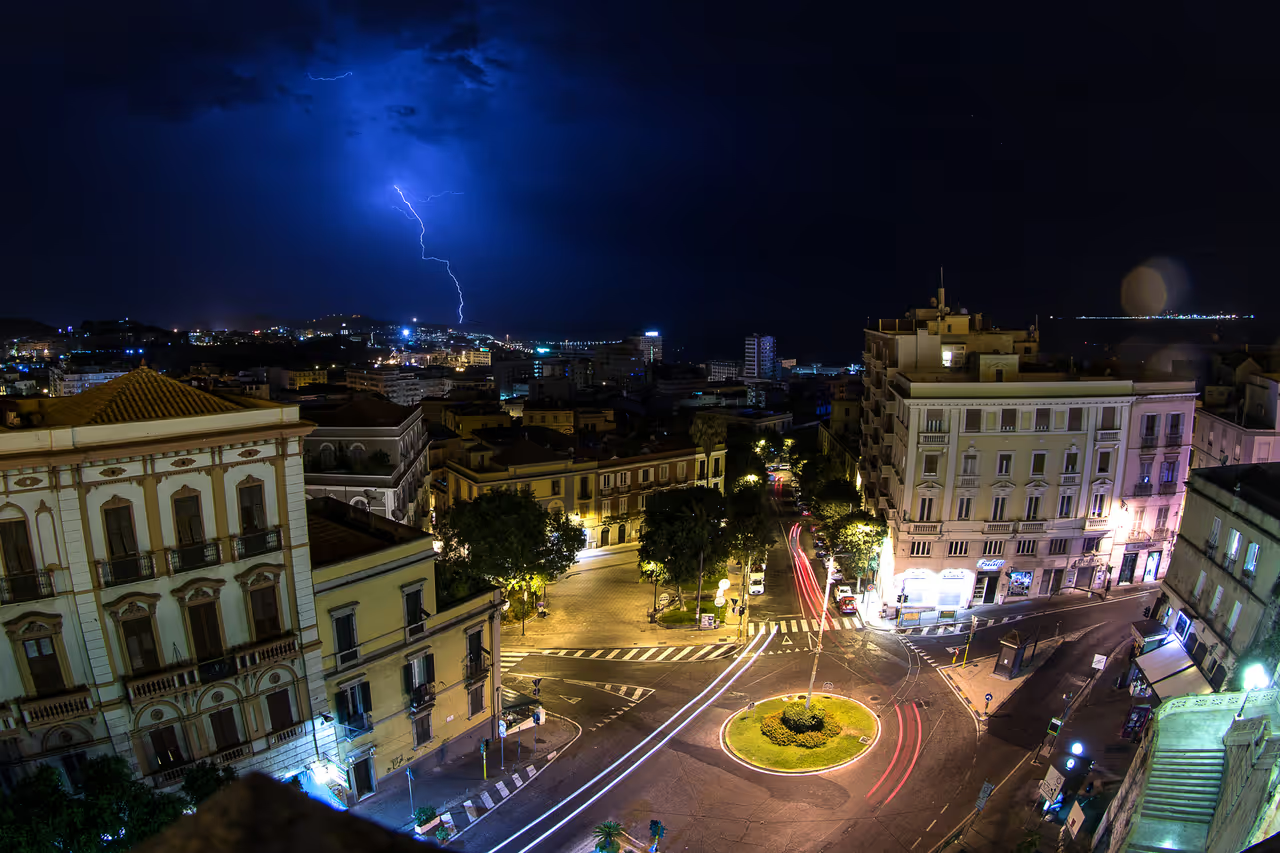 262m
262mVillanova District
Originally settled by farmers and agricultural workers from the surrounding countryside, this quarter has transformed into one of the city's most picturesque areas. It is incredibly charming, defined by low-rise historic houses painted in pastel colours and streets generously adorned with potted plants and flowers. Much of the area is pedestrianised, ensuring a peaceful, village-like atmosphere right in the urban centre. During Holy Week, it becomes the atmospheric stage for solemn, traditional religious processions. It is a delight for photographers and those seeking a quiet stroll.
highlight view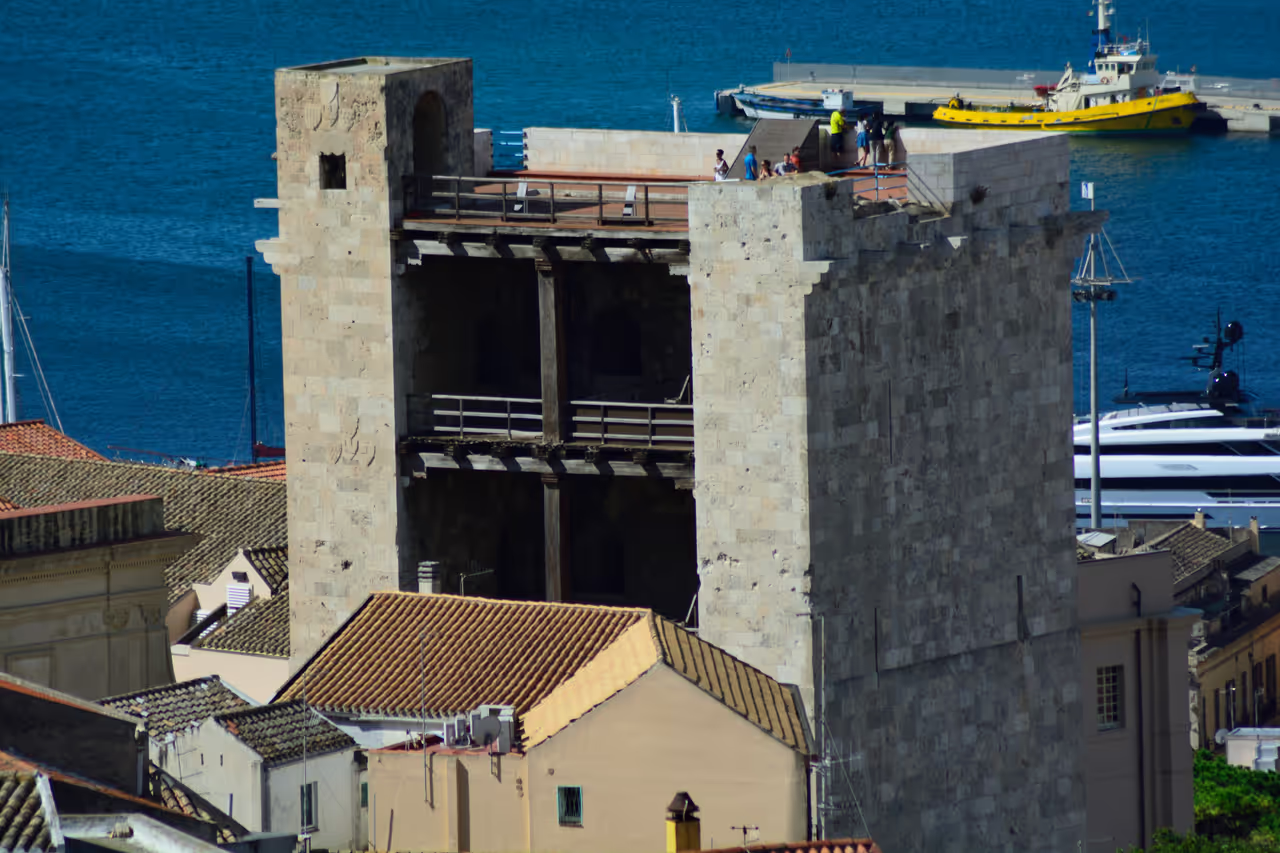 263m
263mElephant Tower
Standing as a silent guardian over the Castello district, the Elephant Tower remains one of Cagliari's most iconic medieval structures. Built in 1307, this majestic limestone edifice invites you to climb its historic heights for an unparalleled view across the rooftops and the glittering sea. Its unique design, featuring an open rear wall characteristic of Pisan defensive architecture, tells the story of a city once fortified against invaders. Visiting this site allows you to walk through centuries of history, from its role as a strategic gate to its transformation into a public landmark. Whether you are an architecture enthusiast or simply looking for the best vantage point in town, this tower offers a memorable experience that connects you directly to the heartbeat of Sardinia's capital.
attraction view
Featured on These Itineraries and Routes
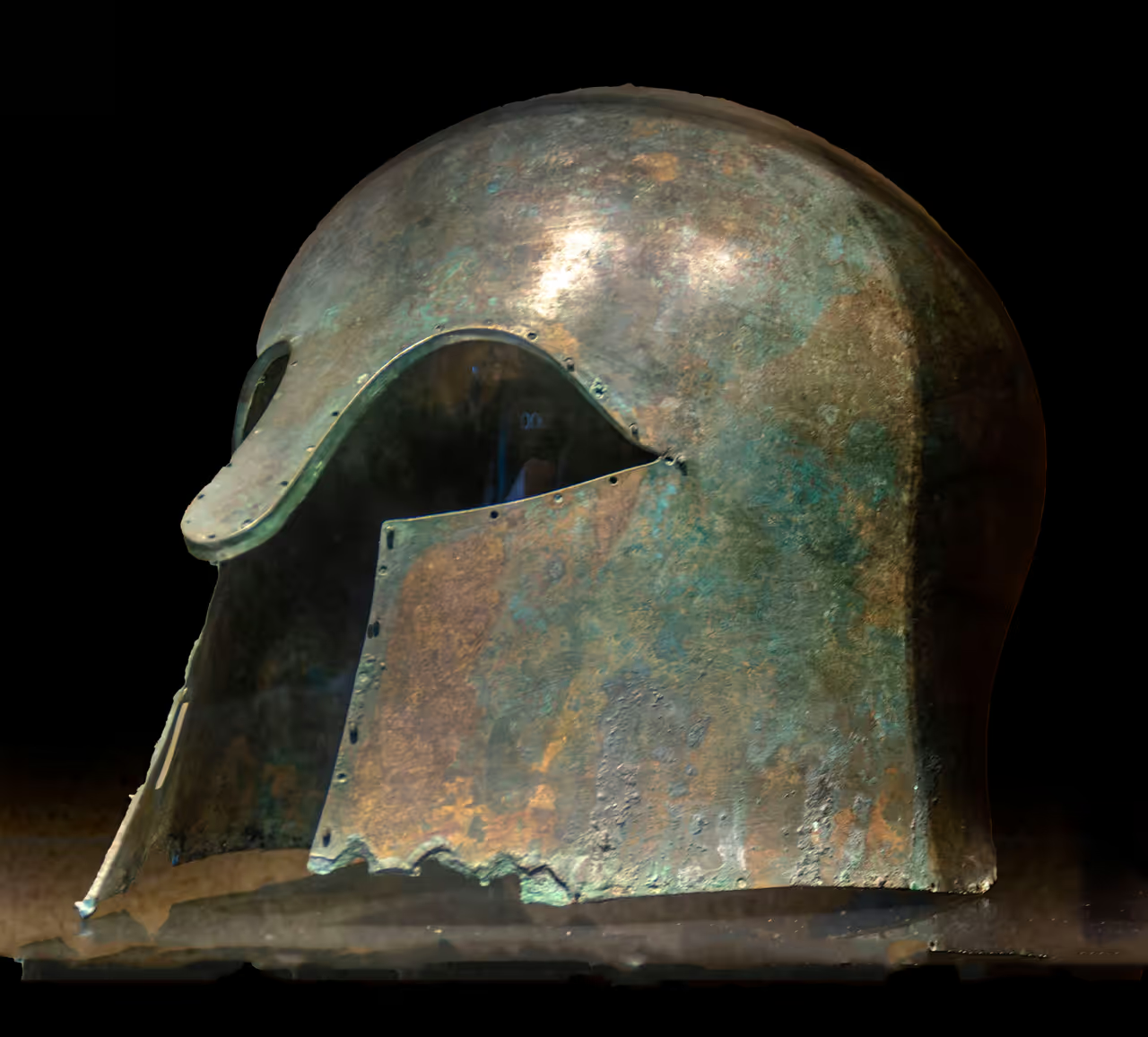
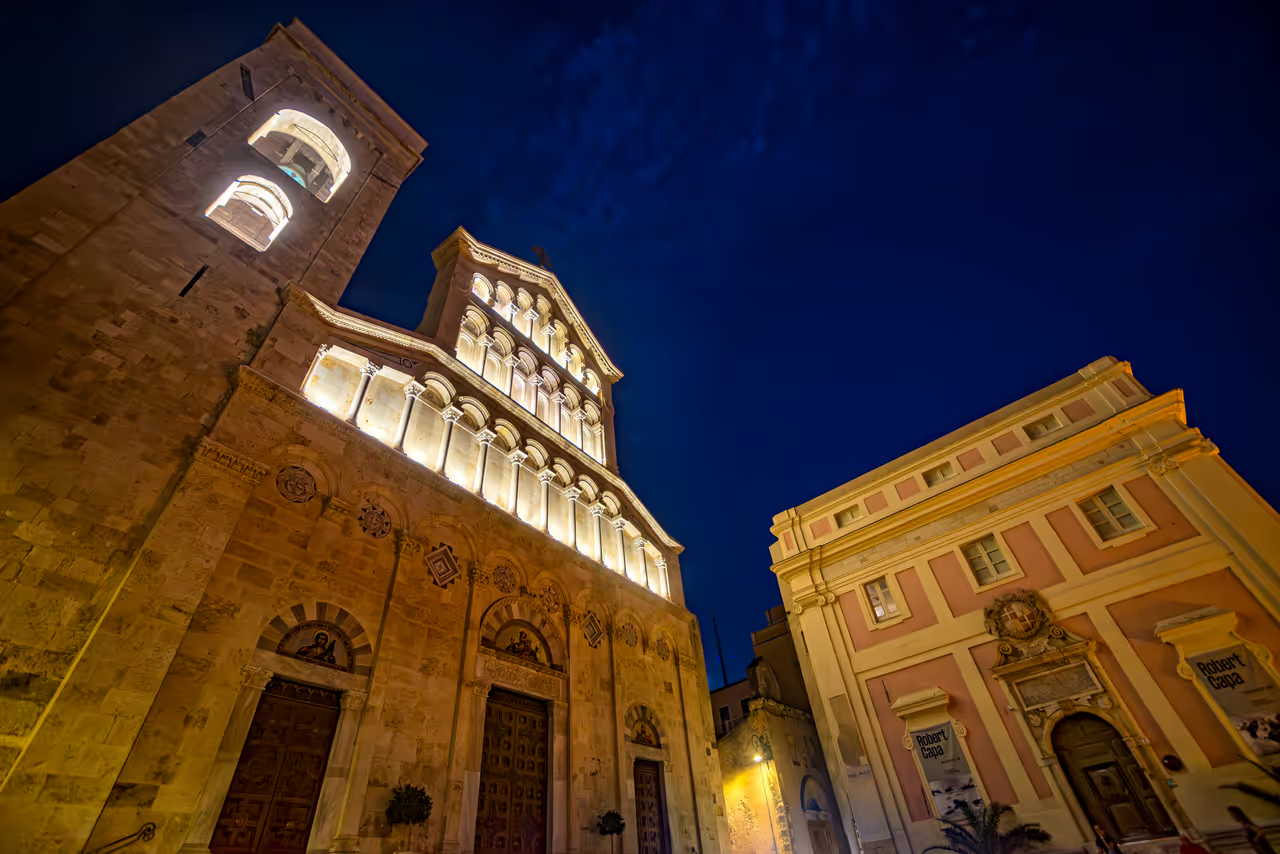
1 Day in Cagliari: Historical Itinerary
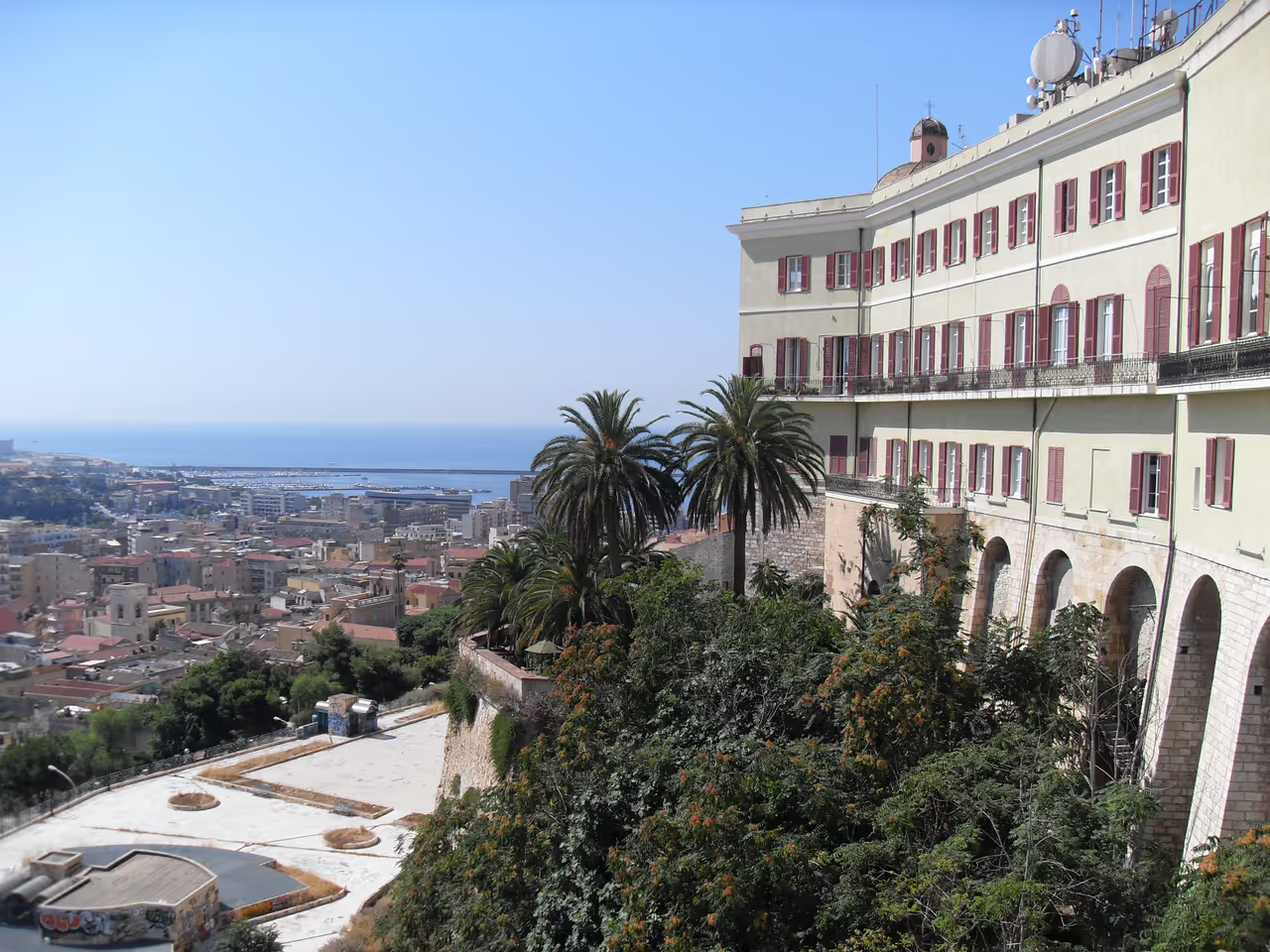
This tightly packed itinerary focuses exclusively on the city's rich, layered history, taking visitors from the heights of the medieval citadel down to the ancient Roman ruins. It is designed to hit the absolute most iconic architectural and archaeological landmarks in a logical, descending path. The day demands comfortable walking shoes, as it navigates the steep inclines and cobblestones of the old town. It perfectly captures the essence of the city's past, offering breathtaking views, ancient artifacts, and magnificent churches. It is the ideal plan for a quick, impactful visit.
view itinerary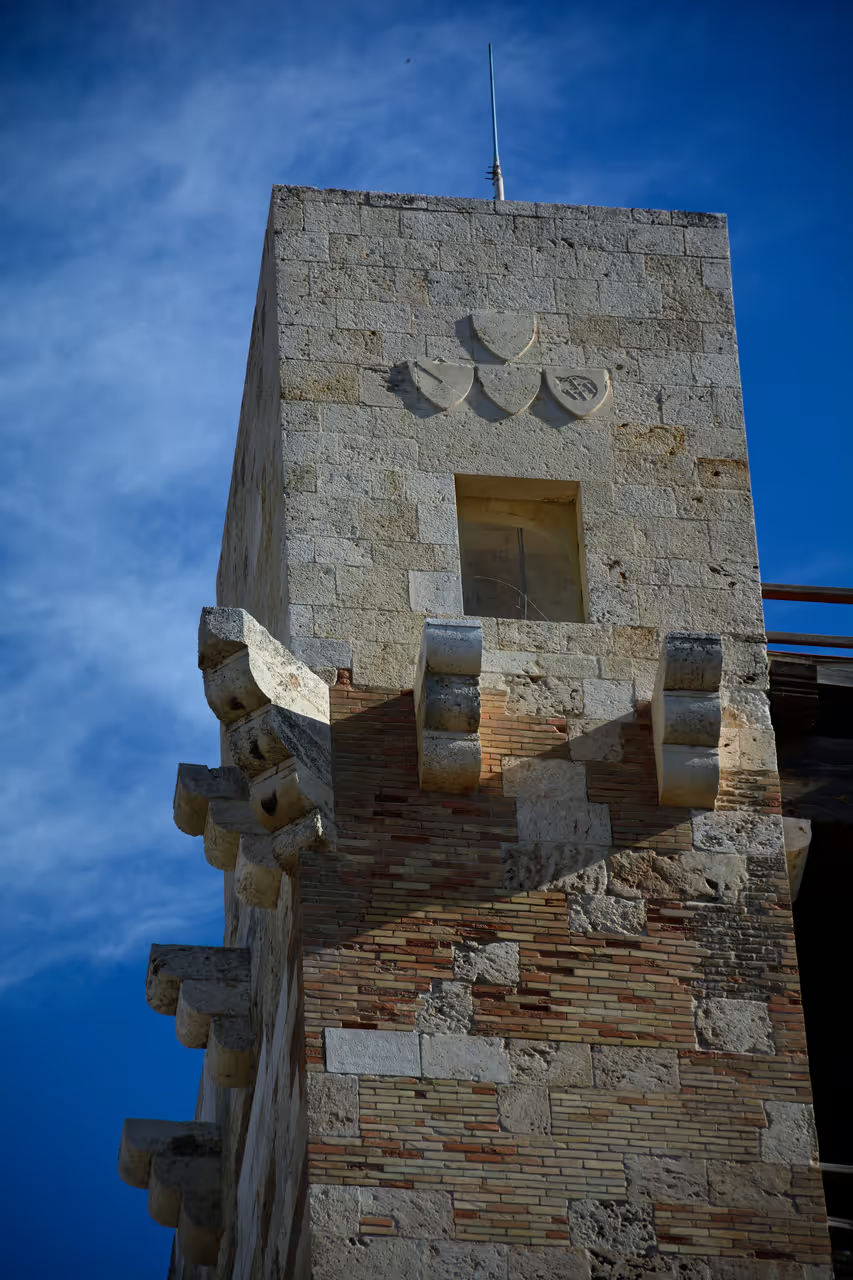
3 Days in Cagliari: City and Sea Itinerary
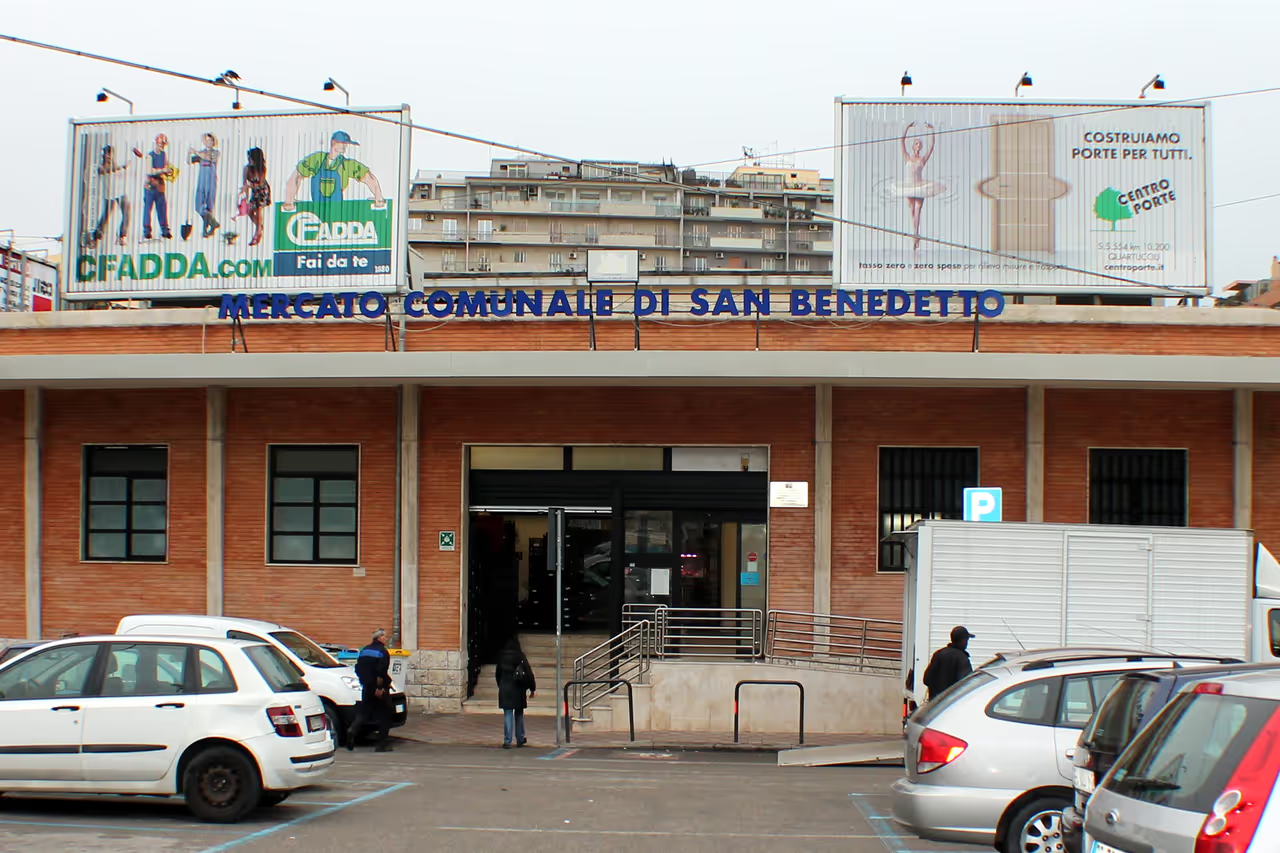
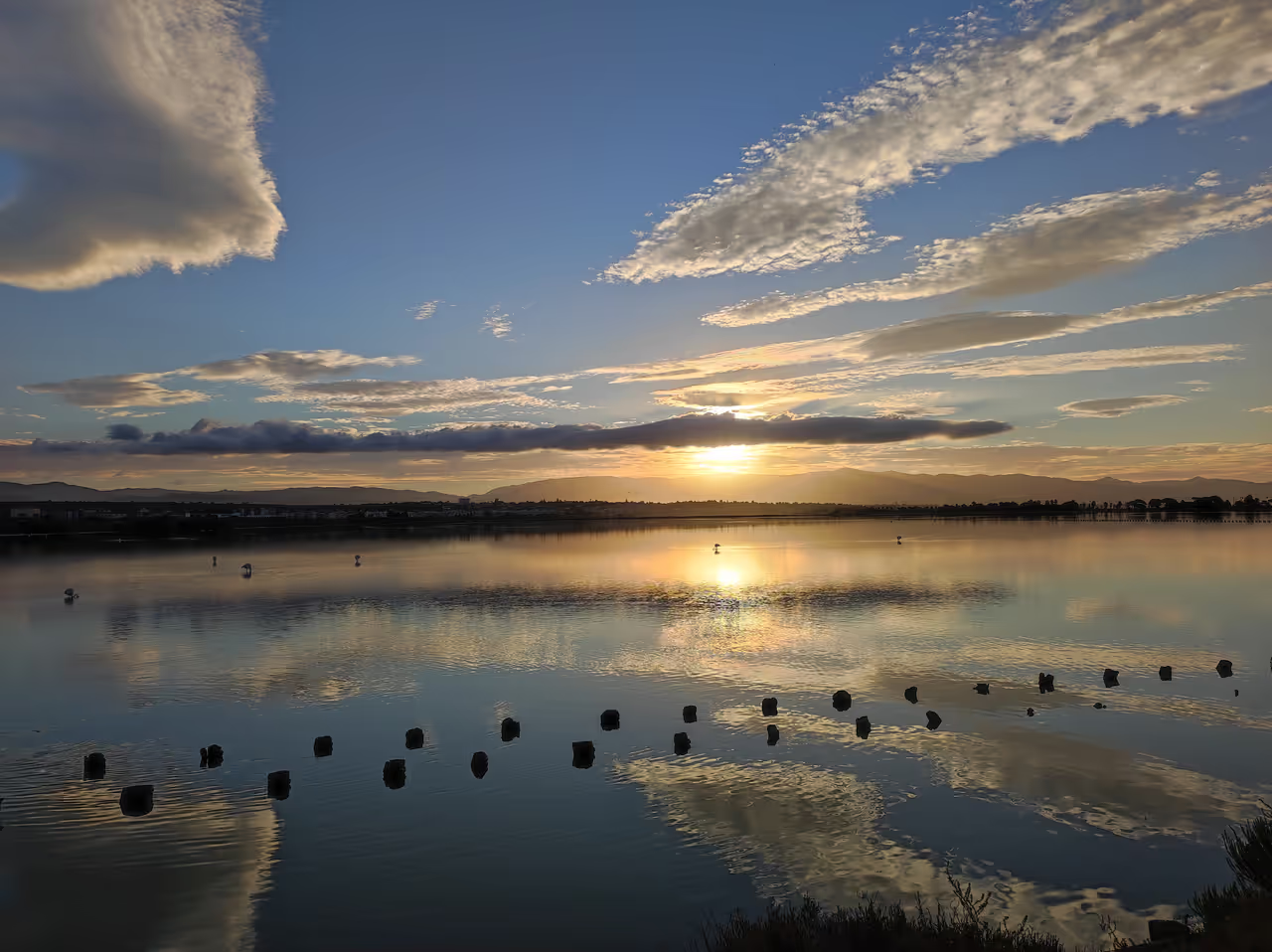
This balanced schedule allows visitors to fully appreciate both the dense historical core and the spectacular natural environments that surround it. The first day tackles the grand monuments and museums of the high city, immersing travellers in history. The second day shifts to authentic local life, exploring vibrant markets and the maritime heritage of the lower districts. The final day is dedicated to the coastline, offering time to relax on the long beaches and cycle alongside the flamingo-filled lagoons. It provides a comprehensive, relaxed overview of everything the area has to offer.
view itinerary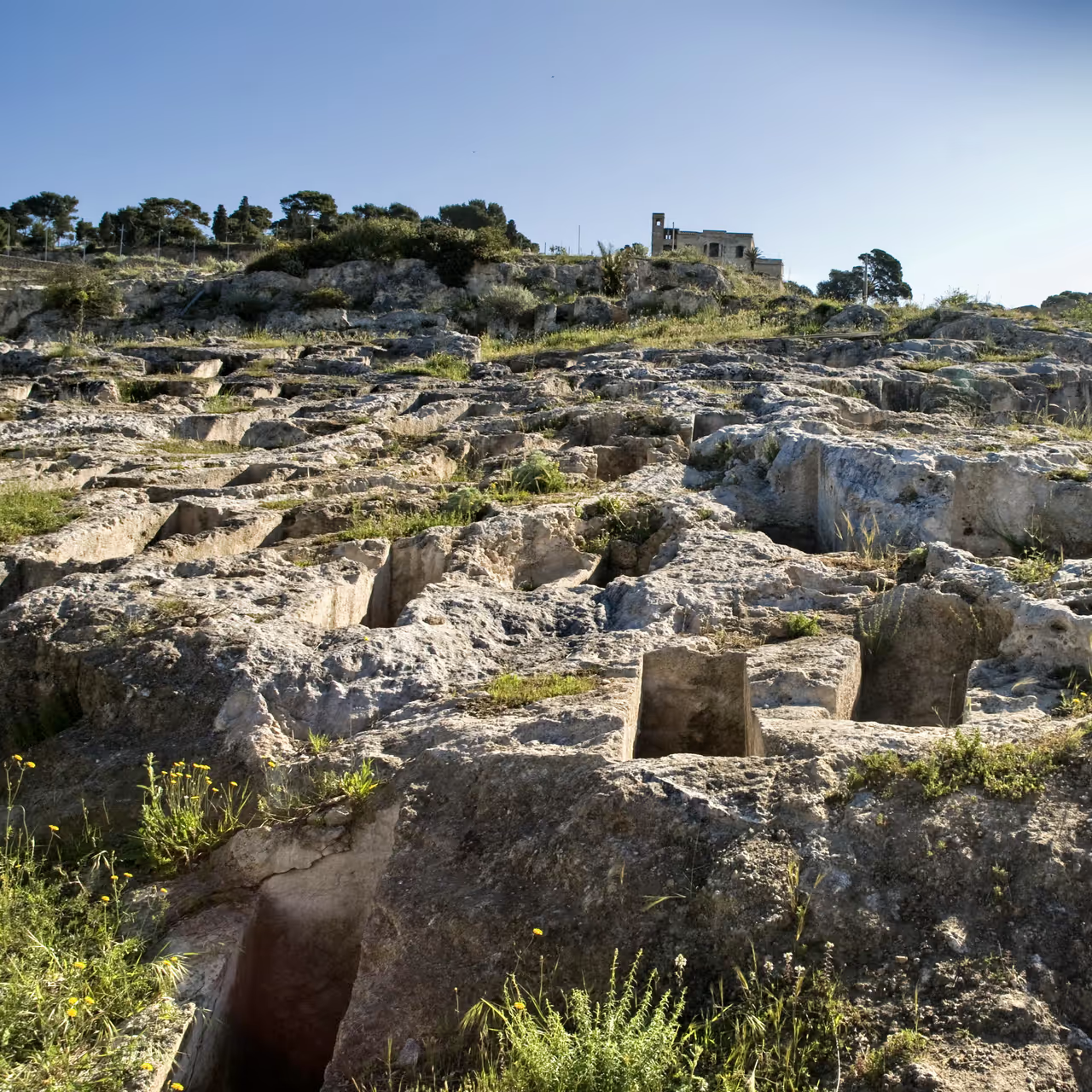
5 Days in Cagliari: Deep Immersion Itinerary
A luxuriously paced itinerary allowing for a deep dive into the city's hidden gems, diverse neighbourhoods, and complex history without feeling rushed. It covers all the major attractions while carving out time for specialized museums, quiet cloisters, and extended coastal relaxation. Visitors will truly get to know the distinct character of the four historic quarters: Castello, Marina, Stampace, and Villanova. It offers ample opportunity to savour the local gastronomy, from morning market visits to long, leisurely seafood dinners. This is the ultimate way to fully absorb the local culture and lifestyle.
view itinerary
Castello Medieval Walk
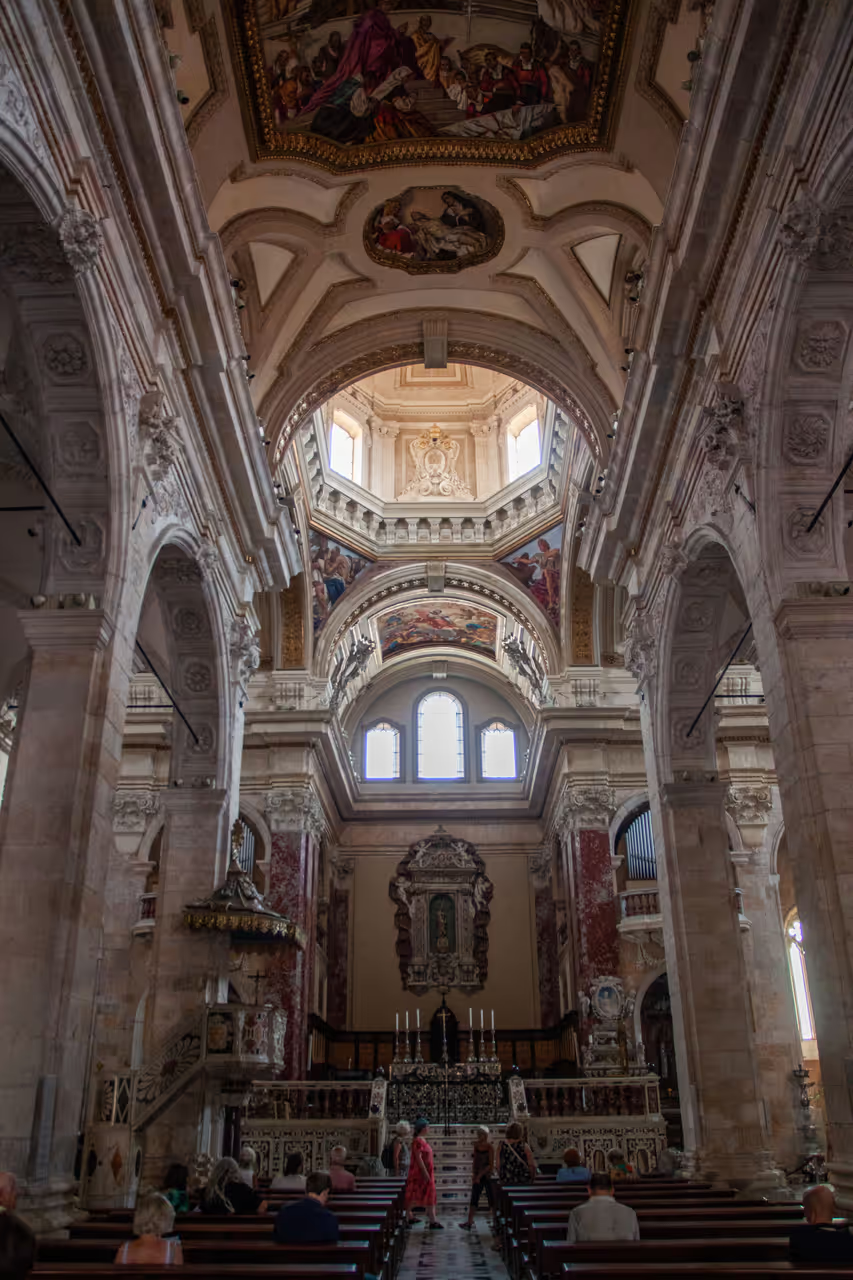
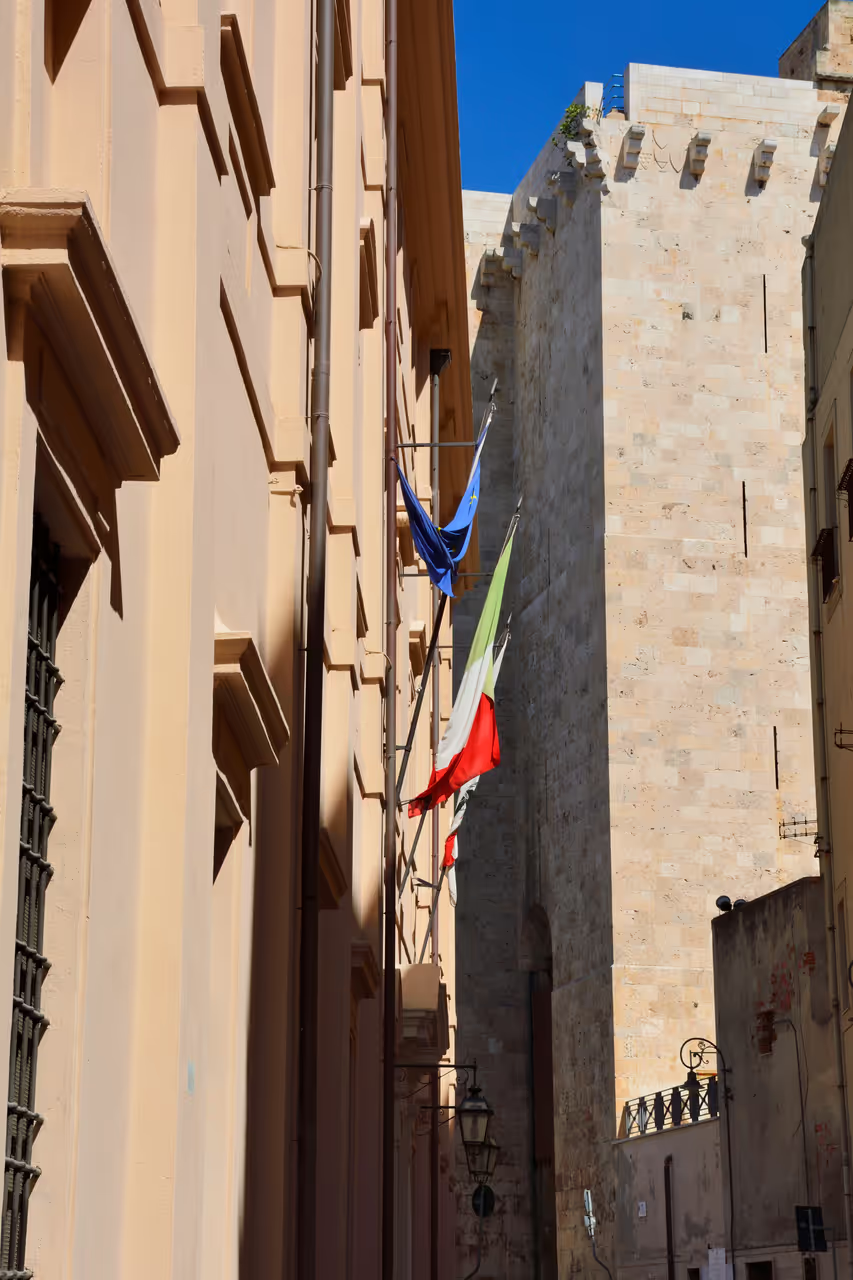
This walk wanders through the highest, most ancient quarter of the city, enclosed entirely by formidable Pisan walls. Every corner reveals a piece of history, from grand palaces built by Aragonese nobility to small, hidden piazzas where laundry flutters from wrought-iron balconies. The narrow, shadow-draped alleys frequently open up to breathtaking, sunlit viewpoints overlooking the sea. The atmosphere is quiet, elegant, and deeply historic, feeling miles away from the bustling modern streets below. It is the absolute quintessential stroll to understand the city's majestic past.
view walking route
See all attractions in Cagliari
Cagliari Cathedral, National Archaeological Museum of Cagliari, Saint Pancras Tower, Sanctuary of Our Lady of Bonaria, Elephant Tower, Roman Amphitheatre of Cagliari...