Cagliari Botanical Garden
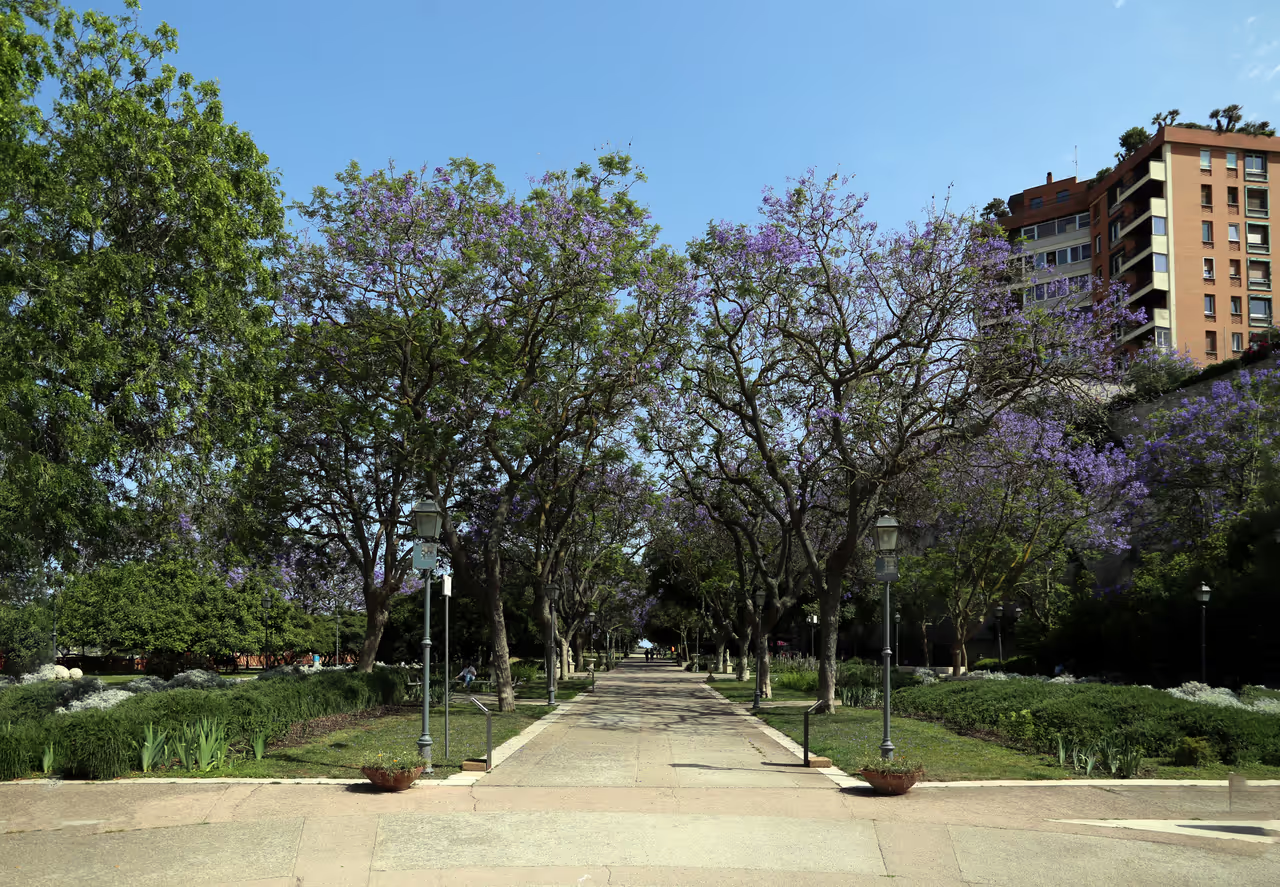
Nestled in the heart of the Stampace district, this lush five-hectare sanctuary offers a unique blend of rare Mediterranean flora and ancient Roman engineering. It is a living museum where you can stroll beneath the sprawling canopies of giant Ficus trees or explore underground cisterns that have stood for centuries. The garden provides a peaceful escape from the city streets, inviting visitors to discover over one thousand species of succulents and a dedicated palm grove. Managed by the University of Cagliari, the site carries a scholarly atmosphere while remaining an accessible and enchanting park for all ages. You will find that the air here is noticeably cooler and fresher, making it a perfect retreat during the warm Sardinian afternoons. Visiting is a worthwhile experience because it reveals the layers of Cagliari history, from its Roman roots to its modern scientific achievements.
Videos
History of Cagliari Botanical Garden
The story of the Cagliari Botanical Garden is one of transformation, where a forgotten valley once used for waste became a beacon of scientific enlightenment. Although the city dreamed of such a space in the mid 1700s, it was not until the 1860s that the current site in the Palabanda Valley was fully realised. This location was chosen for its unique microclimate and its proximity to the University, but it also held secrets from the distant past. As workers cleared the land, they uncovered ancient Roman cisterns and aqueducts, effectively weaving the history of the Roman Empire into the very fabric of the new botanical displays. During the early 20th century, the garden entered a golden age of international recognition. This period was defined by the leadership of Eva Mameli Calvino, a trailblazing female scientist who expanded the collection with species from every corner of the globe. Her tenure proved that the garden was more than just a local park; it was a vital node in a worldwide network of botanical exchange. Her influence was so profound that it even coloured the childhood of her son, the celebrated author Italo Calvino, whose literary works often reflected a deep, almost magical connection to nature. The garden faced its darkest hour in 1943 when Allied bombs fell upon the city, striking the valley and threatening decades of careful cultivation. In an act of desperate preservation, the most valuable botanical records and herbarium specimens were spirited away to a remote church to keep them from the flames. After the war, a long and dedicated restoration process began, slowly bringing the greenery back to life. Today, the garden stands as a testament to Sardinian resilience, offering a lush landscape where the whispers of Roman history meet the quiet growth of rare, exotic plants.
Events spanning 191 years
Fun Facts
- • A segment of a genuine Roman aqueduct that once transported water from Villamassargia can still be seen on the grounds.
- • During World War II, the garden served as a temporary base for a cavalry battalion before it was damaged by bombs.
- • Gigantic Ficus magnolioides trees dominate parts of the landscape with their impressive aerial roots and massive trunks.
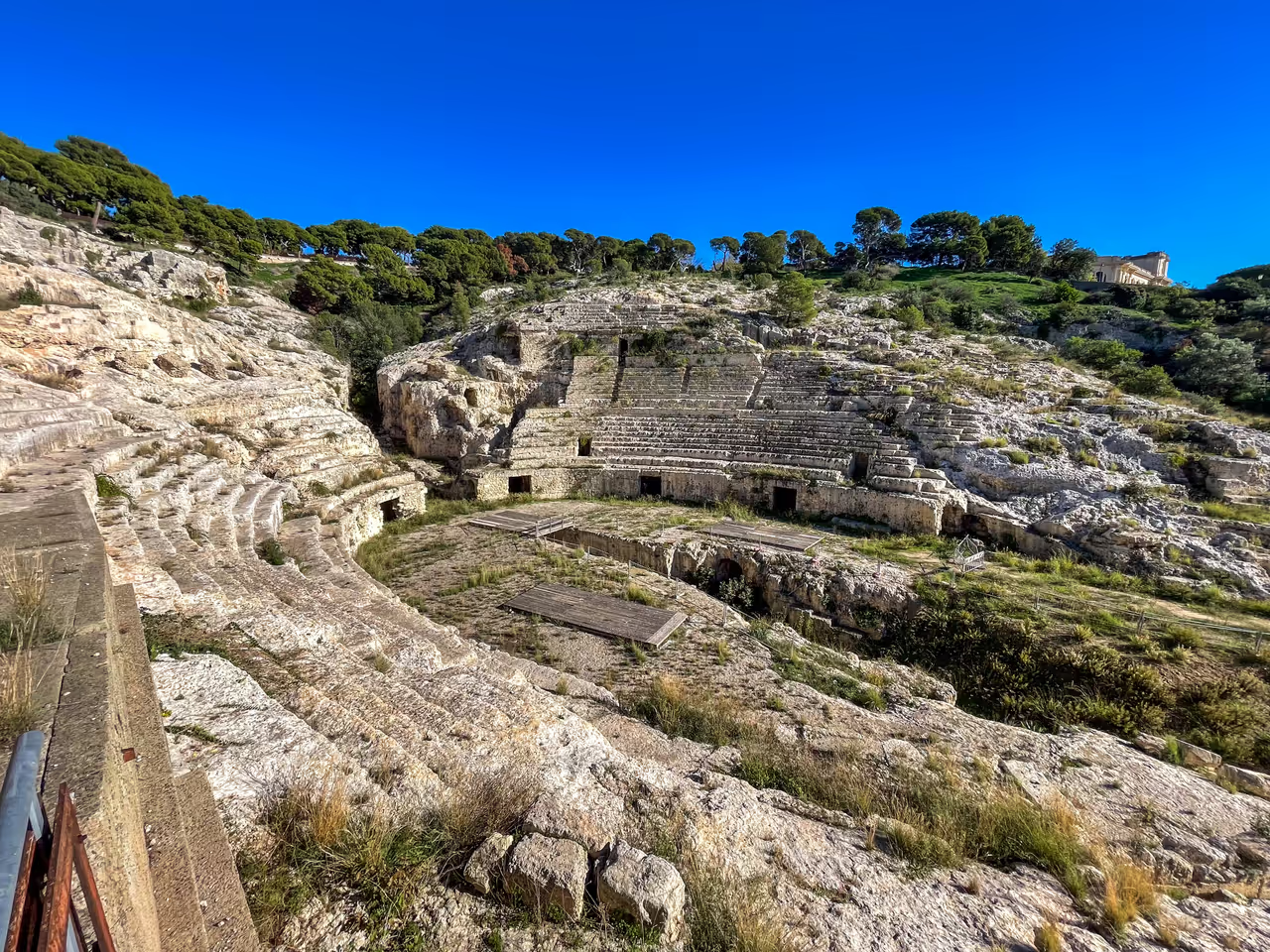
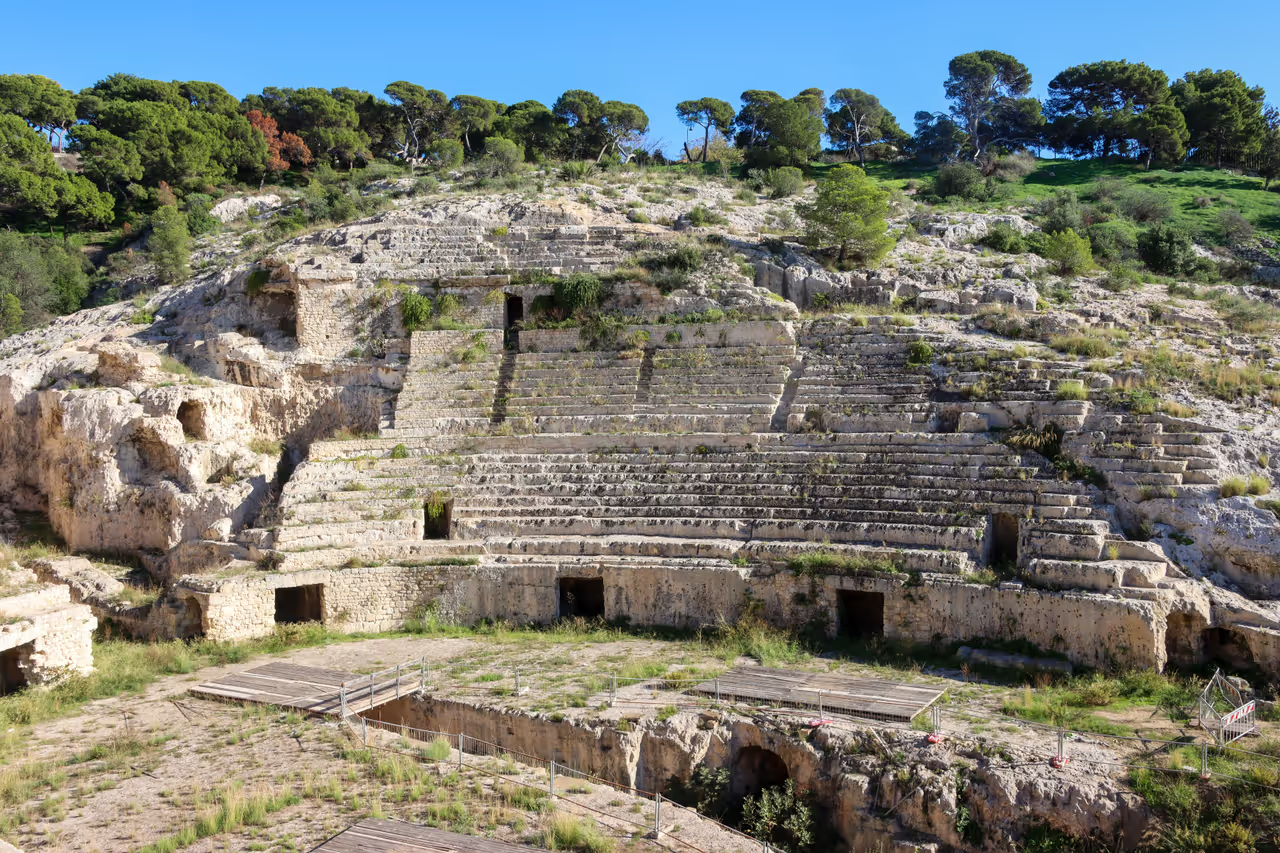
- • Hidden within the greenery is the Libarium, an ancient Roman well where actors from the nearby amphitheatre used to drink.
- • It spans five hectares of land, making it one of the most significant green lungs in the historic centre of Cagliari.
- • The Grotta Gennari is a preserved Roman calidarium, which was part of an ancient bath complex located within the valley.
- • The director Eva Mameli Calvino was the mother of the world famous Italian writer Italo Calvino.
- • The garden houses a palm grove with species imported from the West Indies, South America, Africa, and Oceania.
- • The garden was built on an area that was previously an abandoned rubbish dump before being transformed into a scientific paradise.
- • The herbarium and library were only saved from destruction because they were hidden inside a de-consecrated country church.
- • The site features a massive collection of roughly one thousand different succulent species from various arid climates.
Cagliari Botanical Garden FAQ
While we strive to keep this information accurate and up to date, we recommend verifying any details independently before making decisions based on them.
Cagliari Botanical Garden Map & Neighborhood Explorer
This interactive map is centered on Cagliari Botanical Garden. Zoom in and move the map around to automatically discover Wikipedia photos and summaries of other nearby sights, monuments, and historical points of interest and stories in real-time!
Places near Cagliari Botanical Garden
Make the most of your trip. Check out these top-rated spots located nearby.
 93m
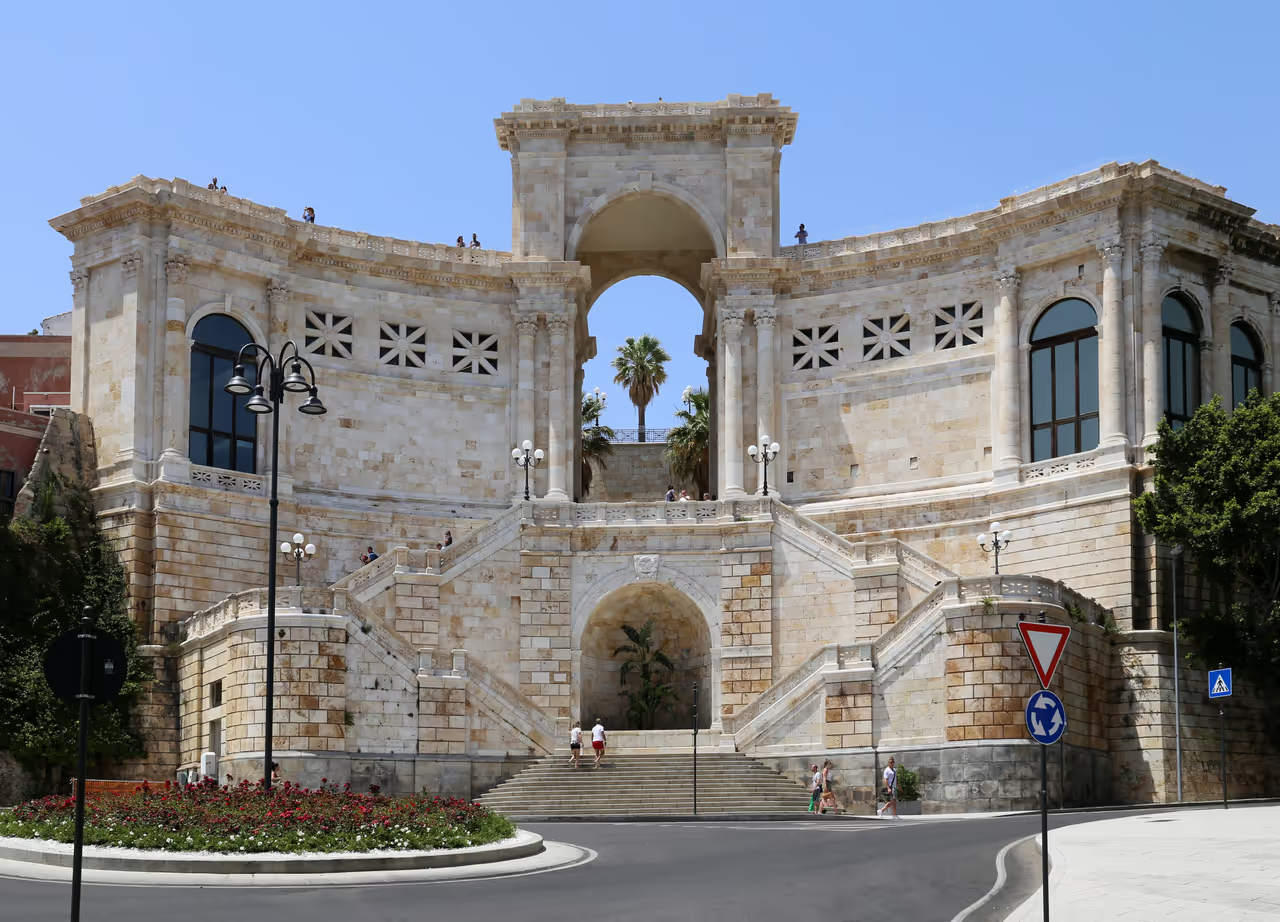
93mBastione Saint Remy
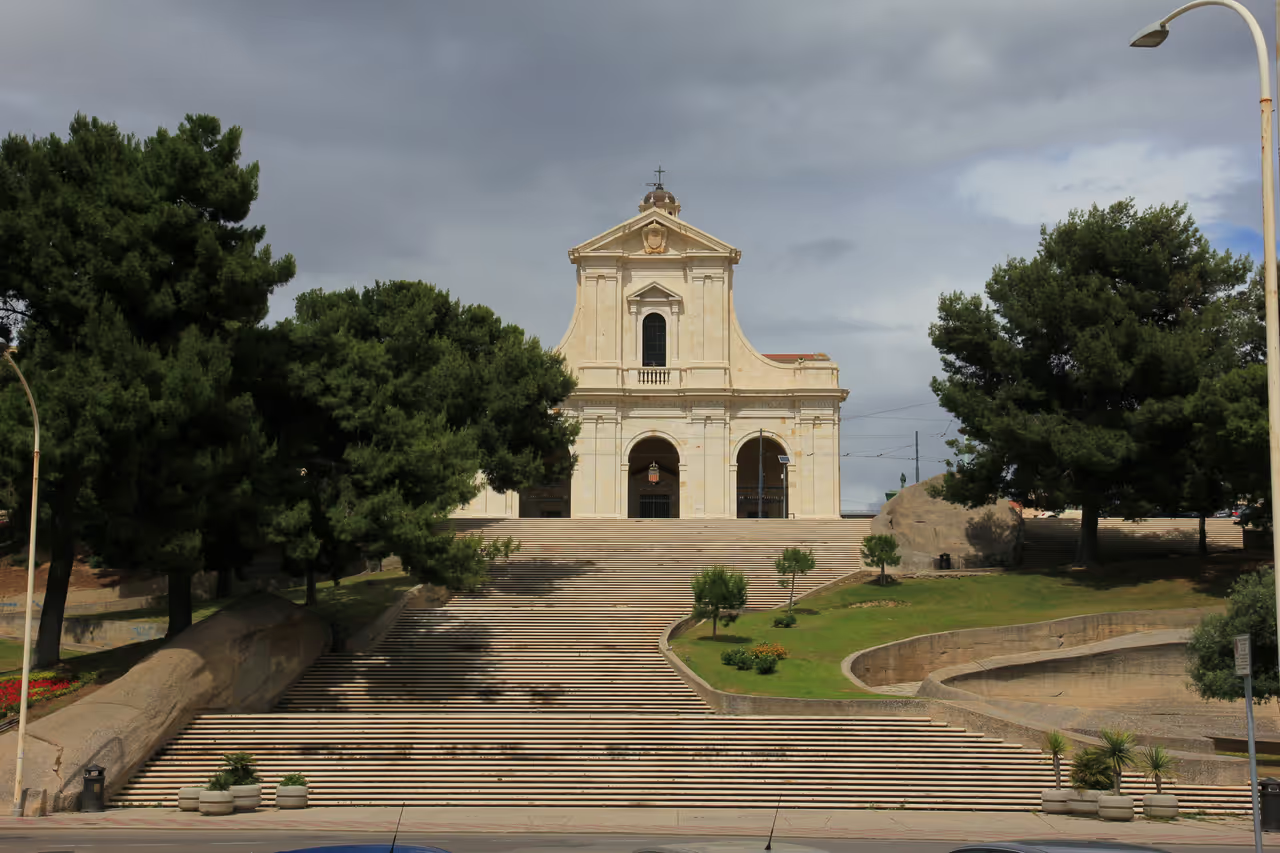
Climbing the grand limestone steps of Bastione Saint Remy feels like stepping into the very heart of Cagliari history. This neoclassical masterpiece serves as a bridge between the ancient fortified district of Castello and the lower streets of Villanova. Its gleaming white columns and massive triumphal arch create an atmosphere of Mediterranean elegance that is hard to match. Visitors are rewarded with a panoramic terrace that offers a stunning 360 degree view of the Gulf of the Angels and the city tiled rooftops. Whether you are enjoying a coffee on the terrace or exploring the hidden exhibition spaces below, the bastion exudes a sense of pride and timelessness. It is the grand balcony of Sardinia where locals and visitors gather to watch the sunset paint the sky.
attraction view- 94m
Valdes Palace
This prominent residential building represents the height of bourgeois elegance during the city's Belle Époque expansion. It sits dramatically opposite the Bastion of Saint Remy, demanding attention with its striking rounded corner and intricate terracotta friezes. Designed by talented local architects, it showcases the graceful curves and nature-inspired motifs that define the Liberty style in Italy. The building managed to survive the extensive bombings of the area largely intact. It remains a stunning testament to a highly optimistic era of urban planning.
architecture view 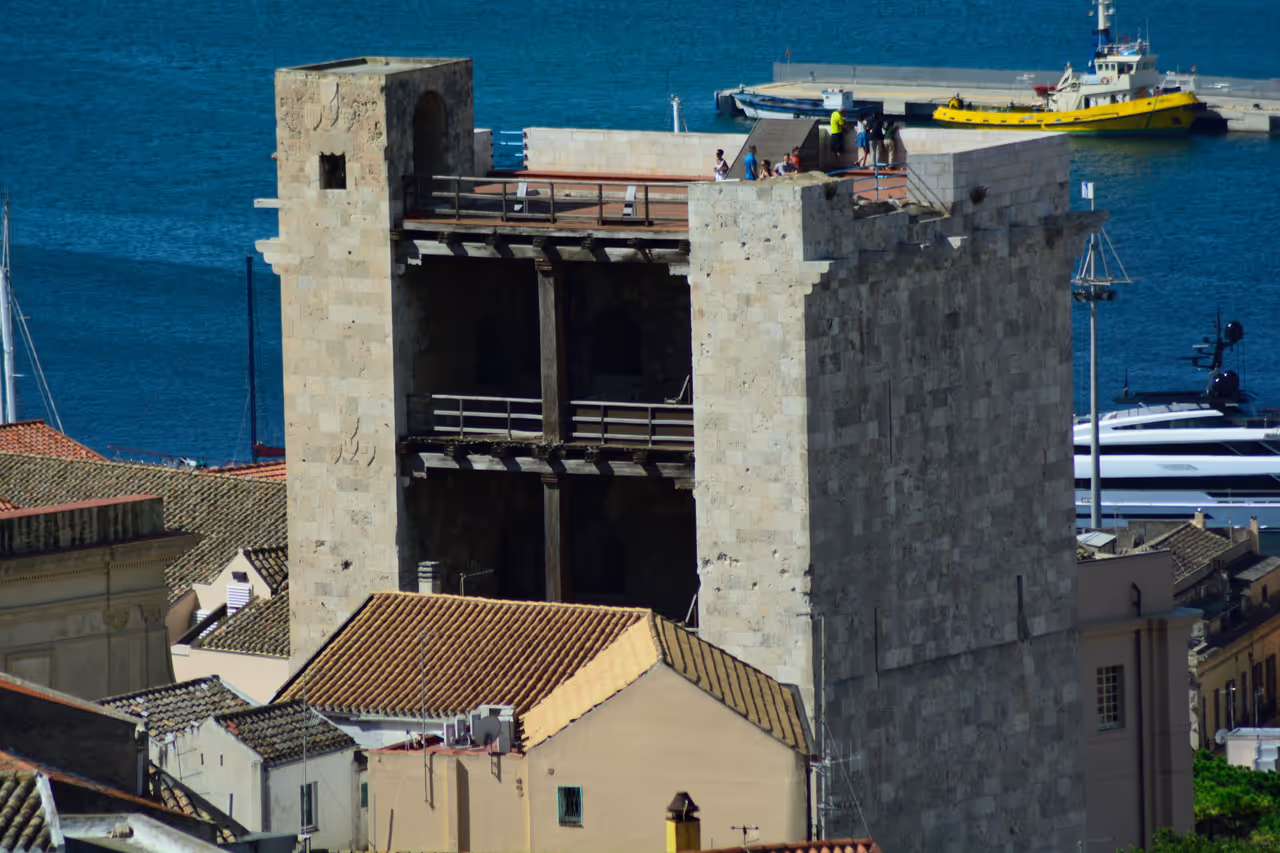 170m
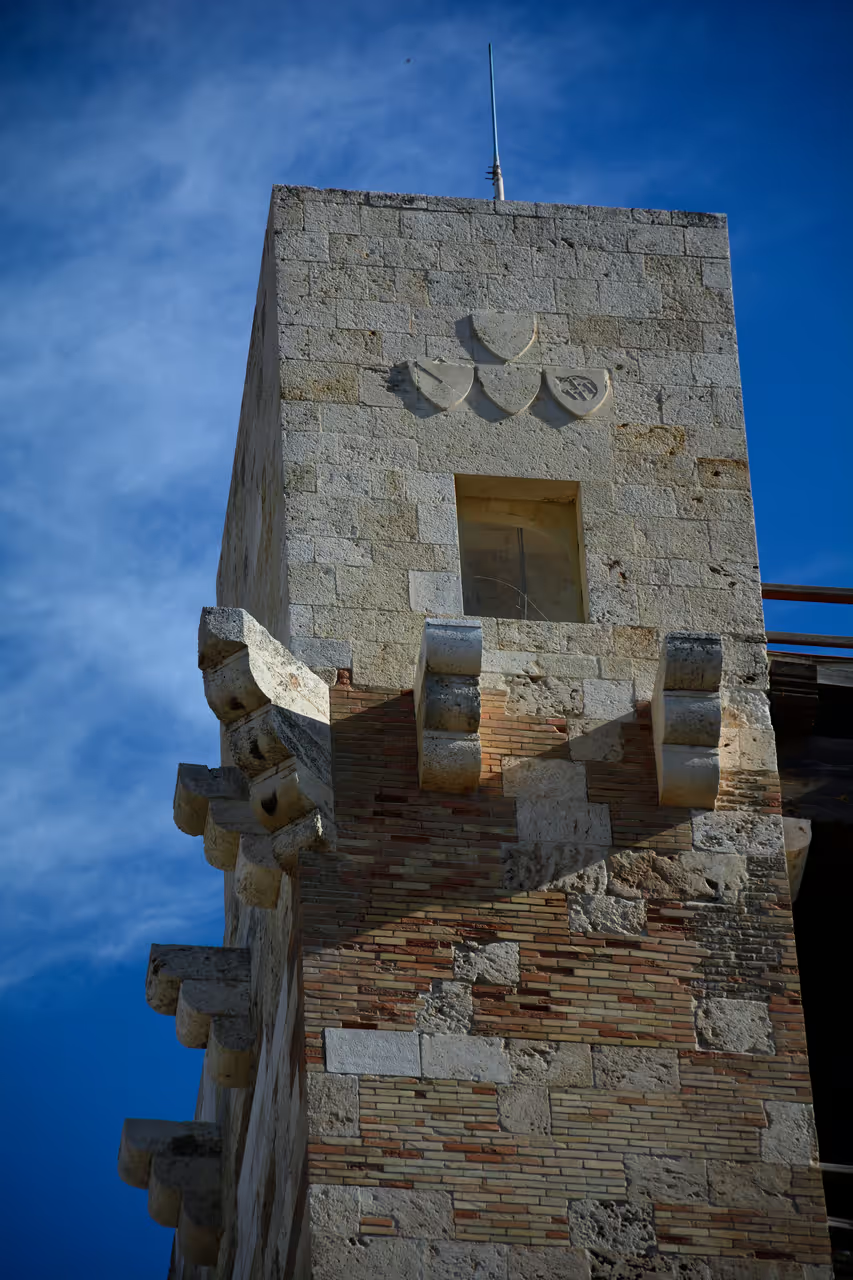
170mElephant Tower
Standing as a silent guardian over the Castello district, the Elephant Tower remains one of Cagliari's most iconic medieval structures. Built in 1307, this majestic limestone edifice invites you to climb its historic heights for an unparalleled view across the rooftops and the glittering sea. Its unique design, featuring an open rear wall characteristic of Pisan defensive architecture, tells the story of a city once fortified against invaders. Visiting this site allows you to walk through centuries of history, from its role as a strategic gate to its transformation into a public landmark. Whether you are an architecture enthusiast or simply looking for the best vantage point in town, this tower offers a memorable experience that connects you directly to the heartbeat of Sardinia's capital.
attraction view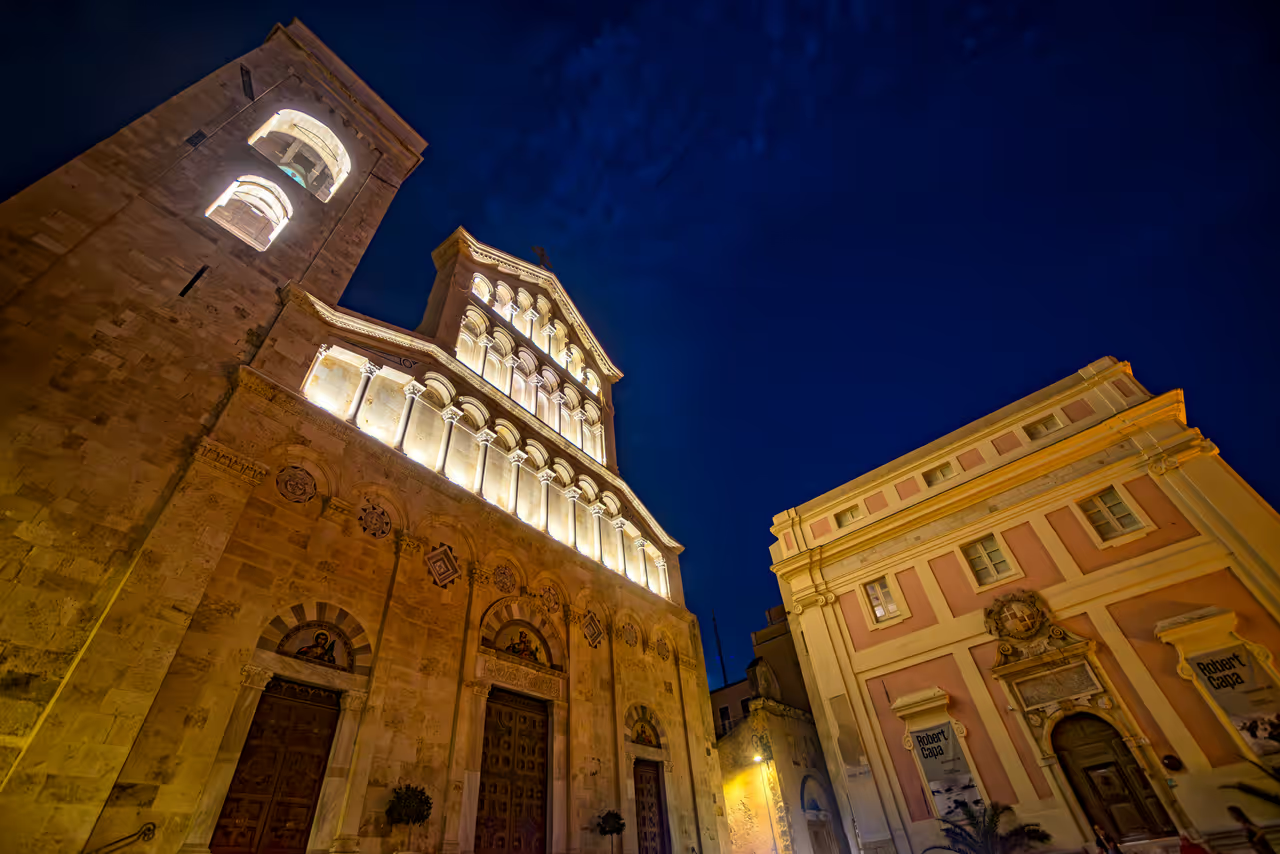 209m
209mCagliari Cathedral
Standing as the proud centrepiece of the historic Castello district, the Cagliari Cathedral is a breathtaking architectural mosaic that spans seven centuries. Its current facade might look medieval, but it is actually a 1930s tribute to the Pisan Romanesque style, hiding a surprisingly lavish Baroque interior. Exploring the nave reveals intricate marble floors and a stunning ceiling that tells the story of Sardinian faith. One of the most atmospheric experiences is descending into the Sanctuary of the Martyrs, a subterranean crypt filled with carved stone and sacred relics. The cathedral is not simply a religious site; it is a repository of the city's soul, housing everything from royal tombs to treasures stolen during the Sack of Rome. Visiting here offers a profound sense of peace and a deep connection to the layers of history that formed this Mediterranean capital.
attraction view
Featured on These Itineraries and Routes
3 Days in Cagliari: City and Sea Itinerary
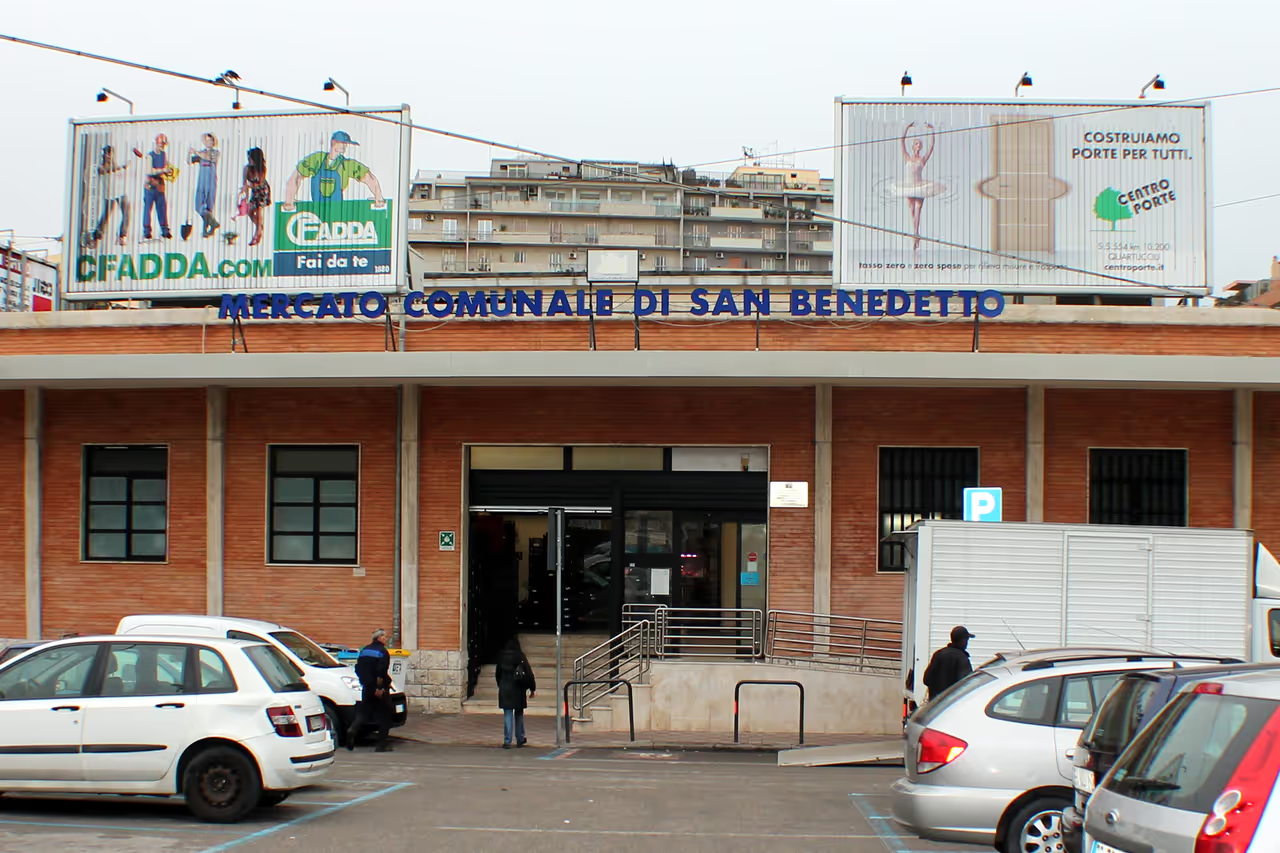
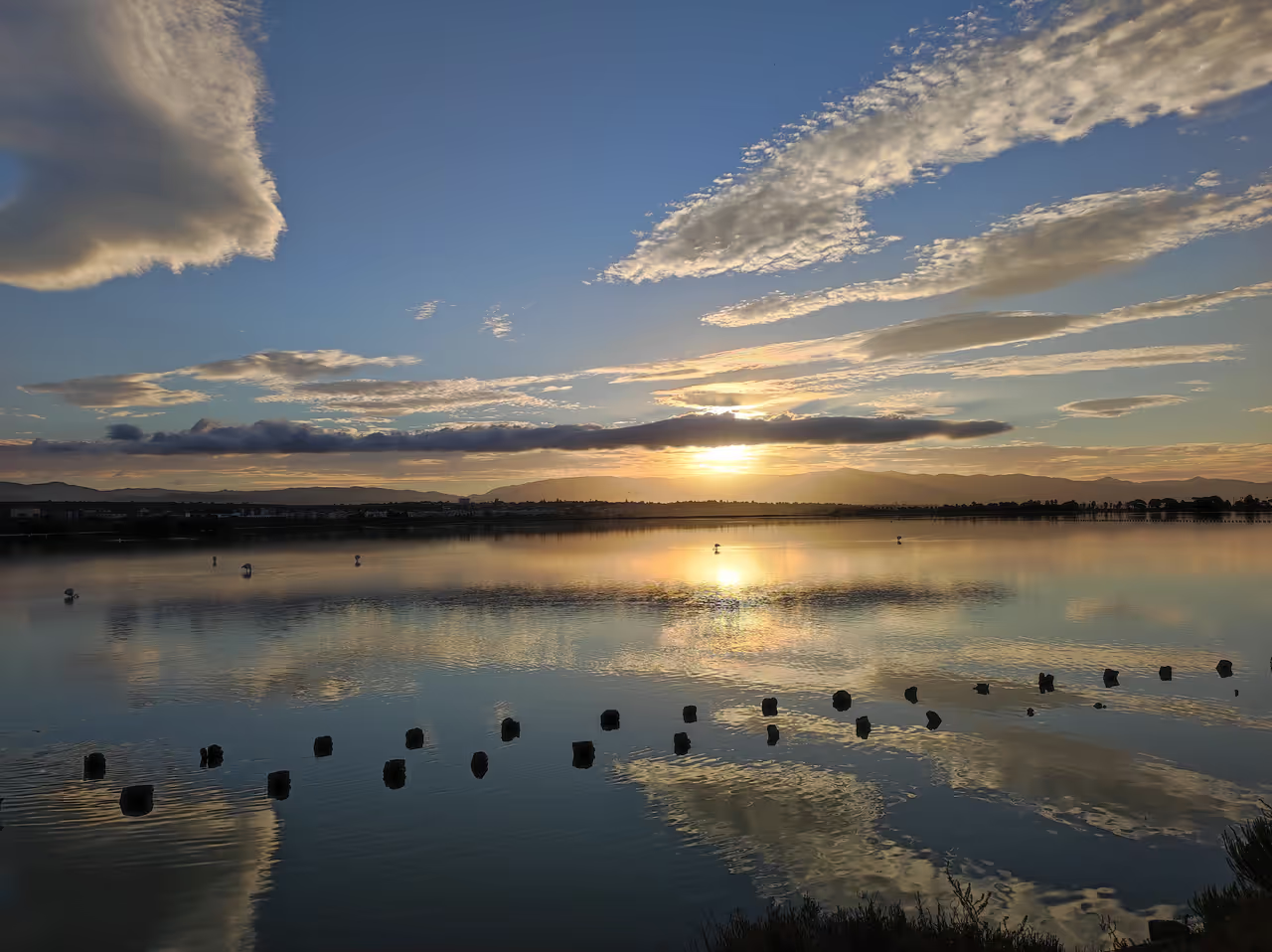
This balanced schedule allows visitors to fully appreciate both the dense historical core and the spectacular natural environments that surround it. The first day tackles the grand monuments and museums of the high city, immersing travellers in history. The second day shifts to authentic local life, exploring vibrant markets and the maritime heritage of the lower districts. The final day is dedicated to the coastline, offering time to relax on the long beaches and cycle alongside the flamingo-filled lagoons. It provides a comprehensive, relaxed overview of everything the area has to offer.
view itinerary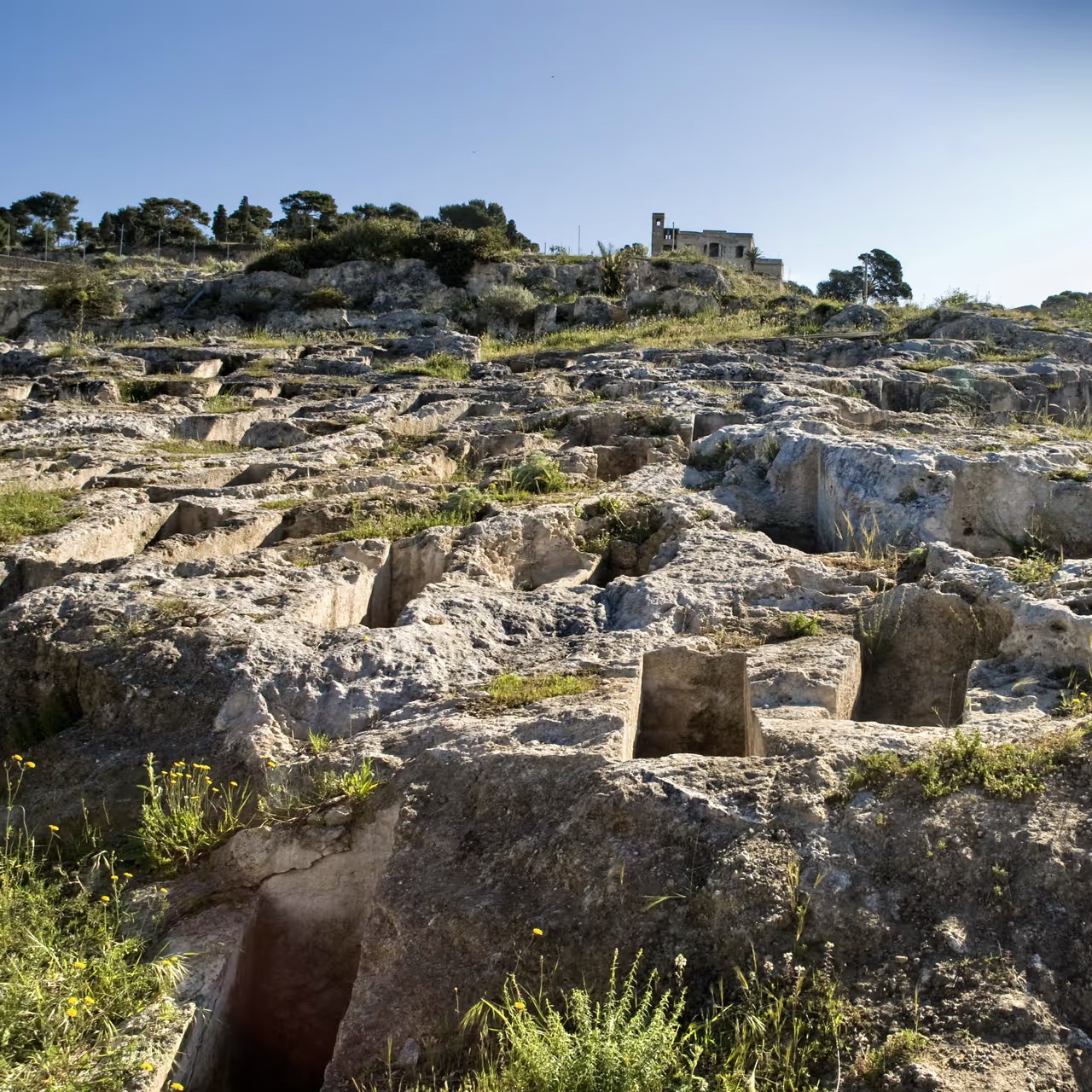
5 Days in Cagliari: Deep Immersion Itinerary
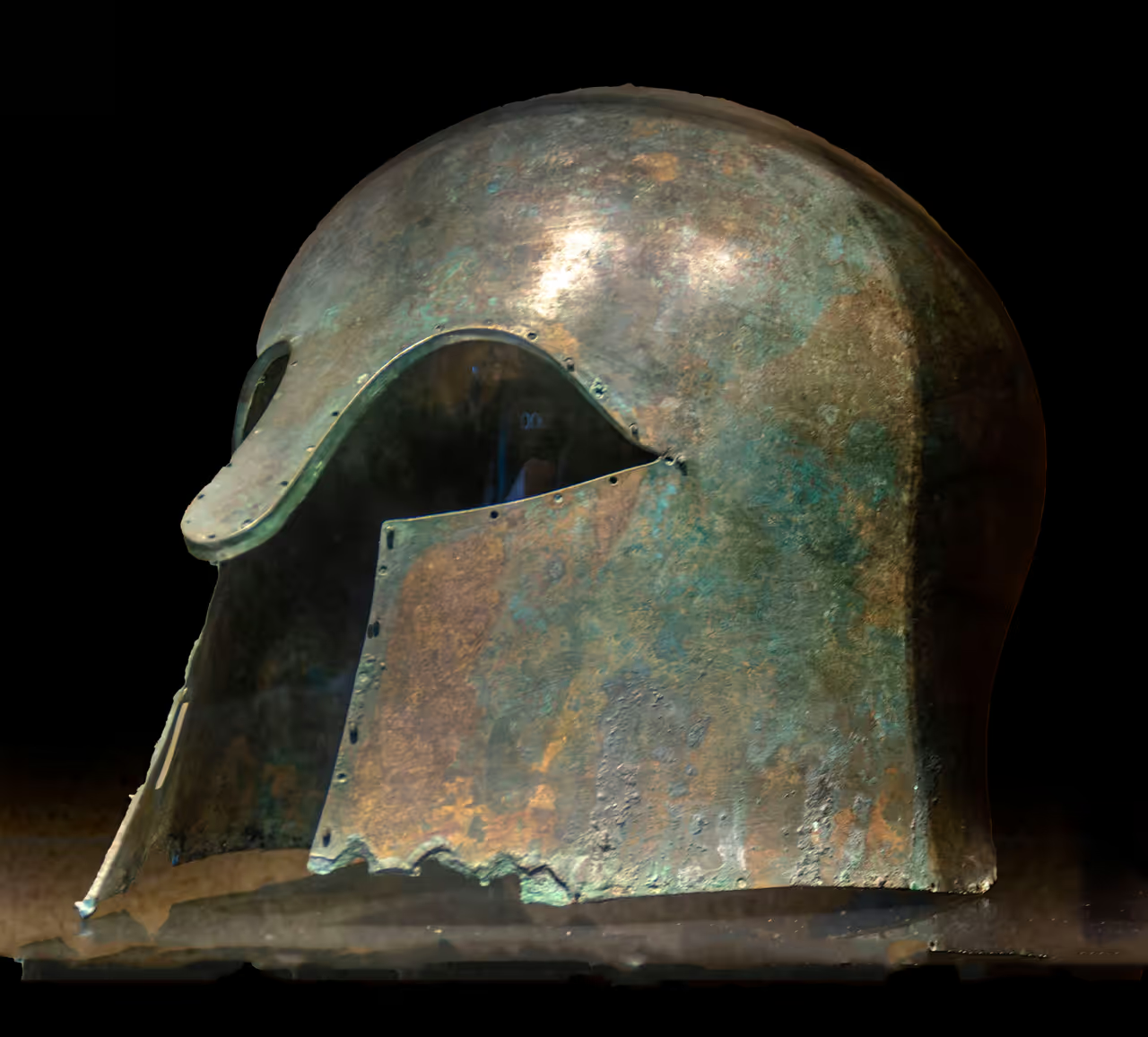
A luxuriously paced itinerary allowing for a deep dive into the city's hidden gems, diverse neighbourhoods, and complex history without feeling rushed. It covers all the major attractions while carving out time for specialized museums, quiet cloisters, and extended coastal relaxation. Visitors will truly get to know the distinct character of the four historic quarters: Castello, Marina, Stampace, and Villanova. It offers ample opportunity to savour the local gastronomy, from morning market visits to long, leisurely seafood dinners. This is the ultimate way to fully absorb the local culture and lifestyle.
view itinerary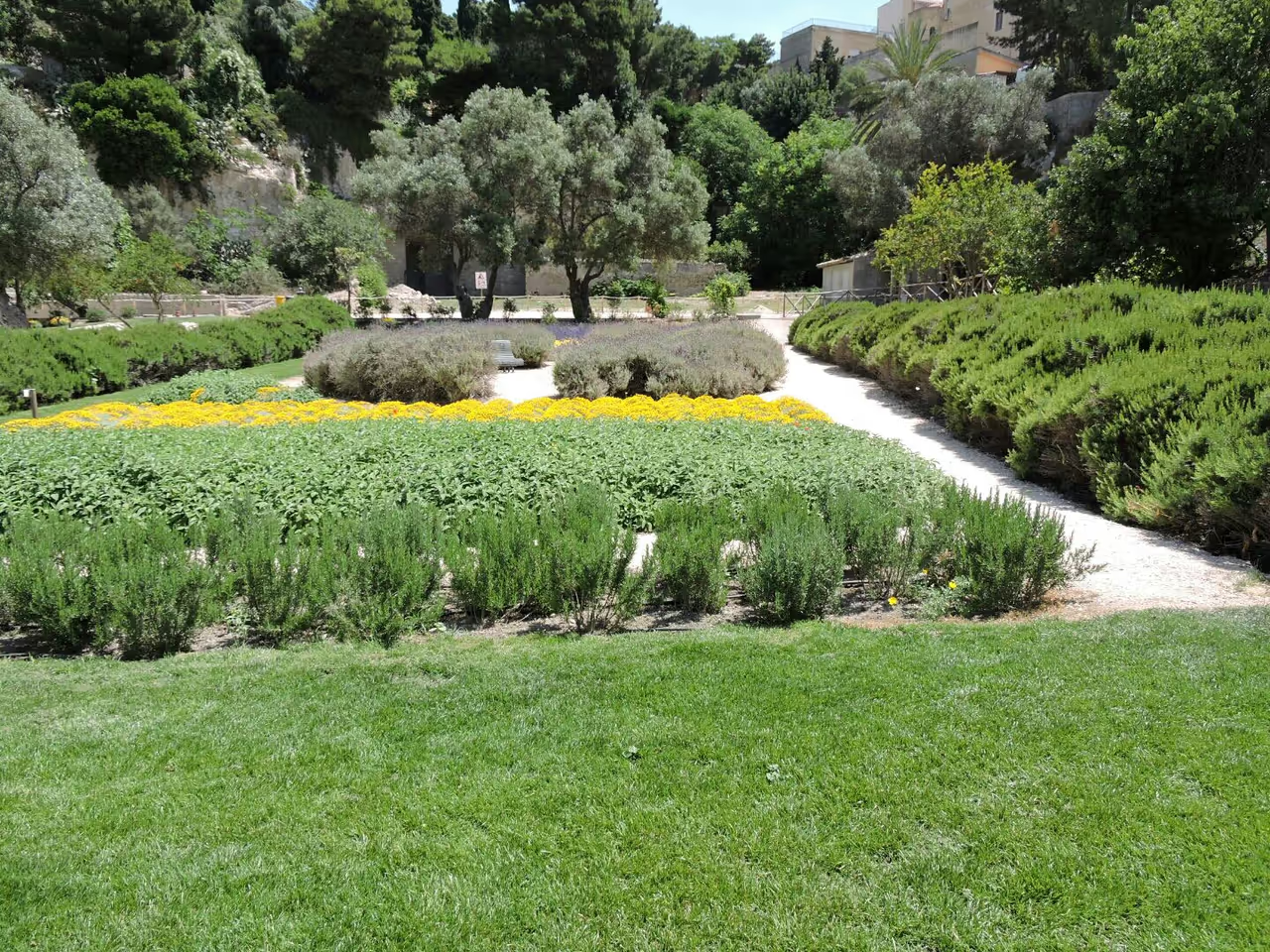
Botanical Garden Path
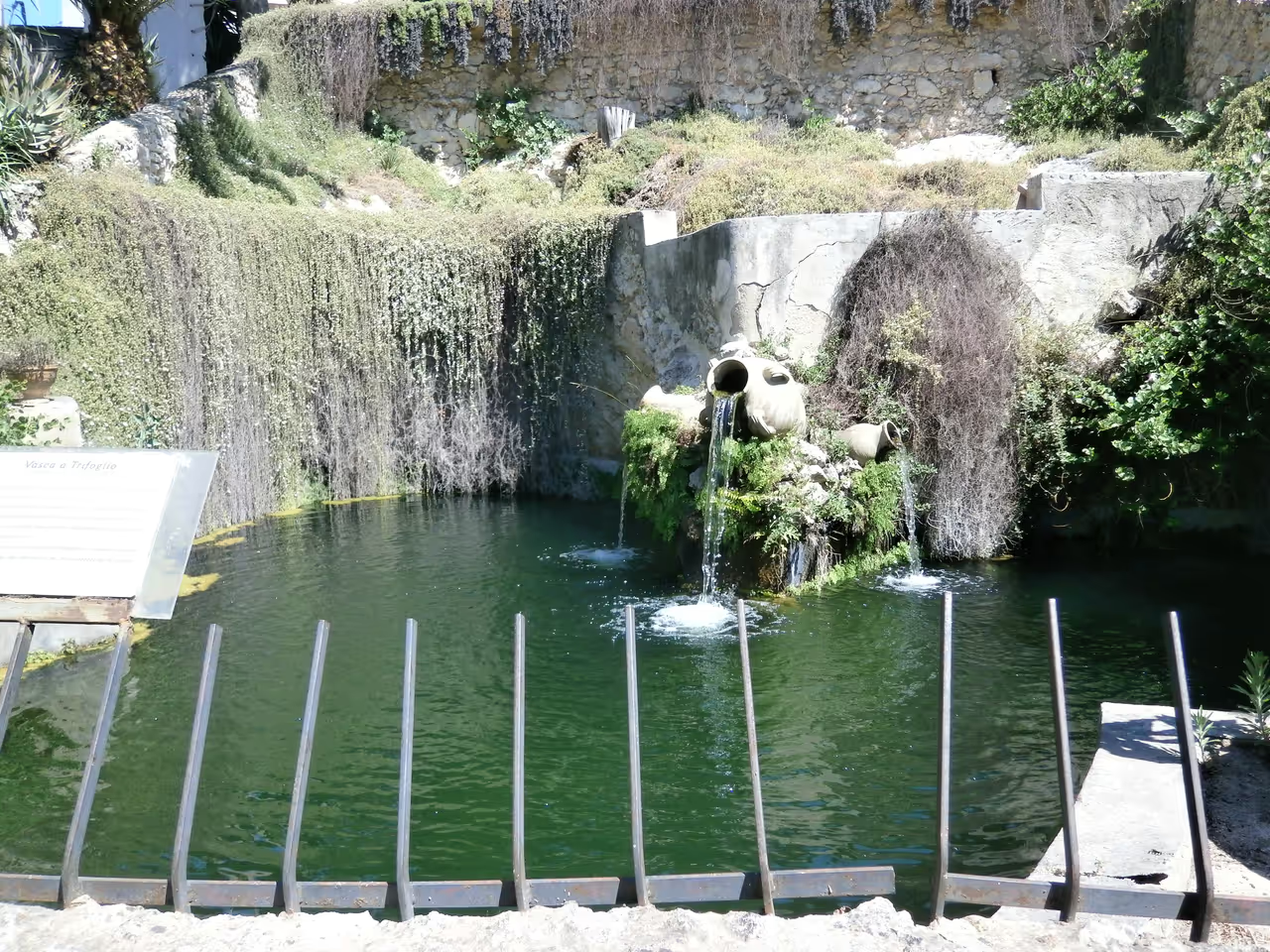
This walk provides a deeply peaceful escape into a lush, shaded sanctuary situated right in the city centre. The path winds through a remarkable collection of Mediterranean and exotic plants, many of which have thrived here for over a century. Visitors walk beneath towering palms, past ancient Roman cisterns cleverly repurposed as water features, and through fragrant herb gardens. The temperature drops noticeably under the thick canopy, offering respite on hot days. It highlights the city's rich intersection of nature, academia, and ancient history.
view walking route
See all nature & parks in Cagliari
Capuchin Garden, Molentargius-Saline Regional Park, Monte Urpinu, Music Park, Public Gardens of Cagliari...