Elephant Tower
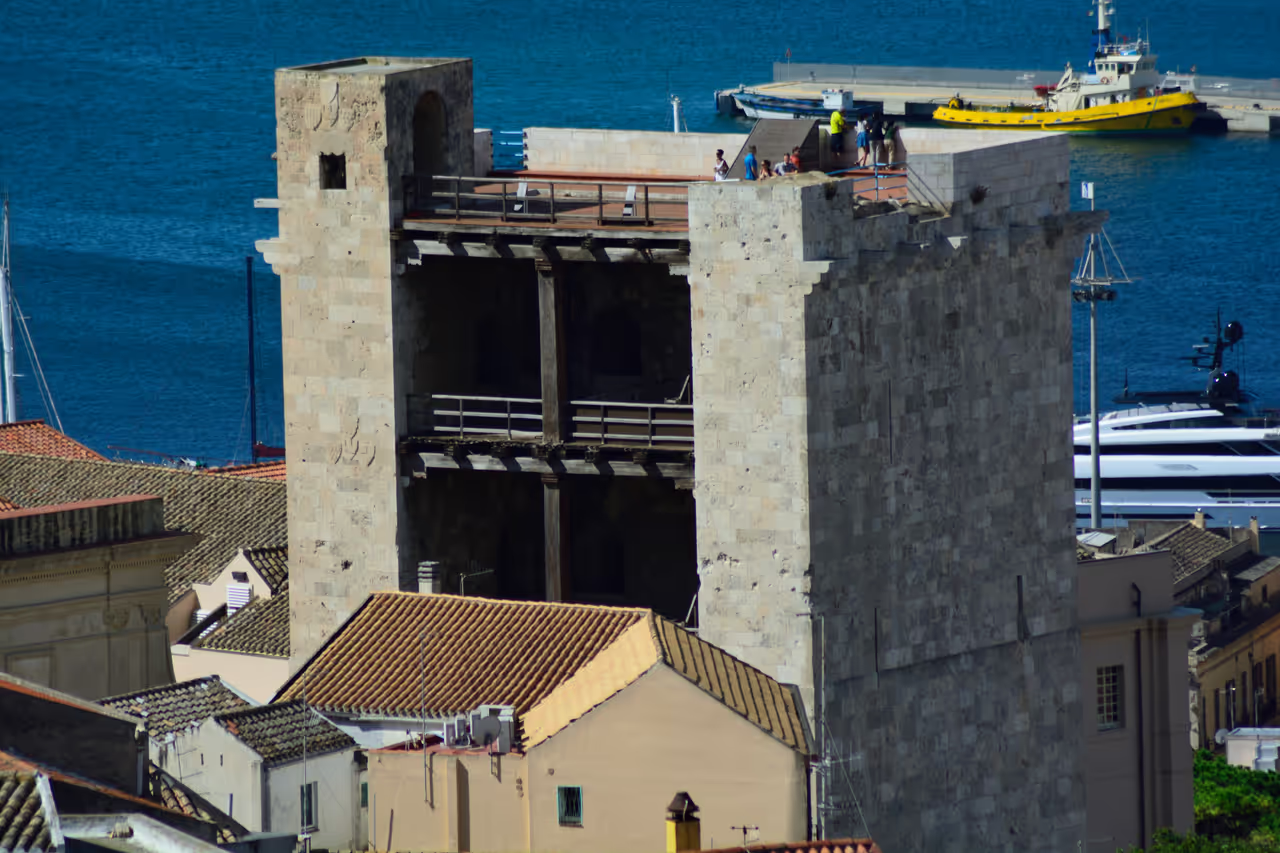
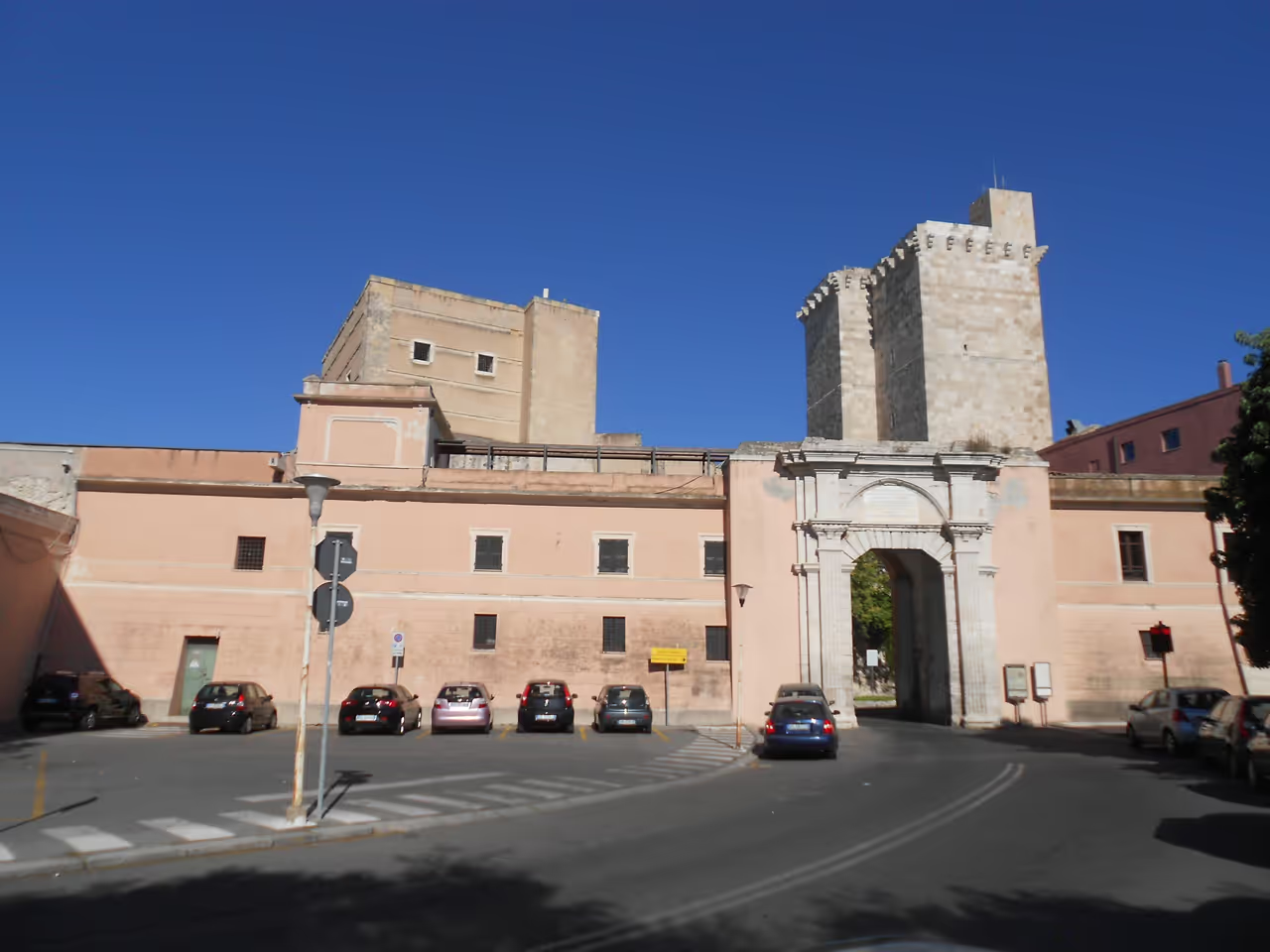
Standing as a silent guardian over the Castello district, the Elephant Tower remains one of Cagliari's most iconic medieval structures. Built in 1307, this majestic limestone edifice invites you to climb its historic heights for an unparalleled view across the rooftops and the glittering sea. Its unique design, featuring an open rear wall characteristic of Pisan defensive architecture, tells the story of a city once fortified against invaders. Visiting this site allows you to walk through centuries of history, from its role as a strategic gate to its transformation into a public landmark. Whether you are an architecture enthusiast or simply looking for the best vantage point in town, this tower offers a memorable experience that connects you directly to the heartbeat of Sardinia's capital.
Videos
History of Elephant Tower
The story of the Elephant Tower begins in the early fourteenth century, a time when the Pisan Republic was solidifying its hold over Sardinia. Giovanni Capula, a visionary architect, was commissioned to create a defensive system that would render the Castello district impenetrable. In 1307, the tower rose from the white limestone of the Bonaria hills, a stark and formidable white beacon intended to command respect and deter any who dared challenge Pisan authority. Its design was revolutionary for the time, incorporating layers of defensive measures that turned the structure into an ironclad gatehouse. As the centuries turned, the tower witnessed the shifting tides of power that defined Sardinia. When the Spanish took control of the island, the tower transitioned from a purely military outpost to a chilling instrument of state control. It became a prison where the walls themselves seemed to speak of the heavy price of rebellion. In a time when public punishment served as both entertainment and warning, the gates of the tower were used to display the heads of those who defied the crown, including the infamous Marquis of Cea. These grim displays were intended to cow the populace, yet they ultimately became part of the tower's enduring legend. In the modern era, the tower underwent a rebirth. By the early twentieth century, the scars of various sieges and the heavy handed modifications of different rulers had obscured its original intent. The 1906 restoration by Dionigi Scano was a crucial endeavour to peel back these layers, revealing the clean, severe lines of the Pisan architects. Today, the tower stands not as a reminder of past terrors but as a proud guardian of Cagliari's heritage. It is a structure that has successfully bridged the gap between its brutal past and its peaceful present, inviting visitors to marvel at the skill of its builders and the persistence of the city that thrives in its shadow.
Events spanning 599 years
Fun Facts
- • During the seventeenth century, the head of the Marquis of Cea was displayed on the tower for several years following his involvement in the assassination of Viceroy Camarassa.
- • It served as the principal entrance to the fortified Castello neighbourhood alongside its twin, the San Pancrazio Tower.
- • It takes its name from a small stone sculpture of an elephant perched on a corbel, which served as a symbol of Pisan power.
- • The inscription at the base of the tower was carefully carved in the fourteenth century to commemorate the architects and officials responsible for its creation.
- • The structure consists of four levels supported by wooden floors, a layout typical of the Pisan style that allowed the garrison to defend the interior levels independently.
- • The tower escaped major structural collapse during historical attacks from the English, Spanish, and French, though it suffered damage to its upper sections during various conflicts.
- • The tower is constructed from white limestone extracted from the Bonaria caves, giving it a distinctive and resilient appearance.
- • The tower was a masterpiece of military engineering, originally featuring three heavy doors and two portcullises to repel intruders.
- • While it stands about thirty metres tall, the structure reaches an impressive forty-two metres in height when measured from the side facing the Cammino Nuovo.
RESOURCES
Official WebsiteElephant Tower FAQ
While we strive to keep this information accurate and up to date, we recommend verifying any details independently before making decisions based on them.
Elephant Tower Map & Neighborhood Explorer
This interactive map is centered on Elephant Tower. Zoom in and move the map around to automatically discover Wikipedia photos and summaries of other nearby sights, monuments, and historical points of interest and stories in real-time!
Places near Elephant Tower
Make the most of your trip. Check out these top-rated spots located nearby.
- 96m
Santa Chiara Market
Tucked away near the central Piazza Yenne, this historic market has served the community since the late nineteenth century. It is significantly smaller and more intimate than San Benedetto, offering a highly curated selection of local delicacies. Its architecture features charming ironwork and large windows, reflecting the elegant style of its era. Visitors can find excellent quality regional wines, artisanal breads, and unique local sweets here in a relaxed environment. It is an excellent spot to pick up high-quality picnic supplies before heading out to explore the historic centre.
market view - 112m
Cagliari Carnival
The streets erupt into a cacophony of colour and sound as traditional masks and satirical floats parade through the historic centre. The rhythm is driven by the infectious beat of the 'ratantira', a distinctive drumming style unique to the city that reverberates off the stone walls. Locals dress in historical caricatures, such as the gossiping baker woman or the eccentric nobleman, keeping old urban legends alive. It is a boisterous, deeply traditional celebration where community spirit shines brightly. The festivities often culminate in a symbolic bonfire, marking the end of winter.
festival view  117m
117mBastion of the Holy Cross
Located on the western edge of the Castello district walls, this former defensive artillery platform offers a spectacular, unobstructed view over the rooftops of Stampace and out towards the distant mountains. It is particularly revered as the absolute best location in the city to watch the sunset, as the sky bursts into brilliant colours behind the horizon. The atmosphere here is lively, with locals gathering in the early evening to enjoy a drink from the nearby bars while leaning against the ancient parapets. It provides a more relaxed, intimate alternative to the grander terraces nearby. The contrast between the old stone and the sweeping modern city below is deeply poetic.
viewpoint view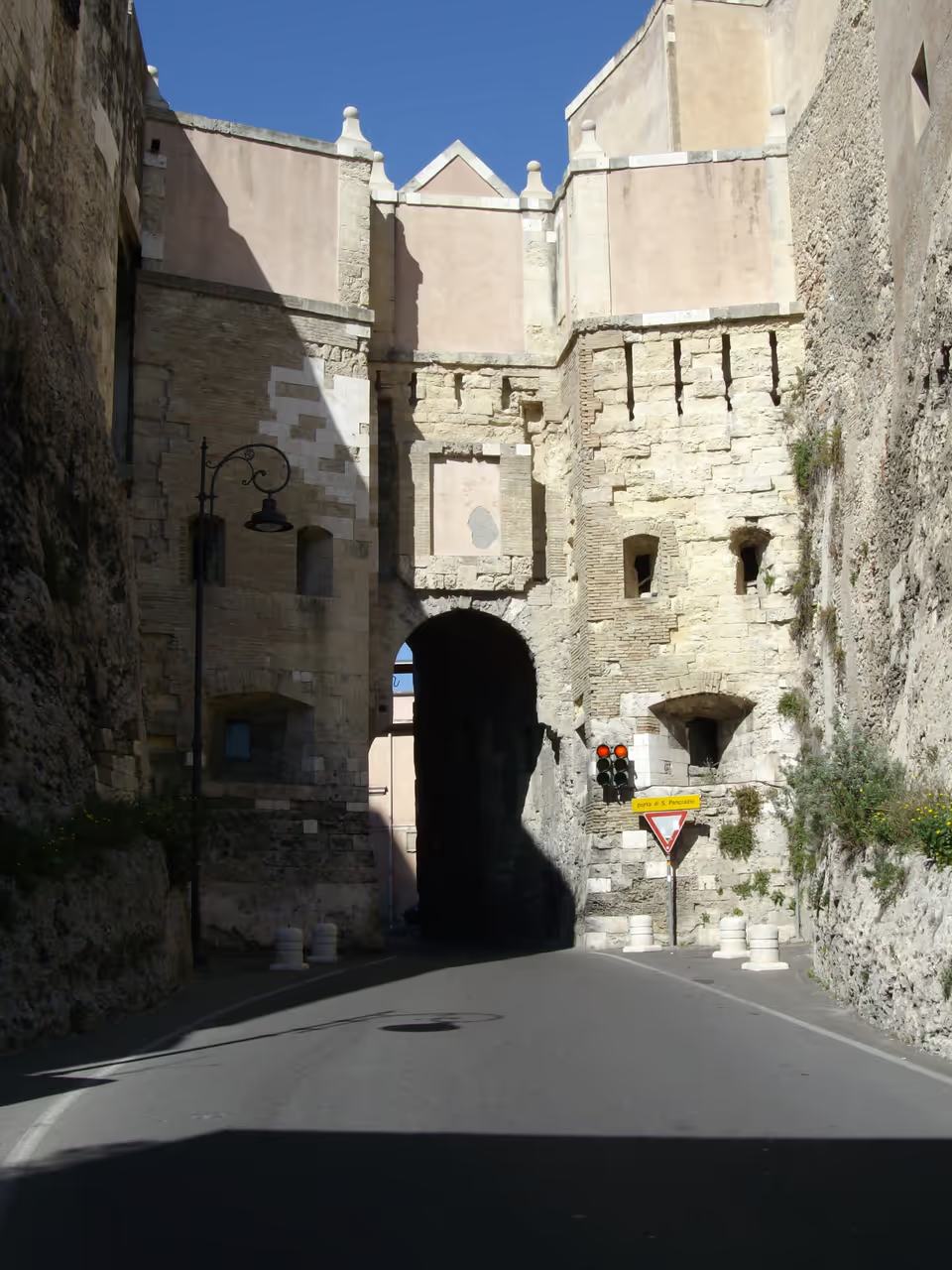 147m
147mCastello Alleys
The narrow, winding streets of the high citadel offer fantastic opportunities for atmospheric, historic street photography. Deep shadows contrast sharply with bright shafts of sunlight piercing through the narrow gaps between ancient, weathered stone buildings. You can capture charming details like wrought-iron balconies, old wooden doors, and laundry strung high across the alleys. The geometry of the tall buildings creates excellent natural framing for your shots. It is incredibly rewarding to simply get lost here with a camera.
photo spot view
Explore Similar Places in These Collections

Featured on These Itineraries and Routes
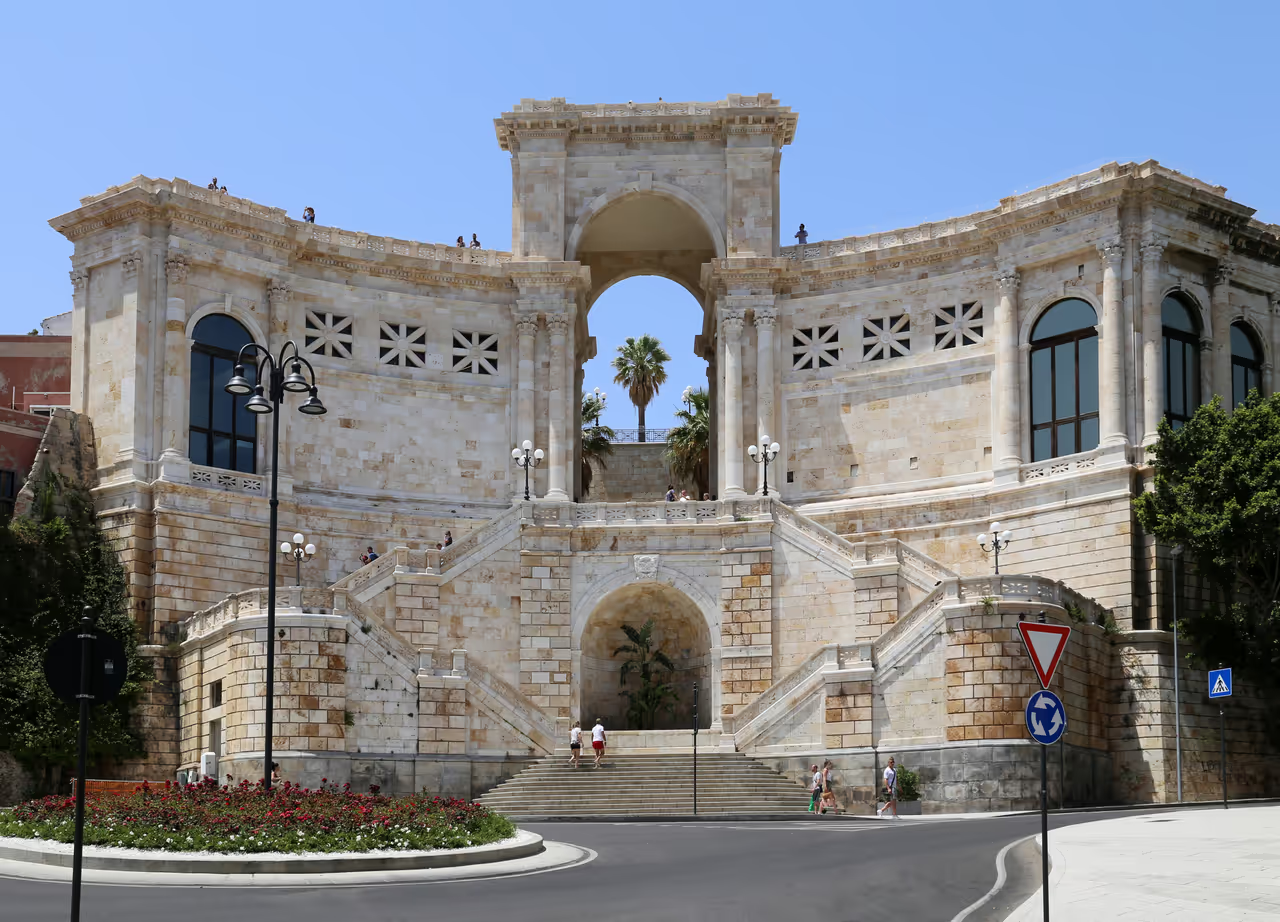
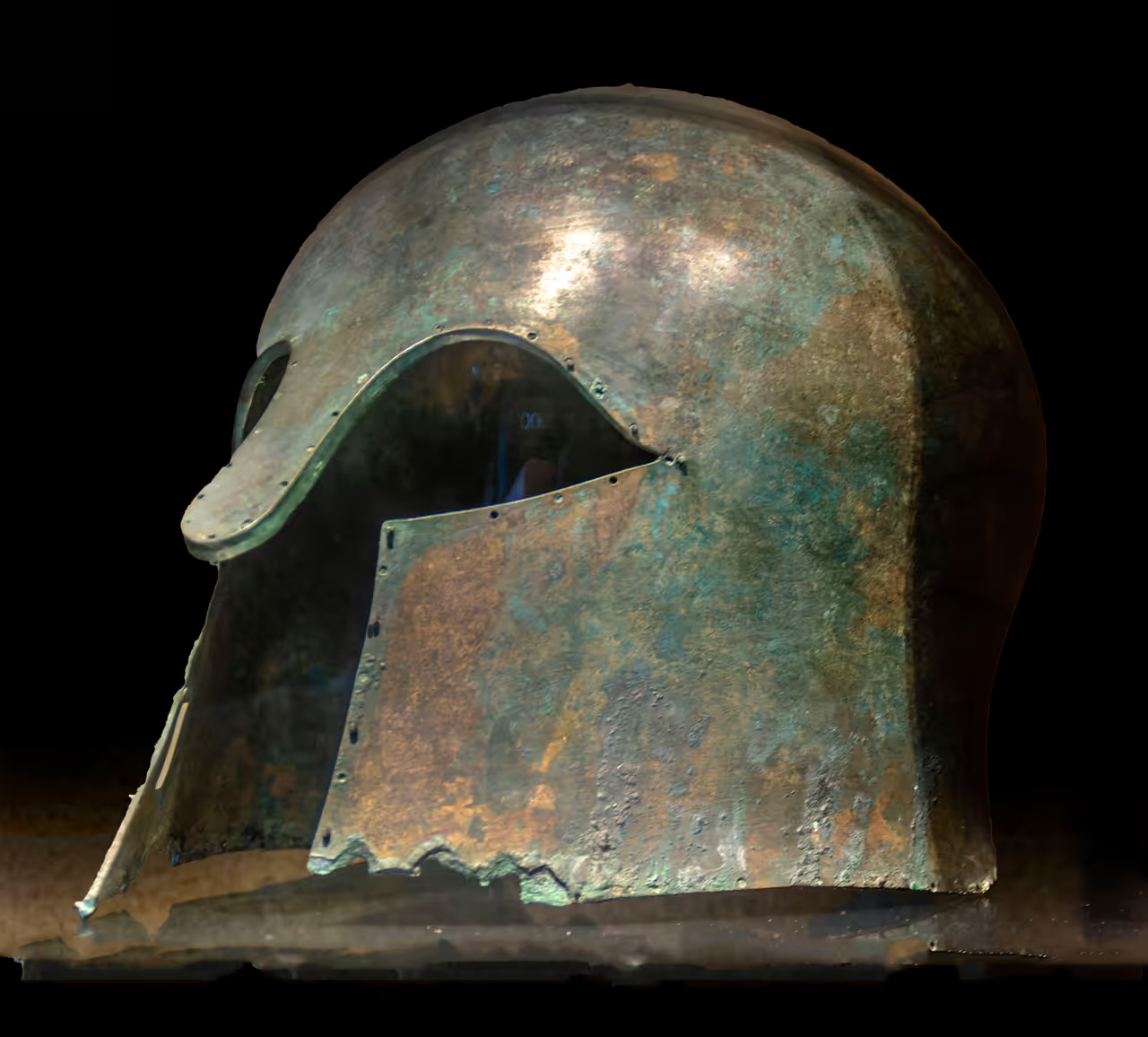
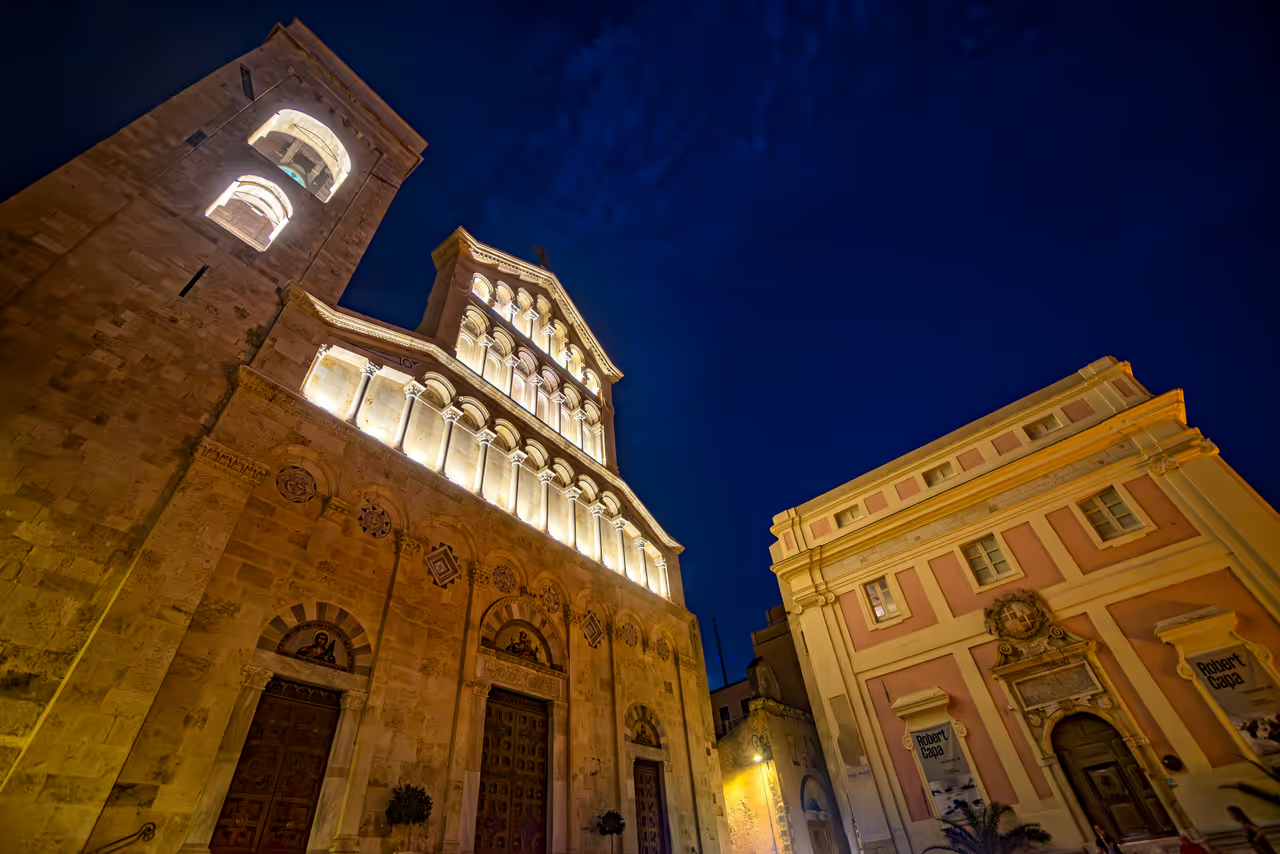
1 Day in Cagliari: Historical Itinerary
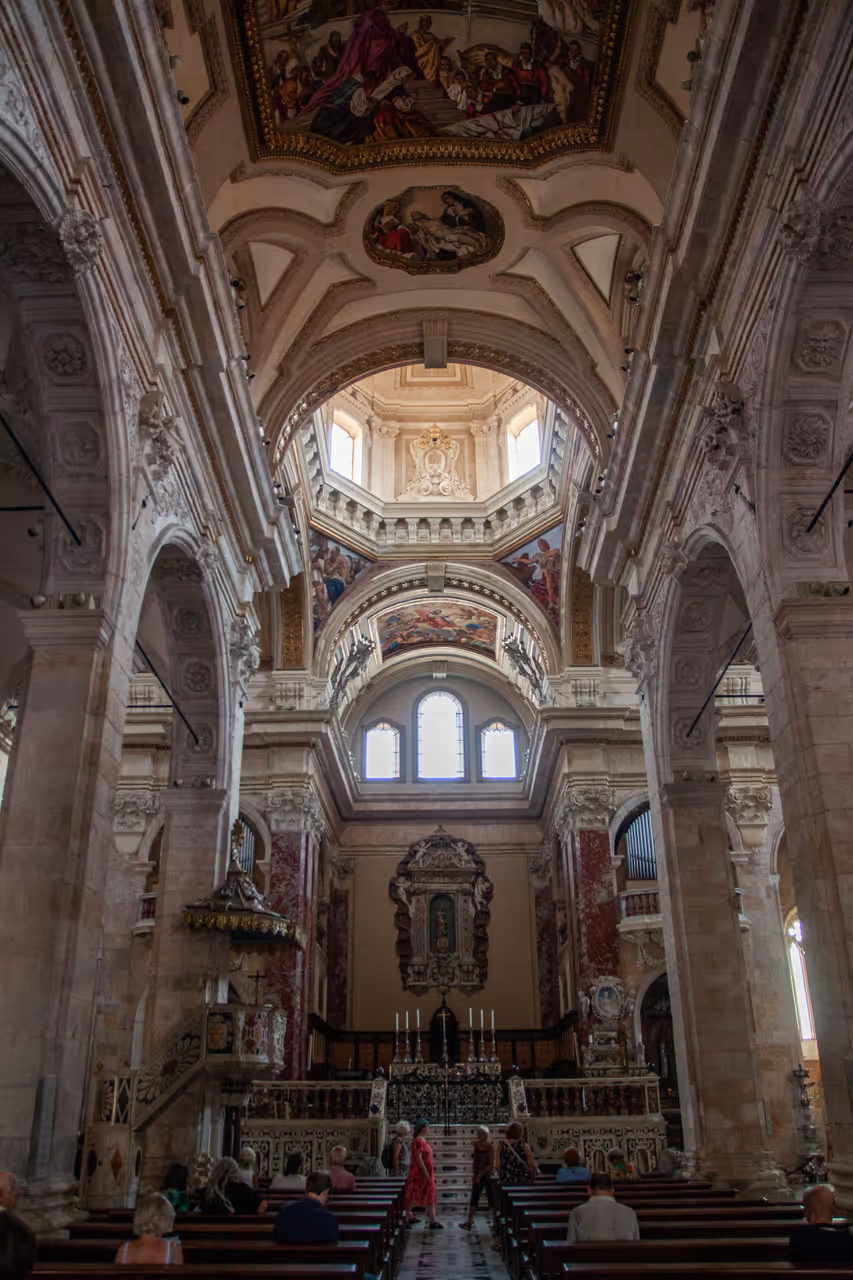
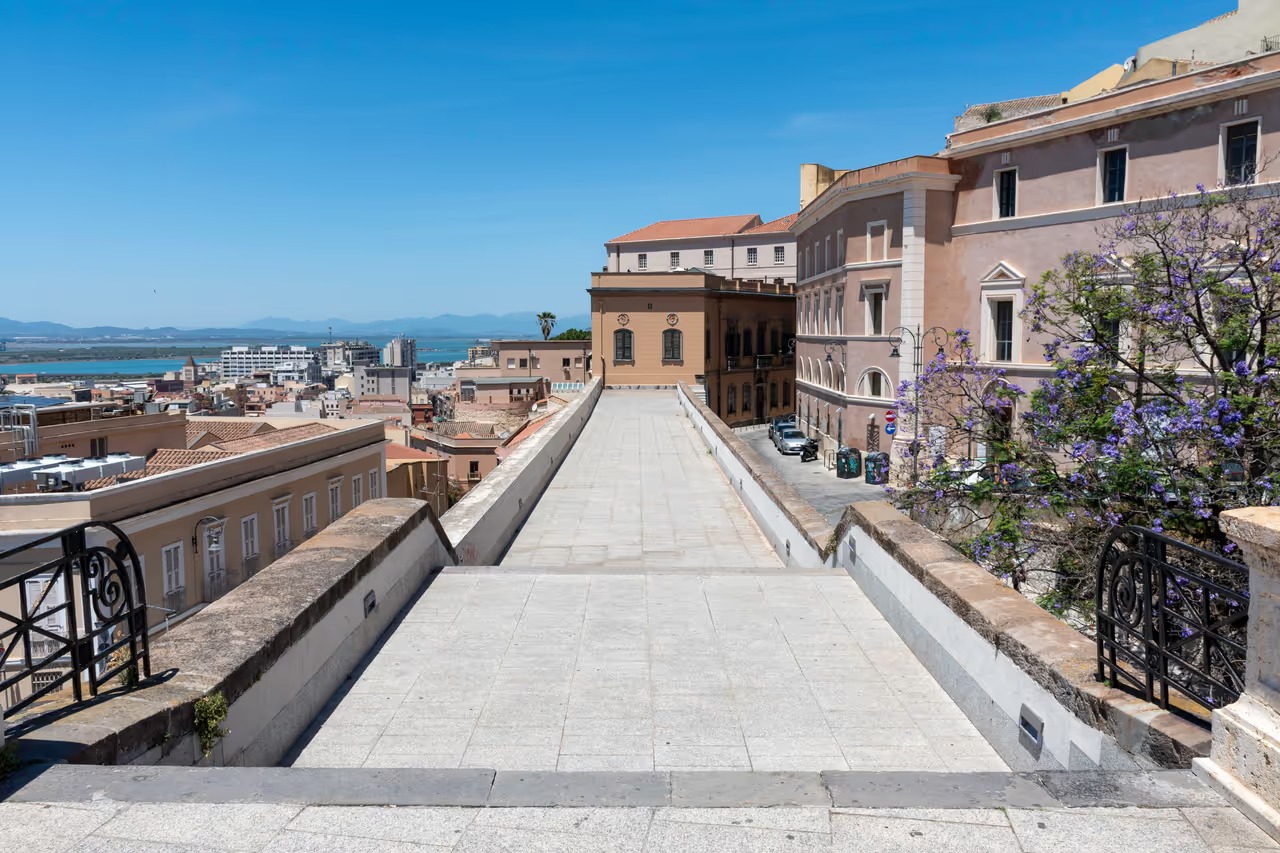
This tightly packed itinerary focuses exclusively on the city's rich, layered history, taking visitors from the heights of the medieval citadel down to the ancient Roman ruins. It is designed to hit the absolute most iconic architectural and archaeological landmarks in a logical, descending path. The day demands comfortable walking shoes, as it navigates the steep inclines and cobblestones of the old town. It perfectly captures the essence of the city's past, offering breathtaking views, ancient artifacts, and magnificent churches. It is the ideal plan for a quick, impactful visit.
view itinerary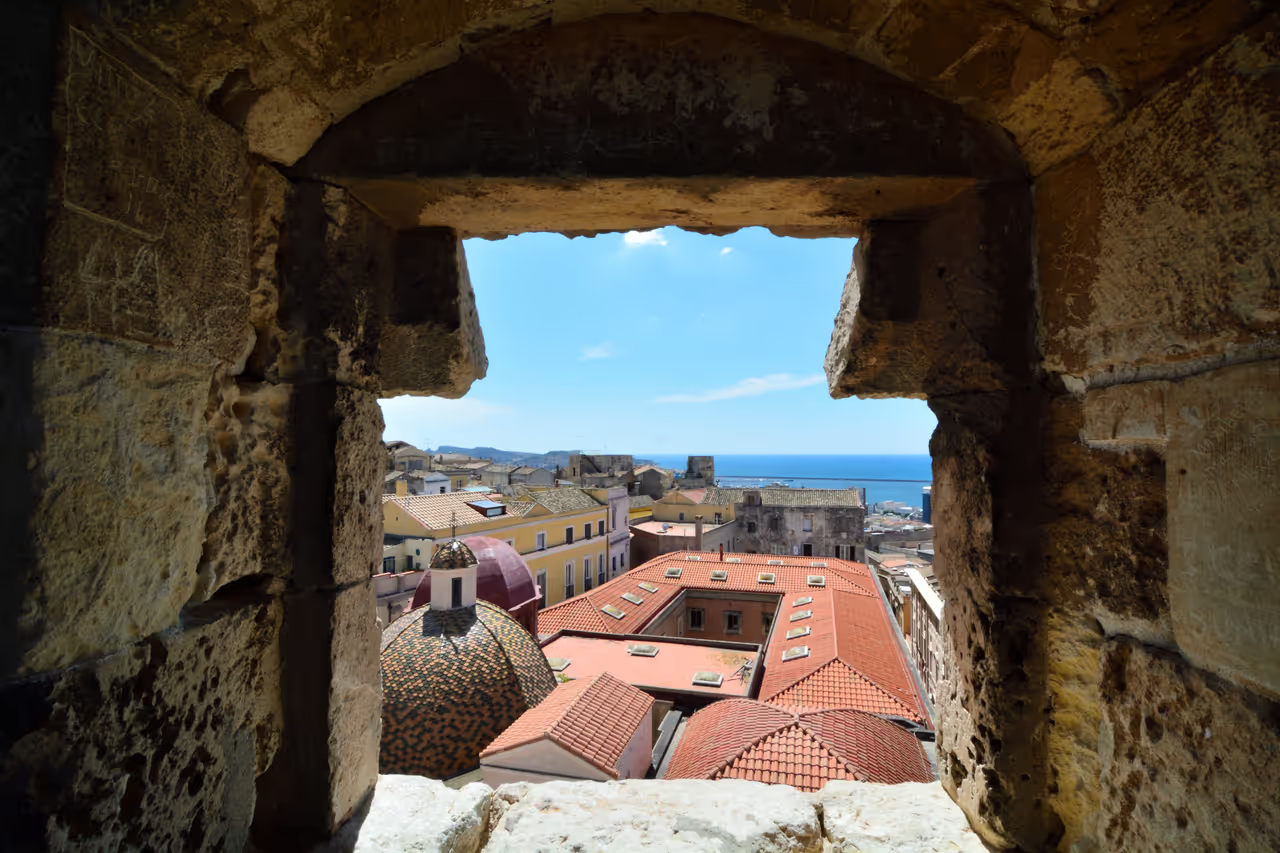
Castello Medieval Walk
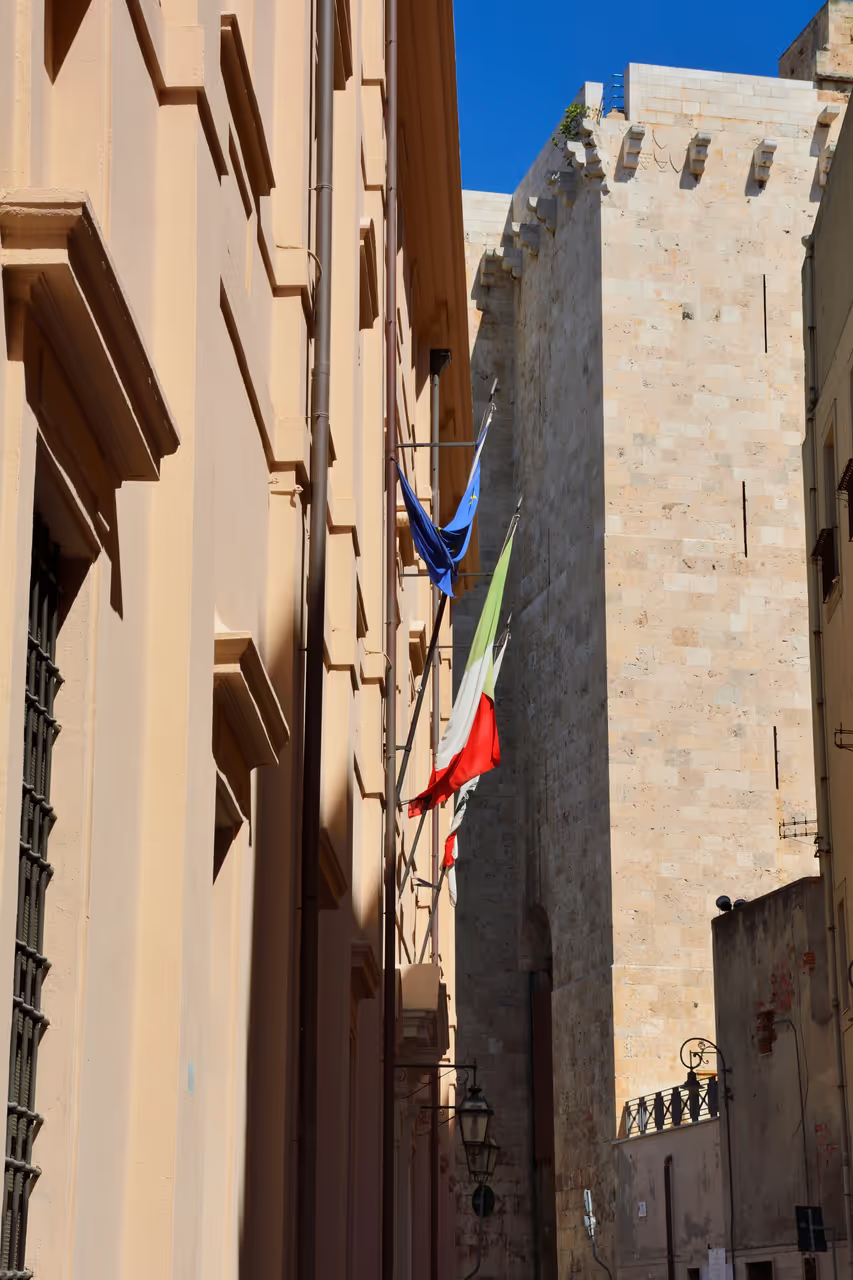
This walk wanders through the highest, most ancient quarter of the city, enclosed entirely by formidable Pisan walls. Every corner reveals a piece of history, from grand palaces built by Aragonese nobility to small, hidden piazzas where laundry flutters from wrought-iron balconies. The narrow, shadow-draped alleys frequently open up to breathtaking, sunlit viewpoints overlooking the sea. The atmosphere is quiet, elegant, and deeply historic, feeling miles away from the bustling modern streets below. It is the absolute quintessential stroll to understand the city's majestic past.
view walking route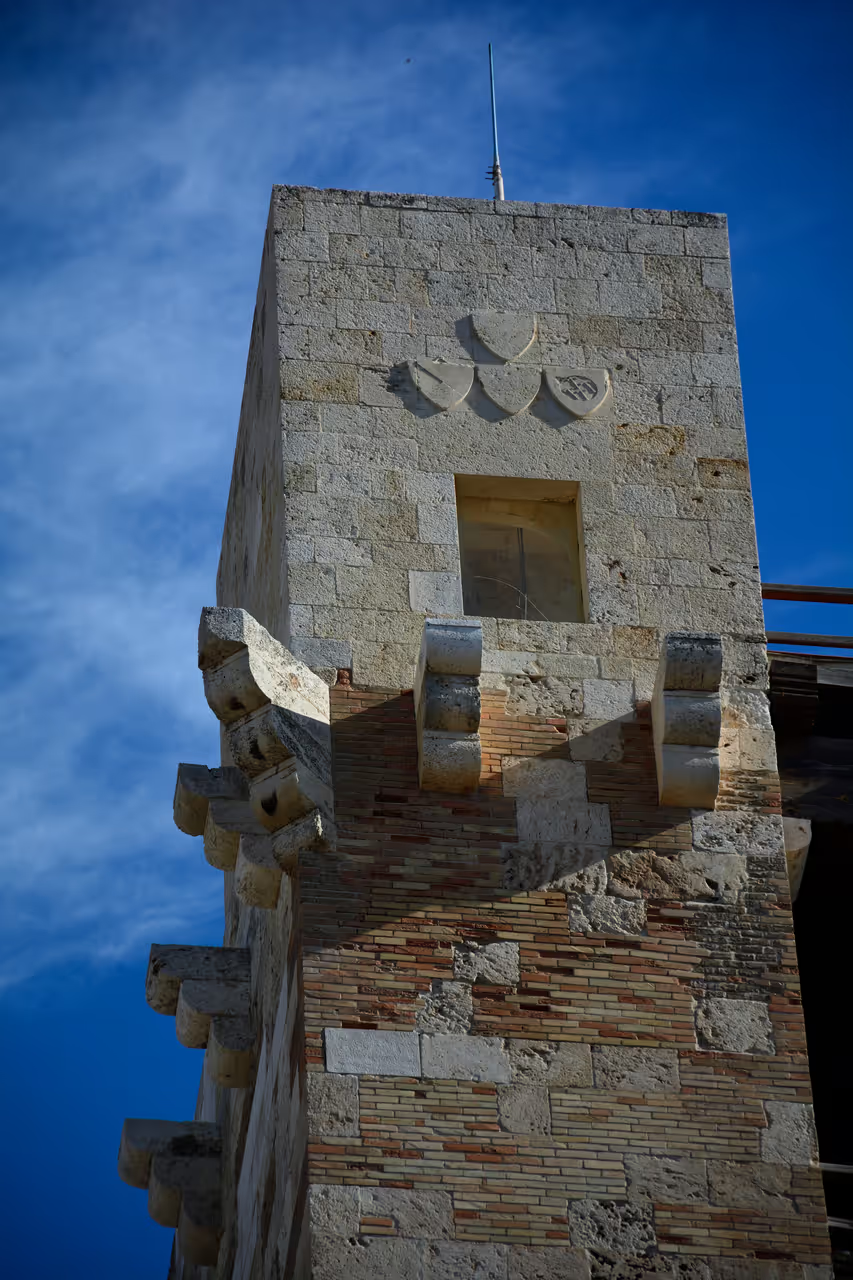
Pisan Towers & Fortifications
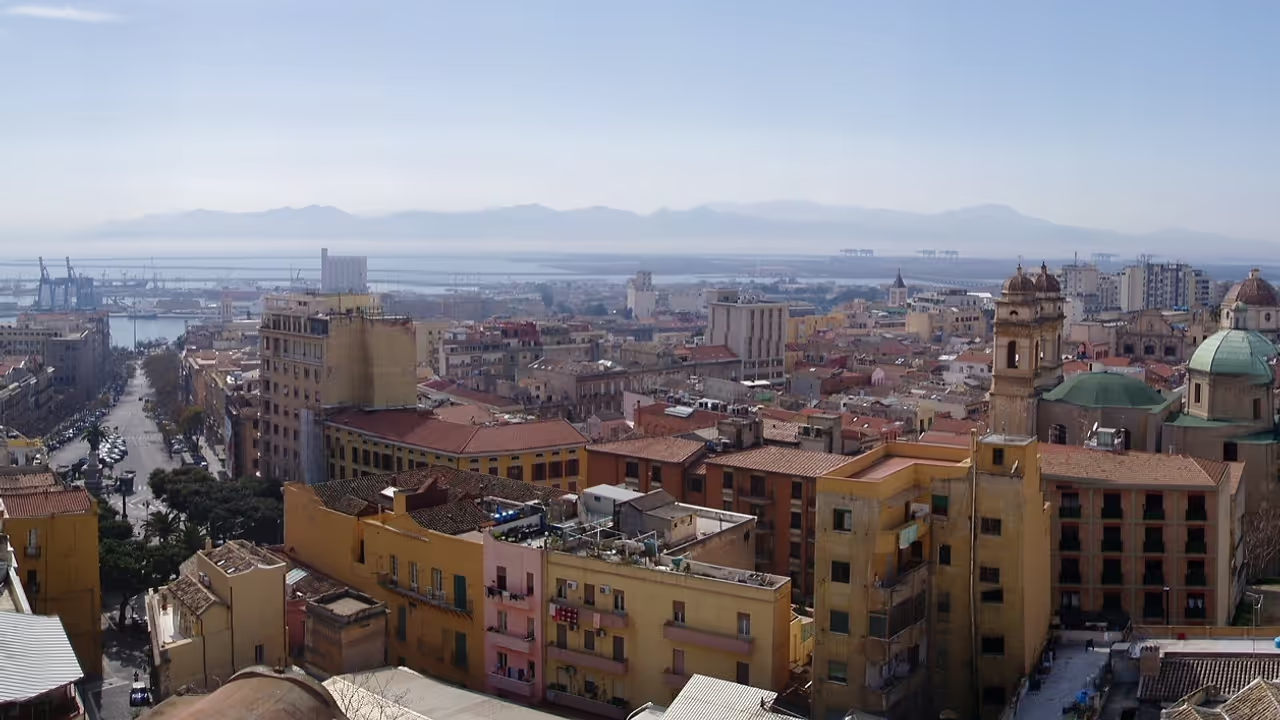
This tour explores the formidable defensive structures erected by the Republic of Pisa in the thirteenth century to secure their dominance over the island. It traces the perimeter of the Castello district, highlighting the sheer scale and ingenuity of medieval military architecture. The route focuses on the massive limestone blocks, the strategic placement of gates, and the brutal history associated with these imposing monuments. Walking this path gives a tangible sense of how impregnable the high city once felt to outsiders. It is a journey through power, conquest, and stone.
view self-guided tour
See all attractions in Cagliari
Bastione Saint Remy, Cagliari Cathedral, National Archaeological Museum of Cagliari, Saint Pancras Tower, Sanctuary of Our Lady of Bonaria, Roman Amphitheatre of Cagliari...