Cagliari Cathedral
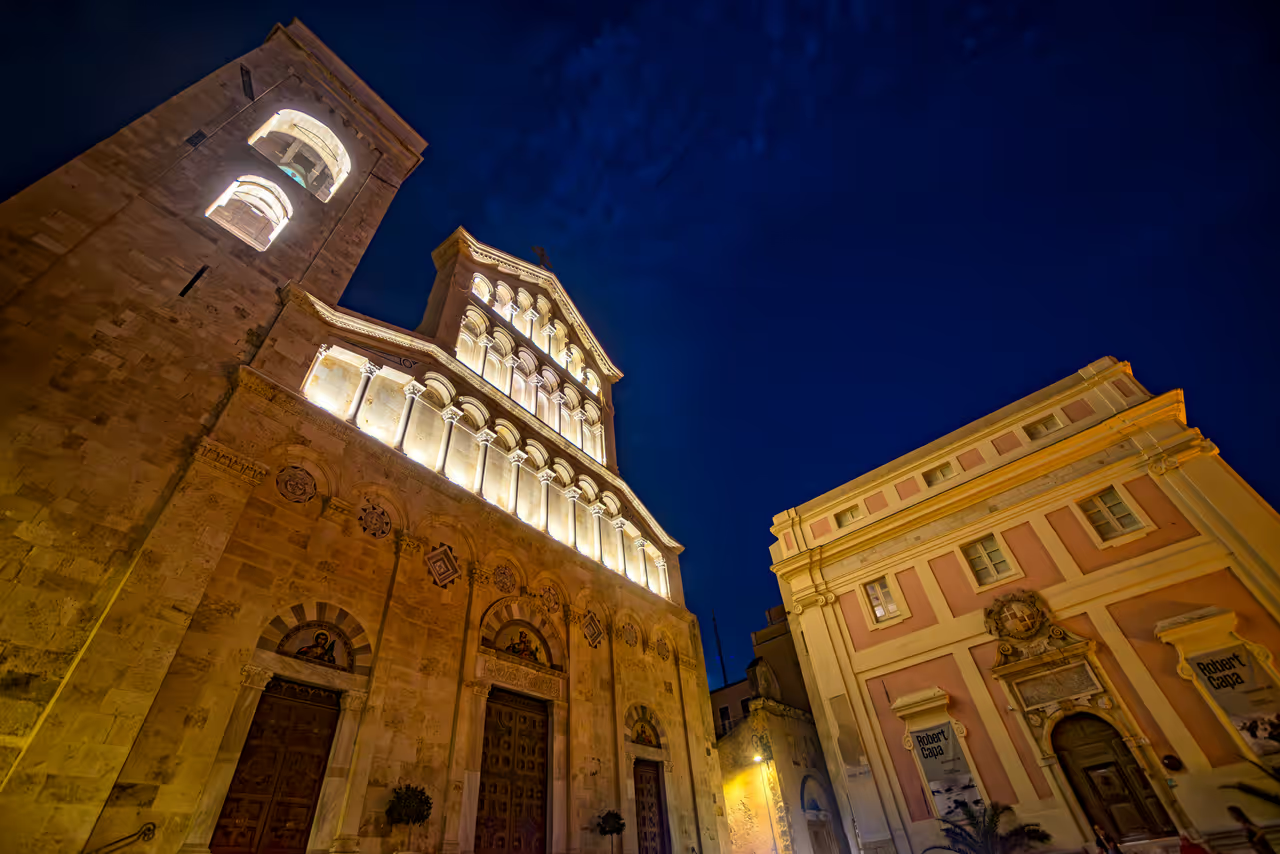
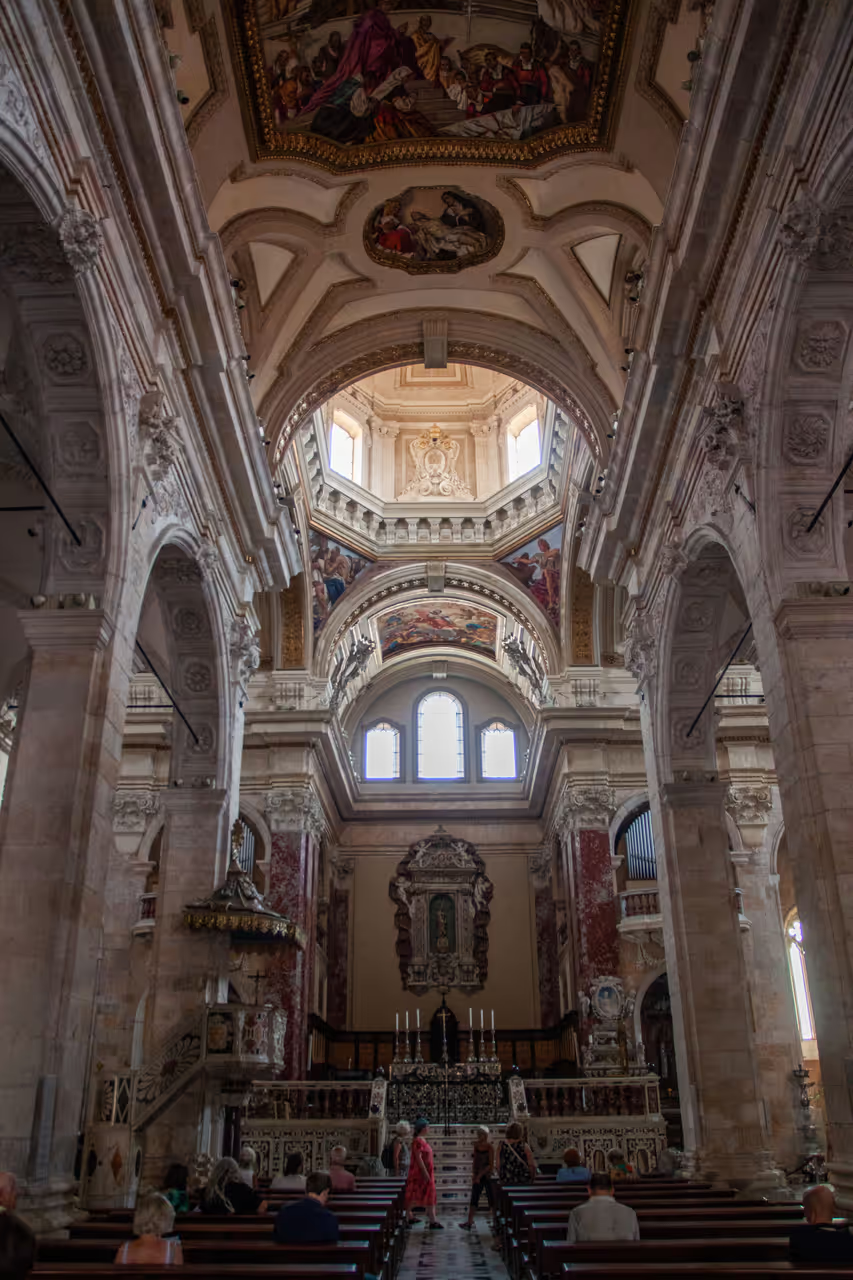
Standing as the proud centrepiece of the historic Castello district, the Cagliari Cathedral is a breathtaking architectural mosaic that spans seven centuries. Its current facade might look medieval, but it is actually a 1930s tribute to the Pisan Romanesque style, hiding a surprisingly lavish Baroque interior. Exploring the nave reveals intricate marble floors and a stunning ceiling that tells the story of Sardinian faith. One of the most atmospheric experiences is descending into the Sanctuary of the Martyrs, a subterranean crypt filled with carved stone and sacred relics. The cathedral is not simply a religious site; it is a repository of the city's soul, housing everything from royal tombs to treasures stolen during the Sack of Rome. Visiting here offers a profound sense of peace and a deep connection to the layers of history that formed this Mediterranean capital.
History of Cagliari Cathedral
The story of the Cagliari Cathedral is one of constant reinvention, reflecting the turbulent history of Sardinia itself. Built by the Pisans in the early 13th century, it was originally a sturdy Romanesque fortress of faith. When the Pisans were ousted and the Aragonese took control, the church evolved to reflect new Gothic tastes, adding chapels that still bear the coats of arms of Spanish kings. It served as the spiritual heart of the Kingdom of Sardinia, a place where parliaments met and representatives swore oaths of loyalty to the crown. In the 17th century, the cathedral underwent a dramatic metamorphosis. Driven by the fervour of the Counter-Reformation and the discovery of hundreds of early Christian relics, the interior was gutted and reborn in a riot of Baroque marble, gold, and light. This era also saw the creation of the Sanctuary of the Martyrs, a subterranean marvel that transformed the cathedral into a massive reliquary. The underground chambers were carved directly into the rock, creating an atmospheric world where the city’s ancient protectors were laid to rest in beautifully decorated niches. The final major chapter in its history occurred in the early 20th century. In a bold architectural gamble, the Baroque facade was torn down in hopes of uncovering the medieval Pisan original underneath. When only rubble was found, the city was left with a faceless cathedral for two decades. The current Neo-Romanesque exterior, completed in 1933, was an attempt to reclaim that lost Pisan heritage. Today, the cathedral stands as a testament to these layered identities, offering a quiet space where Pisan stone, Spanish Gothic arches, and Italian Baroque splendour live in unexpected harmony.
8 Events spanning 716 years
Fun Facts
- • A French Queen, Marie Josephine of Savoy, wife of Louis XVIII, is buried within the Sanctuary of the Martyrs.
- • During the Feast of the Assumption in August, the statue of the 'Sleeping Virgin' is dressed in opulent robes by representatives of three specific local noble families.
- • One of the cathedral's greatest treasures is a Holy Thorn, believed to be from the crown of Jesus, which was left to the city by Pope Clement VII.
- • The Triptych of Clement VII, a Flemish masterpiece, was once the private property of the Pope and was kept in his personal bedroom before being stolen.
- • The bell tower is one of the few parts of the exterior that remains largely original to the medieval Pisan construction phase.
- • The cathedral contains 179 separate niches in its crypt, each holding relics of martyrs discovered in the city's early Christian cemeteries.
- • The cathedral organ is a massive Mascioni instrument with 46 registers and three manuals, filling the space with incredible sound during services.
- • The current facade is a 20th century creation, built after architects realised the original 13th century facade had been completely destroyed centuries earlier.
- • The four marble lions at the foot of the altar steps were originally part of a massive 12th century pulpit and stood on the backs of fallen prey.
- • The marble floor was entirely replaced in 1956 but follows the exact, complex geometric patterns of the 17th century Baroque design.
- • The silver antependium covering the high altar was crafted in Madrid in the mid 17th century and features images of Saint Efisio and Saint Saturnino.
- • The wooden 'Royal Gallery' allowed the exiled King of Sardinia to attend mass while remaining largely hidden from the public gaze.
RESOURCES
Official WebsiteCagliari Cathedral FAQ
While we strive to keep this information accurate and up to date, we recommend verifying any details independently before making decisions based on them.
Cagliari Cathedral Map & Neighborhood Explorer
This interactive map is centered on Cagliari Cathedral. Zoom in and move the map around to automatically discover Wikipedia photos and summaries of other nearby sights, monuments, and historical points of interest and stories in real-time!
Places near Cagliari Cathedral
Make the most of your trip. Check out these top-rated spots located nearby.
 88m
88mCastello Alleys
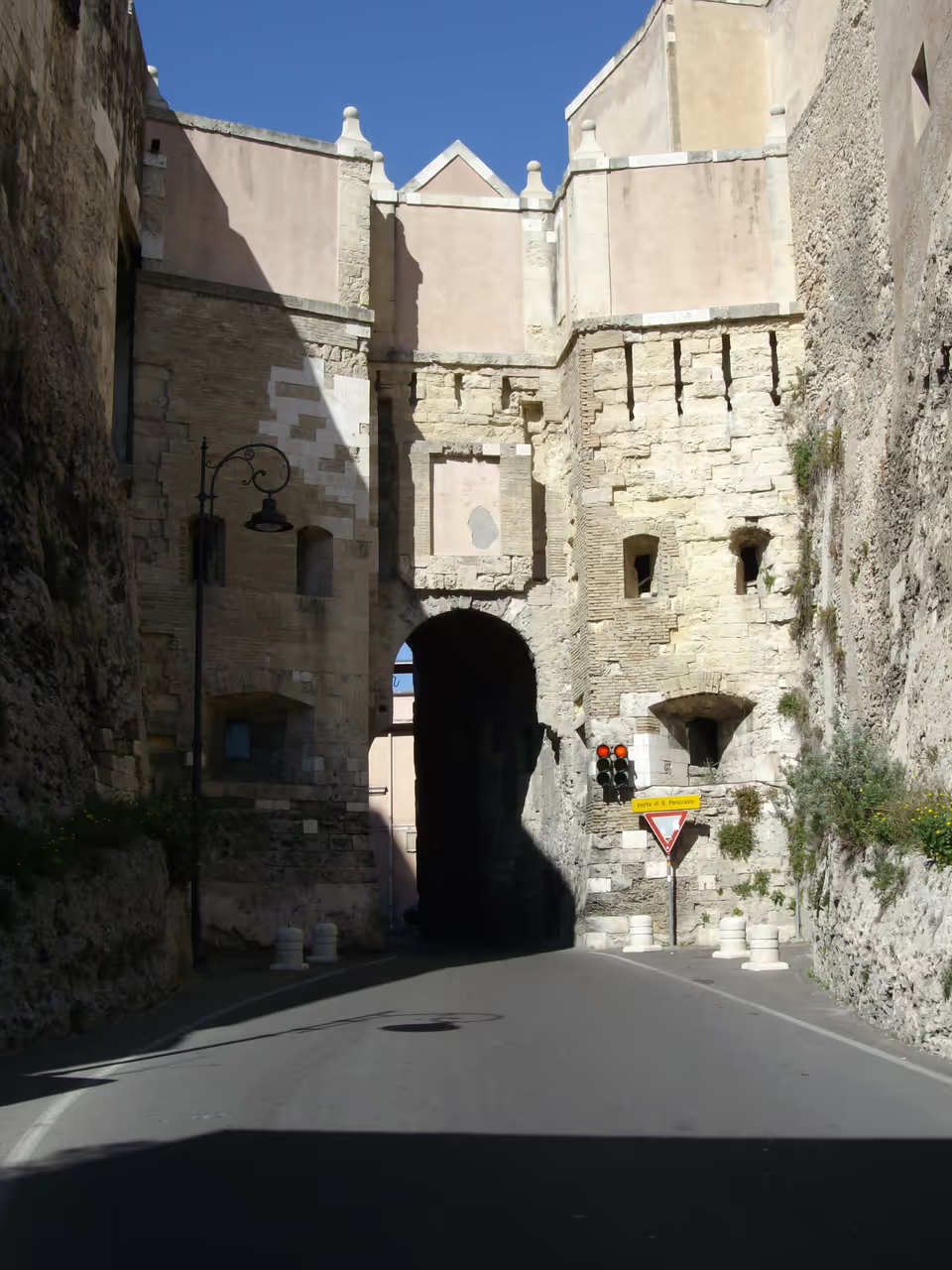
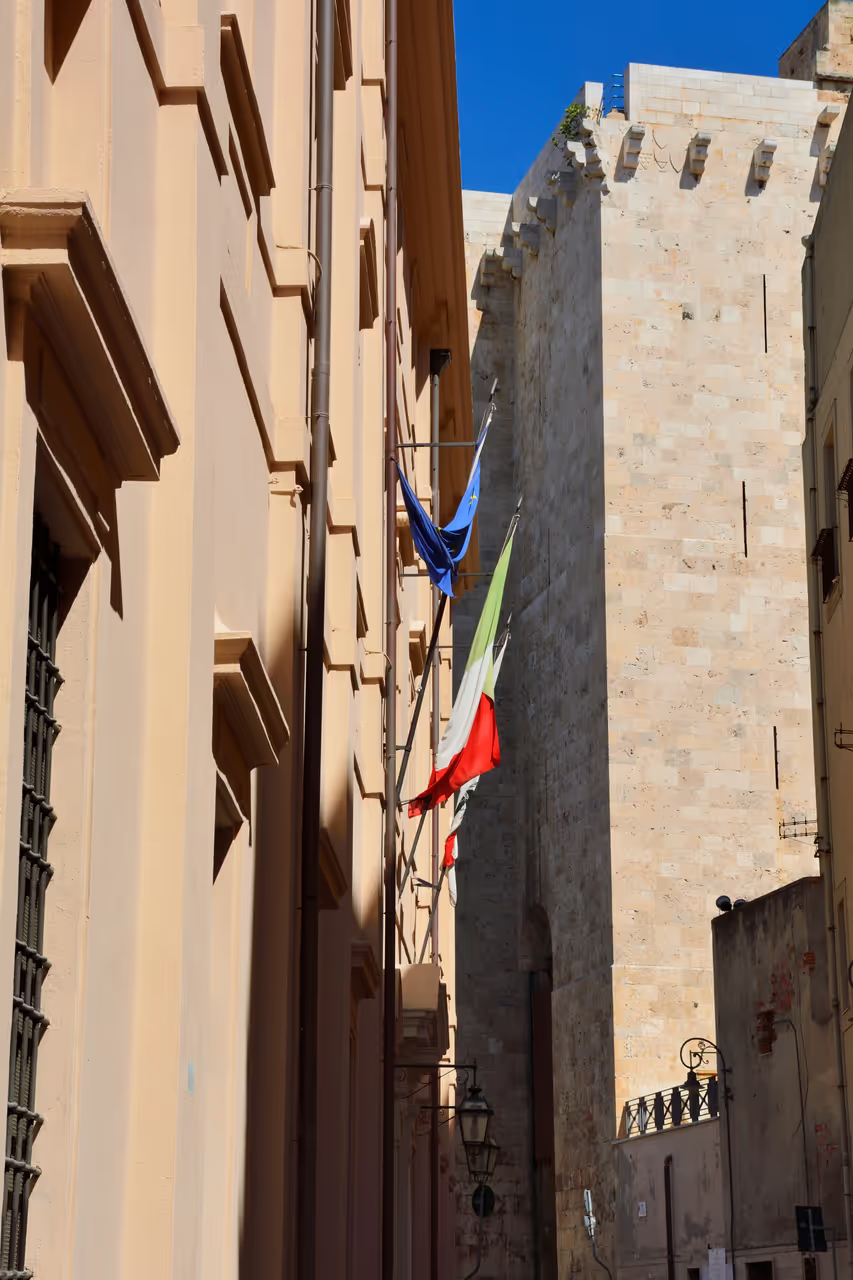
The narrow, winding streets of the high citadel offer fantastic opportunities for atmospheric, historic street photography. Deep shadows contrast sharply with bright shafts of sunlight piercing through the narrow gaps between ancient, weathered stone buildings. You can capture charming details like wrought-iron balconies, old wooden doors, and laundry strung high across the alleys. The geometry of the tall buildings creates excellent natural framing for your shots. It is incredibly rewarding to simply get lost here with a camera.
photo spot view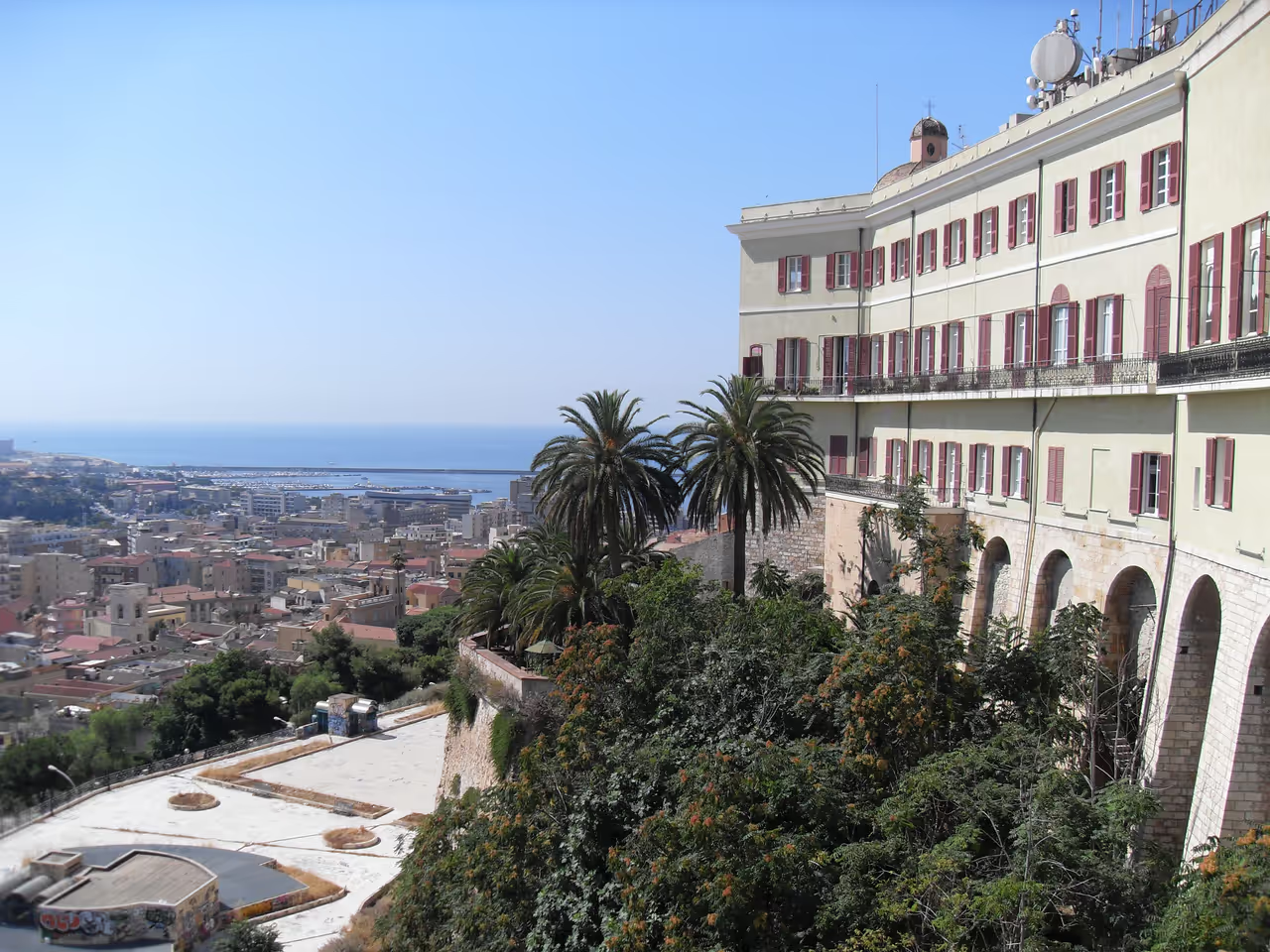 92m
92mRoyal Palace
This elegant building served as the prestigious residence for the viceroys and royal representatives who governed the island for centuries. Originally built during the Pisan era, it was significantly altered and embellished by the Aragonese, Spanish, and finally the House of Savoy. Inside, visitors can admire opulent halls decorated with intricate frescoes and period furnishings that echo its regal past. It played a pivotal role in history, even serving as the primary residence of the Savoy royal family during their exile from mainland Italy. It offers a fascinating glimpse into the lavish lives of the island's rulers.
highlight view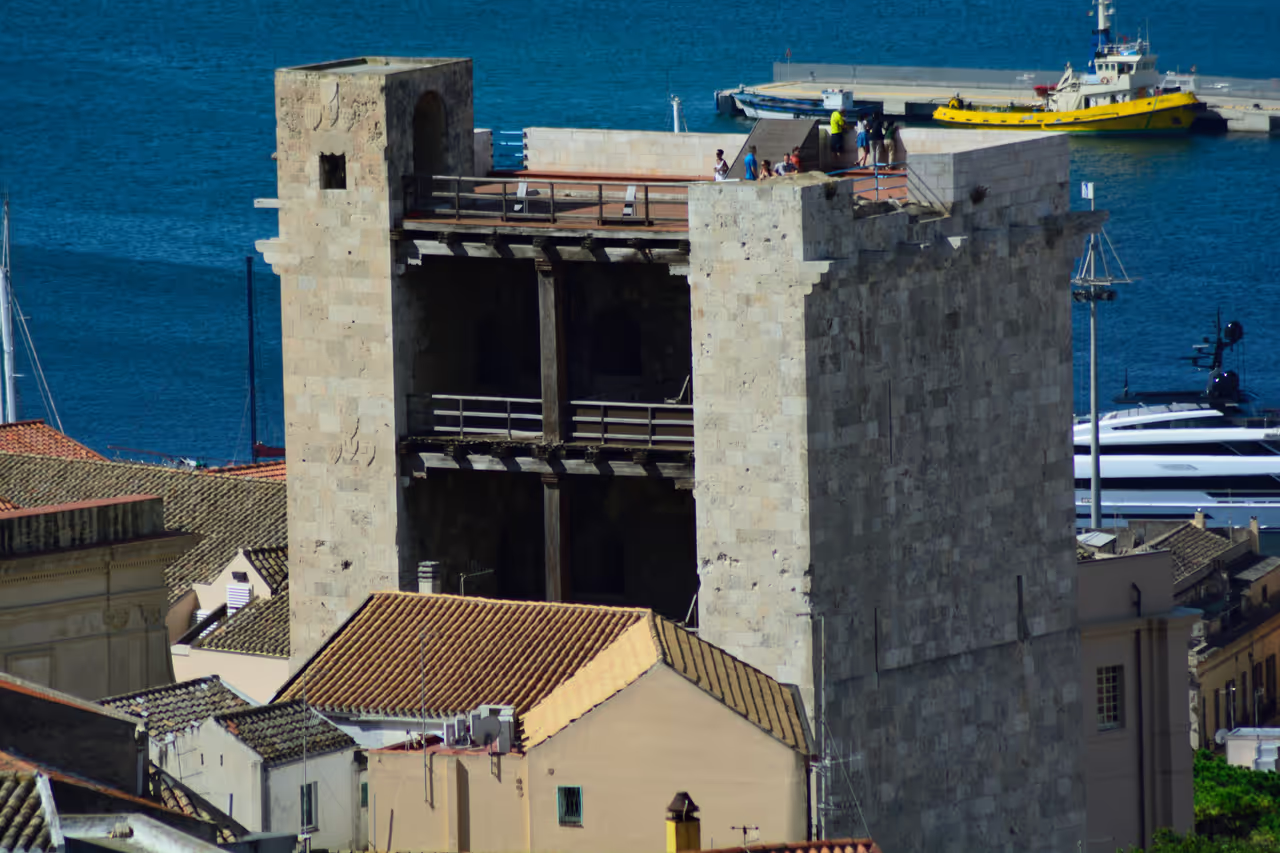 180m
180mElephant Tower
Standing as a silent guardian over the Castello district, the Elephant Tower remains one of Cagliari's most iconic medieval structures. Built in 1307, this majestic limestone edifice invites you to climb its historic heights for an unparalleled view across the rooftops and the glittering sea. Its unique design, featuring an open rear wall characteristic of Pisan defensive architecture, tells the story of a city once fortified against invaders. Visiting this site allows you to walk through centuries of history, from its role as a strategic gate to its transformation into a public landmark. Whether you are an architecture enthusiast or simply looking for the best vantage point in town, this tower offers a memorable experience that connects you directly to the heartbeat of Sardinia's capital.
attraction view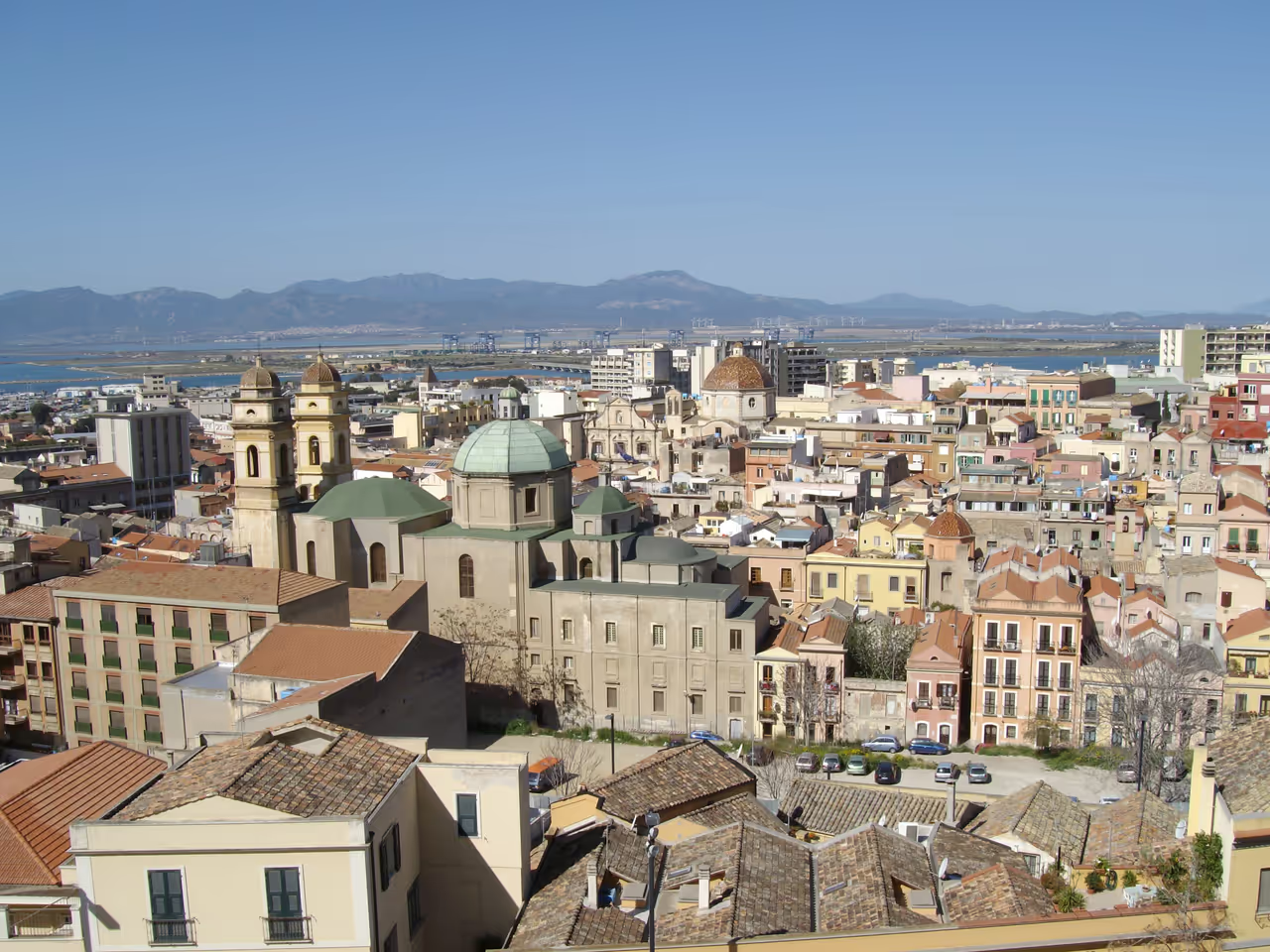 192m
192mBastion of the Holy Cross
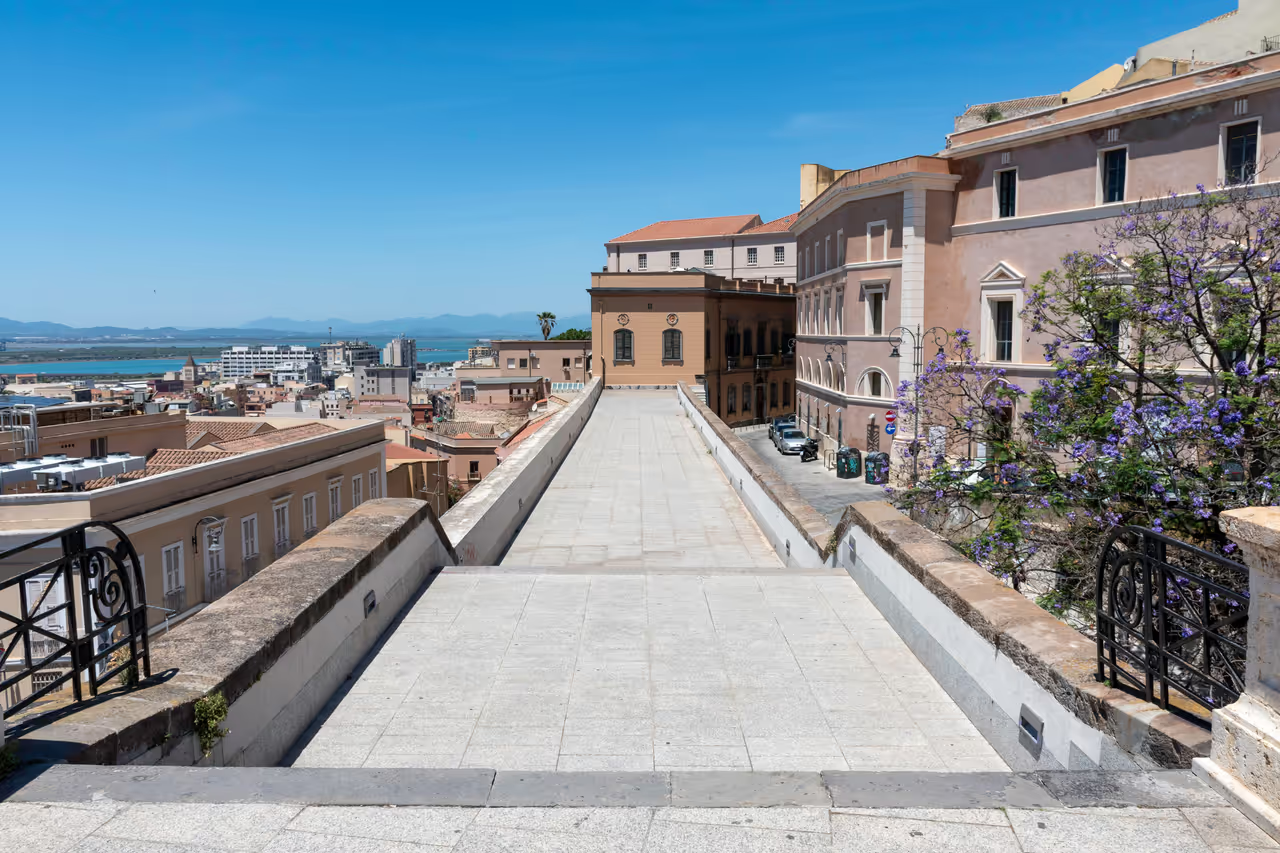
Located on the western edge of the Castello district walls, this former defensive artillery platform offers a spectacular, unobstructed view over the rooftops of Stampace and out towards the distant mountains. It is particularly revered as the absolute best location in the city to watch the sunset, as the sky bursts into brilliant colours behind the horizon. The atmosphere here is lively, with locals gathering in the early evening to enjoy a drink from the nearby bars while leaning against the ancient parapets. It provides a more relaxed, intimate alternative to the grander terraces nearby. The contrast between the old stone and the sweeping modern city below is deeply poetic.
viewpoint view
Explore Similar Places in This Collection
Featured on These Itineraries and Routes
1 Day in Cagliari: Historical Itinerary
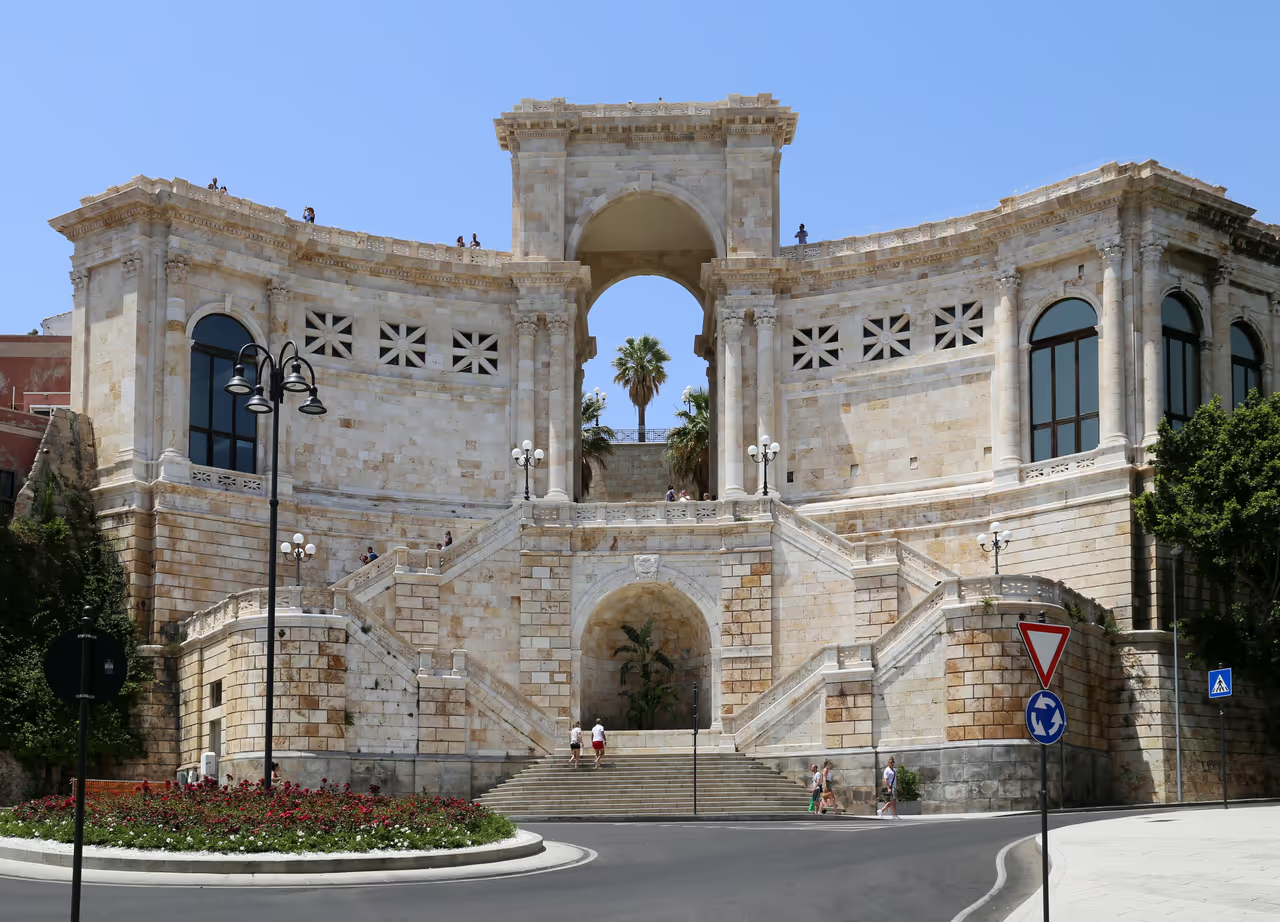
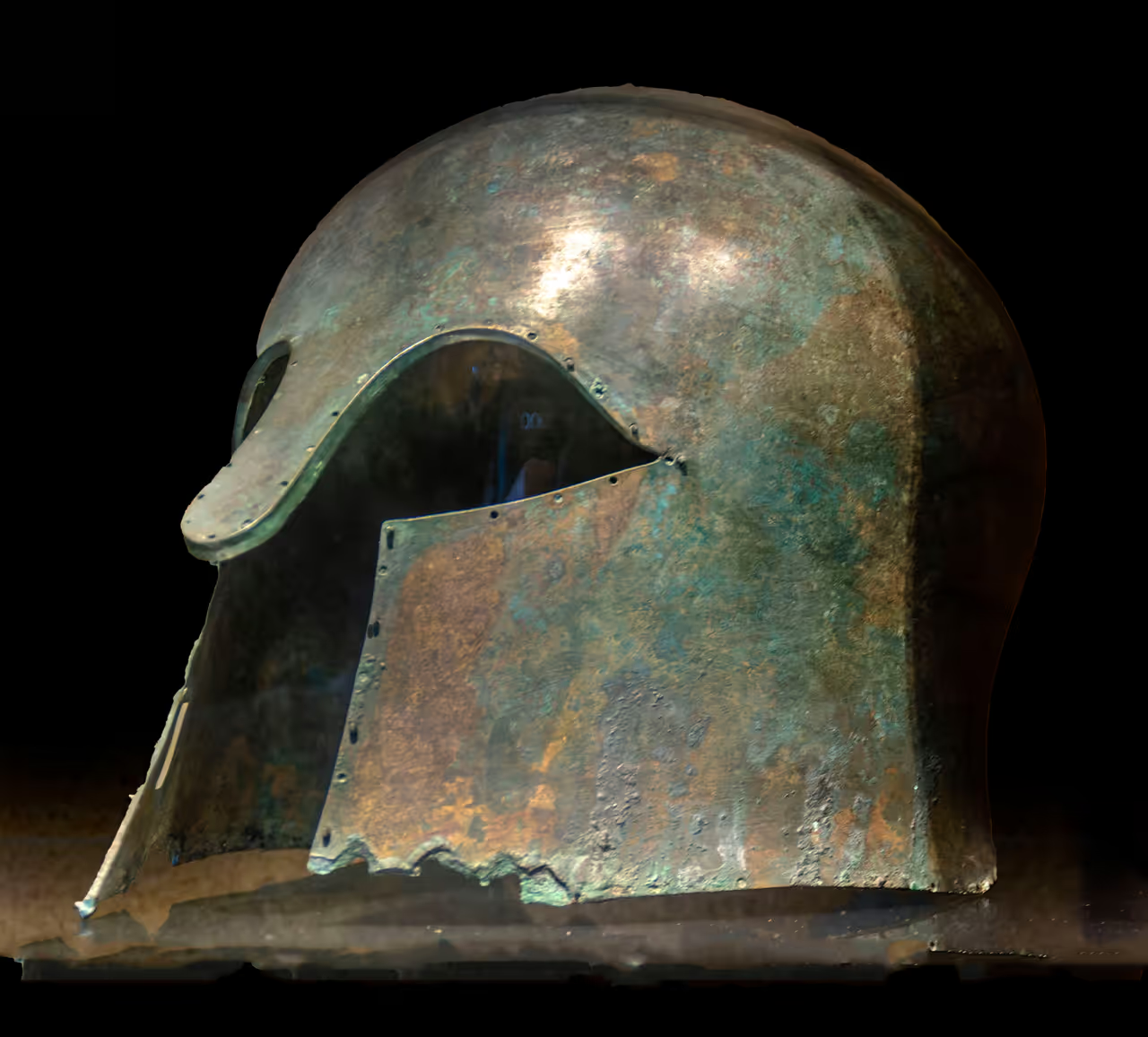
This tightly packed itinerary focuses exclusively on the city's rich, layered history, taking visitors from the heights of the medieval citadel down to the ancient Roman ruins. It is designed to hit the absolute most iconic architectural and archaeological landmarks in a logical, descending path. The day demands comfortable walking shoes, as it navigates the steep inclines and cobblestones of the old town. It perfectly captures the essence of the city's past, offering breathtaking views, ancient artifacts, and magnificent churches. It is the ideal plan for a quick, impactful visit.
view itinerary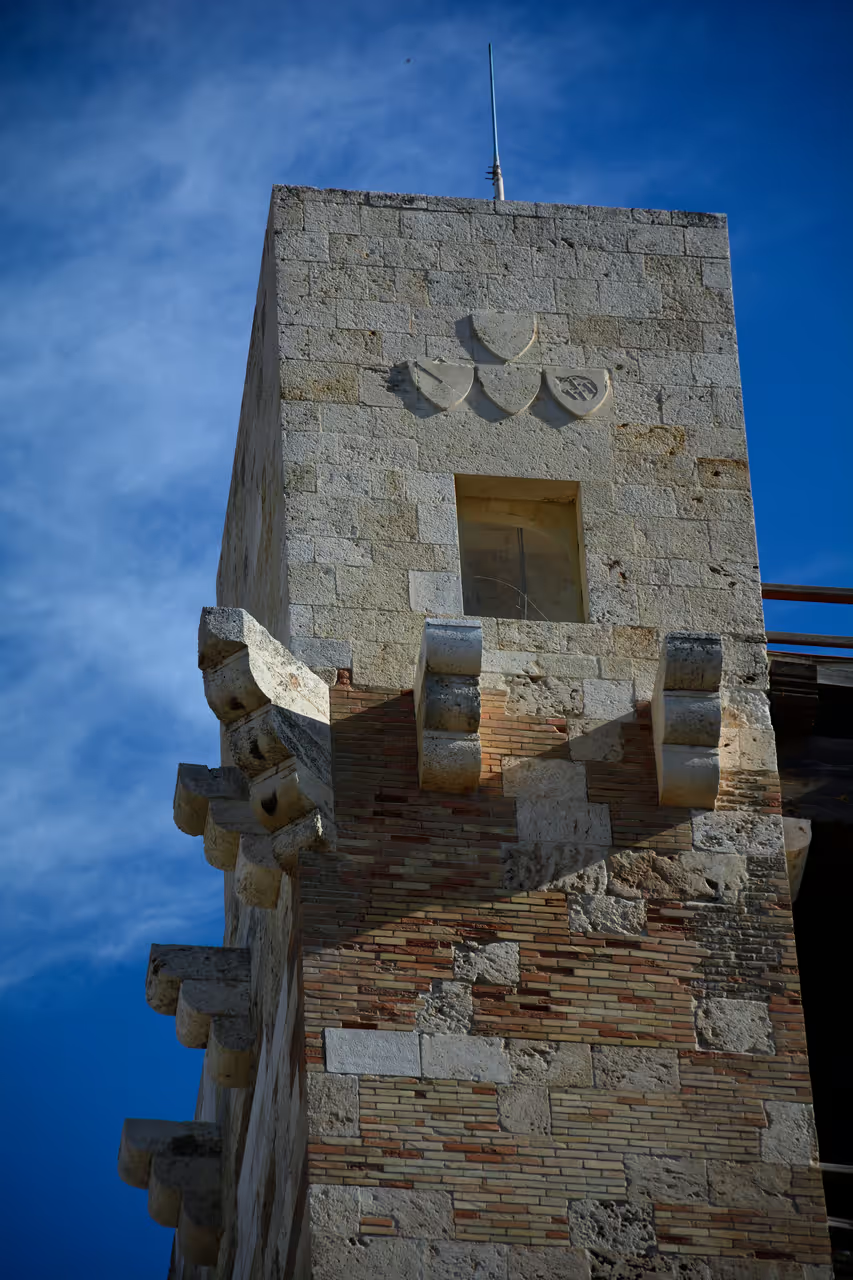
3 Days in Cagliari: City and Sea Itinerary
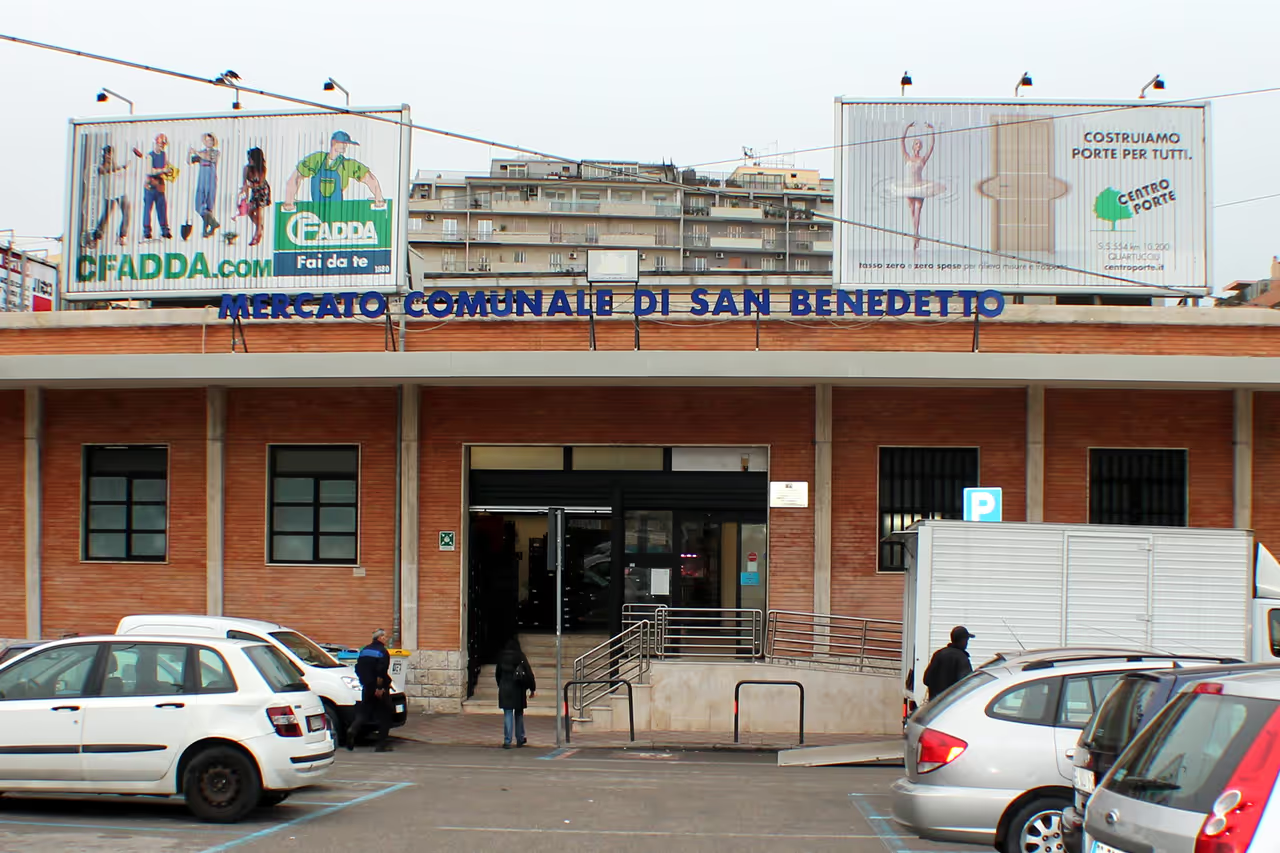
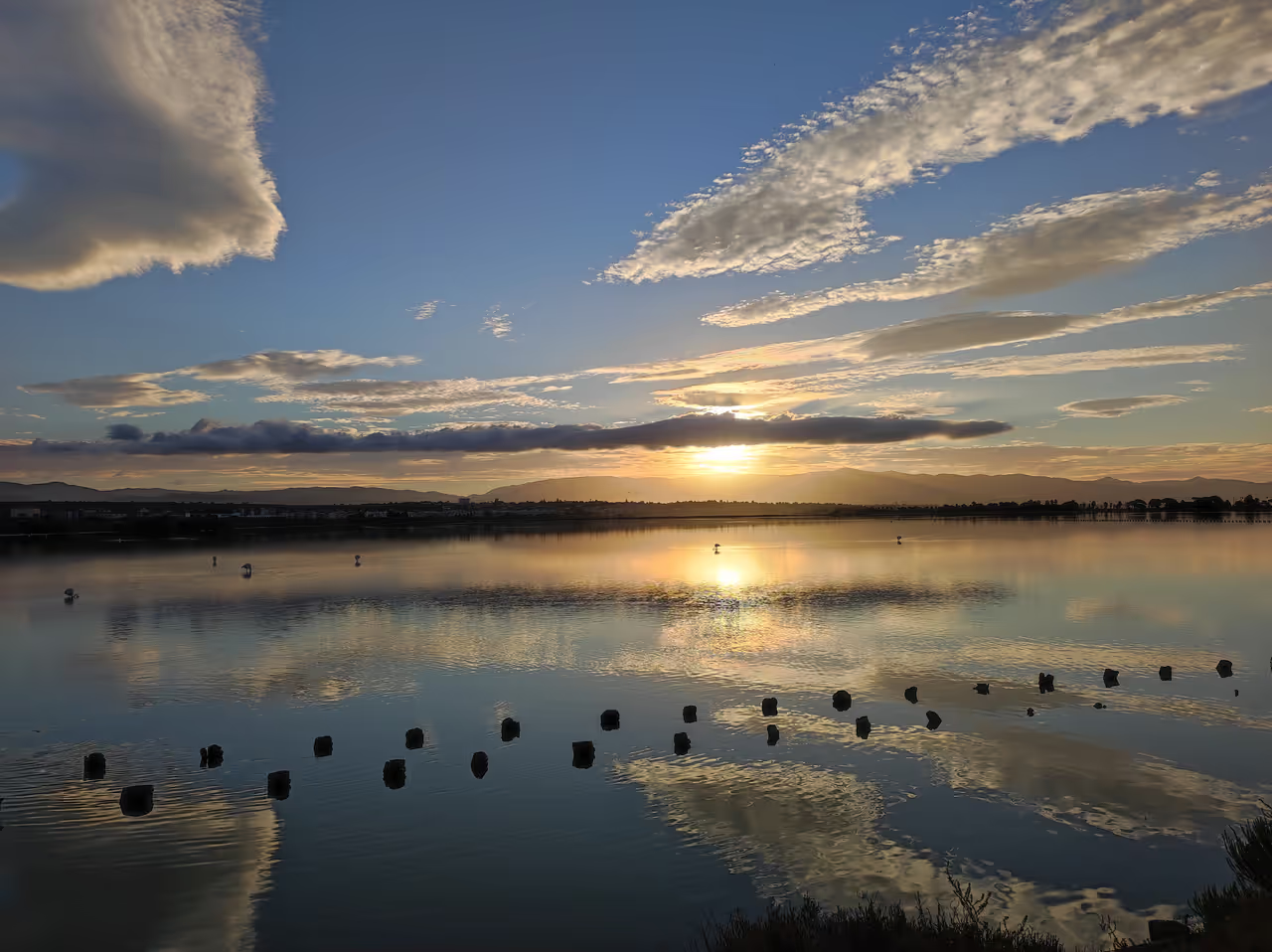
This balanced schedule allows visitors to fully appreciate both the dense historical core and the spectacular natural environments that surround it. The first day tackles the grand monuments and museums of the high city, immersing travellers in history. The second day shifts to authentic local life, exploring vibrant markets and the maritime heritage of the lower districts. The final day is dedicated to the coastline, offering time to relax on the long beaches and cycle alongside the flamingo-filled lagoons. It provides a comprehensive, relaxed overview of everything the area has to offer.
view itinerary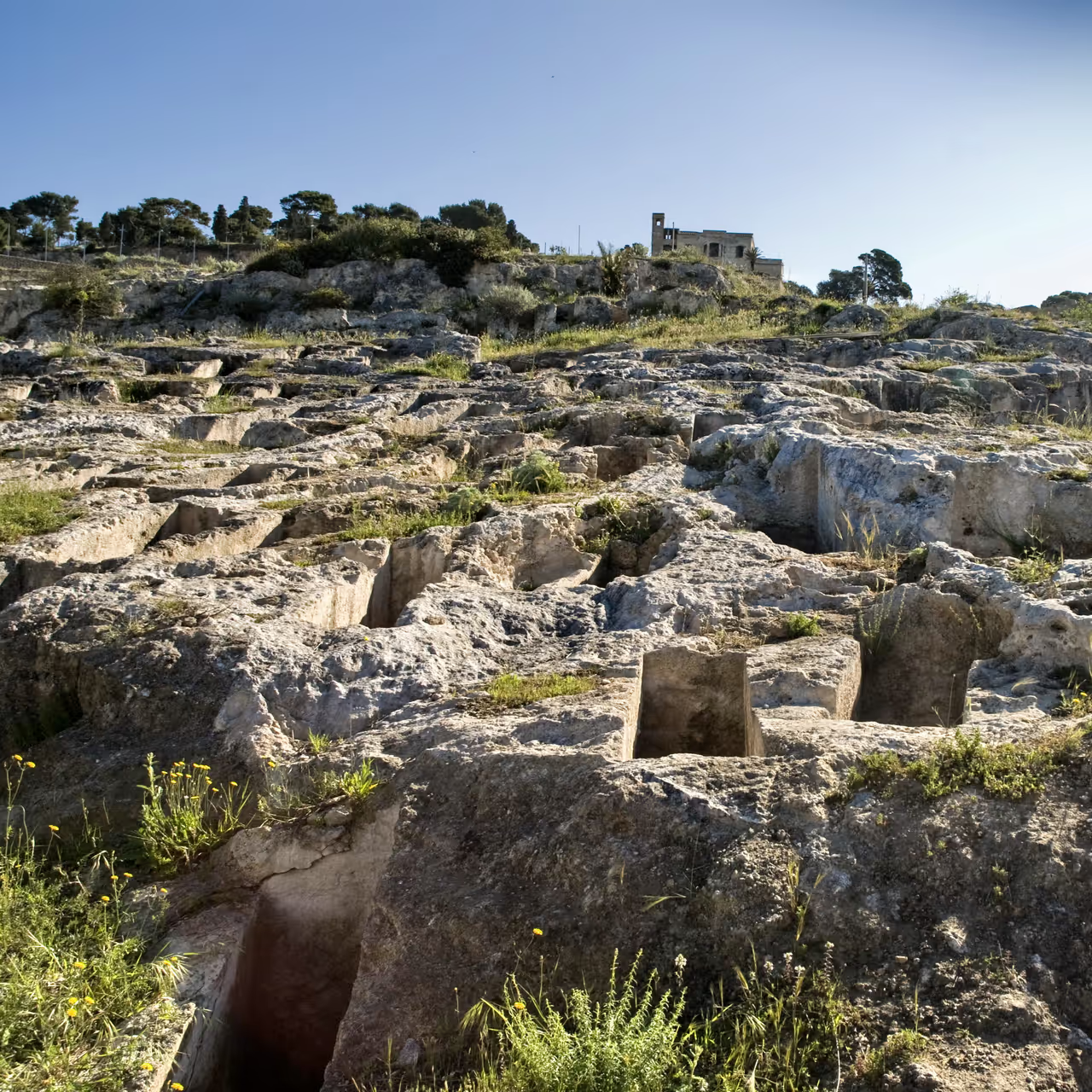
5 Days in Cagliari: Deep Immersion Itinerary
A luxuriously paced itinerary allowing for a deep dive into the city's hidden gems, diverse neighbourhoods, and complex history without feeling rushed. It covers all the major attractions while carving out time for specialized museums, quiet cloisters, and extended coastal relaxation. Visitors will truly get to know the distinct character of the four historic quarters: Castello, Marina, Stampace, and Villanova. It offers ample opportunity to savour the local gastronomy, from morning market visits to long, leisurely seafood dinners. This is the ultimate way to fully absorb the local culture and lifestyle.
view itinerary
Castello Medieval Walk
This walk wanders through the highest, most ancient quarter of the city, enclosed entirely by formidable Pisan walls. Every corner reveals a piece of history, from grand palaces built by Aragonese nobility to small, hidden piazzas where laundry flutters from wrought-iron balconies. The narrow, shadow-draped alleys frequently open up to breathtaking, sunlit viewpoints overlooking the sea. The atmosphere is quiet, elegant, and deeply historic, feeling miles away from the bustling modern streets below. It is the absolute quintessential stroll to understand the city's majestic past.
view walking route
See all attractions in Cagliari
Bastione Saint Remy, National Archaeological Museum of Cagliari, Saint Pancras Tower, Sanctuary of Our Lady of Bonaria, Elephant Tower, Roman Amphitheatre of Cagliari...