Saint Pancras Tower
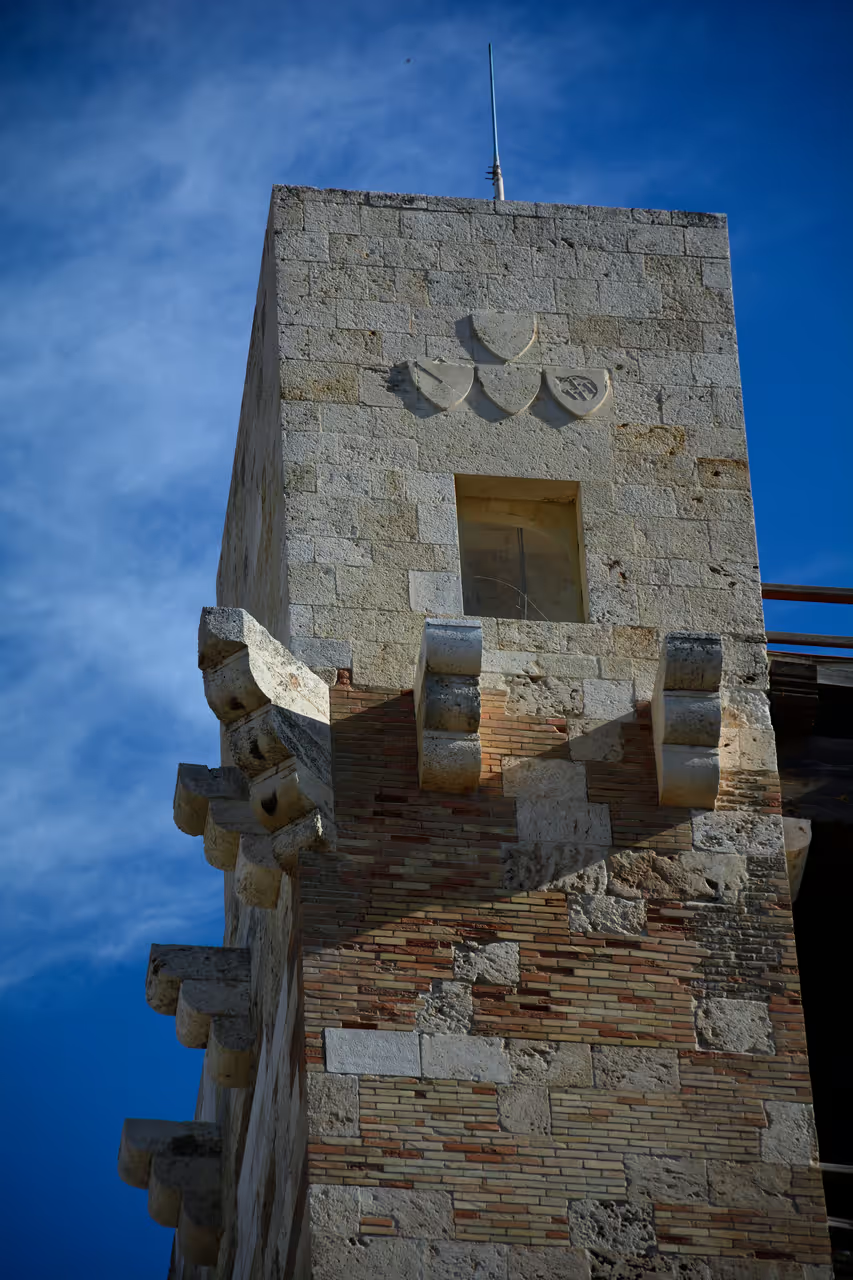
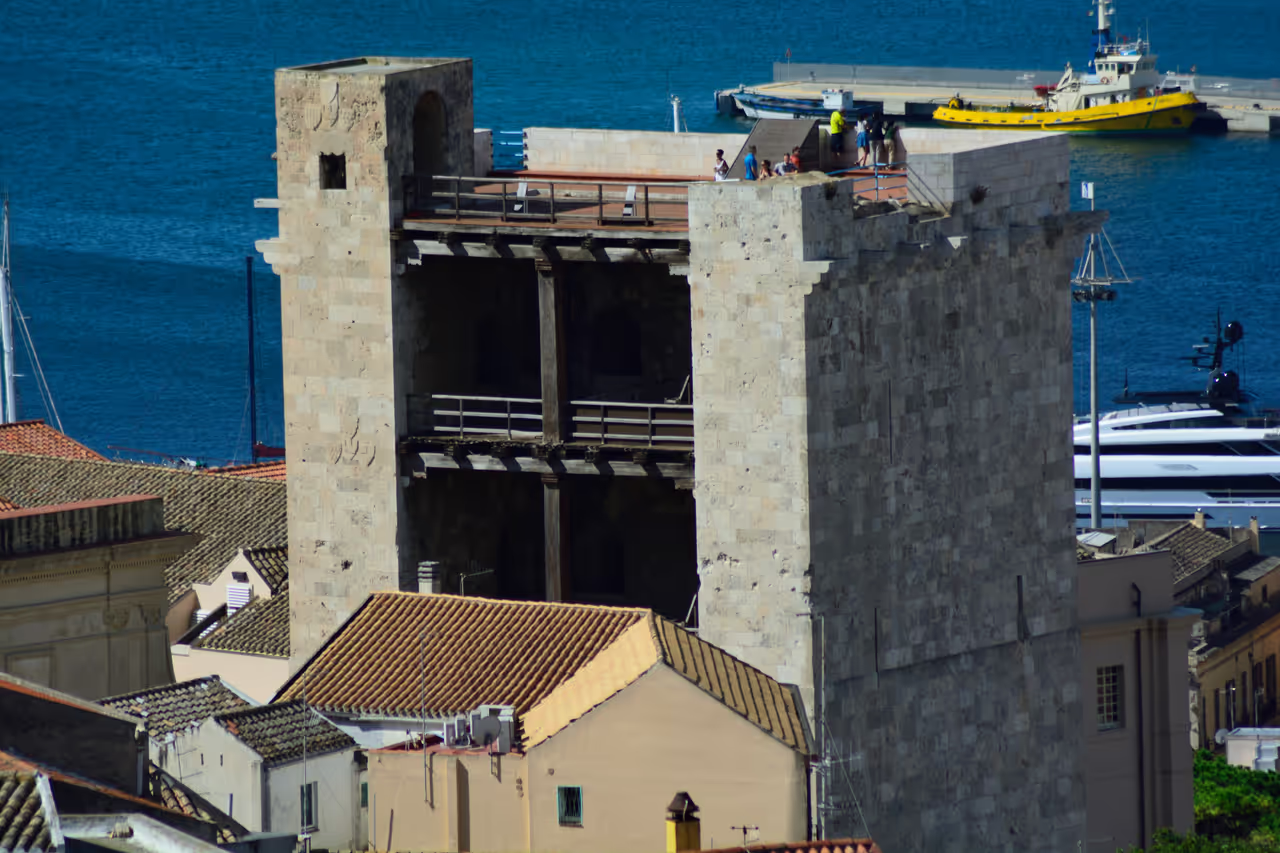
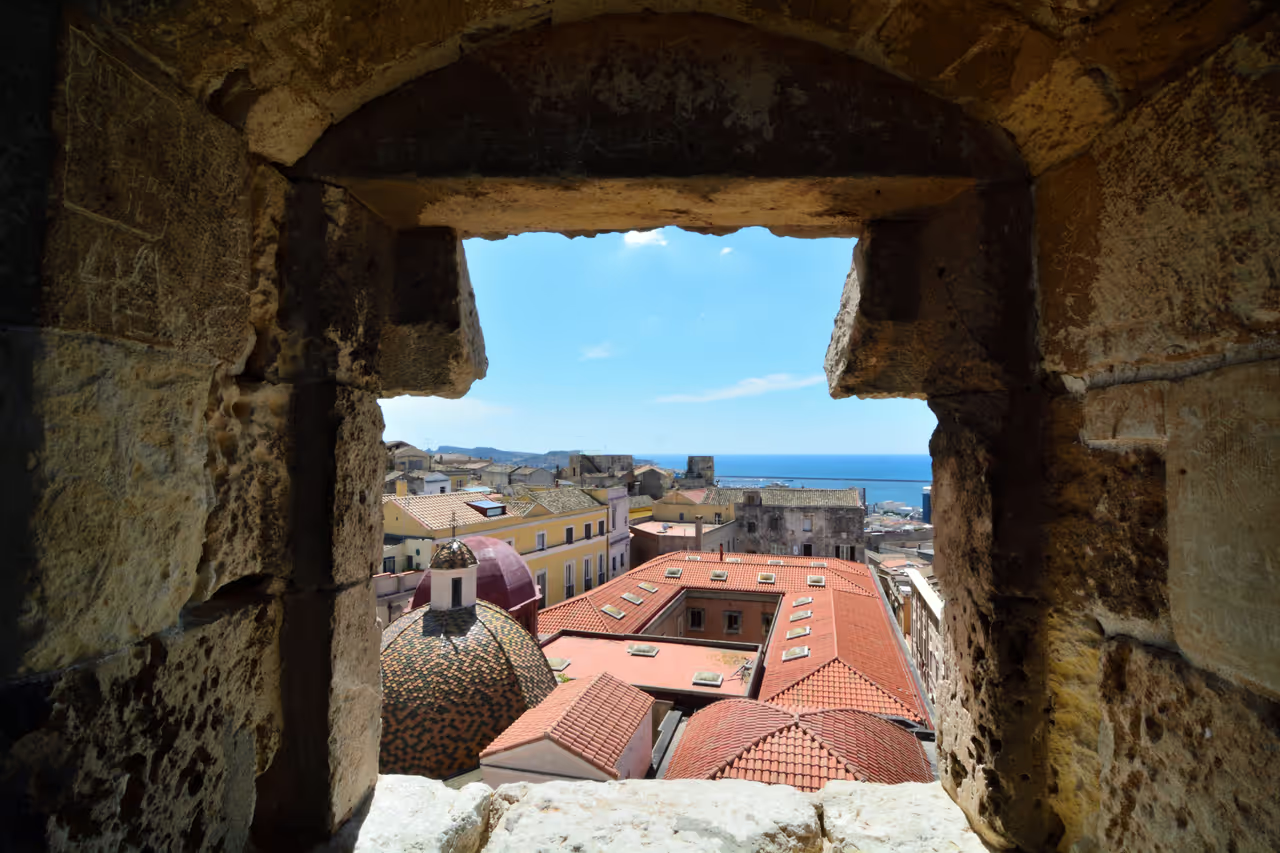
Standing as the silent sentinel of Cagliari, the Saint Pancras Tower commands the highest point of the historic Castello district. Completed in 1305 by the renowned architect Giovanni Capula, this limestone monolith is a striking testament to the city's Pisan heritage and enduring resilience. You can climb to its summit to witness breathtaking, expansive views that stretch across the city and the sparkling Mediterranean beyond. With walls three metres thick, it feels as imposing today as it did when guarding the city from historical threats. It is more than a monument because it serves as the physical soul of Cagliari, shaping the very skyline and identity of the capital.
History of Saint Pancras Tower
In the early 14th century, the Pisan authorities sought to fortify their grip on Cagliari by commissioning the masterful architect Giovanni Capula. His vision resulted in the Saint Pancras Tower, a structure defined by its formidable Pietra Forte limestone, which was quarried directly from the Bonaria hills. For centuries, this tower served as the city's primary defensive line, bearing witness to repeated skirmishes against Genoese fleets and Moorish marauders. It was a military stronghold that transformed over time, serving as a prison during the Aragonese period and even seeing its surrounding architecture altered to house local officials. The legacy of the tower is preserved today through the meticulous efforts of visionaries like Dionigi Scano, whose 1906 restoration peeled back the layers of time to reveal the tower's original, defiant character. Today, the Saint Pancras Tower invites travellers to step into the past, offering a unique perspective on the forces that forged modern Sardinia. The structure stands as a proud symbol of the city, and its enduring presence provides a tangible link to the medieval history that still resonates through the streets of Castello.
Events spanning 708 years
Fun Facts
- • During the Aragonese period, the tower served as a prison, housing inmates within the same walls that once defended the city from invaders.
- • In 1906, the engineer Dionigi Scano led a significant restoration project to remove later additions, such as the housing units added during the Spanish era, revealing the tower's authentic Pisan structure.
- • Its designer, Giovanni Capula, was an architectural prodigy of his time who also designed the Tower of the Elephant.
- • The iconic towers atop the city's civic palace on Via Roma were directly inspired by the design of the Saint Pancras Tower and its sibling, the Tower of the Elephant.
- • The tower was built in 1305 using Pietra Forte, a white limestone extracted from the nearby Bonaria hill.
- • The tower was once part of a broader defensive system that included the Tower of the Lion, which was later renamed the Tower of the Eagle and incorporated into the Palazzo Boyl.
- • The walls on the outer sides are a staggering three metres thick, designed specifically to withstand the era's most powerful siege weaponry.
- • Throughout its long history, the tower has survived bombardments from British, Spanish, and French forces, proving its structural integrity against centuries of warfare.
- • Unlike a standard fortress, one side of the tower remains open to the Castello district, exposing the internal walkways and revealing the structure's inner life.
RESOURCES
Official WebsiteSaint Pancras Tower FAQ
While we strive to keep this information accurate and up to date, we recommend verifying any details independently before making decisions based on them.
Saint Pancras Tower Map & Neighborhood Explorer
This interactive map is centered on Saint Pancras Tower. Zoom in and move the map around to automatically discover Wikipedia photos and summaries of other nearby sights, monuments, and historical points of interest and stories in real-time!
Places near Saint Pancras Tower
Make the most of your trip. Check out these top-rated spots located nearby.
 36m
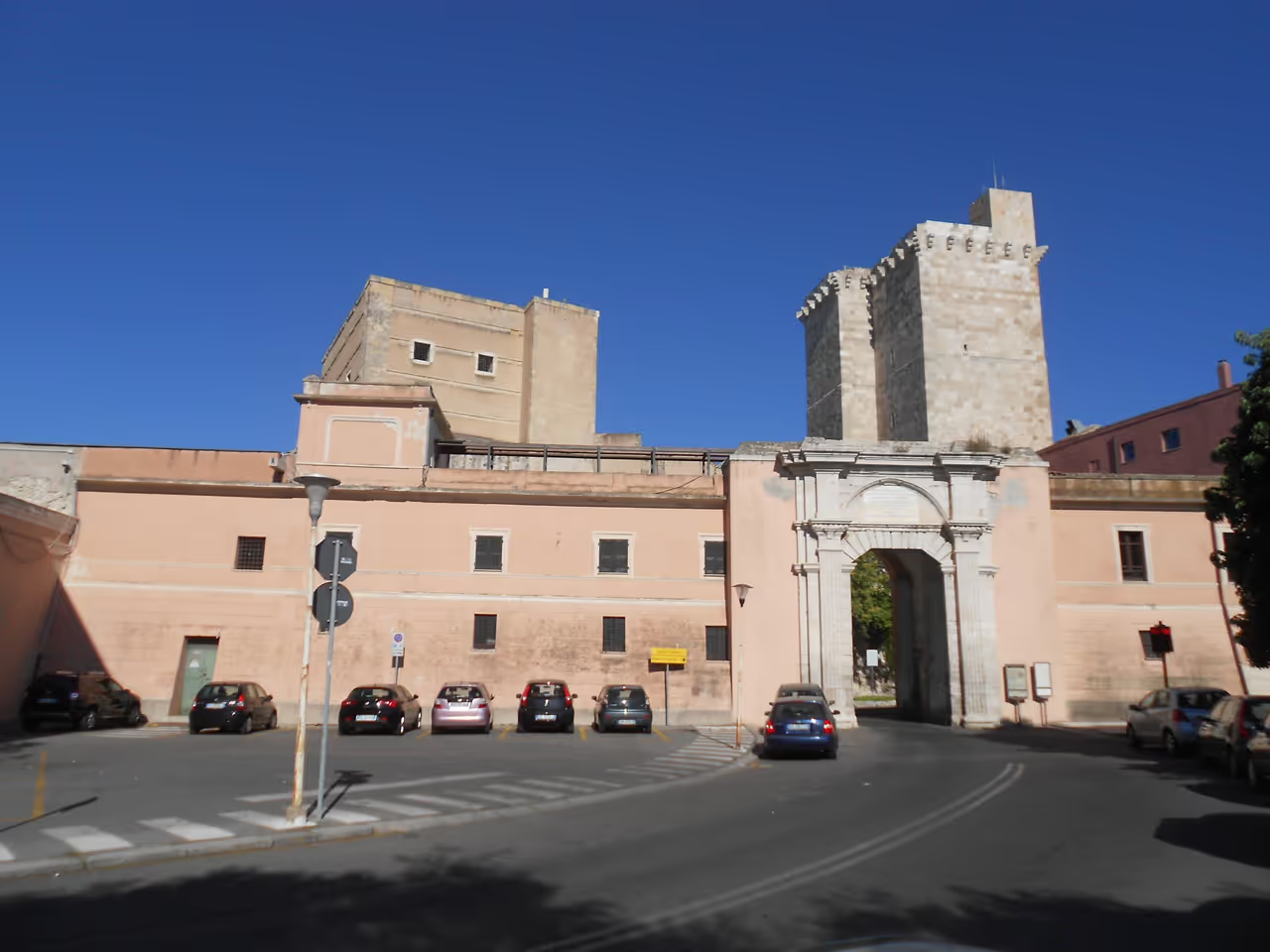
36mCristina Gate
This monumental archway serves as an elegant Neoclassical entrance into the fortified Castello district, replacing an older, narrower military gate. Built in 1825, its design was consciously modelled on the grand Porta Pia in Rome, signalling a shift from purely defensive architecture to aesthetic grandeur. It was named in honour of Maria Cristina of Bourbon, wife of the ruling Savoy king. Passing beneath its grand arch provides a dramatic, theatrical entrance into the narrow medieval streets beyond. It stands as a symbol of the city's nineteenth-century refinement.
architecture view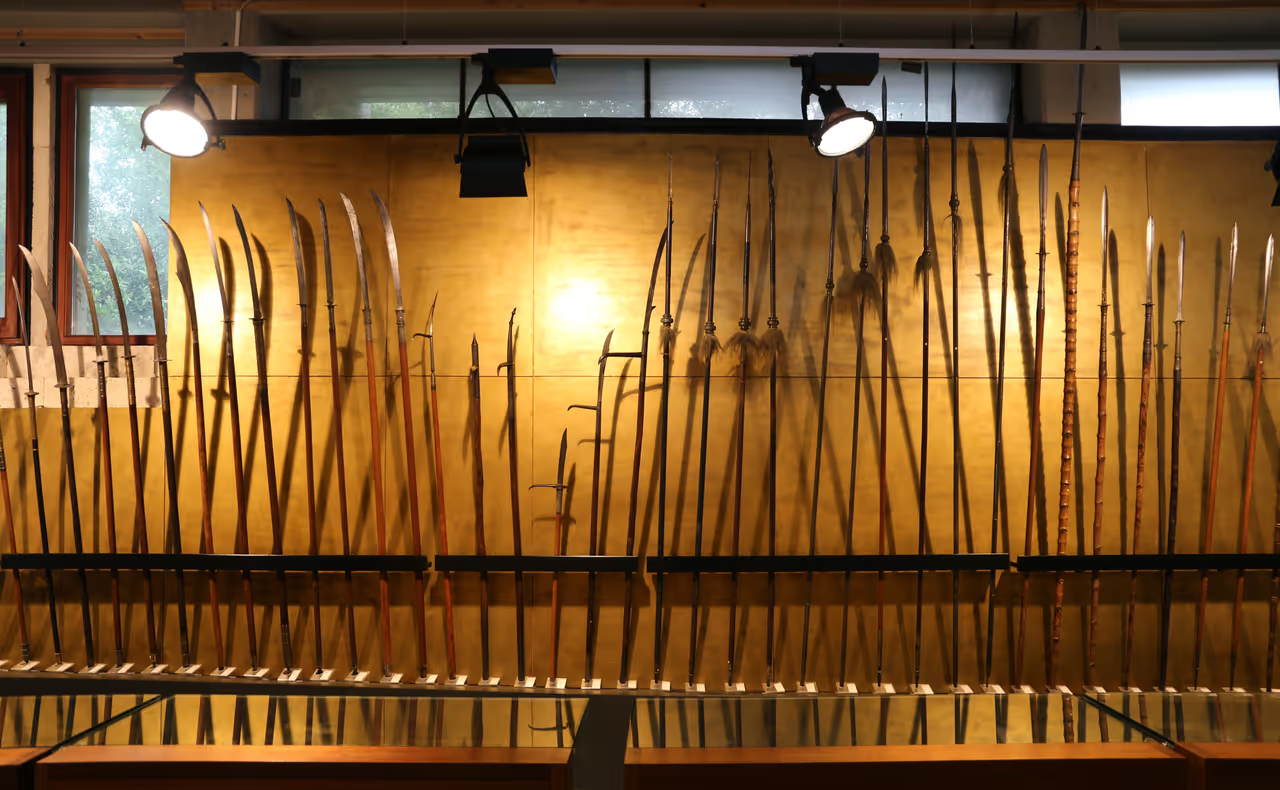 40m
40mStefano Cardu Siamese Art Museum
This surprising collection offers a completely unexpected journey into Southeast Asian culture, located right in the heart of the Mediterranean. It houses an extraordinary array of artefacts collected by Stefano Cardu, an adventurous local who worked as an architect in the royal court of Siam (modern-day Thailand) in the late nineteenth century. The small museum is packed with intricate silverwork, fearsome antique weaponry, beautifully illustrated manuscripts, and delicate porcelain. It is a fascinating testament to an eccentric, globetrotting local son. Finding such a focused oriental collection within the medieval citadel is a delightful anomaly.
hidden gem view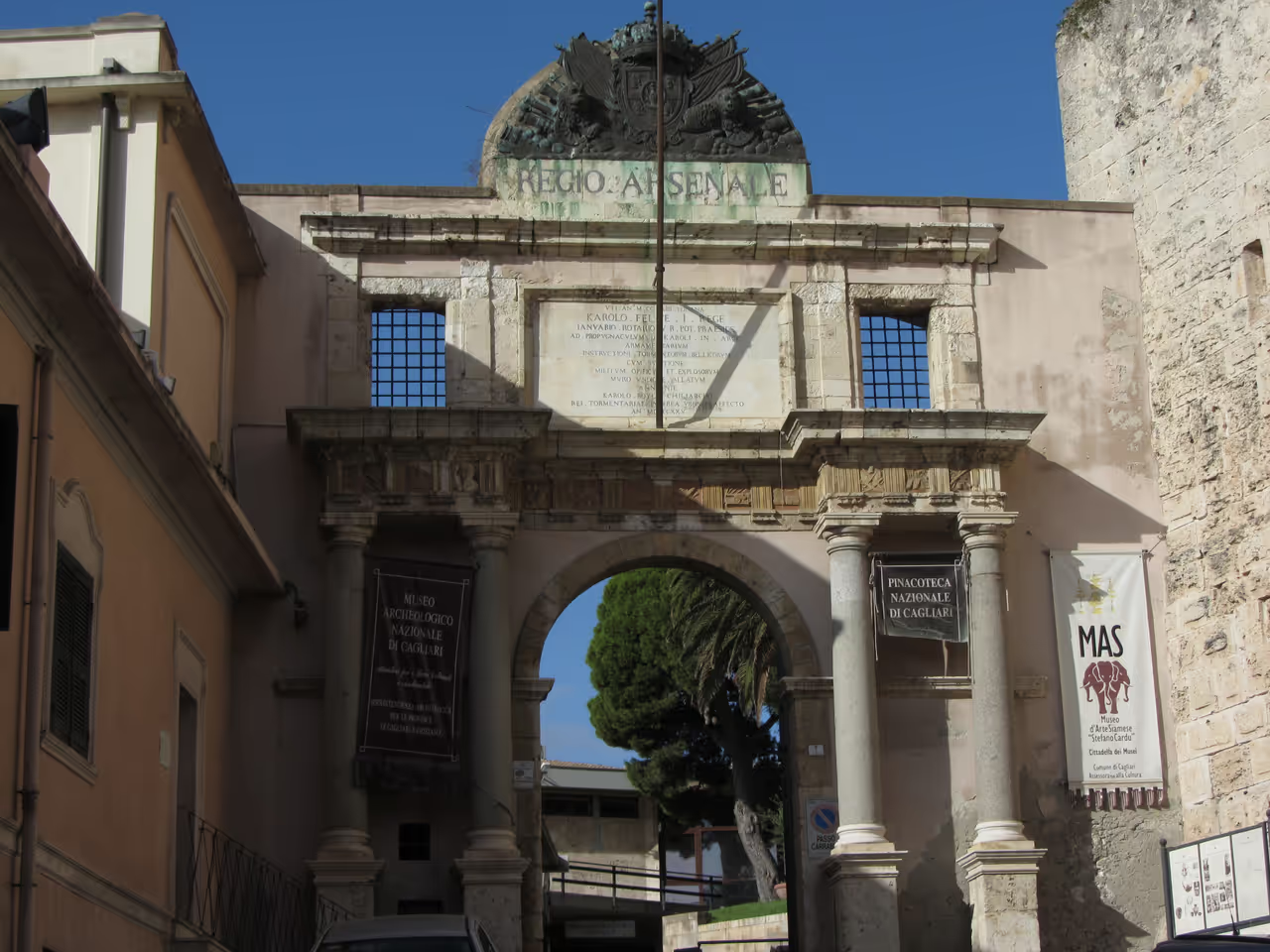 77m
77mCitadel of Museums
Perched at the highest northern point of the Castello district, this modern complex was brilliantly constructed over the ruins of an ancient arsenal. It now serves as the primary cultural hub of the city, housing multiple distinct institutions in one convenient location. Visitors pass through a majestic historic gateway to enter a tranquil courtyard surrounded by world-class exhibitions. Beyond the impressive National Archaeological Museum, it also hosts fascinating collections of Siamese art and anatomical wax models. It is an essential stop for anyone wanting to delve deep into the island's rich heritage.
highlight view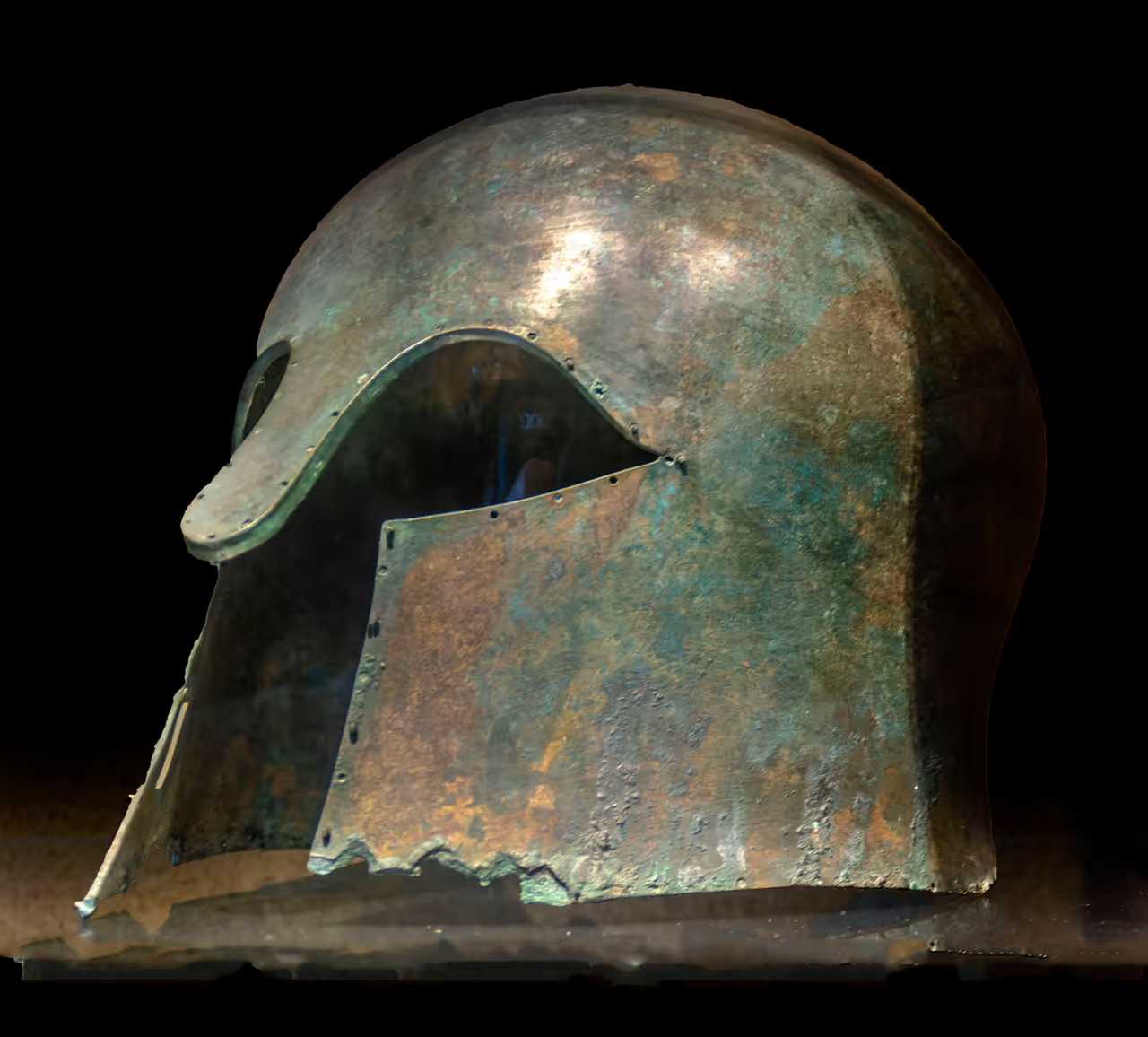 112m
112mNational Archaeological Museum of Cagliari
Step into the most prestigious treasury of Sardinian history, a place where the ancient past feels remarkably present. This museum serves as the island's primary storyteller, housing a collection that spans from the Neolithic age to the Byzantine era. You will encounter the mysterious Giants of Mont'e Prama, towering stone figures that represent some of the oldest large-scale sculptures in the Mediterranean. The atmosphere is one of quiet awe, set within a modern architectural masterpiece that cleverly repurposes the city's old defensive bastions. Beyond the statues, the museum showcases exquisite Nuragic bronzes and delicate Phoenician jewellery that reveal the island's deep-rooted connections across the sea. It is a vital stop for anyone wanting to understand the unique cultural identity of Sardinia and its strategic importance in the ancient world.
attraction view
Explore Similar Places in This Collection
Featured on These Itineraries and Routes
3 Days in Cagliari: City and Sea Itinerary
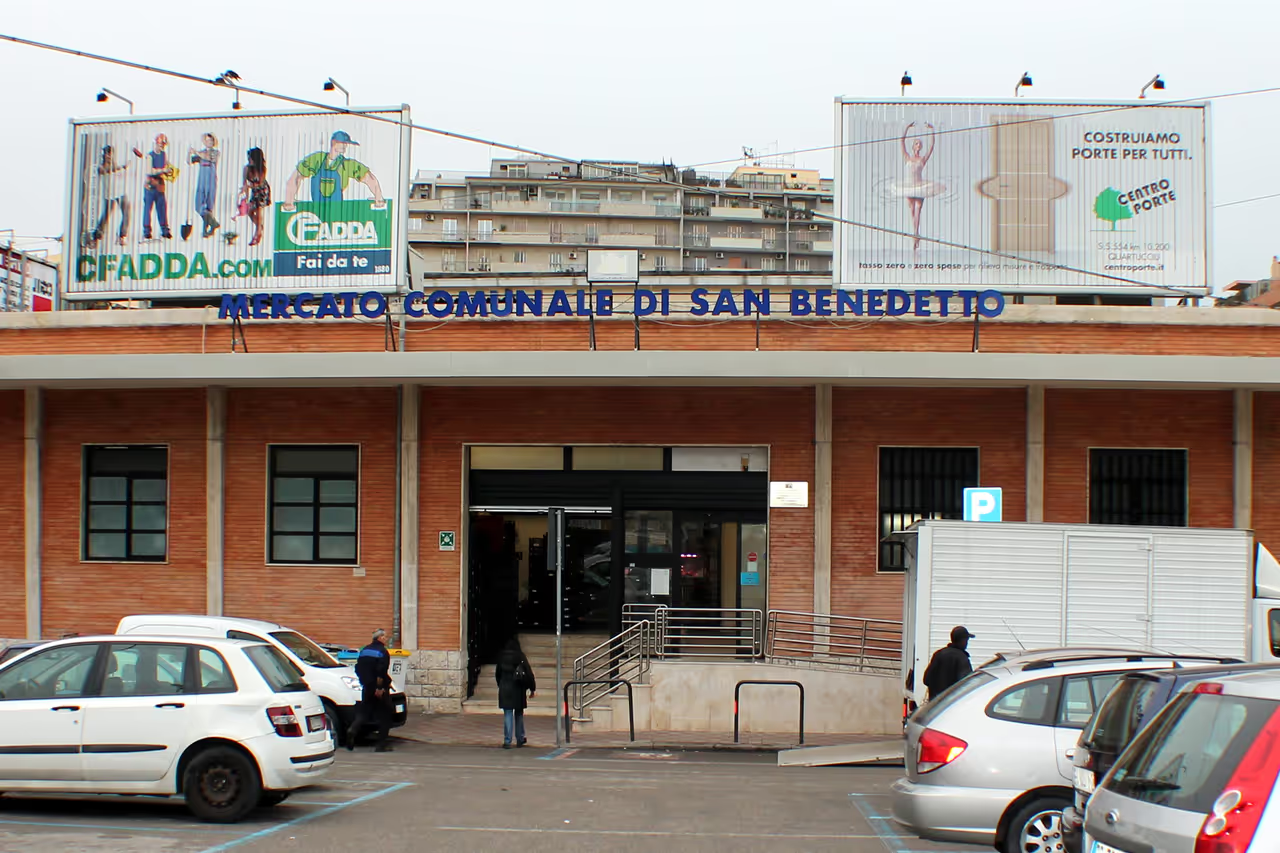
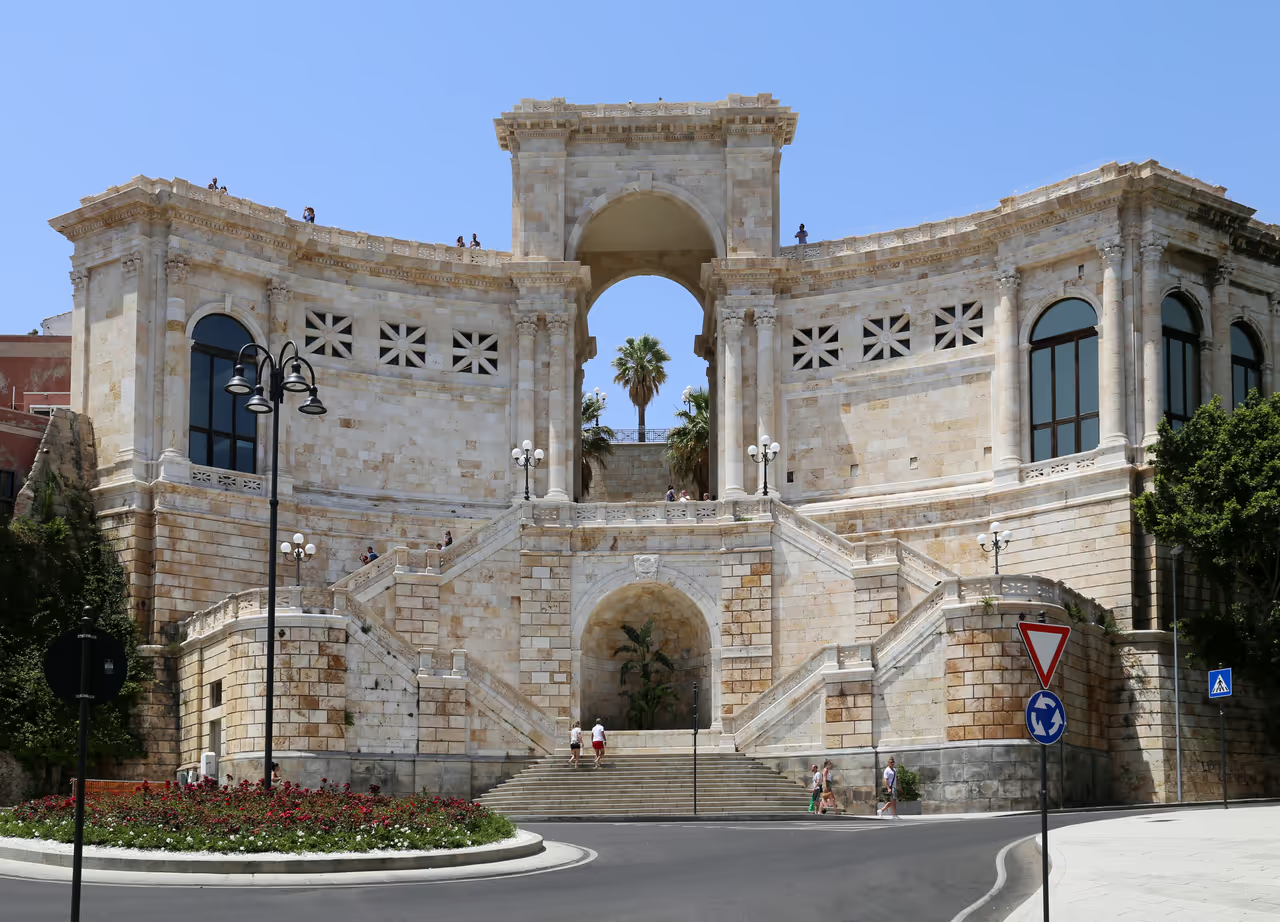
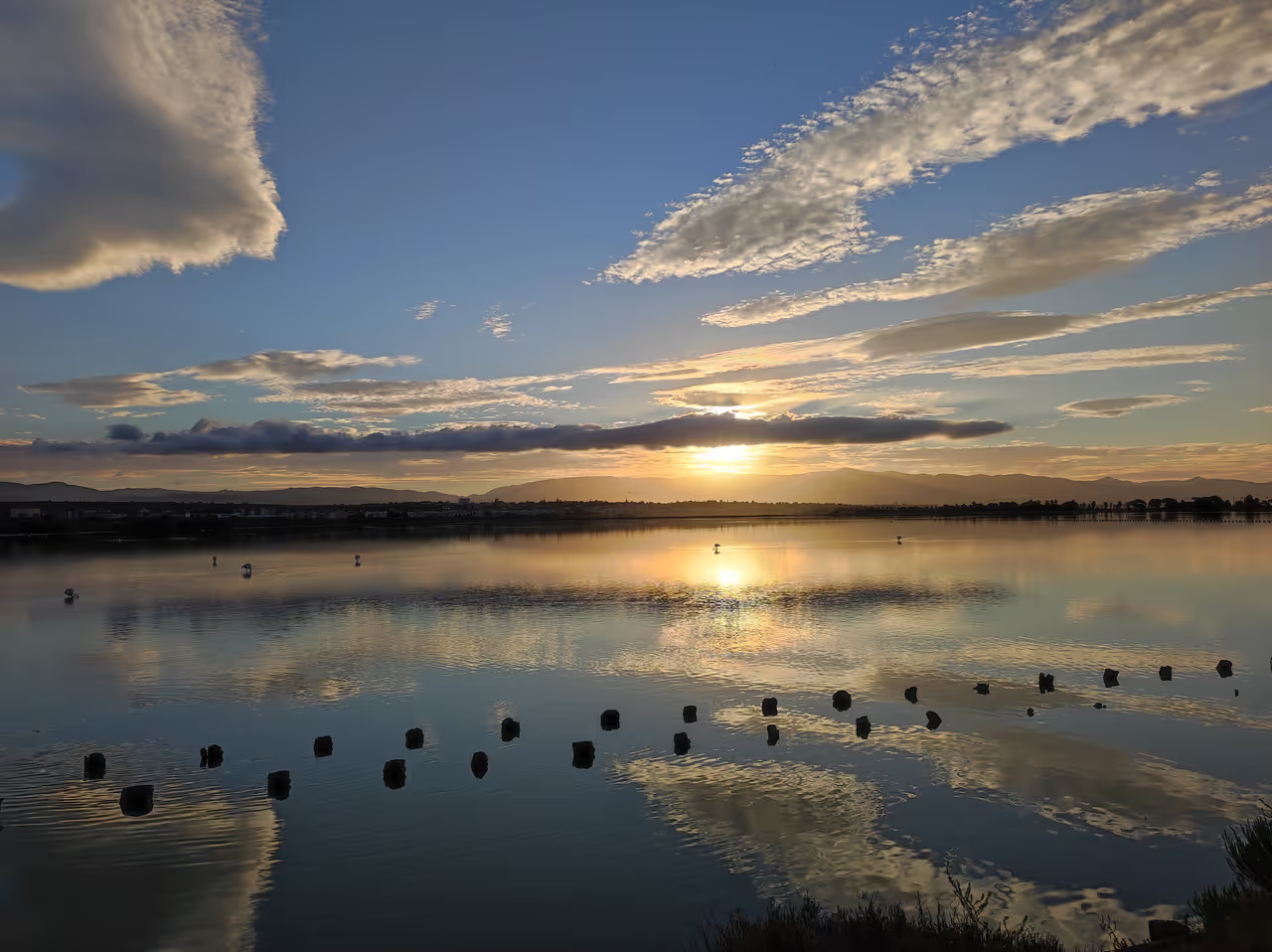
This balanced schedule allows visitors to fully appreciate both the dense historical core and the spectacular natural environments that surround it. The first day tackles the grand monuments and museums of the high city, immersing travellers in history. The second day shifts to authentic local life, exploring vibrant markets and the maritime heritage of the lower districts. The final day is dedicated to the coastline, offering time to relax on the long beaches and cycle alongside the flamingo-filled lagoons. It provides a comprehensive, relaxed overview of everything the area has to offer.
view itinerary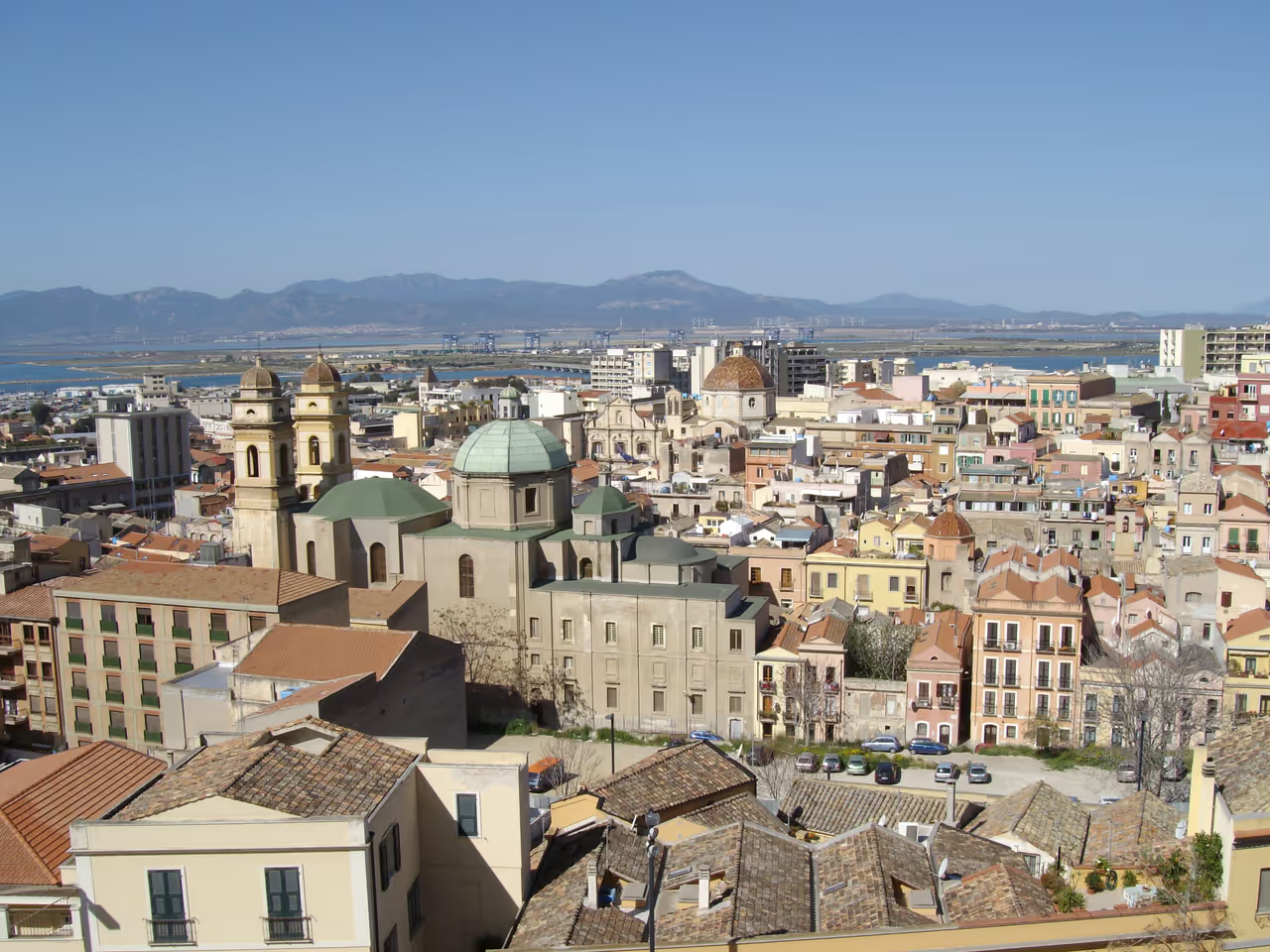
Pisan Towers & Fortifications
This tour explores the formidable defensive structures erected by the Republic of Pisa in the thirteenth century to secure their dominance over the island. It traces the perimeter of the Castello district, highlighting the sheer scale and ingenuity of medieval military architecture. The route focuses on the massive limestone blocks, the strategic placement of gates, and the brutal history associated with these imposing monuments. Walking this path gives a tangible sense of how impregnable the high city once felt to outsiders. It is a journey through power, conquest, and stone.
view self-guided tour
See all attractions in Cagliari
Bastione Saint Remy, Cagliari Cathedral, National Archaeological Museum of Cagliari, Sanctuary of Our Lady of Bonaria, Elephant Tower, Roman Amphitheatre of Cagliari...