National Archaeological Museum of Cagliari
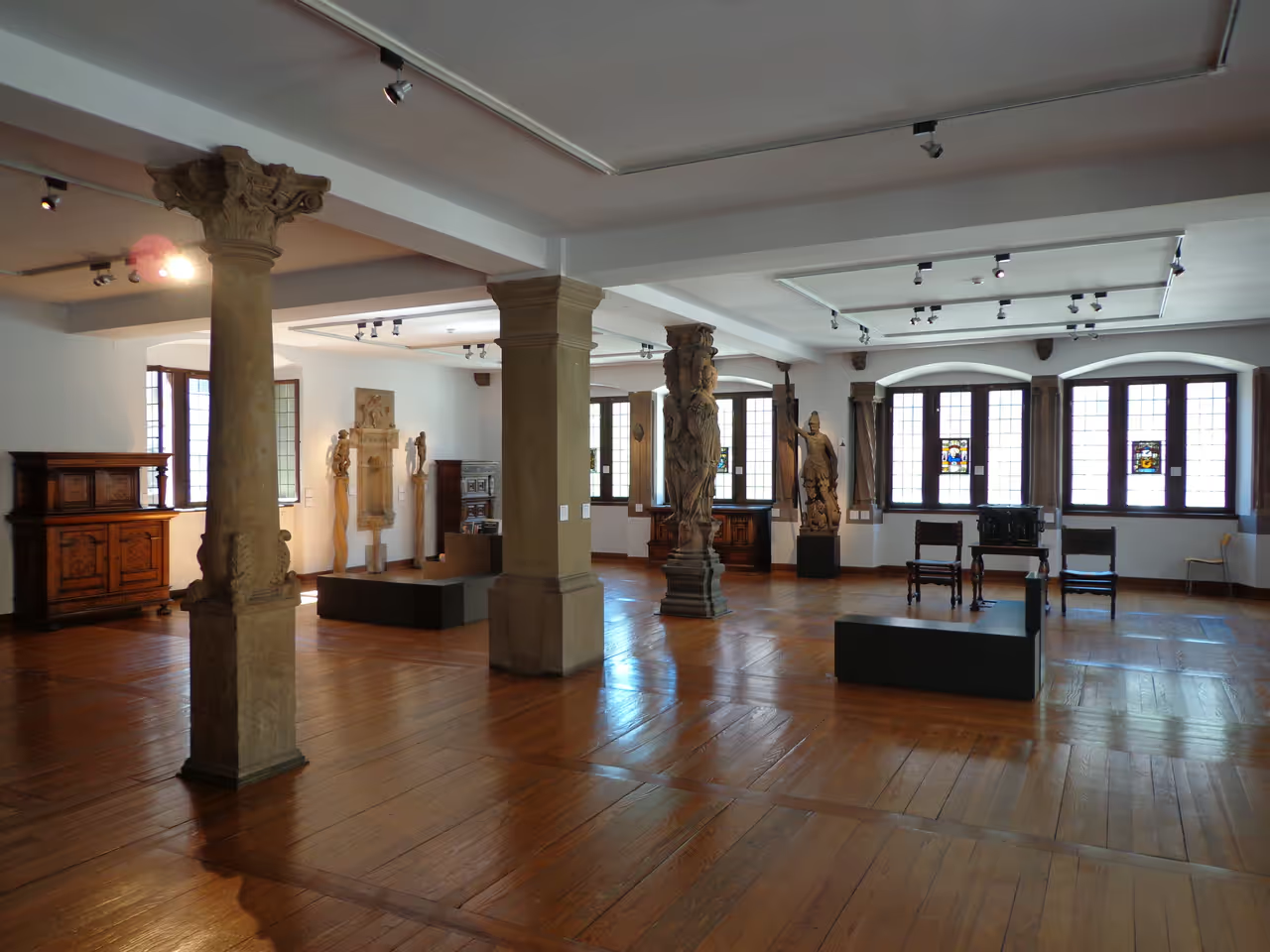
Step into the most prestigious treasury of Sardinian history, a place where the ancient past feels remarkably present. This museum serves as the island's primary storyteller, housing a collection that spans from the Neolithic age to the Byzantine era. You will encounter the mysterious Giants of Mont'e Prama, towering stone figures that represent some of the oldest large-scale sculptures in the Mediterranean. The atmosphere is one of quiet awe, set within a modern architectural masterpiece that cleverly repurposes the city's old defensive bastions. Beyond the statues, the museum showcases exquisite Nuragic bronzes and delicate Phoenician jewellery that reveal the island's deep-rooted connections across the sea. It is a vital stop for anyone wanting to understand the unique cultural identity of Sardinia and its strategic importance in the ancient world.
Videos
History of National Archaeological Museum of Cagliari
The story of the National Archaeological Museum of Cagliari is one of gradual transformation from a private royal hobby into a pillar of Mediterranean scholarship. It began in 1800 when Viceroy Carlo Felice decided to gather the island's scattered antiquities into a single room in his palace. In those early days, it functioned as a cabinet of curiosities, a place where rare minerals sat alongside ancient coins. The vision changed as the 19th century progressed, and the museum became a centre for the scientific study of the island's unique Nuragic past, moving through various historic buildings before finding its permanent home. Central to the museum's identity is the Nuragic civilisation, a culture that left behind thousands of stone towers but no written records. The museum bridges this gap through its incredible collection of bronze statuettes. These tiny figures depict archers, priests, and chiefs, giving a face to a people who lived three thousand years ago. The discovery of the Giants of Mont'e Prama added a monumental chapter to this narrative. These massive stone warriors were found broken into thousands of pieces, and their painstaking restoration has redefined what historians know about ancient Mediterranean sculpture. Today, the museum stands as a witness to the various cultures that have claimed Sardinia, from the Phoenicians and Carthaginians to the Romans and Byzantines. It is housed within the Citadel of Museums, a space that blends modern design with the rugged stone of the city's ancient defences. The legacy of the museum is its ability to connect modern Sardinians with their ancestors, providing a sense of pride and continuity. It remains an active site of discovery, where new research continues to shed light on the mysteries of the island's first inhabitants and their enduring spirit.
Events spanning 214 years
Fun Facts
- • It contains a significant Byzantine collection, showing how Sardinian culture shifted after the fall of the Western Roman Empire.
- • It features a rare reconstruction of a Phoenician Tophet, a sacred open-air sanctuary used for religious rituals and burials.
- • Some of the most precious items are gold and silver jewellery pieces recovered from Punic and Roman tombs across the island.
- • The Nora Stone, found in the 18th century and kept here, contains an inscription that is widely considered the oldest written mention of the name Sardinia.
- • The building itself is part of the Citadel of Museums, constructed on the site of the former royal arsenal and the city's medieval fortifications.
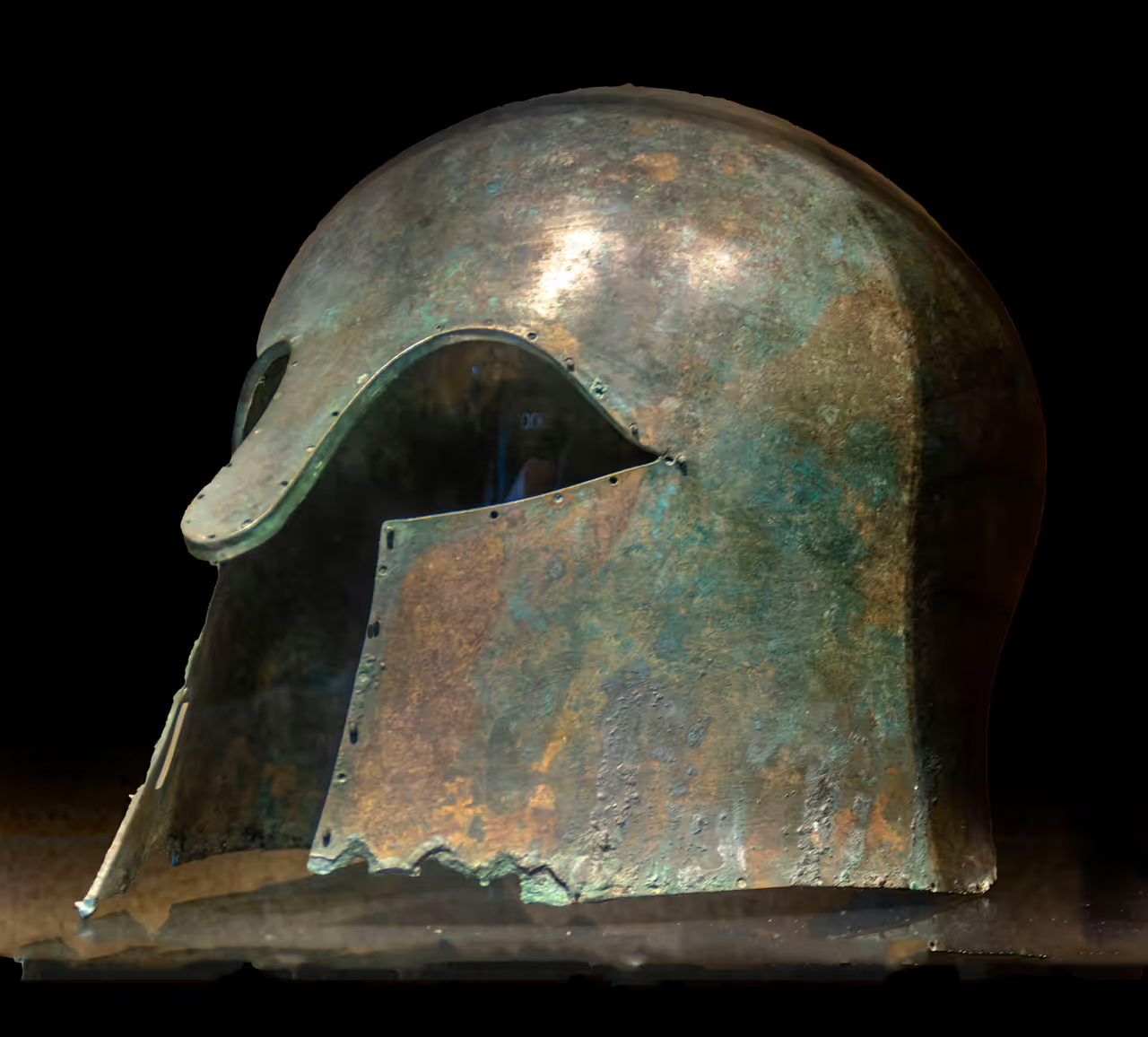
- • The collection includes hundreds of Nuragic bronze statuettes, known as bronzetti, which provide a detailed visual record of ancient warrior equipment and daily fashion.
- • The layout of the first floor is strictly chronological, allowing visitors to walk through several millennia of history in a single hour.
- • The museum holds the Leonhard collection, which includes rare obsidian tools that prove Sardinia was a major trade hub as far back as the Neolithic period.
- • The museum houses the Giants of Mont'e Prama, which are ancient stone statues discovered by chance in a field by a farmer in 1974.
- • The museum's earliest origins were as a Wunderkammer, or cabinet of curiosities, where precious objects were collected more for their beauty than for scientific study.
National Archaeological Museum of Cagliari FAQ
While we strive to keep this information accurate and up to date, we recommend verifying any details independently before making decisions based on them.
National Archaeological Museum of Cagliari Map & Neighborhood Explorer
This interactive map is centered on National Archaeological Museum of Cagliari. Zoom in and move the map around to automatically discover Wikipedia photos and summaries of other nearby sights, monuments, and historical points of interest and stories in real-time!
Places near National Archaeological Museum of Cagliari
Make the most of your trip. Check out these top-rated spots located nearby.
 48m
48mCitadel of Museums
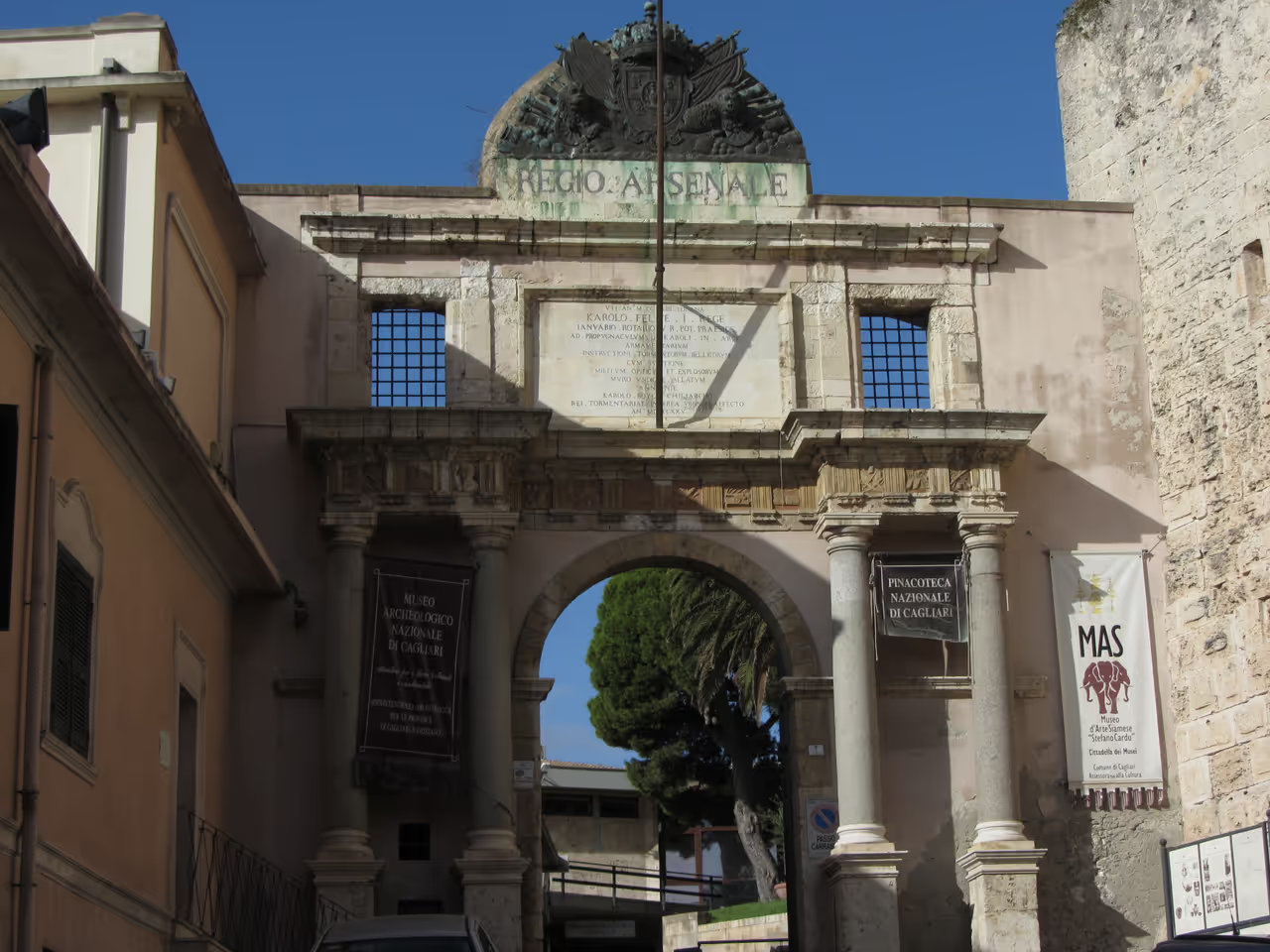
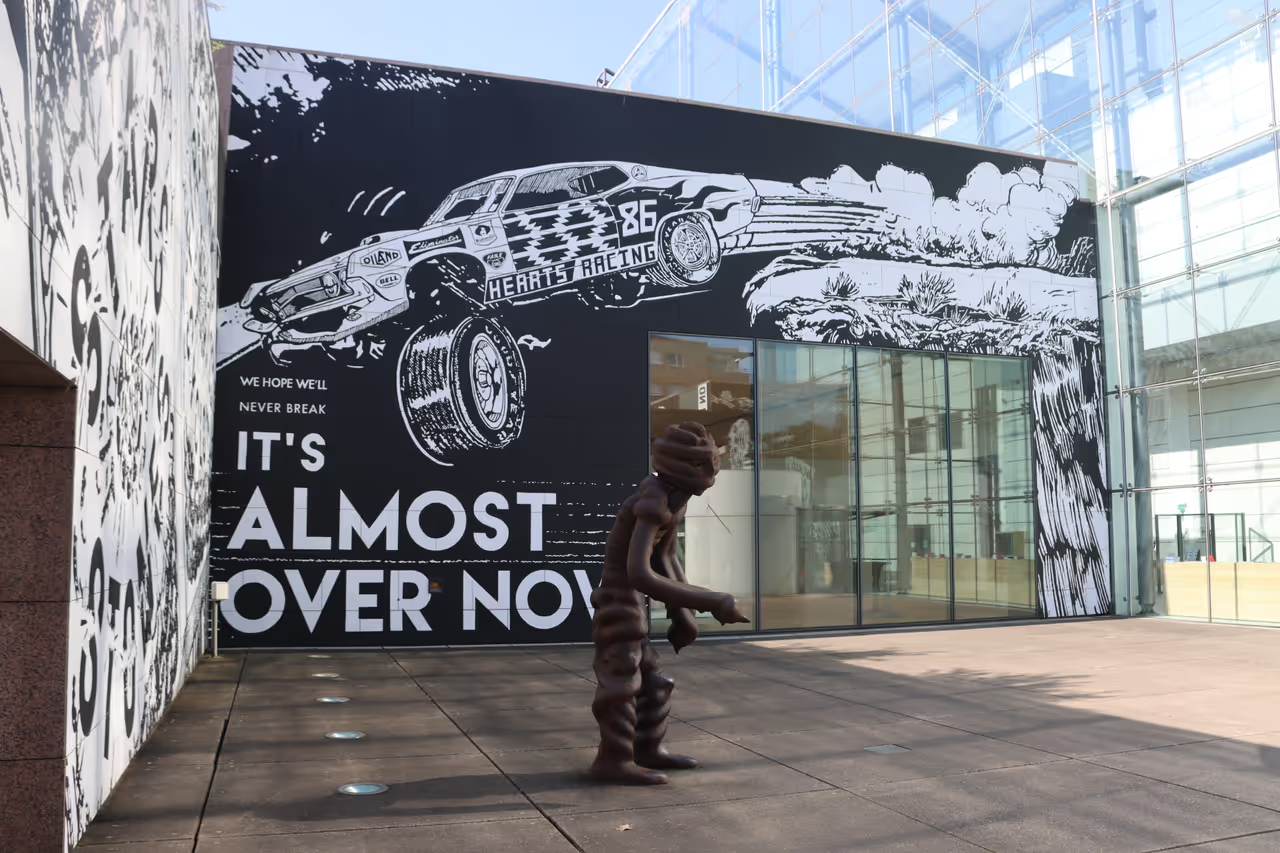
Perched at the highest northern point of the Castello district, this modern complex was brilliantly constructed over the ruins of an ancient arsenal. It now serves as the primary cultural hub of the city, housing multiple distinct institutions in one convenient location. Visitors pass through a majestic historic gateway to enter a tranquil courtyard surrounded by world-class exhibitions. Beyond the impressive National Archaeological Museum, it also hosts fascinating collections of Siamese art and anatomical wax models. It is an essential stop for anyone wanting to delve deep into the island's rich heritage.
highlight view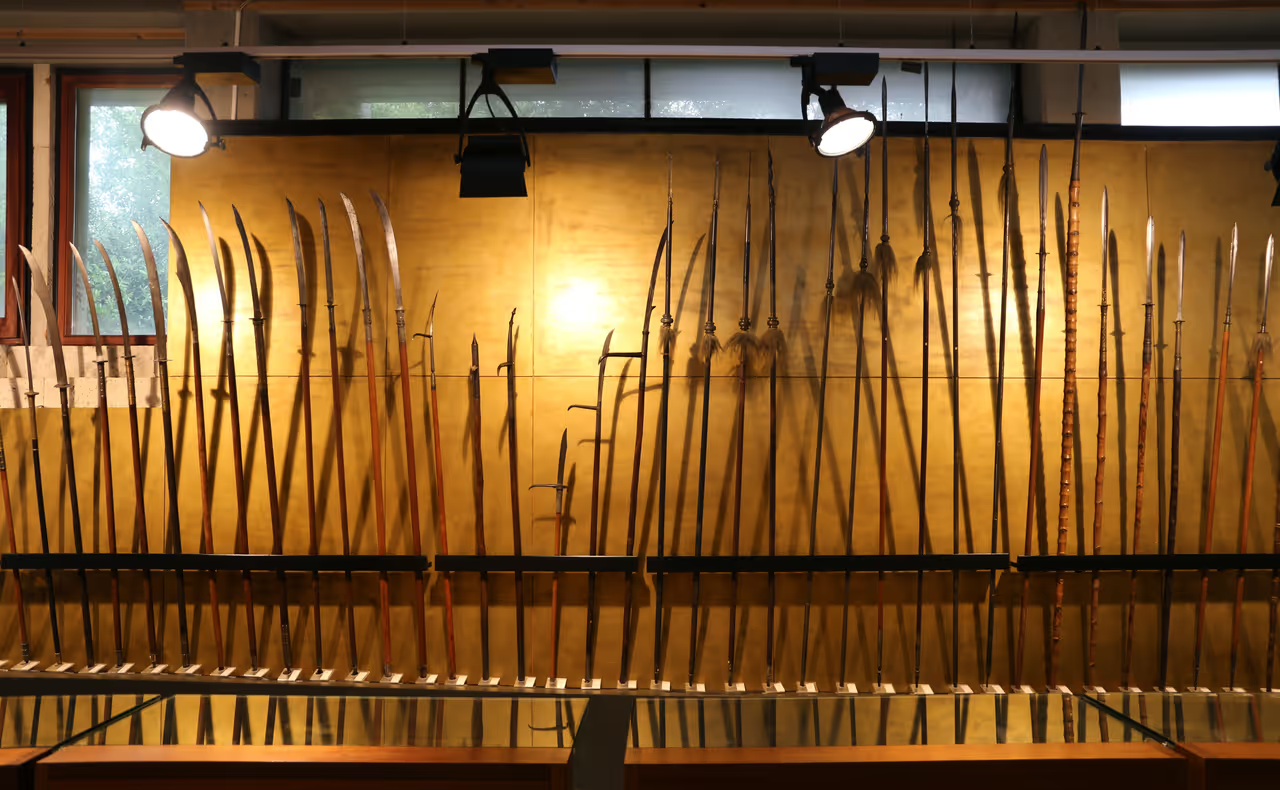 72m
72mStefano Cardu Siamese Art Museum
This surprising collection offers a completely unexpected journey into Southeast Asian culture, located right in the heart of the Mediterranean. It houses an extraordinary array of artefacts collected by Stefano Cardu, an adventurous local who worked as an architect in the royal court of Siam (modern-day Thailand) in the late nineteenth century. The small museum is packed with intricate silverwork, fearsome antique weaponry, beautifully illustrated manuscripts, and delicate porcelain. It is a fascinating testament to an eccentric, globetrotting local son. Finding such a focused oriental collection within the medieval citadel is a delightful anomaly.
hidden gem view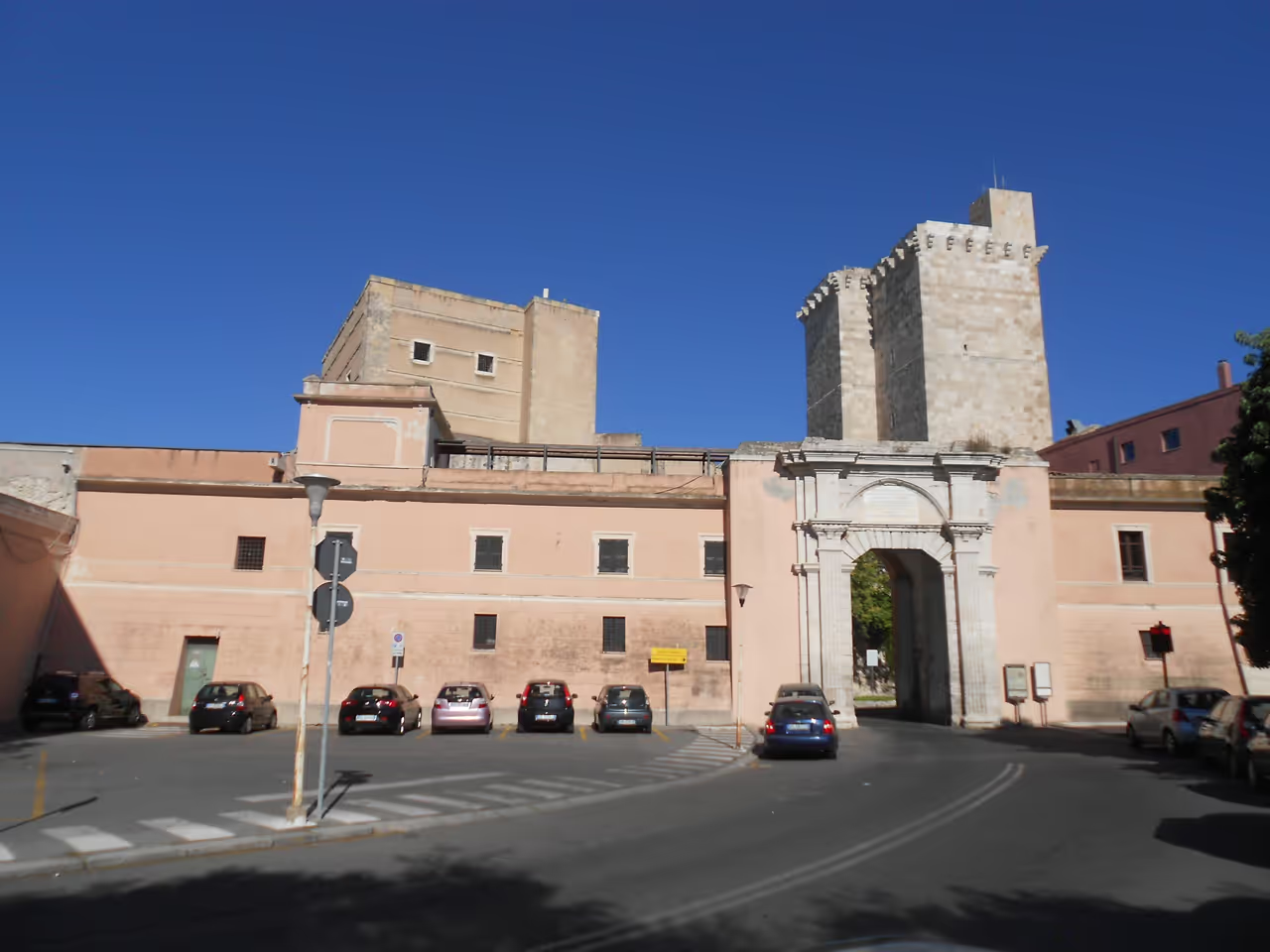 77m
77mCristina Gate
This monumental archway serves as an elegant Neoclassical entrance into the fortified Castello district, replacing an older, narrower military gate. Built in 1825, its design was consciously modelled on the grand Porta Pia in Rome, signalling a shift from purely defensive architecture to aesthetic grandeur. It was named in honour of Maria Cristina of Bourbon, wife of the ruling Savoy king. Passing beneath its grand arch provides a dramatic, theatrical entrance into the narrow medieval streets beyond. It stands as a symbol of the city's nineteenth-century refinement.
architecture view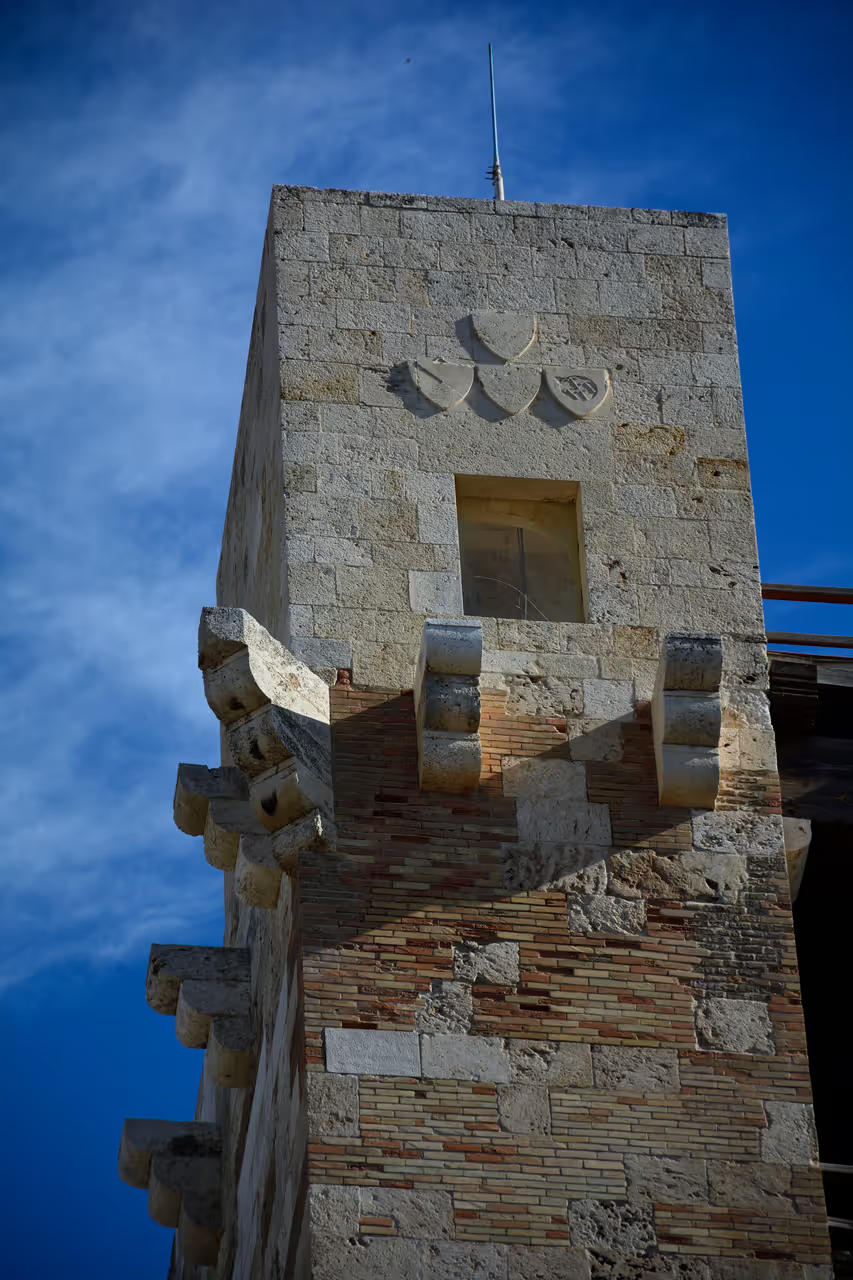 112m
112mSaint Pancras Tower
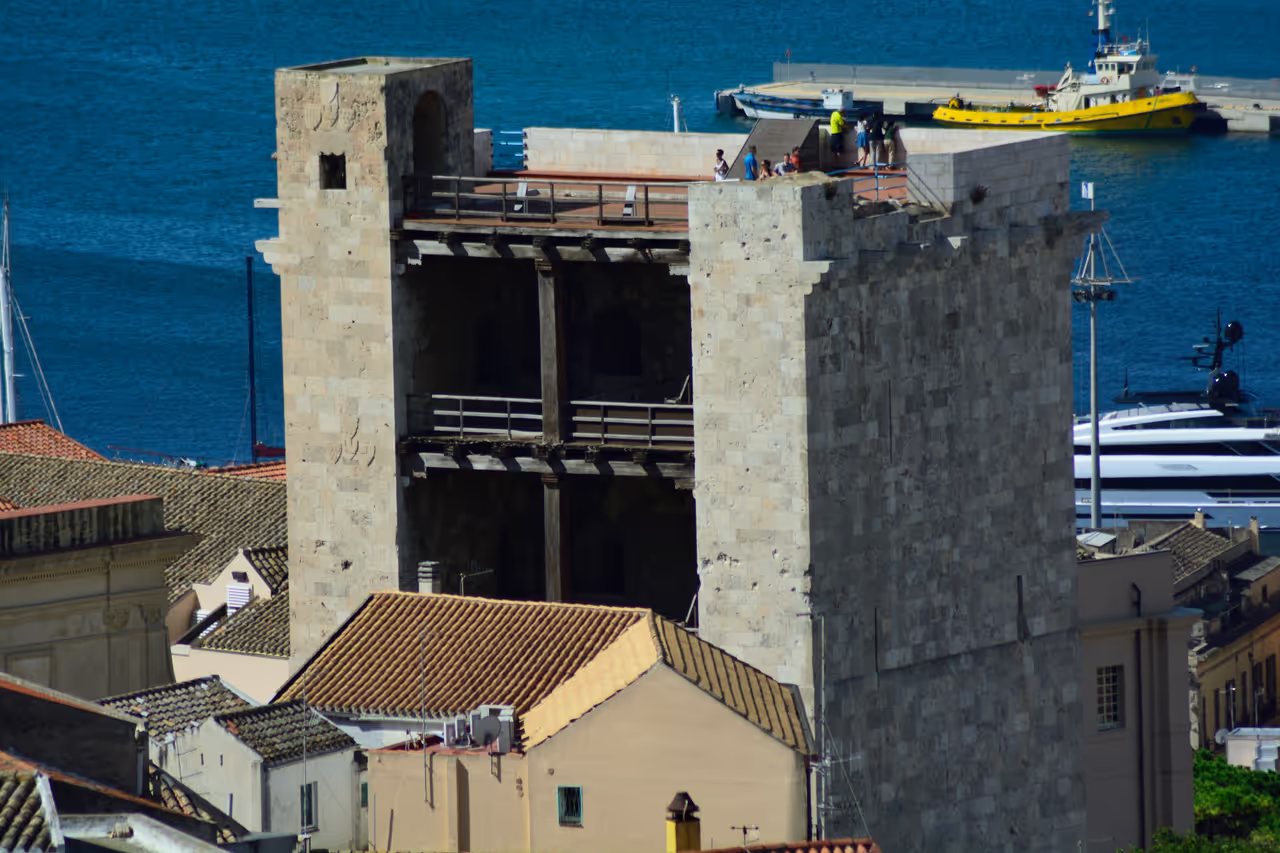
Standing as the silent sentinel of Cagliari, the Saint Pancras Tower commands the highest point of the historic Castello district. Completed in 1305 by the renowned architect Giovanni Capula, this limestone monolith is a striking testament to the city's Pisan heritage and enduring resilience. You can climb to its summit to witness breathtaking, expansive views that stretch across the city and the sparkling Mediterranean beyond. With walls three metres thick, it feels as imposing today as it did when guarding the city from historical threats. It is more than a monument because it serves as the physical soul of Cagliari, shaping the very skyline and identity of the capital.
attraction view
Explore Similar Places in This Collection
Featured on These Itineraries
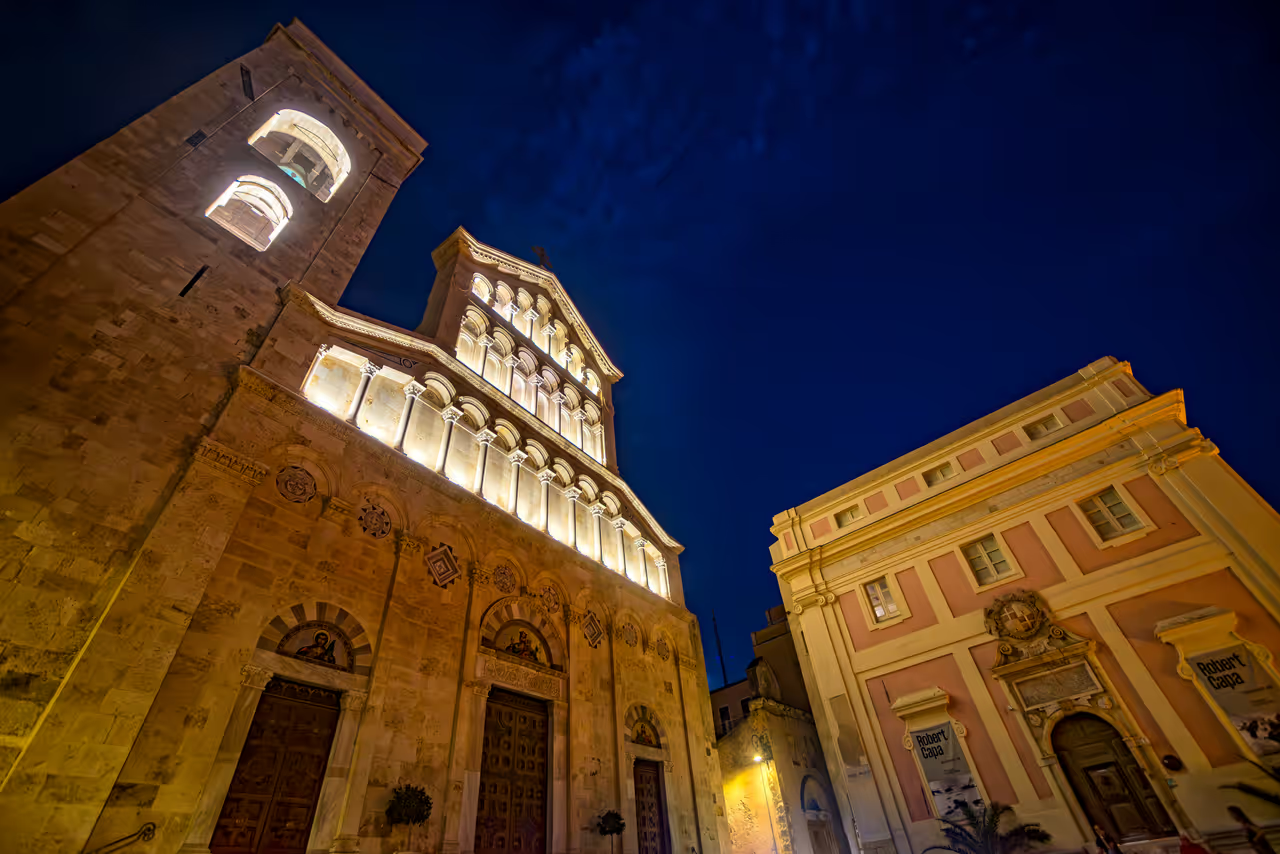
1 Day in Cagliari: Historical Itinerary
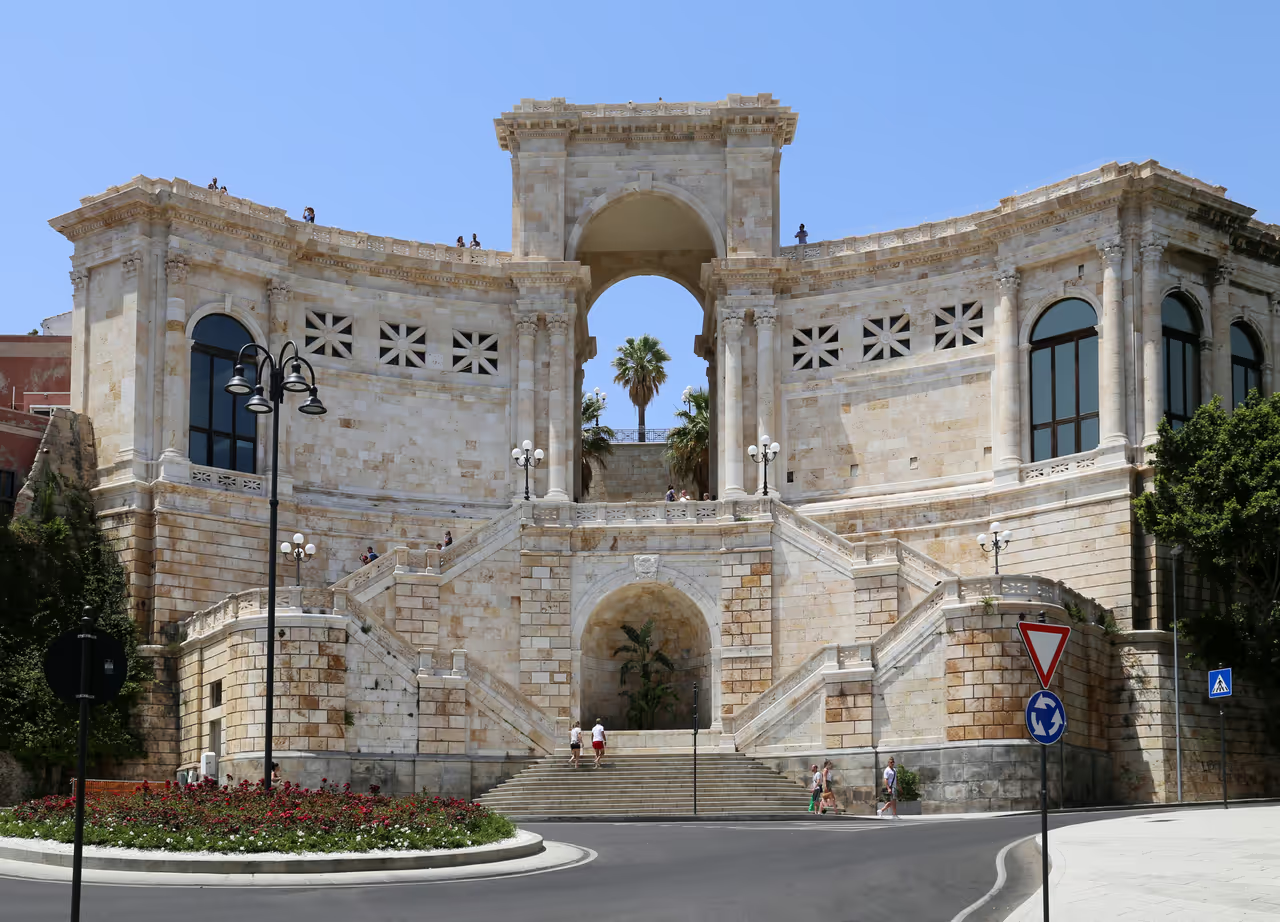
This tightly packed itinerary focuses exclusively on the city's rich, layered history, taking visitors from the heights of the medieval citadel down to the ancient Roman ruins. It is designed to hit the absolute most iconic architectural and archaeological landmarks in a logical, descending path. The day demands comfortable walking shoes, as it navigates the steep inclines and cobblestones of the old town. It perfectly captures the essence of the city's past, offering breathtaking views, ancient artifacts, and magnificent churches. It is the ideal plan for a quick, impactful visit.
view itinerary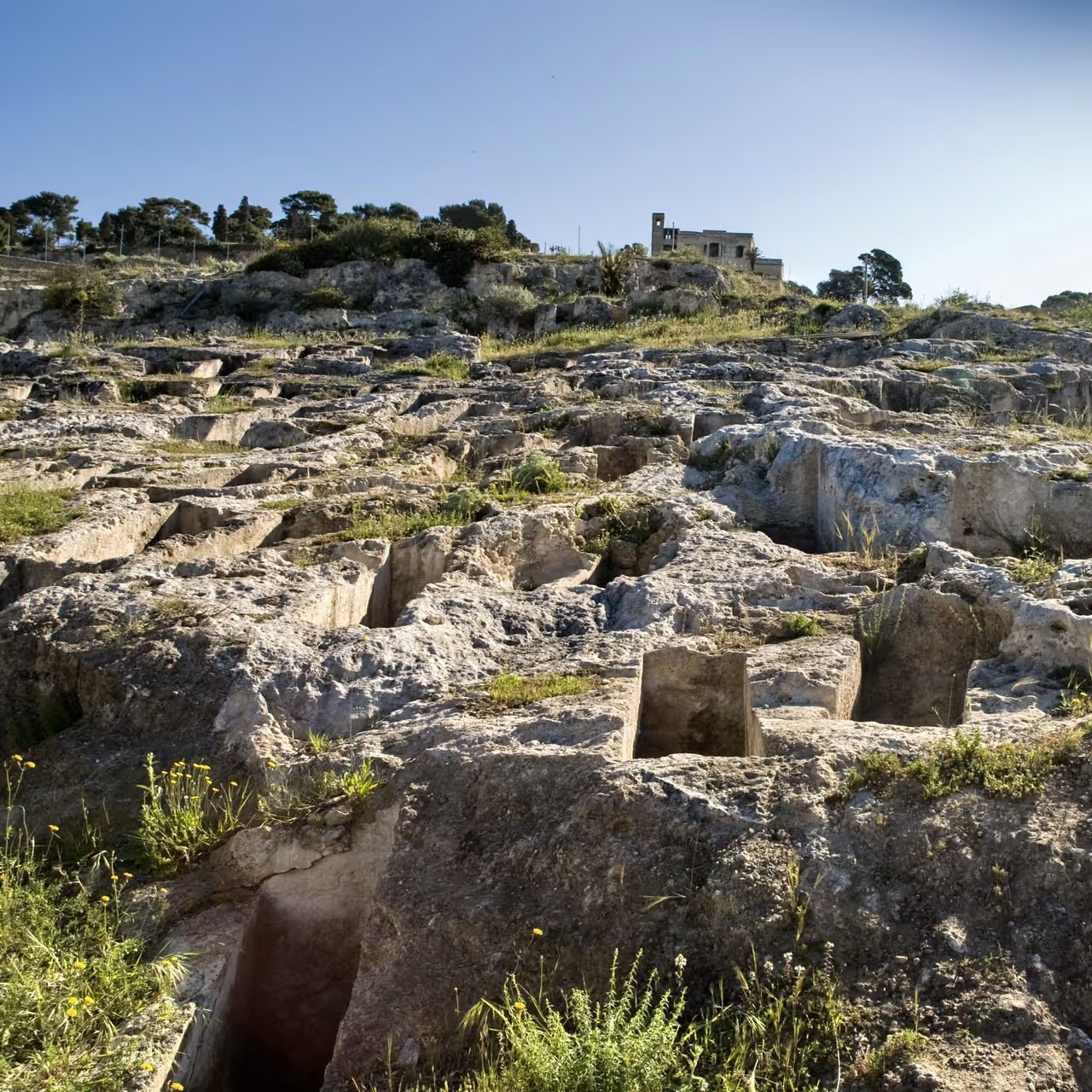
5 Days in Cagliari: Deep Immersion Itinerary
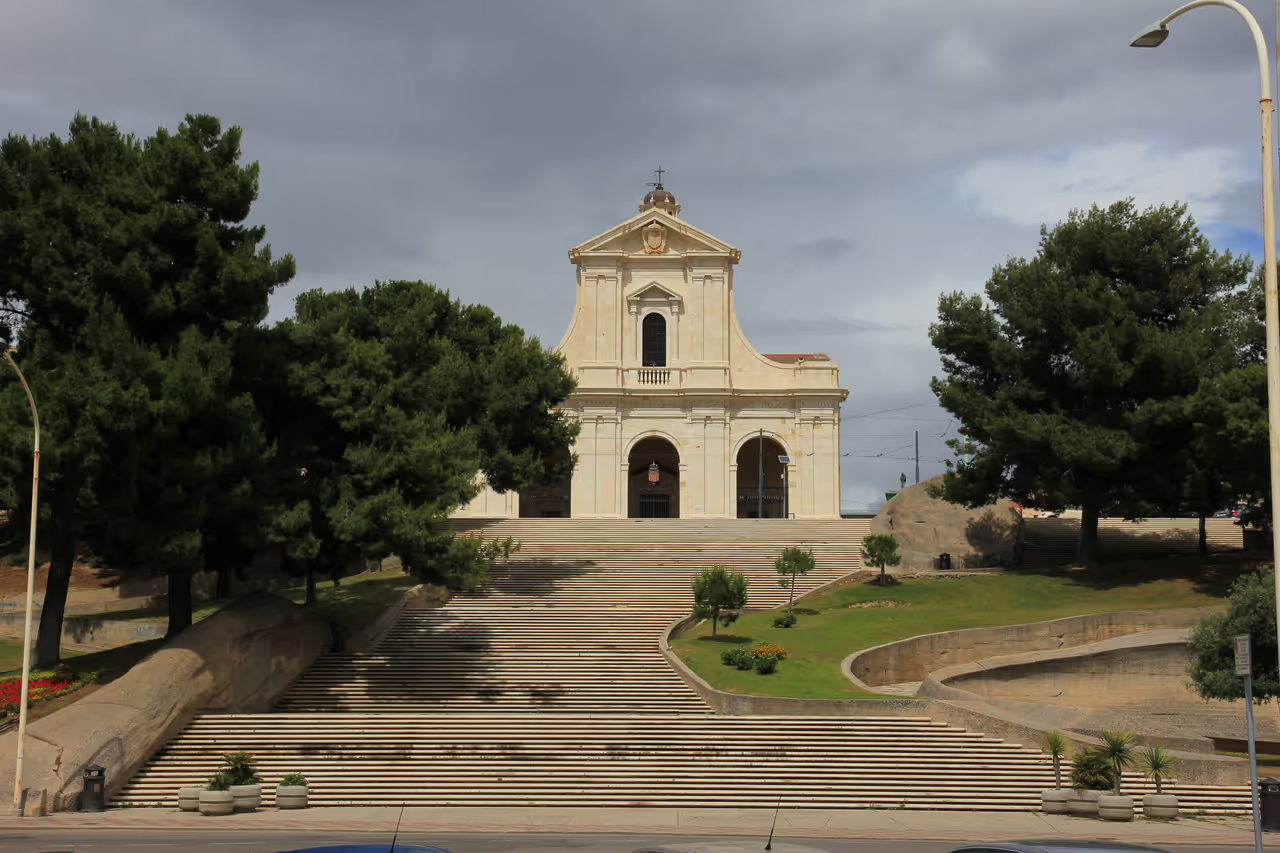
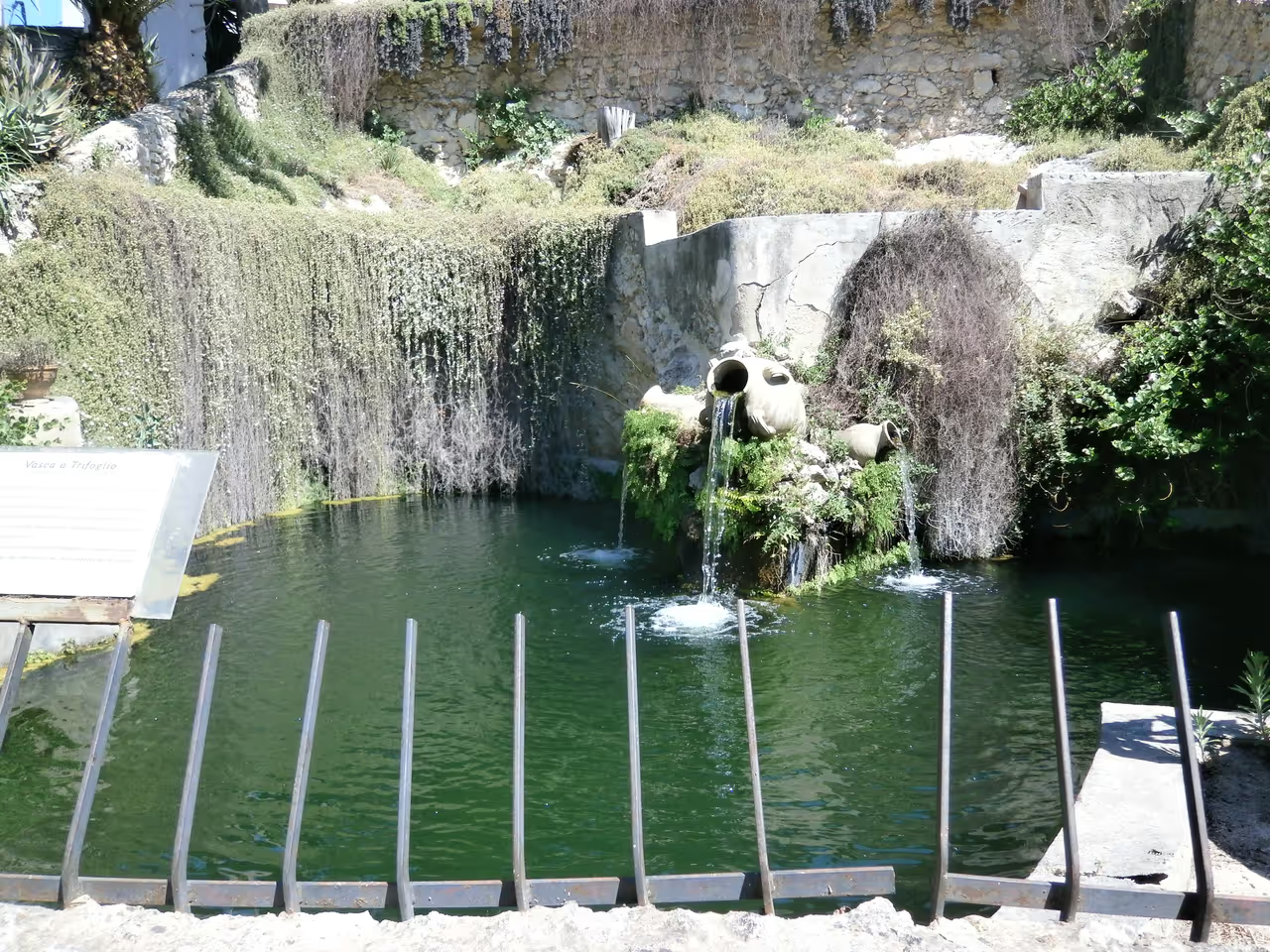
A luxuriously paced itinerary allowing for a deep dive into the city's hidden gems, diverse neighbourhoods, and complex history without feeling rushed. It covers all the major attractions while carving out time for specialized museums, quiet cloisters, and extended coastal relaxation. Visitors will truly get to know the distinct character of the four historic quarters: Castello, Marina, Stampace, and Villanova. It offers ample opportunity to savour the local gastronomy, from morning market visits to long, leisurely seafood dinners. This is the ultimate way to fully absorb the local culture and lifestyle.
view itinerary
See all attractions in Cagliari
Bastione Saint Remy, Cagliari Cathedral, Saint Pancras Tower, Sanctuary of Our Lady of Bonaria, Elephant Tower, Roman Amphitheatre of Cagliari...