Salerno
Full City Guide, Map & 119 Things To Do
127,186 people live here.
That's 0.21% of the entire population of Italy.
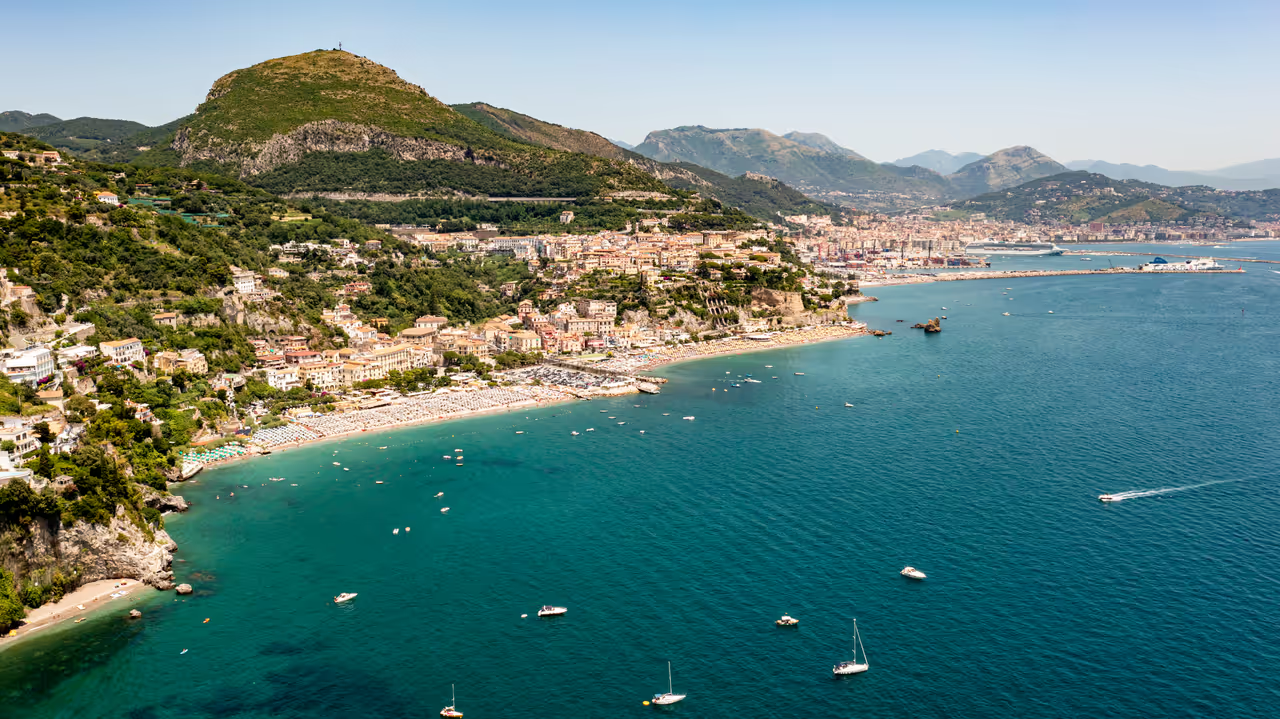
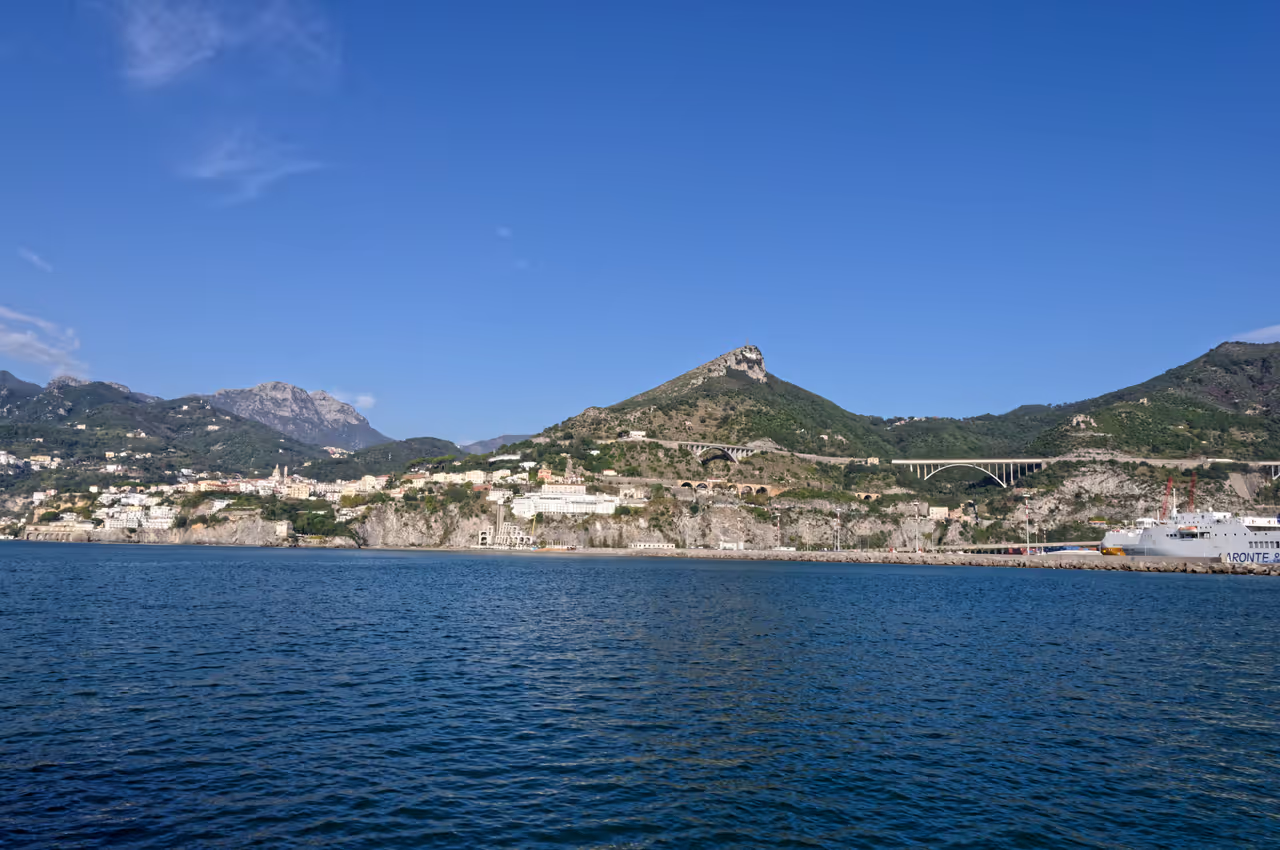
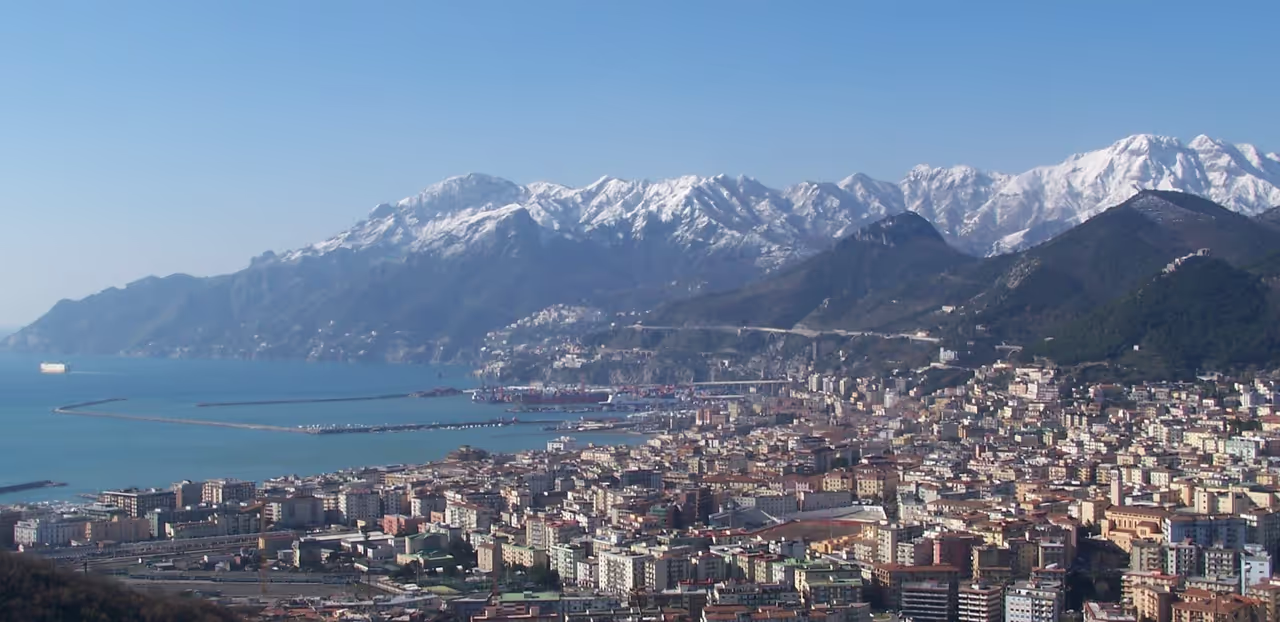
Nestled elegantly between the iconic Amalfi Coast and the pristine stretches of the Cilento National Park, Salerno is an inviting maritime city that wears its millennia of history with effortless grace. Unlike its highly polished neighbours, this port city retains an authentic, lived-in charm where mediaeval alleyways spill out onto expansive, palm-fringed waterfronts. It is a place where you can trace the footsteps of Norman kings, discover the roots of modern medicine in ancient botanical gardens, and enjoy world-class contemporary architecture without the overwhelming crowds. The air here is scented with sea salt and fresh lemons, providing a refreshing backdrop for sipping espresso in sunlit piazzas or exploring centuries-old palazzos. Whether you are using it as a strategic base for coastal exploration or diving deep into its own wealthy heritage, Salerno rewards the curious traveller. It offers a genuine slice of southern Italian life, defined by vibrant street markets, phenomenal regional cuisine, and a deeply welcoming atmosphere.
Salerno DNA
History of Salerno
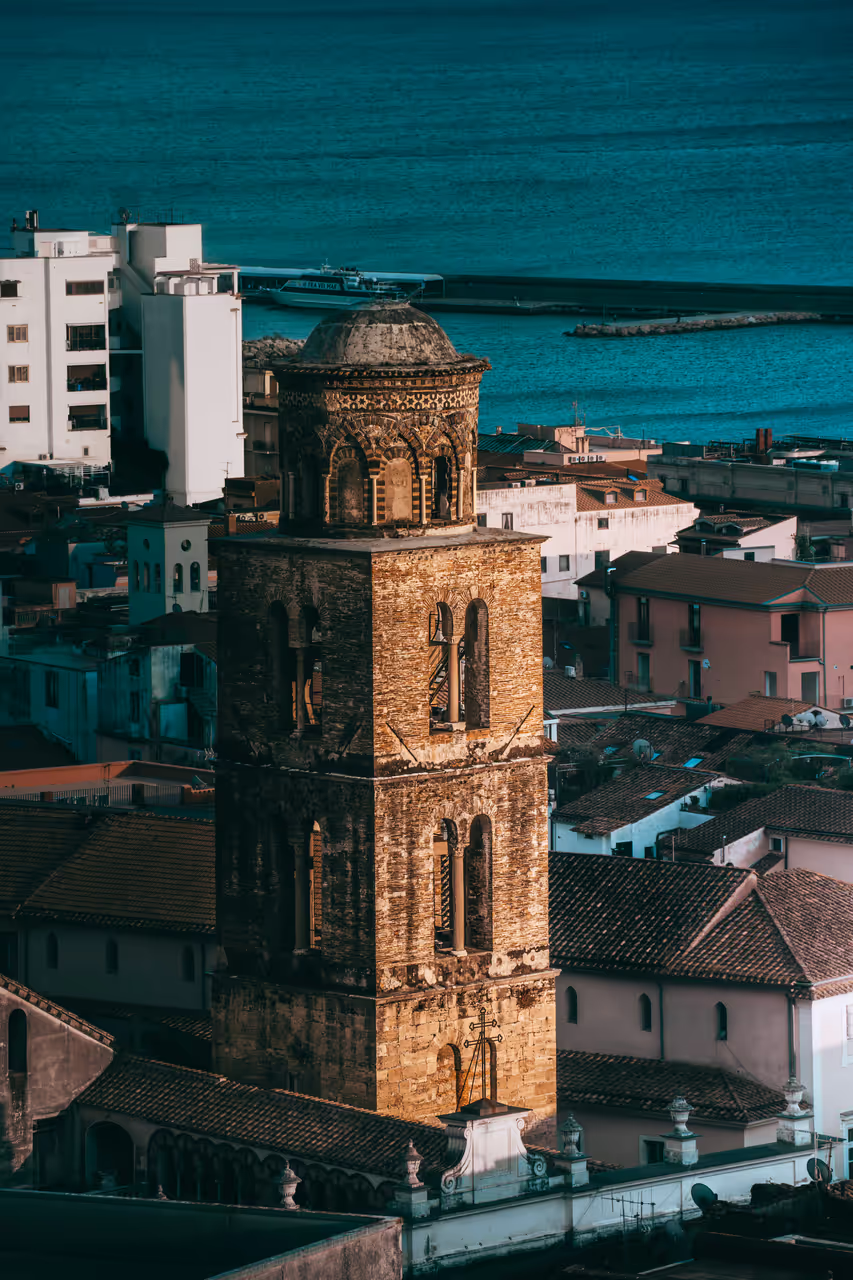
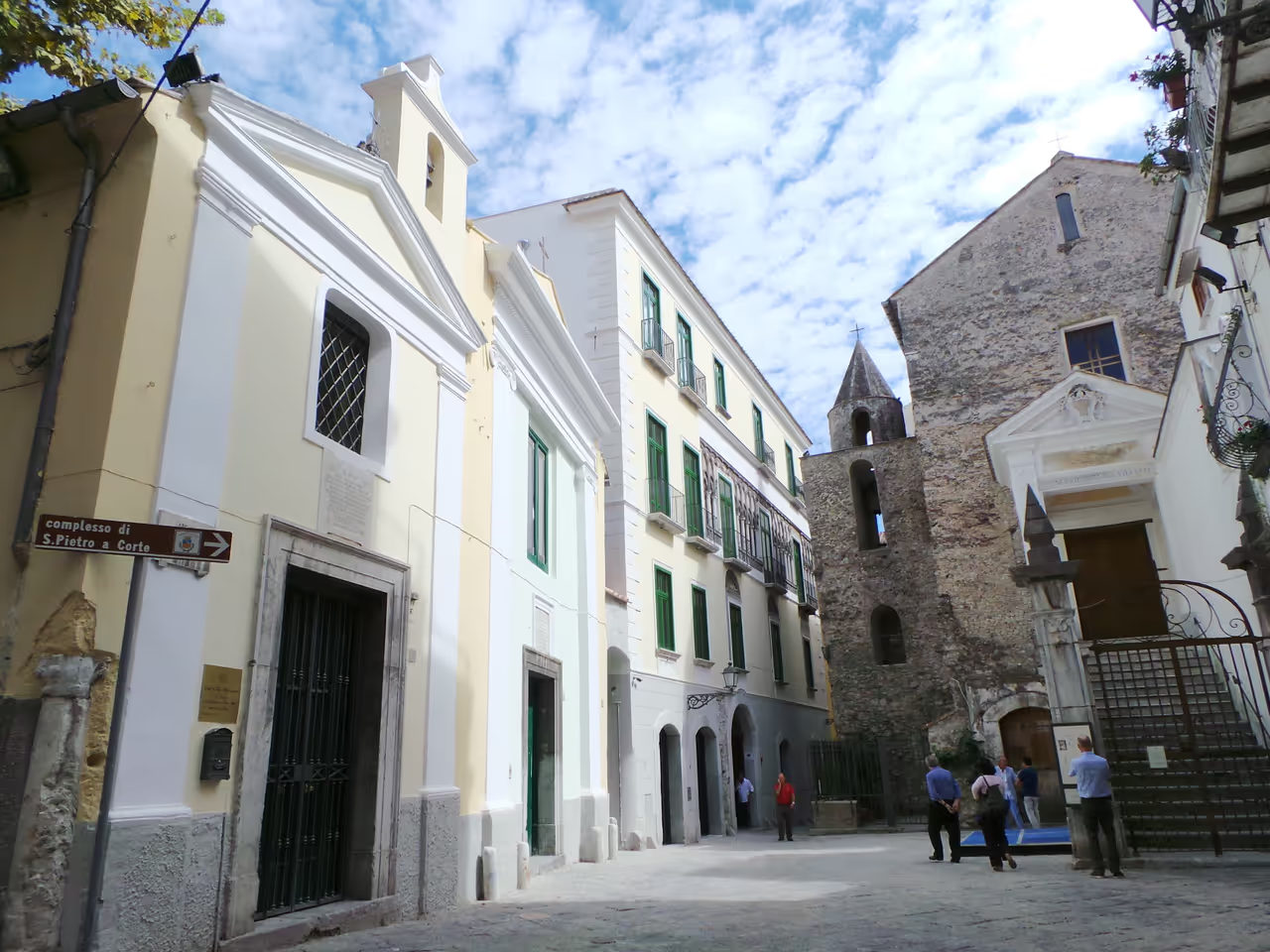
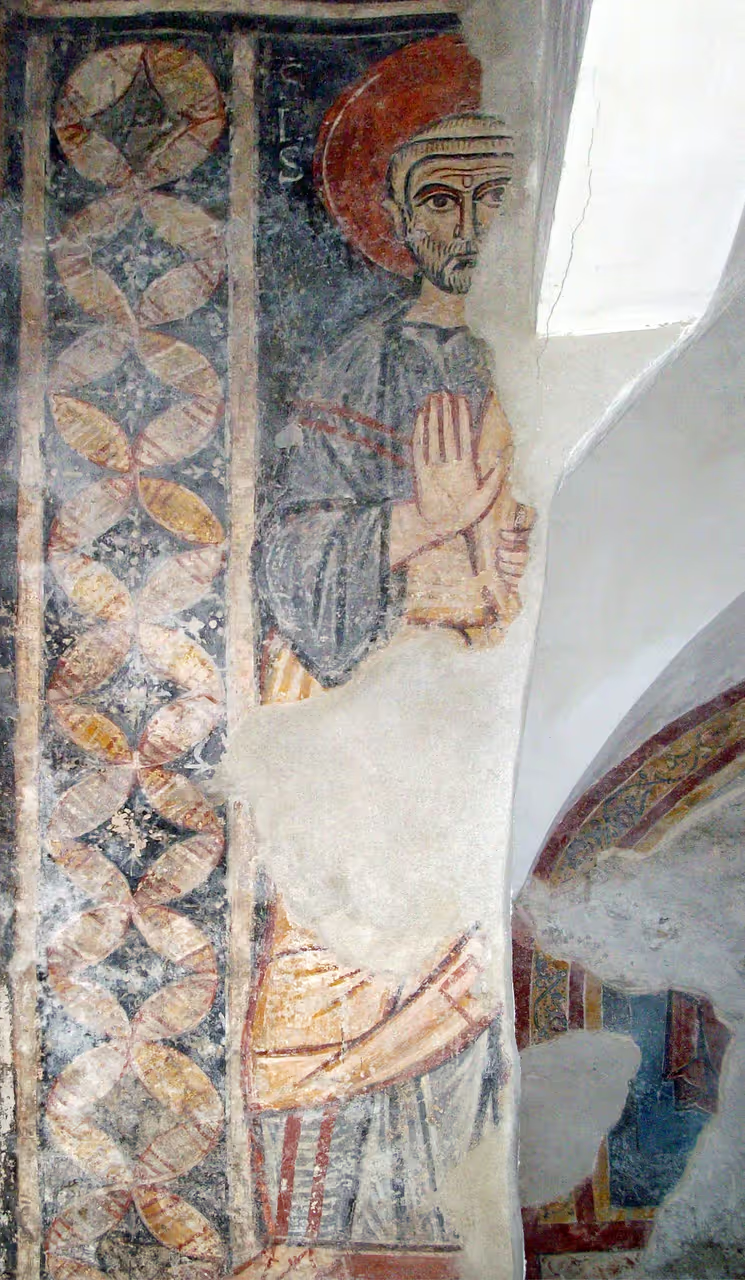
Before it became a lively port, Salerno caught the attention of a Lombard prince looking for a stronghold. Arechi II moved his court here in 774 to escape Frankish aggression. He fortified the old Roman walls up the slopes of Monte Bonadies and built himself a lavish palace. You can still see the remnants of his royal chapel at the complex of San Pietro a Corte. This decision transformed a modest coastal settlement into the capital of a principality that would eventually dominate southern Italy. Local legend claims that on a stormy night, four men took shelter beneath the arches of the medieval aqueduct now known as the Archi dei Diavoli. An Arab, a Jew, a Greek, and a Latin shared their knowledge to found the Schola Medica Salernitana. This institution became the first medical university in Europe. The city drew scholars and patients from across the known world. It also broke boundaries by welcoming female physicians. Trotula de Ruggero wrote groundbreaking texts on women's health that doctors across the continent referenced for centuries. Family loyalty meant very little in the eleventh century. The Norman warlord Robert Guiscard besieged and captured the city in 1077 by overthrowing his own wife's brother, Gisulf II. Guiscard turned Salerno into the capital of a vast Norman duchy. To stamp his authority on the conquered territory, he funded the construction of the Cathedral. He worked alongside Archbishop Alfano I to design a magnificent structure combining Arab and Norman styles. The towering 52 metre campanile commissioned by Guglielmo da Ravenna still dictates the skyline today. The following centuries brought waves of change driven by noble feuds and the anger of the working classes. A local fisherman named Ippolito di Pastina led a fierce popular revolt against Spanish rulers in 1647. Severe plagues and earthquakes repeatedly emptied the streets soon after. Salerno eventually reinvented itself entirely in the nineteenth century. Swiss investors built enormous factories along the Irno river. The city earned the nickname the Manchester of the Two Sicilies as thousands of mill workers produced textiles that rivalled the biggest industrial centres in Europe. Global conflict thrust the city onto the world stage in September 1943. Allied forces stormed the beaches during Operation Avalanche to open a crucial path toward Rome. Just a few months later, the King of Italy and Prime Minister Pietro Badoglio took refuge here. Salerno functioned as the temporary Capital of Italy for half a year. The fragile anti fascist government held its meetings inside the Salone dei Marmi at the Palazzo di Città. Nature forced the final major architectural shift. A catastrophic flood swept through the hills in 1954 and washed away entire neighbourhoods. The urgent rebuilding effort pushed the city upward and outward along the steep slopes. Developers constructed the Carmine and Torrione districts in a rapid vertical expansion. Today, the best way to understand this layered history is on foot. Locals take their evening walks along the 1.3 kilometres of the Lungomare Trieste beneath the broad leaves of the plane trees.
15 Events spanning 2616 years
Map of Salerno
Interactive Destination & Itinerary Map
This map blends our curated city guides—featuring best photo spots, scenic walks, viewpoints, hidden gems and much more—with a live Wikipedia explorer. Click on our numbered pins to plan your routes, or zoom in on the surrounding neighborhoods to discover verified local landmarks, museums, and stories with dynamic Wikipedia summaries and photos!
Fun Facts
- • The city's patron saint is Matthew the Evangelist, whose sacred relics were supposedly brought here in 954 AD and now rest in the cathedral's crypt.
- • The medieval aqueduct is locally known as the 'Ponte dei Diavoli' because an old superstition claims it was built in a single night with the help of demons.
- • Long before the rest of Europe allowed it, Salerno's medical school welcomed female students and professors, famously celebrated as the 'Mulieres Salernitanae'.
- • A stunning bronze head of the god Apollo was serendipitously pulled from the Gulf of Salerno in 1930 when it became tangled in fishermen's nets.
- • The city's signature pastry, the 'Scazzetta del Cardinale', is a sponge cake glazed in vivid red icing to perfectly mimic the shape and colour of a cardinal's hat.
- • In 1544, the infamous pirate Barbarossa tried to attack Salerno, but a sudden violent storm destroyed his fleet, a miracle the locals immediately attributed to St. Matthew.
Did You Know?
- • The Schola Medica Salernitana is widely considered the forerunner of the modern university, establishing the first formal medical curriculum in Western Europe.
- • For six crucial months during World War II, Salerno acted as the capital of Italy, hosting the government of Marshal Badoglio to organise the post-fascist state.
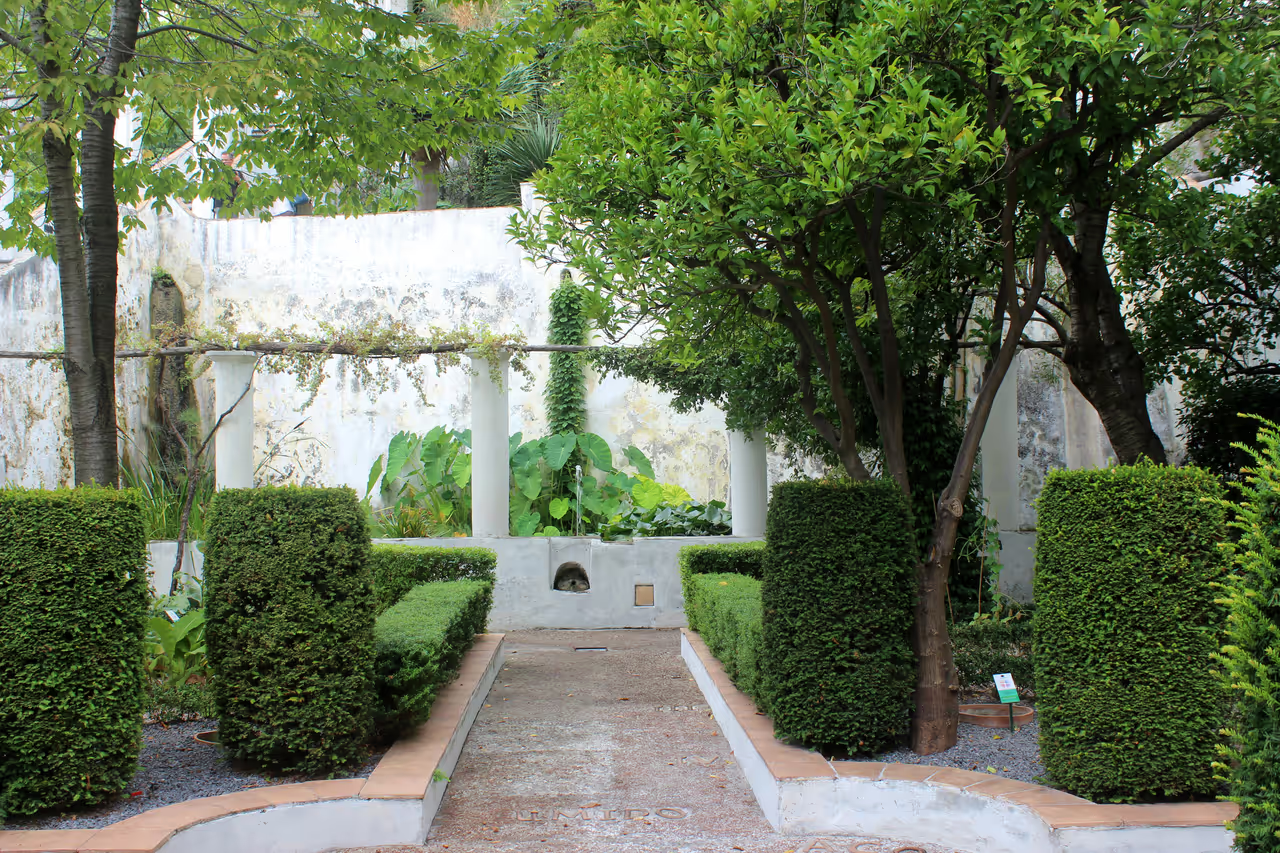
- • The Giardino della Minerva is the oldest botanical garden in Europe created specifically for teaching students how to cultivate and utilise medicinal plants.
- • The archaeological complex of San Pietro a Corte is recognised as the only surviving example of Lombard palatial architecture left in the world.
- • The Cathedral's magnificent bell tower, standing 52 metres tall, is a premier example of Arab-Norman architecture, brilliantly blending Islamic artistic influences with Christian structural design.
- • During the 19th century, Salerno was heavily industrialised and earned the nickname 'the Manchester of the Two Sicilies' due to its booming textile factories.
RESOURCES
Official WebsiteVideos of Salerno
Seasons
Spring
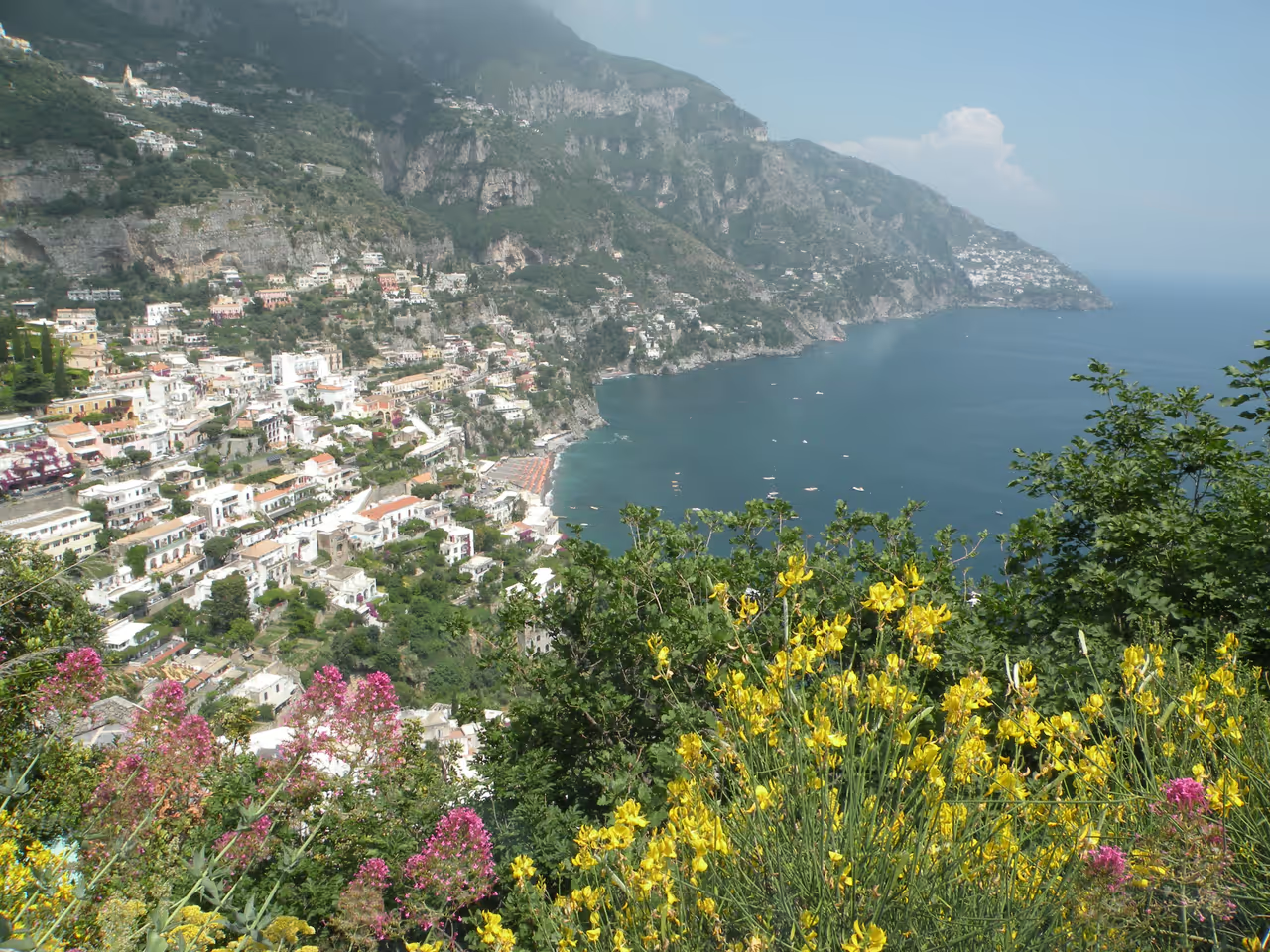
Spring is arguably the most pleasant time to visit, with average temperatures hovering comfortably around 16°C. The city awakens...
Summer
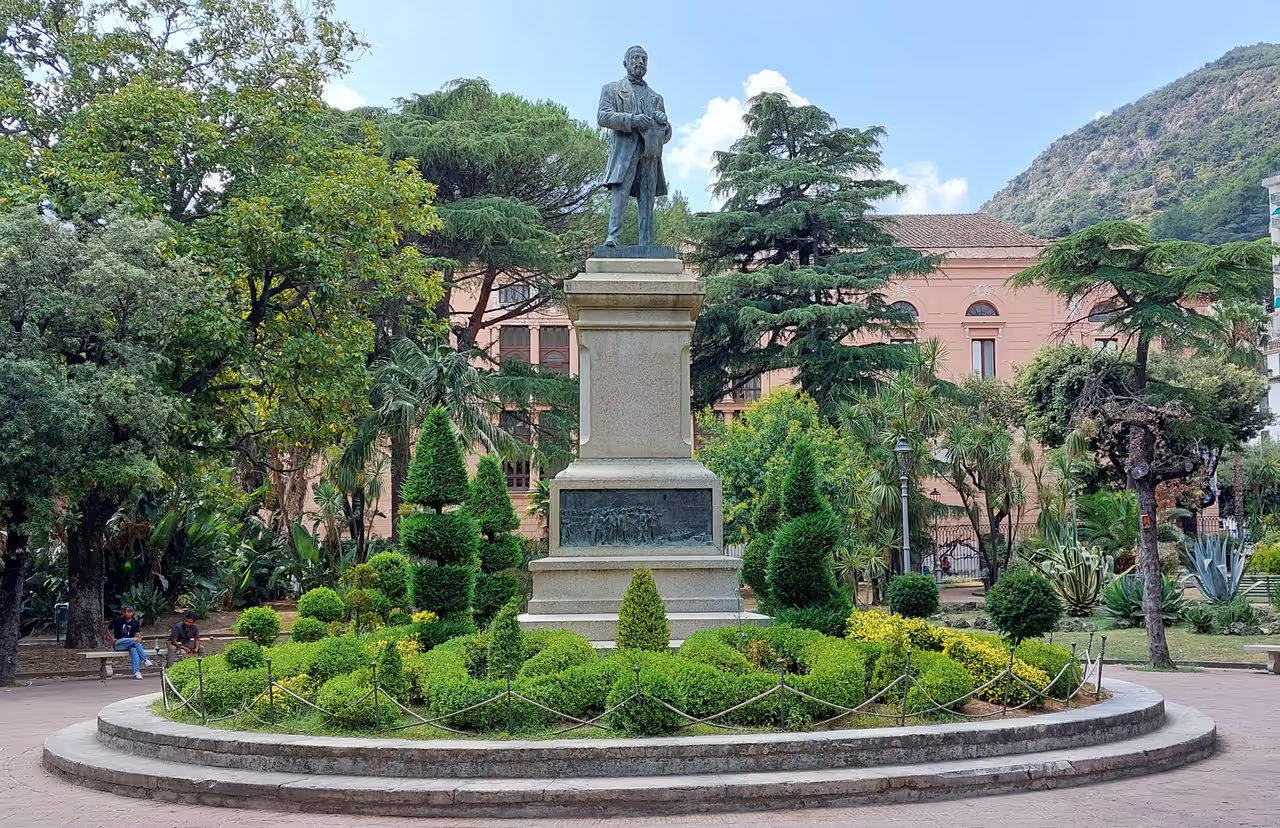
Summer brings hot, sunny days with averages around 25°C, though peaks can push much higher. The city's waterfront becomes the...
Autumn
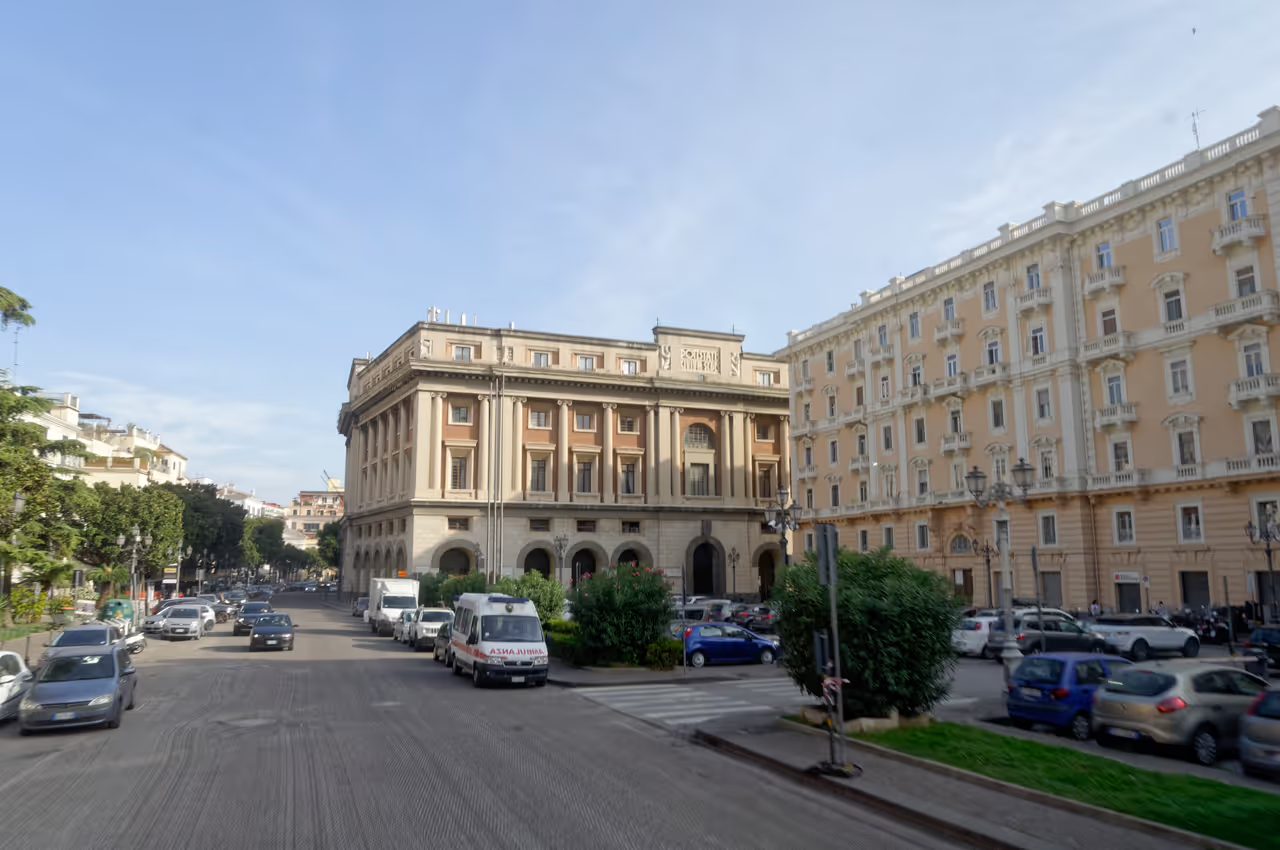
Autumn is a transitional and highly rewarding season, maintaining mild averages around 19°C. The sea remains warm enough for...
Winter
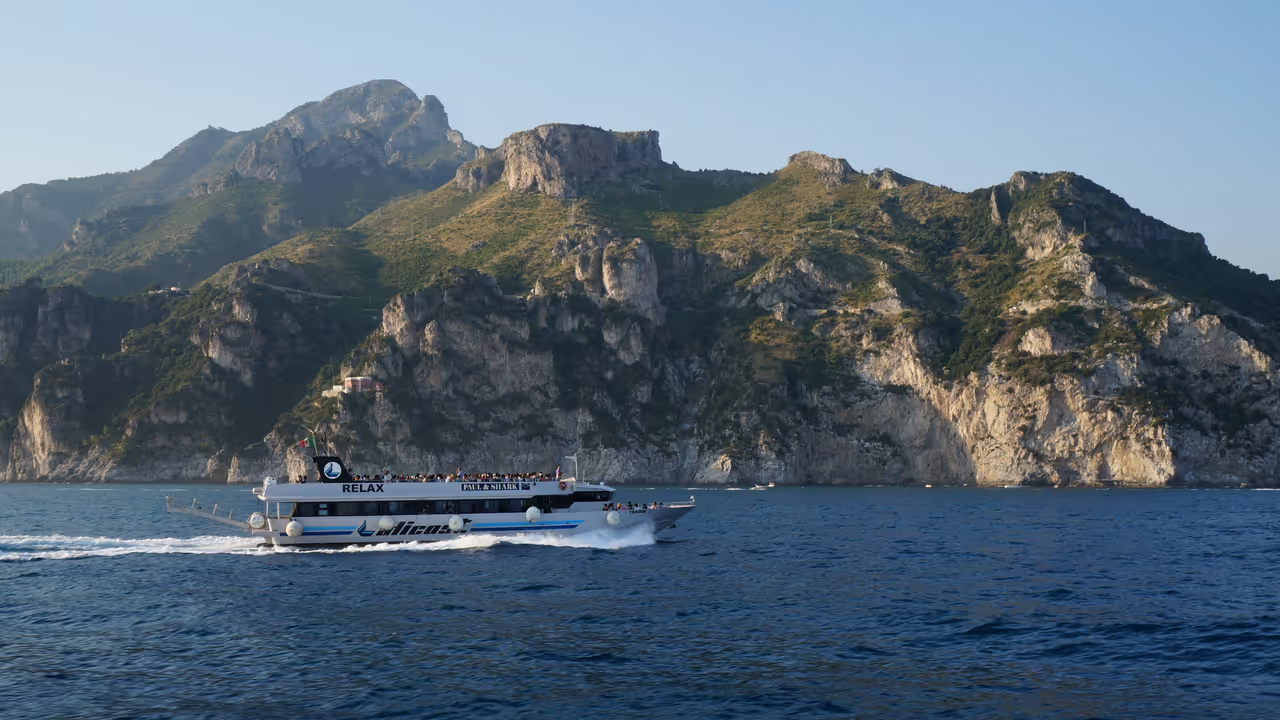
Winter is generally mild, with averages around 11°C, though the coastal winds can be brisk. The city is completely transformed...
Top Attractions in Salerno
Salerno Cathedral
Stepping into the Salerno Cathedral offers a journey into the heart of Mediterranean history, where Norman power meets delicate...
view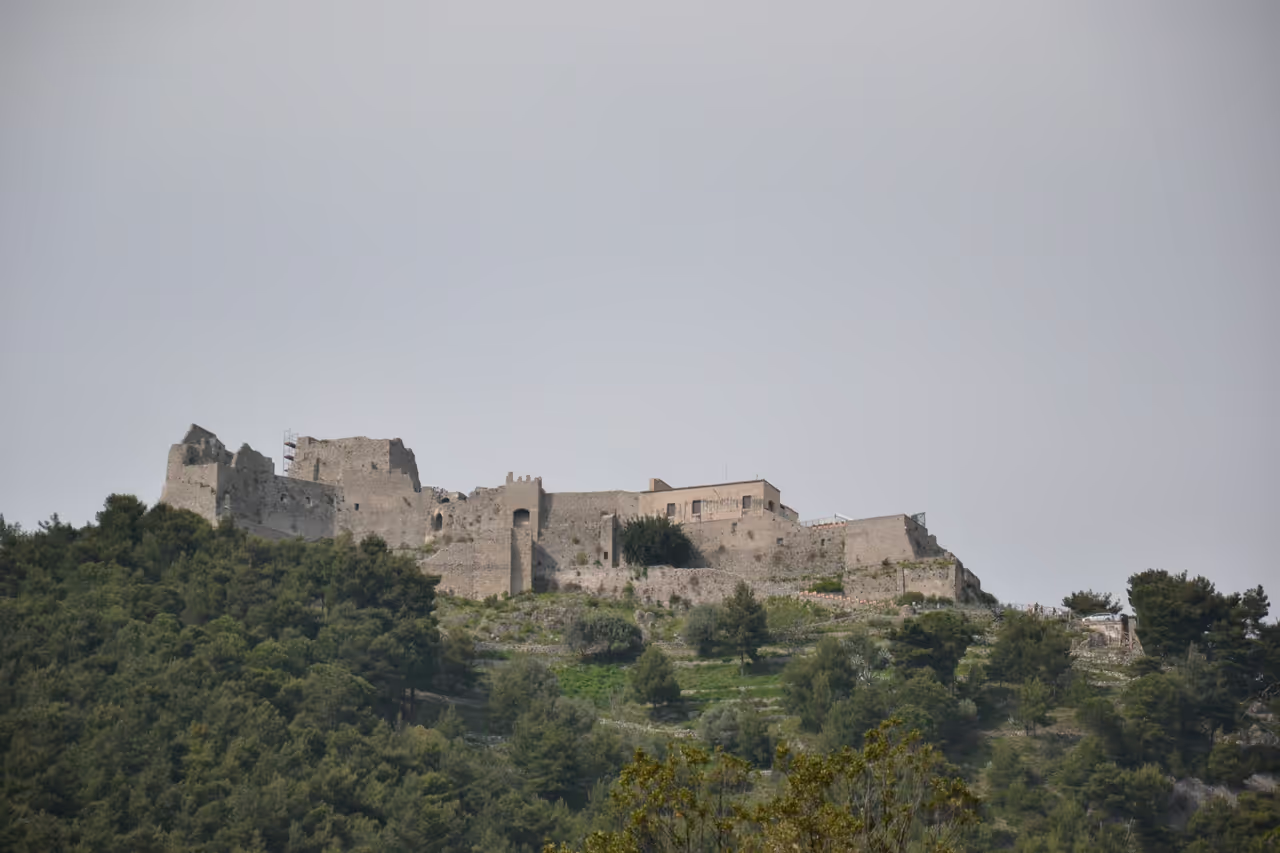
Arechi Castle
Perched high on the Bonadies mount, Arechi Castle watches over the Gulf of Salerno with centuries of history written into its...
view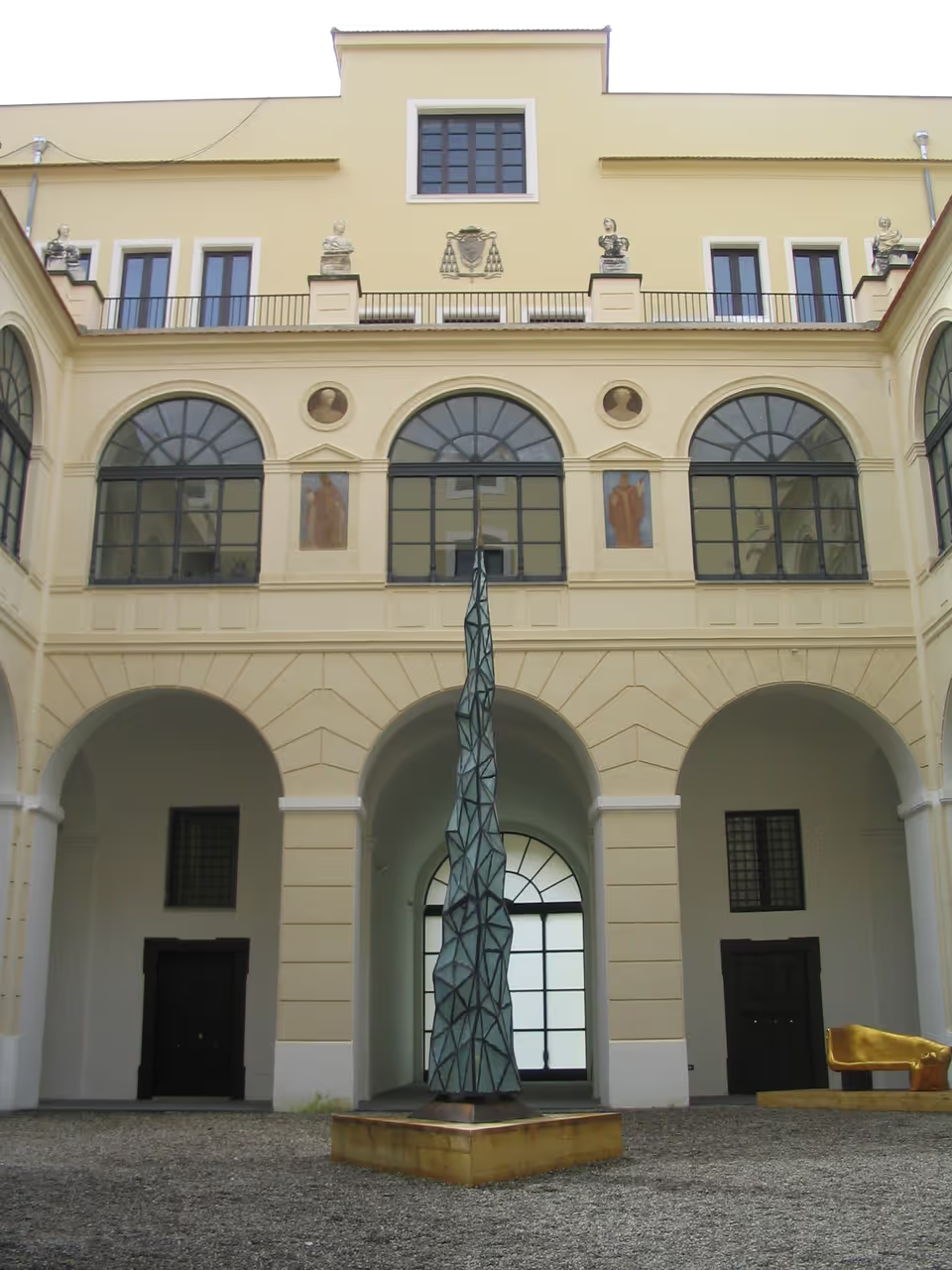
Diocesan Museum of Saint Matthew
Step into the Diocesan Museum of Saint Matthew and uncover the artistic heartbeat of Salerno within the walls of a historic...
view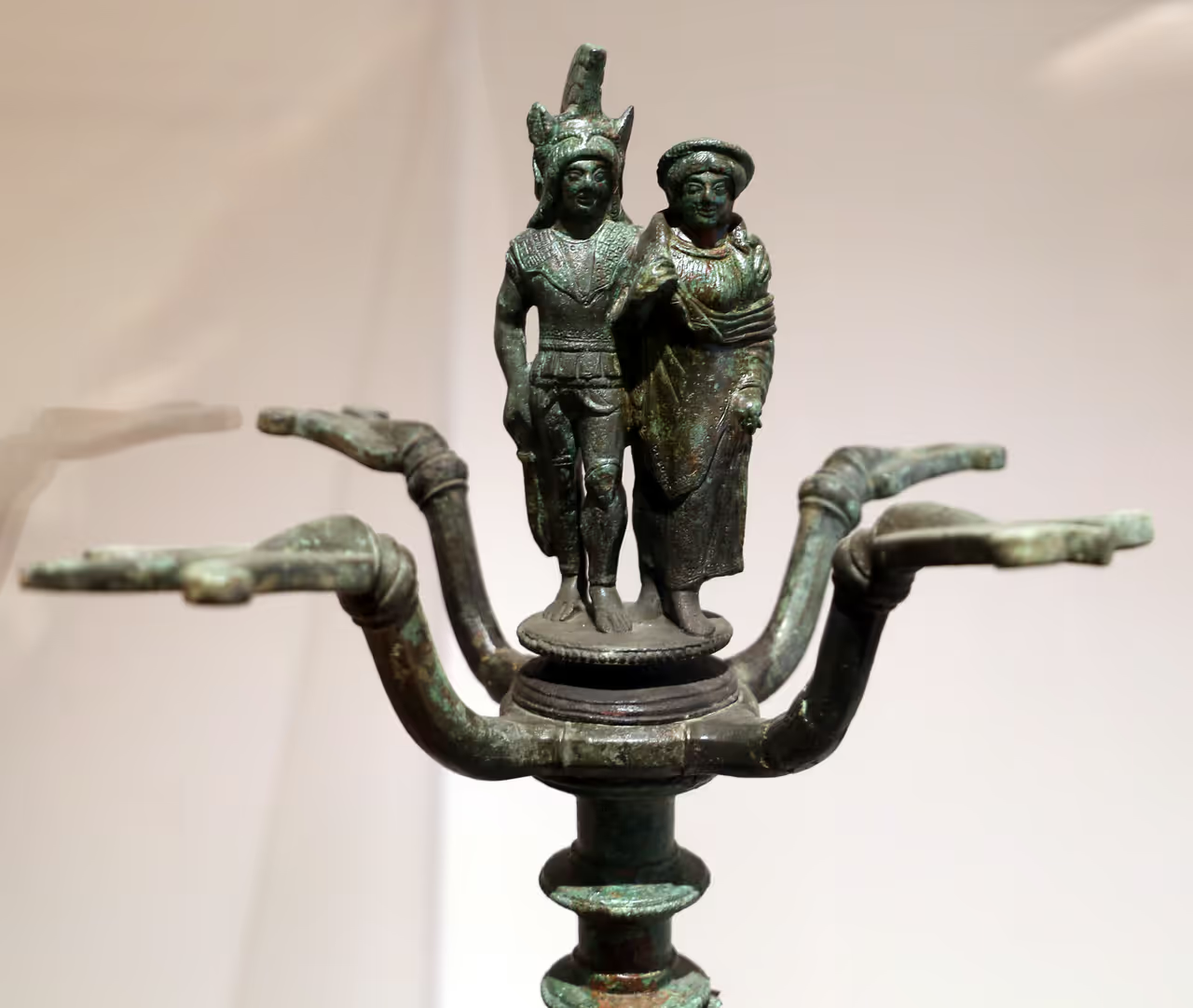
Provincial Archaeological Museum of Salerno
Housed in the breathtaking, multi-layered complex of the former San Benedetto monastery, this museum is a hidden gem for history...
view
Best Views
Salerno Itineraries
TRIP PLANNER
3 Days Recommended
Three days allow you enough time to thoroughly explore the historic centre, museums, and waterfront at a comfortable pace. It gives you the chance to appreciate the evening atmosphere and culinary scene without rushing. You will also have flexibility to take a half-day trip to a nearby coastal village or the ruins of Paestum.
1 Day in Salerno Itinerary
This fast-paced itinerary is designed for those making a quick stop in the city. It focuses entirely on the absolute essentials, blending the city's incredible history with its modern coastal vibe. You will start with the spiritual heart of the city, climb to its ancient botanical roots, and finish by experiencing its renowned evening promenade. It ensures you capture the true essence of Salerno in just 24 hours.
view itinerary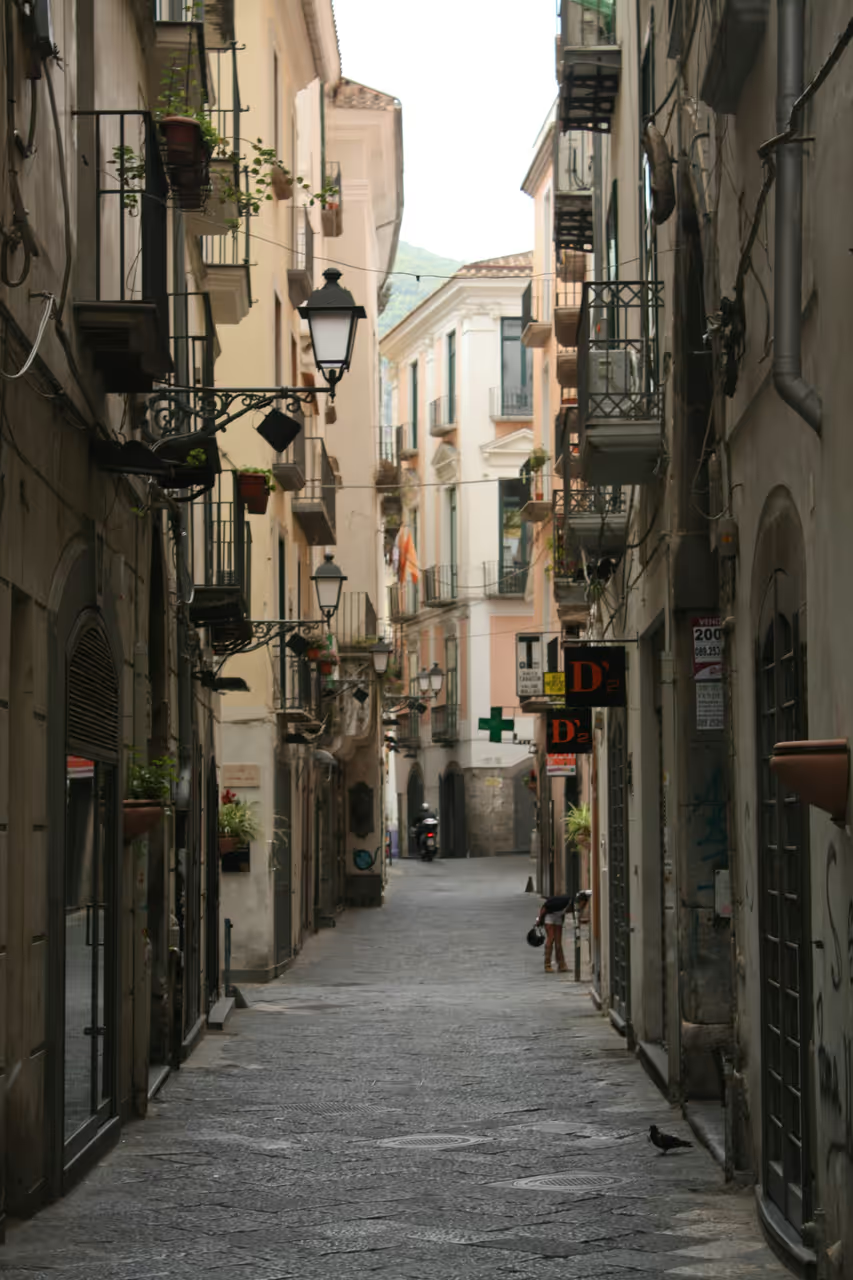
3 Days in Salerno Itinerary
With three days, you can move beyond the surface and truly appreciate the layers of history and culture here. This route introduces the grand Lombard fortresses, delves into the city's architectural evolution, and provides ample time to enjoy the local lifestyle. It balances rigorous historical sightseeing with relaxing coastal strolls, ensuring a comprehensive and enjoyable city break.
view itinerary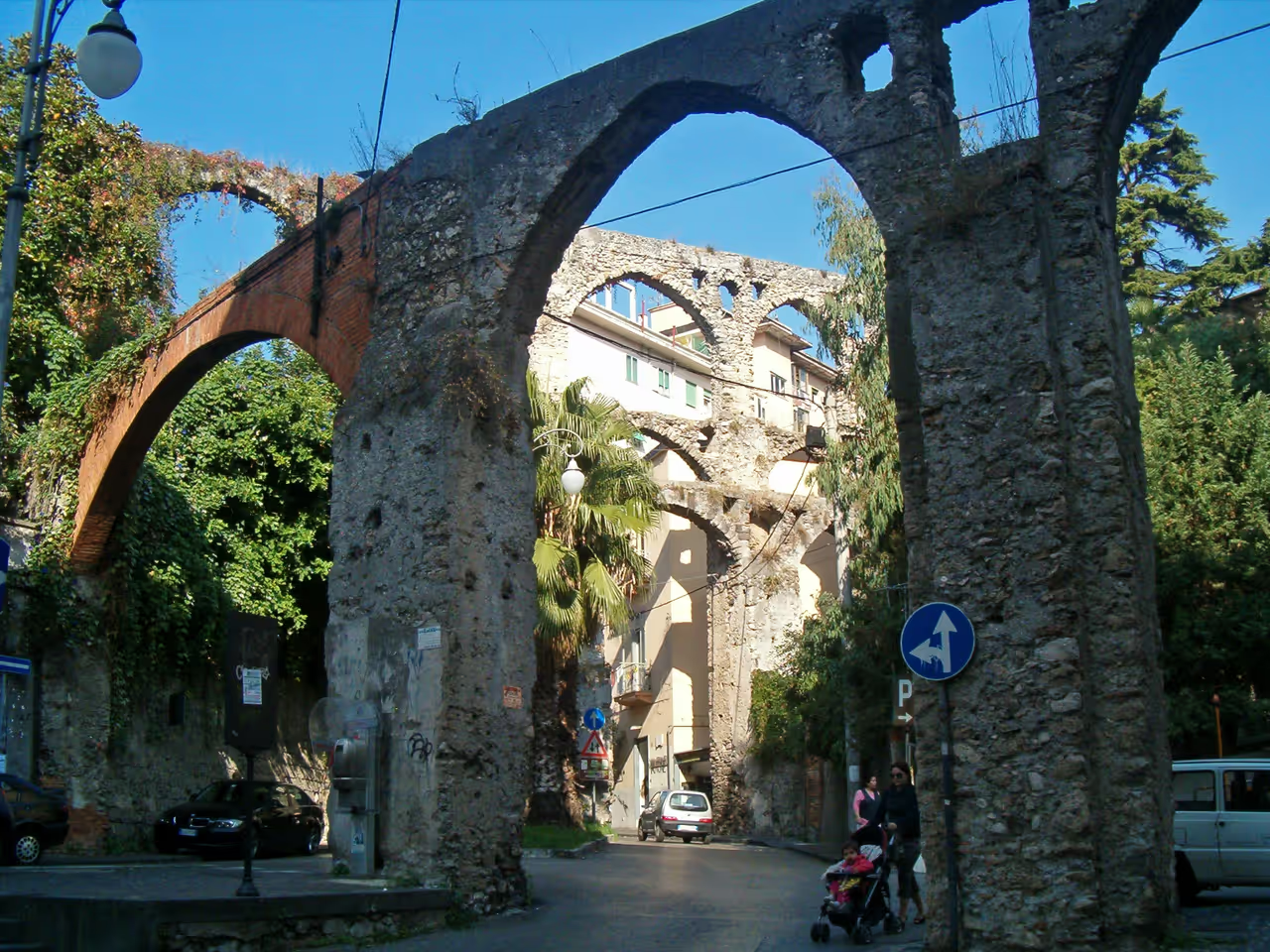
5 Days in Salerno: The Complete Experience Itinerary
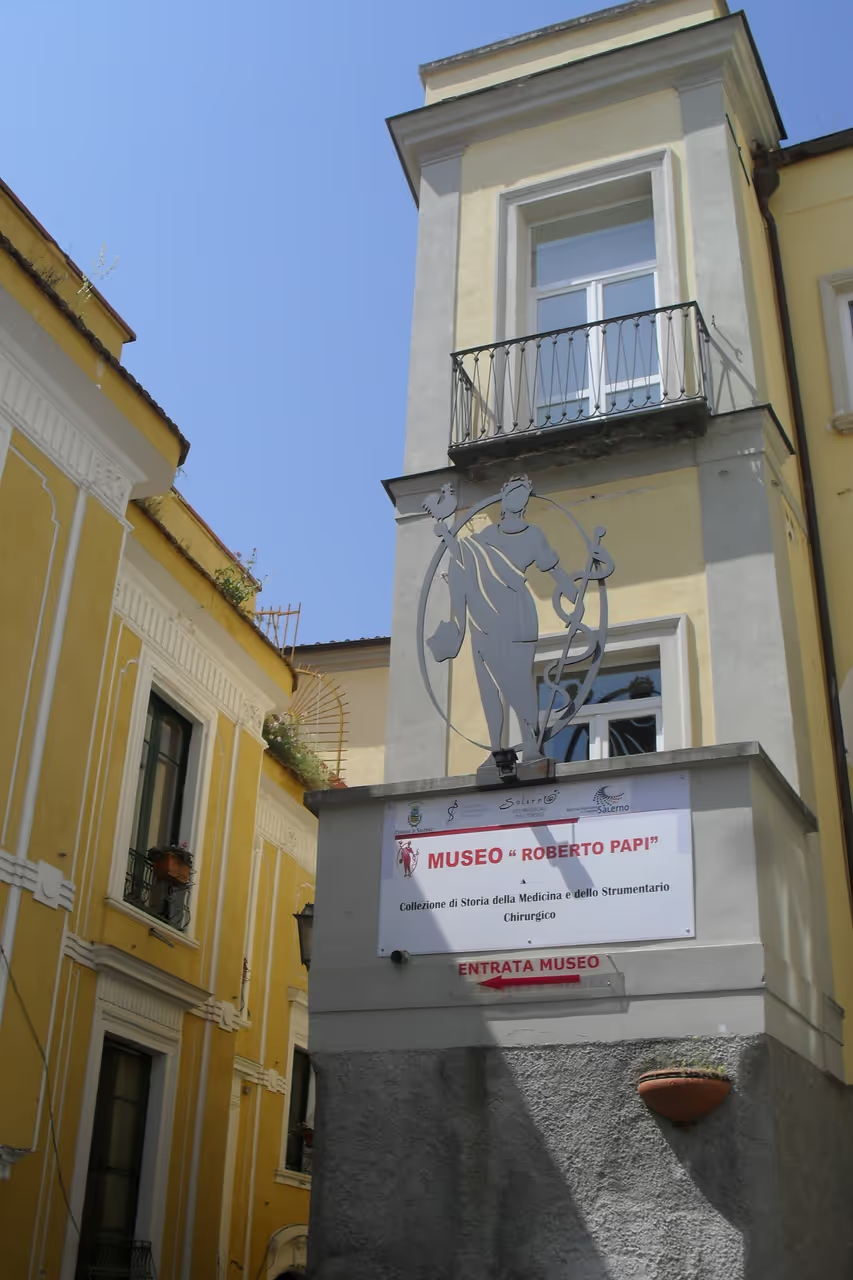
Five days allow you to become temporarily local. You will uncover hidden gems, explore off-the-beaten-path museums, and discover the city's impressive green parks. This itinerary ensures you see every facet of Salerno, from its ancient medical instruments to its futuristic marinas, with plenty of time factored in for leisurely lunches and evening aperitivos.
view itinerary
Food in Salerno
Free Things to do in Salerno
Parks & Nature
Giardino della Minerva
Nestled in the historic heart of Salerno, this ancient site stands as a living testament to the renowned Scuola Medica...
view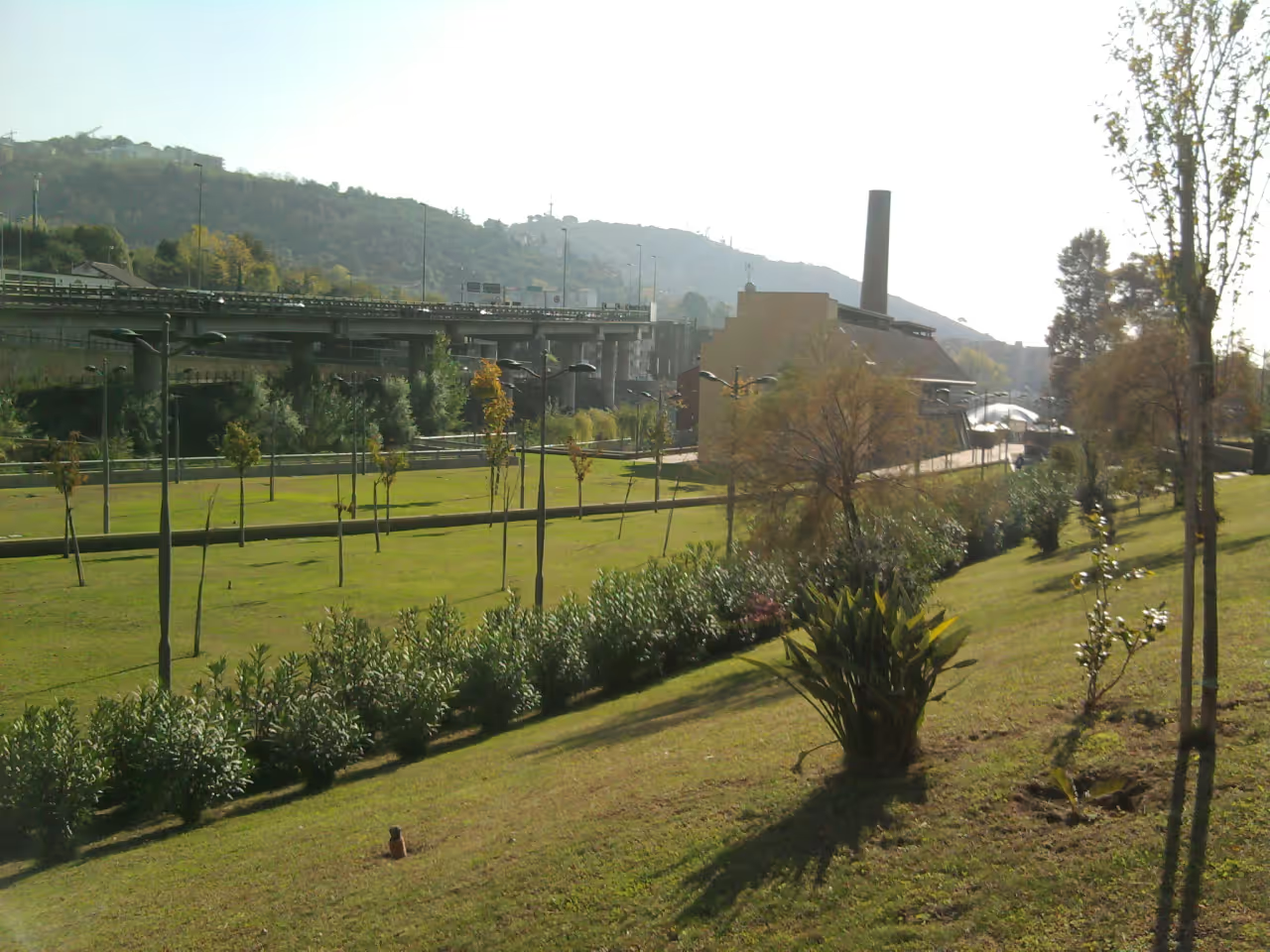
Irno Urban Park
Parco dell'Irno is a beautiful example of how industrial history can be revitalised into a lush green sanctuary for the local...
view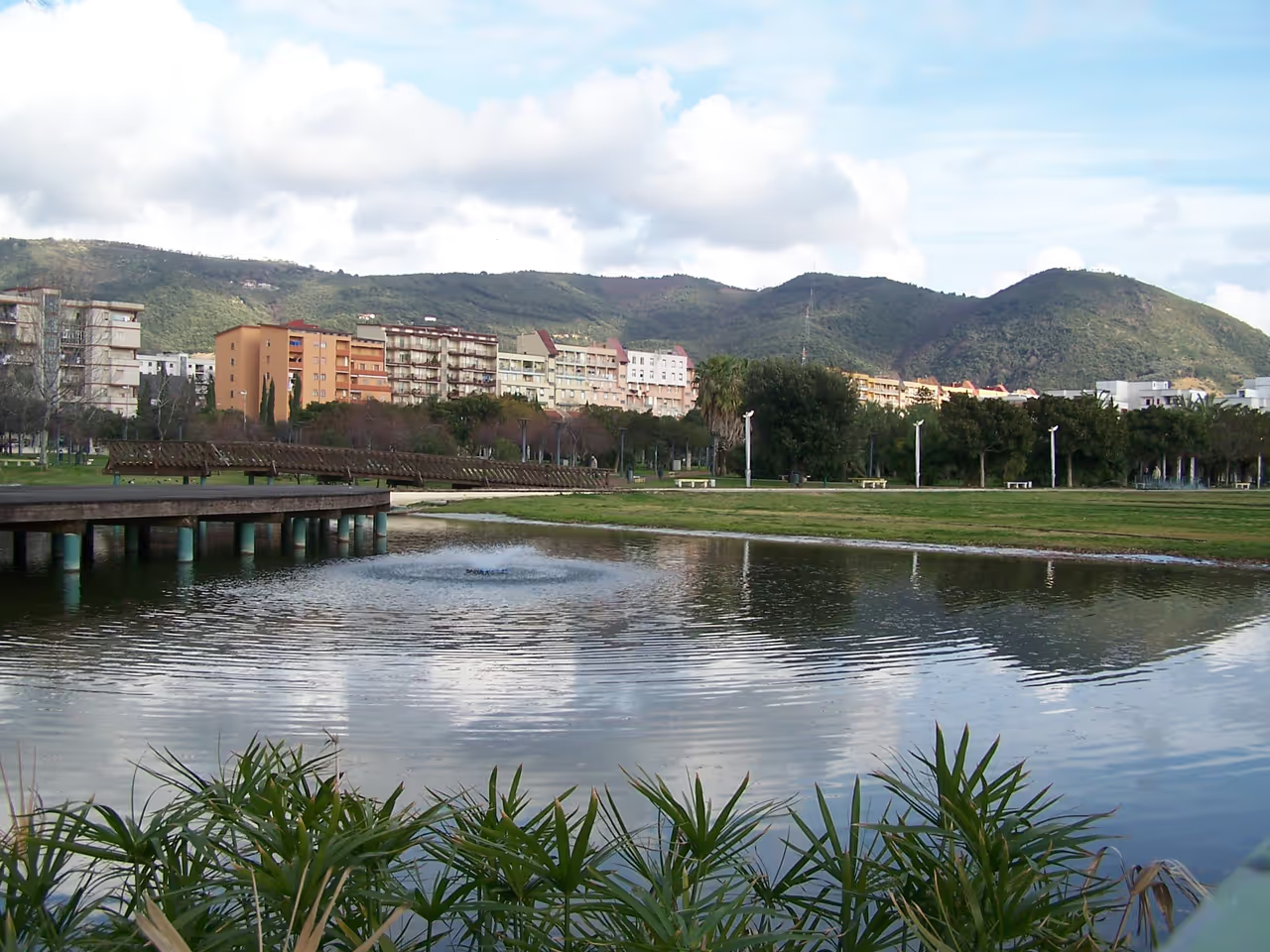
Mercatello Park
A lush ten hectare green oasis, Parco del Mercatello serves as vital lungs for the eastern neighbourhoods of Salerno. Designed...
view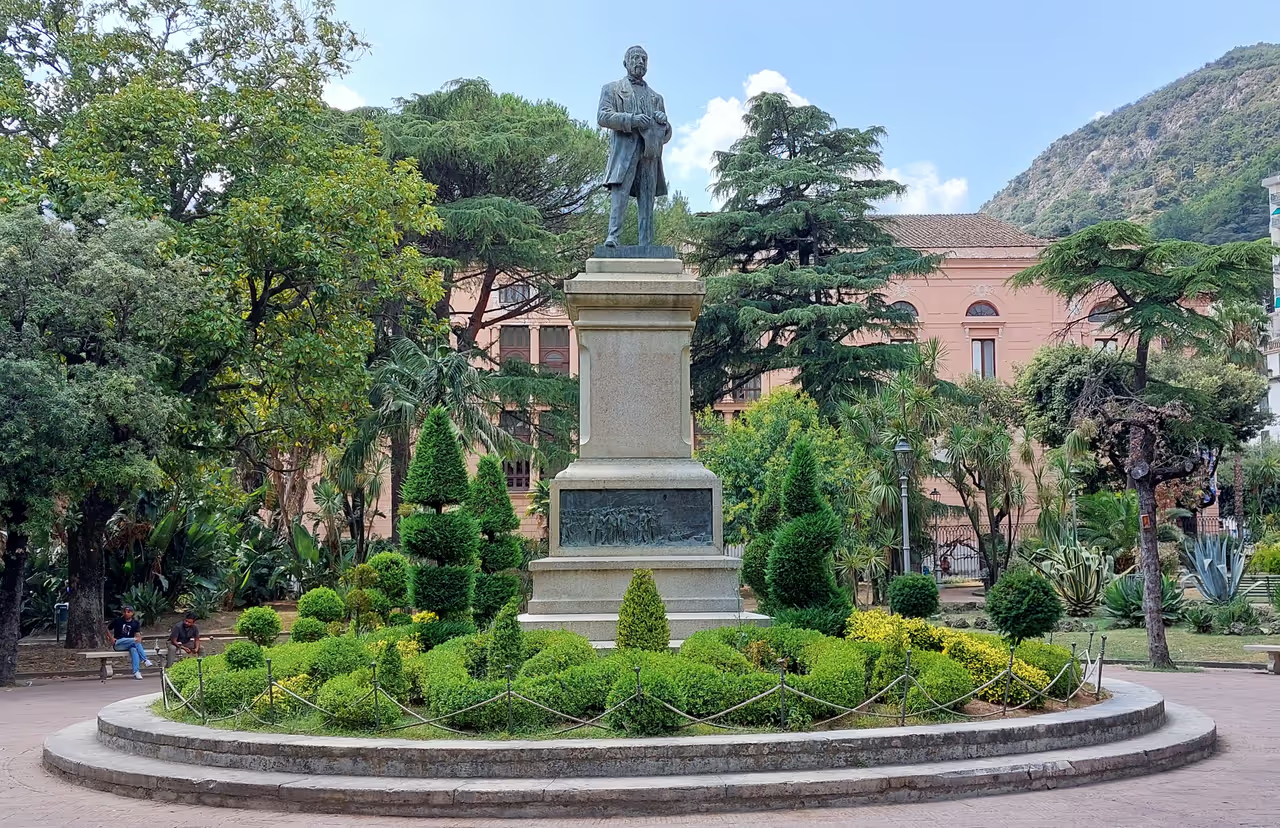
Salerno Municipal Garden
Step into the verdant heart of the city at the Salerno Municipal Garden, a historic green sanctuary that invites you to slow...
view
Highlights & Must-Sees
Trieste Promenade
Often lauded as one of the most beautiful seafronts in the Mediterranean, this expansive promenade stretches for over a...
view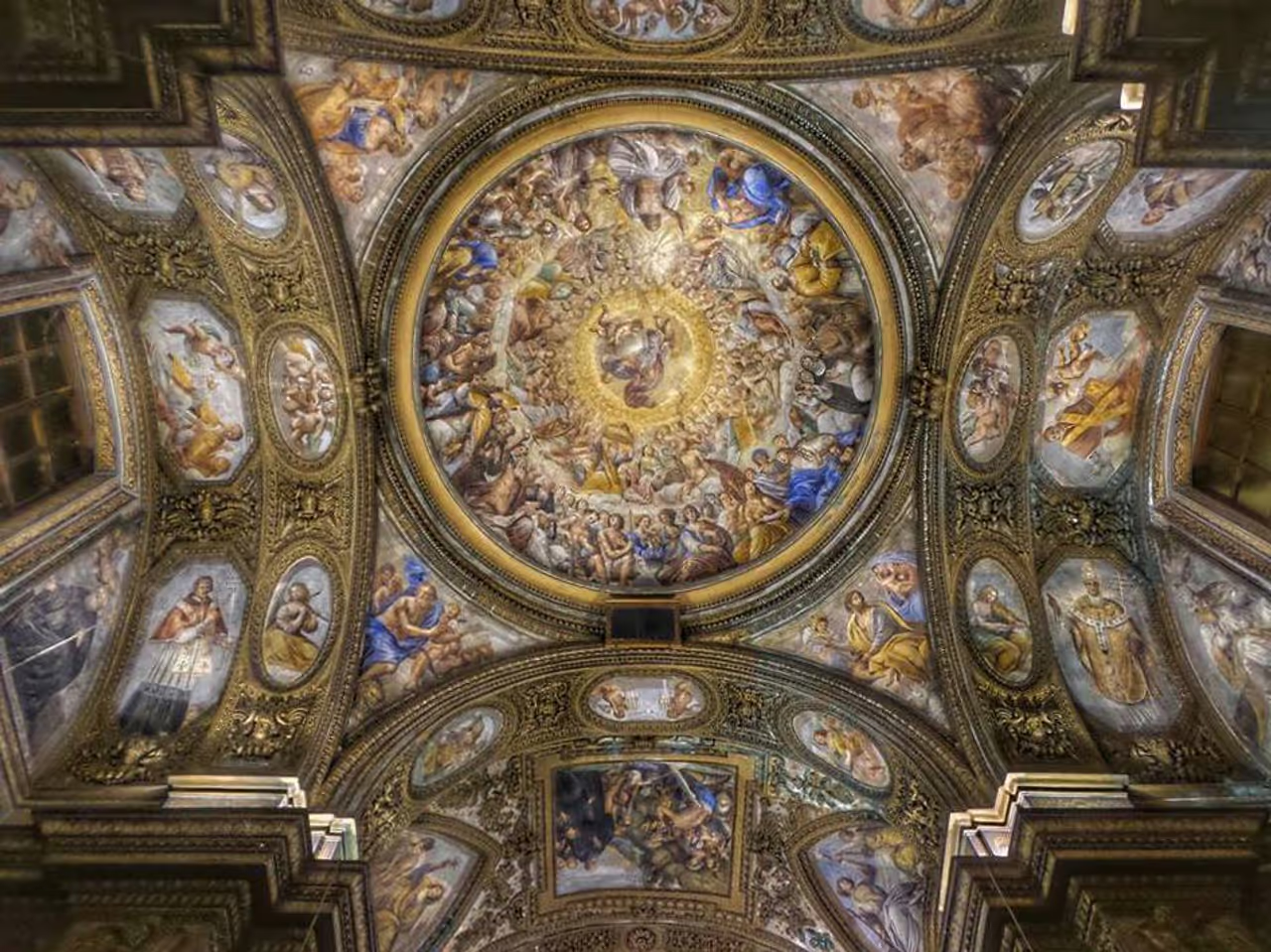
Church of Saint George
Widely regarded by locals and experts alike as the most beautiful baroque church in the city. The interior is an absolute...
viewFreedom Square
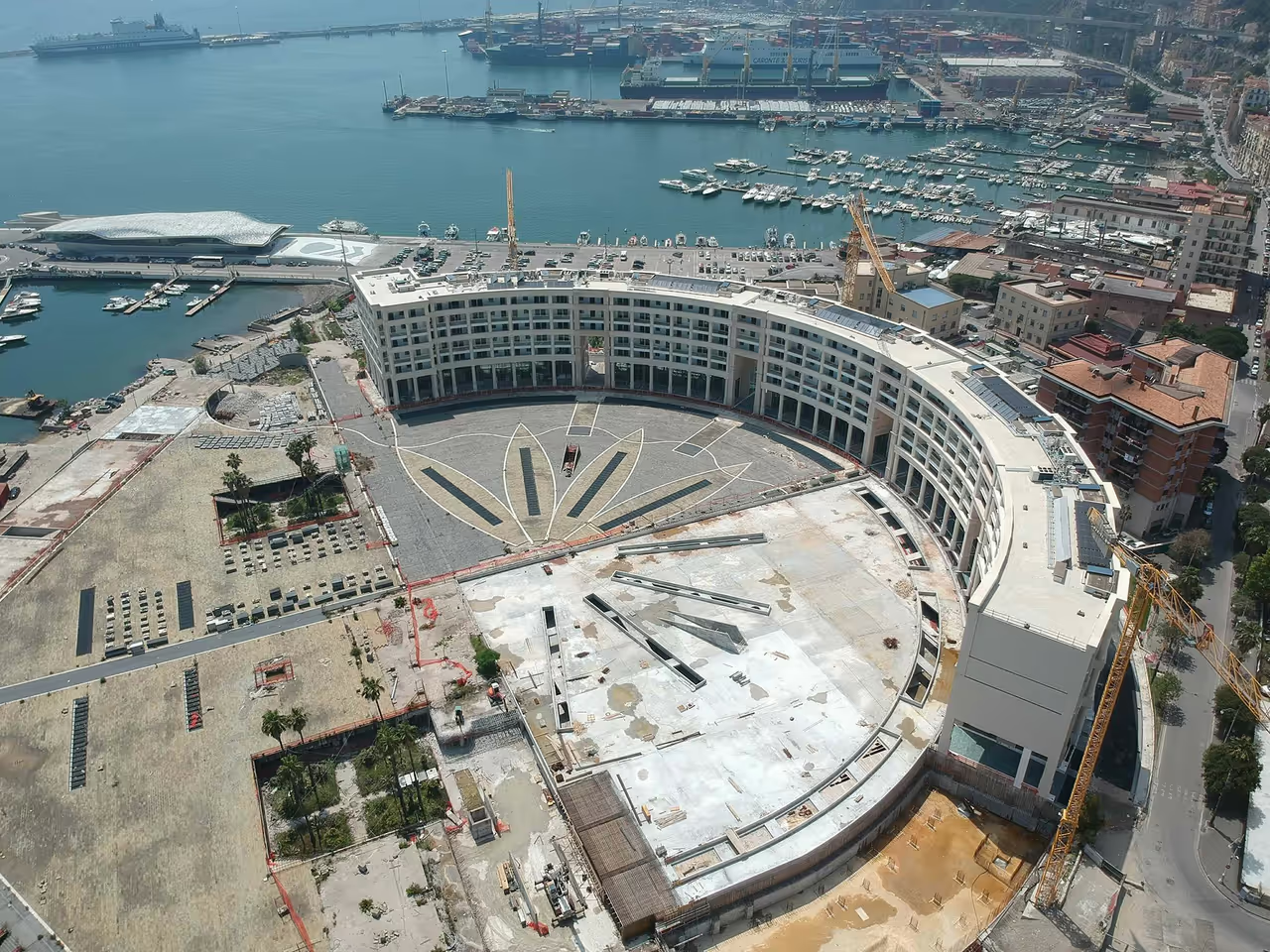
Covering a massive area right by the sea, this is one of the largest public squares in Italy. Conceived by the Catalan architect...
viewMaritime Terminal
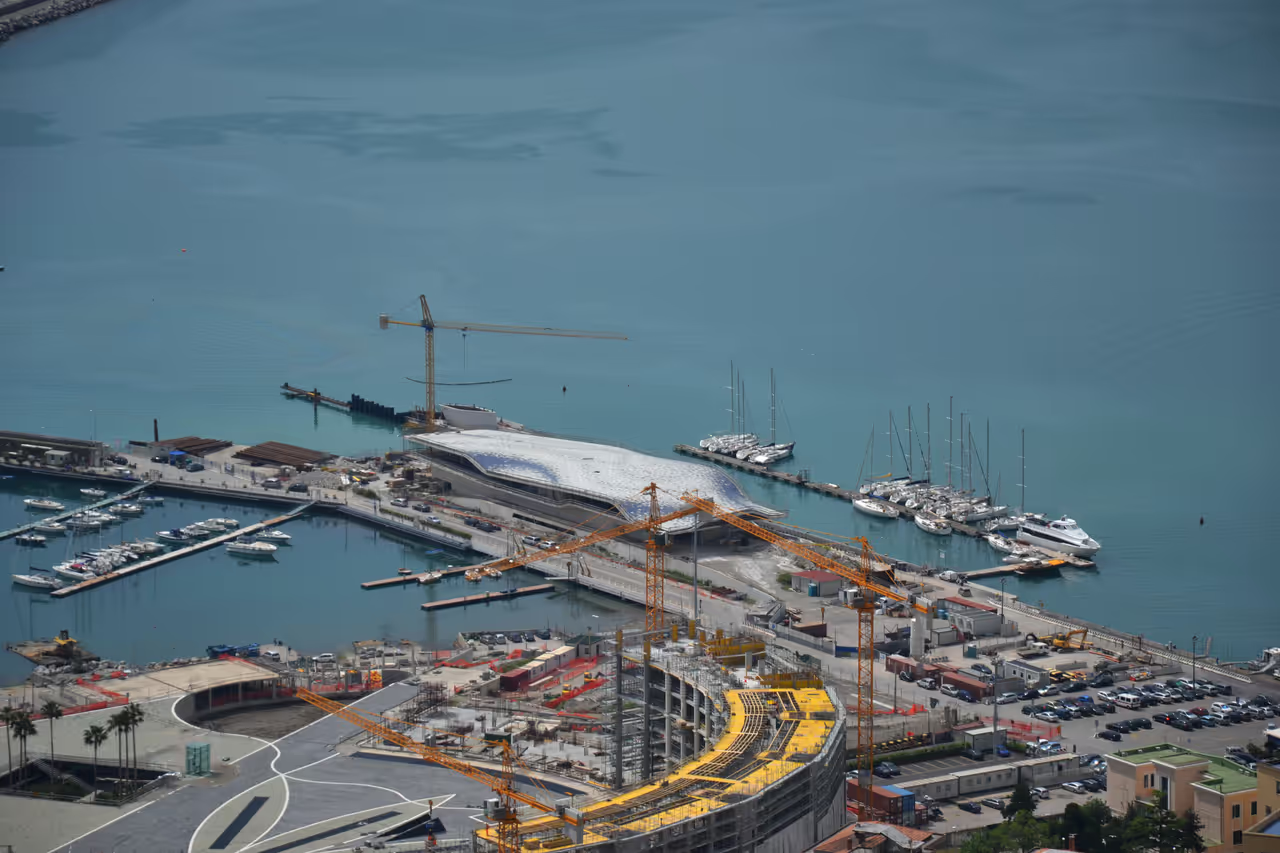
This stunning piece of contemporary architecture was designed by the late, visionary architect Zaha Hadid. Its fluid...
view
Best Walks in Salerno
 HIGHLY RECOMMENDED
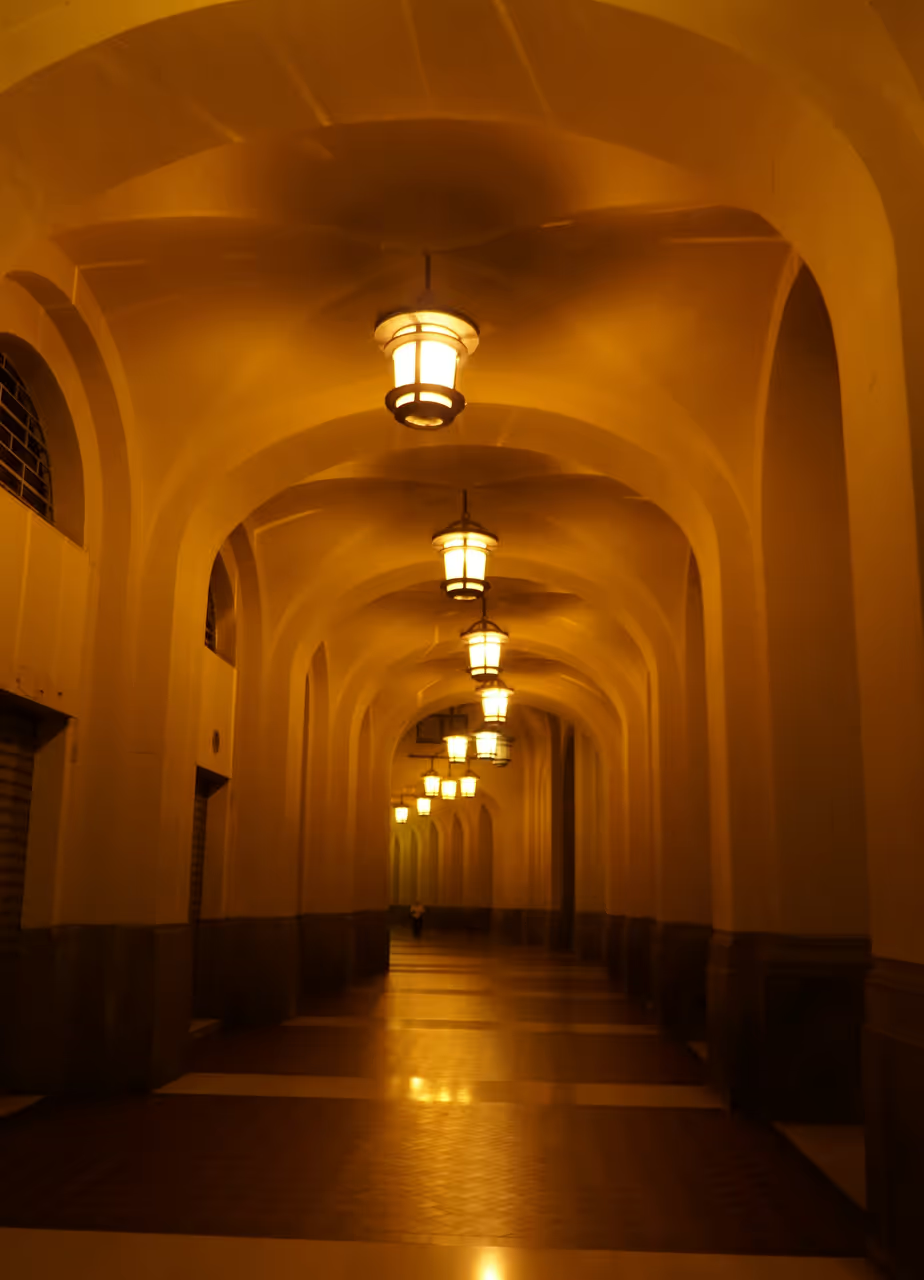
Labyrinth of the Old Town
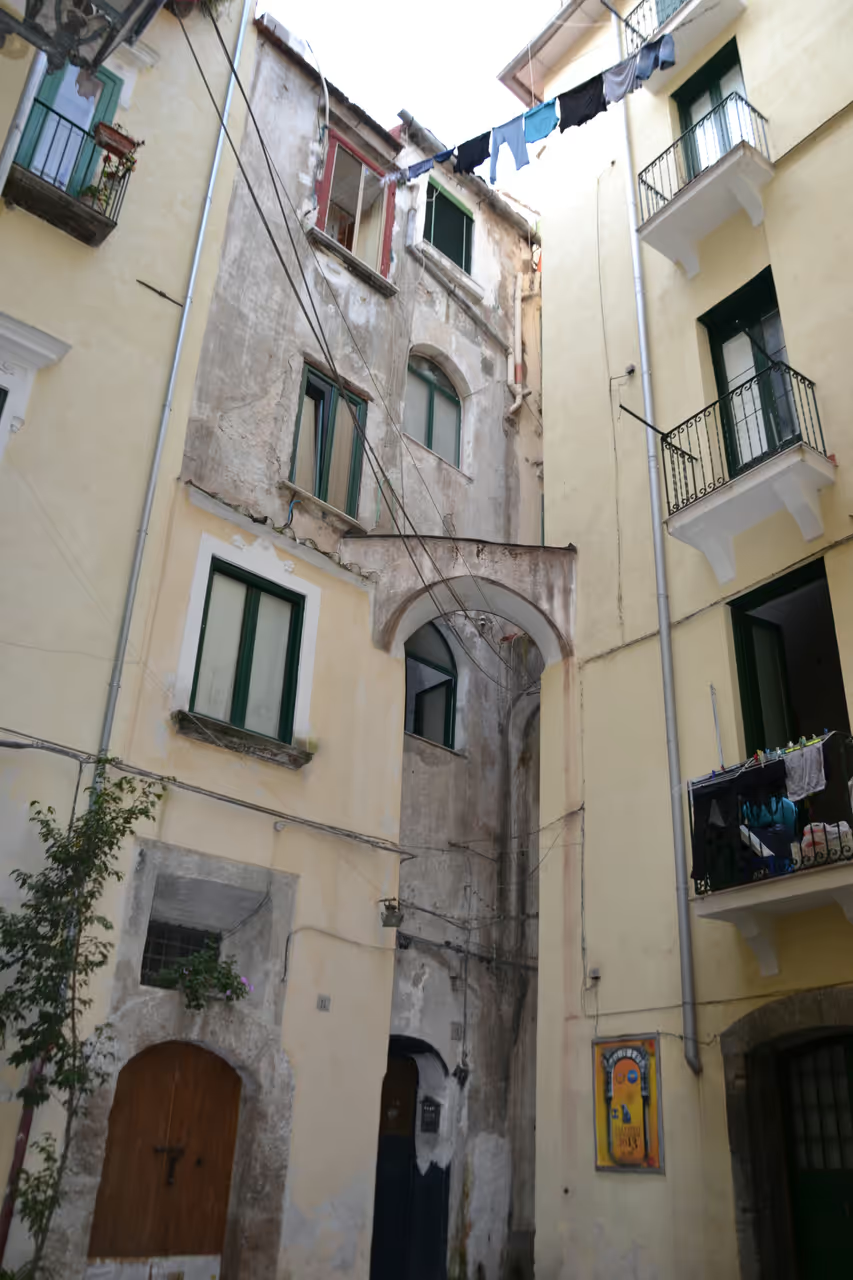
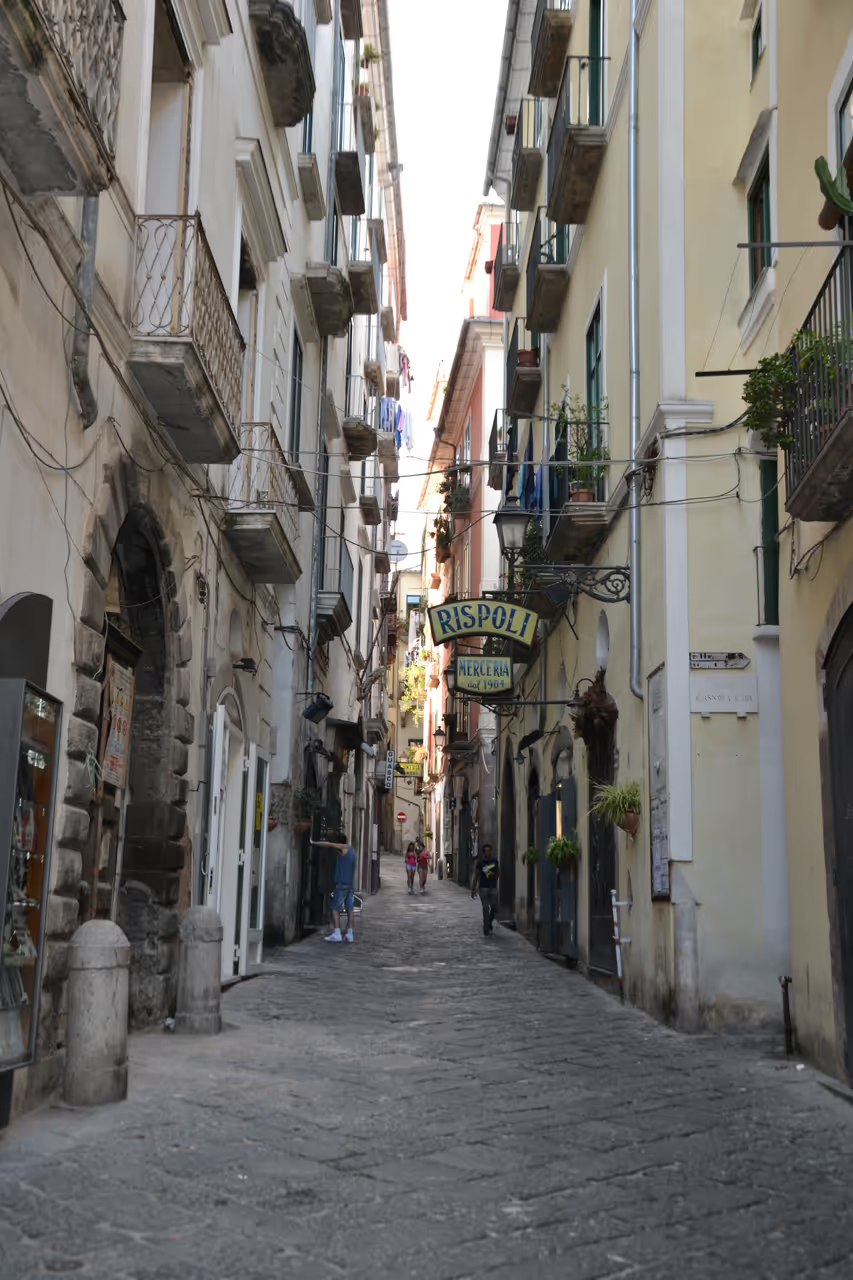
Step away from the open sea and dive into the dense, atmospheric network of alleys that make up Salerno's medieval core. This stroll is a sensory delight, filled with the aroma of freshly baked goods, the sight of peeling pastel paint, and the sound of lively local chatter. The streets are a beautiful tangle of Norman arches, hidden piazzas, and ancient palaces. It is easy to lose your sense of direction here, but that is entirely the point.
 HIGHLY RECOMMENDED
Grand Waterfront Promenade
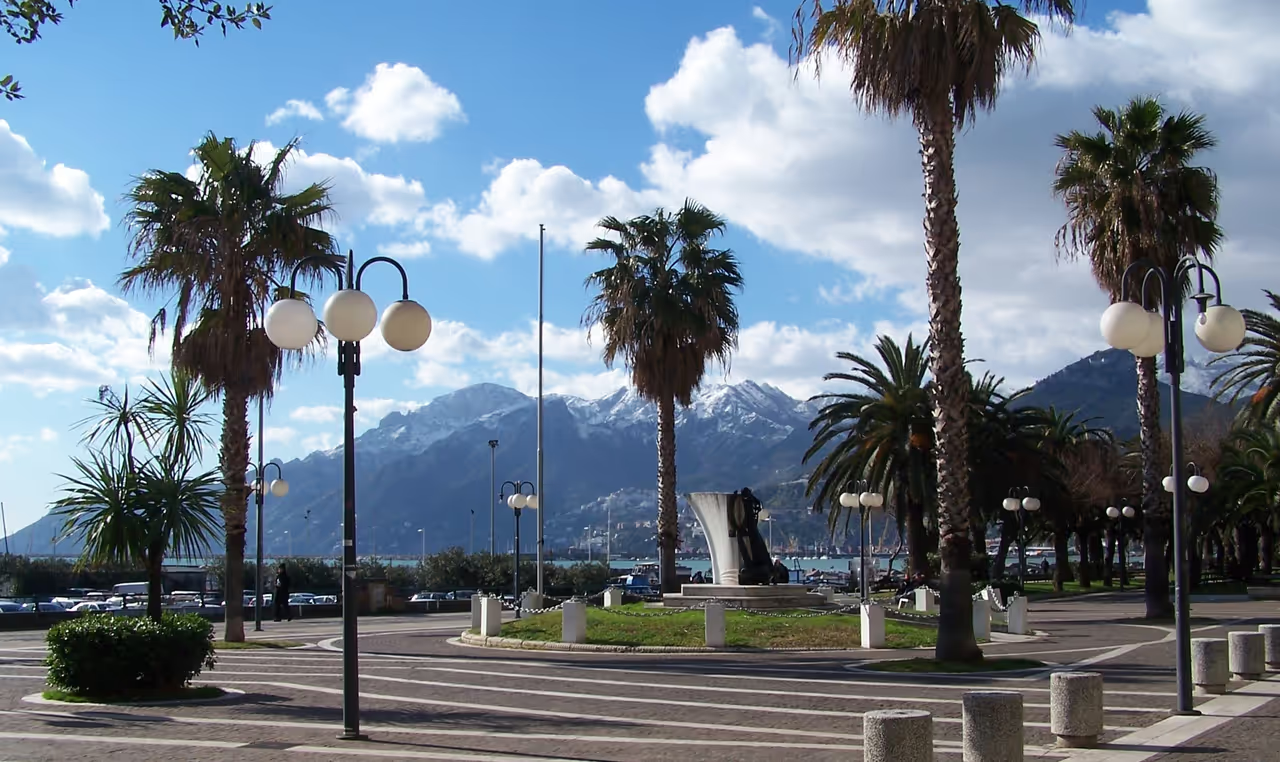
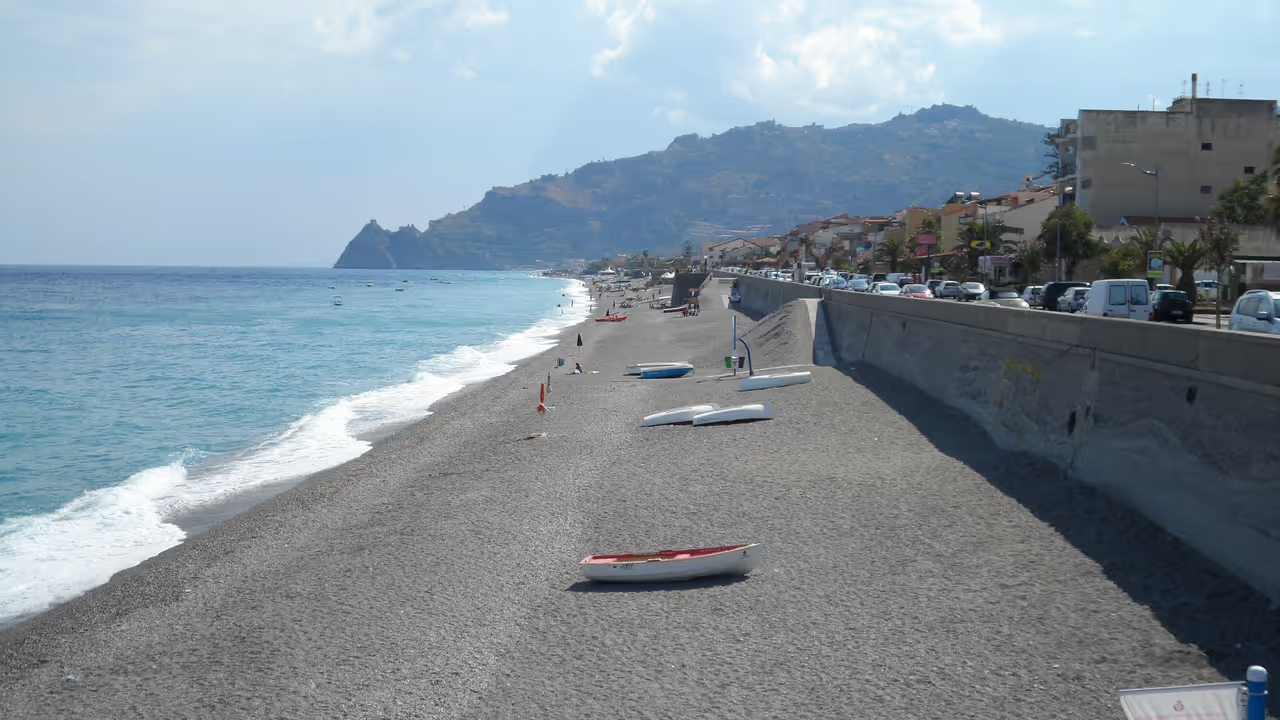
This is the quintessential Salerno experience, an easy, beautiful walk along one of the most celebrated promenades in Italy. With the sea lapping against the rocks on one side and elegant architecture on the other, the setting is incredibly romantic. You will walk beneath the shade of mature palm trees and oleanders, passing locals engaged in their daily 'passeggiata'. The light here, especially in the late afternoon, casts a golden hue over the entire city.
Hillside Panoramic Path
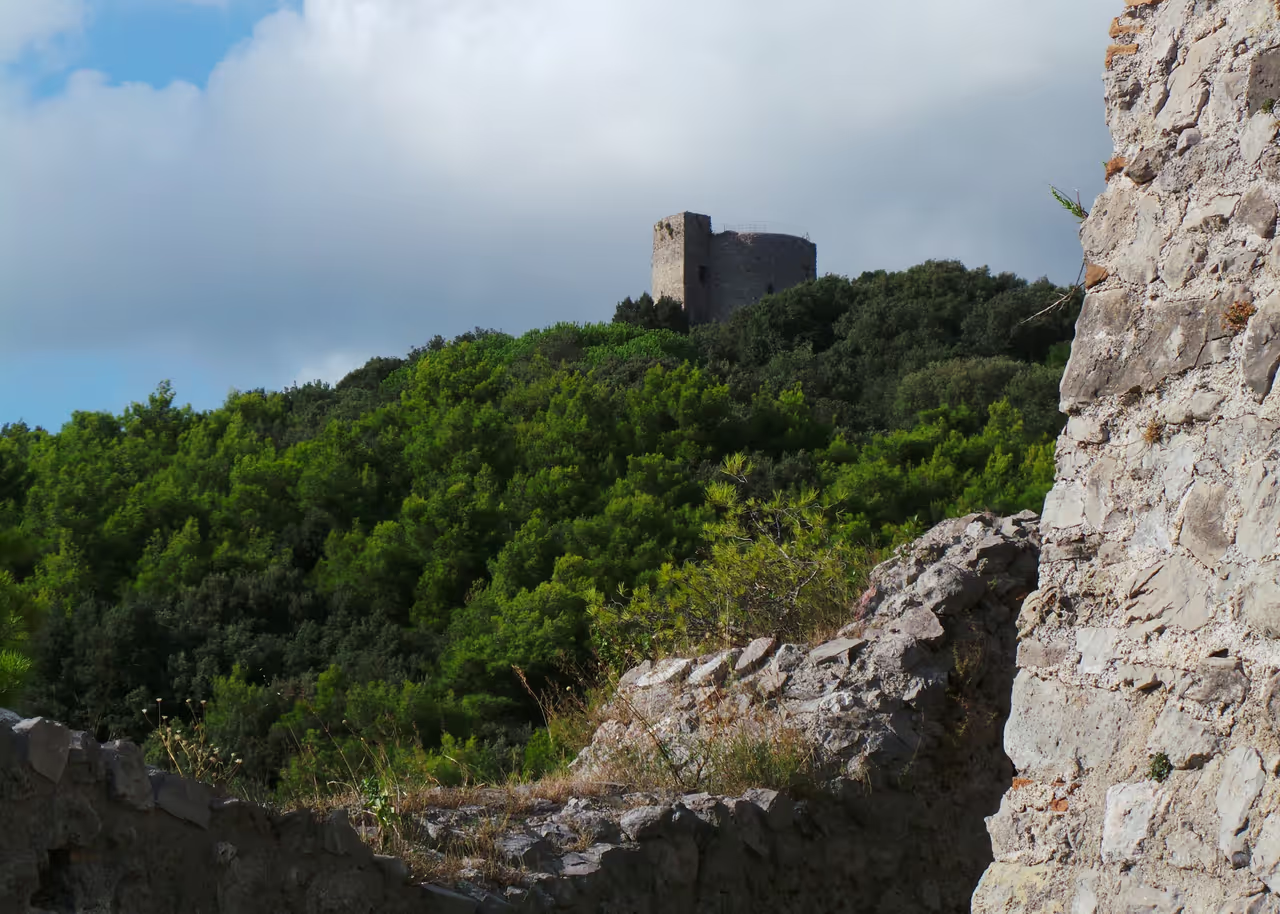
For those seeking nature and elevation, this walk takes you up into the wooded hillsides that immediately back the city. The trail winds through Mediterranean scrub and small, quiet residential areas, offering increasingly dramatic views of the cityscape below. It is a peaceful, physical excursion that provides a completely different perspective on the geography of the Gulf of Salerno. The scent of pine and wild herbs is incredibly refreshing.
Architecture & Landmarks
Medieval Aqueduct
Erected by the Lombards in the 9th century, this towering aqueduct was built to supply water to the local monasteries. It is...
view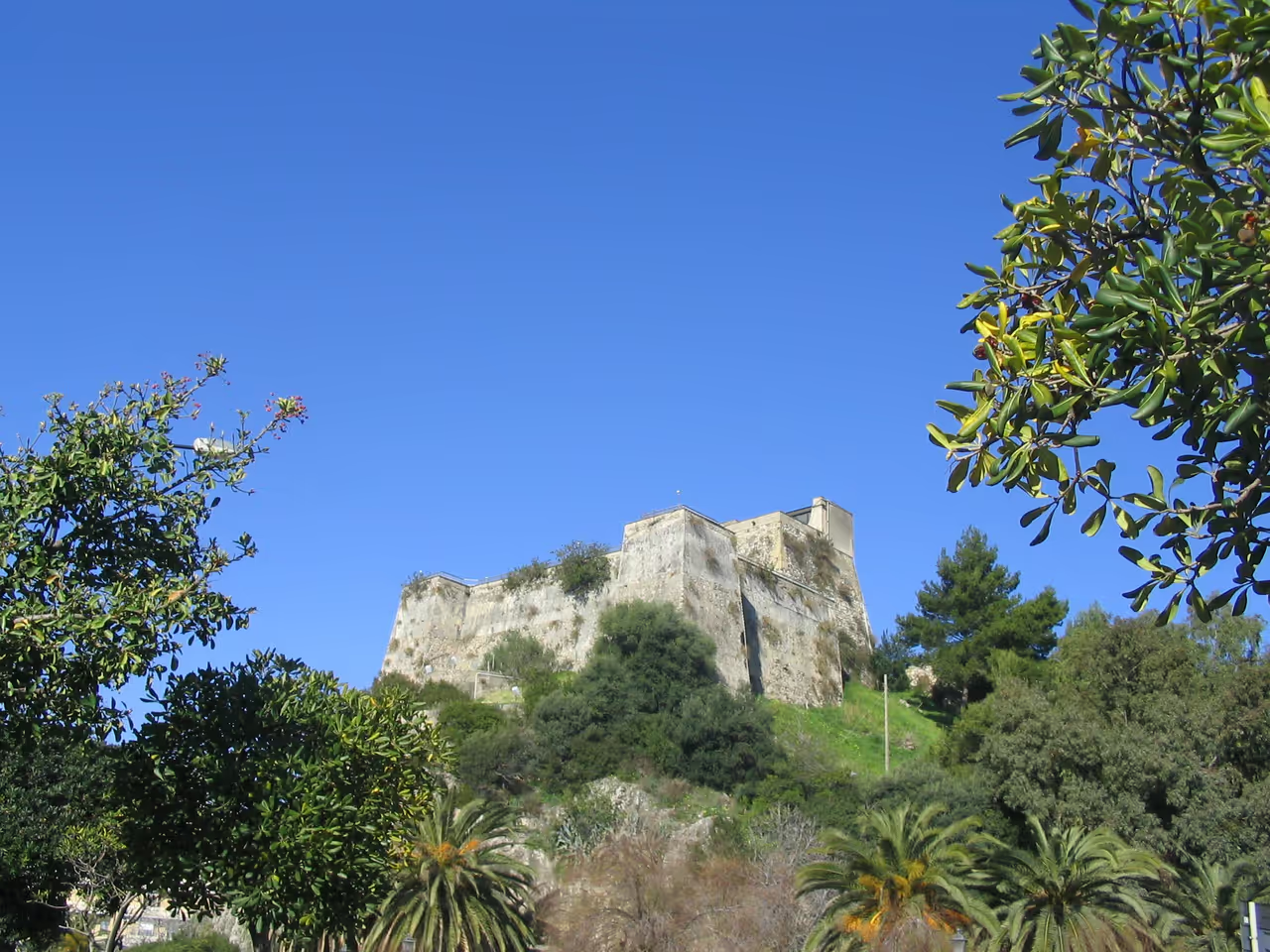
Carnale Fort
Perched aggressively on a rocky outcropping near the sea, this 16th-century cavalry tower was built as a vital defence against...
viewCity Hall
Constructed during the Fascist era, this massive municipal building dominates the streetscape with its rigorous, monumental...
view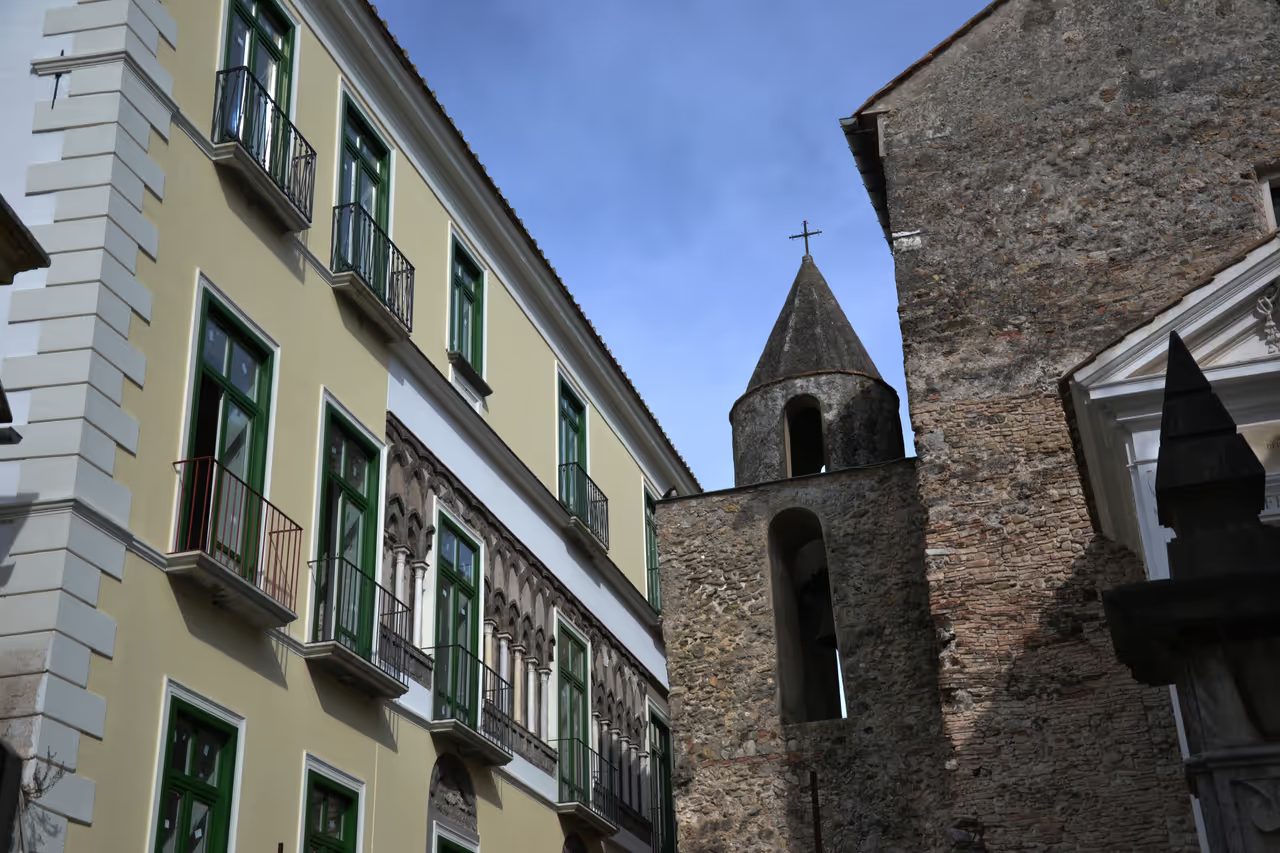
Fruscione Palace
This is a rare, superb example of Norman civil architecture sitting heavily in the historic centre. The facade is...
view
Markets & Shopping
Salerno Nightlife
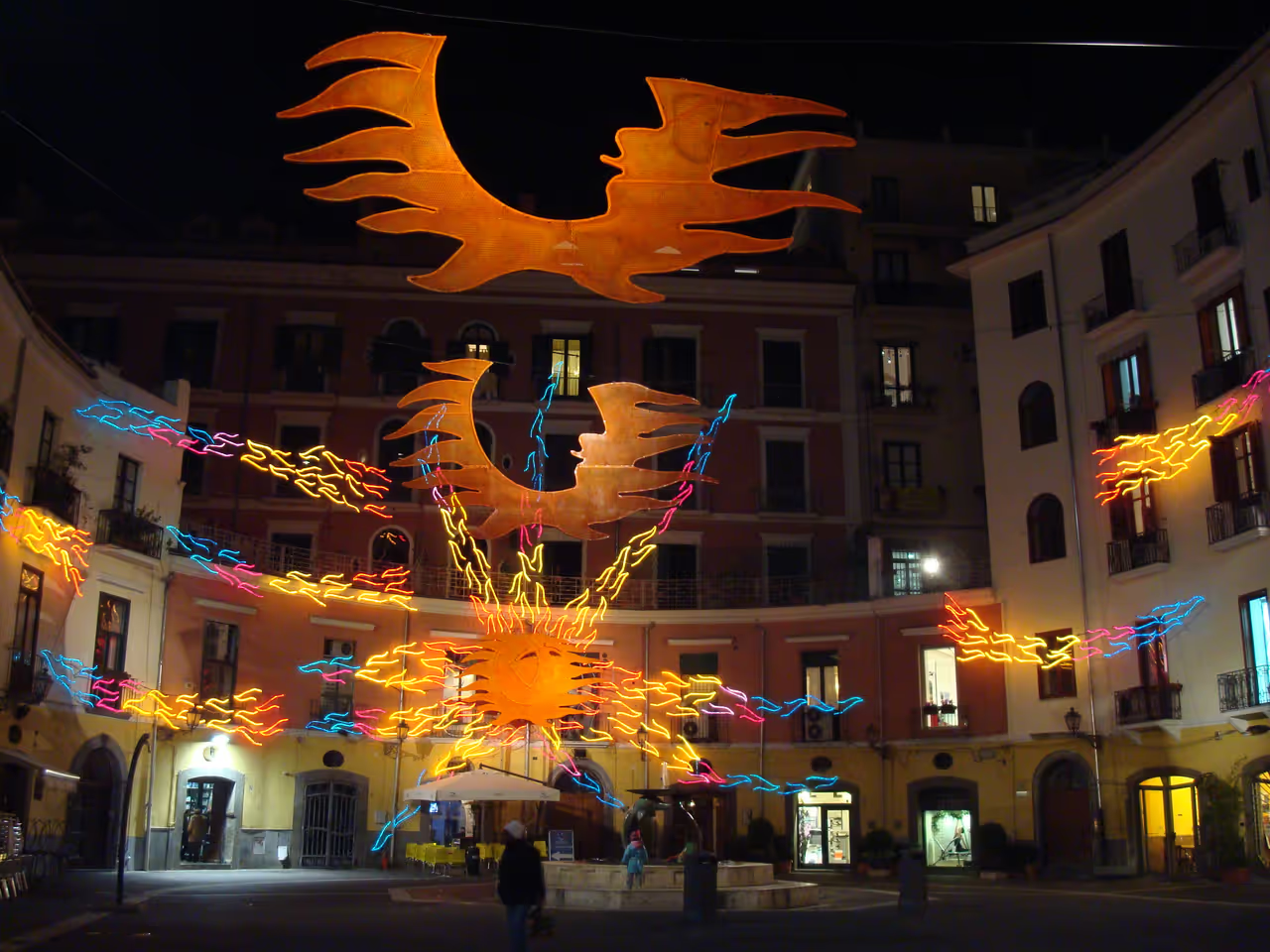
Photo Spots
Activities & Experiences
Cycling Routes
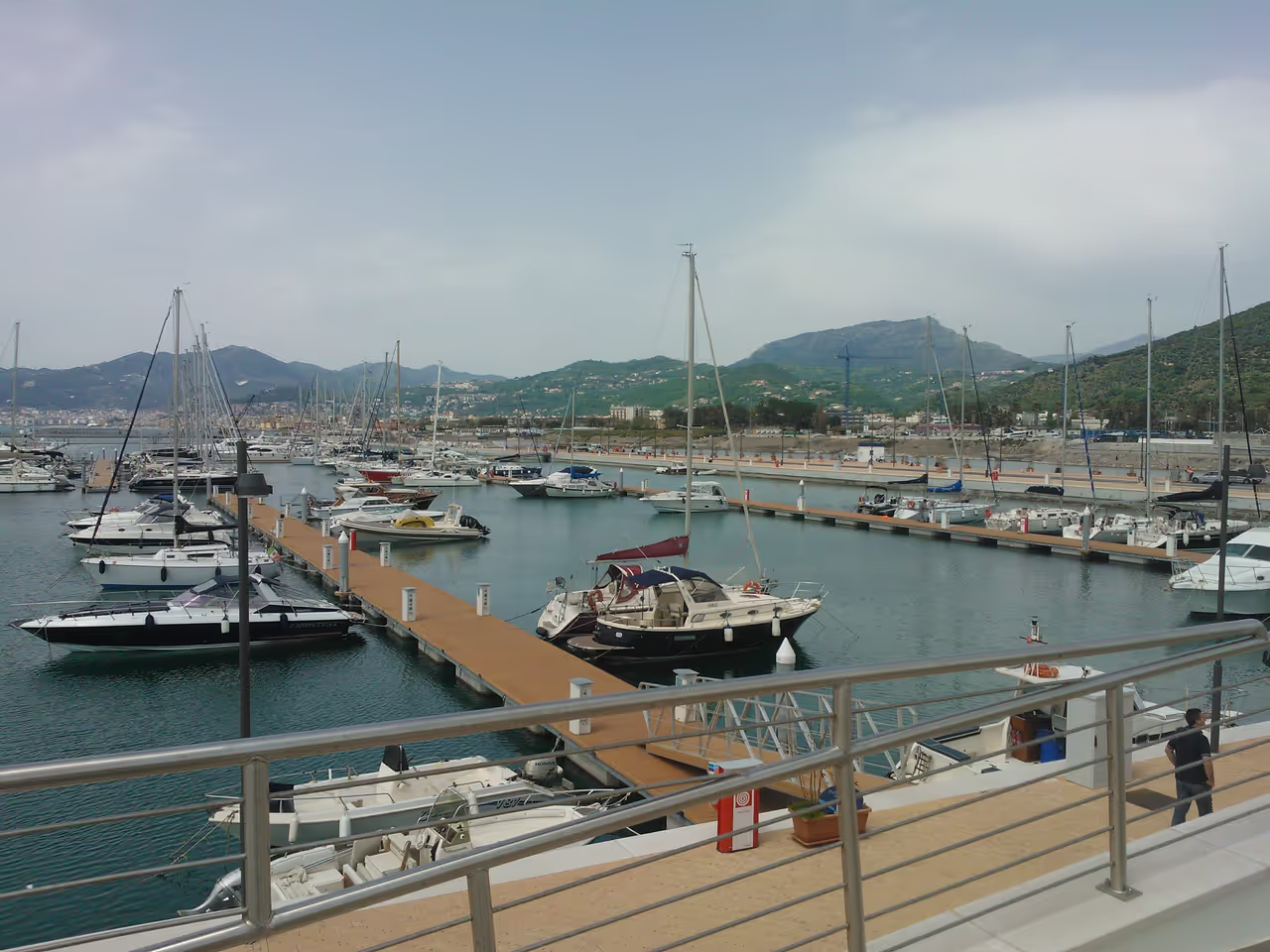
Eastern Marina Excursion
Head east away from the historic centre to discover the city's rapidly developing modern expansion. This ride takes you through the residential neighbourhoods and extensive parks of the eastern quarter, culminating at the sleek, luxurious Marina d'Arechi port. It is a ride of contrasts, showing how the city is evolving while providing excellent, sweeping views back towards the old town. The wide avenues here are very accommodating for cyclists.
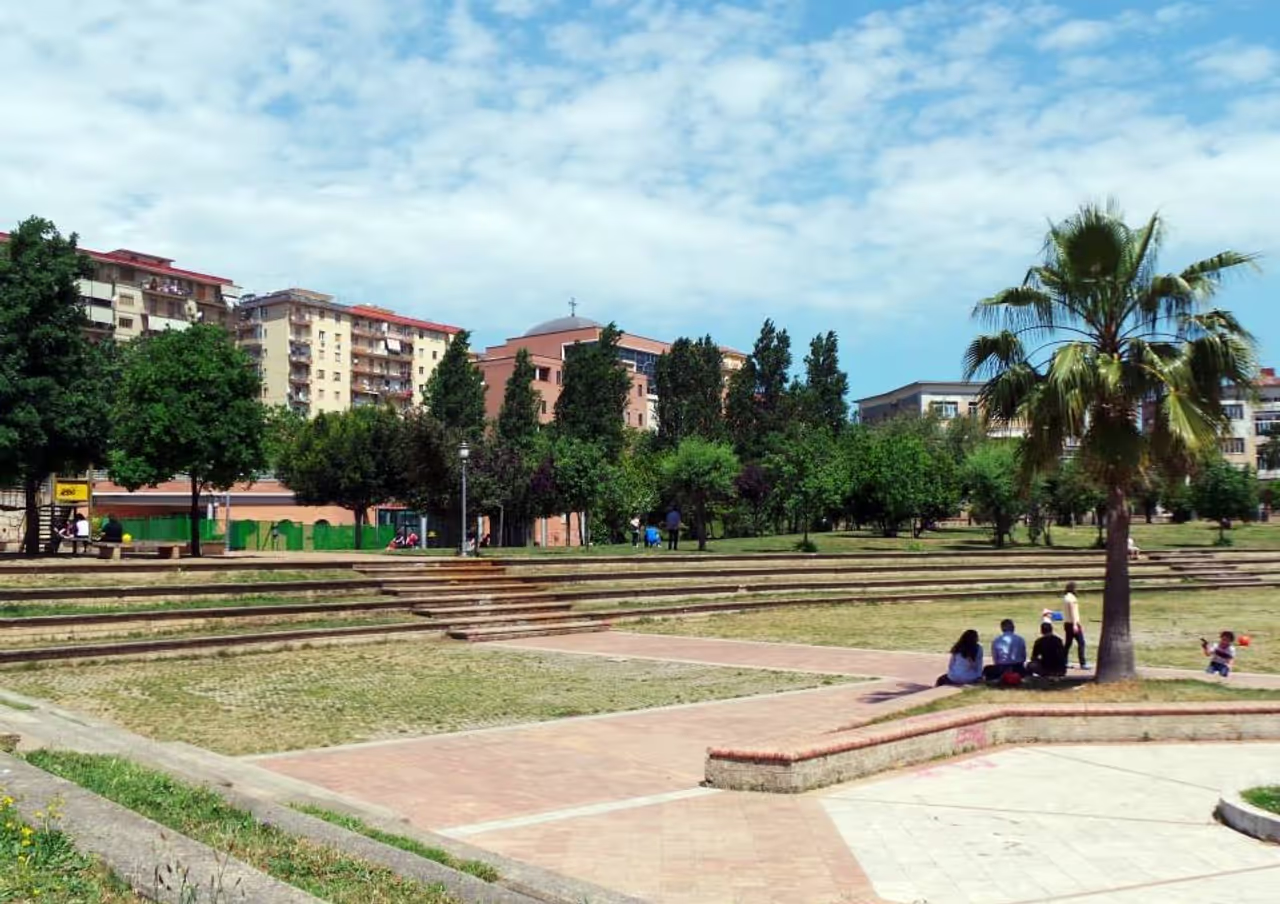
Irno River Route
This ride takes you inland, following the path of the Irno River that historically divided the city. You will transition from the maritime environment into lush, green parks that showcase the city's successful urban regeneration projects. It is a quiet, tree-shaded route that highlights the city's industrial past and its commitment to green spaces. The gentle incline makes for a mildly active but incredibly pleasant journey.
- HIGHLY RECOMMENDED
Grand Coastal Glide
A relaxing, entirely flat ride that spans the length of the city's extensive waterfront. You will pedal past palm trees, elegant art nouveau buildings, and sandy beaches, always keeping the brilliant blue of the Tyrrhenian Sea by your side. It is incredibly safe and well-paved, making it perfect for a leisurely afternoon cruise. This ride captures the absolute essence of Salerno's relaxed Mediterranean lifestyle.
Self-Guided Tours
- HIGHLY RECOMMENDED
Footsteps of the Lombard Princes
This tour dives deep into Salerno's golden age, a time when it was the capital of a vast, independent Lombard principality. You will explore the monumental structures and hidden chapels built by ambitious rulers like Arechi II. It is a journey through a fascinating, often overlooked period of Italian history, where Germanic warriors transformed into sophisticated Mediterranean monarchs. The architecture you will encounter is incredibly rare and historically vital.
Modern Architecture Trail
Witness Salerno's dramatic transformation from a gritty industrial port into a sleek, contemporary European city. This tour highlights the ambitious urban regeneration projects designed by some of the world's most famous 'starchitects'. You will encounter bold, sweeping concrete forms, futuristic curves, and massive new civic spaces. It is a visual feast for design lovers and proves that the city is deeply invested in its future, not just its past.
 HIGHLY RECOMMENDED
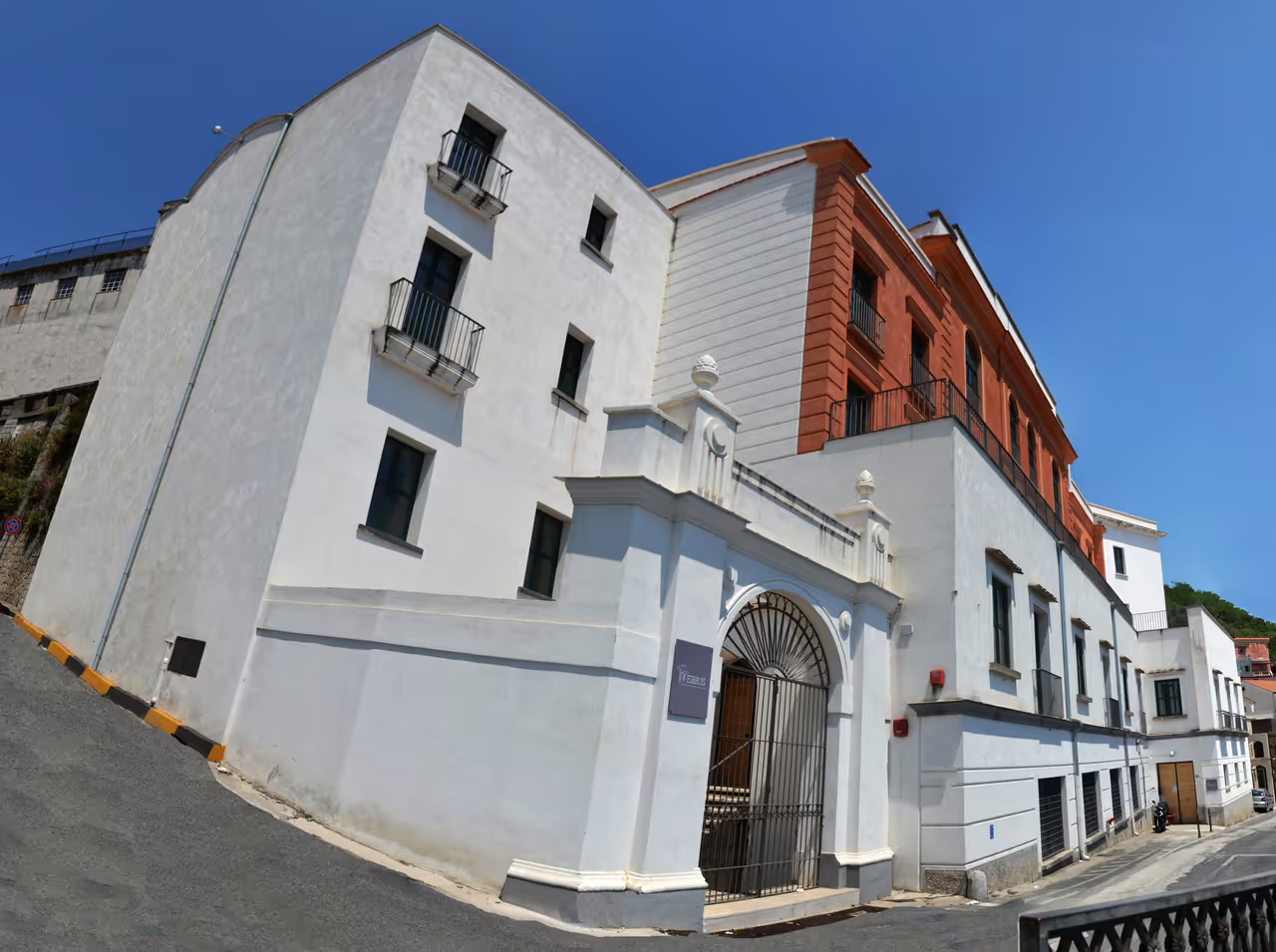
Legacy of the First Medical School
Discover why Salerno was universally known as the 'City of Hippocrates' during the Middle Ages. This route traces the legacy of the Schola Medica Salernitana, exploring the places where revolutionary medical texts were written and holistic healing was pioneered. You will visit ancient botanical gardens, view historical surgical instruments, and learn about the groundbreaking women who shaped medical history here. It is an intellectually stimulating journey through the roots of modern science.
Annual Festivals & Events
 HIGHLY RECOMMENDED
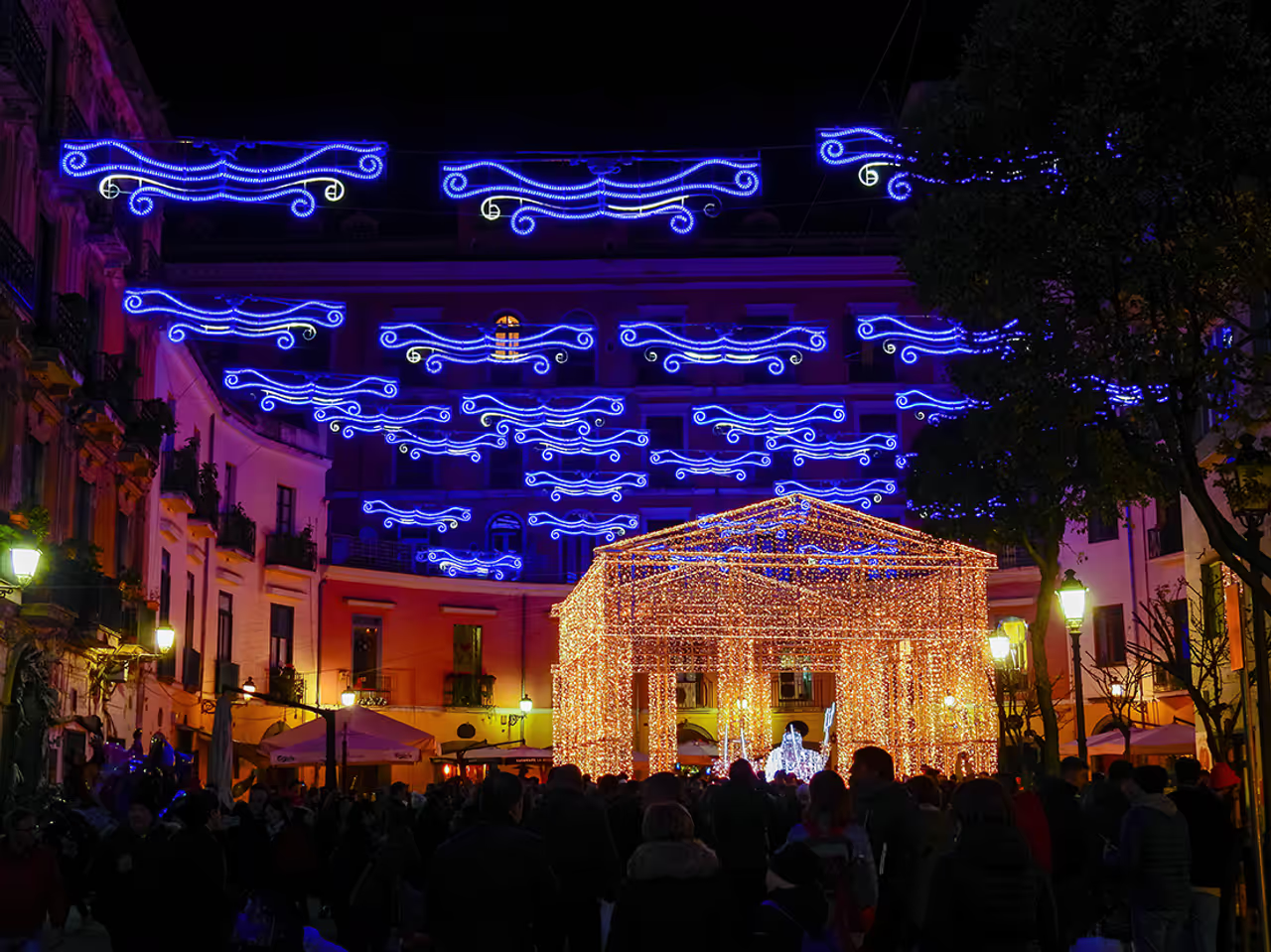
Artists' Lights Festival
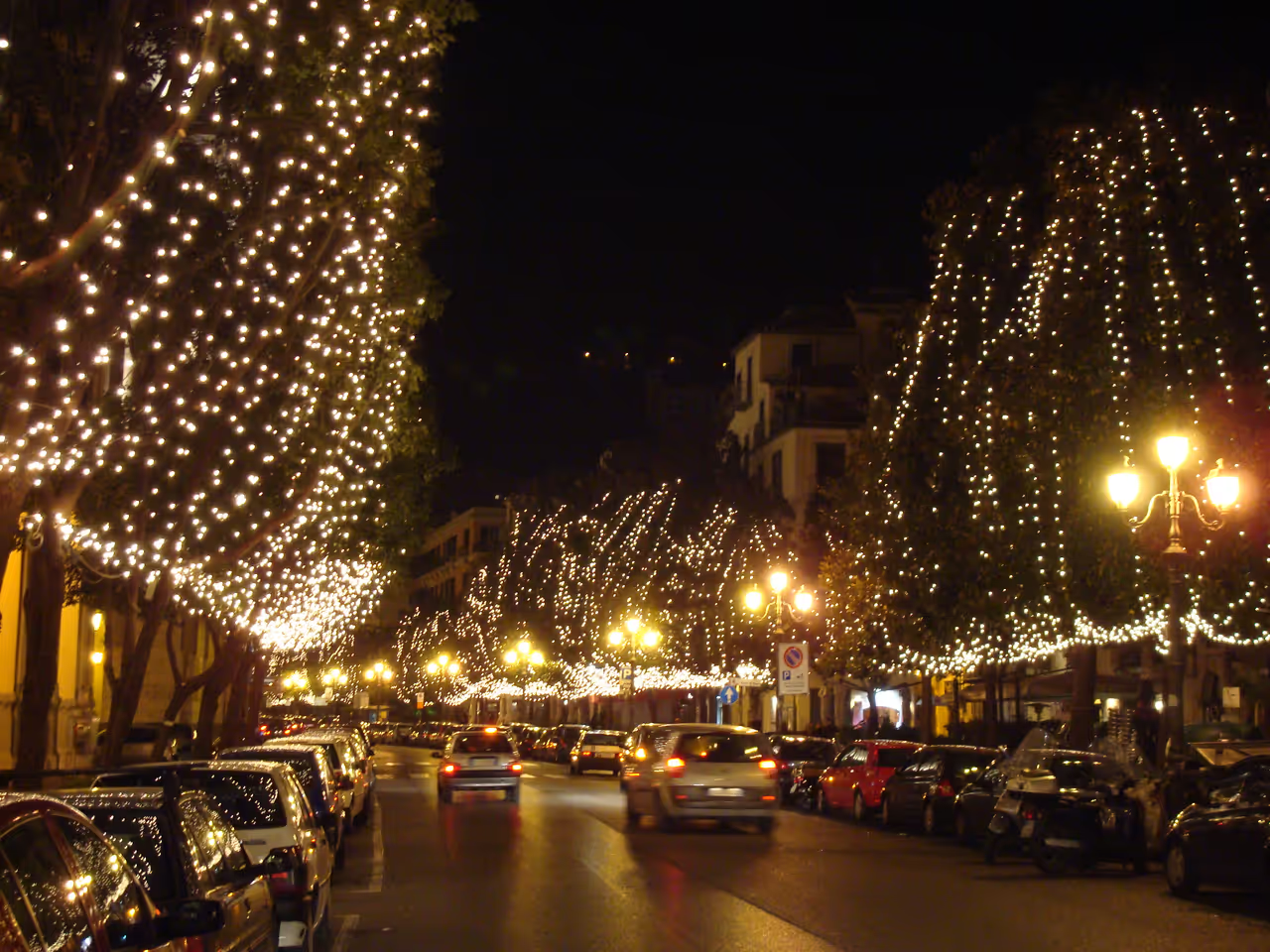
Taking place through the winter months, this spectacular light festival completely transforms the city. Streets, piazzas, and parks are adorned with elaborate, large-scale light installations designed by various artists. The themes change yearly, ranging from enchanted forests to mythical creatures. It is a magical experience that draws visitors from all over the country, bringing a festive, glowing atmosphere to the maritime air. The grand Christmas tree in Piazza Portanova is always a focal point.
 HIGHLY RECOMMENDED
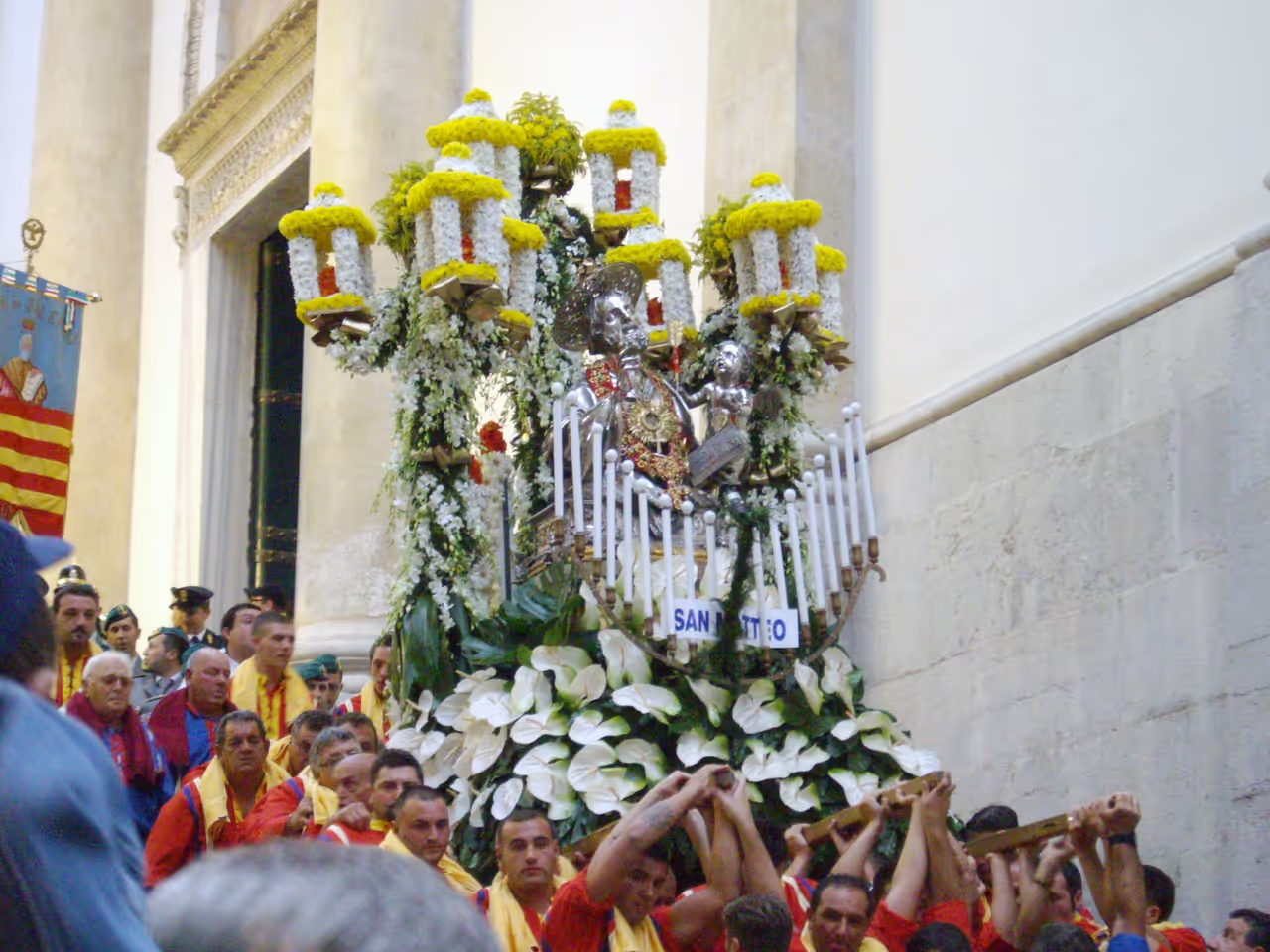
Feast of Saint Matthew
This is the most deeply felt religious and civic celebration in Salerno, honouring the city's patron saint. A grand silver statue of St. Matthew is carried through the historic streets in an emotional and crowded procession. The day features a traditional rowing regatta in the gulf and is filled with the scent of 'milza ripiena', the traditional stuffed spleen dish. The celebrations culminate at midnight with a spectacular fireworks display over the sea.
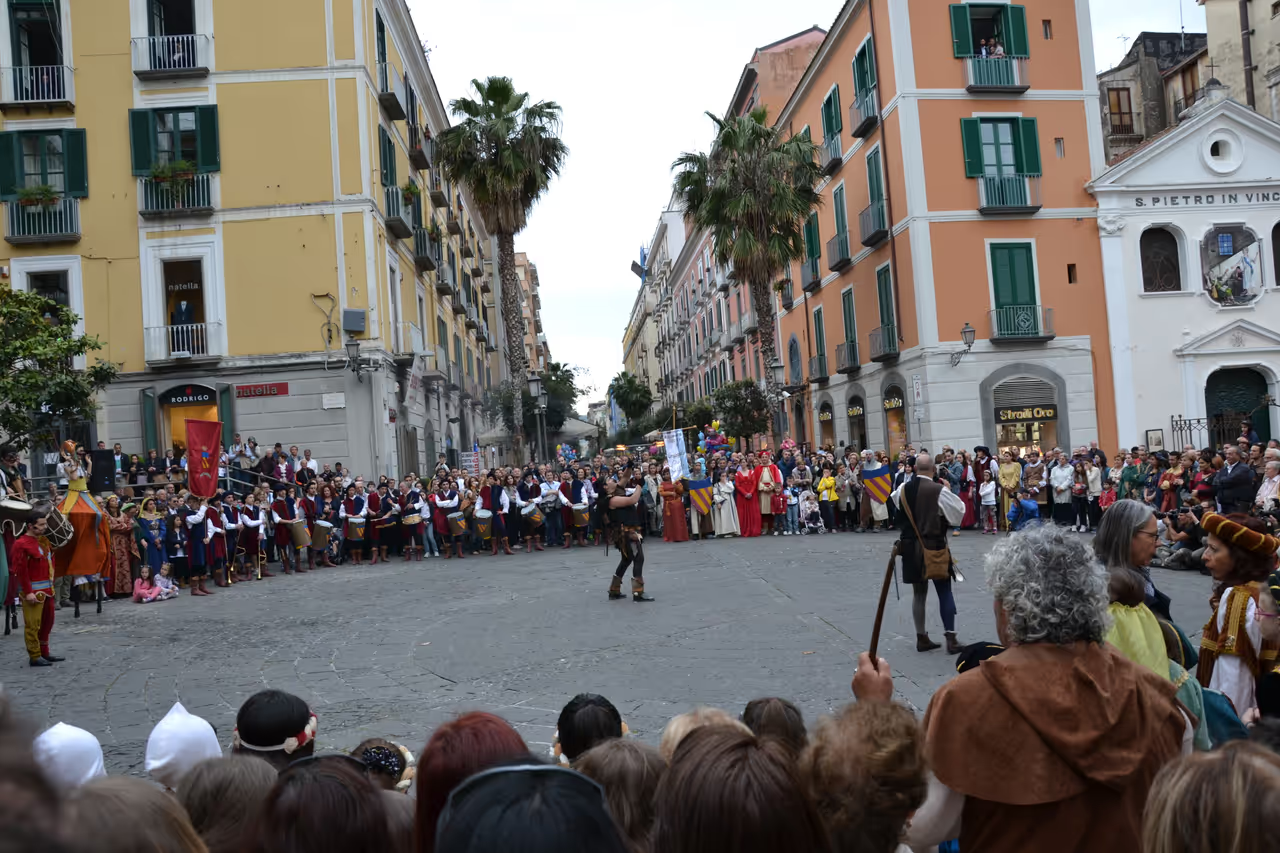
Fair of the Rediscovered Crucifix
This immersive historical reenactment transports the ancient streets of Salerno back to the Middle Ages. Originally established by King Manfred of Sicily, the fair features street performers, musicians, and merchants dressed in period costumes. Visitors can browse stalls selling traditional crafts, taste medieval-inspired foods, and watch impressive historical parades. It offers a brilliant, interactive way to experience the city's rich medieval past.
Insider Tips
Public transport drivers often do not sell tickets on board, so ensure you purchase bus tickets from a local 'tabaccheria' or newsagent before boarding.
If you are here in September, try the 'milza ripiena' (stuffed spleen), a highly traditional local delicacy eaten specifically during the feast of San Matteo.
Use the public communal elevators situated in the historic centre to reach the higher points of the city, like the Minerva Garden, without the exhausting uphill hike.
Traffic often follows unwritten local rules rather than strict traffic lights; when crossing busy streets, walk purposefully and try to cross alongside locals.
If you are catching a ferry to the Amalfi Coast, use the Concordia dock, which is incredibly convenient as it is just a short walk straight down from the main train station.
Look out for authentic Vietri ceramics in the boutique shops along Via dei Mercanti; they are vibrant, locally made, and make for the perfect durable souvenir.
PERFECT FOR
Salerno is ideal for culturally curious travellers who want an authentic southern Italian experience without the premium prices of the nearby Amalfi Coast. It perfectly suits history enthusiasts eager to explore medieval architecture, as well as relaxed food lovers looking to indulge in incredible regional seafood and street food. It is also an excellent choice for pragmatic explorers seeking a highly connected transport hub to seamlessly discover surrounding coastal and archaeological wonders.
VIBE
Salerno strikes a wonderful balance between an energetic maritime hub and a relaxed coastal retreat. The sea breeze constantly sweeps through the palm-lined promenade, where locals gather for leisurely evening strolls and animated conversations. In the medieval core, the atmosphere turns intimate and historic, filled with the scent of fresh pastries and the gentle hum of small, authentic trattorias.
Frequently Asked Questions about Salerno
While we strive to keep this information accurate and up to date, we recommend verifying any details independently before making decisions based on them.
Similar Destinations in Italy
Continue your journey. Explore these highly recommended cities and uncover more of what Italy has to offer.