Assisi
Full City Guide, Map & 115 Things To Do
27,605 people live here.
That's 0.05% of the entire population of Italy.
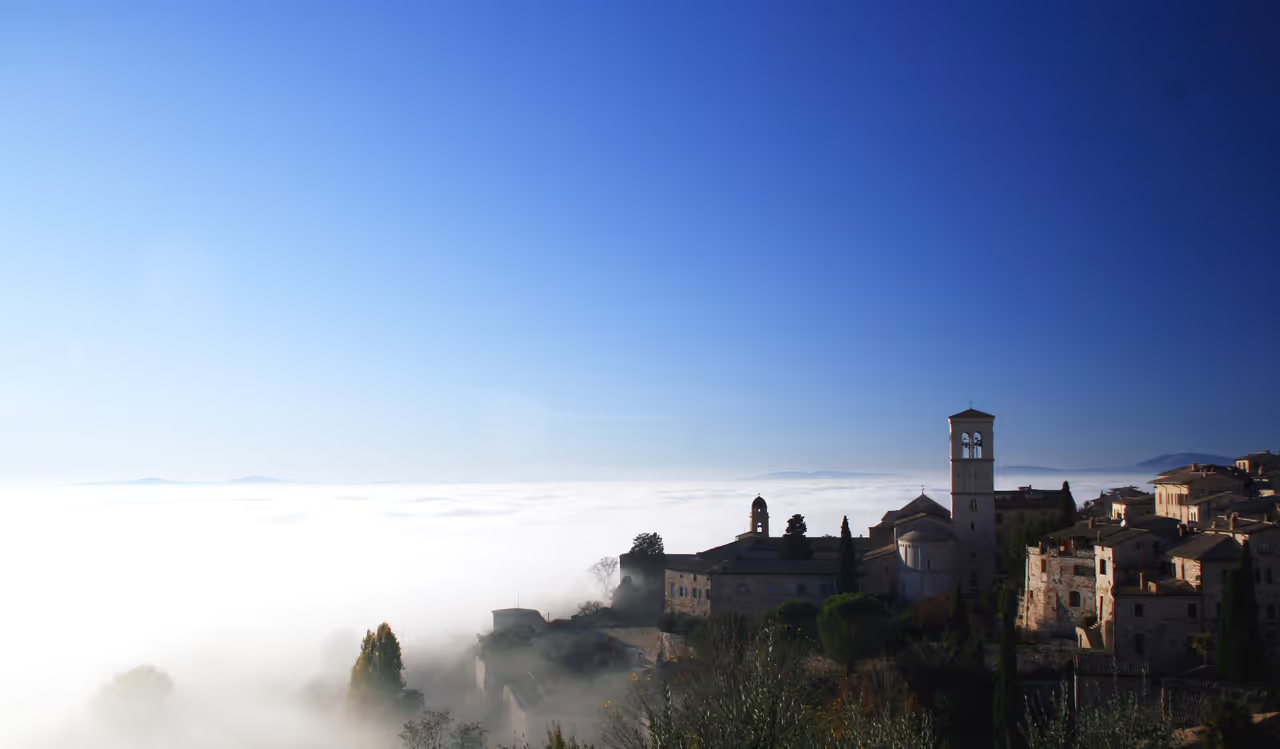
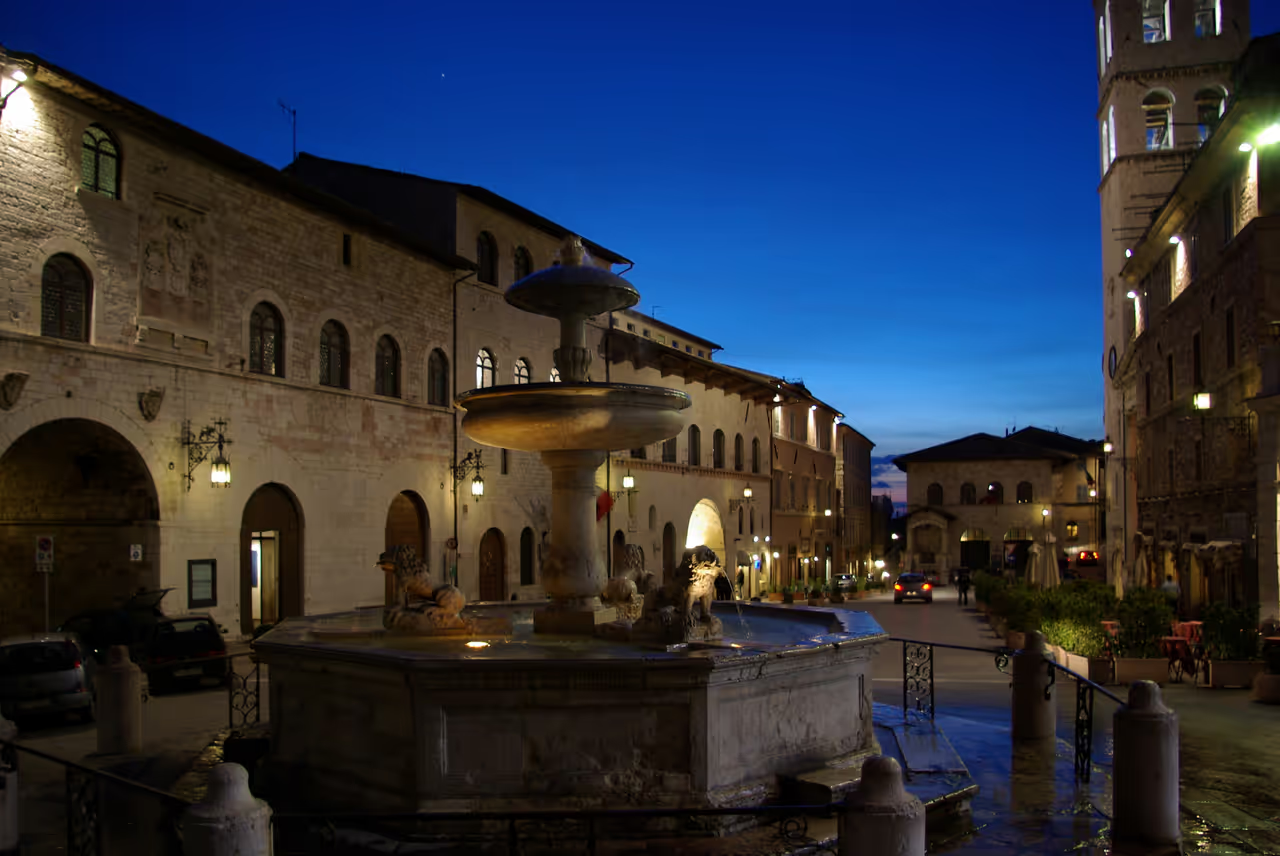
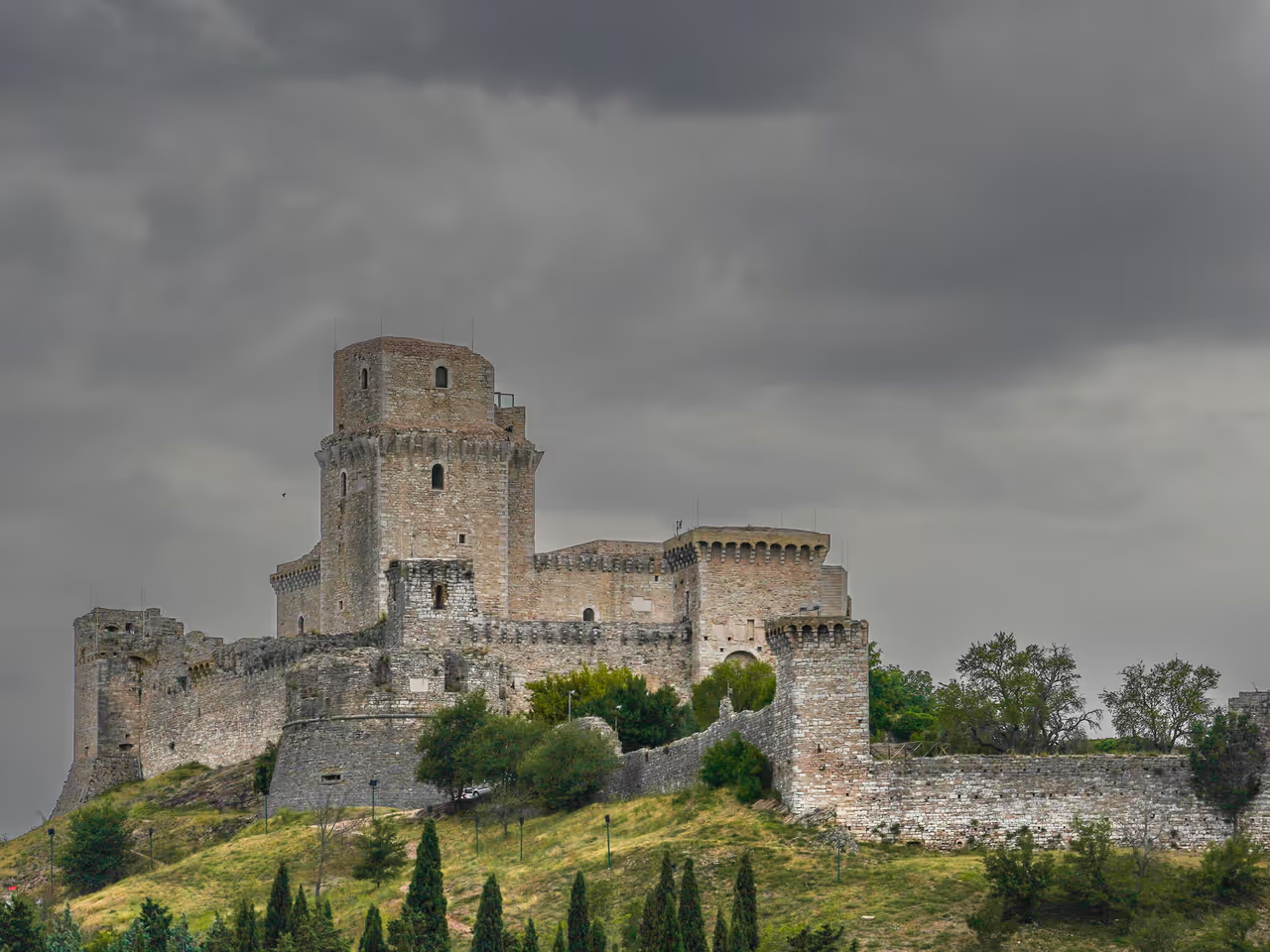
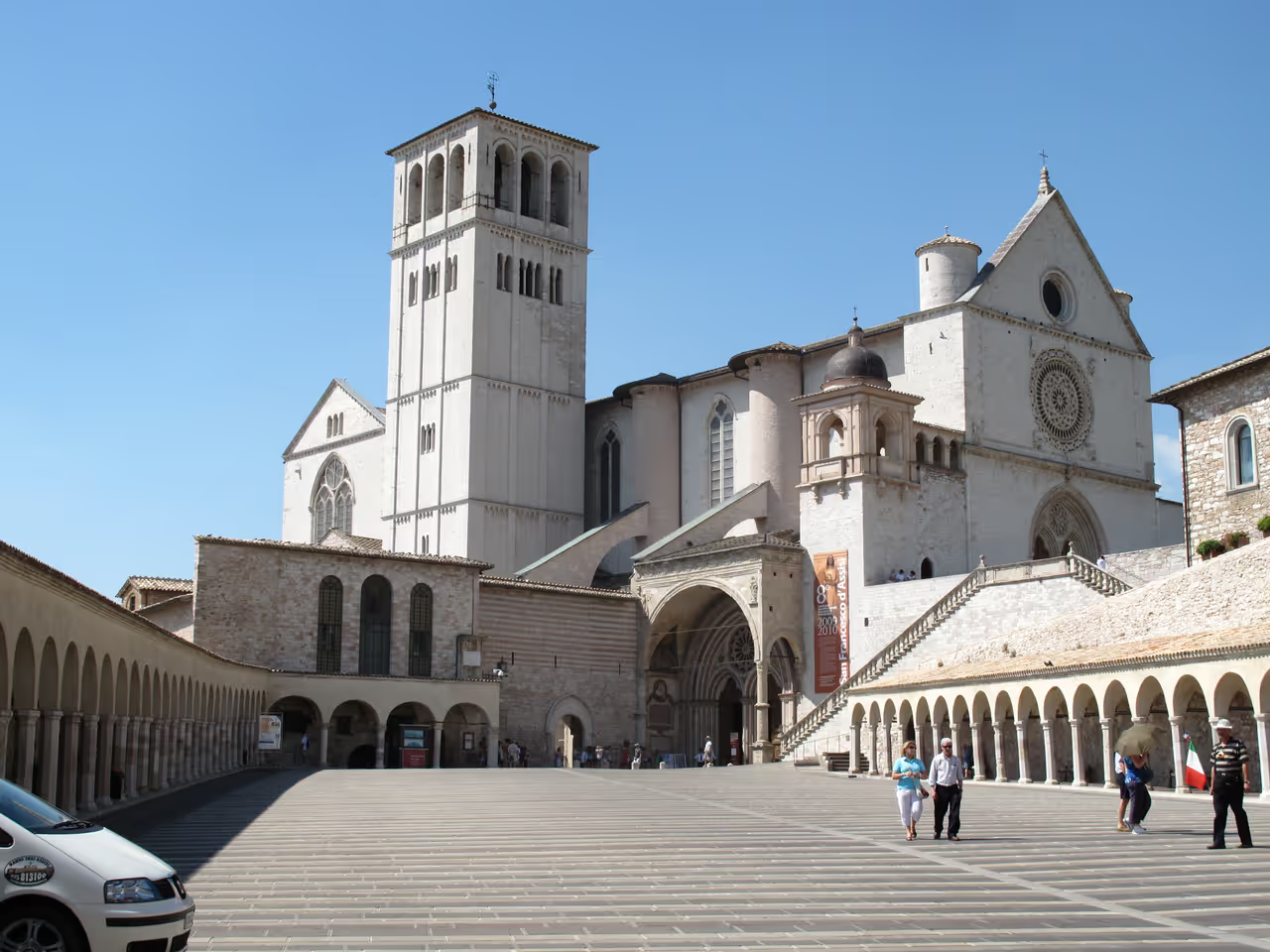
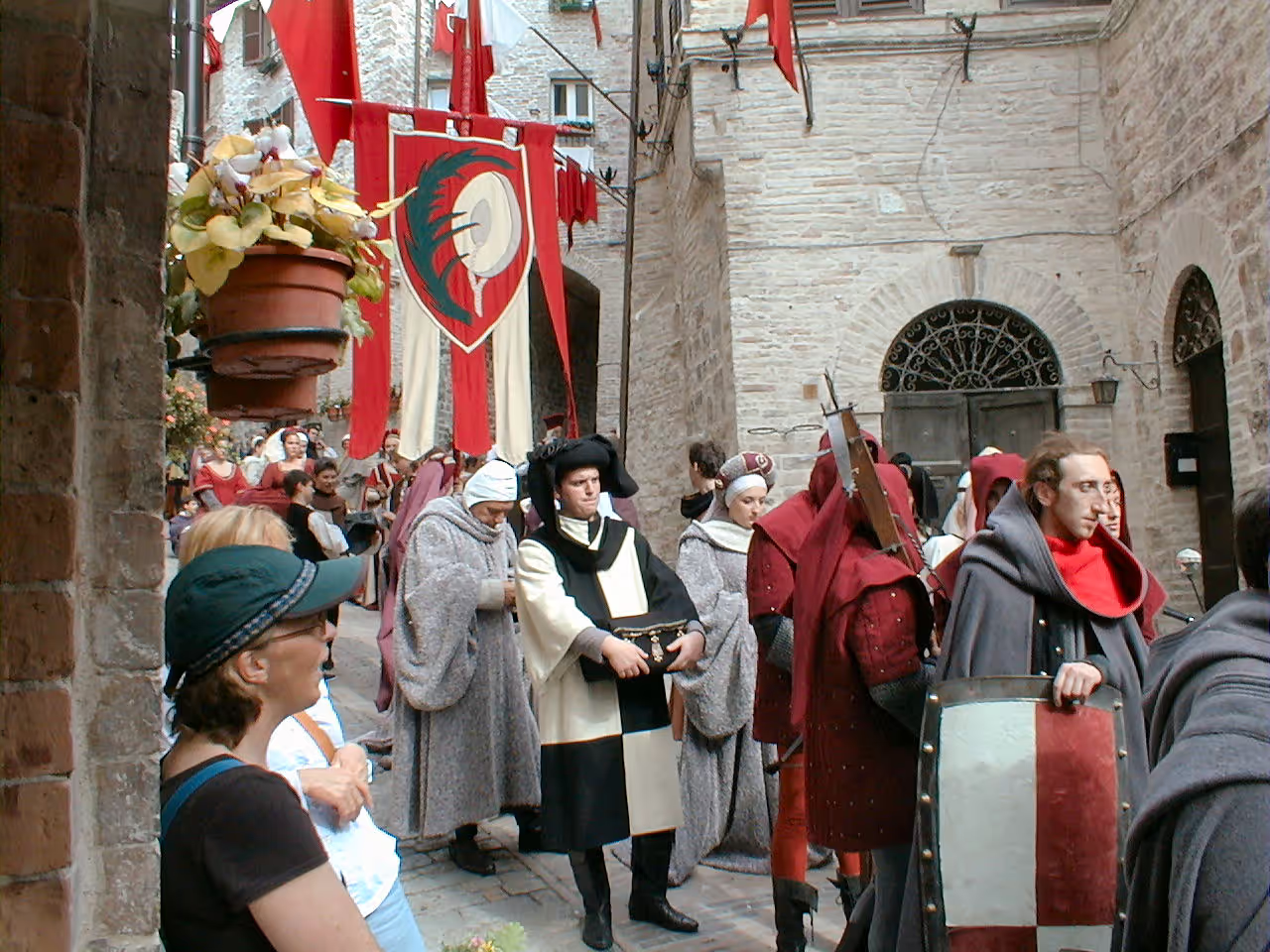
Assisi is built almost entirely from pietra rosa, a pink-tinged limestone quarried from Mount Subasio, which is why the town glows faintly rose-coloured at sunset. St. Francis was born here in 1182, and the Basilica di San Francesco holds two churches stacked one atop the other, the upper nave frescoed by Giotto with scenes from Francis's life, painted in the late 13th century. Nearby, the Basilica di Santa Chiara houses the wooden crucifix Francis is said to have heard speak to him, alongside the preserved remains of St. Clare herself, visible in a glass case in the crypt. In Piazza del Comune, the Temple of Minerva still stands with its original Roman columns intact, later converted into a church without removing the ancient facade. Above the town, the Rocca Maggiore fortress overlooks the Umbrian valley, and each May the streets fill for Calendimaggio, when two rival quarters of the town compete in medieval costume through song, archery, and processions that can take a full year to prepare for.
Assisi DNA
History of Assisi
Roman legions folded a small Umbrian settlement into their empire after the Battle of Sentinum in 295 BC, erecting monuments like the Temple of Minerva that still anchor the main square. This period of classical stability fractured completely in 545 when the Goth Totila sacked the streets, dragging the hillside town into centuries of violent territorial disputes between Byzantine and Lombard rulers. Duke Conrad of Urslingen found himself fleeing for his life in 1198 when the local population finally lost patience with imperial rule. Citizens stormed the Rocca Maggiore, tearing the fortress apart stone by stone. This uprising sparked the commune era, initiating fierce, bloody rivalries with nearby Perugia. In November 1442, the mercenary commander Niccolò Piccinino laid siege to the town. A treacherous friar revealed a secret passage through the walls, allowing Piccinino's troops to flood inside and ravage the stone houses. The victorious commander received an offer of 15,000 florins from the Perugians to flatten Assisi entirely. He took the money but refused to destroy the architecture, packing up his army and leaving the buildings standing. Secret printing presses rarely sit inside tourist souvenir shops. Yet in the autumn of 1943, Luigi and Trento Brizi used their small store near Piazza Santa Chiara to manufacture forged identity documents for Jewish refugees. Following the armistice, Bishop Giuseppe Placido Nicolini and local clergy organised a massive rescue operation to hide over three hundred people in local cellars and convents. German Colonel Valentin Müller eventually declared the municipality a hospital town, ensuring not a single refugee was deported from the valley.
16 Events spanning 3000 years
Map of Assisi
Interactive Destination & Itinerary Map
This map blends our curated city guides—featuring best photo spots, scenic walks, viewpoints, hidden gems and much more—with a live Wikipedia explorer. Click on our numbered pins to plan your routes, or zoom in on the surrounding neighborhoods to discover verified local landmarks, museums, and stories with dynamic Wikipedia summaries and photos!
Fun Facts
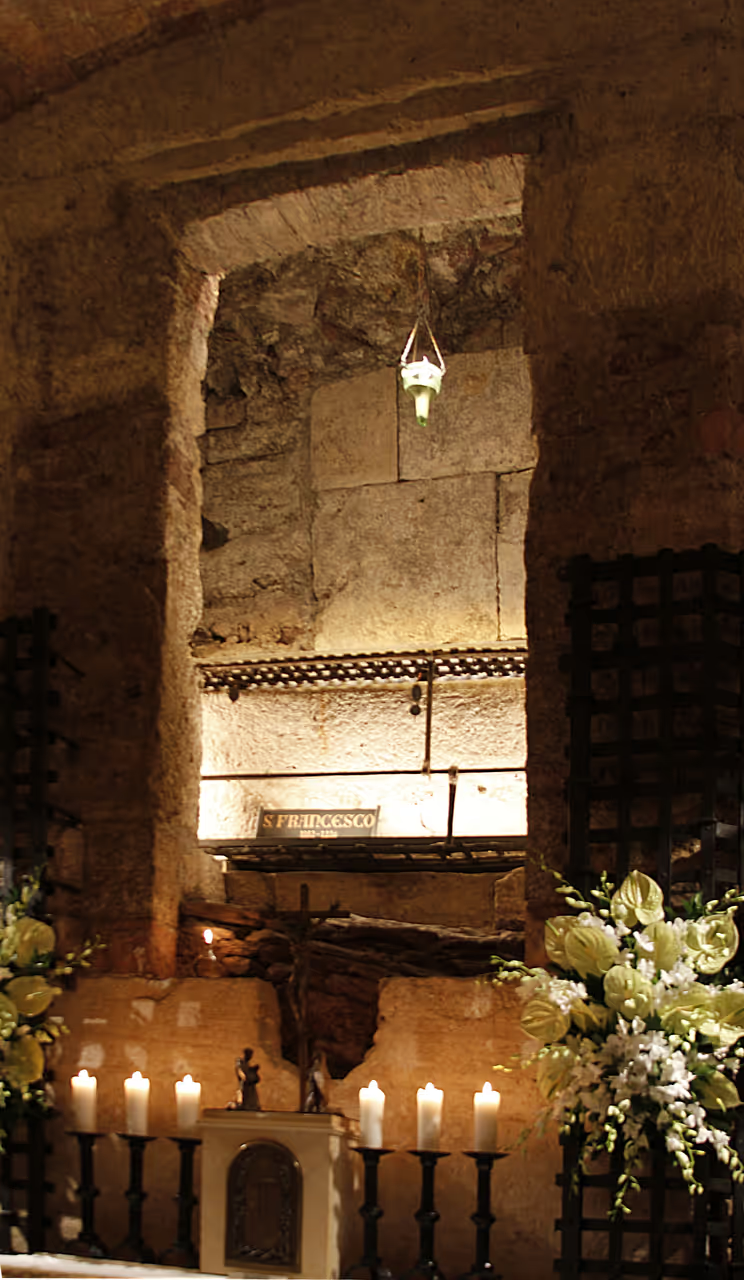
- • The original tomb of St. Francis was hidden so well to protect his relics from medieval grave robbers that it remained lost for nearly 600 years, only being rediscovered in 1818.
- • During World War II, a brave local network transformed Assisi into a safe haven for over 300 Jewish refugees, disguising them as monks and nuns and operating an underground school.
- • The city celebrates Mother's Day as one of the first places in Italy to do so, thanks to a local parish priest named Don Otello Migliosi who initiated the tradition in the hamlet of Tordibetto in 1957.
- • The breathtaking facade of the Santa Maria sopra Minerva church is actually a perfectly preserved ancient Roman temple dating back to the 1st century BC.
- • Assisi was built using the distinctive pink and white limestone from Mount Subasio, which gives the entire town a magical, glowing hue during sunset.
- • According to local legend, St. Francis was actually born in a tiny stable, a site now marked by the very small, humble Oratorio San Francesco Piccolino.
Did You Know?
- • The Basilica of San Francesco d'Assisi is a masterpiece of medieval engineering and art, built on two distinct levels and housing frescoes that mark the crucial transition from Byzantine styles to the Renaissance.
- • In 2000, UNESCO designated the entire city of Assisi, the Basilica, and surrounding Franciscan sites as a World Heritage site, recognizing its unique synthesis of art, architecture, and history.
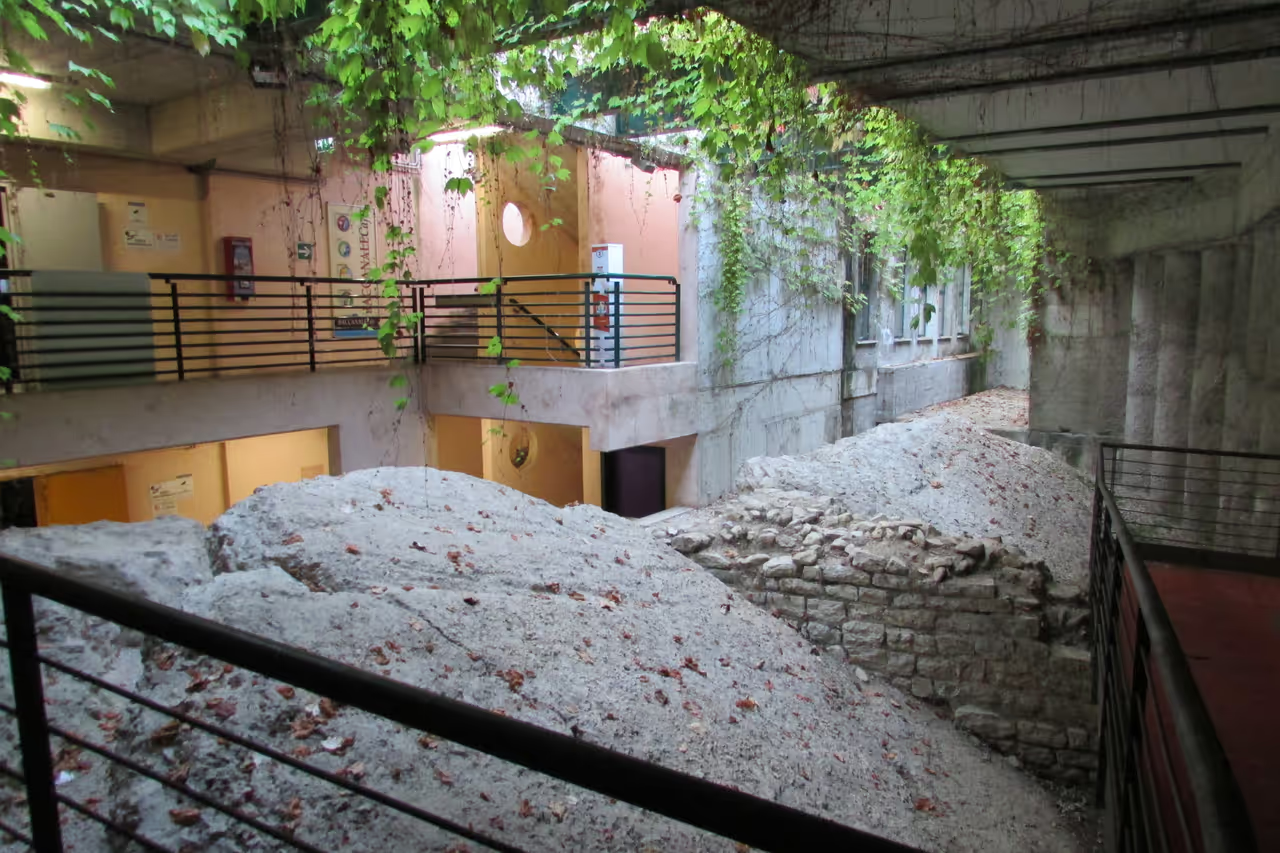
- • Assisi was an important Roman municipality called Asisium, evidenced by the remarkably intact Temple of Minerva and a vast underground Roman Forum situated directly beneath the modern town square.
- • The town is the spiritual epicentre of the Franciscan movement, a religious order that fundamentally reshaped the Catholic Church by emphasizing poverty, nature, and service to the marginalized.
- • During the devastating 1997 earthquake, the vaulted ceiling of the Upper Basilica collapsed, destroying priceless frescoes by Cimabue and Giotto, prompting one of the most intricate and advanced art restoration projects in modern history.
RESOURCES
Official WebsiteVideos of Assisi
Seasons
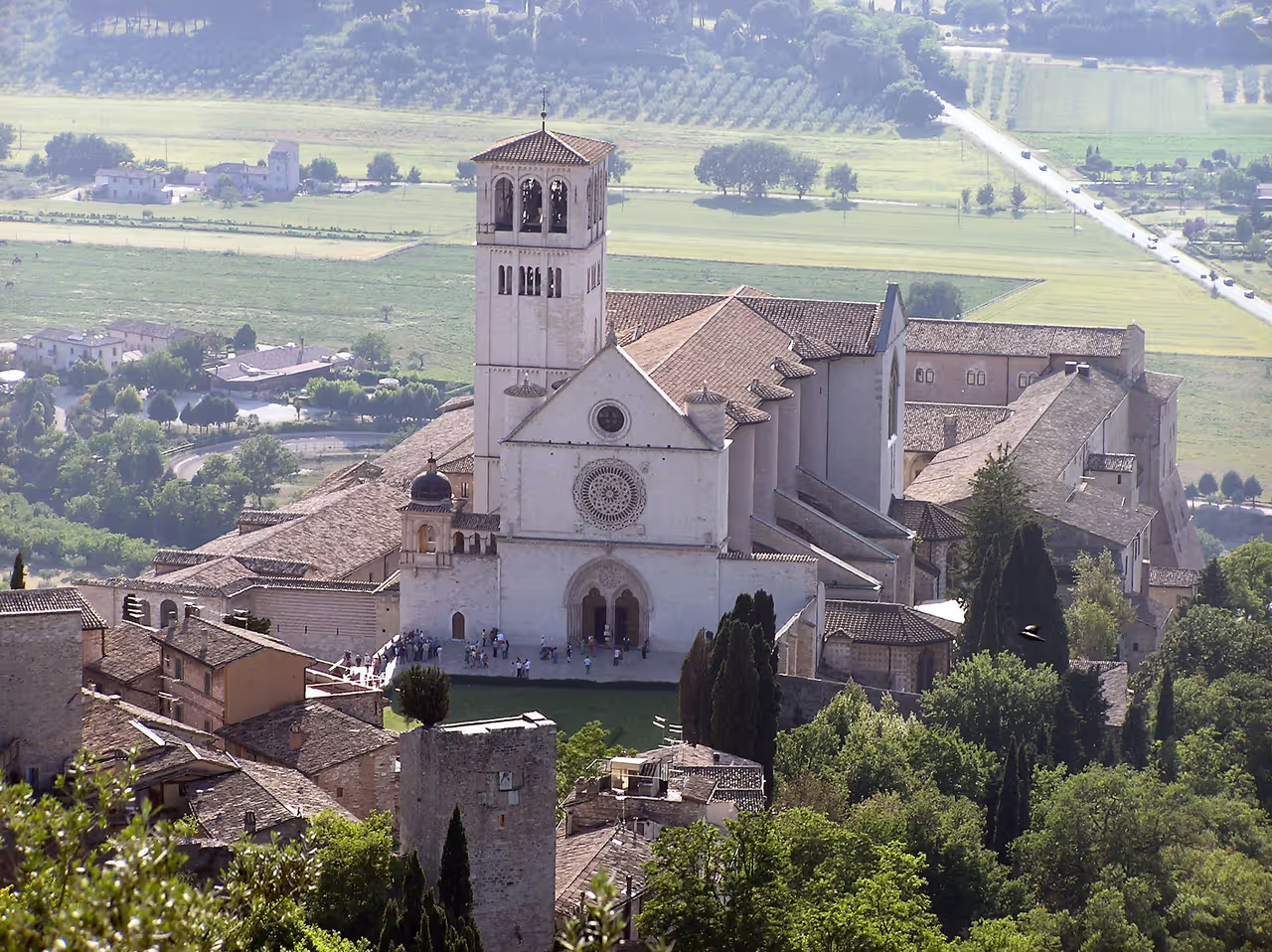
Spring
Spring is an absolutely magnificent time to visit, as the intense cold of the mountain winter breaks and the surrounding...
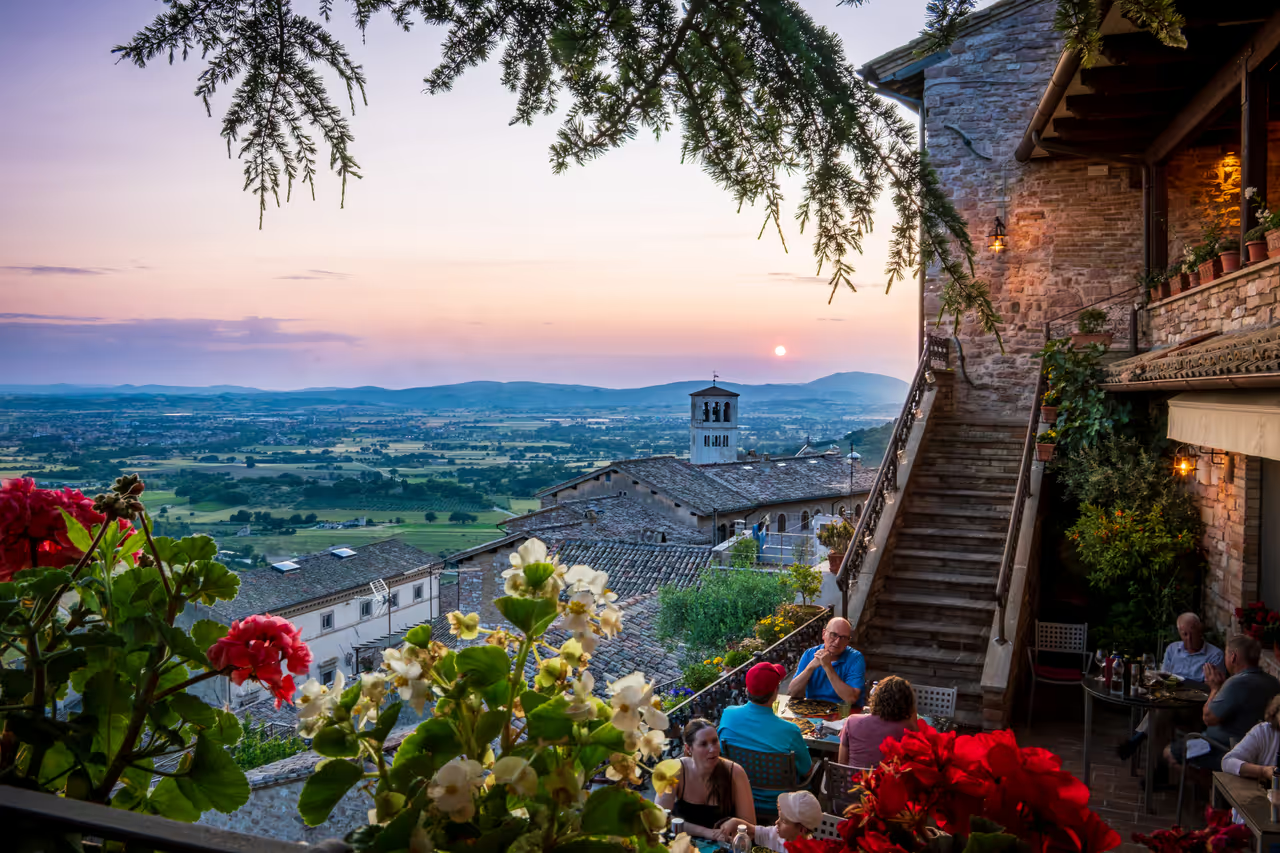
Summer
Summer brings bright, intense sunshine and massive crowds of international pilgrims and eager tourists to the narrow streets...
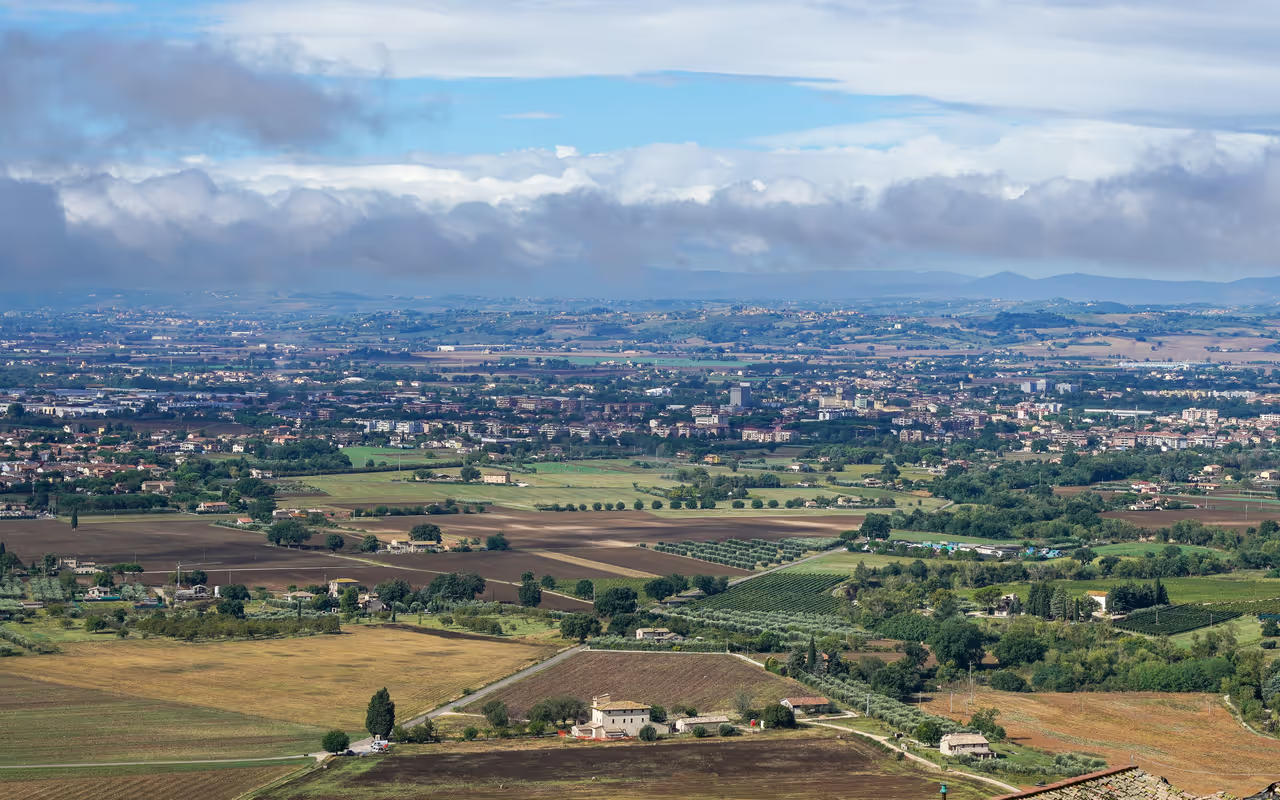
Autumn
Autumn is an incredibly magical, highly sensory season in Umbria, defined by the crucial agricultural harvests and shifting...
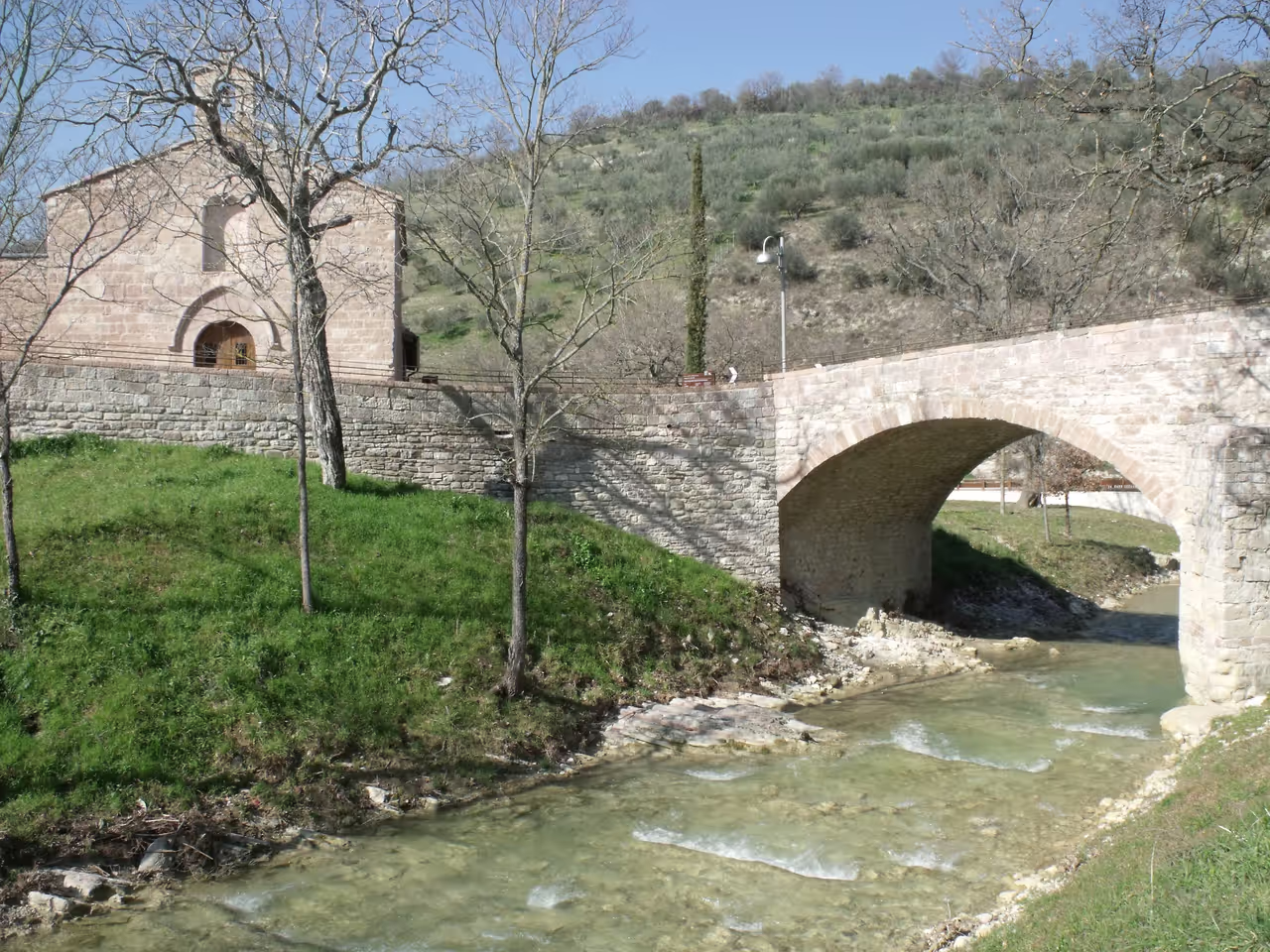
Winter
Winter strips Assisi back to its absolute most peaceful, austere, and deeply spiritual core. The freezing tramontana winds sweep...
Top Attractions in Assisi
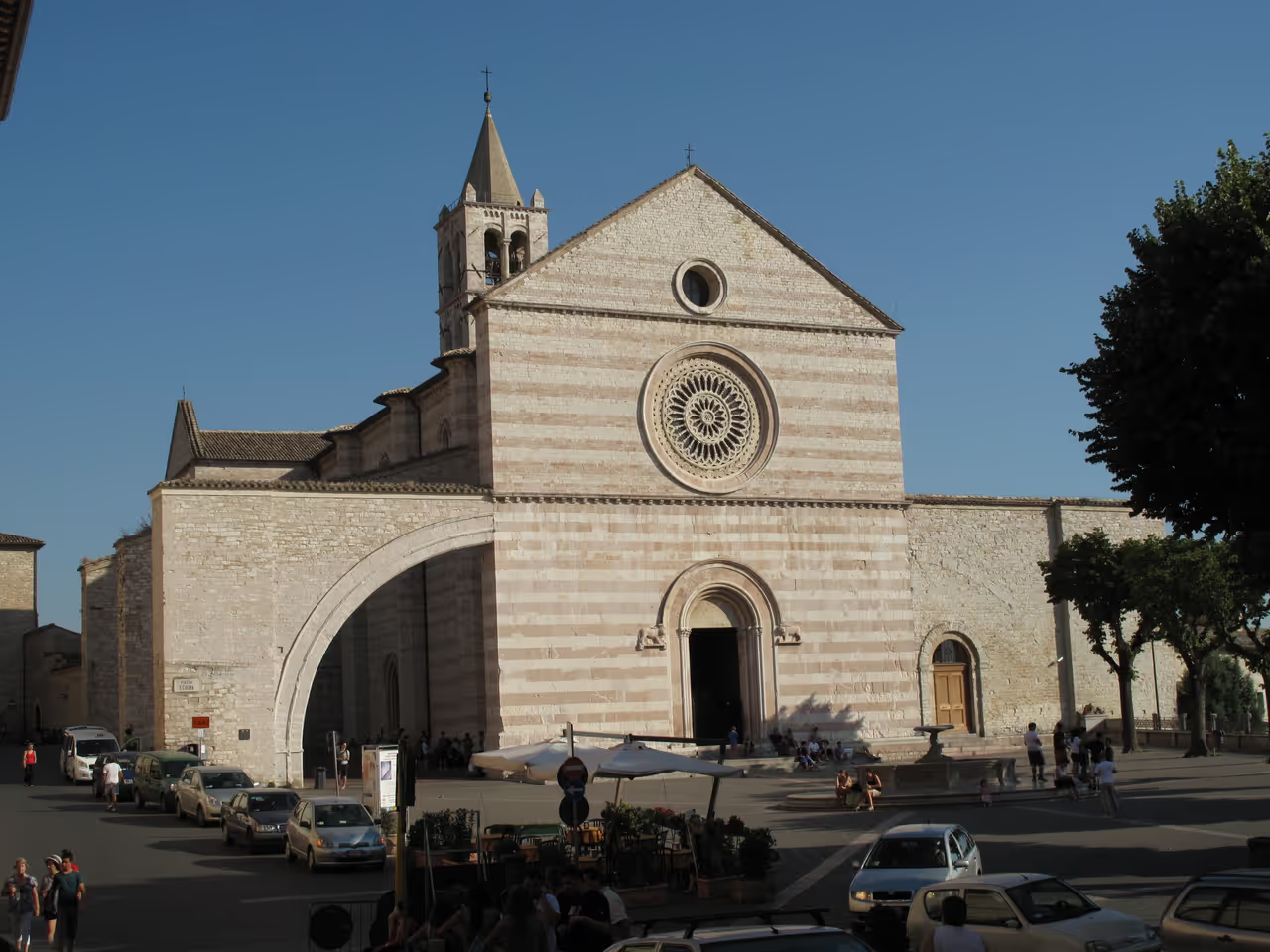
Basilica of Saint Clare
The Basilica of Saint Clare stands as a serene and powerful testament to the life and legacy of one of Assisi's most revered...
view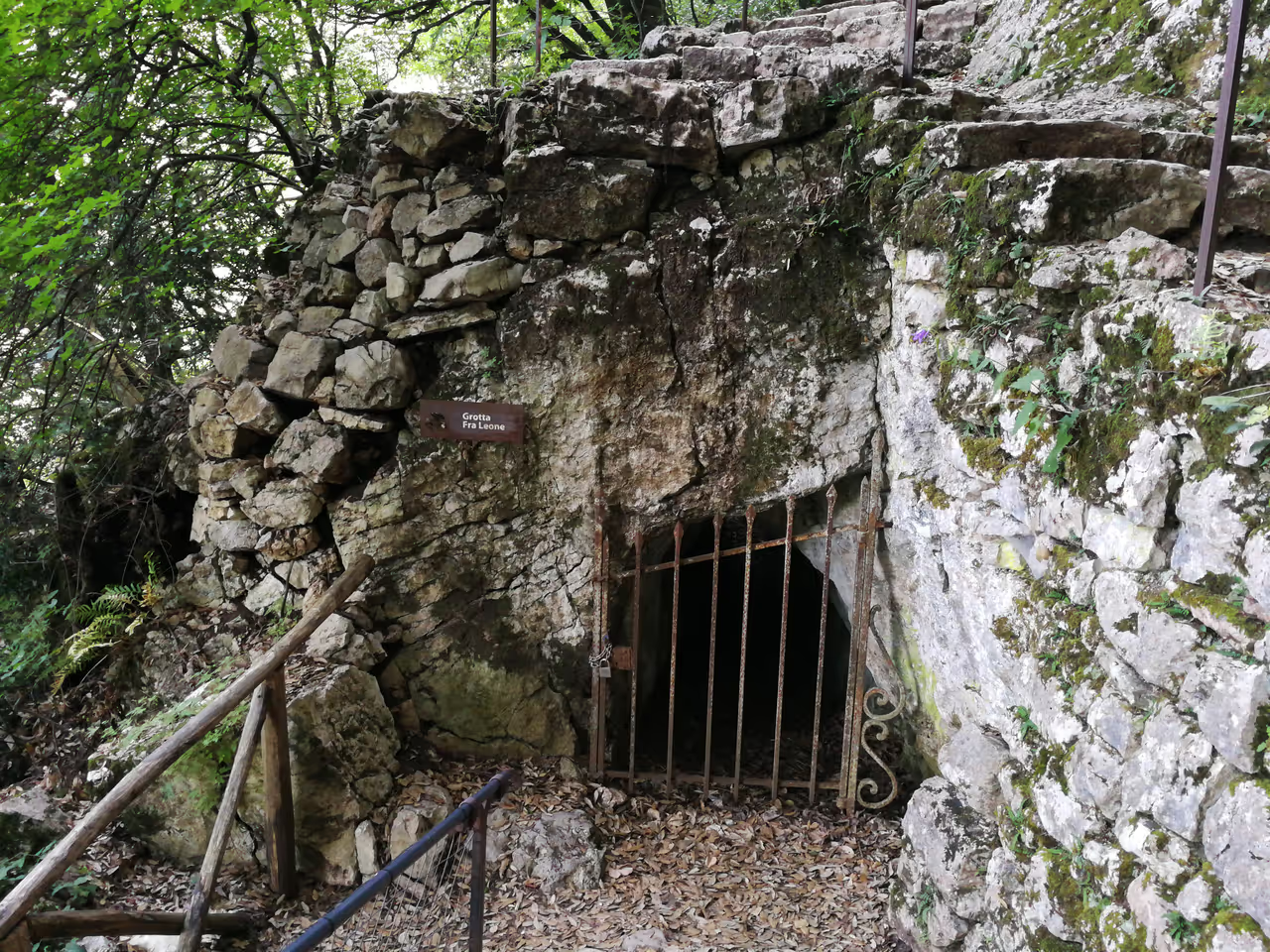
Hermitage of the Carceri
Tucked away on the slopes of Mount Subasio, the Hermitage of the Carceri is a sanctuary of profound silence and reflection. It...
view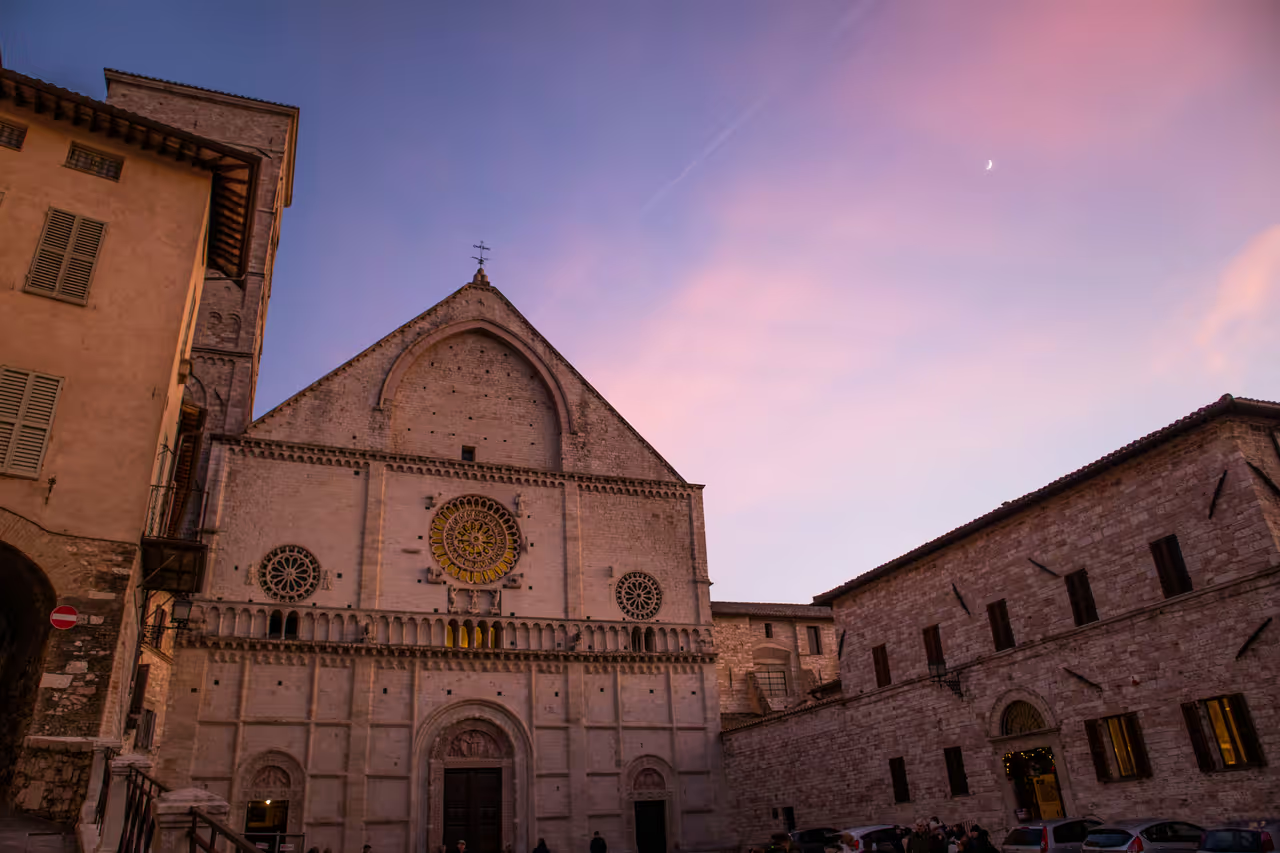
San Rufino Cathedral
The Cathedral of San Rufino stands as a testament to the layered history of Assisi, with stone walls that whisper secrets from...
view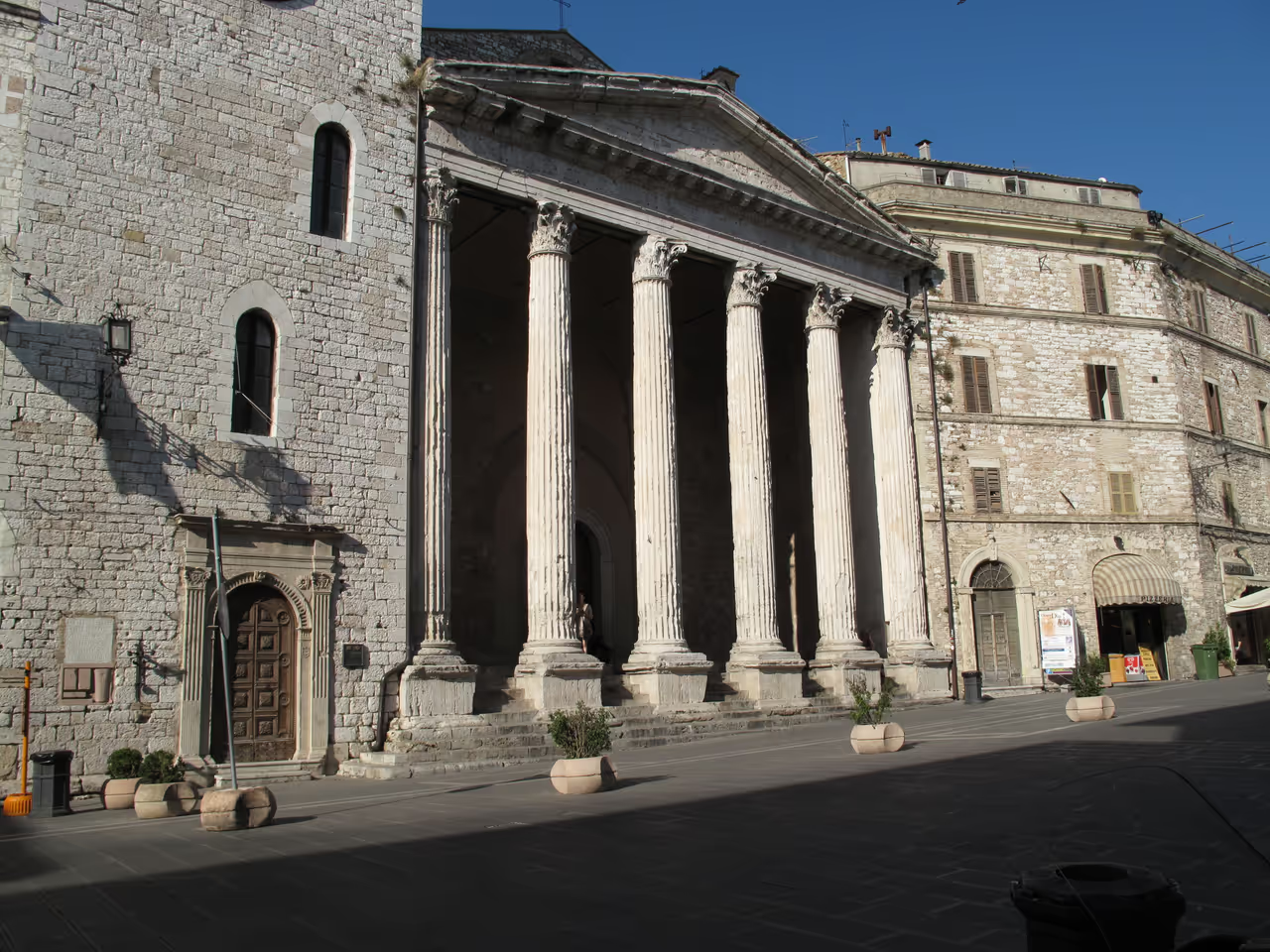
Temple of Minerva
Standing proudly in the heart of Piazza del Comune, the Temple of Minerva is a stunning example of how ancient history...
view
Best Views
Assisi Itineraries
TRIP PLANNER
2 Days Recommended
While many visitors only make a quick day trip, two days allow you to comfortably explore the major basilicas and wander the quiet medieval streets after the tour buses leave. It provides enough time to hike up to the Rocca Maggiore or Eremo delle Carceri without rushing. This duration lets you truly absorb the profound atmosphere and sample local Umbrian cuisine at a leisurely pace.
1 Day in Assisi Itinerary
This highly efficient, deeply engaging one day itinerary is expertly designed for travelers who are short on time but want to experience the absolute essence of Assisi. It prioritizes the most incredibly famous, monumental sights, moving logically through the city to maximize efficiency and minimize exhausting uphill climbs. The day heavily balances the breathtaking religious art of the major basilicas with the fascinating ancient Roman history found in the central square. By following this route, you will encounter the very best frescoes, the most impressive classical ruins, and the most stunning panoramic views the city has to offer. It is a fast paced, highly rewarding dive into the heart of Umbria.
view itinerary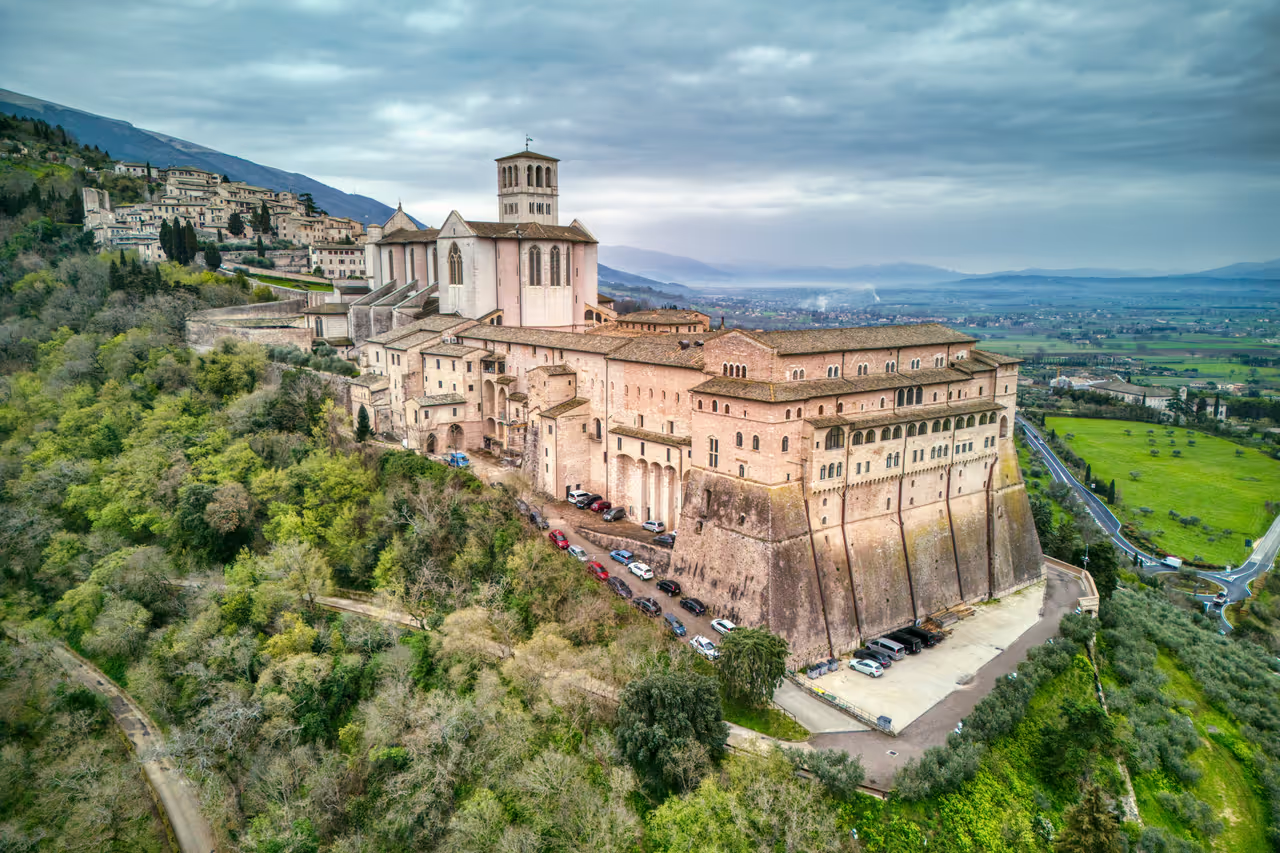
3 Days in Assisi: Spiritual Journey Itinerary
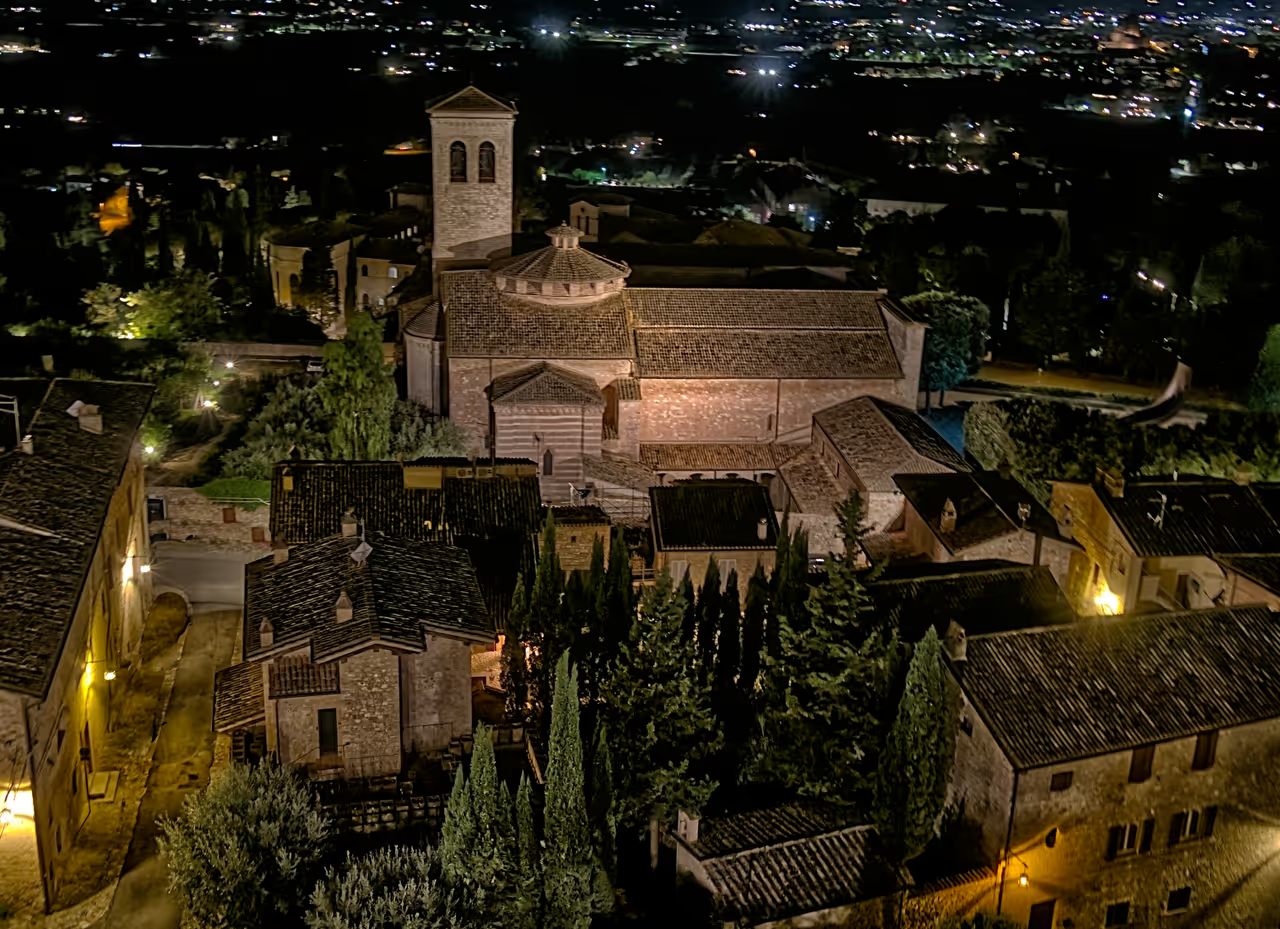
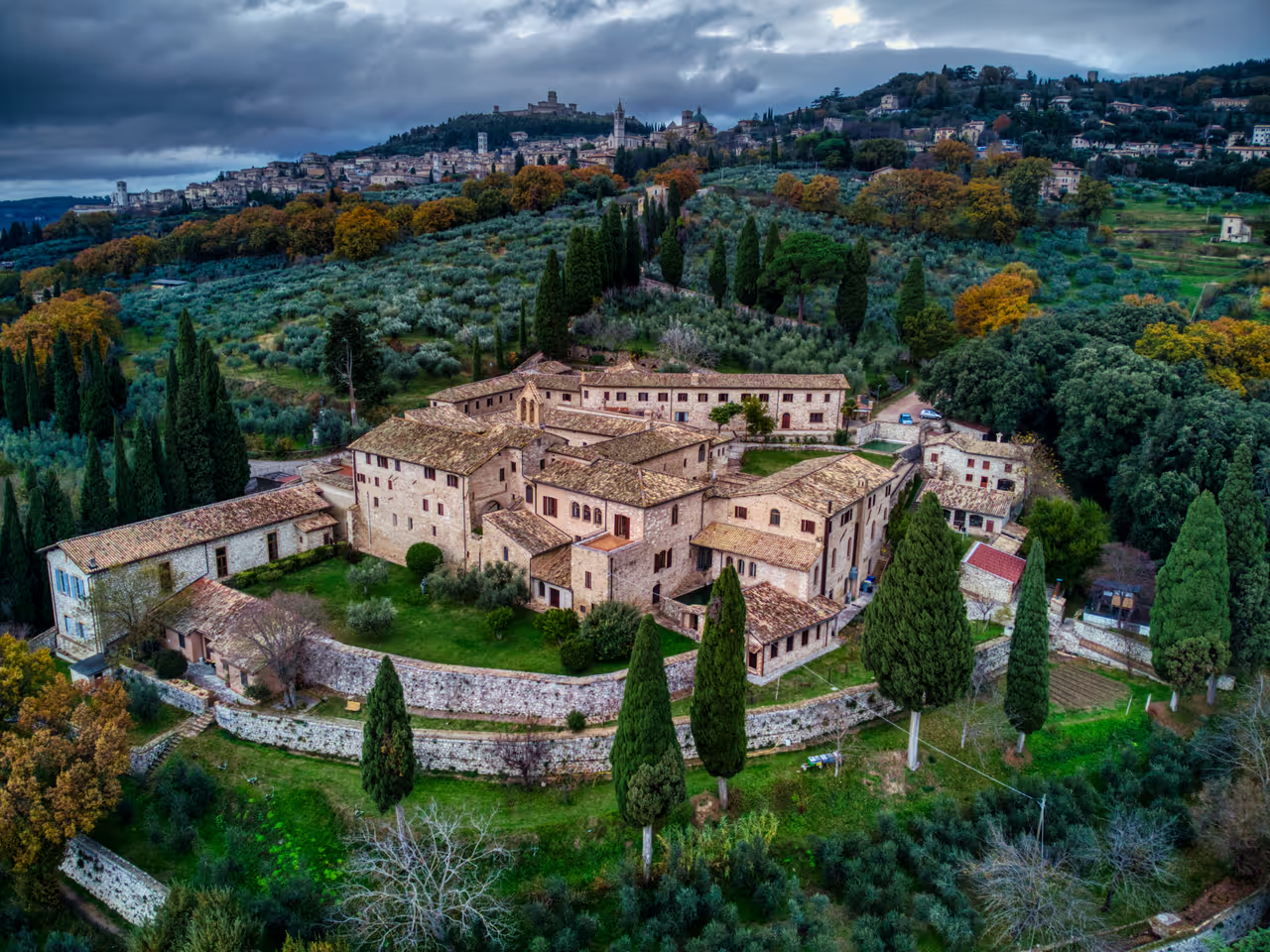
This deeply immersive three day itinerary allows visitors to move beyond the surface level highlights and truly understand the profound historical and spiritual layers of the city. With three days, the pace becomes significantly more relaxed, allowing for quiet contemplation in the incredibly atmospheric cloisters and hidden chapels. The route dedicates a full day to the massive, awe inspiring Franciscan sites, a day to exploring the surprisingly intact ancient Roman city, and a day to connecting with the rugged, beautiful nature that inspired the saints. It provides an incredibly well rounded, highly fulfilling experience that perfectly balances art, history, and the beautiful Umbrian landscape. It is the absolute ideal duration for a thorough, deeply satisfying visit.
view itinerary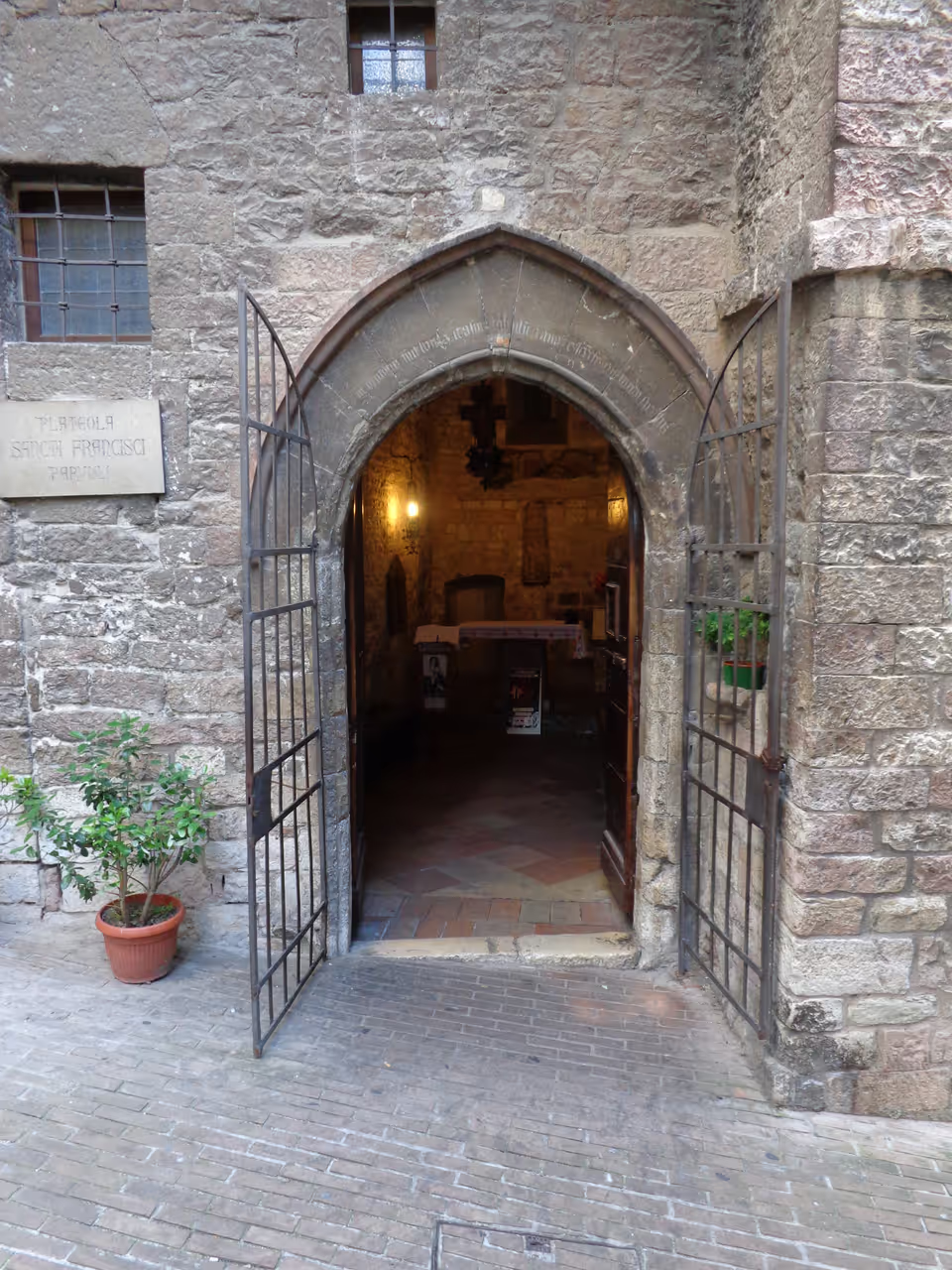
5 Days in Assisi: Complete Exploration Itinerary
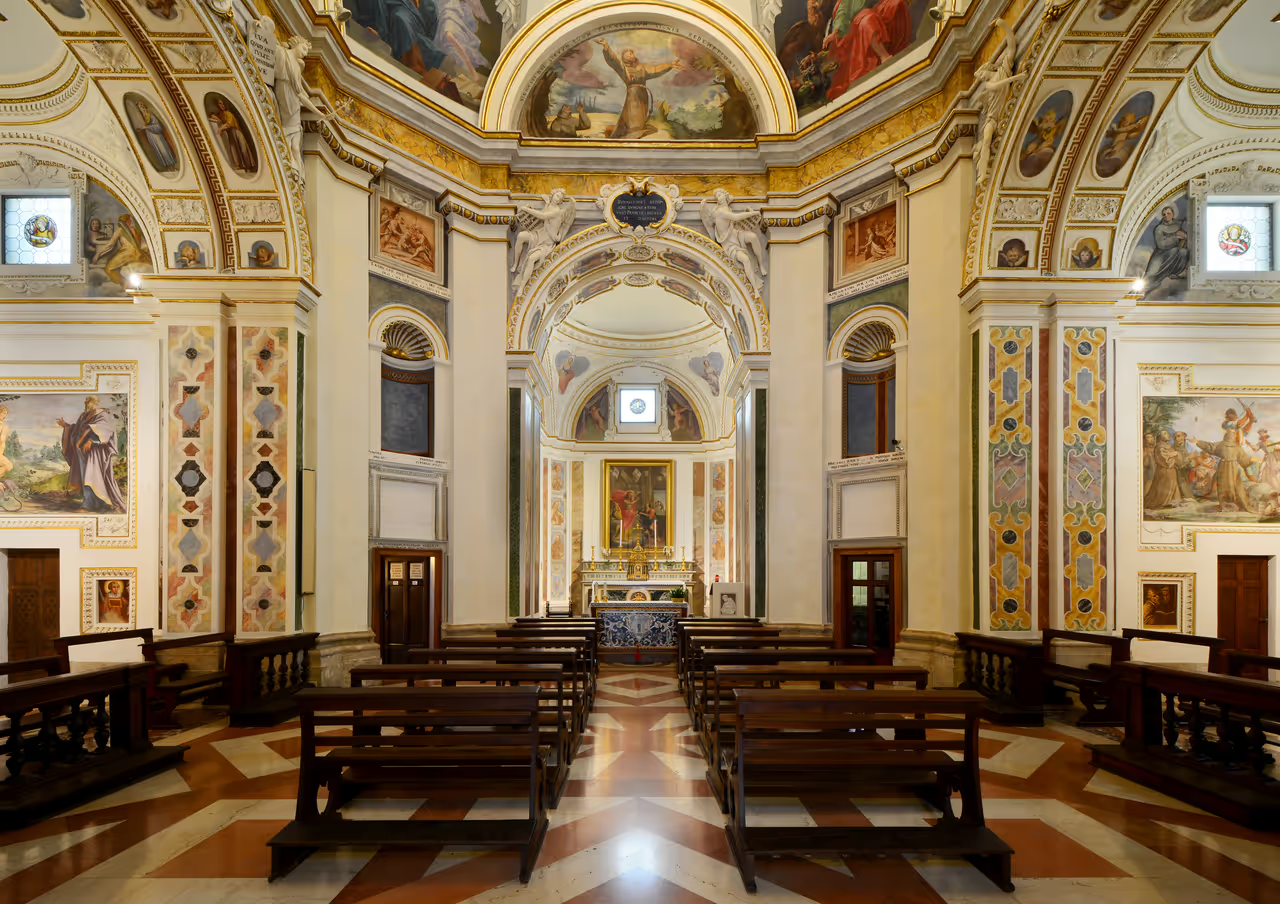
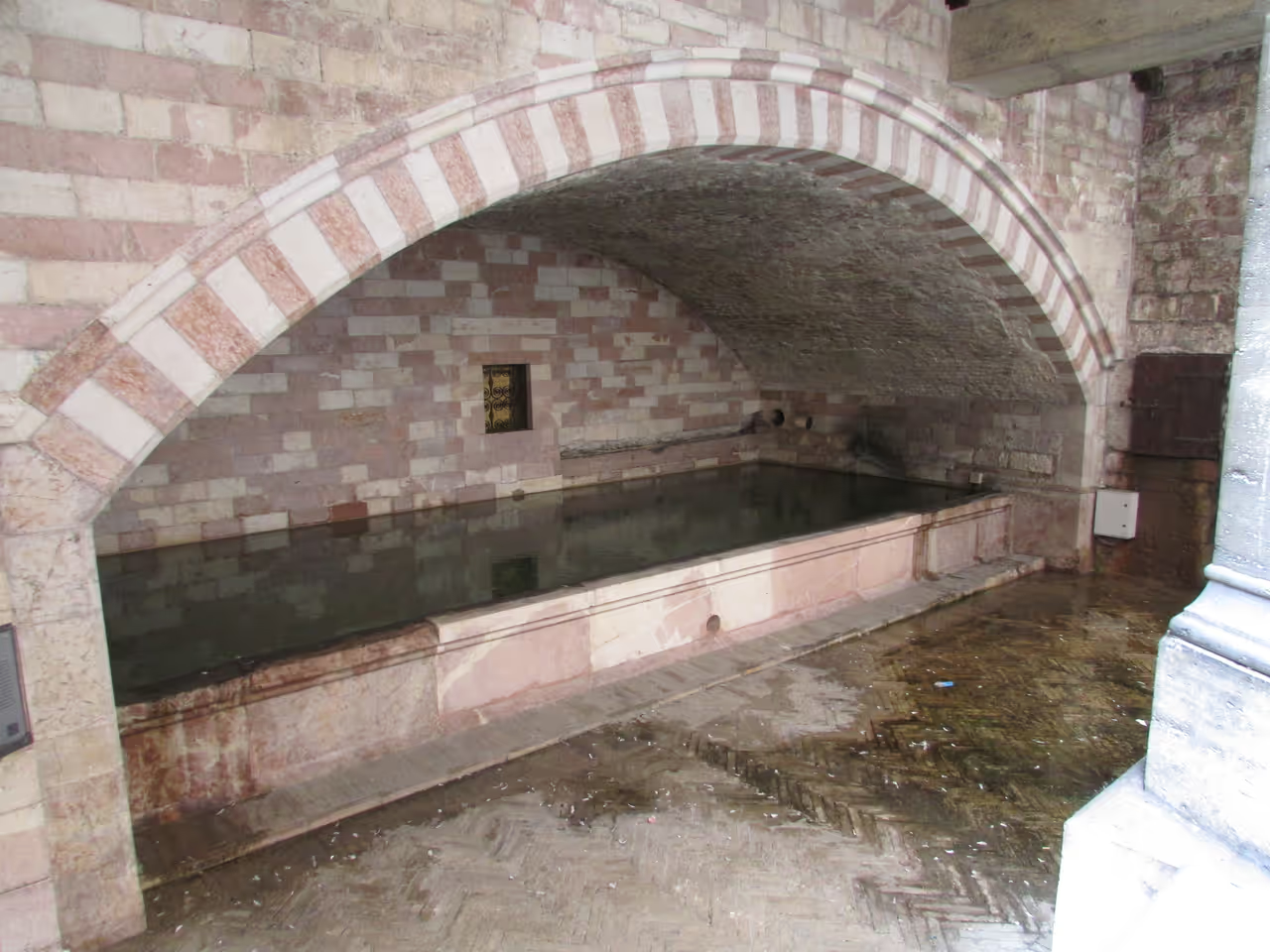
For those seeking an incredibly deep, highly comprehensive connection with this timeless city, this extensive five day itinerary leaves absolutely no stone unturned. It allows for a remarkably slow, highly mindful pace, leaving plenty of room to discover the incredibly quiet, hidden gems tucked away in the ancient residential alleys. Beyond the world famous monuments, you will explore secluded monastic courtyards, stunning hidden artworks, and expansive natural woodlands. This extended stay allows you to truly sync with the slow, peaceful rhythm of local Umbrian life, rather than just ticking off a sightseeing checklist. It is the ultimate, deeply transformative way to experience every single nuanced facet of Assisi.
view itinerary
Food in Assisi


UNESCO World Heritage Sites
Free Things to do in Assisi
Parks & Nature
Church of San Damiano
Nestled in the rolling hills just outside the city walls, this modest stone church offers a profound glimpse into the humble...
view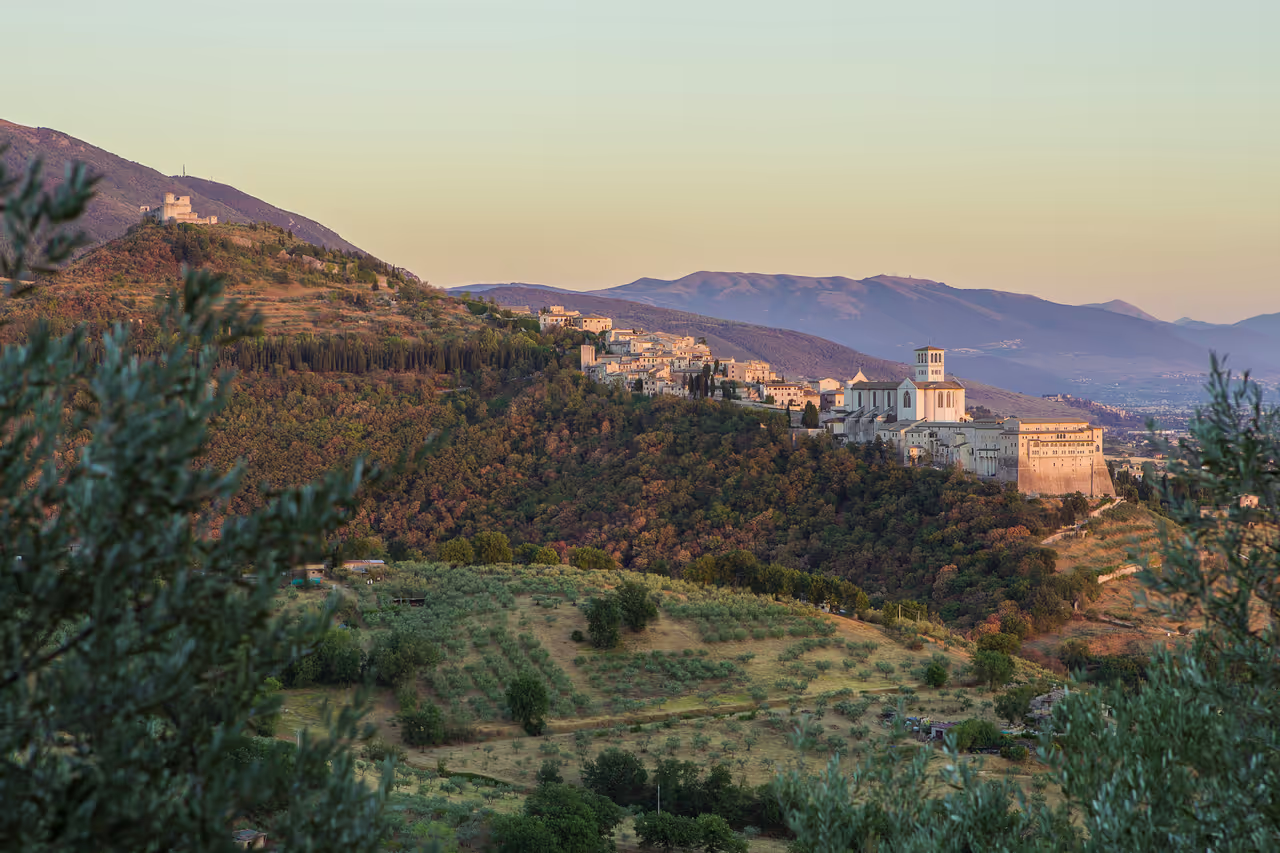
Forest of Saint Francis
Nestled just below the magnificent Basilica of Saint Francis in Assisi, this enchanting woodland offers a serene retreat that...
view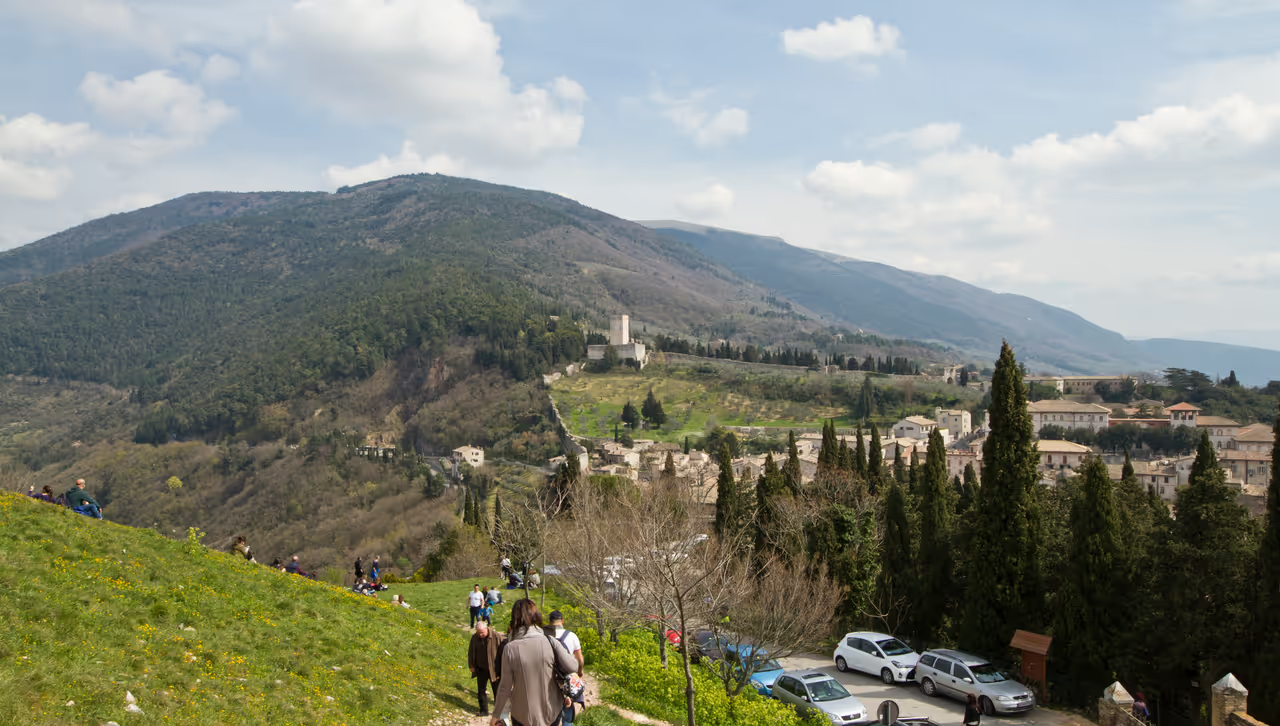
Mount Subasio
Standing guard over the gentle Umbrian hills, Mount Subasio is a majestic landmark synonymous with spiritual peace and natural...
view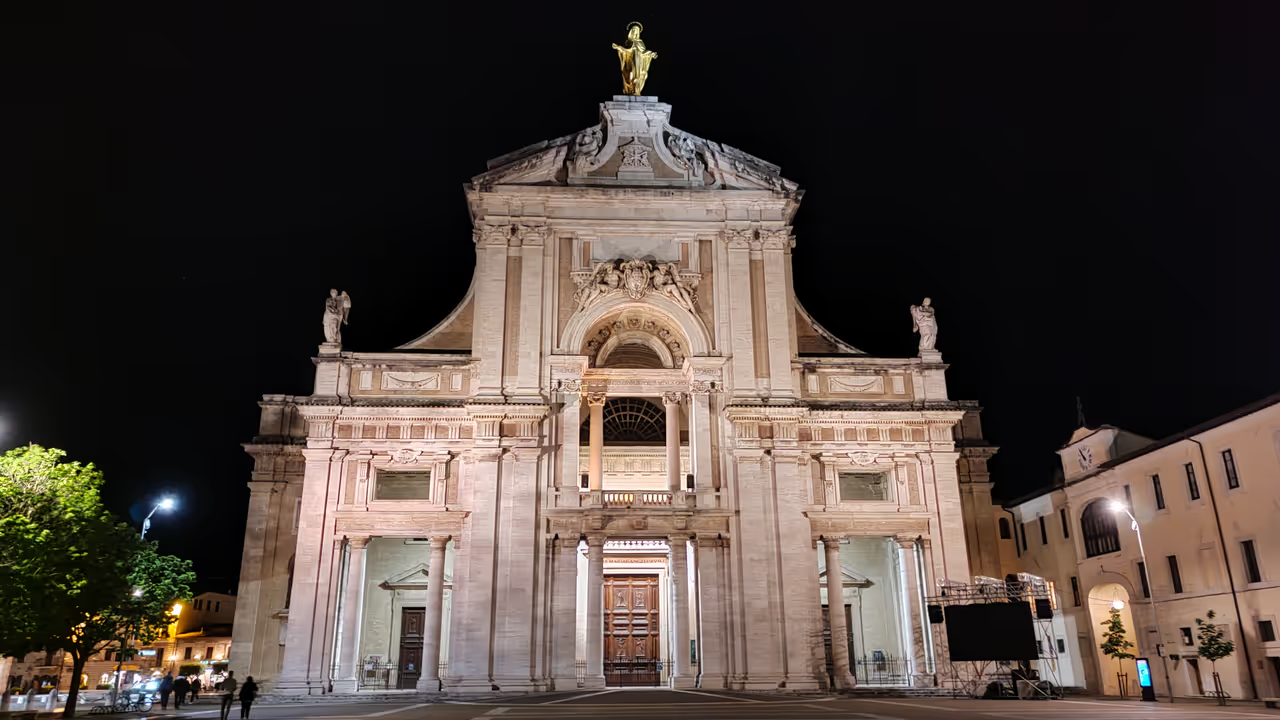
Santa Maria degli Angeli
Nestled in the lush Umbrian valley beneath the slopes of Assisi, Santa Maria degli Angeli serves as a profound spiritual...
view
Highlights & Must-Sees
Basilica of Santa Maria degli Angeli
Located on the flat plains at the very foot of the hill, this massive, imposing basilica was built with one primary purpose: to...
viewChurch of San Damiano
Nestled halfway down the hill amidst shimmering silver olive groves, San Damiano is arguably one of the most spiritually...
viewPiazza del Comune
This elegant, elongated square has served as the secular, civic heart of the city since the bustling days of the 13th century...
viewChurch of San Pietro
Located near the large parking lot at the bottom of the historic centre, this magnificent 10th century Benedictine abbey is far...
view
Best Walks in Assisi
- HIGHLY RECOMMENDED
Descent from Rocca Maggiore
This magnificent stroll begins at the highest point of the city, offering a sweeping, bird's eye perspective before guiding you down through layers of history. Walking downwards means you avoid the strenuous uphill climb while still experiencing the dramatic, winding medieval alleyways. The path reveals incredible architectural transitions, from austere military fortifications down to elegant civic squares and religious monuments. Every turn presents a new, breathtaking framing of the valley below or a sudden, dramatic reveal of a hidden courtyard. It is a visually arresting walk that perfectly encapsulates the multi layered history of the hilltop town.
Quiet Alleys of the Upper Town
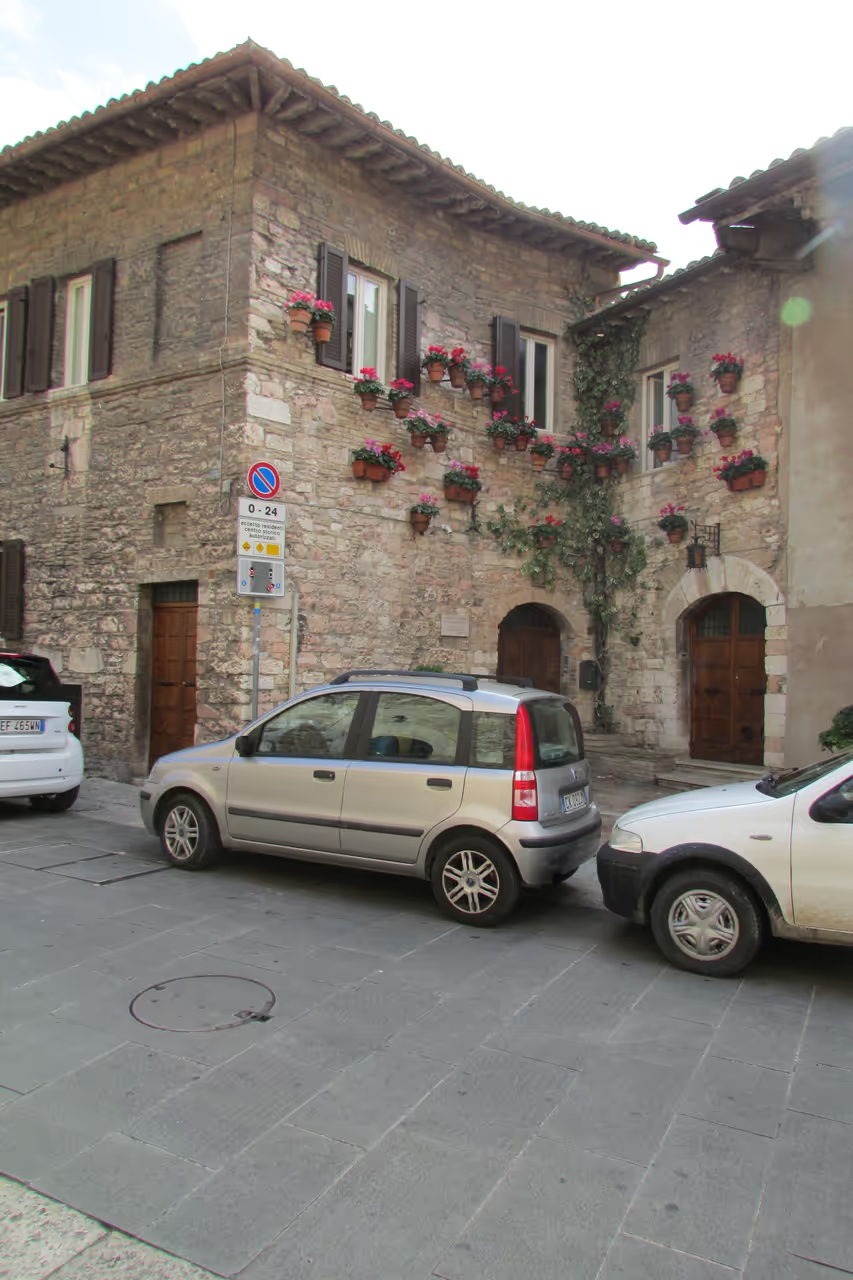
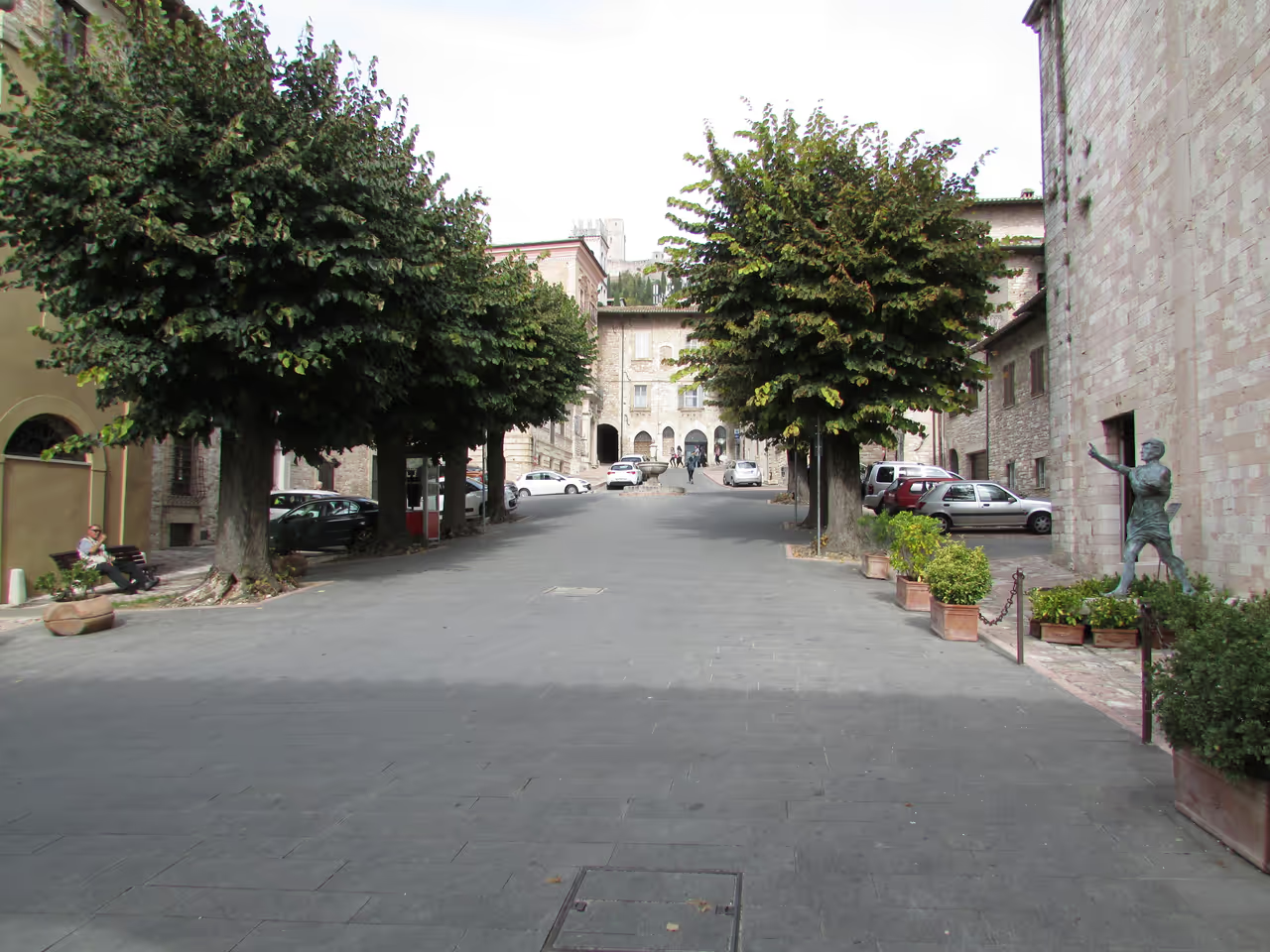
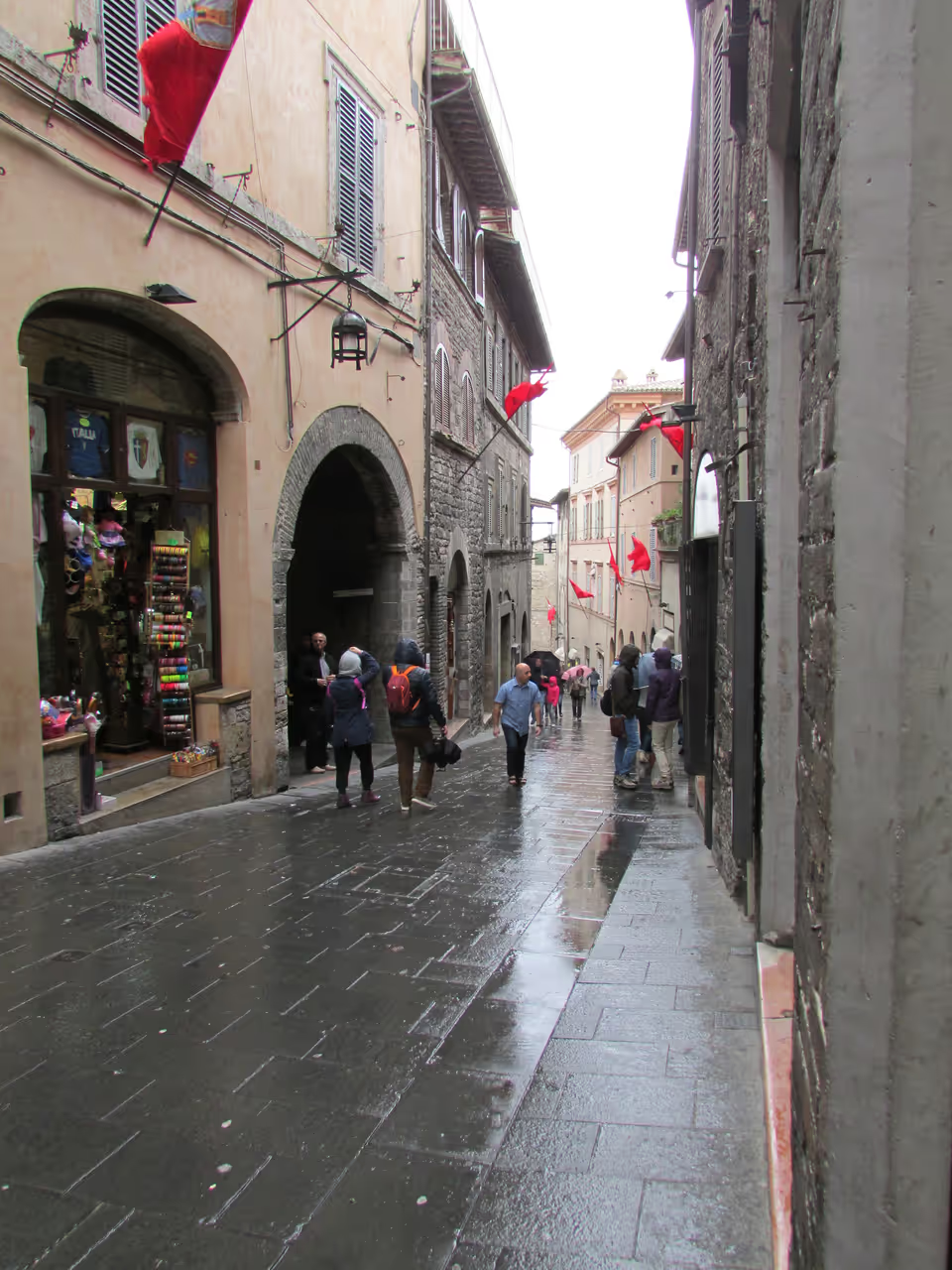
Far removed from the bustling crowds rushing towards the main basilicas, this stroll explores the serene, everyday residential heart of ancient Assisi. The narrow lanes here are lined with beautifully kept houses adorned with colourful window boxes and tiny, hidden shrines dedicated to Our Lady. The atmosphere is profoundly peaceful, broken only by the occasional sound of a local resident going about their day or a sleepy cat stretching on a sunny wall. Walking here feels incredibly intimate, revealing the quiet, enduring soul of the city behind its famous monuments. It is an absolute delight for photographers looking for authentic, undisturbed medieval streetscapes.
- HIGHLY RECOMMENDED
Path to San Damiano
This beautiful stroll takes you out of the city walls and descends gently into the incredibly lush, silvery olive groves that cling to the hillside. The path feels deeply restorative, transitioning smoothly from dense urban stonework into wide open natural tranquility. The air is fresh, often carrying the scent of pine and wild herbs, while the sounds of the city quickly fade away into birdsong. Walking this route allows you to appreciate the dramatic topography of Assisi from the outside, looking back up at the imposing defensive walls. It is a highly meditative journey that perfectly prepares the mind for visiting one of the most sacred sites in the region.
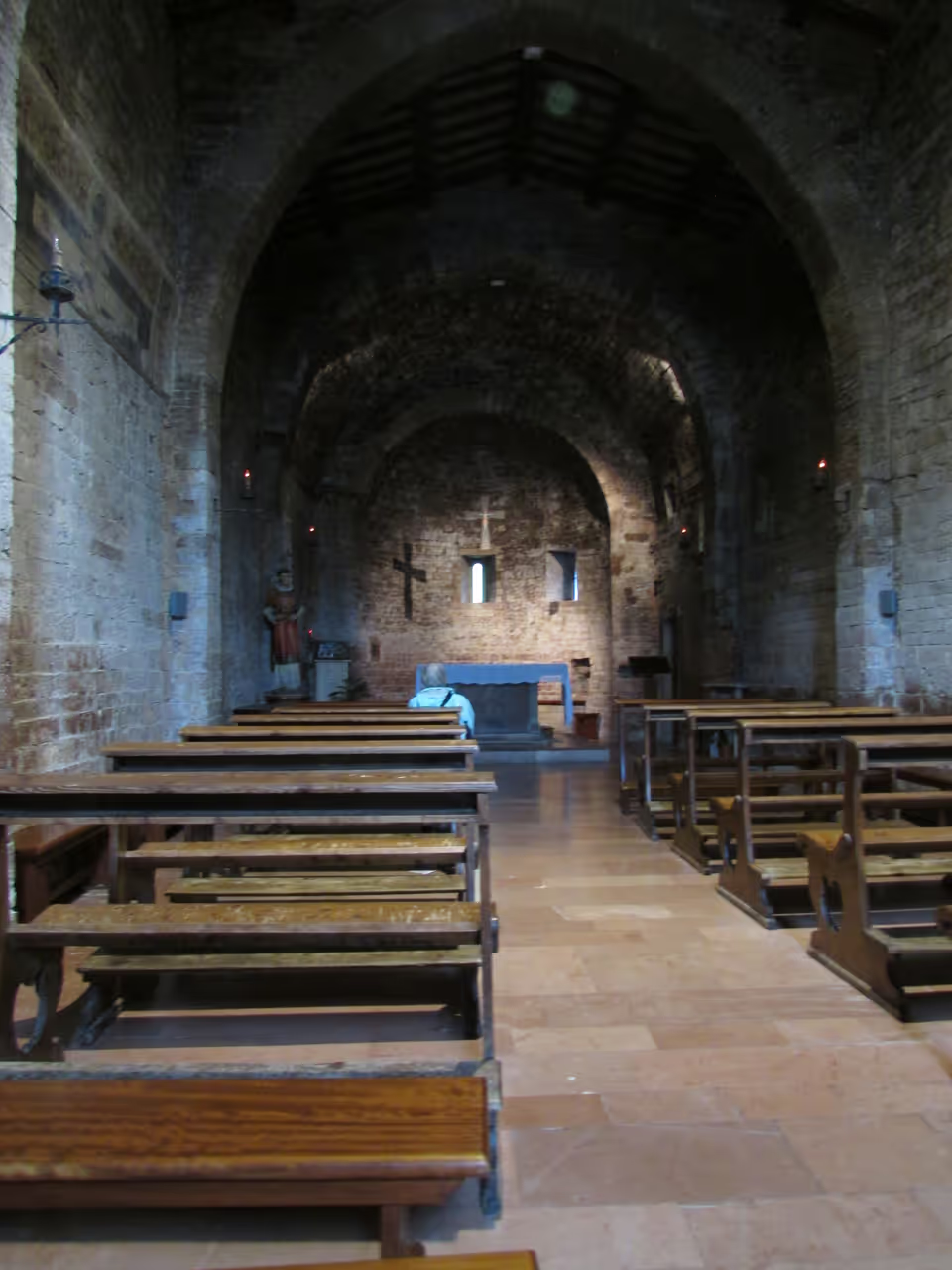
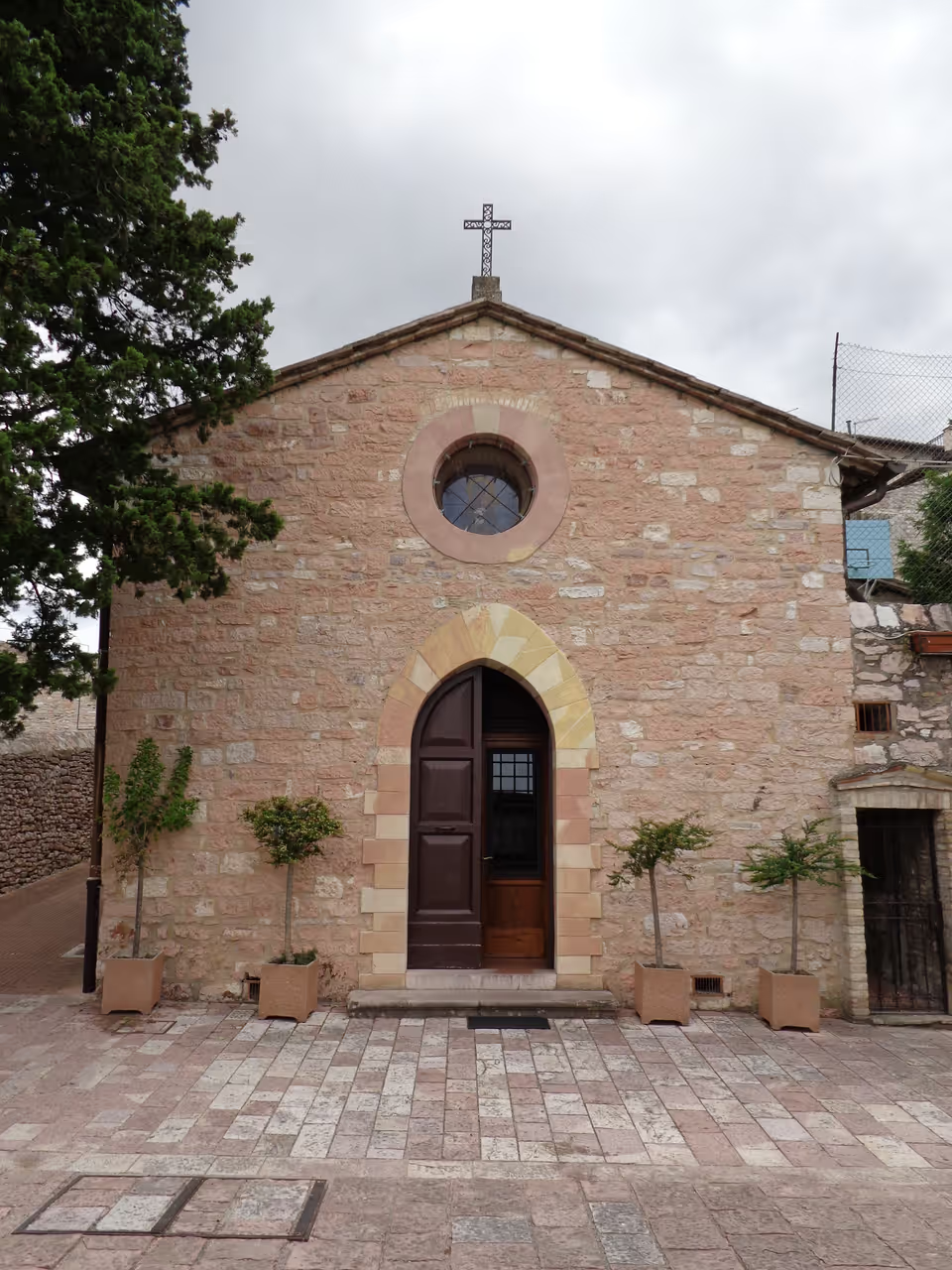
Architecture & Landmarks
Gothic Masterpiece of San Francesco
The Basilica of San Francesco stands as a monumental, groundbreaking achievement in the evolution of Italian architecture. It...
viewRoman Temple of Minerva
Dominating the central Piazza del Comune, the facade of the Temple of Minerva is an incredibly jarring, awe inspiring piece of...
viewFlying Buttresses of Santa Chiara
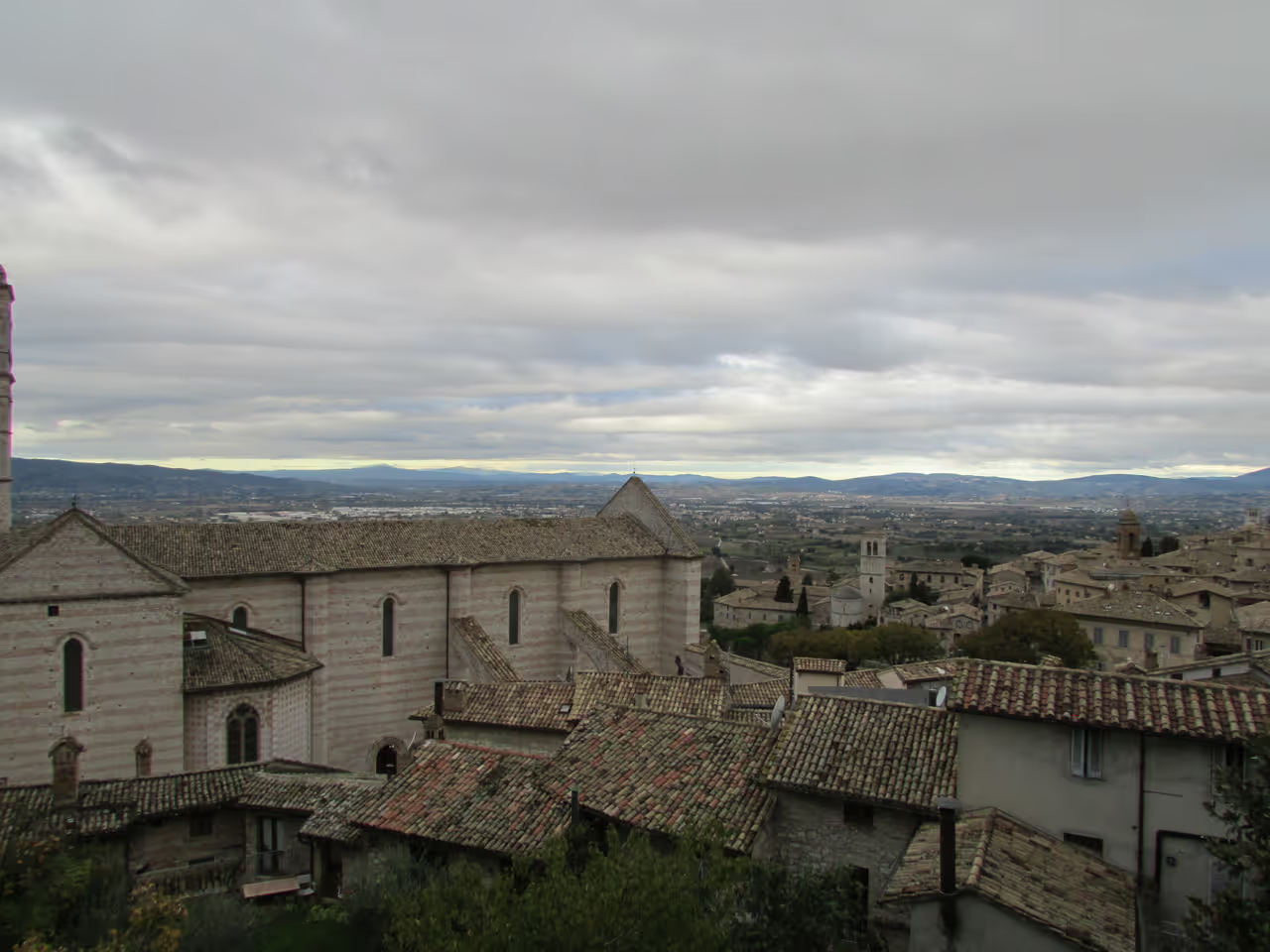
The Basilica of Santa Chiara is a stunning, highly recognizable example of 13th century Italian Gothic architecture, built...
view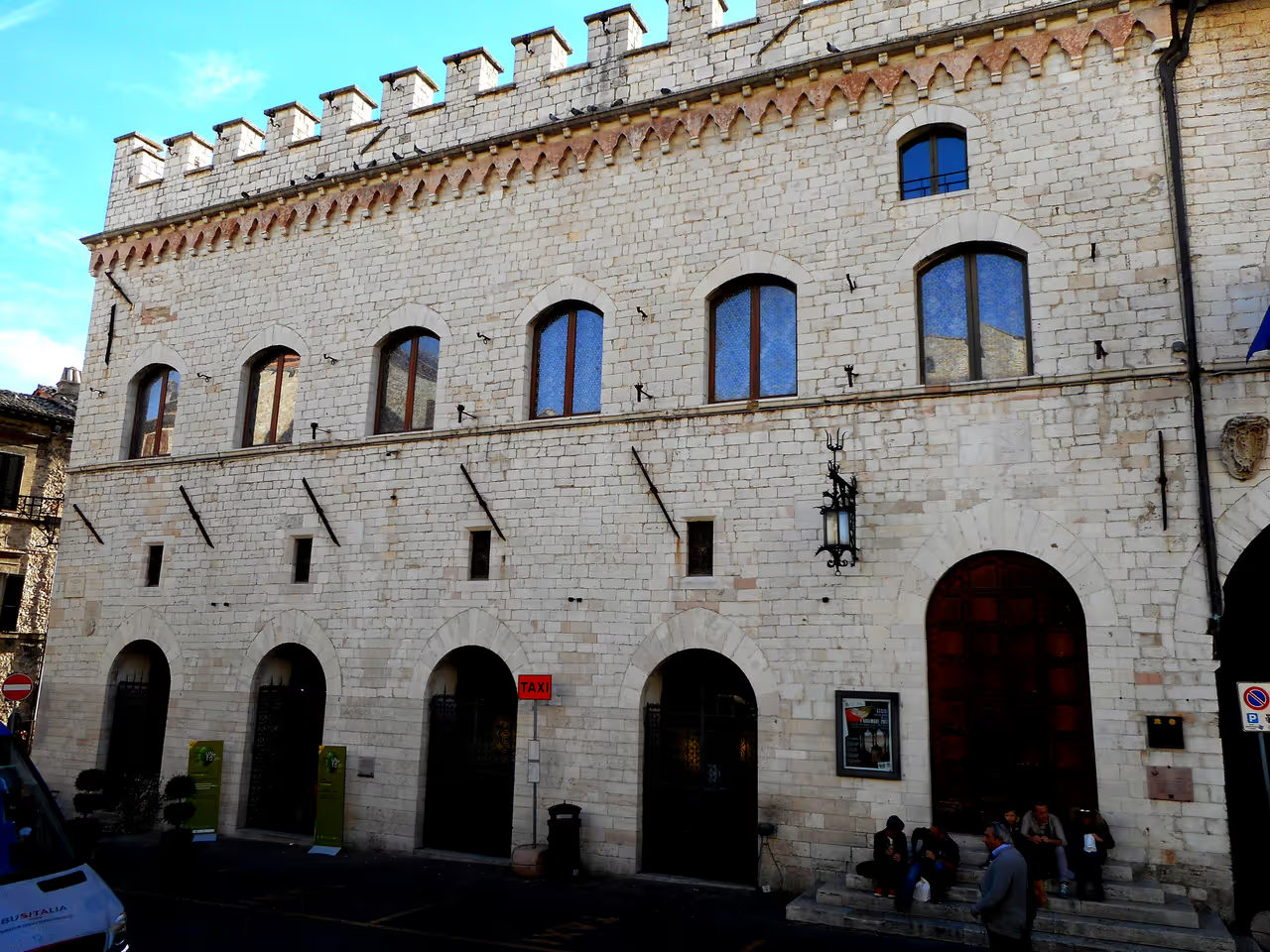
Palace of the Captain of the People
Situated directly adjacent to the ancient Temple of Minerva, this imposing 13th century palace is a perfect representation of...
view
Markets & Shopping
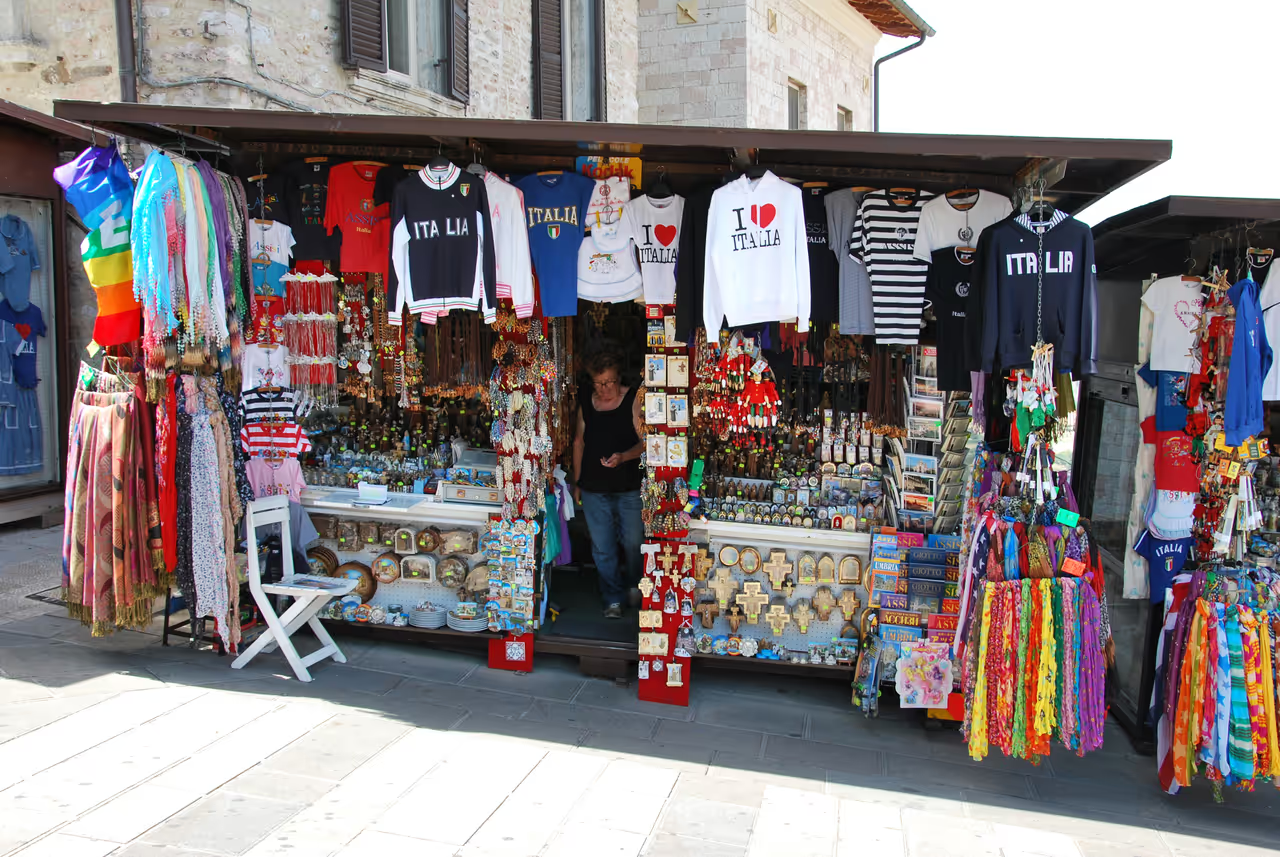
Assisi Nightlife
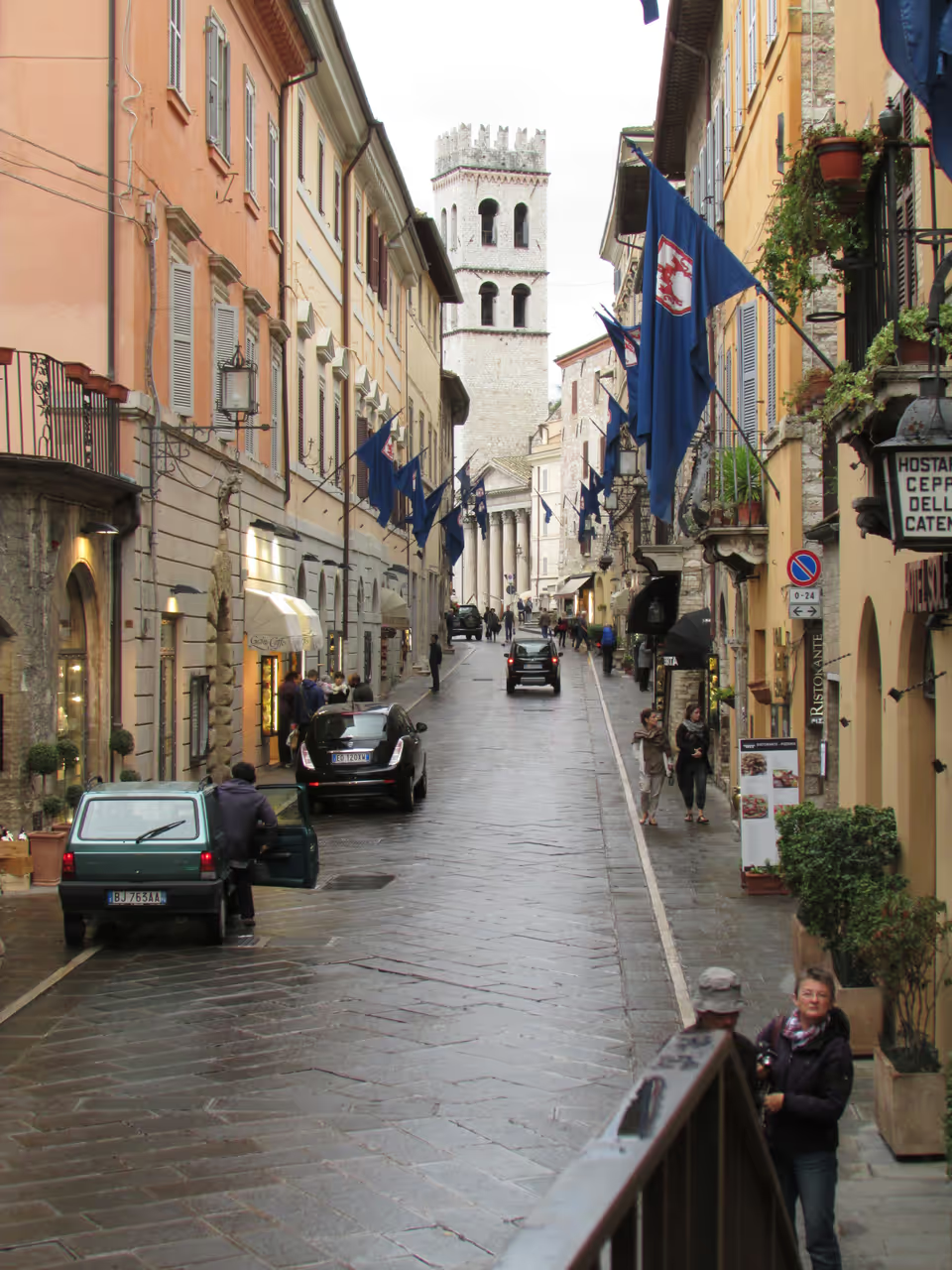
Photo Spots
Activities & Experiences
Cycling Routes
Umbrian Valley Loop
A slightly longer, highly picturesque loop that explores the small, charming hamlets scattered across the lower slopes of Mount Subasio. The route features gentle rolling hills, providing a satisfying sense of momentum without being overly strenuous. Riders pass through deep, shaded woodlands that suddenly open up to reveal vast, sun drenched olive groves. It is an incredibly varied ride visually, showcasing the beautiful transition between the wild mountain terrain and the cultivated valley. It offers a profound sense of isolation and tranquility, far removed from the bustling tourist epicentre.
Assisi to Spello Vineyard Route
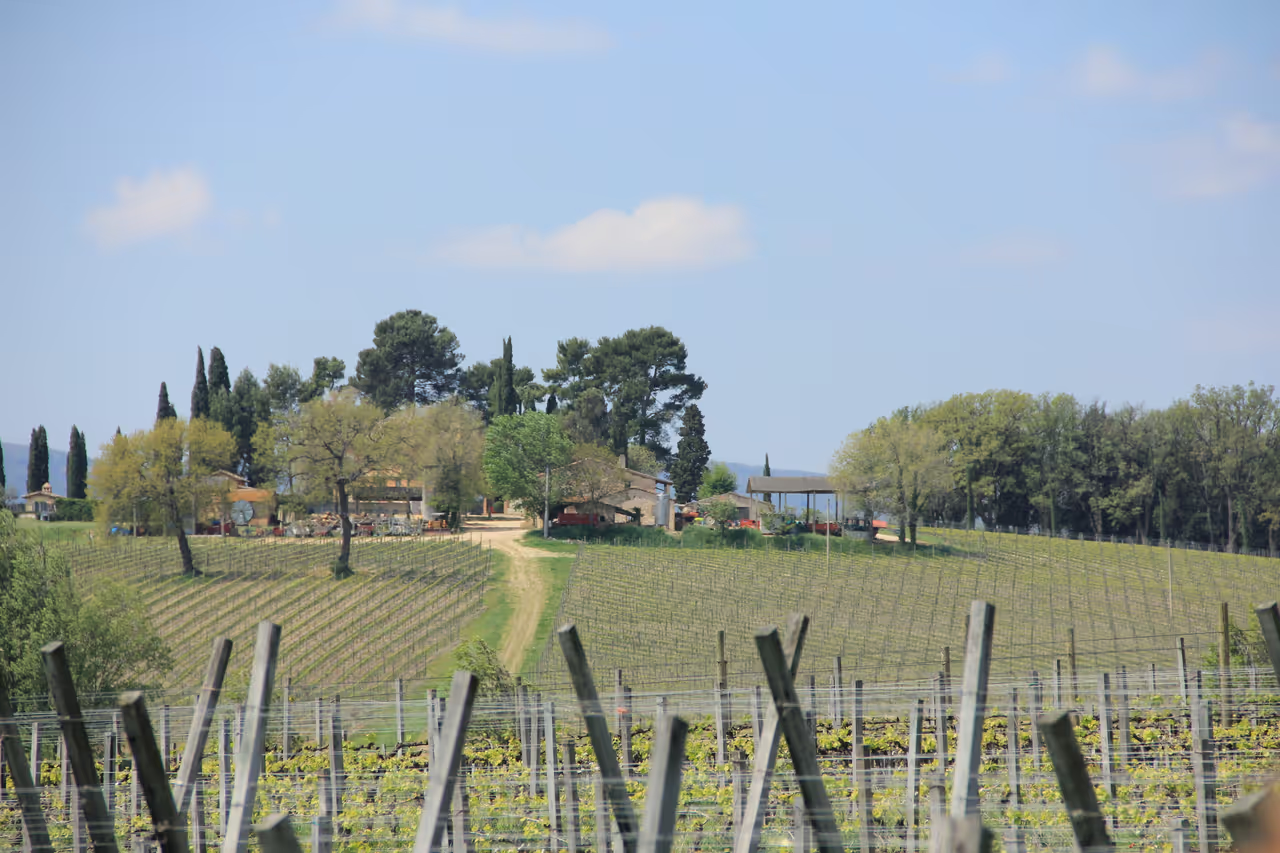
This stunning ride connects the lower plains of Assisi to the incredibly charming, flower filled town of Spello. The route glides along relatively quiet country roads, flanked by silver olive groves and rows of manicured grapevines. It offers a glorious, uninterrupted view of the Umbrian hills and allows riders to soak in the rural agricultural beauty of the region. The journey is visually spectacular and incredibly peaceful, with the scent of wild herbs often hanging in the air. It is the perfect half day excursion for those wanting to combine light exercise with breathtaking landscapes.
Santa Maria degli Angeli to Rivotorto
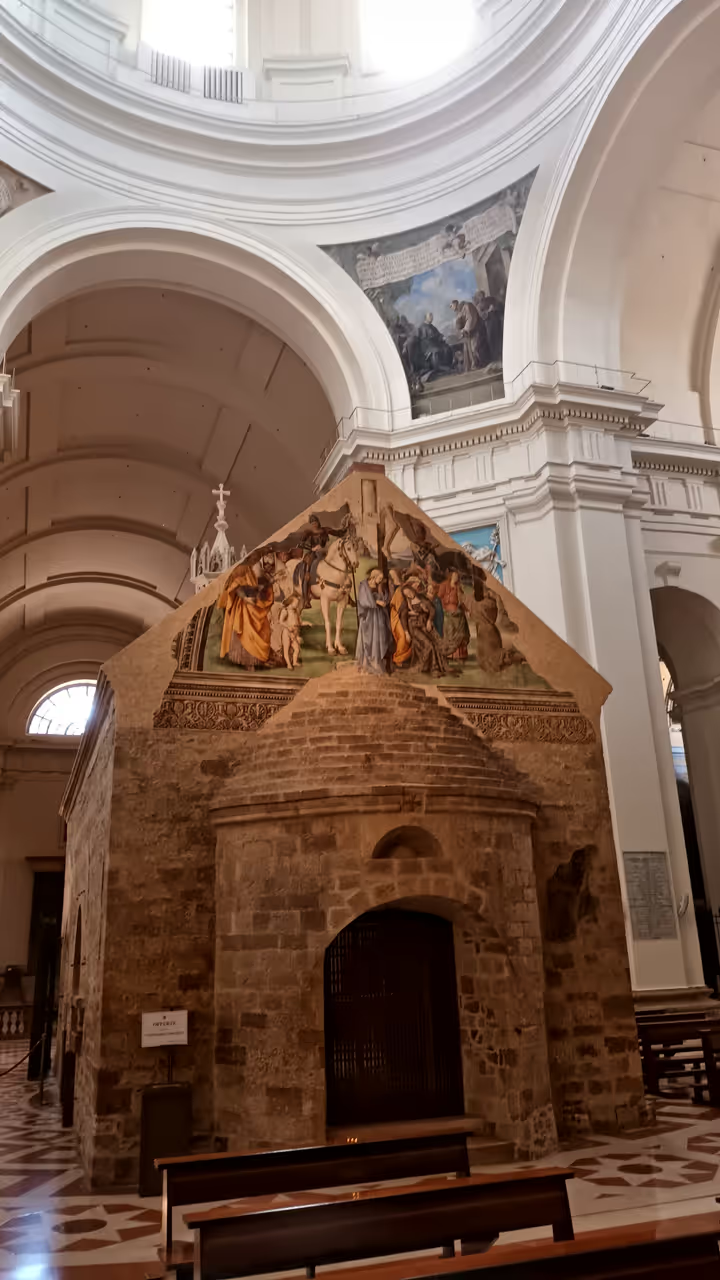
A deeply historical yet physically undemanding ride that explores the significant spiritual sites located on the flat valley floor. The path is incredibly easy to navigate and avoids the gruelling ascents required to reach the upper town. Cyclists are treated to wide open skies and continuous, sweeping views of Mount Subasio looming dramatically to the east. It connects two of the most important but often overlooked early Franciscan sanctuaries via quiet, scenic byways. It is a fantastic option for families or those looking for a purely relaxing, contemplative pedal.
Self-Guided Tours
 HIGHLY RECOMMENDED
In the Footsteps of St. Francis
This profoundly moving narrative journey tracks the life, transformation, and eventual canonisation of one of history's most famous spiritual figures. The route traces his path from a wealthy, carefree youth born in a humble stable, to his dramatic rejection of materialism, and finally to his magnificent, monumental resting place. Walking this path allows travellers to physically follow the emotional and spiritual arc of his incredible story. It provides deep context to the magnificent art and architecture that defines the city today. It is a compelling experience for history buffs and spiritual seekers alike, bringing the legend of the saint vividly to life through the stones of his hometown.
Roman Assisi Beneath the Surface
Long before medieval monks walked these hills, the prosperous Roman municipality of Asisium thrived here, and this tour uncovers its astonishingly intact remnants. The journey highlights the incredible architectural layering of the city, showing how medieval structures were literally built upon classical foundations. Explorers will marvel at massive columns, hidden underground administrative centres, and the ghosts of ancient entertainment venues. It reveals a completely different, pagan facet of a city so globally famous for its Christian heritage. It is an absolutely fascinating dive into archaeology and the enduring resilience of ancient engineering.
Hidden Monasteries and Cloisters
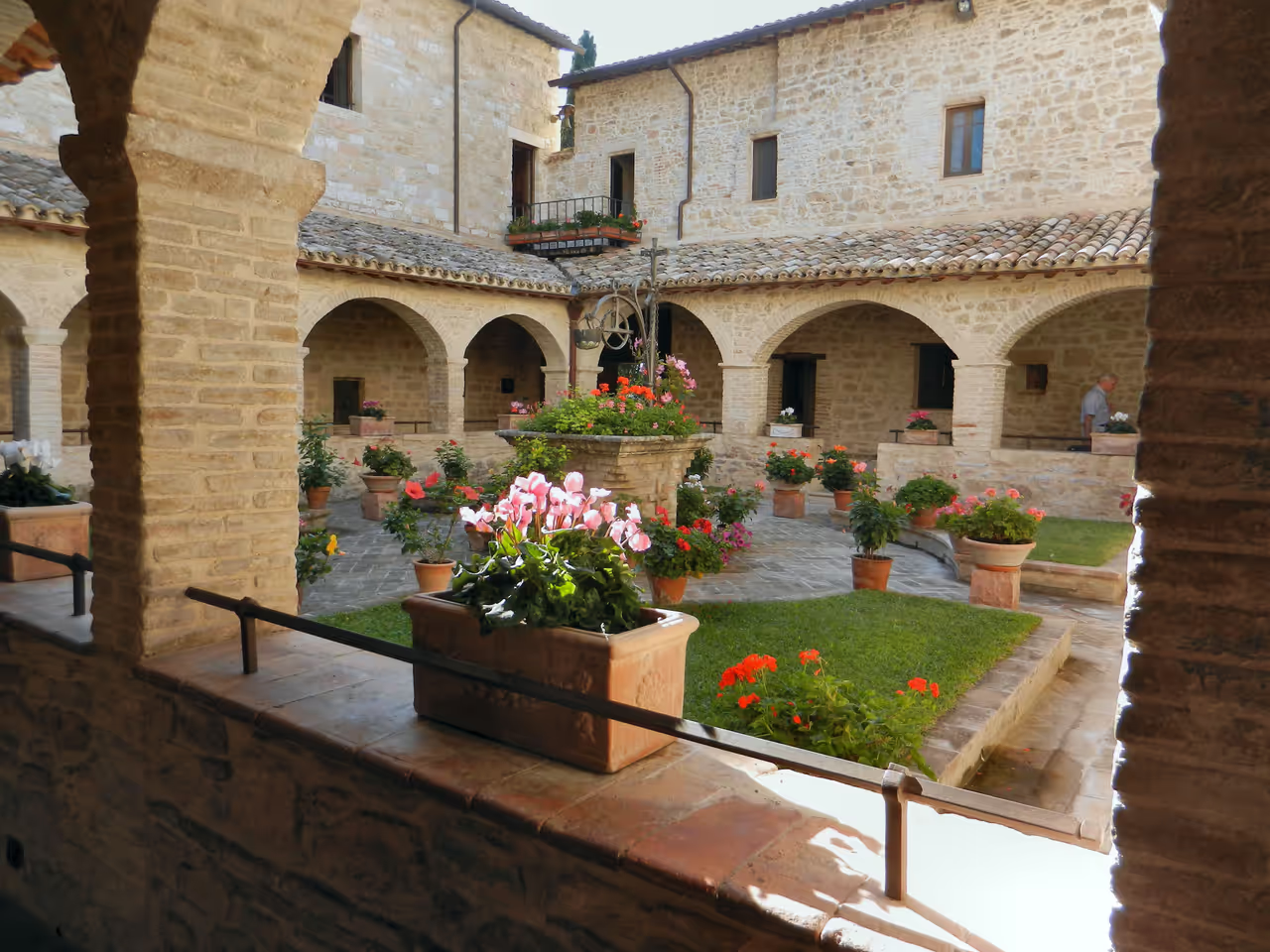
This tranquil journey explores the quieter, more contemplative spaces defined by the city's robust monastic traditions, heavily focusing on the legacy of St. Clare and other secluded orders. It moves away from the grand, bustling tourist epicentres into peaceful courtyards and hidden chapels characterized by deep silence. Explorers will discover stunning examples of Gothic and Romanesque architecture designed specifically to foster quiet reflection and prayer. The atmosphere throughout is one of intense serenity and devotion. It is an essential route for travellers seeking to genuinely experience the profound spiritual quietude that has defined the city for centuries.
Annual Festivals & Events
 HIGHLY RECOMMENDED
Calendimaggio
Calendimaggio is an incredible multi day spring festival that completely transforms Assisi back to the Middle Ages. The entire town is divided into two fierce rival factions, the Parte de Sopra and the Parte de Sotto, who compete in a series of elaborate historical challenges. Visitors are treated to stunning parades with participants in meticulously crafted medieval costumes, alongside flag throwers, musicians, and theatrical performances. The streets come alive with the sounds of lutes, drums, and passionate singing echoing through the stone archways. It is a deeply authentic local celebration that offers an unforgettable glimpse into the competitive and vibrant spirit of medieval communal life.
 HIGHLY RECOMMENDED
Feast of St. Francis
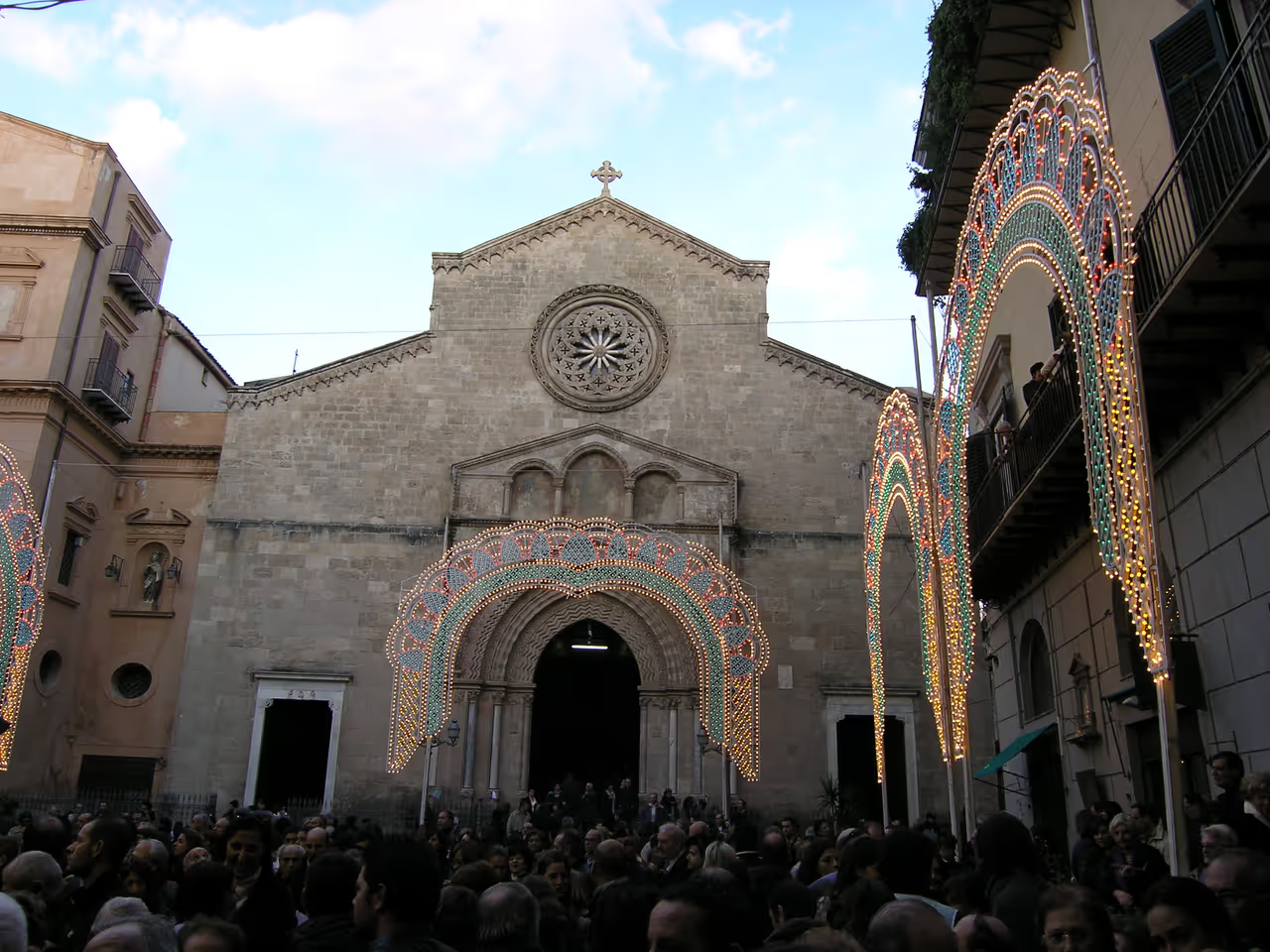
This deeply moving religious festival honors St. Francis, the beloved patron saint of both Assisi and the entire nation of Italy. Spanning two days, the town is filled with pilgrims, high ranking clergy, and national dignitaries who gather to pay their respects. The event features incredibly solemn and beautiful liturgical ceremonies held at the grand Basilica of San Francesco. Beyond the religious services, there are civic manifestations and a palpable sense of national pride and unity in the air. Lighting displays and special choirs make the atmosphere deeply spiritual and emotionally resonant. It is a remarkable time to witness the profound enduring legacy of the saint in his hometown.
Festival of the Vow
This unique and highly specific historical festival commemorates the miraculous event where St. Clare is said to have saved the city from an invading army of Saracens. Held every June, the celebration involves solemn processions and civic ceremonies that highlight the deep bond between the city and its female patron saint. The mayor of Assisi traditionally offers gifts to the Poor Clare nuns in a symbolic gesture of enduring gratitude. The streets are adorned with flowers, and the atmosphere is one of quiet, respectful celebration. It offers a beautiful counterpoint to the male dominated history of the town, putting St. Clare's bravery firmly in the spotlight.
Insider Tips
Start your exploration at the top of the town near Piazza Matteotti and walk downhill to save your energy on the steep, medieval streets.
When visiting the basilicas, remember that a strict dress code is enforced; ensure your shoulders and knees are fully covered.
If arriving by train, purchase two bus tickets at the station's Tabacchi shop, one for the trip up to the historic centre and one for the return trip.
Avoid the peak midday crowds at the Basilica of San Francesco by visiting early in the morning or late in the afternoon when the lighting on the frescoes is also spectacular.
Tap your contactless card on the local 'C' bus for a quick and easy 1.30 Euro fare, saving you the hassle of finding a ticket machine.
Step away from the main thoroughfare of Via San Francesco to explore the quiet, winding alleys near the Church of Santa Maria delle Rose for crowd free photography.
PERFECT FOR
Assisi is perfect for spiritual seekers, history enthusiasts, and lovers of medieval architecture. It profoundly appeals to travellers looking for a peaceful, slow paced destination filled with art, culture, and deep reflection. Those who appreciate stunning panoramic valley views, excellent Umbrian food, and exploring layered historical sites will find this hilltop town incredibly rewarding.
VIBE
Assisi radiates a profound sense of tranquillity and timelessness, wrapped in the pale pink limestone of Mount Subasio. The narrow, winding alleys smell of old stone, burning incense, and fresh Umbrian cooking, creating an atmosphere that is both deeply spiritual and warmly welcoming. It feels like a sanctuary perched above the modern world, where the ringing of church bells dictates the gentle rhythm of daily life.
Frequently Asked Questions about Assisi
While we strive to keep this information accurate and up to date, we recommend verifying any details independently before making decisions based on them.
Similar Destinations in Italy
Continue your journey. Explore these highly recommended cities and uncover more of what Italy has to offer.