Basilica of Saint Clare
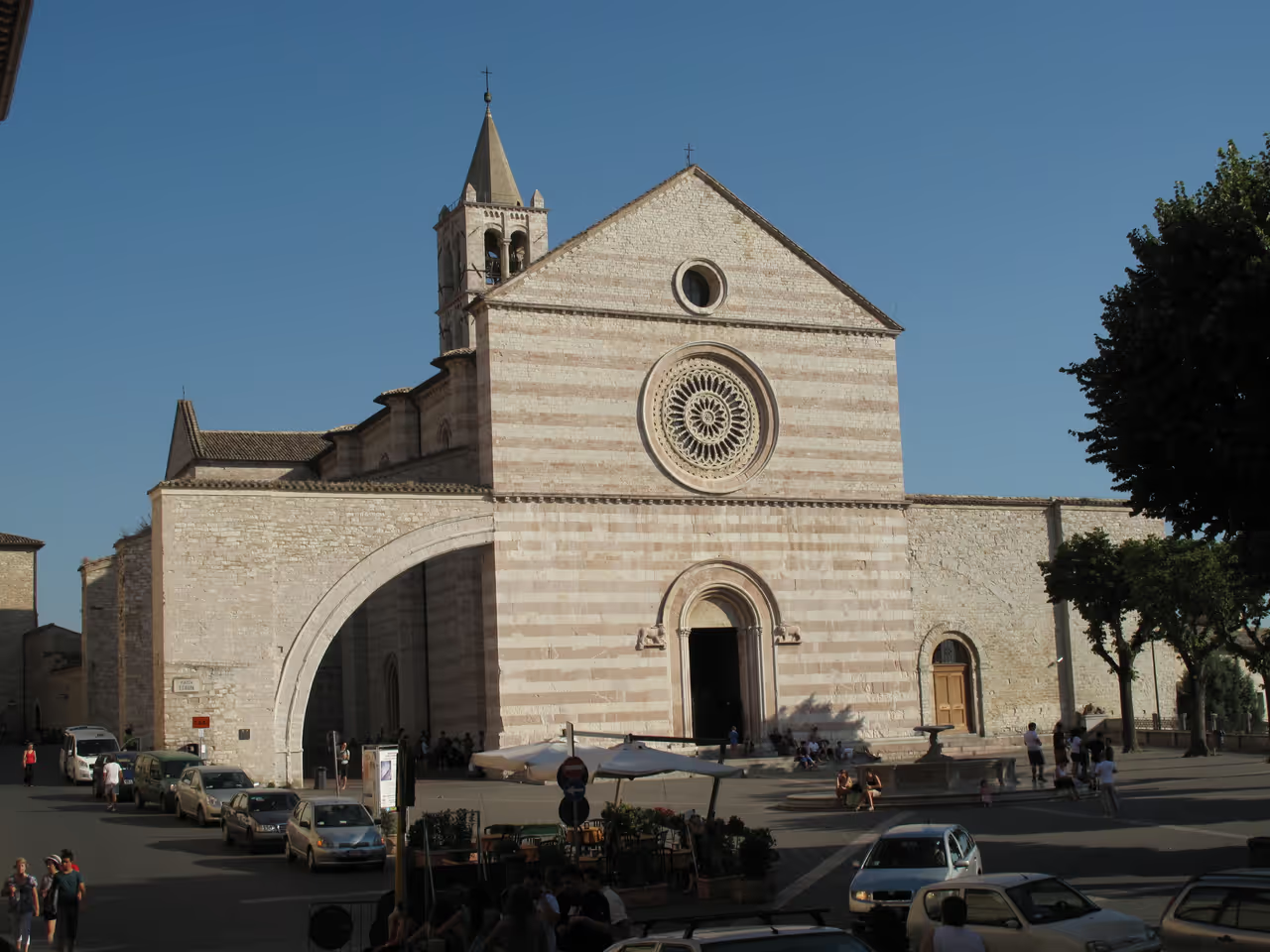
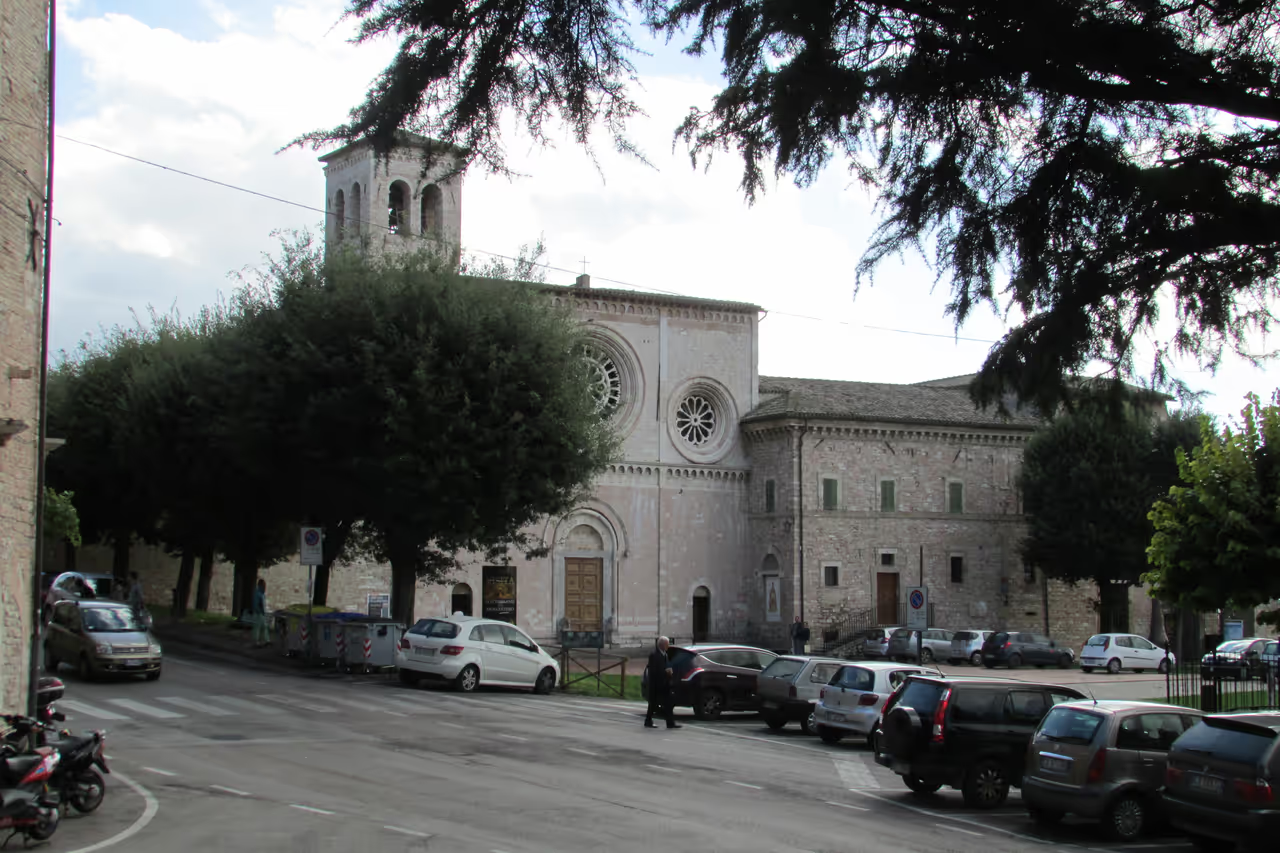
The Basilica of Saint Clare stands as a serene and powerful testament to the life and legacy of one of Assisi's most revered figures. With its striking pink and white stone façade and massive, iconic buttresses, this Gothic masterpiece commands attention while maintaining a peaceful presence. Inside, visitors find a space of profound spiritual gravity, housing both the tomb of Saint Clare and the original San Damiano Crucifix that famously spoke to Saint Francis. Whether you are drawn by the rich Franciscan history, the beautifully preserved medieval frescoes, or simply the architectural elegance, a visit here offers a reflective moment amidst the hillside charm of Assisi. It is a place where history feels tactile, bridging the gap between the medieval past and the present day.
Videos
History of Basilica of Saint Clare
The construction of the Basilica of Saint Clare began in 1257, shortly after the passing of the saint, transforming the site of the ancient church of San Giorgio into a monumental tribute to her life. Before this, the small church of San Giorgio had held the mortal remains of Saint Francis until his transfer to his own grand basilica in 1230. Architect Filippo da Campello designed the new structure to echo the grandeur of the upper Basilica of Saint Francis, creating a visual dialogue between the two monumental sites across the town. The church was consecrated in 1265 in the presence of Pope Clement IV, marking the culmination of a period of immense devotion. For centuries, this sacred ground served as the home for the Order of Saint Clare, known as the Clarisse, who lived in nearby San Damiano before moving into this new, protected space. The architectural choices, particularly the massive polygonal buttresses added to the left flank, were essential for stability, ensuring the building could withstand the test of time and earthquakes. Throughout the centuries, the basilica has weathered both historical shifts and natural disasters, including the devastating earthquake of 1832, which damaged many of the original frescoes. Yet, it remains a treasury of art and relics. The subterranean crypt, added in the nineteenth century, allows pilgrims and visitors to look upon the tomb of the saint, while the Oratory of the Crucifix preserves the most intimate objects from the lives of the founders. Walking through these halls is a journey into the heart of the Franciscan movement, where the legacy of Saint Clare continues to inspire quiet contemplation.
Events spanning 593 years
Fun Facts
- • The Oratory of the Crucifix houses the actual wooden cross of San Damiano, which famously spoke to Saint Francis, commanding him to repair the church.
- • The basilica features three enormous polygonal buttresses that support the left side, providing a unique architectural silhouette that has become iconic to Assisi.
- • The bell tower is topped by a pointed spire and features biforate and monofore windows, standing as a prominent landmark on the town skyline.
- • The church follows the architectural style of the upper Basilica of Saint Francis, reflecting the strong spiritual and artistic connection between the two saints.
- • The crypt, which houses the tomb of Saint Clare, was a later addition completed in 1850, designed to provide a more accessible space for veneration.
- • The façade is crafted from alternating layers of pink and white local stone, a material characteristic of many historic buildings in this Umbrian town.
- • The interior houses the Maestro di Santa Chiara's famous painted cross, a masterpiece of late thirteenth century Umbrian art.
- • The interior was once covered in an extensive cycle of frescoes depicting the life of Saint Clare, though many were lost to lime washing in the eighteenth century and later earthquake damage.
- • Visitors can view personal belongings of the saints, including a robe sewn by Saint Clare for Saint Francis and a lock of her hair.
RESOURCES
Official WebsiteBasilica of Saint Clare FAQ
While we strive to keep this information accurate and up to date, we recommend verifying any details independently before making decisions based on them.
Basilica of Saint Clare Map & Neighborhood Explorer
This interactive map is centered on Basilica of Saint Clare. Zoom in and move the map around to automatically discover Wikipedia photos and summaries of other nearby sights, monuments, and historical points of interest and stories in real-time!
Places near Basilica of Saint Clare
Make the most of your trip. Check out these top-rated spots located nearby.
- 0m
Festival of the Vow
This unique and highly specific historical festival commemorates the miraculous event where St. Clare is said to have saved the city from an invading army of Saracens. Held every June, the celebration involves solemn processions and civic ceremonies that highlight the deep bond between the city and its female patron saint. The mayor of Assisi traditionally offers gifts to the Poor Clare nuns in a symbolic gesture of enduring gratitude. The streets are adorned with flowers, and the atmosphere is one of quiet, respectful celebration. It offers a beautiful counterpoint to the male dominated history of the town, putting St. Clare's bravery firmly in the spotlight.
festival view 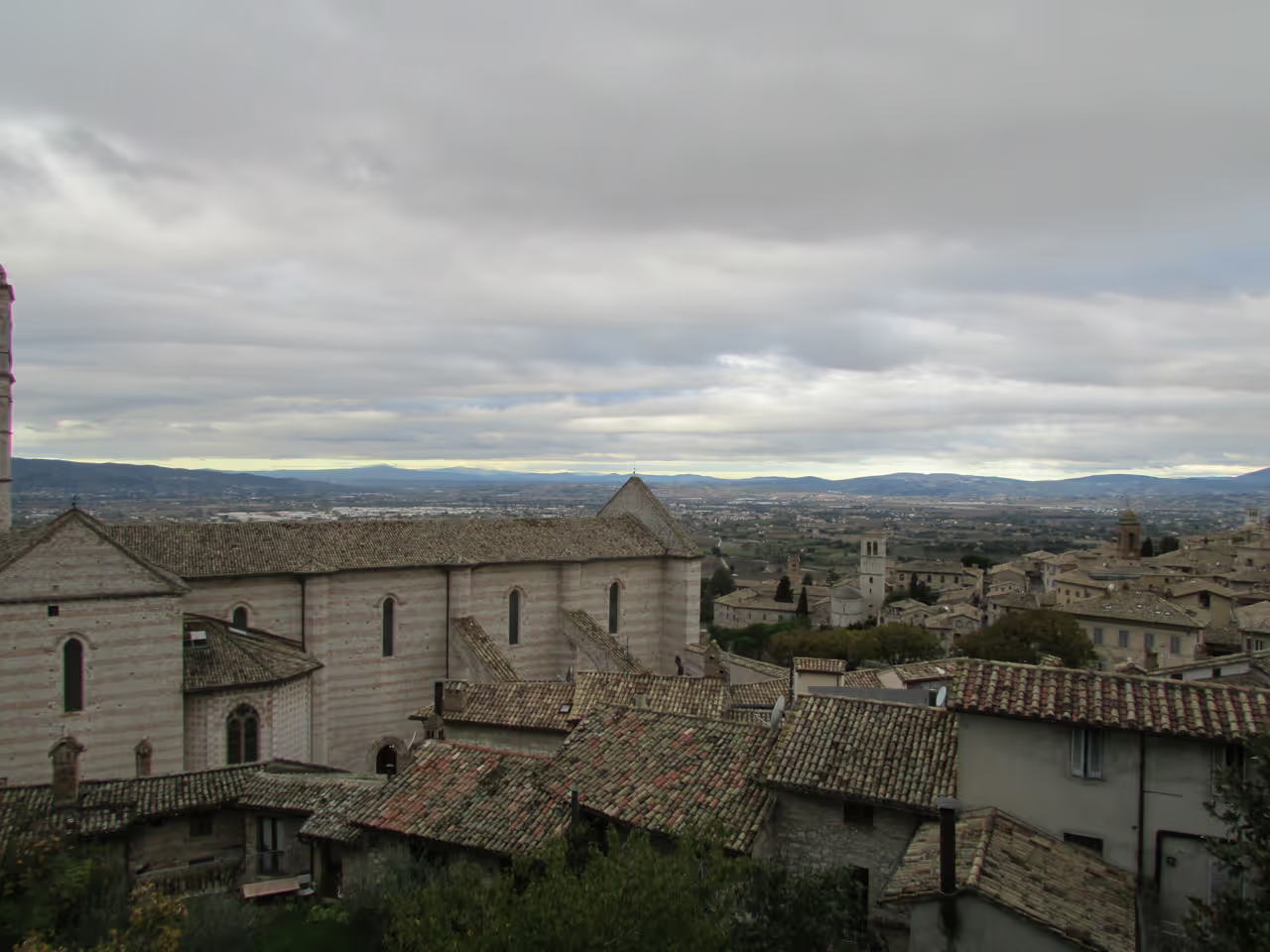 42m
42mPiazza Santa Chiara Overlook
The expansive stone terrace directly in front of the Basilica of Santa Chiara offers an absolutely unparalleled, sweeping opportunity for landscape photography. The view looks out over the incredibly lush, patchwork agricultural fields of the vast Umbrian valley, framed by distant rolling hills. It is a spectacular location for capturing the moody, highly dramatic mists that often fill the valley in the early autumn mornings. Alternatively, it is the premier spot in the city for incredibly vibrant, deeply saturated sunset shots as the sky explodes with colour over the plains. The low stone walls provide a fantastic, highly convenient natural tripod for sweeping panoramic captures.
photo spot view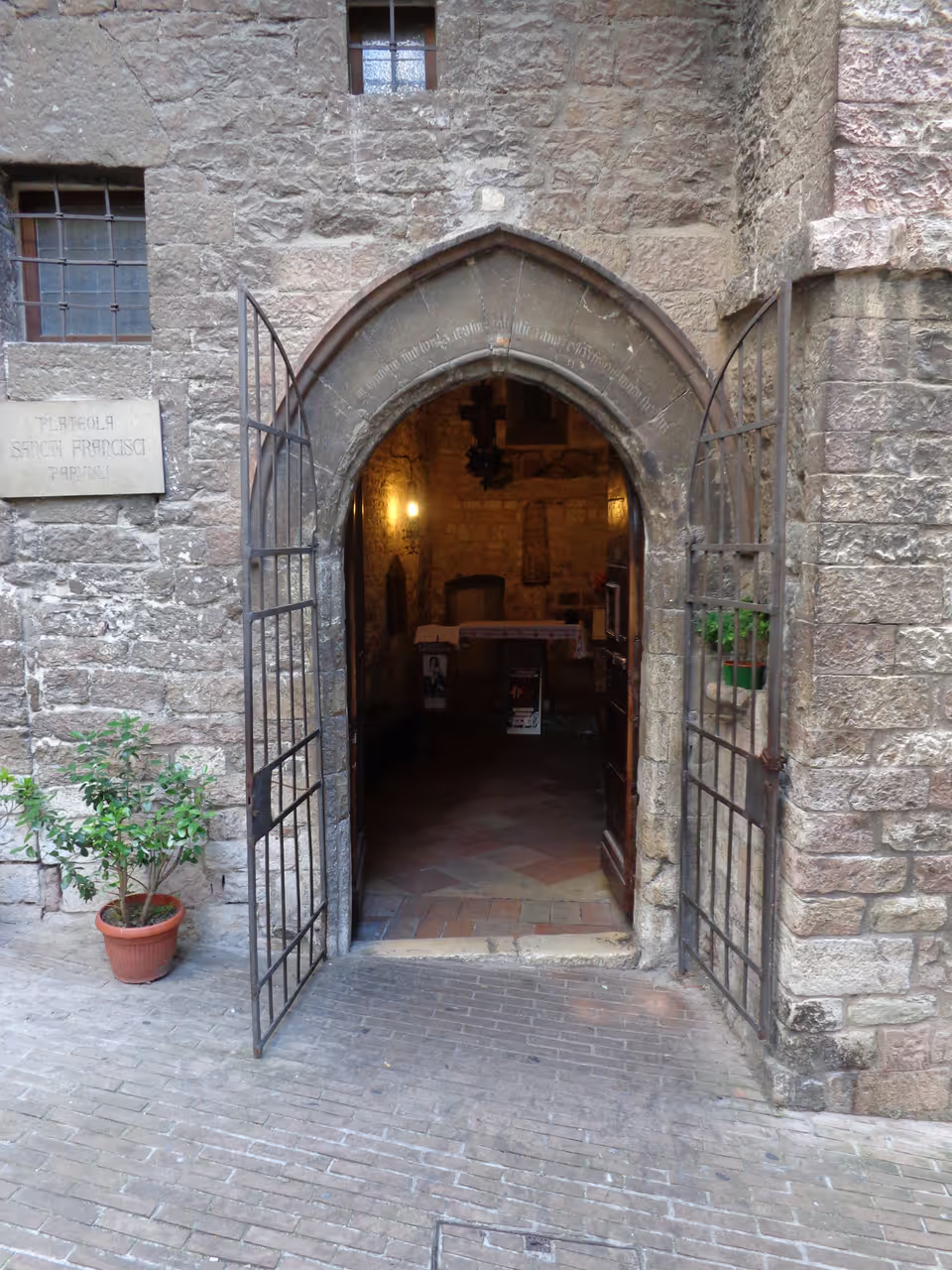 177m
177mOratorio San Francesco Piccolino
Just steps away from the bustling Corso Mazzini, down a small, unassuming flight of stairs, lies this incredibly tiny, rustic chapel. Local legend holds that this humble, stone walled space was originally a stable where the mother of St. Francis gave birth to the future saint. The sheer simplicity of the room stands in stark, poignant contrast to the magnificent, gold adorned basilicas built in his honour later on. Above the entrance, an ancient inscription proudly declares the significance of the site, drawing devoted pilgrims seeking the very starting point of the saint's life. The atmosphere is deeply touching, quiet, and reflective. It is a quick but incredibly meaningful highlight that perfectly encapsulates the enduring Franciscan theme of finding profound holiness in absolute poverty and simplicity.
highlight view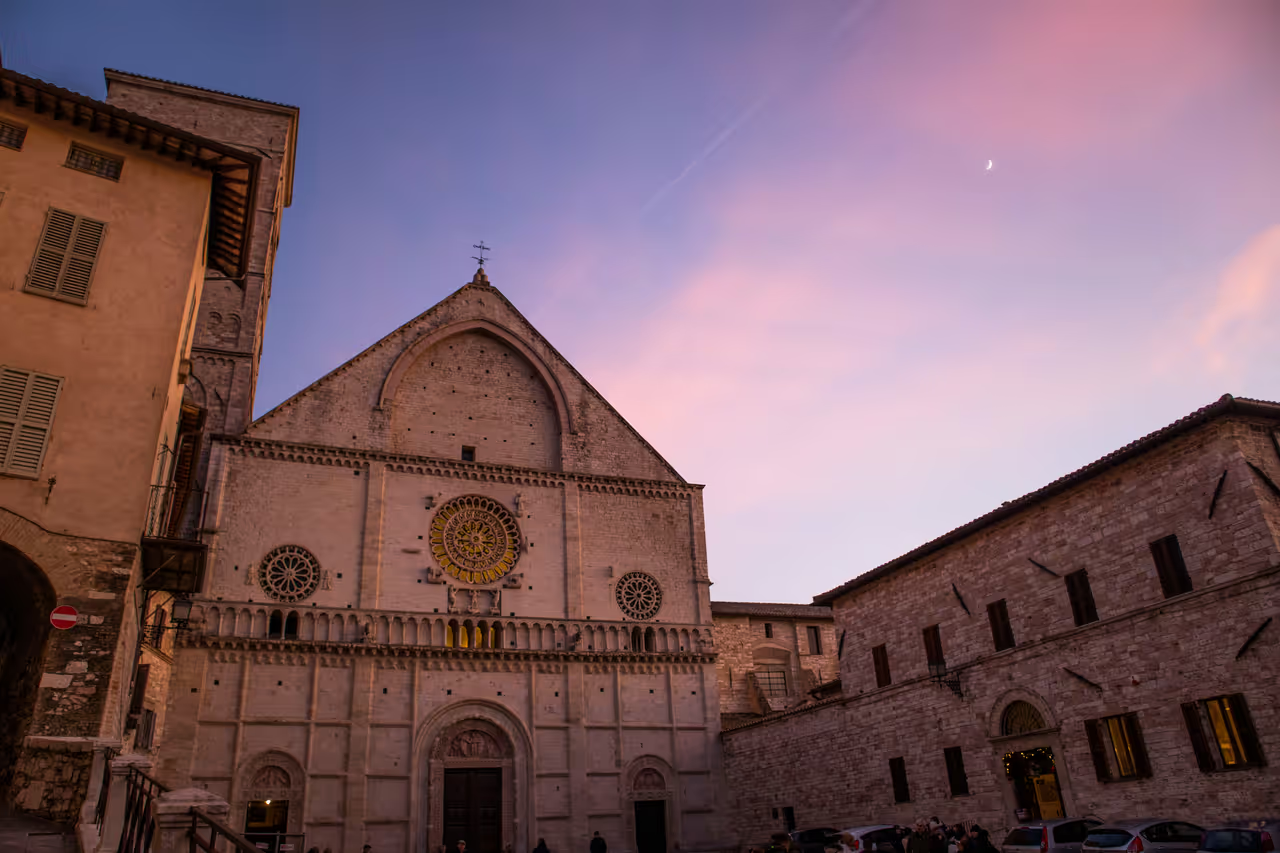 178m
178mSan Rufino Cathedral
The Cathedral of San Rufino stands as a testament to the layered history of Assisi, with stone walls that whisper secrets from Roman times to the medieval era. This architectural gem features one of the most remarkable Romanesque façades in Italy, adorned with peculiar beasts, griffins, and lions that seem to guard its entrance. Stepping inside reveals a striking contrast, where a refined Renaissance and Baroque interior invites moments of quiet reflection. It is here that saints like Francis and Clare were baptised, a profound detail that anchors the city’s spiritual legacy in this very space. Visitors will find the crypt and the attached Diocesan Museum particularly rewarding, as they unearth the ancient foundations that predated the current structure. It is a place that feels deeply personal to the city, offering a peaceful sanctuary for those looking to connect with the authentic roots of Assisi.
attraction view
Explore Similar Places in This Collection
Featured on These Itineraries and Routes
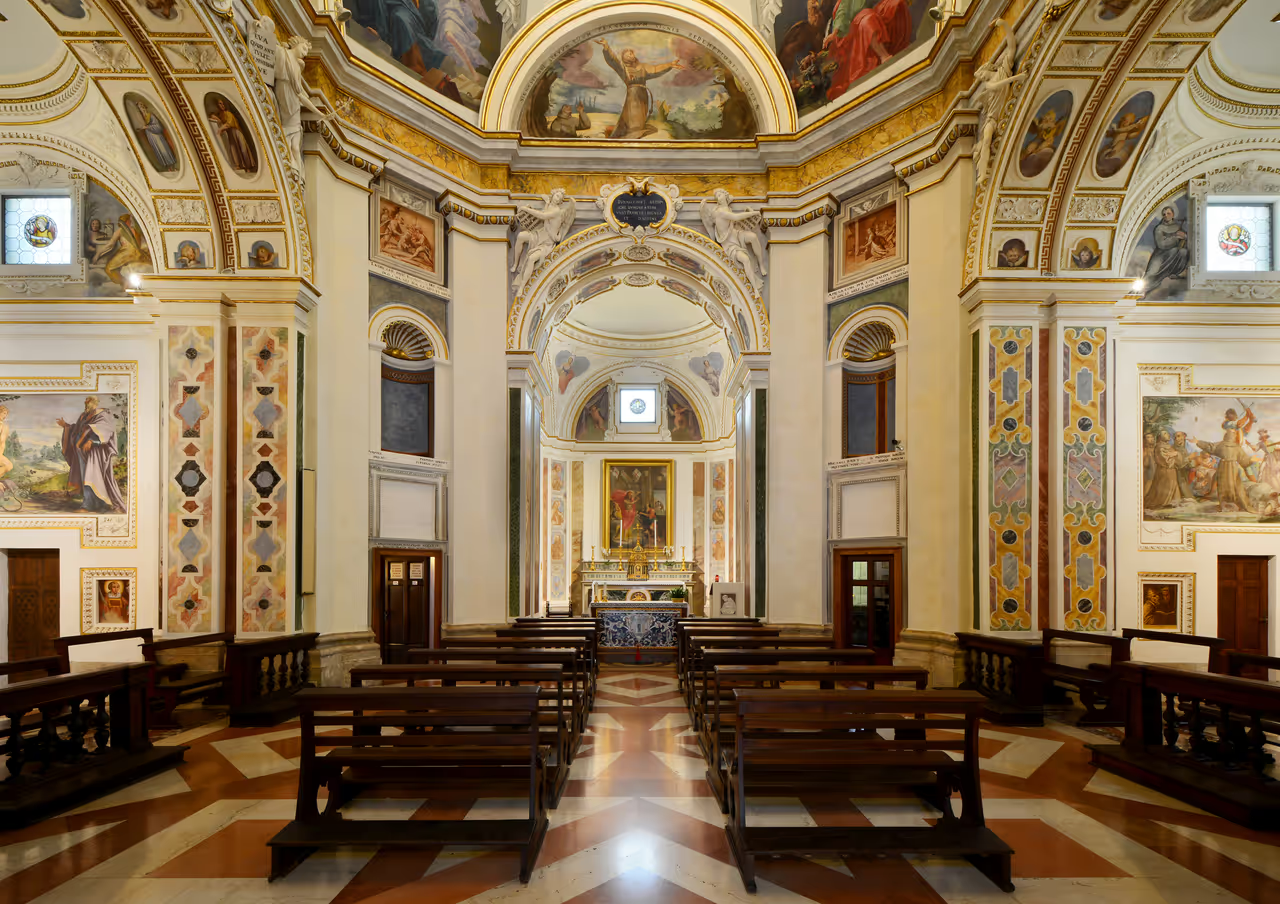
3 Days in Assisi: Spiritual Journey Itinerary
This deeply immersive three day itinerary allows visitors to move beyond the surface level highlights and truly understand the profound historical and spiritual layers of the city. With three days, the pace becomes significantly more relaxed, allowing for quiet contemplation in the incredibly atmospheric cloisters and hidden chapels. The route dedicates a full day to the massive, awe inspiring Franciscan sites, a day to exploring the surprisingly intact ancient Roman city, and a day to connecting with the rugged, beautiful nature that inspired the saints. It provides an incredibly well rounded, highly fulfilling experience that perfectly balances art, history, and the beautiful Umbrian landscape. It is the absolute ideal duration for a thorough, deeply satisfying visit.
view itinerary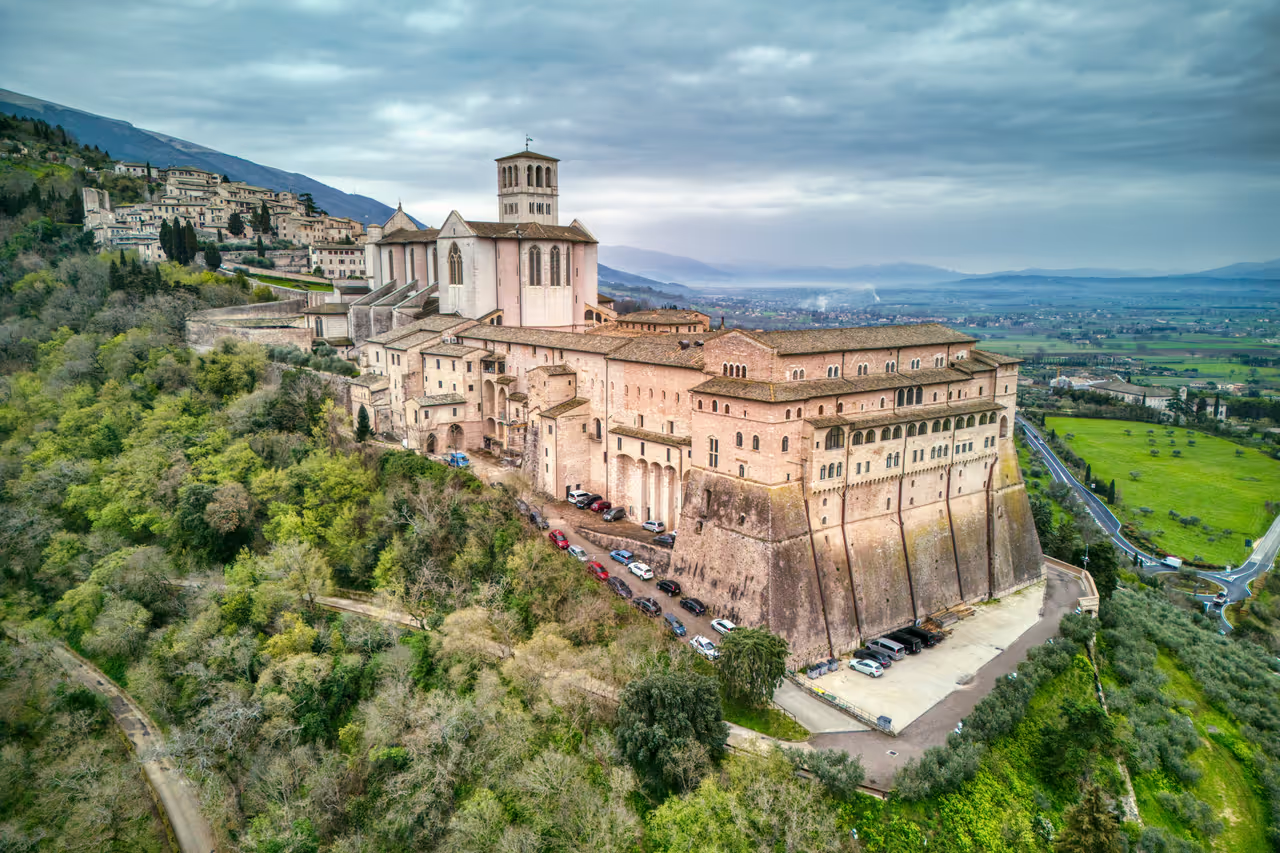
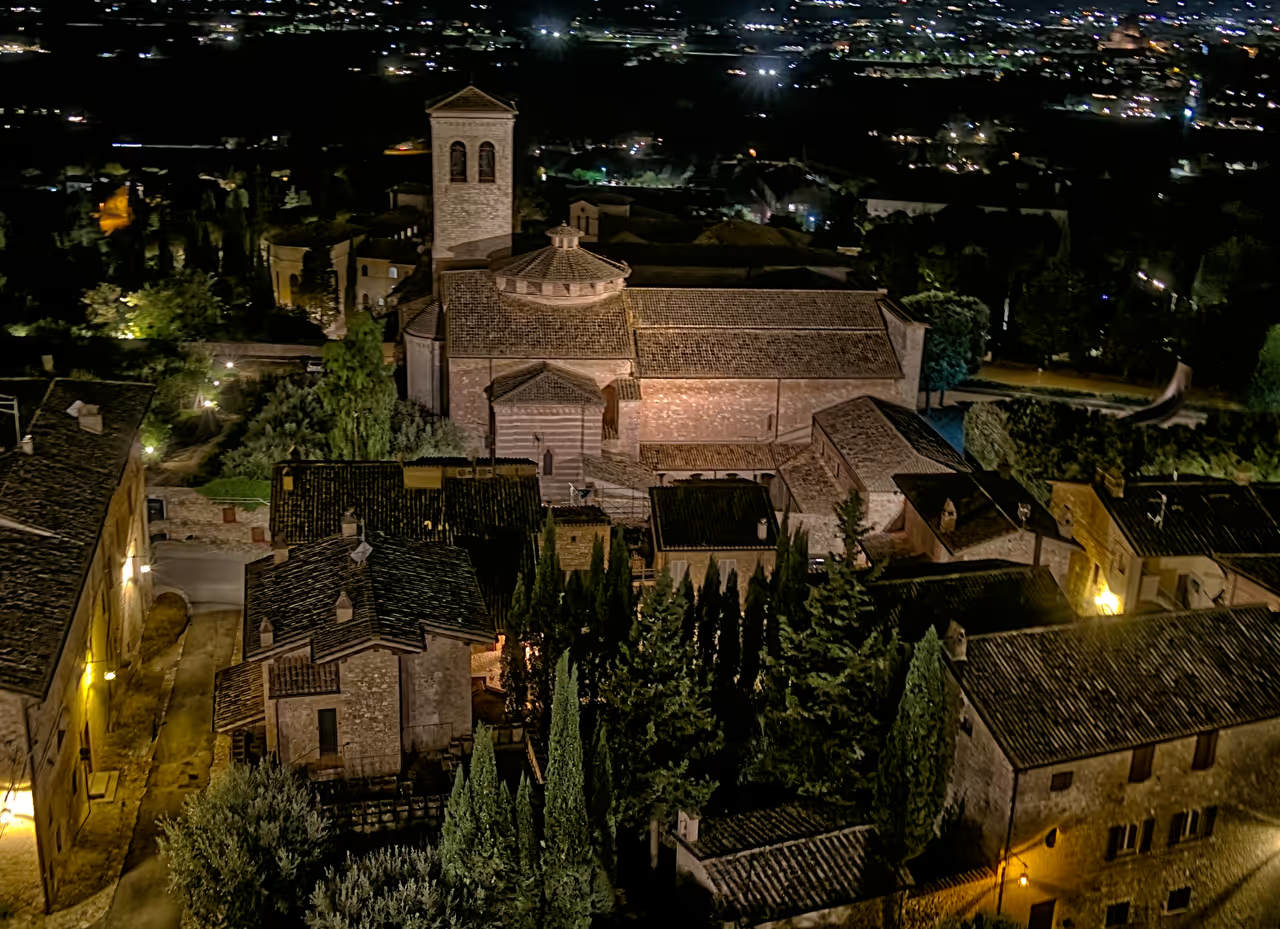
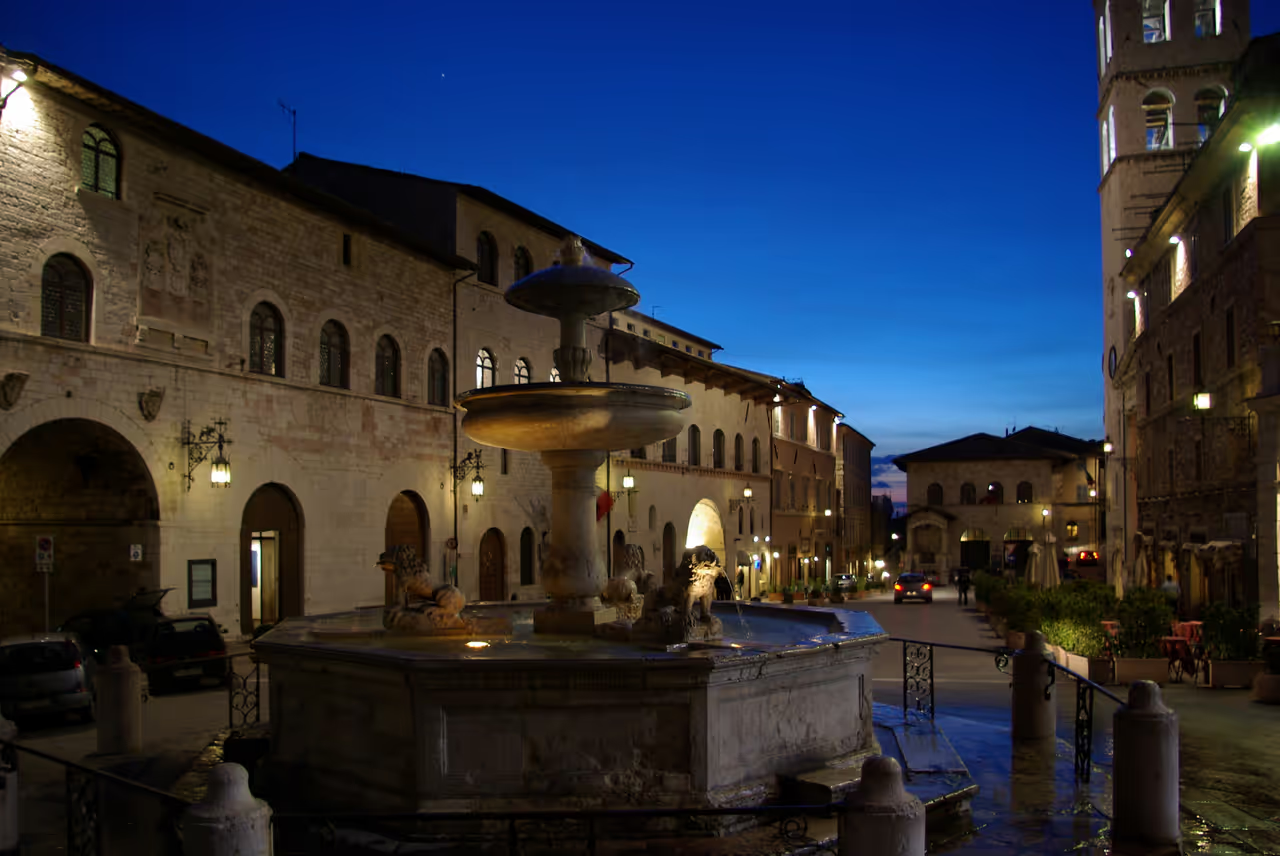
5 Days in Assisi: Complete Exploration Itinerary
For those seeking an incredibly deep, highly comprehensive connection with this timeless city, this extensive five day itinerary leaves absolutely no stone unturned. It allows for a remarkably slow, highly mindful pace, leaving plenty of room to discover the incredibly quiet, hidden gems tucked away in the ancient residential alleys. Beyond the world famous monuments, you will explore secluded monastic courtyards, stunning hidden artworks, and expansive natural woodlands. This extended stay allows you to truly sync with the slow, peaceful rhythm of local Umbrian life, rather than just ticking off a sightseeing checklist. It is the ultimate, deeply transformative way to experience every single nuanced facet of Assisi.
view itinerary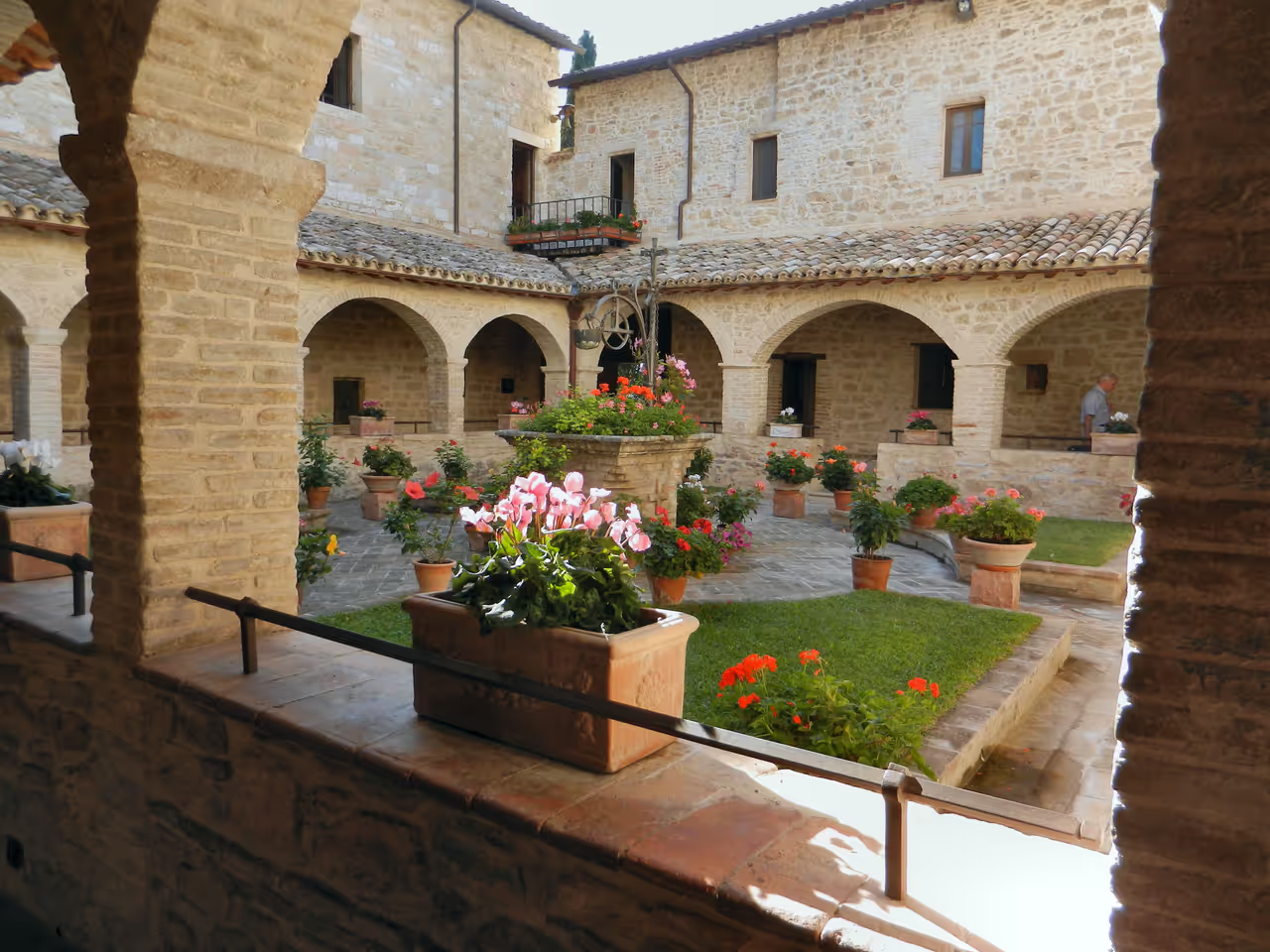
Hidden Monasteries and Cloisters
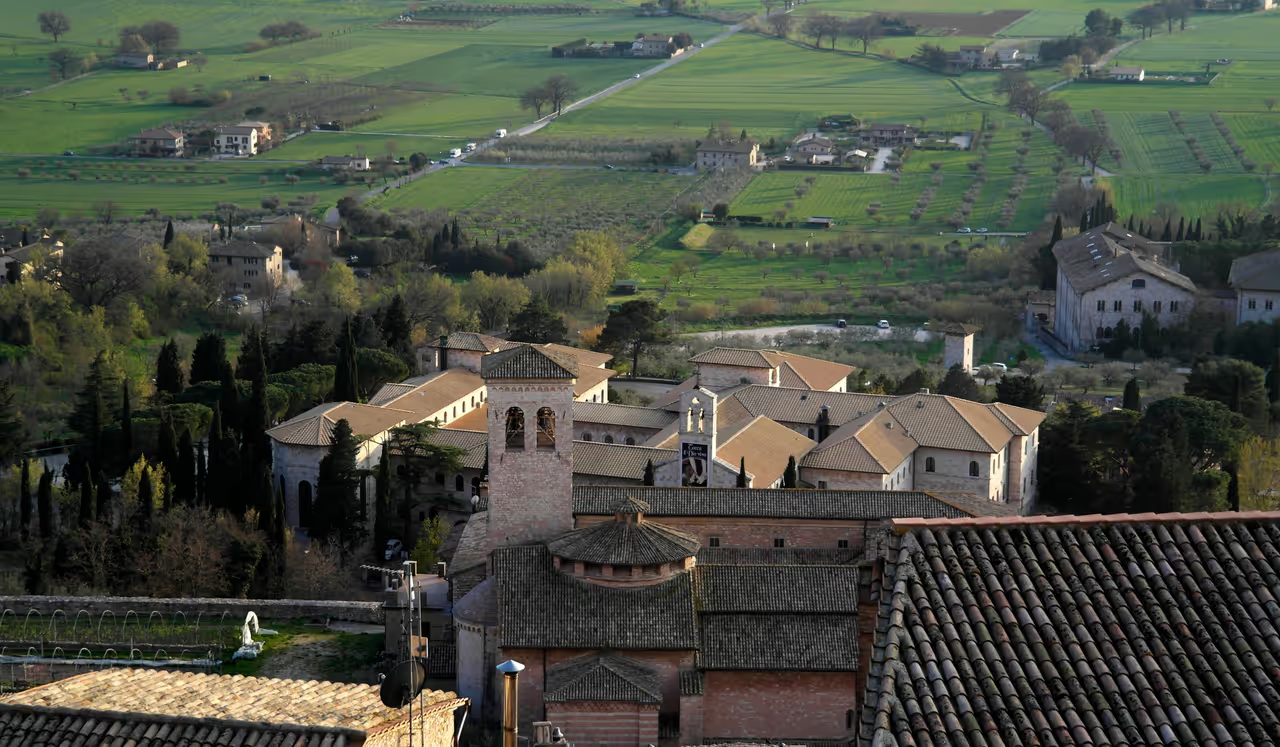
This tranquil journey explores the quieter, more contemplative spaces defined by the city's robust monastic traditions, heavily focusing on the legacy of St. Clare and other secluded orders. It moves away from the grand, bustling tourist epicentres into peaceful courtyards and hidden chapels characterized by deep silence. Explorers will discover stunning examples of Gothic and Romanesque architecture designed specifically to foster quiet reflection and prayer. The atmosphere throughout is one of intense serenity and devotion. It is an essential route for travellers seeking to genuinely experience the profound spiritual quietude that has defined the city for centuries.
view self-guided tour
See all attractions in Assisi
Hermitage of the Carceri, San Rufino Cathedral, Temple of Minerva, Rocca Maggiore...