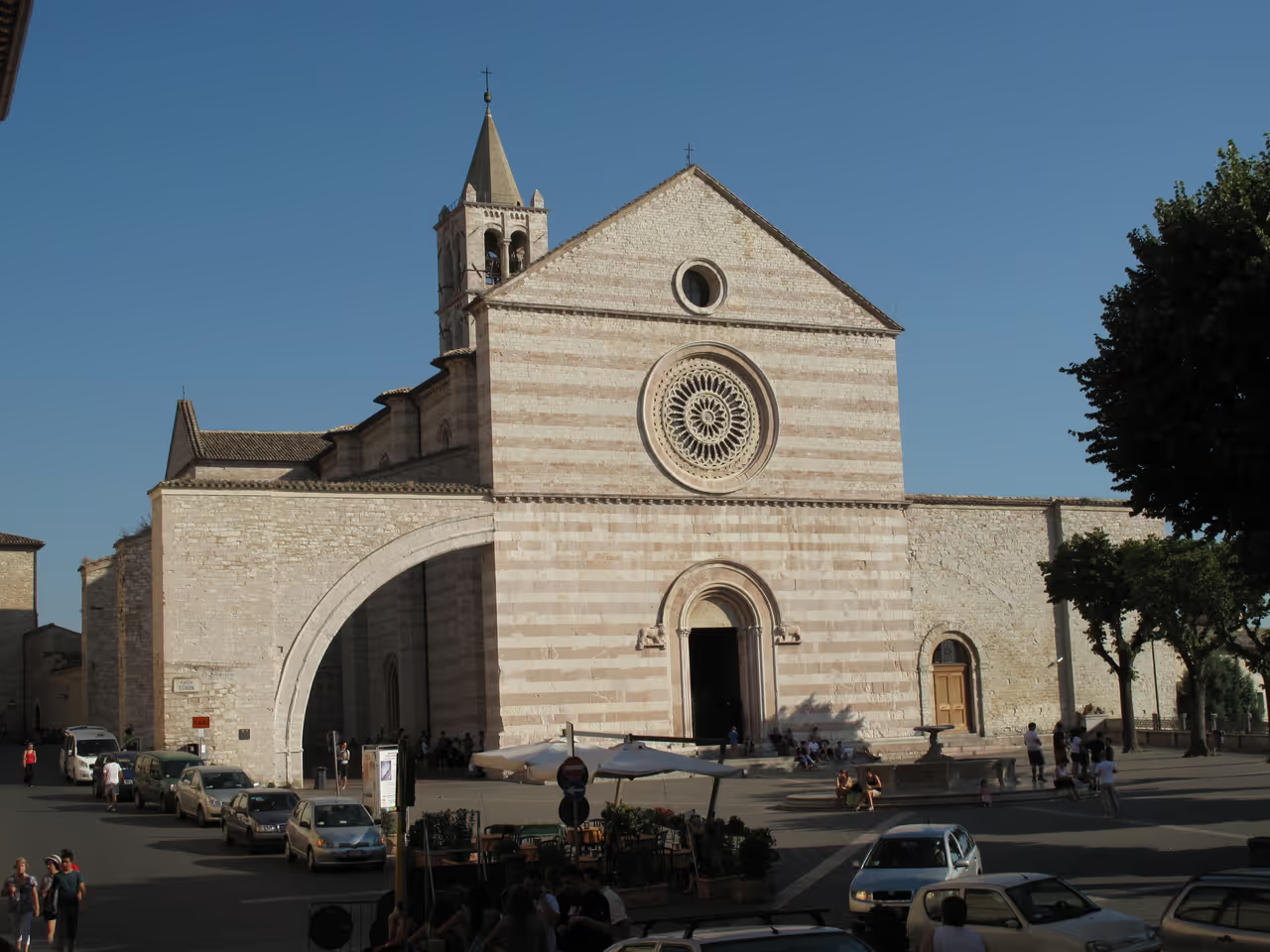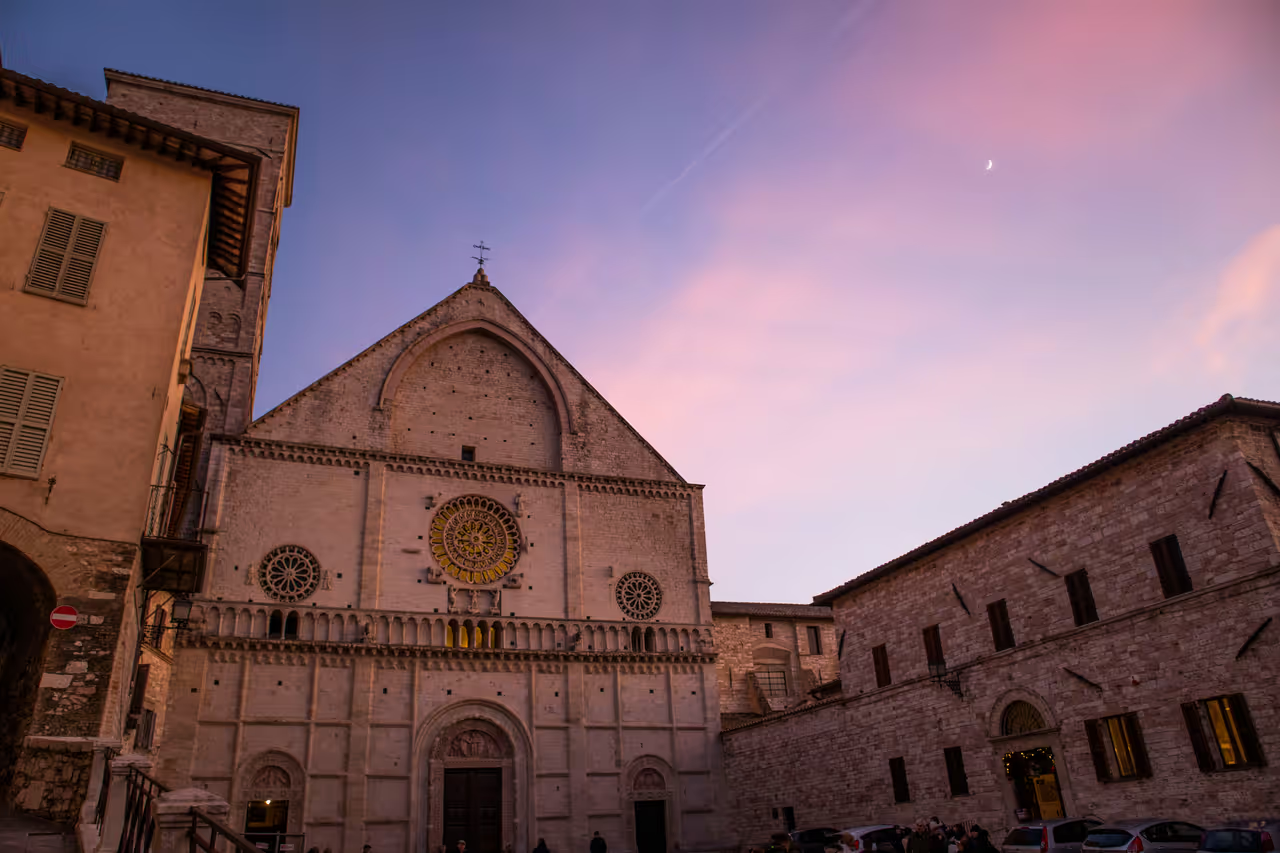
San Rufino Cathedral
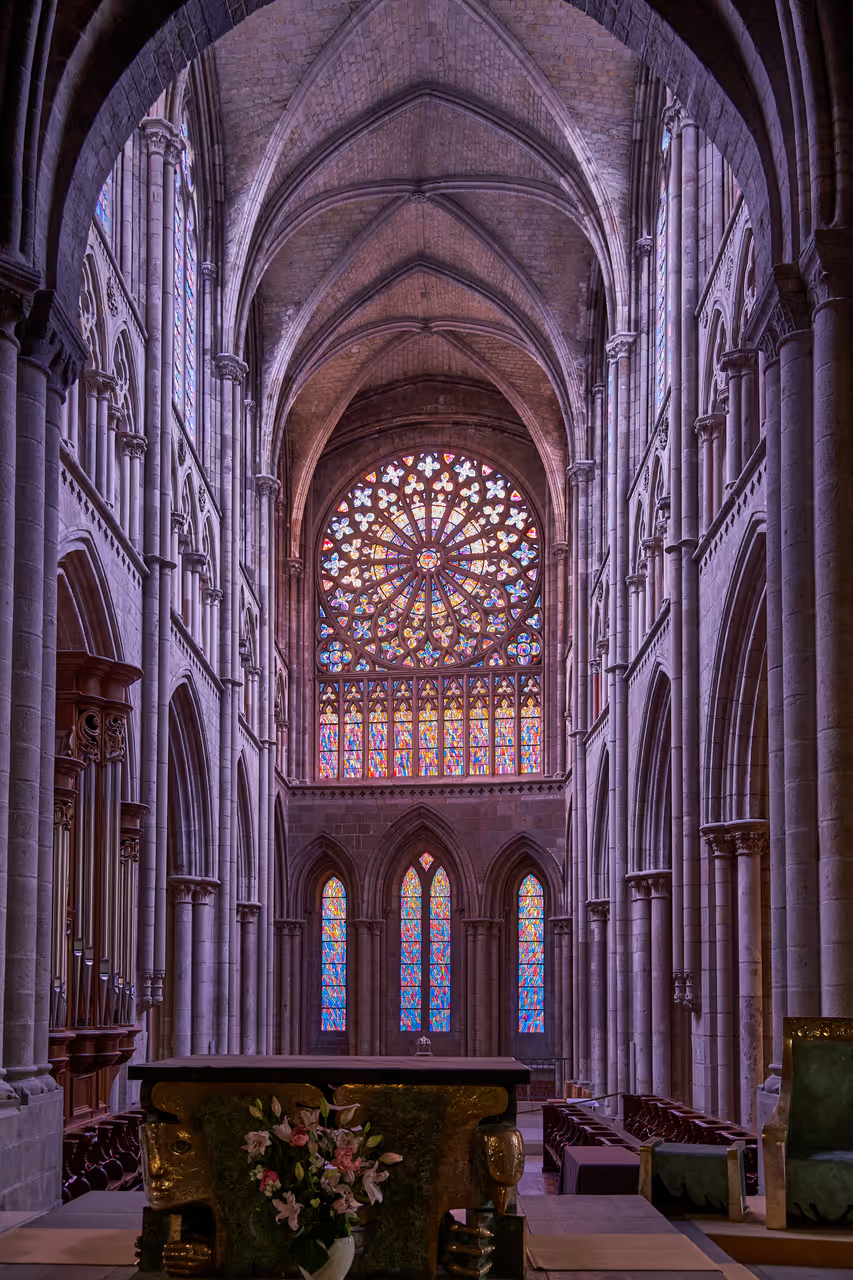
The Cathedral of San Rufino stands as a testament to the layered history of Assisi, with stone walls that whisper secrets from Roman times to the medieval era. This architectural gem features one of the most remarkable Romanesque façades in Italy, adorned with peculiar beasts, griffins, and lions that seem to guard its entrance. Stepping inside reveals a striking contrast, where a refined Renaissance and Baroque interior invites moments of quiet reflection. It is here that saints like Francis and Clare were baptised, a profound detail that anchors the city’s spiritual legacy in this very space. Visitors will find the crypt and the attached Diocesan Museum particularly rewarding, as they unearth the ancient foundations that predated the current structure. It is a place that feels deeply personal to the city, offering a peaceful sanctuary for those looking to connect with the authentic roots of Assisi.
Videos
History of San Rufino Cathedral
The history of San Rufino is the history of Assisi itself, reaching far deeper than its current medieval walls. Long before the cathedral rose, the site served as a terrace in the Roman city of Asisium, likely housing a temple dedicated to the Bona Mater. When the Christian era arrived, the site transformed, becoming the focus of a long-standing struggle between the city's bishop and its residents, who fought over the right to keep the relics of Saint Rufino within their walls rather than transferring them elsewhere. This struggle defined the cathedral as the true spiritual home of the people of Assisi, independent of the later fame brought by the Basilica of Saint Francis. In the 12th century, the master builder Giovanni da Gubbio took the reins, crafting the iconic Romanesque facade that stands today. He created a limestone surface teeming with stone carvings of lions, griffins, and allegorical figures, designed to preach to a population that could not read. This facade remains one of the finest examples of the Umbro Romanesque style, standing as a silent witness to centuries of municipal meetings and public life that unfolded on the square outside its doors. While the exterior feels ancient and severe, the interior tells a story of Renaissance refinement. In 1571, the space was dramatically overhauled by Galeazzo Alessi, who introduced the sophisticated Baroque and Renaissance elements that define the current layout. Yet, the past never truly disappeared. Recent restoration efforts, spurred by the 1997 earthquake, have peeled back the layers to reveal the medieval crypt and even earlier Roman foundations. Walking through San Rufino is a journey through time, from the Roman empire to the humble baptism of Saint Francis, allowing every visitor to touch the very stones that shaped the soul of this city.
Events spanning 1297 years
Fun Facts
- • A 15th-century terracotta Pietà, which was said to have wept in 1494, was tragically stolen from the cathedral in 1982 and remains a local mystery.
- • In 1672, the artist Agostino Silva filled the interior with theatrical stucco statues of prophets, giving the church its distinct, dramatic character.
- • Local tradition maintains that the Holy Roman Emperor Frederick II was baptised in the cathedral's font in 1197.
- • The 1997 earthquake inadvertently acted as a catalyst for restoration, leading to the discovery of walls and architectural elements that had been buried for centuries.
- • The Cathedral Archives are home to a collection of illuminated manuscripts and documents that date back as far as 963, representing one of the city's most important historic libraries.
- • The cathedral holds an ancient marble baptismal font where Saint Francis of Assisi, Saint Clare, and Saint Gabriel of Our Lady of Sorrows were all baptised.
- • The cathedral houses three pipe organs, including a baroque-style instrument dating back to 1645 which is still celebrated for its craftsmanship.
- • The cathedral's sacristy includes a small oratory that is traditionally identified as the place where Saint Francis would retreat for solitary prayer before his public sermons.
- • The church sits directly upon the site of a former Roman temple dedicated to the Bona Mater, with visible archaeological remains beneath the nave.
- • The crypt preserves a Roman sarcophagus from the 3rd century AD, which served as the original resting place for the remains of Saint Rufino.
- • The facade is a masterclass in Romanesque symbolism, featuring carved griffins and lions that were intended to convey moral lessons to the medieval faithful.
RESOURCES
Official WebsiteSan Rufino Cathedral FAQ
While we strive to keep this information accurate and up to date, we recommend verifying any details independently before making decisions based on them.
San Rufino Cathedral Map & Neighborhood Explorer
This interactive map is centered on San Rufino Cathedral. Zoom in and move the map around to automatically discover Wikipedia photos and summaries of other nearby sights, monuments, and historical points of interest and stories in real-time!
Places near San Rufino Cathedral
Make the most of your trip. Check out these top-rated spots located nearby.
- 99m
Palio of San Rufino
Taking place at the end of August, this thrilling historical reenactment transports the city back to an era when Assisi was divided into ancient terzieri or districts. The highlight of the festival is a fierce crossbow tournament where members of the Compagnia Balestrieri di Assisi demonstrate their incredible marksmanship. The event is accompanied by rhythmic drumming, masterful flag throwing displays, and locals dressed in authentic period attire. The atmosphere in the main squares is electric, filled with local pride and cheering crowds. It is a fantastic opportunity for visitors to experience genuine Umbrian folklore and martial history in action.
festival view 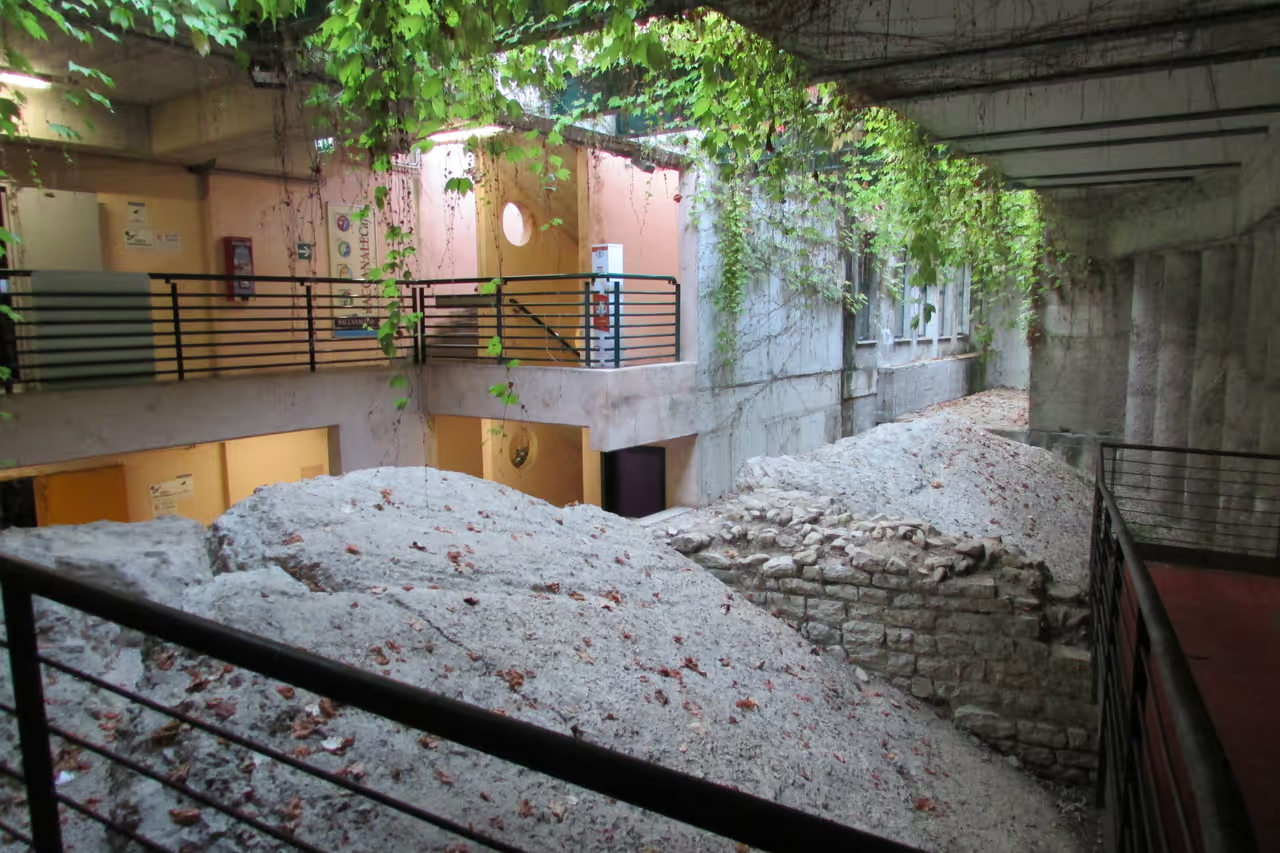 107m
107mPiazza Matteotti Environs
Situated at the very top of the town, this area serves as a lively entry point for many visitors but transforms into a great local hangout by night. It features beloved local spots like Finnegans Pub, which offers excellent pizza and a surprisingly robust selection of drinks for a small medieval town. The atmosphere here is decidedly unpretentious and friendly, drawing in both weary travellers finishing their day and locals starting their night. Sitting outside here provides a cool evening breeze thanks to the higher elevation. It is one of the few places in the upper town where the energy stays high well into the late hours.
nightlife view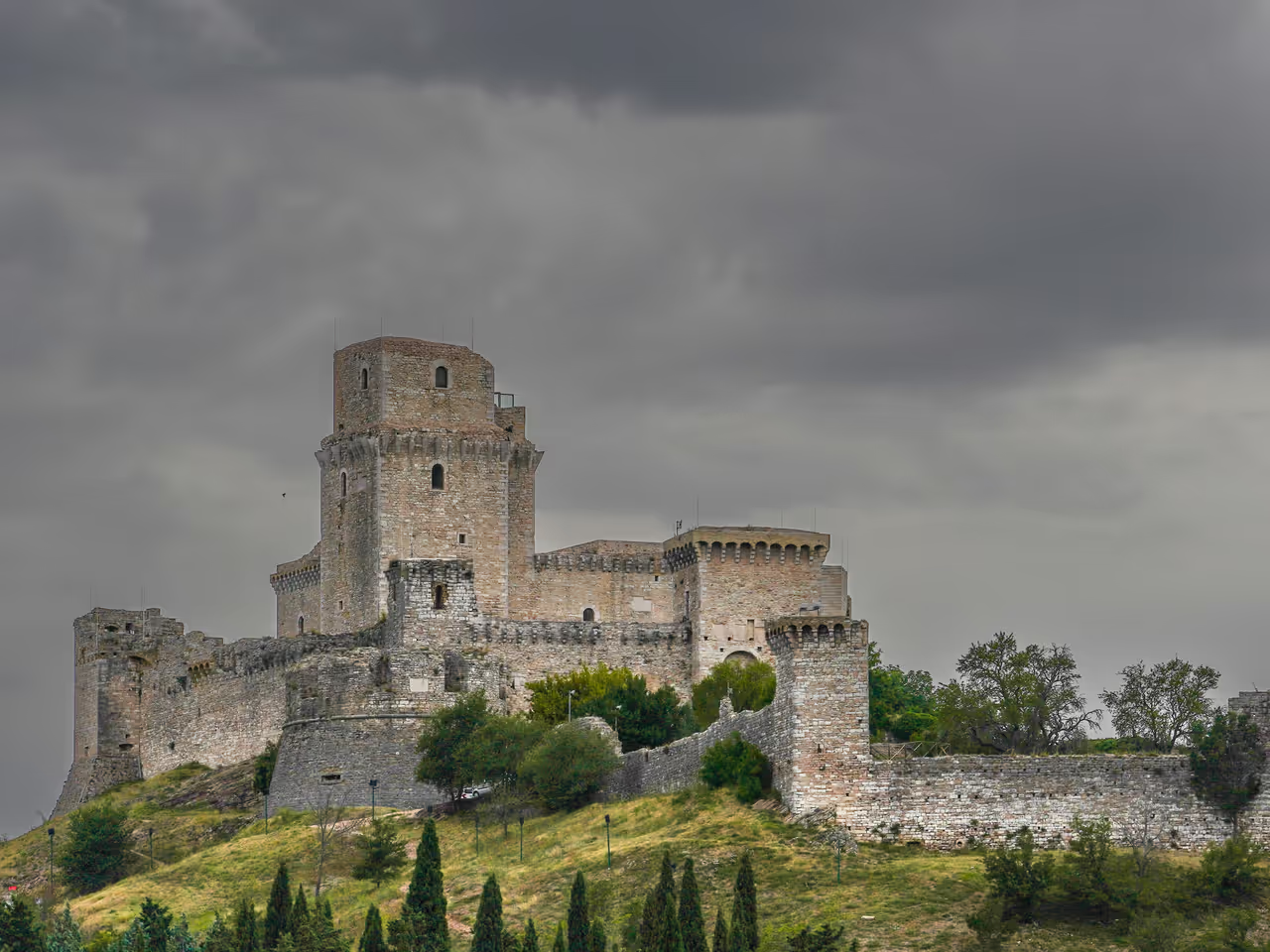 128m
128mRocca Maggiore
Perched high above Assisi, the Rocca Maggiore offers an incredible vantage point over the city and the beautiful Tescio valley. This historic fortress, built from the iconic pink stone of Mount Subasio, has stood guard for over eight centuries, witnessing the rise and fall of emperors and popes. Visitors can wander through the ancient courtyards, climb the sturdy towers, and imagine the lives of the medieval guards who once watched the horizon here. It is a monument to the complex power struggles of medieval Italy. Today, it also serves as a vital sanctuary for local wildlife, adding a touch of natural wonder to its storied history. Walking its ramparts provides a unique connection to the past while treating you to some of the best views in Umbria.
attraction view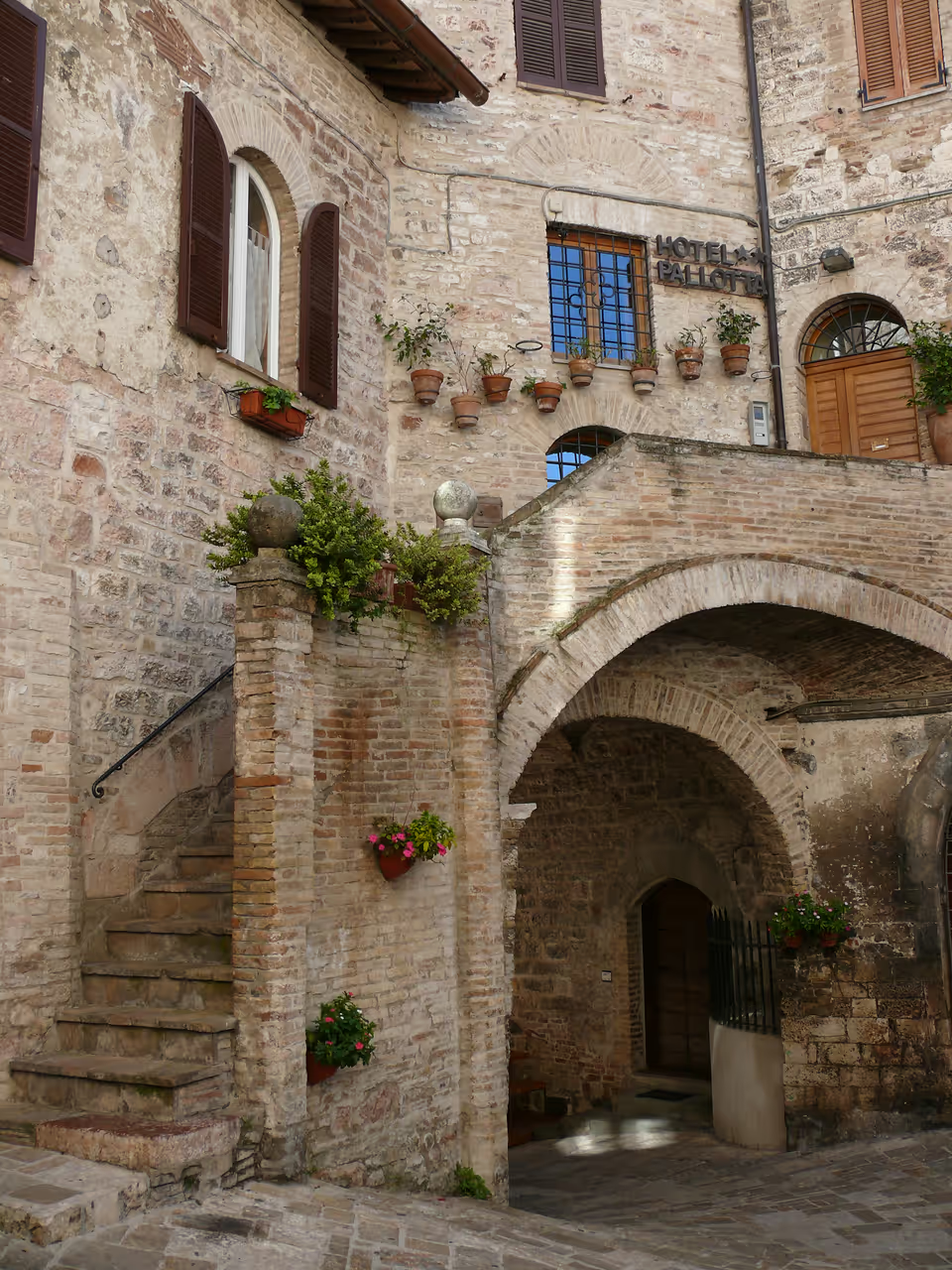 145m
145mVia San Rufino
Leading up towards the stunning Cathedral of San Rufino, this slightly steeper street hides a few cozy, tucked away pubs and taverns. It attracts a slightly younger crowd of university students and locals looking for a relaxed pint of craft beer or a casual late night snack. The stone walls of the old buildings give these small bars an incredibly intimate, cavernous feel. Because it is slightly removed from the primary tourist thoroughfare, the prices are often more reasonable, and the atmosphere feels highly authentic. It provides a comforting, welcoming escape from the chill of a crisp Umbrian night.
nightlife view
Explore Similar Places in This Collection
Featured on These Itineraries and Routes
1 Day in Assisi Itinerary
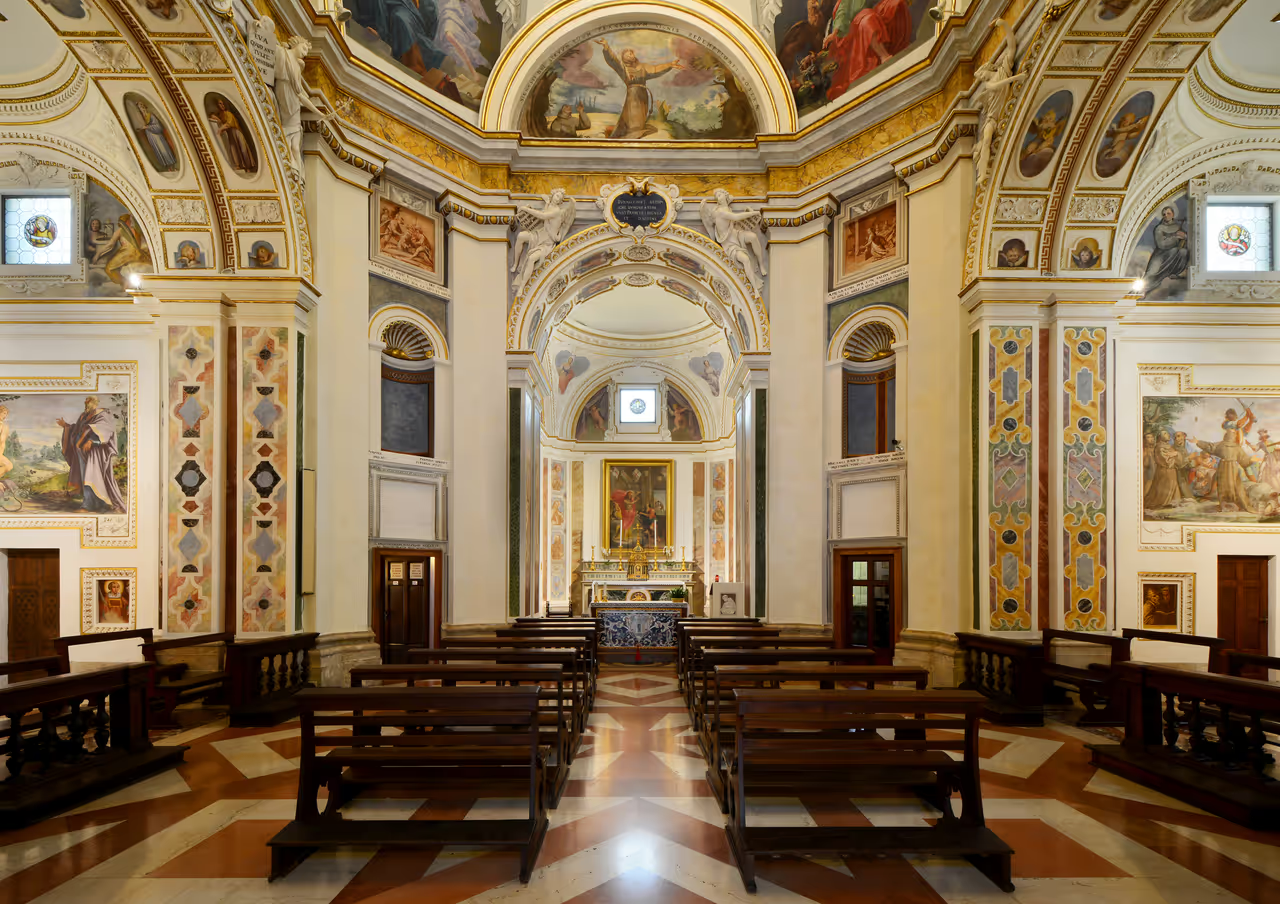
This highly efficient, deeply engaging one day itinerary is expertly designed for travelers who are short on time but want to experience the absolute essence of Assisi. It prioritizes the most incredibly famous, monumental sights, moving logically through the city to maximize efficiency and minimize exhausting uphill climbs. The day heavily balances the breathtaking religious art of the major basilicas with the fascinating ancient Roman history found in the central square. By following this route, you will encounter the very best frescoes, the most impressive classical ruins, and the most stunning panoramic views the city has to offer. It is a fast paced, highly rewarding dive into the heart of Umbria.
view itinerary
3 Days in Assisi: Spiritual Journey Itinerary
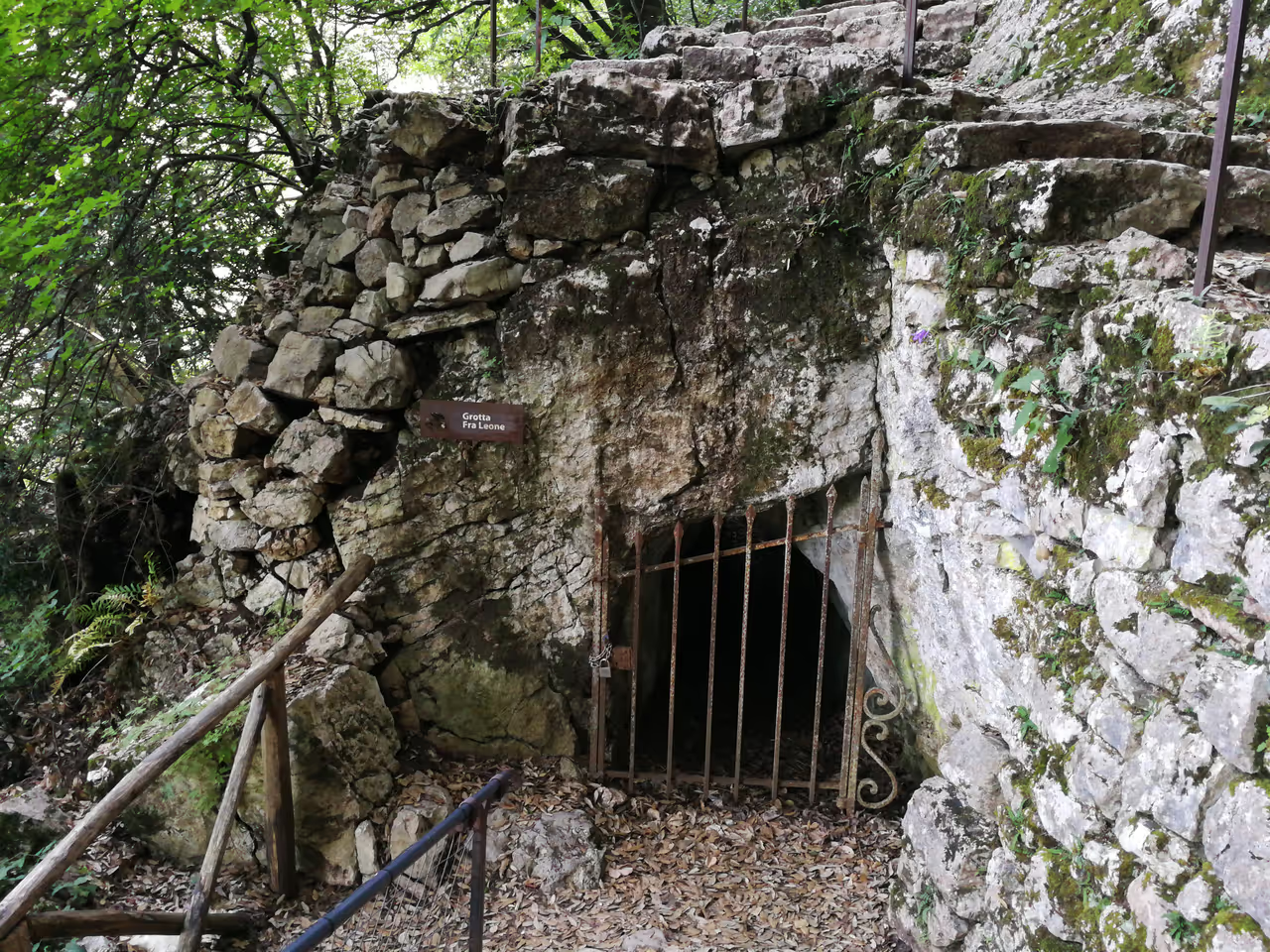
This deeply immersive three day itinerary allows visitors to move beyond the surface level highlights and truly understand the profound historical and spiritual layers of the city. With three days, the pace becomes significantly more relaxed, allowing for quiet contemplation in the incredibly atmospheric cloisters and hidden chapels. The route dedicates a full day to the massive, awe inspiring Franciscan sites, a day to exploring the surprisingly intact ancient Roman city, and a day to connecting with the rugged, beautiful nature that inspired the saints. It provides an incredibly well rounded, highly fulfilling experience that perfectly balances art, history, and the beautiful Umbrian landscape. It is the absolute ideal duration for a thorough, deeply satisfying visit.
view itinerary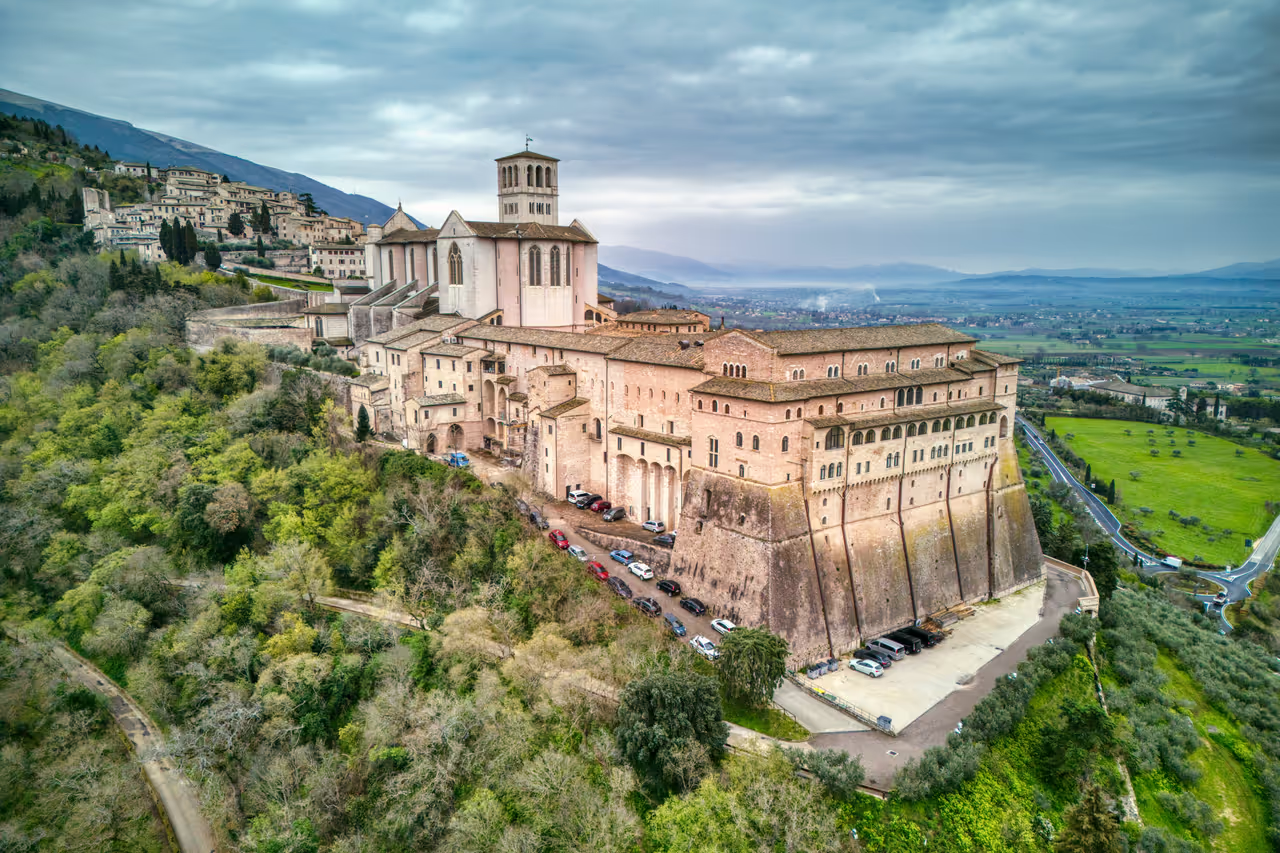
5 Days in Assisi: Complete Exploration Itinerary
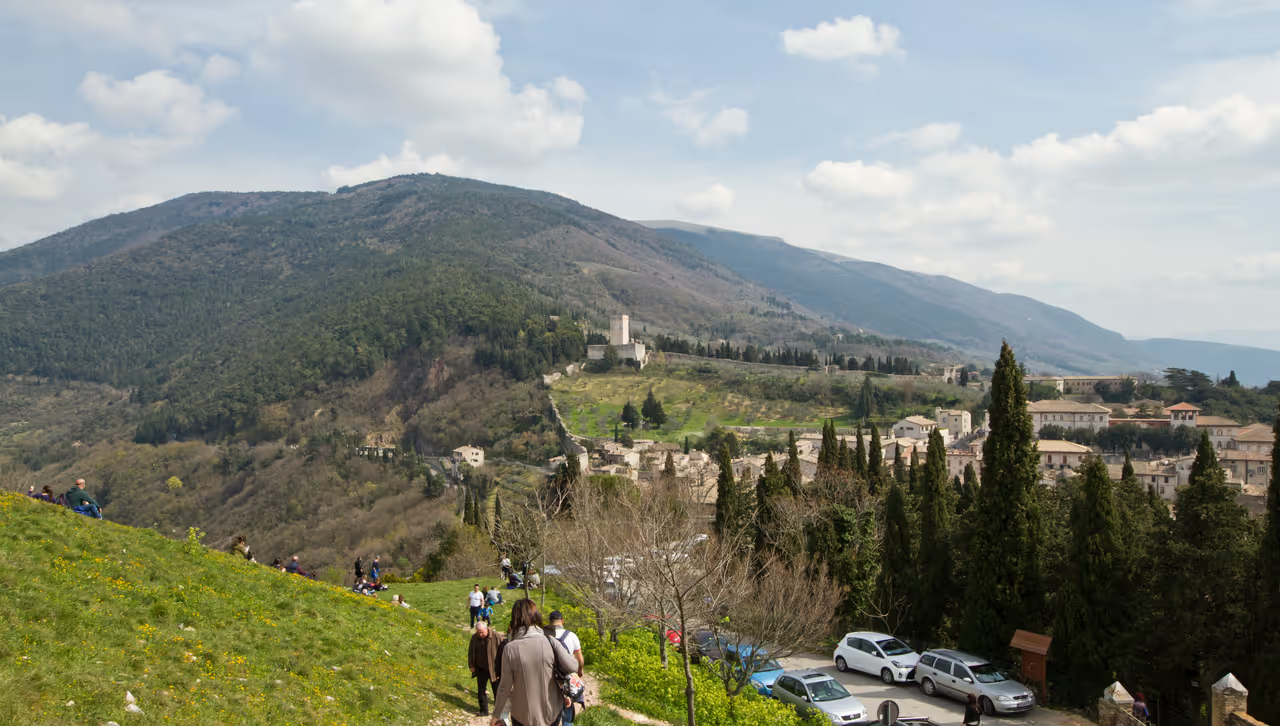
For those seeking an incredibly deep, highly comprehensive connection with this timeless city, this extensive five day itinerary leaves absolutely no stone unturned. It allows for a remarkably slow, highly mindful pace, leaving plenty of room to discover the incredibly quiet, hidden gems tucked away in the ancient residential alleys. Beyond the world famous monuments, you will explore secluded monastic courtyards, stunning hidden artworks, and expansive natural woodlands. This extended stay allows you to truly sync with the slow, peaceful rhythm of local Umbrian life, rather than just ticking off a sightseeing checklist. It is the ultimate, deeply transformative way to experience every single nuanced facet of Assisi.
view itinerary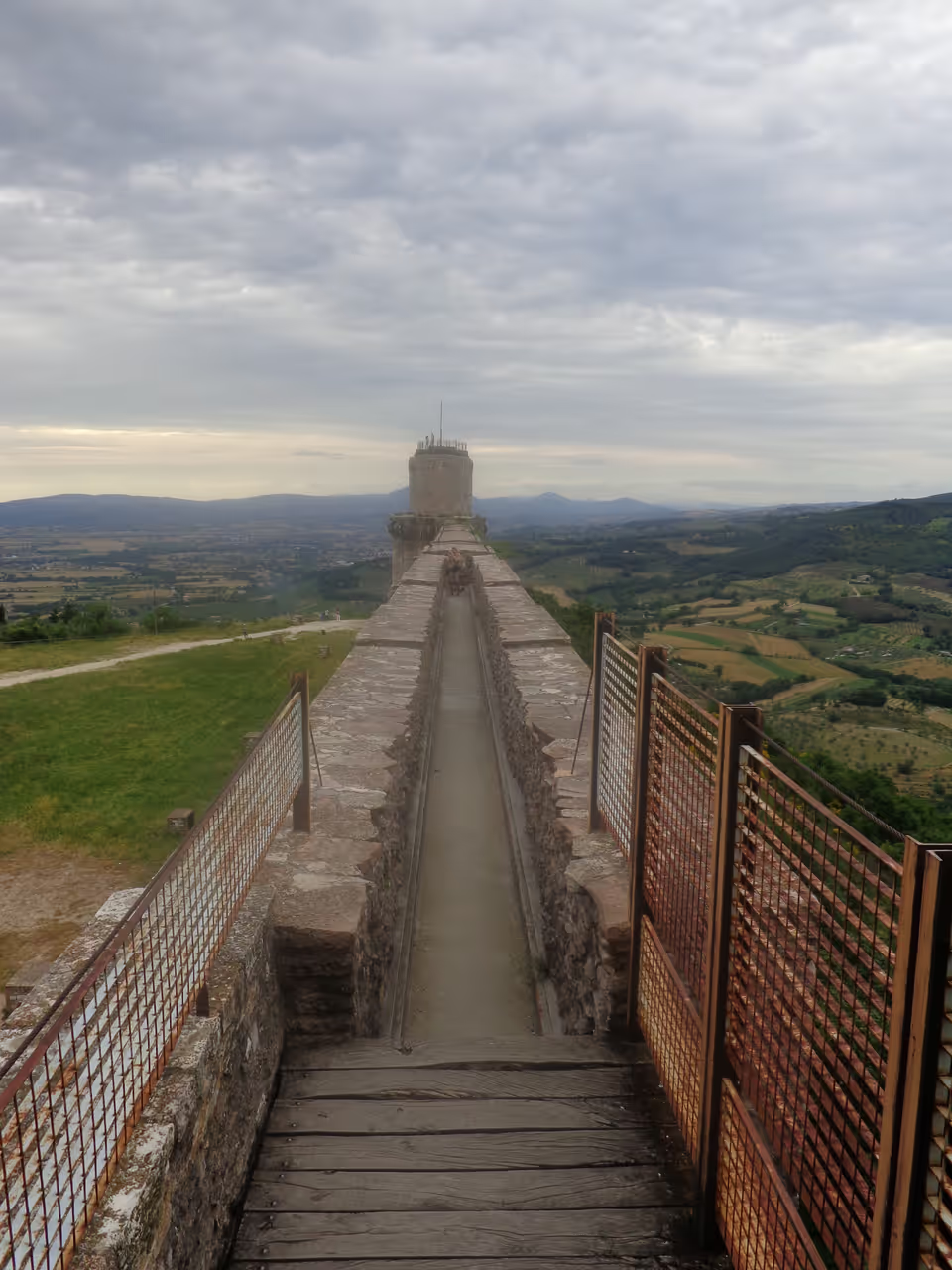
Descent from Rocca Maggiore
This magnificent stroll begins at the highest point of the city, offering a sweeping, bird's eye perspective before guiding you down through layers of history. Walking downwards means you avoid the strenuous uphill climb while still experiencing the dramatic, winding medieval alleyways. The path reveals incredible architectural transitions, from austere military fortifications down to elegant civic squares and religious monuments. Every turn presents a new, breathtaking framing of the valley below or a sudden, dramatic reveal of a hidden courtyard. It is a visually arresting walk that perfectly encapsulates the multi layered history of the hilltop town.
view walking route
See all attractions in Assisi
Basilica of Saint Clare, Hermitage of the Carceri, Temple of Minerva, Rocca Maggiore...