Rocca Maggiore
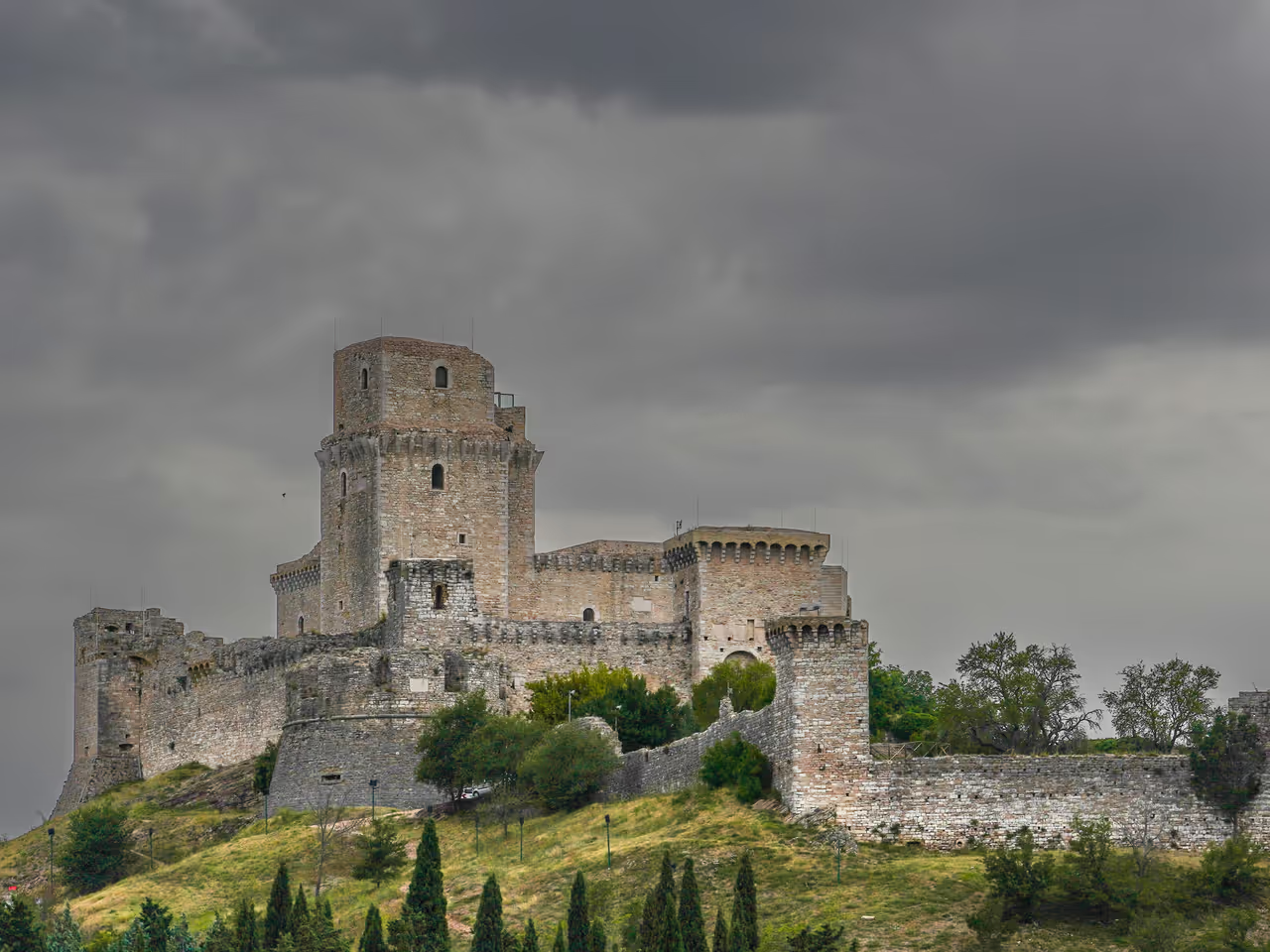
Perched high above Assisi, the Rocca Maggiore offers an incredible vantage point over the city and the beautiful Tescio valley. This historic fortress, built from the iconic pink stone of Mount Subasio, has stood guard for over eight centuries, witnessing the rise and fall of emperors and popes. Visitors can wander through the ancient courtyards, climb the sturdy towers, and imagine the lives of the medieval guards who once watched the horizon here. It is a monument to the complex power struggles of medieval Italy. Today, it also serves as a vital sanctuary for local wildlife, adding a touch of natural wonder to its storied history. Walking its ramparts provides a unique connection to the past while treating you to some of the best views in Umbria.
Videos
History of Rocca Maggiore
The Rocca Maggiore has defined the skyline of Assisi since at least 1173. It arrived on the scene during a time of intense imperial ambition when German forces sought to solidify their grip on the Italian peninsula. As a strategic defensive point, it was meant to assert control over the local populace and the trade routes flowing through the Tescio valley. The fortress saw the formative years of Frederick II, who would eventually become one of the most powerful rulers in European history, spending his early childhood within these stone walls. History rarely moves in a straight line, and the Rocca experienced significant turmoil. In 1198, the local citizens launched a fierce uprising against the imperial power, damaging the structure in a bold display of defiance. It sat in a state of neglect until the fourteenth century when Cardinal Albornoz, acting on behalf of the Avignon papacy, decided to restore the fortress to its former glory. This reconstruction solidified the structure as a symbol of Papal authority, turning it into a formidable stronghold that would watch over the region for centuries. Over time, the Rocca evolved from a center of military operations into a site of artistic and cultural appreciation. It has hosted filmmakers, researchers, and thousands of travelers drawn to its medieval architecture and commanding views. Modern efforts have even rebranded it as a sanctuary for local biodiversity, protecting rare species that have made the ancient walls their permanent home. The site now stands as a bridge between the distant, volatile past and the peaceful, scenic present of modern Assisi.
Events spanning 799 years
Fun Facts
- • Historians suggest the fortress was designed to project imperial power over the often rebellious city of Assisi rather than purely for defensive purposes.
- • In 1980, the Italian postal service honored the fortress by featuring it on an 800 lire stamp as part of their Castles of Italy series.
- • Pope Paul III commissioned the round bastion entrance in 1535, which remains the primary way visitors access the internal courtyard today.
- • The fortress is officially recognized as a Living Monument for its role in protecting biodiversity, specifically as a nesting site for swifts and a refuge for various bat species.
- • The main keep, known as the maschio, was used as the residence for the castle commander and features four distinct rooms connected by a spiral staircase.
- • The structure is connected to the smaller Rocca Minore by a massive stretch of medieval defensive walls that run up the hillside.
- • The walls are constructed using pink stone sourced directly from Mount Subasio, which gives Assisi its distinctively warm, glowing appearance during sunset.
- • Young Frederick II, the future Holy Roman Emperor and King of Sicily, spent time here as a child under the care of the Duchess of Urslingen.
Rocca Maggiore FAQ
While we strive to keep this information accurate and up to date, we recommend verifying any details independently before making decisions based on them.
Rocca Maggiore Map & Neighborhood Explorer
This interactive map is centered on Rocca Maggiore. Zoom in and move the map around to automatically discover Wikipedia photos and summaries of other nearby sights, monuments, and historical points of interest and stories in real-time!
Places near Rocca Maggiore
Make the most of your trip. Check out these top-rated spots located nearby.
 36m
36mCorso Mazzini
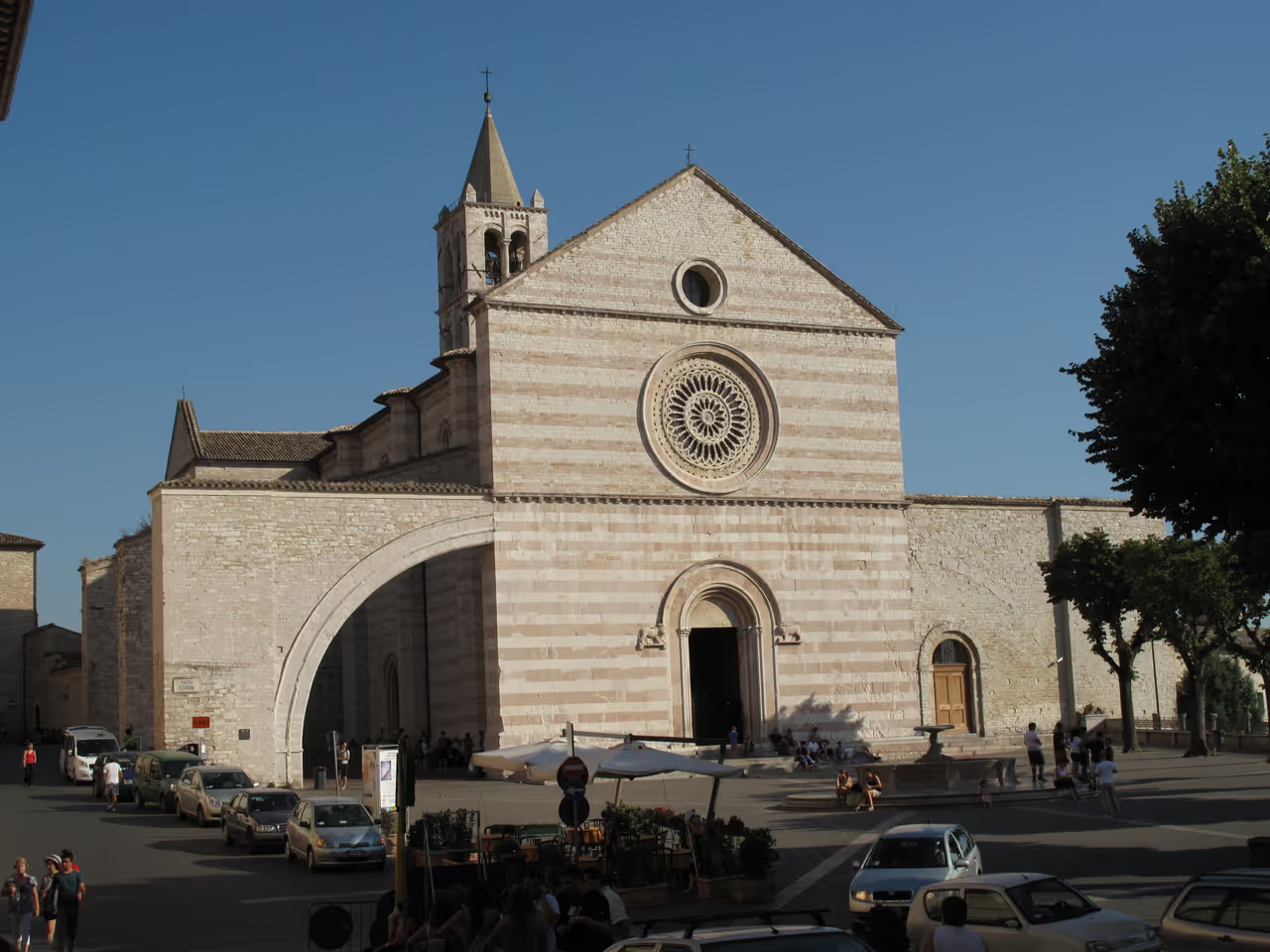
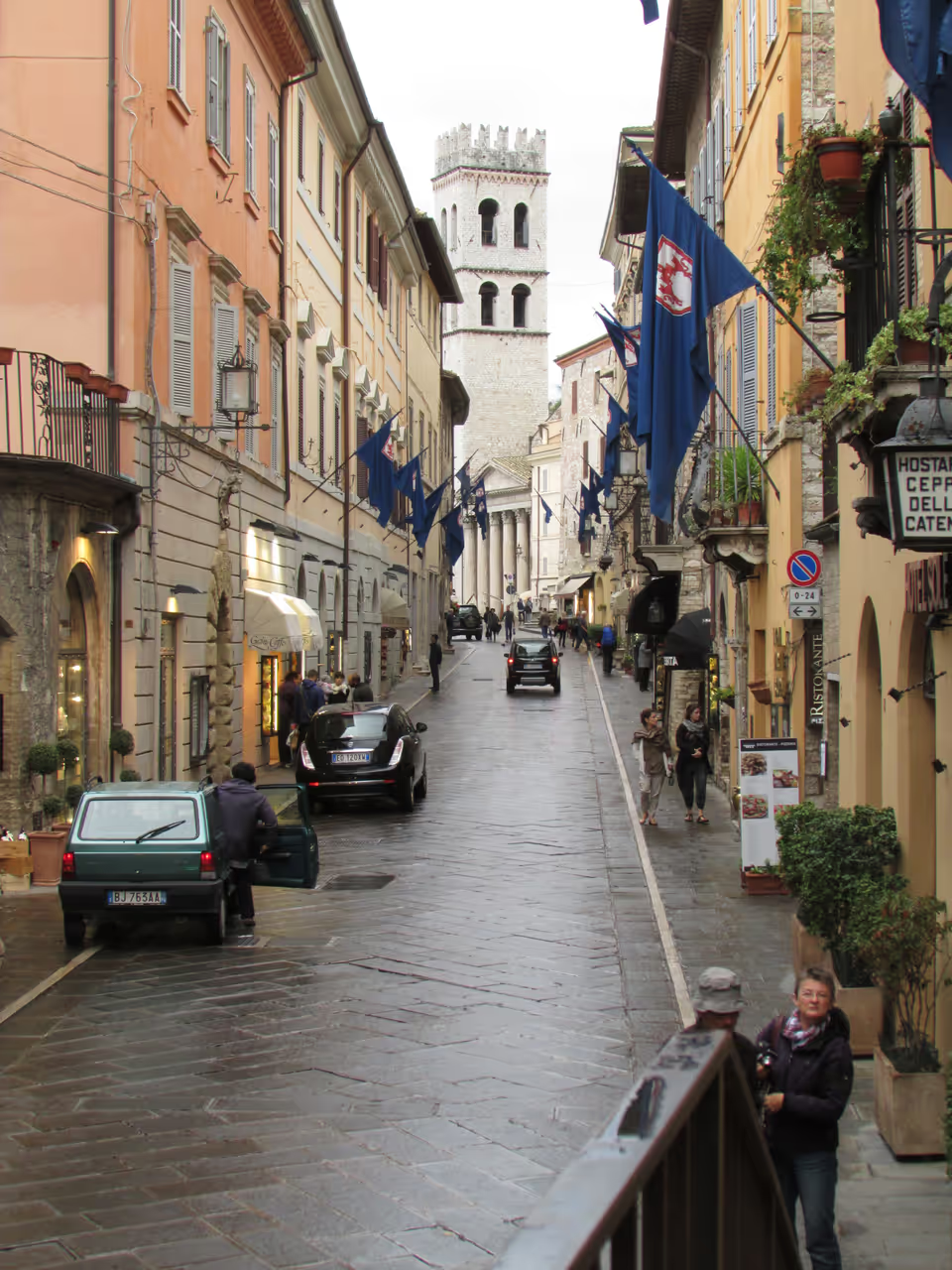
This lovely pedestrian street connects the main central square to the Basilica of Santa Chiara, serving as a primary artery for the traditional Italian evening stroll, or passeggiata. Lined with small, inviting wine shops and gelaterias, it offers a gentle and romantic evening experience. The cobblestones glow under warm streetlights, and the distant sound of cloistered nuns singing evening prayers can occasionally be heard drifting from the basilica. It is not about loud parties here; it is about indulging in artisan chocolate, enjoying a slow walk, and taking in the breathtaking valley views at the end of the street.
nightlife view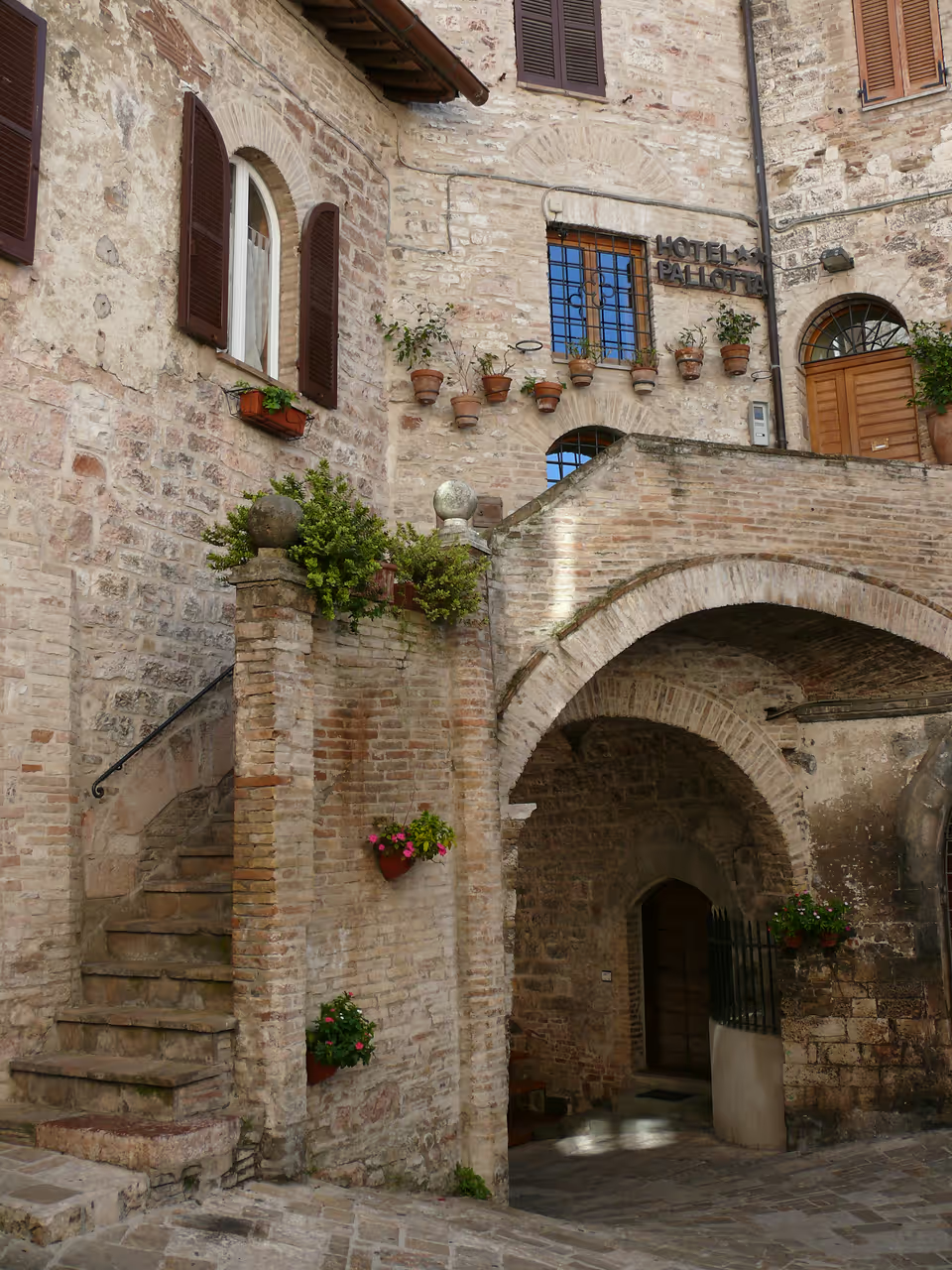 40m
40mVia San Rufino
Leading up towards the stunning Cathedral of San Rufino, this slightly steeper street hides a few cozy, tucked away pubs and taverns. It attracts a slightly younger crowd of university students and locals looking for a relaxed pint of craft beer or a casual late night snack. The stone walls of the old buildings give these small bars an incredibly intimate, cavernous feel. Because it is slightly removed from the primary tourist thoroughfare, the prices are often more reasonable, and the atmosphere feels highly authentic. It provides a comforting, welcoming escape from the chill of a crisp Umbrian night.
nightlife view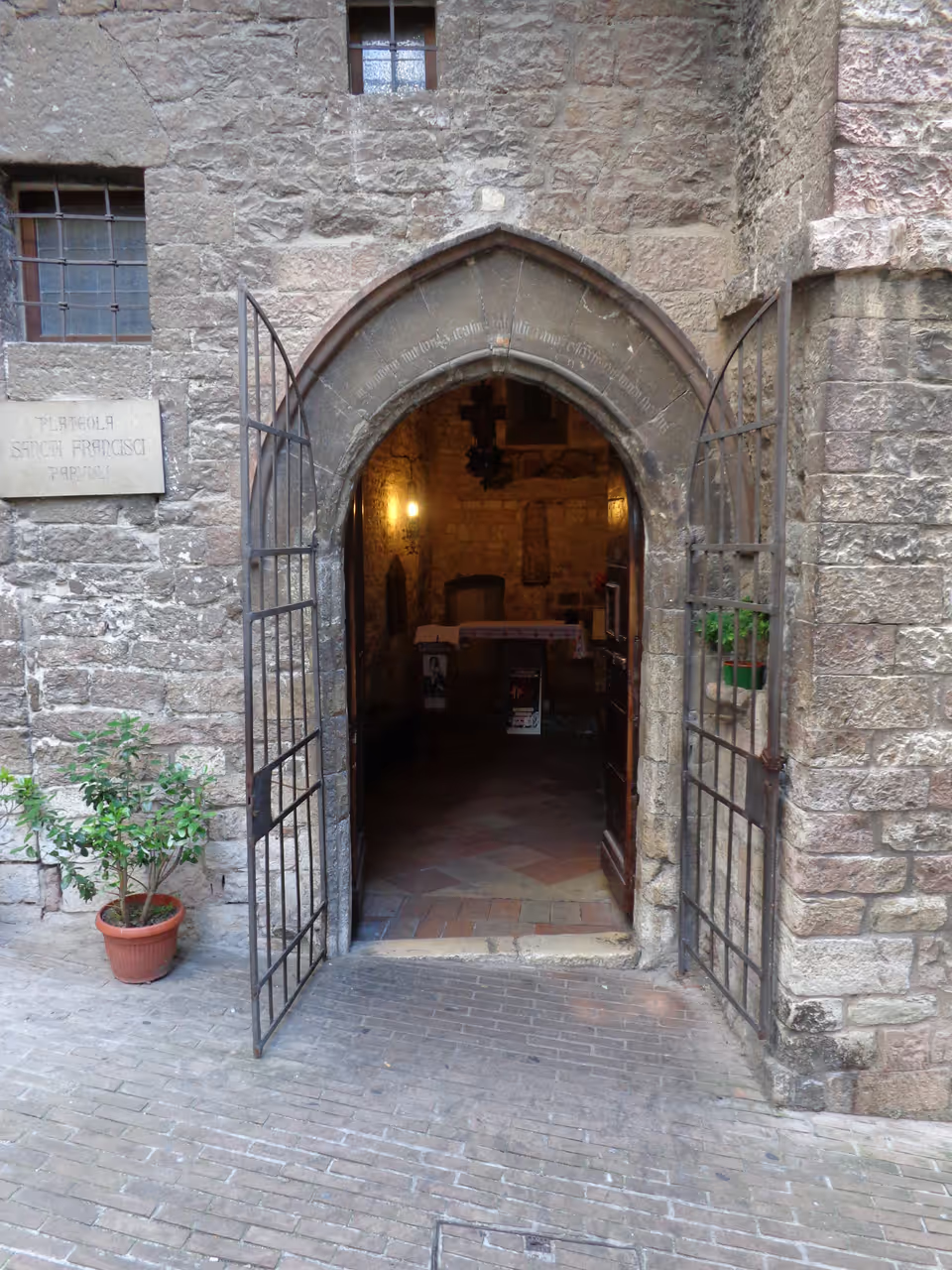 57m
57mOratorio San Francesco Piccolino
Just steps away from the bustling Corso Mazzini, down a small, unassuming flight of stairs, lies this incredibly tiny, rustic chapel. Local legend holds that this humble, stone walled space was originally a stable where the mother of St. Francis gave birth to the future saint. The sheer simplicity of the room stands in stark, poignant contrast to the magnificent, gold adorned basilicas built in his honour later on. Above the entrance, an ancient inscription proudly declares the significance of the site, drawing devoted pilgrims seeking the very starting point of the saint's life. The atmosphere is deeply touching, quiet, and reflective. It is a quick but incredibly meaningful highlight that perfectly encapsulates the enduring Franciscan theme of finding profound holiness in absolute poverty and simplicity.
highlight view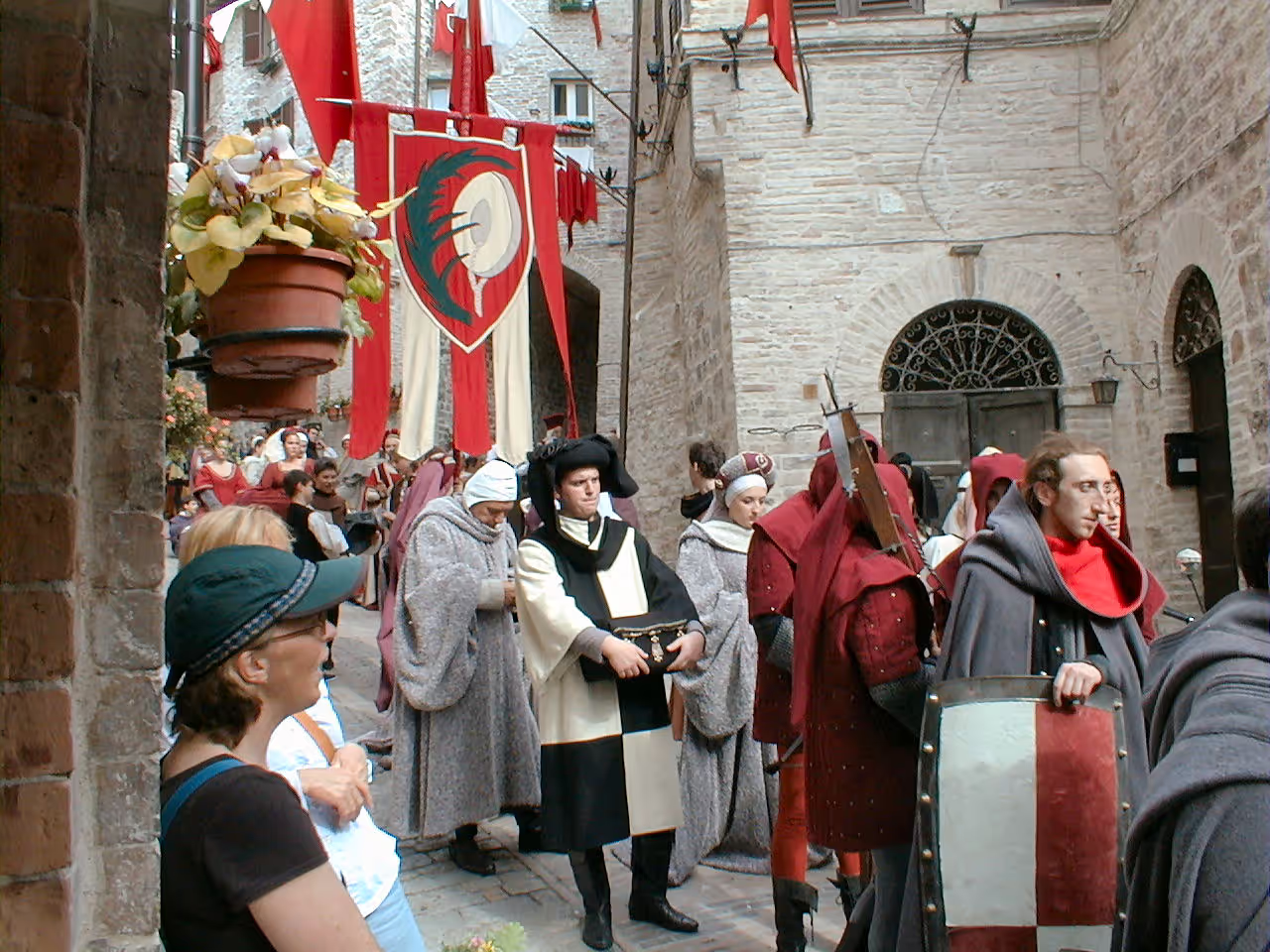 89m
89mCalendimaggio
Calendimaggio is an incredible multi day spring festival that completely transforms Assisi back to the Middle Ages. The entire town is divided into two fierce rival factions, the Parte de Sopra and the Parte de Sotto, who compete in a series of elaborate historical challenges. Visitors are treated to stunning parades with participants in meticulously crafted medieval costumes, alongside flag throwers, musicians, and theatrical performances. The streets come alive with the sounds of lutes, drums, and passionate singing echoing through the stone archways. It is a deeply authentic local celebration that offers an unforgettable glimpse into the competitive and vibrant spirit of medieval communal life.
festival view
Explore Similar Places in These Collections
Featured on These Itineraries and Routes
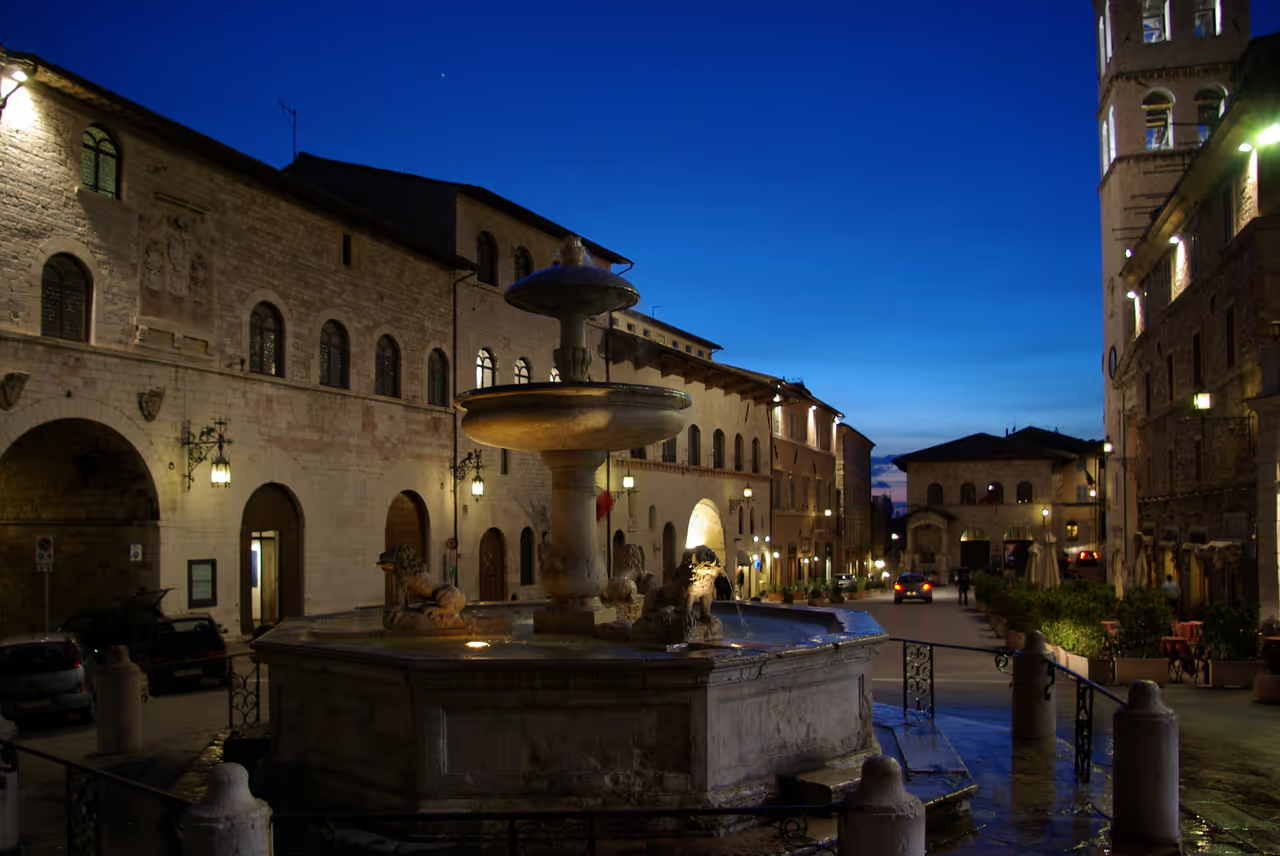
1 Day in Assisi Itinerary
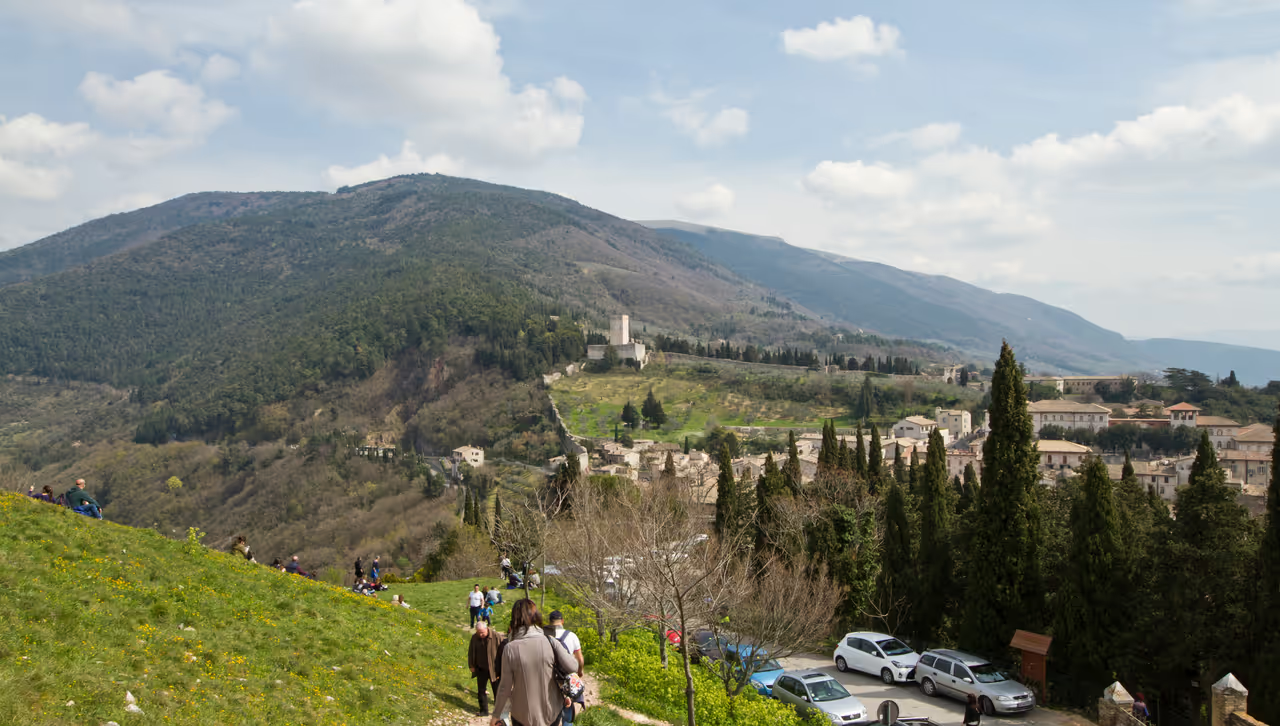
This highly efficient, deeply engaging one day itinerary is expertly designed for travelers who are short on time but want to experience the absolute essence of Assisi. It prioritizes the most incredibly famous, monumental sights, moving logically through the city to maximize efficiency and minimize exhausting uphill climbs. The day heavily balances the breathtaking religious art of the major basilicas with the fascinating ancient Roman history found in the central square. By following this route, you will encounter the very best frescoes, the most impressive classical ruins, and the most stunning panoramic views the city has to offer. It is a fast paced, highly rewarding dive into the heart of Umbria.
view itinerary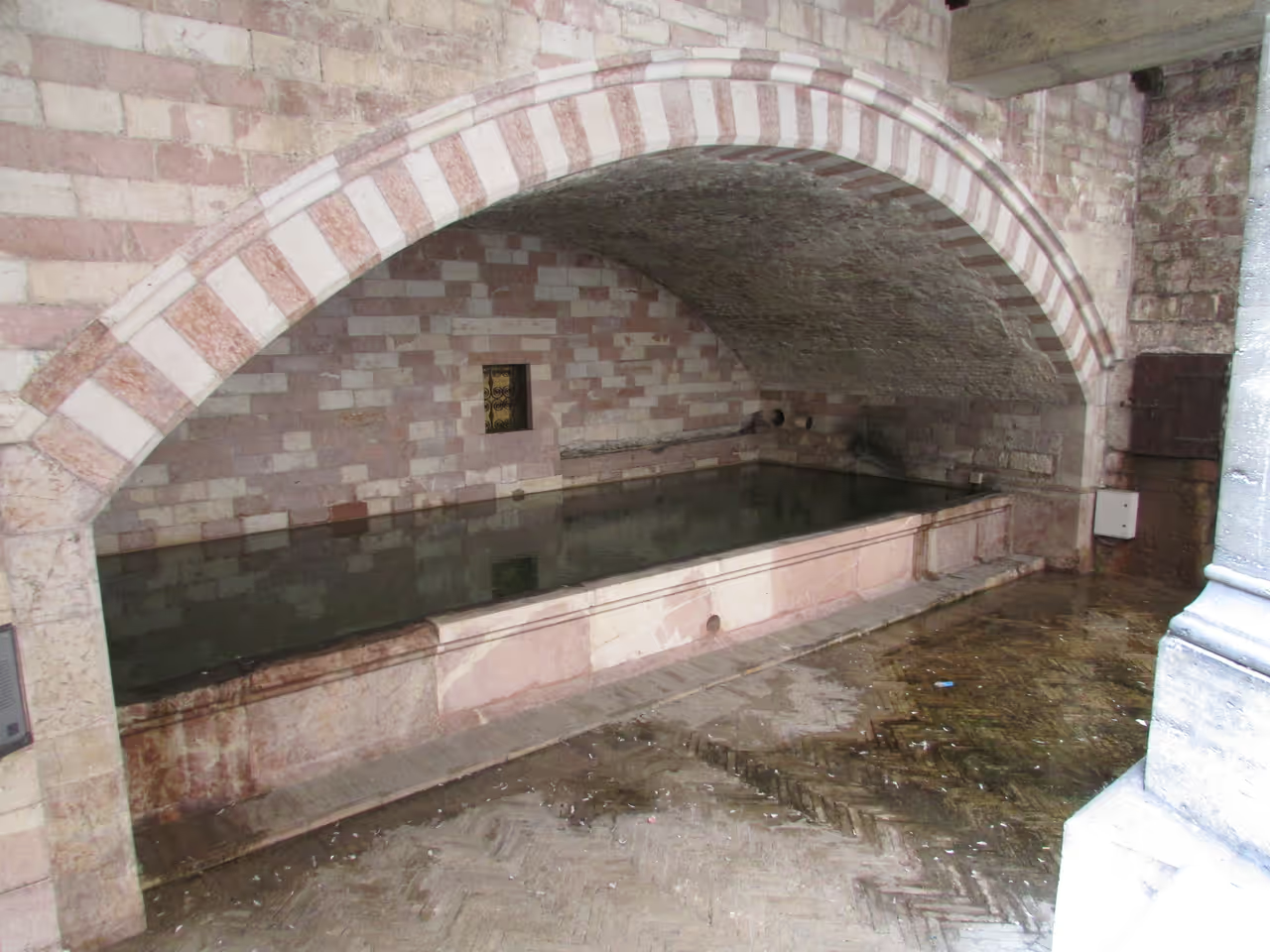
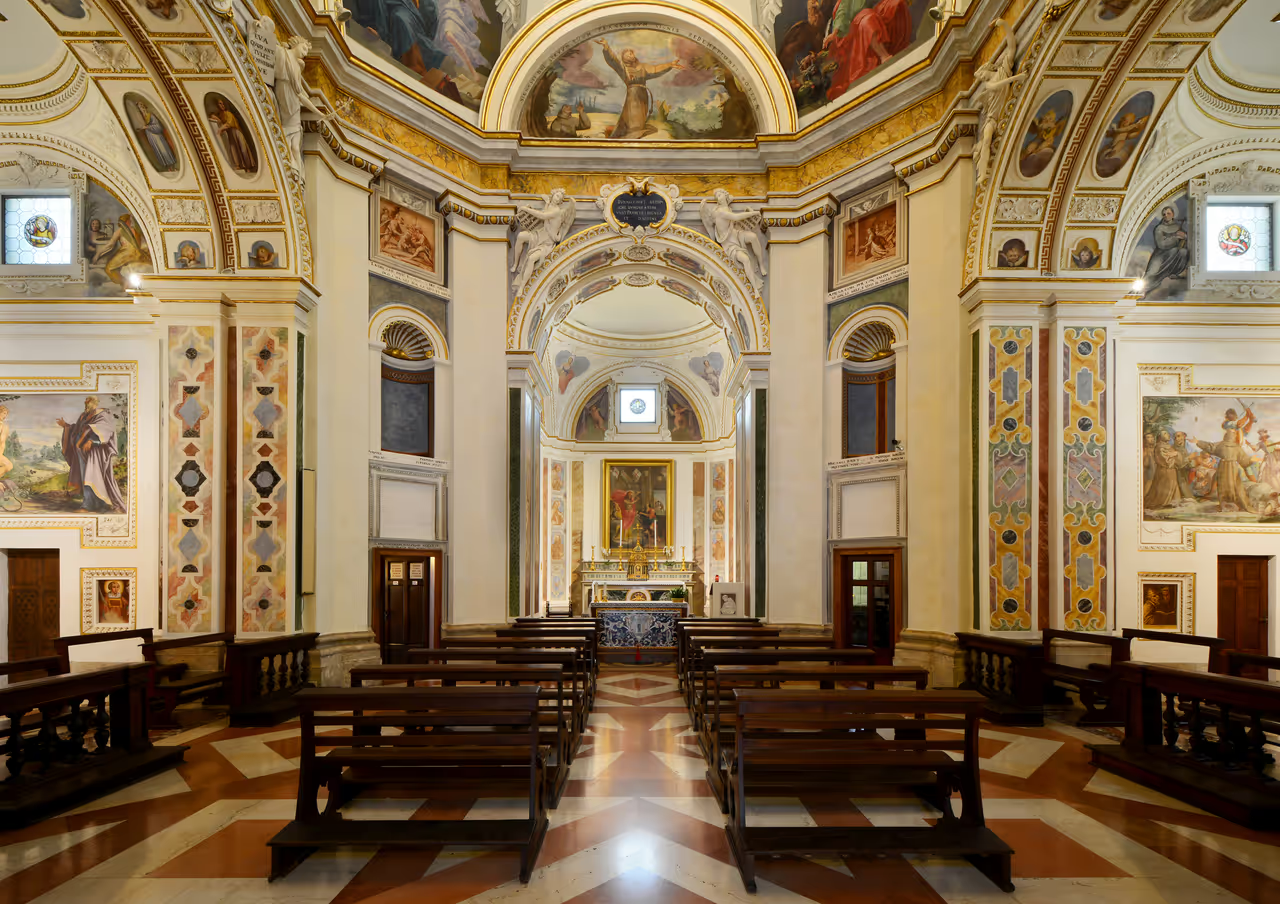
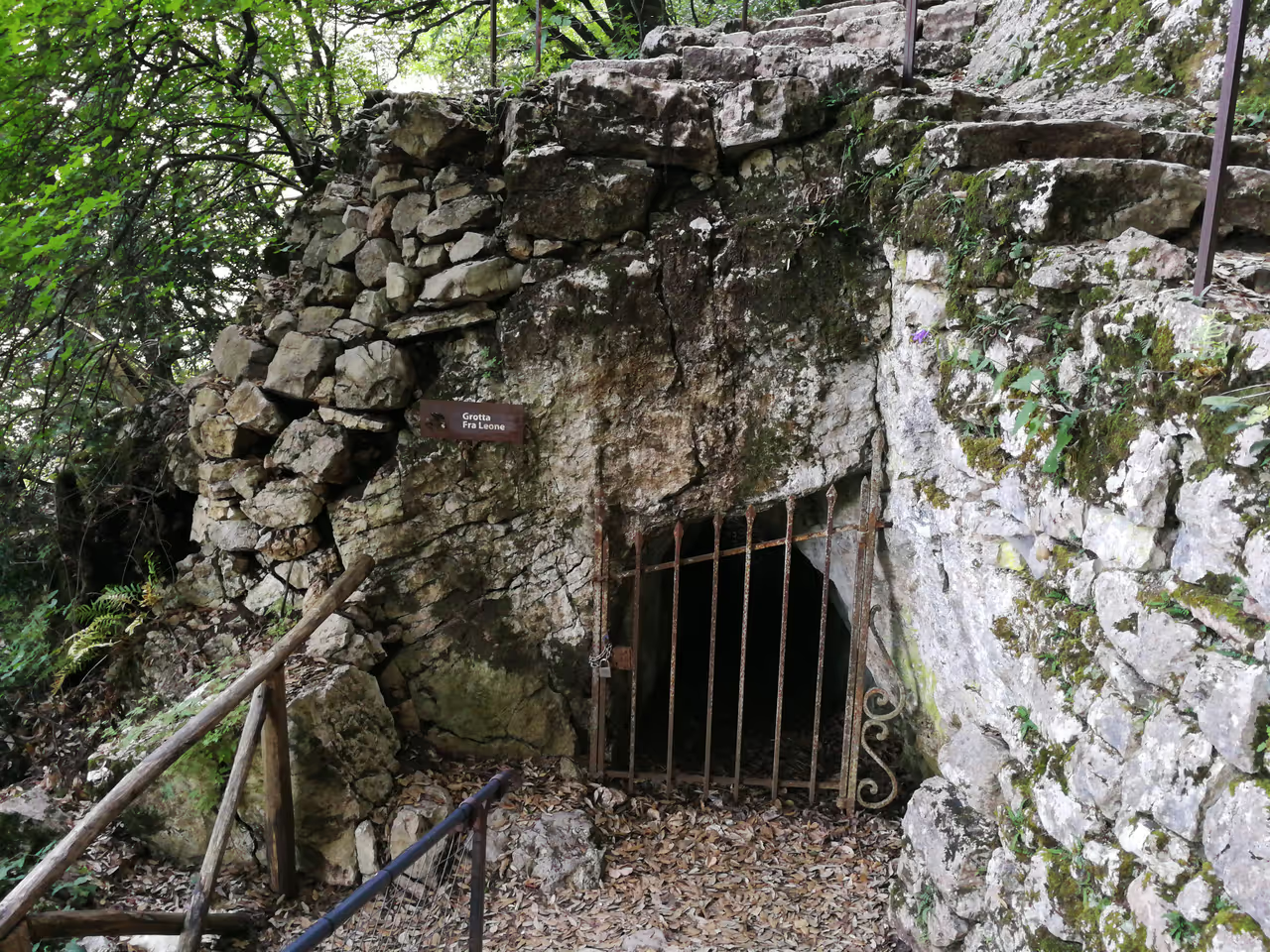
3 Days in Assisi: Spiritual Journey Itinerary
This deeply immersive three day itinerary allows visitors to move beyond the surface level highlights and truly understand the profound historical and spiritual layers of the city. With three days, the pace becomes significantly more relaxed, allowing for quiet contemplation in the incredibly atmospheric cloisters and hidden chapels. The route dedicates a full day to the massive, awe inspiring Franciscan sites, a day to exploring the surprisingly intact ancient Roman city, and a day to connecting with the rugged, beautiful nature that inspired the saints. It provides an incredibly well rounded, highly fulfilling experience that perfectly balances art, history, and the beautiful Umbrian landscape. It is the absolute ideal duration for a thorough, deeply satisfying visit.
view itinerary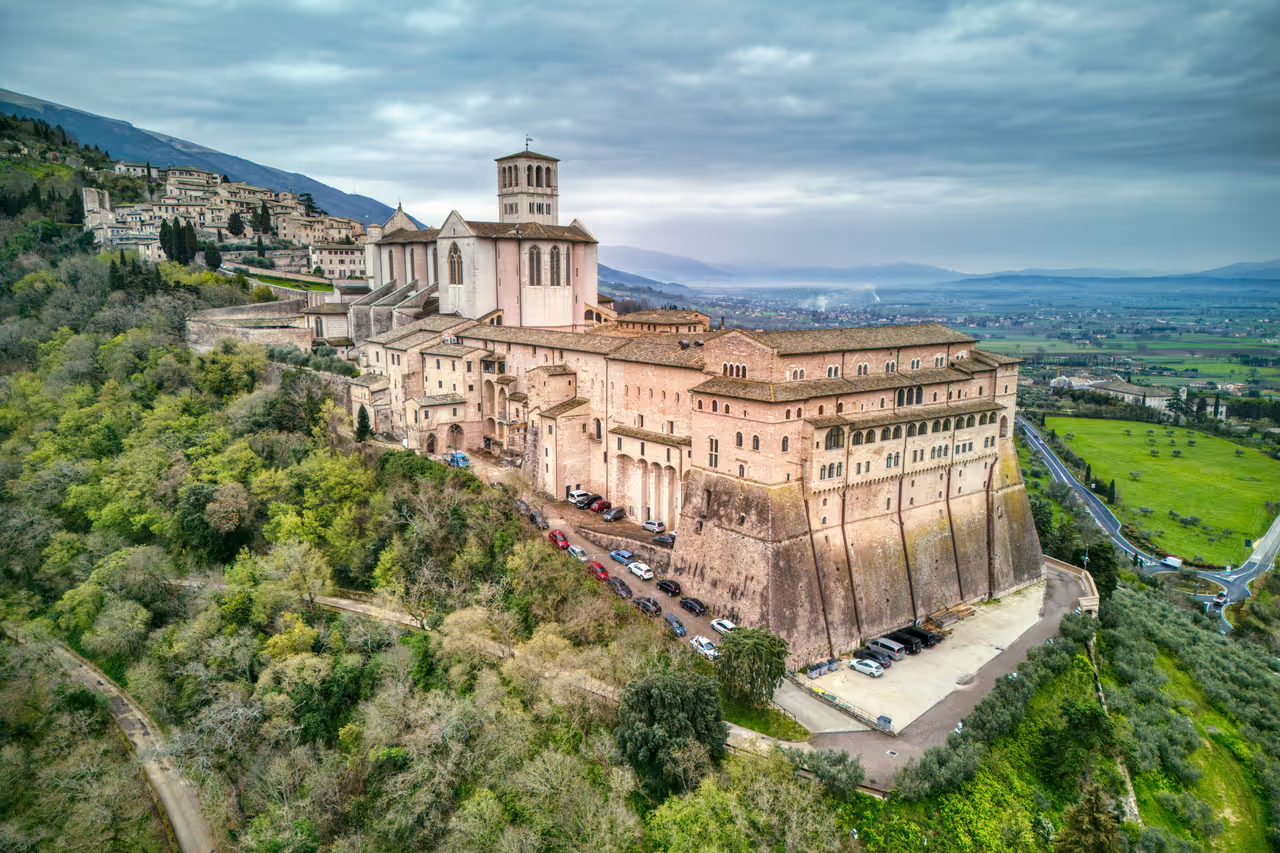
5 Days in Assisi: Complete Exploration Itinerary
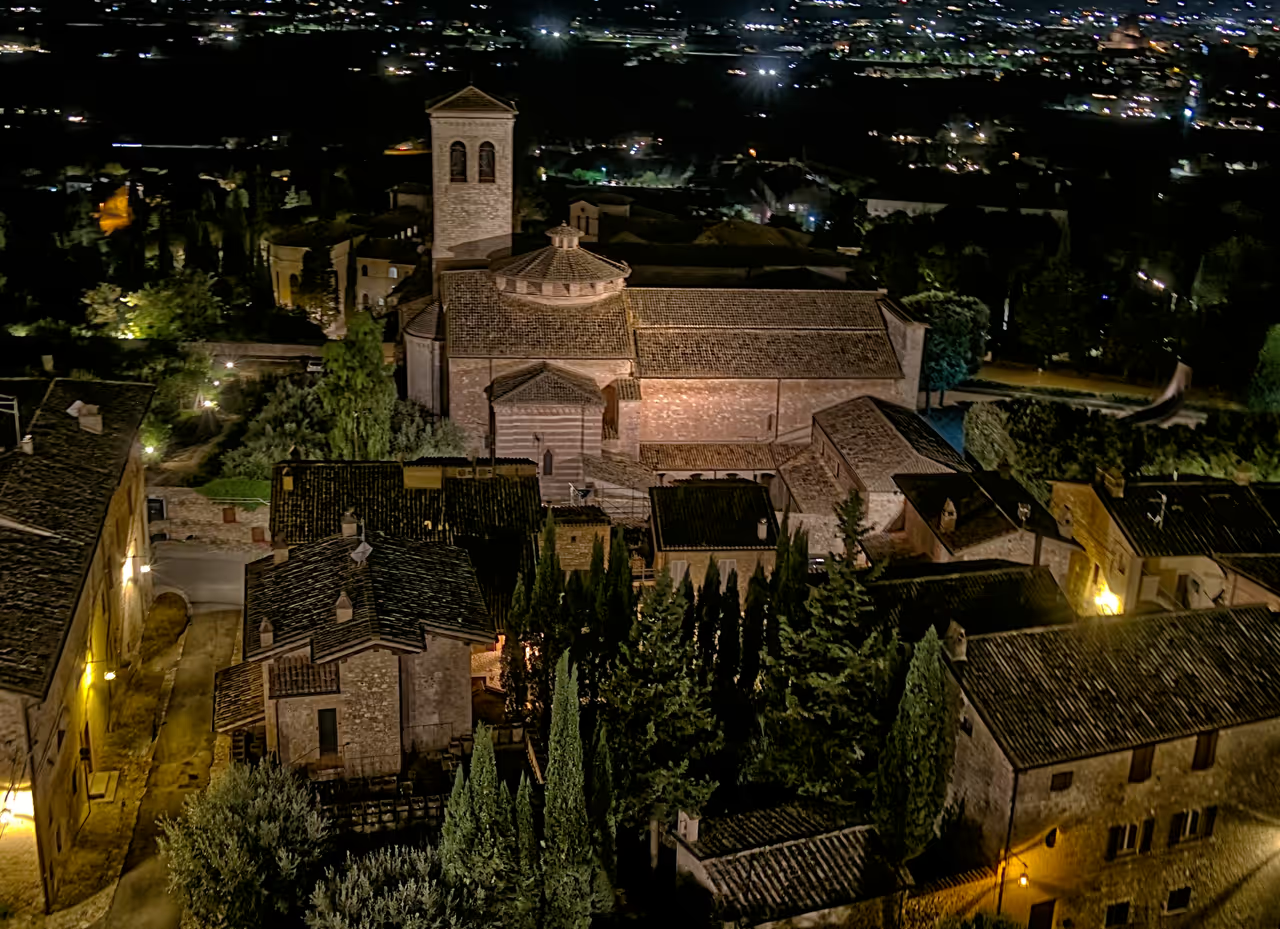
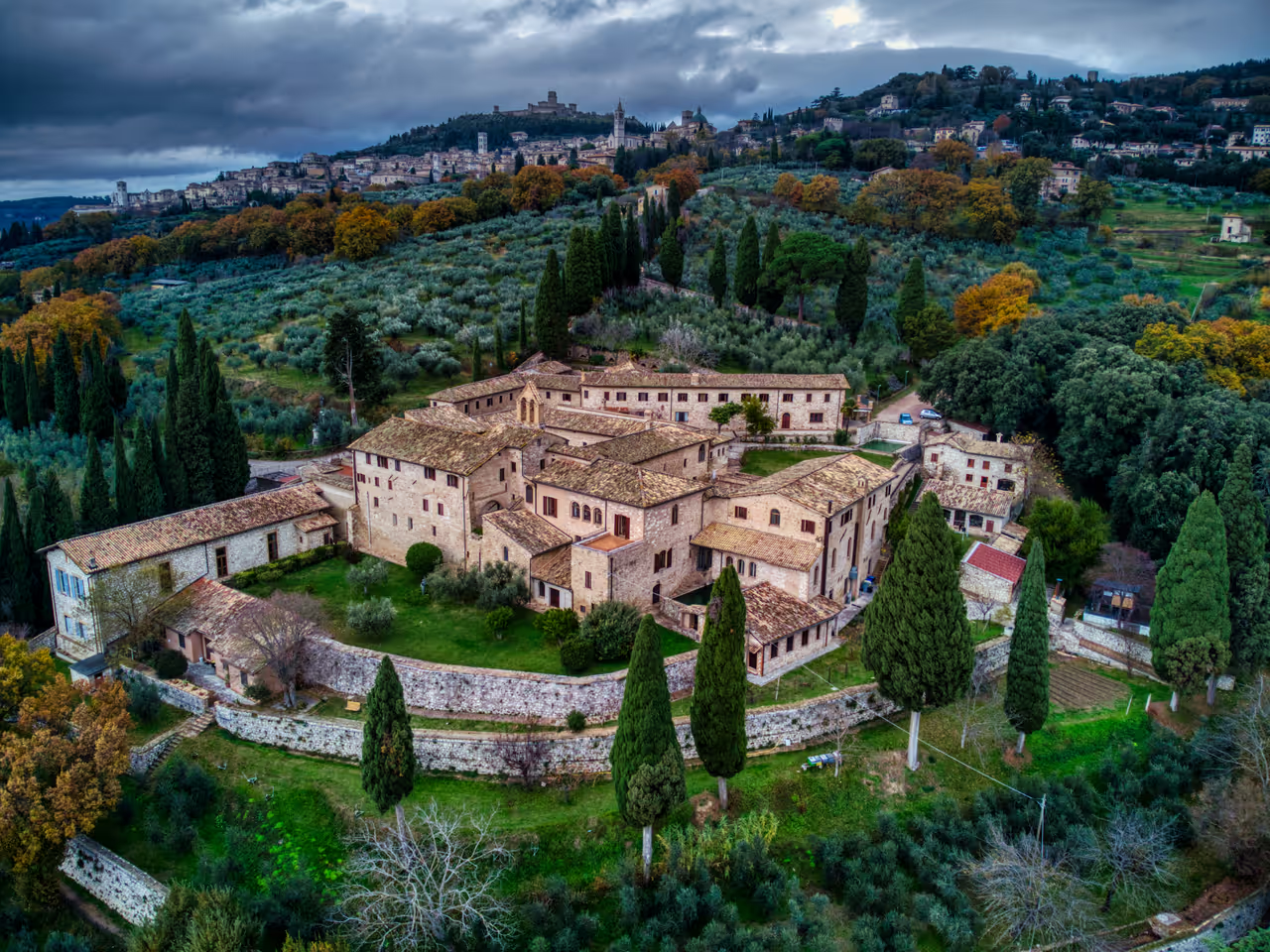
For those seeking an incredibly deep, highly comprehensive connection with this timeless city, this extensive five day itinerary leaves absolutely no stone unturned. It allows for a remarkably slow, highly mindful pace, leaving plenty of room to discover the incredibly quiet, hidden gems tucked away in the ancient residential alleys. Beyond the world famous monuments, you will explore secluded monastic courtyards, stunning hidden artworks, and expansive natural woodlands. This extended stay allows you to truly sync with the slow, peaceful rhythm of local Umbrian life, rather than just ticking off a sightseeing checklist. It is the ultimate, deeply transformative way to experience every single nuanced facet of Assisi.
view itinerary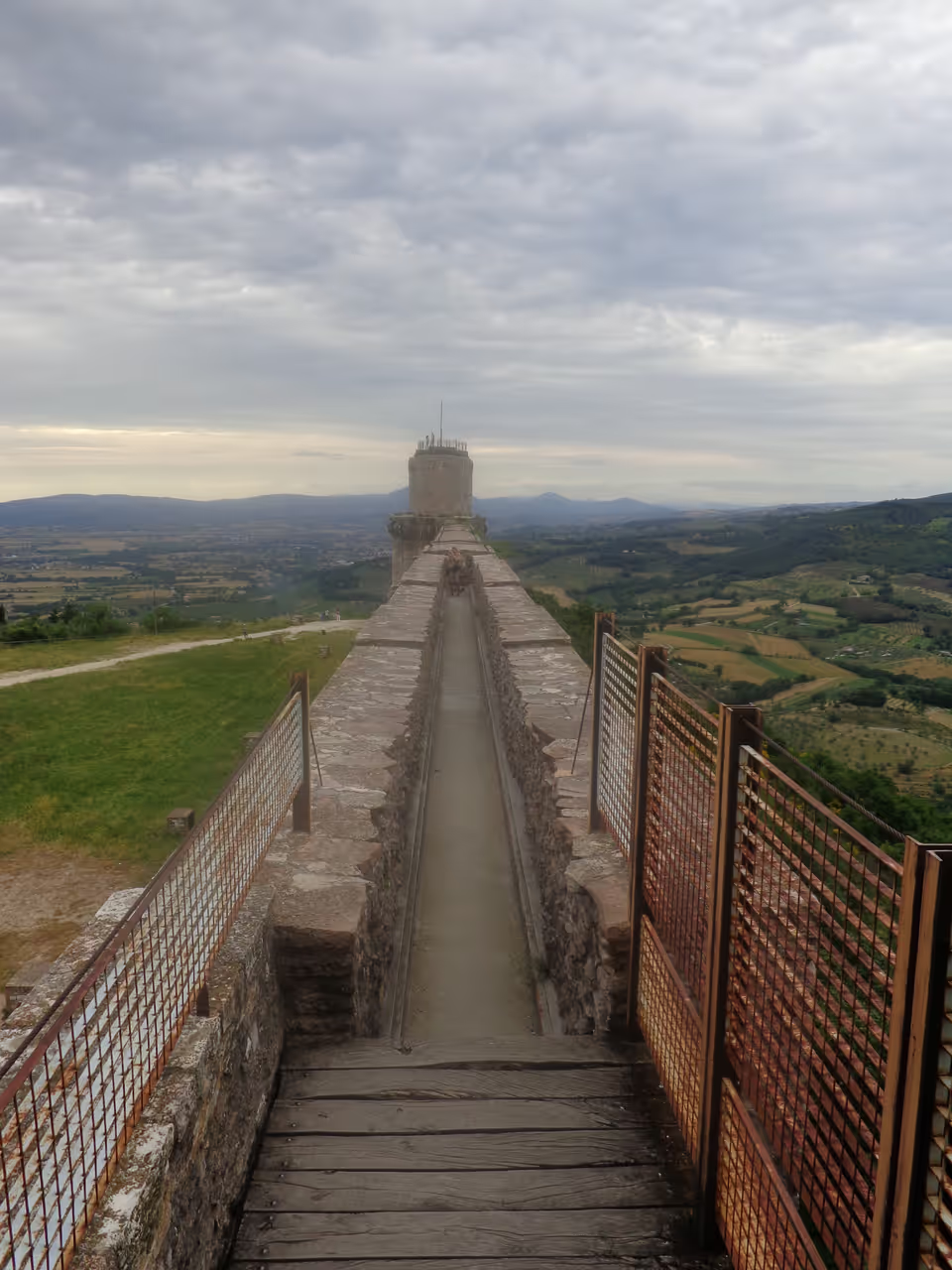
Descent from Rocca Maggiore
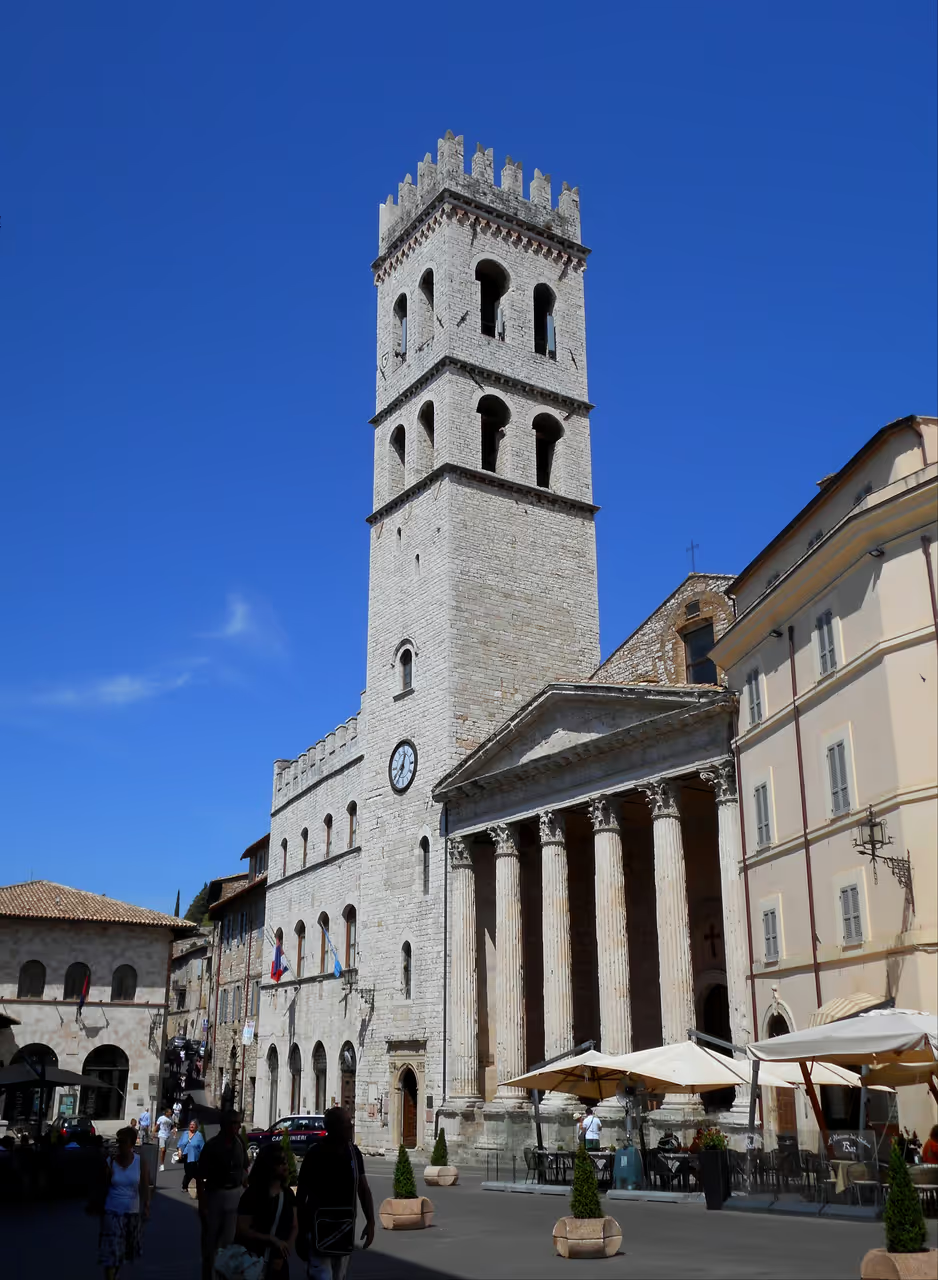
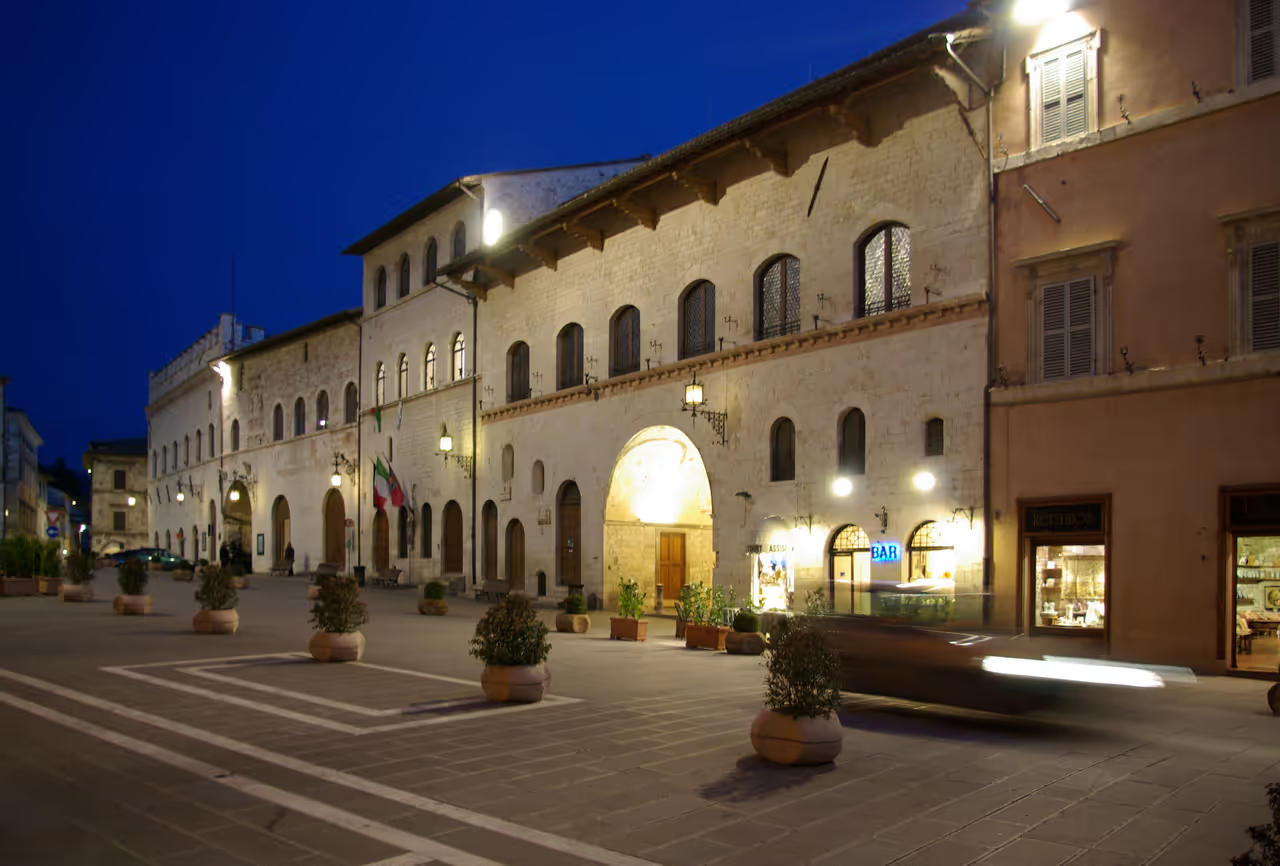
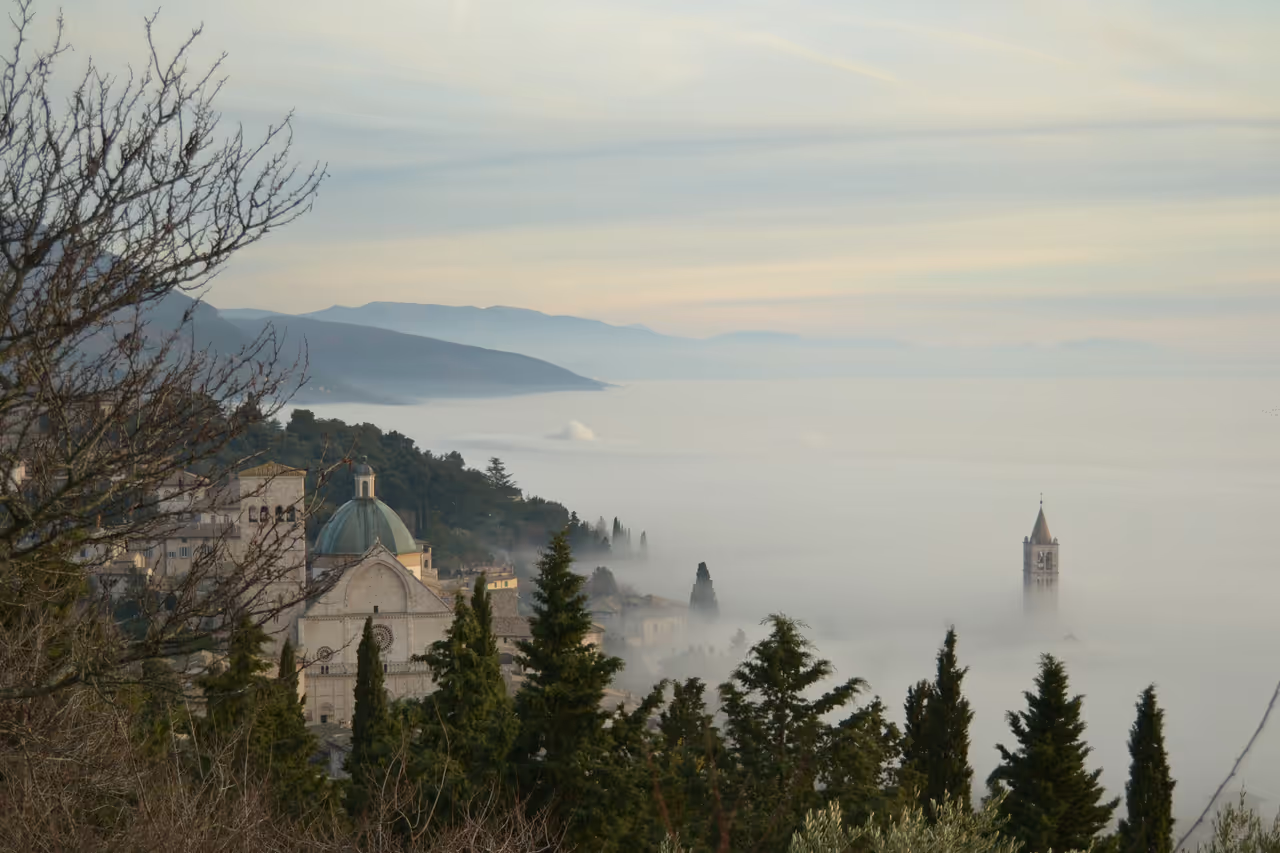
This magnificent stroll begins at the highest point of the city, offering a sweeping, bird's eye perspective before guiding you down through layers of history. Walking downwards means you avoid the strenuous uphill climb while still experiencing the dramatic, winding medieval alleyways. The path reveals incredible architectural transitions, from austere military fortifications down to elegant civic squares and religious monuments. Every turn presents a new, breathtaking framing of the valley below or a sudden, dramatic reveal of a hidden courtyard. It is a visually arresting walk that perfectly encapsulates the multi layered history of the hilltop town.
view walking route
See all attractions in Assisi
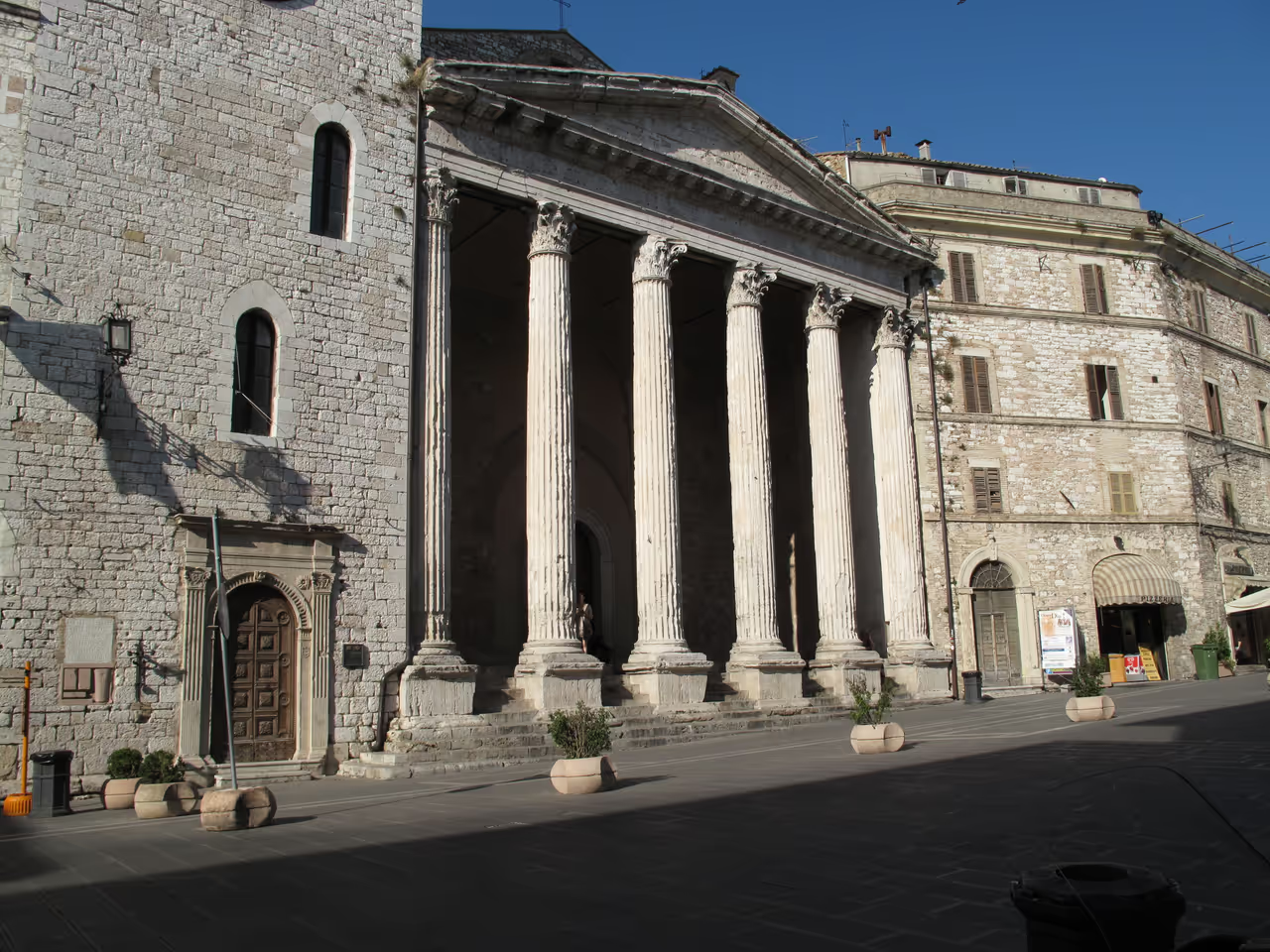
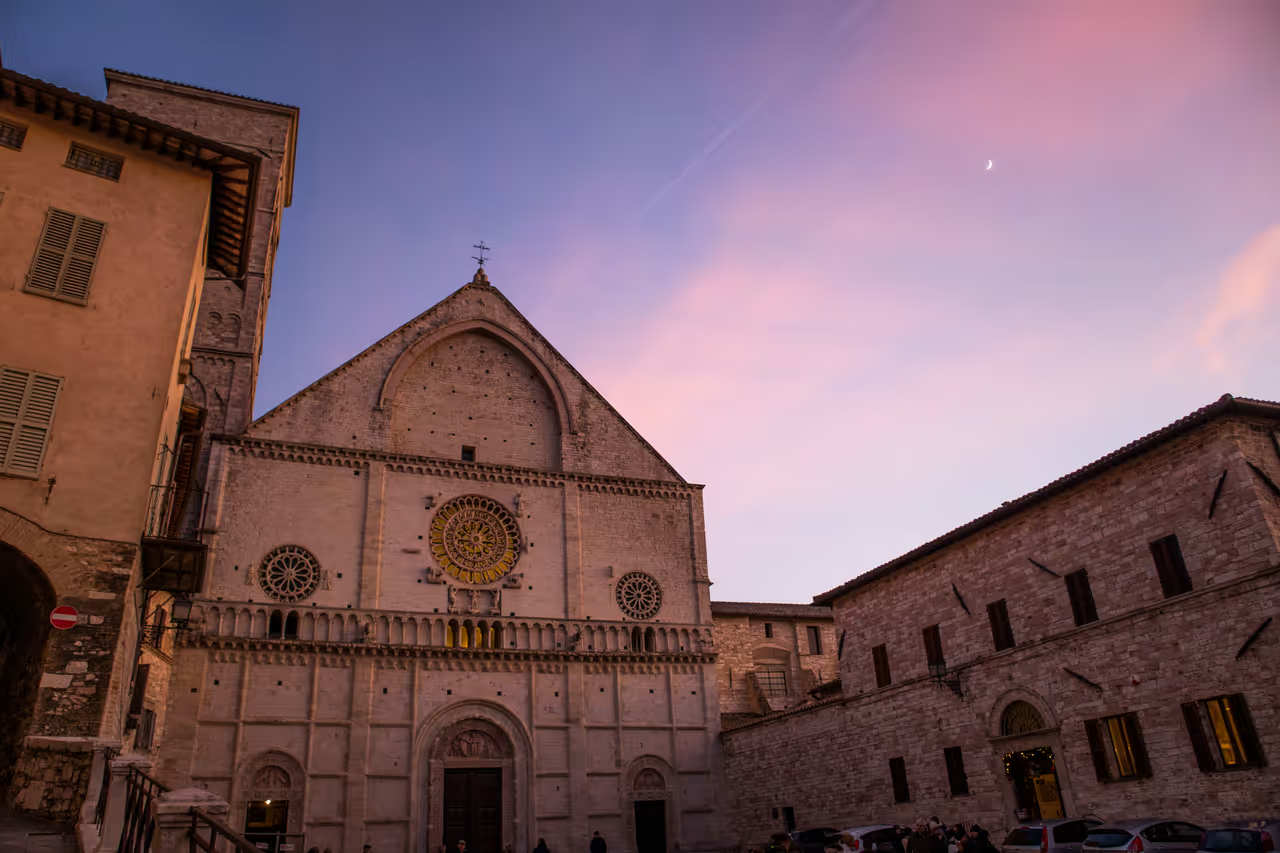
Basilica of Saint Clare, Hermitage of the Carceri, San Rufino Cathedral, Temple of Minerva...