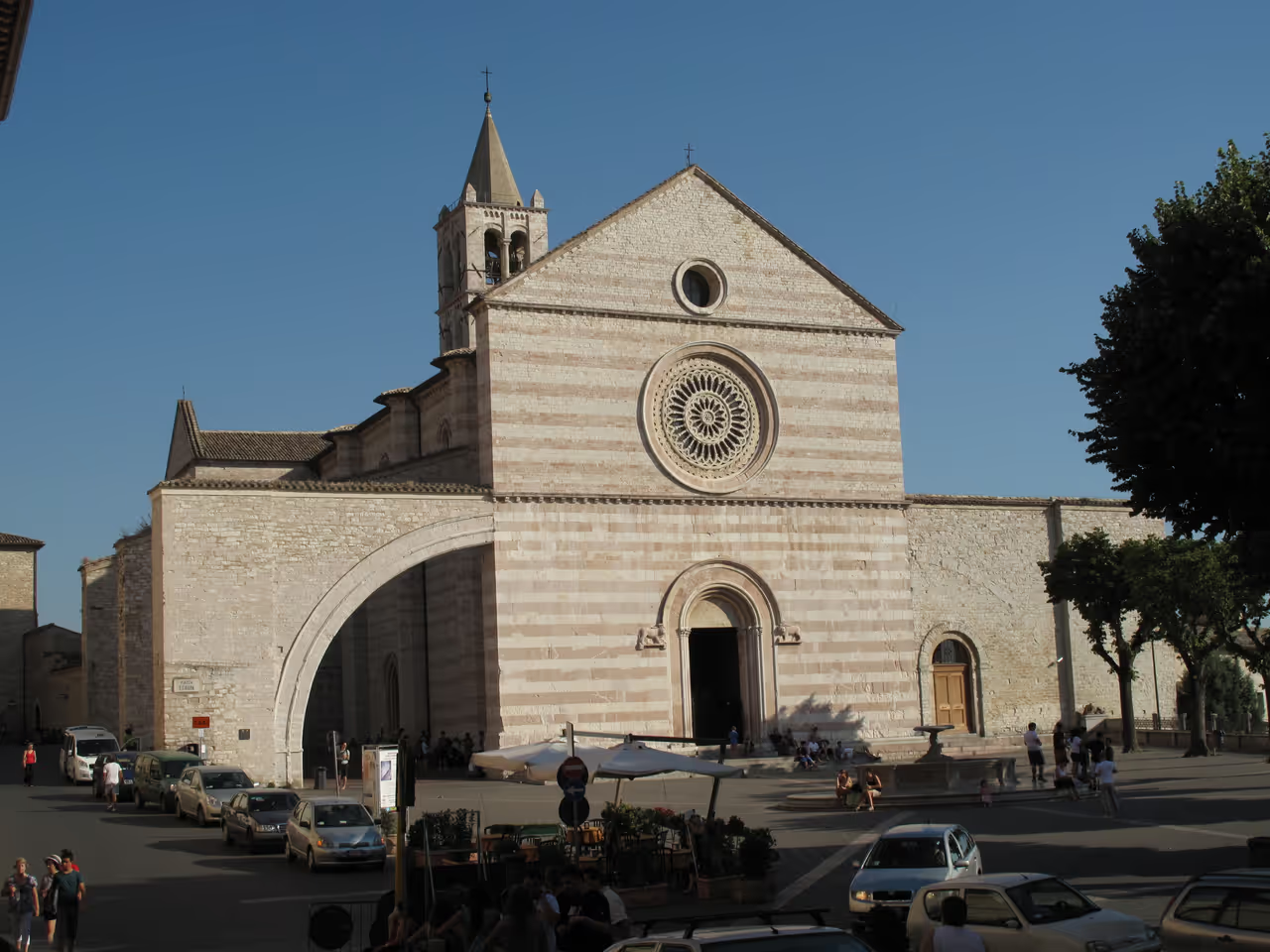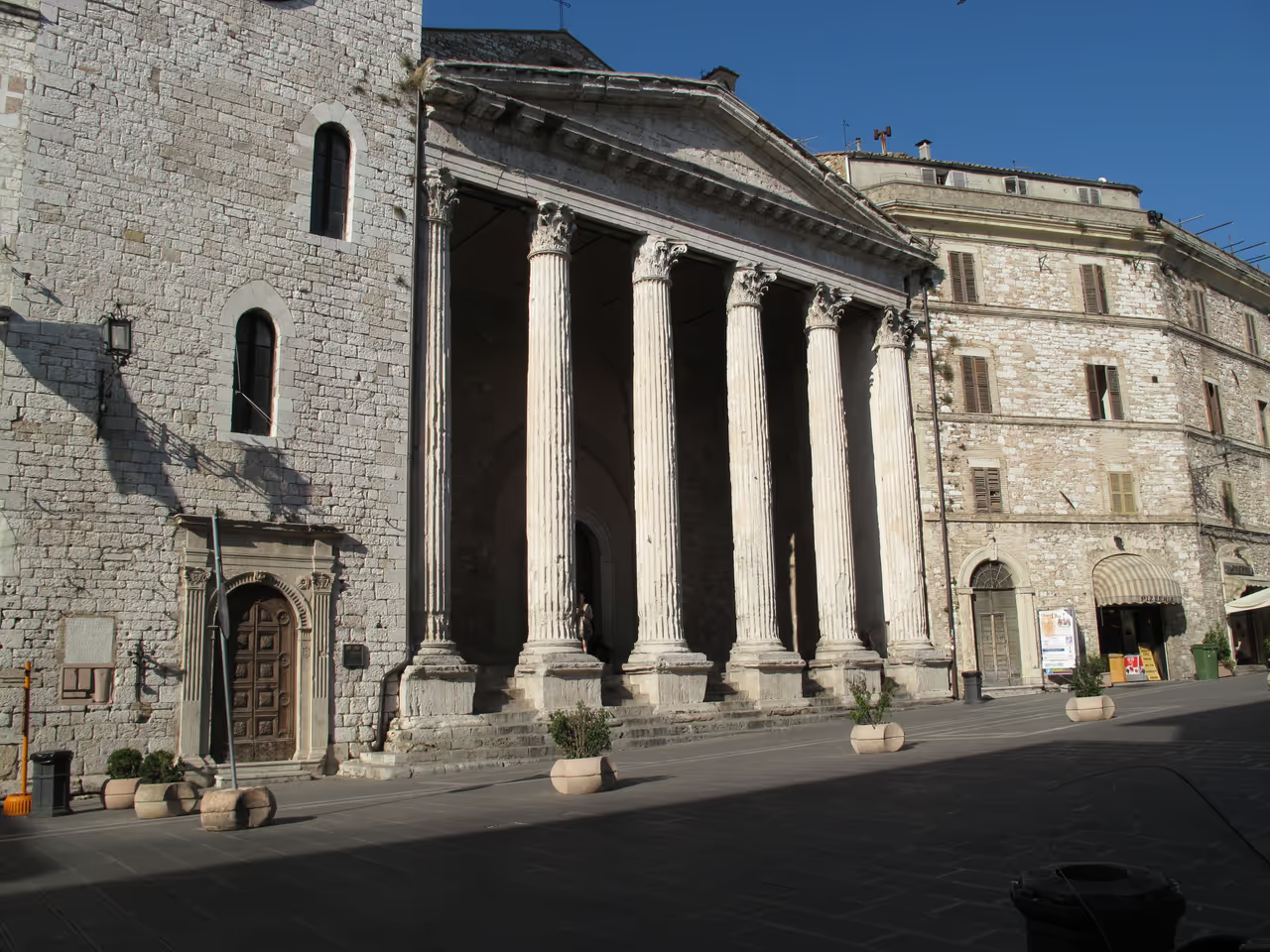
Temple of Minerva
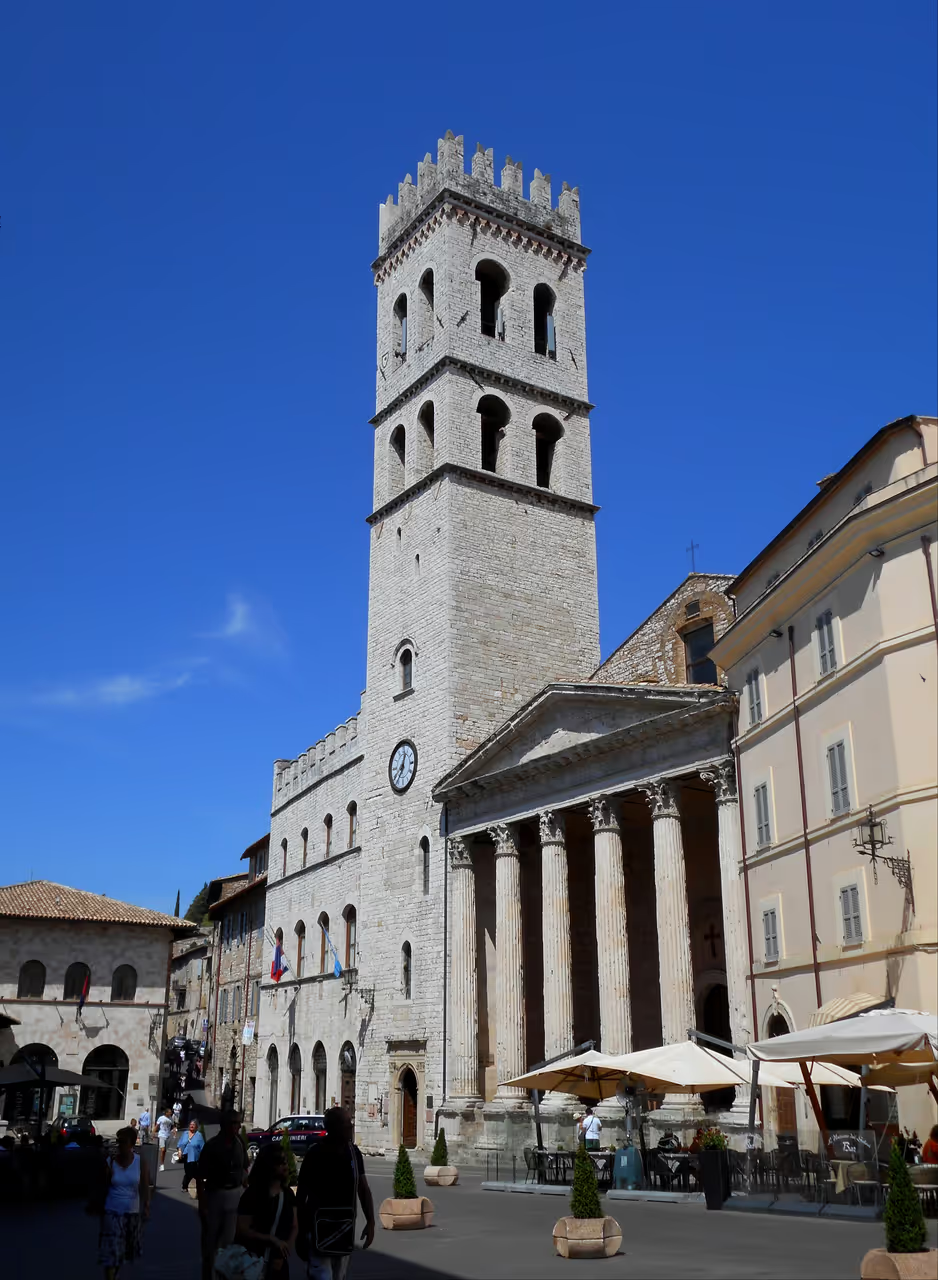
Standing proudly in the heart of Piazza del Comune, the Temple of Minerva is a stunning example of how ancient history seamlessly blends into the fabric of modern life. This remarkably preserved Roman structure invites you to step back to the first century BC, offering a rare glimpse into the architectural grandeur of the Augustan age. You can admire its iconic Corinthian columns and imposing facade, which have captivated visitors for millennia, including famous figures like the writer Goethe. The site serves as a beautiful reminder of Assisi's layered past, transitioning from a pagan sanctuary to a medieval council hall and eventually a Christian church. Whether you are an architecture enthusiast or simply looking for the most photogenic spot in the city, this temple provides a tangible and awe inspiring connection to the past.
Videos
History of Temple of Minerva
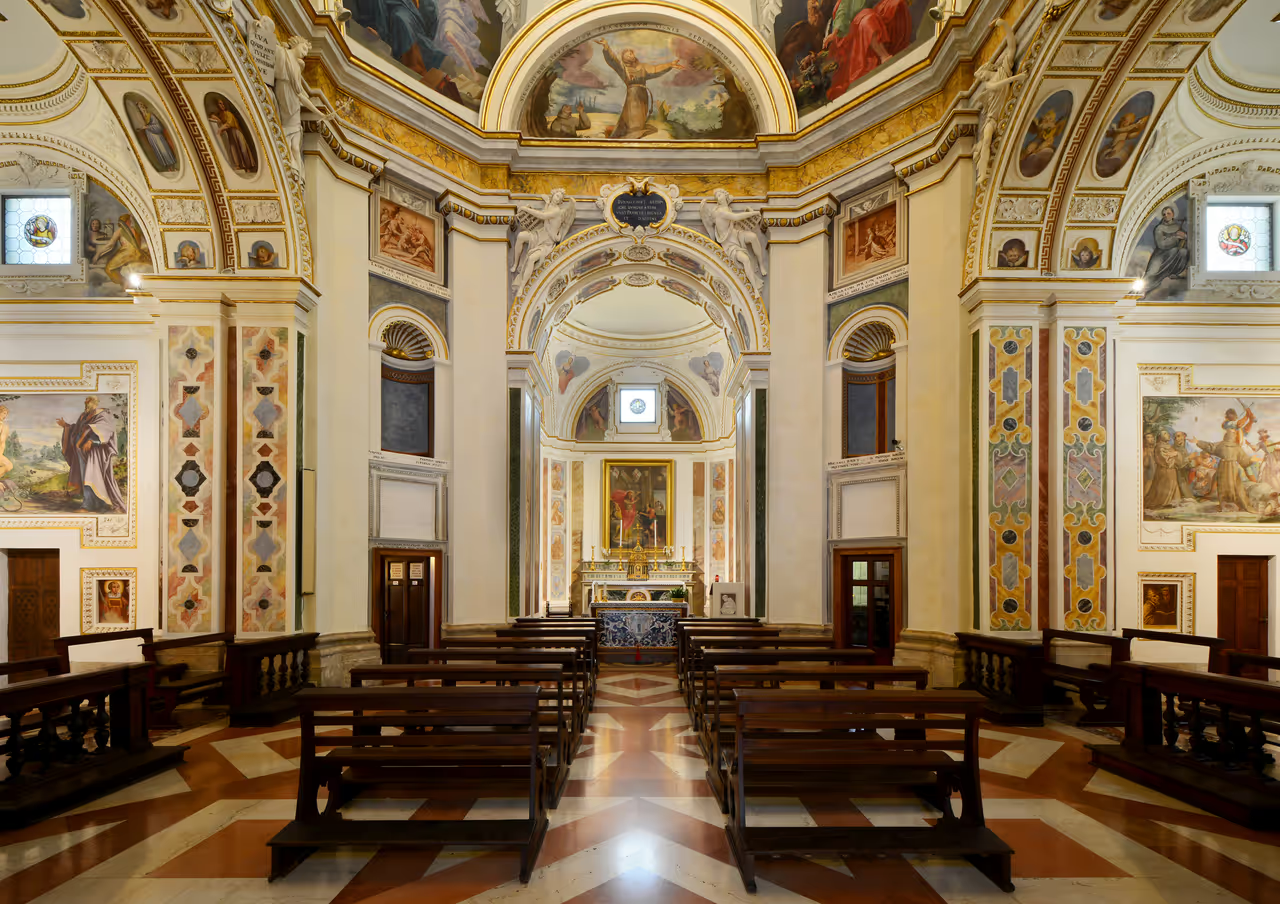
The history of this structure is a story of survival and transformation. Built around 30 BC by the quattuorviri Gneo Cestio and Tito Cesio Prisco, the temple was intended to be a grand statement of Roman power, elevating the elite of Asisium above the life of the forum. While history remembers it as the Temple of Minerva, this is a product of later centuries. The name stemmed from the misidentification of a female statue found on site, whereas a votive inscription unearthed later points to a dedication to the hero Hercules. It was designed to impress, standing on a high podium that dominated the local landscape, showcasing the wealth of the Roman patrons who financed it. Over the centuries, the building experienced a radical metamorphosis that ultimately saved it from the destruction that befell so many other Roman monuments. In the Middle Ages, the inner cella was repurposed as the church of San Donato, before being subdivided by the Benedictine order into residential quarters and workshops. By the thirteenth century, the site had become the beating heart of civic administration, housing the town council chambers and even serving as the local prison. This constant repurposing meant the structure was never abandoned or left to decay, allowing its core architecture to endure while the world around it changed completely. In 1539, the temple entered its current chapter when Pope Paul III ordered its conversion into the church of Santa Maria sopra Minerva. This led to a major interior remodelling in the baroque style, creating a fascinating visual tension between the ancient, stoic exterior and the opulent religious space within. Today, the temple stands as a testament to the layers of history that define Assisi, serving as a quiet, stone witness to the centuries of political, social, and spiritual change that have unfolded in the square before it. It remains one of the most perfectly preserved Roman temples in the world, a bridge between the ancient pagan past and the spiritual identity of modern Italy.
Events spanning 1963 years
Fun Facts
- • Despite its name, historical evidence including a votive inscription confirms the temple was almost certainly dedicated to Hercules rather than the goddess Minerva, with the misnomer arising later due to the discovery of a female statue nearby.
- • During the Middle Ages, the building underwent a dramatic shift in function, serving as the church of San Donato, then as a cluster of residential workshops for the Benedictine order, and later as the civic headquarters and prison for the town council.
- • Giotto featured the temple in his famous frescoes in the Basilica of San Francesco, highlighting its enduring status as a symbol of the city for centuries.
- • Recent excavations have unveiled original Roman floor segments and large terrace walls near the altar that offer a deeper look at how the building was originally anchored to the city landscape.
- • The German writer Johann Wolfgang von Goethe was so mesmerised by the temple during his travels that he refused to visit anything else in the city, famously pleading with other architects to study its genius.
- • The adjacent Torre del Popolo serves as the civic bell tower and contains three distinct bells, with the largest being the second largest in all of Assisi.
- • The original cella, or main inner chamber of the Roman temple, was entirely demolished in the sixteenth century to make way for the construction of the church sanctuary.
- • The structure showcases the classic Roman Corinthian style in antis, meaning the front porch is flanked by the extensions of the side walls of the interior chamber.
- • The temple interior was heavily remodelled in the seventeenth century in a rich baroque style, creating a sharp contrast between the ancient exterior facade and the ornate church within.
- • The temple is recognised as part of the UNESCO World Heritage listing for the Basilica of San Francesco and other Franciscan sites in Assisi, underscoring its historical importance.
RESOURCES
Official WebsiteTemple of Minerva FAQ
While we strive to keep this information accurate and up to date, we recommend verifying any details independently before making decisions based on them.
Temple of Minerva Map & Neighborhood Explorer
This interactive map is centered on Temple of Minerva. Zoom in and move the map around to automatically discover Wikipedia photos and summaries of other nearby sights, monuments, and historical points of interest and stories in real-time!
Places near Temple of Minerva
Make the most of your trip. Check out these top-rated spots located nearby.
- 18m
Cavalcade of Satriano
This moving equestrian event retraces the final, poignant journey of a dying St. Francis back to his beloved hometown. Riders dressed in authentic period costumes saddle up their horses and recreate the route the Assisan knights took to fetch the ailing saint from Nocera Umbra. The sight of the horses clipping along the ancient stone paths, surrounded by the lush Umbrian hills, is incredibly atmospheric and deeply moving. It bridges the gap between natural exploration and historical reenactment beautifully. For those interested in the human story of St. Francis, it provides a powerful visual representation of his final days.
festival view 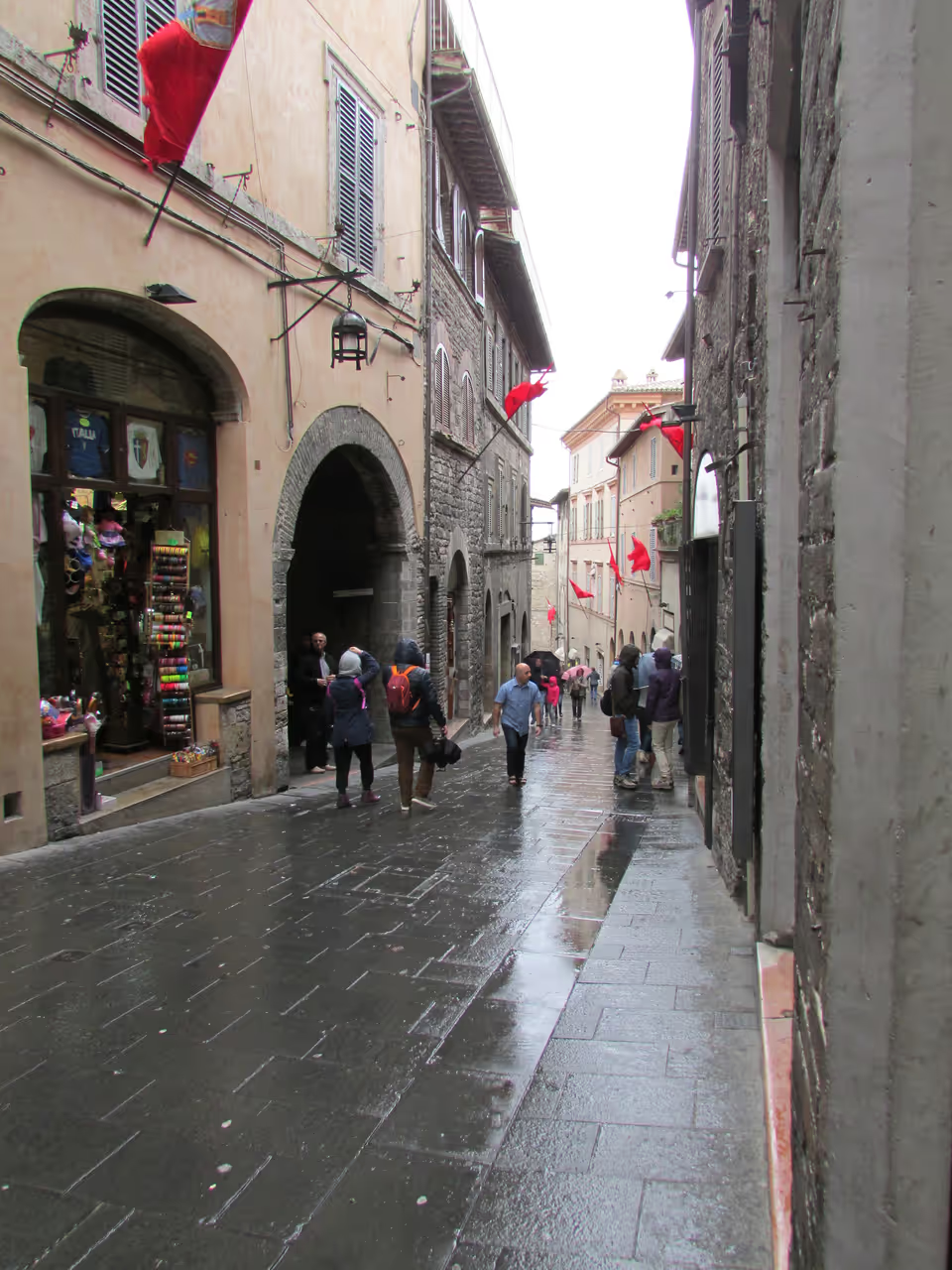 72m
72mVia Portica Archways
Via Portica is one of the most incredibly picturesque, atmospheric medieval streets in the entire city, deeply defined by a series of heavy stone archways spanning the alley. The incredibly tight framing provided by the arches creates a brilliant sense of depth and mystery, pulling the viewer's eye down the cobblestone path. It is particularly stunning when captured at night, as the warm, yellow glow of the streetlamps bounces off the ancient, highly polished stones. Including a solitary figure walking through the arches adds a fantastic sense of scale and timeless, romantic atmosphere to the image. It represents the quintessential, perfectly preserved medieval Italian streetscape.
photo spot view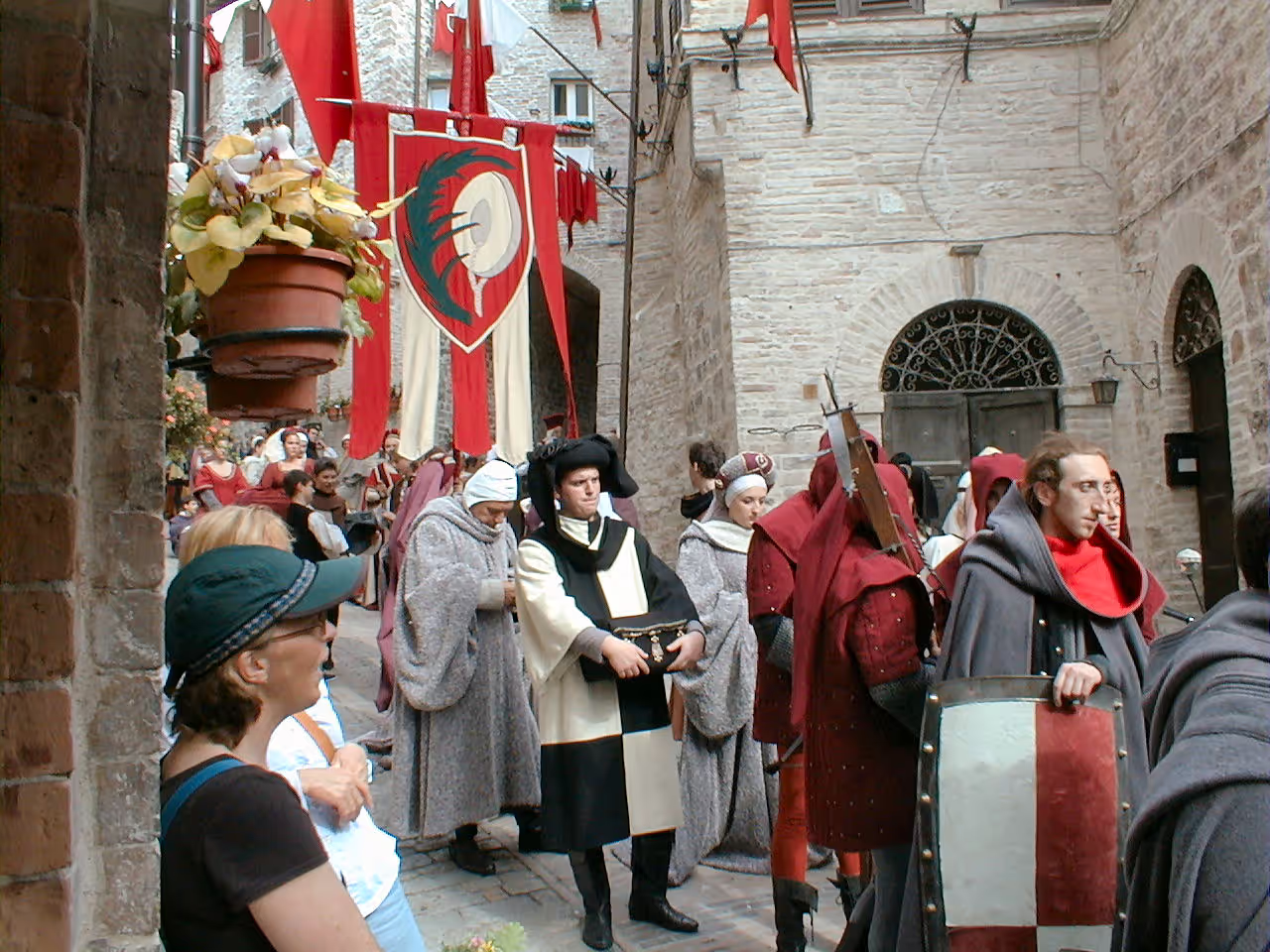 76m
76mCalendimaggio
Calendimaggio is an incredible multi day spring festival that completely transforms Assisi back to the Middle Ages. The entire town is divided into two fierce rival factions, the Parte de Sopra and the Parte de Sotto, who compete in a series of elaborate historical challenges. Visitors are treated to stunning parades with participants in meticulously crafted medieval costumes, alongside flag throwers, musicians, and theatrical performances. The streets come alive with the sounds of lutes, drums, and passionate singing echoing through the stone archways. It is a deeply authentic local celebration that offers an unforgettable glimpse into the competitive and vibrant spirit of medieval communal life.
festival view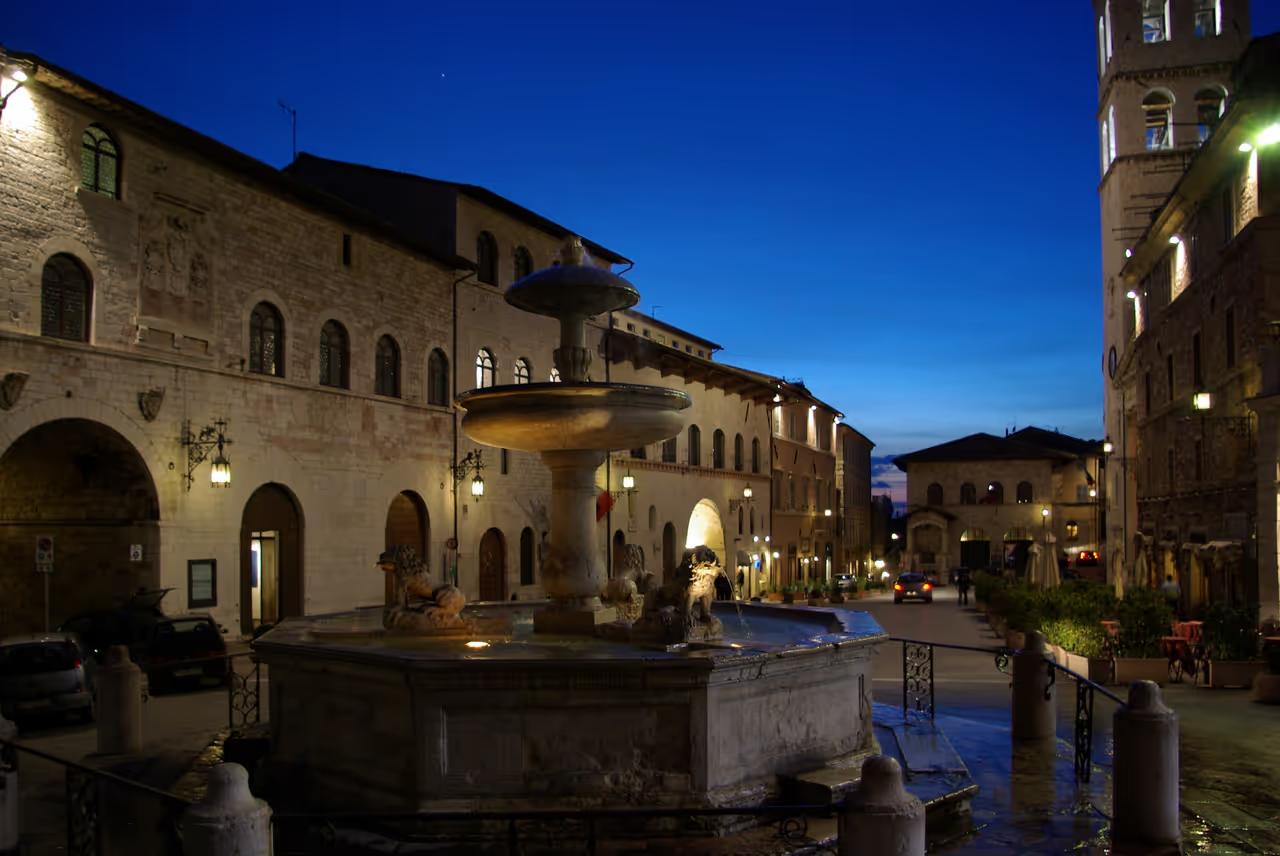 76m
76mPiazza del Comune
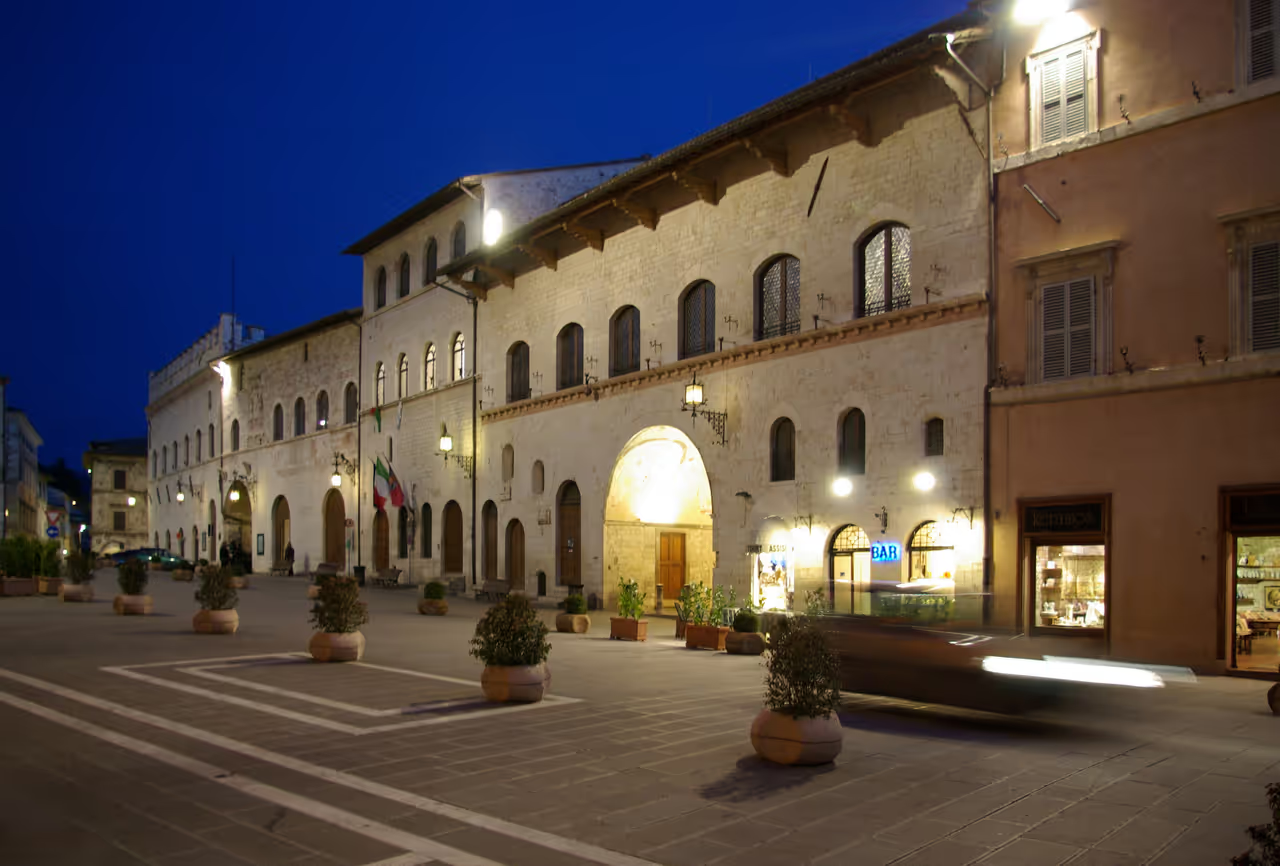
This elegant, elongated square has served as the secular, civic heart of the city since the bustling days of the 13th century. It is beautifully framed by historical heavyweights, including the imposing Palazzo del Capitano del Popolo, the towering 14th century Torre del Popolo, and the majestic Roman columns of the Temple of Minerva. At its centre sits the charming, multi tiered 'Lions Fountain', providing a soothing soundtrack of rushing water to the surrounding cafes. The piazza is a lively, vibrant gathering space where locals come to chat, sip espresso, and watch the world go by. It represents a fantastic architectural juxtaposition, where medieval communal power and ancient Roman grandeur sit comfortably side by side. It is the absolute perfect spot to rest your legs and soak up the authentic, secular atmosphere of the town.
highlight view
Explore Similar Places in This Collection
Featured on These Itineraries and Routes
1 Day in Assisi Itinerary
This highly efficient, deeply engaging one day itinerary is expertly designed for travelers who are short on time but want to experience the absolute essence of Assisi. It prioritizes the most incredibly famous, monumental sights, moving logically through the city to maximize efficiency and minimize exhausting uphill climbs. The day heavily balances the breathtaking religious art of the major basilicas with the fascinating ancient Roman history found in the central square. By following this route, you will encounter the very best frescoes, the most impressive classical ruins, and the most stunning panoramic views the city has to offer. It is a fast paced, highly rewarding dive into the heart of Umbria.
view itinerary
3 Days in Assisi: Spiritual Journey Itinerary
This deeply immersive three day itinerary allows visitors to move beyond the surface level highlights and truly understand the profound historical and spiritual layers of the city. With three days, the pace becomes significantly more relaxed, allowing for quiet contemplation in the incredibly atmospheric cloisters and hidden chapels. The route dedicates a full day to the massive, awe inspiring Franciscan sites, a day to exploring the surprisingly intact ancient Roman city, and a day to connecting with the rugged, beautiful nature that inspired the saints. It provides an incredibly well rounded, highly fulfilling experience that perfectly balances art, history, and the beautiful Umbrian landscape. It is the absolute ideal duration for a thorough, deeply satisfying visit.
view itinerary
5 Days in Assisi: Complete Exploration Itinerary
For those seeking an incredibly deep, highly comprehensive connection with this timeless city, this extensive five day itinerary leaves absolutely no stone unturned. It allows for a remarkably slow, highly mindful pace, leaving plenty of room to discover the incredibly quiet, hidden gems tucked away in the ancient residential alleys. Beyond the world famous monuments, you will explore secluded monastic courtyards, stunning hidden artworks, and expansive natural woodlands. This extended stay allows you to truly sync with the slow, peaceful rhythm of local Umbrian life, rather than just ticking off a sightseeing checklist. It is the ultimate, deeply transformative way to experience every single nuanced facet of Assisi.
view itinerary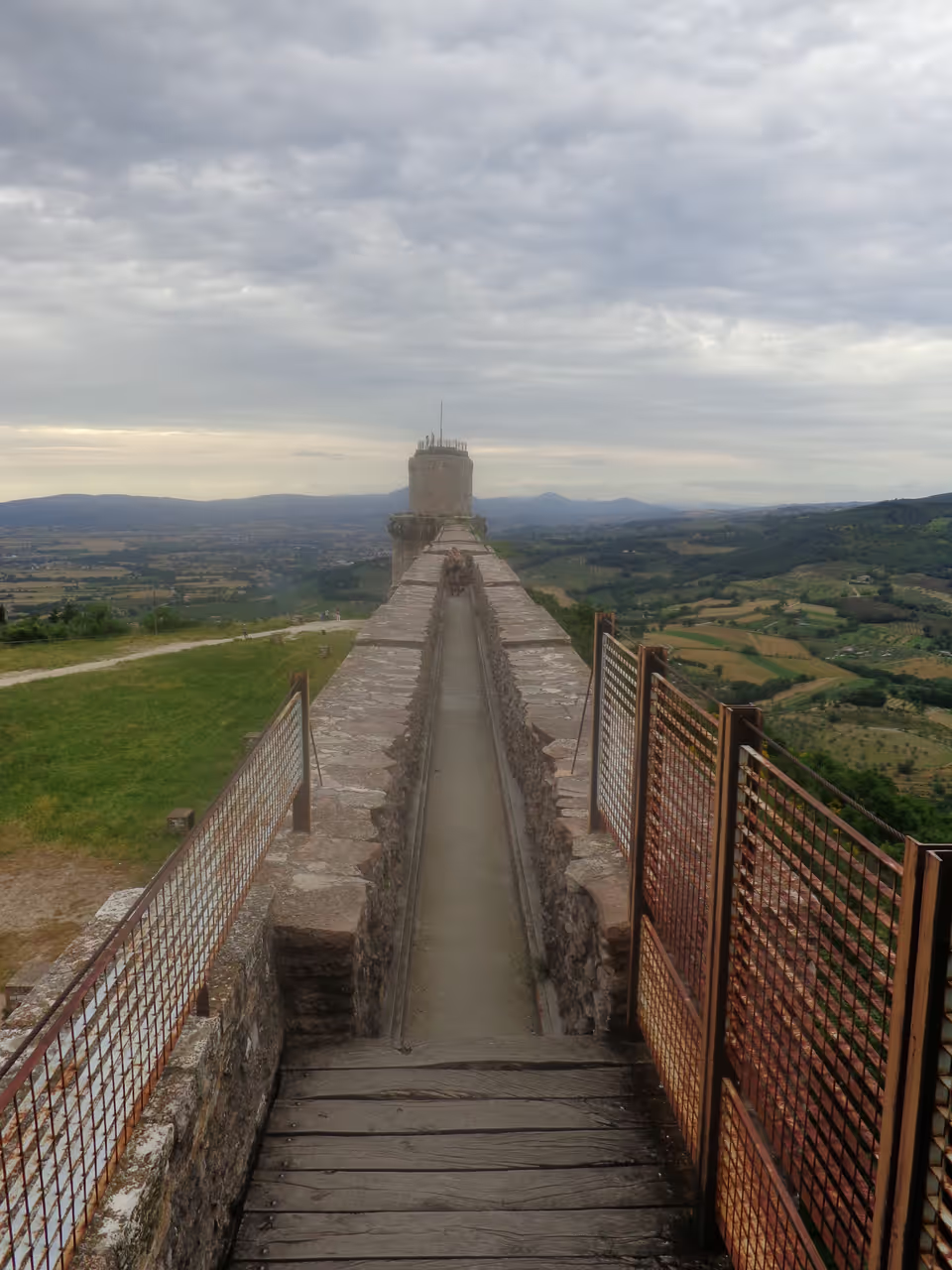
Descent from Rocca Maggiore
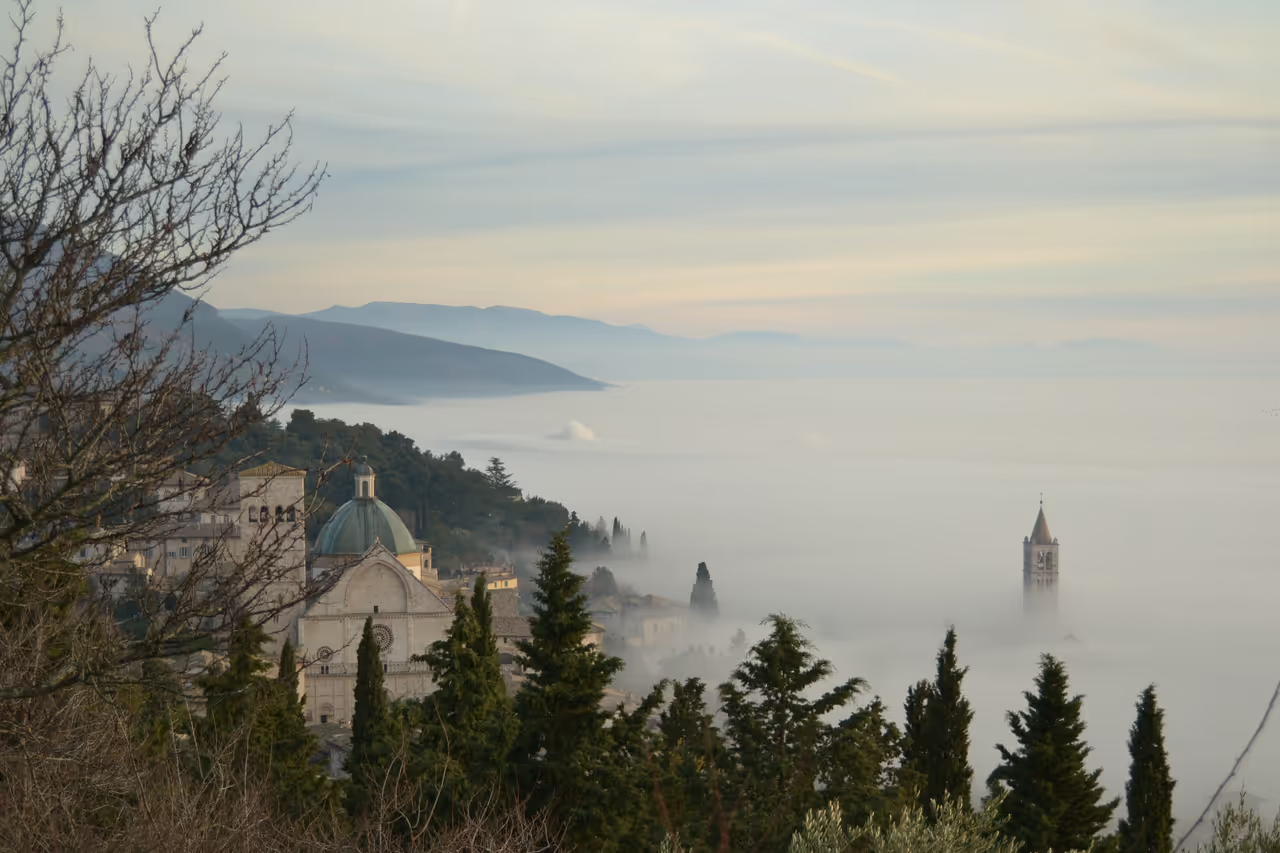
This magnificent stroll begins at the highest point of the city, offering a sweeping, bird's eye perspective before guiding you down through layers of history. Walking downwards means you avoid the strenuous uphill climb while still experiencing the dramatic, winding medieval alleyways. The path reveals incredible architectural transitions, from austere military fortifications down to elegant civic squares and religious monuments. Every turn presents a new, breathtaking framing of the valley below or a sudden, dramatic reveal of a hidden courtyard. It is a visually arresting walk that perfectly encapsulates the multi layered history of the hilltop town.
view walking route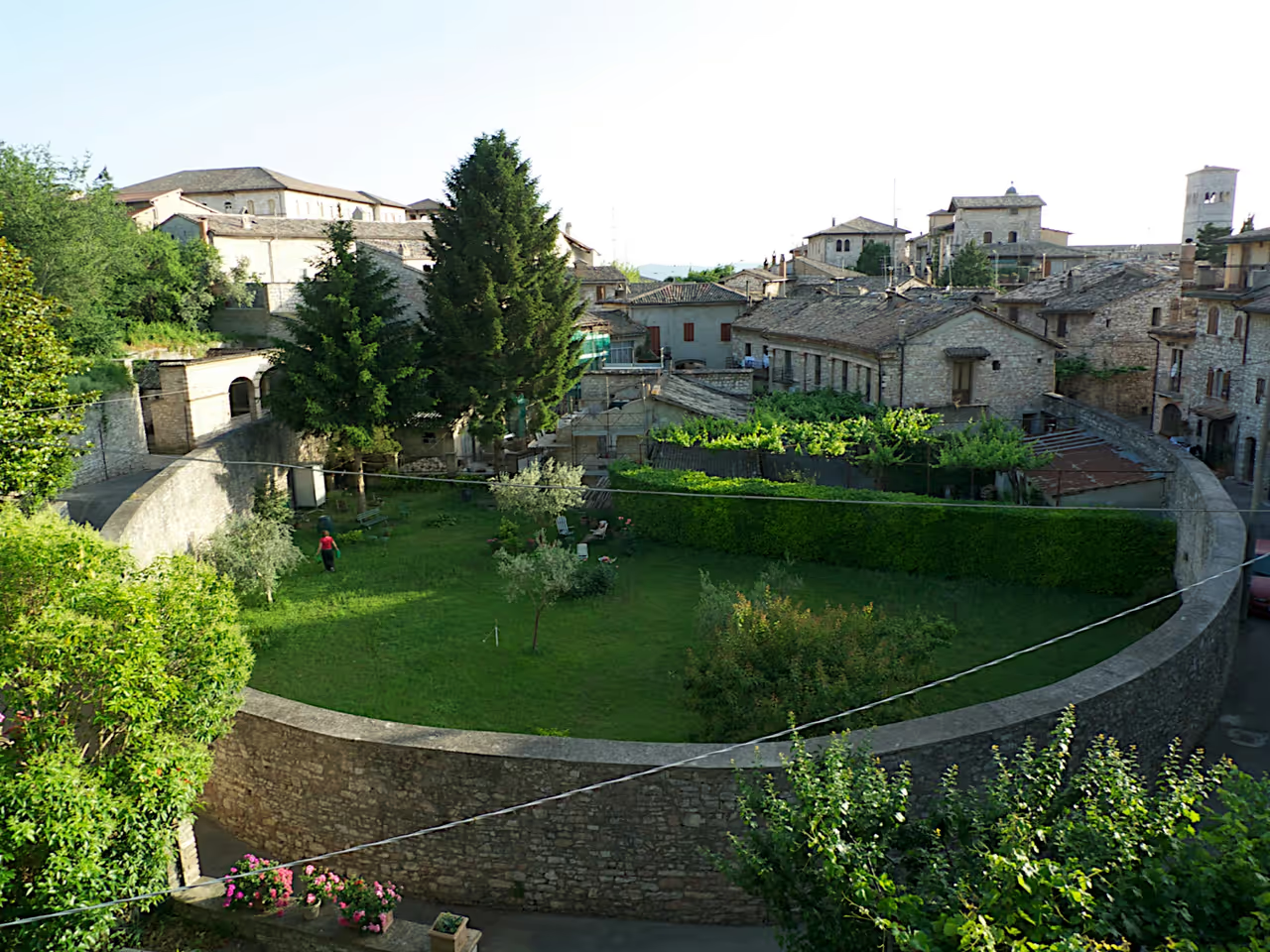
Roman Assisi Beneath the Surface
Long before medieval monks walked these hills, the prosperous Roman municipality of Asisium thrived here, and this tour uncovers its astonishingly intact remnants. The journey highlights the incredible architectural layering of the city, showing how medieval structures were literally built upon classical foundations. Explorers will marvel at massive columns, hidden underground administrative centres, and the ghosts of ancient entertainment venues. It reveals a completely different, pagan facet of a city so globally famous for its Christian heritage. It is an absolutely fascinating dive into archaeology and the enduring resilience of ancient engineering.
view self-guided tour
See all attractions in Assisi
Basilica of Saint Clare, Hermitage of the Carceri, San Rufino Cathedral, Rocca Maggiore...