Church of San Damiano
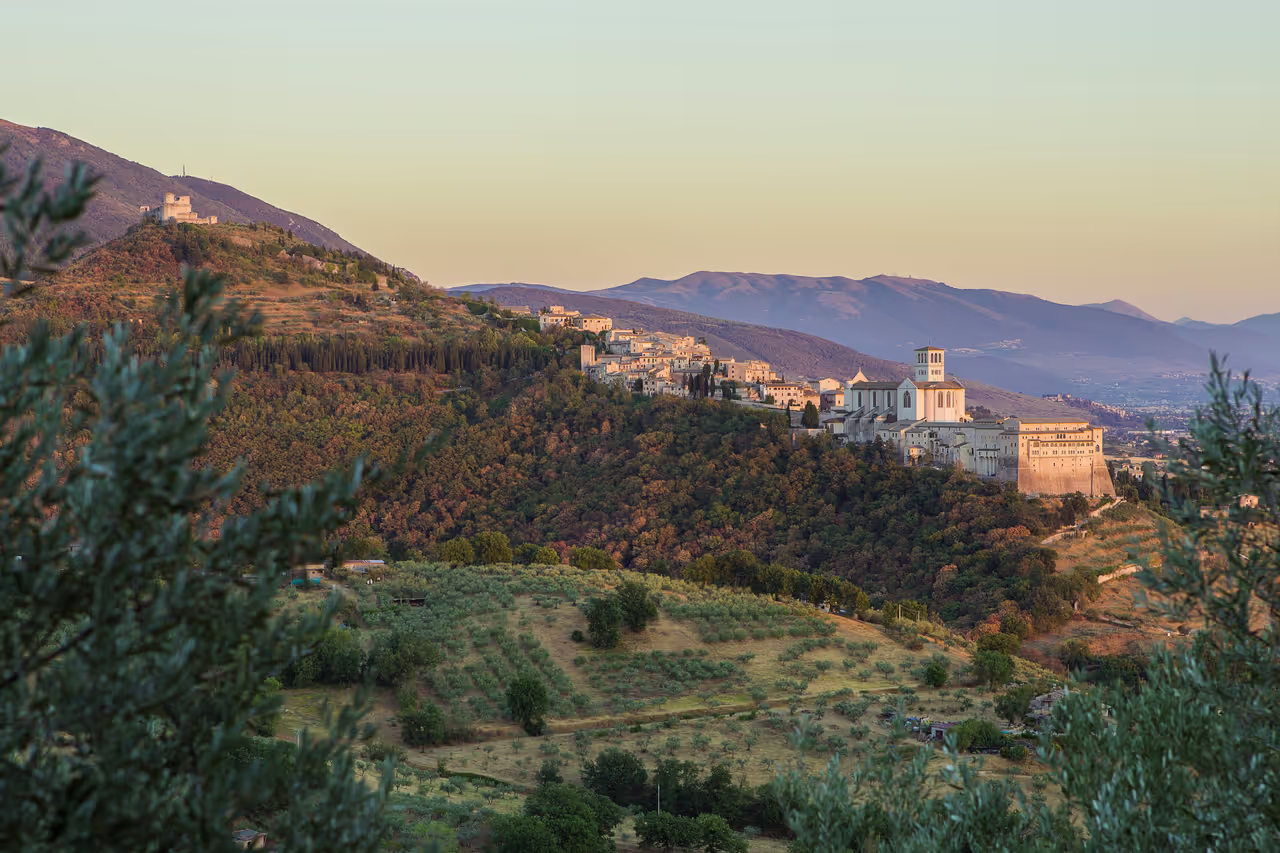
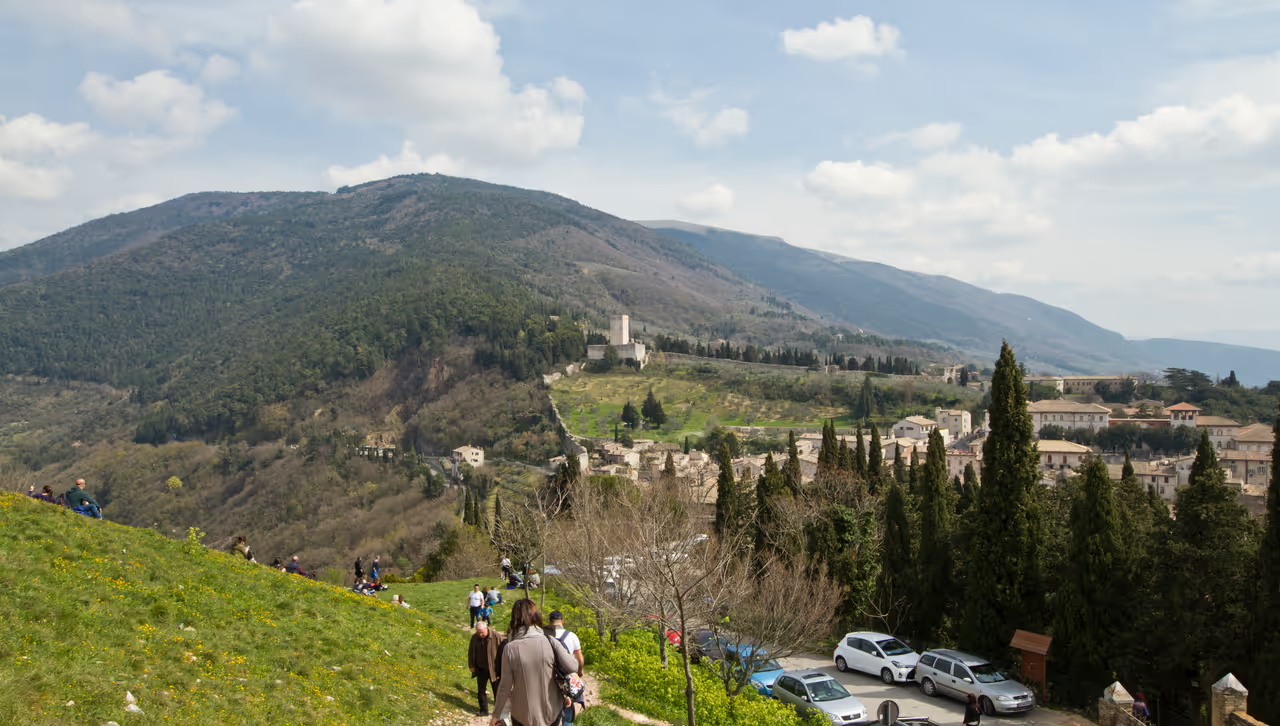
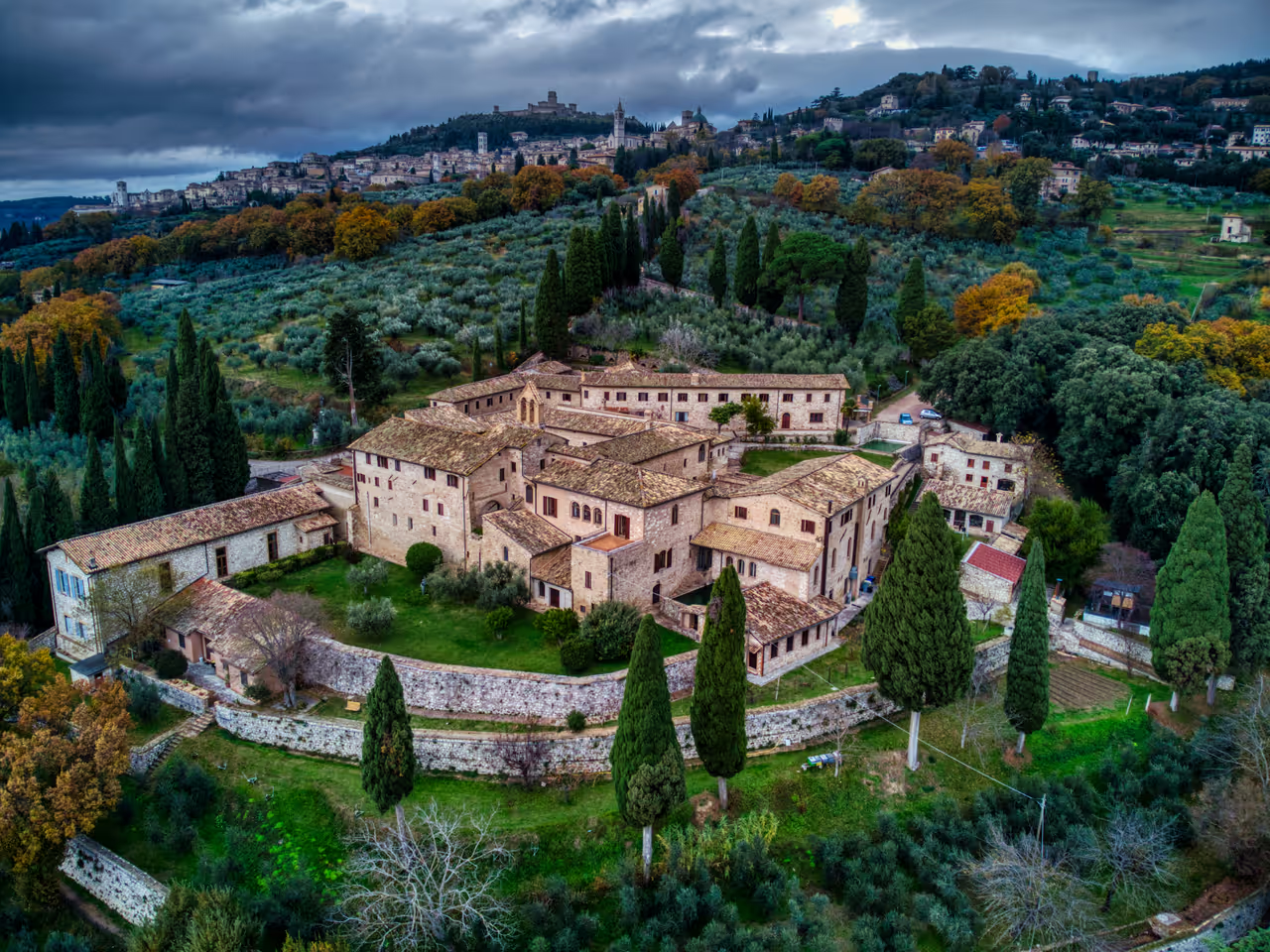
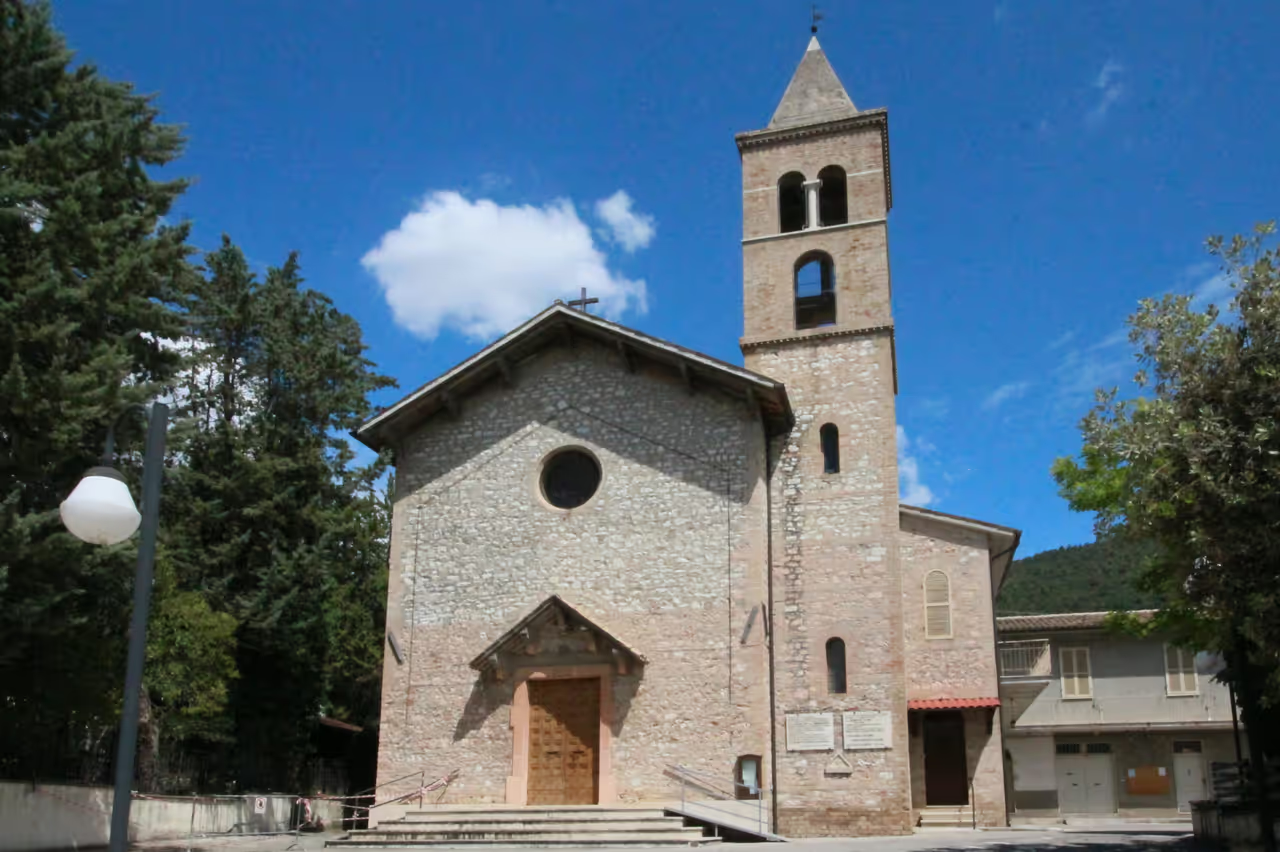
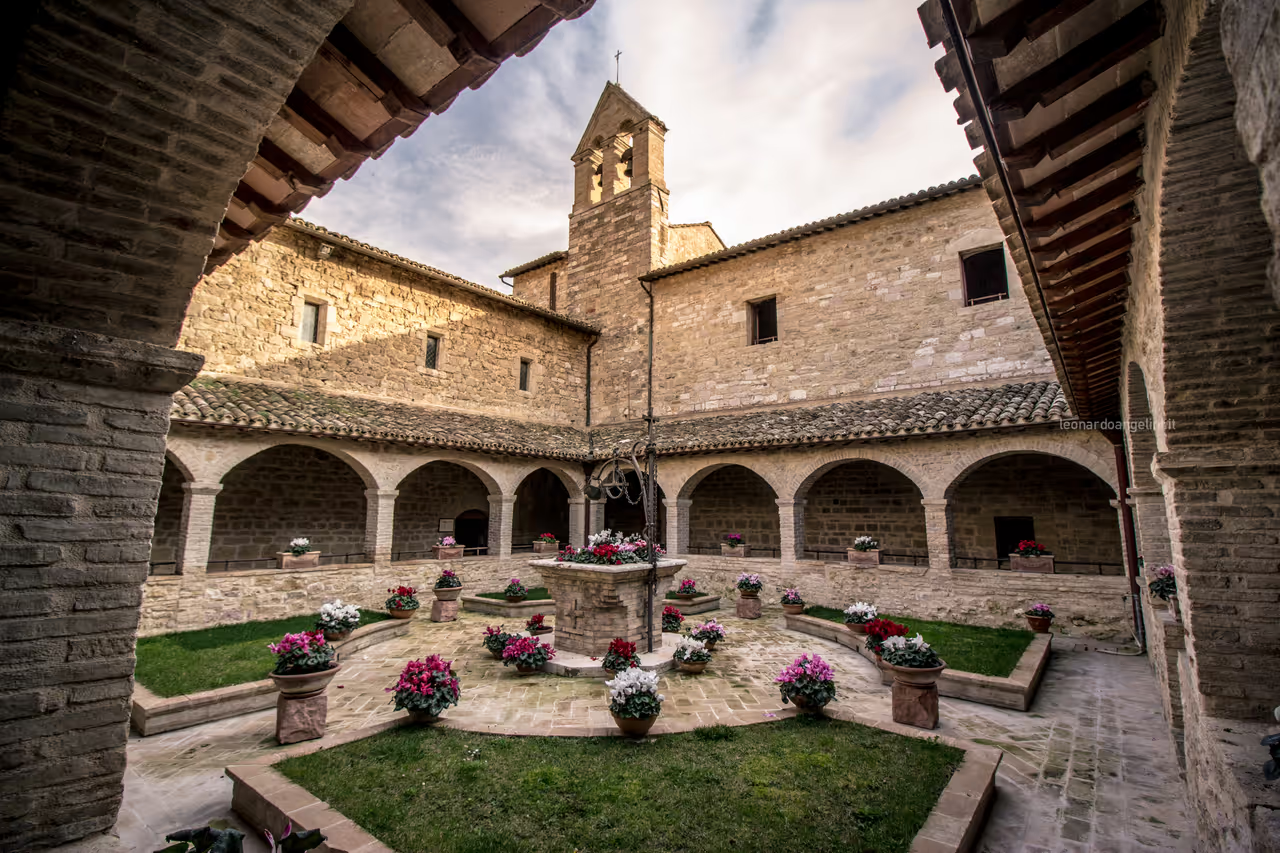
Nestled in the rolling hills just outside the city walls, this modest stone church offers a profound glimpse into the humble beginnings of the Franciscan order. It was here that a young Francis of Assisi heard the crucifix speak to him, setting his life on a new path of faith and poverty. The site carries a tangible sense of peace, inviting visitors to pause in the quiet cloister where Saint Clare and her companions once lived. You can stand in the very spot where Francis composed his joyous Canticle of the Creatures while facing illness and hardship. This church serves as a place where the connection between the earthly and the divine feels remarkably close. Walking its grounds offers a rare chance to step back into the thirteenth century and experience the simple and powerful spirit that changed religious history.
Videos
History of Church of San Damiano
In 1205, a young Francis of Assisi wandered into the crumbling walls of this small church. While praying before a Byzantine crucifix, he heard a divine voice command him to repair the house of God. This singular moment acted as the spark that ignited the Franciscan movement and fundamentally altered the trajectory of the Catholic Church. Francis took the instruction literally at first, dedicating his physical labour to restoring the stone chapel, but he soon realised the request held a deeper spiritual meaning that called him to rebuild the faith itself. Following the conversion of Saint Clare, this site became the cradle of the Second Franciscan Order. In 1212, Clare founded a community of sisters here, living in strict poverty and seclusion. The monastery became a fortress of faith, most famously during the Saracen invasion of 1241. According to tradition, Clare faced the invaders alone with the Blessed Sacrament, and her courage caused the attackers to retreat. This act cemented the reputation of San Damiano as a place where the divine protection of the sisters proved stronger than any military might. Even in his final years, Francis returned to these familiar grounds to find solace. Despite suffering from severe illness and near blindness, he composed the Canticle of the Creatures while staying at the convent. This beautiful poem, which praises the natural world and the creator, emerged from the very space where he had begun his journey. Today, the church remains a testament to that original simplicity. Visitors who walk through the ancient cloister often feel a connection to that distant era, as the quiet atmosphere preserves the spirit of the early Franciscans.
Events spanning 795 years
Fun Facts
- • A wooden crucifix crafted by Innocenzo da Petralia in 1637 remains a significant artistic treasure within a side chapel of the church.
- • Saint Clare passed away within the walls of this convent in 1253, making the site a deeply emotional pilgrimage point for her followers.
- • Saint Clare reportedly saved the monastery from destruction by holding the Blessed Sacrament aloft, forcing Saracen soldiers to flee the cloister.
- • The Canticle of the Creatures, penned by Saint Francis here, is celebrated as the first major work of literature written in the Umbrian dialect of Italian.
- • The architecture follows the simple and austere style favored by the early order, contrasting sharply with the grander basilicas found elsewhere in Assisi.
- • The church and convent were largely derelict when Saint Francis first arrived, which inspired his initial mission to physically repair dilapidated chapels in the region.
- • The cloister retains an incredibly peaceful atmosphere that allows modern visitors to experience the same silence that the early Franciscans cherished.
- • The convent gardens offer spectacular views of the Umbrian valley, serving as a reminder of the natural world that Saint Francis praised in his writings.
- • The crucifix that originally spoke to Saint Francis is a Byzantine style icon, currently housed in the Basilica of Santa Chiara to ensure its preservation.
- • The organ installed in the church was built by the renowned Tamburini firm in 1957, demonstrating that the site remains a functioning space for contemporary liturgy.
- • The site functioned as the first convent for Saint Clare and her followers, who lived in strict poverty and seclusion for nearly five decades.
- • Vincenzo Giorgetti decorated the interior with frescoes in 1591, which include depictions of the life of Saint Clare and other religious themes.
RESOURCES
Official WebsiteChurch of San Damiano FAQ
While we strive to keep this information accurate and up to date, we recommend verifying any details independently before making decisions based on them.
Church of San Damiano Map & Neighborhood Explorer
This interactive map is centered on Church of San Damiano. Zoom in and move the map around to automatically discover Wikipedia photos and summaries of other nearby sights, monuments, and historical points of interest and stories in real-time!
Places near Church of San Damiano
Make the most of your trip. Check out these top-rated spots located nearby.
 608m
608mPorta Nuova Viewpoint
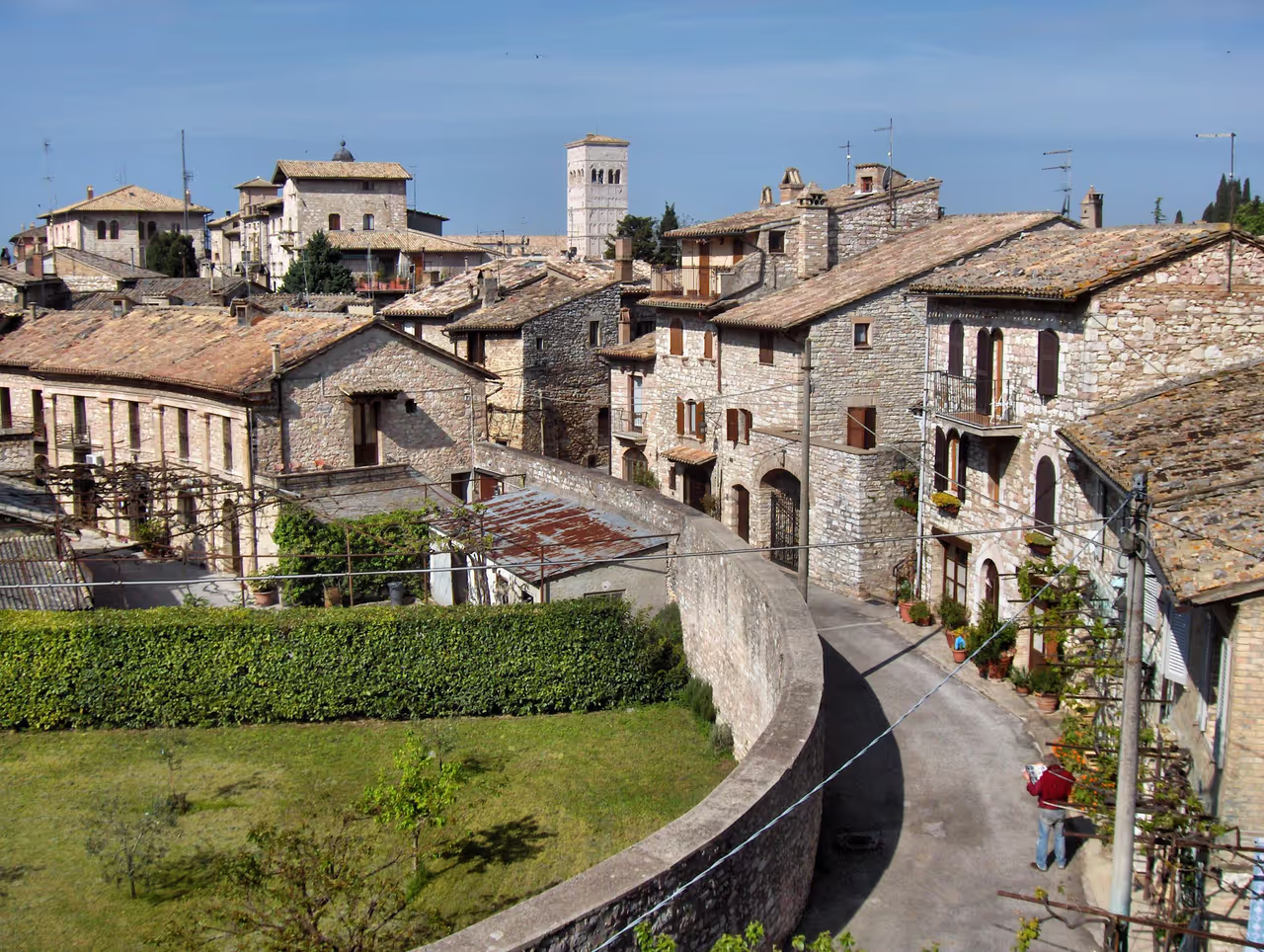
Located just outside the massive medieval city walls, this specific viewpoint offers a brilliant, highly compelling exterior shot of Assisi's imposing fortifications. From here, you can brilliantly capture the steep, dramatic angle of the pink and white stone walls plunging down into the silver olive groves below. It beautifully illustrates the incredibly strategic, highly defensible nature of the hilltop settlement. The contrasting textures of the rough, heavily weathered defensive stones against the soft, highly organic shapes of the surrounding nature make for a stunning composition. It is an excellent spot to capture the broader, environmental context of how the ancient city sits within its landscape.
photo spot view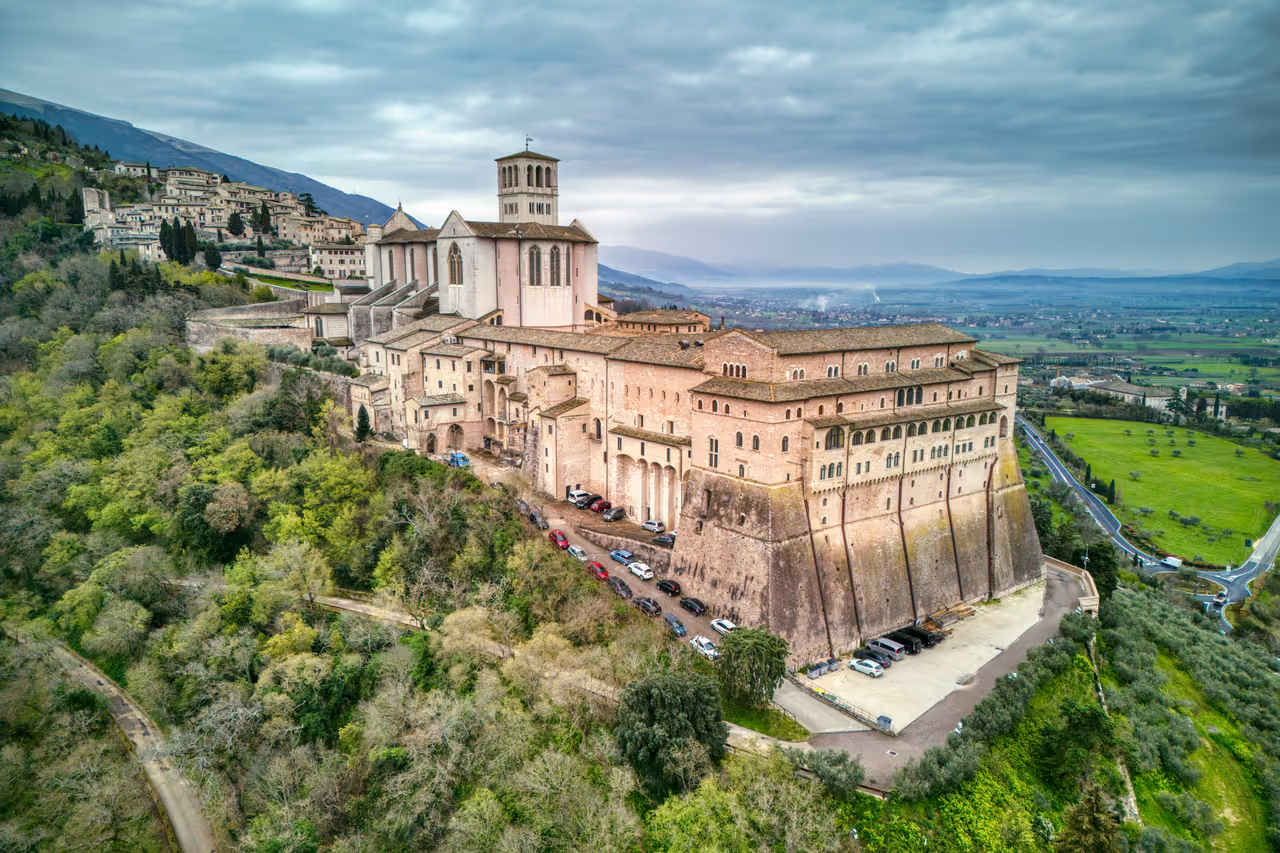 612m
612mBasilica of Saint Francis of Assisi and Other Franciscan Sites
The Basilica of Saint Francis is a breathtaking masterpiece that stands as a beacon of faith and artistic genius in the heart of Umbria. Perched on a hill where it once served as a burial site for society's outcasts, this UNESCO World Heritage Site has been transformed into a glorious symbol of peace and spiritual reflection. Visitors can explore two levels, the lower and upper basilicas, each offering a unique atmosphere and housing legendary frescoes by masters such as Giotto and Cimabue. The site is a deeply moving experience that invites you to walk in the footsteps of a saint whose life changed the world. It remains a powerful symbol of simplicity and beauty, drawing pilgrims and art lovers from every corner of the globe.
unesco heritage site view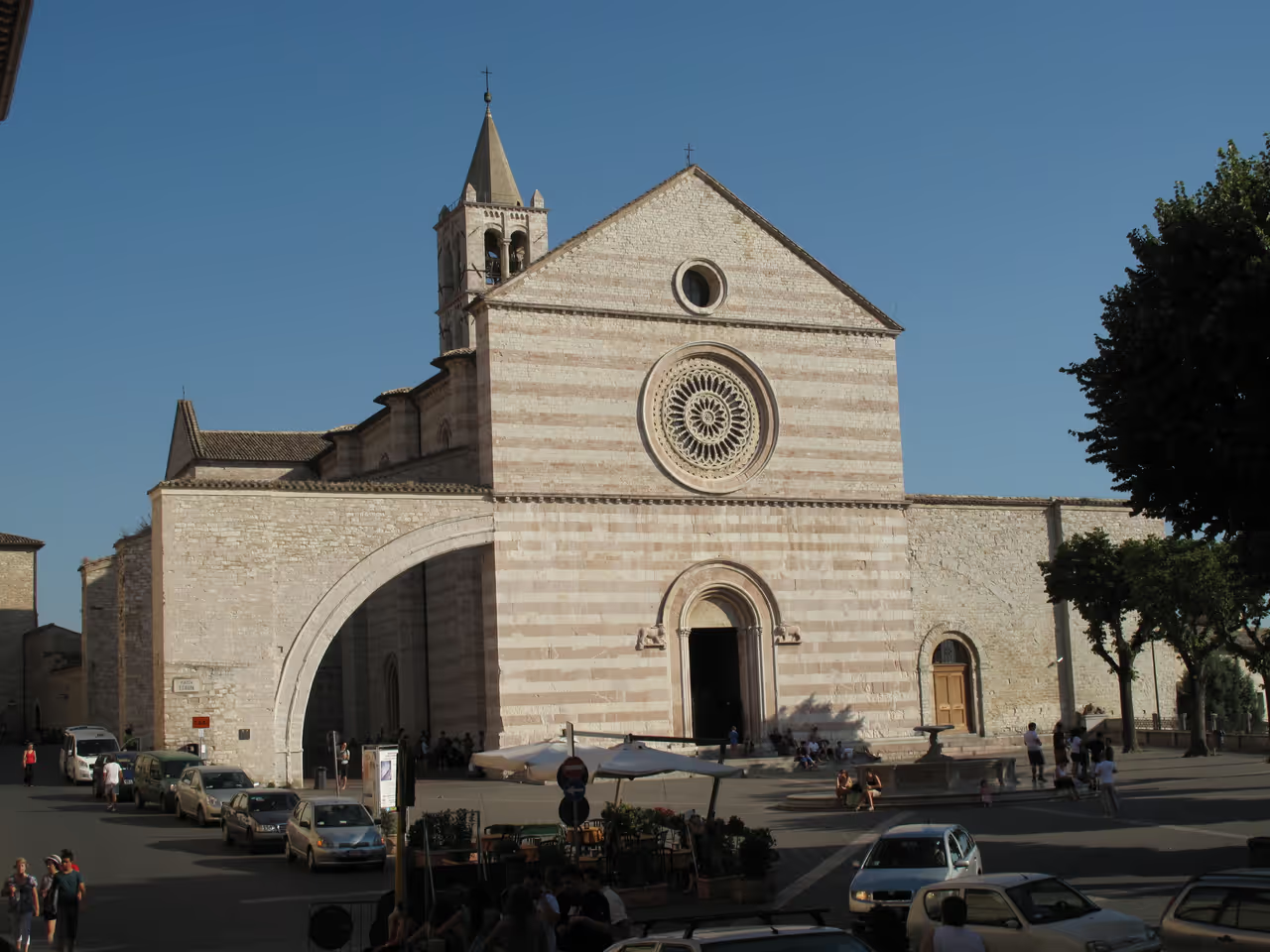 816m
816mBasilica of Saint Clare
The Basilica of Saint Clare stands as a serene and powerful testament to the life and legacy of one of Assisi's most revered figures. With its striking pink and white stone façade and massive, iconic buttresses, this Gothic masterpiece commands attention while maintaining a peaceful presence. Inside, visitors find a space of profound spiritual gravity, housing both the tomb of Saint Clare and the original San Damiano Crucifix that famously spoke to Saint Francis. Whether you are drawn by the rich Franciscan history, the beautifully preserved medieval frescoes, or simply the architectural elegance, a visit here offers a reflective moment amidst the hillside charm of Assisi. It is a place where history feels tactile, bridging the gap between the medieval past and the present day.
attraction view- 816m
Festival of the Vow
This unique and highly specific historical festival commemorates the miraculous event where St. Clare is said to have saved the city from an invading army of Saracens. Held every June, the celebration involves solemn processions and civic ceremonies that highlight the deep bond between the city and its female patron saint. The mayor of Assisi traditionally offers gifts to the Poor Clare nuns in a symbolic gesture of enduring gratitude. The streets are adorned with flowers, and the atmosphere is one of quiet, respectful celebration. It offers a beautiful counterpoint to the male dominated history of the town, putting St. Clare's bravery firmly in the spotlight.
festival view
Explore Similar Places in This Collection
Featured on These Itineraries and Routes
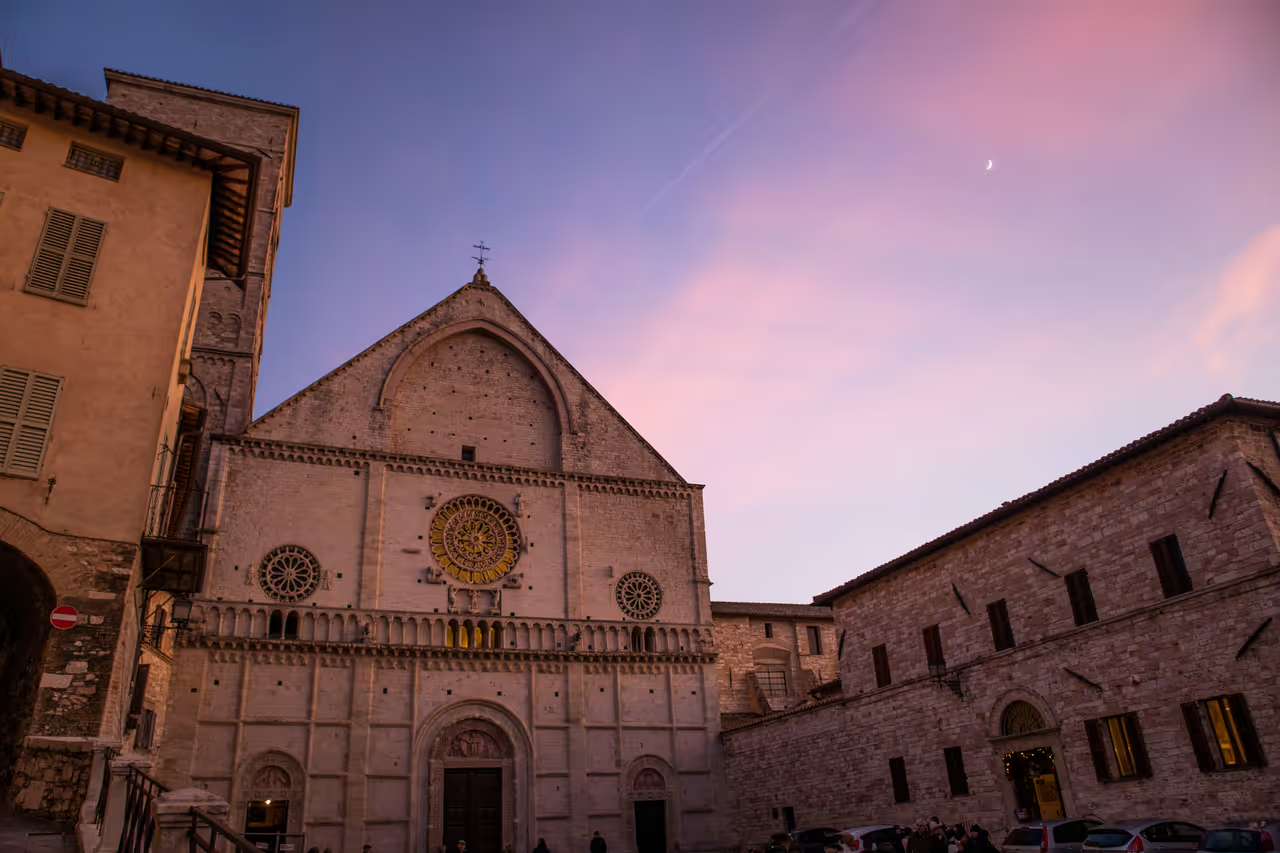
3 Days in Assisi: Spiritual Journey Itinerary
This deeply immersive three day itinerary allows visitors to move beyond the surface level highlights and truly understand the profound historical and spiritual layers of the city. With three days, the pace becomes significantly more relaxed, allowing for quiet contemplation in the incredibly atmospheric cloisters and hidden chapels. The route dedicates a full day to the massive, awe inspiring Franciscan sites, a day to exploring the surprisingly intact ancient Roman city, and a day to connecting with the rugged, beautiful nature that inspired the saints. It provides an incredibly well rounded, highly fulfilling experience that perfectly balances art, history, and the beautiful Umbrian landscape. It is the absolute ideal duration for a thorough, deeply satisfying visit.
view itinerary
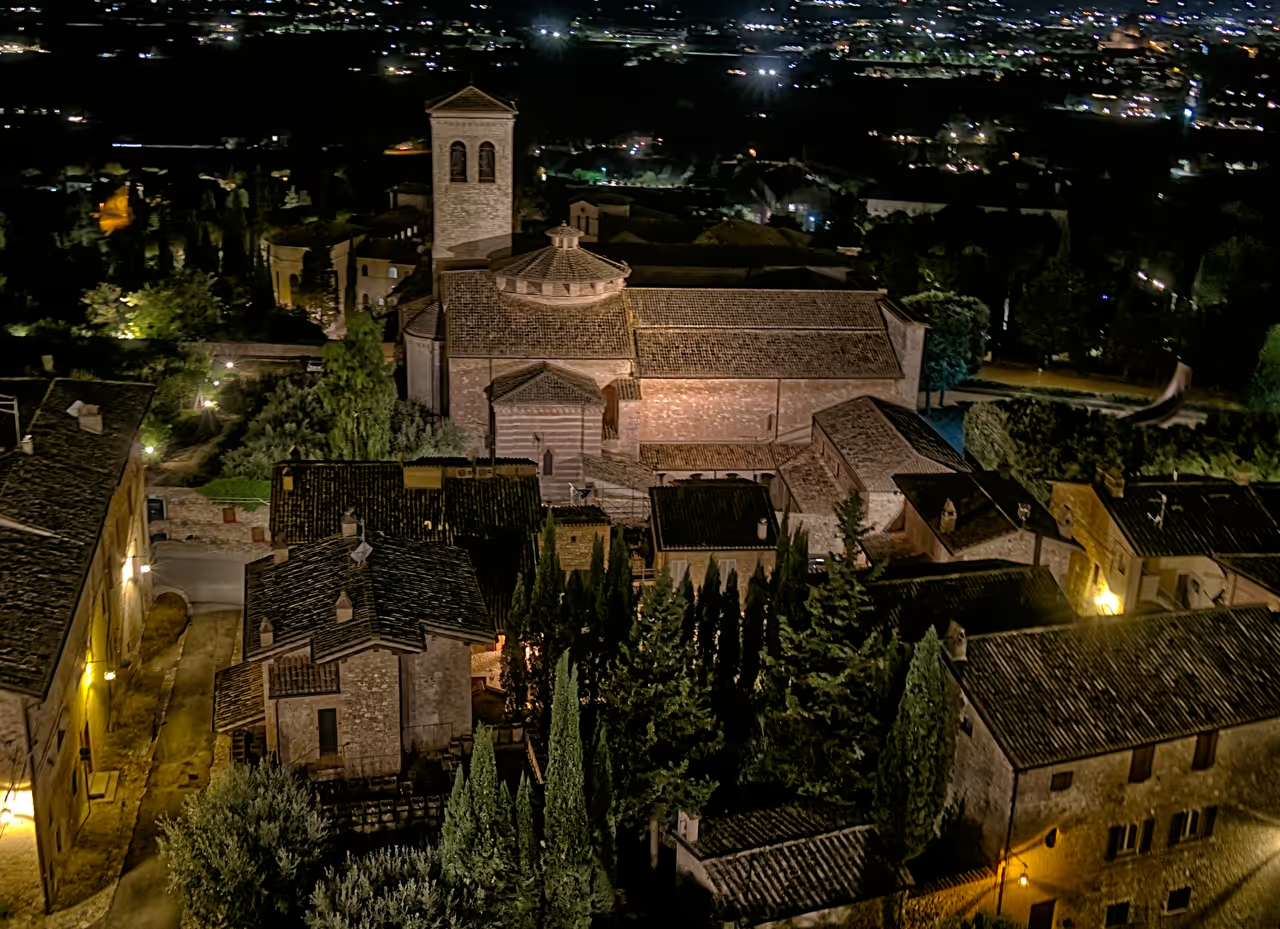
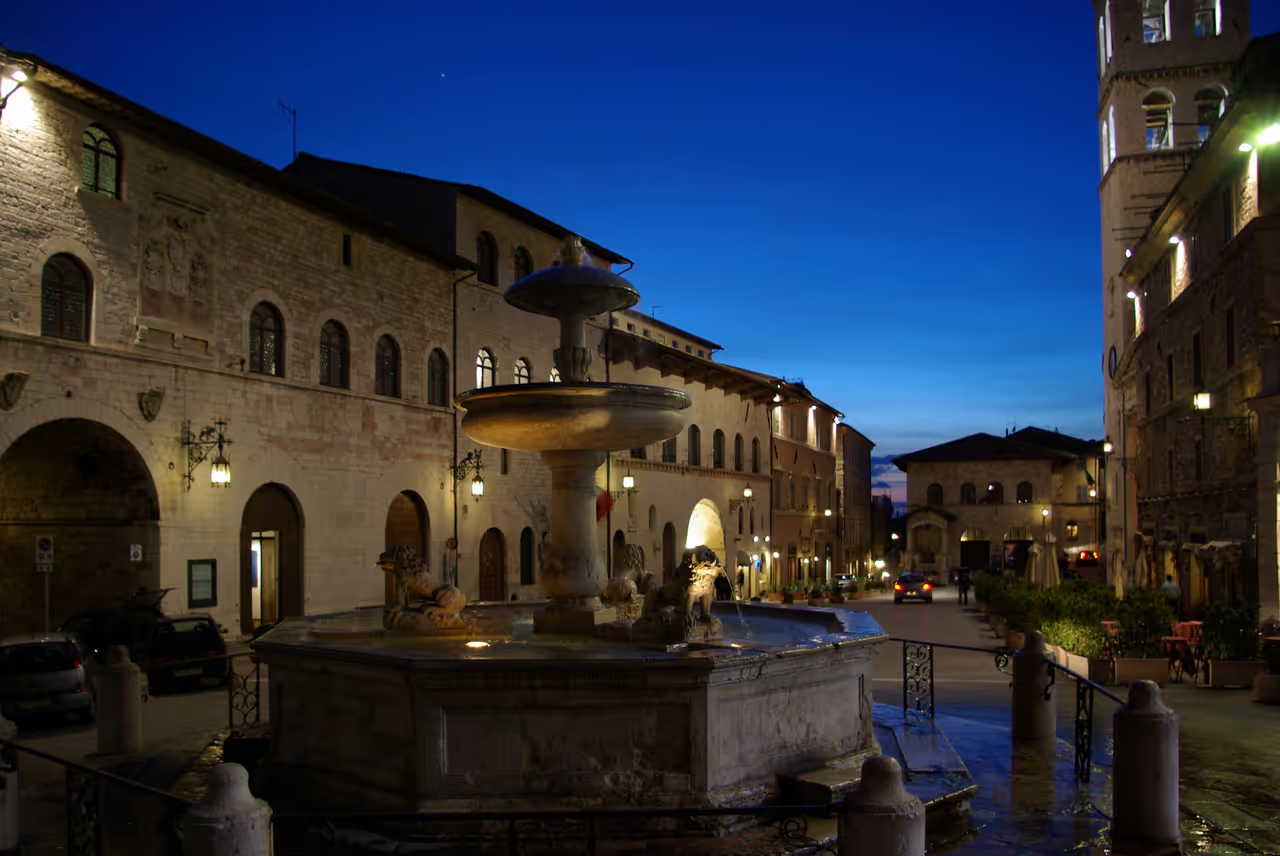
5 Days in Assisi: Complete Exploration Itinerary
For those seeking an incredibly deep, highly comprehensive connection with this timeless city, this extensive five day itinerary leaves absolutely no stone unturned. It allows for a remarkably slow, highly mindful pace, leaving plenty of room to discover the incredibly quiet, hidden gems tucked away in the ancient residential alleys. Beyond the world famous monuments, you will explore secluded monastic courtyards, stunning hidden artworks, and expansive natural woodlands. This extended stay allows you to truly sync with the slow, peaceful rhythm of local Umbrian life, rather than just ticking off a sightseeing checklist. It is the ultimate, deeply transformative way to experience every single nuanced facet of Assisi.
view itinerary
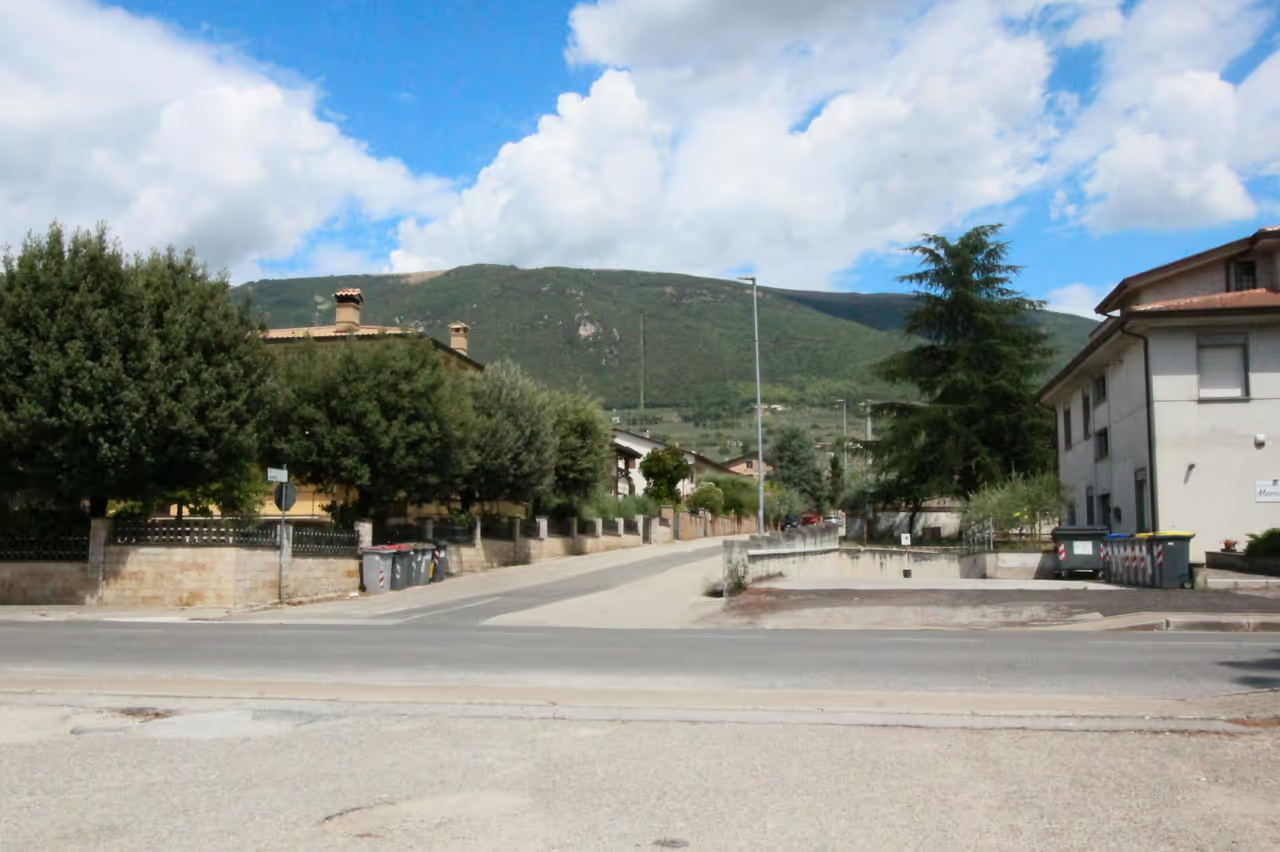
Umbrian Valley Loop
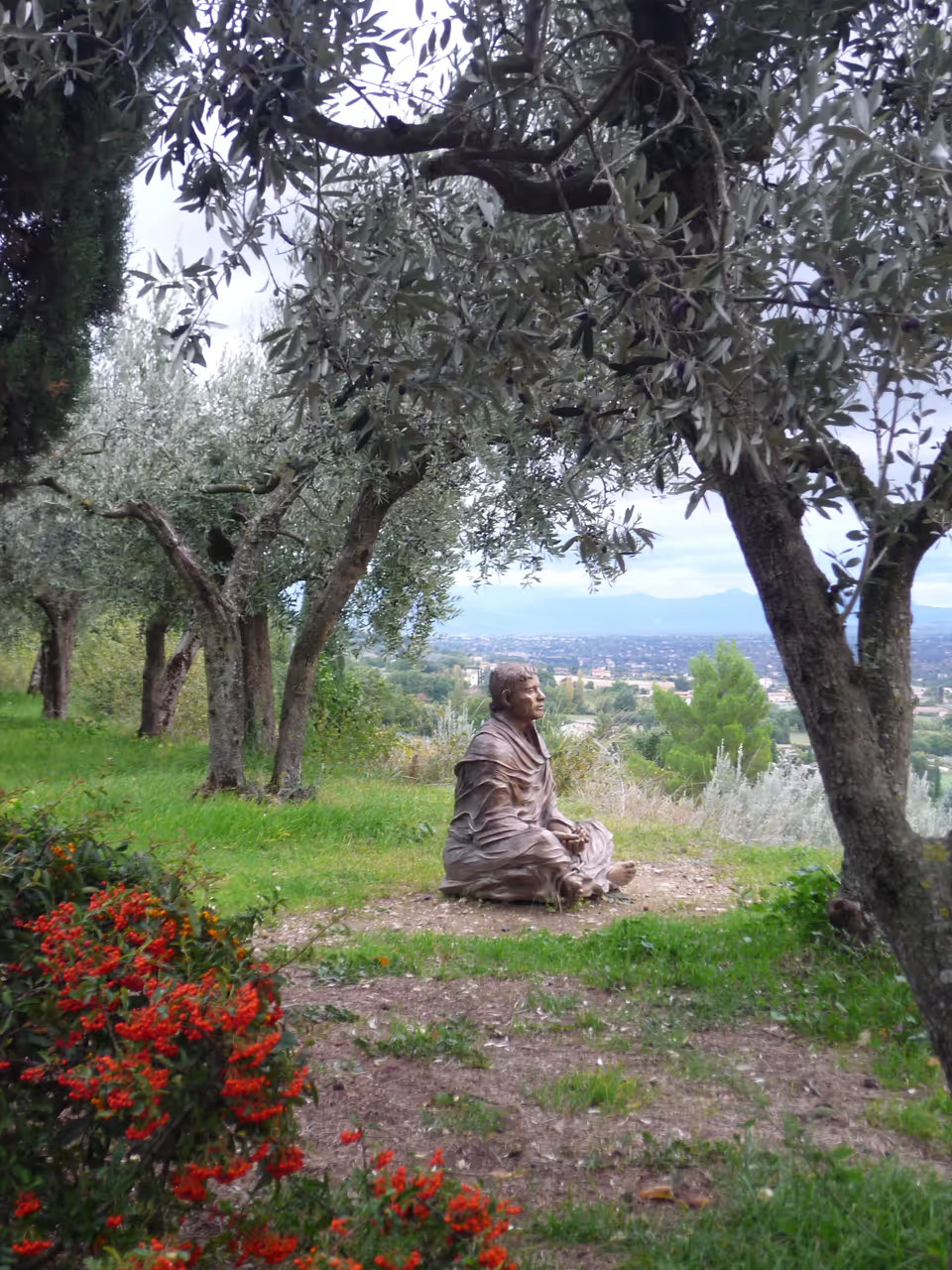
A slightly longer, highly picturesque loop that explores the small, charming hamlets scattered across the lower slopes of Mount Subasio. The route features gentle rolling hills, providing a satisfying sense of momentum without being overly strenuous. Riders pass through deep, shaded woodlands that suddenly open up to reveal vast, sun drenched olive groves. It is an incredibly varied ride visually, showcasing the beautiful transition between the wild mountain terrain and the cultivated valley. It offers a profound sense of isolation and tranquility, far removed from the bustling tourist epicentre.
view cycling route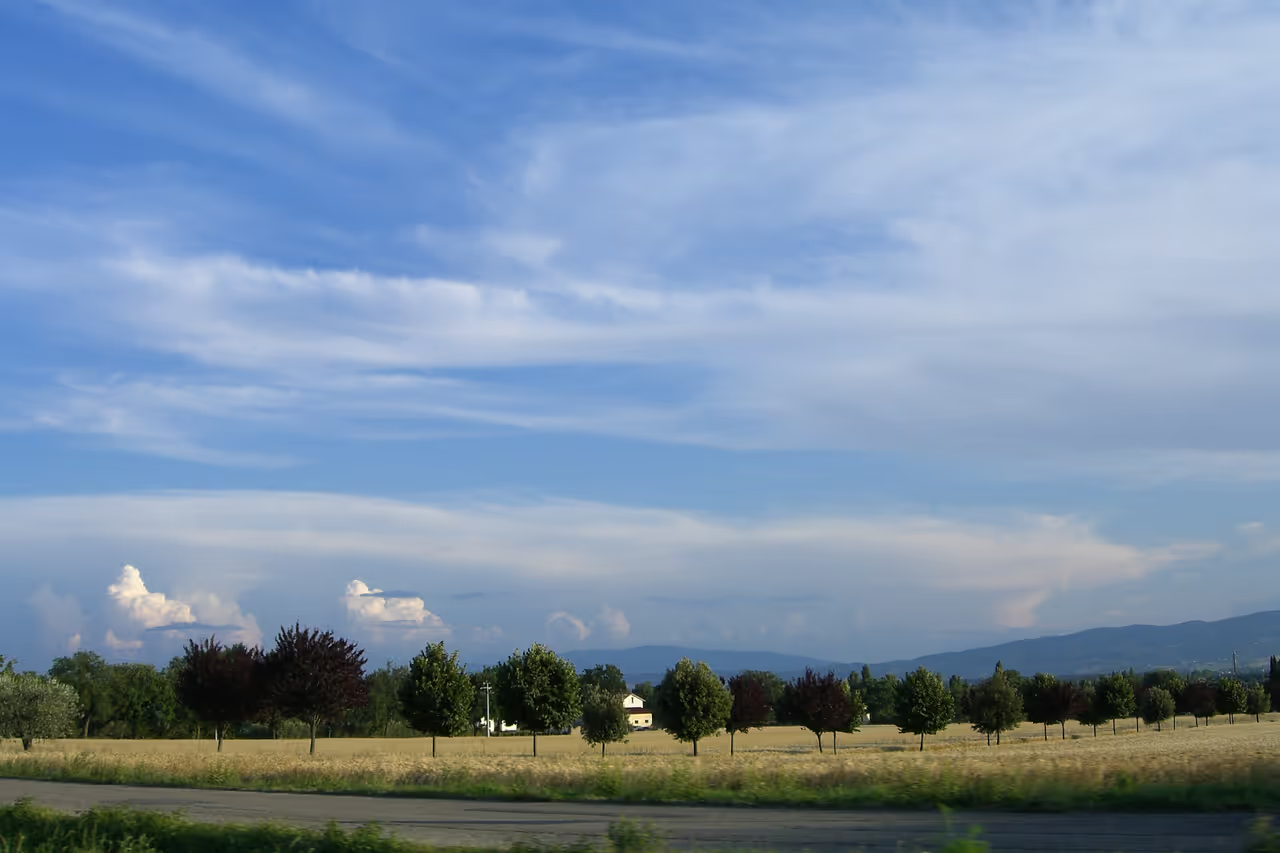
Path to San Damiano
This beautiful stroll takes you out of the city walls and descends gently into the incredibly lush, silvery olive groves that cling to the hillside. The path feels deeply restorative, transitioning smoothly from dense urban stonework into wide open natural tranquility. The air is fresh, often carrying the scent of pine and wild herbs, while the sounds of the city quickly fade away into birdsong. Walking this route allows you to appreciate the dramatic topography of Assisi from the outside, looking back up at the imposing defensive walls. It is a highly meditative journey that perfectly prepares the mind for visiting one of the most sacred sites in the region.
view walking route
See all nature & parks in Assisi
Forest of Saint Francis, Mount Subasio, Santa Maria degli Angeli...