Basilica of Saint Francis of Assisi and Other Franciscan Sites
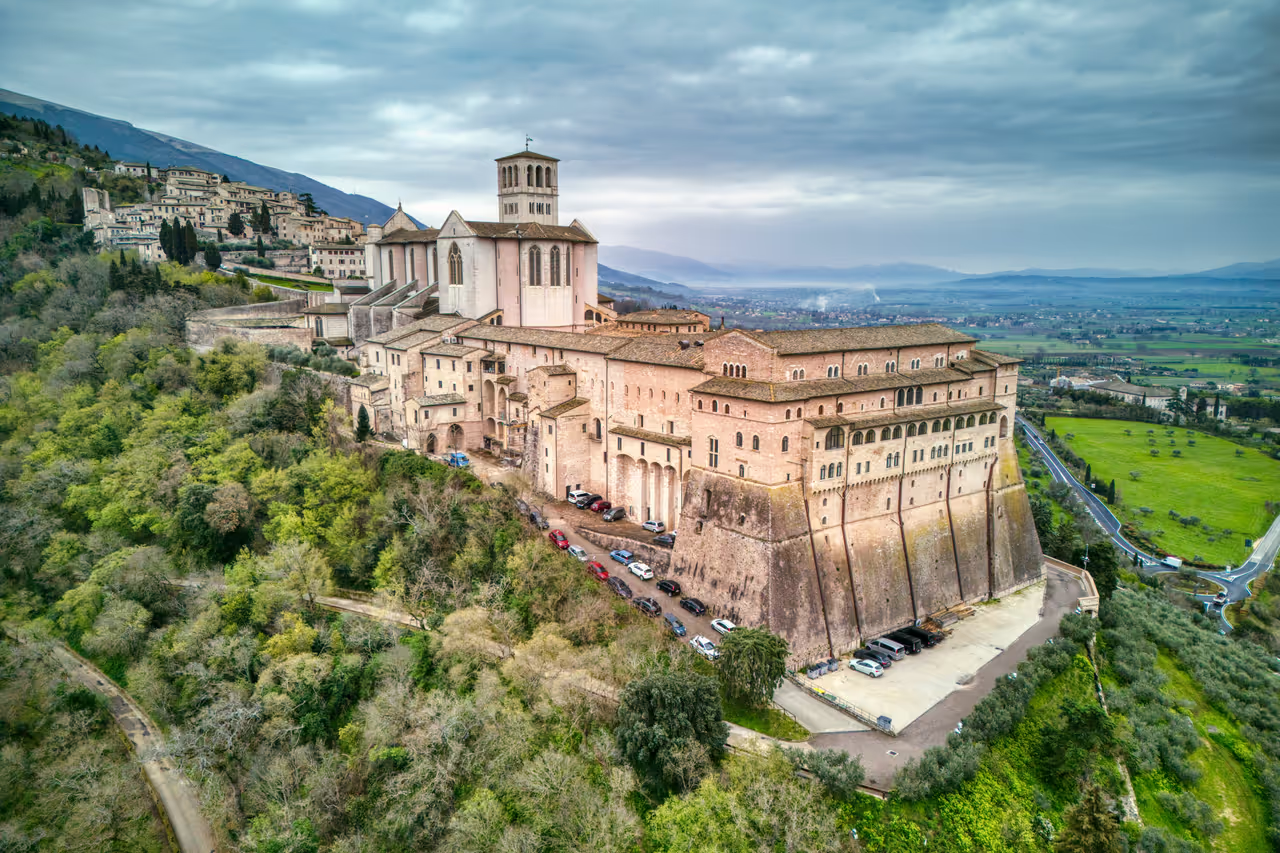
The Basilica of Saint Francis is a breathtaking masterpiece that stands as a beacon of faith and artistic genius in the heart of Umbria. Perched on a hill where it once served as a burial site for society's outcasts, this UNESCO World Heritage Site has been transformed into a glorious symbol of peace and spiritual reflection. Visitors can explore two levels, the lower and upper basilicas, each offering a unique atmosphere and housing legendary frescoes by masters such as Giotto and Cimabue. The site is a deeply moving experience that invites you to walk in the footsteps of a saint whose life changed the world. It remains a powerful symbol of simplicity and beauty, drawing pilgrims and art lovers from every corner of the globe.
Videos
History of Basilica of Saint Francis of Assisi and Other Franciscan Sites
The history of the Basilica of Saint Francis began with a deliberate transformation of space. In 1228, just two years after the passing of the saint, Pope Gregory IX and Friar Elias of Cortona chose a site known locally as the Hill of Hell, a bleak location used for public executions, to build a final resting place for the founder of the Franciscan Order. By commissioning the construction of this grand edifice, they effectively reclaimed the land, renaming it the Hill of Paradise and signalling a new chapter for the Franciscan movement that would eventually span the globe. The architectural design evolved into a daring experiment that bridged the medieval and the Renaissance worlds. The basilica was split into two levels, creating a complex interplay of darkness and light. The lower church, with its low ceilings and heavy arches, provided a somber, tomb like atmosphere suitable for quiet prayer, while the upper church used the verticality of Gothic architecture to draw the eyes toward heaven. This structure became a canvas for the greatest artists of the era, most notably Cimabue and Giotto, who used frescoes to tell the story of the saint. Their work transformed the walls into a visual sermon, teaching the illiterate masses about theology and history in a way that had never been seen before. Over the centuries, the basilica has weathered war, theft, and the forces of nature, standing as a resilient witness to history. The most harrowing test came in 1997 when a major earthquake struck, causing severe damage to the historic structure and threatening to erase centuries of artistic heritage. The subsequent recovery was a triumph of human ingenuity and dedication, as experts from across the world collaborated to salvage the shattered remnants of the frescoes. Today, the basilica stands not only as a monument to Saint Francis but as a symbol of human perseverance, continuing to inspire pilgrims and art lovers who come to stand in the quiet beauty of these ancient halls.
Events spanning 772 years
Fun Facts
- • Architectural experts believe the construction of the basilica was influenced by Gothic styles from France, which was an unusual and bold choice for an Italian building at the time.
- • During the restoration following the 1997 earthquake, art experts recovered thousands of painted plaster fragments, meticulously piecing them back together like a massive puzzle to save the damaged frescoes.
- • For nearly six hundred years, the tomb of Saint Francis remained hidden from the public to protect his remains from medieval relic hunters, only to be rediscovered under the main altar in 1818.
- • Saint Francis was proclaimed the Patron Saint of Italy in 1939, an event that solidified the basilica's role as a national sanctuary.
- • The 1997 earthquake caused the collapse of the vault of the first bay, tragically resulting in the death of four people, including two friars and two technicians who were working to save the art.
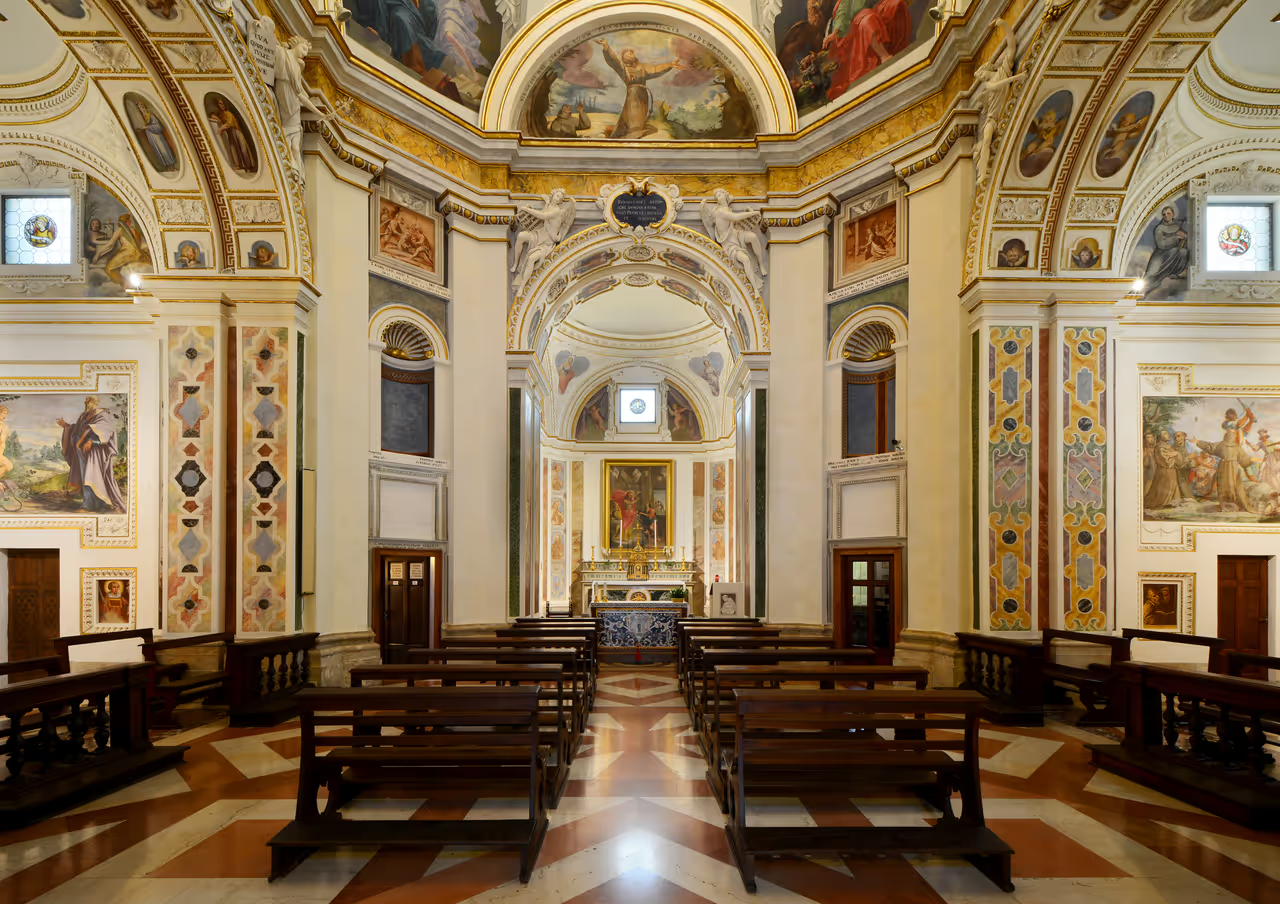
- • The basilica consists of two churches built on top of each other, representing two different architectural philosophies: the somber, Romanesque lower church and the soaring, Gothic upper church.
- • The basilica houses the remains of four of the earliest companions of Saint Francis, including Brother Leone and Brother Rufino, who are buried in the corners of the crypt.
- • The basilica serves as a Papal Chapel, meaning it is under the direct jurisdiction and protection of the Pope himself rather than the local diocese for most of its history.
- • The church was designed as a Biblia Pauperum, or a Bible for the poor, ensuring that even those who could not read could understand the scriptures through the vivid and detailed frescoes.
- • The hill where the basilica stands was originally known as the Hill of Hell because it served as the execution ground for criminals, but it was renamed the Hill of Paradise after the construction began.
- • The stained glass windows of the basilica represent one of the most complete and important collections of 13th century medieval glass in all of Italy.
- • The walls of the upper basilica feature the famous cycle of twenty eight scenes depicting the life of Saint Francis, a landmark achievement traditionally attributed to the young Giotto.
RESOURCES
Heritage UNESCO SiteBasilica of Saint Francis of Assisi and Other Franciscan Sites FAQ
While we strive to keep this information accurate and up to date, we recommend verifying any details independently before making decisions based on them.
Basilica of Saint Francis of Assisi and Other Franciscan Sites Map & Neighborhood Explorer
This interactive map is centered on Basilica of Saint Francis of Assisi and Other Franciscan Sites. Zoom in and move the map around to automatically discover Wikipedia photos and summaries of other nearby sights, monuments, and historical points of interest and stories in real-time!
Places near Basilica of Saint Francis of Assisi and Other Franciscan Sites
Make the most of your trip. Check out these top-rated spots located nearby.
 277m
277mPorta Nuova Viewpoint
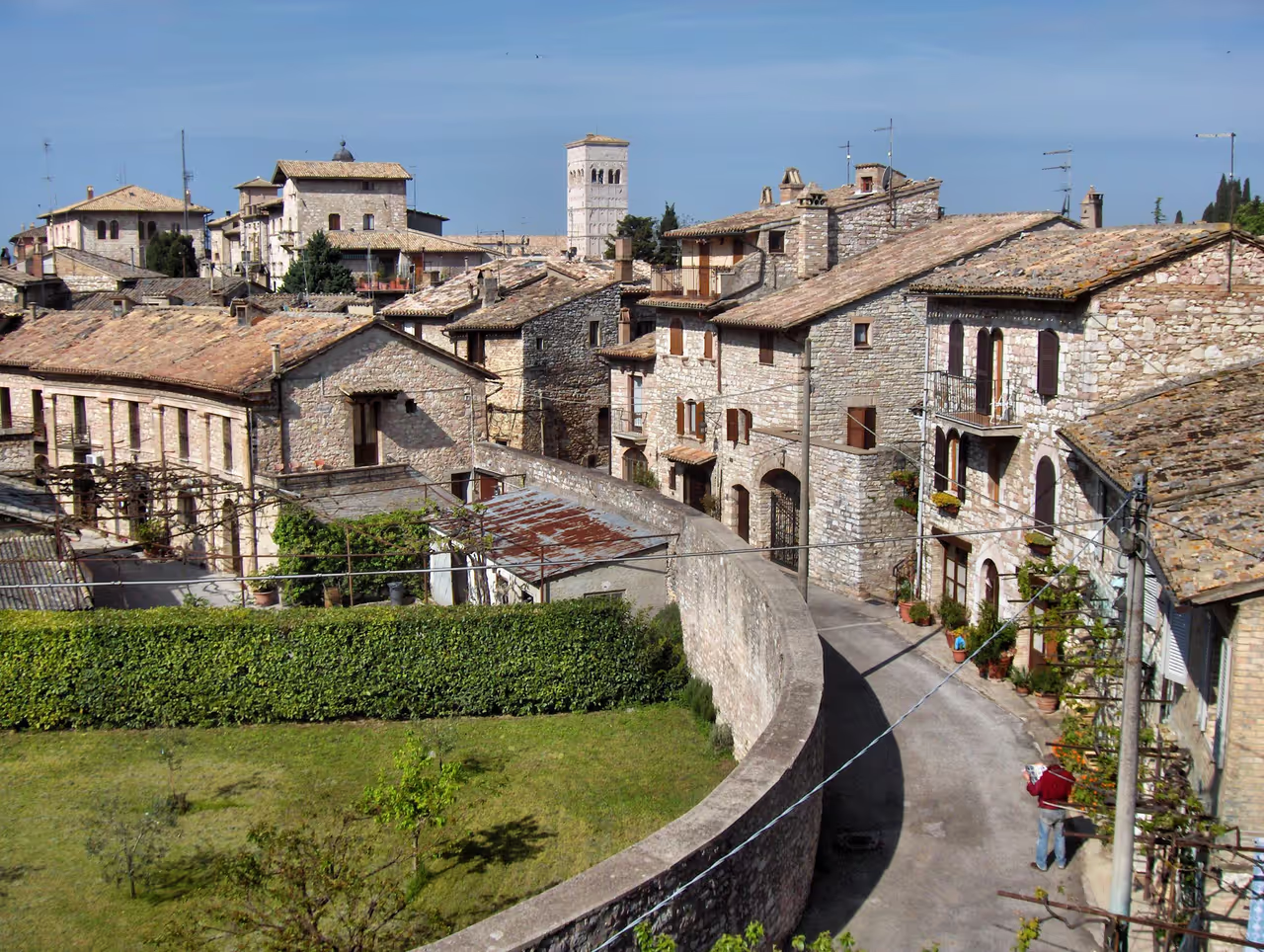
Located just outside the massive medieval city walls, this specific viewpoint offers a brilliant, highly compelling exterior shot of Assisi's imposing fortifications. From here, you can brilliantly capture the steep, dramatic angle of the pink and white stone walls plunging down into the silver olive groves below. It beautifully illustrates the incredibly strategic, highly defensible nature of the hilltop settlement. The contrasting textures of the rough, heavily weathered defensive stones against the soft, highly organic shapes of the surrounding nature make for a stunning composition. It is an excellent spot to capture the broader, environmental context of how the ancient city sits within its landscape.
photo spot view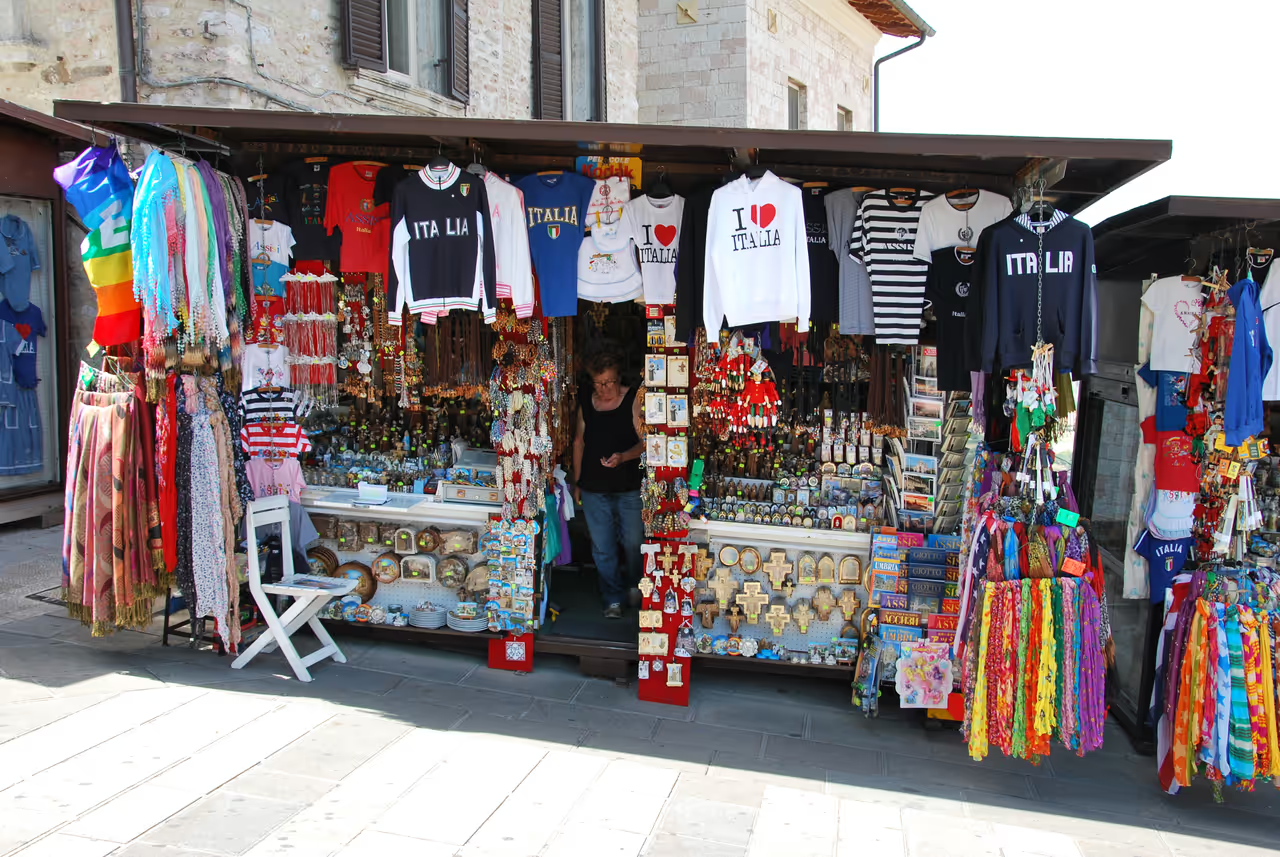 523m
523mAssisi Antique Market
Held periodically on the second Sunday of the month, this charming antique and craft market transforms the historic squares of Assisi into a treasure hunter's paradise. Vendors from across the region display an eclectic mix of vintage Italian homewares, old religious icons, rare books, and beautifully restored wooden furniture. The backdrop of medieval stone buildings adds a unique layer of atmosphere to the browsing experience. Even if you are not looking to buy, it is fascinating to see the historical artefacts and artistic creations on display. It is the perfect place to find a truly unique, one of a kind souvenir from your Umbrian travels.
market view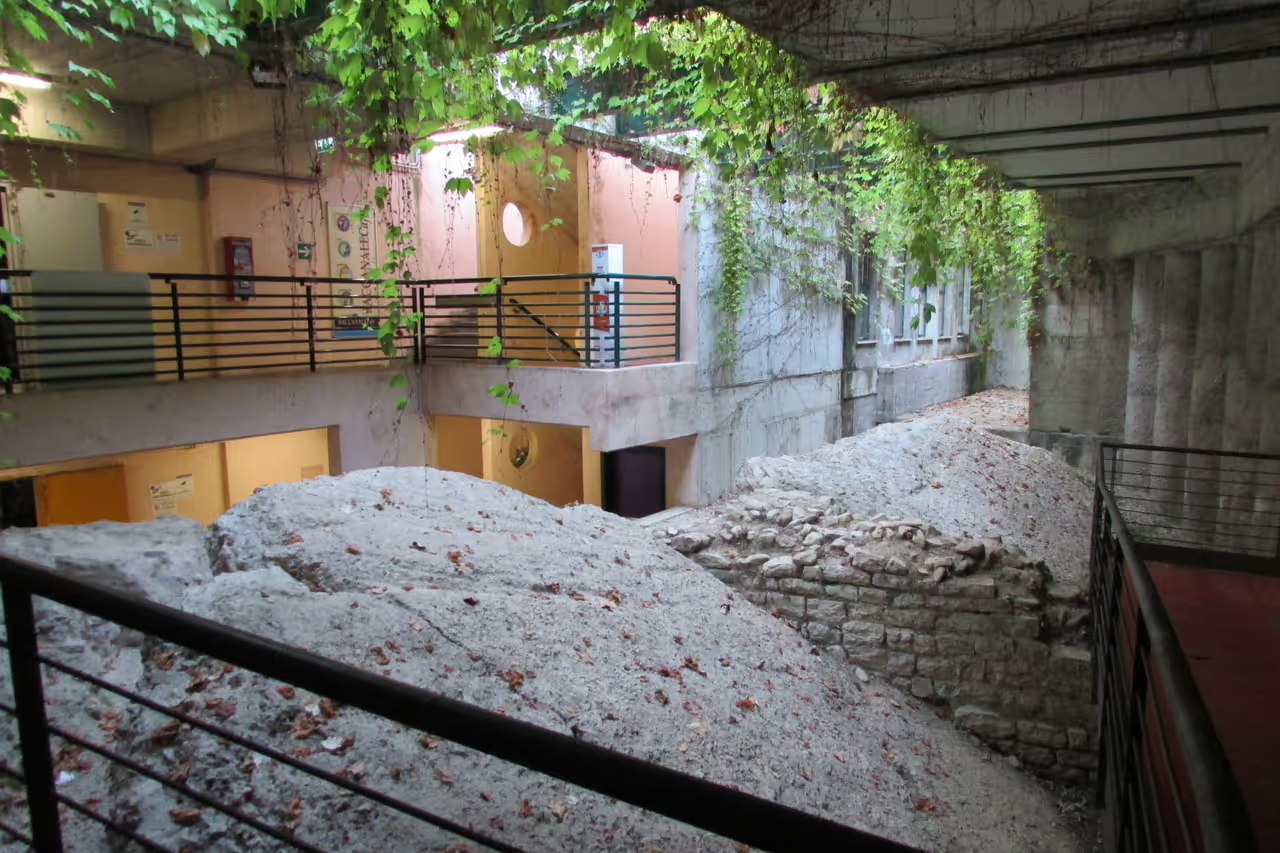 529m
529mPiazza Matteotti Environs
Situated at the very top of the town, this area serves as a lively entry point for many visitors but transforms into a great local hangout by night. It features beloved local spots like Finnegans Pub, which offers excellent pizza and a surprisingly robust selection of drinks for a small medieval town. The atmosphere here is decidedly unpretentious and friendly, drawing in both weary travellers finishing their day and locals starting their night. Sitting outside here provides a cool evening breeze thanks to the higher elevation. It is one of the few places in the upper town where the energy stays high well into the late hours.
nightlife view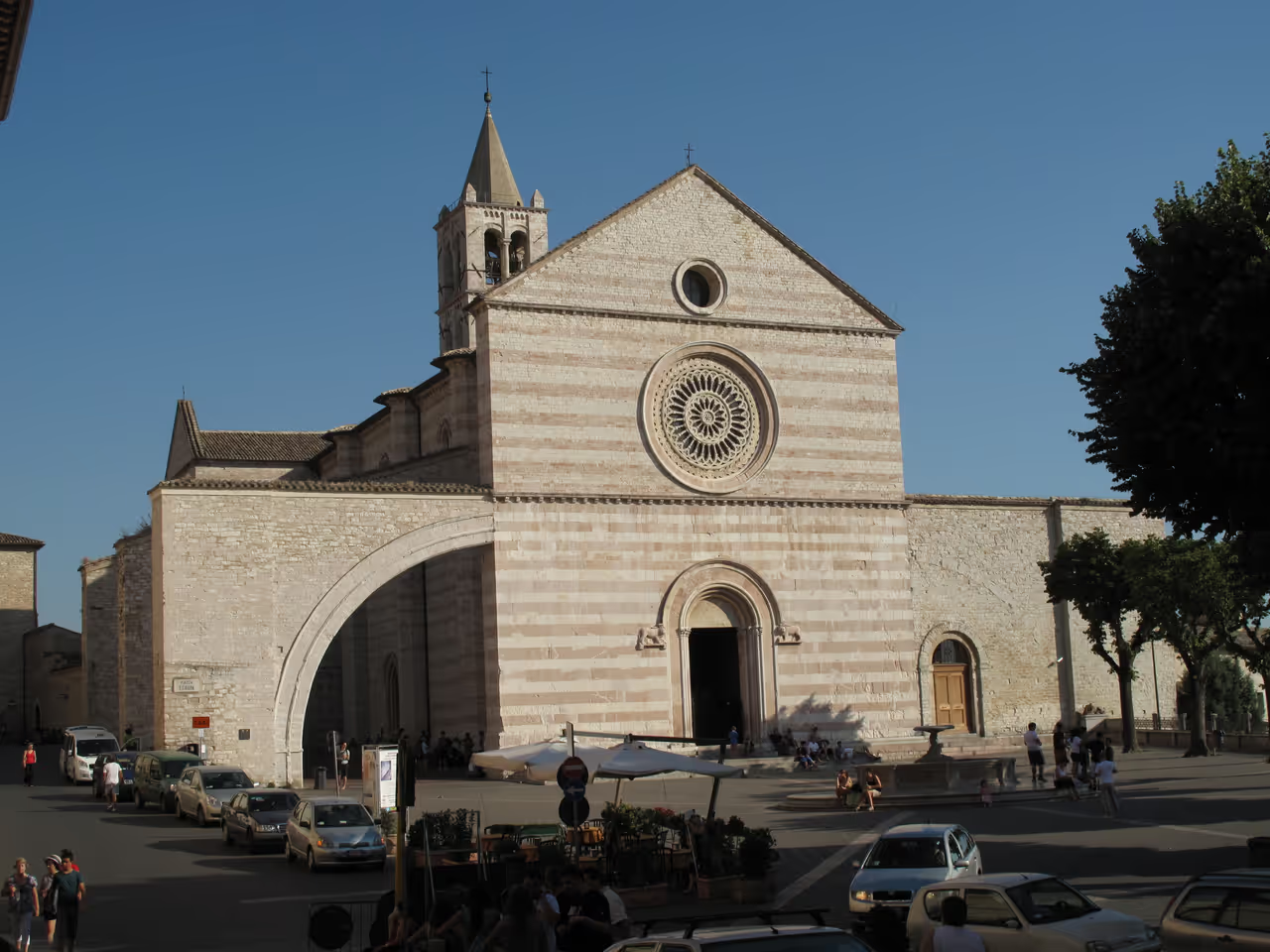 541m
541mBasilica of Saint Clare
The Basilica of Saint Clare stands as a serene and powerful testament to the life and legacy of one of Assisi's most revered figures. With its striking pink and white stone façade and massive, iconic buttresses, this Gothic masterpiece commands attention while maintaining a peaceful presence. Inside, visitors find a space of profound spiritual gravity, housing both the tomb of Saint Clare and the original San Damiano Crucifix that famously spoke to Saint Francis. Whether you are drawn by the rich Franciscan history, the beautifully preserved medieval frescoes, or simply the architectural elegance, a visit here offers a reflective moment amidst the hillside charm of Assisi. It is a place where history feels tactile, bridging the gap between the medieval past and the present day.
attraction view
Featured on These Itineraries and Routes
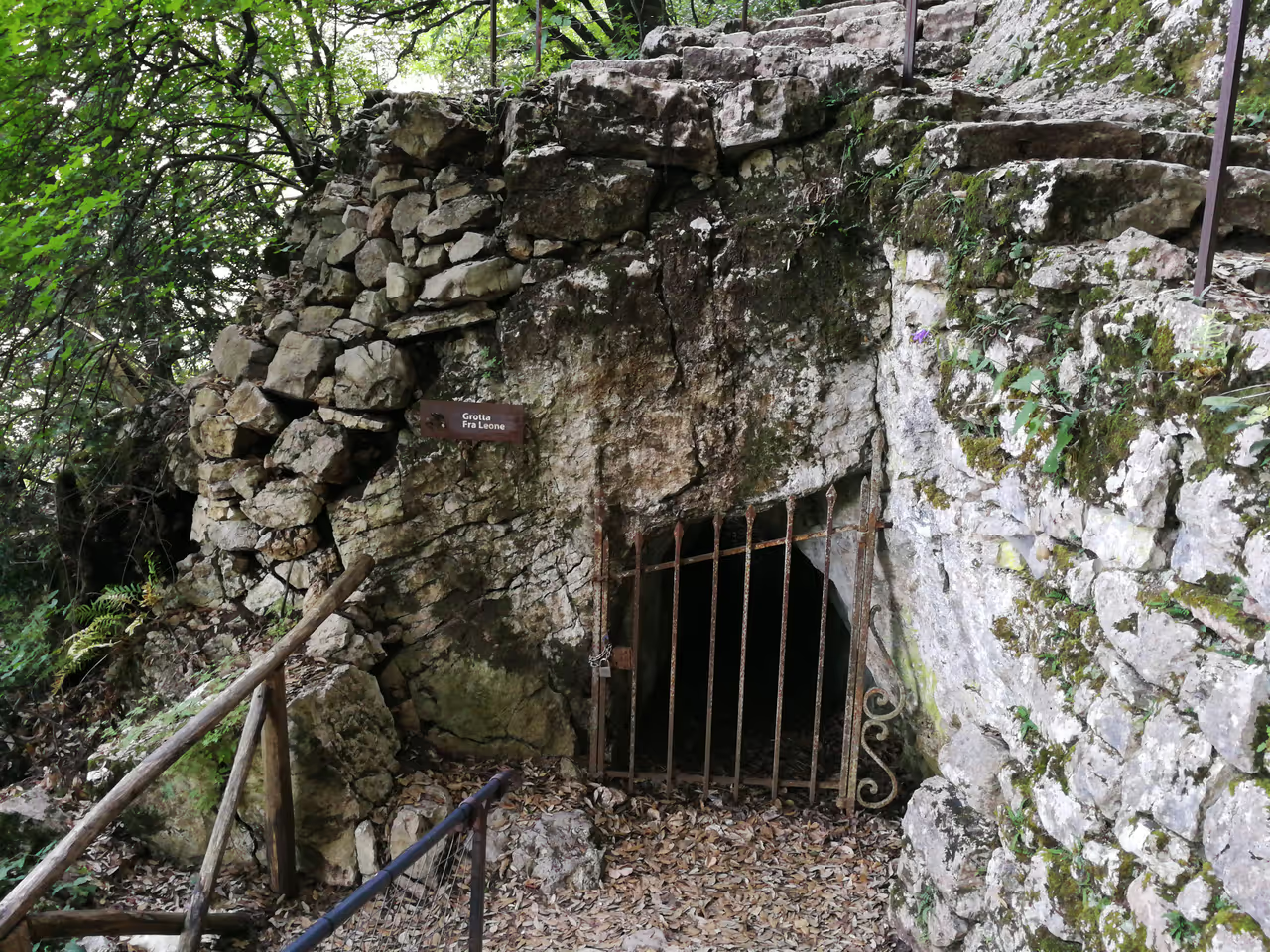
3 Days in Assisi: Spiritual Journey Itinerary
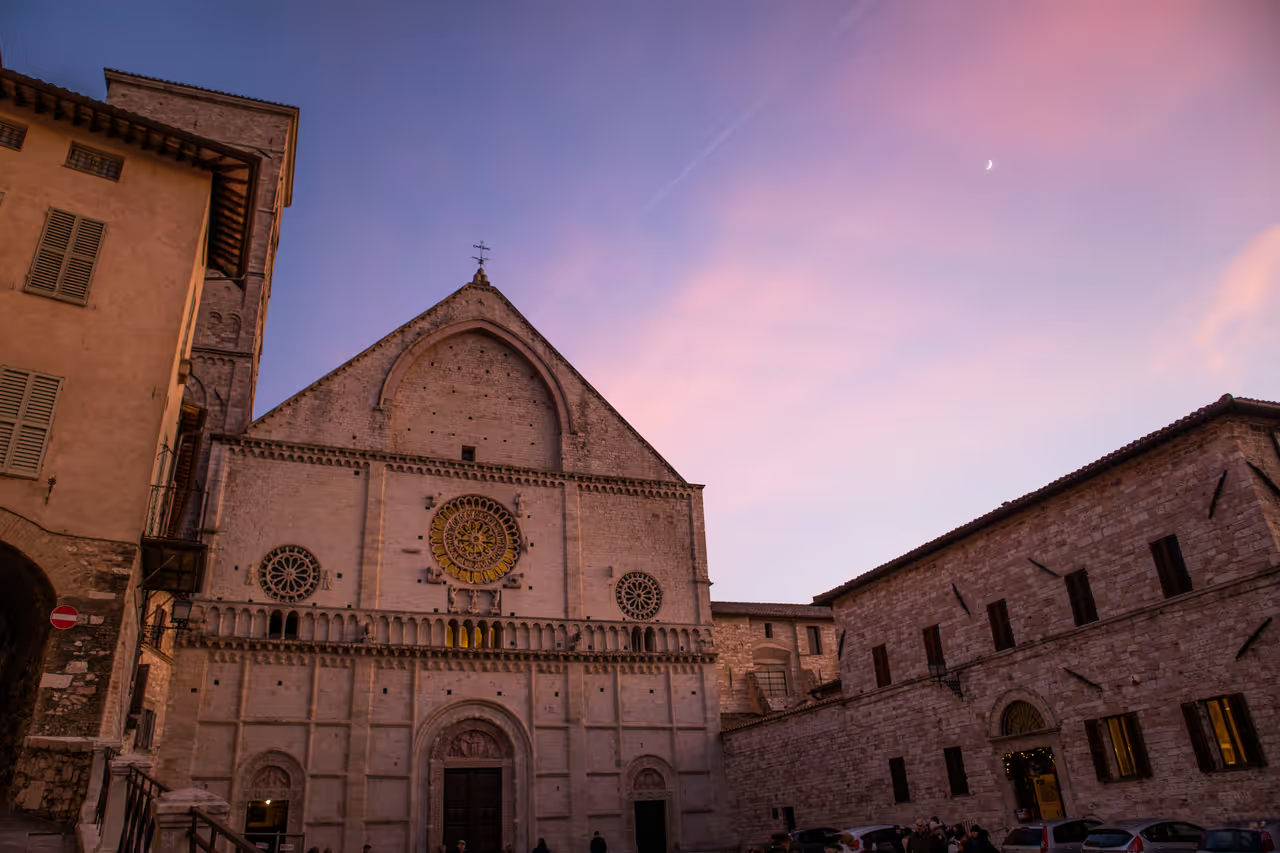
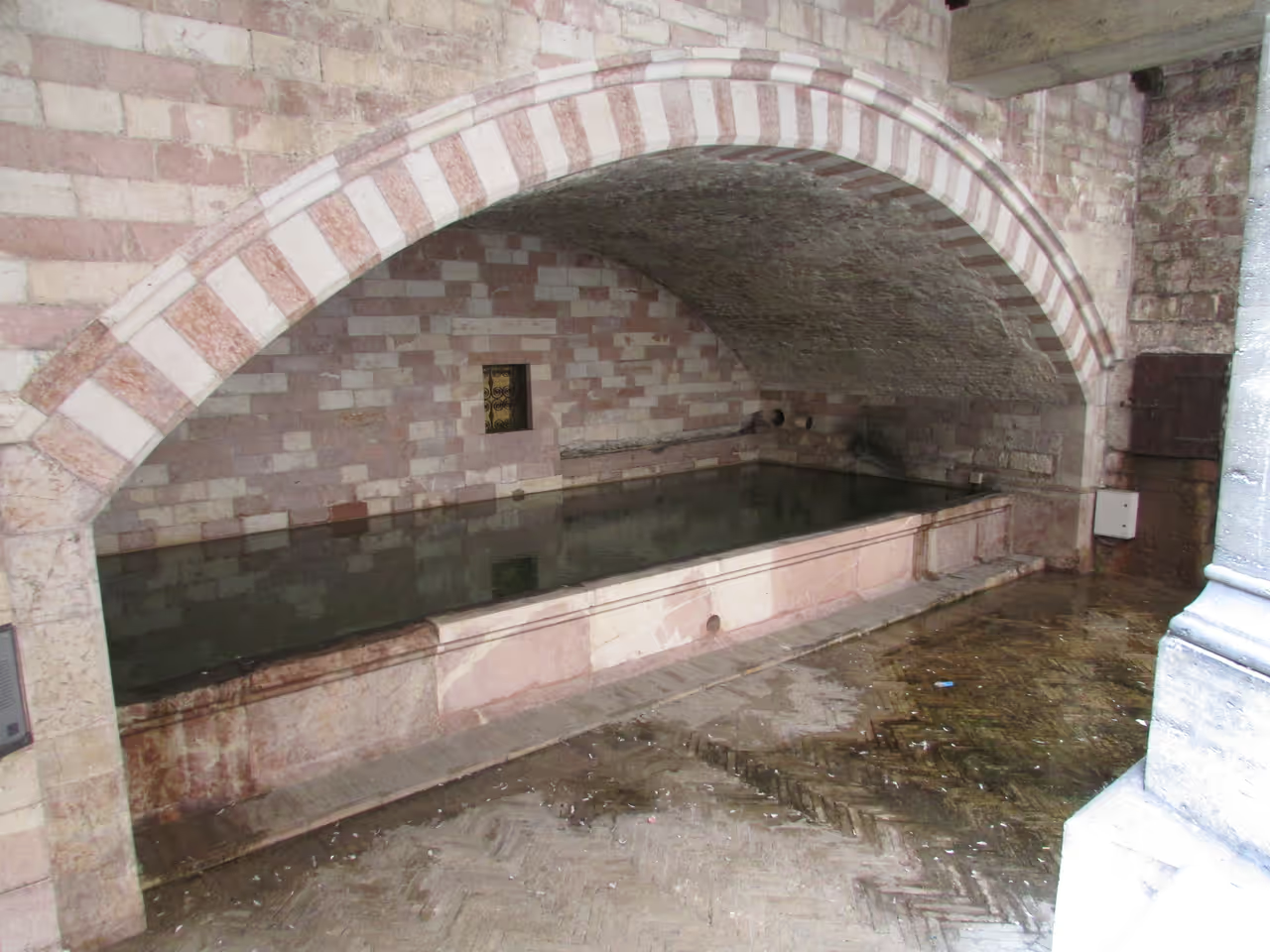
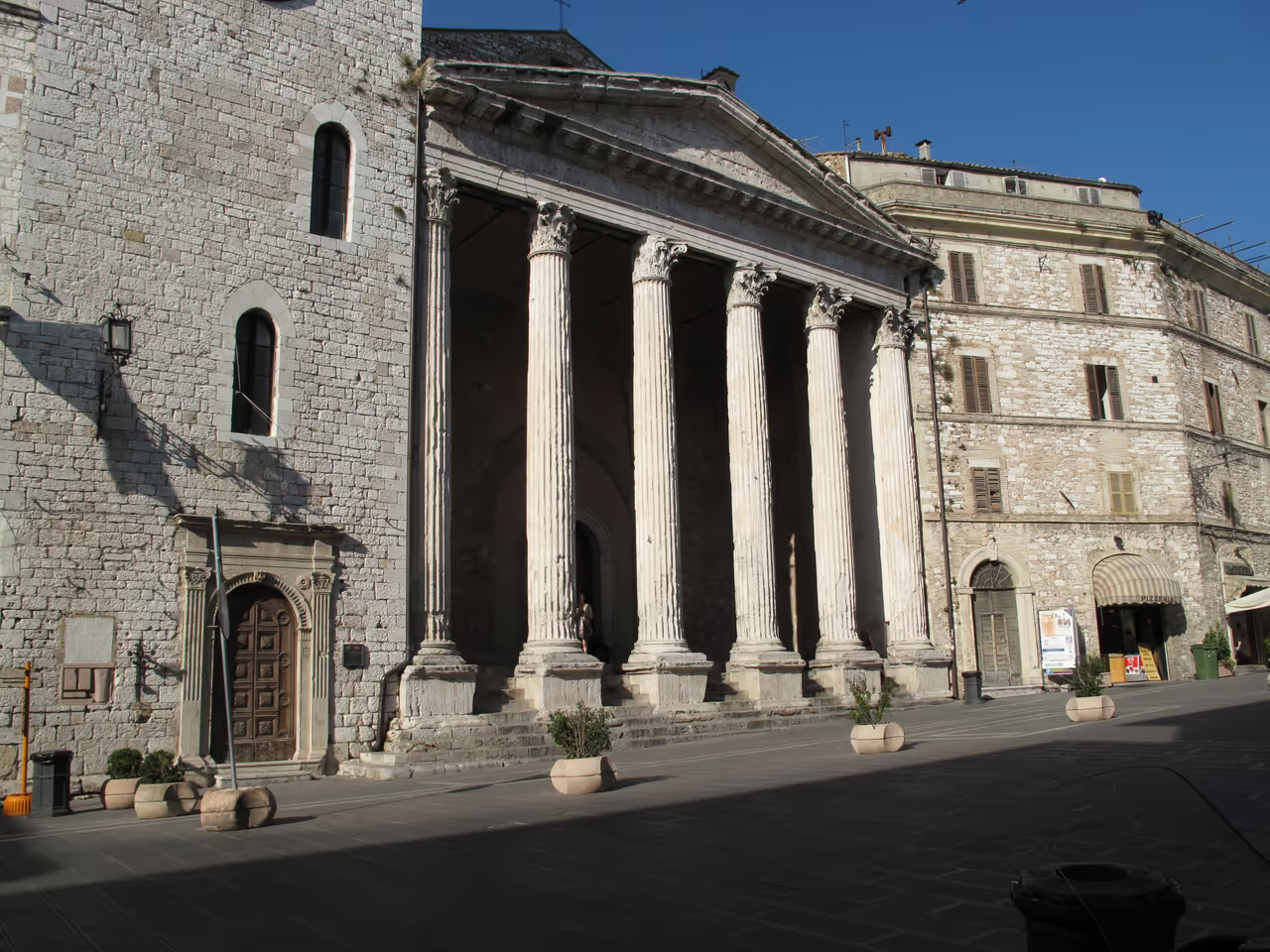
This deeply immersive three day itinerary allows visitors to move beyond the surface level highlights and truly understand the profound historical and spiritual layers of the city. With three days, the pace becomes significantly more relaxed, allowing for quiet contemplation in the incredibly atmospheric cloisters and hidden chapels. The route dedicates a full day to the massive, awe inspiring Franciscan sites, a day to exploring the surprisingly intact ancient Roman city, and a day to connecting with the rugged, beautiful nature that inspired the saints. It provides an incredibly well rounded, highly fulfilling experience that perfectly balances art, history, and the beautiful Umbrian landscape. It is the absolute ideal duration for a thorough, deeply satisfying visit.
view itinerary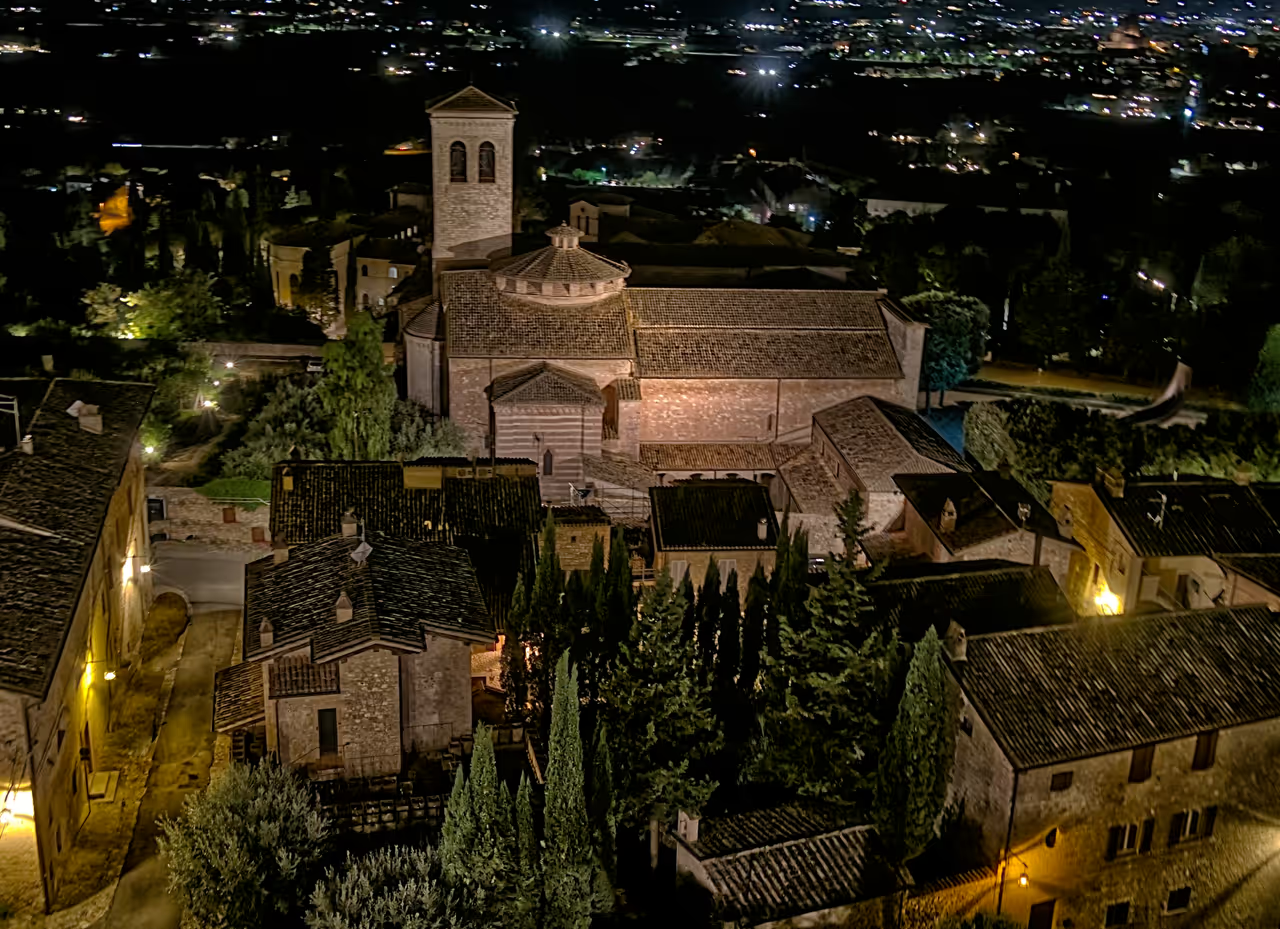
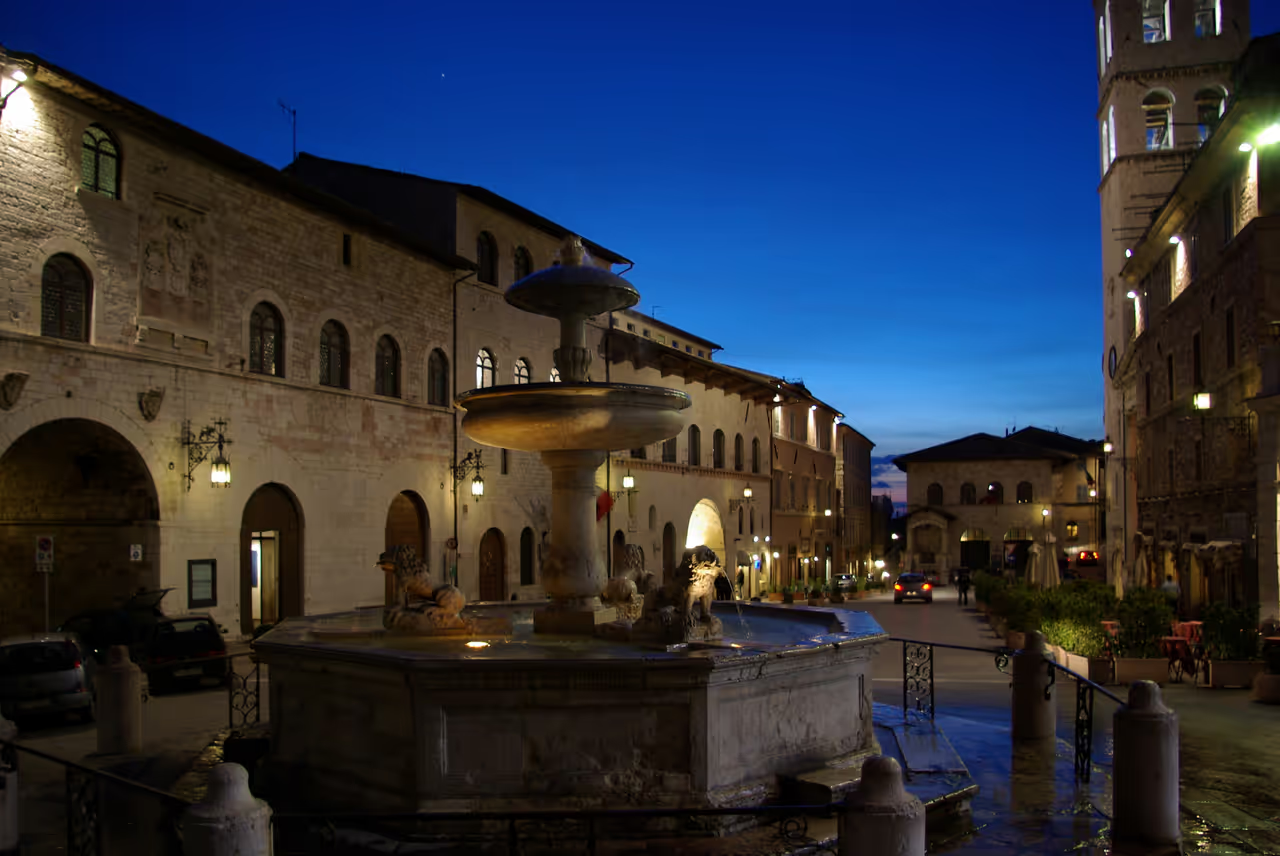
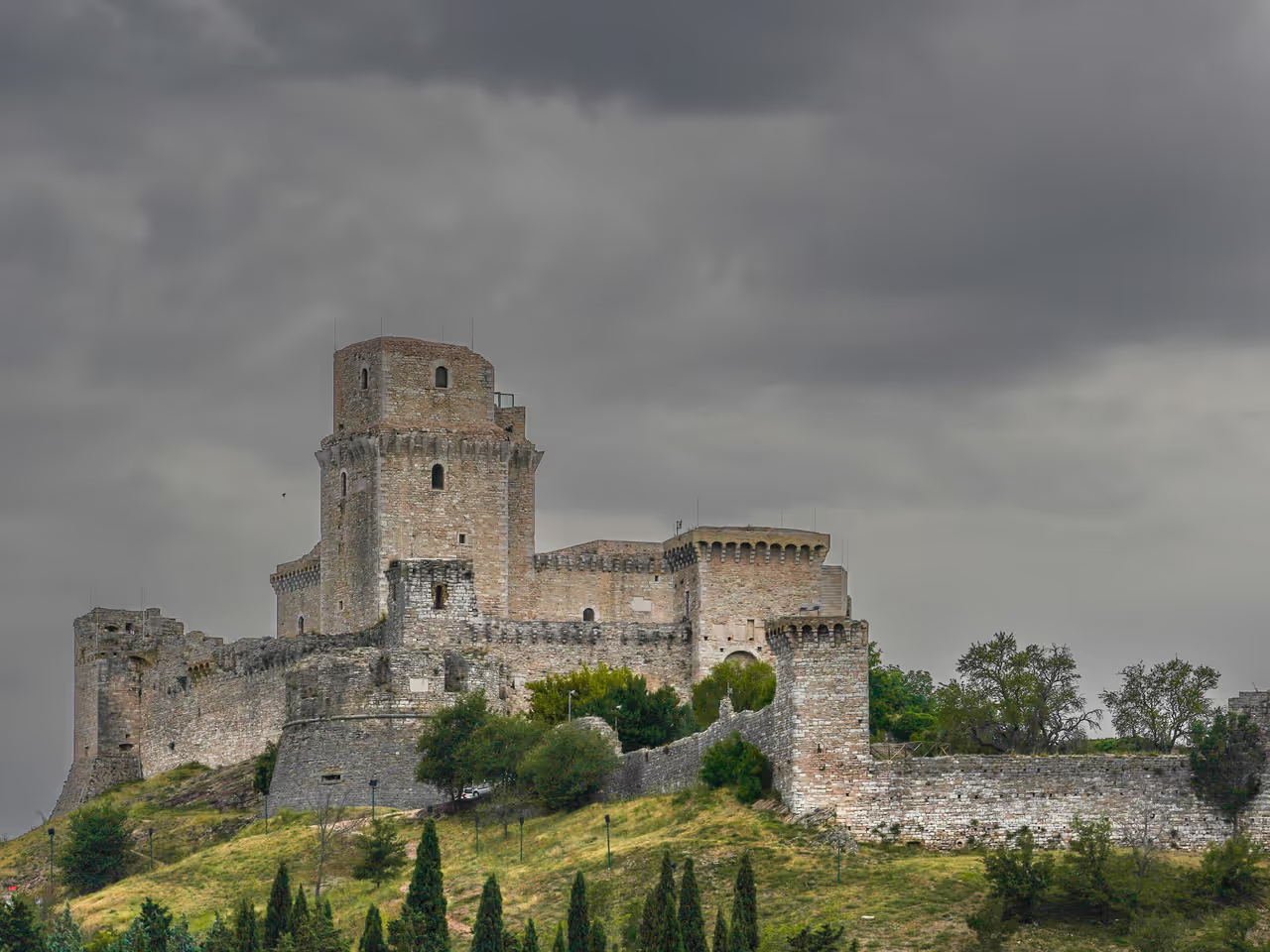
5 Days in Assisi: Complete Exploration Itinerary
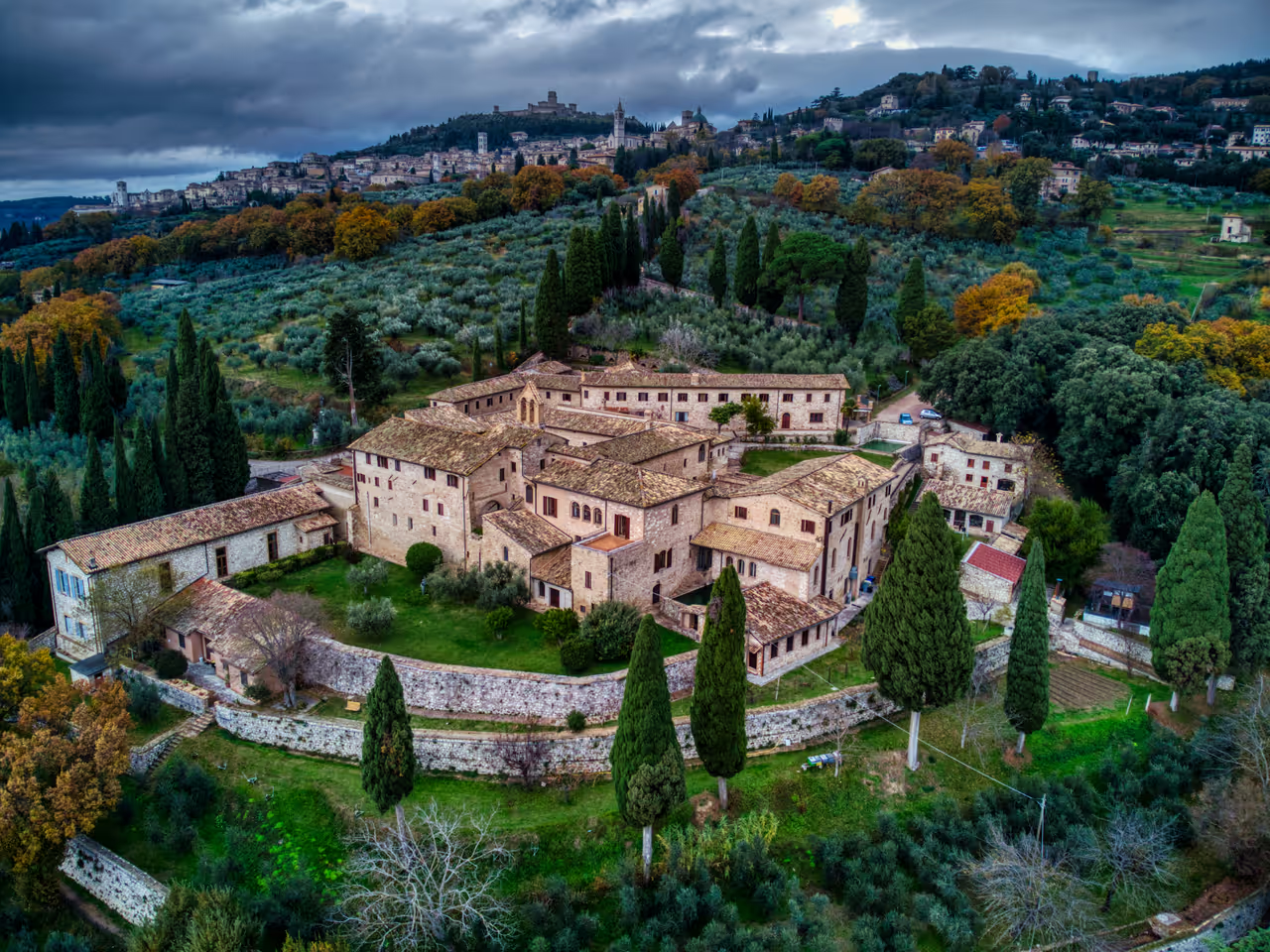
For those seeking an incredibly deep, highly comprehensive connection with this timeless city, this extensive five day itinerary leaves absolutely no stone unturned. It allows for a remarkably slow, highly mindful pace, leaving plenty of room to discover the incredibly quiet, hidden gems tucked away in the ancient residential alleys. Beyond the world famous monuments, you will explore secluded monastic courtyards, stunning hidden artworks, and expansive natural woodlands. This extended stay allows you to truly sync with the slow, peaceful rhythm of local Umbrian life, rather than just ticking off a sightseeing checklist. It is the ultimate, deeply transformative way to experience every single nuanced facet of Assisi.
view itinerary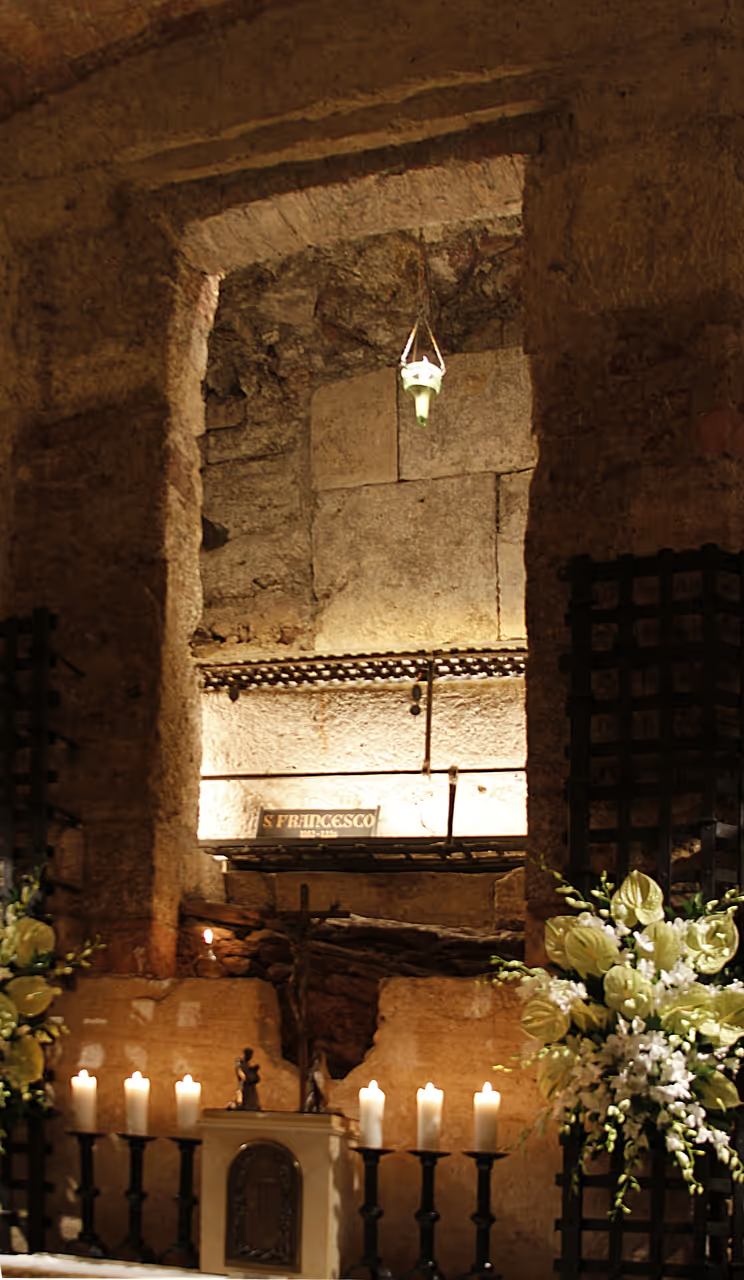
In the Footsteps of St. Francis
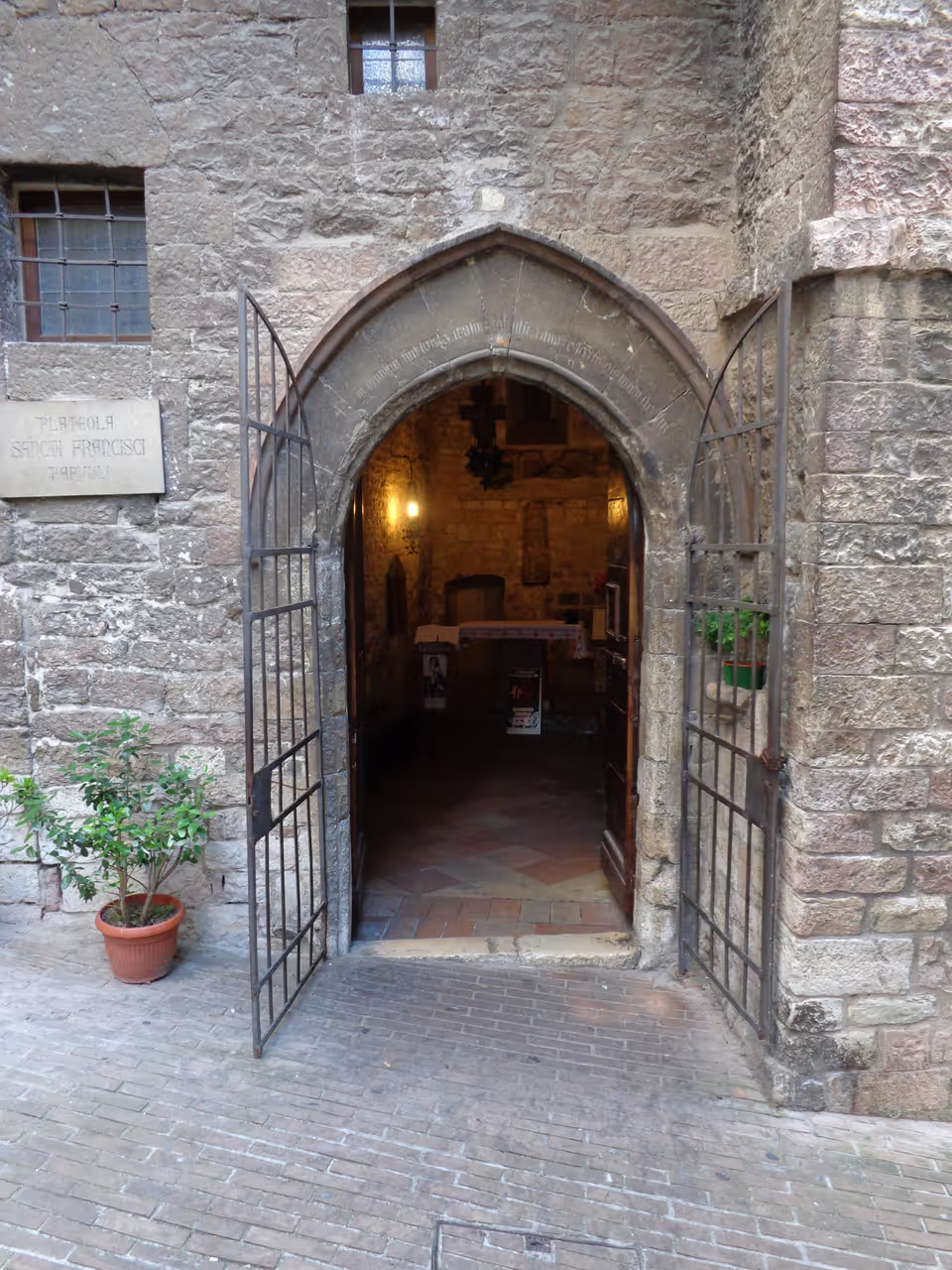
This profoundly moving narrative journey tracks the life, transformation, and eventual canonisation of one of history's most famous spiritual figures. The route traces his path from a wealthy, carefree youth born in a humble stable, to his dramatic rejection of materialism, and finally to his magnificent, monumental resting place. Walking this path allows travellers to physically follow the emotional and spiritual arc of his incredible story. It provides deep context to the magnificent art and architecture that defines the city today. It is a compelling experience for history buffs and spiritual seekers alike, bringing the legend of the saint vividly to life through the stones of his hometown.
view self-guided tour