Santa Maria degli Angeli
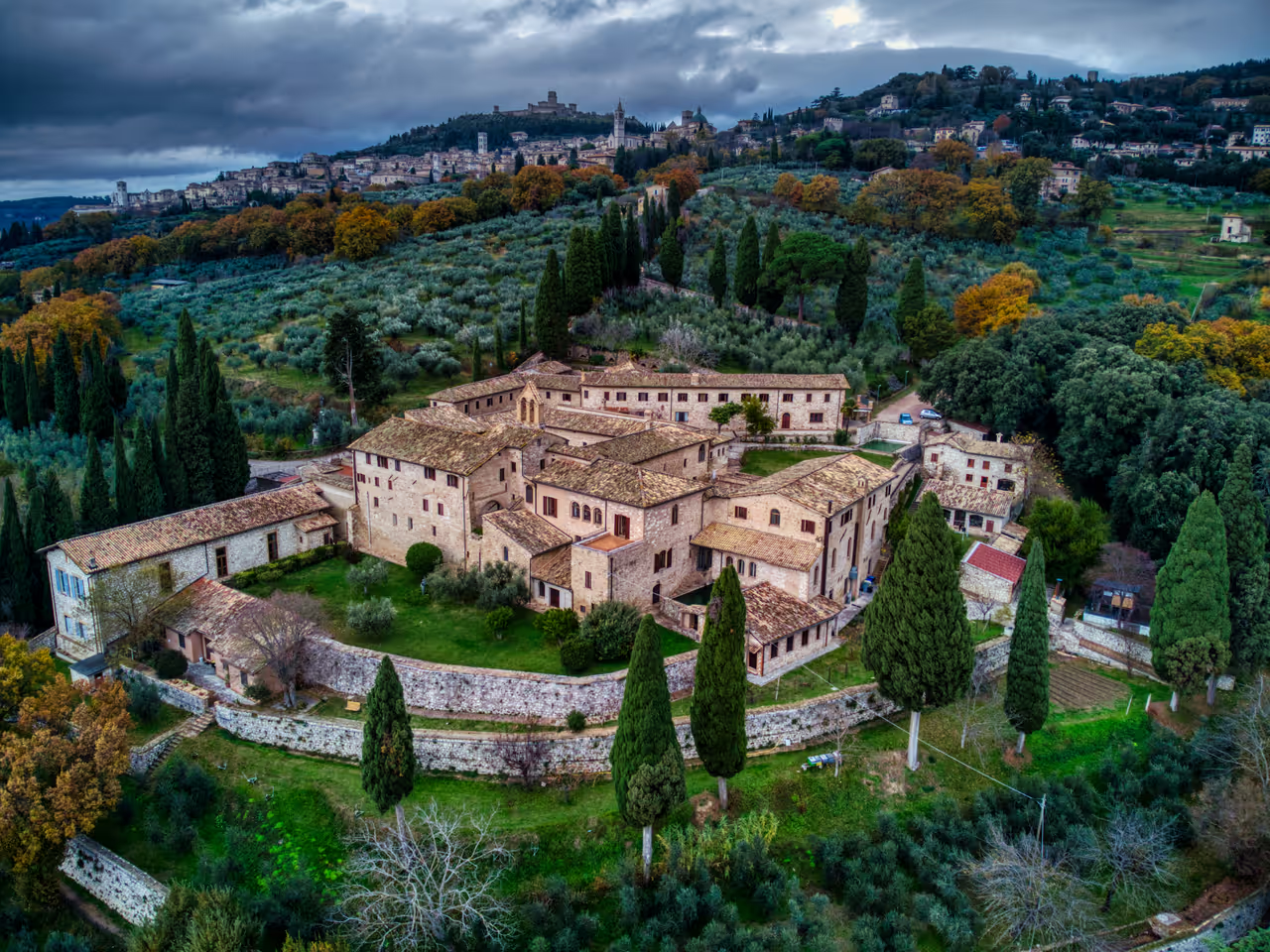
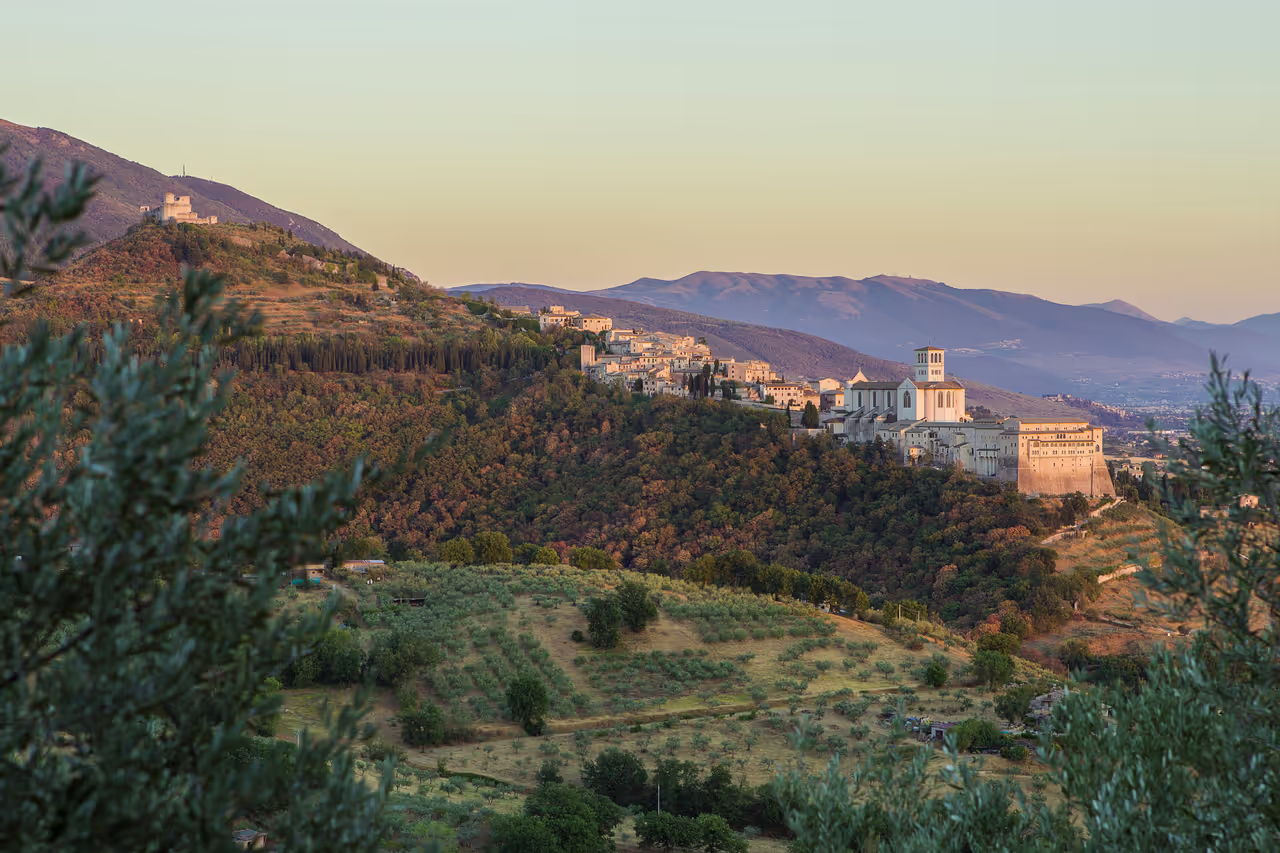
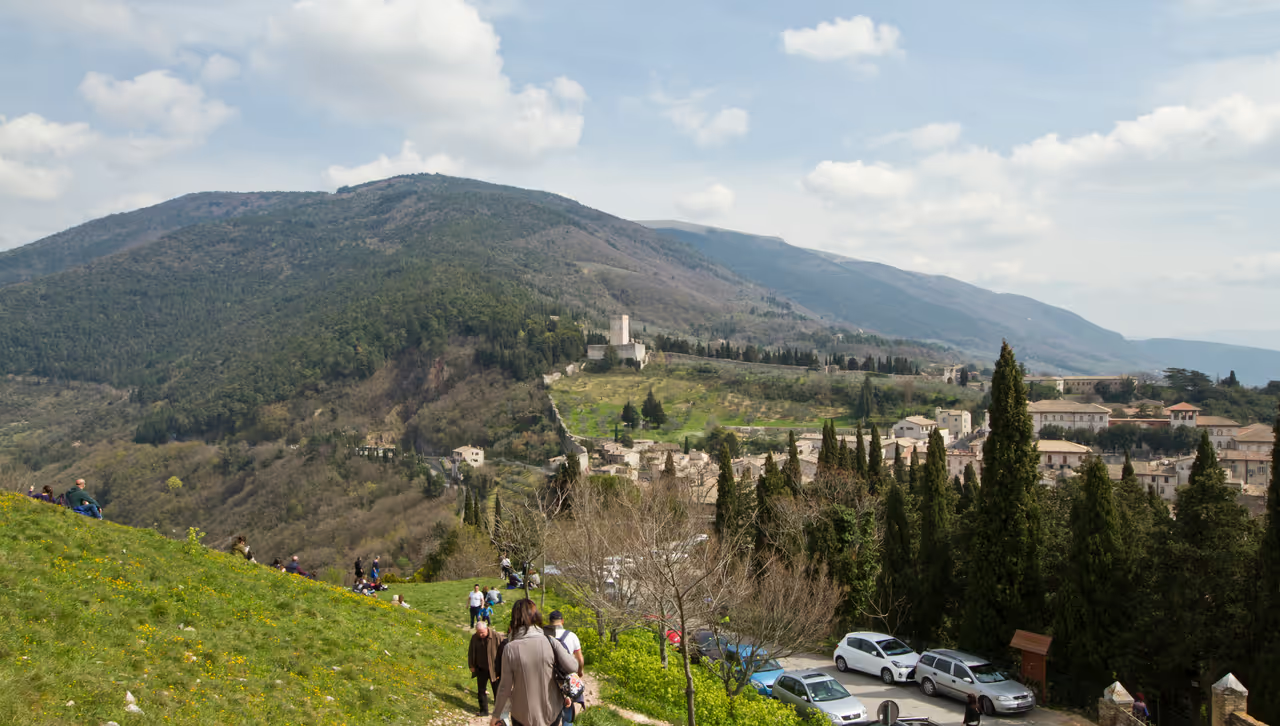
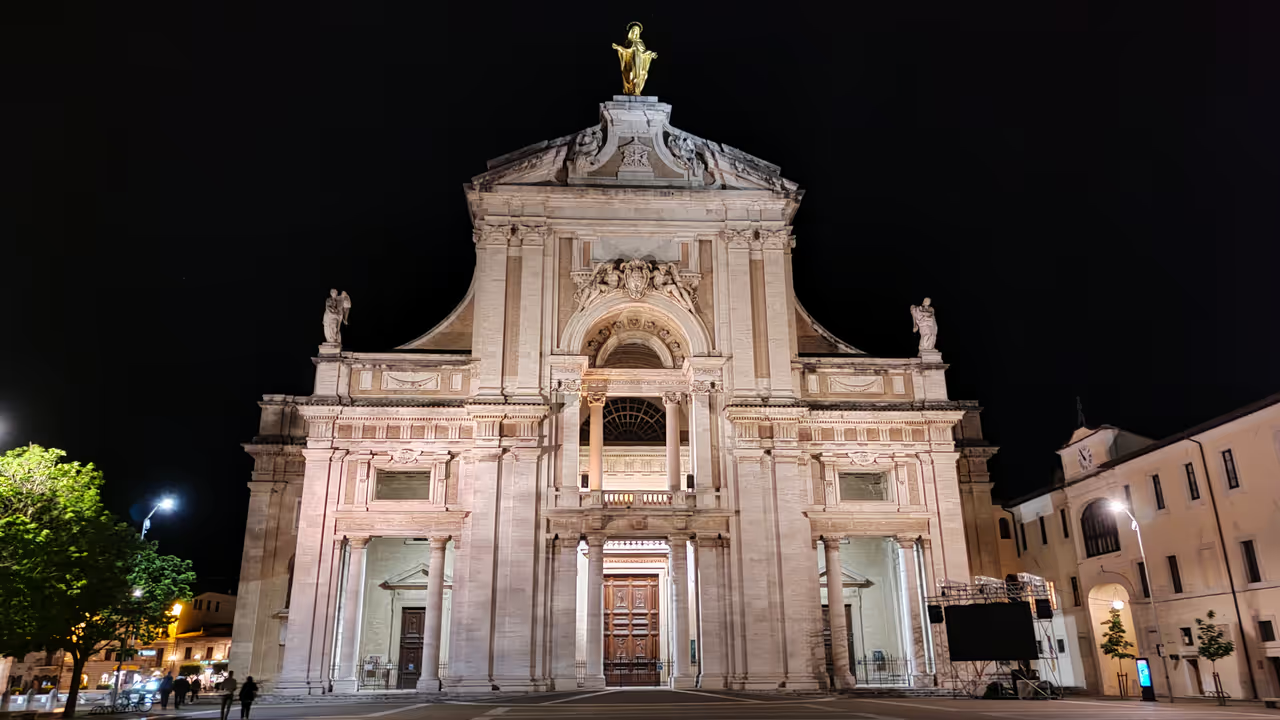
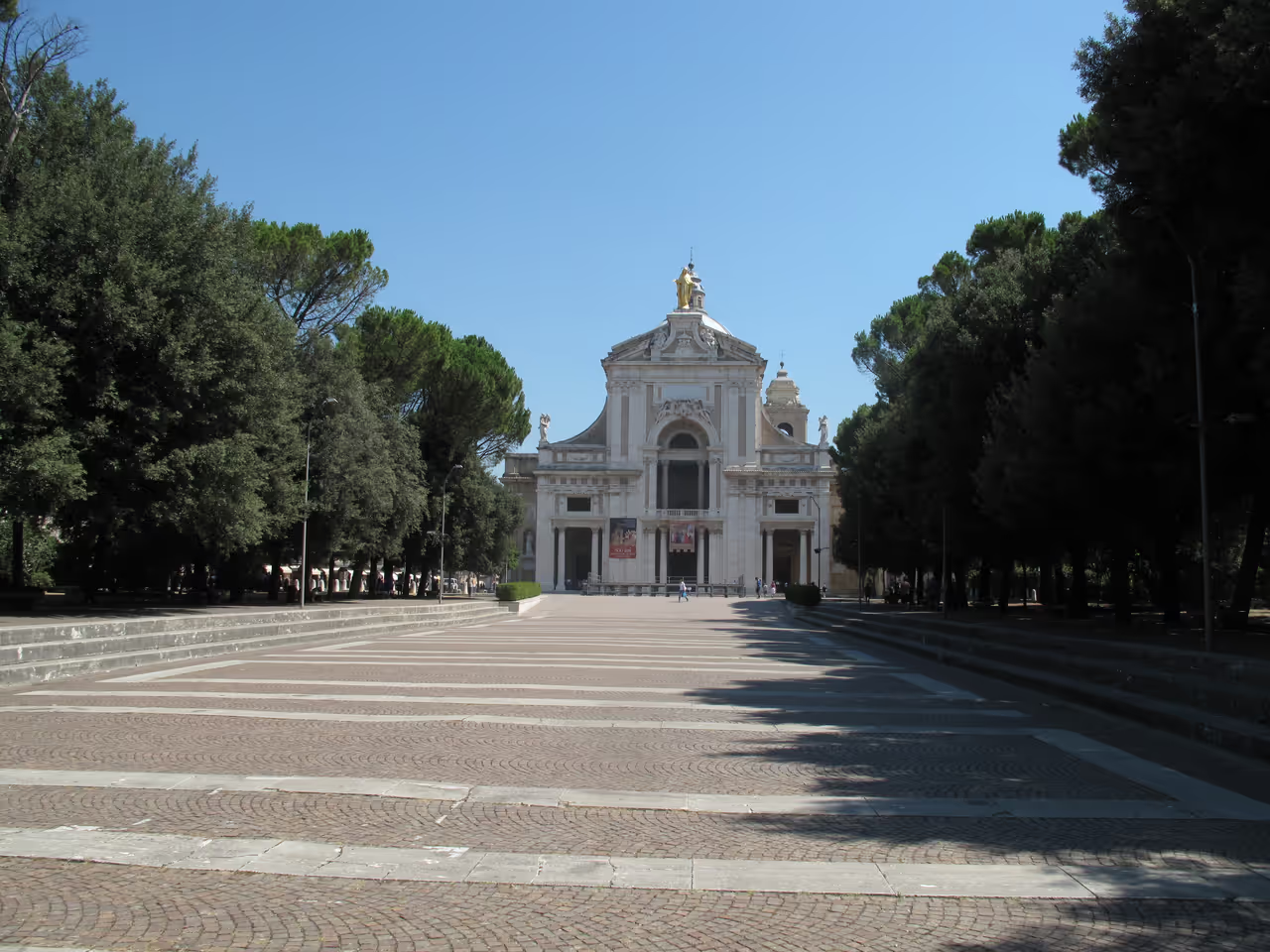
Nestled in the lush Umbrian valley beneath the slopes of Assisi, Santa Maria degli Angeli serves as a profound spiritual gateway. Its crown jewel is the monumental Basilica, an architectural marvel that shelters the tiny, humble Porziuncola chapel where Saint Francis of Assisi lived and passed away. This place is not merely a destination, but a sanctuary of quiet reflection where history feels palpably present. Visitors can explore the charming Palazzo del Capitano del Perdono or take a leisurely stroll along the historic brick path leading towards the city above. It offers a unique blend of serene religious history and vibrant modern life, making it an essential stop for anyone travelling through Italy.
History of Santa Maria degli Angeli
Long before it became a bustling modern town, this area was known as Cerreto di Porziuncola, a secluded woodland where Benedictine monks built a tiny chapel in the 6th century. It might have remained a quiet footnote in history if not for a young Francesco di Pietro di Bernardone, better known as Saint Francis. He found the ruined chapel, restored it, and turned this humble spot into the cradle of the Franciscan movement. Here, he lived, prayed, and eventually passed away in 1226, embedding the ground with a spiritual significance that has drawn pilgrims for centuries. The true architectural transformation began in the 16th century when Pope Pius V commissioned the massive Basilica of Santa Maria degli Angeli. The design, crafted by Galeazzo Alessi, serves a unique purpose as a monumental shell built to protect the tiny, original Porziuncola chapel. Standing inside, one experiences a striking visual contrast where the immense, dome topped structure looms over the modest, ancient stone chapel. This site was the birthplace of the Pardon of Assisi, an indulgence that offered spiritual absolution to visitors, forever changing the destiny of this small valley location. Today, the town has evolved far beyond its role as a religious shrine. While it remains a primary destination for those walking the path of Saint Francis, it has also become the industrial and commercial heartbeat of the municipality. The repurposing of an old chemical plant into the modern Teatro Lyrick perfectly symbolises this evolution, blending heritage with contemporary culture. It is a place where industrial innovation meets centuries of devotion, offering visitors a comprehensive look at the living spirit of the Umbrian region.
Events spanning 1414 years
Fun Facts
- • The Basilica of Santa Maria degli Angeli is one of the largest churches in the world, featuring a dome that rises to an impressive height of 75 metres.
- • The Fountain of the Twenty Six Cannelle, built in 1610, was a generous gift from the powerful Medici family of Florence.
- • The Palazzo del Capitano del Perdono was constructed in 1617 specifically to manage and control the massive crowds of pilgrims arriving for the annual festival.
- • The Pardon of Assisi festival, held annually on the first and second of August, continues to draw thousands of pilgrims, maintaining a tradition that has lasted for over eight centuries.
- • The Porziuncola, housed inside the massive Basilica, was one of the small and dilapidated churches that Saint Francis personally restored with his own hands.
- • The Strada Mattonata is a three kilometre brick path that connects the valley to the historic centre of Assisi, mirroring an ancient pilgrimage route that is still walkable today.
- • The Teatro Lyrick represents a successful example of industrial conversion, having been transformed from a chemical factory into a premier venue for arts and performances.
- • The town serves as the most populous frazione of the municipality of Assisi and acts as the commercial and industrial heartbeat of the area.
- • The town's football club, A.S.D. Angelana 1930, is historically significant in the region, having competed multiple times in the national Serie D league.
Santa Maria degli Angeli FAQ
While we strive to keep this information accurate and up to date, we recommend verifying any details independently before making decisions based on them.
Santa Maria degli Angeli Map & Neighborhood Explorer
This interactive map is centered on Santa Maria degli Angeli. Zoom in and move the map around to automatically discover Wikipedia photos and summaries of other nearby sights, monuments, and historical points of interest and stories in real-time!
Places near Santa Maria degli Angeli
Make the most of your trip. Check out these top-rated spots located nearby.
 2842m
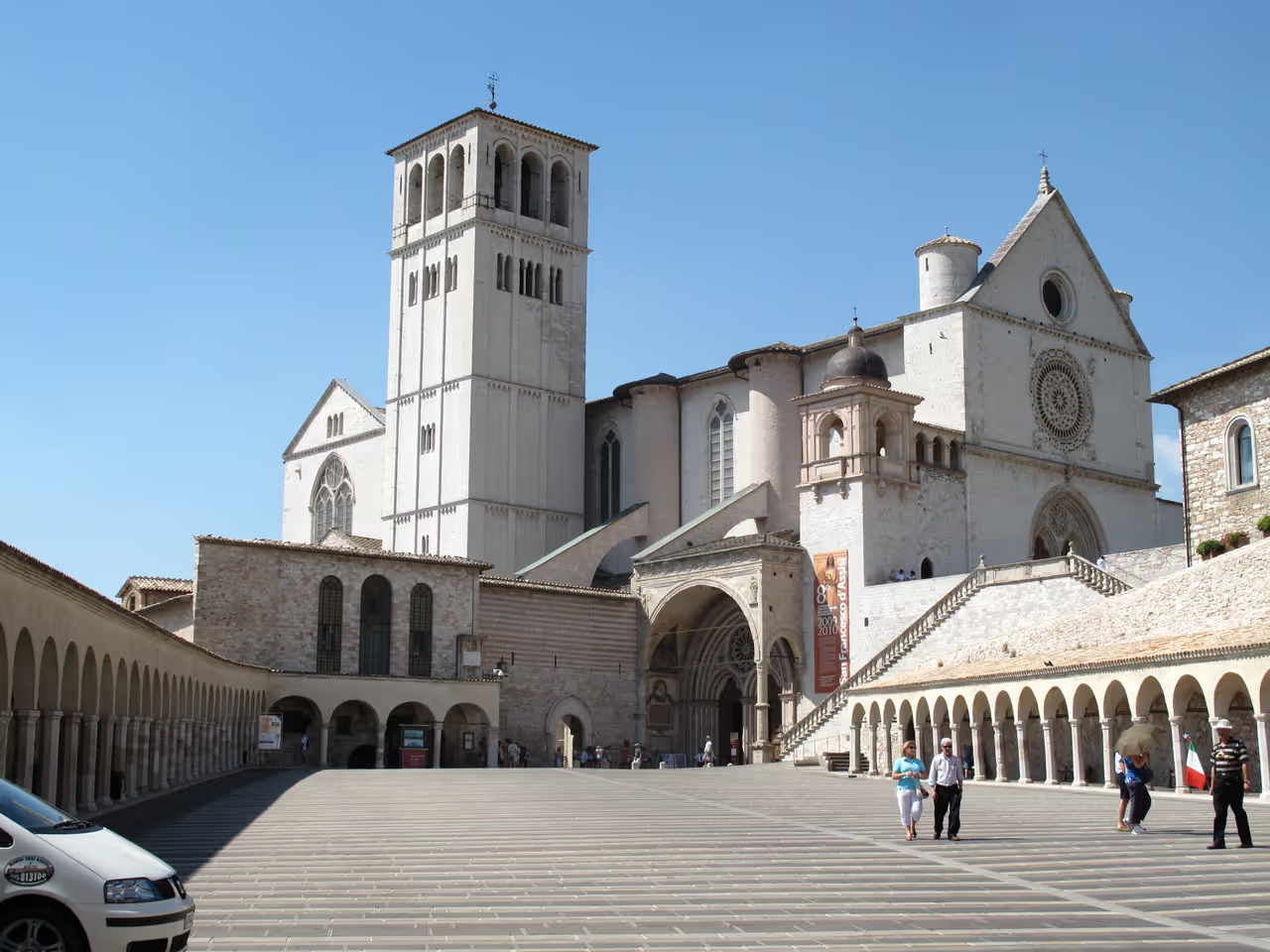
2842mLower Sanctuary Approach
The grand, sweeping approach to the Lower Basilica from the Piazza Inferiore offers one of the most incredibly dramatic, heavily photographed perspectives in Italy. The long, incredibly elegant Renaissance colonnade beautifully frames the imposing, fortress like facade of the church and its magnificent rose window. Photographers are particularly drawn here in the early morning when the deep shadows create an intense, moody atmosphere against the ancient stone. Capturing the incredibly long lines of the arches leading the eye directly to the dark, mysterious entrance is an absolute compositional dream. It is the definitive, iconic shot that perfectly captures the monumental gravity of Assisi.
photo spot view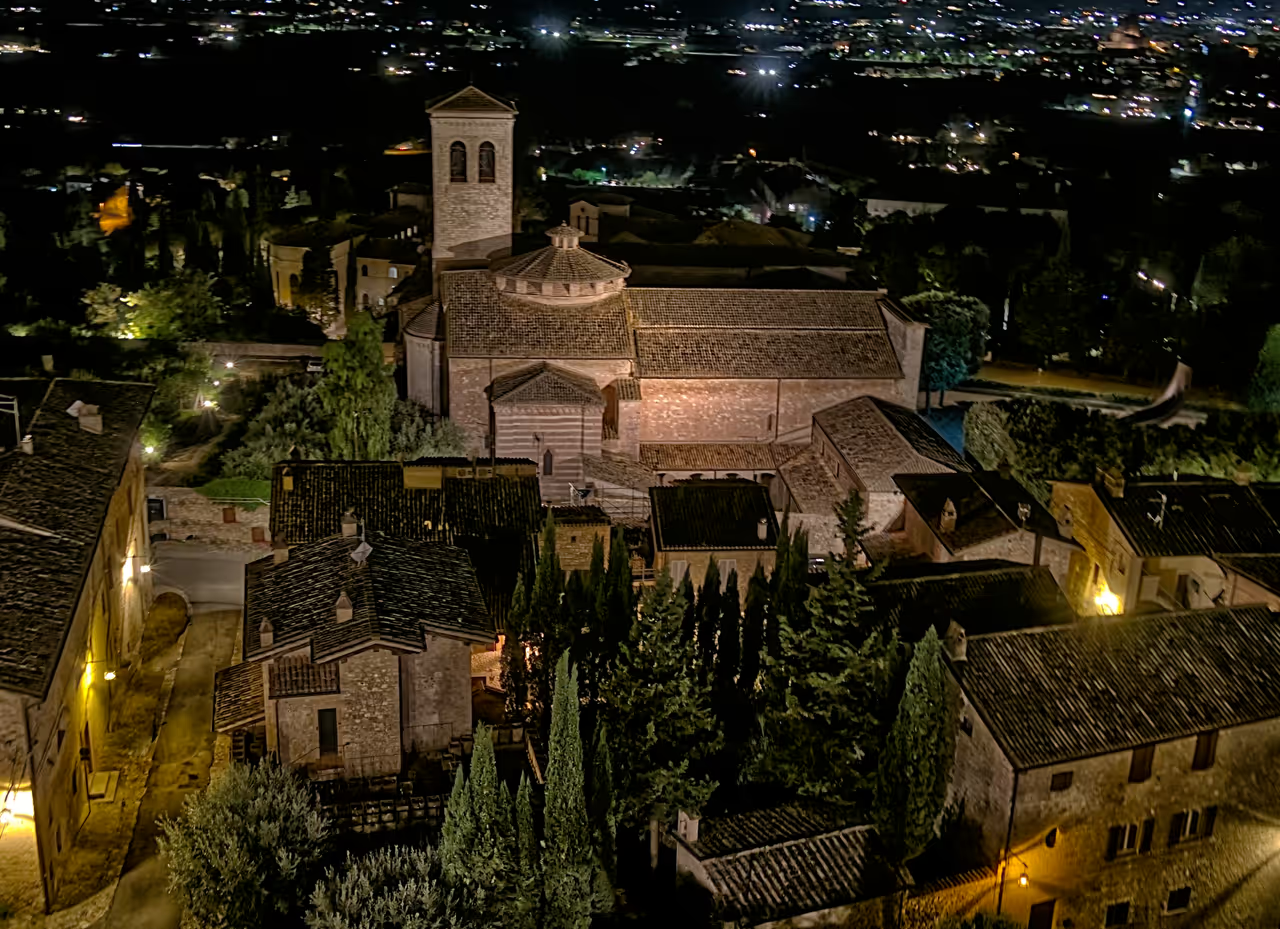 2866m
2866mChurch of San Pietro
Located near the large parking lot at the bottom of the historic centre, this magnificent 10th century Benedictine abbey is far too frequently ignored by rushing tourists. Its rather austere, beautifully geometric Romanesque facade hides a spectacularly beautiful and complex interior. The inside features a striking nave flanked by towering stone columns, a stunning elevated presbytery, and an incredibly atmospheric, dimly lit crypt. The church has a unique, deeply resonant acoustic quality, and the sheer emptiness of the space often makes it feel far more meditative than the busier basilicas up the hill. It is an absolute must see for architecture buffs and anyone seeking a quiet, awe inspiring moment of reflection. Ending a busy day of sightseeing in its cool, silent nave is incredibly rewarding.
highlight view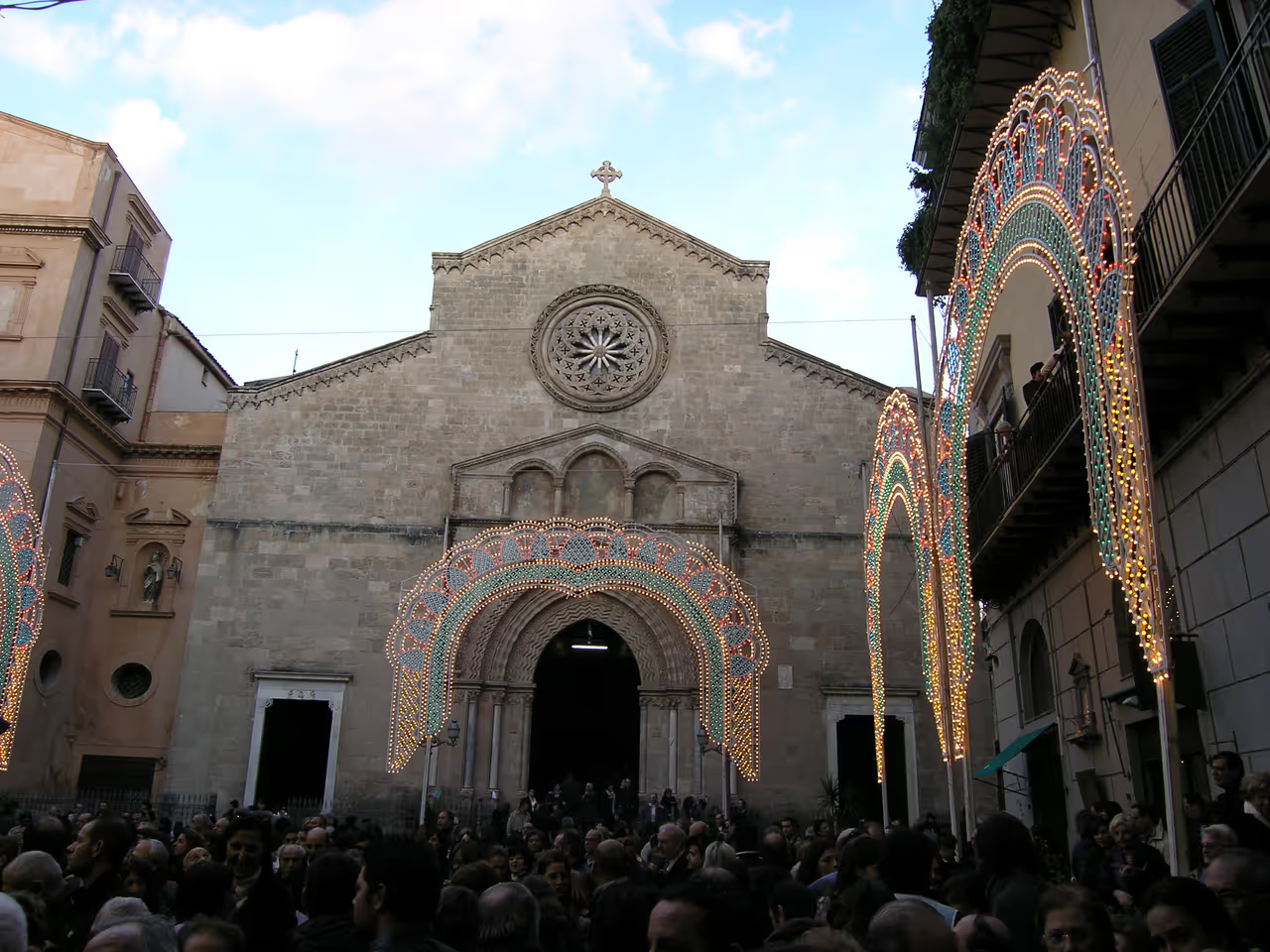 2877m
2877mFeast of St. Francis
This deeply moving religious festival honors St. Francis, the beloved patron saint of both Assisi and the entire nation of Italy. Spanning two days, the town is filled with pilgrims, high ranking clergy, and national dignitaries who gather to pay their respects. The event features incredibly solemn and beautiful liturgical ceremonies held at the grand Basilica of San Francesco. Beyond the religious services, there are civic manifestations and a palpable sense of national pride and unity in the air. Lighting displays and special choirs make the atmosphere deeply spiritual and emotionally resonant. It is a remarkable time to witness the profound enduring legacy of the saint in his hometown.
festival view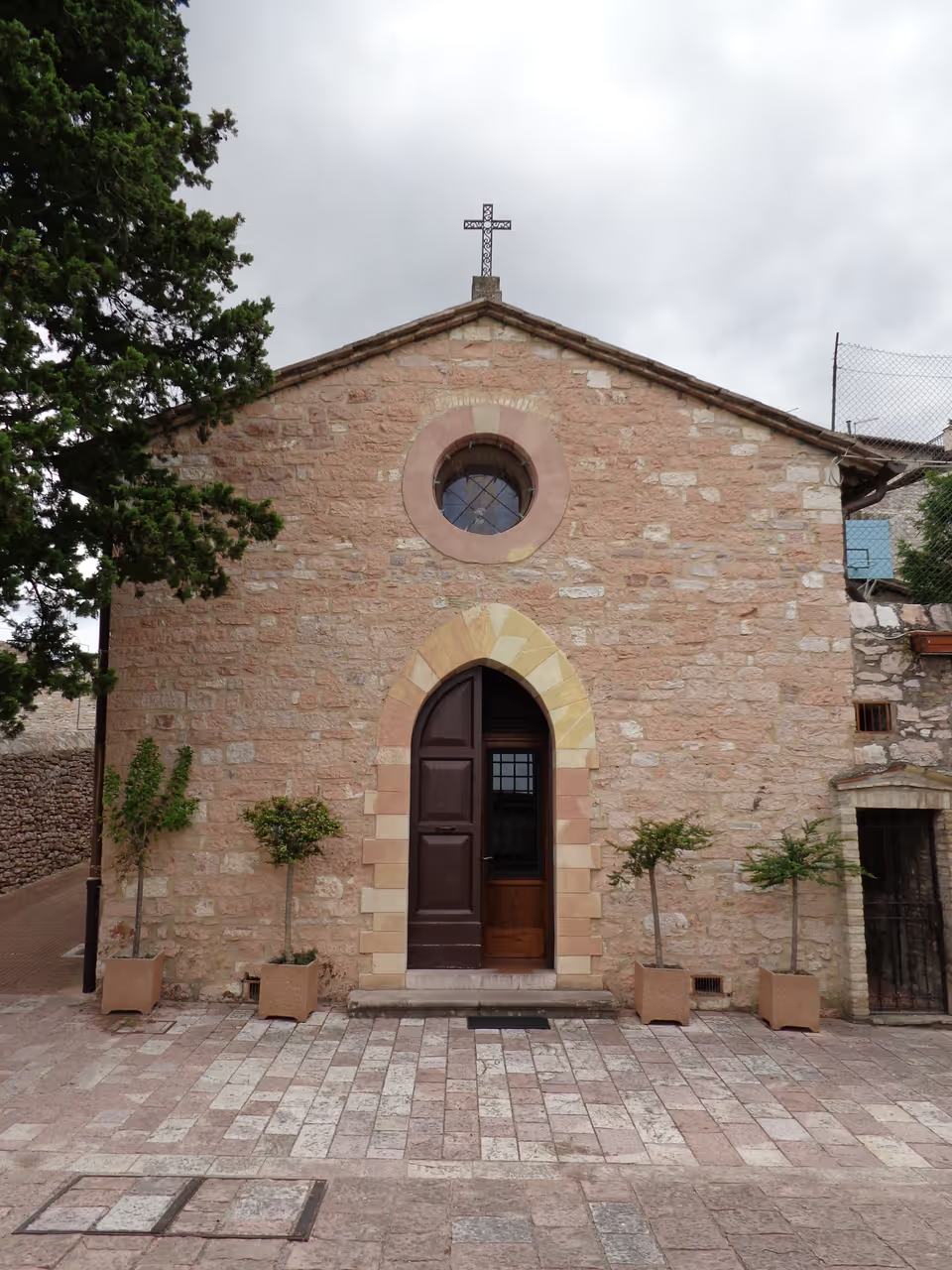 2983m
2983mChurch of Santa Margherita
Tucked tightly into a small, incredibly picturesque corner directly opposite the massive Basilica of San Francesco, this tiny church is a true hidden gem. Most tourists rush right past it in their eagerness to reach the main sanctuary, completely missing its quiet charm. The small piazza directly in front of the church offers an incredibly beautiful, highly unusual perspective of the famous basilica's imposing side walls and flying buttresses. The interior of Santa Margherita is modest and deeply peaceful, offering a serene escape from the massive crowds just a few metres away. It is an absolutely fantastic spot to take stunning, uniquely framed photographs of the basilica without having to fight for space. Stopping here provides a highly rewarding, quiet moment of reflection.
hidden gem view
Featured on These Itineraries and Routes
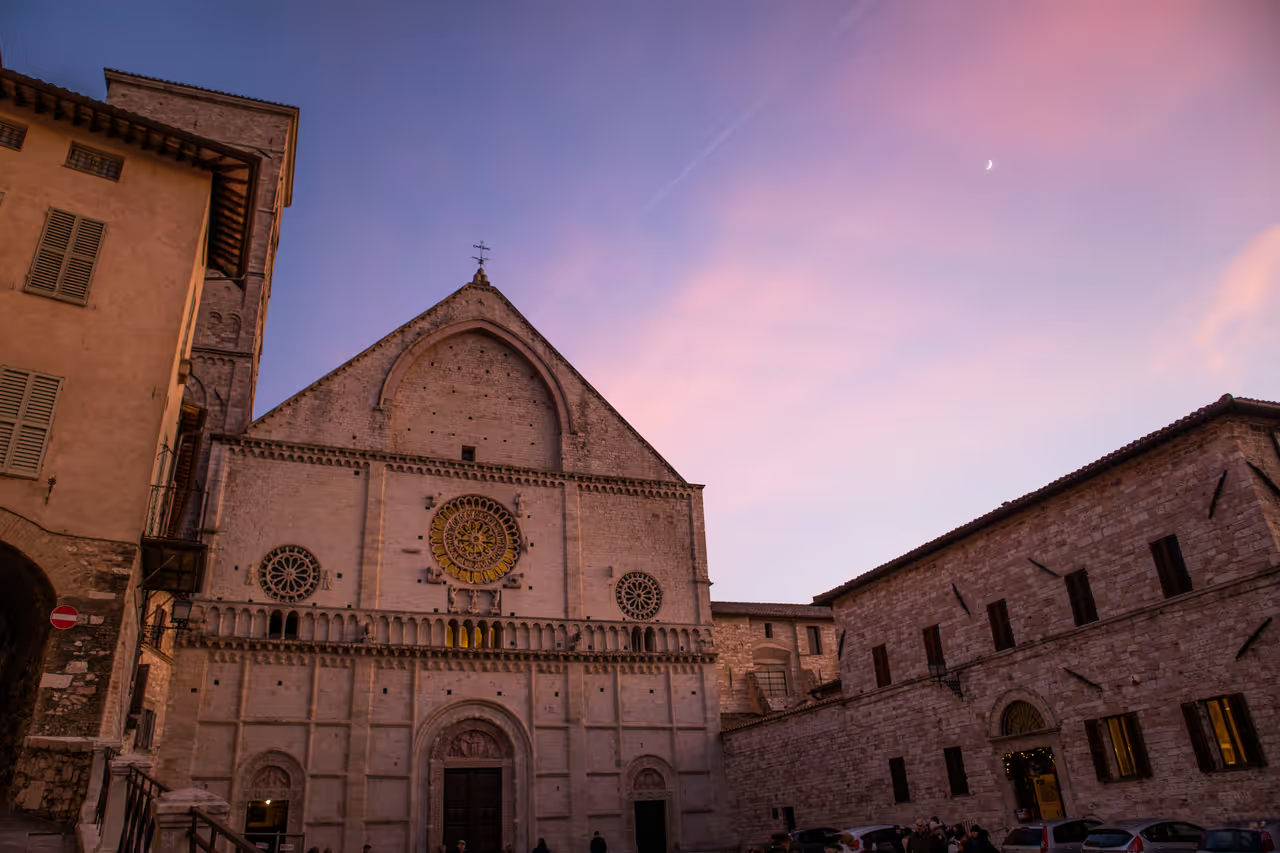
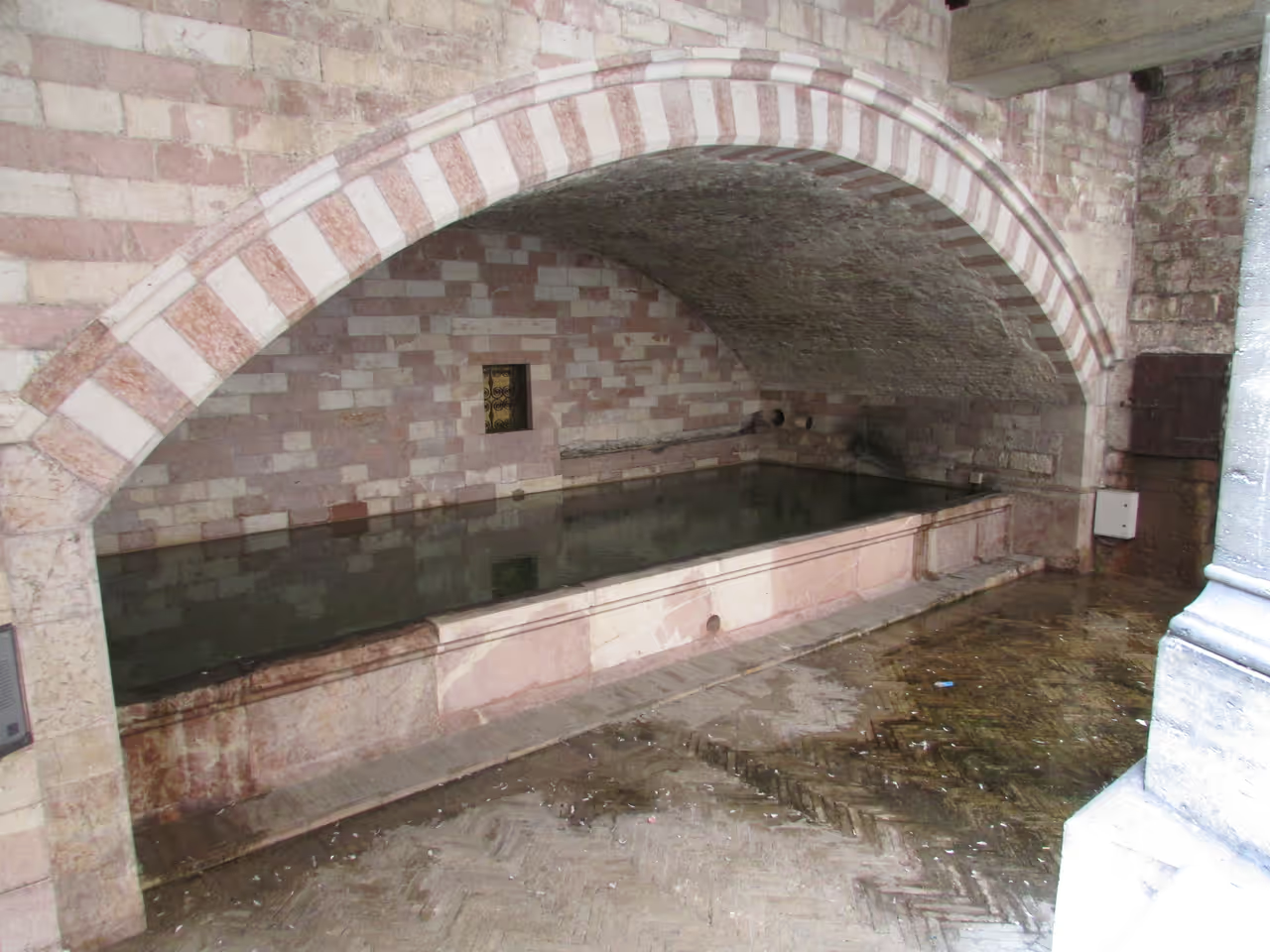
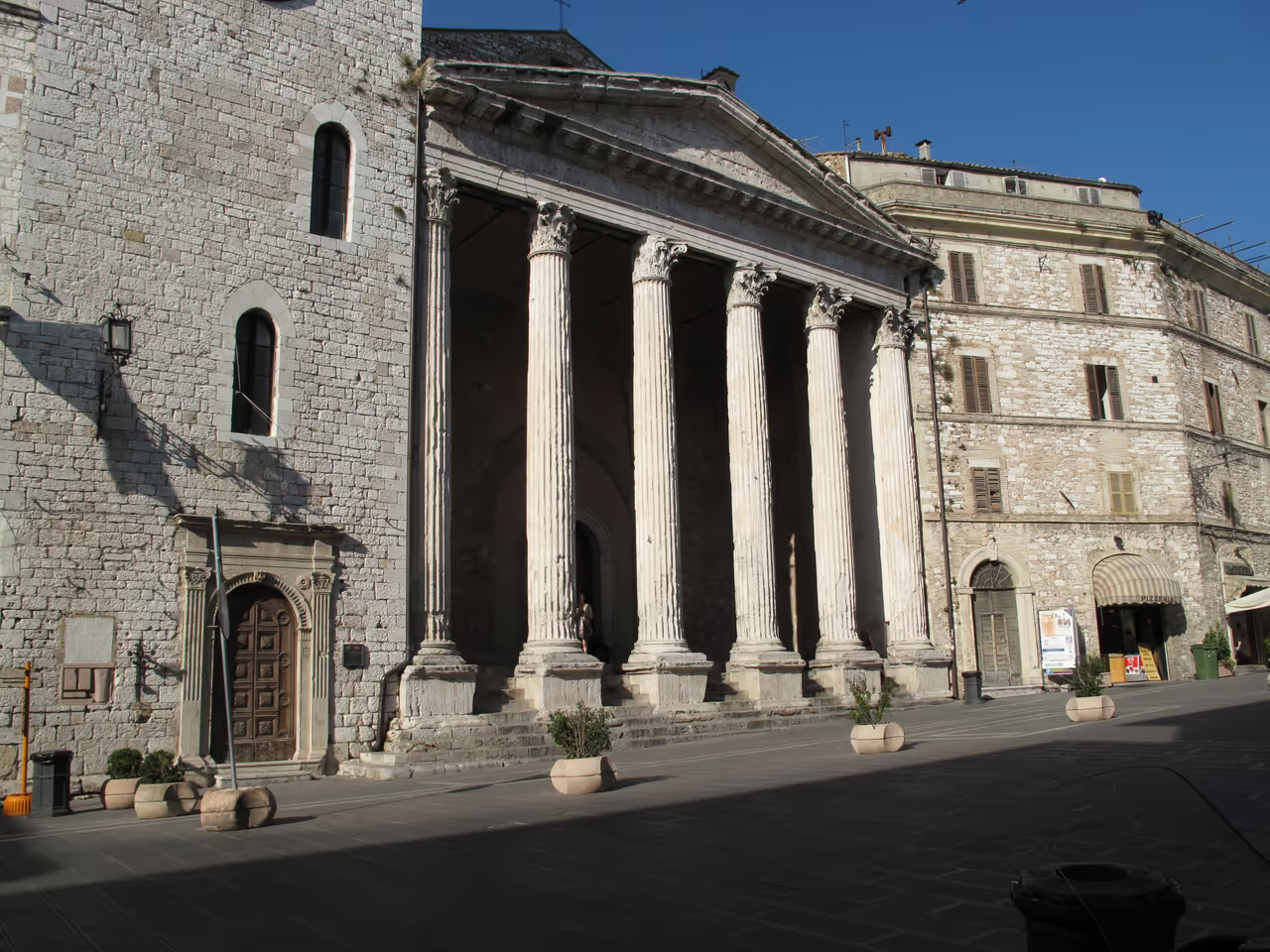
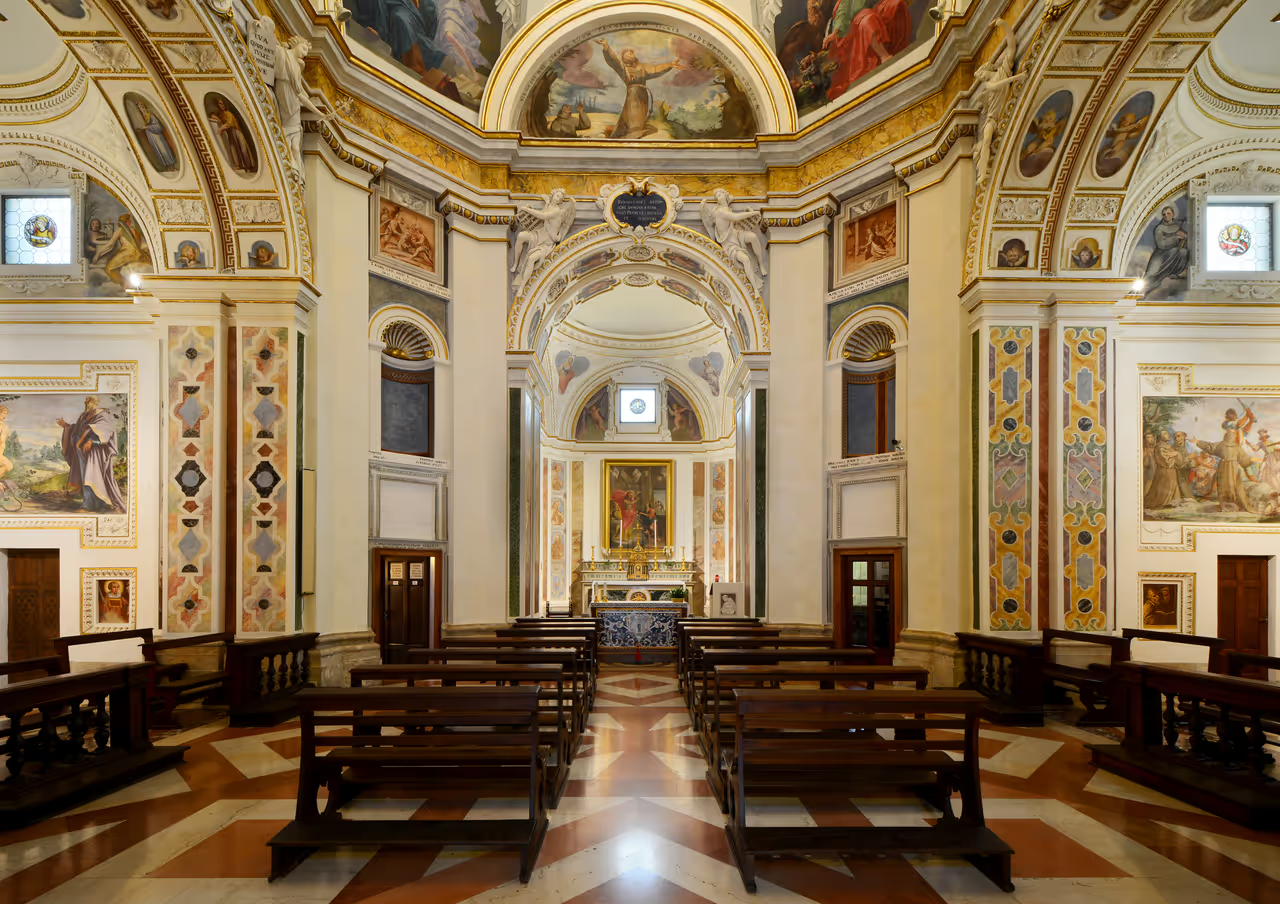
3 Days in Assisi: Spiritual Journey Itinerary
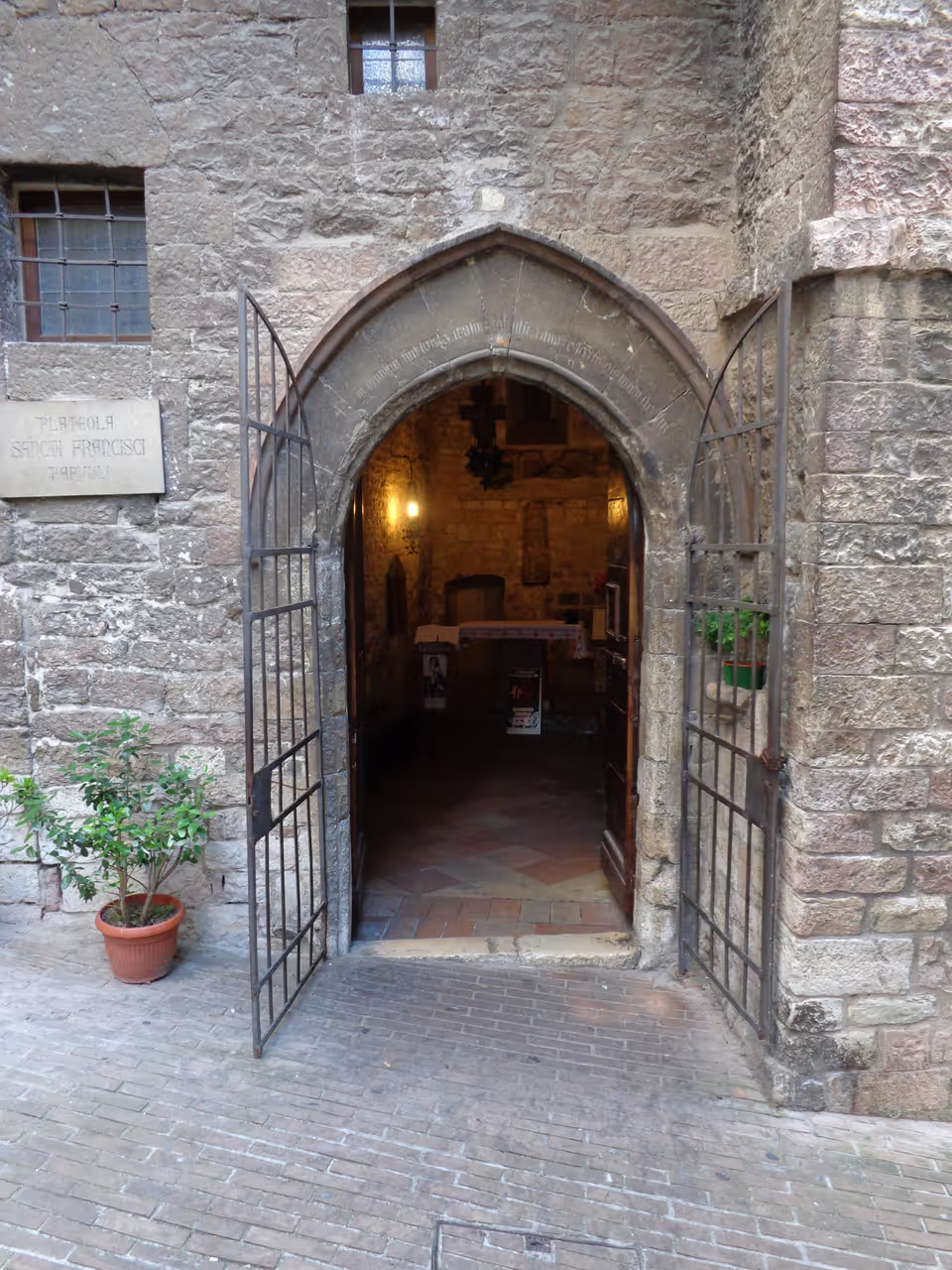
This deeply immersive three day itinerary allows visitors to move beyond the surface level highlights and truly understand the profound historical and spiritual layers of the city. With three days, the pace becomes significantly more relaxed, allowing for quiet contemplation in the incredibly atmospheric cloisters and hidden chapels. The route dedicates a full day to the massive, awe inspiring Franciscan sites, a day to exploring the surprisingly intact ancient Roman city, and a day to connecting with the rugged, beautiful nature that inspired the saints. It provides an incredibly well rounded, highly fulfilling experience that perfectly balances art, history, and the beautiful Umbrian landscape. It is the absolute ideal duration for a thorough, deeply satisfying visit.
view itinerary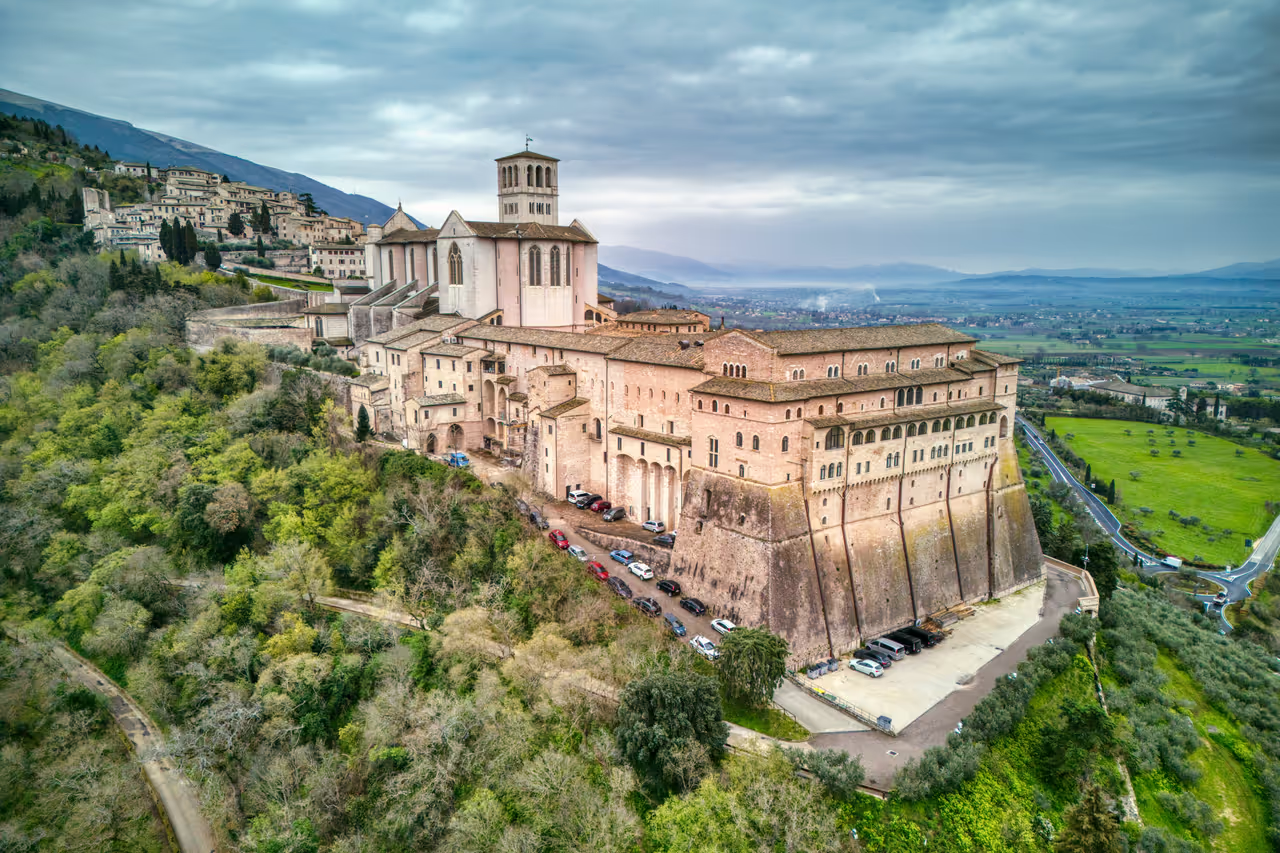
5 Days in Assisi: Complete Exploration Itinerary
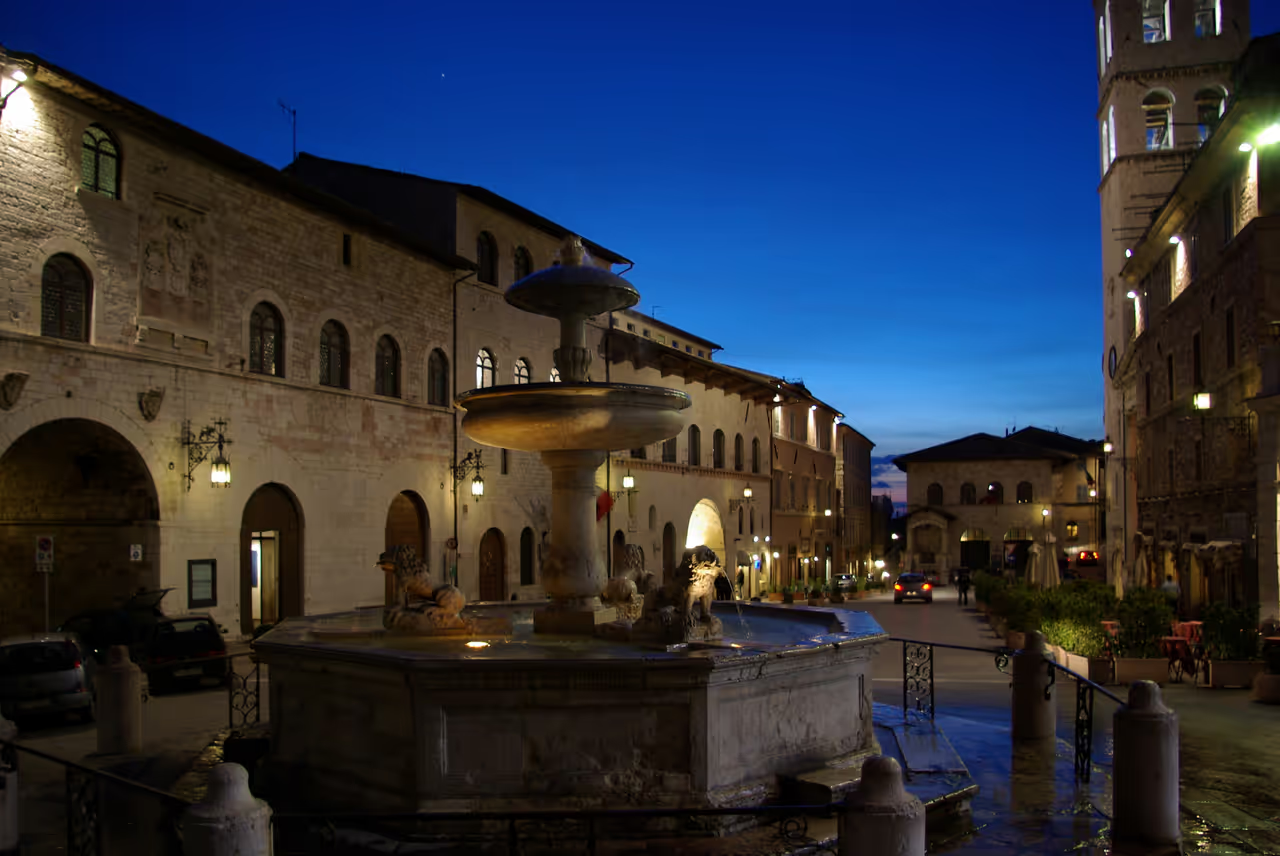
For those seeking an incredibly deep, highly comprehensive connection with this timeless city, this extensive five day itinerary leaves absolutely no stone unturned. It allows for a remarkably slow, highly mindful pace, leaving plenty of room to discover the incredibly quiet, hidden gems tucked away in the ancient residential alleys. Beyond the world famous monuments, you will explore secluded monastic courtyards, stunning hidden artworks, and expansive natural woodlands. This extended stay allows you to truly sync with the slow, peaceful rhythm of local Umbrian life, rather than just ticking off a sightseeing checklist. It is the ultimate, deeply transformative way to experience every single nuanced facet of Assisi.
view itinerary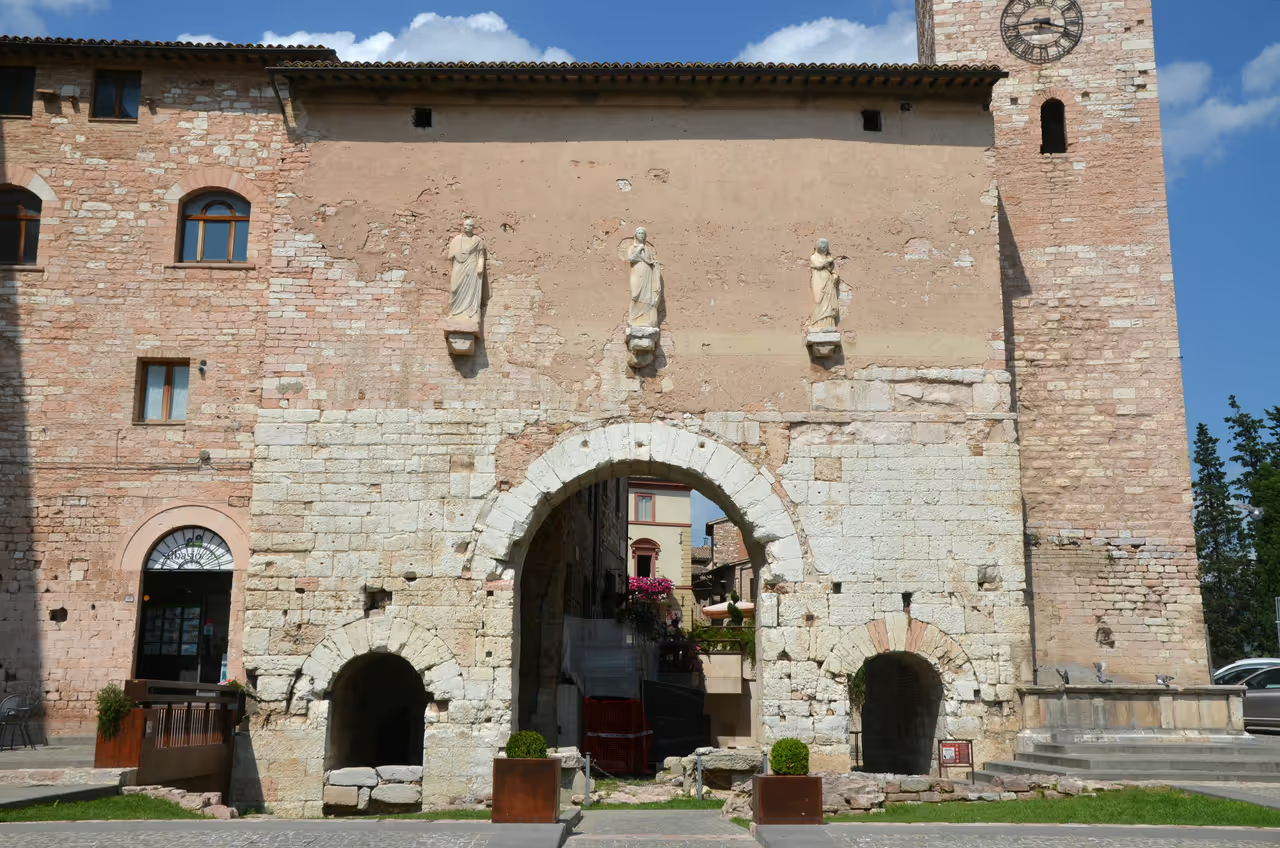
Assisi to Spello Vineyard Route
This stunning ride connects the lower plains of Assisi to the incredibly charming, flower filled town of Spello. The route glides along relatively quiet country roads, flanked by silver olive groves and rows of manicured grapevines. It offers a glorious, uninterrupted view of the Umbrian hills and allows riders to soak in the rural agricultural beauty of the region. The journey is visually spectacular and incredibly peaceful, with the scent of wild herbs often hanging in the air. It is the perfect half day excursion for those wanting to combine light exercise with breathtaking landscapes.
view cycling route
See all nature & parks in Assisi
Church of San Damiano, Forest of Saint Francis, Mount Subasio...