Siena
Full City Guide, Map & 116 Things To Do
52,812 people live here.
That's 0.09% of the entire population of Italy.
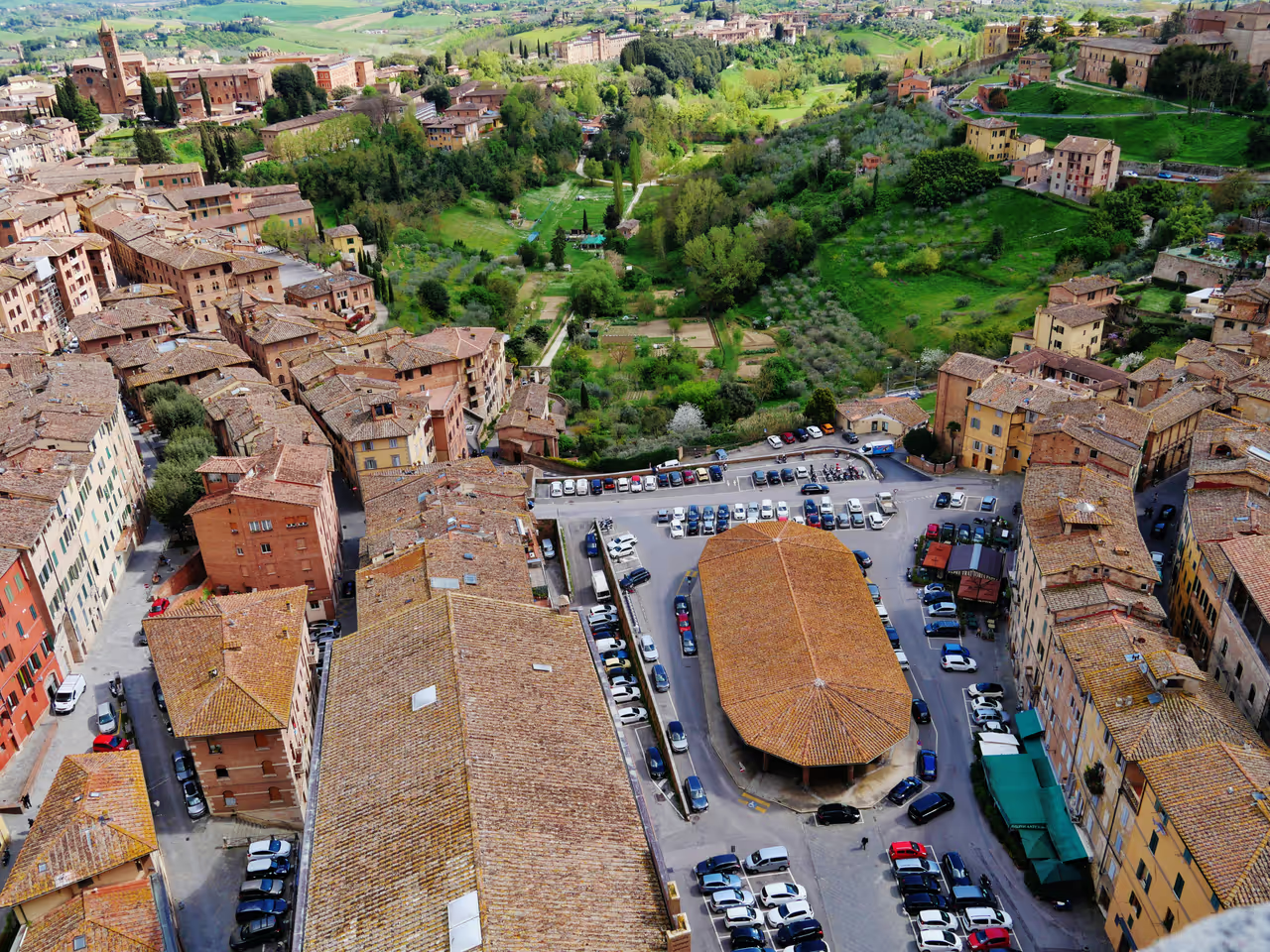
Rising gracefully across three steep hills in the heart of Tuscany, Siena is a masterpiece of medieval urban planning. The city's burnt-orange brickwork and narrow, winding streets have remained largely unchanged for centuries, offering an authentic glimpse into Italy's historic past. Dominated by the majestic Piazza del Campo and an imposing striped cathedral, the architecture reflects an era of incredible wealth and artistic ambition. Beyond the physical beauty, the spirit of the city is fiercely kept alive by its contrade, the distinct neighbourhoods that compete in the famous Palio horse race. Visitors are treated to world-class art, exceptional regional cuisine, and an atmosphere that feels entirely suspended in time. It is a place where every corner reveals a new piece of history, demanding to be explored slowly and thoroughly.
Siena DNA
History of Siena
Two exhausted horses, one entirely black and the other snow-white, carried the brothers Senius and Aschius to the top of a Tuscan hill. Fleeing their murderous uncle Romulus, these legendary founders supposedly inspired the city's two-tone coat of arms known as the balzana. The actual historical record points instead to Etruscan settlements and a minor Roman military colony named Saena Iulia. The locals always possessed a fiercely independent streak. In 70 AD, the Roman senator Manlius Patruitus visited the town and was promptly beaten and mocked with a staged, satirical funeral procession. Rome was not amused, sending strict orders for the rebellious provincials to respect imperial authority. Wealth eventually poured into the hilltop settlement via the Via Francigena. Pilgrims and merchants travelling to Rome needed places to rest, trade, and borrow money, transforming this community into a medieval financial powerhouse. Sienese bankers became the primary lenders to the Papacy. This newly acquired power inevitably ignited a bitter regional conflict with Florence. The defining clash occurred in 1260 at the Battle of Montaperti, where the outnumbered Ghibelline troops of Siena decisively crushed the Florentine Guelfs. Dante Alighieri famously recorded the event, noting how the slaughter dyed the waters of the Arbia river red. Control of the local administration eventually landed with the Government of the Nine. This merchant-led council ruled from 1287 in a period of intense civic pride, pouring vast fortunes into the gothic architecture of the Duomo and the fan-shaped paving of the Piazza del Campo. Navigating the steep incline of the Via di Fontebranda to reach these central squares often leaves pedestrians pausing to catch their breath, a minor physical toll built into the medieval geography. The demographic and economic trajectory pointed steeply upward until the bubonic plague of 1348 abruptly halved the population. Construction on a massive extension to the cathedral was permanently abandoned, leaving a towering, unfinished masonry wall known as the Facciatone standing naked against the sky. The final blow to Sienese independence arrived in 1555. The rival Medici family and the Holy Roman Emperor Charles V combined forces to blockade the city walls for over a year. Starvation forced a reluctant surrender, ending one of the few pure democratic republics in Western Europe. A stubborn faction of exiles fled south to establish the Republic of Siena withdrawn in Montalcino, continuing the fight for another four years before finally succumbing to French betrayal. That fierce, insular pride never actually dissolved into the broader Tuscan landscape. It simply channelled itself into the seventeen Contrade, the historical neighbourhoods that still govern local life and compete in the Palio horse race. A victorious horse is given a place of absolute reverence, proudly wearing the painted spennacchiera rosette upon its forehead as it is led straight into the local church for a blessing.
13 Events spanning 2795 years
Map of Siena
Interactive Destination & Itinerary Map
This map blends our curated city guides—featuring best photo spots, scenic walks, viewpoints, hidden gems and much more—with a live Wikipedia explorer. Click on our numbered pins to plan your routes, or zoom in on the surrounding neighborhoods to discover verified local landmarks, museums, and stories with dynamic Wikipedia summaries and photos!
Fun Facts
- • The head of Saint Catherine, one of Italy's patron saints, is preserved in a gilded reliquary in the Basilica of San Domenico.
- • During the famous Palio horse race, the dirt laid down on the square is specially prepared and closely guarded to ensure the perfect racing surface.
- • According to the rules of the Palio, a horse can win the race even if its jockey has fallen off, as the animal represents the neighbourhood.
- • Virtually no modern buildings exist within the historic city walls because economic decline after 1555 left the city too poor to rebuild.
- • The symbol of the she-wolf feeding Romulus and Remus is found everywhere, supposedly because the city was founded by Remus's fleeing sons.
Did You Know?
- • The city's 1309 Constitution was the very first in Europe to be translated from Latin into the vernacular, allowing ordinary citizens to read the laws.
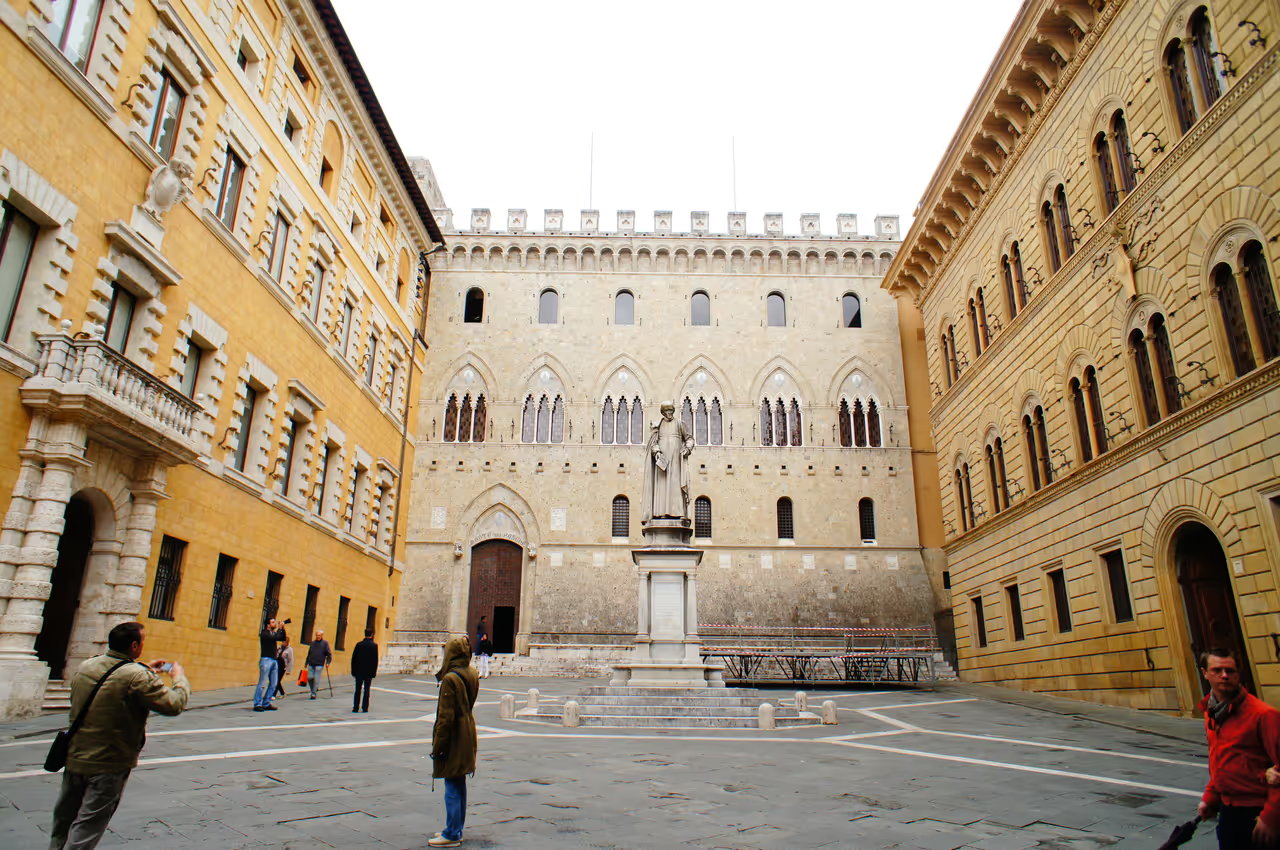
- • Banca Monte dei Paschi, headquartered in the Palazzo Salimbeni, has been operating continuously since 1472, making it the oldest bank in the world.
- • Before the devastation of the Black Death in 1348, this was one of the largest and wealthiest cities in Europe, rivaling Paris in size.
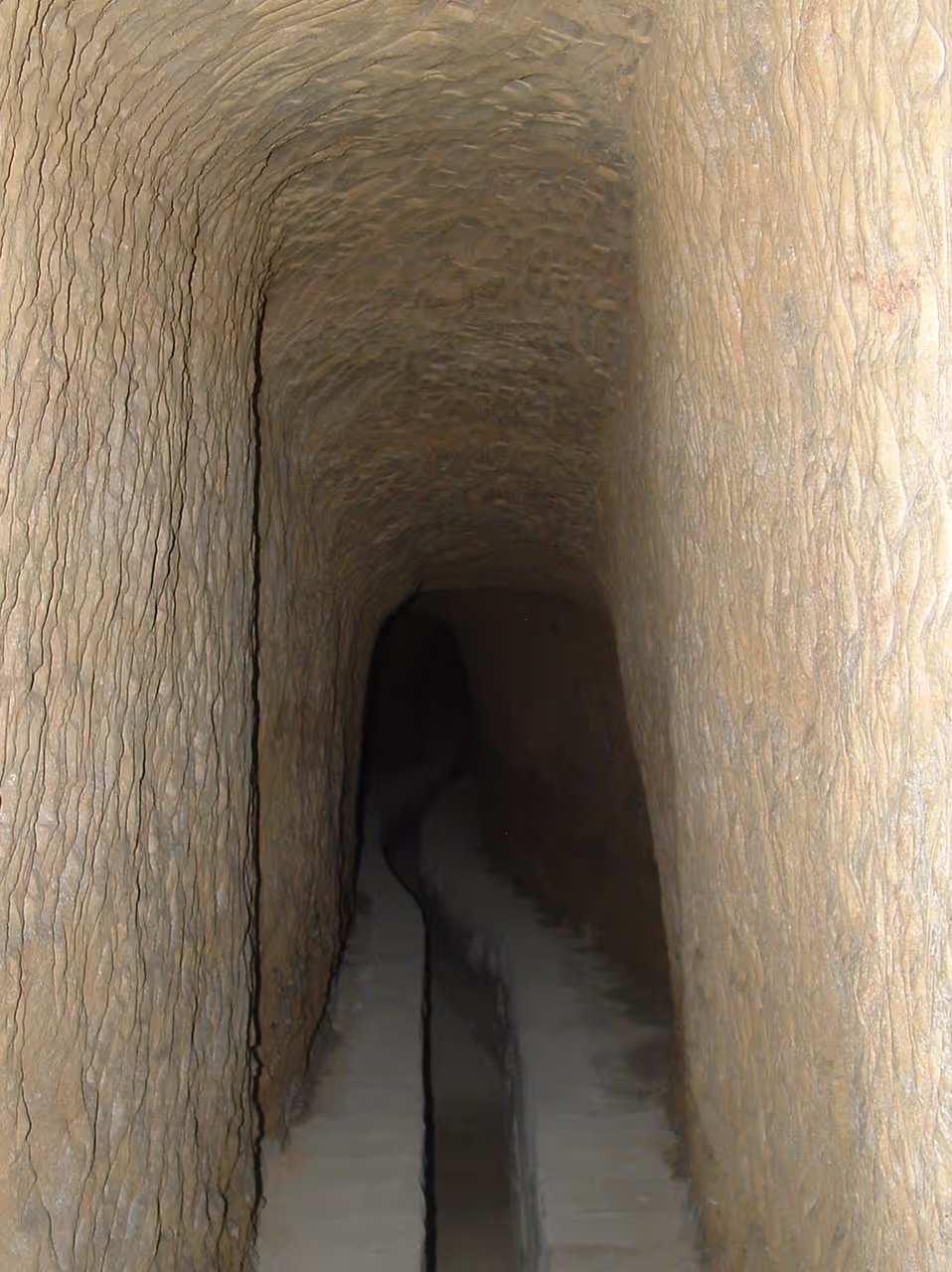
- • A massive 25-kilometre network of medieval underground aqueducts, known as the Bottini, still supplies water to the city's historic fountains today.
- • The intricate marble mosaic floor of the Cathedral is considered so precious that it is kept covered for most of the year to protect it from footsteps.
Videos of Siena
Seasons
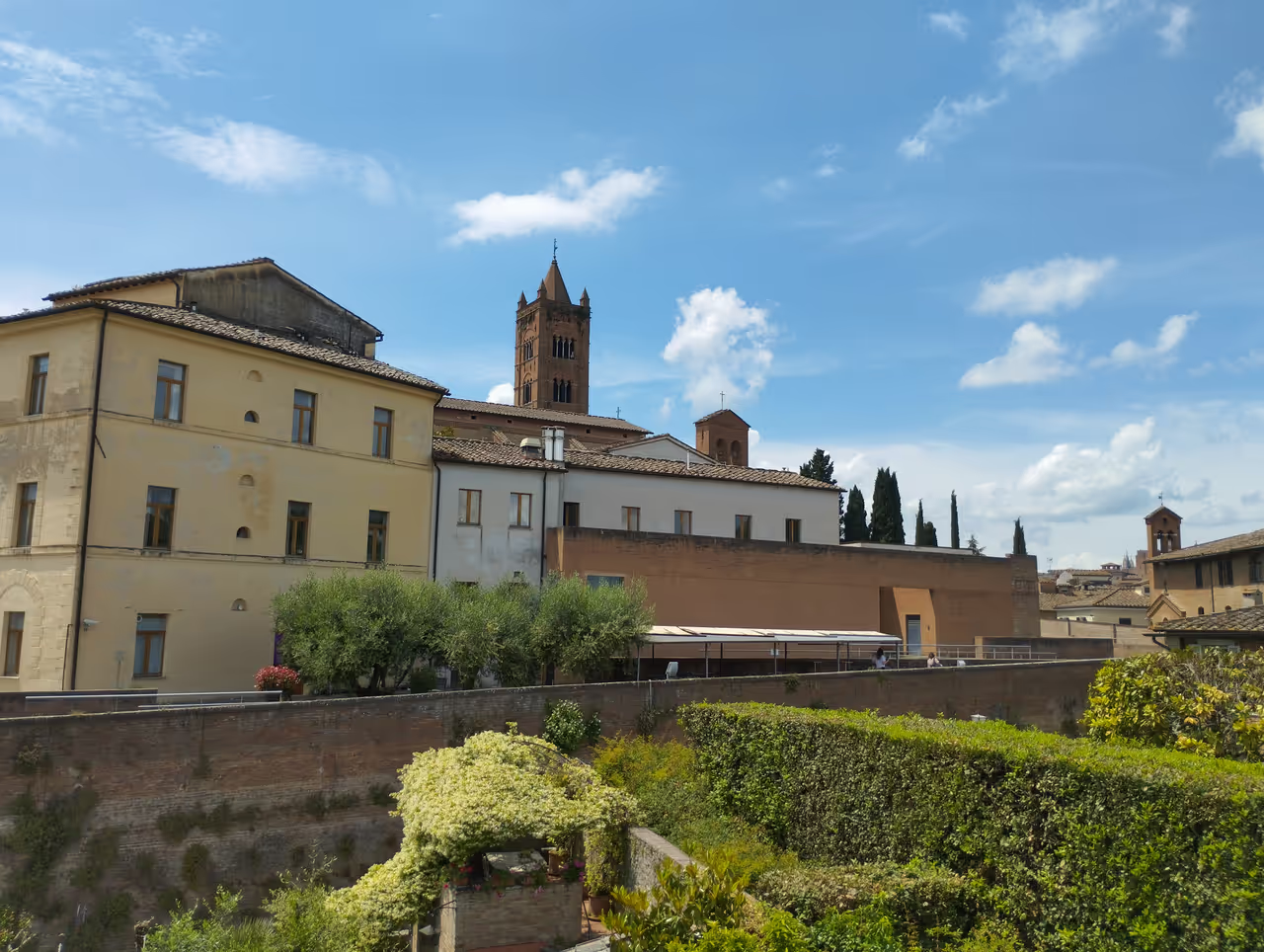
Spring
The Tuscan hills surrounding the city erupt in vibrant shades of green and are dotted with red poppies. The weather is...
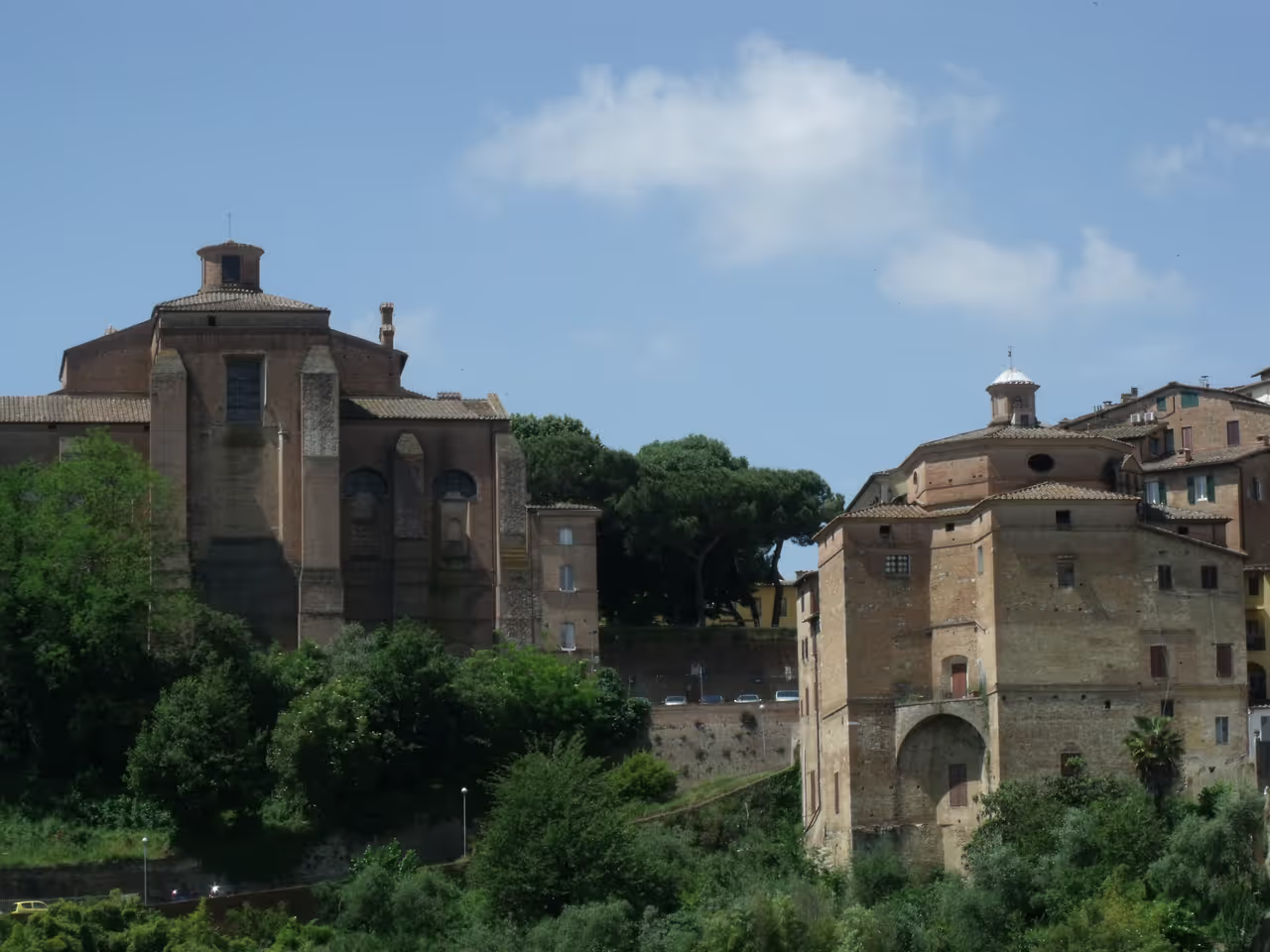
Summer
The city reaches an intense, chaotic peak as the historic Palio races take over in July and August. The streets are adorned with...
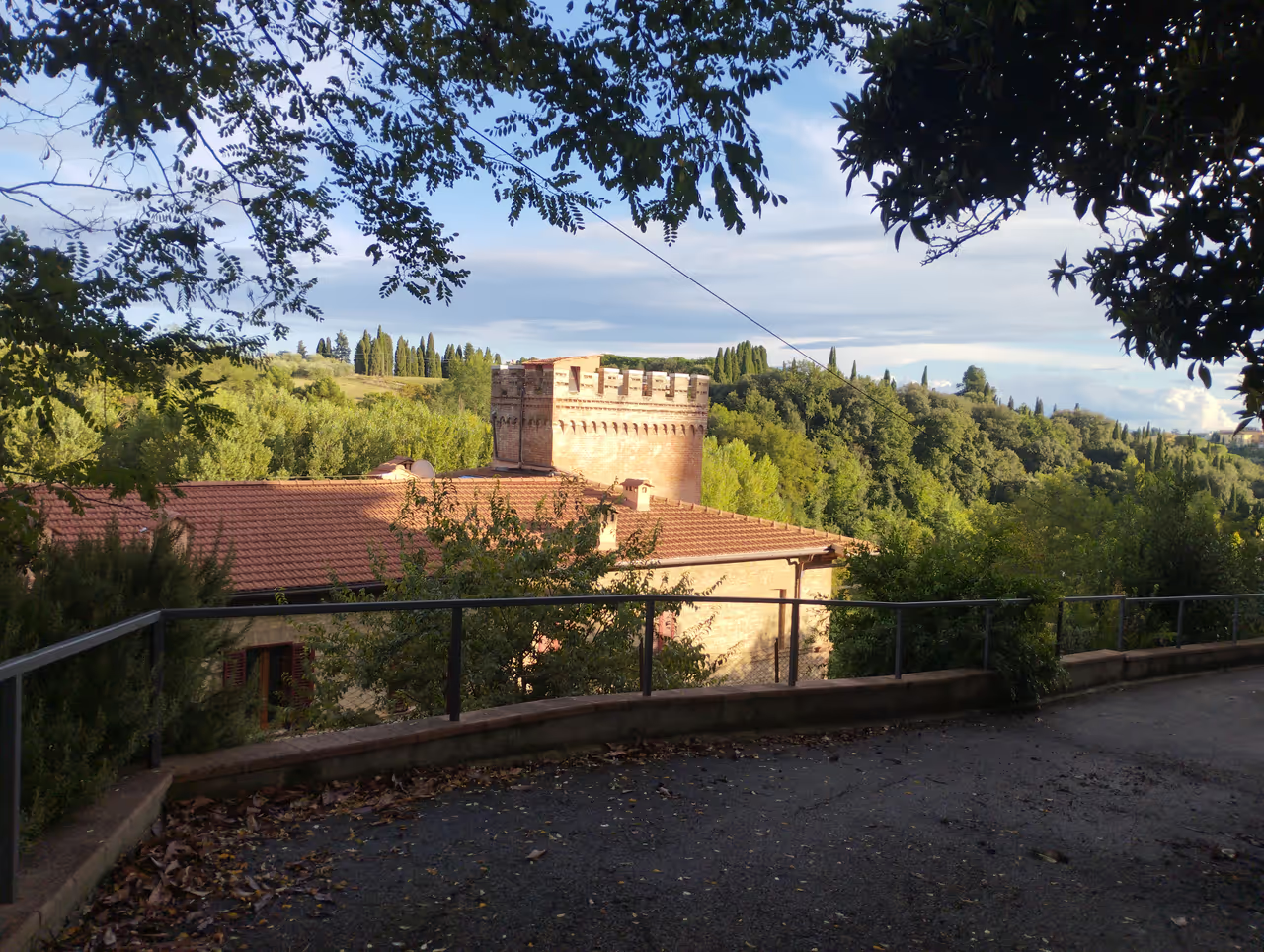
Autumn
As the crowds begin to thin, the surrounding vineyards turn beautiful shades of gold and crimson. This is the season of the...
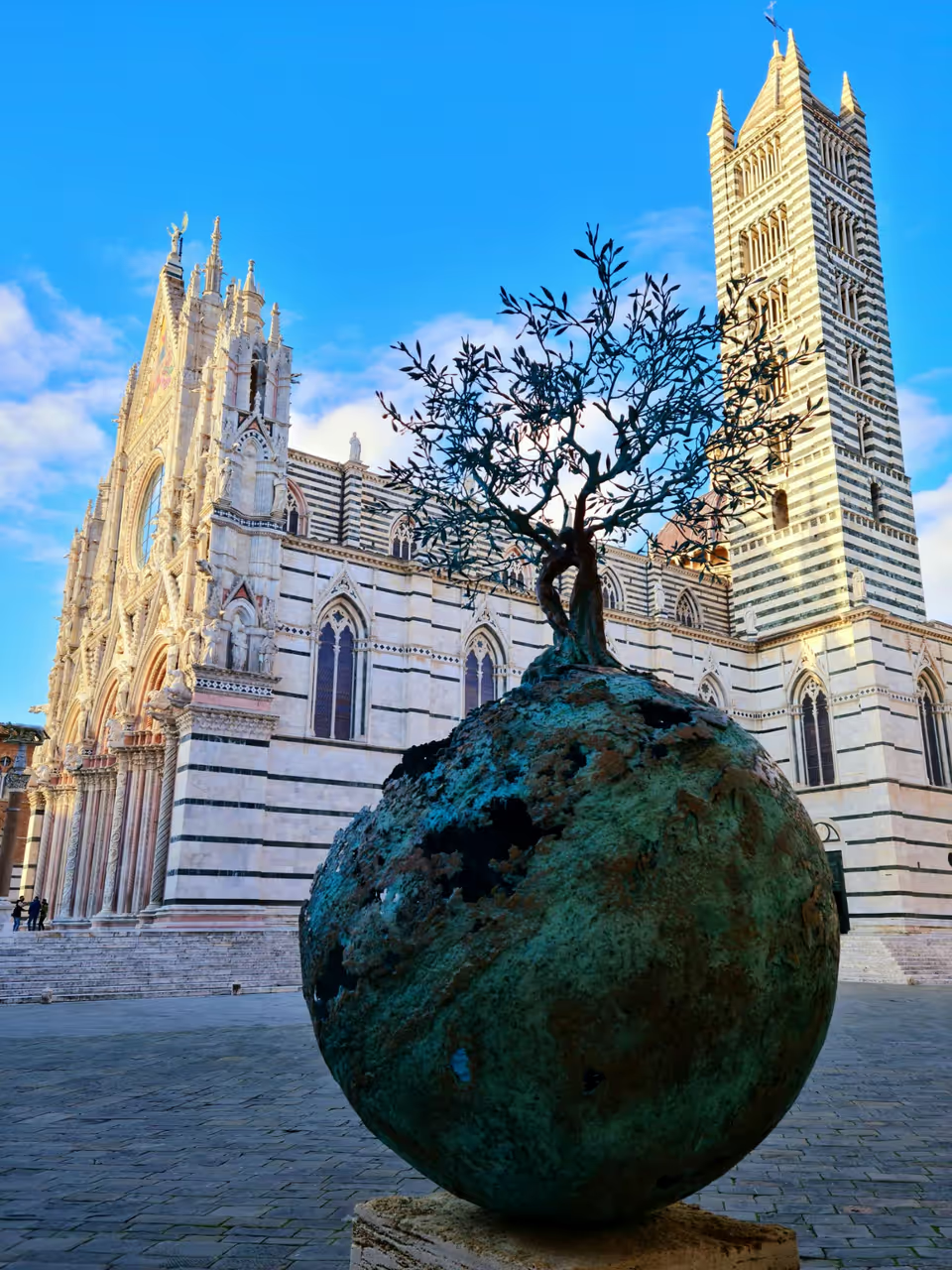
Winter
A deep, peaceful silence descends upon the city, allowing you to wander the ancient streets virtually alone. The frequent fog...
Top Attractions in Siena
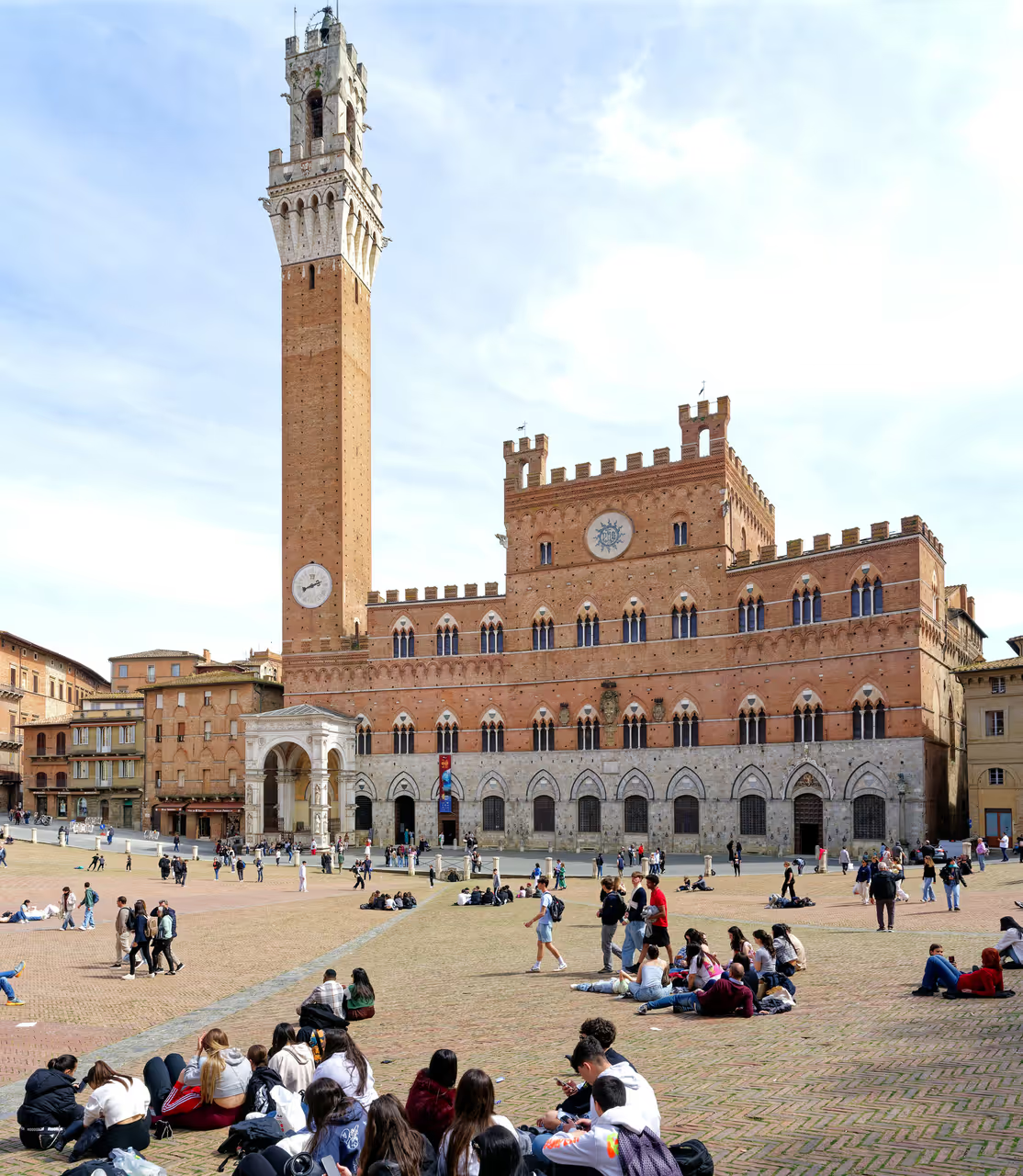
Palazzo Pubblico
Perched at the very heart of the city, the Palazzo Pubblico stands as a majestic testament to the pride and ambition of the...
view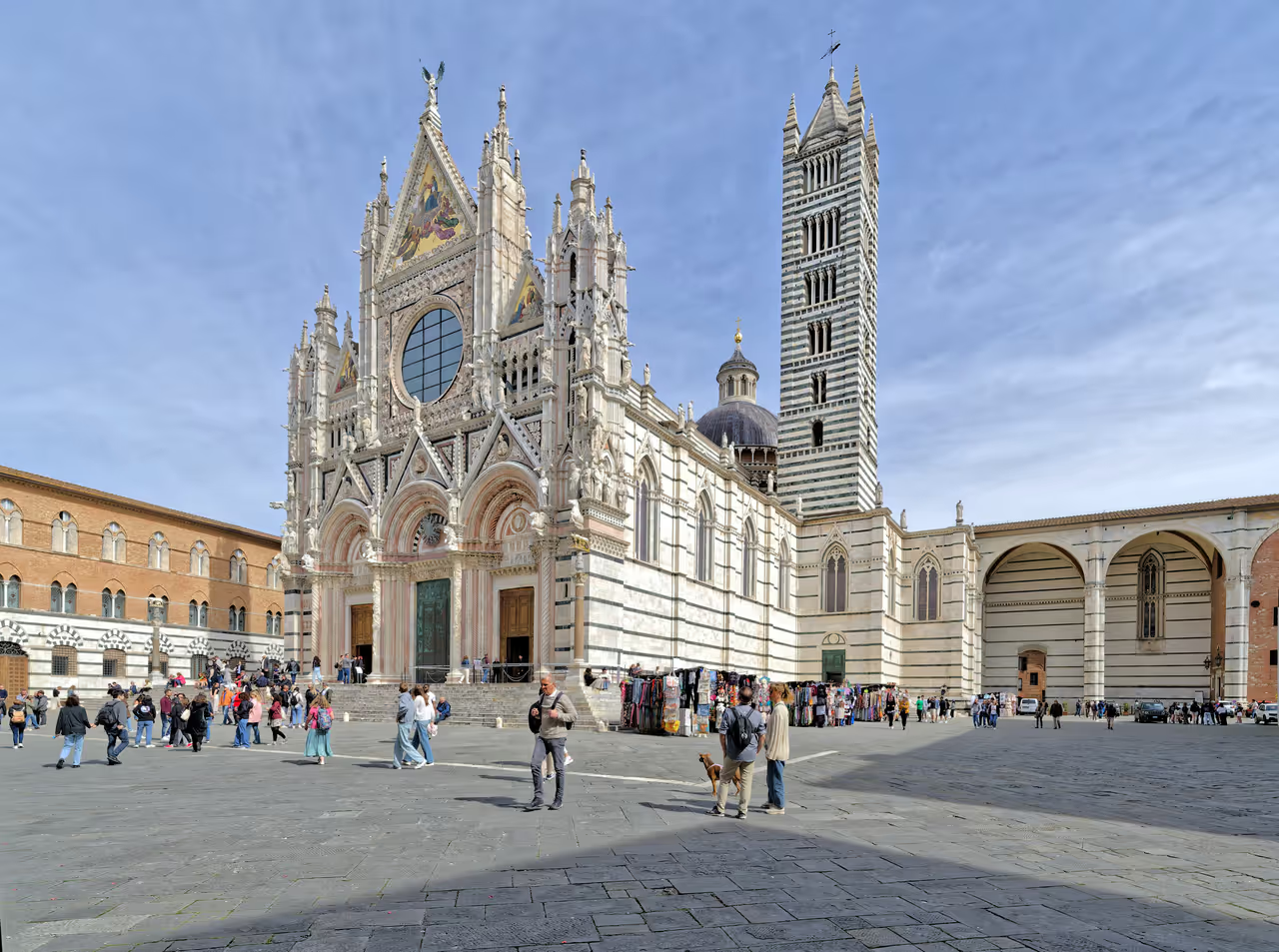
Siena Cathedral
Step into the Duomo di Siena and you enter a world where time seems to stand still amidst an overwhelming display of artistic...
view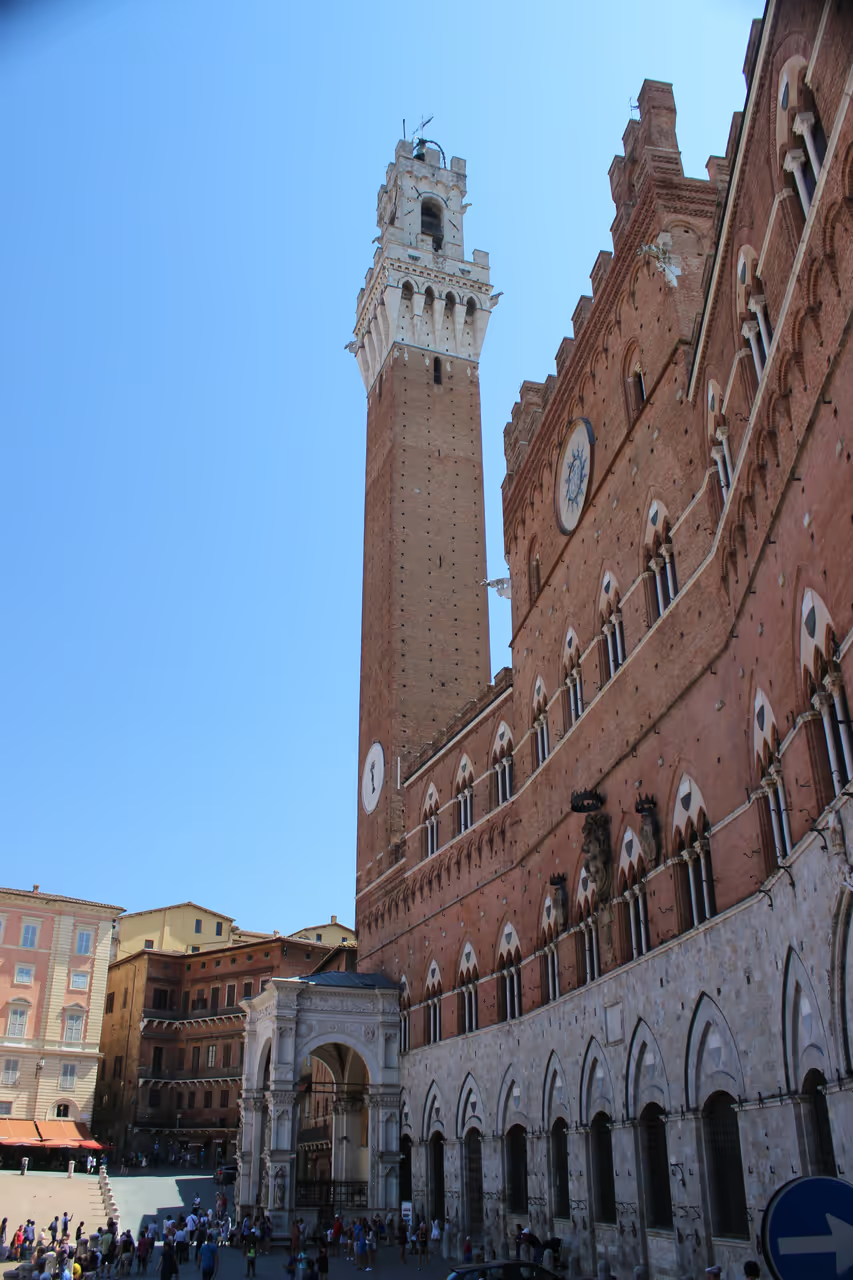
Torre del Mangia
Rising high above the vibrant Piazza del Campo, the Torre del Mangia is the undisputed soul of Siena. Its slender, brick-red...
view
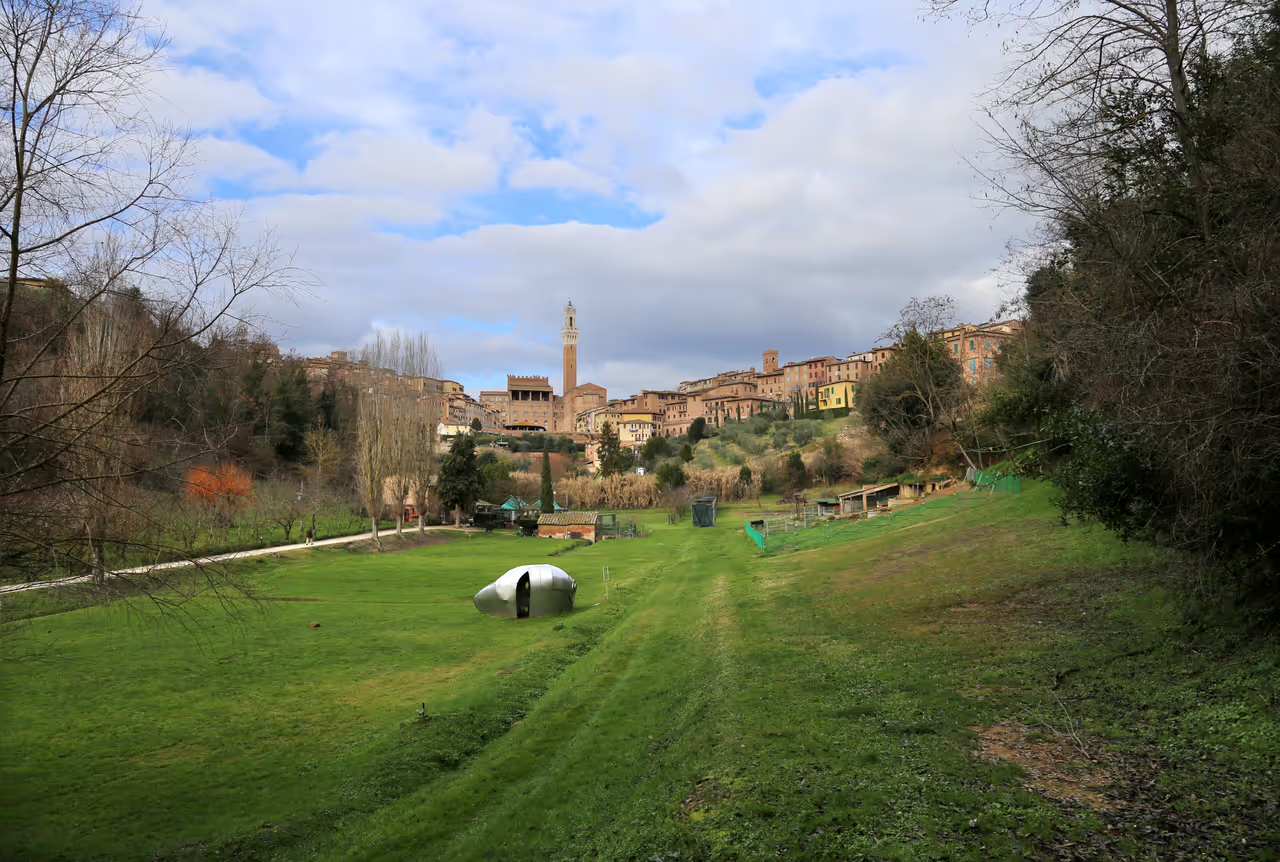
Best Views
Siena Itineraries
TRIP PLANNER
3 Days Recommended
Three days offer the perfect balance to explore the steep historic centre without rushing. It allows enough time to visit the major museums and Cathedral complex, wander through the less-visited contrada neighbourhoods, and take a leisurely evening stroll when the day-trippers leave.
1 Day in Siena Itinerary
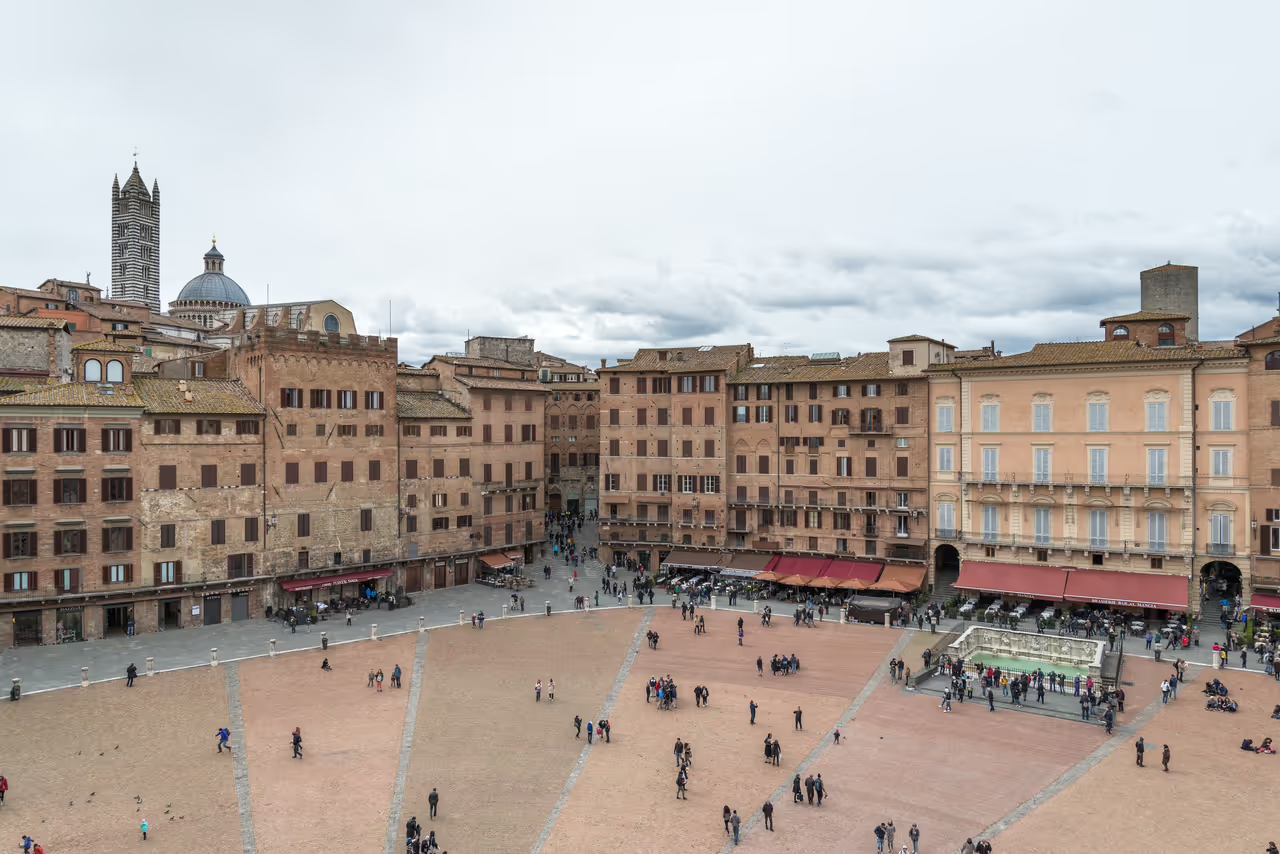
Designed for those visiting on a day trip, this fast-paced itinerary covers the absolute masterpieces of the city. It focuses entirely on the central ridge, minimizing extreme hill climbing while maximizing visual impact. You will experience the sheer gothic grandeur of the main square and the jaw-dropping artistic detail of the Cathedral. It is a perfect introduction to the wealth and ambition of the medieval republic.
view itinerary
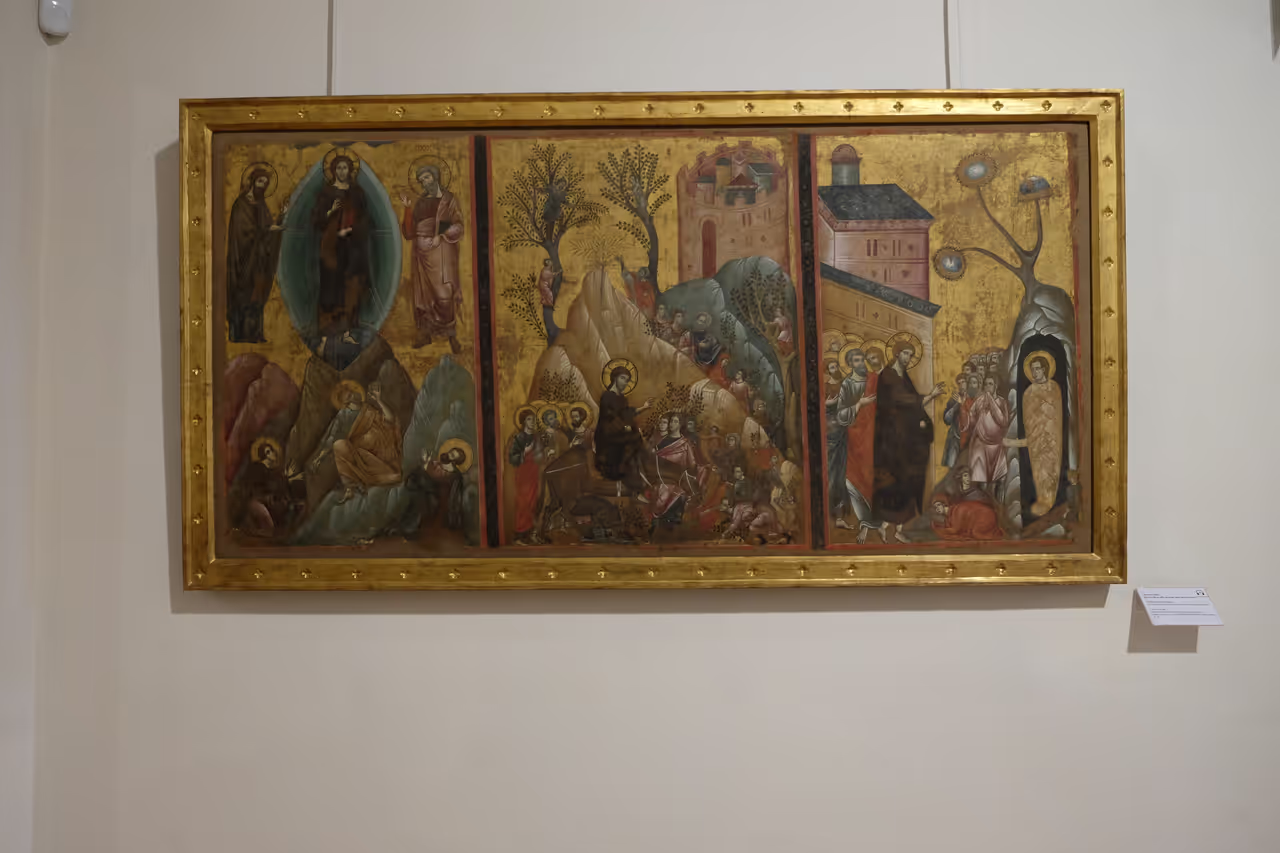
3 Days in Siena: Medieval Immersion Itinerary
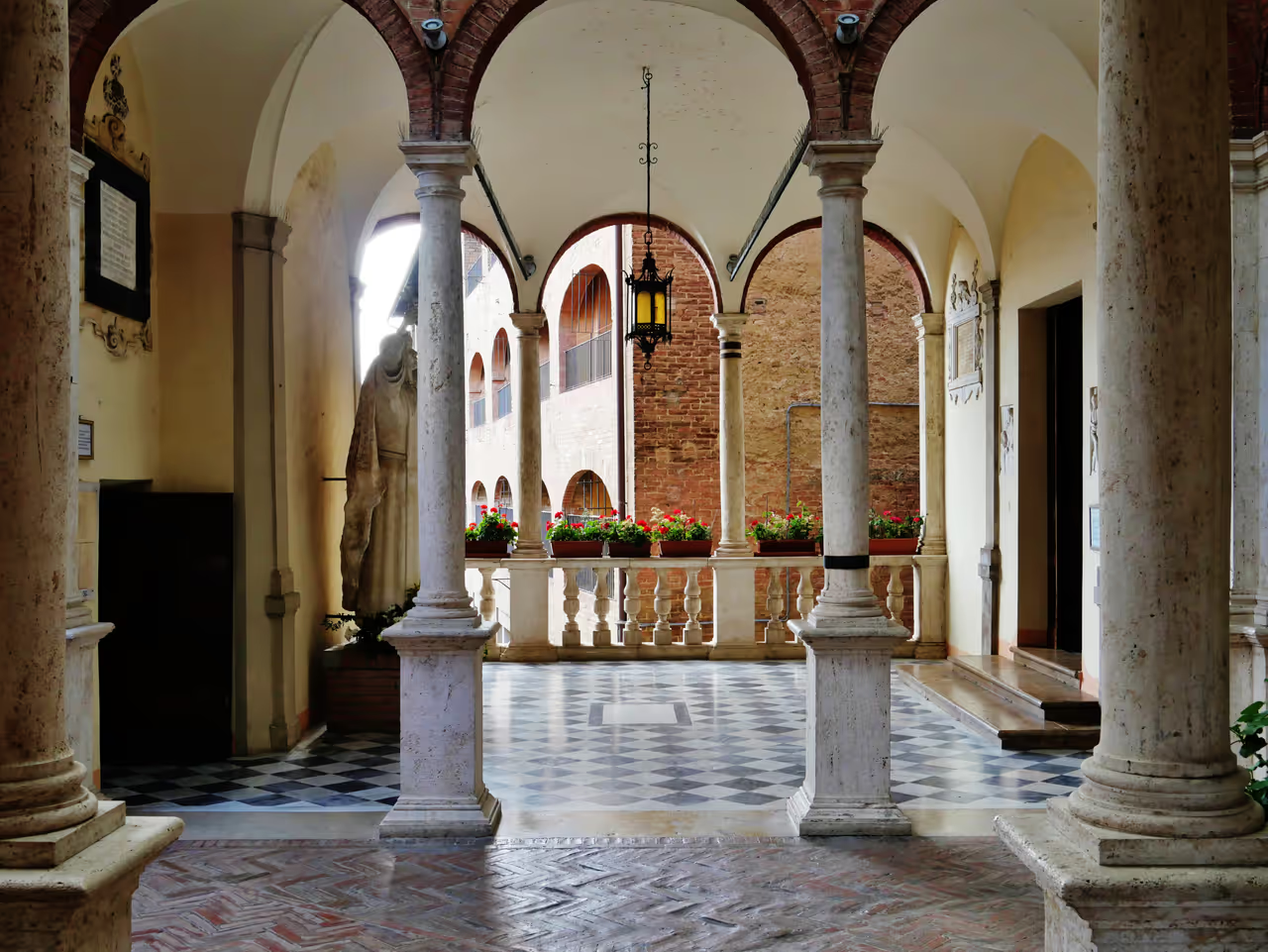
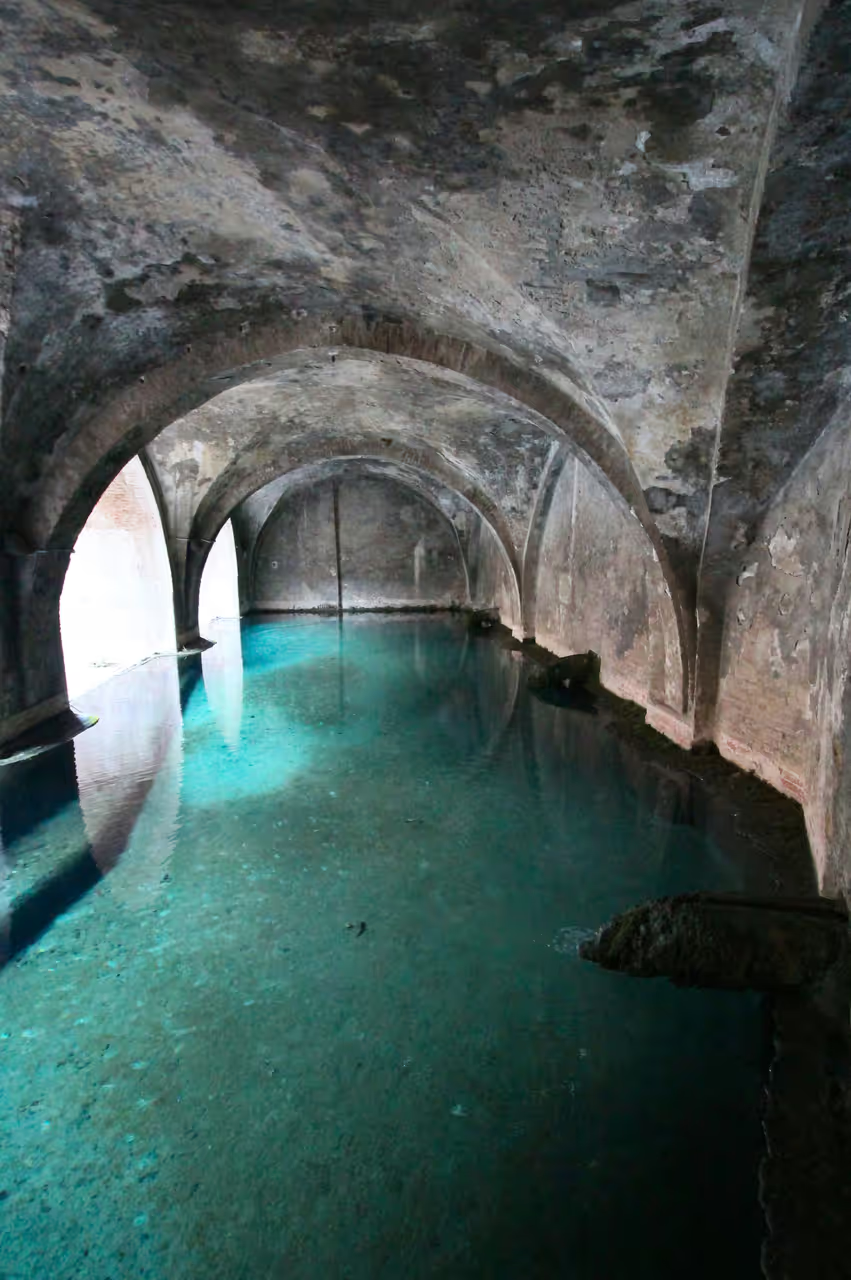
This balanced itinerary allows you to explore the major sites thoroughly while leaving time to discover the quieter, more atmospheric corners. By spreading out the heavy sightseeing, you can appreciate the world-class art collections without fatigue. It also ventures slightly off the main tourist drag to explore the city's relationship with its saints and its surrounding landscape. You will leave with a deep understanding of what makes the city tick.
view itinerary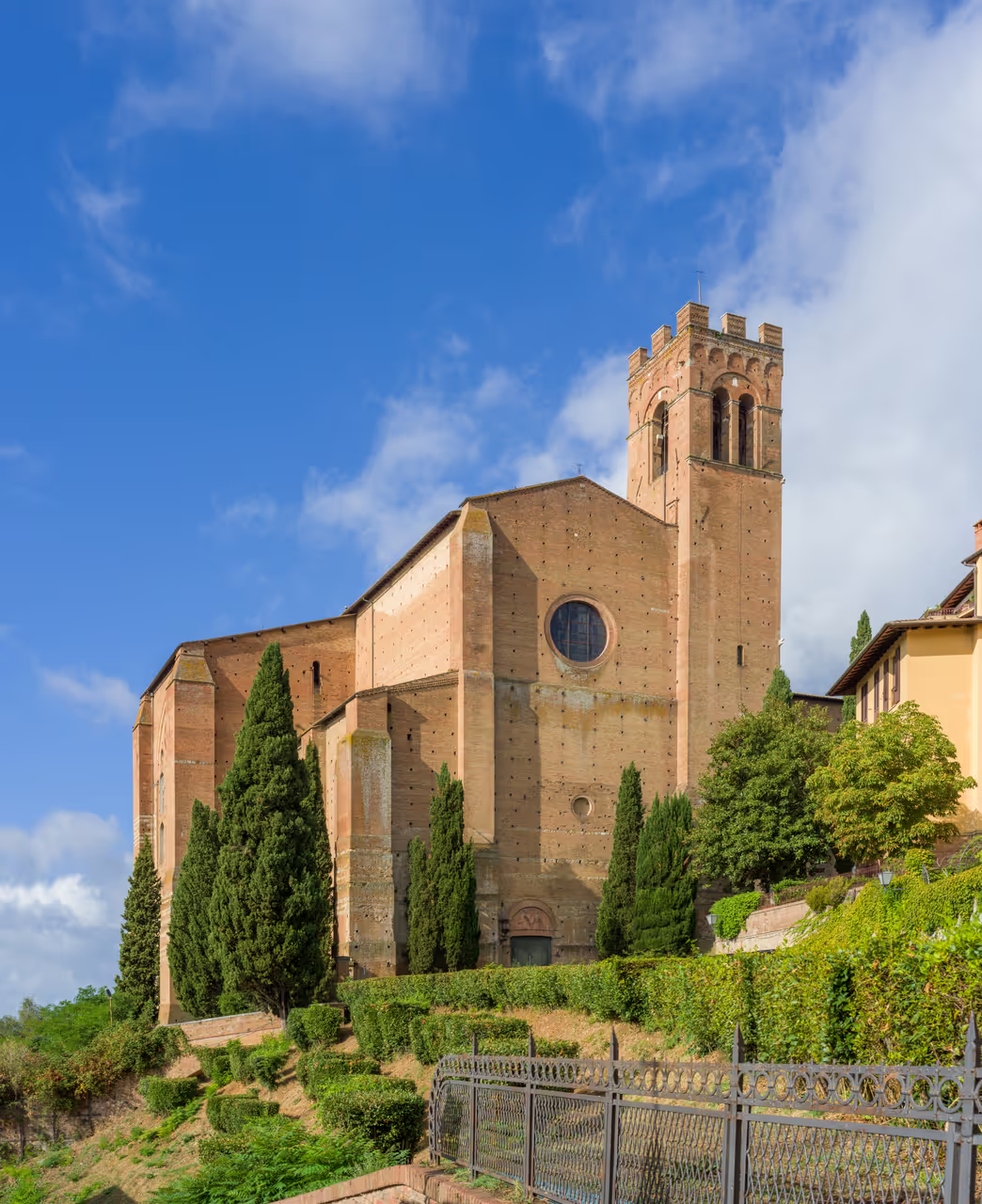
5 Days in Siena: Deep Dive Itinerary
For the slow traveller, this extensive itinerary peels back the layers of the city's complex history. It affords the luxury of wandering aimlessly through the diverse neighbourhoods, diving deep into underground tunnels, and sitting for hours in historic cafes. You will experience the rhythm of local life, moving from monumental public architecture to the intimate, hidden traditions of the contrade. This is the ultimate way to truly absorb the spirit of the ancient republic.
view itinerary
Food in Siena
Free Things to do in Siena
Parks & Nature
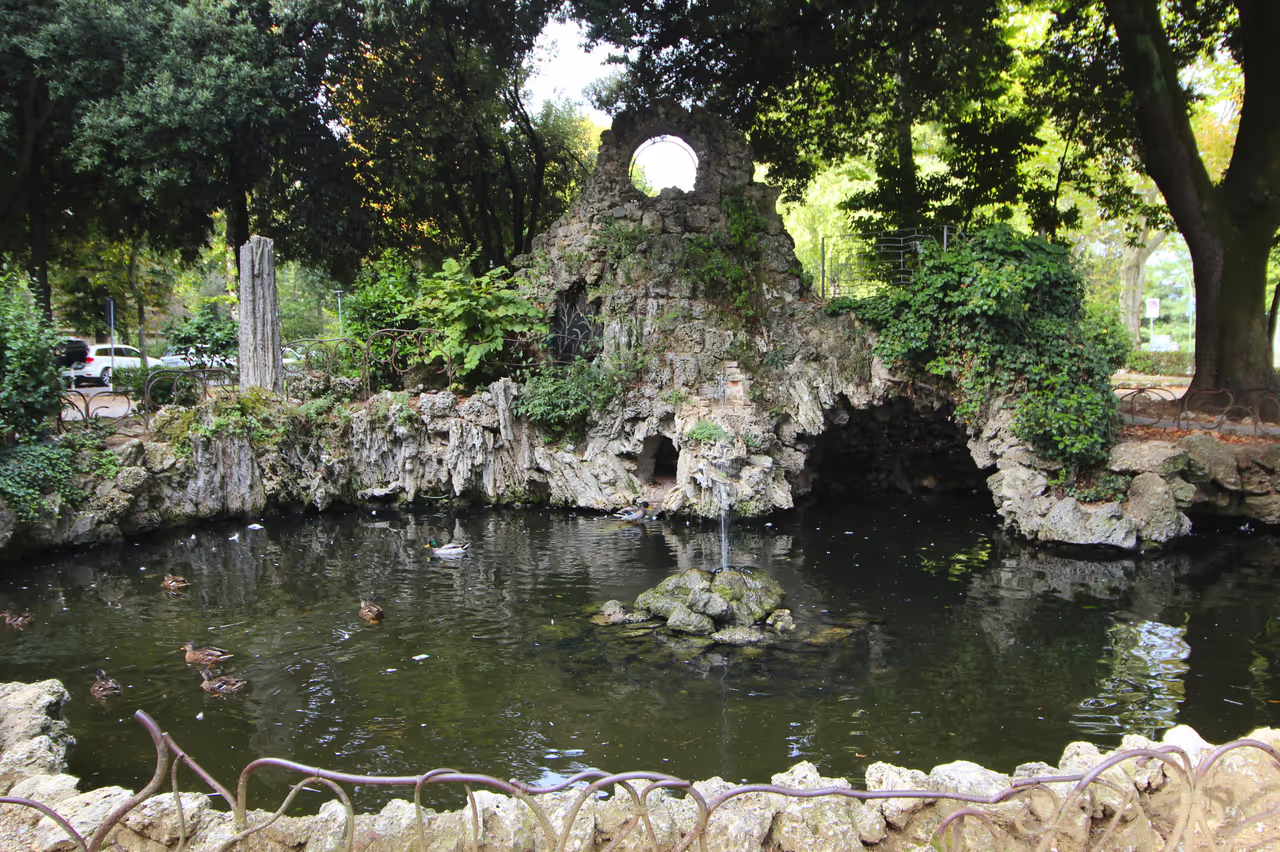
Giardini della Lizza
Giardini della Lizza offers a serene escape into the heart of Sienese history, where ancient military traditions blend with...
view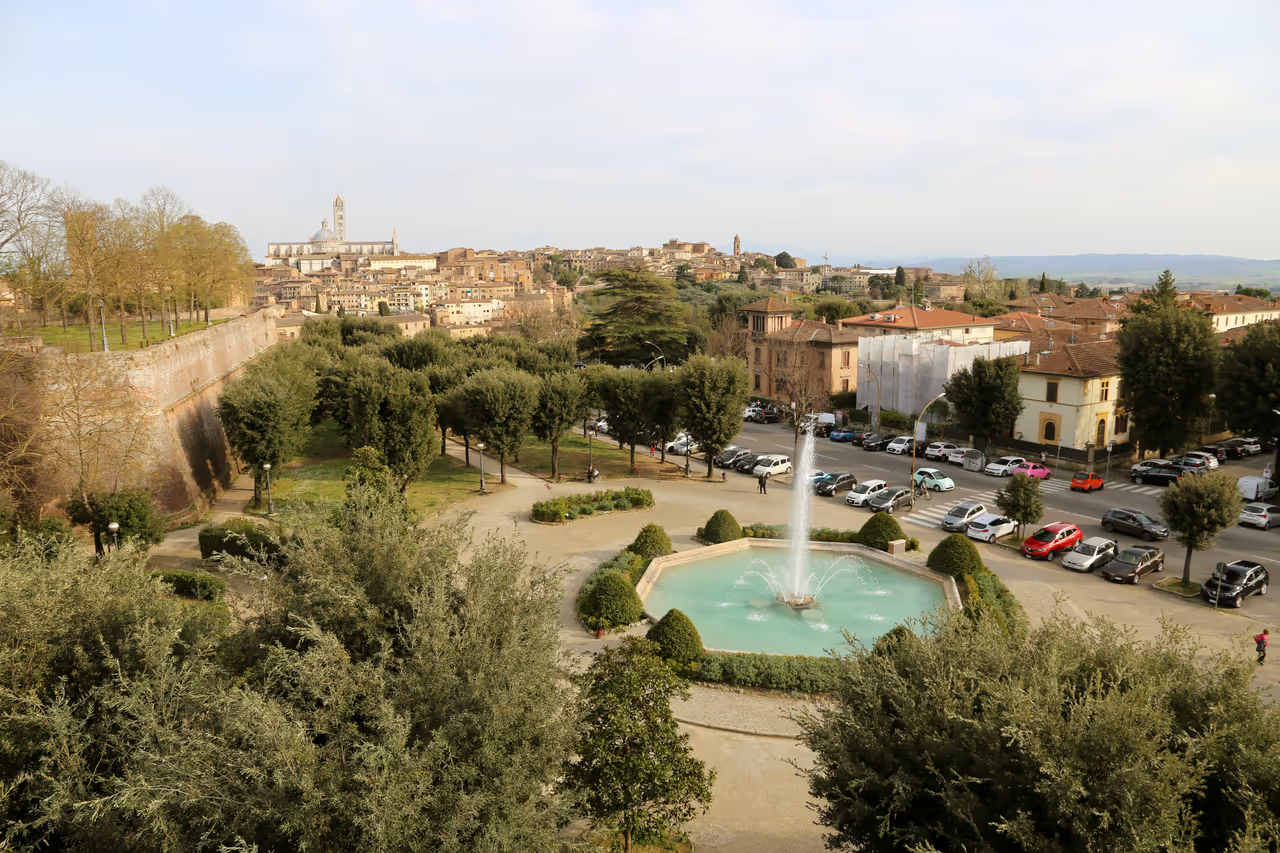
Medici Fortress
Standing as a commanding sentinel over Siena, the Fortezza Medicea represents a fascinating transformation from an instrument of...
view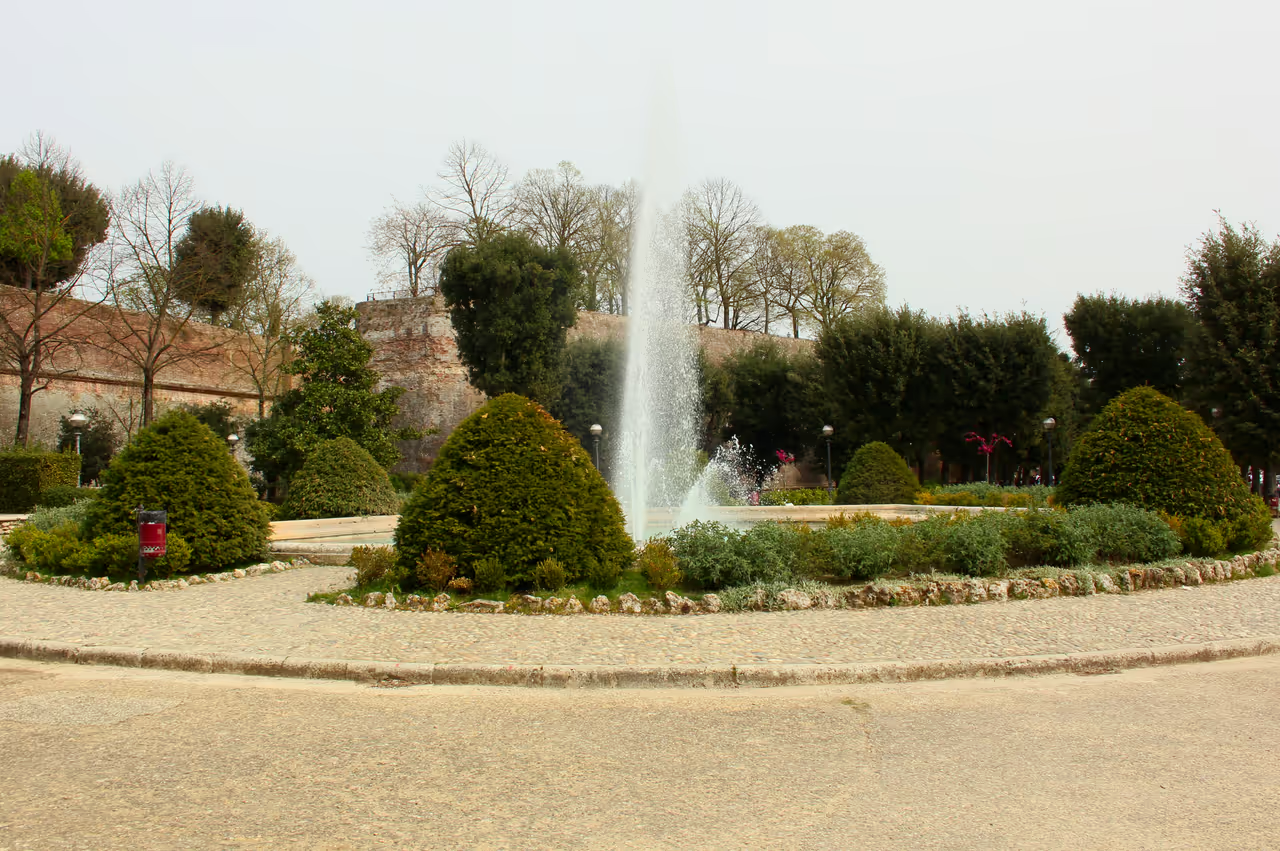
San Prospero District
Step outside the historic walls of Siena to discover San Prospero, the city's pioneering modern district that bridges the gap...
view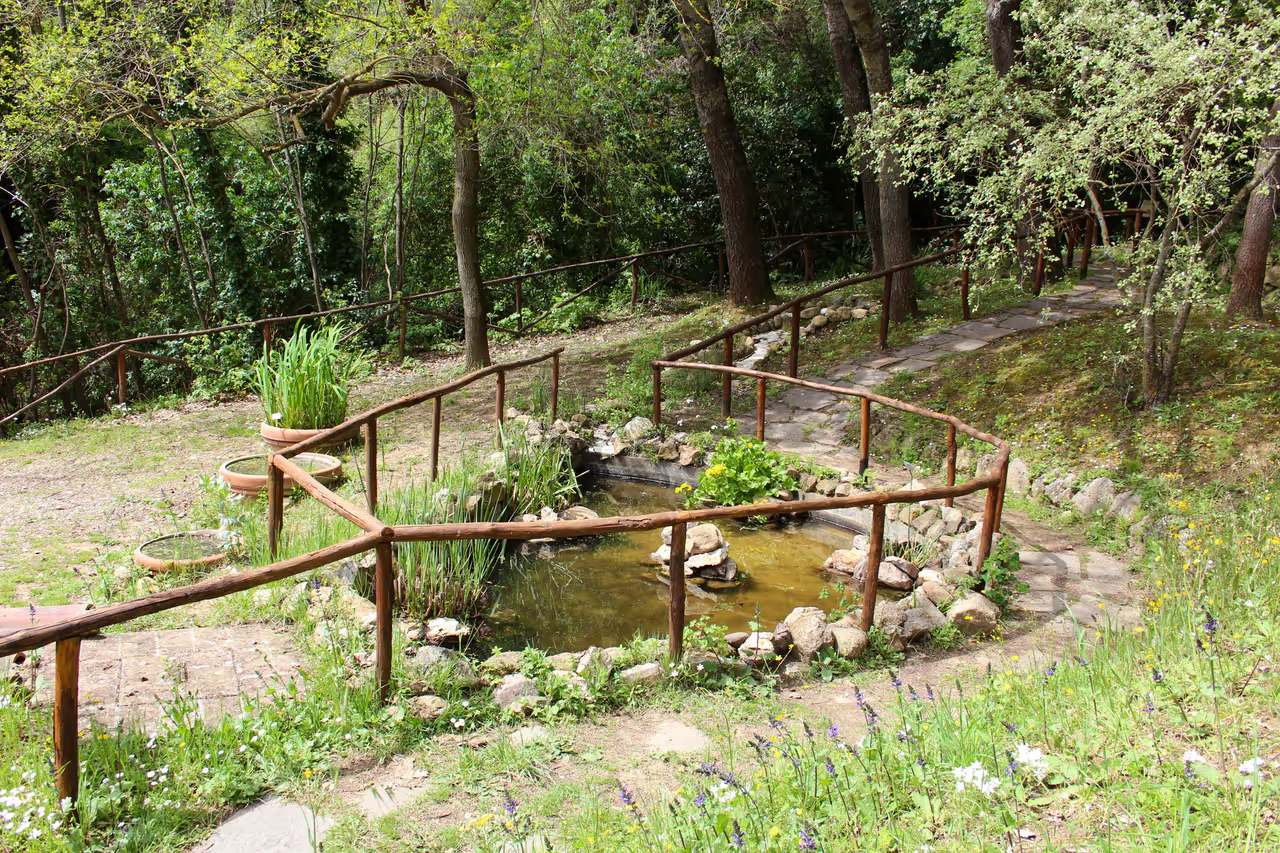
Siena Botanical Garden
Tucked away near the ancient Porta Tufi, the Siena Botanical Garden serves as a serene green sanctuary for both locals and...
view
Highlights & Must-Sees
Campo Square
The distinct shell shape of this central square forms the physical and social heart of the city. Divided into nine segments...
view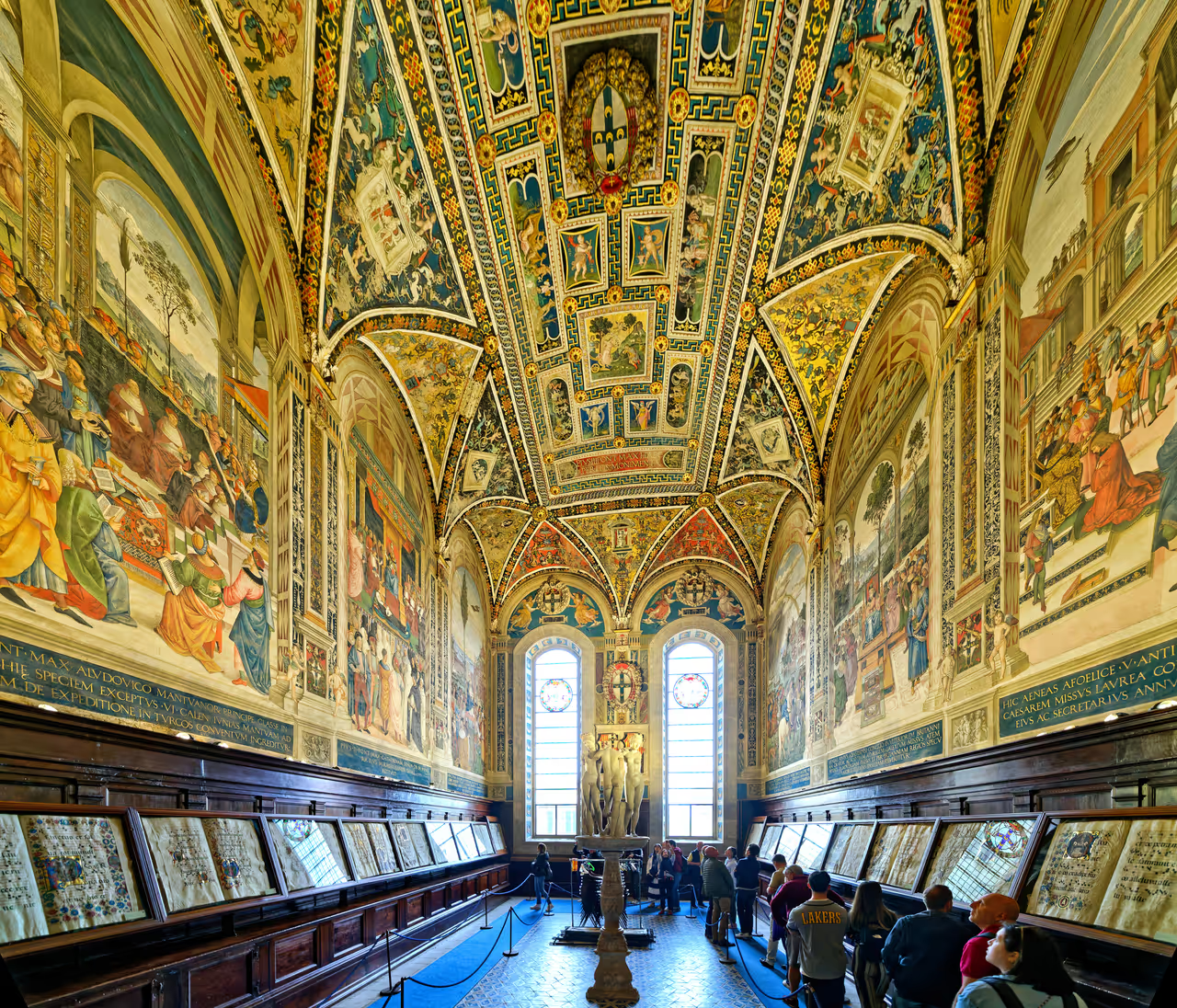
Piccolomini Library
Accessible from inside the cathedral, this room is an explosion of vibrant, perfectly preserved Renaissance colour. It was...
view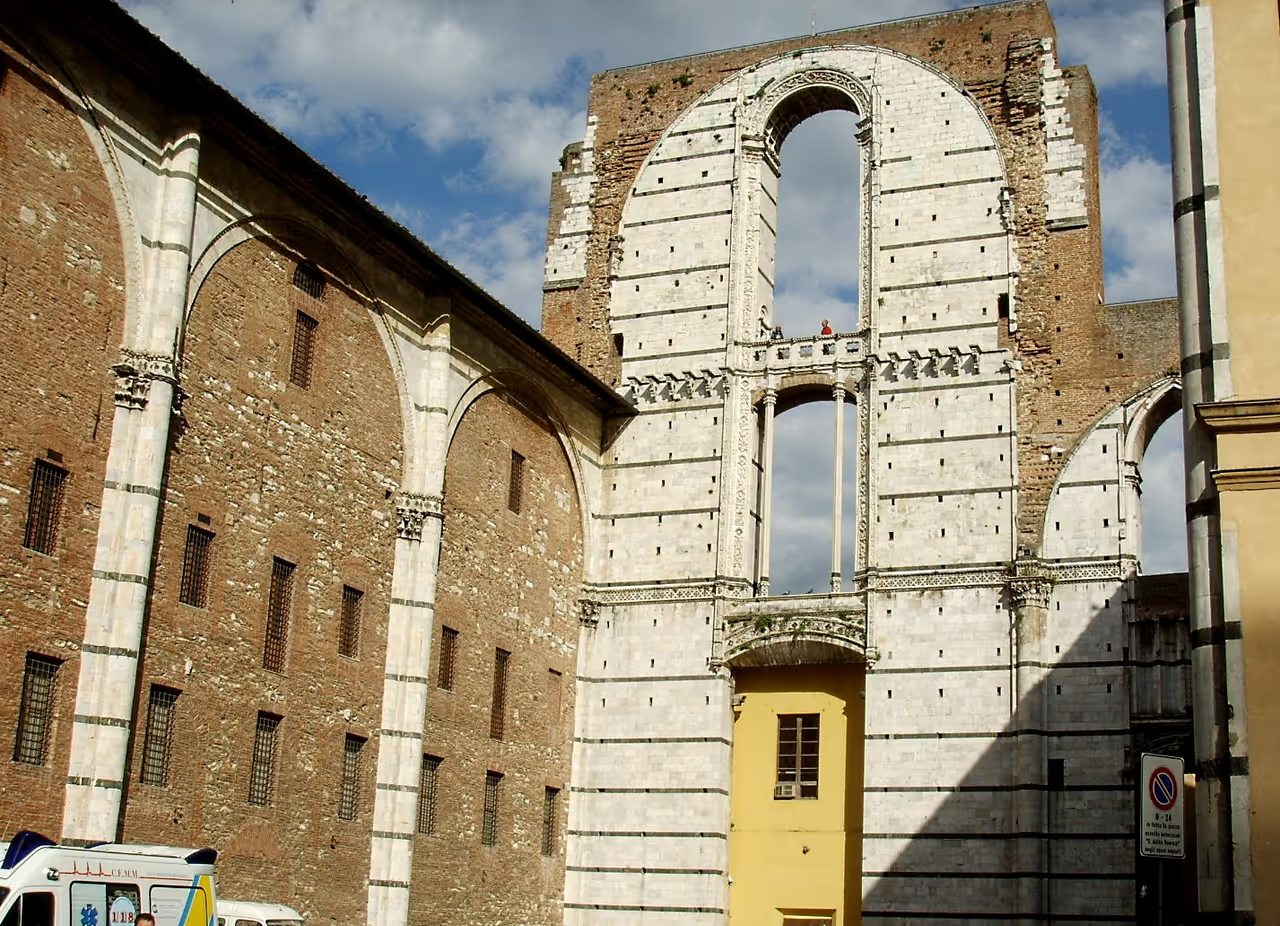
Unfinished Facade
This massive, solitary wall of striped marble stands as a haunting monument to the city's thwarted ambitions. It was intended to...
viewBasilica of Saint Dominic
This vast, austere brick church dominates the western hill of the city with its formidable, fortress-like presence. Inside, the...
view
Best Walks in Siena
 HIGHLY RECOMMENDED
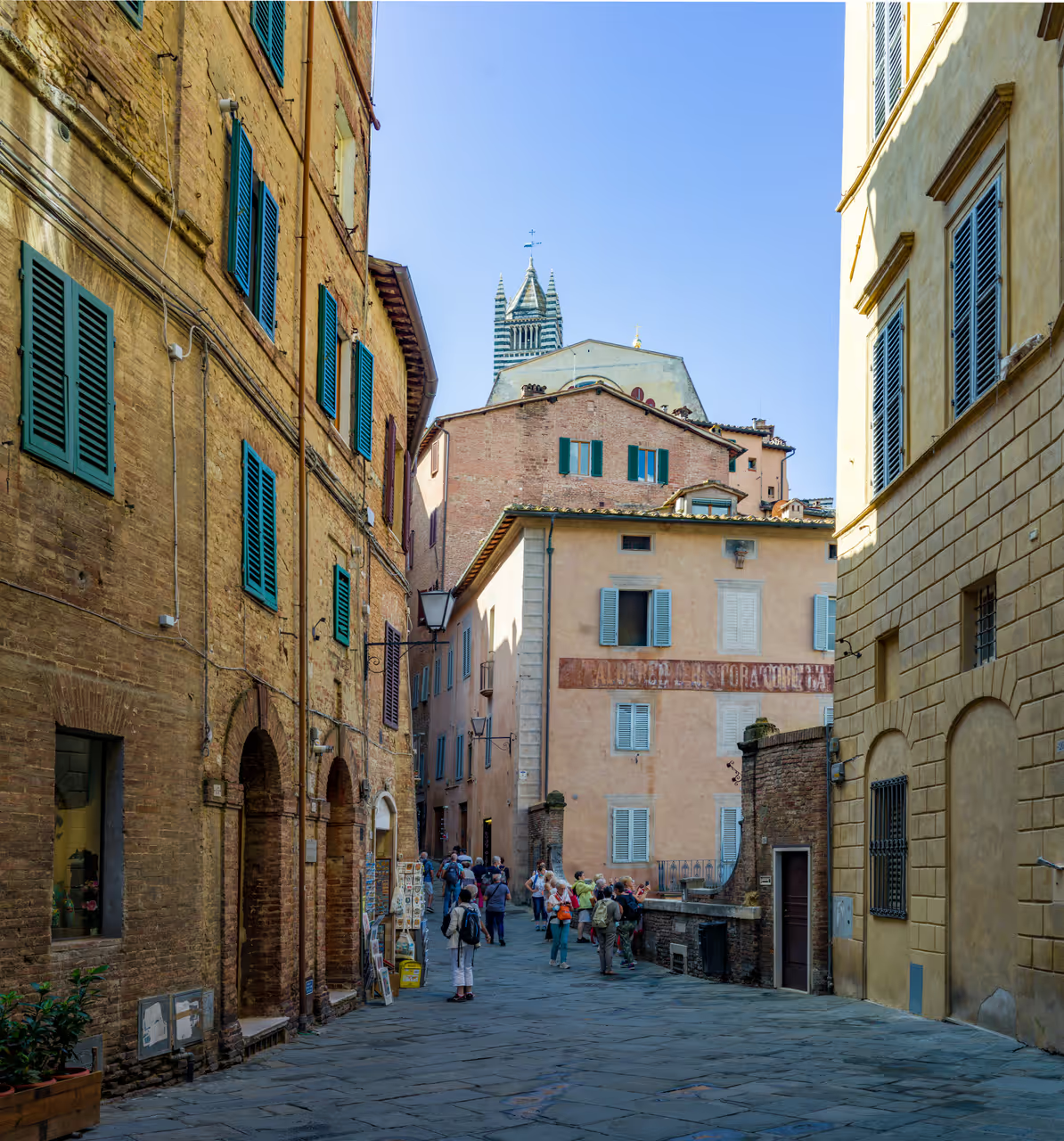
Medieval Alleys Walk
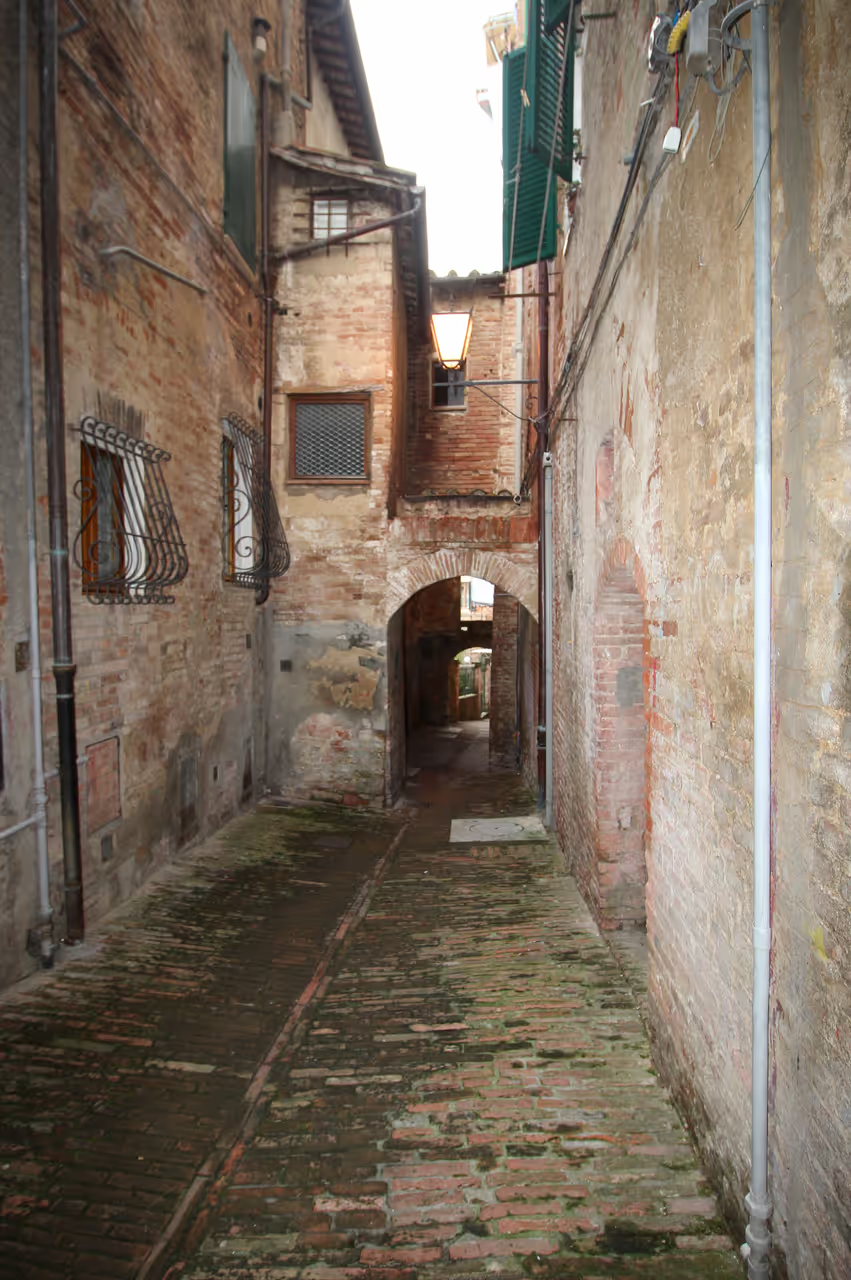
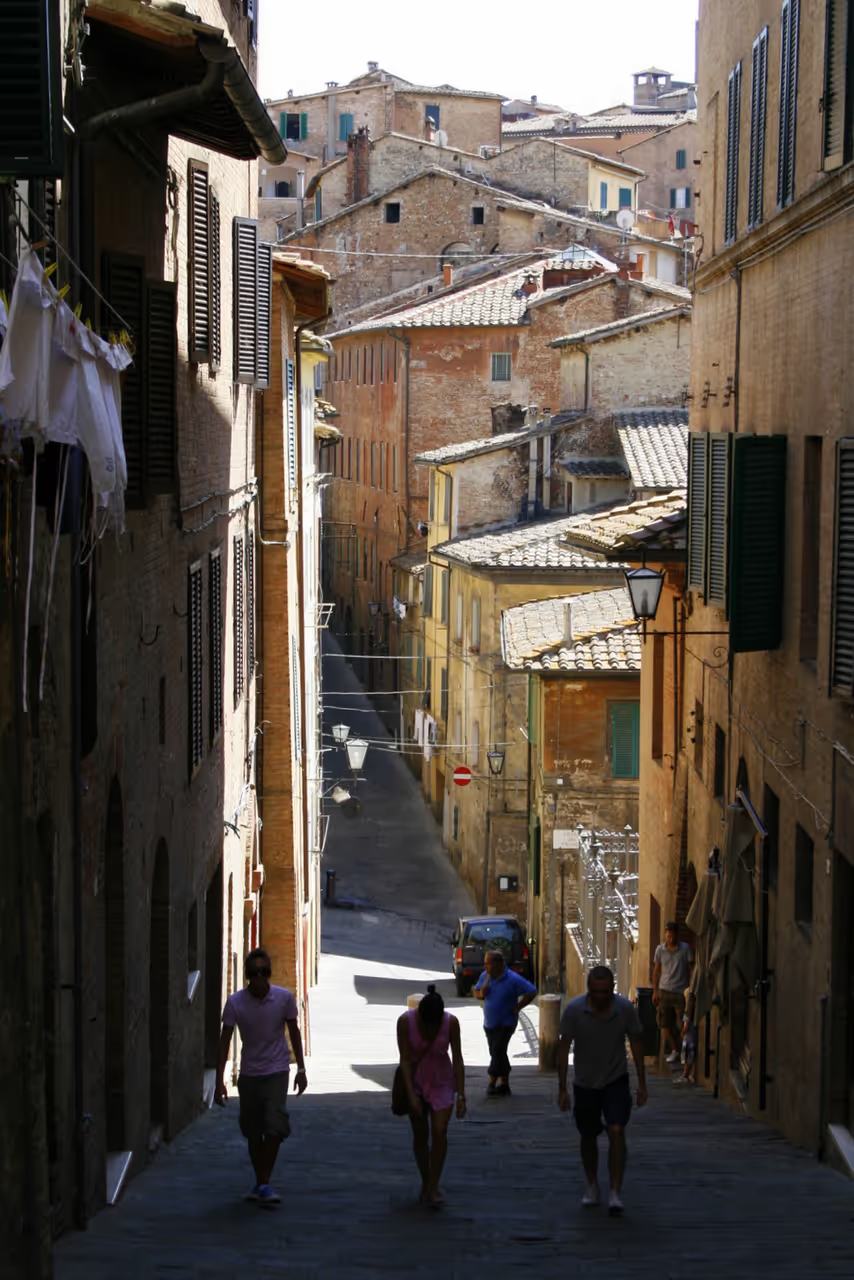
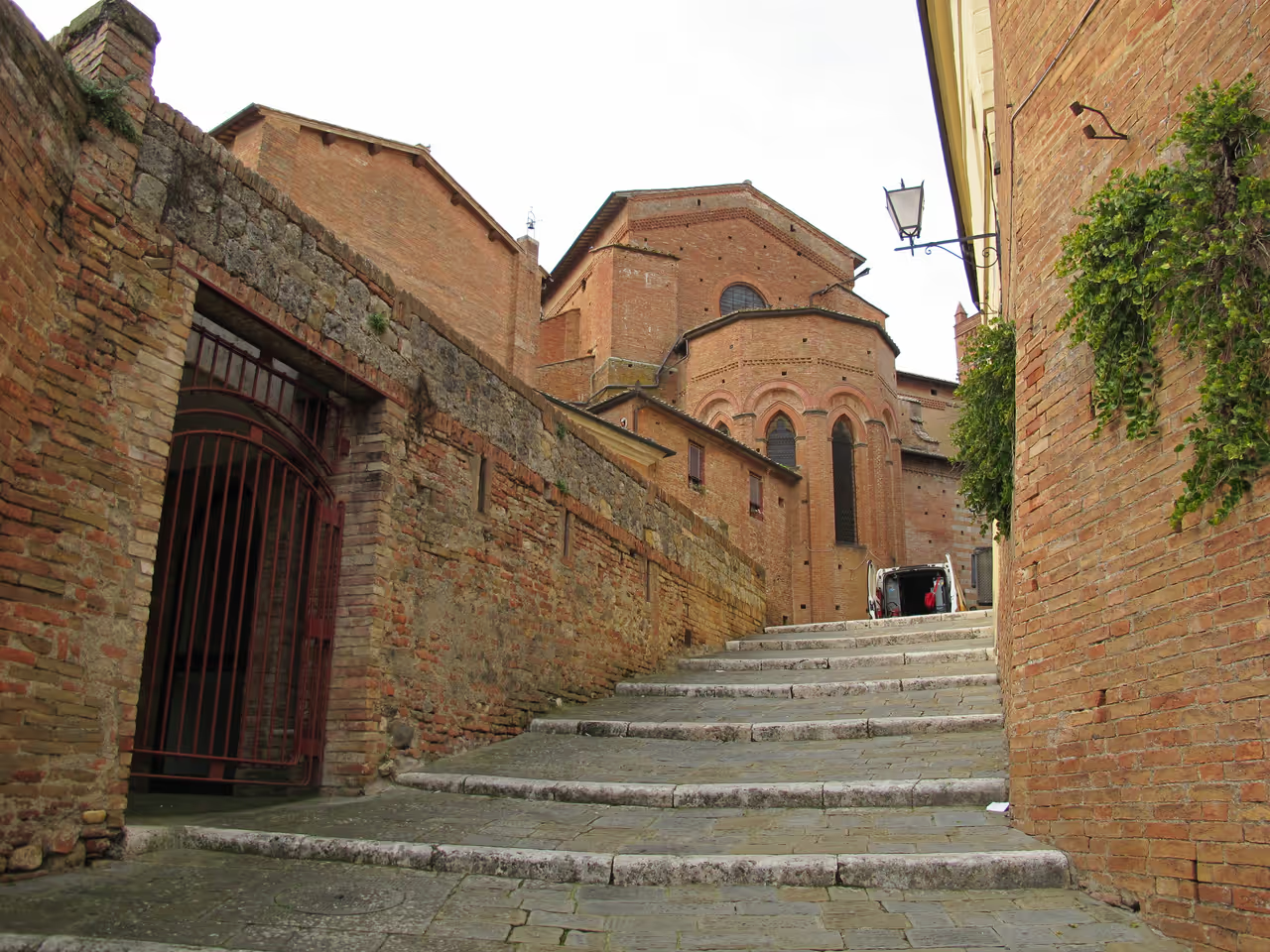
This walk deliberately avoids the main commercial streets, seeking out the narrowest, most atmospheric brick alleyways in the historic centre. It focuses on the architectural details, dramatic archways, and sudden, surprising viewpoints that define the city's unique urban fabric. It is a quiet, contemplative journey through the shadows of the past.
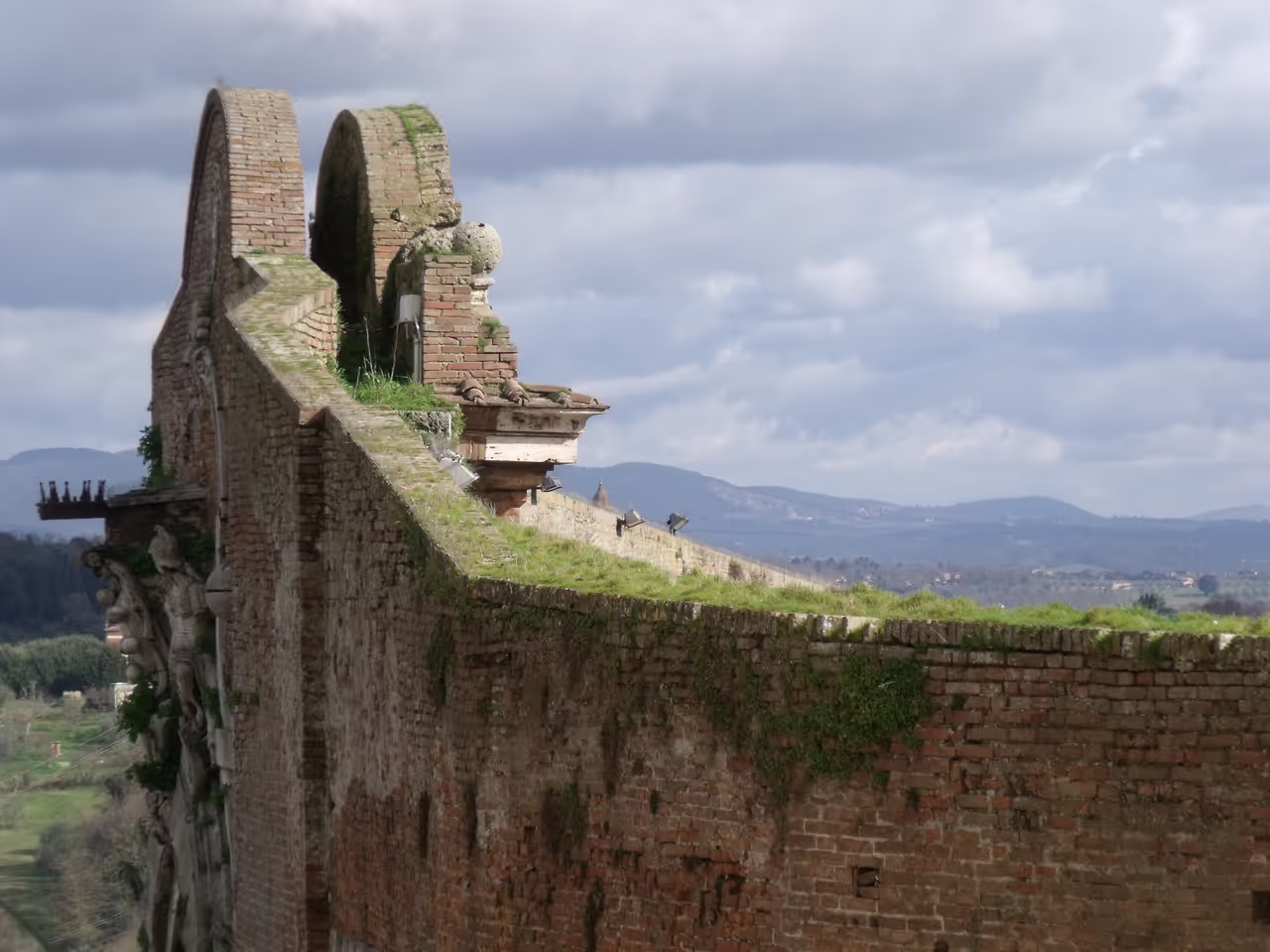
City Walls Promenade
Tracing the northern and western edges of the city, this stroll follows the line of the ancient defensive walls and public gardens. It offers a wonderful contrast between the dense urban architecture on one side and the sprawling green valleys on the other. It is a flatter, more open route favored by locals taking their evening exercise.
San Martino Quarter Stroll
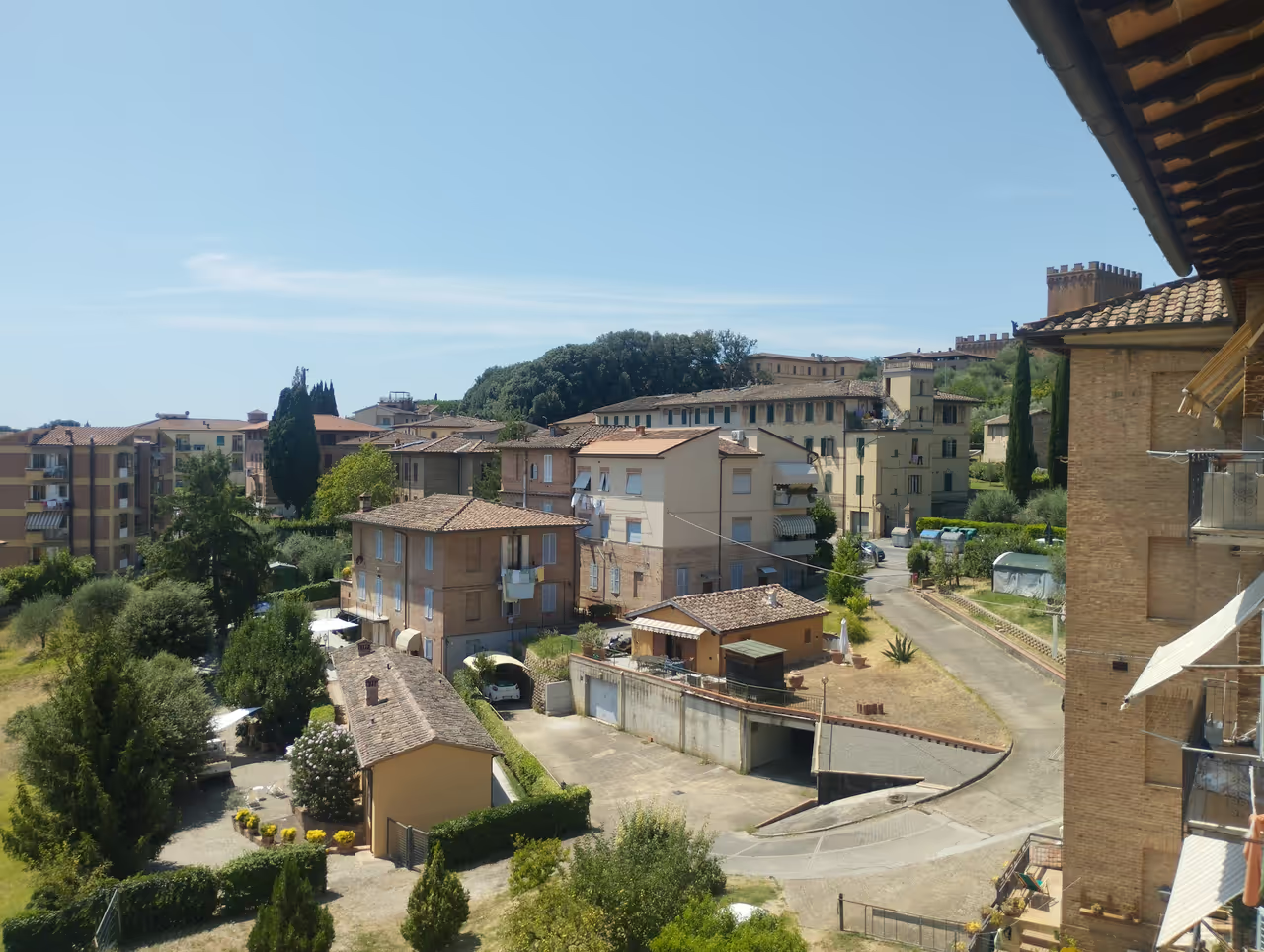
Exploring the south-eastern third of the city, this route uncovers a quieter, deeply residential neighbourhood. It meanders past hidden churches, grand Renaissance palazzos, and sudden drops overlooking lush valleys. The atmosphere here is noticeably slower and more intimate than the busy areas near the cathedral.
Architecture & Landmarks
Branda Fountain
This is the oldest and most imposing of the city's medieval water sources, characterized by three massive, pointed brick arches...
view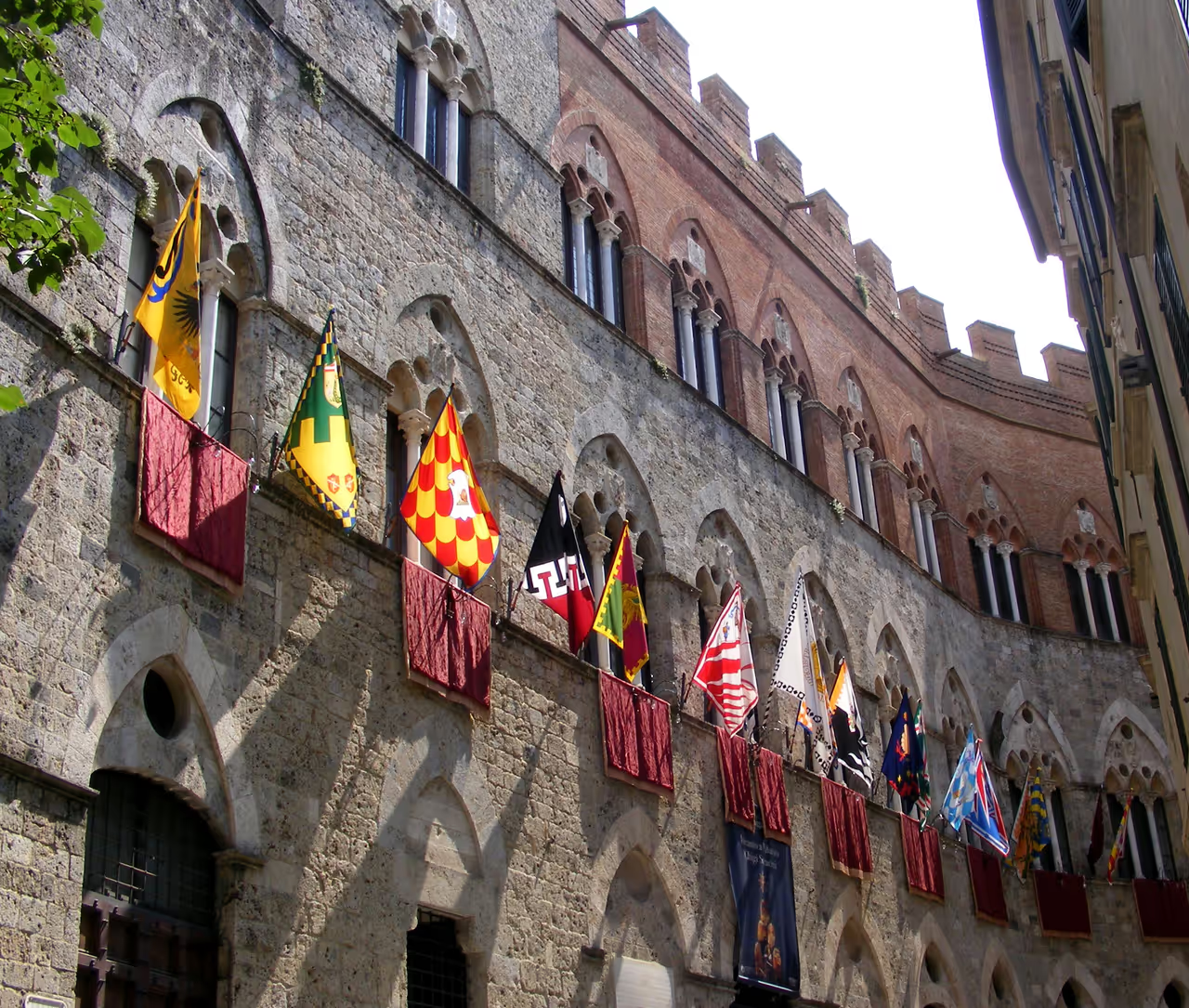
Chigi-Saracini Palace
Following the gentle curve of the Via di Città, this sweeping brick palace features an elegant gothic facade punctuated by...
viewMerchants' Loggia
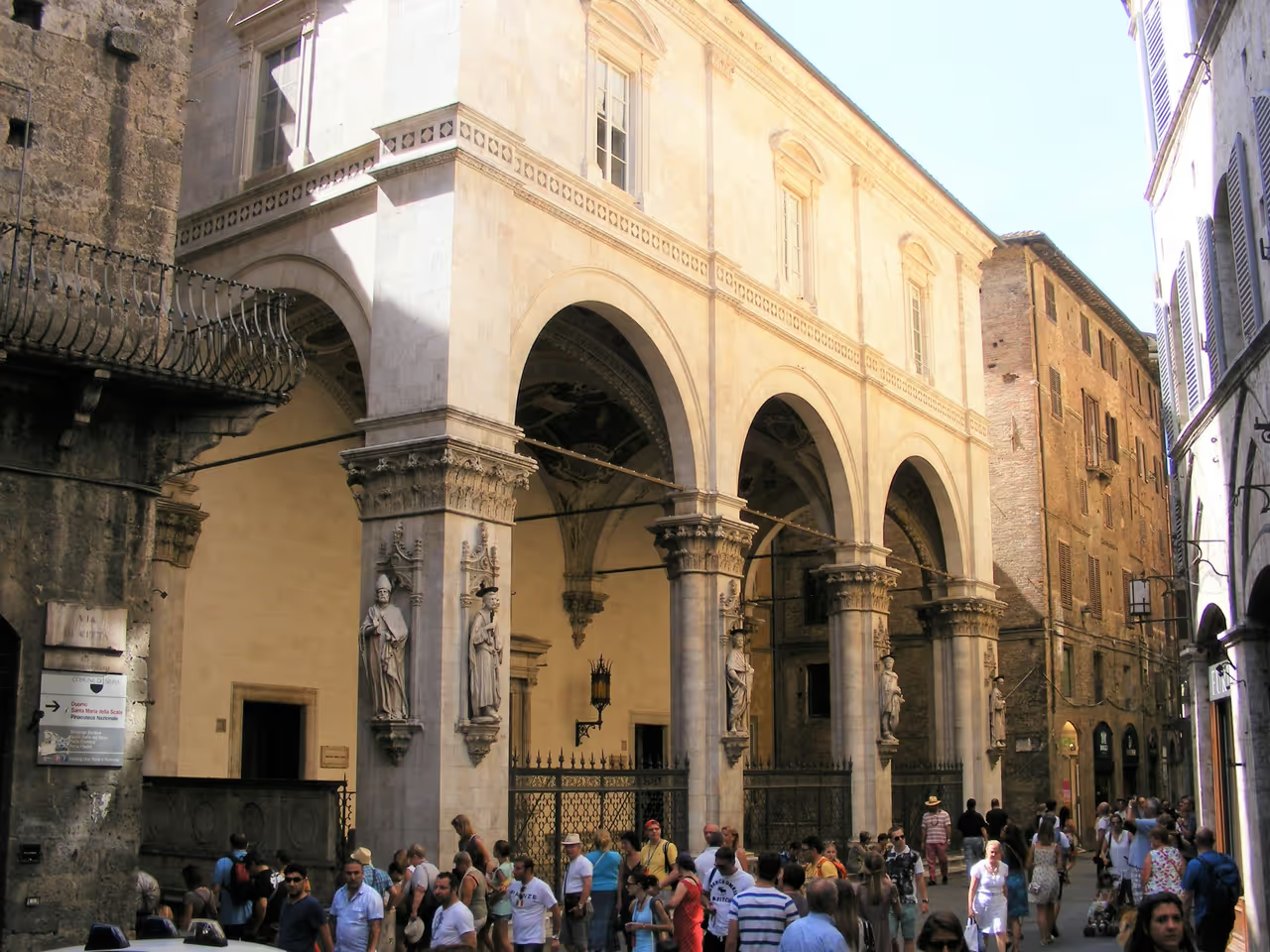
Standing at the crucial intersection where the three main streets of the city converge, this open-air arcade signifies the...
viewSalimbeni Palace
Anchoring a beautifully proportioned square, this palace is a striking example of 14th-century Gothic architecture, later...
view
Markets & Shopping
Siena Nightlife
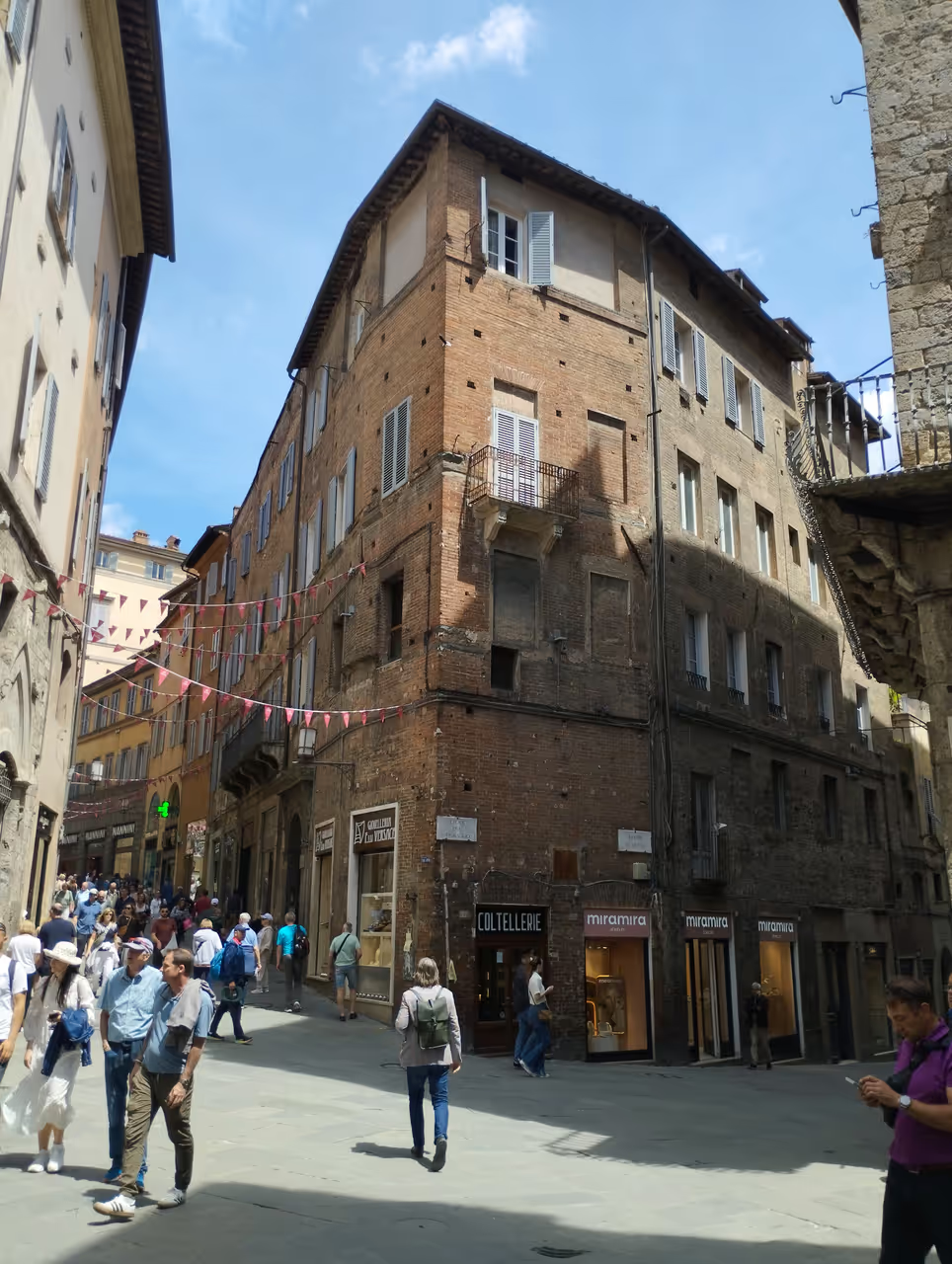
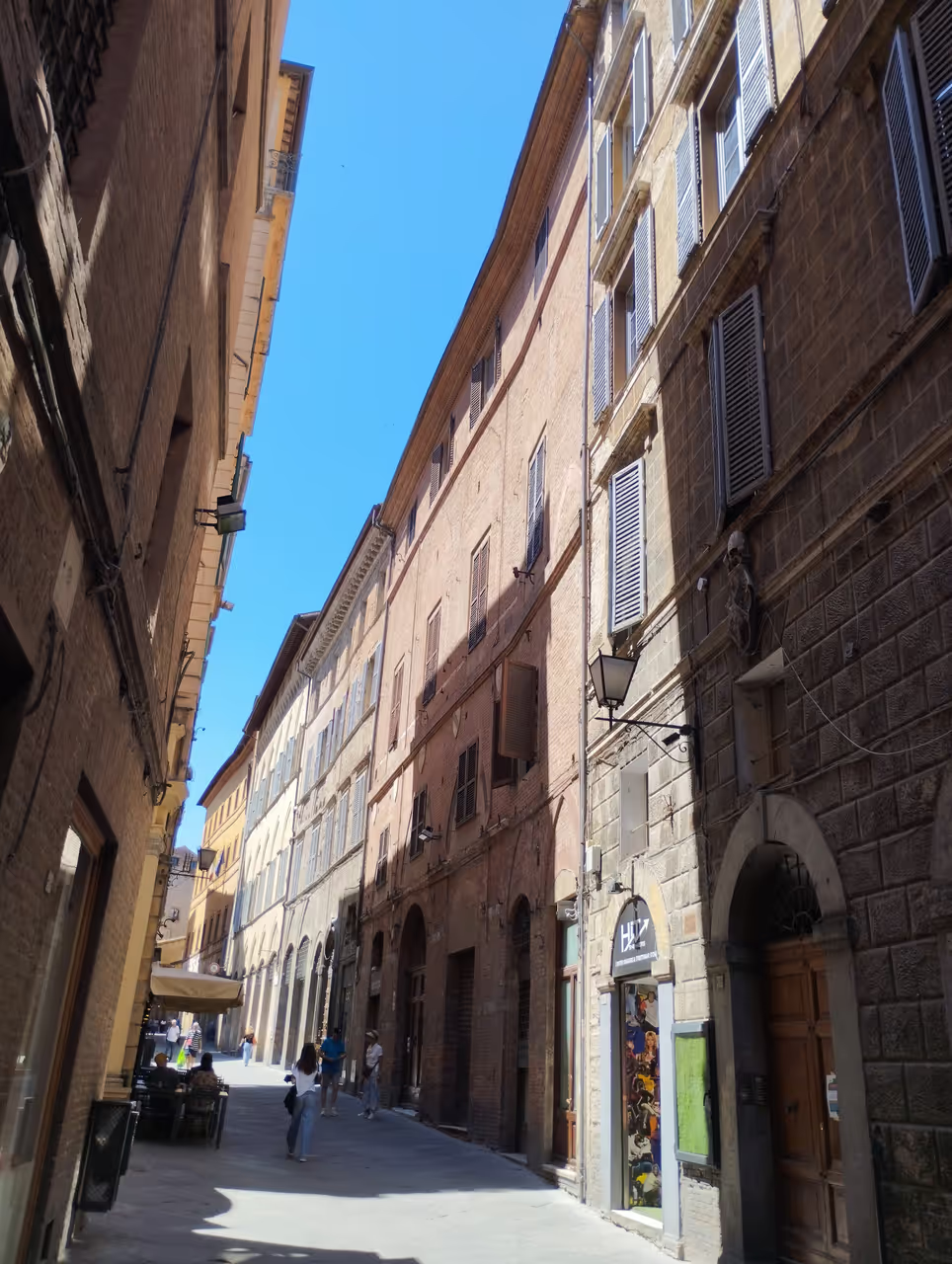
Photo Spots
Activities & Experiences
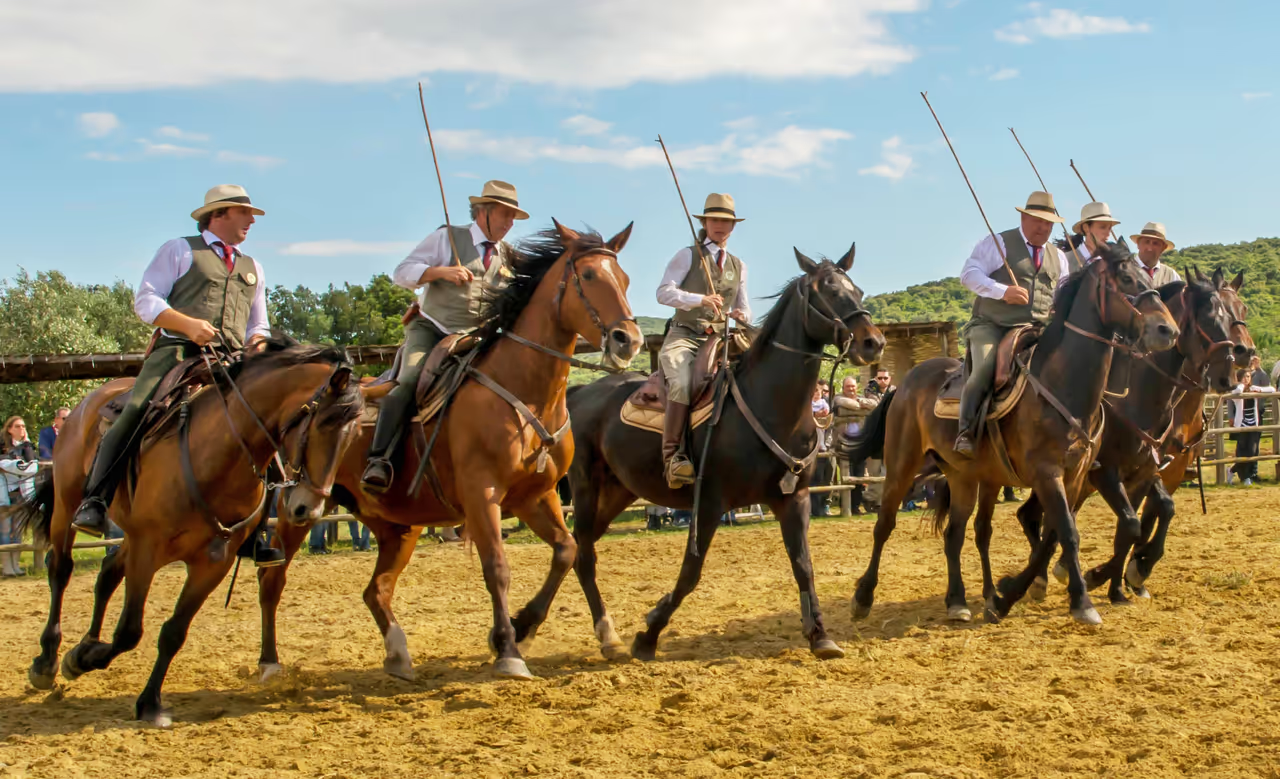
Cycling Routes
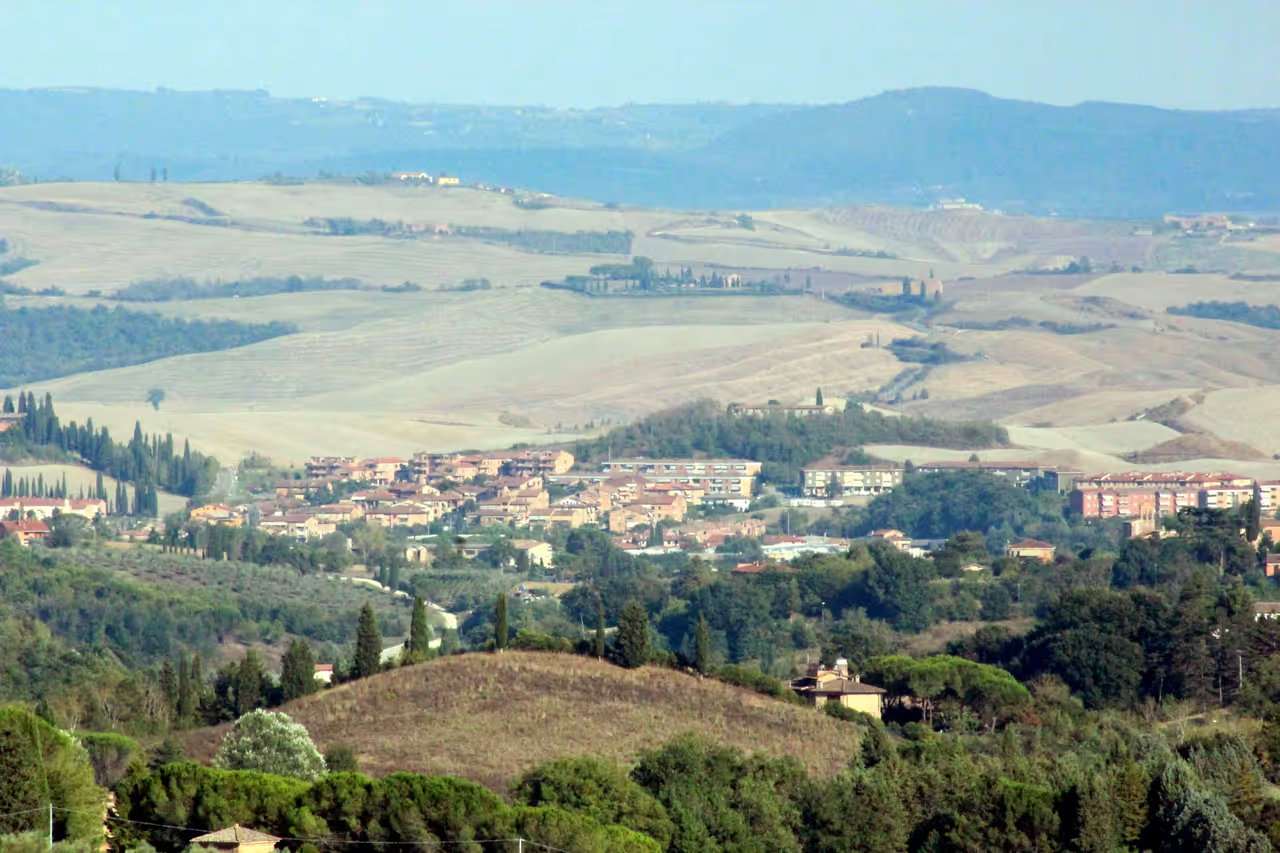
Crete Senesi Loop
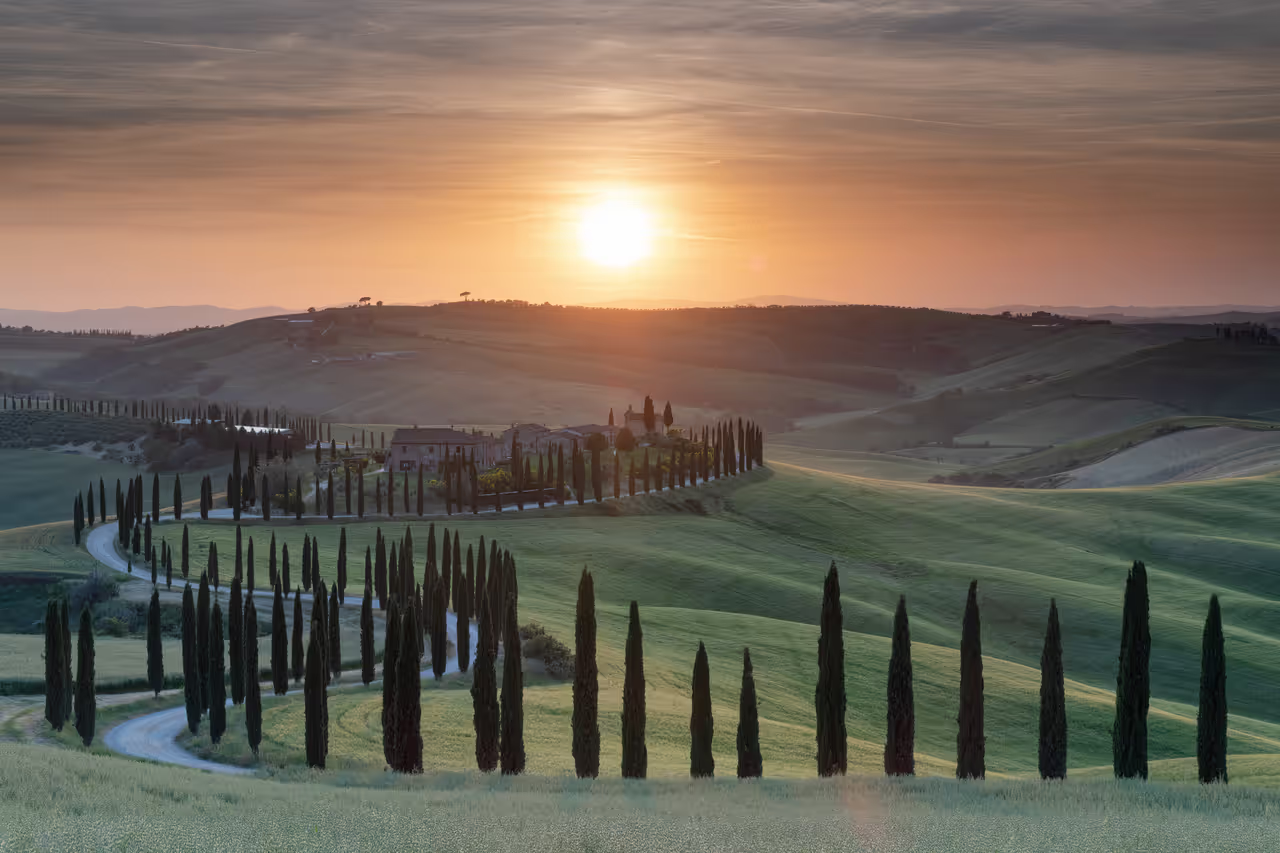
A visually stunning ride that ventures south into the iconic, lunar-like landscape of clay hills and cypress avenues. The route avoids heavy traffic, relying on quiet country roads that offer expansive views of the distinct topography. It is a journey through a serene, almost barren agricultural landscape that feels miles away from civilization.
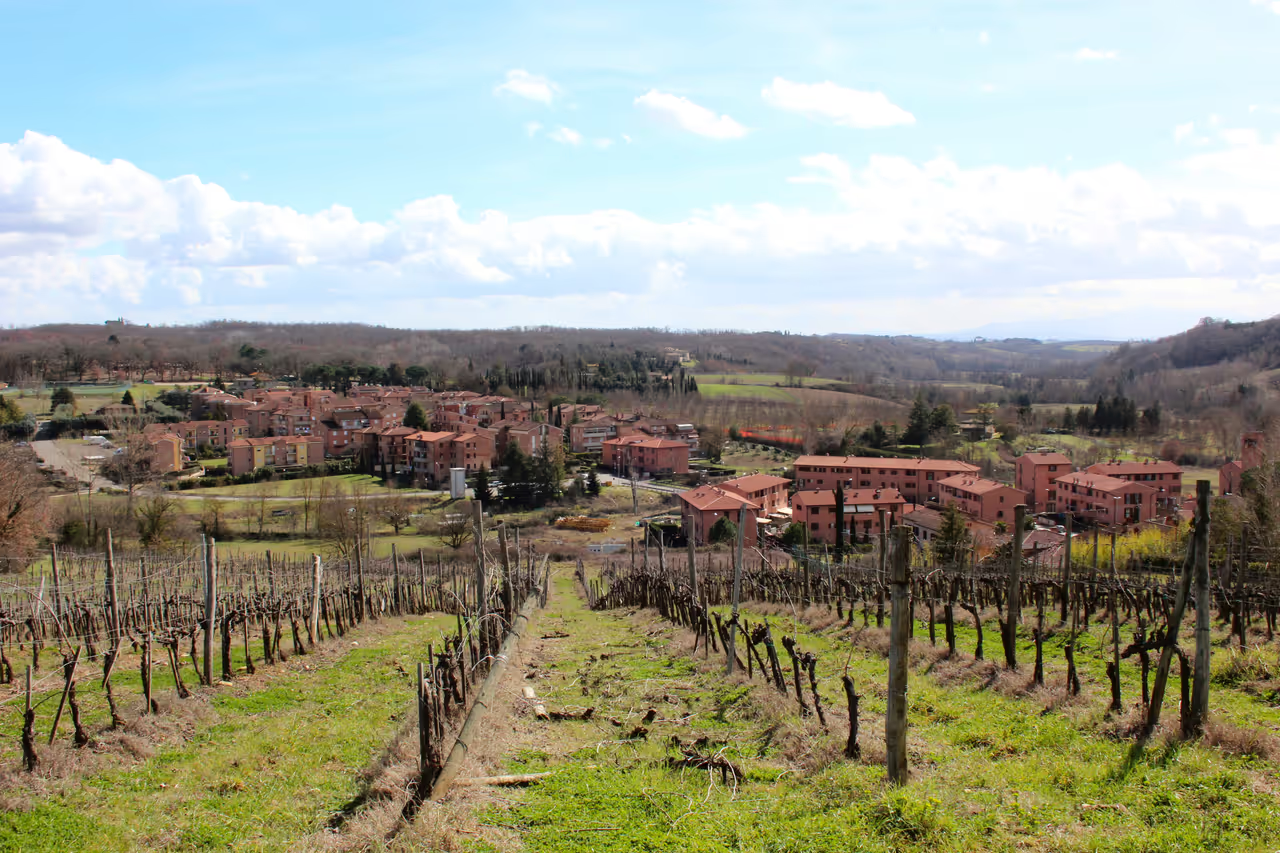
Chianti Castles Trail
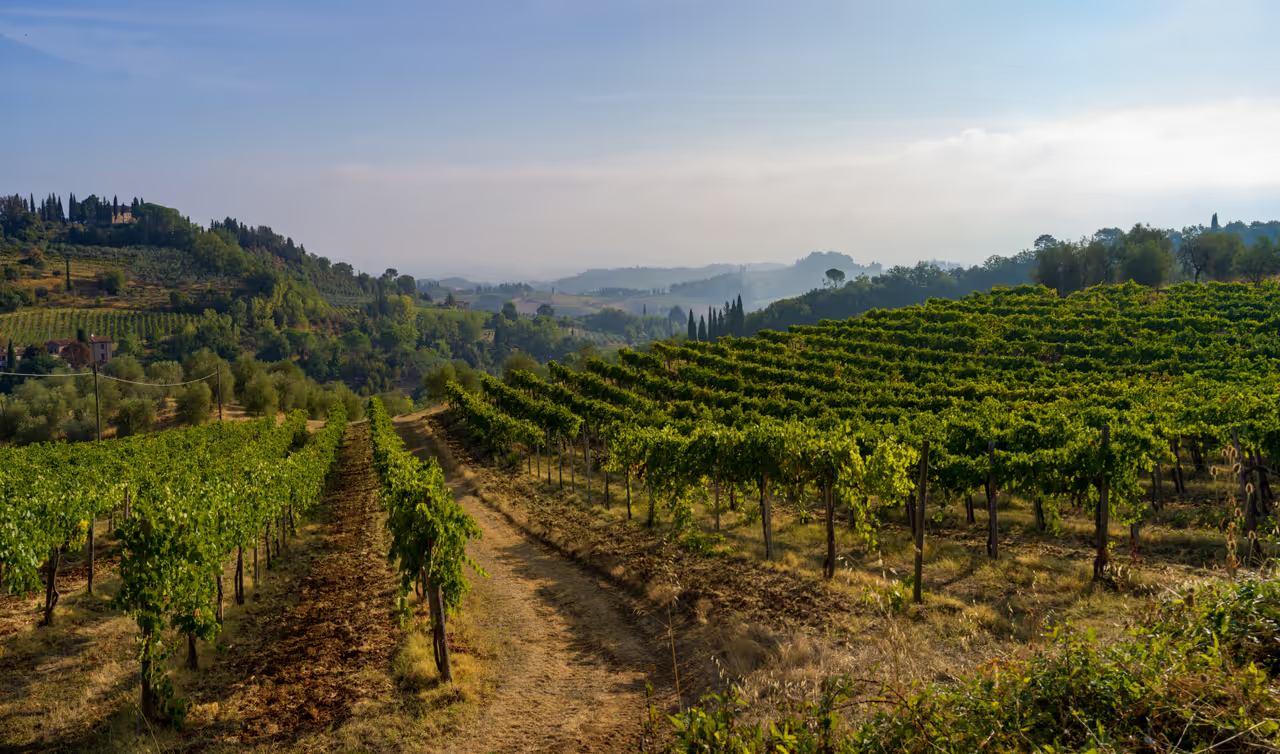
Heading north, this ride weaves through the lush vineyards and dense oak forests of the world-famous Chianti wine region. The path connects several historic estates and medieval fortified hamlets. The landscape here is softer and greener, characterized by perfectly aligned vines and ancient stone walls.
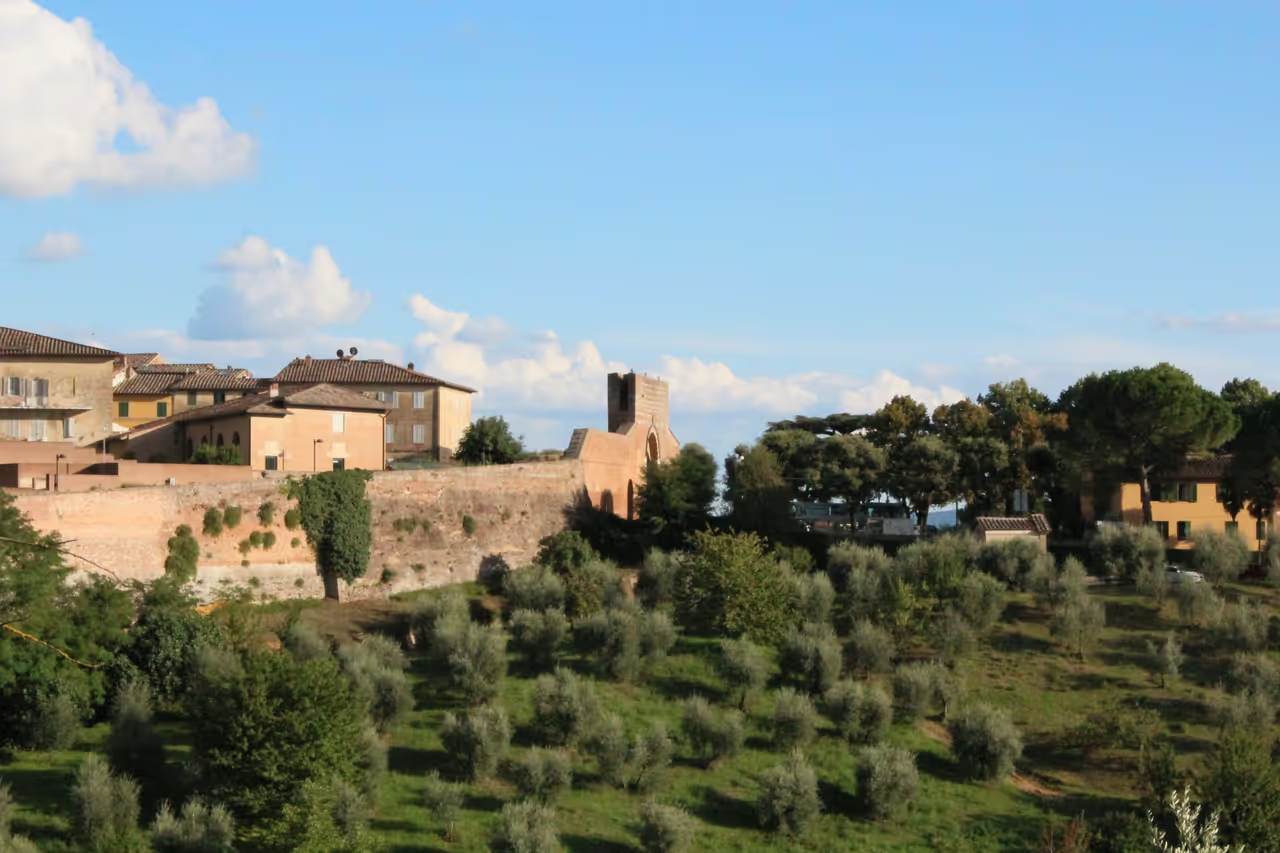
Sienese Mountain Route
A slightly more adventurous ride exploring the wooded hills to the west of the city. This area is known for its dense forests, hidden hermitages, and ancient marble quarries. The roads here are quiet, winding through small, untouched villages that see very few tourists.
Self-Guided Tours
- HIGHLY RECOMMENDED
Gothic Architecture Trail
This tour focuses on the stunning architectural unity that defines the city's golden age. It traces the evolution of Sienese Gothic design, from early fortified towers to elaborate, multi-coloured marble facades. By observing the distinct pointed arches, slender columns, and crenelated rooflines, you can read the history of a wealthy republic obsessed with beauty and civic pride.
Footsteps of Saint Catherine
Follow the life and legend of Italy's patron saint, a 14th-century mystic who influenced popes and politics. This narrative journey visits the places where she lived, prayed, and experienced her visions. It provides a deeply spiritual and historical perspective on the city, exploring how religion permeated everyday life during the Middle Ages.
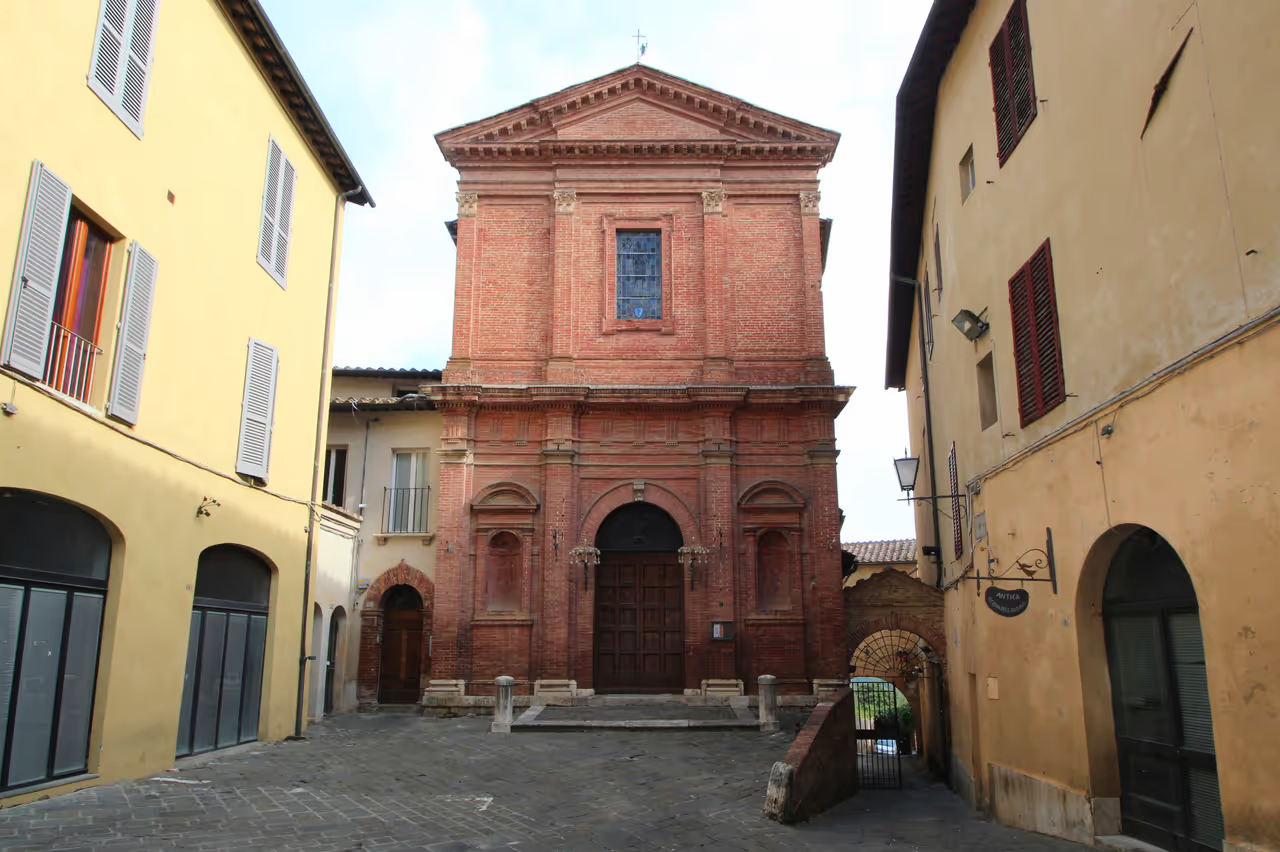
Contrada Culture Walk
Dive into the fiercely loyal neighbourhood system that defines the city's social fabric. This tour hunts for the subtle and overt symbols of the seventeen contrade—the animal flags, the ceramic plaques, and the dedicated baptismal fountains. It is an exploration of living history, revealing how medieval tribalism evolved into a passionate, modern-day community structure.
Annual Festivals & Events
 HIGHLY RECOMMENDED
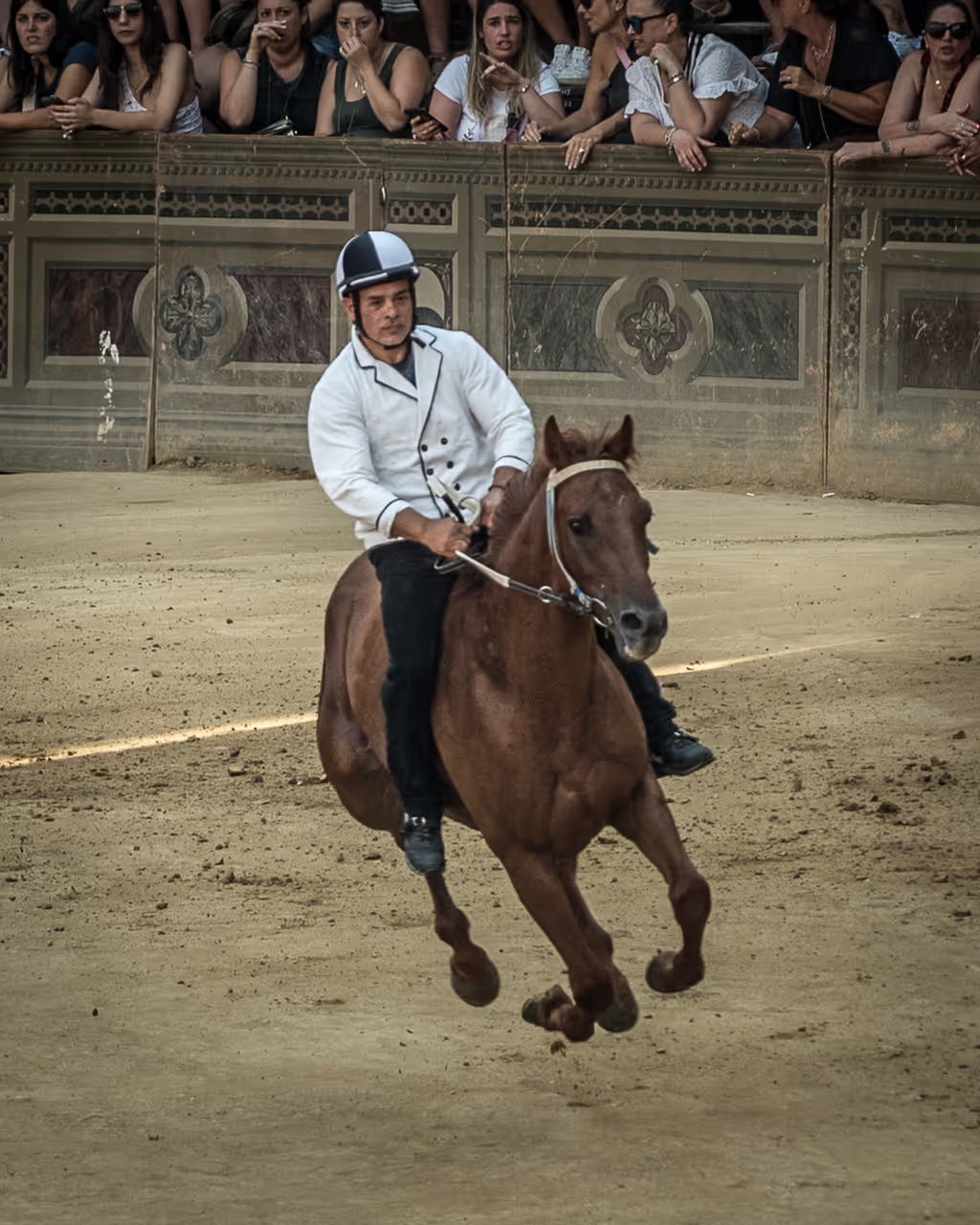
Palio of Siena
This is no ordinary horse race; it is a profound expression of civic pride and neighbourhood rivalry dating back to the Middle Ages. Ten of the seventeen historic contrade compete in a bareback race around the treacherous dirt track laid in the central square. The atmosphere is electric, filled with colourful pageantry, drum rolls, and intense emotional stakes for the locals. Days of preparation, street dinners, and historical parades precede the actual race, which lasts a mere 90 seconds.
Siena Jazz International Summer Workshop
For over fifty years, the city has hosted one of Europe's most important jazz workshops and festivals. Students and master musicians converge to jam, learn, and perform in public squares and the medieval fortress. The contrast of contemporary jazz echoing against ancient brick walls creates a uniquely captivating atmosphere. Evening concerts are frequent and often open to the public, bringing a vibrant, modern energy to the historic streets.
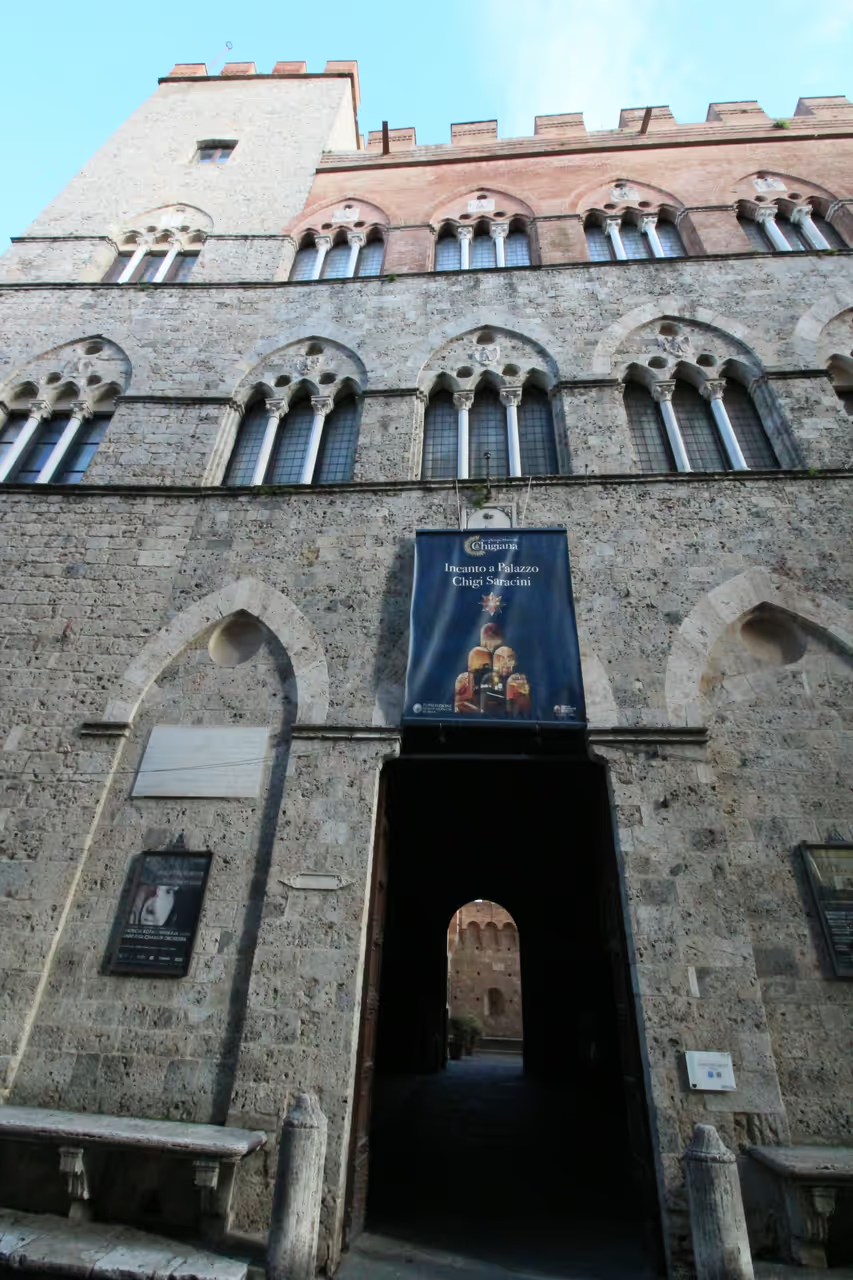
Sienese Musical Week
Organised by the prestigious Accademia Musicale Chigiana, this classical music festival attracts top-tier musicians and conductors from around the globe. Performances are held in various historic venues across the city, offering a magical acoustic experience. The festival highlights rare and newly discovered classical compositions alongside beloved masterpieces. It is a sophisticated cultural celebration that highlights the city's deep appreciation for the arts.
Insider Tips
Wear extremely comfortable shoes with good grip; the streets are paved with uneven flagstones and the hills are surprisingly steep.
Do not attempt to drive into the historic centre. Cameras enforce the Limited Traffic Zone (ZTL) strictly, and fines are hefty. Park outside the walls.
If visiting the Cathedral, check the schedule for the floor uncovering, usually happening around late August to October, to see the complete marble mosaics.
Avoid visiting on July 2nd or August 16th unless you specifically want to see the Palio. The city shuts down for regular sightseeing, and crowds are overwhelming.
When walking around, look for the small ceramic tiles or flags on buildings; these indicate which of the 17 historic contrade you are currently standing in.
Skip the main tourist restaurants on the central square for dinner. Walk a few streets down the hill to find authentic, family-run osterias serving better food at lower prices.
PERFECT FOR
This destination is perfect for art lovers, history enthusiasts, and incurable romantics. Travellers seeking slow-paced cultural immersion will appreciate the magnificent Gothic architecture and deep-rooted traditions. It is less suited for those looking for a wild nightlife, appealing instead to those who enjoy lingering over regional wine in atmospheric, ancient squares.
VIBE
Stepping out of a time machine into an era of fierce local pride, where narrow brick alleys suddenly open up into vast, breathtaking squares. The atmosphere is deeply historical yet vibrantly alive, animated by students, passionate locals, and the ever-present rivalry of the neighbourhood contrade.
Frequently Asked Questions about Siena
While we strive to keep this information accurate and up to date, we recommend verifying any details independently before making decisions based on them.
Similar Destinations in Italy
Continue your journey. Explore these highly recommended cities and uncover more of what Italy has to offer.