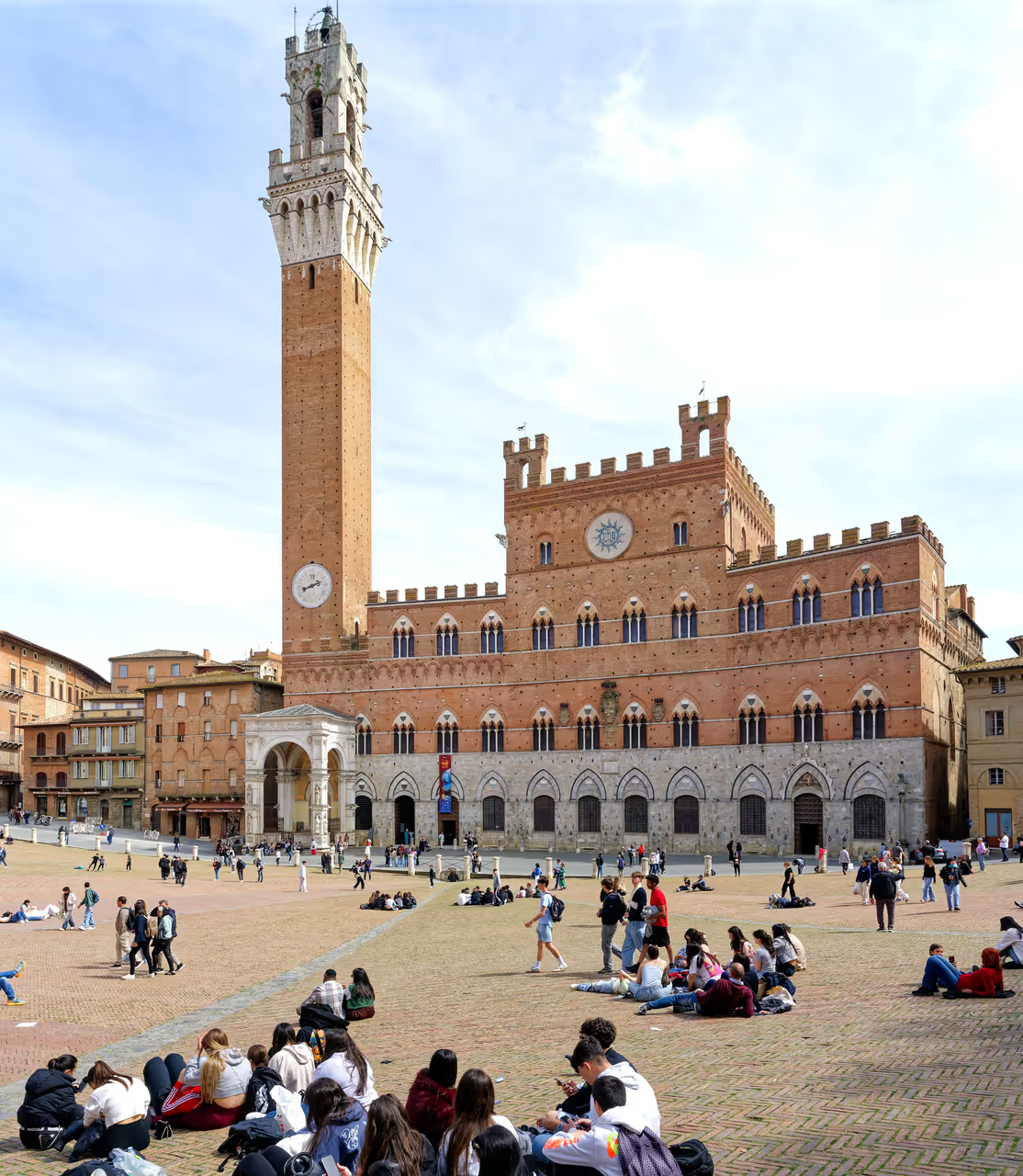
Palazzo Pubblico
Perched at the very heart of the city, the Palazzo Pubblico stands as a majestic testament to the pride and ambition of the Sienese Republic. This stunning medieval palace, overlooking the world famous shell shaped Piazza del Campo, served as the seat of the government of the Nine and remains the centre of local administration to this day. Visitors are invited to step inside to explore the Museo Civico, where some of the most profound masterpieces of Italian art, including Ambrogio Lorenzetti's famous Allegory of Good and Bad Government, adorn the walls. It is an immersive experience where civic history and artistic brilliance collide, offering a rare glimpse into the medieval soul of Tuscany. Whether you are marvelling at the ornate halls or simply soaking in the atmosphere of the surrounding square, this site is an essential chapter in the story of Italy.
Videos
History of Palazzo Pubblico
In the twilight of the thirteenth century, the Republic of Siena stood at a crossroads. Seeking to assert its independence from the local nobility and establish a stable, secular administration, the powerful Government of the Nine commissioned the construction of a new home for the state. Work commenced around 1297, turning the area facing the Piazza del Campo into a symbol of civic unity. The resulting architecture was not designed to intimidate but to facilitate the daily operations of the government, blending practicality with a unique sense of aesthetic harmony that reflected the city's growing wealth and political confidence. Within these walls, the rulers of Siena were constantly reminded of their moral obligations. This is nowhere more evident than in the Sala della Pace, where Ambrogio Lorenzetti was tasked with painting the Allegory of Good and Bad Government in the late 1330s. This monumental cycle, among the most significant profane works of the Trecento, did more than just decorate the room; it served as a stern visual lesson on the responsibilities of leadership. The frescoes depict the flourishing prosperity of a city under just rule versus the ruin that follows greed and tyranny, creating a dialogue between the art and the politicians who held the future of the city in their hands. The legacy of the Palazzo Pubblico has endured through centuries of turmoil, plague, and political transition, from the fall of the Republic to the eventual integration into the wider Italian state. Today, the palace continues to operate as the town hall, a rare example of medieval continuity in the modern world. Every chamber, from the Sala del Concistoro to the private chapel, tells a story of artistic patronage and civic duty. To walk its halls is to walk through the living memory of Siena, an experience that captures the essence of a city that has always fiercely protected its identity and its art.
Events spanning 383 years
Fun Facts
- • In the Sala del Mappamondo, visitors can still see the central pin and faint traces on the wall where a massive, rotating world map once hung.
- • Many of the interior rooms still function as active municipal offices, making it a rare example of a medieval government building that has never ceased its administrative duties.
- • Small holes visible across the facade are known as buche pontaie, which were used by medieval builders to support wooden scaffolding during construction.
- • The Allegory of Good and Bad Government is considered one of the earliest and most complex secular fresco cycles in the Western world.
- • The Cappella di Piazza, built to honour the Virgin Mary, remains a significant landmark of the city's religious and civic history.
- • The building's unusual curvature was a deliberate design choice to align with the amphitheatre shape of the Piazza del Campo.
- • The crest of the Medici family was added to the facade in the 16th century, marking the transition of Siena from an independent republic to a subject of the Florentine rulers.
- • The palace houses the Teatro dei Rinnovati, a historic theatre that occupies the space of the former Great Council Hall.
- • The palace was constructed primarily from brick and local stone, creating the distinct warm hue characteristic of Sienese architecture.
RESOURCES
Official WebsitePalazzo Pubblico FAQ
While we strive to keep this information accurate and up to date, we recommend verifying any details independently before making decisions based on them.
Palazzo Pubblico Map & Neighborhood Explorer
This interactive map is centered on Palazzo Pubblico. Zoom in and move the map around to automatically discover Wikipedia photos and summaries of other nearby sights, monuments, and historical points of interest and stories in real-time!
Places near Palazzo Pubblico
Make the most of your trip. Check out these top-rated spots located nearby.
 33m
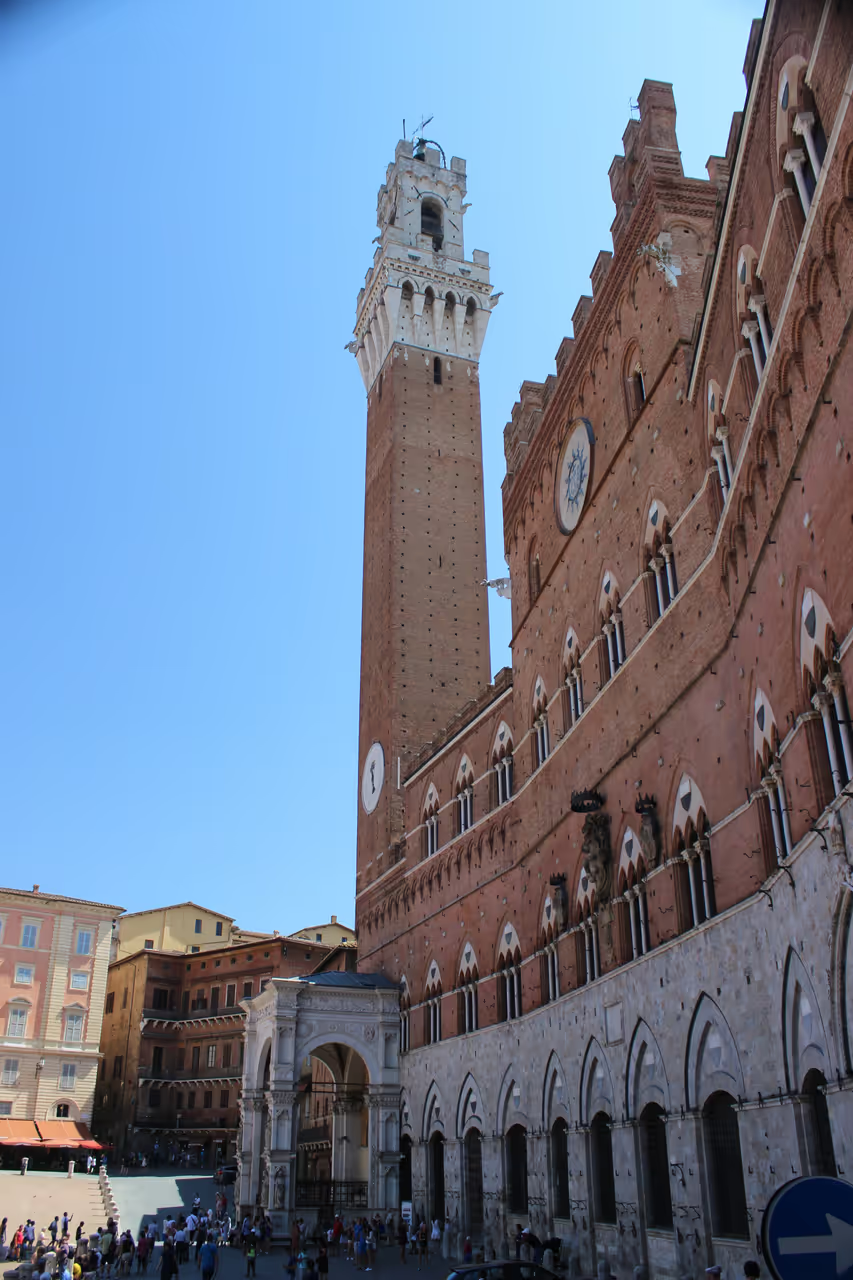
33mTorre del Mangia
Rising high above the vibrant Piazza del Campo, the Torre del Mangia is the undisputed soul of Siena. Its slender, brick-red silhouette perfectly mirrors the height of the Duomo, symbolizing a medieval balance between the power of the church and the state. Climbing its four hundred steps rewards visitors with unparalleled, sweeping panoramas of the rolling Tuscan hills and the terracotta rooftops of this historic city. Beyond its height, the tower holds centuries of secrets, including the namesake of a gluttonous bell-ringer and a surprising resilience against earthquakes. It is an essential stop for anyone wanting to truly understand the heart of medieval Siena.
attraction view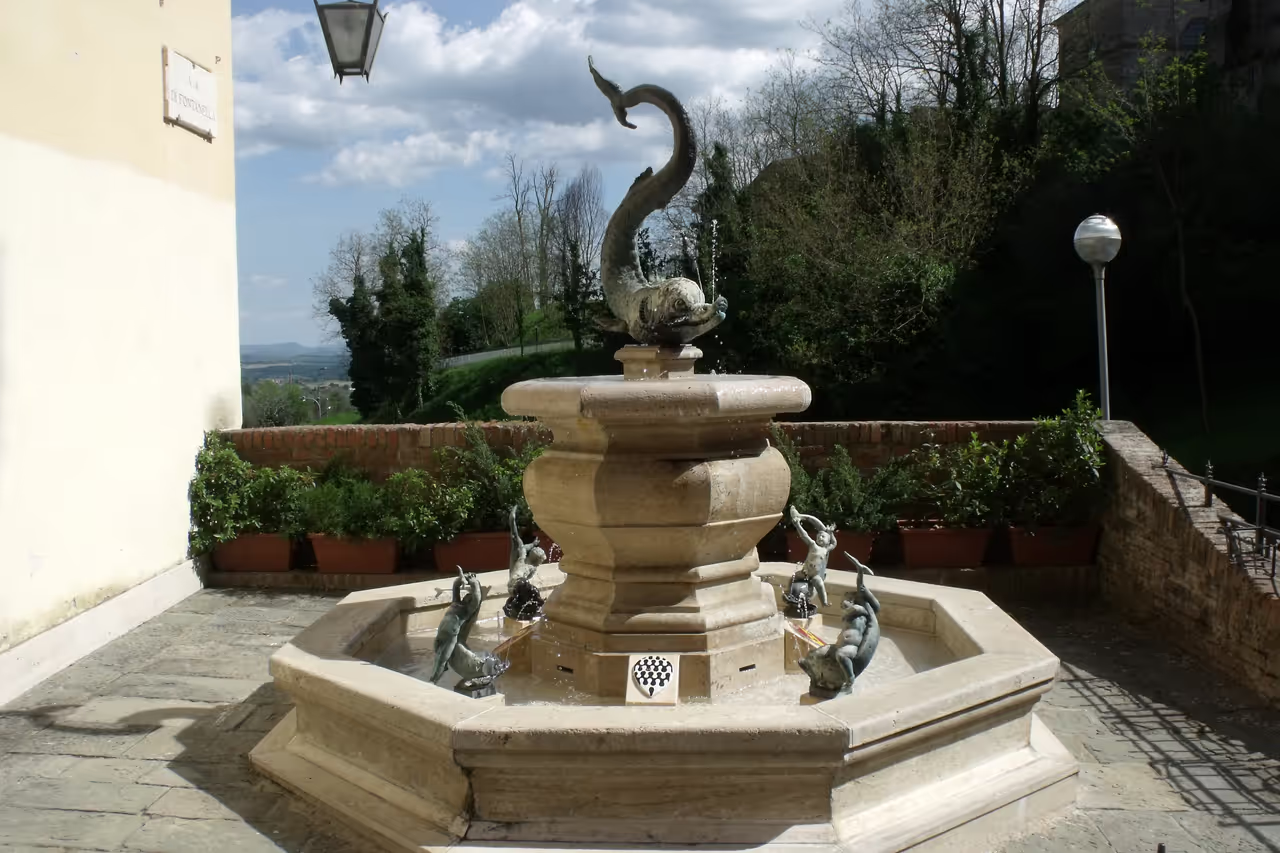 60m
60mContrada Fountain Spotting
Turn your walk into a treasure hunt by seeking out the unique bronze or marble fountains belonging to the 17 neighbourhoods. Each one is intricately designed to represent the contrada's symbol, whether it is a caterpillar, an owl, a snail, or a panther. They are often tucked away in small, unassuming piazzas or hidden courtyards. Finding them all is a fantastic, free way to explore every hidden corner of the city while learning about its unique social structure.
free thing to do view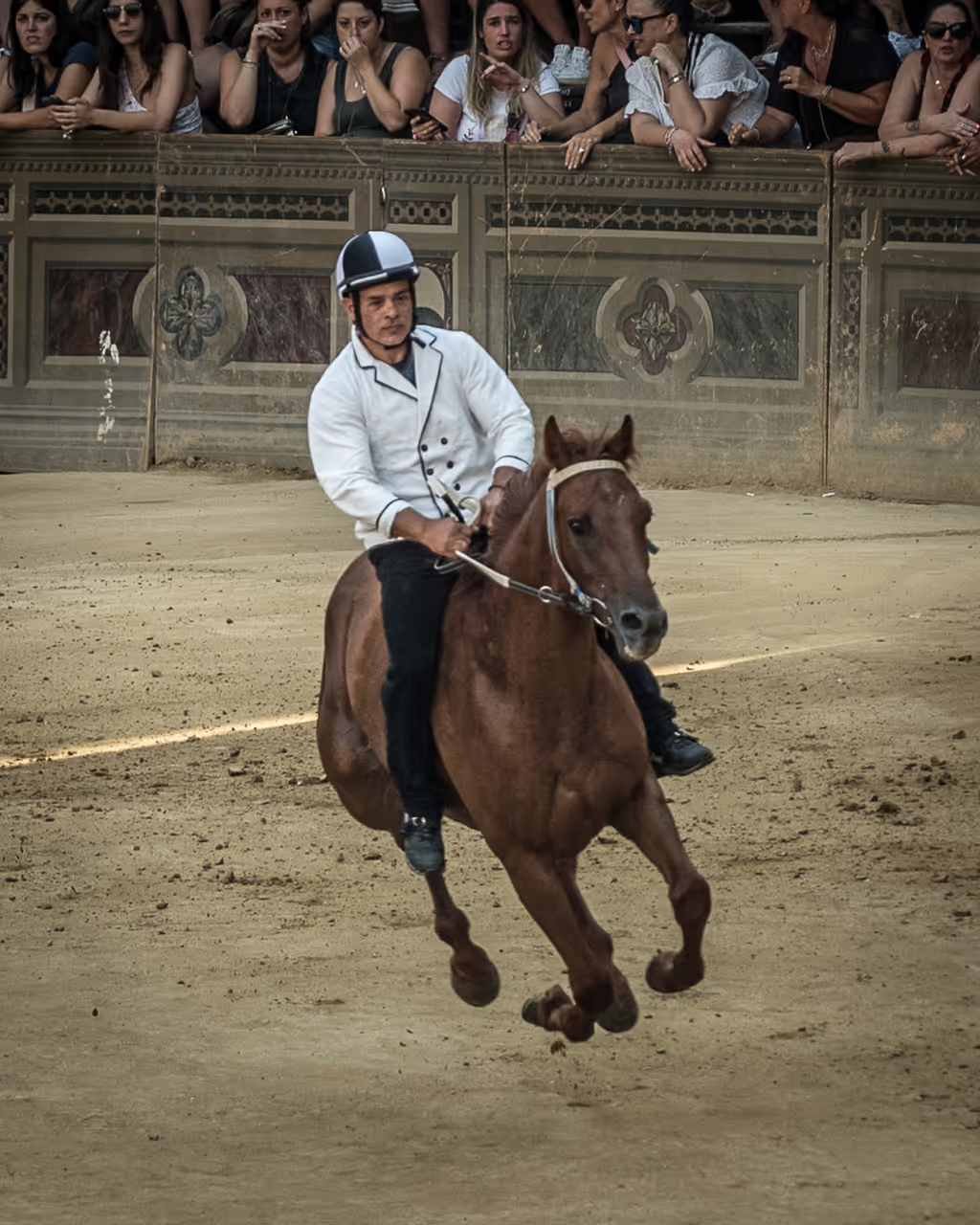 77m
77mPalio of Siena
This is no ordinary horse race; it is a profound expression of civic pride and neighbourhood rivalry dating back to the Middle Ages. Ten of the seventeen historic contrade compete in a bareback race around the treacherous dirt track laid in the central square. The atmosphere is electric, filled with colourful pageantry, drum rolls, and intense emotional stakes for the locals. Days of preparation, street dinners, and historical parades precede the actual race, which lasts a mere 90 seconds.
festival view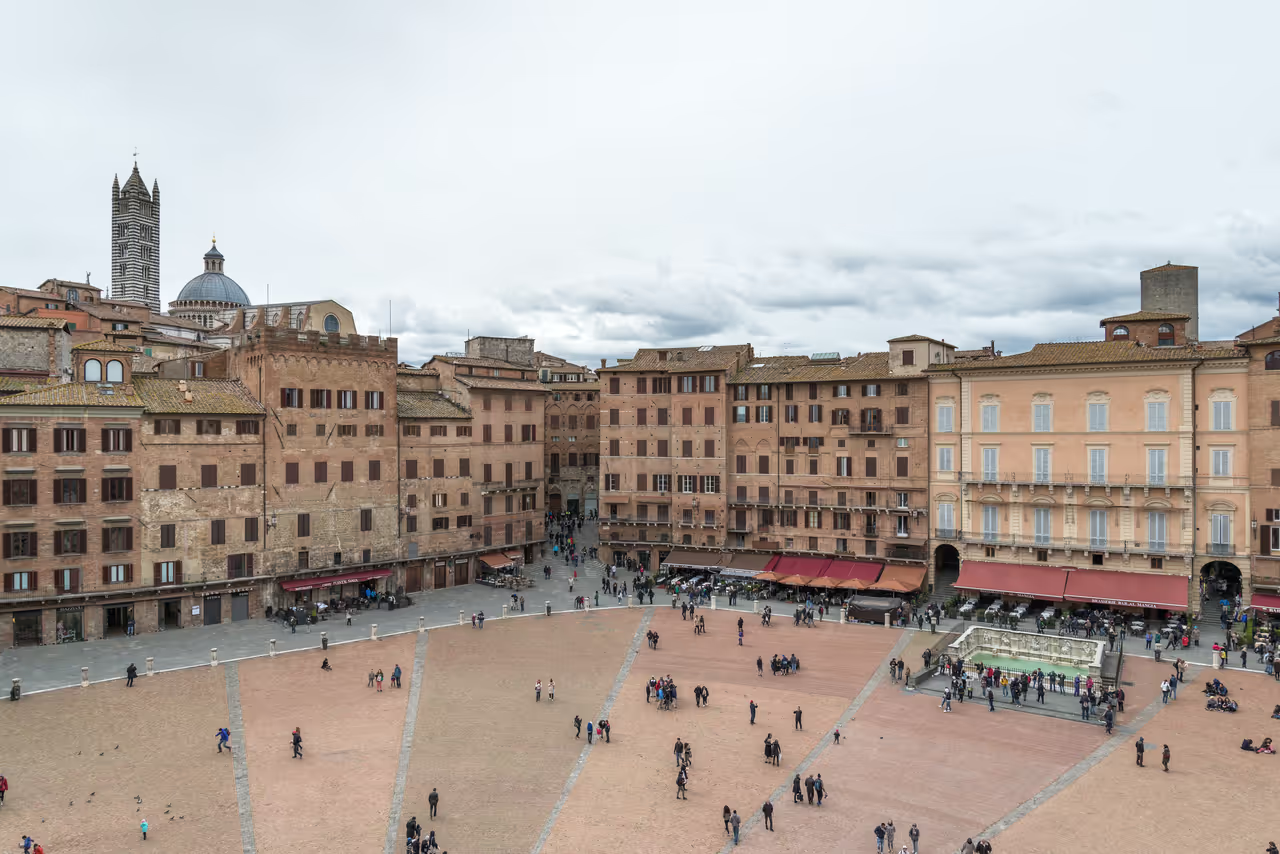 79m
79mCampo Square
The distinct shell shape of this central square forms the physical and social heart of the city. Divided into nine segments reflecting the historical Council of Nine, the brick-paved expanse slopes gently downwards like a massive amphitheatre. It is entirely surrounded by uniform, elegant Gothic palaces, creating a sense of enclosed, theatrical beauty. Twice a year, it transforms into a frantic dirt racetrack for the legendary Palio. On normal days, it is the perfect place to sit on the warm bricks and watch the world go by.
highlight view
Explore Similar Places in This Collection
Featured on These Itineraries and Routes
1 Day in Siena Itinerary
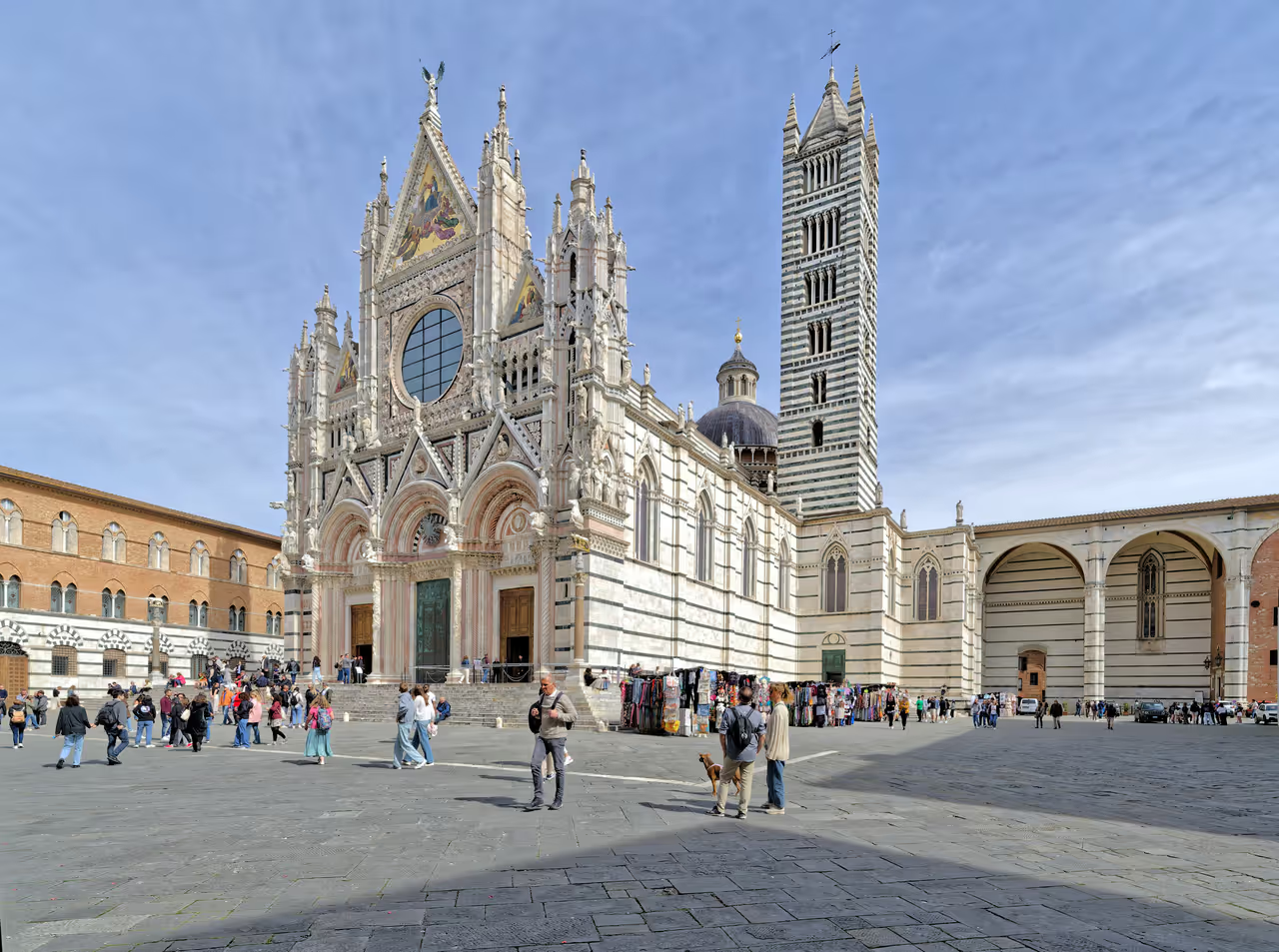
Designed for those visiting on a day trip, this fast-paced itinerary covers the absolute masterpieces of the city. It focuses entirely on the central ridge, minimizing extreme hill climbing while maximizing visual impact. You will experience the sheer gothic grandeur of the main square and the jaw-dropping artistic detail of the Cathedral. It is a perfect introduction to the wealth and ambition of the medieval republic.
view itinerary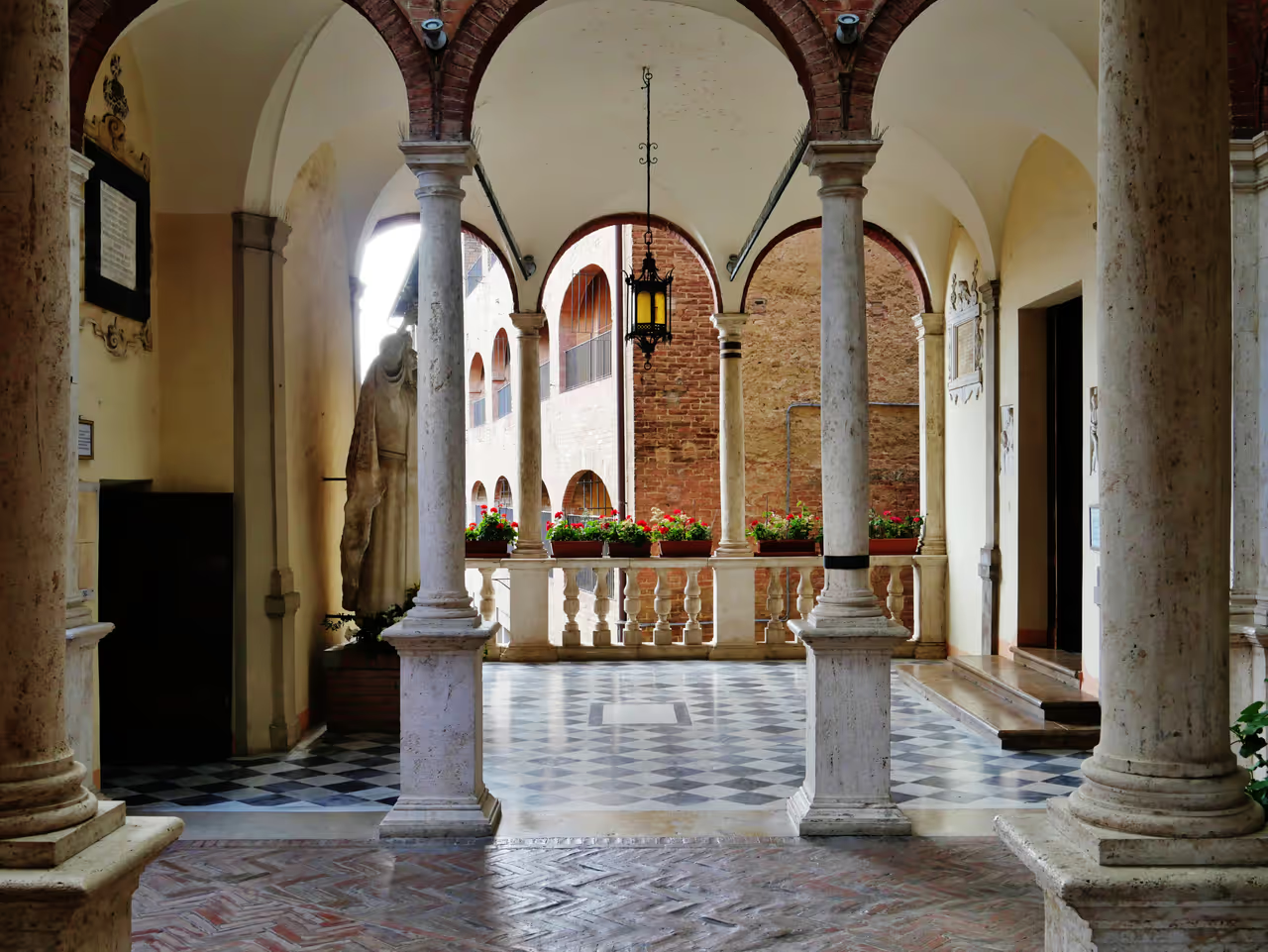
5 Days in Siena: Deep Dive Itinerary
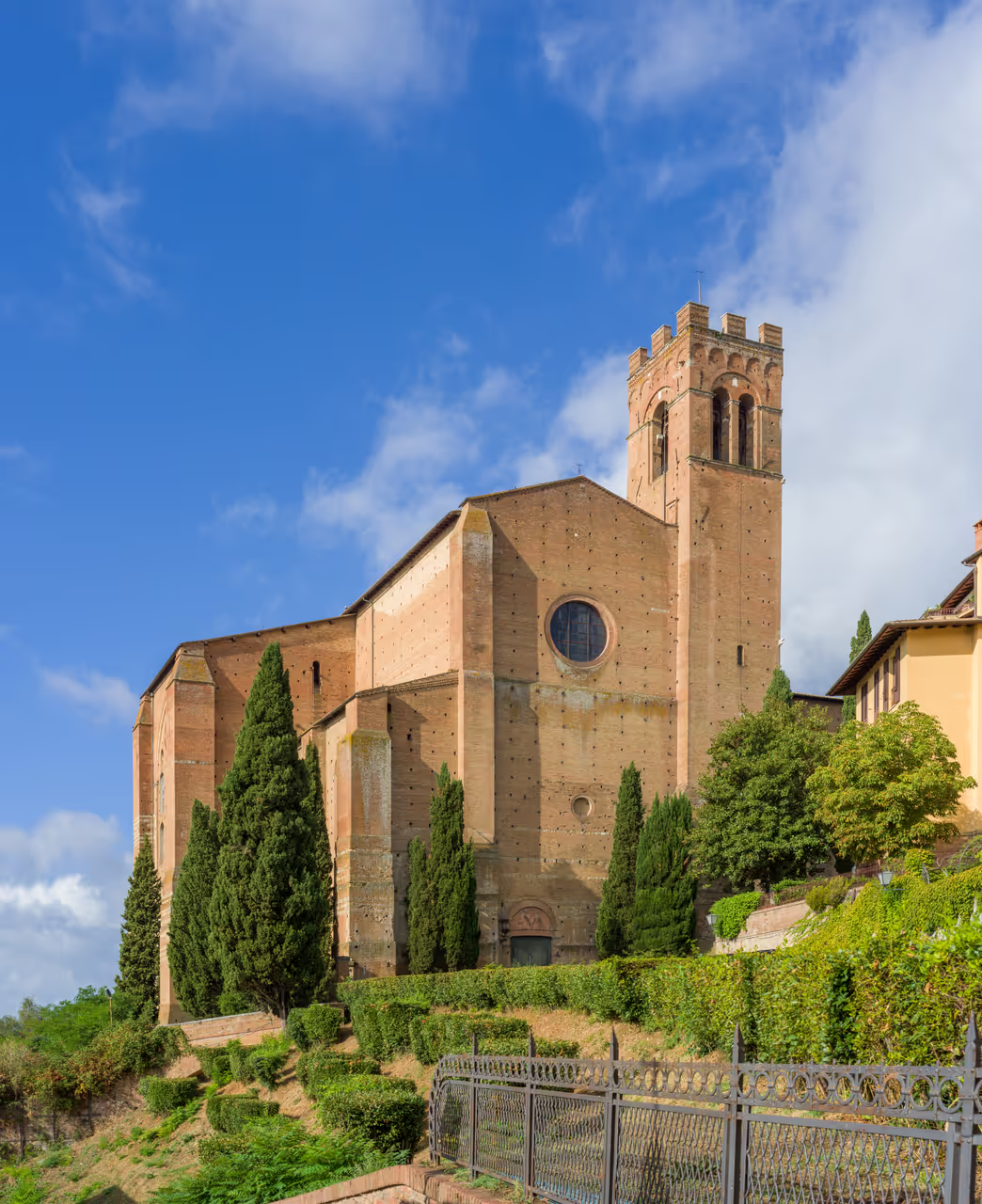
For the slow traveller, this extensive itinerary peels back the layers of the city's complex history. It affords the luxury of wandering aimlessly through the diverse neighbourhoods, diving deep into underground tunnels, and sitting for hours in historic cafes. You will experience the rhythm of local life, moving from monumental public architecture to the intimate, hidden traditions of the contrade. This is the ultimate way to truly absorb the spirit of the ancient republic.
view itinerary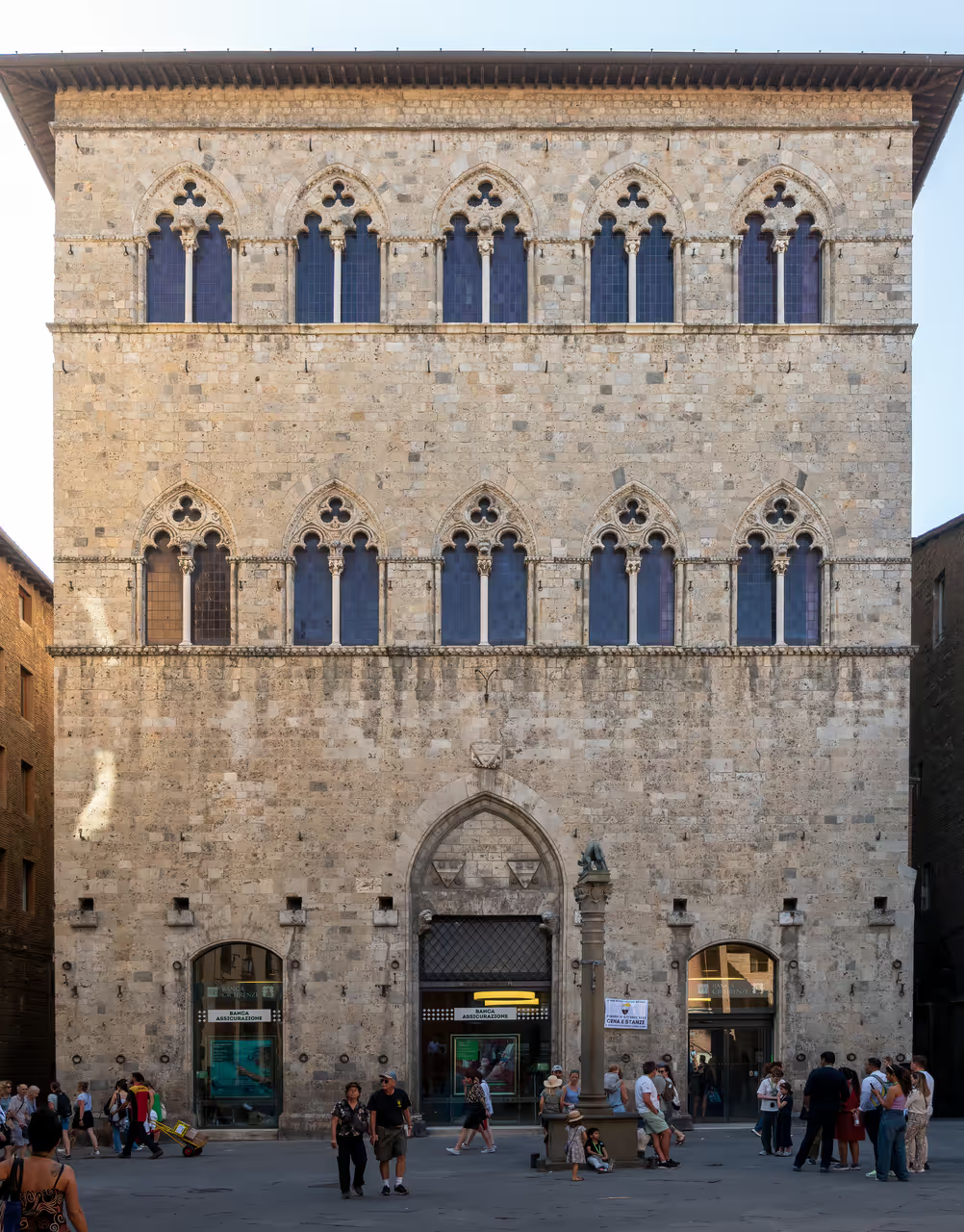
Gothic Architecture Trail
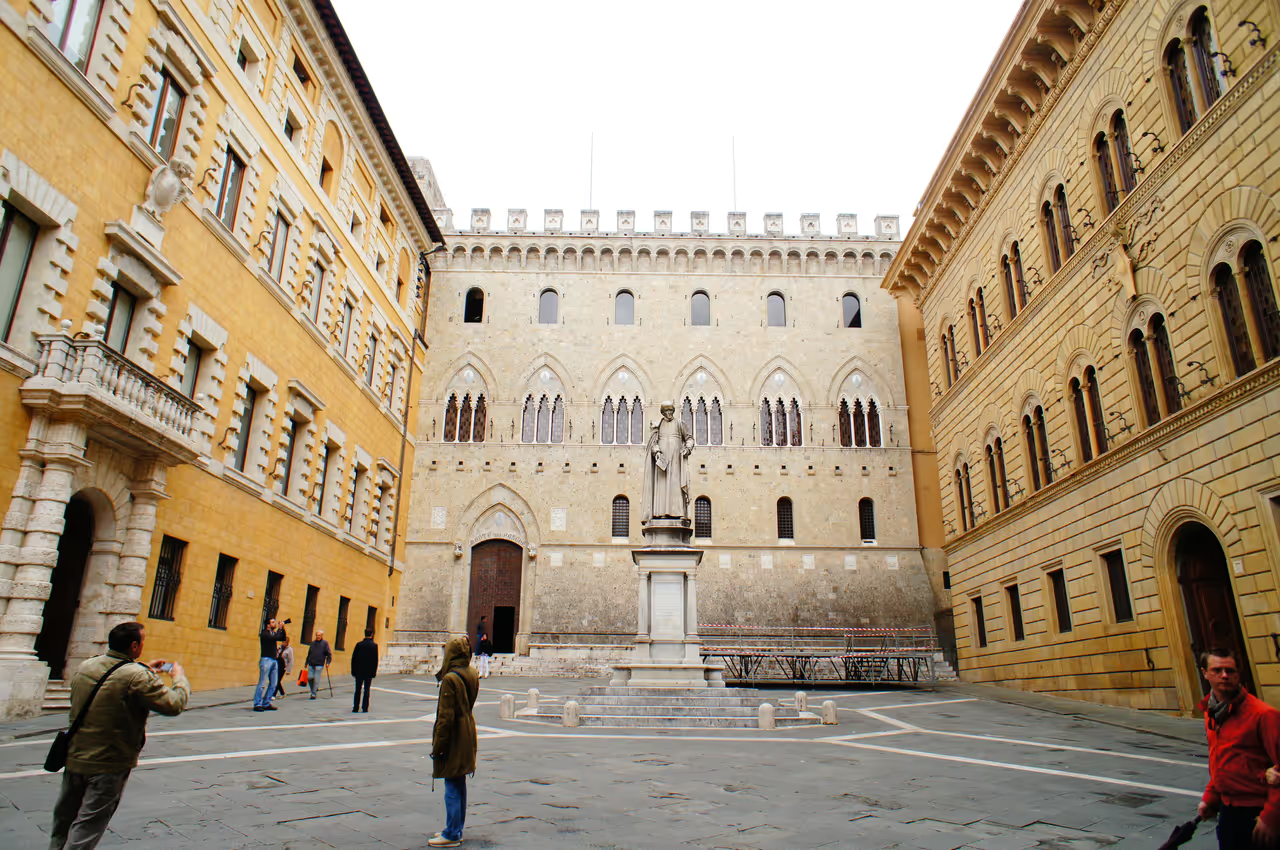
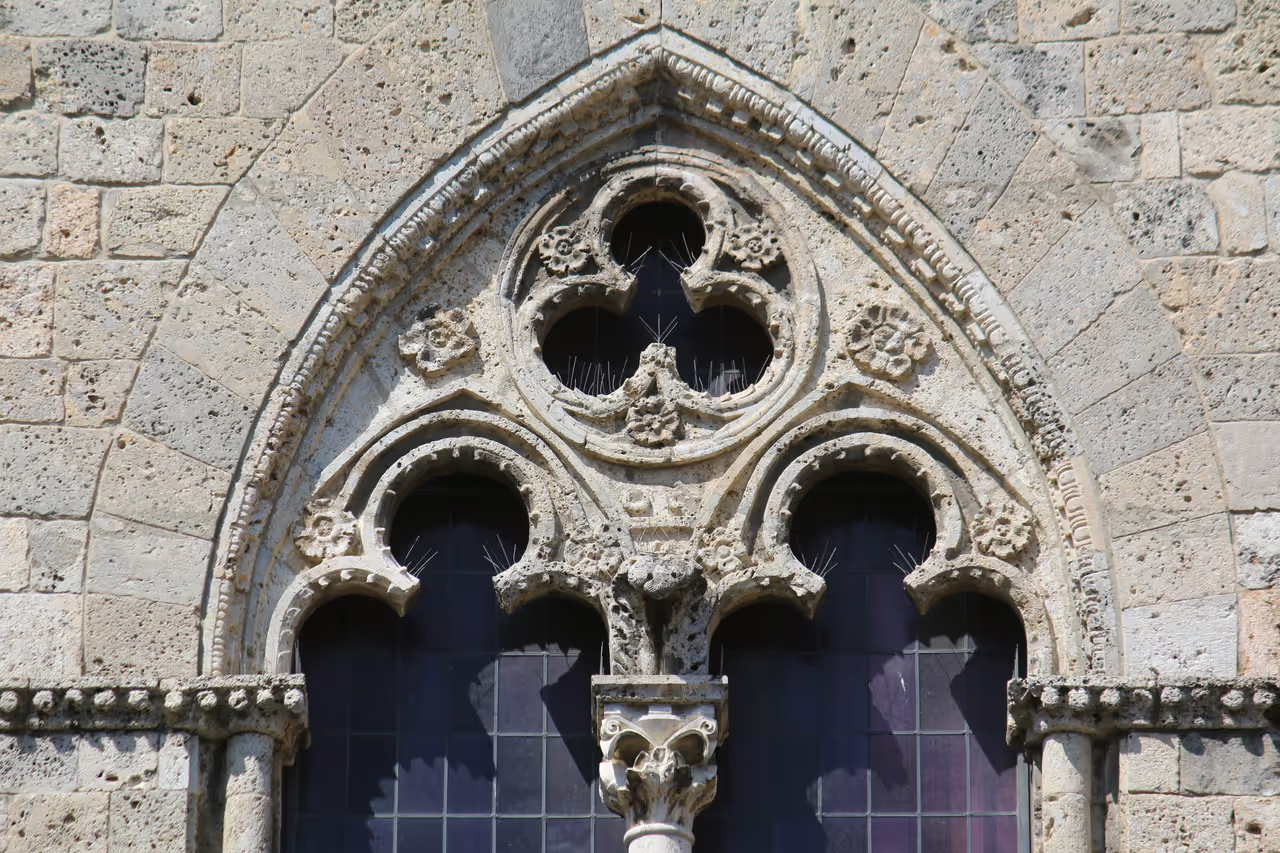
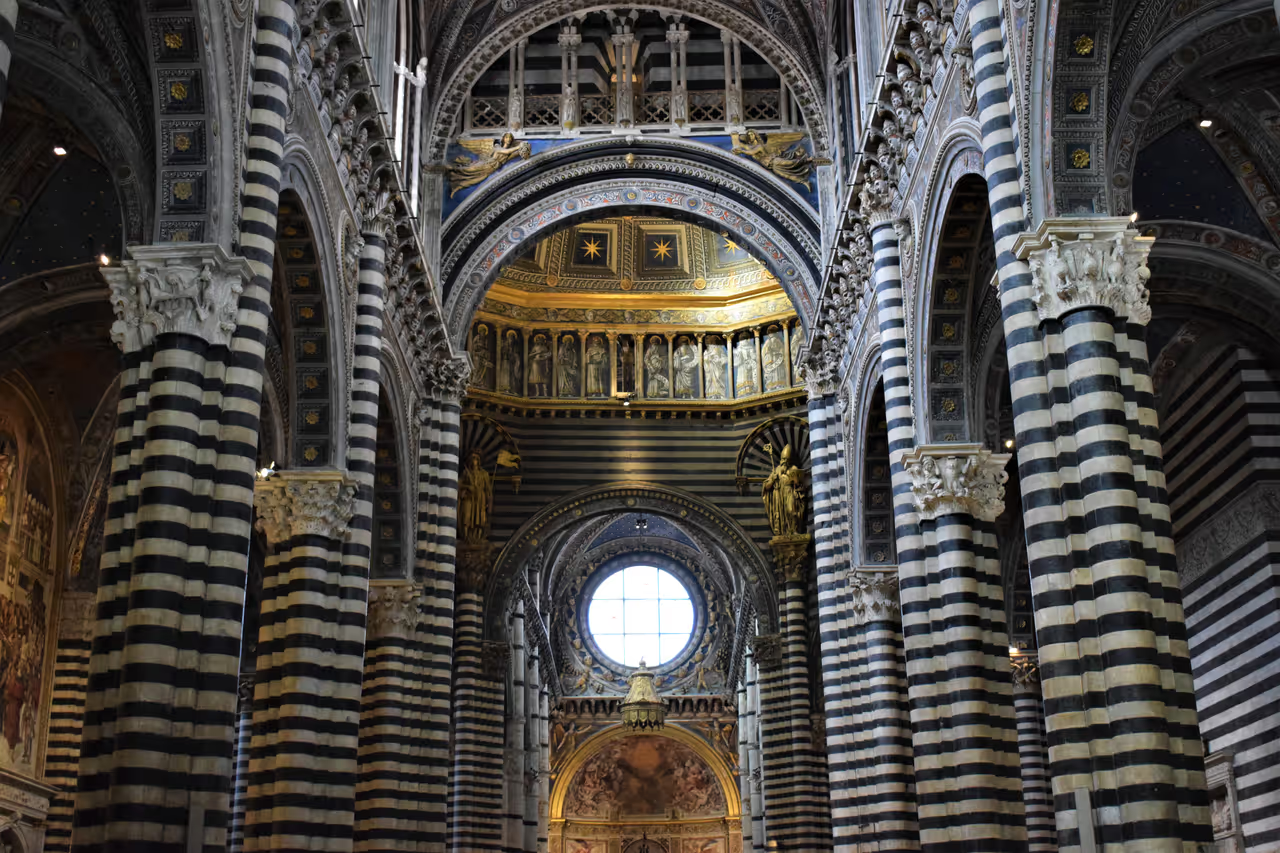
This tour focuses on the stunning architectural unity that defines the city's golden age. It traces the evolution of Sienese Gothic design, from early fortified towers to elaborate, multi-coloured marble facades. By observing the distinct pointed arches, slender columns, and crenelated rooflines, you can read the history of a wealthy republic obsessed with beauty and civic pride.
view self-guided tour
See all attractions in Siena
Siena Cathedral, Torre del Mangia...