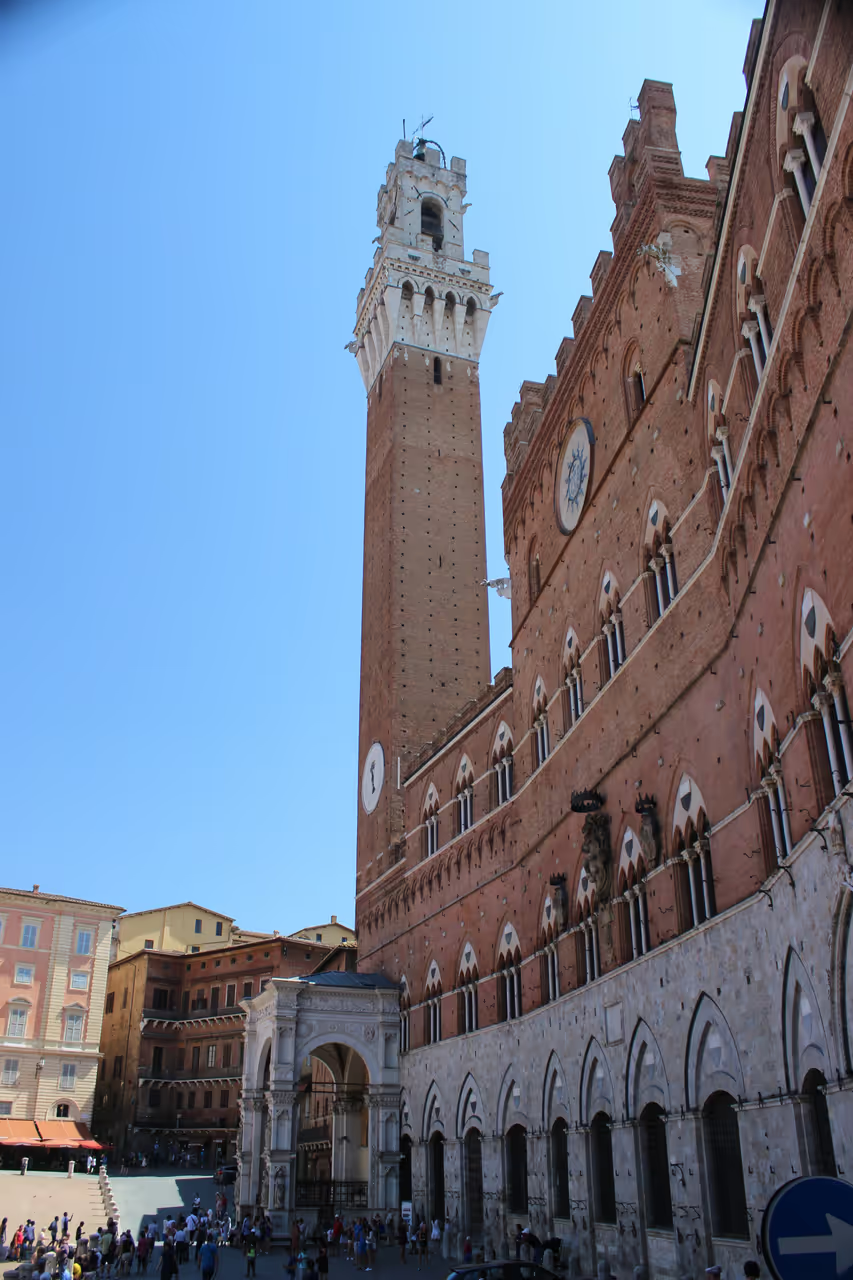
Torre del Mangia
Rising high above the vibrant Piazza del Campo, the Torre del Mangia is the undisputed soul of Siena. Its slender, brick-red silhouette perfectly mirrors the height of the Duomo, symbolizing a medieval balance between the power of the church and the state. Climbing its four hundred steps rewards visitors with unparalleled, sweeping panoramas of the rolling Tuscan hills and the terracotta rooftops of this historic city. Beyond its height, the tower holds centuries of secrets, including the namesake of a gluttonous bell-ringer and a surprising resilience against earthquakes. It is an essential stop for anyone wanting to truly understand the heart of medieval Siena.
Videos
History of Torre del Mangia
The tower was born from a desire for civic pride and equality. Started in 1338, its construction was a monumental task overseen by the Republic of Siena to assert its status. The architects, likely the Perugian brothers Minuccio and Francesco di Rinaldo, designed it to be as tall as the cathedral, sending a clear message that secular governance held equal weight to divine authority. It was built with painstaking care, embedding ancient inscriptions and coins in its foundations to ward off misfortune, creating a structure that felt both blessed and indomitable. The name itself is steeped in local folklore. It refers to Giovanni di Balduccio, a 14th century bell ringer who notoriously squandered his wages on food, earning him the nickname Mangiaguadagni or simply The Glutton. Even after mechanical clocks replaced his role, the name persisted, eventually becoming attached to the automaton that struck the bell. This playful connection to a flawed human character makes the tower feel uniquely Sienese, blending heavy stone and serious civic ambition with a touch of local wit that has lasted for centuries. Throughout its long life, the tower has endured fires, lightning strikes, and the constant threat of time. Its resilience, particularly when it stood firm during the 1798 earthquake, has cemented its status as a survivor and an anchor for the community. Today, it remains not just a viewing point, but a symbol of defiance and identity for the people of Siena, especially during the Palio when its bell, the Sunto, rings out to mark the city rhythms. Climbing its stairs is more than a tourist activity, it is a journey through the layers of the history of Siena.
Events spanning 679 years
Fun Facts
- • Beneath the structure, one can still find original, rough hewn brickwork that seamlessly connects the man made tower to the natural tufa rock foundation.
- • Famous for its endurance, the tower has inspired architectural replicas worldwide, including the iconic Old Joe clock tower at the University of Birmingham.
- • Its name honors Giovanni di Balduccio, a 14th century bell ringer whose legendary fondness for food earned him the nickname The Glutton.
- • The foundations were blessed with ancient inscriptions in Greek, Latin, and Hebrew, alongside coins intended to ward off disaster.
- • The great bell at the top, affectionately called Sunto, was blessed by Archbishop Ascanio Piccolomini and is rung manually only during the Palio celebrations.
- • The original stone statue of the Mangia was lost for centuries until it was discovered in the ruins of a private villa, eventually returned to the Palazzo Pubblico.
- • The tower was constructed to stand at the exact height of the Duomo to represent the balance of power between the Sienese church and the state.
- • The tower was equipped with a lightning protection system in 1776, an innovative adaptation of the designs originally patented by Benjamin Franklin.
- • Unlike many similar medieval structures, it withstood the violent earthquake of 1798 entirely unscathed, an event that shocked contemporary architects.
- • Visitors climbing the tower ascend over four hundred steps, passing through the same chambers where medieval prisoners were once confined.
RESOURCES
Official WebsiteTorre del Mangia FAQ
While we strive to keep this information accurate and up to date, we recommend verifying any details independently before making decisions based on them.
Torre del Mangia Map & Neighborhood Explorer
This interactive map is centered on Torre del Mangia. Zoom in and move the map around to automatically discover Wikipedia photos and summaries of other nearby sights, monuments, and historical points of interest and stories in real-time!
Places near Torre del Mangia
Make the most of your trip. Check out these top-rated spots located nearby.
 33m
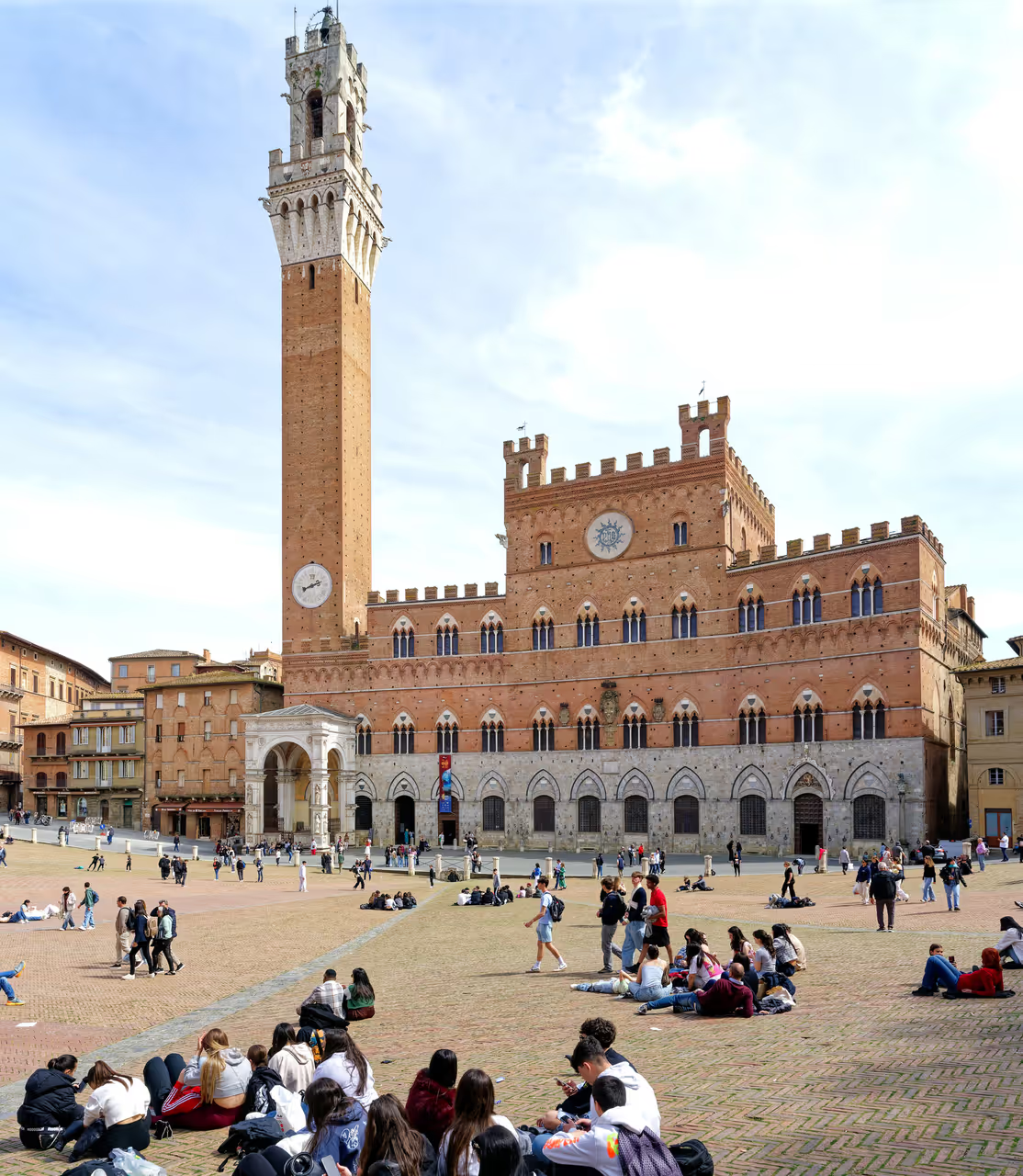
33mPalazzo Pubblico
Perched at the very heart of the city, the Palazzo Pubblico stands as a majestic testament to the pride and ambition of the Sienese Republic. This stunning medieval palace, overlooking the world famous shell shaped Piazza del Campo, served as the seat of the government of the Nine and remains the centre of local administration to this day. Visitors are invited to step inside to explore the Museo Civico, where some of the most profound masterpieces of Italian art, including Ambrogio Lorenzetti's famous Allegory of Good and Bad Government, adorn the walls. It is an immersive experience where civic history and artistic brilliance collide, offering a rare glimpse into the medieval soul of Tuscany. Whether you are marvelling at the ornate halls or simply soaking in the atmosphere of the surrounding square, this site is an essential chapter in the story of Italy.
attraction view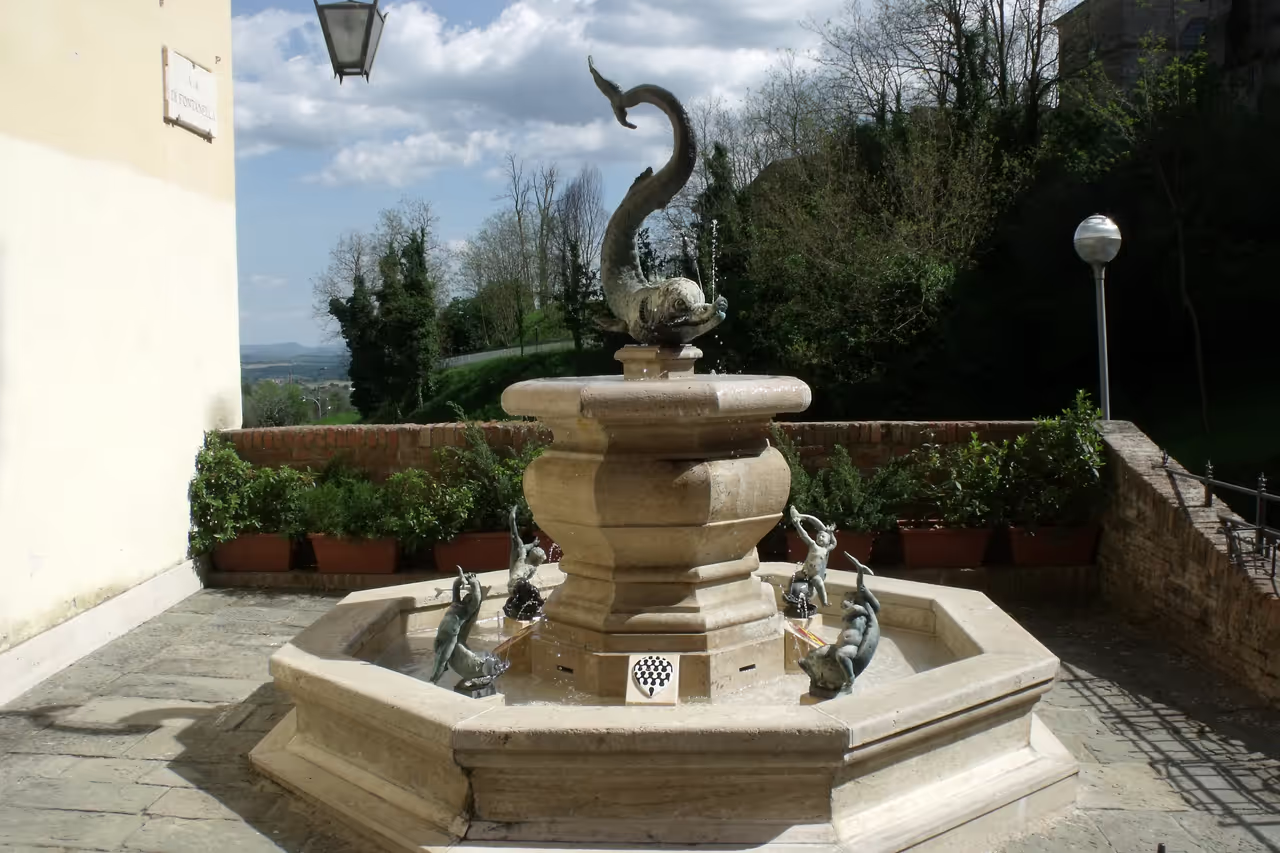 53m
53mContrada Fountain Spotting
Turn your walk into a treasure hunt by seeking out the unique bronze or marble fountains belonging to the 17 neighbourhoods. Each one is intricately designed to represent the contrada's symbol, whether it is a caterpillar, an owl, a snail, or a panther. They are often tucked away in small, unassuming piazzas or hidden courtyards. Finding them all is a fantastic, free way to explore every hidden corner of the city while learning about its unique social structure.
free thing to do view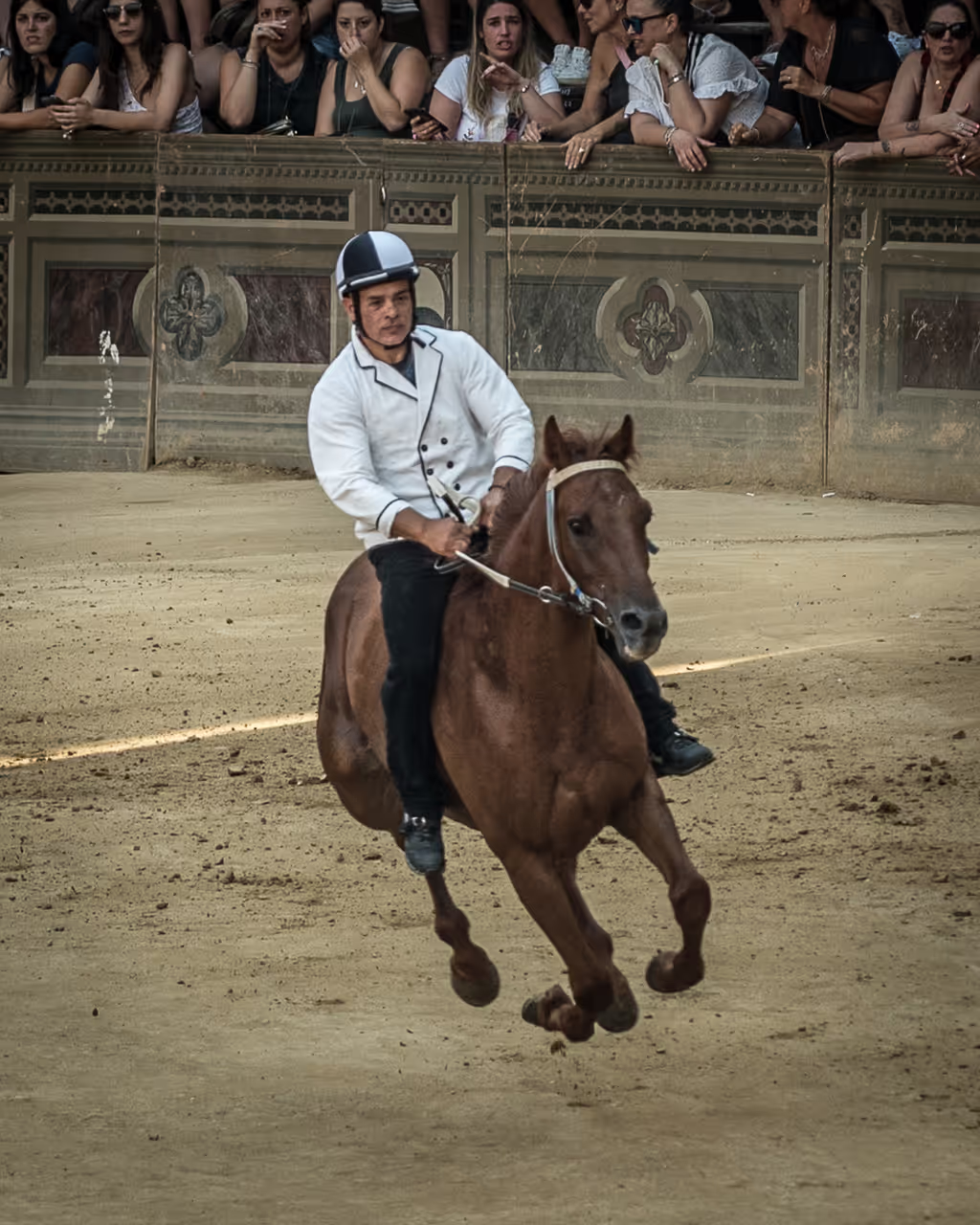 96m
96mPalio of Siena
This is no ordinary horse race; it is a profound expression of civic pride and neighbourhood rivalry dating back to the Middle Ages. Ten of the seventeen historic contrade compete in a bareback race around the treacherous dirt track laid in the central square. The atmosphere is electric, filled with colourful pageantry, drum rolls, and intense emotional stakes for the locals. Days of preparation, street dinners, and historical parades precede the actual race, which lasts a mere 90 seconds.
festival view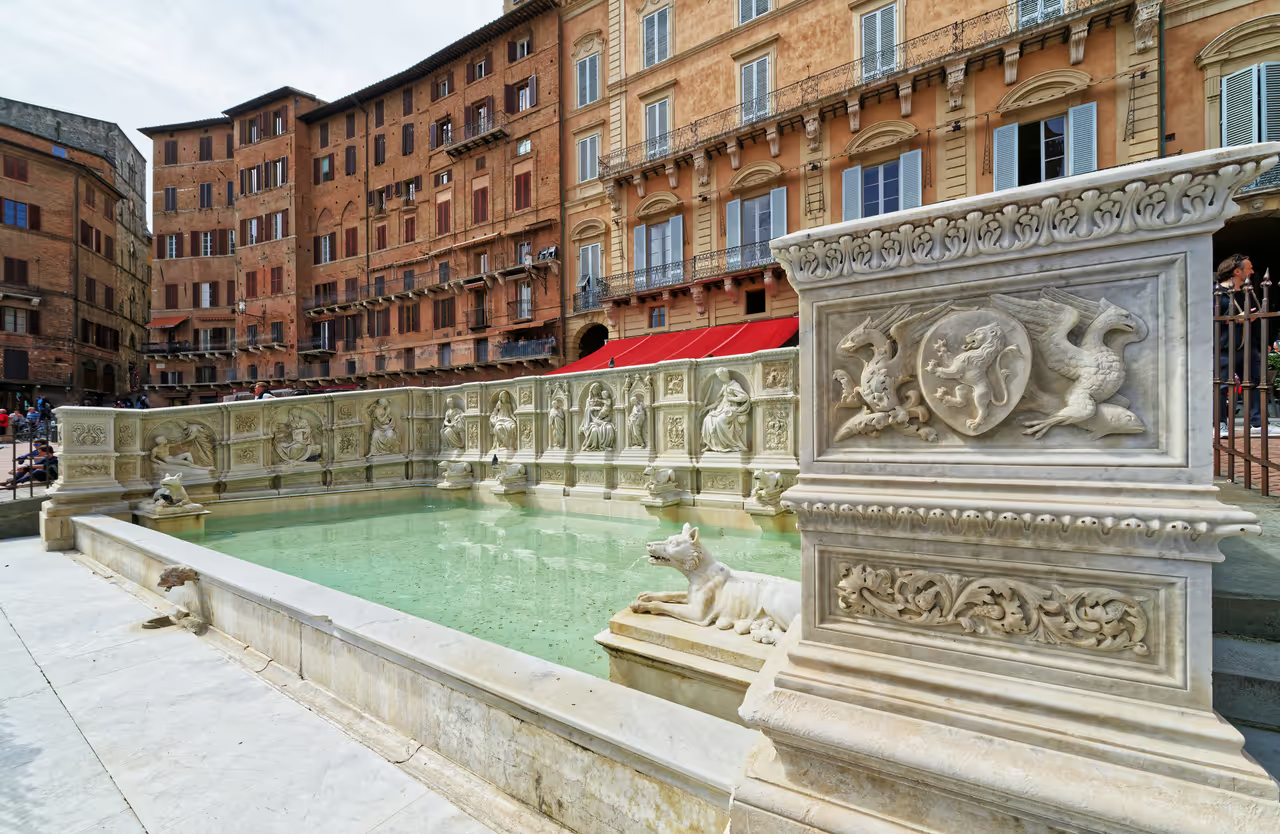 97m
97mFountain of Joy
Situated at the top edge of the main square, this rectangular fountain was an engineering marvel when it first brought water to the city centre in 1342. The beautifully carved marble panels that line it are 19th-century copies of the original masterpieces created by Renaissance sculptor Jacopo della Quercia. The water flows constantly, providing a refreshing stop for both locals and pigeons alike. Its name, meaning 'joy', reflects the immense celebration that occurred when clean water finally reached the high urban plateau.
highlight view
Explore Similar Places in These Collections
Featured on These Itineraries and Routes
1 Day in Siena Itinerary
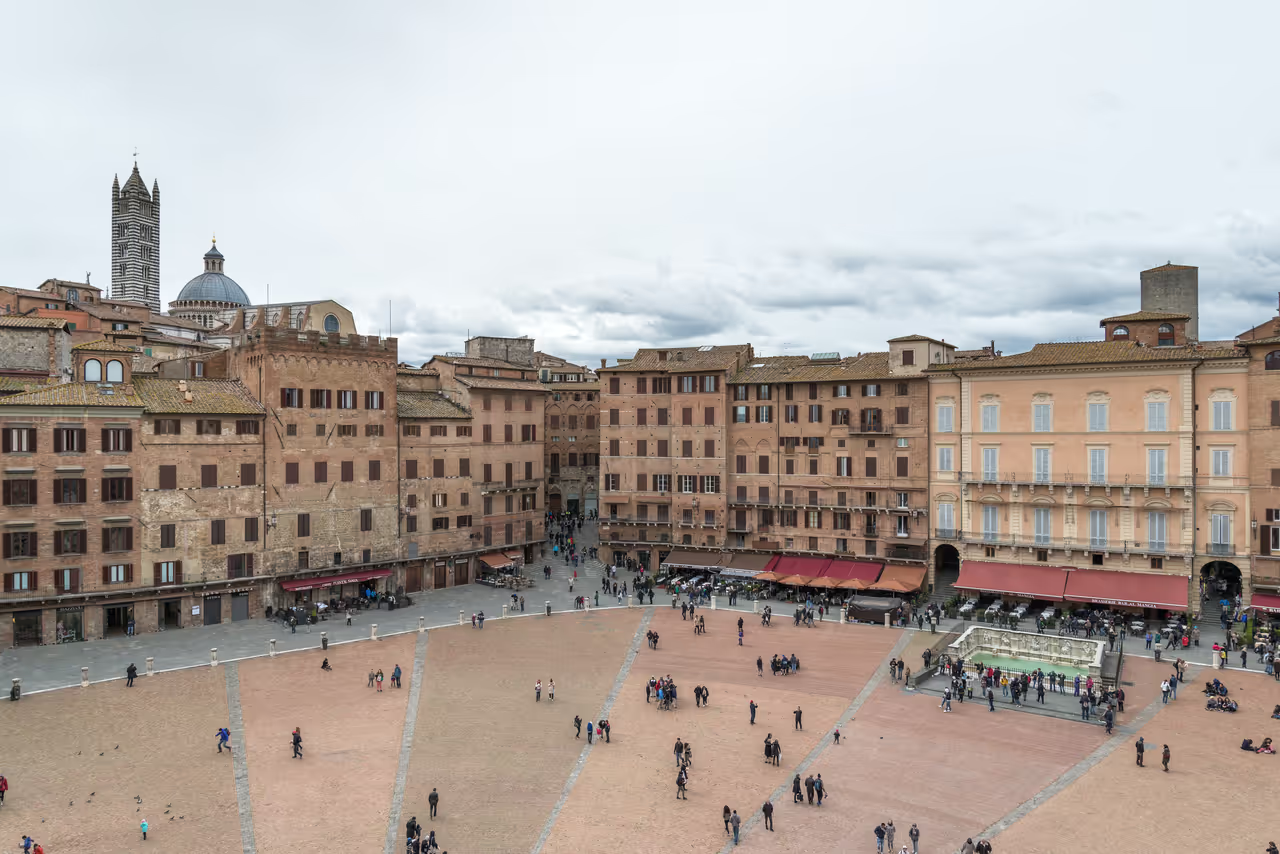
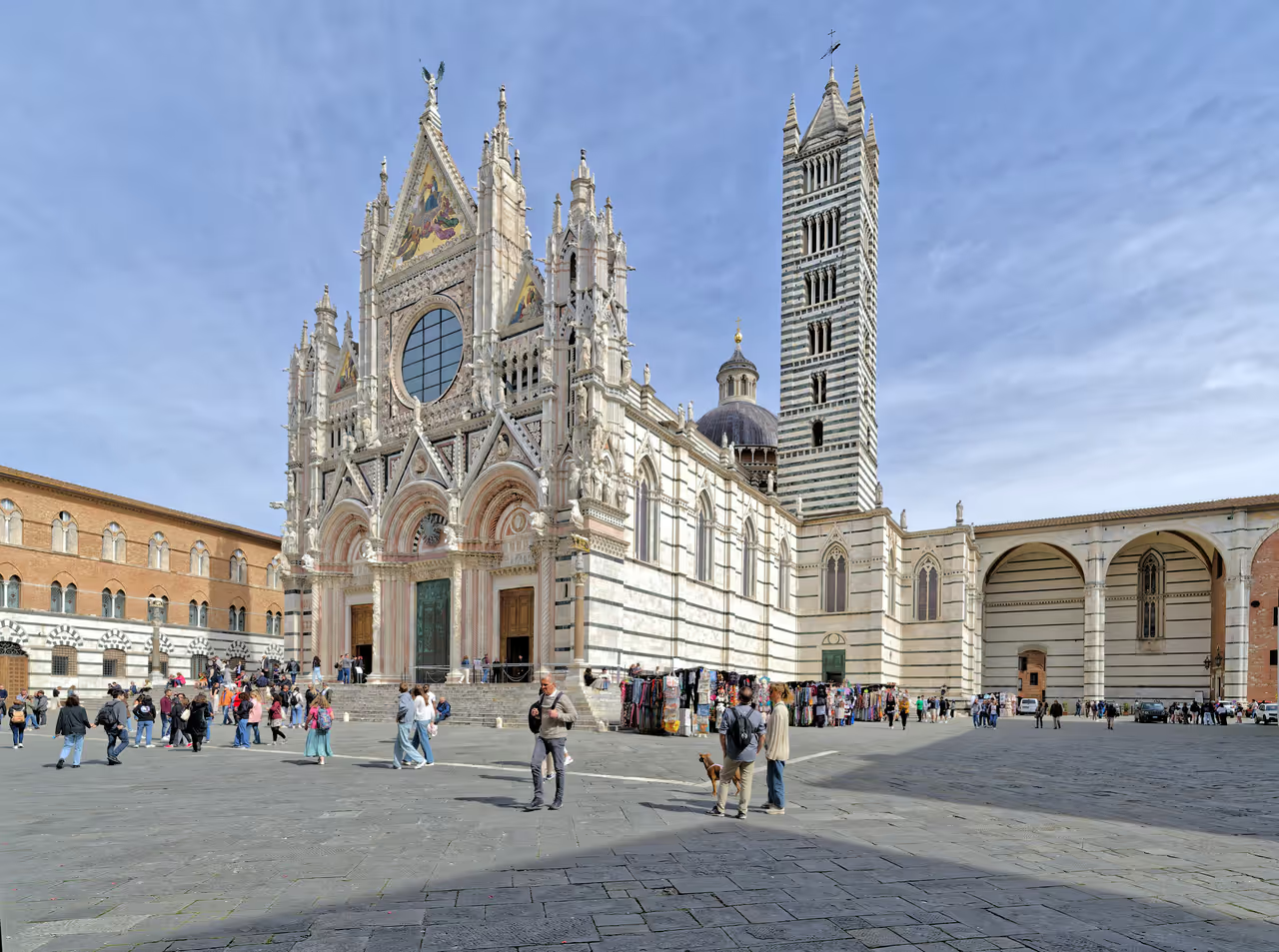
Designed for those visiting on a day trip, this fast-paced itinerary covers the absolute masterpieces of the city. It focuses entirely on the central ridge, minimizing extreme hill climbing while maximizing visual impact. You will experience the sheer gothic grandeur of the main square and the jaw-dropping artistic detail of the Cathedral. It is a perfect introduction to the wealth and ambition of the medieval republic.
view itinerary
5 Days in Siena: Deep Dive Itinerary
For the slow traveller, this extensive itinerary peels back the layers of the city's complex history. It affords the luxury of wandering aimlessly through the diverse neighbourhoods, diving deep into underground tunnels, and sitting for hours in historic cafes. You will experience the rhythm of local life, moving from monumental public architecture to the intimate, hidden traditions of the contrade. This is the ultimate way to truly absorb the spirit of the ancient republic.
view itinerary
Contrada Culture Walk
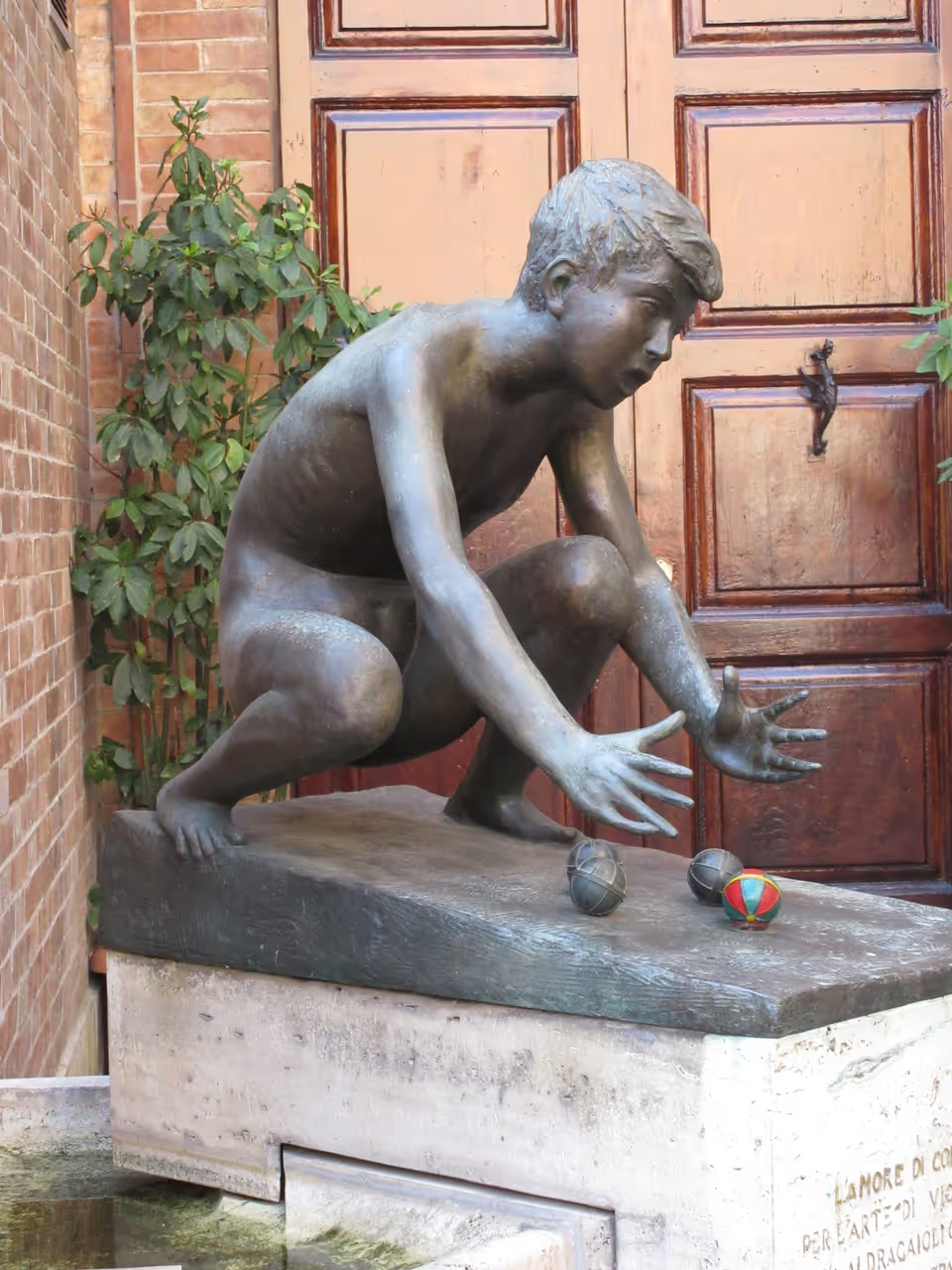
Dive into the fiercely loyal neighbourhood system that defines the city's social fabric. This tour hunts for the subtle and overt symbols of the seventeen contrade—the animal flags, the ceramic plaques, and the dedicated baptismal fountains. It is an exploration of living history, revealing how medieval tribalism evolved into a passionate, modern-day community structure.
view self-guided tour
See all attractions in Siena
Palazzo Pubblico, Siena Cathedral...