San Prospero District
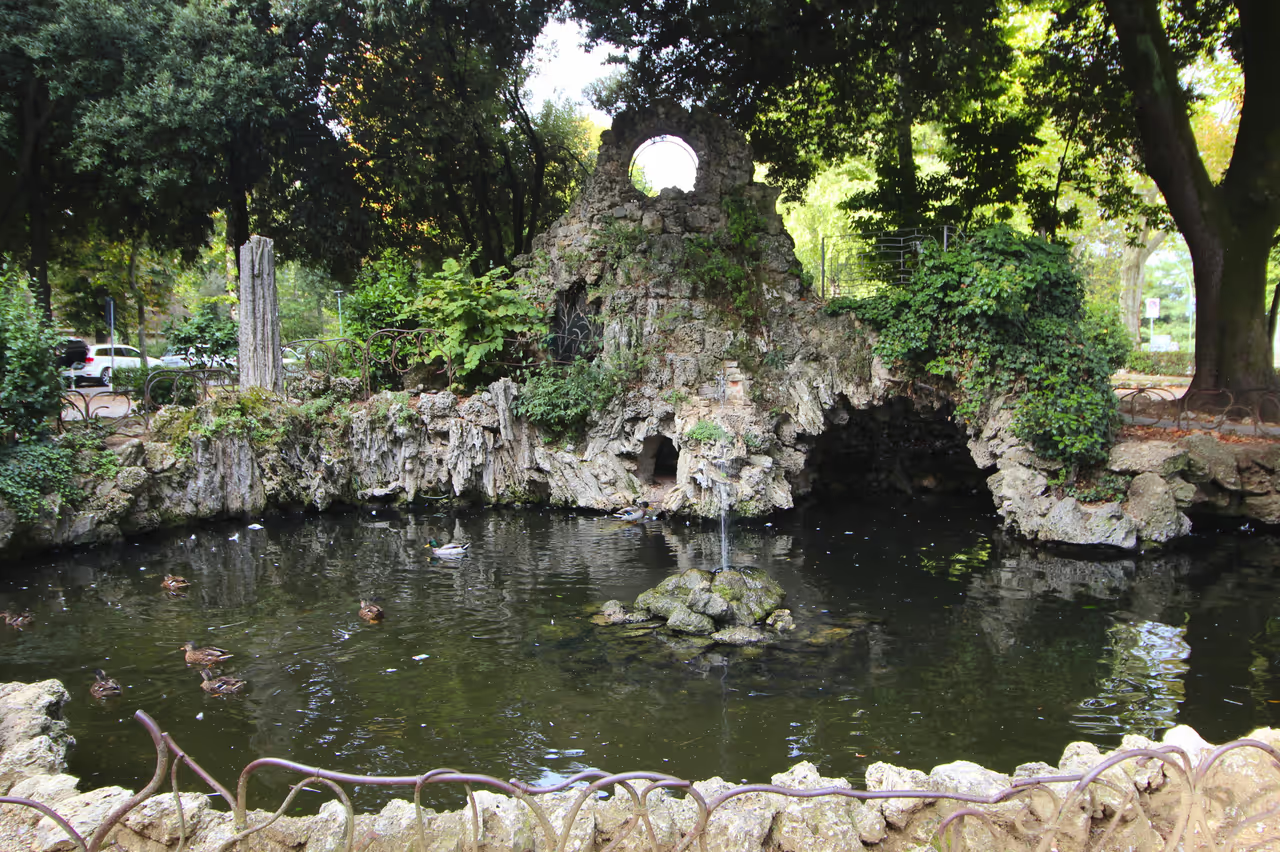
Step outside the historic walls of Siena to discover San Prospero, the city's pioneering modern district that bridges the gap between medieval grandeur and early twentieth-century elegance. Developed between 1920 and 1931, this leafy neighbourhood offers a refreshing change of pace with its refined Art Nouveau villas and quiet, tree-lined streets. It serves as an open-air showcase of Italian Liberty-style architecture, inviting you to wander past ornate facades and enjoy the serene beauty of the Parco della Rimembranza. The area provides a glimpse into the growth of the city during a transformative era of urban expansion. It is an ideal spot for travellers who appreciate hidden architectural gems and peaceful green spaces away from the main tourist paths.
History of San Prospero District
Before the 1920s, the identity of Siena was almost entirely locked within its medieval walls. San Prospero broke this mould as the first major expansion project outside those ancient barriers. Conceived by city leaders like Mayor Emanuello Pannocchieschi d'Elci, the district was intended to modernise the city while providing necessary housing, including relief for residents displaced by urban renewal in the historic centre. It was an ambitious vision to create a modern, bourgeois residential area that felt cohesive and respectable. Beyond providing simple accommodation, the district functioned as a curated environment designed to reflect the aspirations of a rising middle class, supported by the local economic influence of the Monte dei Paschi di Siena bank. The architectural character is what truly sets it apart, as architects like Armando Sabatini and Vittorio Mariani filled the streets with Liberty style villas. These homes feature floral motifs, brickwork, and intricate detailing that remain remarkably preserved today. The design ethos was heavily influenced by the English Arts and Crafts movement, earning the area the moniker of a garden village. While a proposal to establish San Prospero as an autonomous Contrada was rejected in 1929, the community maintains a distinct pride in its heritage. The relocation of the Monument to the Fallen of Independence to its grounds in 1958 solidified its status as a site of civic memory. Walking through its peaceful avenues, visitors encounter a different side of Sienese history, where the preservation of nature and architectural beauty continue to define the local spirit.
Events spanning 865 years
Fun Facts
- • Architect Armando Sabatini was the creative force behind much of the area's distinct character, designing numerous Liberty-style villas that define the aesthetic of the streets.
- • Before the district was fully built, the land hosted a monastery of nuns known as the San Prospero delle monache, which was destroyed in the sixteenth century.
- • Many of the initial residents were families displaced by urban renewal projects, specifically those living in the crowded Via di Salicotto area.
- • San Prospero holds the title of being Siena's first generation of suburbs, created specifically to modernise the city beyond its ancient walls.
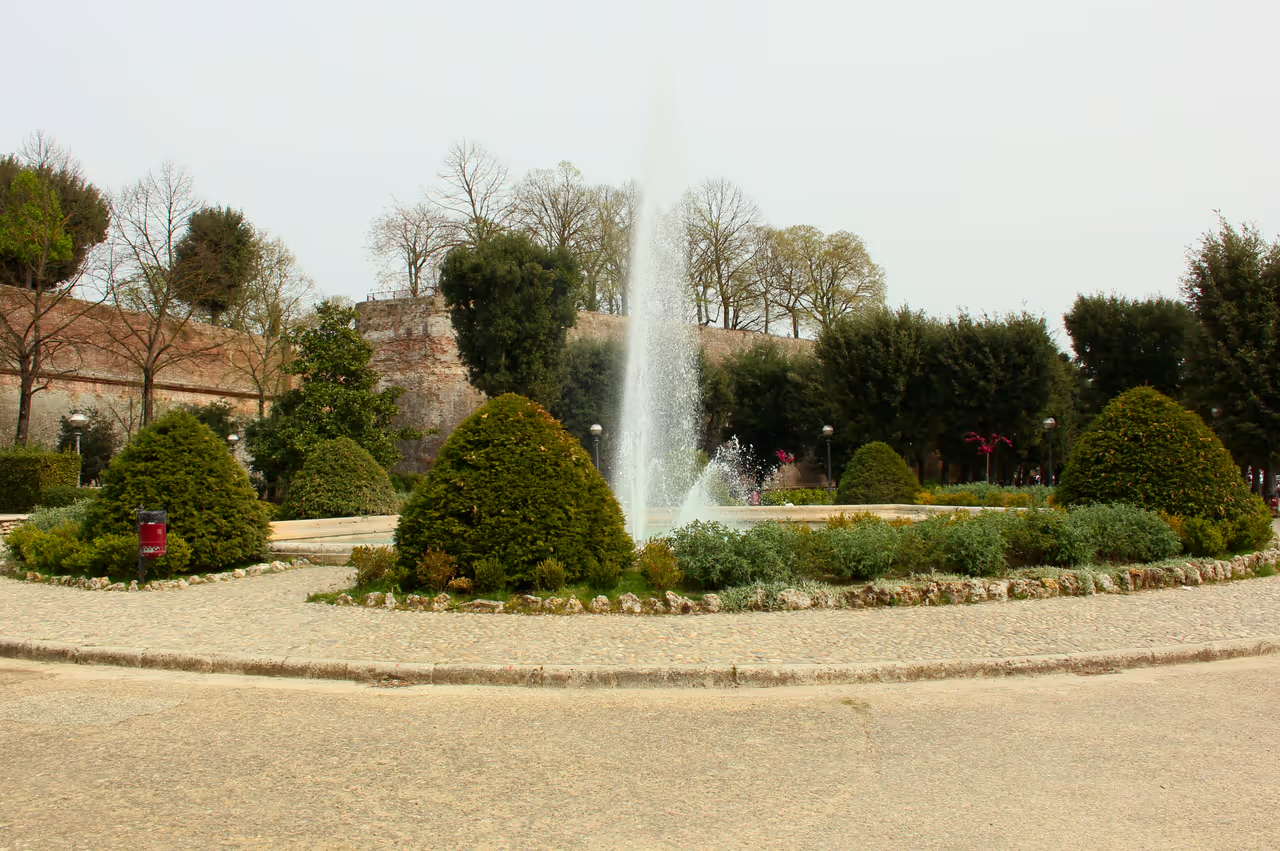
- • The Liberty-style fountain at the centre of the Parco della Rimembranza is a hallmark of the area, featuring a decorative design typical of the 1920s.
- • The Monte dei Paschi di Siena bank played a pivotal role in the district's development by offering subsidised mortgages to those who purchased property here.
- • The Monument to the Fallen of Independence, now a quiet feature of the local park, originally stood in the middle of a busy square, illustrating how urban priorities have shifted over time.
- • The district was a point of contention between two major Sienese Contrade, the Istrice and the Oca, as both laid claim to the area as their natural expansion.
- • The district was conceptualised as a garden village, drawing direct inspiration from the English Arts and Crafts movement to blend residential living with nature.
- • The district's architecture includes a variety of styles, from the elegant, floral-patterned facades of the villas to the eclectic industrial design of the former Fiat garage.
San Prospero District FAQ
While we strive to keep this information accurate and up to date, we recommend verifying any details independently before making decisions based on them.
San Prospero District Map & Neighborhood Explorer
This interactive map is centered on San Prospero District. Zoom in and move the map around to automatically discover Wikipedia photos and summaries of other nearby sights, monuments, and historical points of interest and stories in real-time!
Places near San Prospero District
Make the most of your trip. Check out these top-rated spots located nearby.
- 362m
Siena Jazz International Summer Workshop
For over fifty years, the city has hosted one of Europe's most important jazz workshops and festivals. Students and master musicians converge to jam, learn, and perform in public squares and the medieval fortress. The contrast of contemporary jazz echoing against ancient brick walls creates a uniquely captivating atmosphere. Evening concerts are frequent and often open to the public, bringing a vibrant, modern energy to the historic streets.
festival view 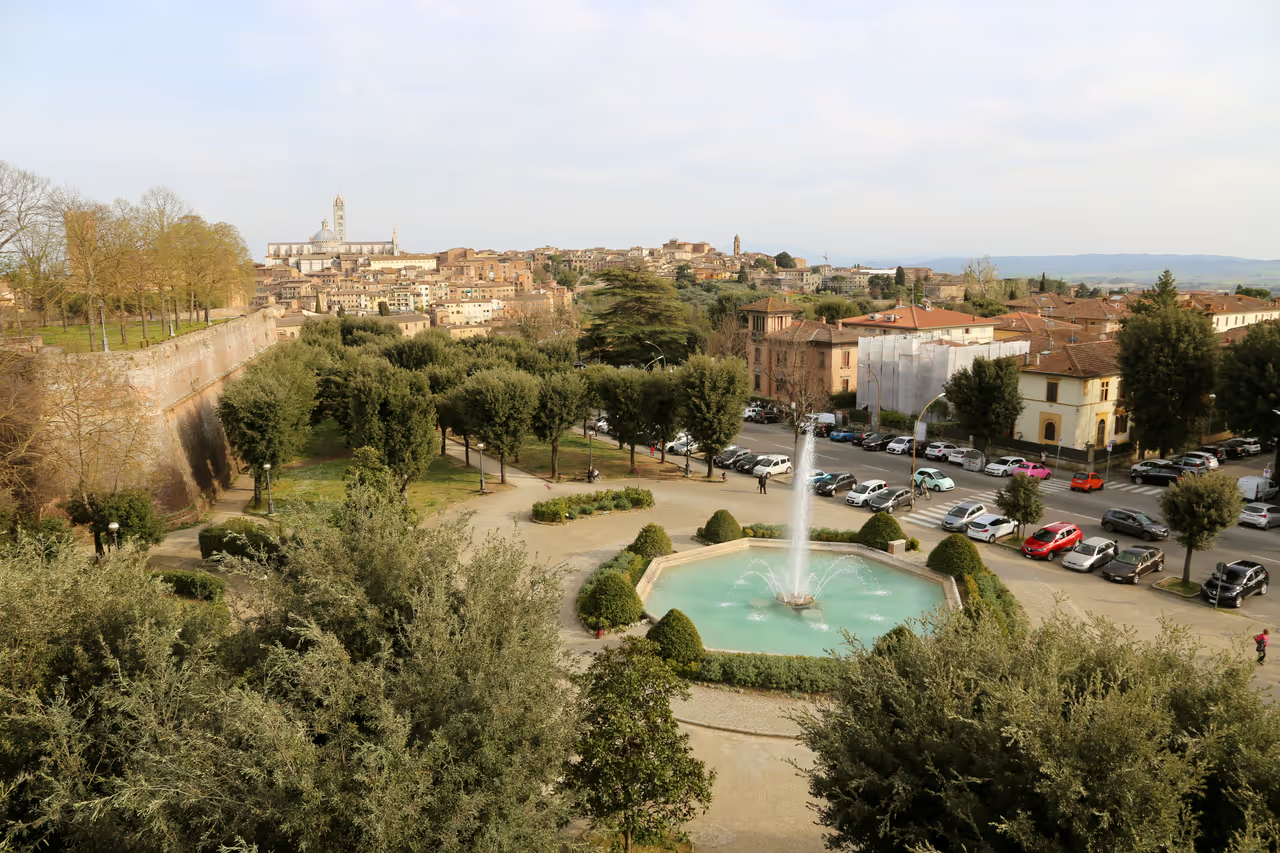 420m
420mMedici Fortress
Standing as a commanding sentinel over Siena, the Fortezza Medicea represents a fascinating transformation from an instrument of military oppression into a beloved public space. Visitors today climb its imposing brick ramparts not to defend the city against encroaching armies, but to enjoy one of the most relaxing panoramic walks in the region. Within its massive perimeter, the fortress hosts a local wine centre, open-air concerts, and quiet gardens that invite a leisurely afternoon stroll. It serves as a constant reminder of the intense rivalry between Florence and Siena during the Renaissance, yet its current atmosphere is decidedly peaceful. Whether you are catching an open-air film or savouring a glass of local wine, the fortress offers a unique vantage point to appreciate the city’s complex past and its thriving contemporary culture.
park & nature view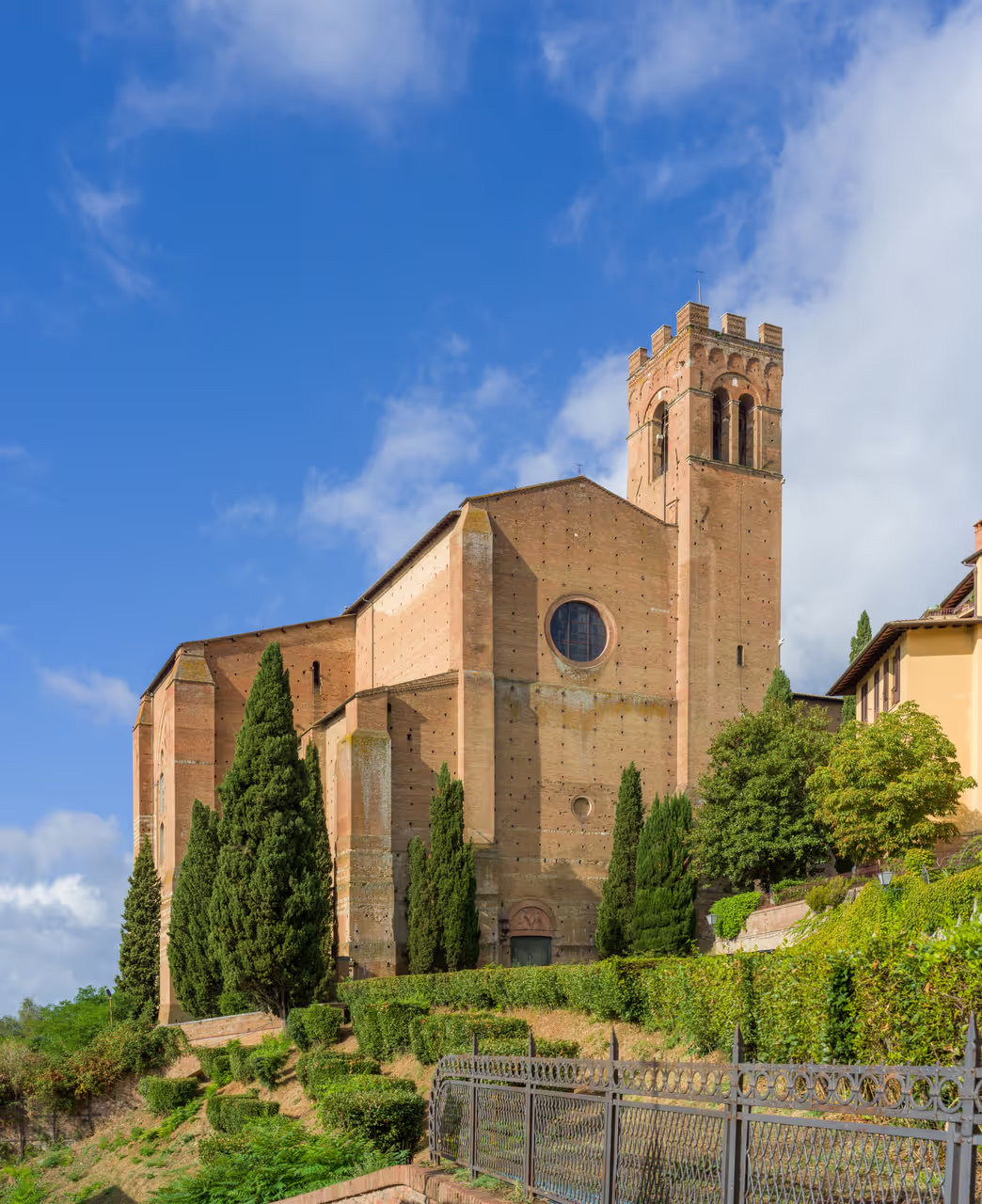 501m
501mBasilica of Saint Dominic
This vast, austere brick church dominates the western hill of the city with its formidable, fortress-like presence. Inside, the massive, unadorned nave was designed to hold enormous crowds who came to hear the Dominican friars preach. The main draw is the ornate Renaissance chapel containing the mummified head of Saint Catherine, the city's revered patron saint. The church also features authentic frescoes portraying the saint, painted by artists who actually knew her in life. The terrace outside provides one of the finest panoramic views of the cathedral.
highlight view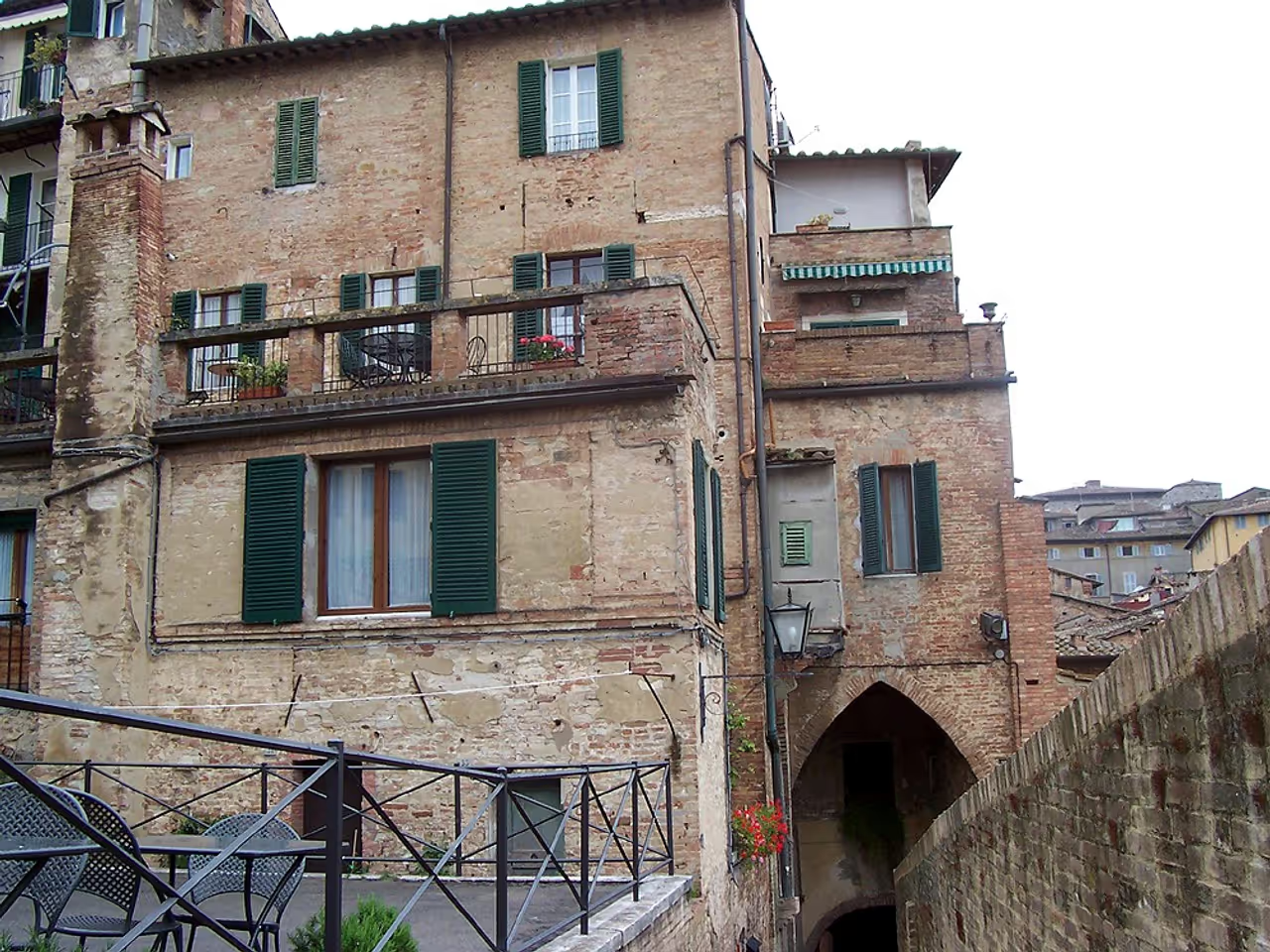 594m
594mCamporegio Terrace
Hidden down a quiet street near San Domenico, this small viewing terrace hangs over the steep drop of the Fontebranda valley. It provides a more intimate, slightly lower angle on the Cathedral than the main square, allowing you to appreciate the sheer scale of the brick substructures holding the city up. It is usually much quieter than the main tourist spots, offering a peaceful moment to admire the medieval brickwork. The view is particularly magical at dusk when the street lamps begin to flicker on.
viewpoint view
See all nature & parks in Siena
Giardini della Lizza, Medici Fortress, Siena Botanical Garden...