Medici Fortress
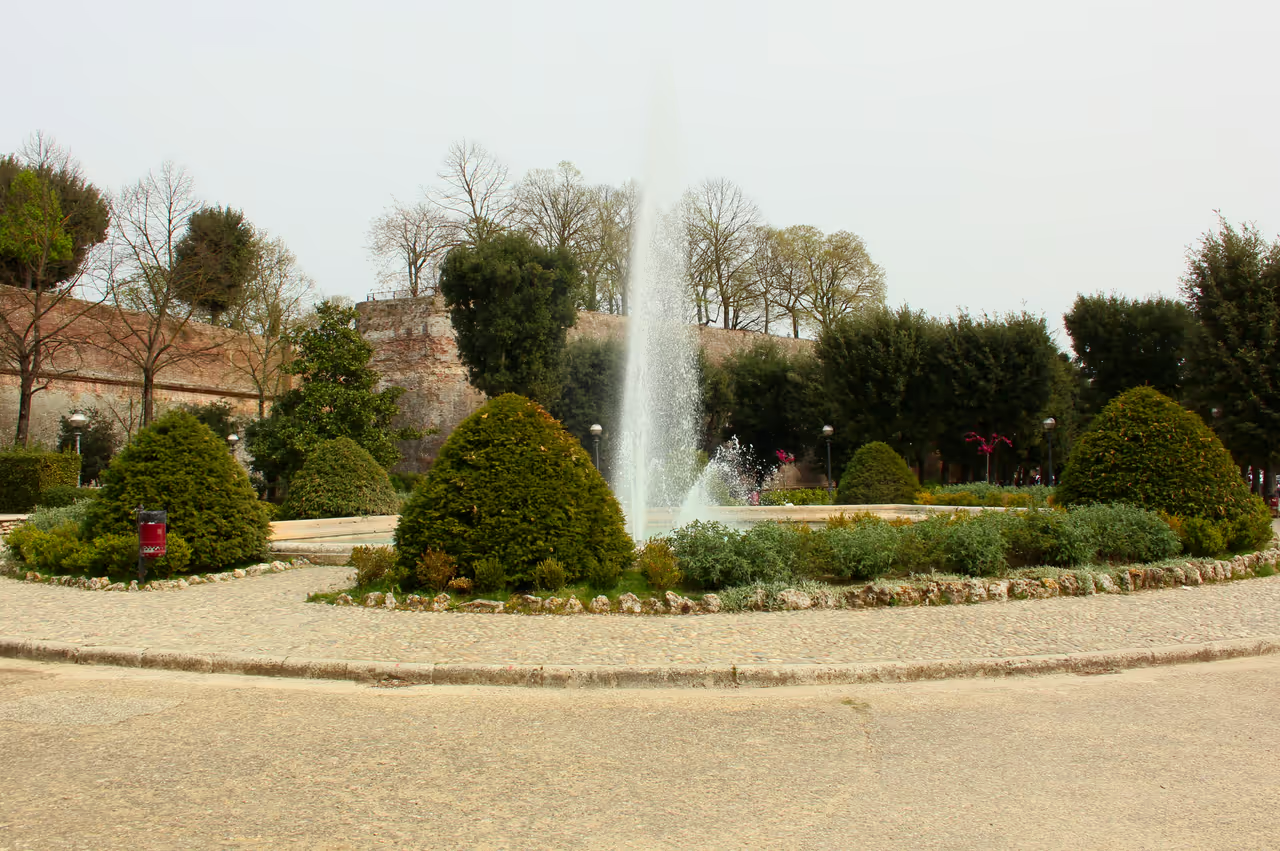
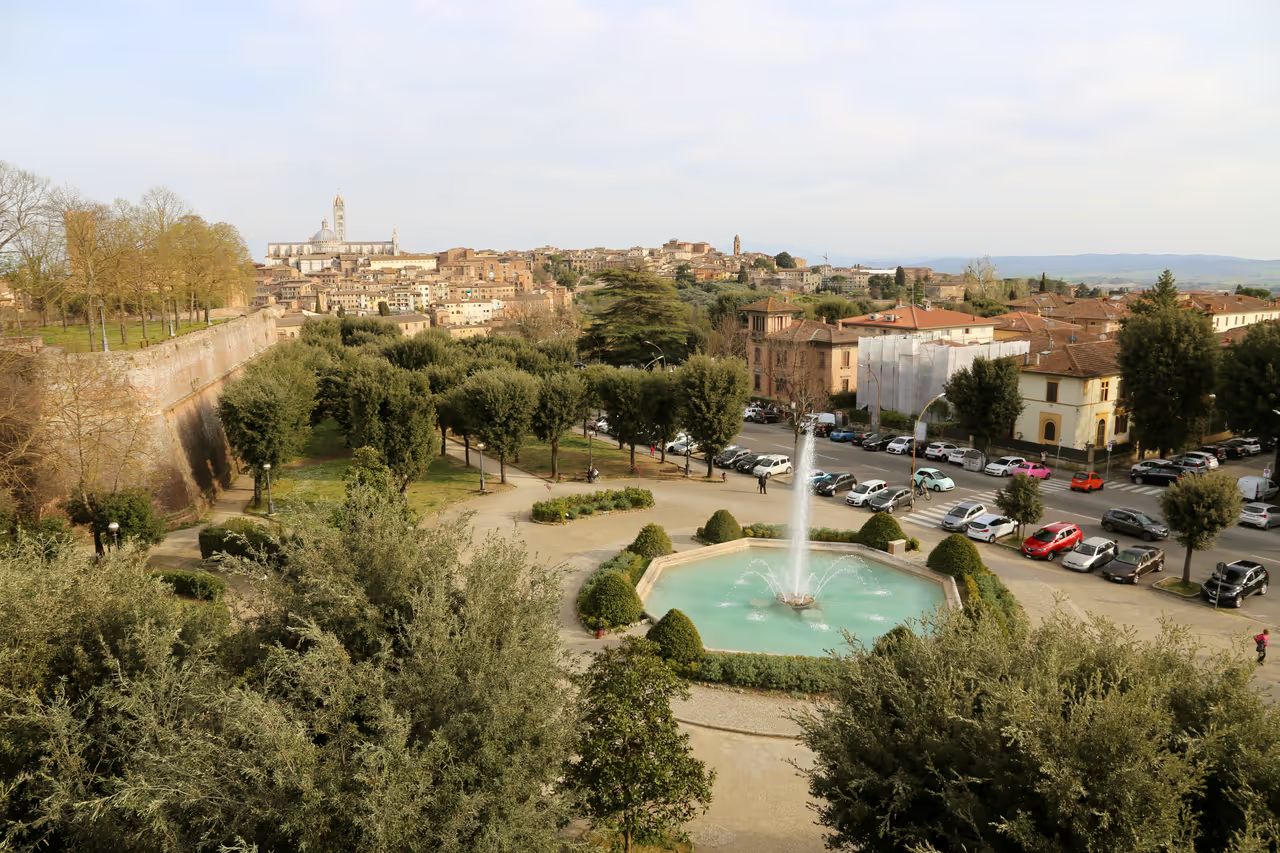
Standing as a commanding sentinel over Siena, the Fortezza Medicea represents a fascinating transformation from an instrument of military oppression into a beloved public space. Visitors today climb its imposing brick ramparts not to defend the city against encroaching armies, but to enjoy one of the most relaxing panoramic walks in the region. Within its massive perimeter, the fortress hosts a local wine centre, open-air concerts, and quiet gardens that invite a leisurely afternoon stroll. It serves as a constant reminder of the intense rivalry between Florence and Siena during the Renaissance, yet its current atmosphere is decidedly peaceful. Whether you are catching an open-air film or savouring a glass of local wine, the fortress offers a unique vantage point to appreciate the city’s complex past and its thriving contemporary culture.
Videos
History of Medici Fortress
The origins of the Fortezza Medicea are deeply rooted in the fierce struggle for dominance that defined Tuscany during the Renaissance. For centuries, Siena stood as a proud, independent republic, constantly vying for influence against its powerful neighbour, Florence. This rivalry reached a violent climax in the sixteenth century, leading to the eventual collapse of the Sienese Republic. When the city fell under the control of the Florentine Duke Cosimo I de Medici, he needed a way to ensure the stubborn Sienese would not rise up again. His solution was to construct this formidable fortress on the site of an earlier, destroyed citadel. The fortress served as a potent symbol of Florentine authority. Its architectural design was calculated to dominate the local landscape and provide a strategic defensive position for the new rulers. The massive walls and bastions stood as a constant, intimidating presence, reminding the citizens of the shift in power. For generations, it functioned as a military installation, effectively keeping the city under a watchful eye. Yet, history has a way of softening the edges of even the most aggressive architecture. Following its demilitarisation in the late eighteenth century, the fortress began its long journey toward reintegration with the city's public life. Today, the ramparts that once held soldiers now carry trees and strollers, and the space serves as the beating heart of Siena's social life. It remains a testament to resilience, having survived the political turmoil of the sixteenth century to eventually host the city's celebrated jazz festival and wine culture.
Events spanning 389 years
Fun Facts
- • A statue of Saint Catherine of Siena stands at the fortress, an ironic placement given the fortification was built to stifle the independence of the very city she loved.
- • During the summer months, the internal courtyard often transforms into an outdoor cinema, allowing locals to watch films nestled against the ancient walls.
- • It is constructed directly on the site of an earlier, short lived Citadel which was famously destroyed by an angry mob of Sienese citizens in 1552.
- • On one of the massive corner ramparts, the Medici coat of arms is notably absent, a detail that has sparked countless local theories regarding whether this was a deliberate choice or a simple oversight.
- • The design was led by architect Baldassarre Lanci, who was celebrated for his expertise in military engineering and complex fortification design.
- • The fortress is built in a rectangular shape, though historical records indicate it was originally intended to have an L shaped footprint.
- • The fortress offers a stunning, elevated view of the Artemio Franchi Stadium, highlighting the unusual juxtaposition of a Renaissance military structure and modern sports facilities.
- • The fortress serves as the home to the Enoteca Italiana, a prestigious institution dedicated to showcasing the finest wines produced within the region.
- • The fortress was commissioned by Cosimo I de Medici specifically to ensure the Sienese would remain loyal to the newly formed Grand Duchy of Tuscany.
- • The perimeter of the fortress measures an impressive 1,500 metres, providing a massive, elevated circuit that looms over the northern edge of the city.
Medici Fortress FAQ
While we strive to keep this information accurate and up to date, we recommend verifying any details independently before making decisions based on them.
Medici Fortress Map & Neighborhood Explorer
This interactive map is centered on Medici Fortress. Zoom in and move the map around to automatically discover Wikipedia photos and summaries of other nearby sights, monuments, and historical points of interest and stories in real-time!
Places near Medici Fortress
Make the most of your trip. Check out these top-rated spots located nearby.
- 58m
Siena Jazz International Summer Workshop
For over fifty years, the city has hosted one of Europe's most important jazz workshops and festivals. Students and master musicians converge to jam, learn, and perform in public squares and the medieval fortress. The contrast of contemporary jazz echoing against ancient brick walls creates a uniquely captivating atmosphere. Evening concerts are frequent and often open to the public, bringing a vibrant, modern energy to the historic streets.
festival view 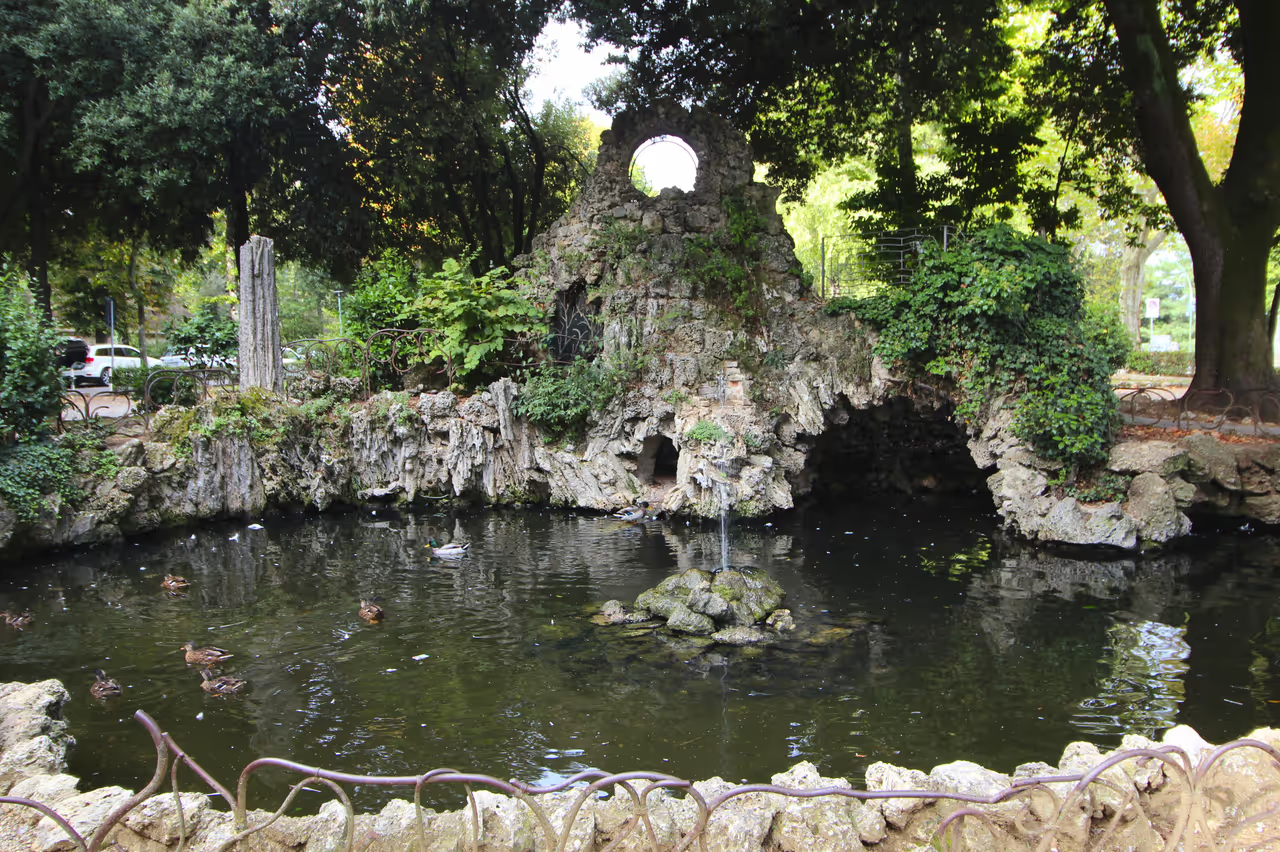 224m
224mGiardini della Lizza
Giardini della Lizza offers a serene escape into the heart of Sienese history, where ancient military traditions blend with modern relaxation. Once a training ground for noble knights and later a grand promenade for nineteenth-century society, this triangular green space remains a beloved sanctuary for locals and curious travellers alike. Today, you can stroll beneath the shade of mature trees or admire the commanding equestrian statue of Giuseppe Garibaldi that anchors the park. Surrounded by impressive monuments like the Asilo Monumento and the looming Fortezza Medicea, the gardens provide an authentic window into the layers of the city's identity. It is the perfect spot to slow your pace, enjoy the crisp air, and witness the daily life of Siena unfold against a backdrop of architectural elegance.
park & nature view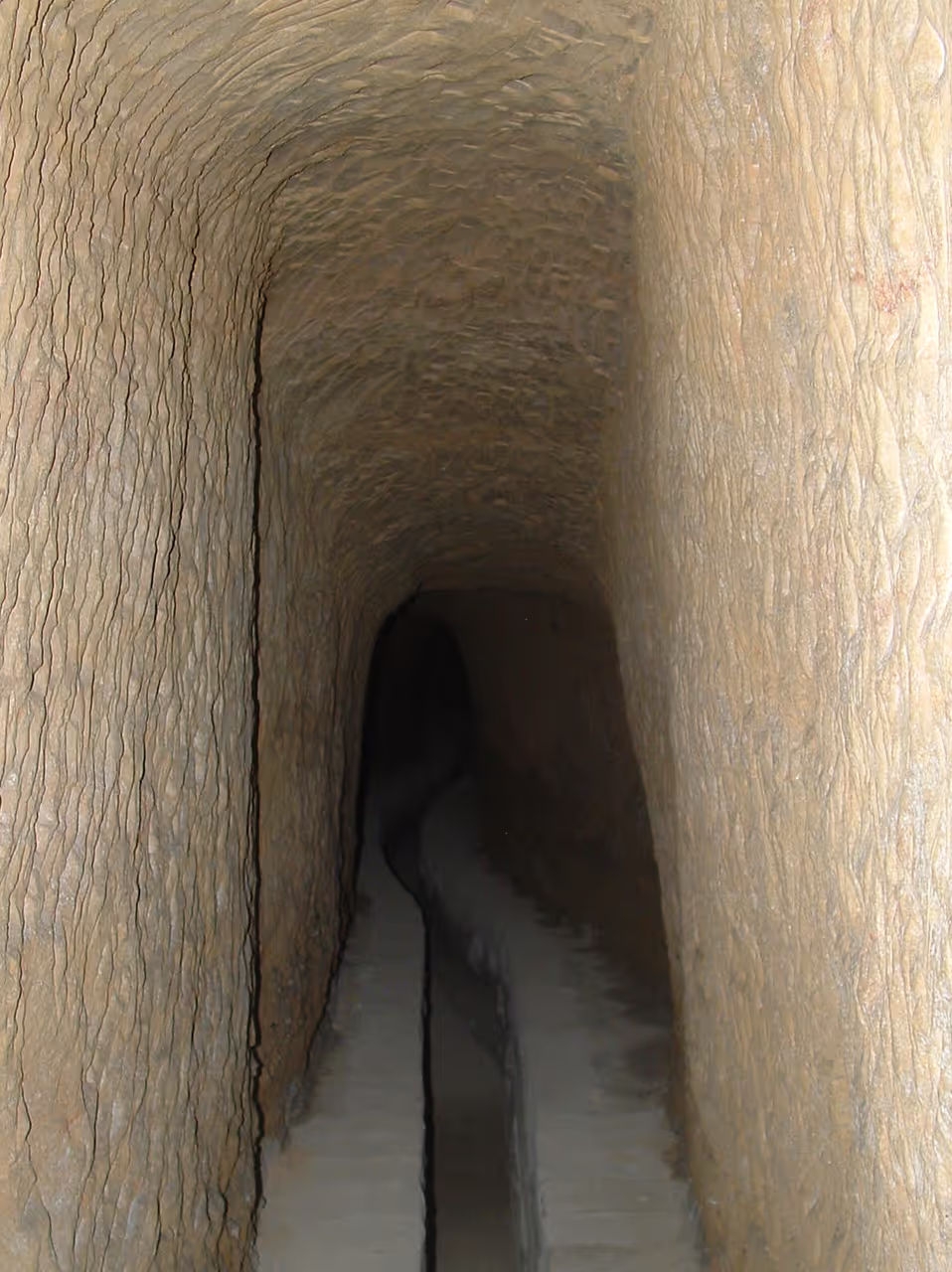 300m
300mUnderground Aqueducts
Hidden directly beneath the paving stones lies an astonishing 25-kilometre network of medieval tunnels. Carved entirely by hand into the soft rock, these ancient aqueducts were engineered to capture rainwater and channel it to the city's historic fountains. Walking through the damp, narrow, and silent passages feels like entering a secret, subterranean world. Guided tours must be booked well in advance, but offer a thrilling insight into how the city overcame its lack of a natural river.
hidden gem view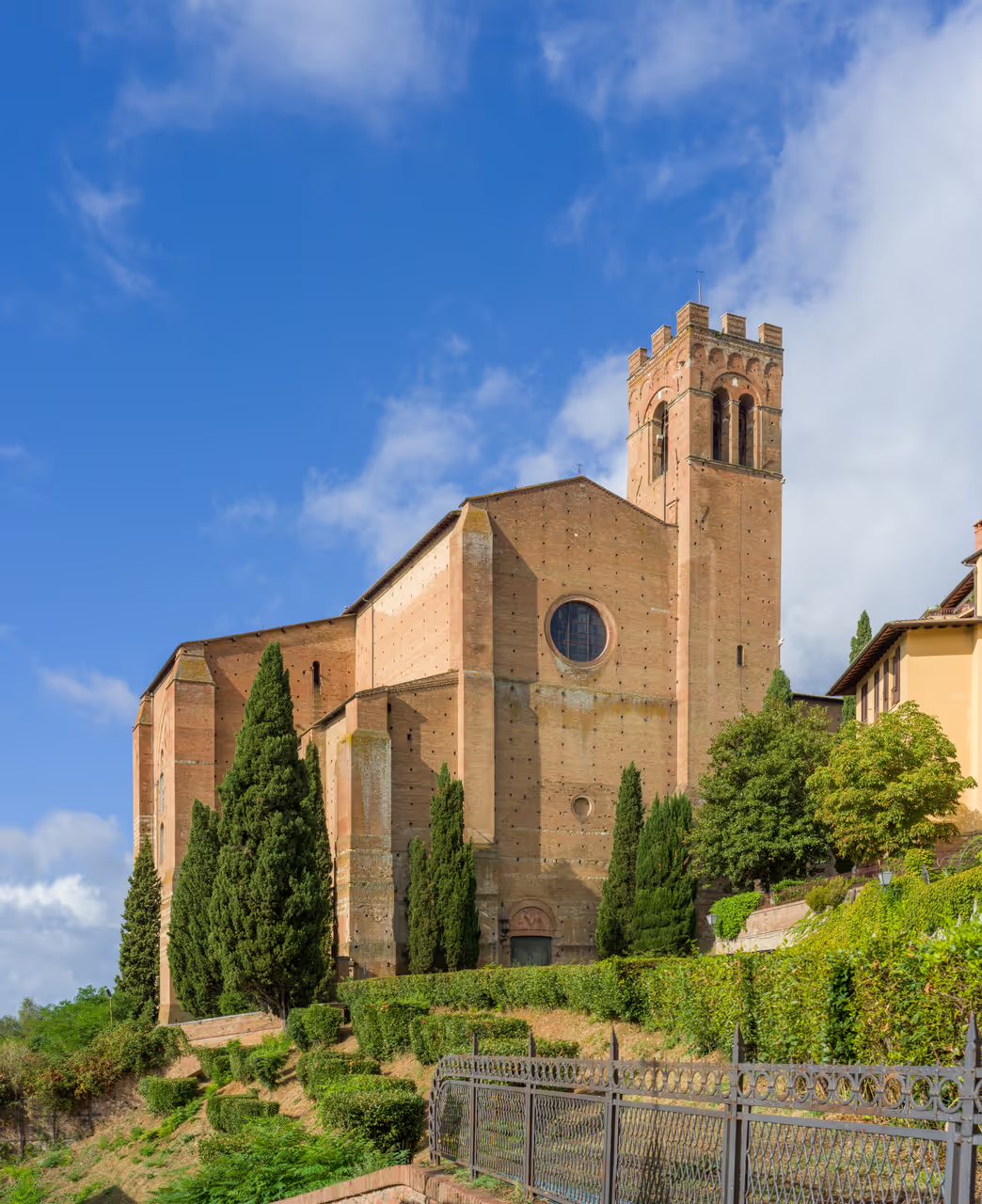 345m
345mBasilica of Saint Dominic
This vast, austere brick church dominates the western hill of the city with its formidable, fortress-like presence. Inside, the massive, unadorned nave was designed to hold enormous crowds who came to hear the Dominican friars preach. The main draw is the ornate Renaissance chapel containing the mummified head of Saint Catherine, the city's revered patron saint. The church also features authentic frescoes portraying the saint, painted by artists who actually knew her in life. The terrace outside provides one of the finest panoramic views of the cathedral.
highlight view
Explore Similar Places in This Collection
Featured on These Itineraries and Routes
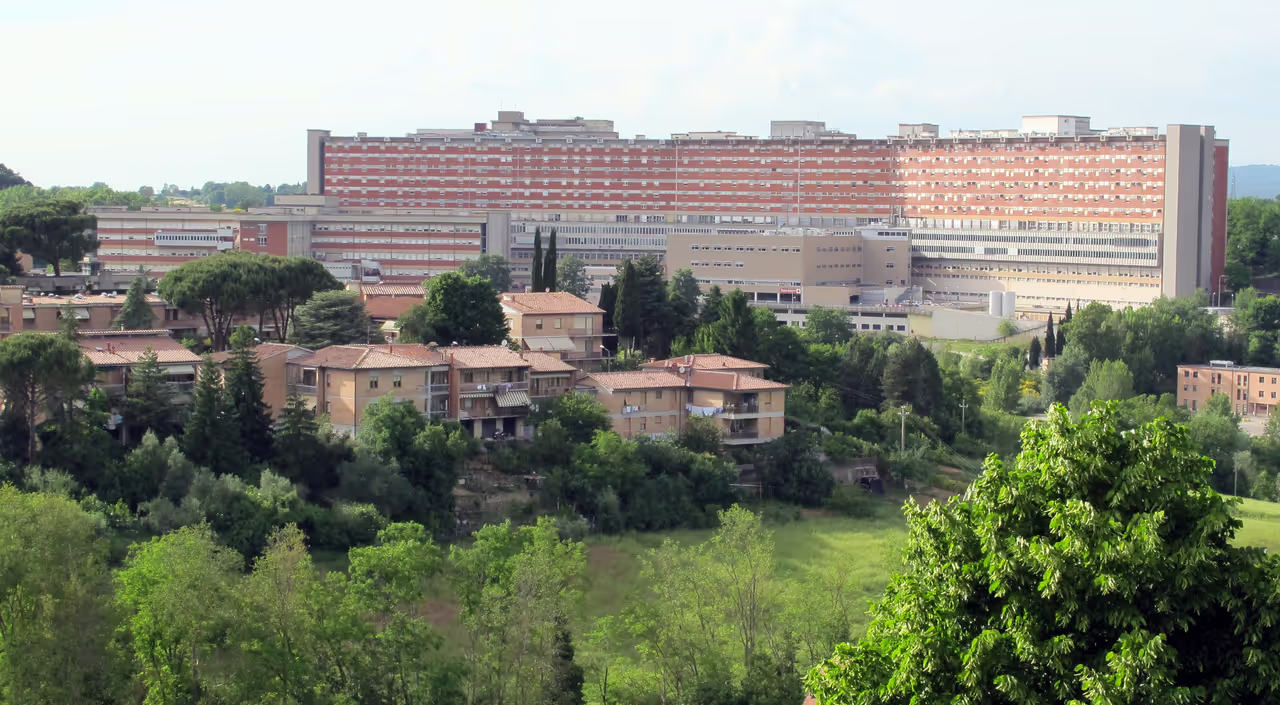
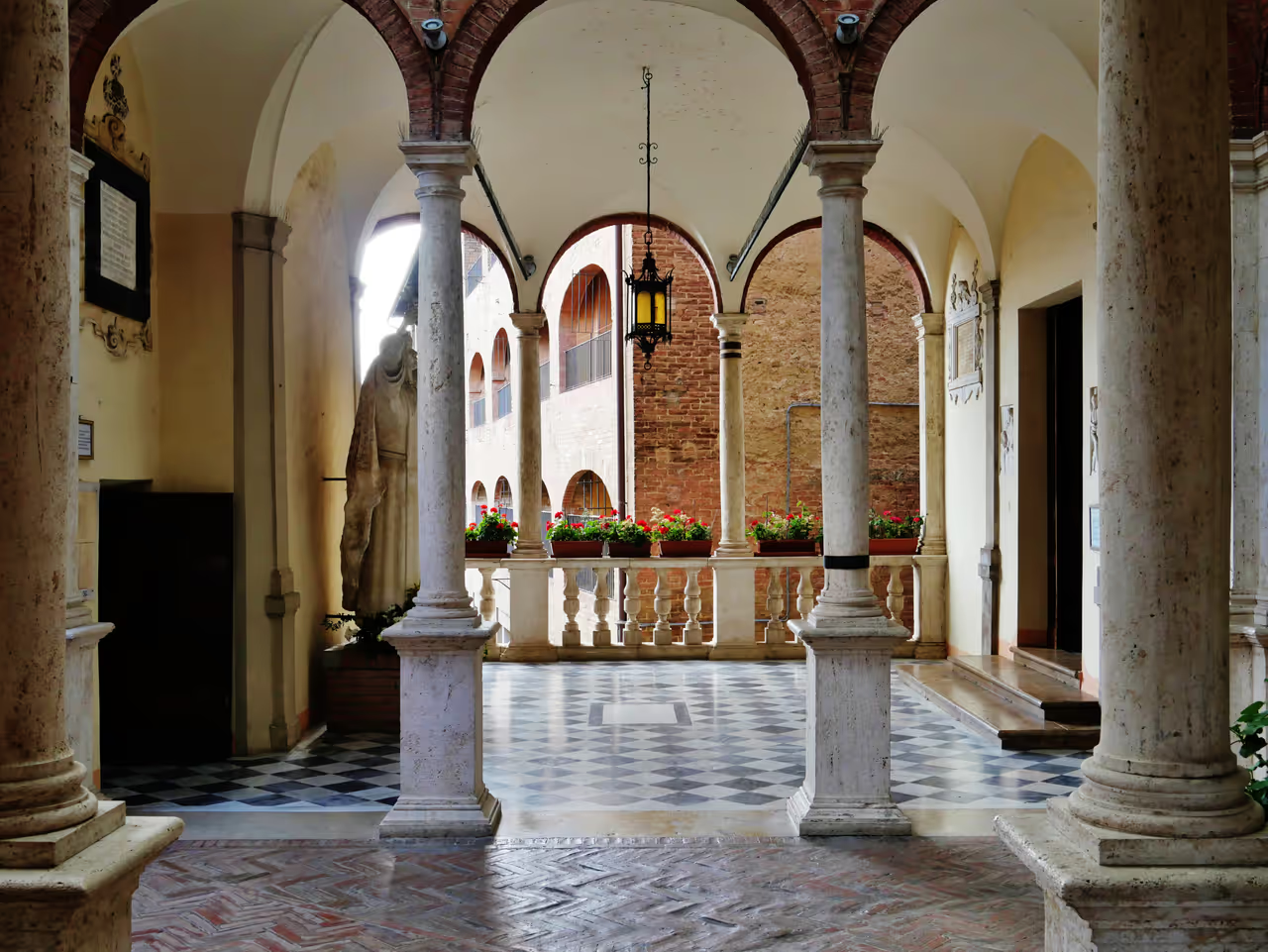
3 Days in Siena: Medieval Immersion Itinerary
This balanced itinerary allows you to explore the major sites thoroughly while leaving time to discover the quieter, more atmospheric corners. By spreading out the heavy sightseeing, you can appreciate the world-class art collections without fatigue. It also ventures slightly off the main tourist drag to explore the city's relationship with its saints and its surrounding landscape. You will leave with a deep understanding of what makes the city tick.
view itinerary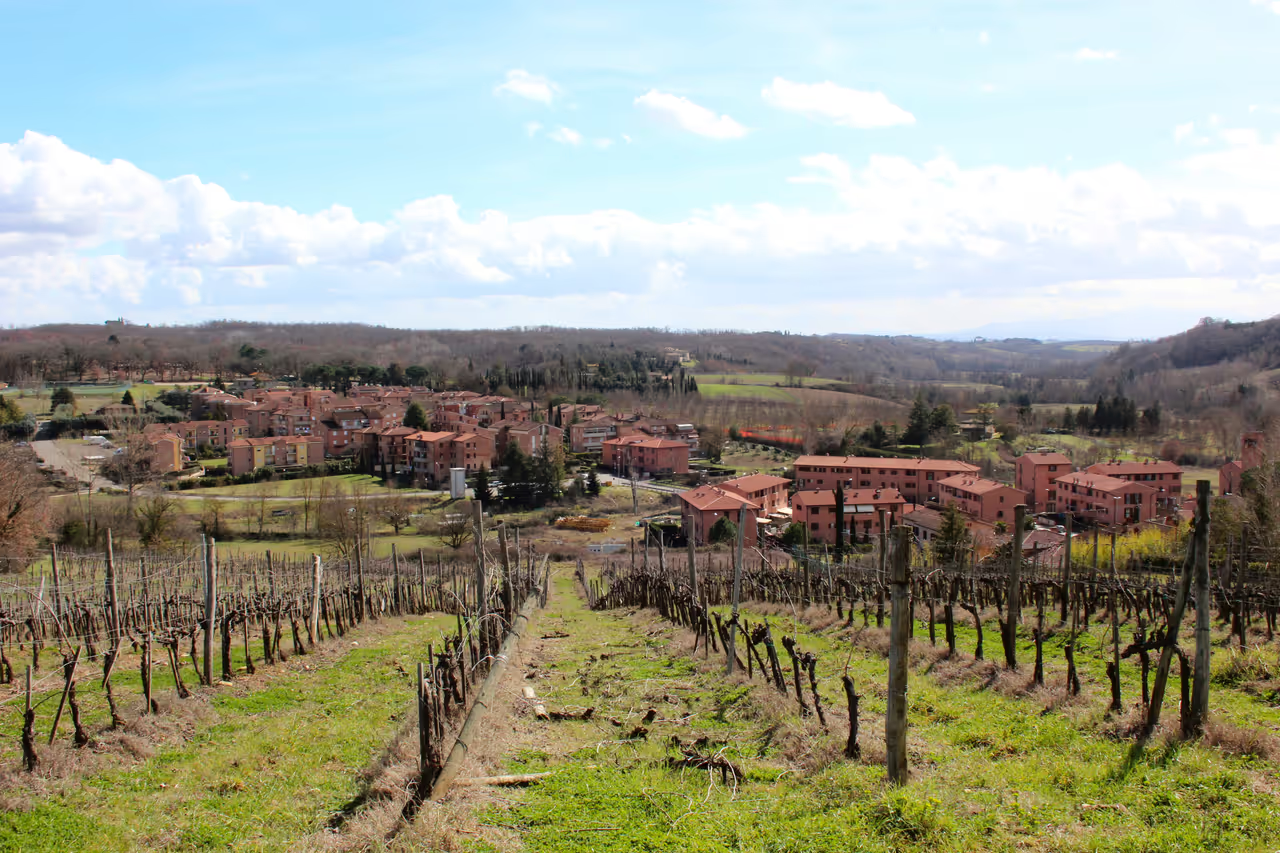
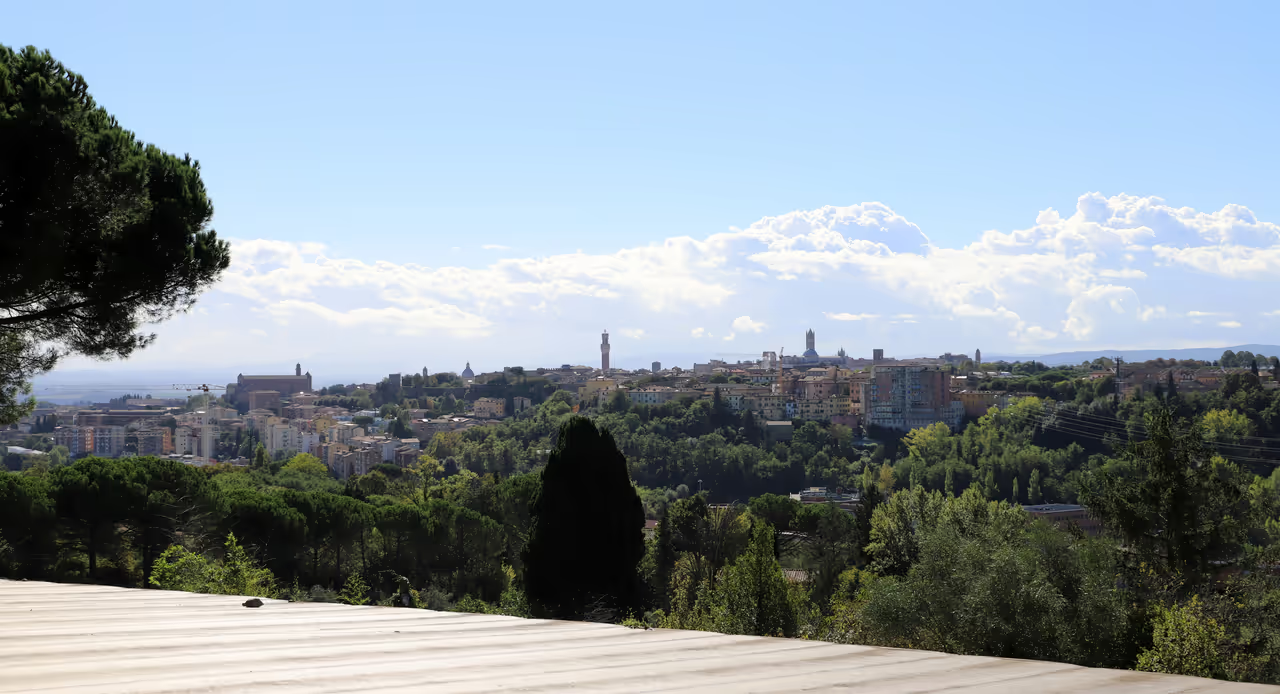
Chianti Castles Trail
Heading north, this ride weaves through the lush vineyards and dense oak forests of the world-famous Chianti wine region. The path connects several historic estates and medieval fortified hamlets. The landscape here is softer and greener, characterized by perfectly aligned vines and ancient stone walls.
view cycling route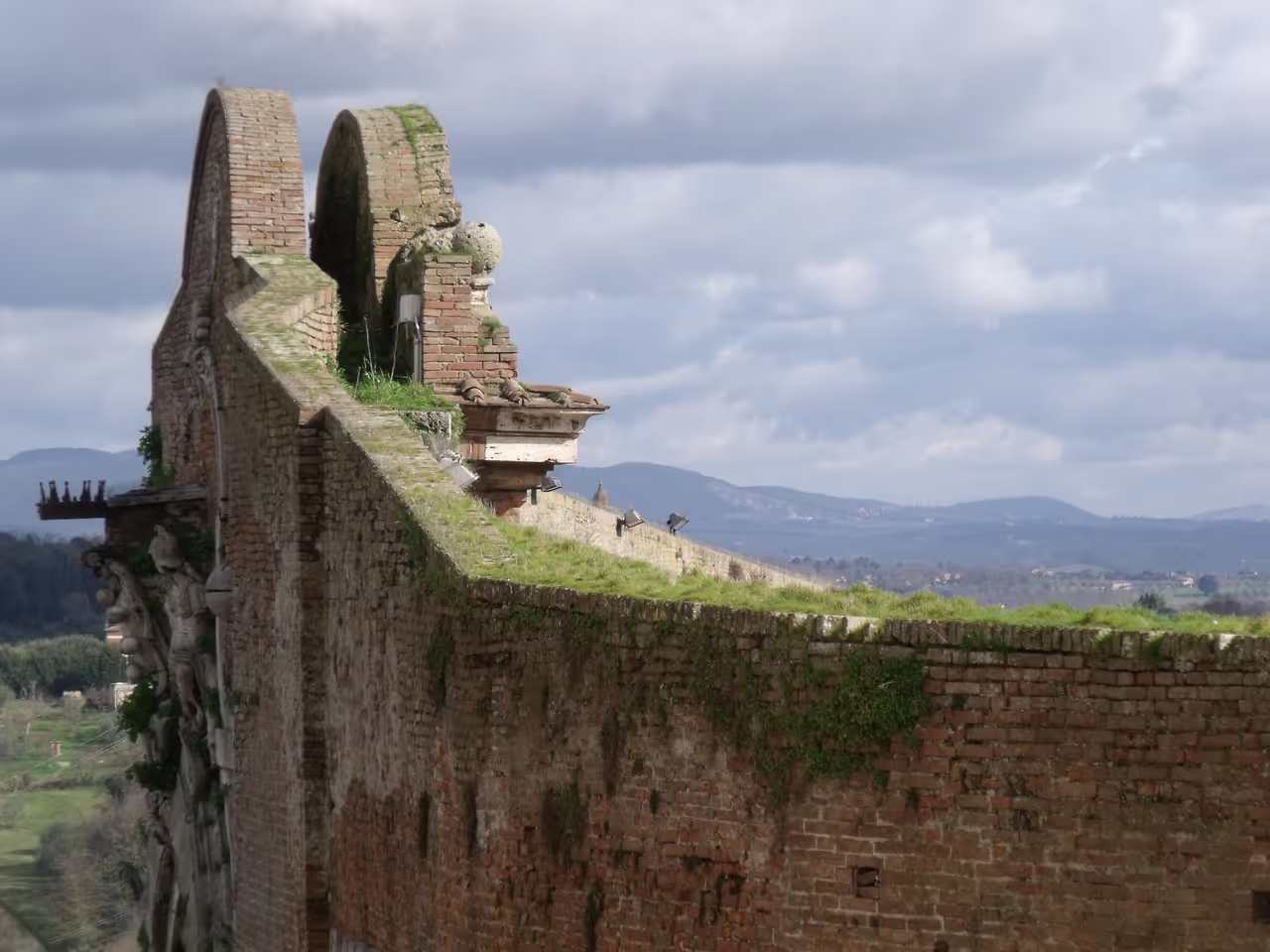
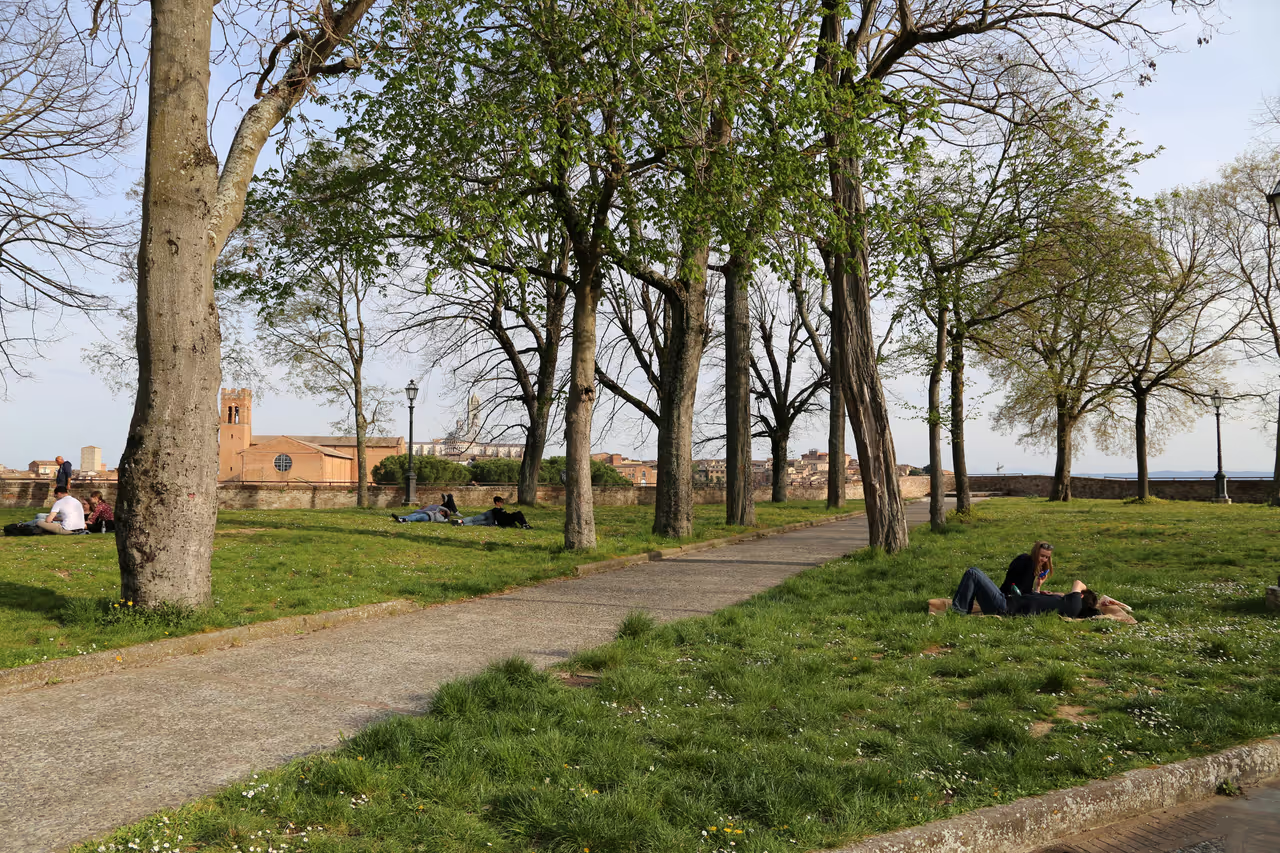
City Walls Promenade
Tracing the northern and western edges of the city, this stroll follows the line of the ancient defensive walls and public gardens. It offers a wonderful contrast between the dense urban architecture on one side and the sprawling green valleys on the other. It is a flatter, more open route favored by locals taking their evening exercise.
view walking route
See all nature & parks in Siena
Giardini della Lizza, San Prospero District, Siena Botanical Garden...