Giardini della Lizza
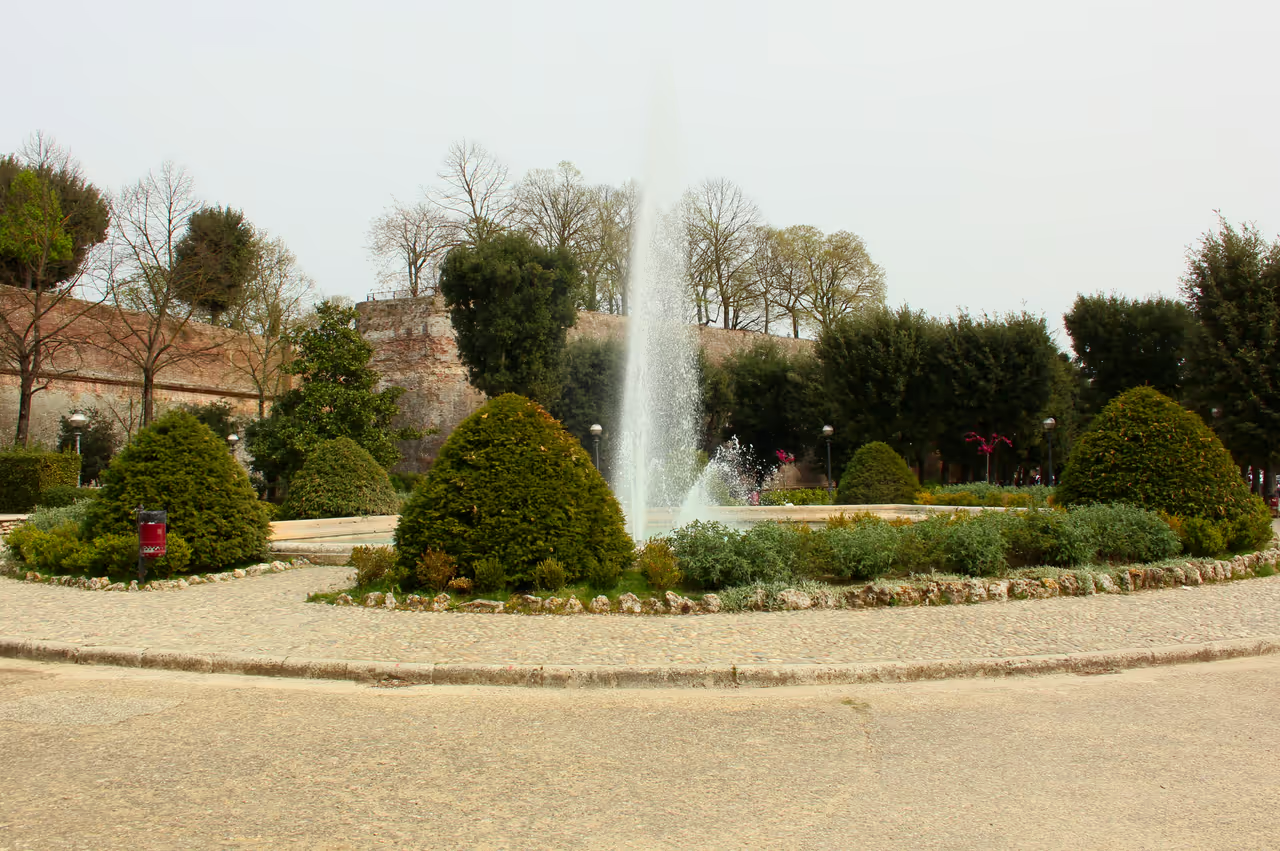
Giardini della Lizza offers a serene escape into the heart of Sienese history, where ancient military traditions blend with modern relaxation. Once a training ground for noble knights and later a grand promenade for nineteenth-century society, this triangular green space remains a beloved sanctuary for locals and curious travellers alike. Today, you can stroll beneath the shade of mature trees or admire the commanding equestrian statue of Giuseppe Garibaldi that anchors the park. Surrounded by impressive monuments like the Asilo Monumento and the looming Fortezza Medicea, the gardens provide an authentic window into the layers of the city's identity. It is the perfect spot to slow your pace, enjoy the crisp air, and witness the daily life of Siena unfold against a backdrop of architectural elegance.
Videos
History of Giardini della Lizza
The history of the Giardini della Lizza is a transformation from military discipline to civic harmony. For centuries, this area sat outside the primary medieval walls, serving as a tactical space where the Sienese elite practiced the art of war. The site takes its name from the jousting lists of the Renaissance, where riders demonstrated their skill and status under the gaze of noble spectators. It was a space defined by the sound of hooves and the tension of preparation, mirroring the fierce independent spirit of a city that prioritised both its martial prowess and its internal order. The nearby Fortezza Medicea acted as a permanent sentinel, constantly reminding those in the training grounds of the strategic weight of their home. As the centuries progressed, the tactical necessity of the Lizza began to wane, and the citizens of Siena slowly reclaimed the space for their own enjoyment. By the late eighteenth century, the area had undergone a profound shift, moving away from its origins as a rough equestrian training field to become a manicured public garden. This evolution was spurred by the desire of the Sienese bourgeoisie to have a grand promenade, a place of social theatre where the rigid lines of social hierarchy could soften. With the planting of trees and the paving of walkways, the Lizza became the living room of the city, where the rhythms of daily life took precedence over the drills of soldiers. Today, the park stands as a testament to the layers of time that have shaped Siena. While the modern courthouse now stands where a grand theatre once hosted operas and speeches, the spirit of the space remains deeply connected to its past. The monuments to Garibaldi and the symbolic sculptures of horses remind visitors that this is a city that honours its revolutionaries and its traditions in equal measure. It is a place where history is not hidden in books, but experienced through a slow walk across the grass, surrounded by the architectural echoes of a city that has always known how to balance the demands of the past with the life of the present.
Events spanning 426 years
Fun Facts
- • Before the current modern courthouse was constructed, the site hosted a grand theatre that functioned as the primary cultural venue for the district for over a century.
- • Historical records confirm that the site functioned as a dedicated equestrian school, long before it was reimagined as a peaceful public promenade.
- • In the eighteenth century, the poet Girolamo Gigli wrote that the gardens were a rare space where all social classes, from the nobility to the common people, gathered together to socialise.
- • Sandro Chia's sculpture of a horse and foal highlights the profound, lifelong bond between the Sienese people and the horse, a relationship that defines the spirit of the famous Palio.
- • The Asilo Monumento stands on the exact site where a Spanish fortress was famously razed by the citizens of Siena in 1554, reclaiming the land for the people.
- • The elegant Palazzo Bernardi Avanzati overlooking the gardens was commissioned by Francesco Bernardi, an internationally renowned castrato opera singer famously known as Il Senesino.
- • The former Grand Hotel Royal, which overlooked the park, was once one of the most luxurious hotels in Tuscany, featuring an extravagant hall with decorative cast iron sphinxes.
- • The gardens are uniquely positioned between the medieval city centre and the massive Fortezza Medicea, acting as a green threshold between two distinct eras of Sienese fortification.
- • The name Lizza originates from the Italian term for the ropes used to cordon off the lists, or tournament grounds, where knightly combat and jousting matches were staged.
- • The park features a carefully planned layout that historically accommodated both pedestrian walkways and paths for carriages, reflecting the refined social customs of the nineteenth century.
- • The vicolo del Cavallerizzo street name serves as a lingering linguistic echo of the equestrian activities that dominated this area during the Renaissance.
Giardini della Lizza FAQ
While we strive to keep this information accurate and up to date, we recommend verifying any details independently before making decisions based on them.
Giardini della Lizza Map & Neighborhood Explorer
This interactive map is centered on Giardini della Lizza. Zoom in and move the map around to automatically discover Wikipedia photos and summaries of other nearby sights, monuments, and historical points of interest and stories in real-time!
Places near Giardini della Lizza
Make the most of your trip. Check out these top-rated spots located nearby.
 224m
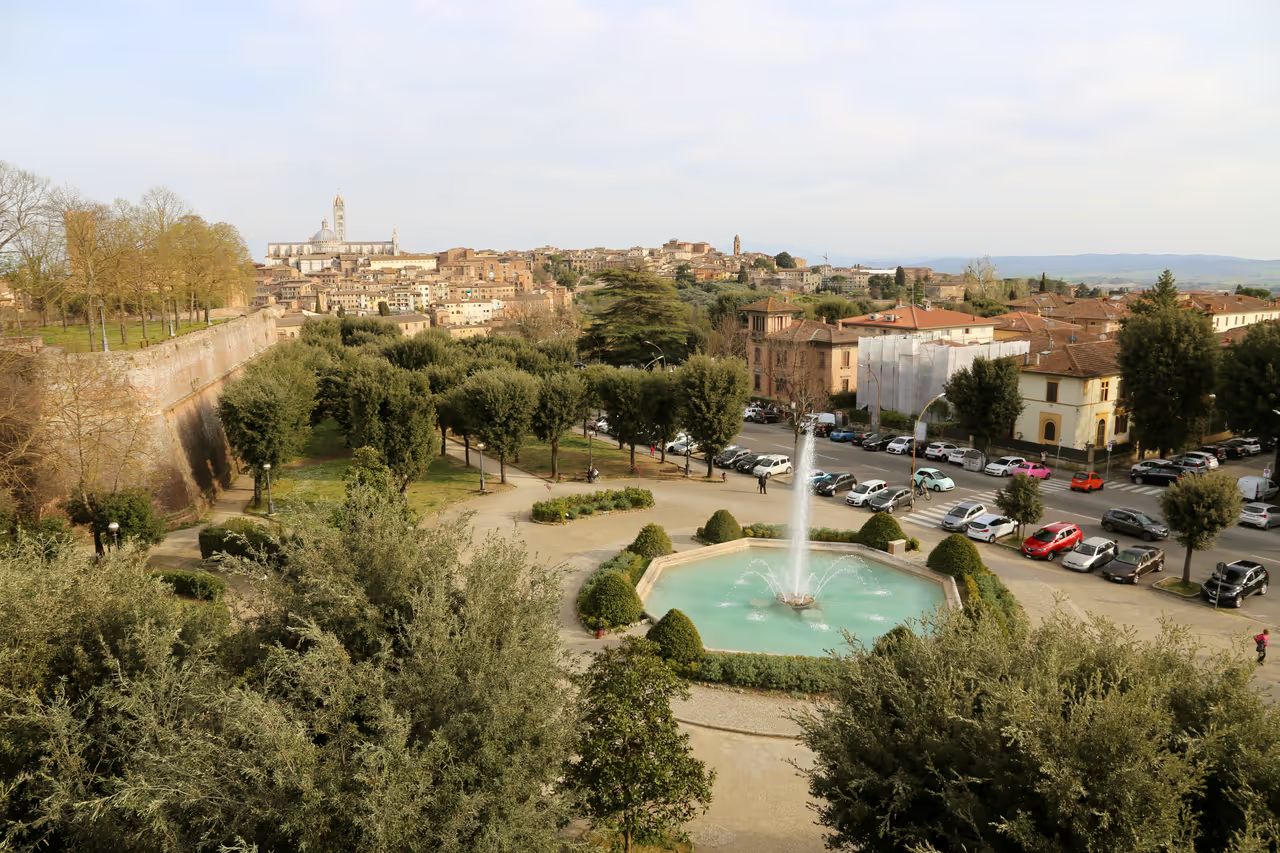
224mMedici Fortress
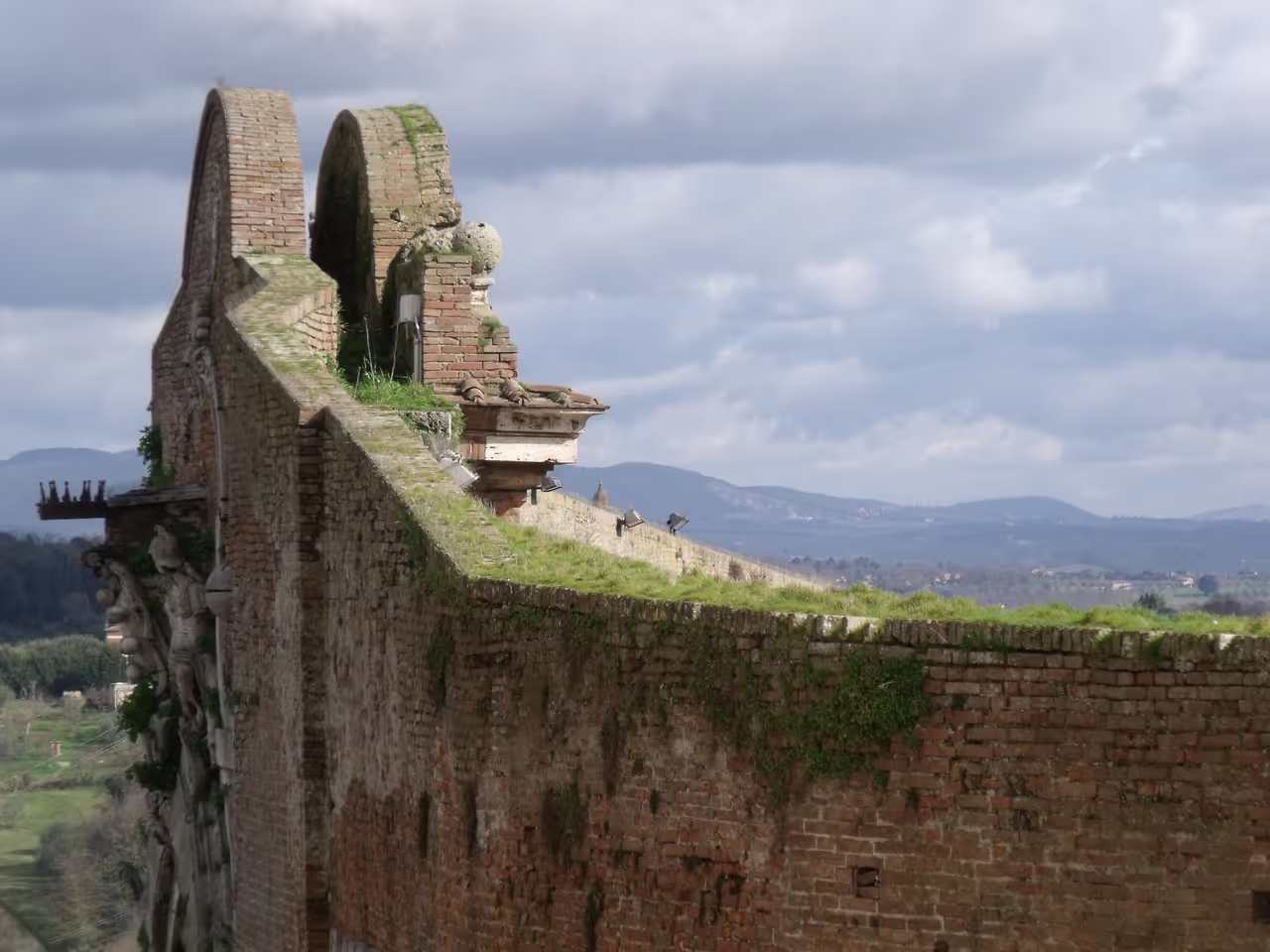
Standing as a commanding sentinel over Siena, the Fortezza Medicea represents a fascinating transformation from an instrument of military oppression into a beloved public space. Visitors today climb its imposing brick ramparts not to defend the city against encroaching armies, but to enjoy one of the most relaxing panoramic walks in the region. Within its massive perimeter, the fortress hosts a local wine centre, open-air concerts, and quiet gardens that invite a leisurely afternoon stroll. It serves as a constant reminder of the intense rivalry between Florence and Siena during the Renaissance, yet its current atmosphere is decidedly peaceful. Whether you are catching an open-air film or savouring a glass of local wine, the fortress offers a unique vantage point to appreciate the city’s complex past and its thriving contemporary culture.
park & nature view- 282m
Siena Jazz International Summer Workshop
For over fifty years, the city has hosted one of Europe's most important jazz workshops and festivals. Students and master musicians converge to jam, learn, and perform in public squares and the medieval fortress. The contrast of contemporary jazz echoing against ancient brick walls creates a uniquely captivating atmosphere. Evening concerts are frequent and often open to the public, bringing a vibrant, modern energy to the historic streets.
festival view 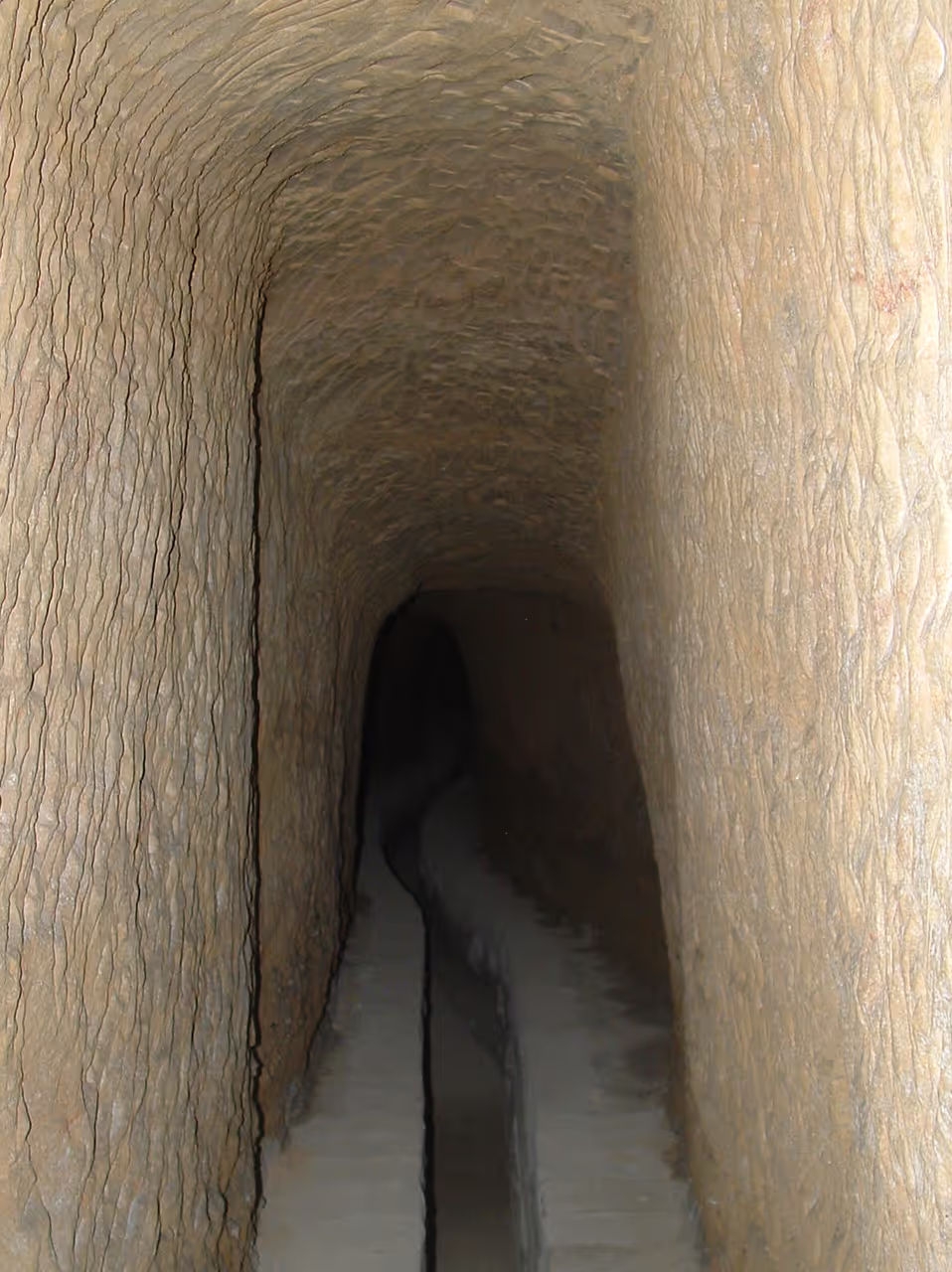 317m
317mUnderground Aqueducts
Hidden directly beneath the paving stones lies an astonishing 25-kilometre network of medieval tunnels. Carved entirely by hand into the soft rock, these ancient aqueducts were engineered to capture rainwater and channel it to the city's historic fountains. Walking through the damp, narrow, and silent passages feels like entering a secret, subterranean world. Guided tours must be booked well in advance, but offer a thrilling insight into how the city overcame its lack of a natural river.
hidden gem view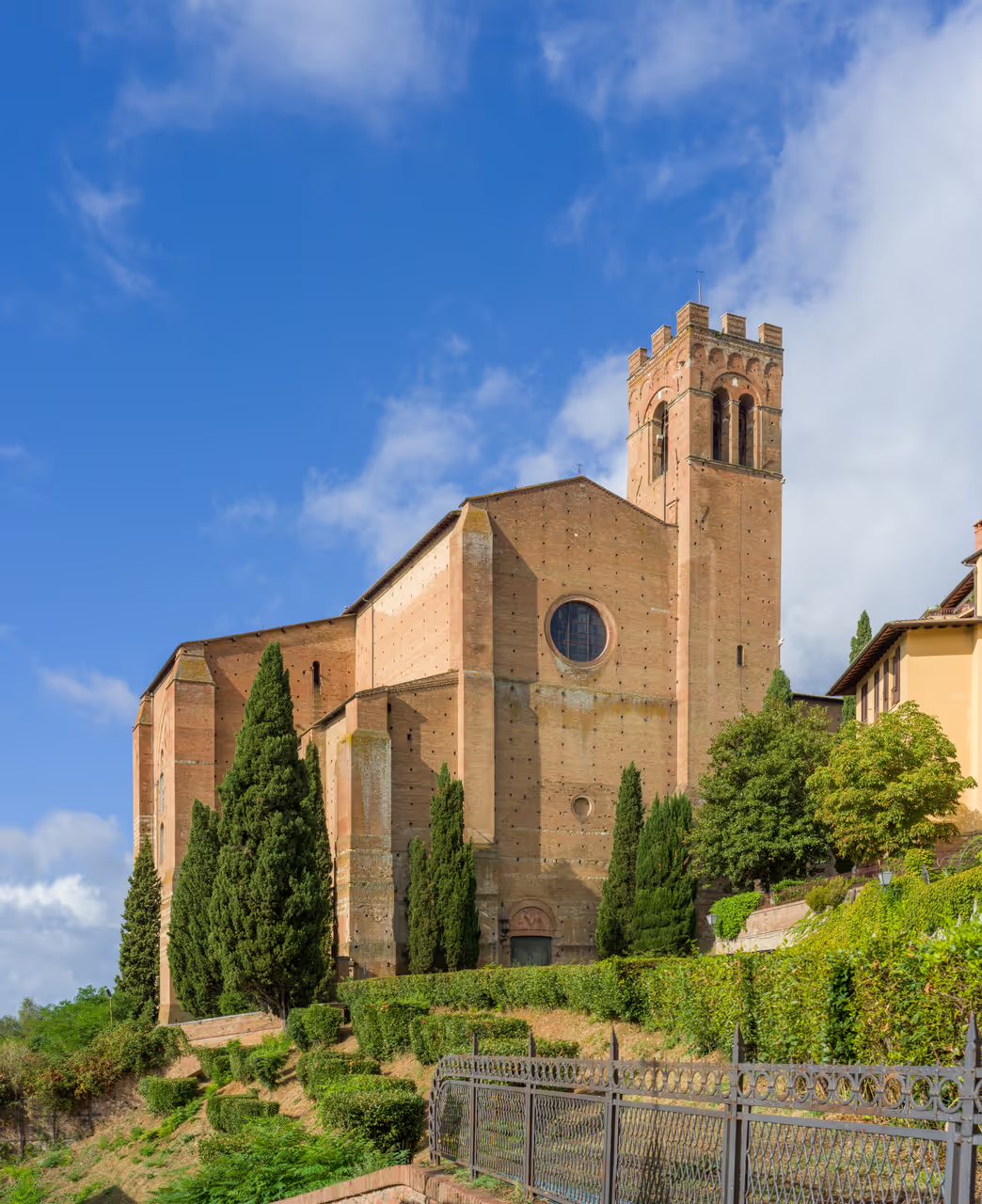 415m
415mBasilica of Saint Dominic
This vast, austere brick church dominates the western hill of the city with its formidable, fortress-like presence. Inside, the massive, unadorned nave was designed to hold enormous crowds who came to hear the Dominican friars preach. The main draw is the ornate Renaissance chapel containing the mummified head of Saint Catherine, the city's revered patron saint. The church also features authentic frescoes portraying the saint, painted by artists who actually knew her in life. The terrace outside provides one of the finest panoramic views of the cathedral.
highlight view
Featured on This Route
See all nature & parks in Siena
Medici Fortress, San Prospero District, Siena Botanical Garden...