Provincial Archaeological Museum of Salerno
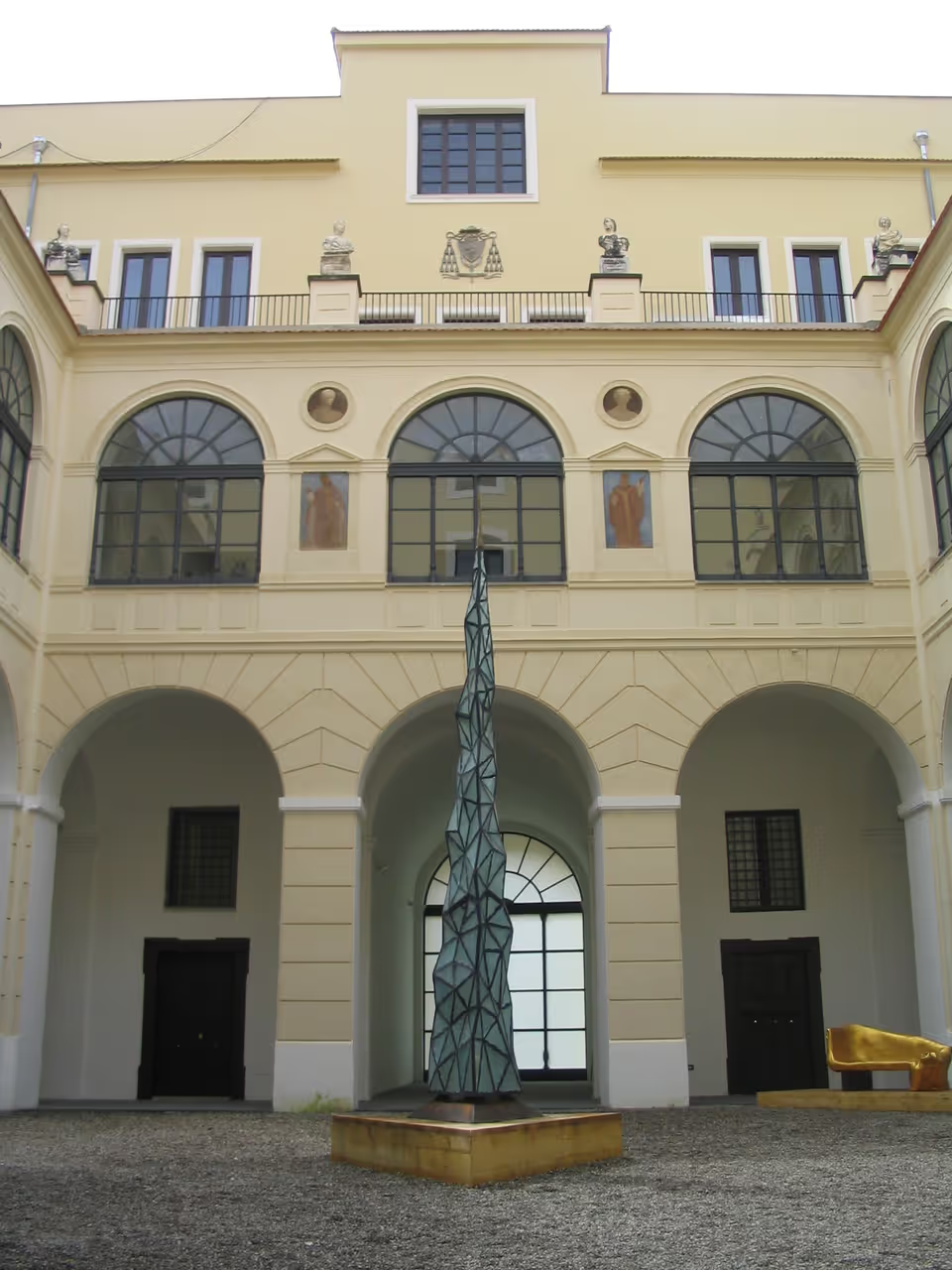
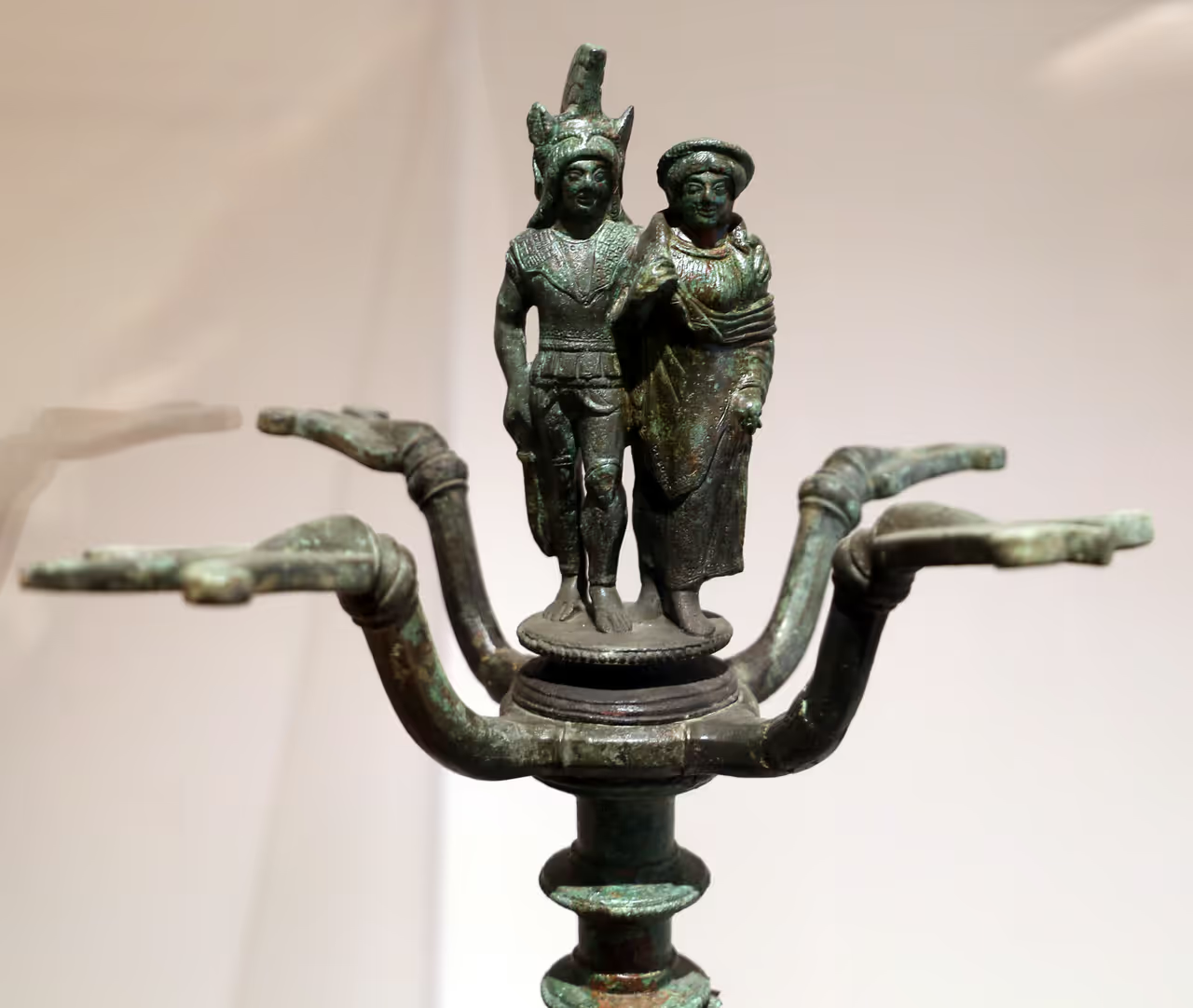
Housed in the breathtaking, multi-layered complex of the former San Benedetto monastery, this museum is a hidden gem for history lovers. Wander through centuries of discovery, ranging from ancient prehistoric tools to exquisite Roman marbles. The true highlight is the hauntingly beautiful bronze head of Apollo, a masterpiece famously retrieved from the depths of the Gulf of Salerno. This space perfectly bridges the gap between the distant past and the present day, offering an intimate look at the region's diverse heritage. It is a peaceful, fascinating retreat that rewards curiosity and provides a deep connection to the city's ancient roots.
Videos
History of Provincial Archaeological Museum of Salerno
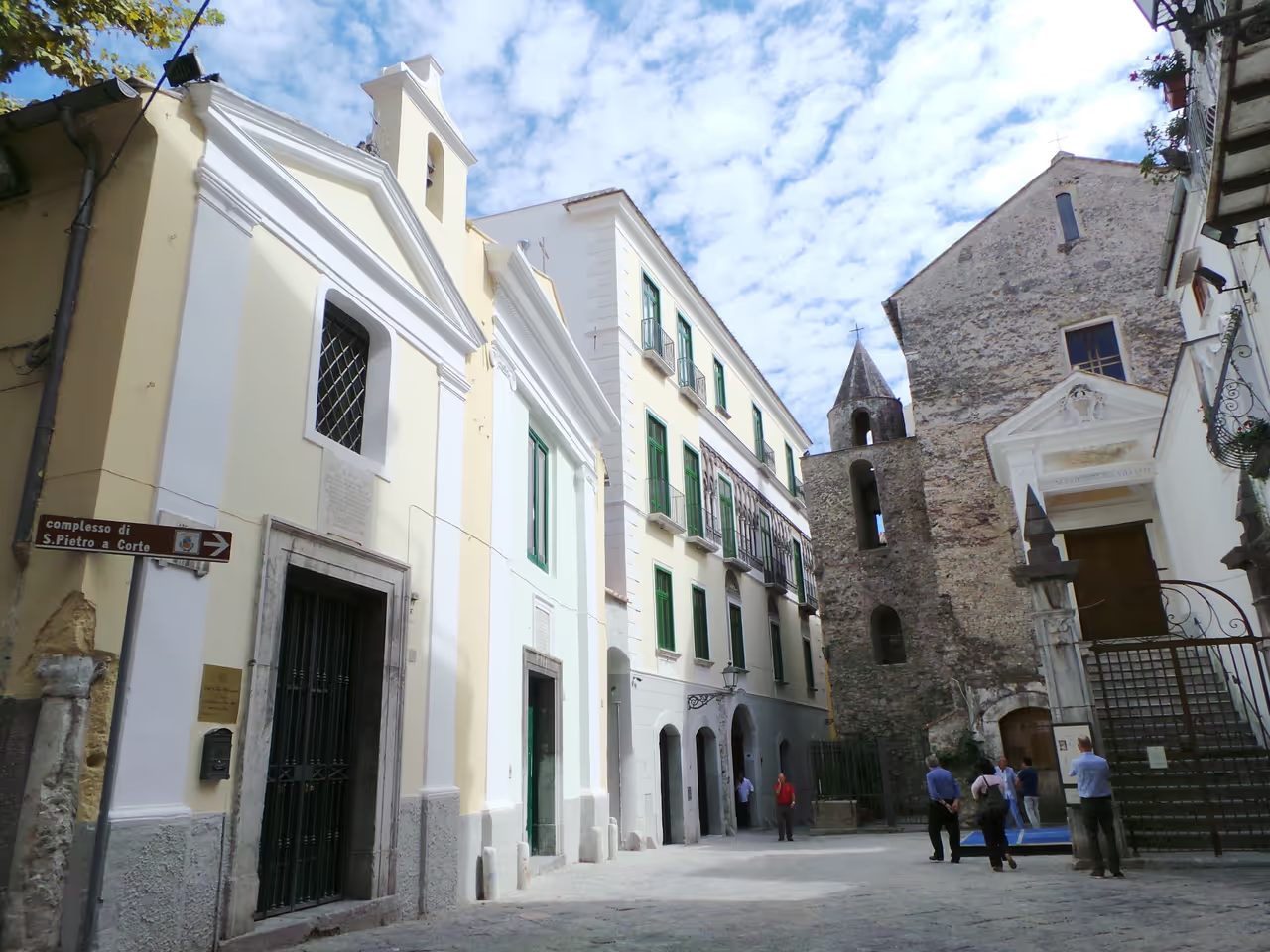
The building housing the Provincial Archaeological Museum of Salerno is as fascinating as the items it protects. Its origins stretch back to the Longobard period, around the year 868, as a monastic complex. Over the centuries, the site has worn many masks, transforming from an abbey into a theatre and later serving as a military depot before being reclaimed as a cultural sanctuary. Visitors today can still spot architectural ghosts of its past, including remnants of the medieval San Benedetto church and the regal loggias of the Castelnuovo Reale palace where Queen Margherita of Durazzo once spent her final days. The structure itself is a physical timeline of the city. The museum began its life in 1927, initially finding space within the Palazzo del Governo. It was an era of intense archaeological fervour in the province, as local discoveries started pouring in, demanding a more permanent home. By 1964, the collection moved to its current location in the San Benedetto complex, thanks to a transformative restoration led by the architect Ezio de Felice. This move not only preserved the priceless artifacts but also saved a piece of architectural history that had been long overlooked. Modern visitors are treated to a narrative that moves from the deep mysteries of prehistory to the elegance of the Roman era. The crown jewel remains the bronze head of Apollo, which turned the museum into a site of national importance after its retrieval from the sea in 1930. The discovery even inspired the celebrated poet Giuseppe Ungaretti to write about the miracle of its recovery. Today, the museum stands as a testament to the resilience of the past, offering a quiet, reflective space to understand the people and cultures that shaped this corner of Italy.
Events spanning 1145 years
Fun Facts
- • A rare find displayed here includes a terracotta model of a house discovered in a 9th century BC tomb in Sala Consilina.
- • During the Apollo head's international tour, a winged feline from the Getty Museum took its place in the display as a temporary substitute.
- • Renowned poet Giuseppe Ungaretti visited the museum shortly after the Apollo head was recovered, immortalizing the event in his writing 'La pesca miracolosa'.
- • Some of the museum's initial artifacts were briefly moved to the 'Casina' of the Agricultural Garden before the final move to the current location.
- • The bronze Apollo head was once loaned to the Getty Museum in Los Angeles for an international exhibition.
- • The building houses structural remnants of the 15th century Castelnuovo Reale, a palace where Queen Margherita of Durazzo resided.
- • The collection includes a Roman marble copy of the Aphrodite of Cnidus by the legendary Greek sculptor Praxiteles.
- • The museum contains archaeological evidence of the prehistoric era, specifically items found in caves located in Polla and Pertosa.
- • The museum's basement level preserves the remains of ancient Longobard fortifications.
RESOURCES
Official WebsiteProvincial Archaeological Museum of Salerno FAQ
While we strive to keep this information accurate and up to date, we recommend verifying any details independently before making decisions based on them.
Provincial Archaeological Museum of Salerno Map & Neighborhood Explorer
This interactive map is centered on Provincial Archaeological Museum of Salerno. Zoom in and move the map around to automatically discover Wikipedia photos and summaries of other nearby sights, monuments, and historical points of interest and stories in real-time!
Places near Provincial Archaeological Museum of Salerno
Make the most of your trip. Check out these top-rated spots located nearby.
 189m
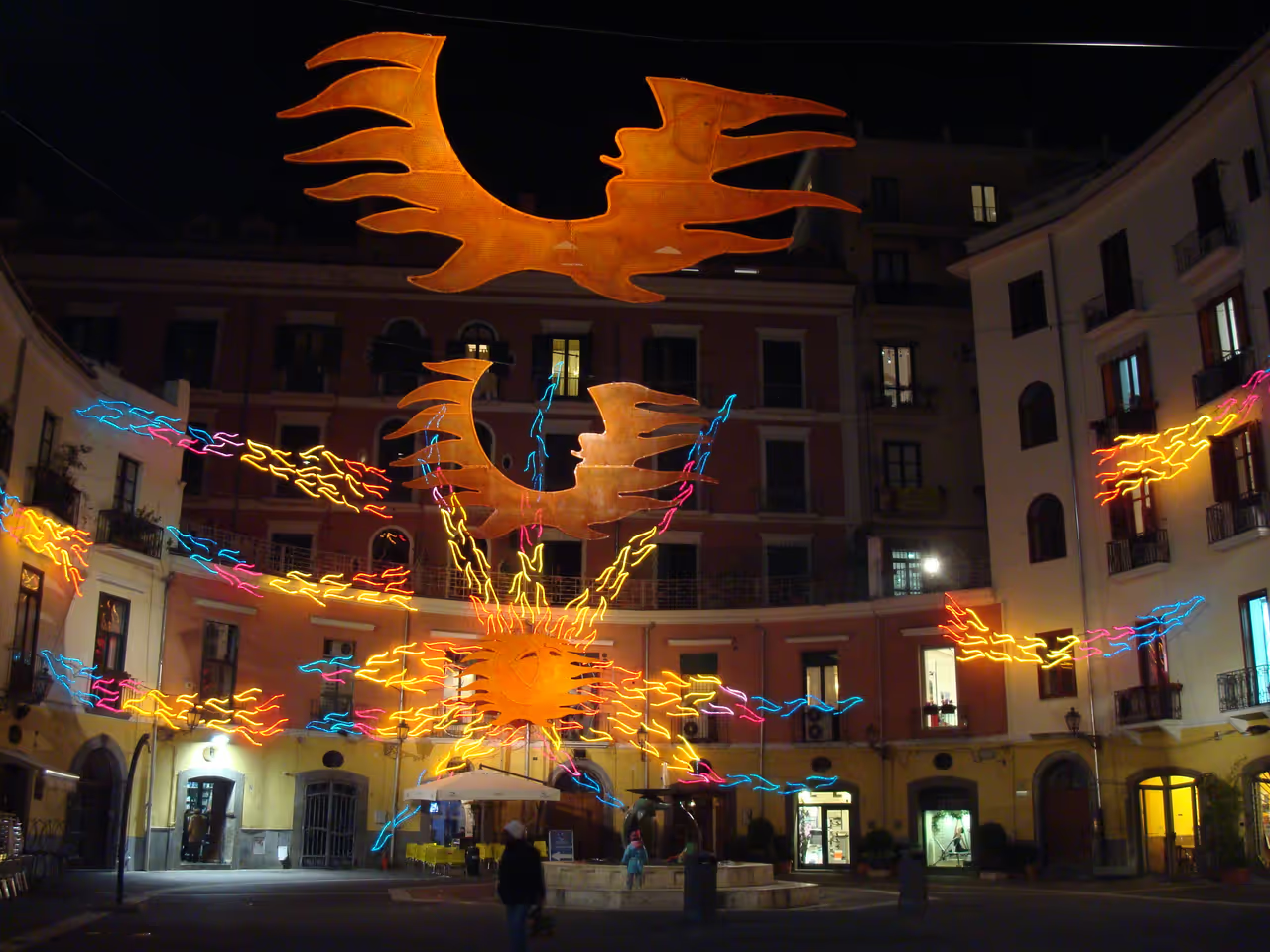
189mFlavio Gioia Square
Affectionately known by locals as 'La Rotonda' due to its circular shape, this piazza acts as a major gathering point before a night out. Surrounded by grand architecture, it features several excellent bars with extensive outdoor seating. It is the perfect location for a pre-dinner aperitivo or a relaxed nightcap while people-watching. The open space creates a breezy, communal environment that attracts a diverse crowd.
nightlife view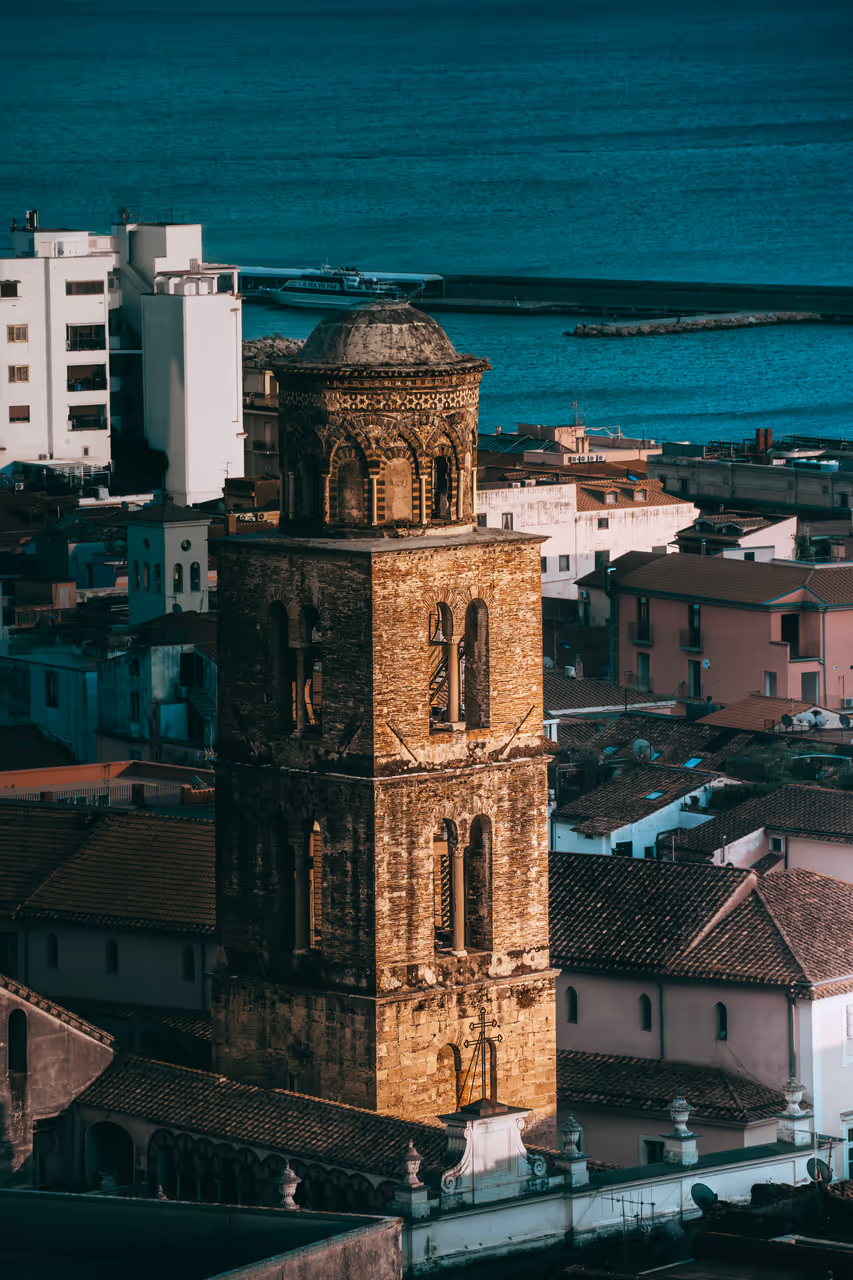 205m
205mSalerno Cathedral
Stepping into the Salerno Cathedral offers a journey into the heart of Mediterranean history, where Norman power meets delicate Byzantine artistry. This architectural masterpiece stands as a unique testament to the cultural fusion of the Middle Ages, housing the crypt of Saint Matthew the Apostle in a space of profound devotion and mystery. Visitors are captivated by the rare atrium, which remains one of the few surviving examples of a Romanesque quadriportico in Italy. The cathedral serves as a living sanctuary, preserving legends of miracles and local heroes within its ancient walls. Its atmosphere invites quiet contemplation, allowing you to appreciate the intricate mosaics and storied past that define the city's character. Whether you are an architecture enthusiast or a curious traveller, this site promises a meaningful encounter with the traditions that have shaped the region for nearly a thousand years.
attraction view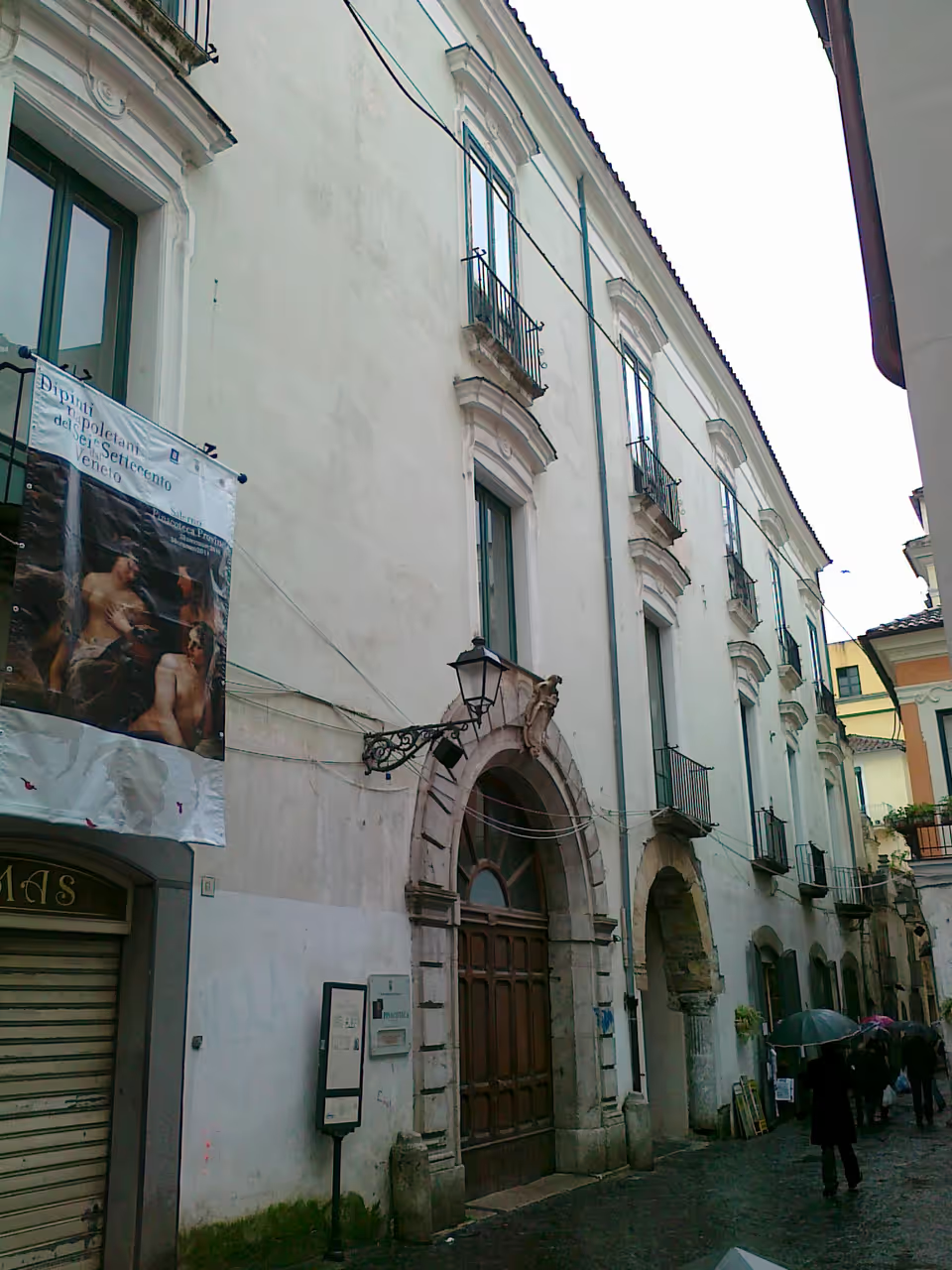 216m
216mPinto Palace
A prime example of 17th-century aristocratic architecture, this palace sits proudly on the historic Via dei Mercanti. While it houses the Pinacoteca, the building itself is a highlight, featuring a beautifully proportioned inner courtyard that offers a cool escape from the busy shopping street outside. The grand staircase and preserved architectural details hint at the immense wealth of the noble families that once ruled the city's commerce.
highlight view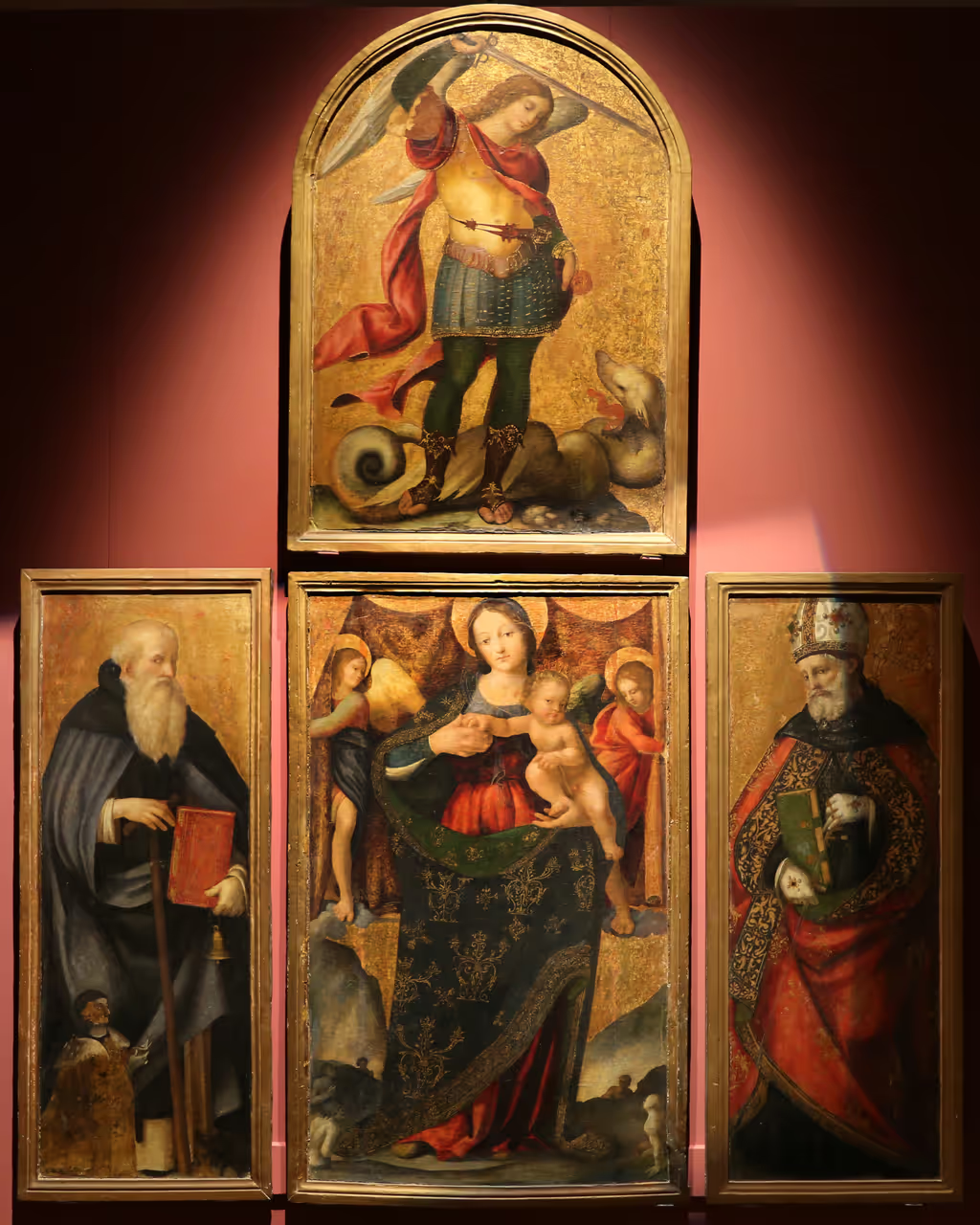 216m
216mProvincial Art Gallery
Housed within the elegant 17th-century Palazzo Pinto, this gallery offers an excellent journey through regional art. The collection spans from the Renaissance right through to the lively Futurist movement, featuring works by local masters like Andrea Sabatini and Luca Giordano. A particularly interesting section is dedicated to foreign artists who were captivated and inspired by the intense colours of the Salerno coastline. It is a quiet, contemplative space in the heart of the old town.
highlight view
Explore Similar Places in This Collection
Featured on These Itineraries
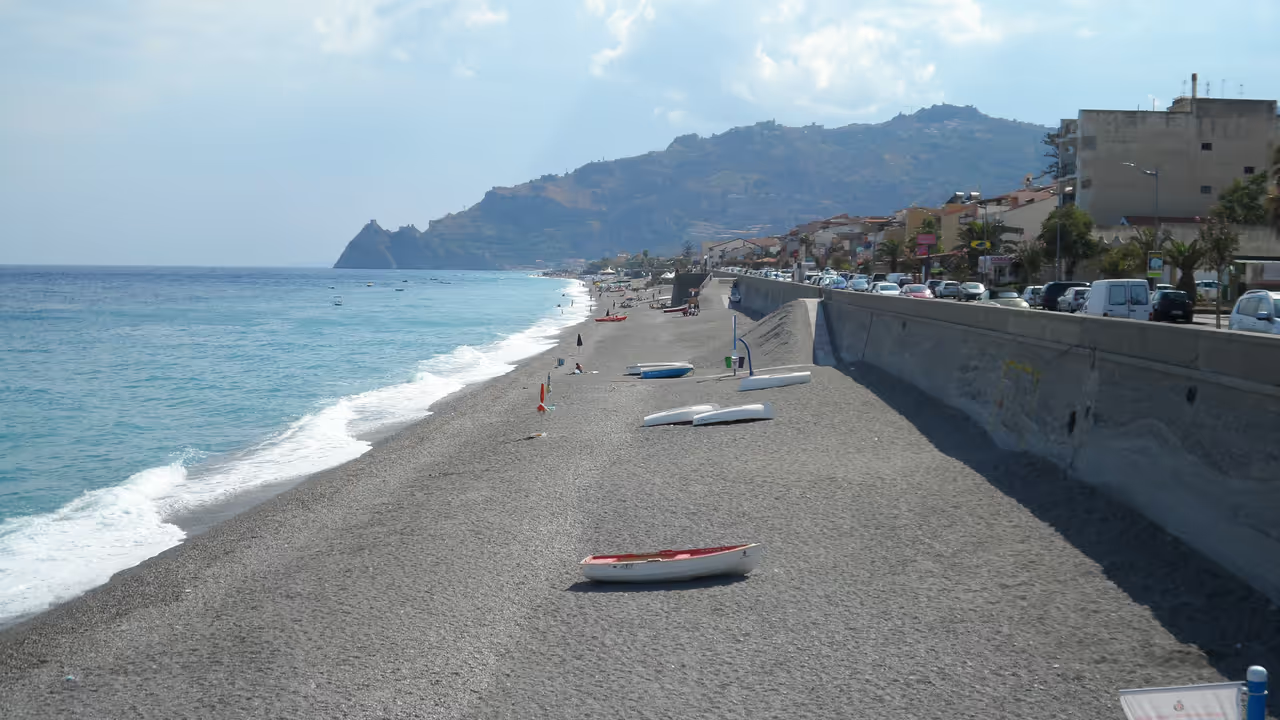
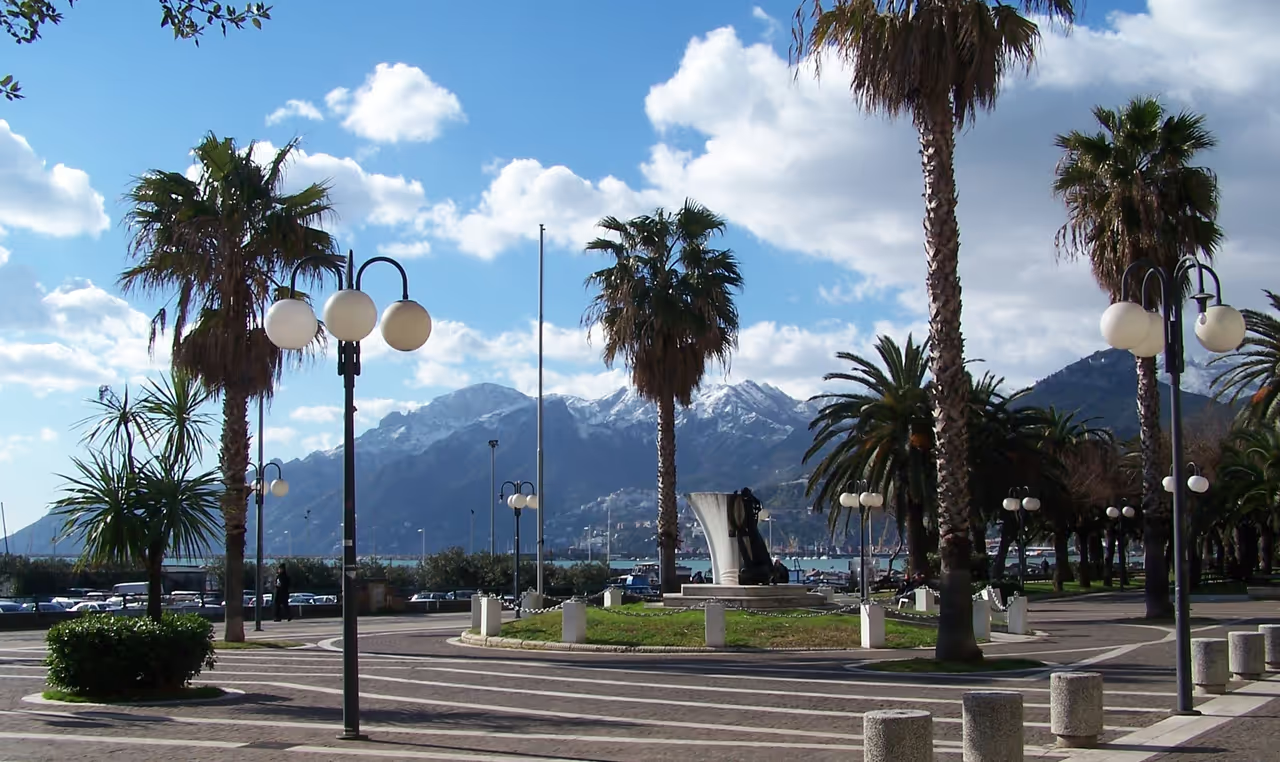
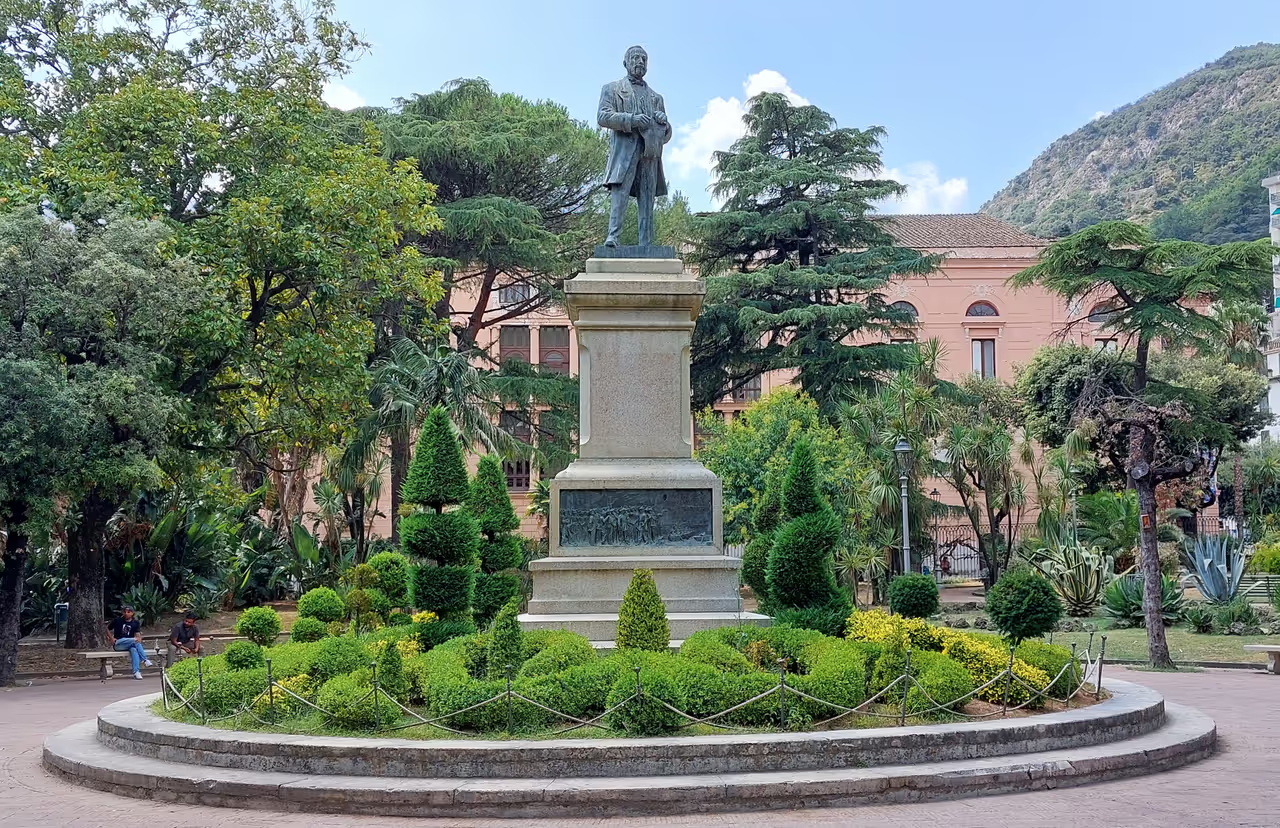
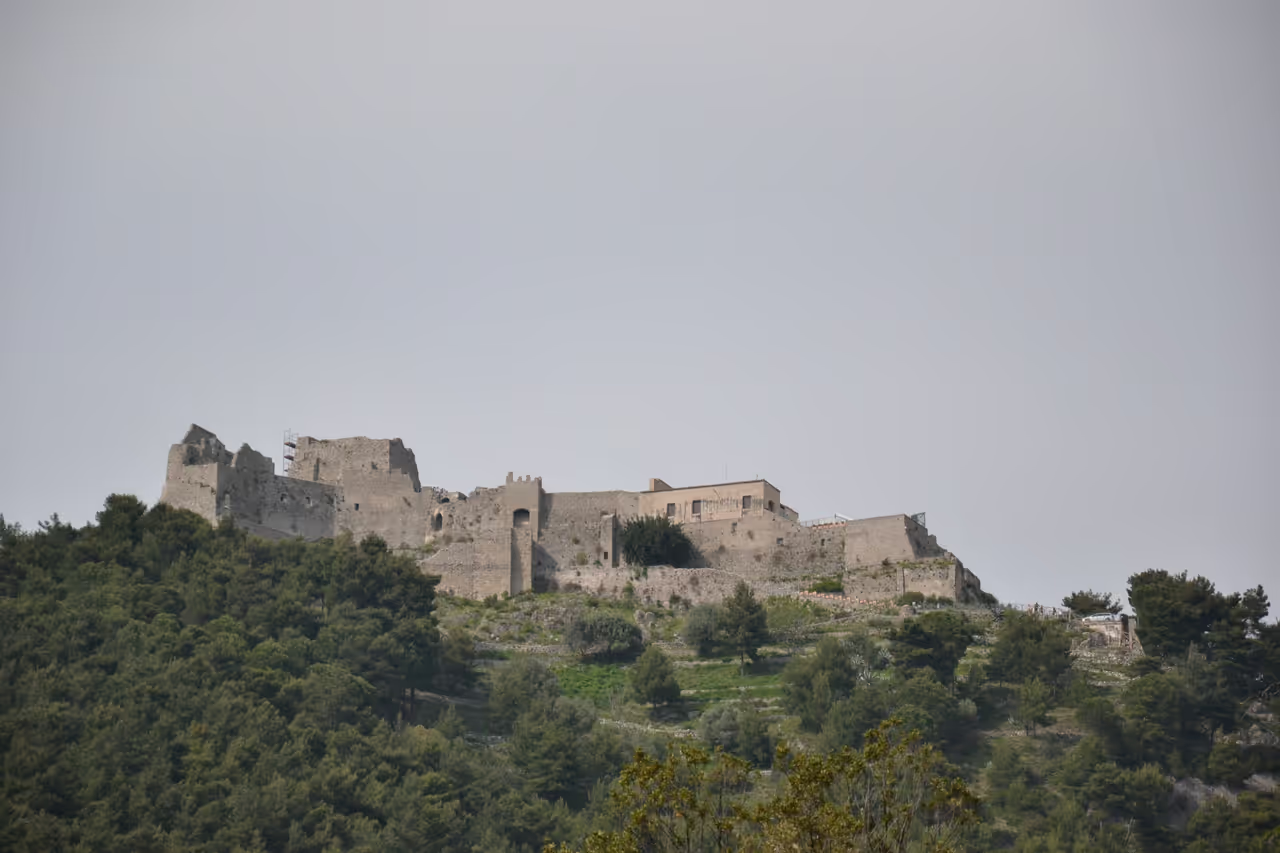
3 Days in Salerno Itinerary
With three days, you can move beyond the surface and truly appreciate the layers of history and culture here. This route introduces the grand Lombard fortresses, delves into the city's architectural evolution, and provides ample time to enjoy the local lifestyle. It balances rigorous historical sightseeing with relaxing coastal strolls, ensuring a comprehensive and enjoyable city break.
view itinerary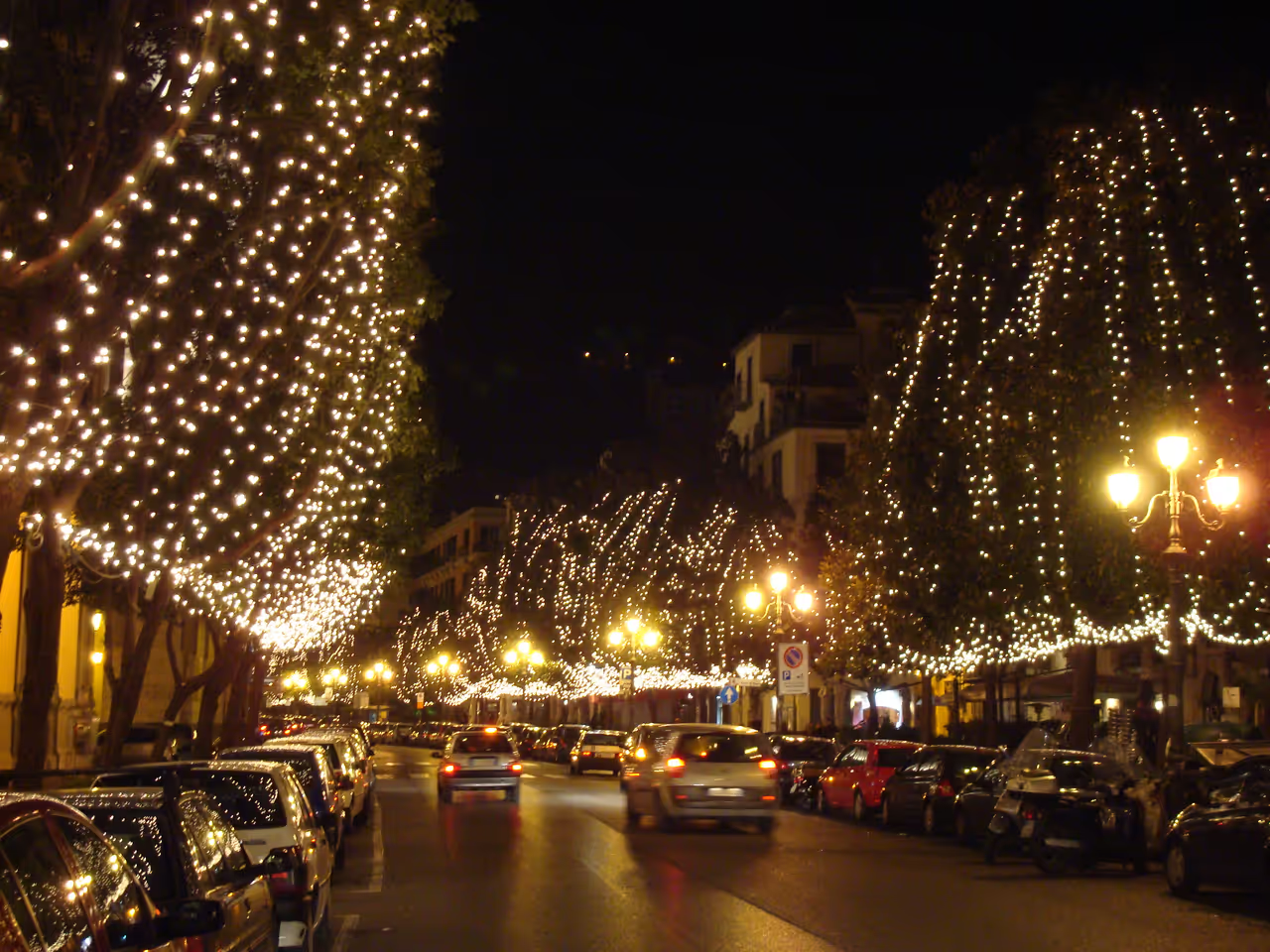
5 Days in Salerno: The Complete Experience Itinerary
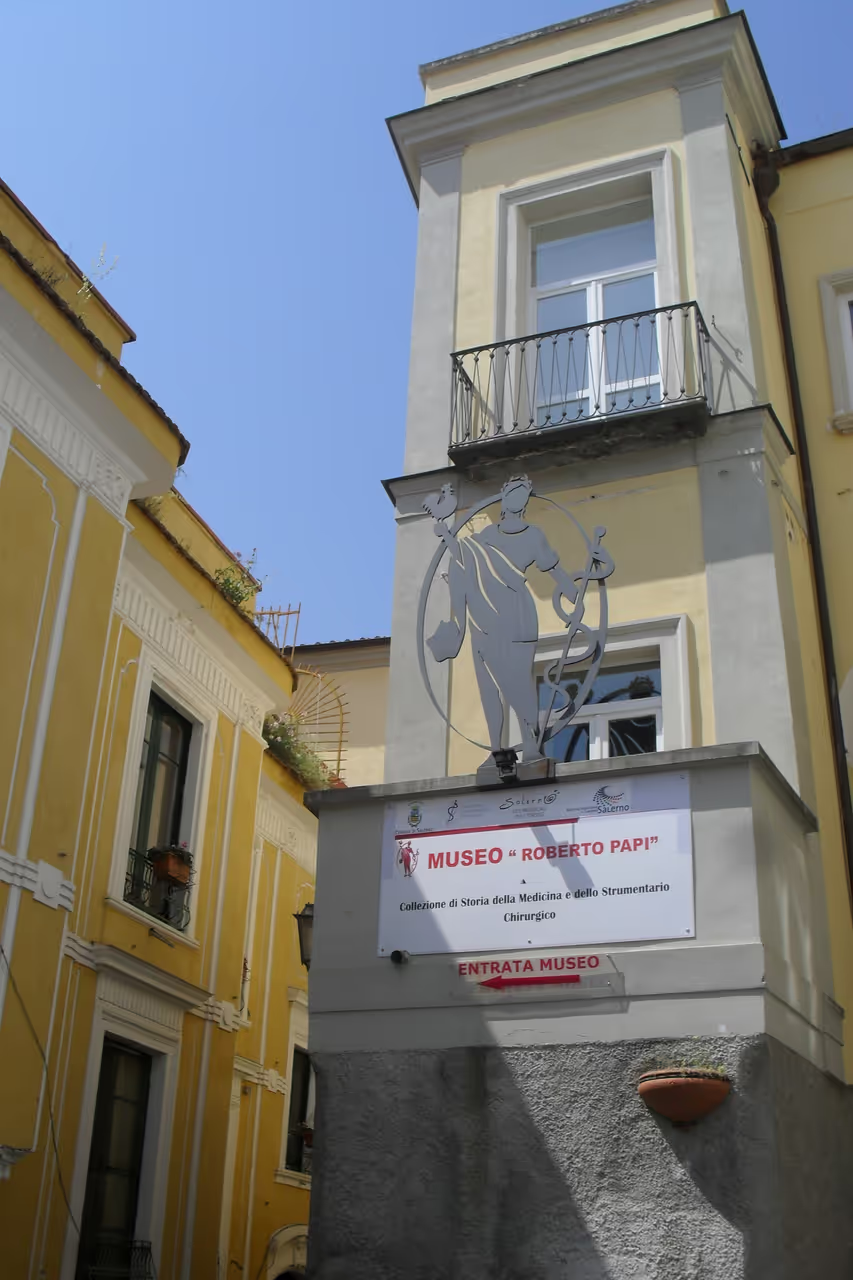
Five days allow you to become temporarily local. You will uncover hidden gems, explore off-the-beaten-path museums, and discover the city's impressive green parks. This itinerary ensures you see every facet of Salerno, from its ancient medical instruments to its futuristic marinas, with plenty of time factored in for leisurely lunches and evening aperitivos.
view itinerary
See all attractions in Salerno
Salerno Cathedral, Arechi Castle, Diocesan Museum of Saint Matthew, San Pietro a Corte Archaeological Complex...