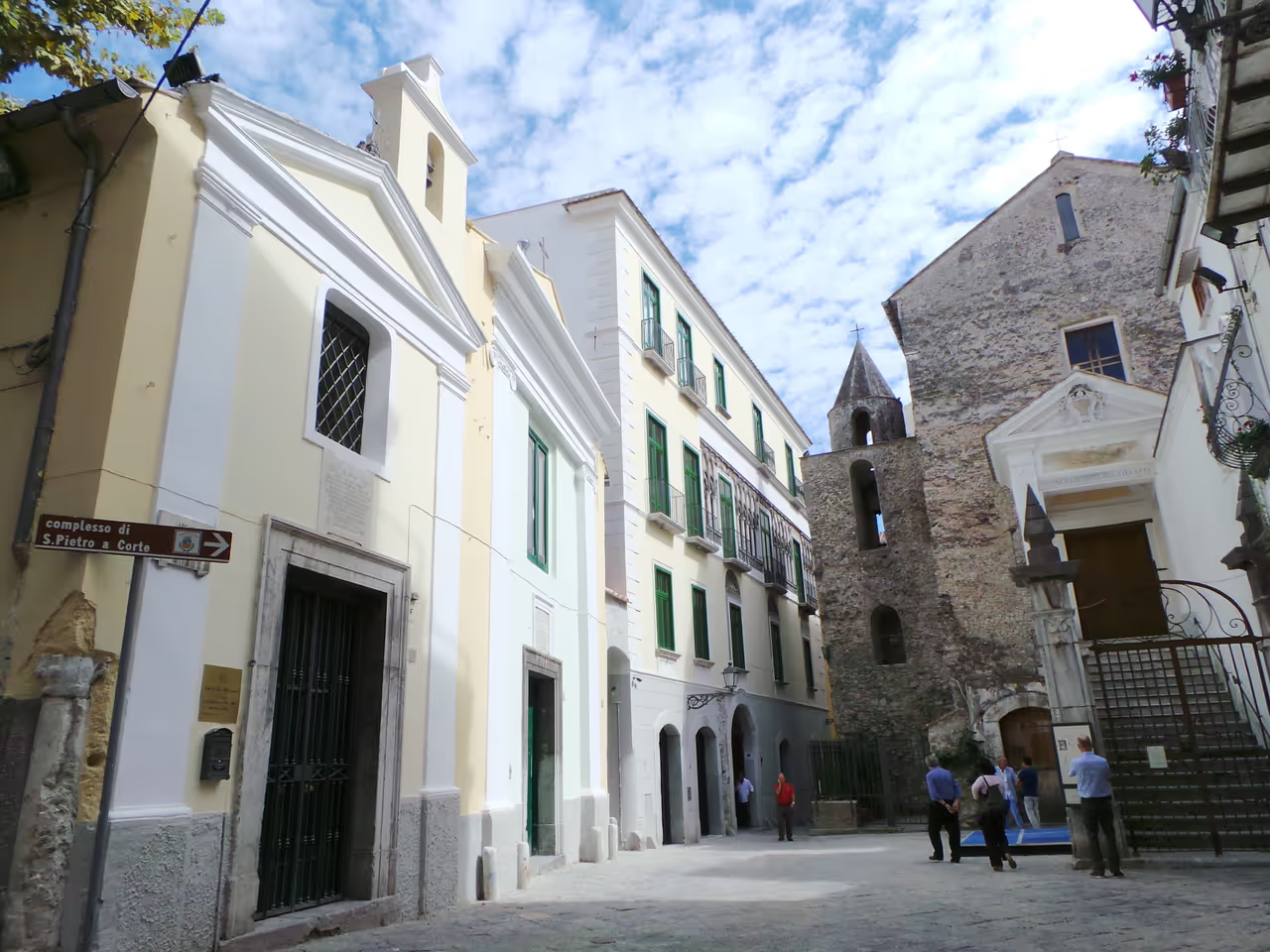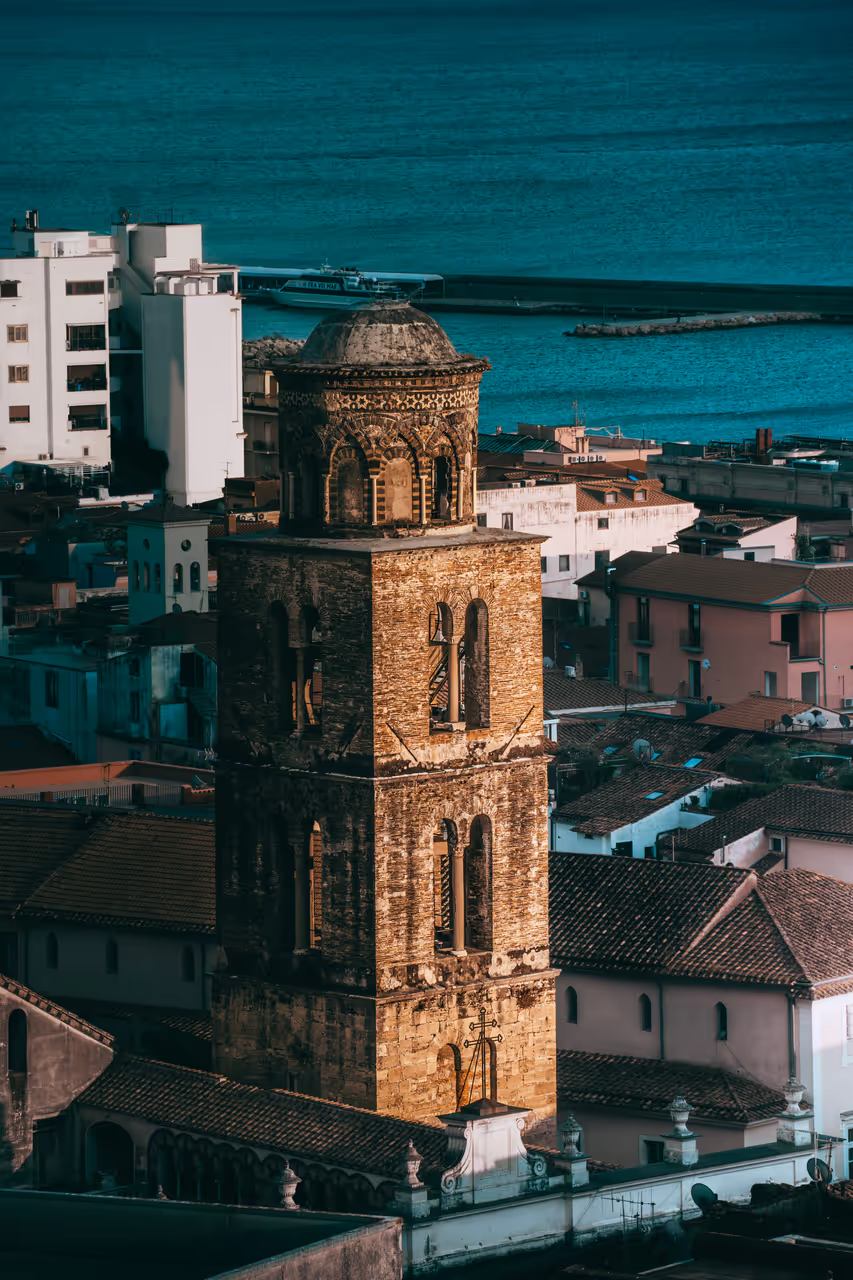
Salerno Cathedral
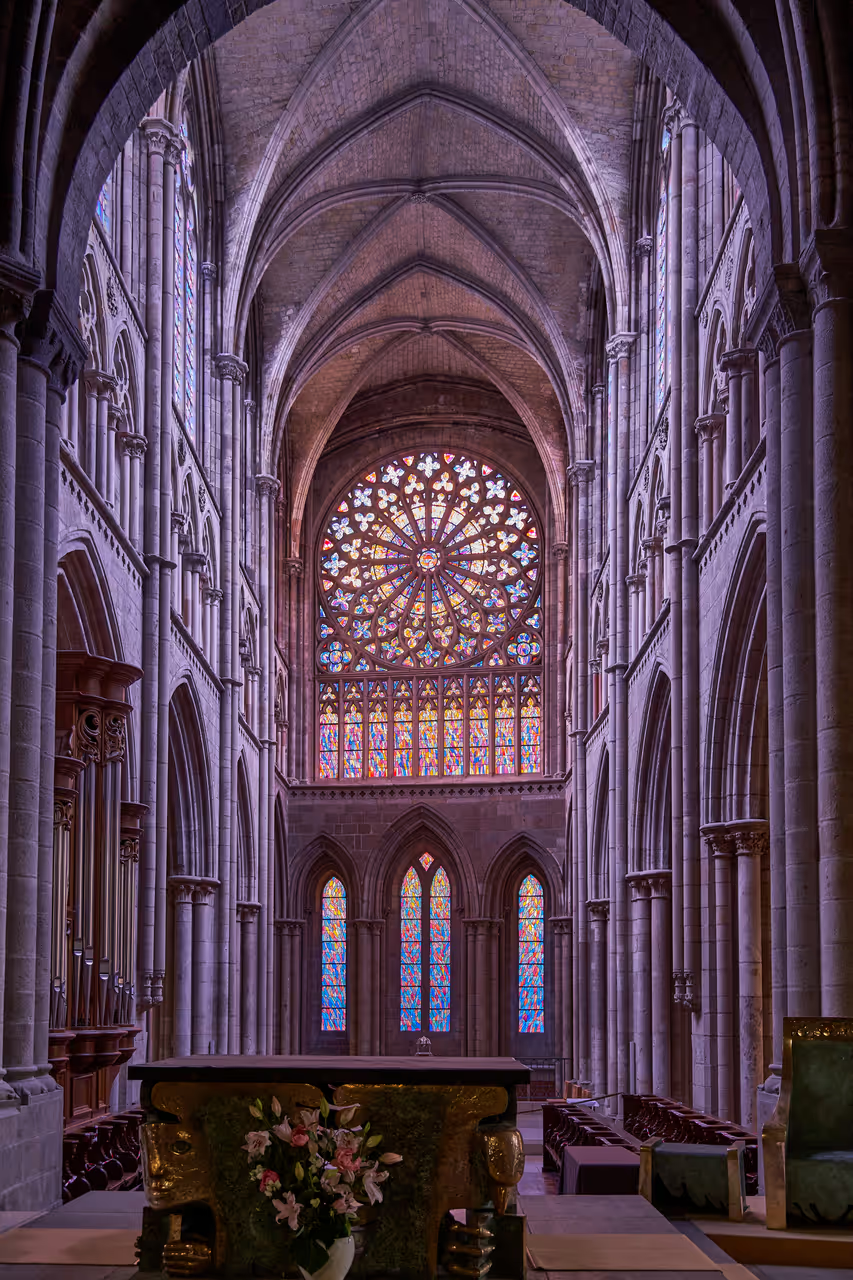
Stepping into the Salerno Cathedral offers a journey into the heart of Mediterranean history, where Norman power meets delicate Byzantine artistry. This architectural masterpiece stands as a unique testament to the cultural fusion of the Middle Ages, housing the crypt of Saint Matthew the Apostle in a space of profound devotion and mystery. Visitors are captivated by the rare atrium, which remains one of the few surviving examples of a Romanesque quadriportico in Italy. The cathedral serves as a living sanctuary, preserving legends of miracles and local heroes within its ancient walls. Its atmosphere invites quiet contemplation, allowing you to appreciate the intricate mosaics and storied past that define the city's character. Whether you are an architecture enthusiast or a curious traveller, this site promises a meaningful encounter with the traditions that have shaped the region for nearly a thousand years.
Videos
History of Salerno Cathedral
The cathedral emerged from the grand ambitions of Robert Guiscard, the Norman conqueror, and the intellectual vision of Archbishop Alfano I during the eleventh century. Consecrated by Pope Gregory VII in 1084, this structure was built to be more than a house of worship. It became a bold statement of authority and a bridge between cultures. The architects drew inspiration from Montecassino, yet they created something entirely new. The result was a design that integrated the strength of Norman construction with the refined decorative elements of the Arab and Byzantine traditions, setting a standard for what would become known as the Mediterranean architectural style. Central to the identity of the cathedral is the crypt, a space that holds the mortal remains of Saint Matthew the Apostle. This area transformed the church into a major pilgrimage destination, drawing visitors from across the Christian world who sought blessings and healing. The architectural layout, particularly the unique crypt and the quadriportico, showcases the innovative spirit of its founders. The atrium features columns salvaged from ancient Roman sites, illustrating how the cathedral built its grandeur upon the foundations of the civilisations that came before it. This layer of history adds a tactile sense of continuity that resonates with everyone who walks through the courtyard. Centuries of seismic activity and changing tastes brought numerous alterations, including significant Baroque additions that masked much of the original medieval character. However, modern restoration efforts have successfully peeled back these later layers, revealing the stunning Romanesque structure that exists today. The cathedral remains a site of immense pride for the local community, serving as the backdrop for major celebrations and quiet moments of reflection. It continues to be a beacon of history, where the legacies of kings, popes, and ordinary citizens converge, offering an enduring connection to the past that thrives in the present day.
Events spanning 874 years
Fun Facts
- • A unique liquid known as the Manna of Saint Matthew was historically collected from the relics, with many believing it possessed miraculous healing properties.
- • Legend suggests that a marble pillar in the crypt bears bloodstains from the martyrdom of the local saints, and some claim one can still hear the pulse of their blood when listening closely to the stone.
- • Pope Gregory VII, who famously clashed with the Holy Roman Emperor, spent his final days in Salerno and is interred within the cathedral.
- • The Salerno Ivories are a series of medieval ivory plaques that once decorated the altar, showcasing exquisite craftsmanship and intricate biblical scenes.
- • The bronze doors were cast in Constantinople in 1099, representing a remarkable artistic exchange between the Byzantine Empire and Southern Italy.
- • The cathedral features a rare atrium, or quadriportico, which is one of only two remaining examples of this architectural feature in the entire country.
- • The cathedral once served as a place of teaching for Saint Thomas Aquinas, adding a layer of philosophical and theological history to its walls.
- • The crypt houses the relics of Saint Matthew the Apostle, which were brought to the city in the tenth century and remain a major focal point for pilgrims.
RESOURCES
Official WebsiteSalerno Cathedral FAQ
While we strive to keep this information accurate and up to date, we recommend verifying any details independently before making decisions based on them.
Salerno Cathedral Map & Neighborhood Explorer
This interactive map is centered on Salerno Cathedral. Zoom in and move the map around to automatically discover Wikipedia photos and summaries of other nearby sights, monuments, and historical points of interest and stories in real-time!
Places near Salerno Cathedral
Make the most of your trip. Check out these top-rated spots located nearby.
 84m
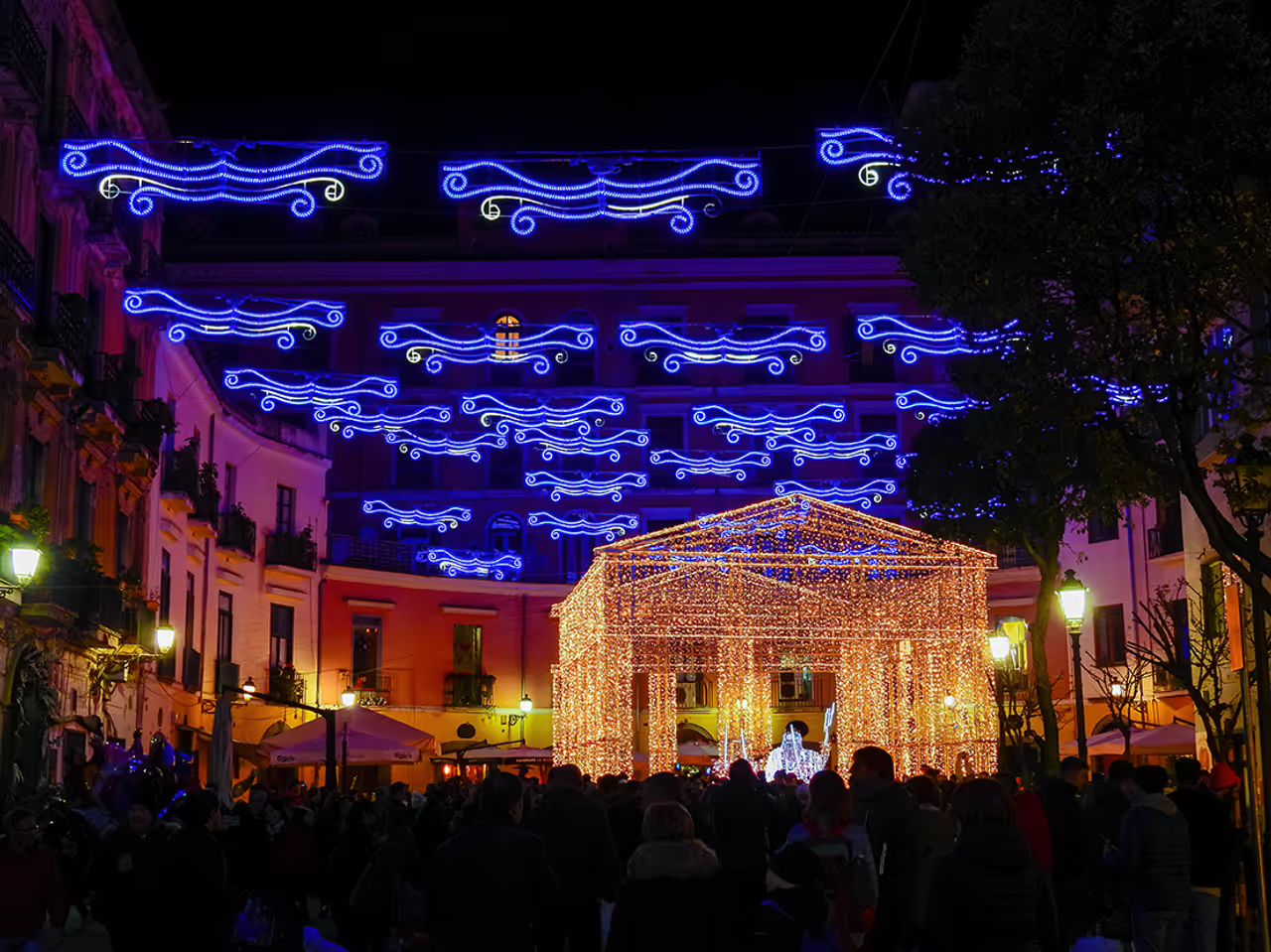
84mArtists' Lights Festival
Taking place through the winter months, this spectacular light festival completely transforms the city. Streets, piazzas, and parks are adorned with elaborate, large-scale light installations designed by various artists. The themes change yearly, ranging from enchanted forests to mythical creatures. It is a magical experience that draws visitors from all over the country, bringing a festive, glowing atmosphere to the maritime air. The grand Christmas tree in Piazza Portanova is always a focal point.
festival view- 84m
Salerno Literature Festival
Defined as one of the most important literary festivals in southern Italy, this week-long event celebrates the written word in all its forms. It features engaging encounters with renowned authors, theatrical readings, and musical performances. Many events are hosted in hidden courtyards, deconsecrated churches, and historic spaces that are usually closed to the public. It is a fantastic celebration of culture that brings a sophisticated energy to the city.
festival view 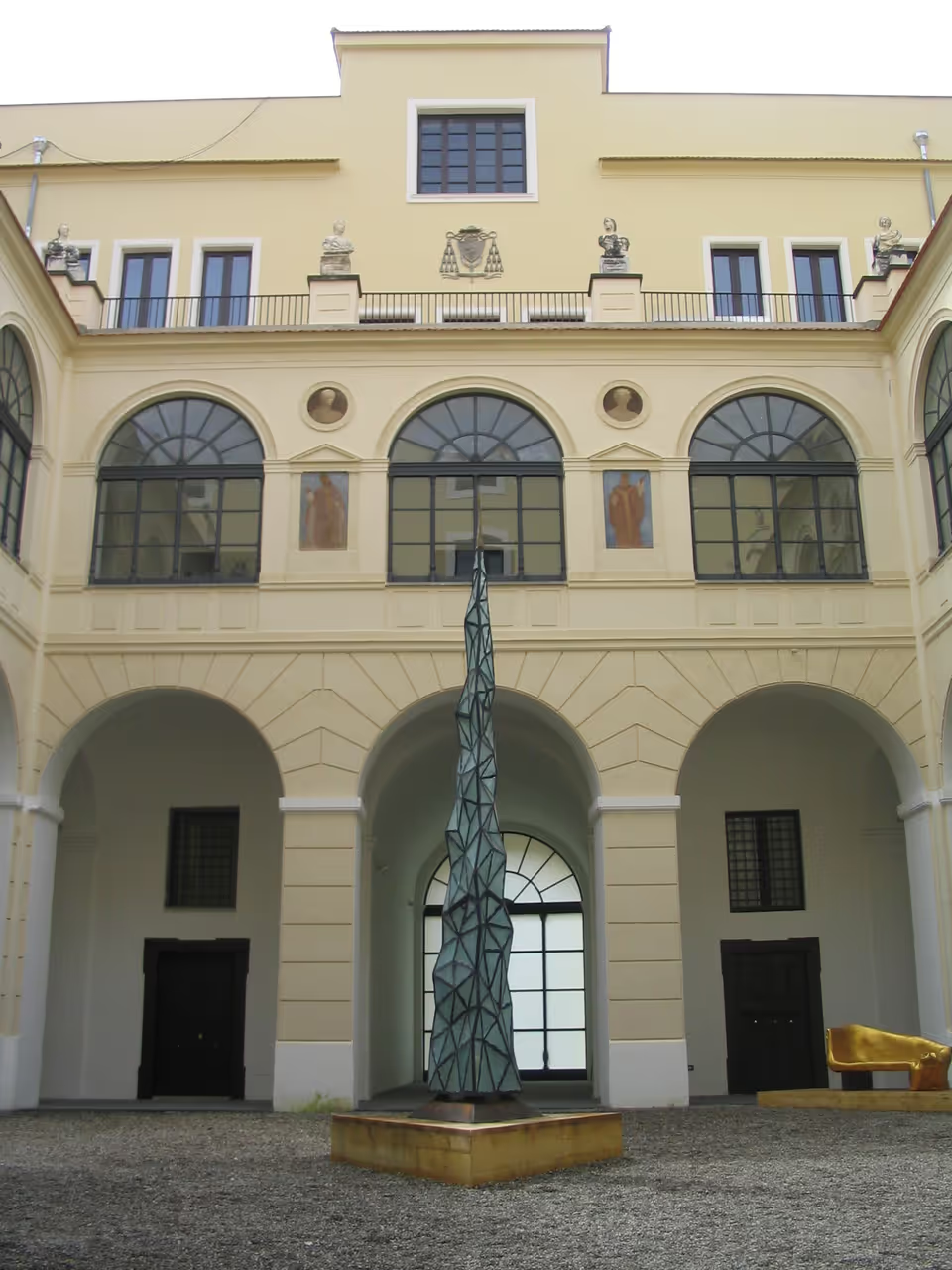 99m
99mDiocesan Museum of Saint Matthew
Step into the Diocesan Museum of Saint Matthew and uncover the artistic heartbeat of Salerno within the walls of a historic former seminary. This remarkable institution offers an immersive journey through the religious and cultural history of southern Italy, showcasing masterpieces from the Middle Ages to the eighteenth century. Visitors are often captivated by the rare eleventh century ivory carvings, a true highlight of medieval art, and the intricate Exsultet scrolls that tell stories of a bygone era. The museum acts as a sanctuary of beauty where you can admire paintings, ancient coins, and precious lapidary finds in a tranquil setting. Its serene atmosphere allows you to connect deeply with local heritage, making it an essential stop for anyone wanting to understand the soul of the city. Whether you are an art lover or a history enthusiast, exploring this hidden treasure promises a rewarding and thoughtful experience.
attraction view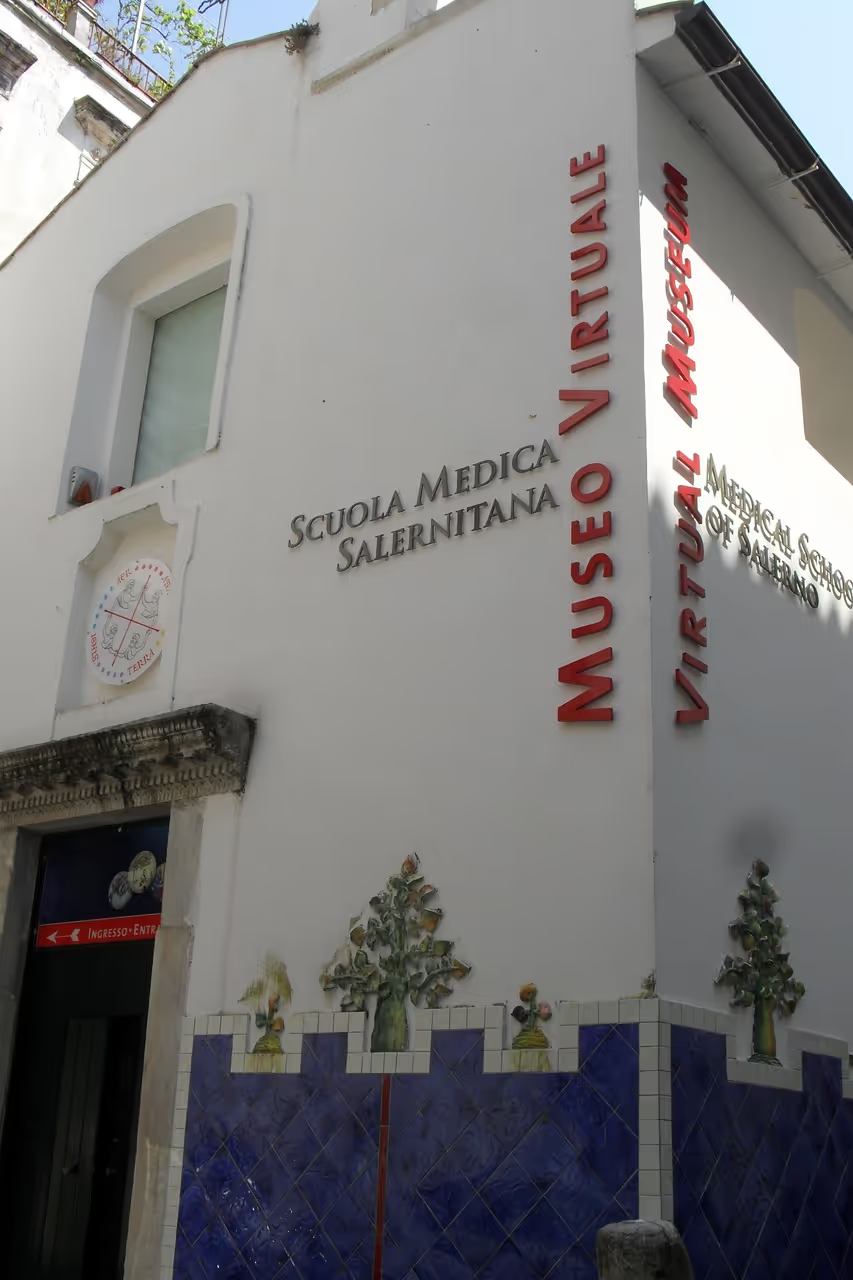 103m
103mVirtual Museum of the Medical School
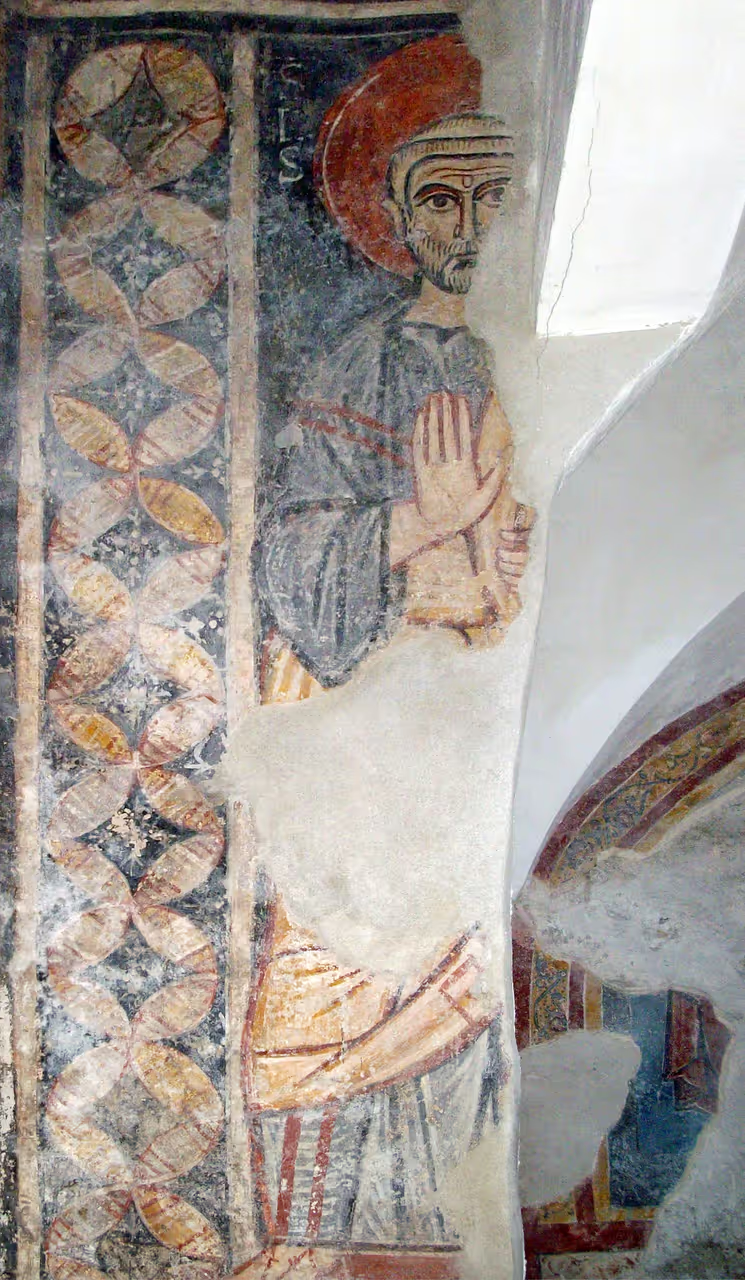
While the physical relics of the medical school are scarce, this modern museum brilliantly brings its history to life using technology. Located in the 11th-century Church of San Gregorio, it features interactive displays, 3D reconstructions, and digitised versions of famous medieval medical manuscripts. It is a fantastic, accessible way to understand complex medical history. The juxtaposition of ancient stone walls and modern digital screens is striking.
hidden gem view
Explore Similar Places in This Collection
Featured on These Itineraries
1 Day in Salerno Itinerary
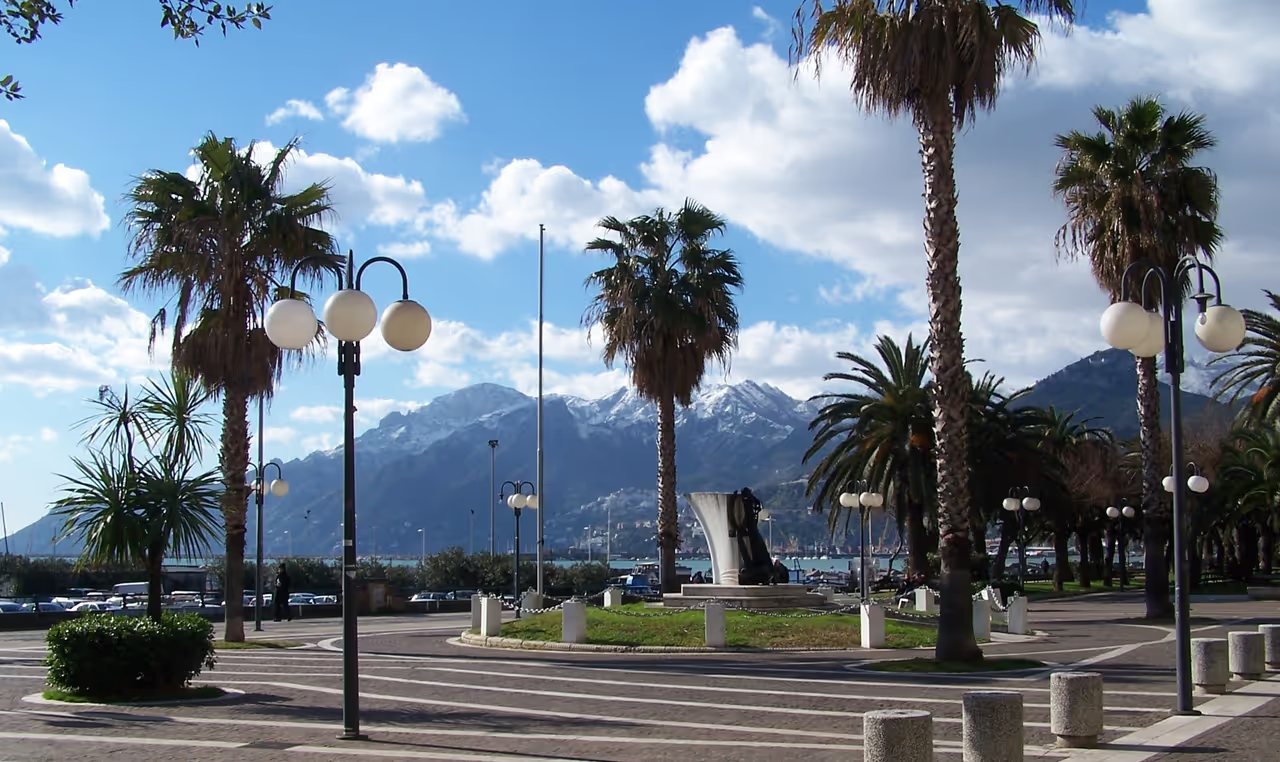
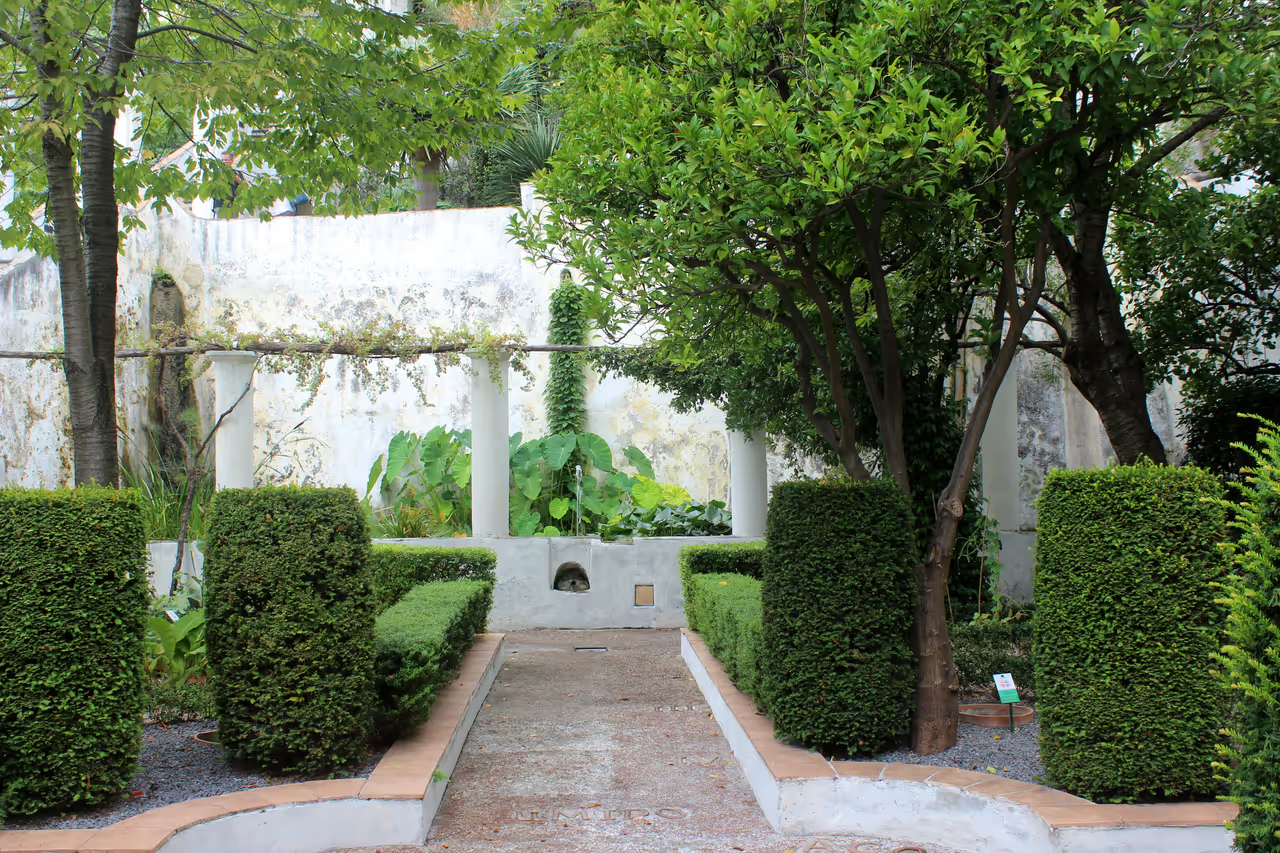
This fast-paced itinerary is designed for those making a quick stop in the city. It focuses entirely on the absolute essentials, blending the city's incredible history with its modern coastal vibe. You will start with the spiritual heart of the city, climb to its ancient botanical roots, and finish by experiencing its renowned evening promenade. It ensures you capture the true essence of Salerno in just 24 hours.
view itinerary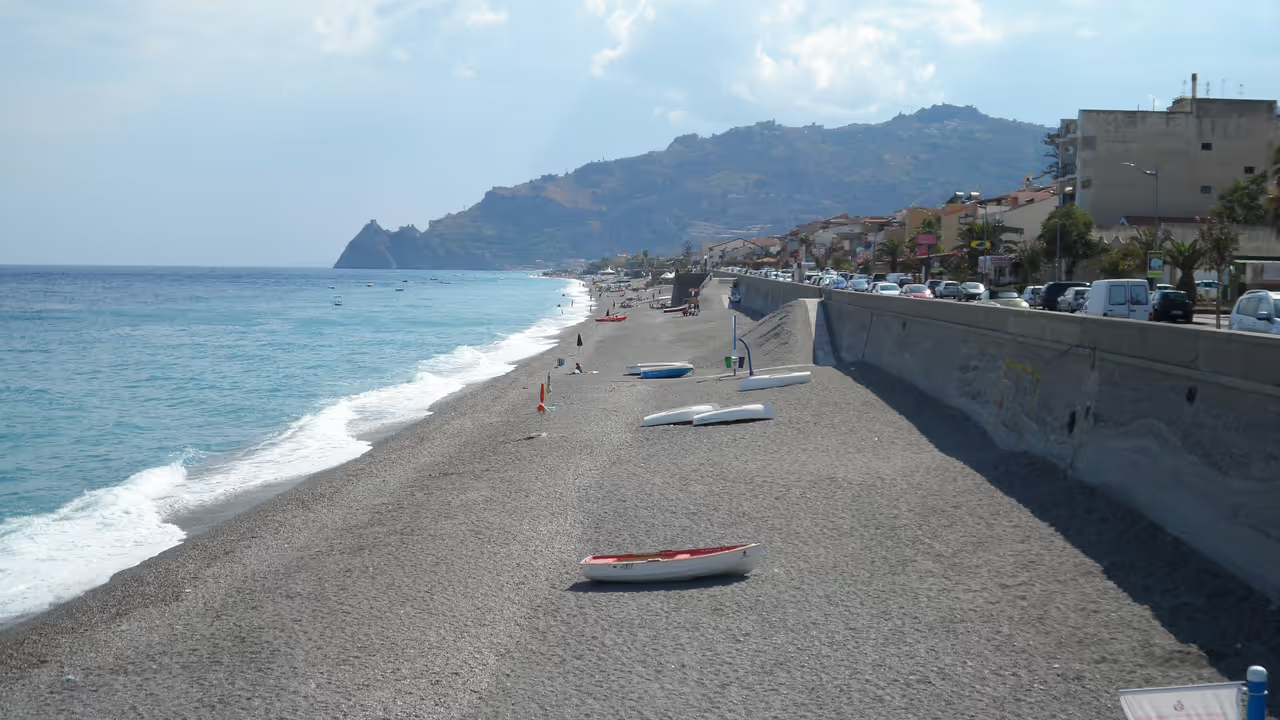
3 Days in Salerno Itinerary
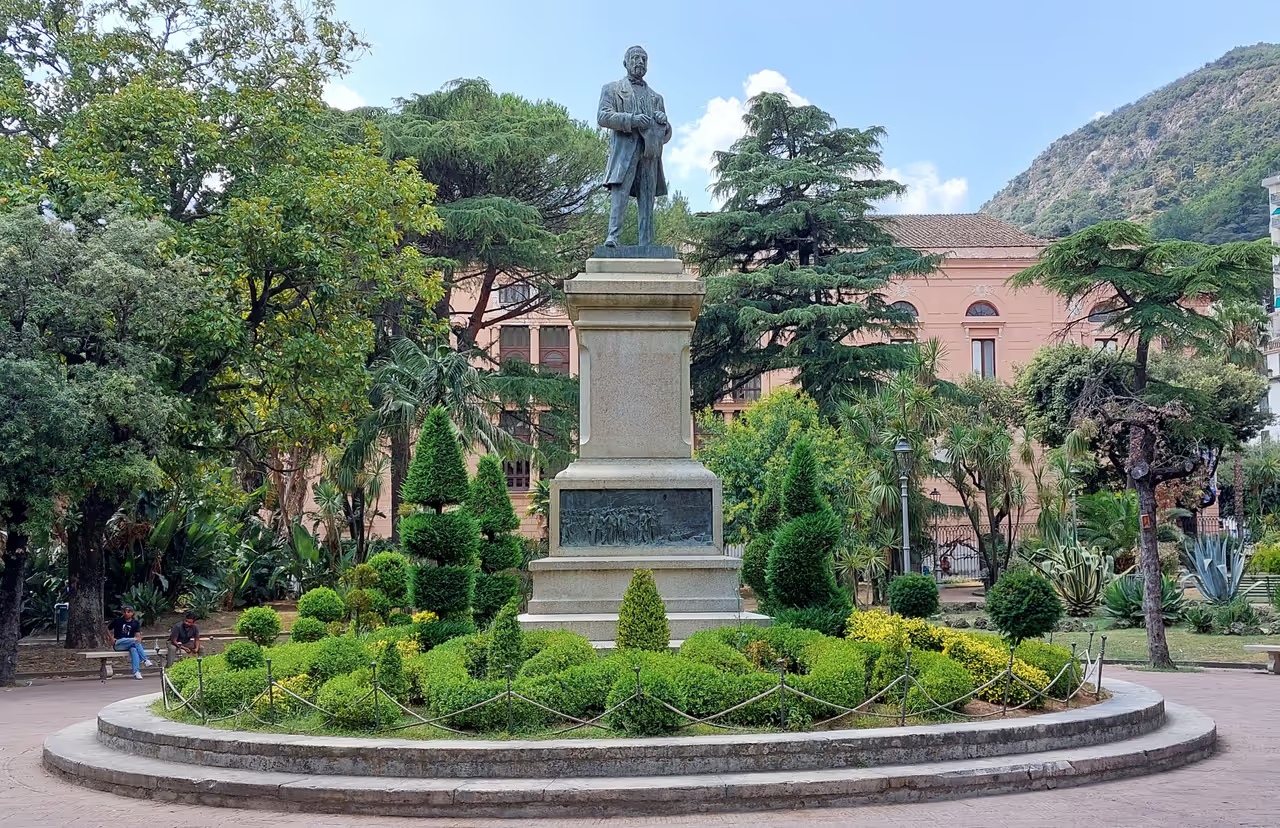
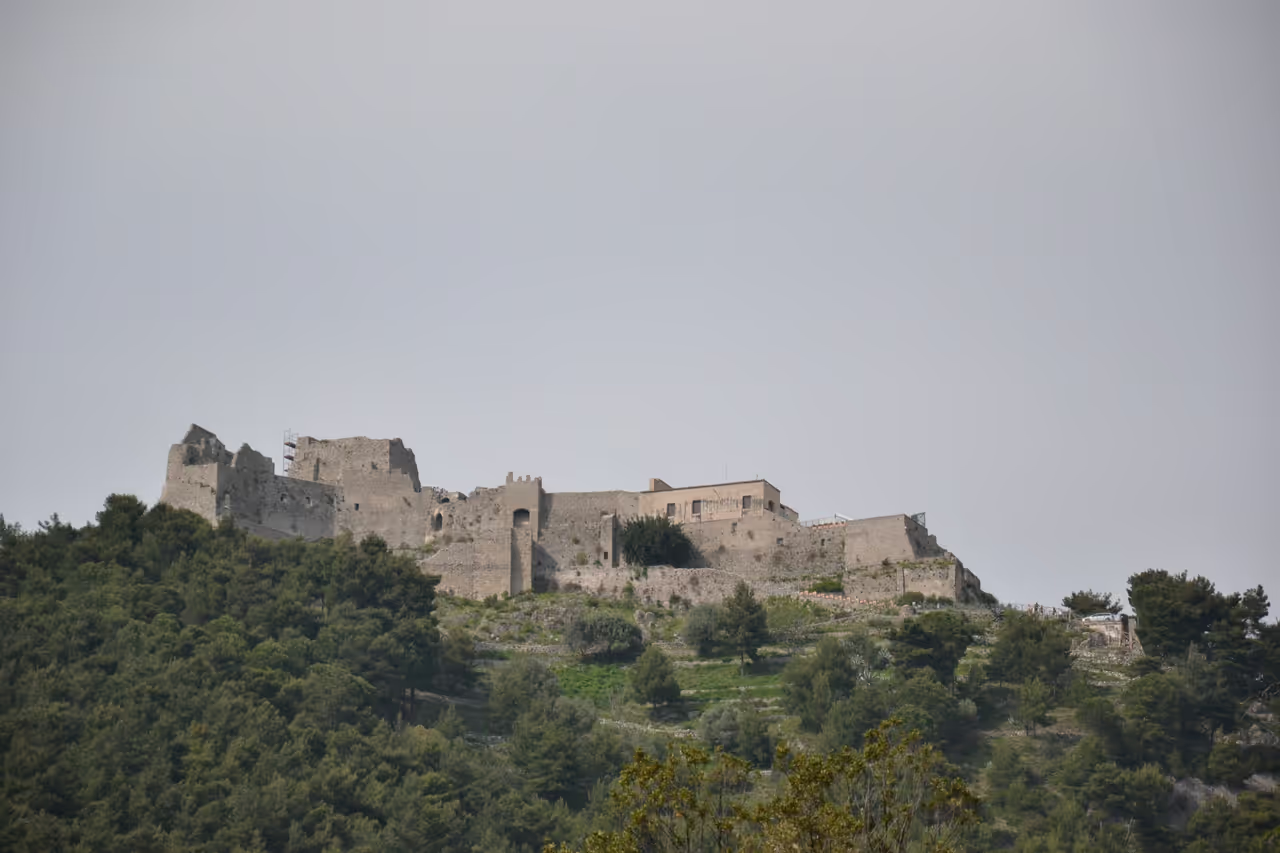
With three days, you can move beyond the surface and truly appreciate the layers of history and culture here. This route introduces the grand Lombard fortresses, delves into the city's architectural evolution, and provides ample time to enjoy the local lifestyle. It balances rigorous historical sightseeing with relaxing coastal strolls, ensuring a comprehensive and enjoyable city break.
view itinerary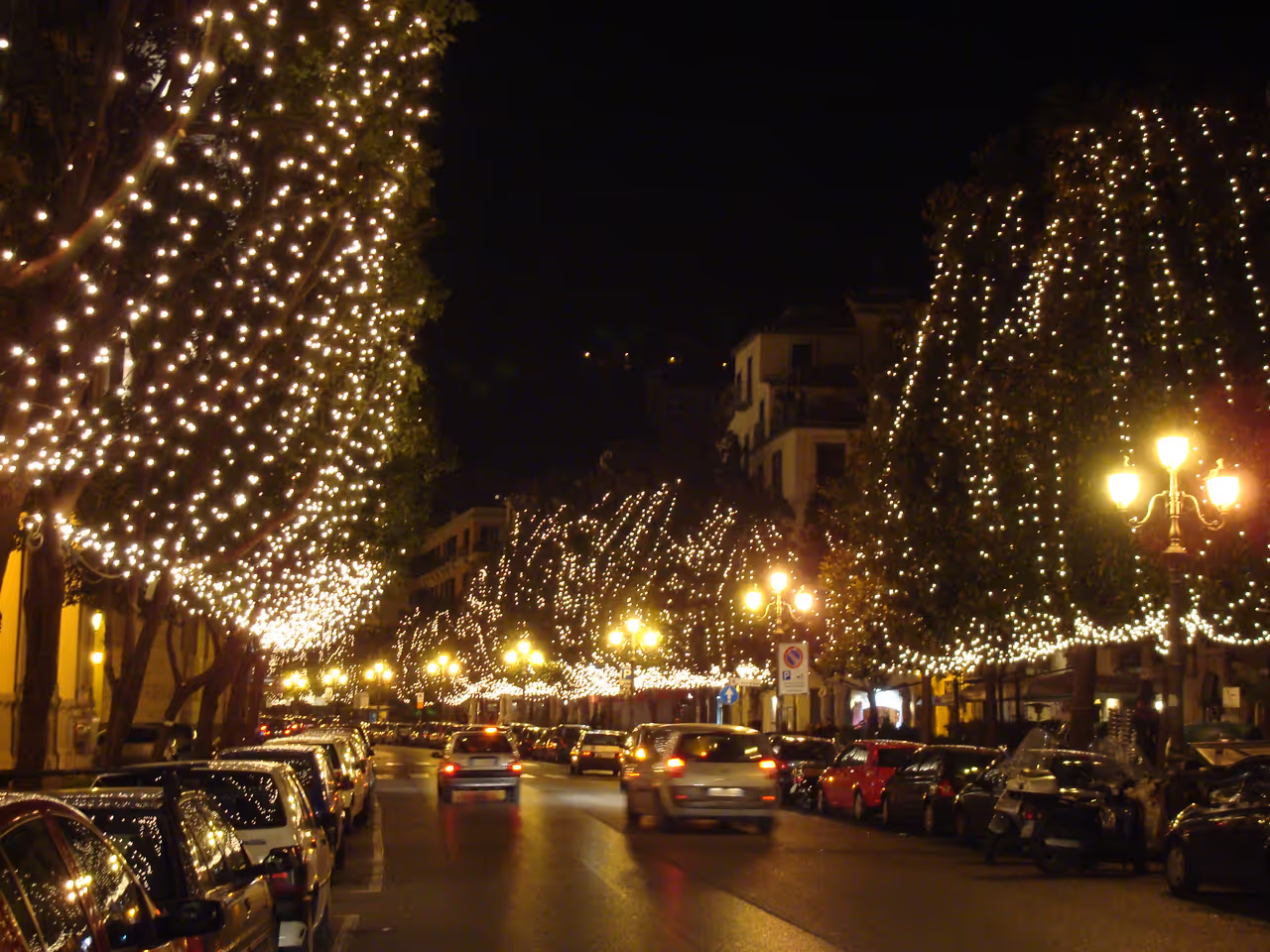
5 Days in Salerno: The Complete Experience Itinerary
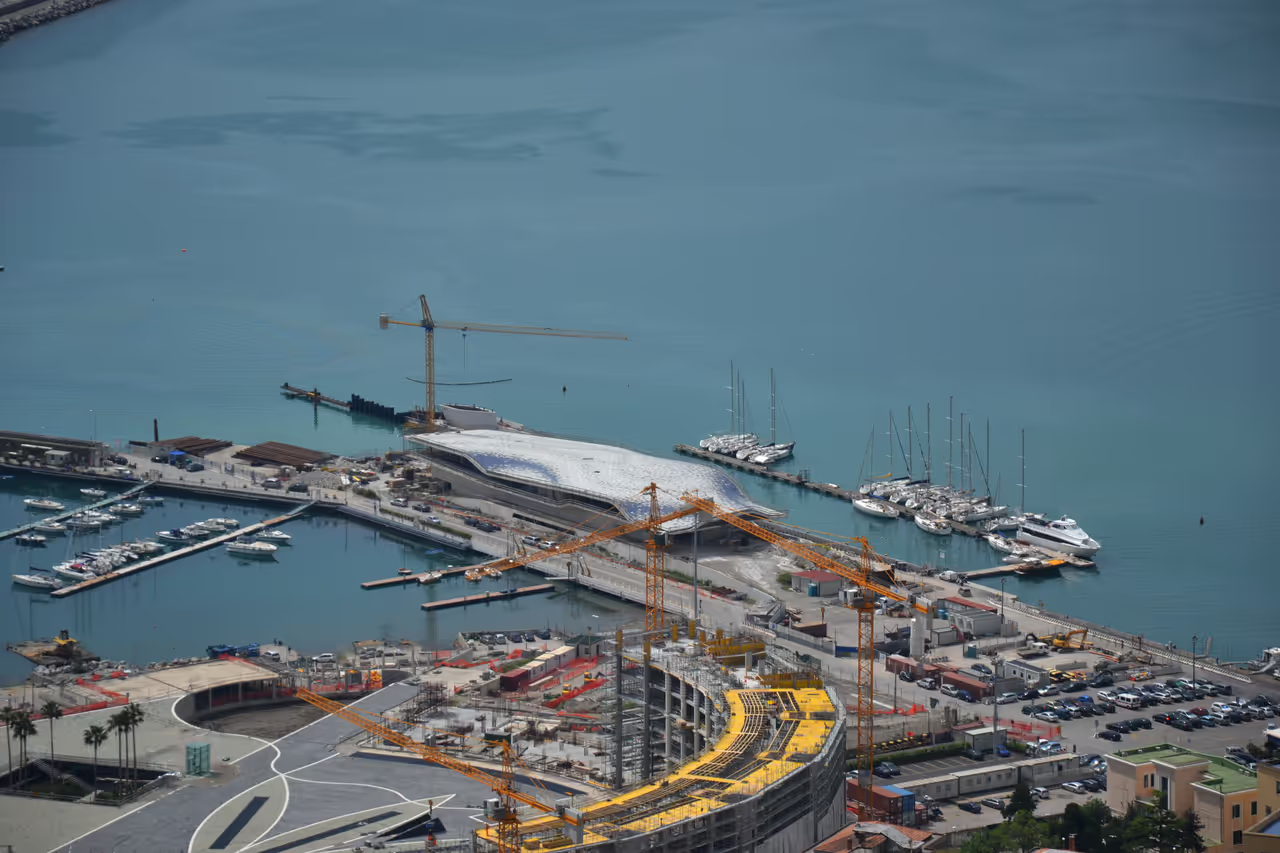
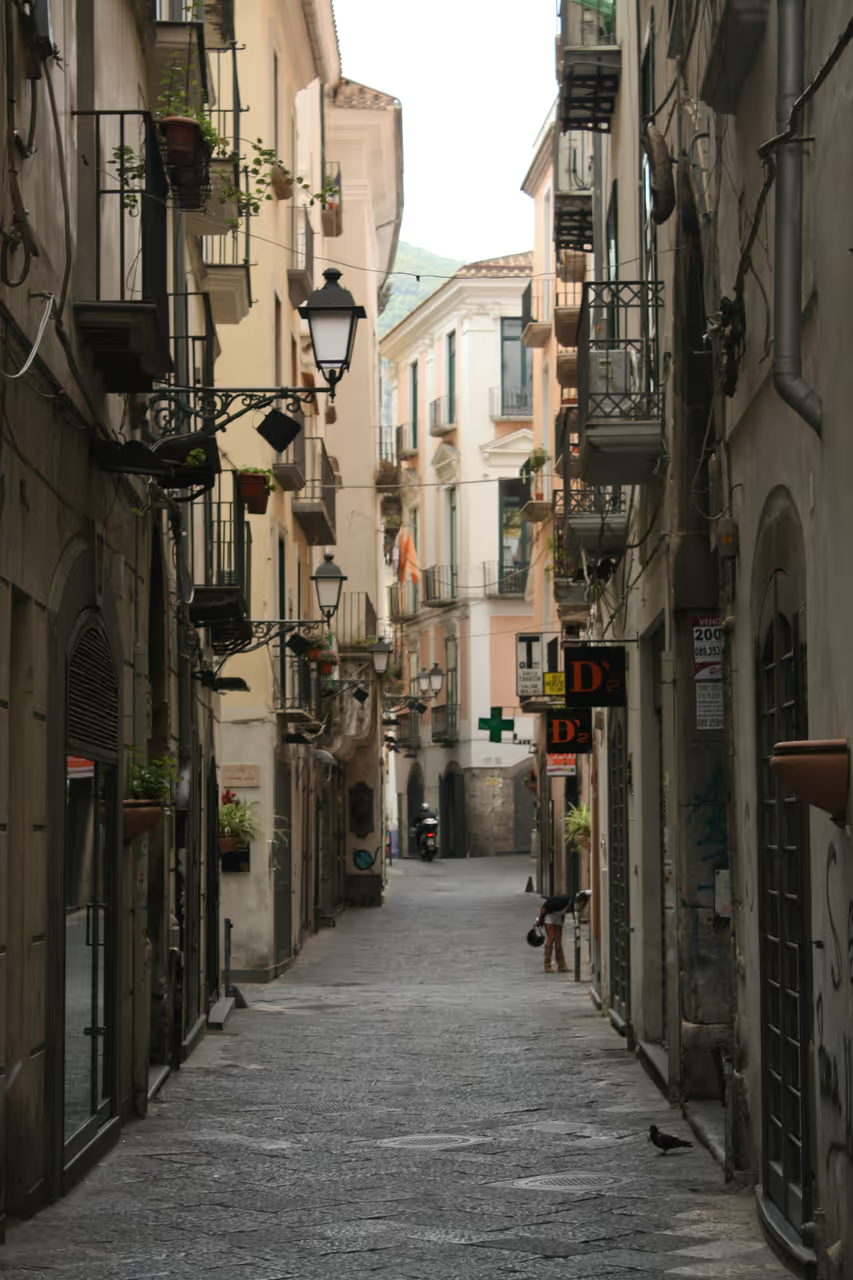
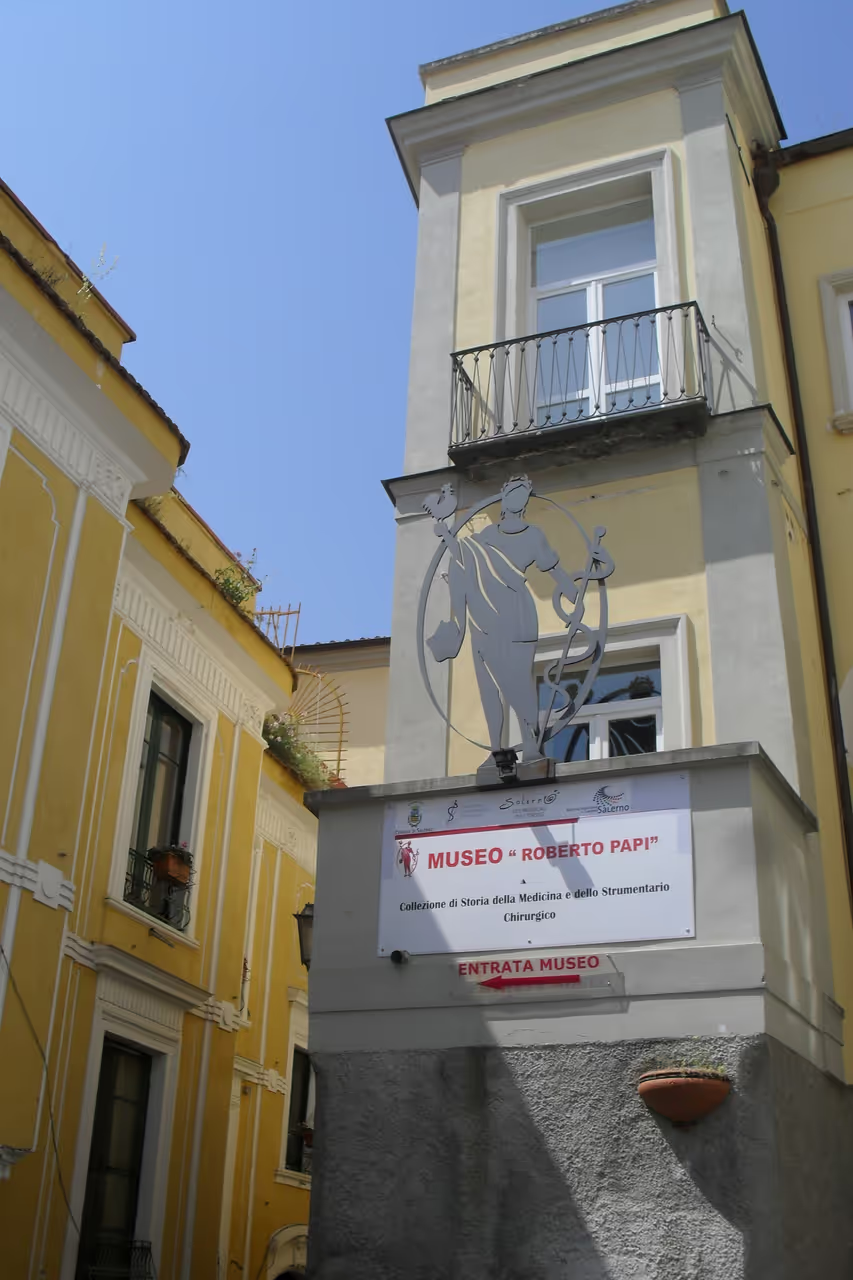
Five days allow you to become temporarily local. You will uncover hidden gems, explore off-the-beaten-path museums, and discover the city's impressive green parks. This itinerary ensures you see every facet of Salerno, from its ancient medical instruments to its futuristic marinas, with plenty of time factored in for leisurely lunches and evening aperitivos.
view itinerary
See all attractions in Salerno
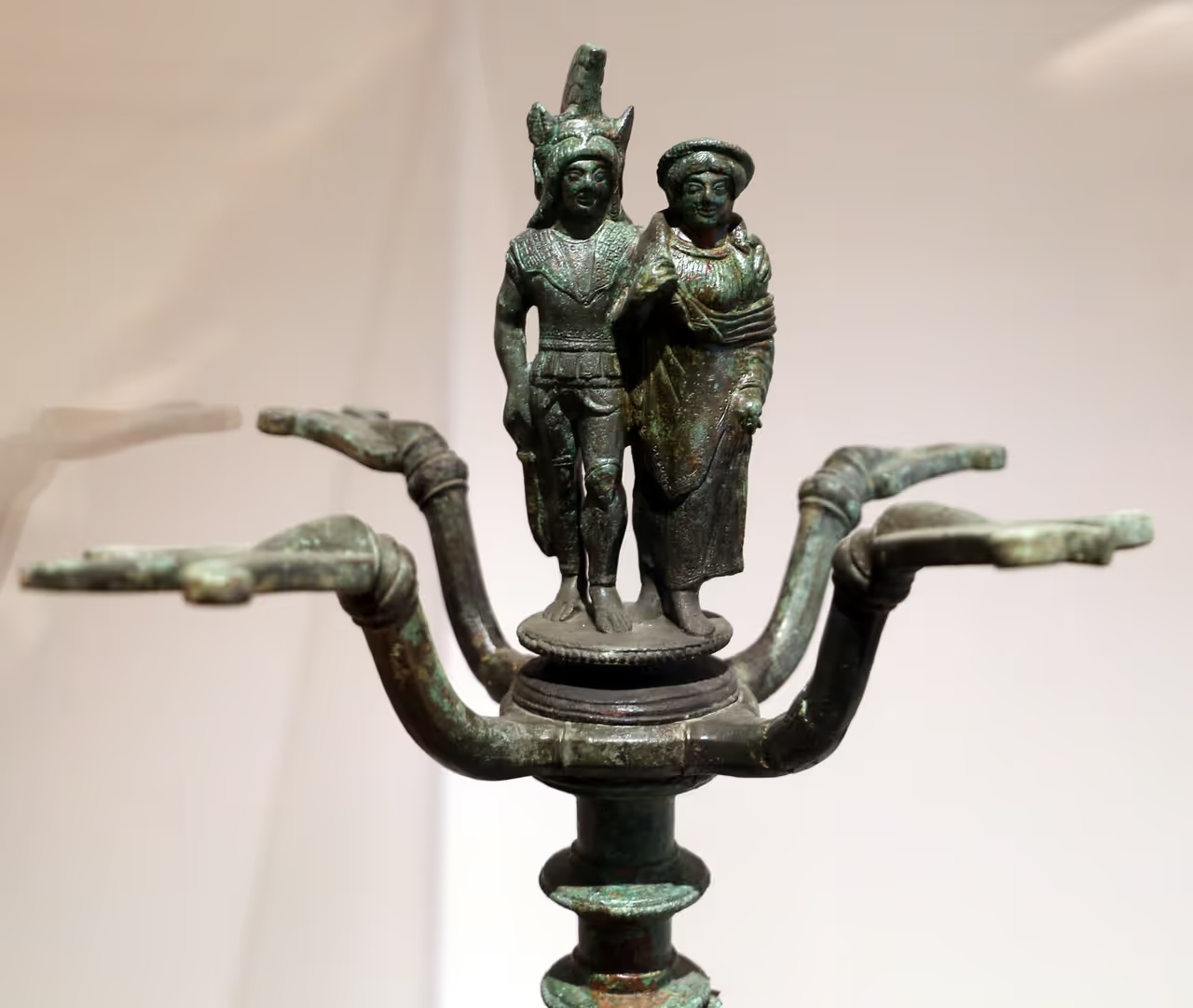
Arechi Castle, Diocesan Museum of Saint Matthew, Provincial Archaeological Museum of Salerno, San Pietro a Corte Archaeological Complex...