Diocesan Museum of Saint Matthew
Step into the Diocesan Museum of Saint Matthew and uncover the artistic heartbeat of Salerno within the walls of a historic former seminary. This remarkable institution offers an immersive journey through the religious and cultural history of southern Italy, showcasing masterpieces from the Middle Ages to the eighteenth century. Visitors are often captivated by the rare eleventh century ivory carvings, a true highlight of medieval art, and the intricate Exsultet scrolls that tell stories of a bygone era. The museum acts as a sanctuary of beauty where you can admire paintings, ancient coins, and precious lapidary finds in a tranquil setting. Its serene atmosphere allows you to connect deeply with local heritage, making it an essential stop for anyone wanting to understand the soul of the city. Whether you are an art lover or a history enthusiast, exploring this hidden treasure promises a rewarding and thoughtful experience.
Videos
History of Diocesan Museum of Saint Matthew
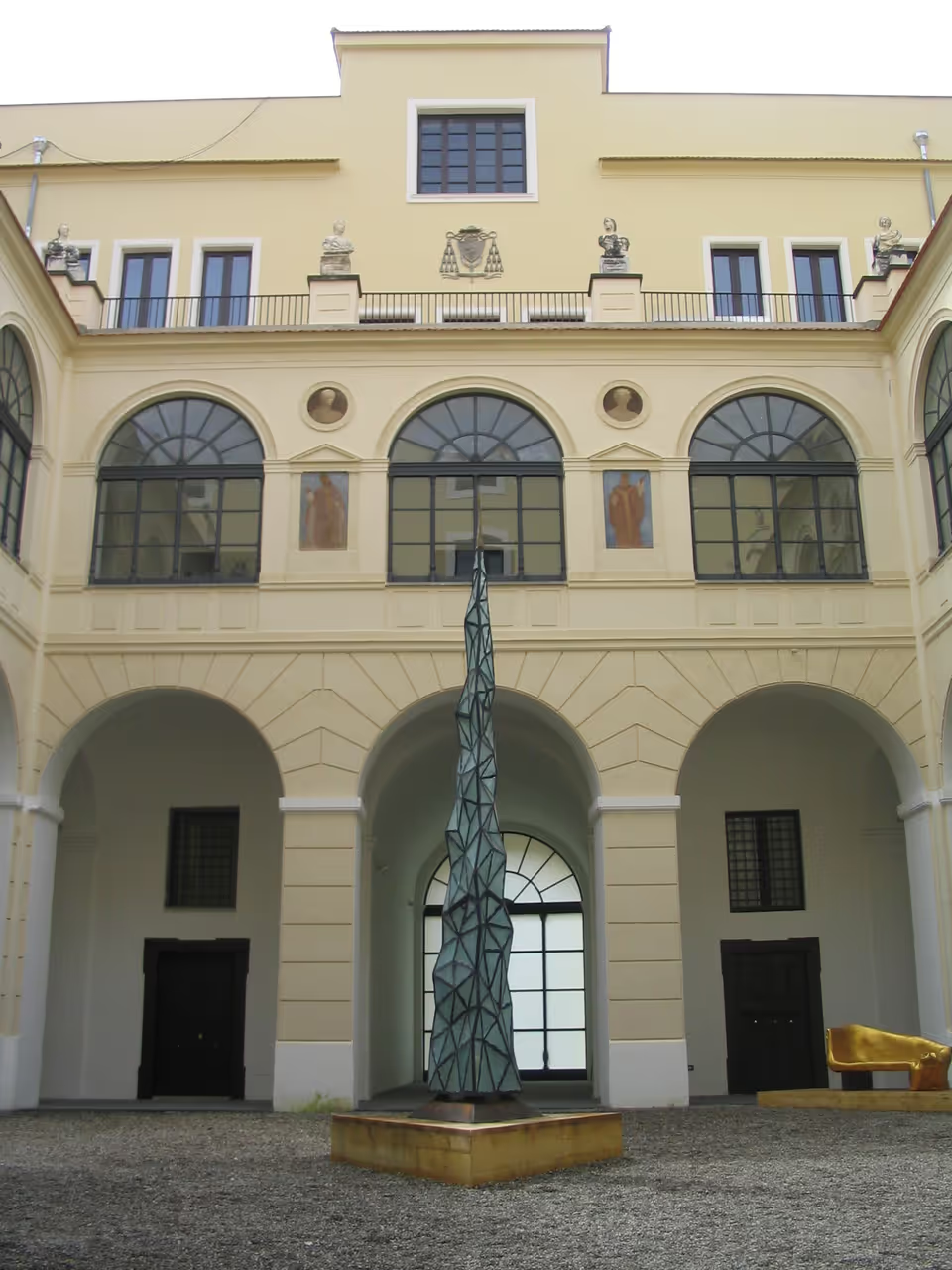
The story of the Diocesan Museum of Saint Matthew is deeply intertwined with the architectural evolution of Salerno itself. Housed within the former archbishop's seminary, the building stands on ground that once held the renowned School of Medicine of Salerno. This location is steeped in a legacy of learning and spiritual devotion, serving as a silent witness to the intellectual and artistic currents that shaped the Campania region. For centuries, the treasures held here were tucked away in the cathedral, largely inaccessible to the public, waiting for the right moment to share their beauty with the world. It was the visionary leadership of Monsignor Arturo Capone in the nineteen thirties that first brought these hidden wonders into the light, establishing a museum to preserve and display the precious artifacts of the diocese. Throughout the twentieth century, the institution weathered seismic challenges and building renovations, eventually finding its permanent and dignified home in the restored seminary structure. This transition marked a new chapter for the collection, ensuring that works ranging from medieval ivories to exquisite Renaissance paintings would be safeguarded and celebrated as the cultural pillars they truly are. Today, the museum stands as a testament to resilience and heritage, bridging the gap between ancient traditions and contemporary appreciation. Each hall reveals a different layer of the past, from the Byzantine influences in local frescos to the naturalistic masterpieces of the seventeenth century Neapolitan school. Visitors who wander through these corridors are invited to appreciate the dedication required to maintain such a rich legacy, offering a poignant look at how Salerno continues to honour its profound connection to the sacred and the artistic.
Events spanning 450 years
Fun Facts
- • A local legend tells of a wooden crucifix in the collection that bowed its head to grant forgiveness to the alchemist Pietro Barliario after he spent days in penance.
- • Following the major earthquake in 1980, the building underwent significant restorative work that transformed the damaged seminary into the cultural centre seen today.
- • Many paintings in the seventeenth century section of the museum were donated by the noble Ruggi d'Aragona family, highlighting their historic connection to the cathedral.
- • Some of the ivory panels now on display were originally used as decorative elements on altar frontals before being recovered for preservation.
- • The building that houses the museum was previously the home of the renowned School of Medicine of Salerno, widely considered the first medical school in the world.
- • The collection includes the oldest copy of the Shroud of Turin found in Italy, a relic that has sparked curiosity for centuries.
- • The museum features a lapidarium displaying stone artifacts and carvings that date back as far as the first century BC.
- • The museum holds the most complete collection of eleventh and twelfth century medieval ivory carvings in the world, which feature intricate biblical imagery.
- • The numismatic collection traces the economic history of the area from the time of Magna Graecia through the Roman Empire and the local Salerno Mint.
- • Visitors can view extremely rare Exsultet scrolls, which are illuminated parchment manuscripts historically used during the Easter Proclamation.
RESOURCES
Official WebsiteDiocesan Museum of Saint Matthew FAQ
While we strive to keep this information accurate and up to date, we recommend verifying any details independently before making decisions based on them.
Diocesan Museum of Saint Matthew Map & Neighborhood Explorer
This interactive map is centered on Diocesan Museum of Saint Matthew. Zoom in and move the map around to automatically discover Wikipedia photos and summaries of other nearby sights, monuments, and historical points of interest and stories in real-time!
Places near Diocesan Museum of Saint Matthew
Make the most of your trip. Check out these top-rated spots located nearby.
 91m
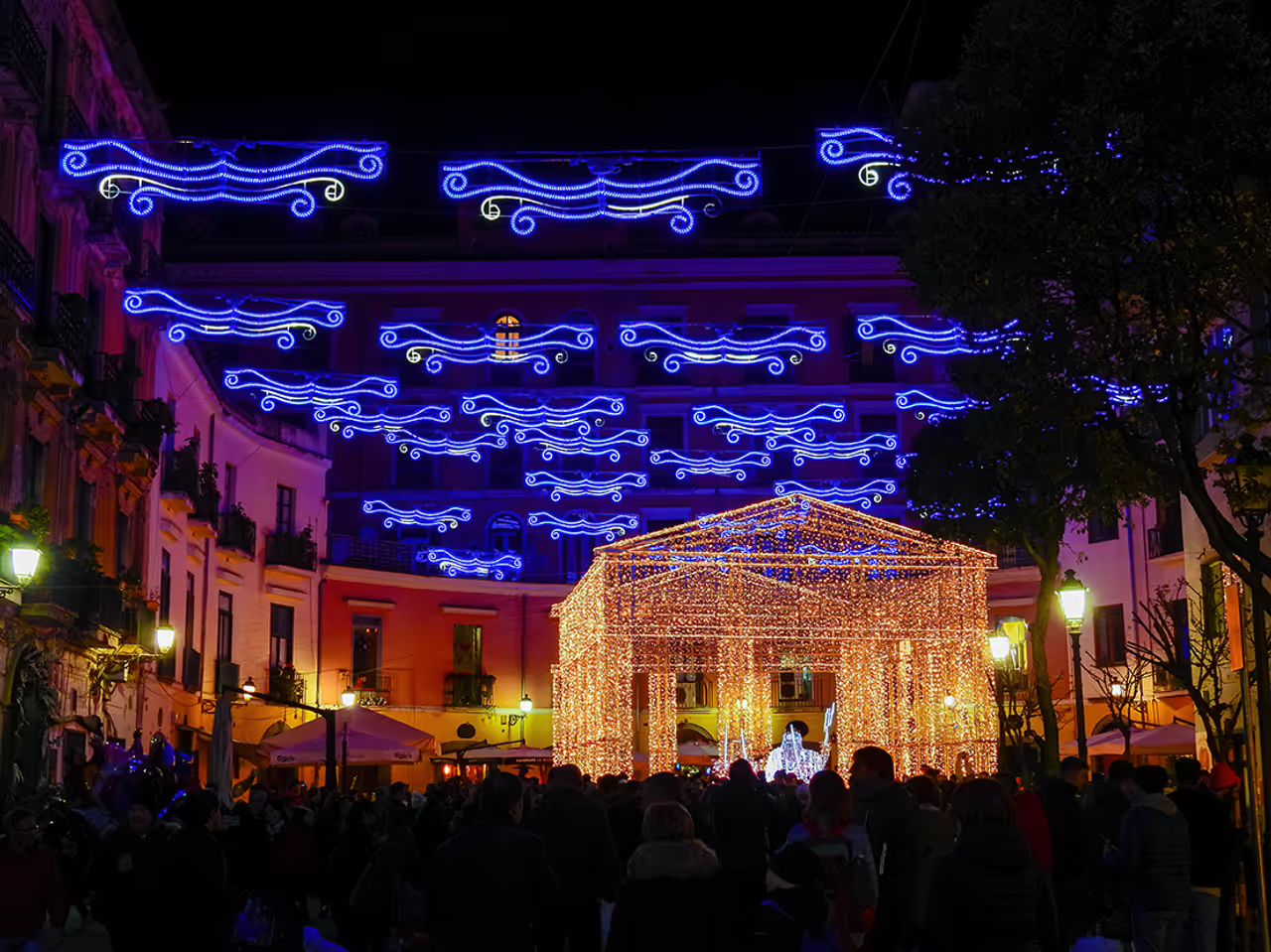
91mArtists' Lights Festival
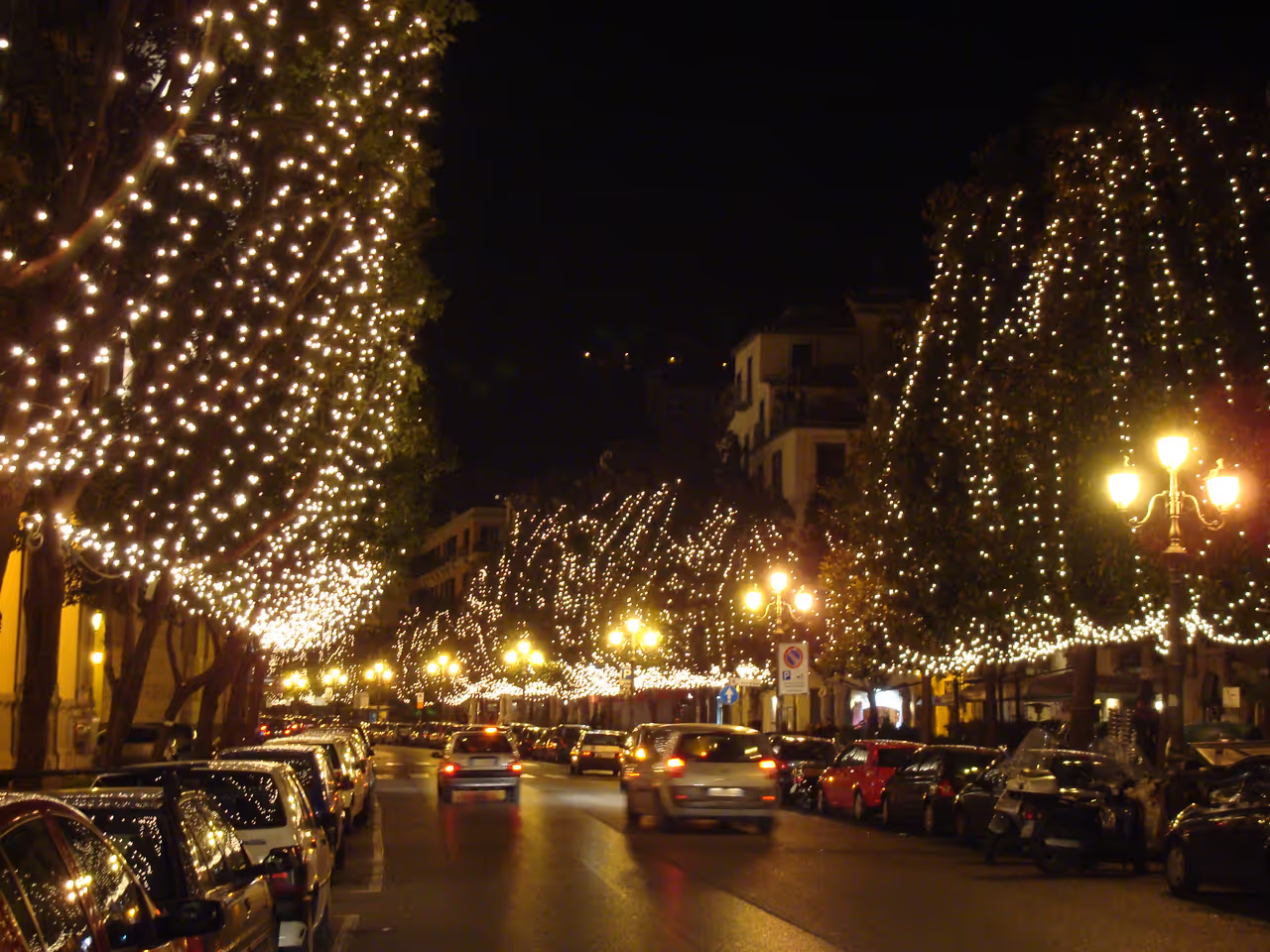
Taking place through the winter months, this spectacular light festival completely transforms the city. Streets, piazzas, and parks are adorned with elaborate, large-scale light installations designed by various artists. The themes change yearly, ranging from enchanted forests to mythical creatures. It is a magical experience that draws visitors from all over the country, bringing a festive, glowing atmosphere to the maritime air. The grand Christmas tree in Piazza Portanova is always a focal point.
festival view- 91m
Salerno Literature Festival
Defined as one of the most important literary festivals in southern Italy, this week-long event celebrates the written word in all its forms. It features engaging encounters with renowned authors, theatrical readings, and musical performances. Many events are hosted in hidden courtyards, deconsecrated churches, and historic spaces that are usually closed to the public. It is a fantastic celebration of culture that brings a sophisticated energy to the city.
festival view 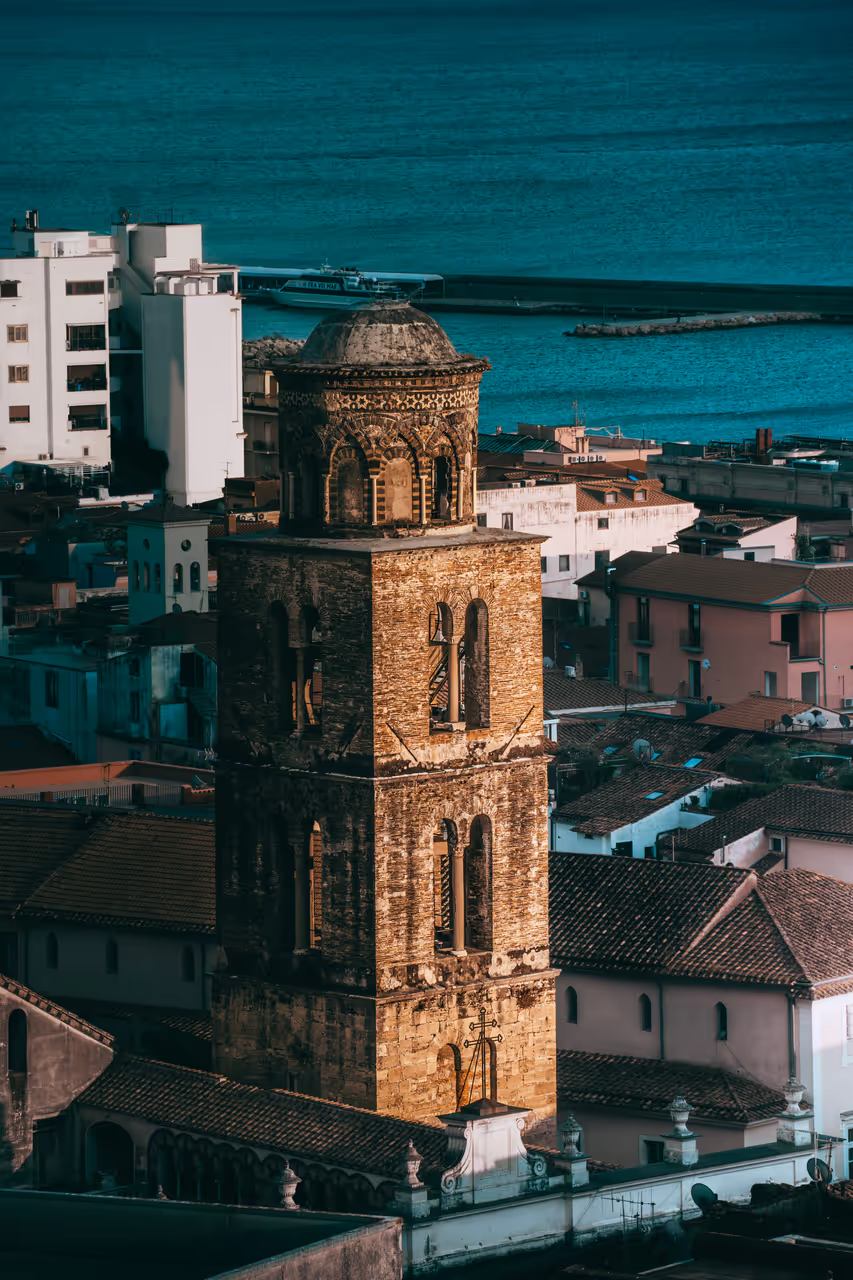 99m
99mSalerno Cathedral
Stepping into the Salerno Cathedral offers a journey into the heart of Mediterranean history, where Norman power meets delicate Byzantine artistry. This architectural masterpiece stands as a unique testament to the cultural fusion of the Middle Ages, housing the crypt of Saint Matthew the Apostle in a space of profound devotion and mystery. Visitors are captivated by the rare atrium, which remains one of the few surviving examples of a Romanesque quadriportico in Italy. The cathedral serves as a living sanctuary, preserving legends of miracles and local heroes within its ancient walls. Its atmosphere invites quiet contemplation, allowing you to appreciate the intricate mosaics and storied past that define the city's character. Whether you are an architecture enthusiast or a curious traveller, this site promises a meaningful encounter with the traditions that have shaped the region for nearly a thousand years.
attraction view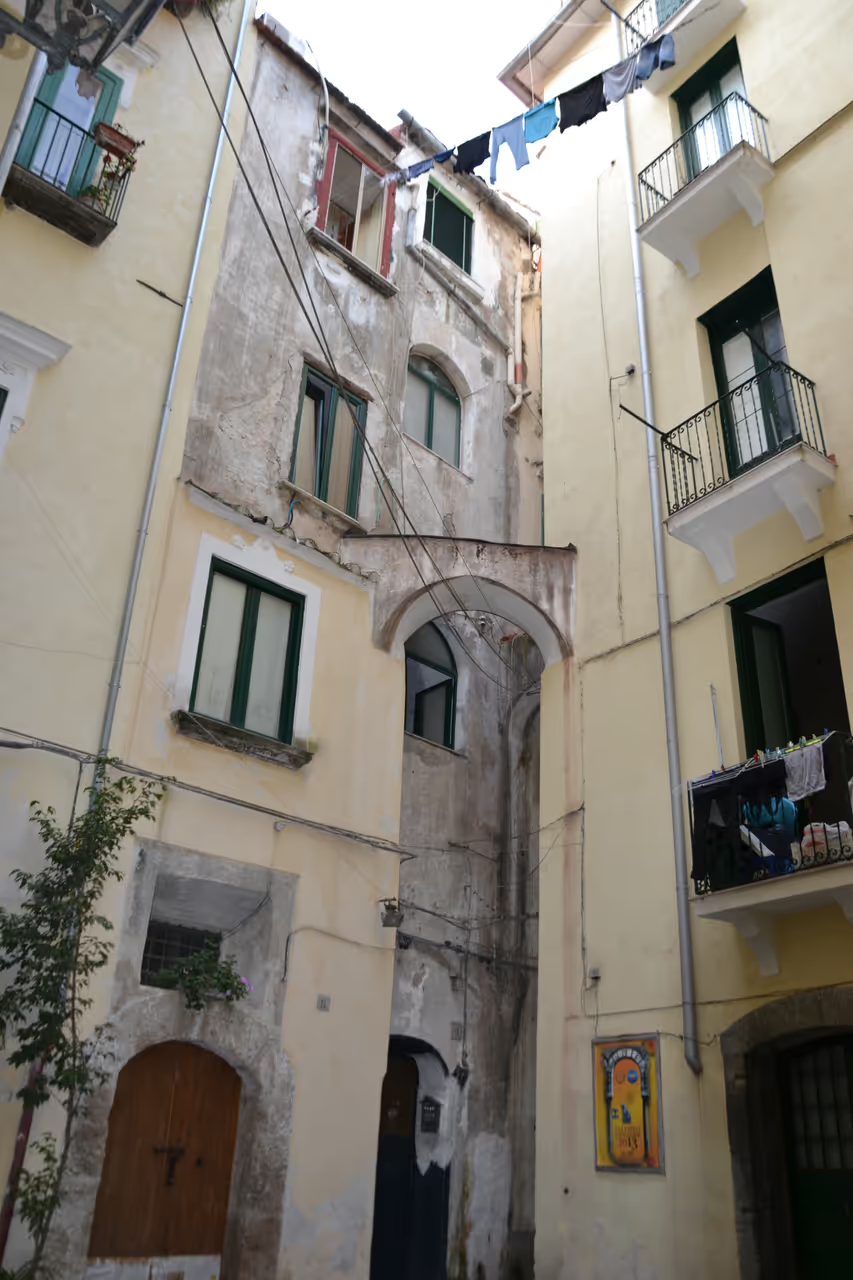 180m
180mAlfonso Tafuri Ceramic Museum
Born from the private initiative of a passionate collector, this small museum is a hidden treasure trove of regional ceramic art. It houses a brilliant collection of colourful 'riggiole' (traditional tiles) from 18th-century Naples and 19th-century Vietri. It also displays ancient working tools dating back to the 13th century. It offers an intimate, quiet look at the craftsmanship that has defined the Amalfi Coast's aesthetics for centuries.
hidden gem view
Explore Similar Places in This Collection
Featured on This Itinerary
See all attractions in Salerno
Salerno Cathedral, Arechi Castle, Provincial Archaeological Museum of Salerno, San Pietro a Corte Archaeological Complex...