Arechi Castle
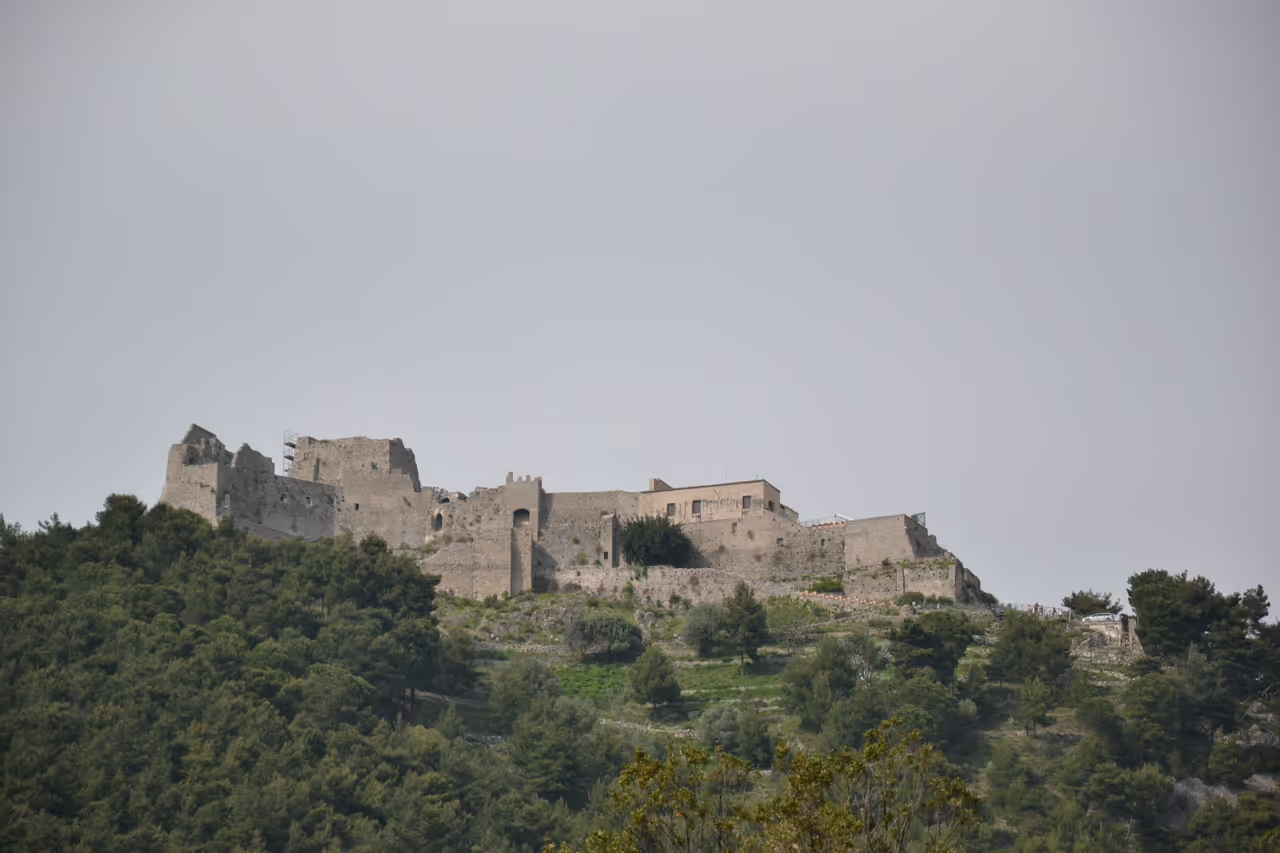
Perched high on the Bonadies mount, Arechi Castle watches over the Gulf of Salerno with centuries of history written into its stone walls. This medieval fortress has stood firm through countless sieges and changing dynasties, never once falling to an external enemy by force. Visitors can explore the ancient ramparts, wander through rooms that once housed Lombard dukes and noble families, and discover a museum packed with fascinating archaeological finds. The panoramic views from the terrace are unmatched, offering a sweeping look at the coastline that stretches towards the horizon. It is a place where legends of ghosts, secret passages, and daring military strategies feel very much alive today.
Videos
History of Arechi Castle
The history of Arechi Castle is a testament to the strategic importance of the Gulf of Salerno. It began as a Byzantine military outpost in the 6th century, placed atop the Bonadies hill to survey the surrounding waters. However, it was the Lombard Prince Arechi II who truly transformed the site in the 8th century, integrating it into a grand defensive triangle that protected the city. The position was so naturally advantageous and the walls so well maintained that it gained a legendary reputation as a place that could never be conquered by steel or stone.
Events spanning 1425 years
Fun Facts
- • A secondary tower known as the Bastiglia was constructed on a nearby rocky spur by the Normans to guard blind spots that the main castle could not see.
- • Archaeological digs uncovered a trove of Norman silver denari from Rouen, which historians believe were lost during a skirmish in the courtyard.
- • Beneath the terrace, excavations revealed frescoes depicting Saint Catherine of Alexandria and Saint Leonard, the patron saint of prisoners, indicating that sections of the underground were used for detention.
- • During the Angevin era, the castle was equipped with a surprisingly sophisticated bathhouse system that utilised the site's numerous cisterns.
- • During the medieval period, the hill was kept completely stripped of trees to ensure that any enemy approaching the castle would be instantly visible to guards.
- • In the 16th century, the English traveller Thomas Hoby visited the castle and described a treacherous journey, having to climb over raw rock faces because the access roads had not yet been built.
- • Restoration work in the modern era included the clever installation of an elevator inside a pre-existing cistern to improve accessibility without ruining the historic facade.
- • The castle is famously known as impregnable, having never been conquered by an external military force through direct assault.
- • The castle was featured on a 1992 postage stamp, solidifying its status as an iconic symbol of Italian heritage.
- • The hill name Bonadies translates to good morning because it catches the first rays of sunlight at dawn before the rest of the city.
- • The museum displays a rare collection of spiral ware ceramics from the 12th century, notable for their intricate green and brown geometric patterns.
- • The site served as a luxurious residence for the powerful Sanseverino family, who hosted summer retreats here away from the heat of the city below.
RESOURCES
Official WebsiteArechi Castle FAQ
While we strive to keep this information accurate and up to date, we recommend verifying any details independently before making decisions based on them.
Arechi Castle Map & Neighborhood Explorer
This interactive map is centered on Arechi Castle. Zoom in and move the map around to automatically discover Wikipedia photos and summaries of other nearby sights, monuments, and historical points of interest and stories in real-time!
Places near Arechi Castle
Make the most of your trip. Check out these top-rated spots located nearby.
 139m
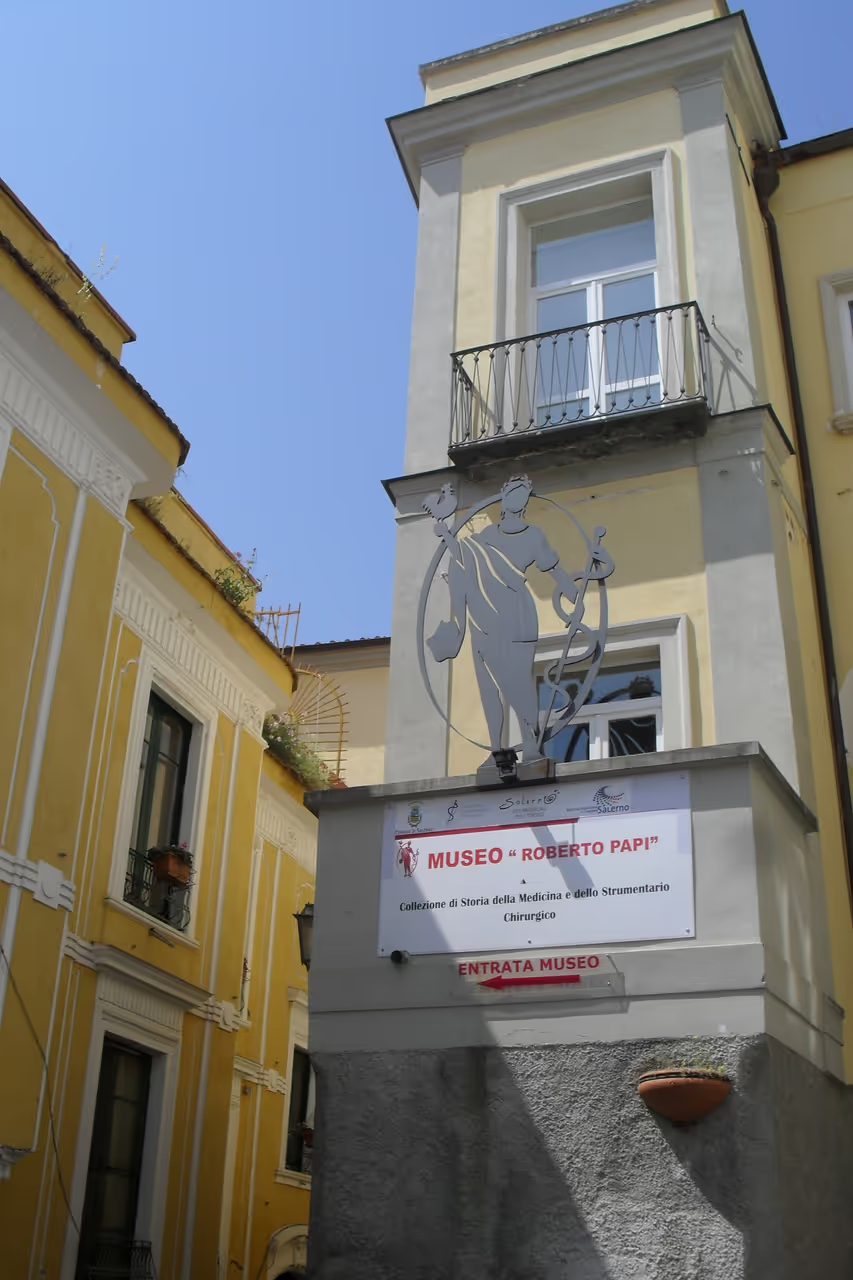
139mRoberto Papi Museum
Housed inside the historic Palazzo Galdieri, this quirky museum contains one of the most important collections of antique medical and surgical instruments in the world. Assembled by a passionate private collector, the displays feature everything from beautifully crafted 17th-century amputation saws to early dental tools. It directly connects to the city's legacy as a medieval medical powerhouse. The exhibits are fascinating, slightly macabre, and completely captivating.
hidden gem view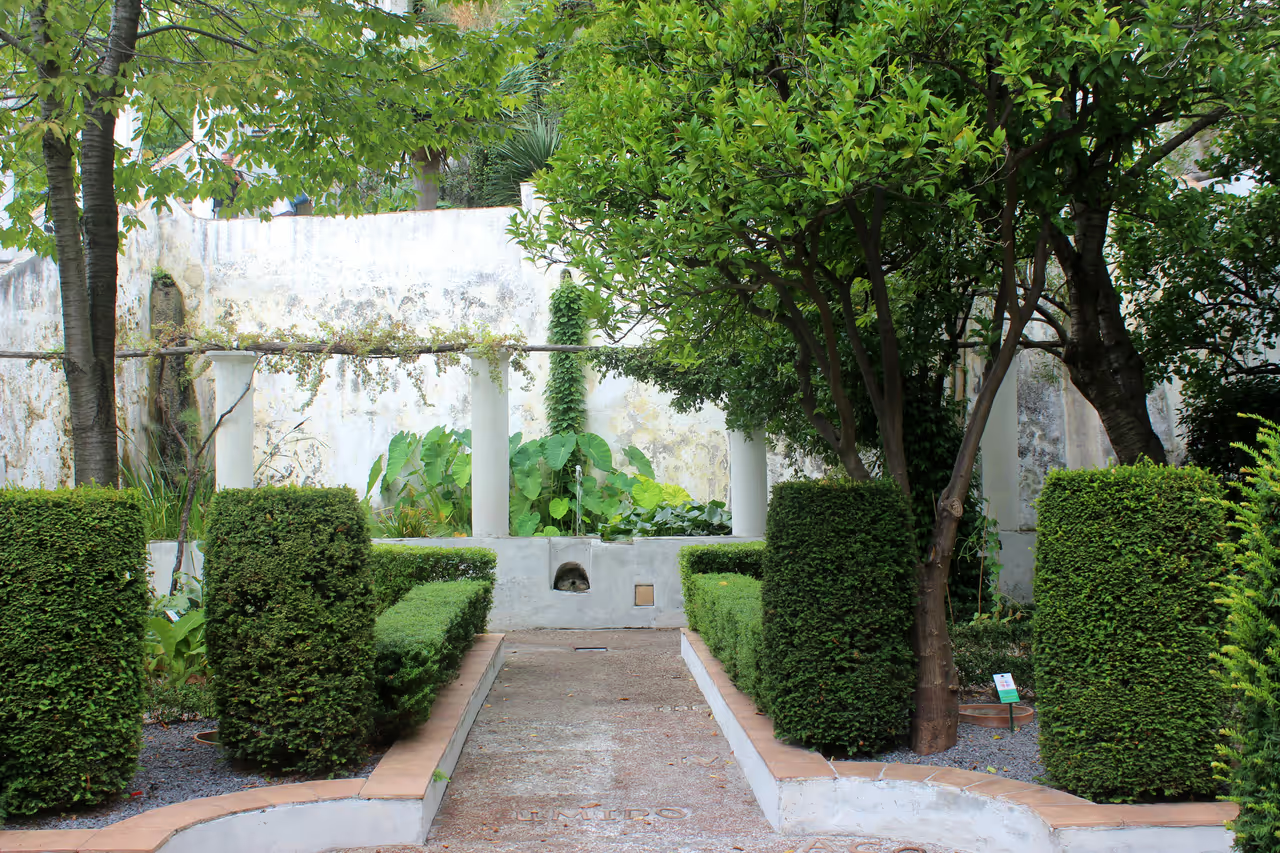 159m
159mGiardino della Minerva
Nestled in the historic heart of Salerno, this ancient site stands as a living testament to the renowned Scuola Medica Salernitana. Originally established as a botanical teaching garden in the fourteenth century, it is widely considered the precursor to modern botanical gardens across Europe. Visitors can wander through sun drenched terraces, admire the centuries old irrigation systems, and discover rare medicinal plants once used by medieval physicians. The garden offers a peaceful sanctuary with sweeping views over the city and the sea. It is a place where history, botany, and breathtaking landscapes converge to offer a truly unforgettable experience.
park & nature view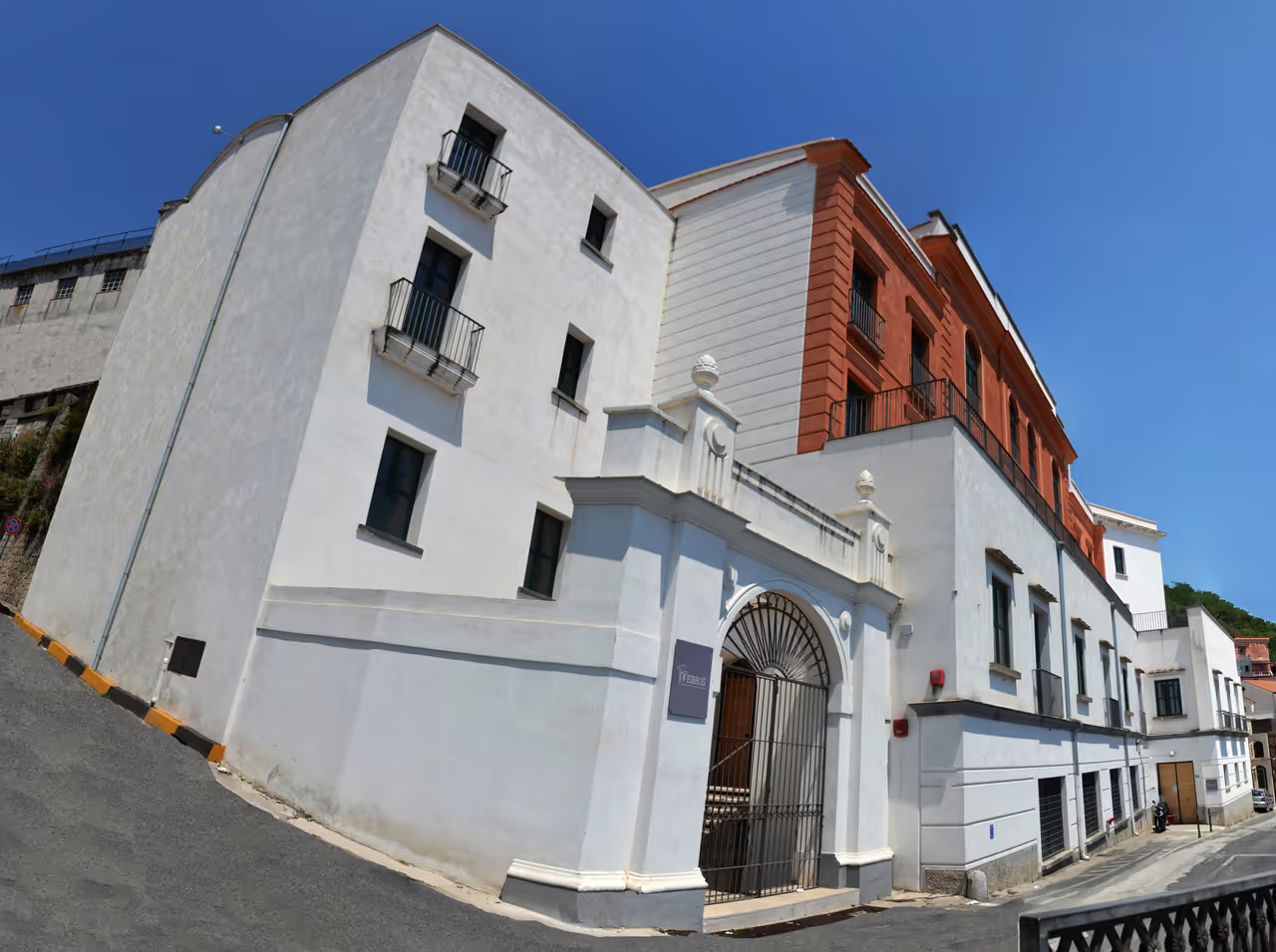 205m
205mConvent of Saint Nicholas
Sitting high in the historic centre, this restored 11th-century convent is a brilliant example of history meeting the future. Originally built over Roman thermal baths, it is widely believed to be one of the places where the medieval medical school first took its steps. Today, beautifully restored, it houses the European Biomedical Research Institute. While not a traditional museum, admiring its architecture and understanding its continued scientific legacy is highly rewarding.
hidden gem view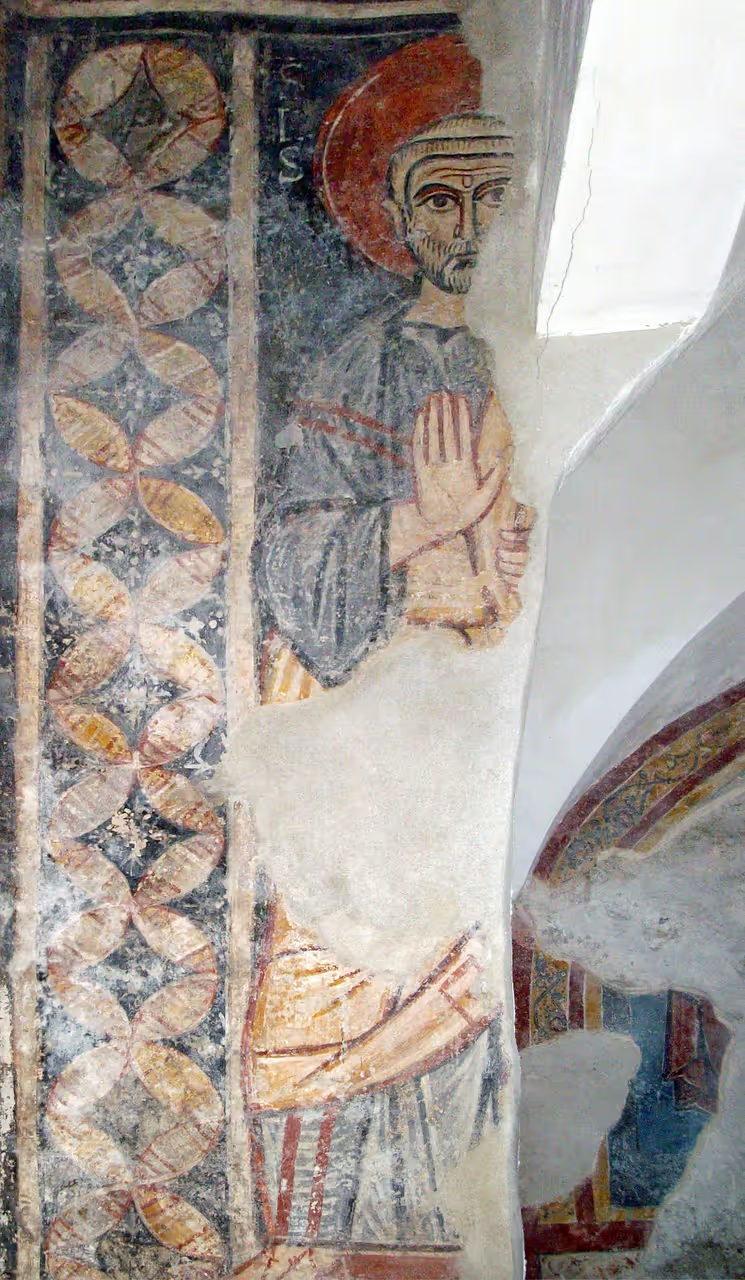 226m
226mSaint Mary of the Blade
Tucked away in the labyrinthine historic centre, this ancient church is incredibly easy to walk right past. However, inside lies one of the city's greatest artistic treasures: the only surviving examples of authentic Lombard-era fresco painting in Salerno. Built over a Roman structure, the church feels delightfully raw and authentic. It is lovingly maintained by volunteers from the Touring Club Italiano, who are always eager to share its secrets.
hidden gem view
Explore Similar Places in These Collections

Featured on These Itineraries and Routes
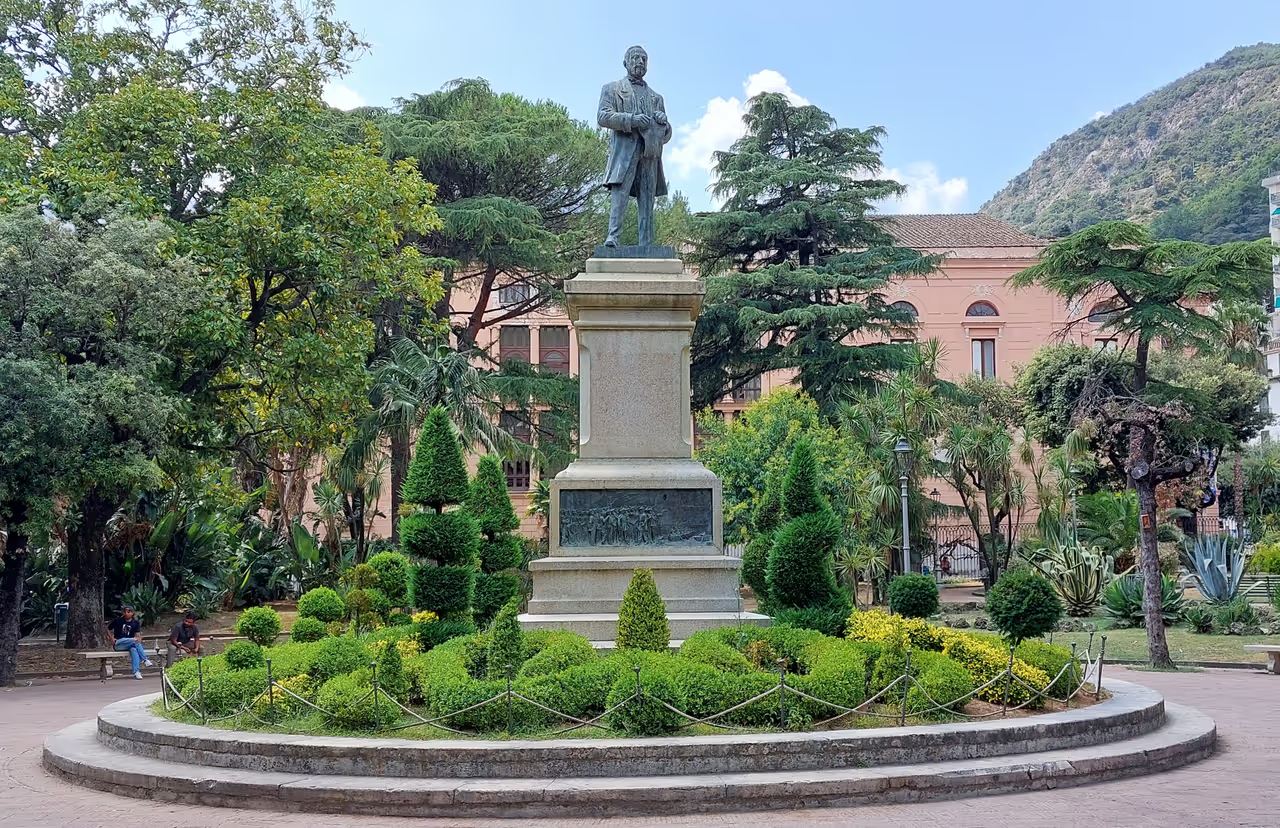
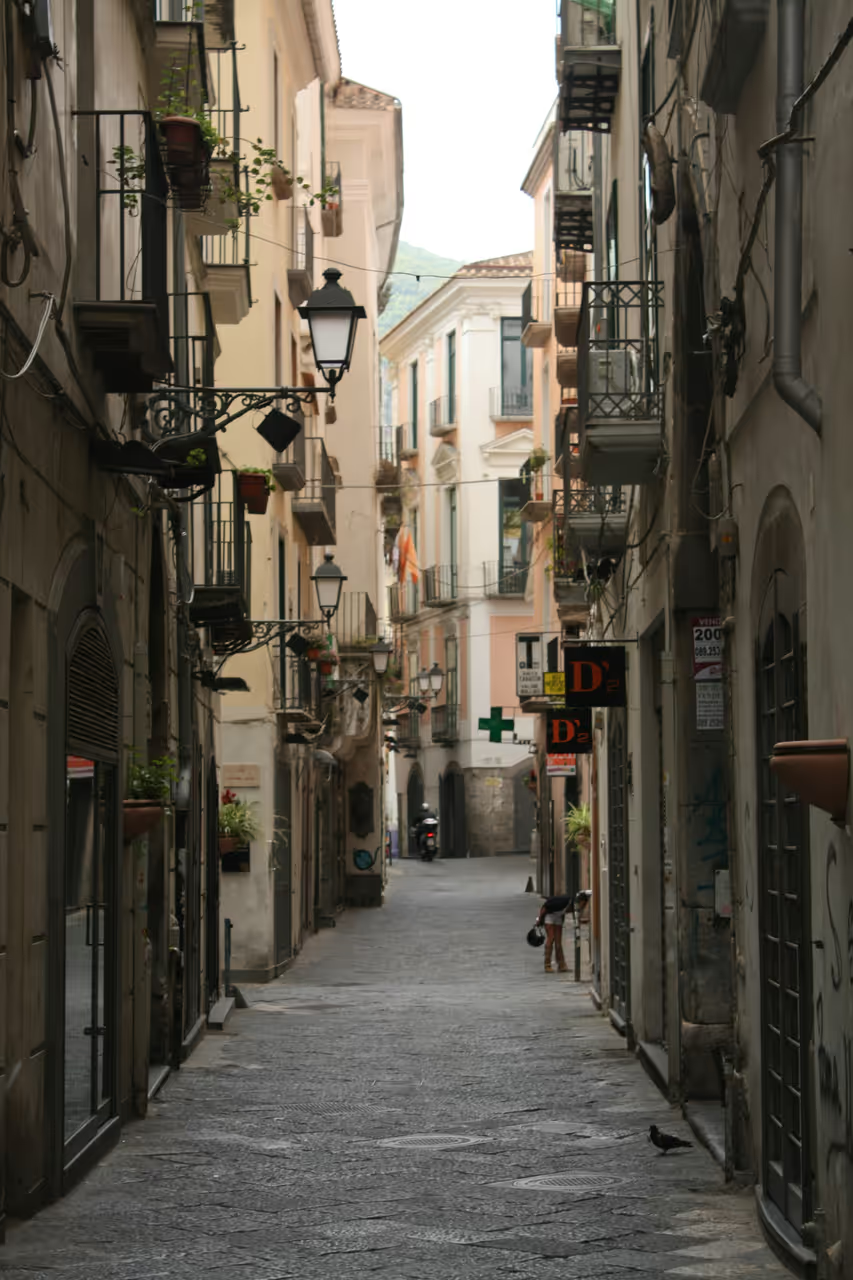
3 Days in Salerno Itinerary
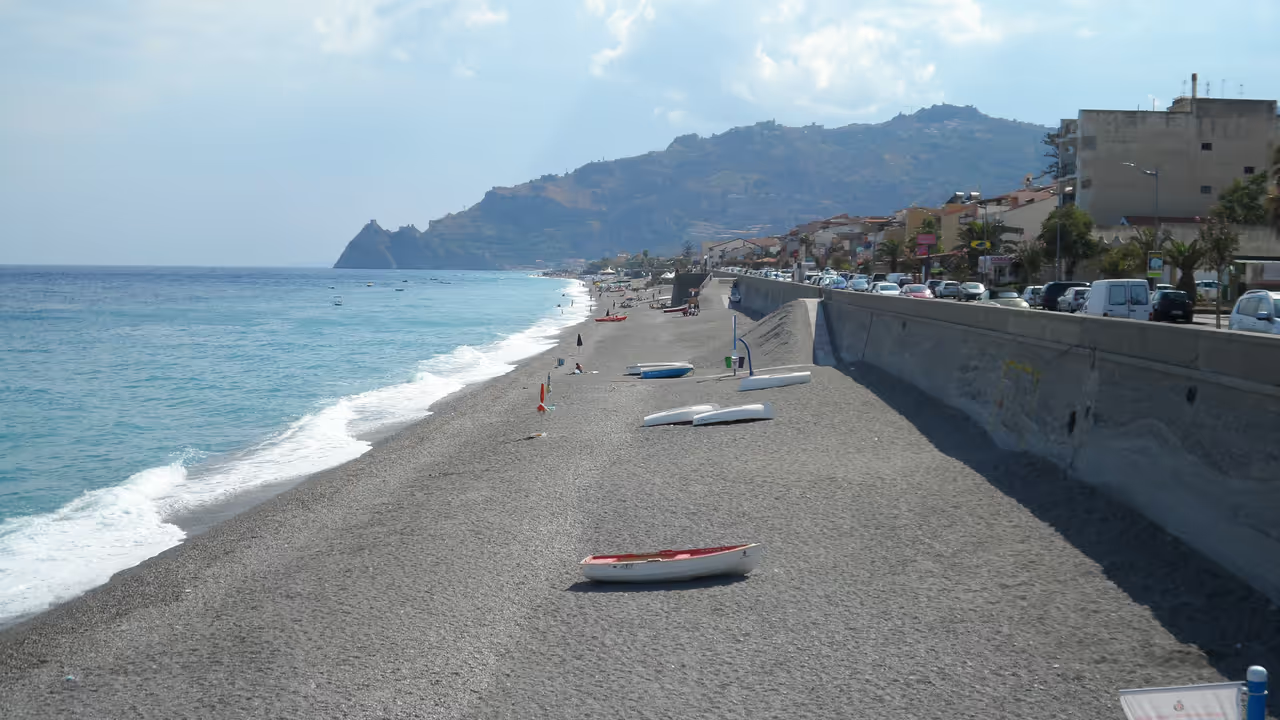
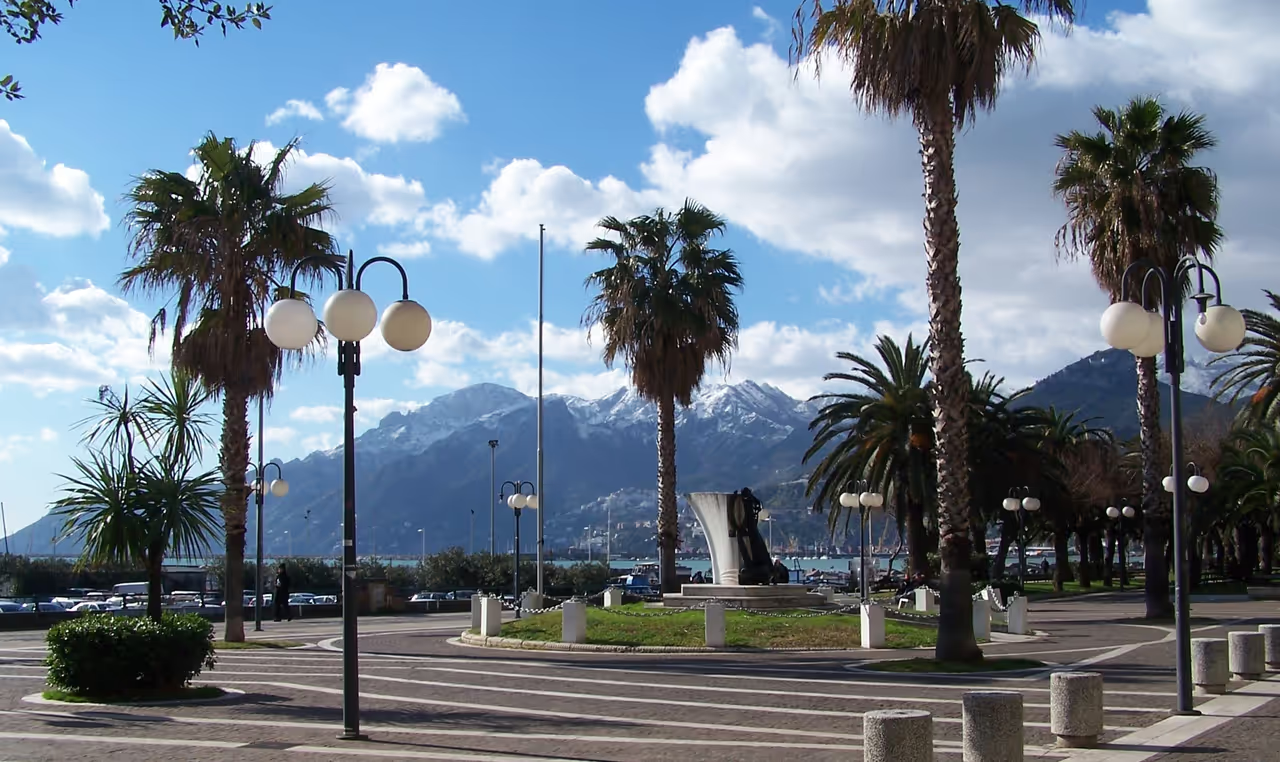
With three days, you can move beyond the surface and truly appreciate the layers of history and culture here. This route introduces the grand Lombard fortresses, delves into the city's architectural evolution, and provides ample time to enjoy the local lifestyle. It balances rigorous historical sightseeing with relaxing coastal strolls, ensuring a comprehensive and enjoyable city break.
view itinerary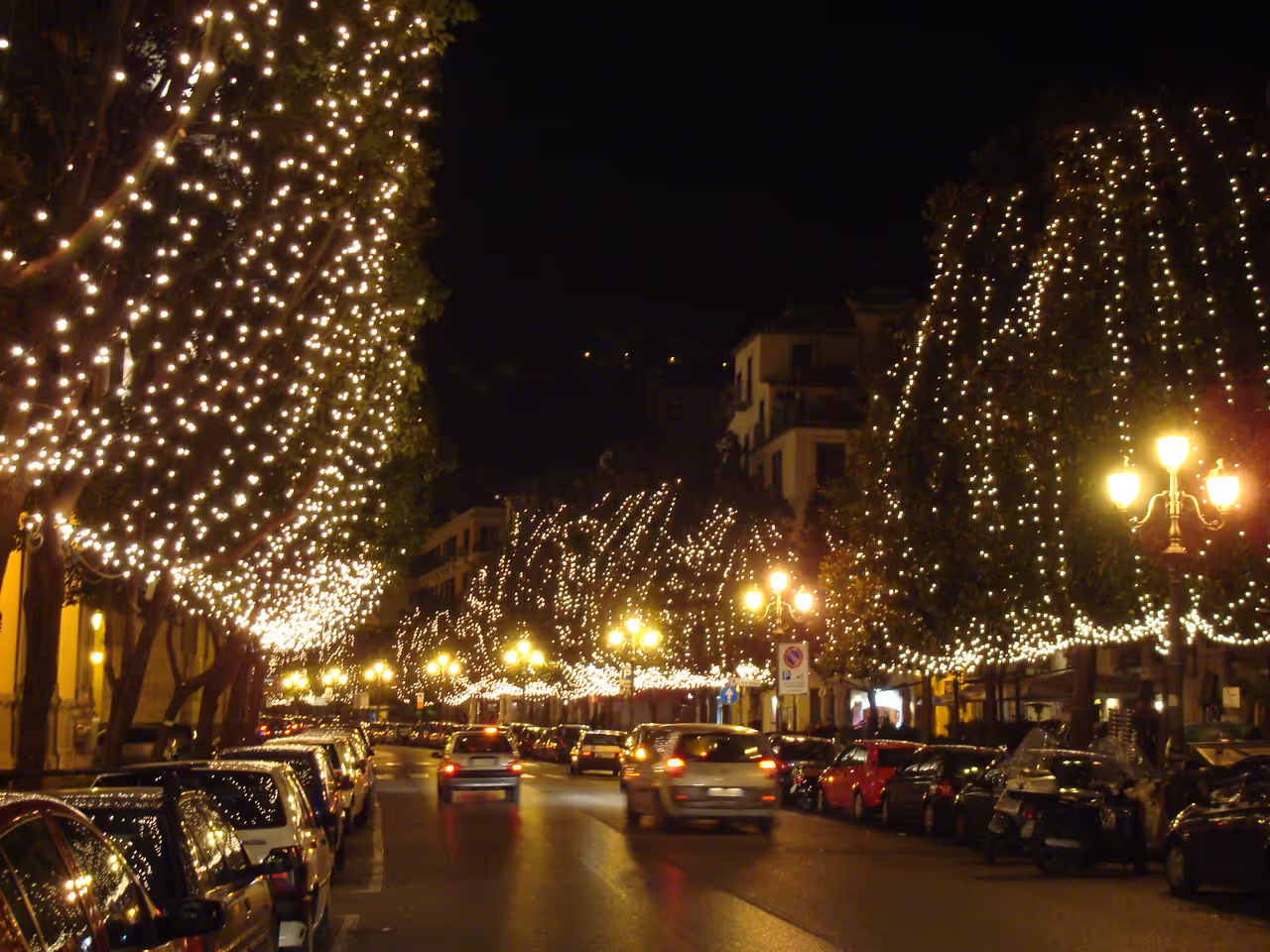
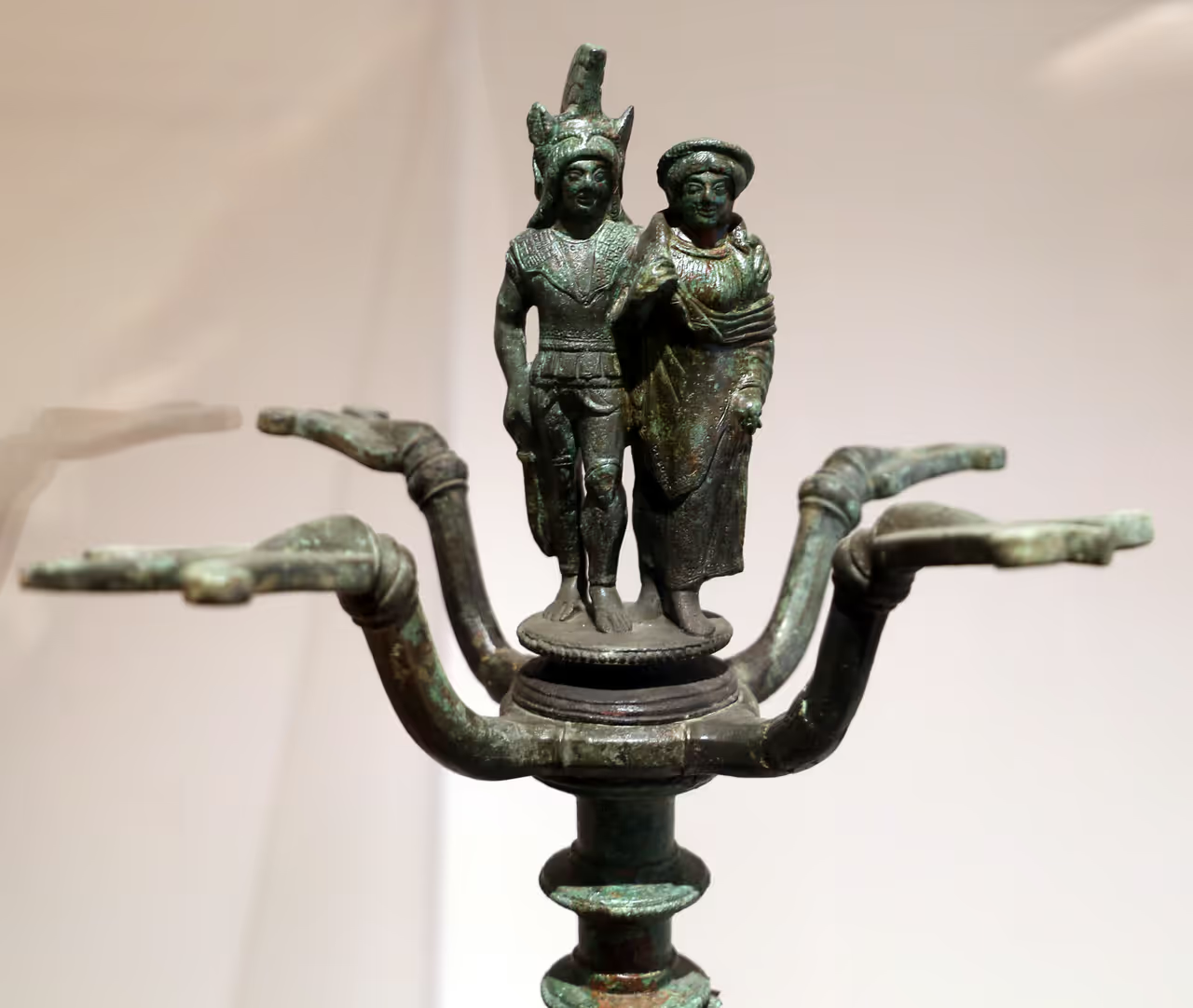
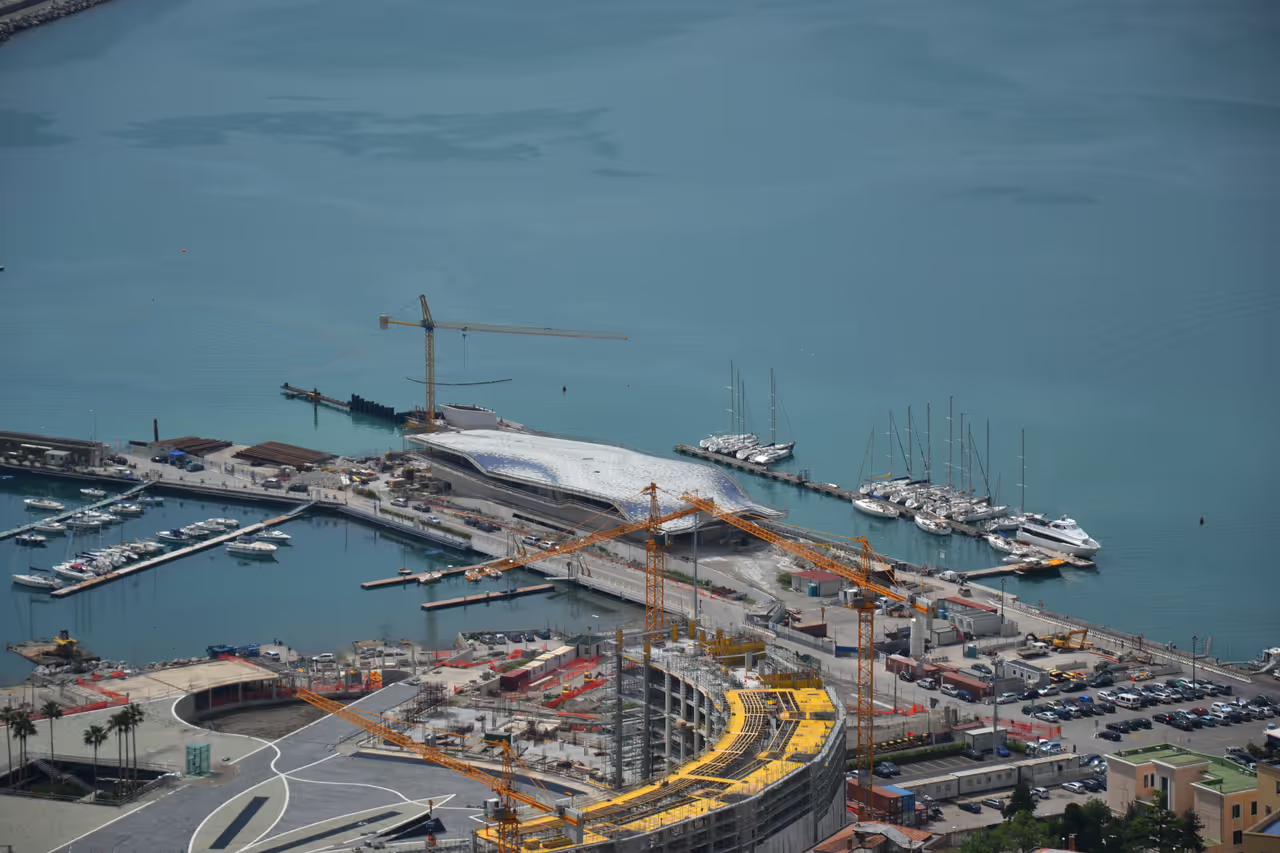
5 Days in Salerno: The Complete Experience Itinerary
Five days allow you to become temporarily local. You will uncover hidden gems, explore off-the-beaten-path museums, and discover the city's impressive green parks. This itinerary ensures you see every facet of Salerno, from its ancient medical instruments to its futuristic marinas, with plenty of time factored in for leisurely lunches and evening aperitivos.
view itinerary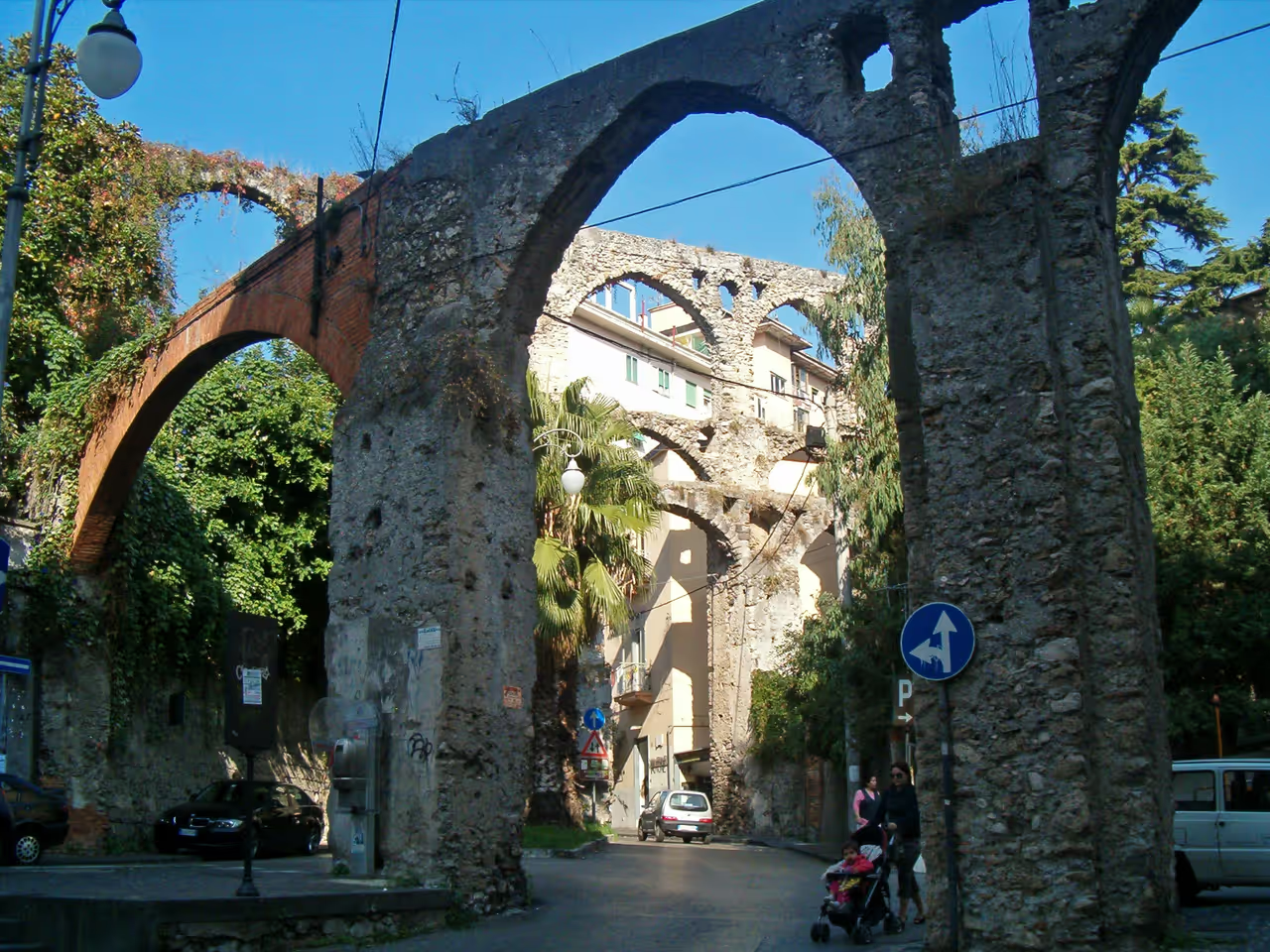
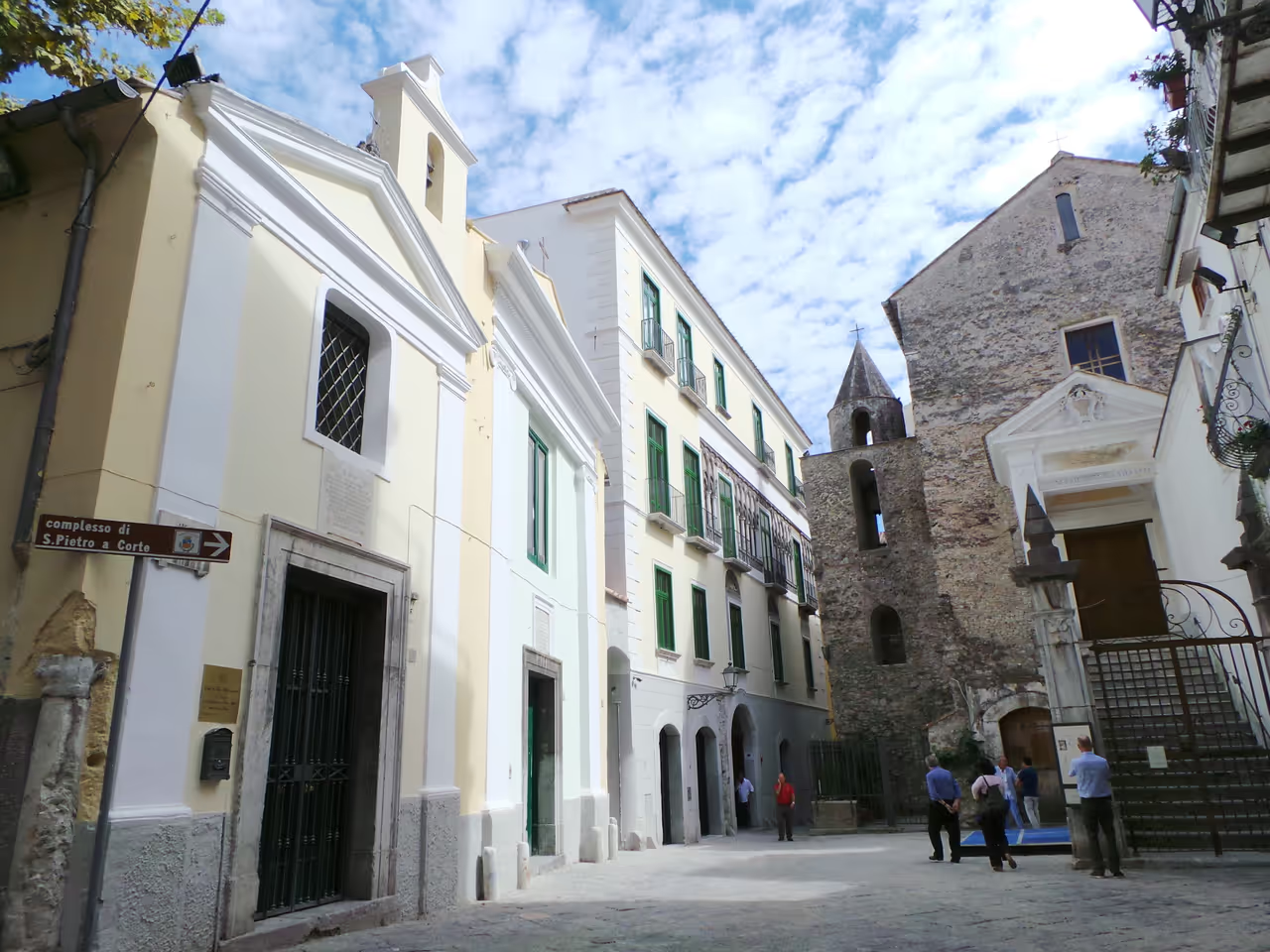
Footsteps of the Lombard Princes
This tour dives deep into Salerno's golden age, a time when it was the capital of a vast, independent Lombard principality. You will explore the monumental structures and hidden chapels built by ambitious rulers like Arechi II. It is a journey through a fascinating, often overlooked period of Italian history, where Germanic warriors transformed into sophisticated Mediterranean monarchs. The architecture you will encounter is incredibly rare and historically vital.
view self-guided tour
See all attractions in Salerno
Salerno Cathedral, Diocesan Museum of Saint Matthew, Provincial Archaeological Museum of Salerno, San Pietro a Corte Archaeological Complex...