Genoa
Full City Guide, Map & 111 Things To Do
558,745 people live here.
That's 0.92% of the entire population of Italy.
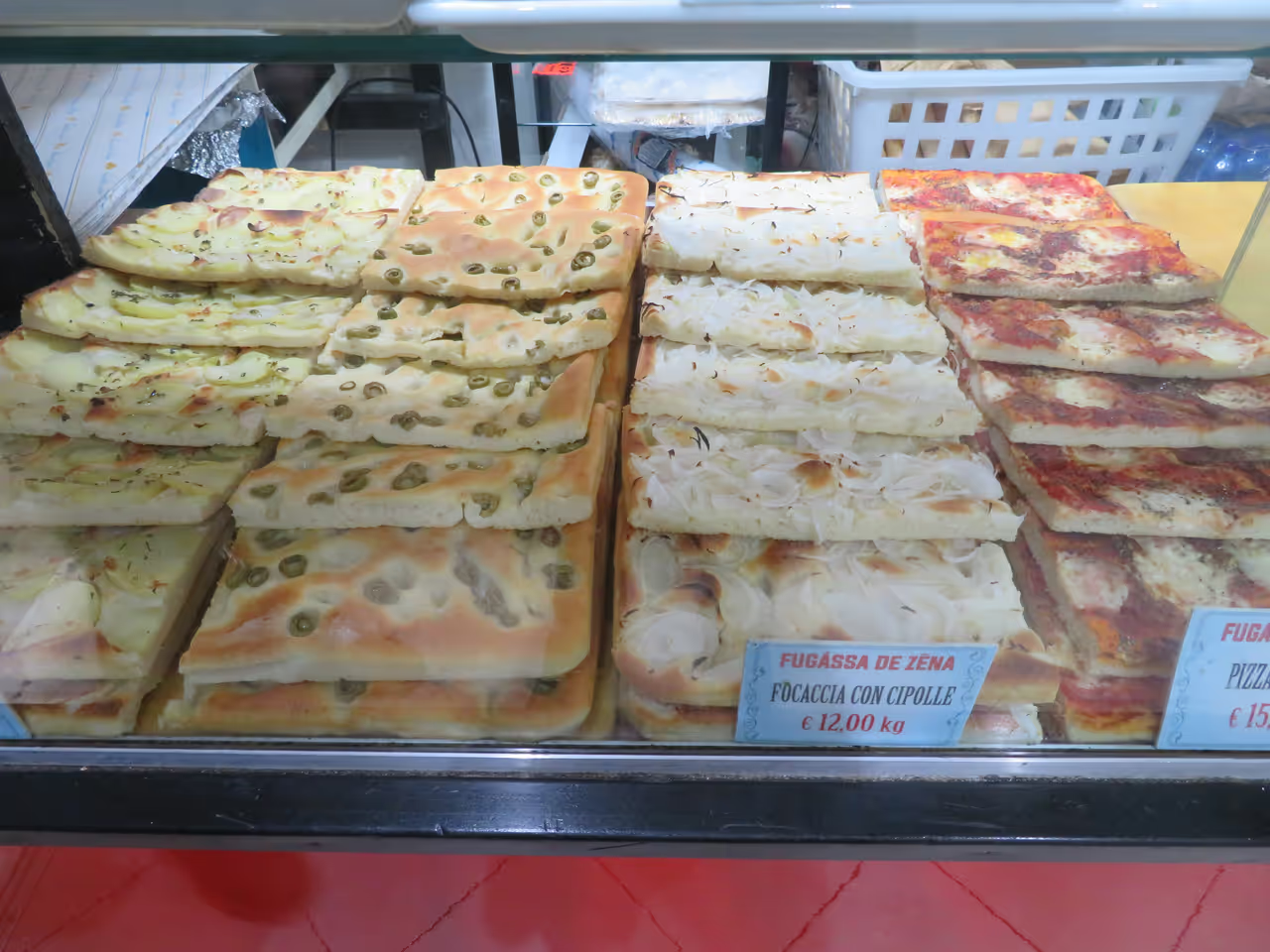
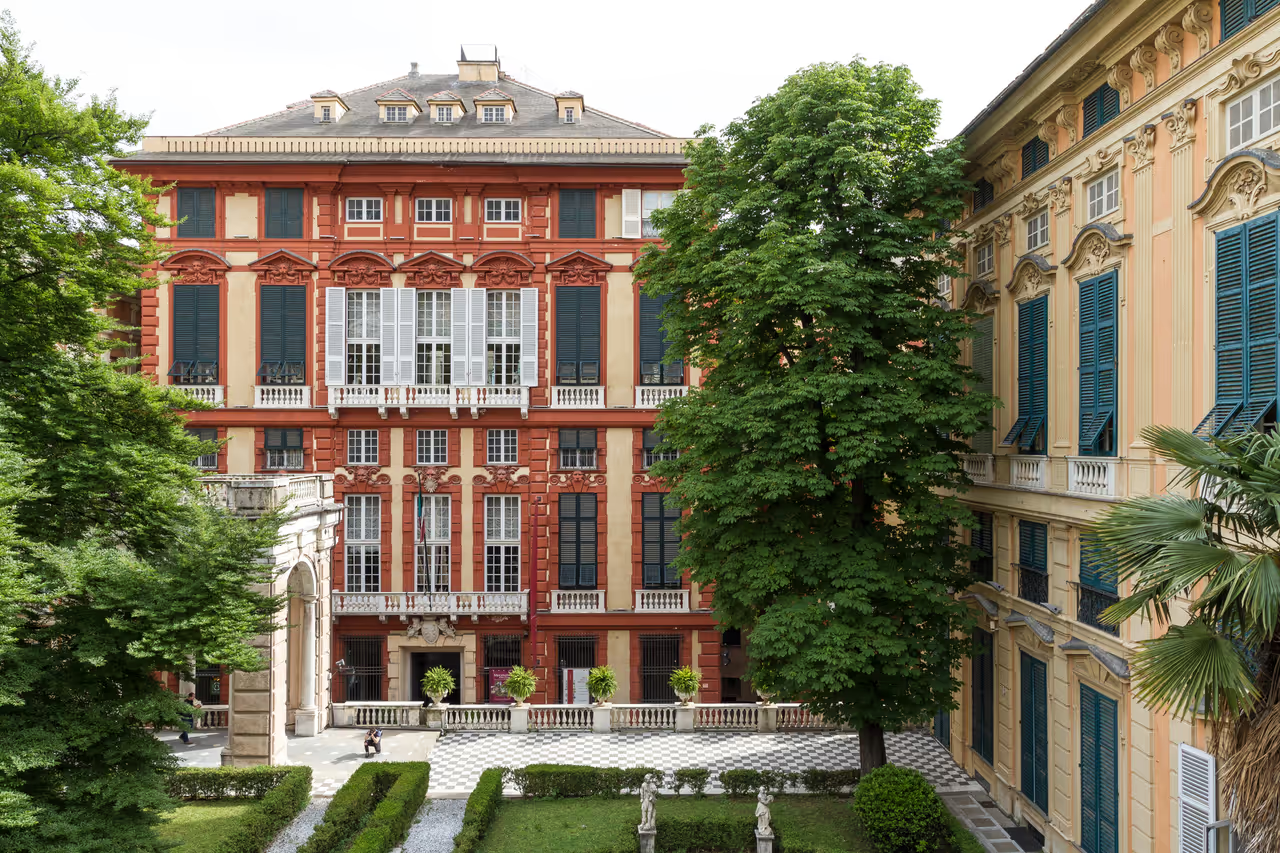
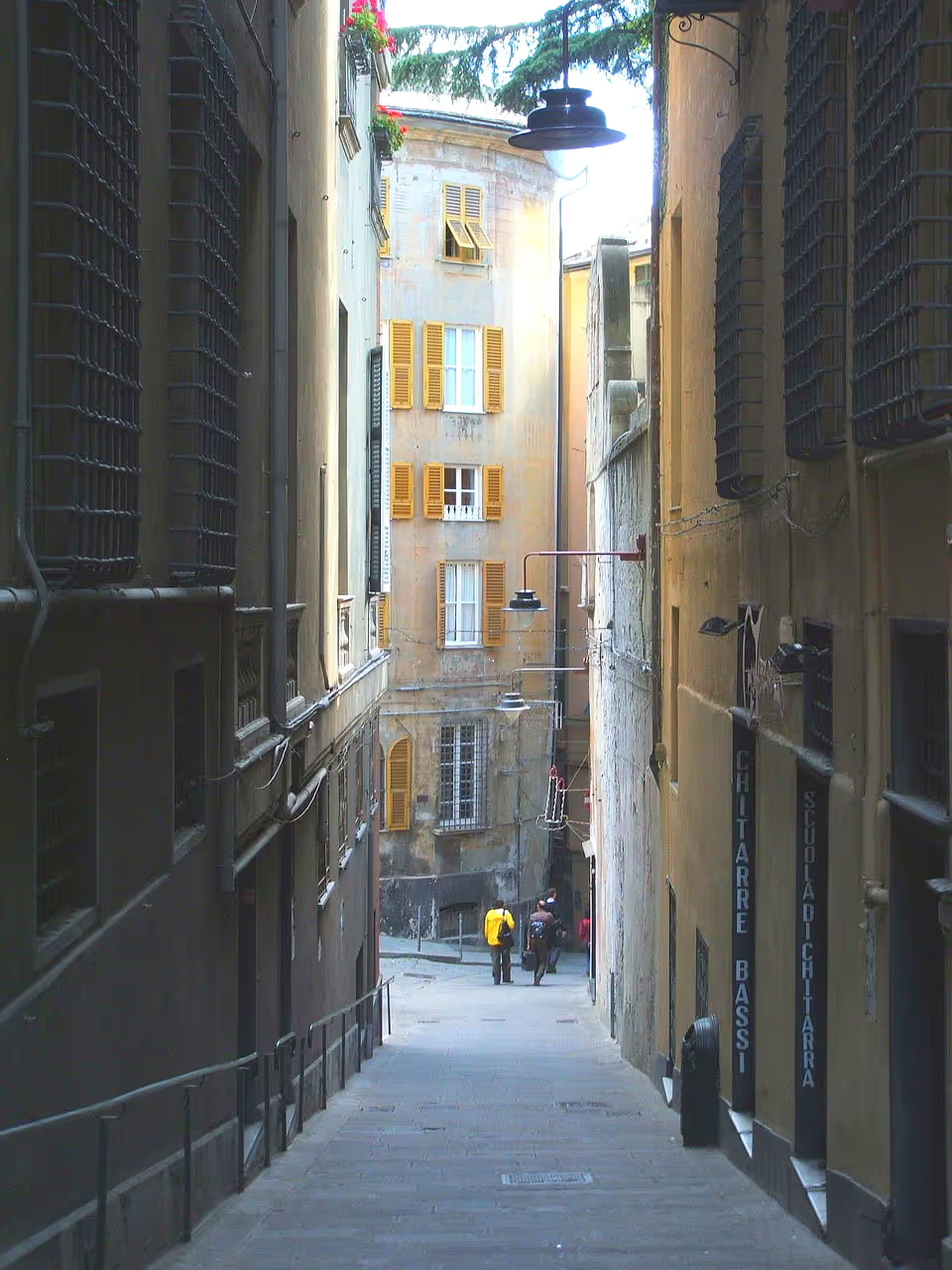
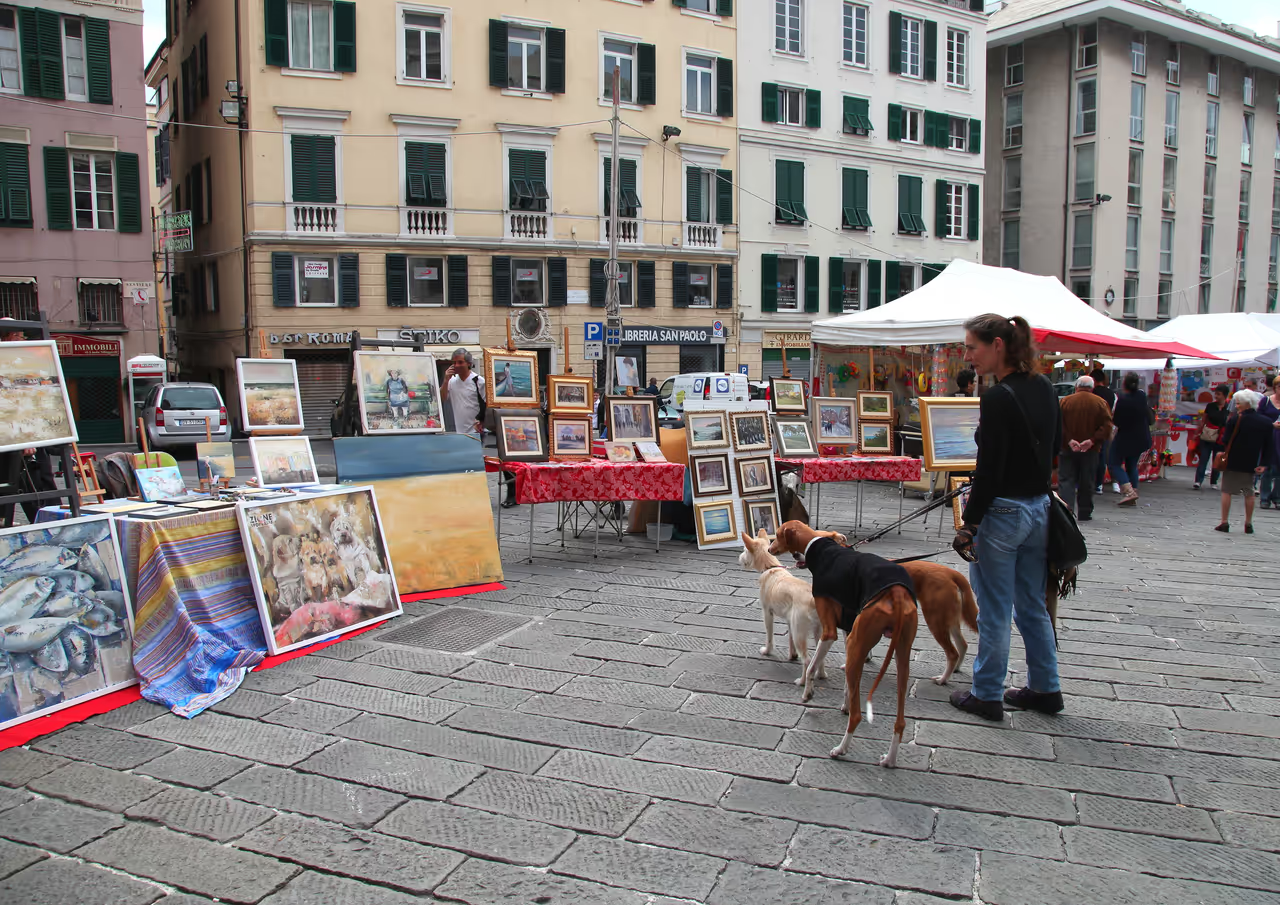
Genoa climbs so steeply from its harbour that parts of the old town are easier reached by public lift than on foot. The caruggi, its medieval alleys, run so narrow that direct sunlight rarely touches the ground floor, then open without warning onto squares ringed with tall, frescoed palace facades from the city's centuries as a maritime republic that once rivalled Venice. Via Garibaldi holds a run of these Renaissance palaces, several now open as museums, their painted ceilings visible to anyone who buys a ticket. Down at the water, the old port was redeveloped in the 1990s by Renzo Piano, a Genoa-born architect, and now holds Italy's largest aquarium inside a converted harbour building, while the fish market a few streets back still opens before dawn. It's a working port city first, so some of the caruggi near the harbour feel genuinely rough after dark, and the focaccia sold at bakery counters was built to feed dockworkers at sunrise, not tourists.
Genoa DNA
History of Genoa
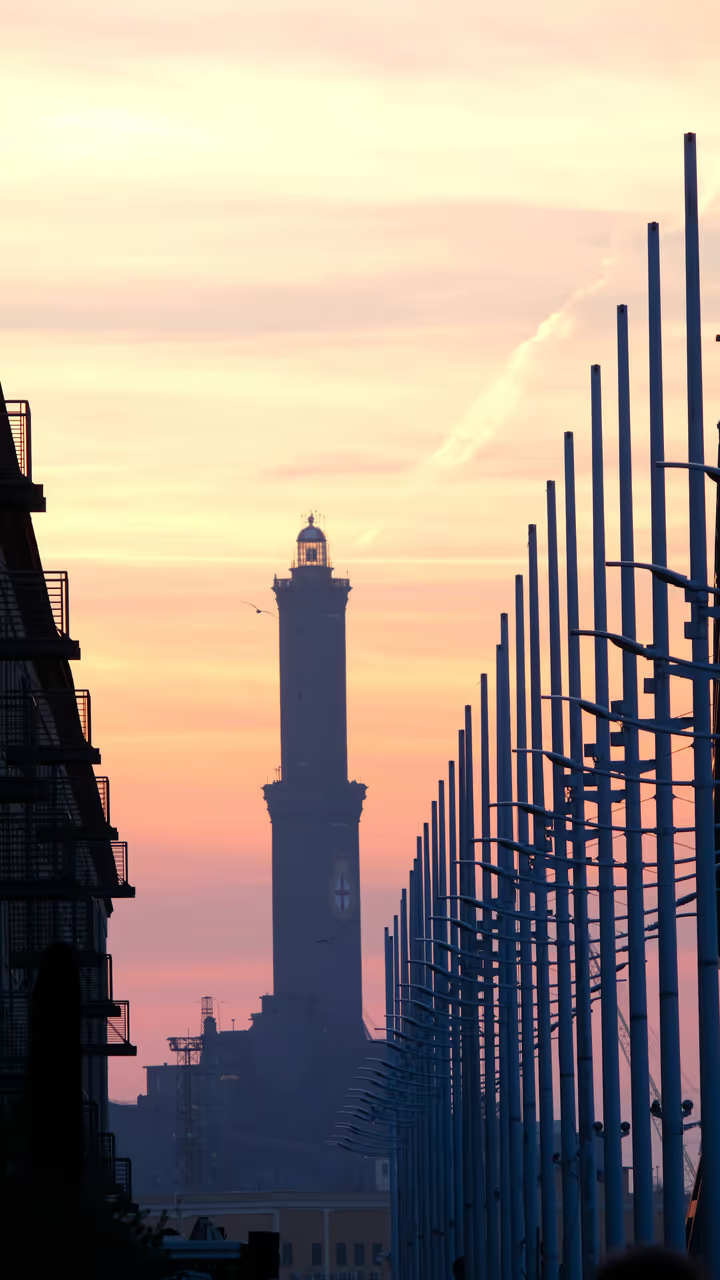
Before it was a maritime superpower, this coastline was a muddy river mouth where Ligurian tribes traded timber and honey. Archaeologists digging under Piazza della Vittoria unearthed wooden stilts from five thousand years before the common era. The Romans later called the settlement Genua, a name likely derived from an ancient root meaning mouth or jaw, pointing directly to the estuary of the Bisagno river. These early settlers were practical people who understood the value of their sheltered inlet. They built a trading post that would eventually swell into an intimidating walled city. A relentless focus on commerce shaped the local character early on. The Middle Ages transformed a busy port into a feared sovereign state. The locals operated under a popular medieval maxim stating that to be Genoese was to be a merchant. They treated the Black Sea as a private harbour, establishing heavily fortified colonies in places like Caffa in Crimea and Pera in modern Istanbul. Their galleys brought back spices and silk, turning the city into a financial titan. In 1407, they established the Banco di San Giorgio. This was arguably the world's first state deposit bank. Through it, local financiers effectively held the purse strings of the Habsburg monarchy. American silver arriving in Seville was quickly funnelled here to fund European wars. Spanish rulers even granted local merchants control over Panama, allowing them to expand their trade networks all the way to the Philippines. Centuries of fierce independence evaporated in a surprisingly short time. The French Revolution sent a political shockwave across the Alps, forcing the republic under Napoleonic control in 1805. Occupying troops looted priceless art, boxing up Giulio Romano's Martyrdom of Saint Stephen and shipping it to the Louvre. When Napoleon fell, the victorious European powers at the 1815 Congress of Vienna did not restore the republic. They handed the territory to the Kingdom of Sardinia, much to the disgust of the locals. Resentment boiled over in 1849 when citizens staged an armed uprising to regain their freedom. Piedmontese General Alfonso La Marmora marched in and crushed the rebellion with brutal artillery fire, cementing a deep local distrust of outside authority. The modern era brought heavy industry and devastating conflict to the waterfront. During the Second World War, the city suffered relentless bombing campaigns and a harsh occupation. In the final days of the conflict, the retreating German army wired the entire port with explosives. Cardinal Giuseppe Siri successfully mediated a surrender that stopped the destruction of the docks, allowing the partisans to liberate the streets. This preserved infrastructure fueled a massive post-war industrial boom, drawing thousands of workers to new concrete housing estates like the serpentine Biscione complex on the Marassi hillside. The docks eventually pivoted from pure industry to culture, a shift anchored by local architect Renzo Piano. He planted the giant steel Bigo crane over the water for the 1992 Expo. Today, the great beam of the medieval Lanterna lighthouse sweeps over both the roaring container terminal and the revitalised historic harbour.
16 Events spanning 2518 years
Map of Genoa
Interactive Destination & Itinerary Map
This map blends our curated city guides—featuring best photo spots, scenic walks, viewpoints, hidden gems and much more—with a live Wikipedia explorer. Click on our numbered pins to plan your routes, or zoom in on the surrounding neighborhoods to discover verified local landmarks, museums, and stories with dynamic Wikipedia summaries and photos!
Fun Facts
- • The ubiquitous blue jeans get their name from 'Bleu de Gênes' (Blue of Genoa), referring to the sturdy indigo fabric originally worn by Genoese sailors.
- • Legend has it that the English flag featuring St. George's Cross was originally 'rented' from Genoa in 1190, with London ships paying an annual tribute to sail safely under its protection in the Mediterranean.
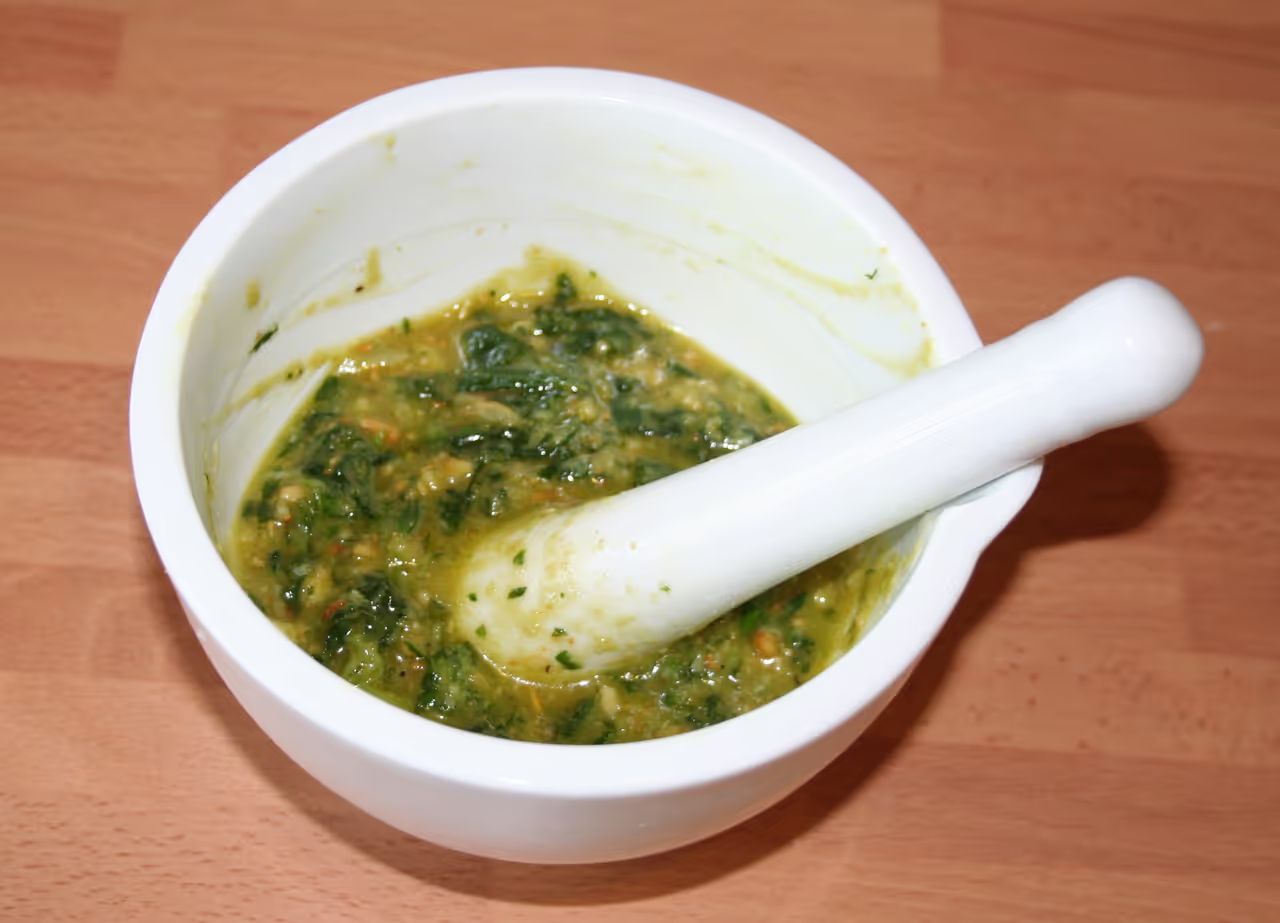
- • Frank Sinatra was so obsessed with the city's authentic pesto that he arranged for the famous Zeffirino restaurant to send regular shipments of it directly to his home.
- • The city boasts one of the largest continuous medieval historical centres in all of Europe, a dense and disorienting maze of incredibly narrow alleyways known locally as caruggi.
- • The iconic Lanterna lighthouse was once maintained by Antonio Colombo, the uncle of the famous explorer Christopher Columbus.
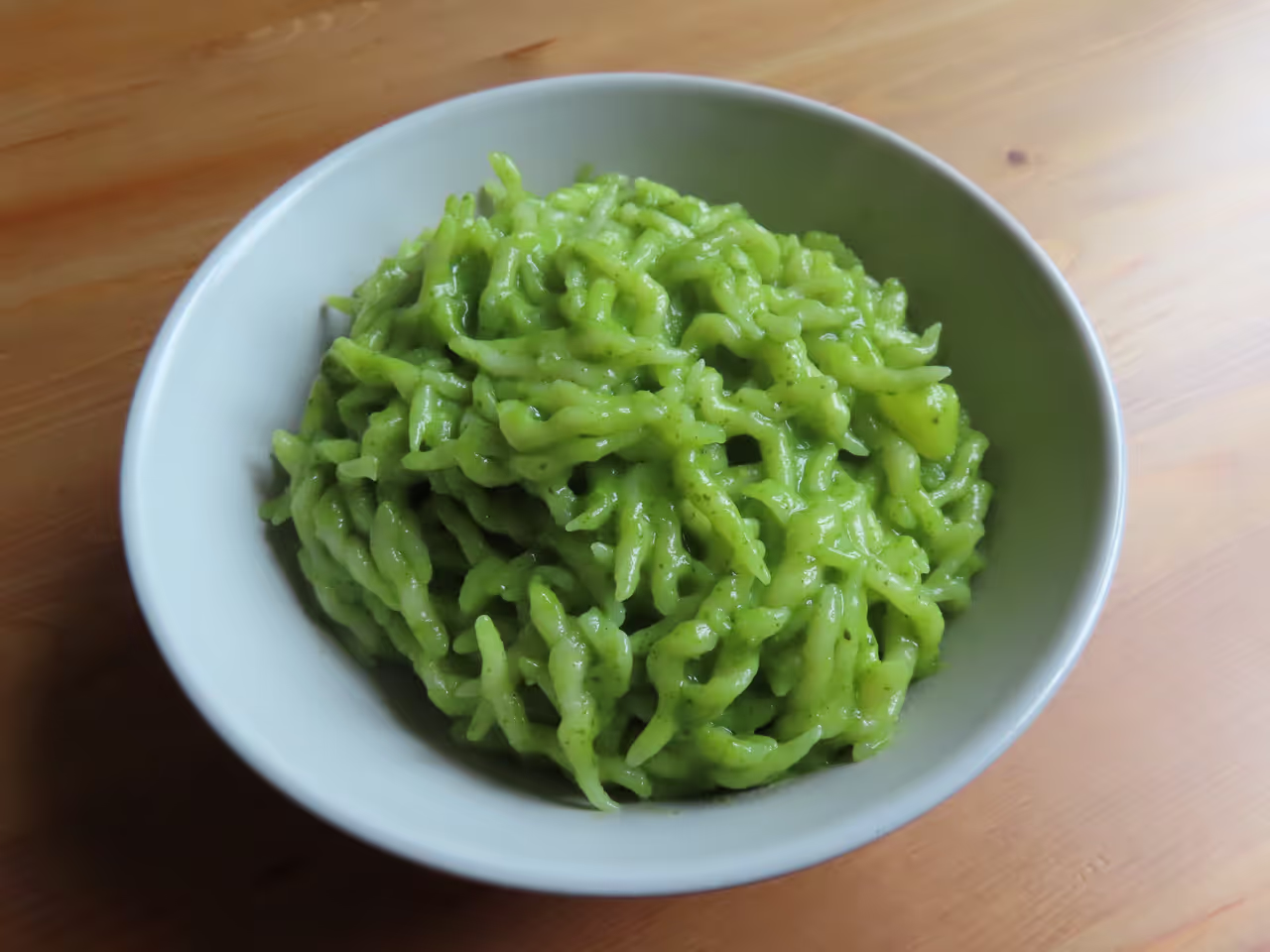
- • In 1574, the city established the very first Guild of Pasta Makers, complete with its own strict statutes to regulate the production of local pasta.
Did You Know?
- • The Banco di San Giorgio, established in 1407, is widely considered the world's oldest state deposit bank and essentially funded the Spanish Empire's expansion.
- • During the sixteenth century, Genoese bankers controlled so much of the global economy and the flow of New World silver that historians refer to it as 'the century of the Genoese'.
- • The Palazzi dei Rolli was a highly innovative sixteenth-century public lodging system where magnificent aristocratic mansions were drawn by lottery to host visiting state dignitaries.
- • Standing at 117 metres above sea level, the Lanterna is the second tallest traditional lighthouse in the world and has been guiding ships into the harbour since 1128.
- • The city has transformed into a leading modern hub for science and technology, currently serving as the headquarters for the Italian Institute of Technology (IIT), which advances global robotics research.
- • The historical maritime republic's trading empire was so vast that it maintained powerful colonies stretching from the Crimea in the Black Sea all the way to the Canary Islands.
RESOURCES
Official WebsiteVideos of Genoa
Seasons
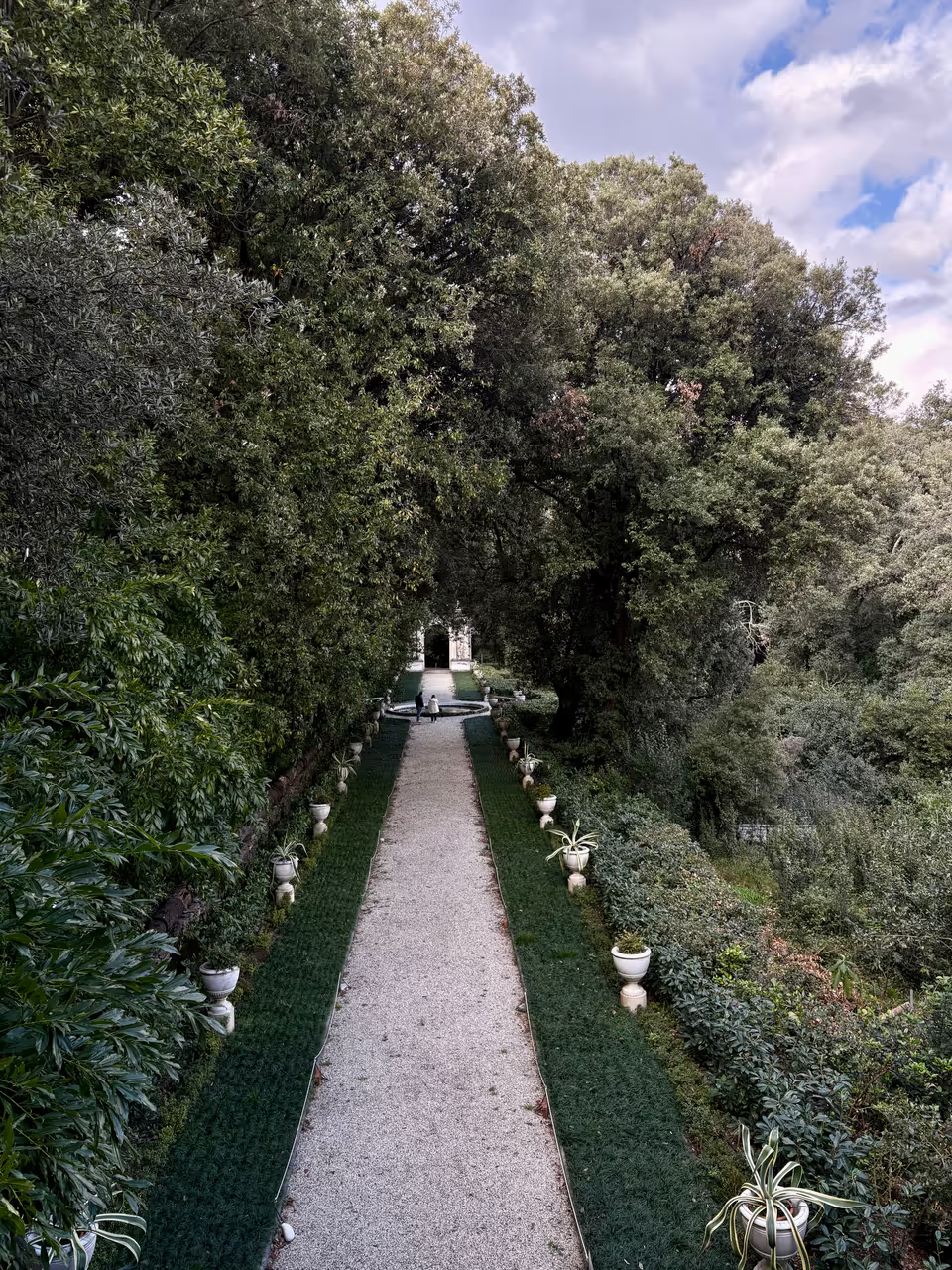
Spring
As the harsh winter chill fades, the city bursts into a vibrant, energetic state, making it arguably the finest time to explore...
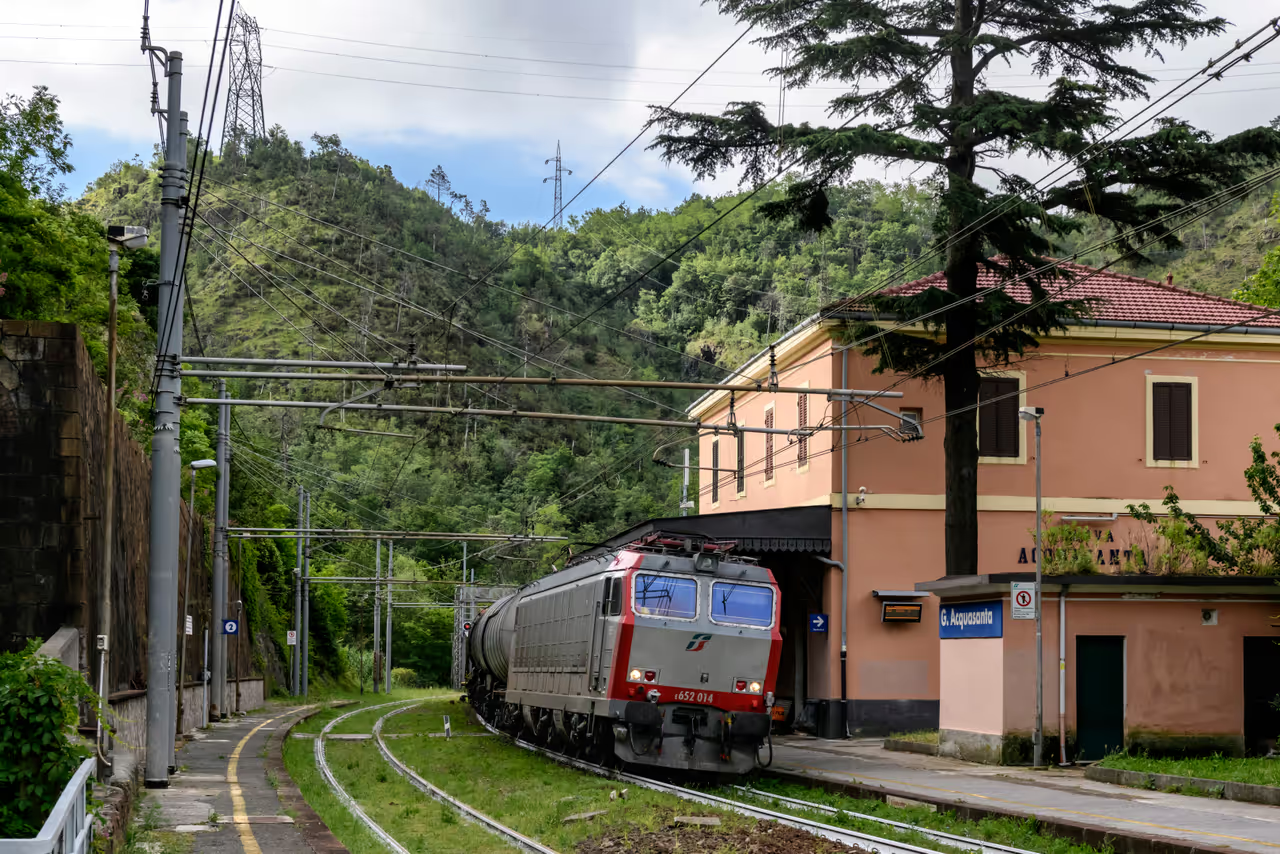
Summer
The city embraces a decidedly sultry, vibrant coastal atmosphere during the hot summer months. The deep, shadowy alleys of the...
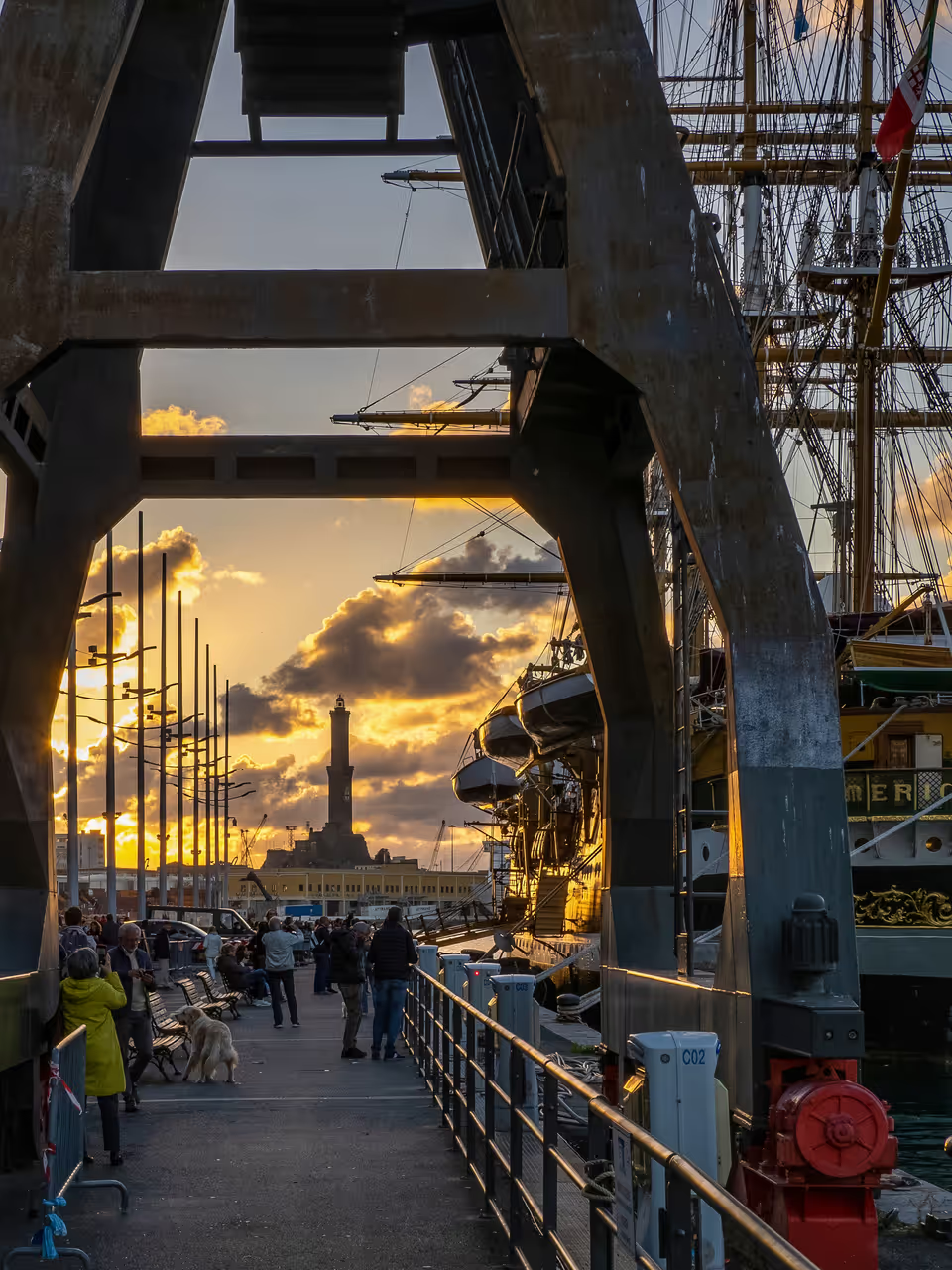
Autumn
Autumn brings a noticeable shift in the atmosphere, marked by cooler temperatures and the arrival of highly dramatic, sudden...
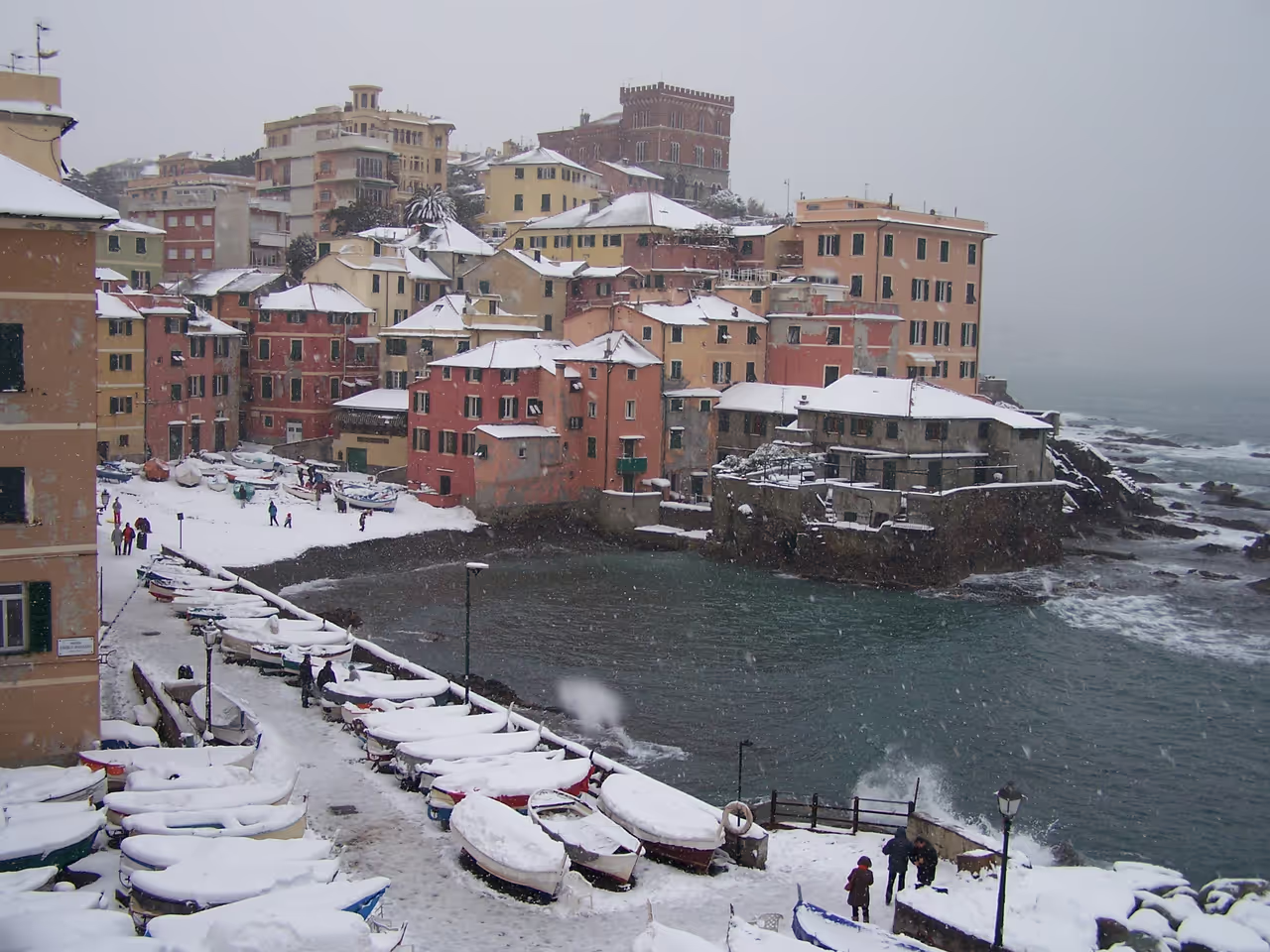
Winter
The winter months reveal a much quieter, highly authentic side of the city, stripped of the usual tourist hustle. The cold...
Top Attractions in Genoa
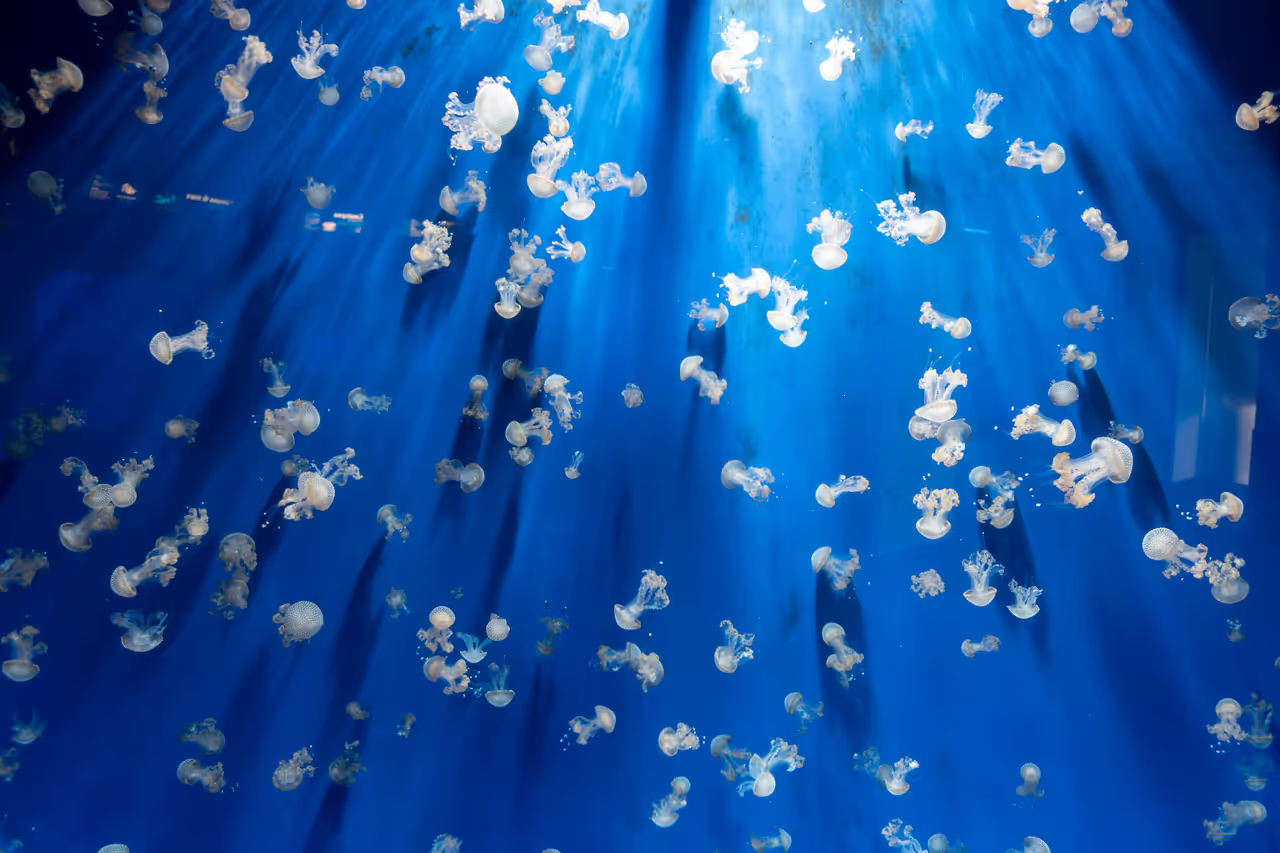
Aquarium of Genoa
Step into the largest marine park in Italy and one of the most significant in Europe, designed by world renowned architect Renzo...
view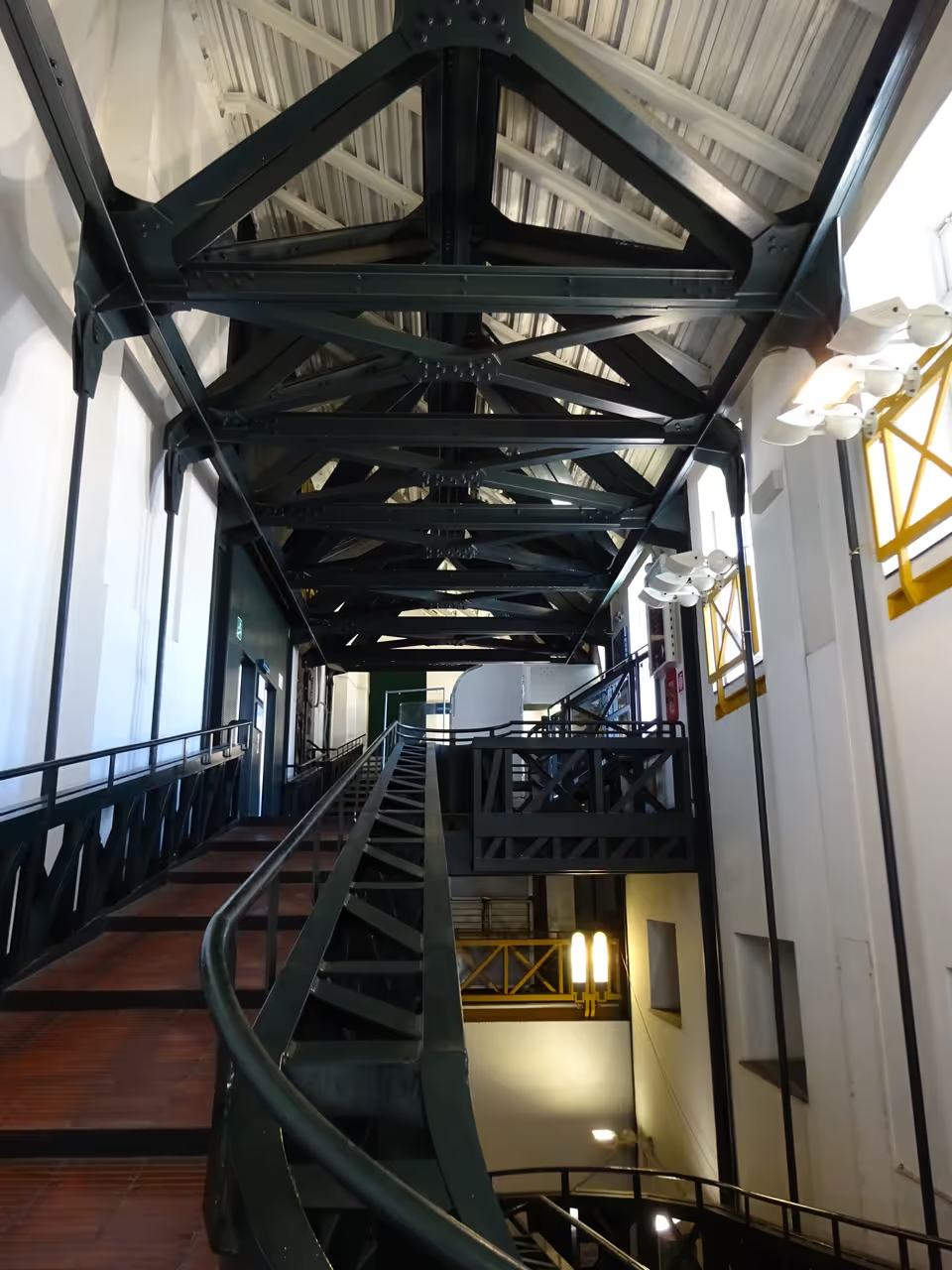
Doges' Palace
Standing at the heart of Genoa, the Doges' Palace serves as a monumental testament to the city's golden era of maritime power...
view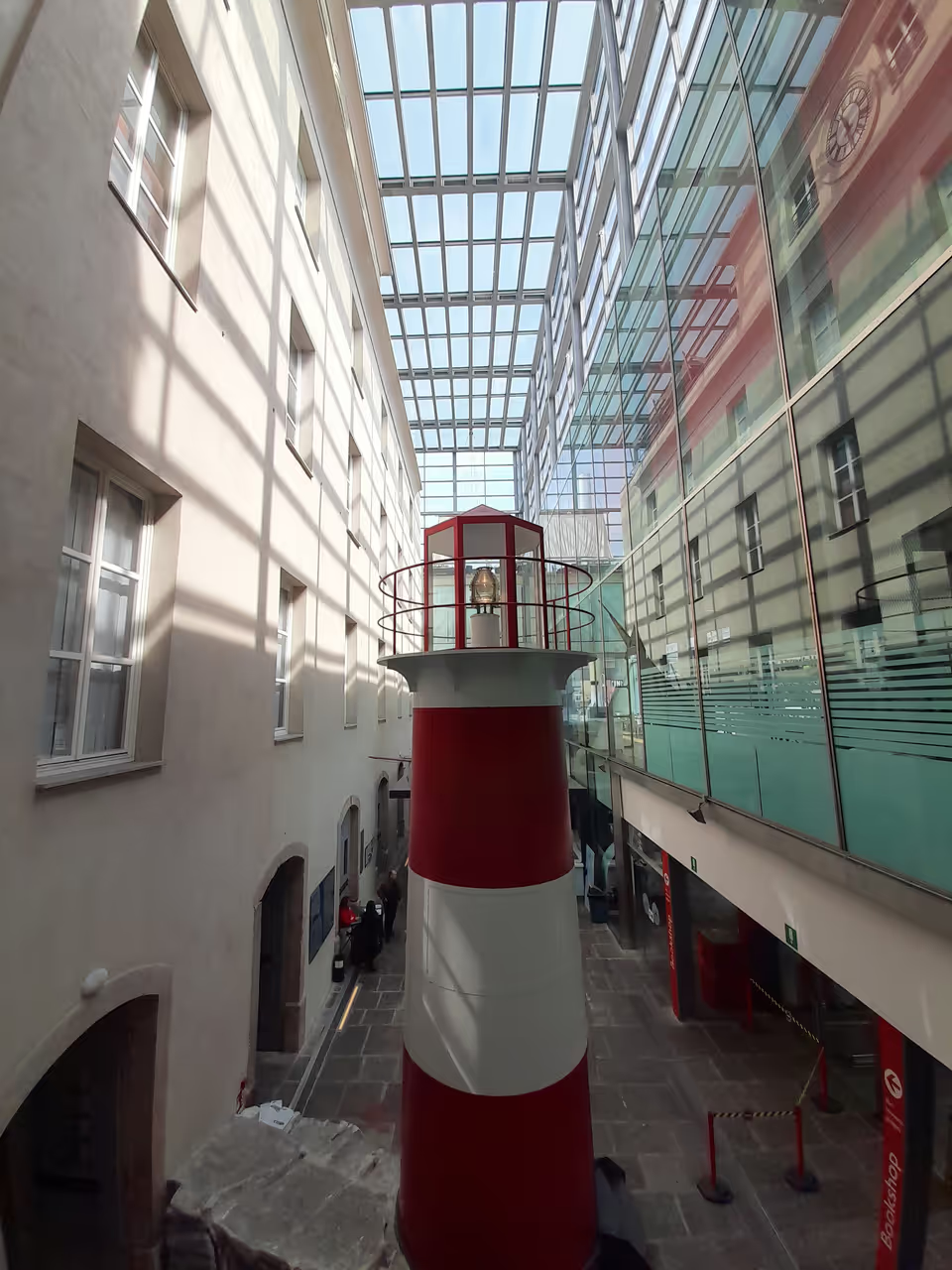
Galata Maritime Museum
Located in the heart of Genoa's historic port, the Galata Maritime Museum stands as the largest and most immersive maritime...
view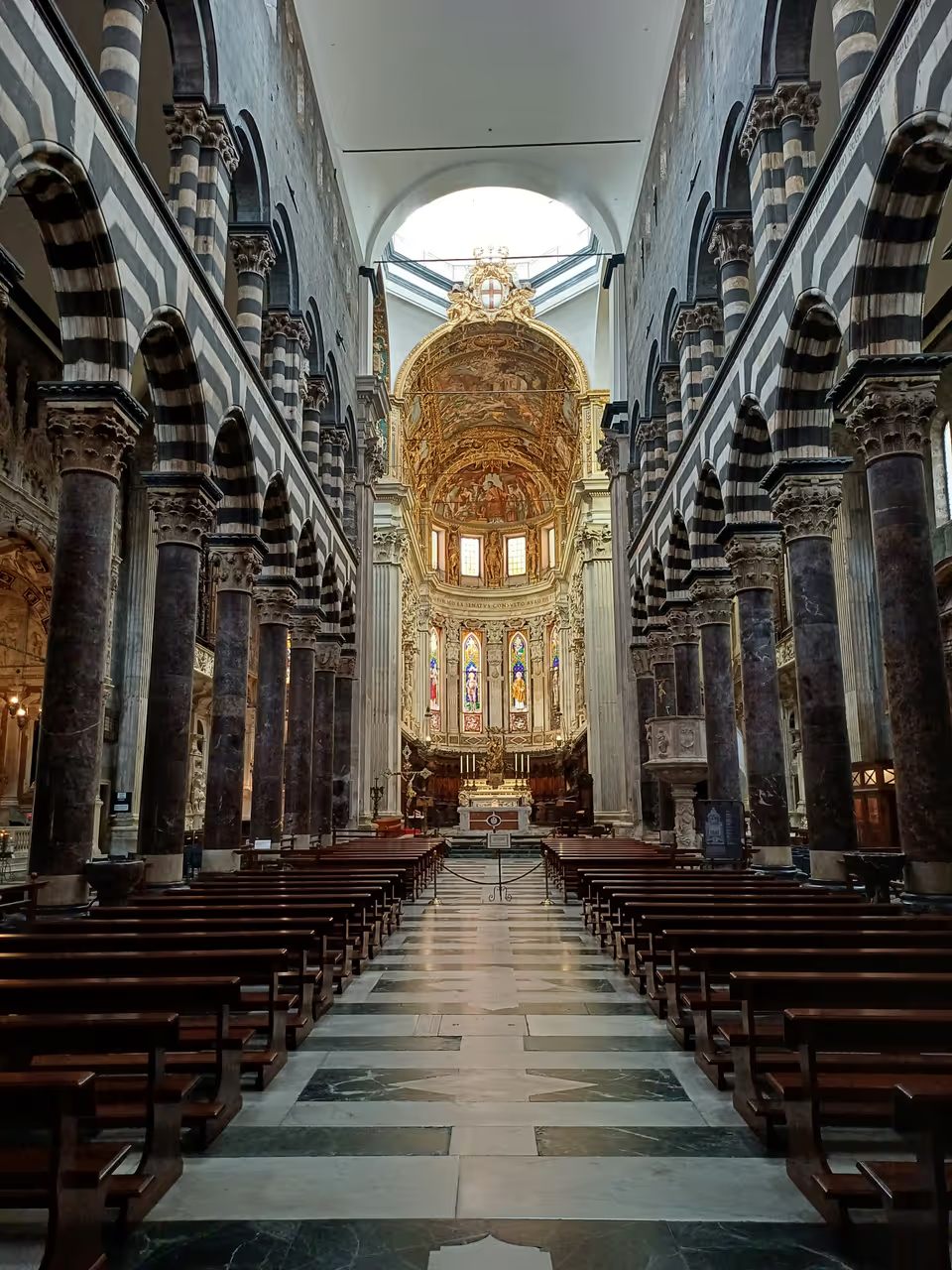
Genoa Cathedral
Standing at the heart of Genoa, the Cattedrale di San Lorenzo serves as a magnificent testament to centuries of maritime power...
view
Best Views
Genoa Itineraries
TRIP PLANNER
3 Days Recommended
Three days allow enough time to get delightfully lost in the vast historical centre and tour the grand palaces without feeling rushed. It provides ample opportunity to explore the modernised old port and the famous aquarium at a comfortable pace. You can also dedicate a day to taking a scenic coastal stroll or boat ride to the charming fishing villages of Boccadasse or Nervi.
1 Day in Genoa Itinerary
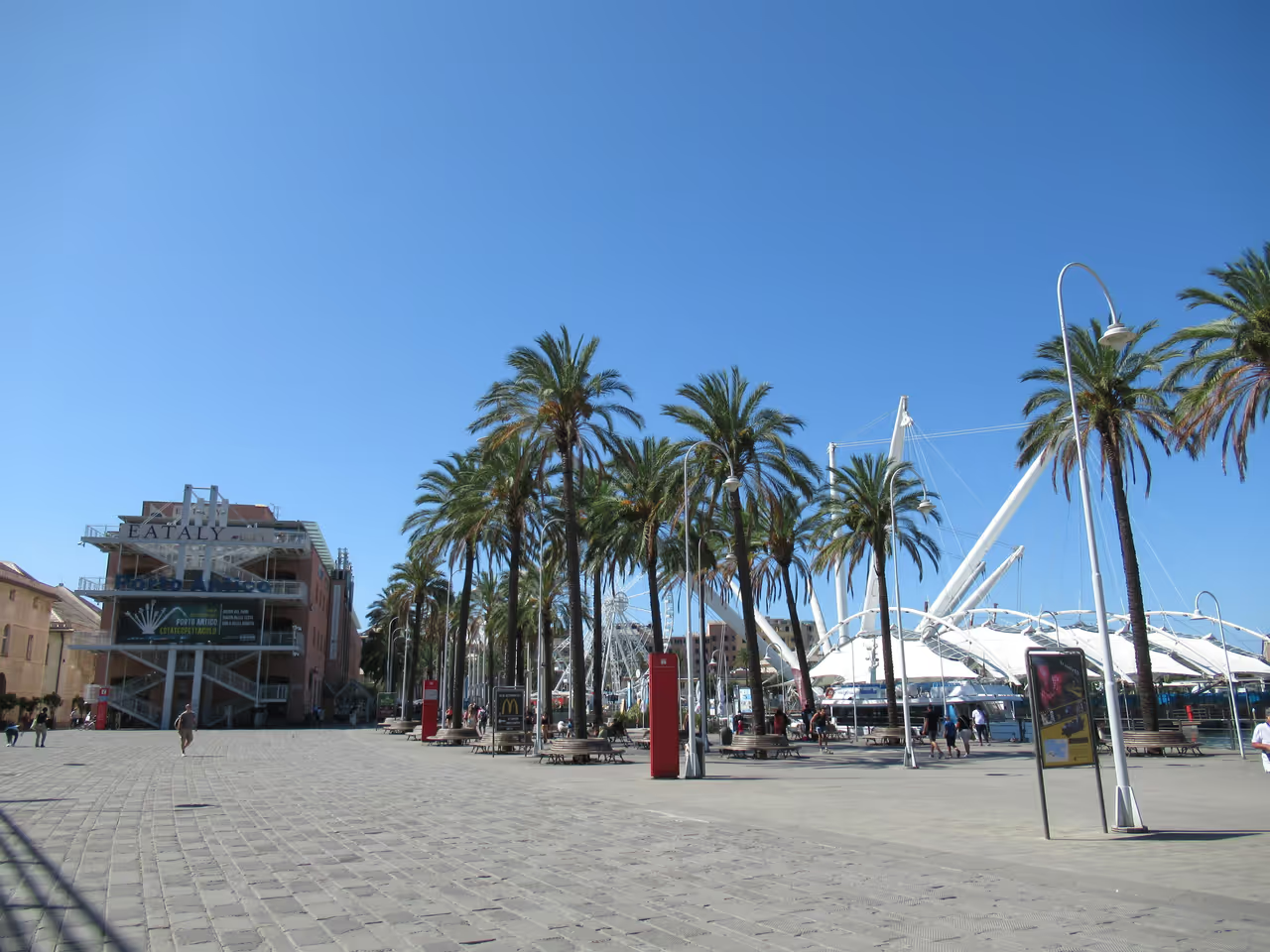
This highly condensed itinerary is designed for those short on time but eager to capture the essential spirit of the city. The route efficiently contrasts the city's two most defining eras: the immense wealth of the Renaissance aristocracy and the gritty, powerful maritime heritage of the port. You will marvel at the jaw-dropping architecture of the grand palaces before diving into the dense, chaotic labyrinth of the medieval alleyways. The journey concludes at the modernised waterfront, offering a perfect snapshot of how the city has continually reinvented its relationship with the sea. It is a fast-paced, visually stunning introduction to the Ligurian capital.
view itinerary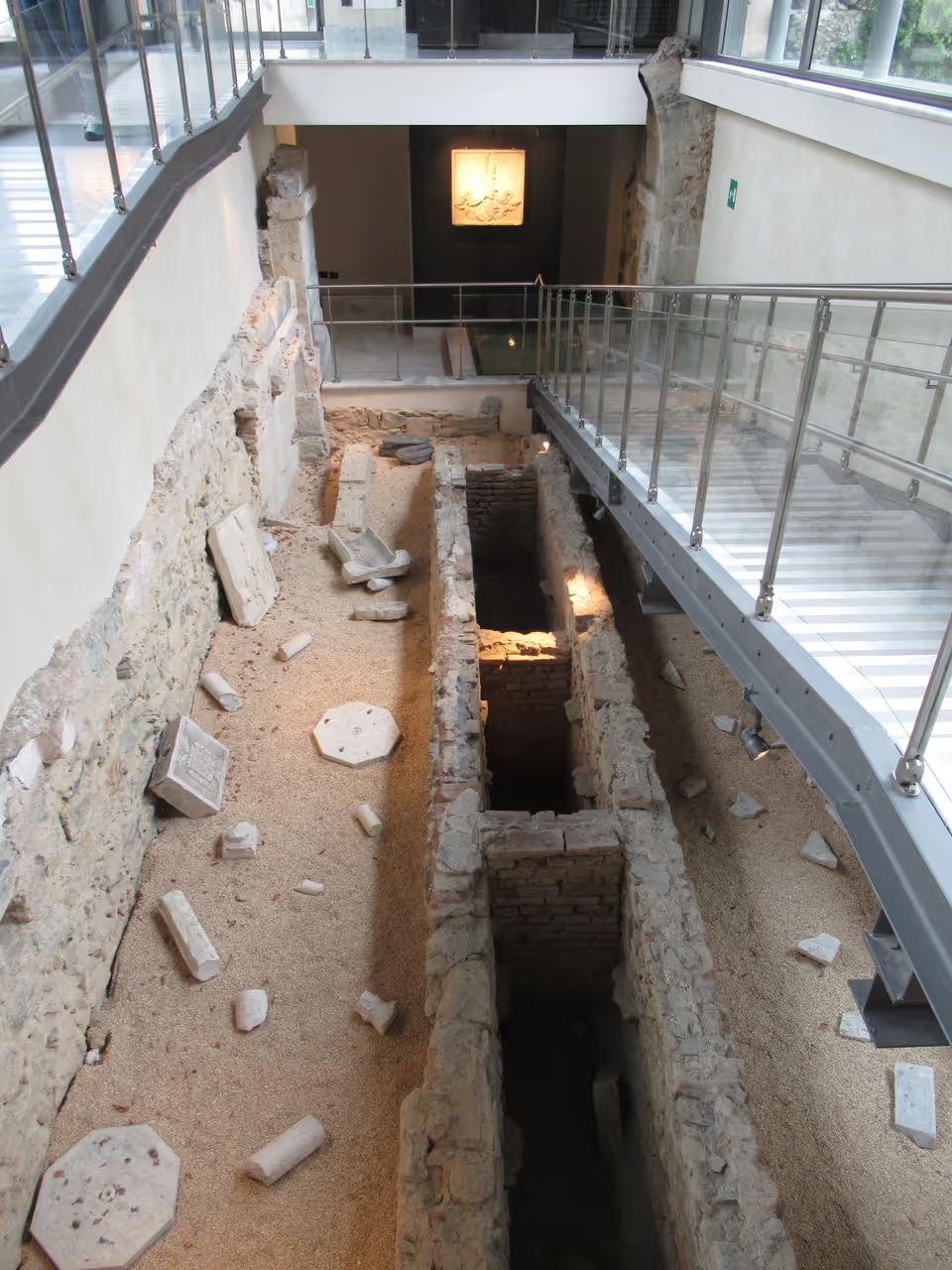
3 Days in Genoa Itinerary
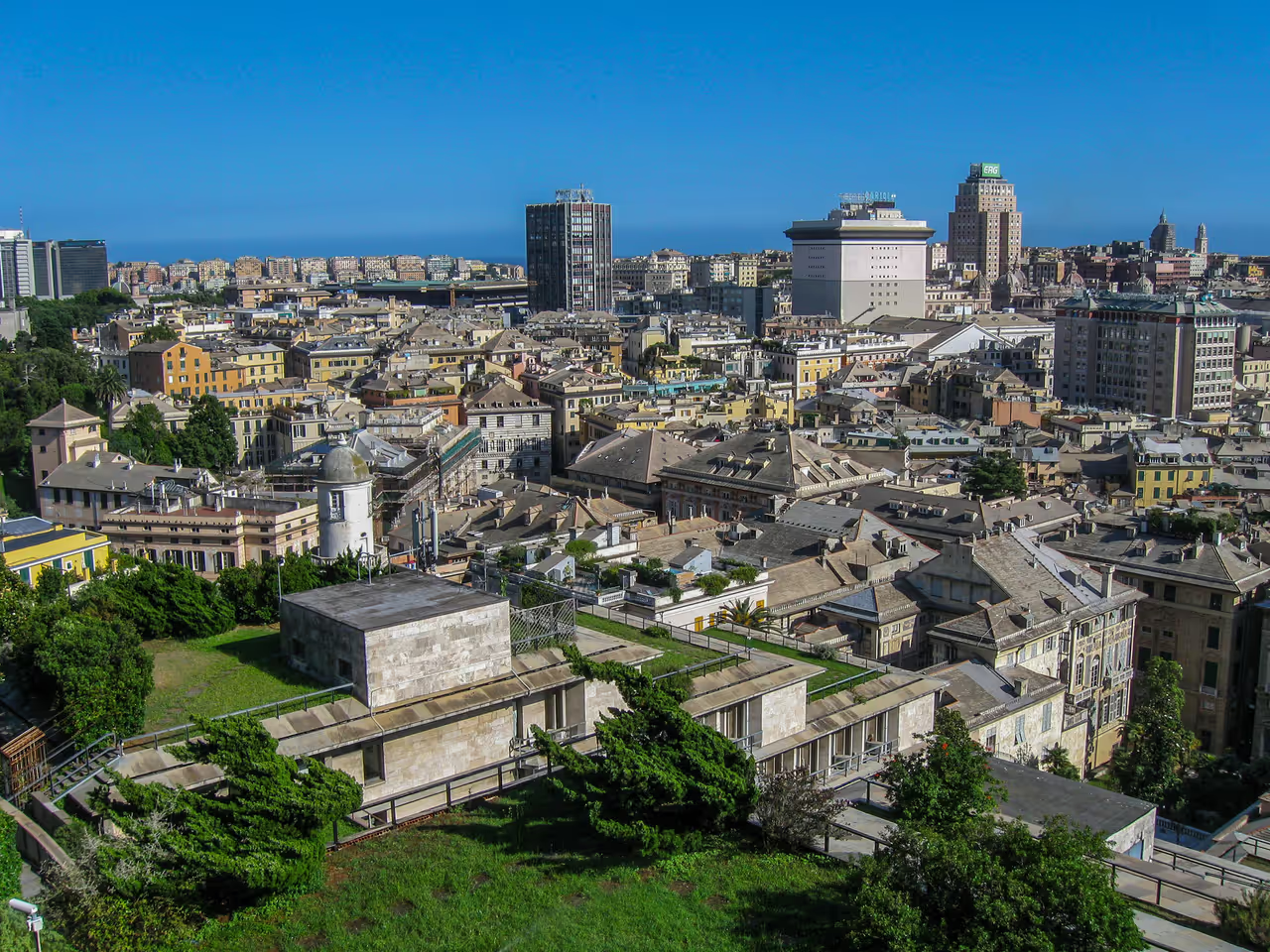
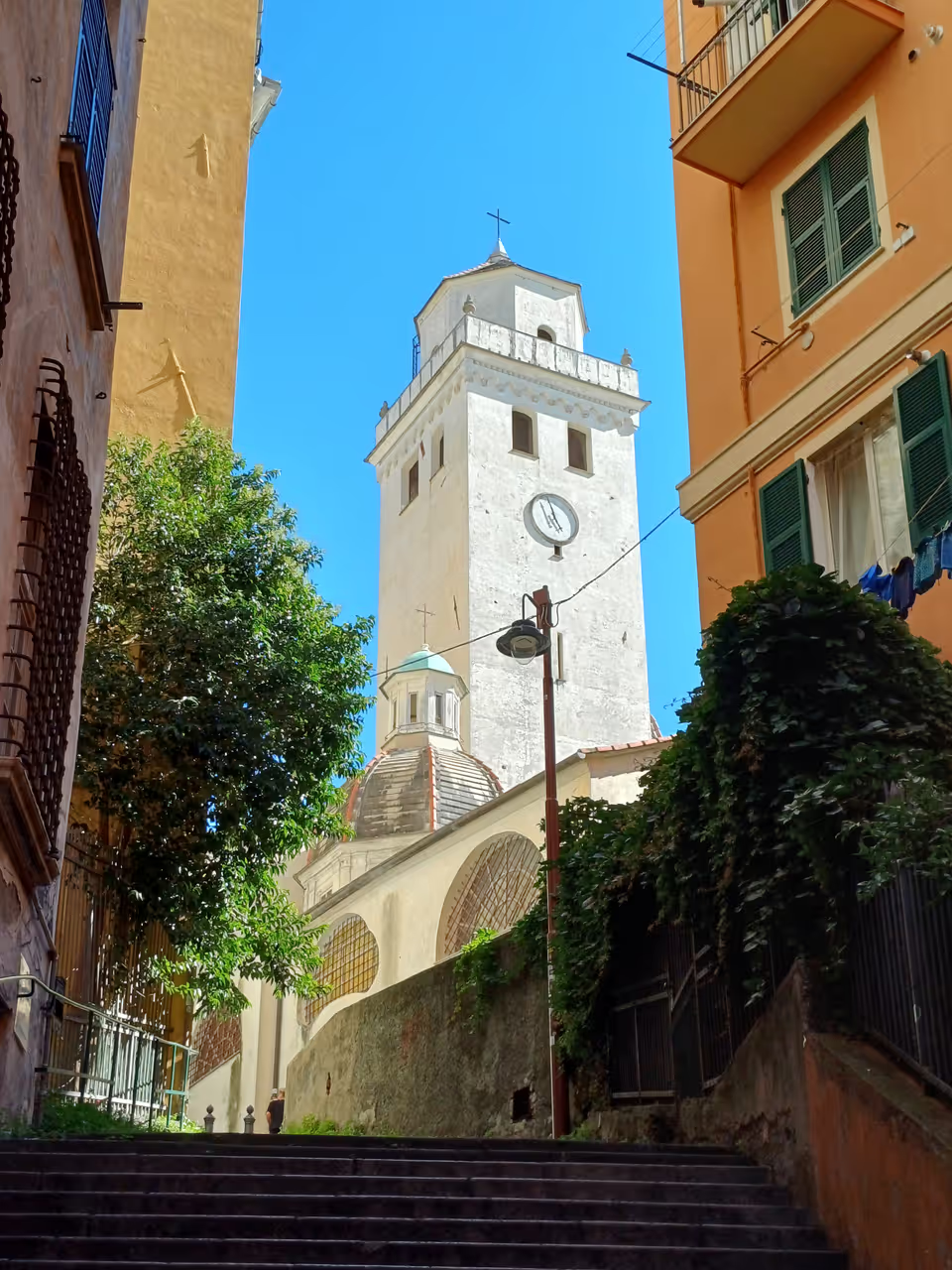
Three days allow for a wonderfully balanced exploration, moving beyond the immediate centre to uncover the city's diverse neighbourhoods and hidden histories. This plan dedicates ample time to the major museums and the grand aristocratic streets, ensuring a deep dive into the 'Century of the Genoese'. It also carves out time to escape the dense urban core, incorporating scenic funicular rides for breathtaking panoramic views and a highly relaxing excursion to a charming, pastel-coloured fishing village. You will experience the stark contrasts that define the city, from opulent art galleries to pebble beaches, experiencing a much more rounded view of the local lifestyle.
view itinerary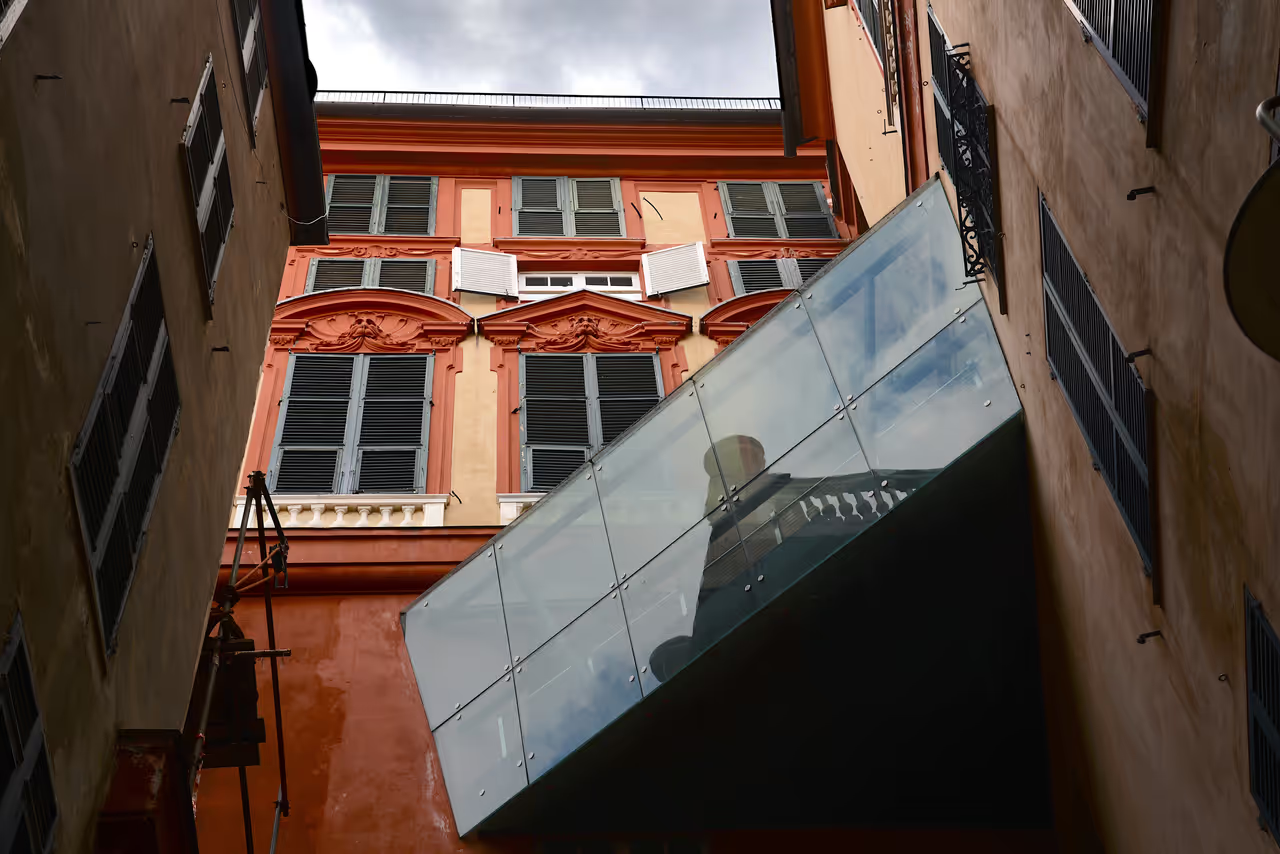
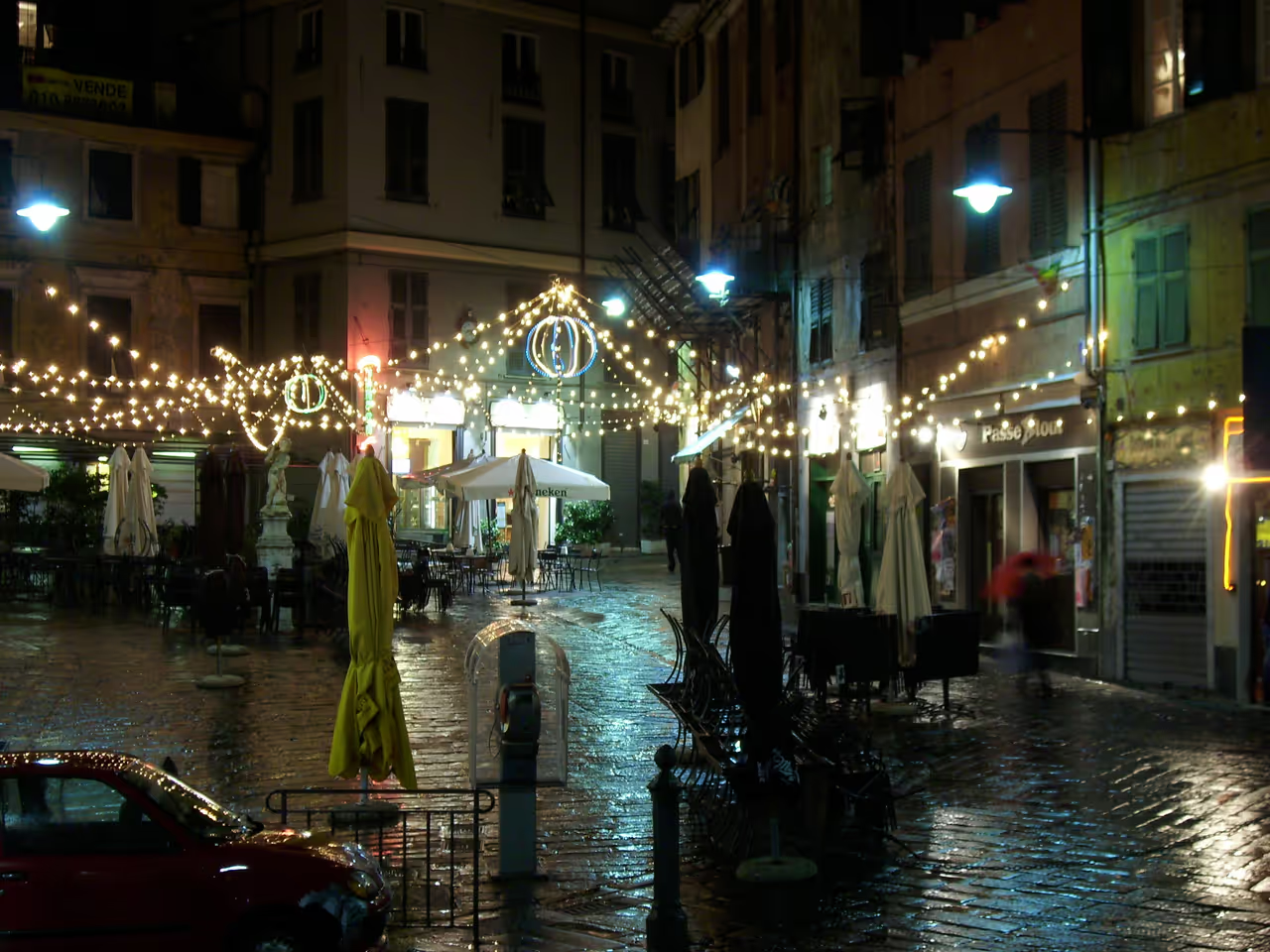
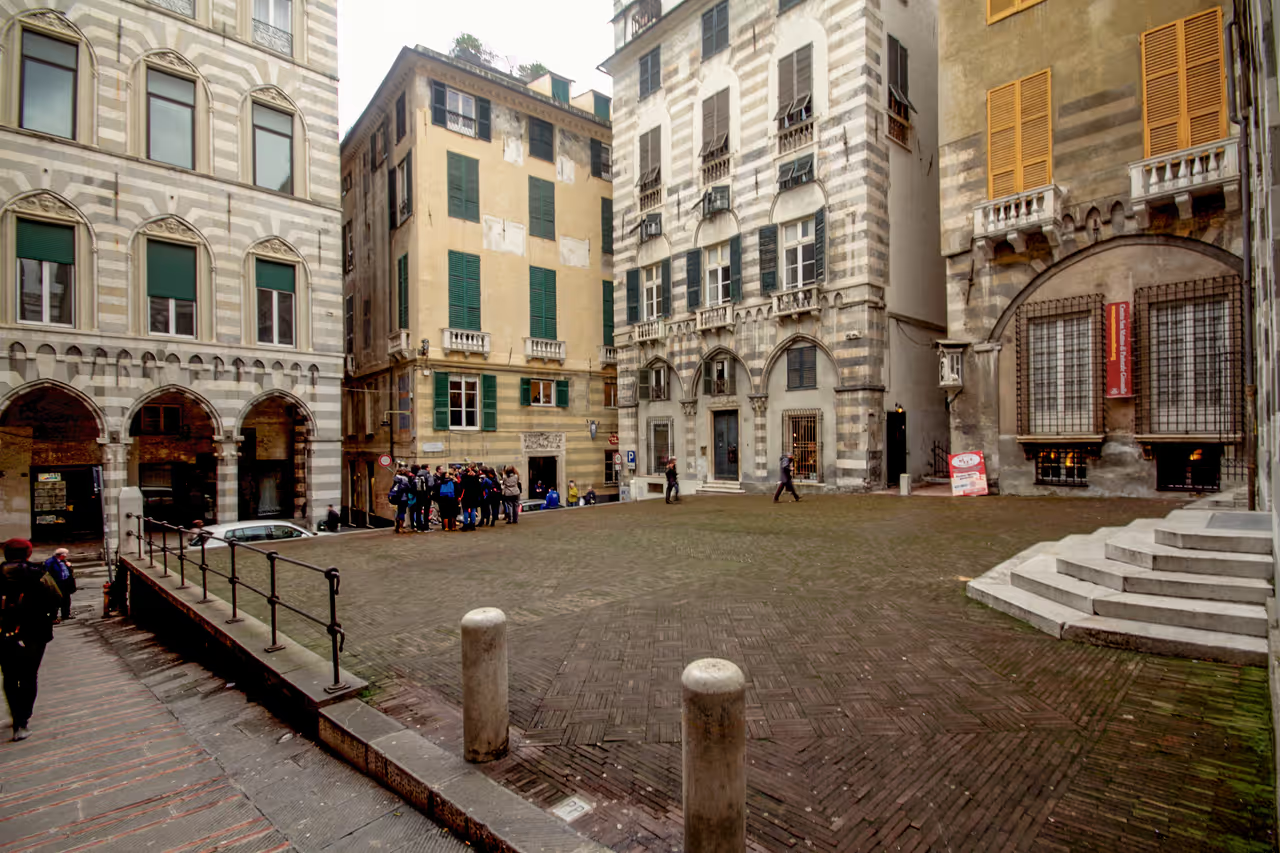
5 Days in Genoa Itinerary
A five-day stay transforms a standard visit into a deeply immersive, comprehensive journey through the region's history, art, and natural beauty. With this extended timeframe, the itinerary expands to include monumental, slightly out-of-the-way sights like the astonishing hillside cemetery and the iconic, towering lighthouse that guards the industrial docks. It also allows for highly rewarding day trips along the dramatic coastline to explore sprawling aristocratic parks carved into the sea cliffs. The pacing is relaxed, providing plenty of time to linger in historic cafes, thoroughly explore the massive art collections, and truly absorb the raw, authentic atmosphere of the winding medieval alleys.
view itinerary
Food in Genoa
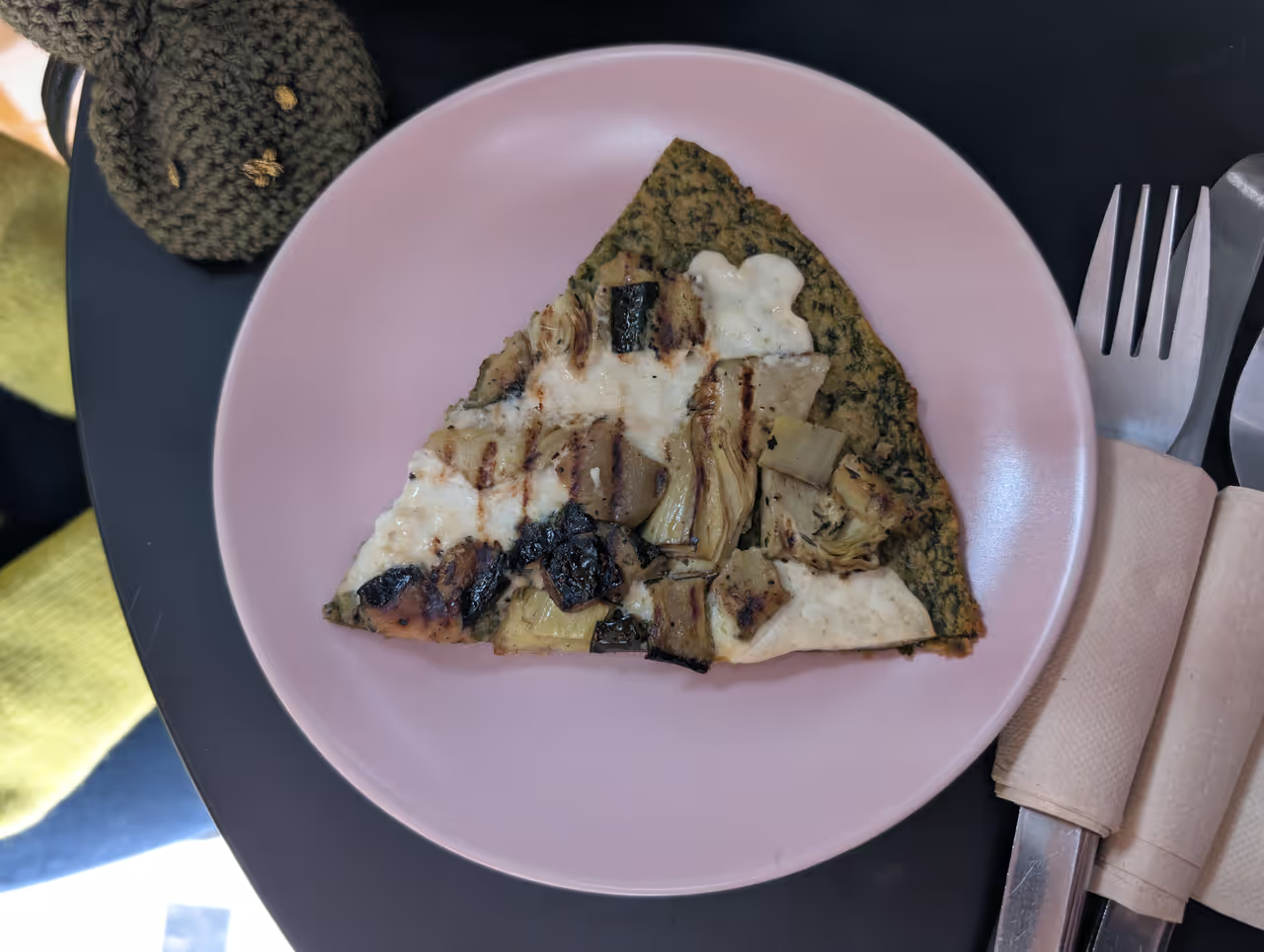
UNESCO World Heritage Sites
Free Things to do in Genoa
Parks & Nature
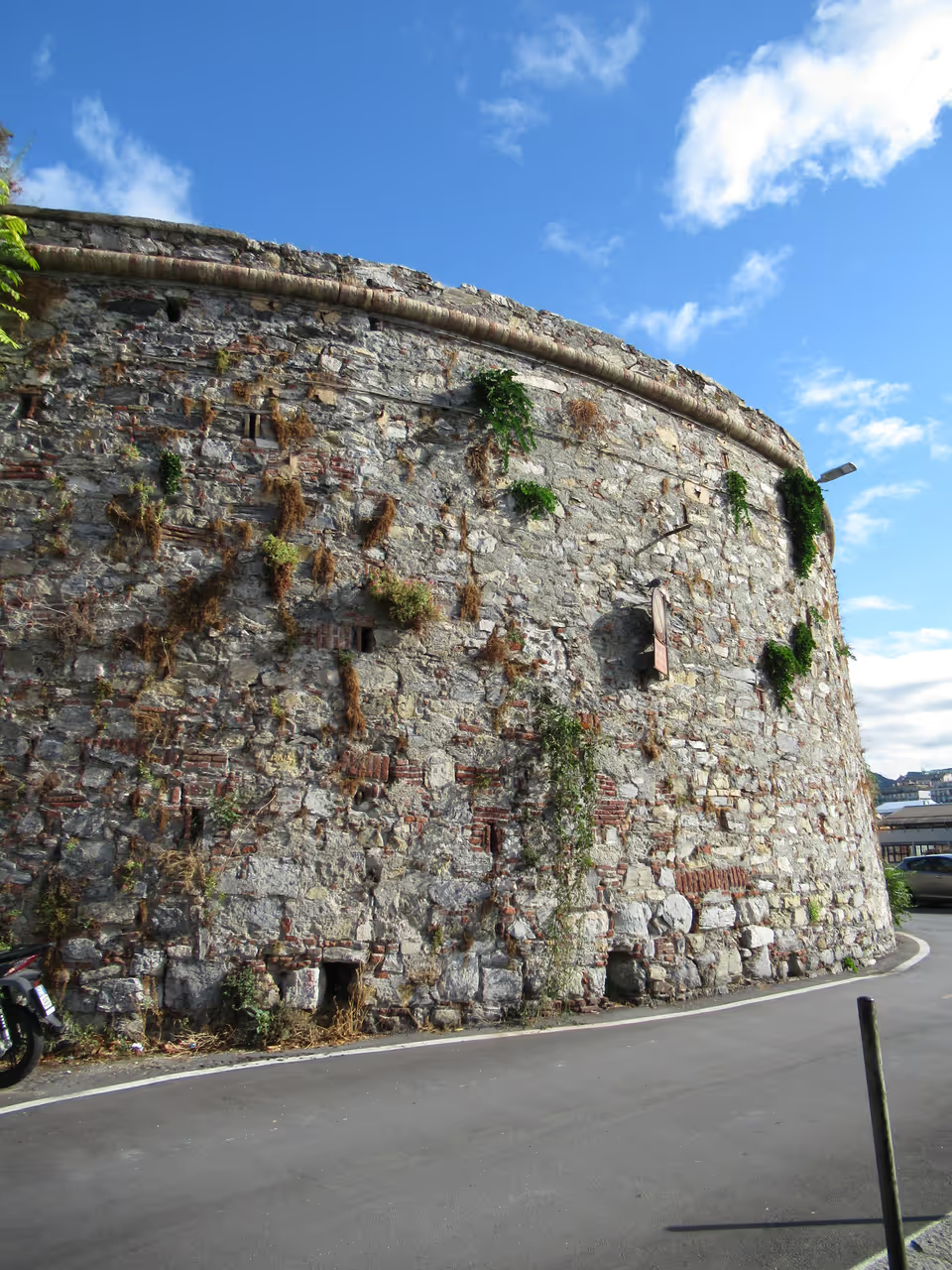
Defensive Walls of Genoa
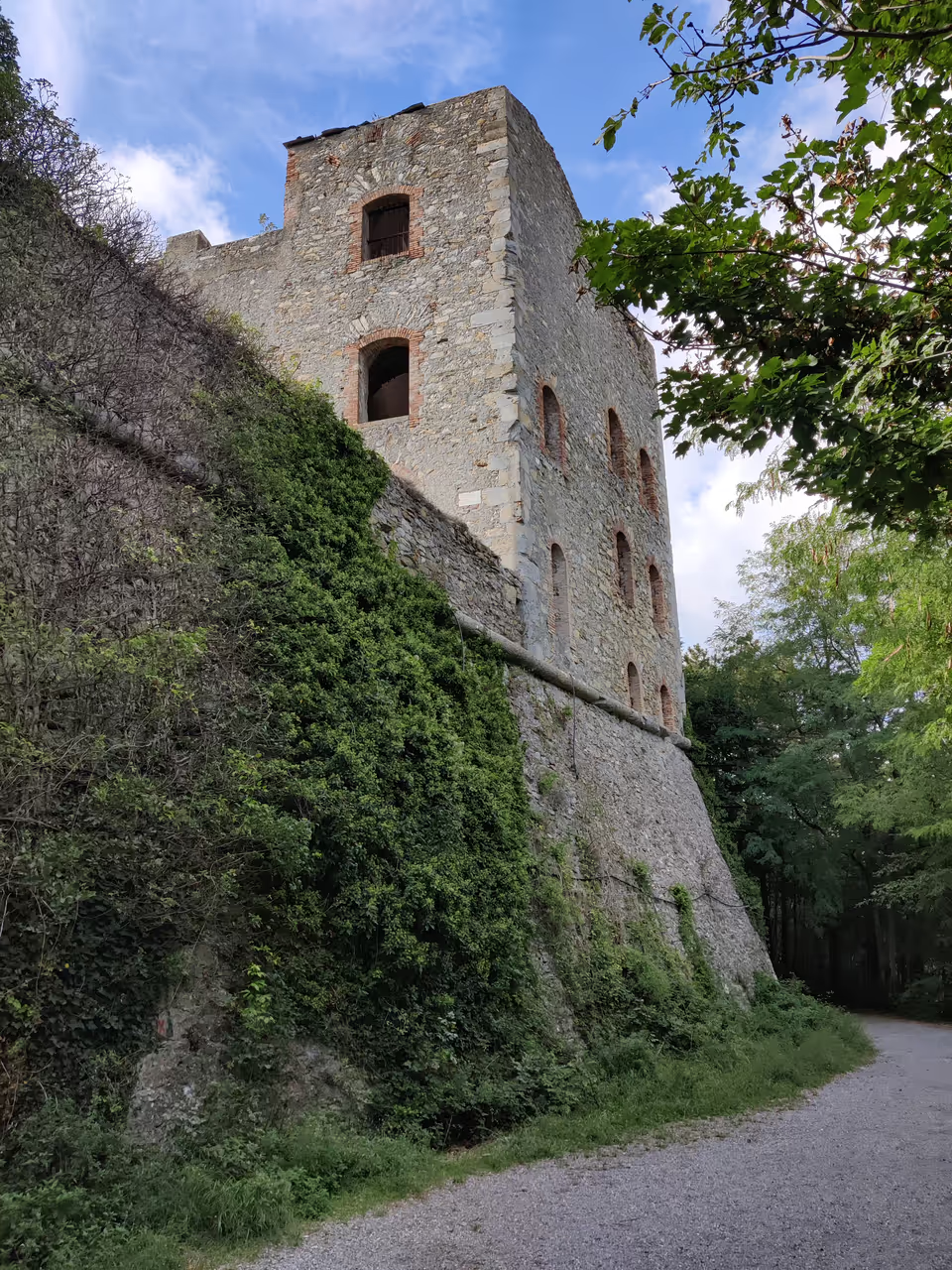
Genoa is not just a city by the sea; it is a fortress carved into the hills. Stretching from the shimmering coastline to the...
view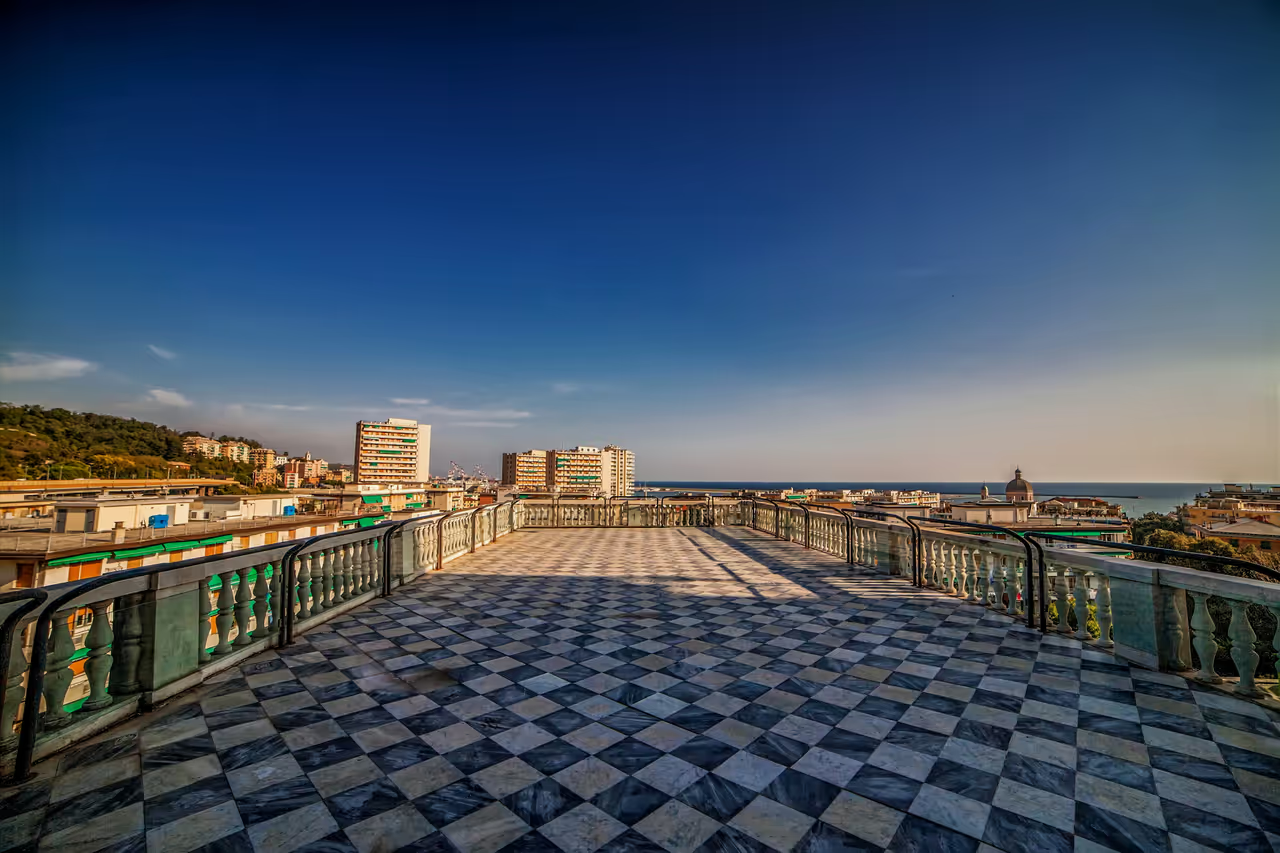
Villa Durazzo Pallavicini
Step into a world of nineteenth-century romanticism at Villa Durazzo Pallavicini, an exquisite architectural gem nestled in the...
view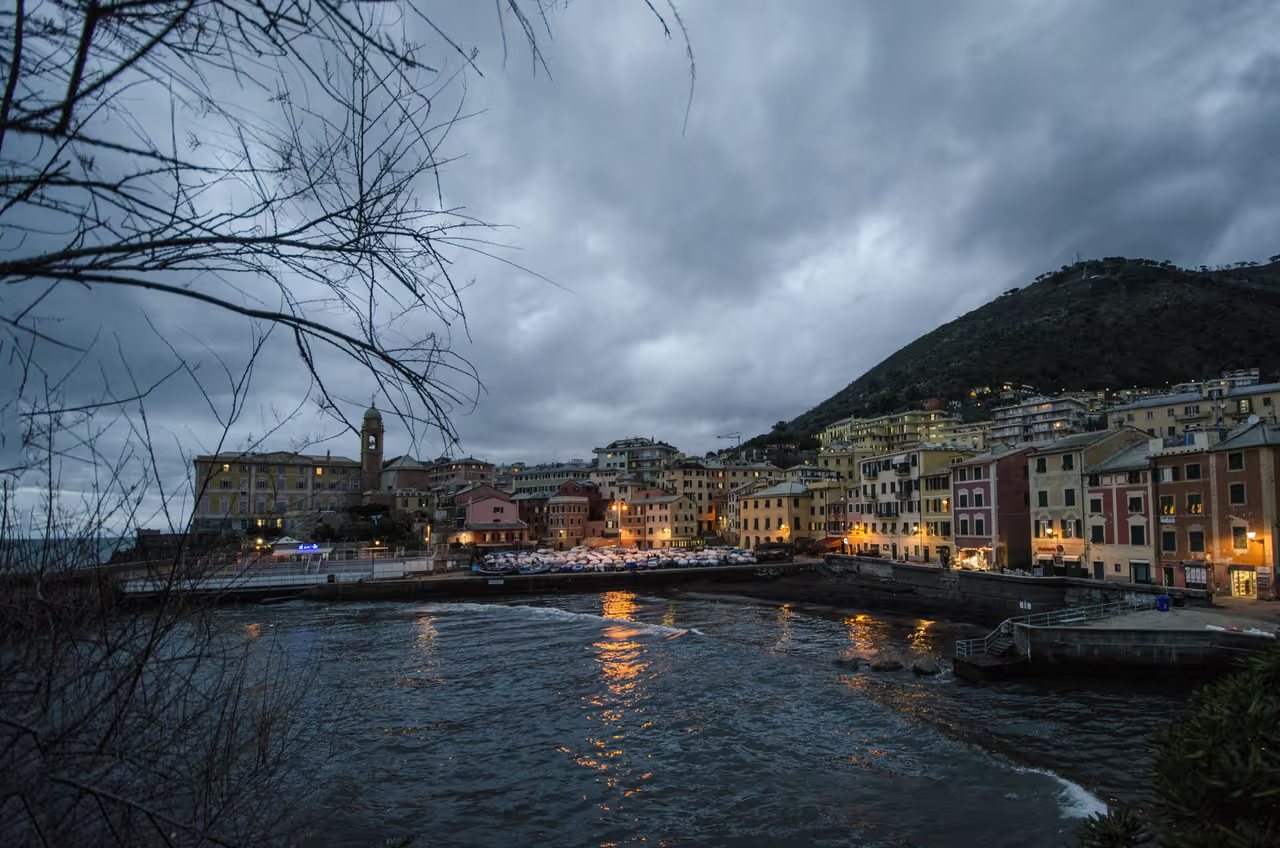
Nervi
Perched on the eastern edge of Genoa, Nervi is a serene coastal escape that feels like a world away from the city centre. Famous...
view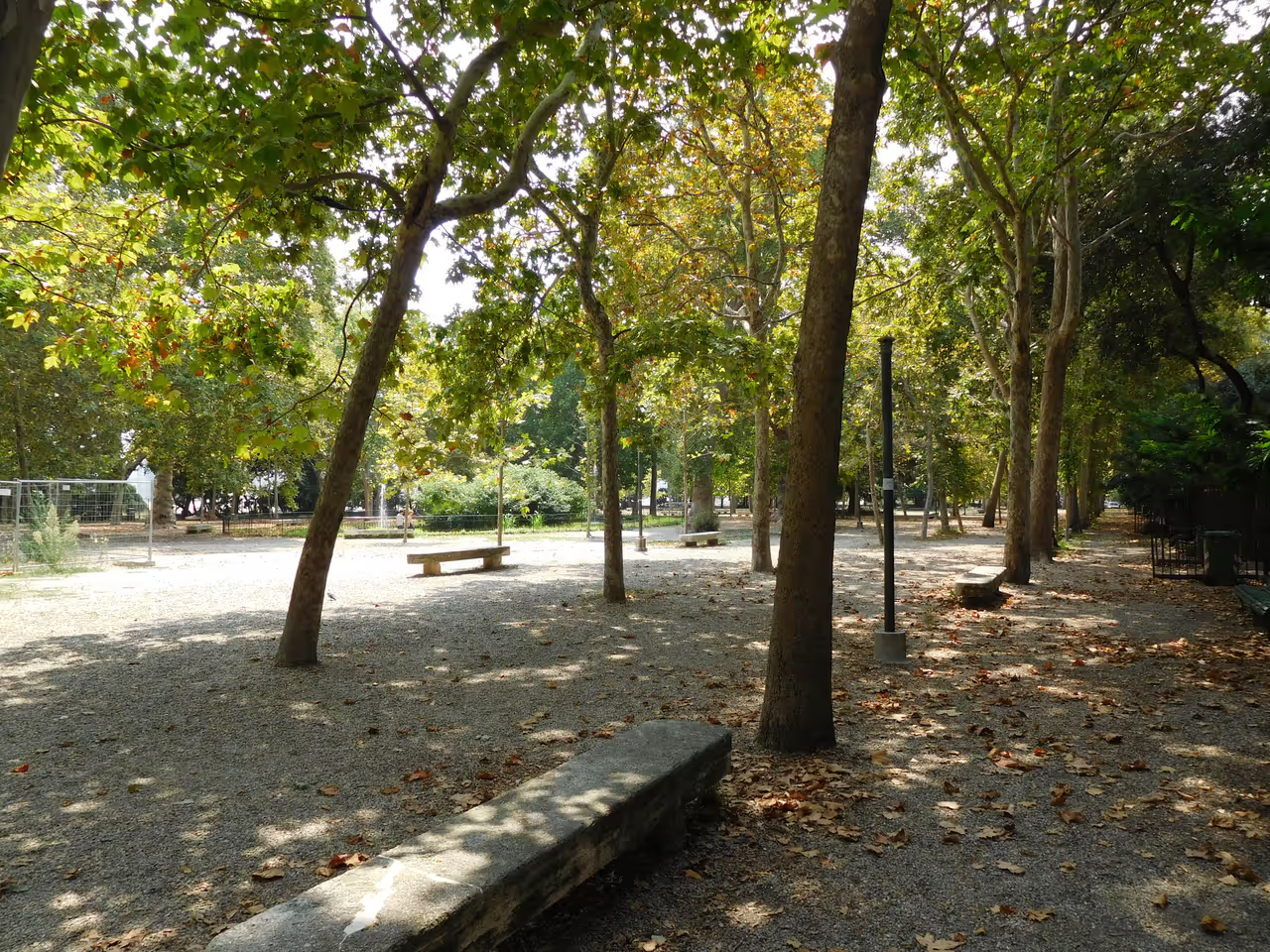
Spianata dell'Acquasola
Perched high above the city, the Spianata dell'Acquasola offers a green sanctuary with a view that has enchanted writers for...
view
Highlights & Must-Sees
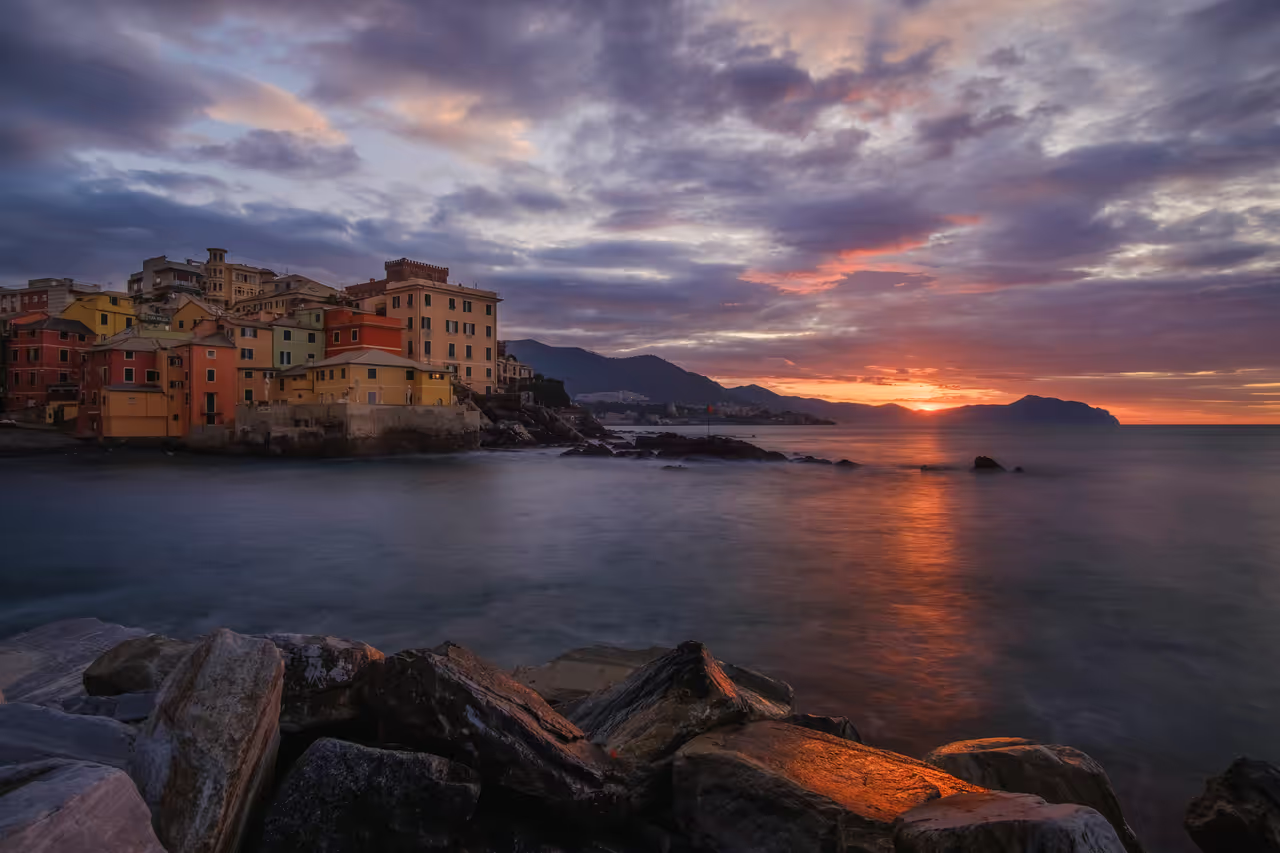
Boccadasse Fishing Village
Tucked away at the end of the Corso Italia promenade, this incredibly picturesque enclave completely escaped the city's modern...
viewCastelletto Esplanade
Elevated high above the historical centre, this stunning, tree-lined balcony provides the absolute best panoramic perspective of...
viewDe Ferrari Square
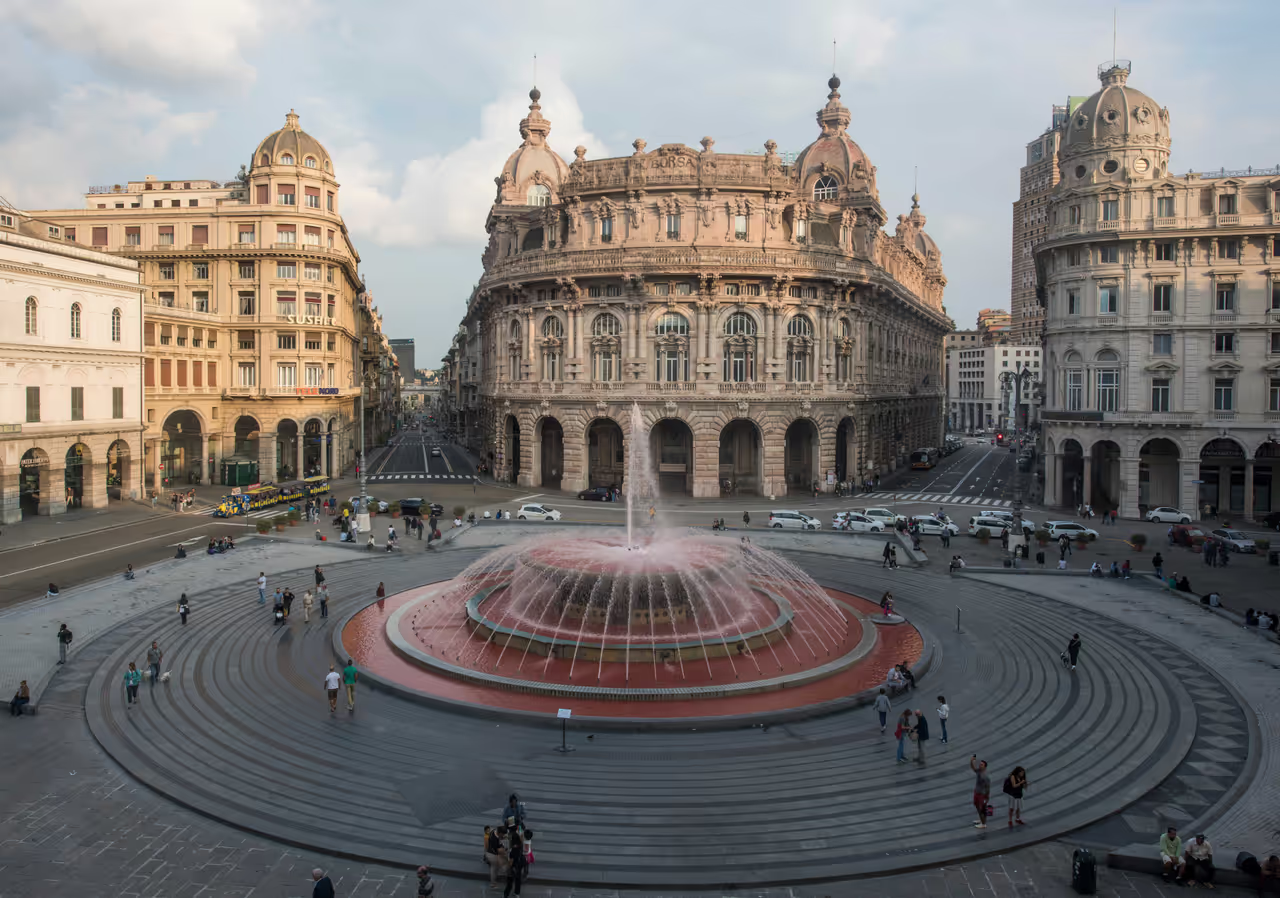
This grand, expansive plaza serves as the true beating heart of the modern city, bridging the dense medieval caruggi with the...
viewGaribaldi Street
Originally known as the 'Strada Nuova' (New Street), this pedestrianised avenue is an awe-inspiring showcase of...
view
Best Walks in Genoa
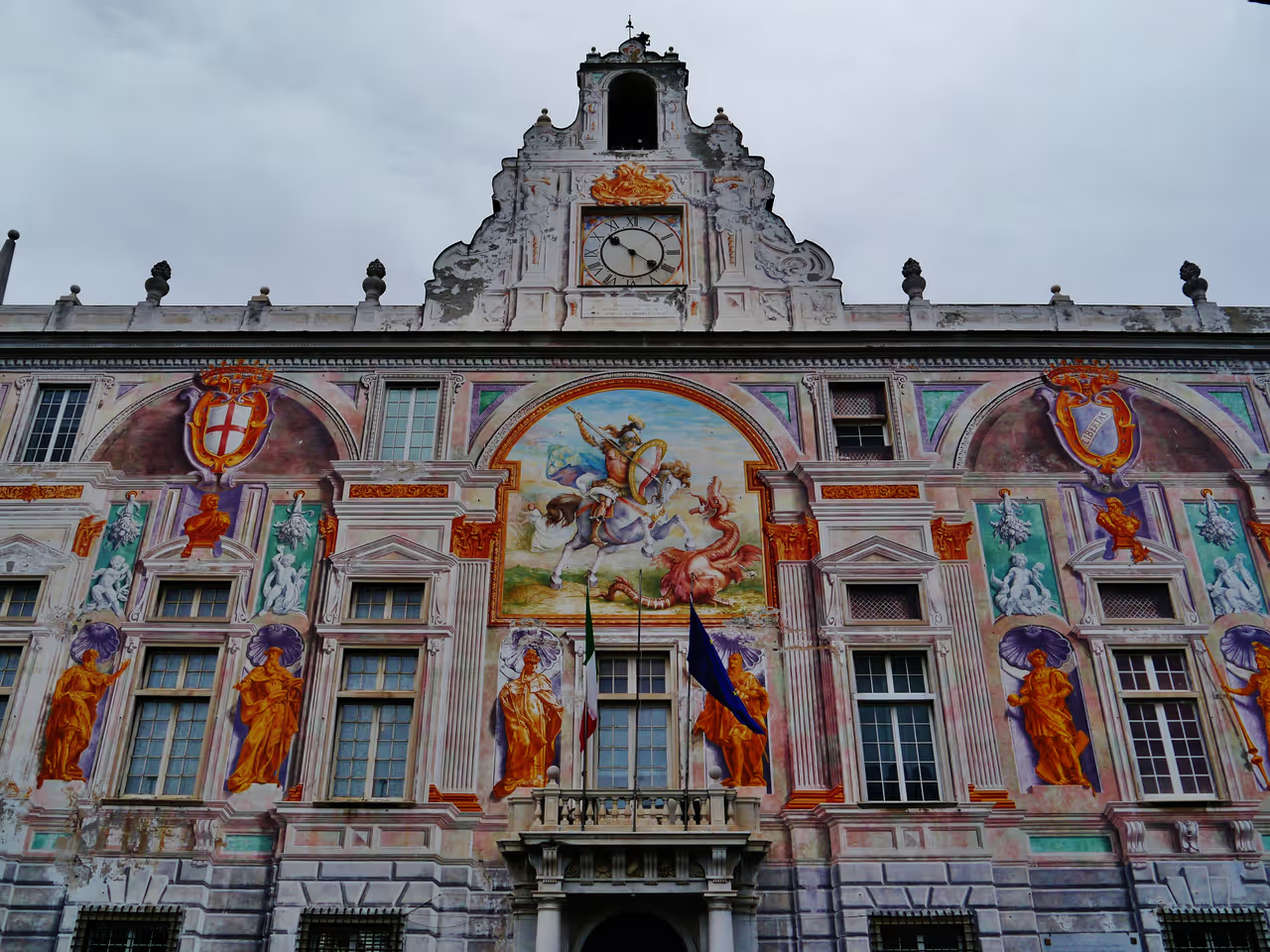
Old Port Promenade
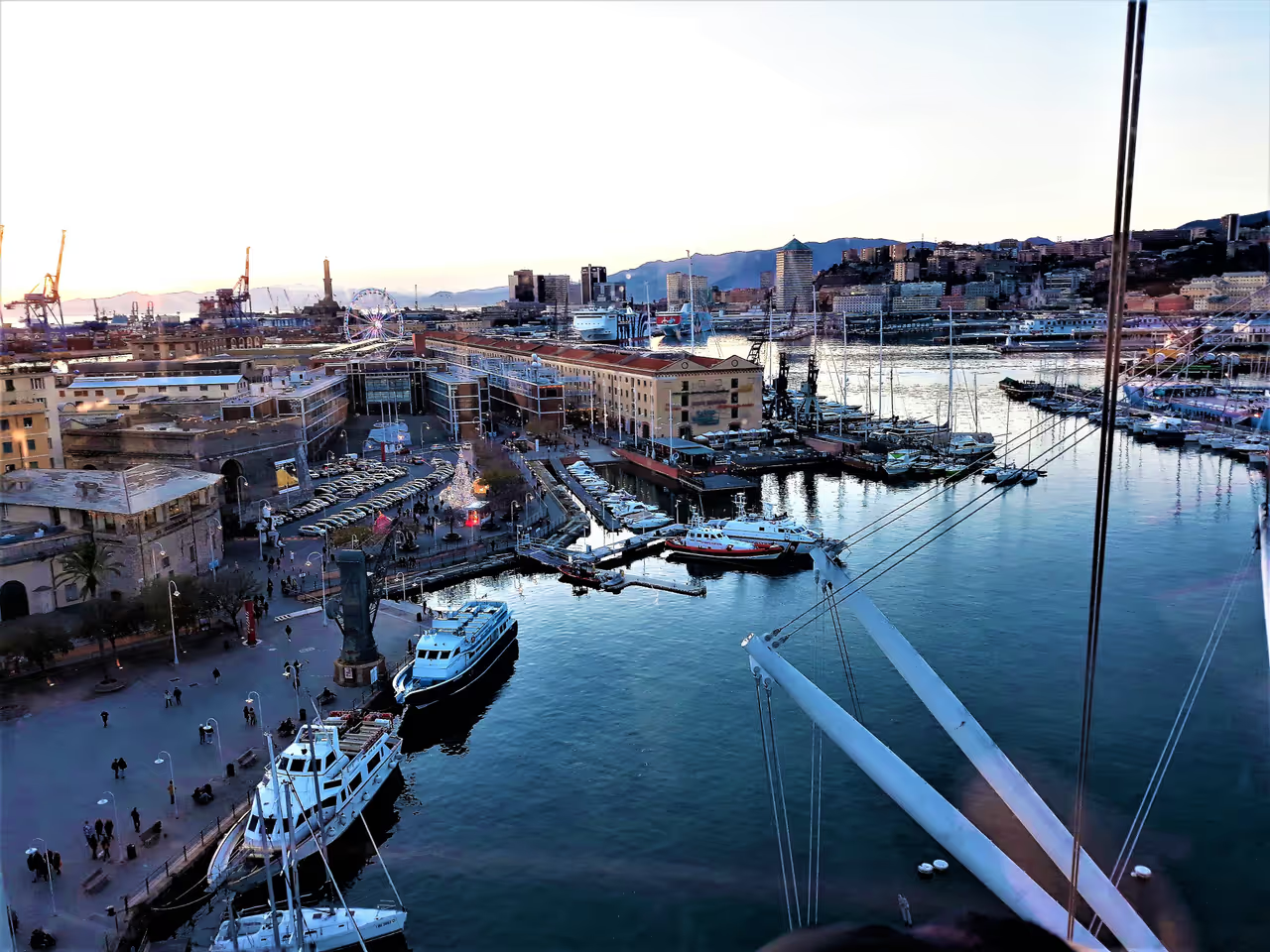
This walk explores the magnificent waterfront area that was brilliantly redesigned by architect Renzo Piano, blending the city's heavy maritime past with sleek modern design. The broad, pedestrianised pathways weave among massive yachts, old cargo ships, and striking contemporary structures. It is a highly dynamic environment where the historic city centre spills out to meet the open water. The atmosphere is vibrant and bustling, filled with street performers, families, and locals enjoying the sea breeze. Strolling here offers an unparalleled view of the city's amphitheatre-like layout climbing up the hills behind the harbour.
 HIGHLY RECOMMENDED
Caruggi Labyrinth Walk
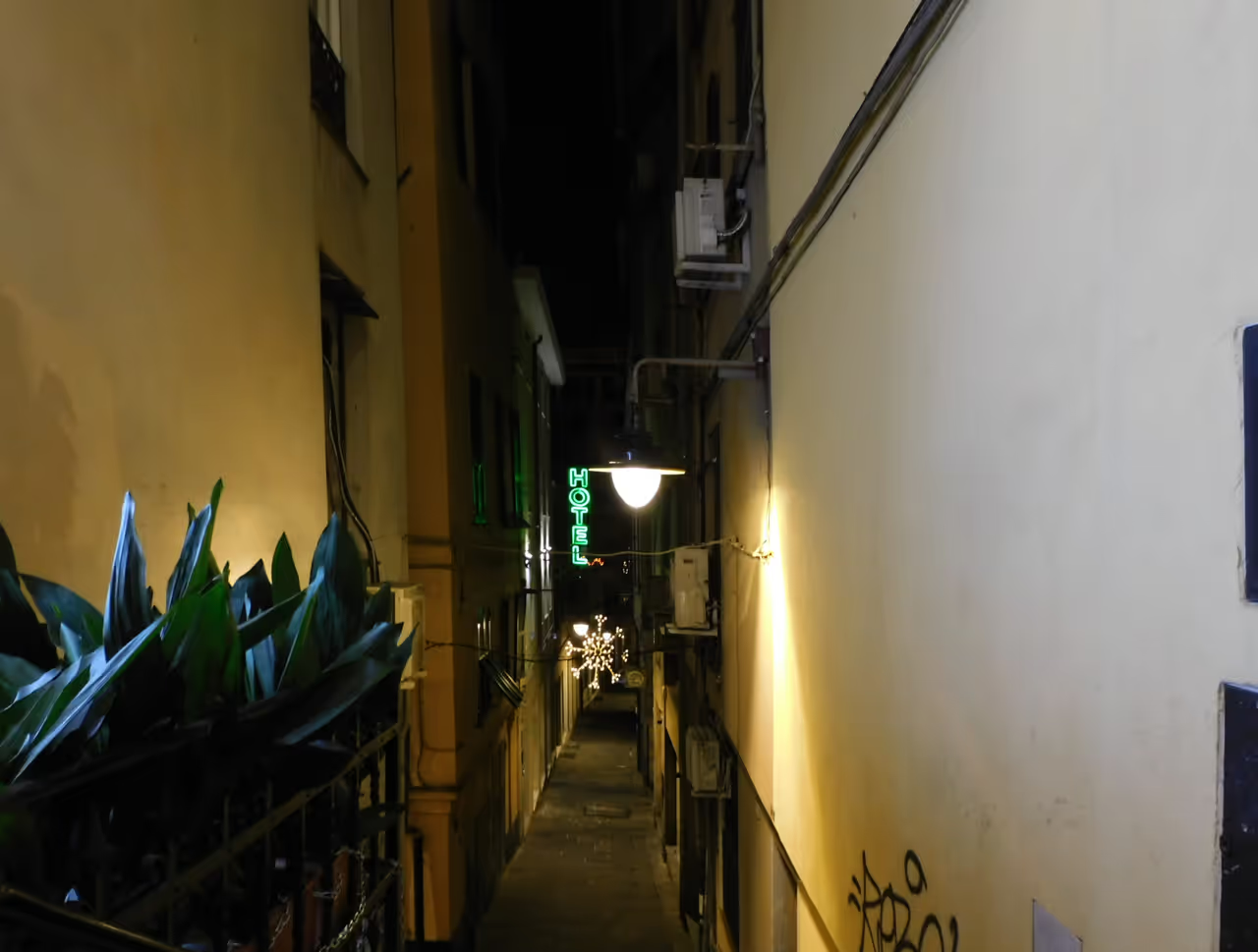
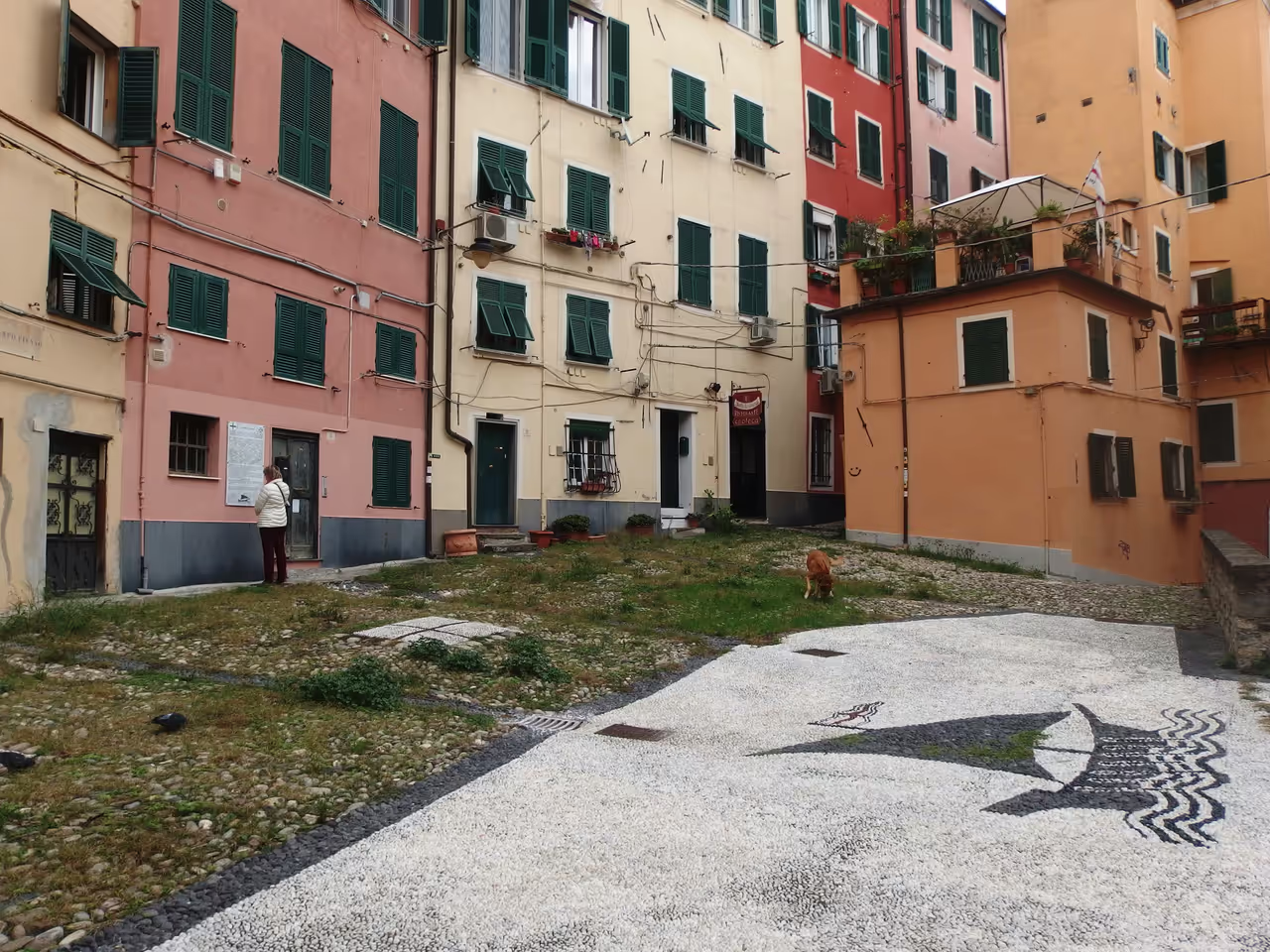
Diving into the historic centre means losing yourself in a mesmerizing network of impossibly narrow, towering alleyways known as caruggi. This walk is less about following a specific route and more about surrendering to the sensory overload of the medieval city. The tall buildings block out the sun, creating a cool, shadowy environment punctuated by sudden, bright piazzas. The air is filled with the sounds of local dialects, clinking espresso cups, and the rich smells of traditional bakeries and spice shops. It is a profoundly atmospheric journey that reveals the raw, authentic, and delightfully chaotic heart of the city.
 HIGHLY RECOMMENDED
Anita Garibaldi Promenade
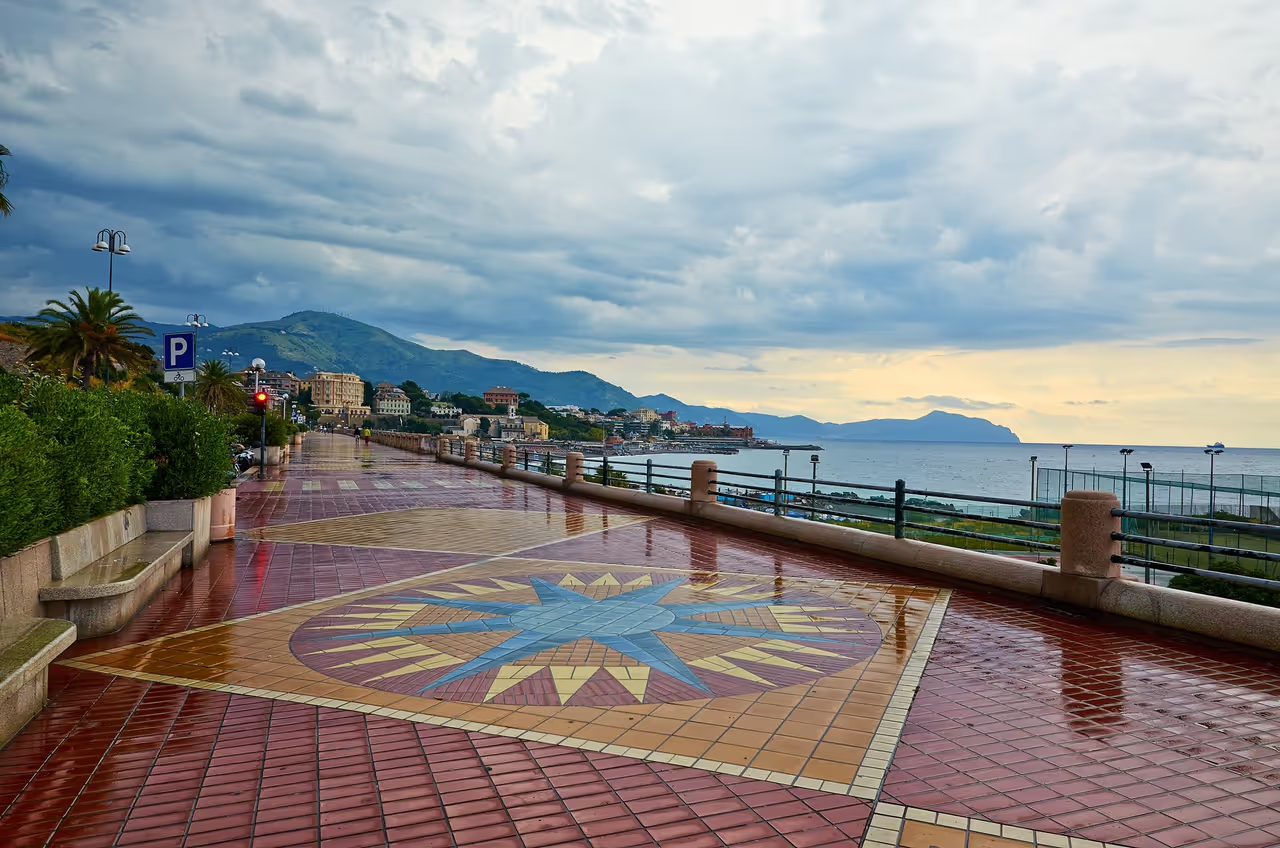
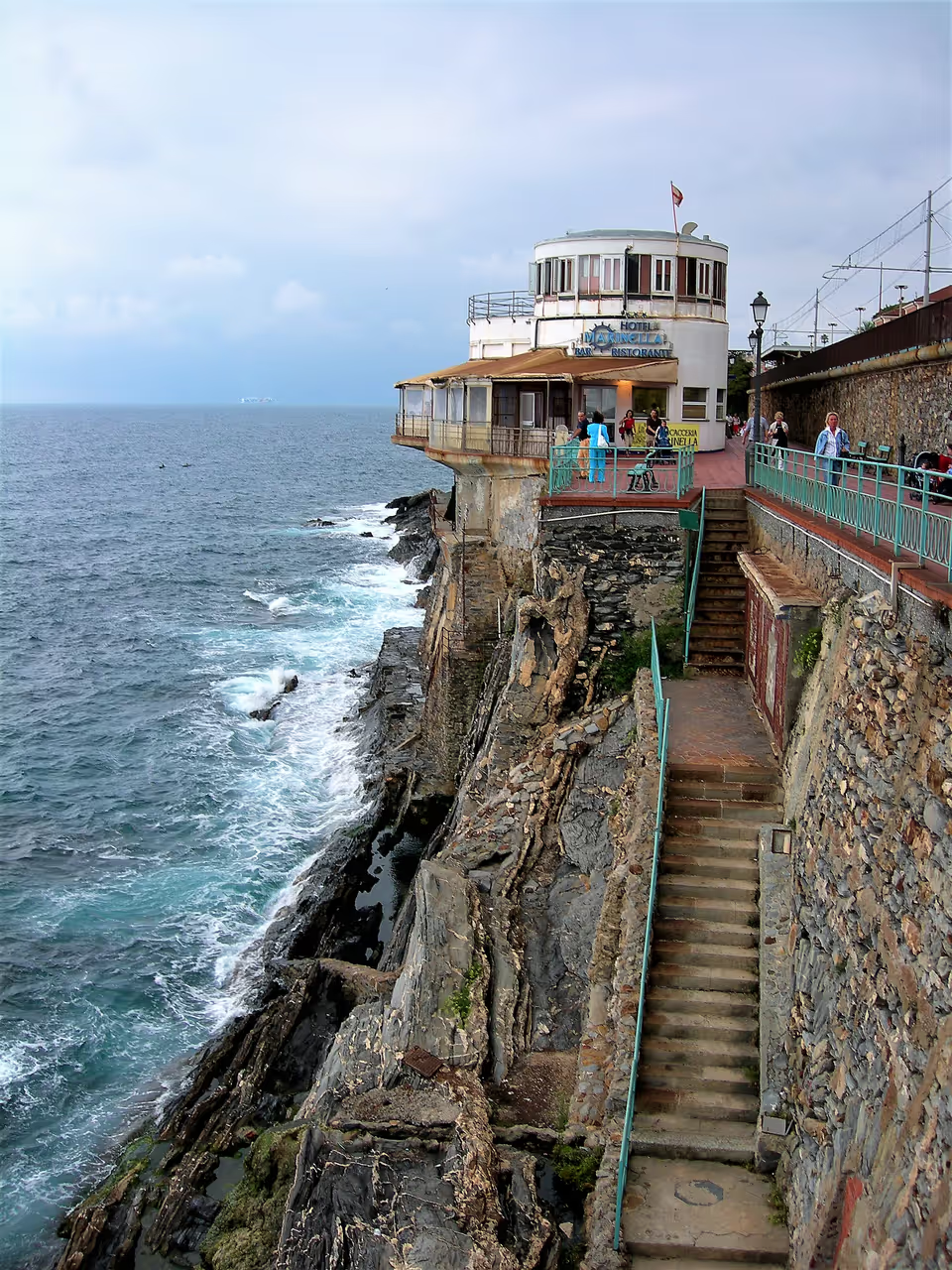
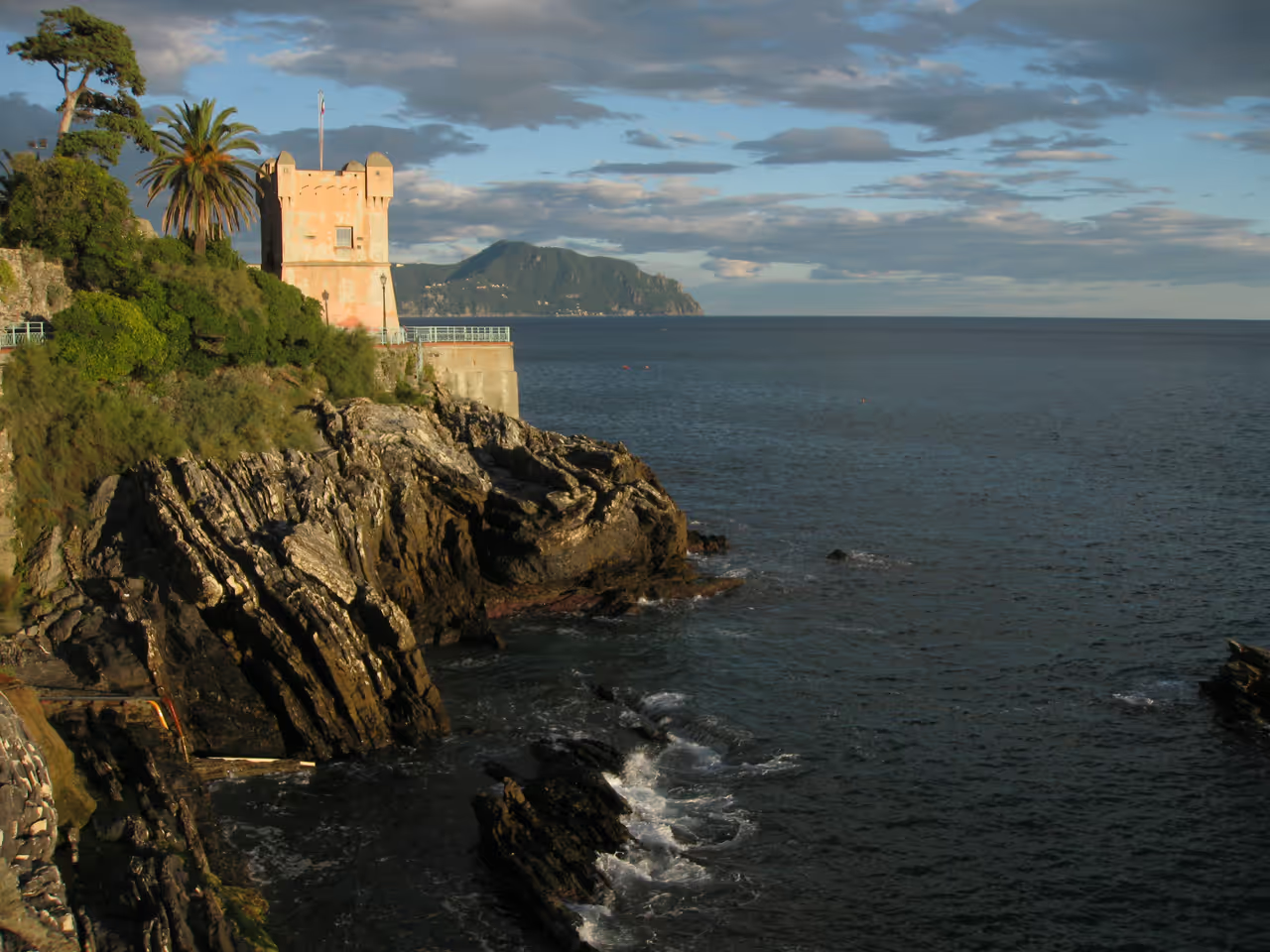
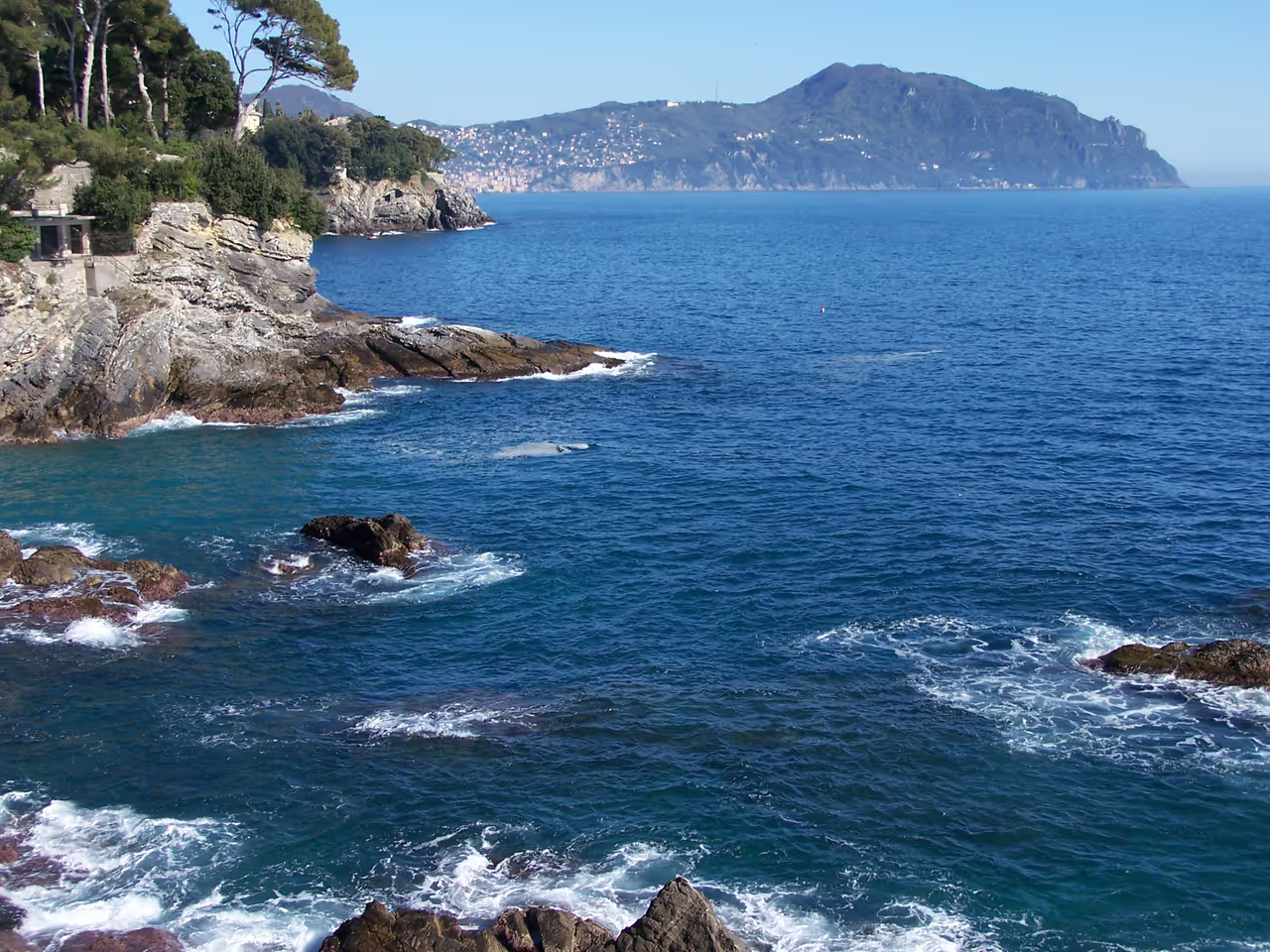
Carved directly into the rugged cliff face, this spectacular two-kilometre brick pathway offers one of the most romantic and visually stunning walks in Italy. The promenade winds its way along the coast, hovering just above the crashing waves and hidden rocky coves of the Mediterranean. On one side, you have the endless expanse of the sea, while the other borders a series of magnificent, lushly planted historical parks. The complete absence of cars makes the experience incredibly peaceful, allowing you to fully absorb the sound of the ocean and the scent of the salt air. It is a beloved local ritual to walk this path, especially as the sunlight softens in the late afternoon.
Architecture & Landmarks
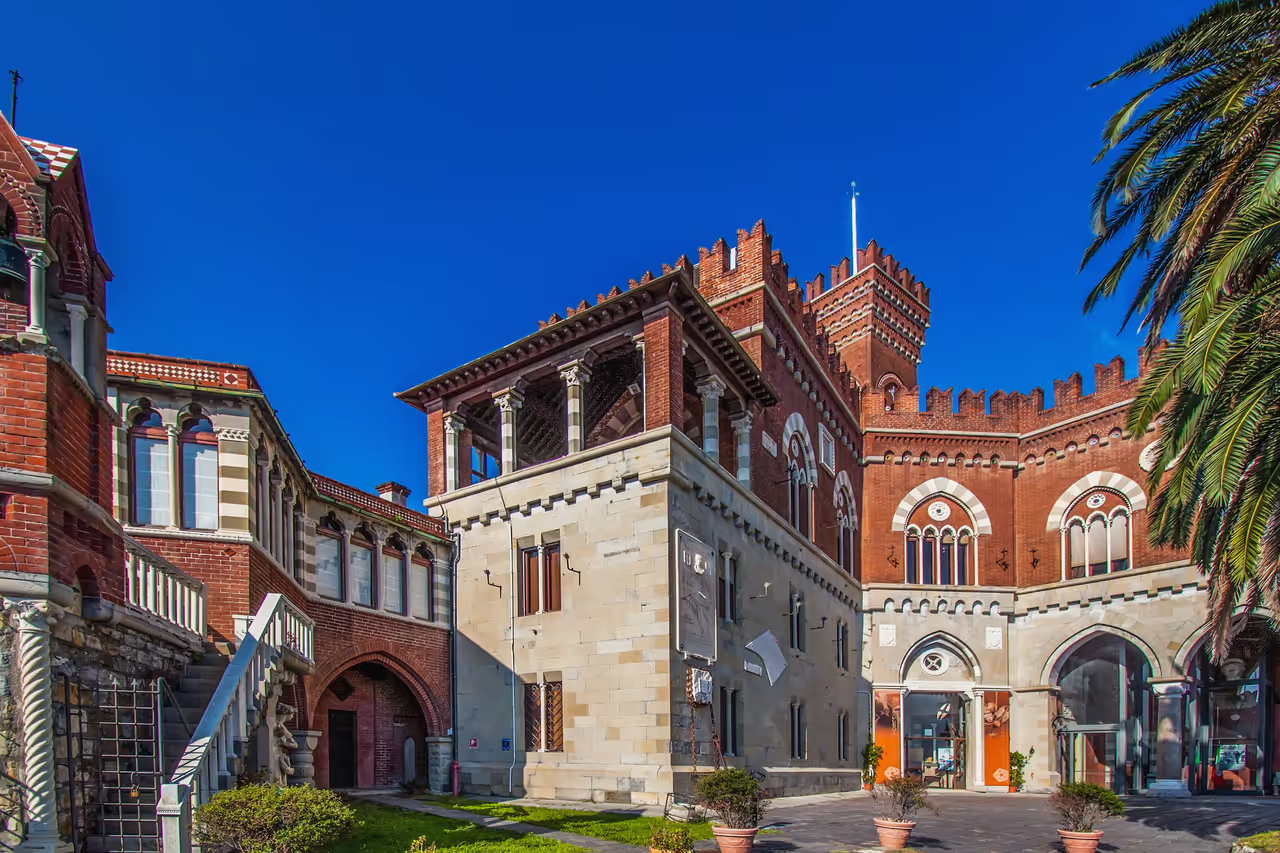
Red Palace
Instantly recognisable by its striking, deep crimson facade, this magnificent seventeenth-century mansion is a crown jewel of...
view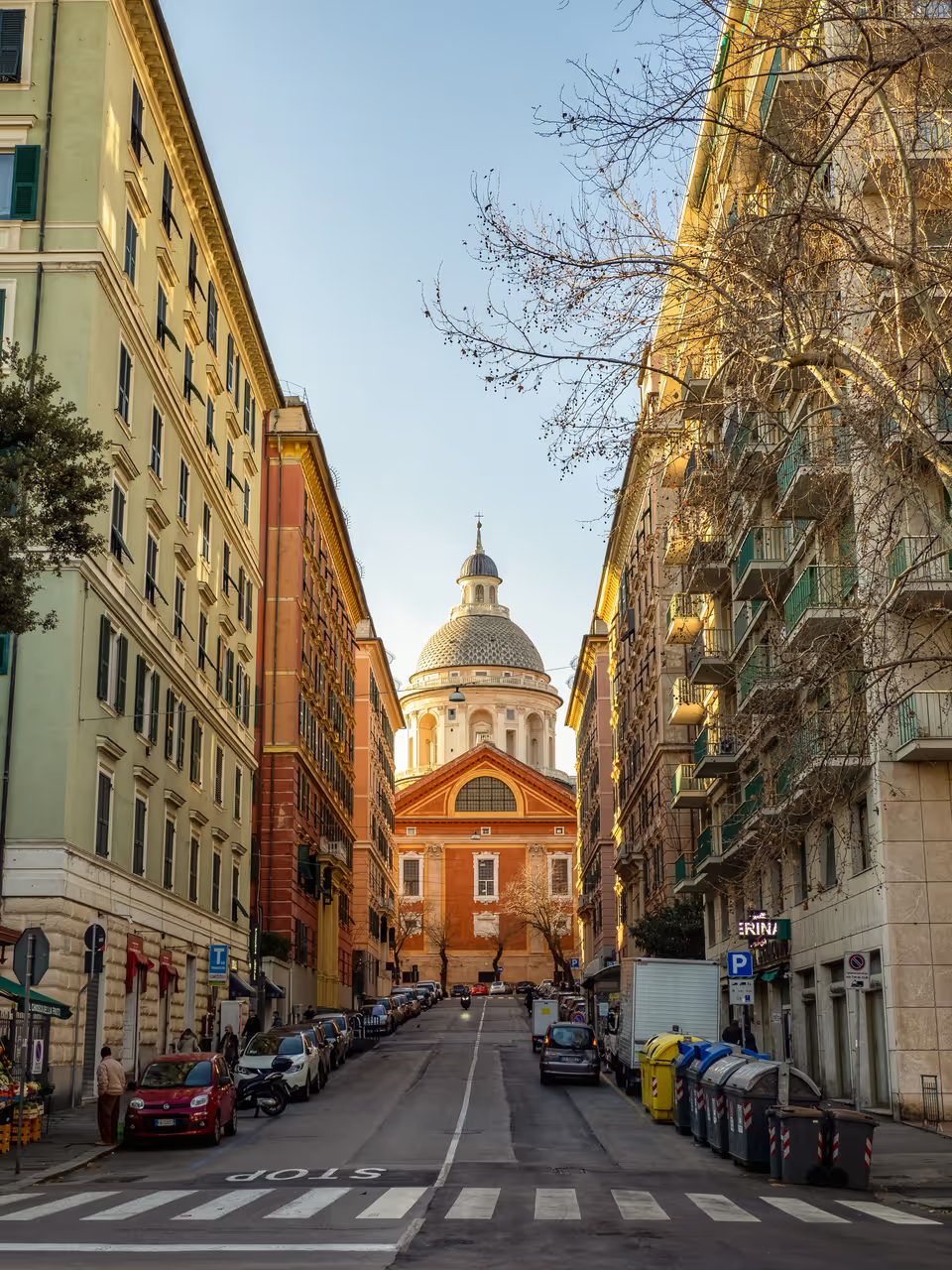
Basilica of St. Mary of the Assumption
Perched prominently on the high Carignano hill, this monumental Renaissance church dominates the city's skyline and is visible...
view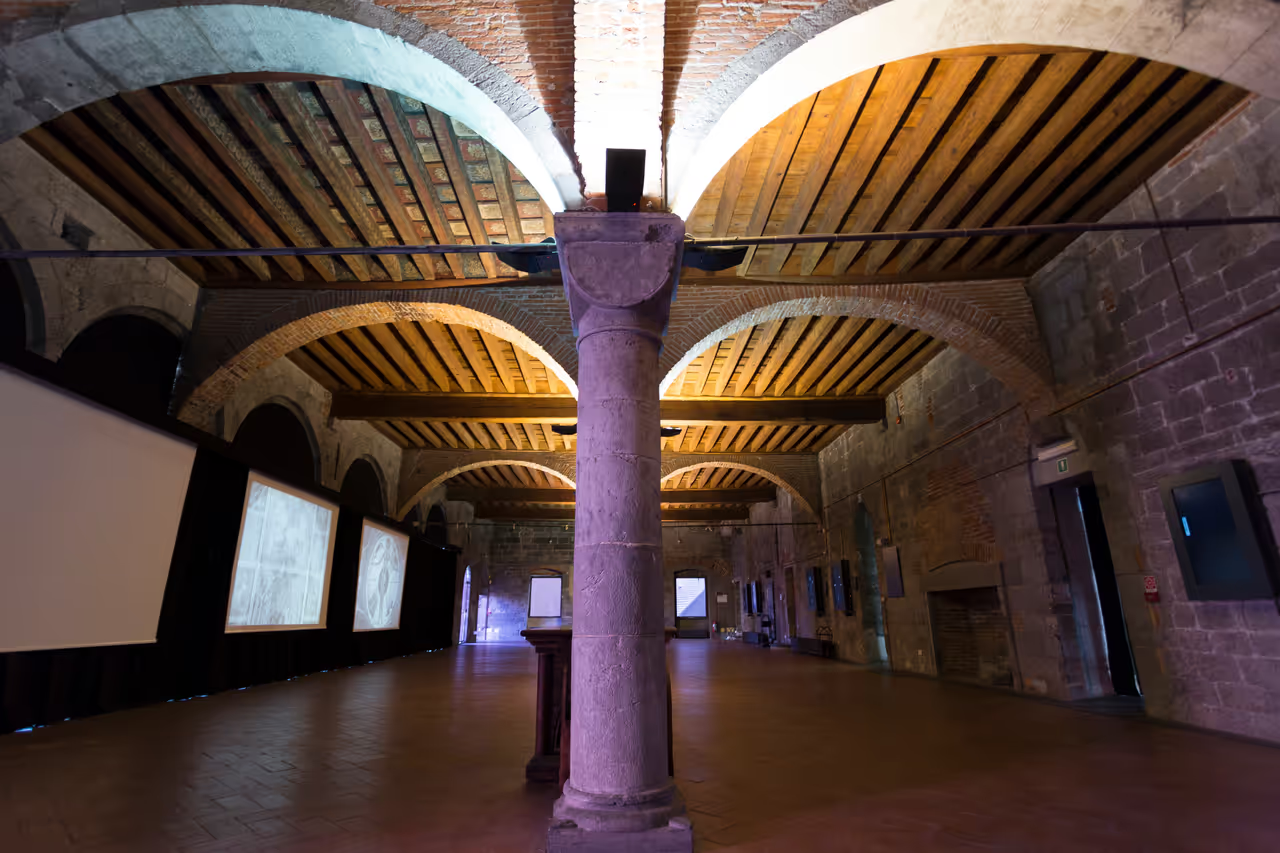
Commenda of St. John of Pré
Constructed in 1180, this incredibly austere and imposing complex originally served as a vital hospital and shelter for pilgrims...
view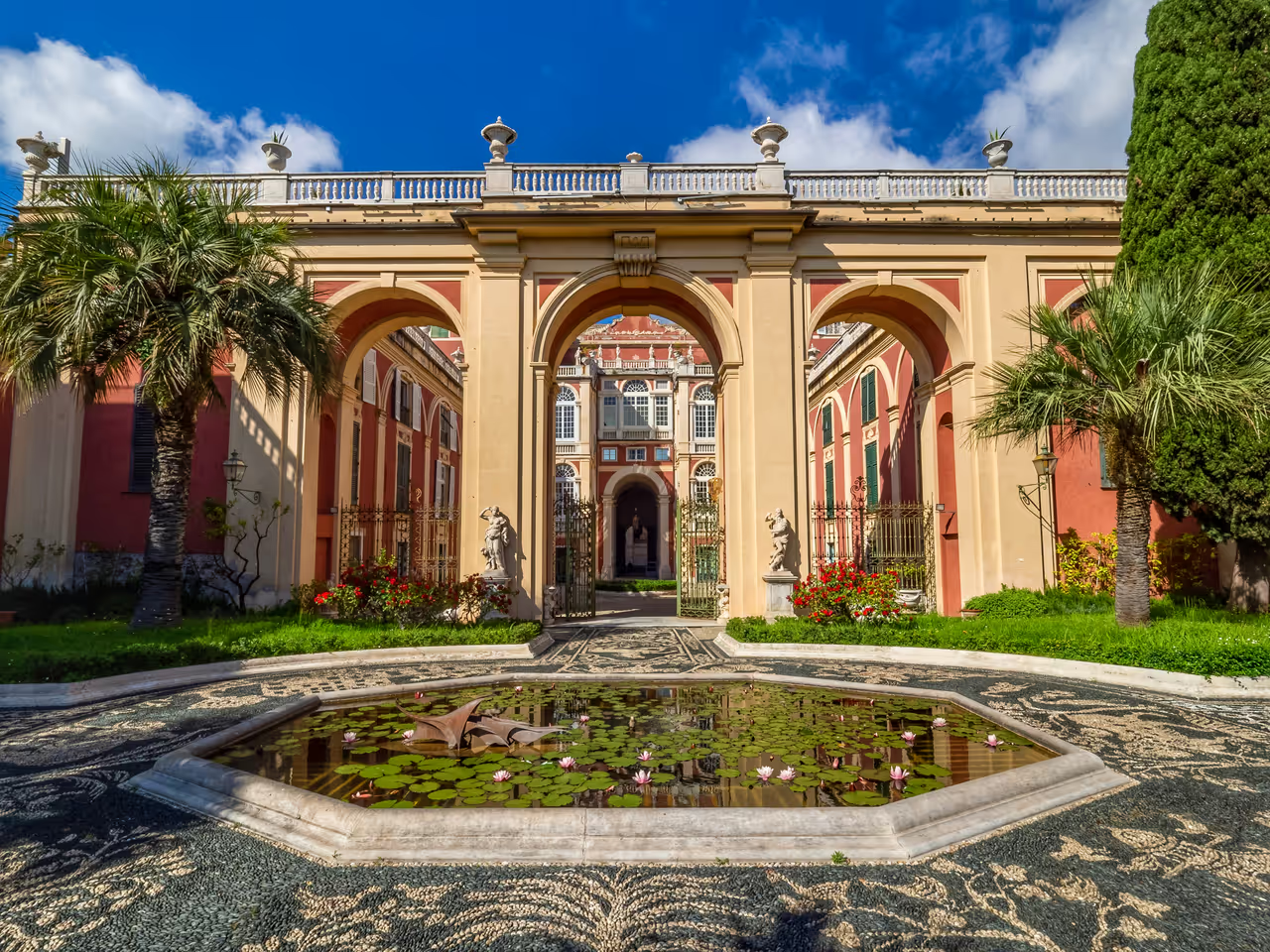
Royal Palace
Constructed in the seventeenth century by the aristocratic Balbi family, this immense complex later became a residence for the...
view
Markets & Shopping
Genoa Nightlife
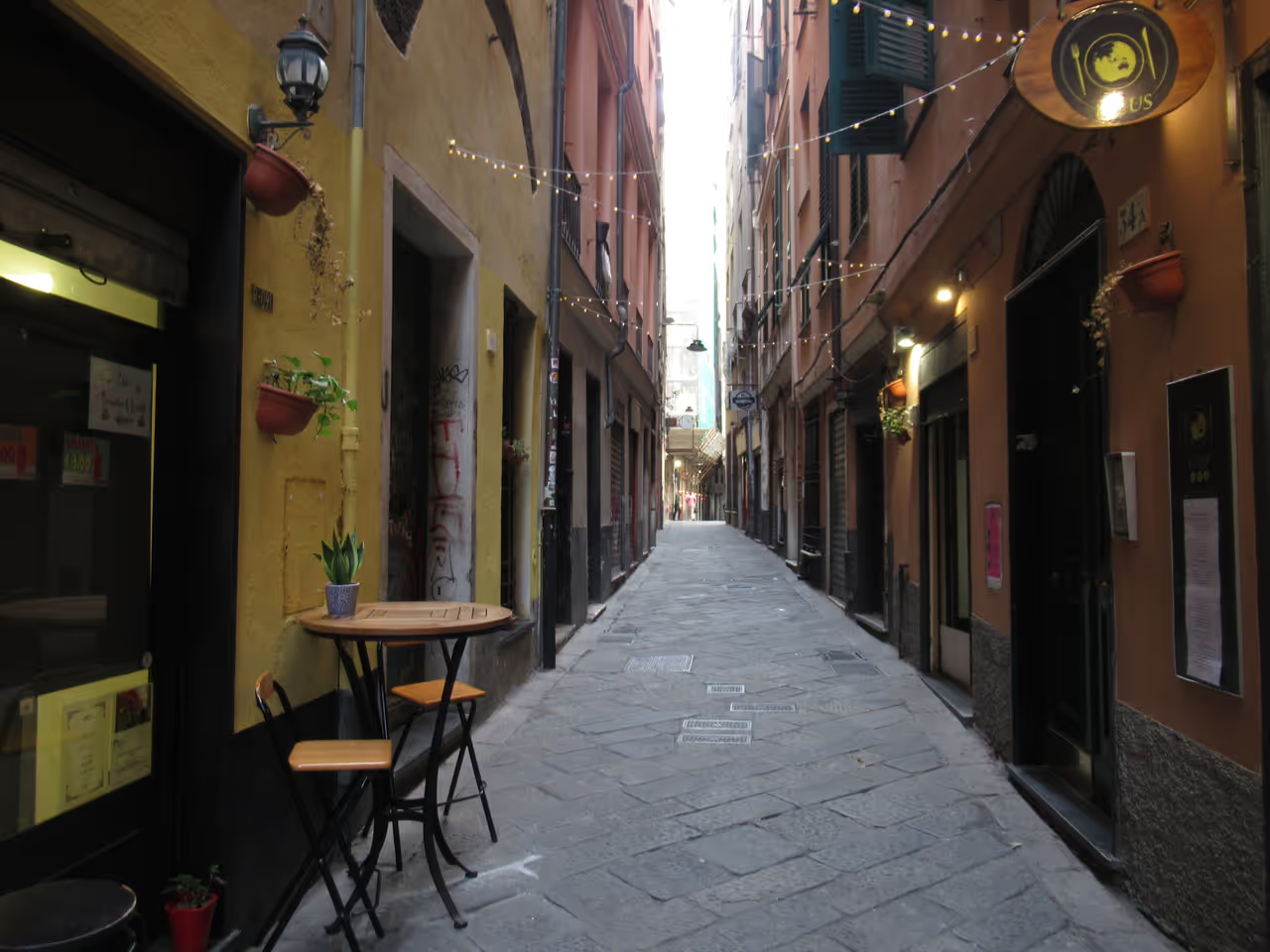
Photo Spots
Activities & Experiences
Cycling Routes
Corso Italia to Boccadasse Ride
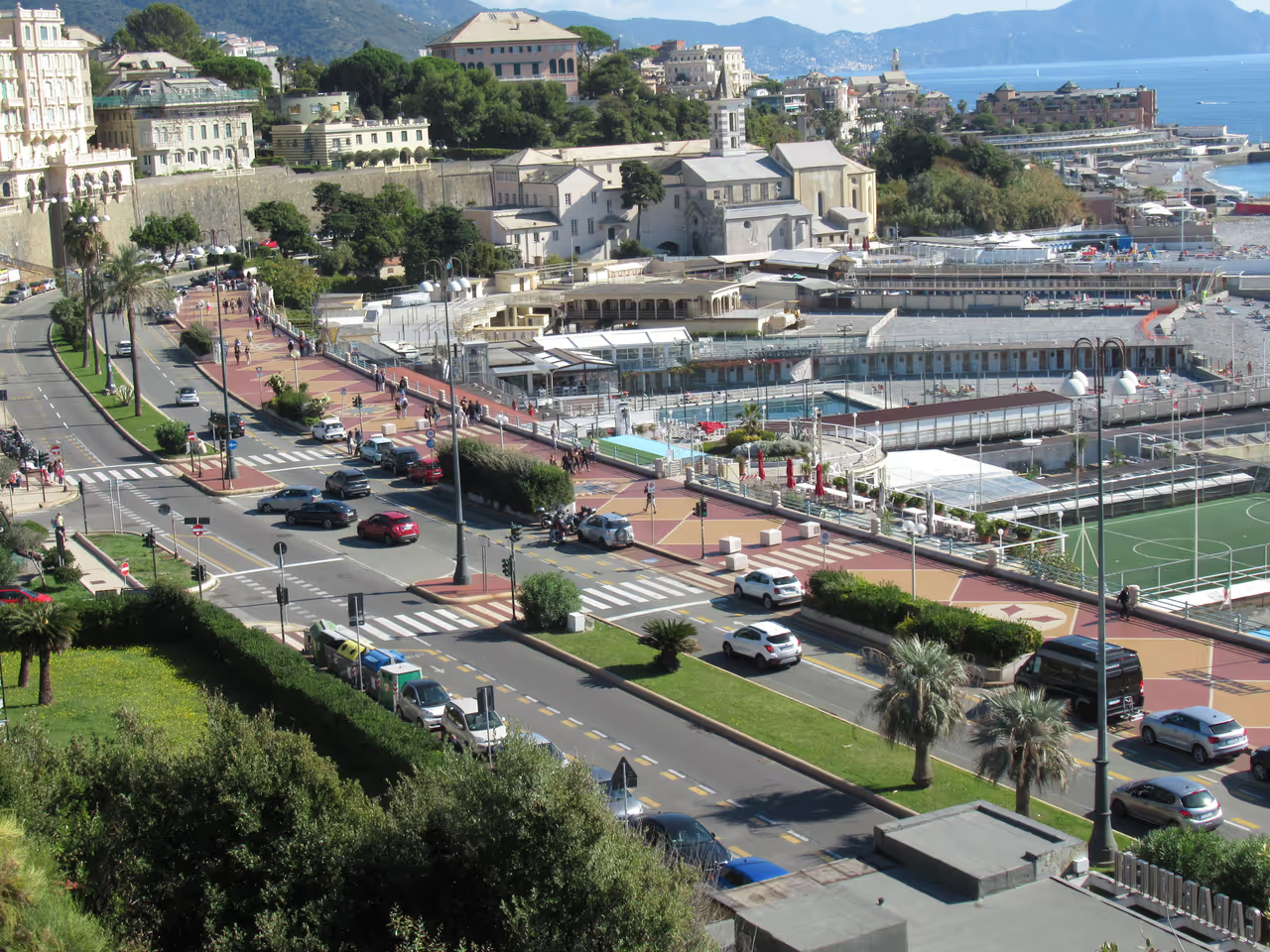
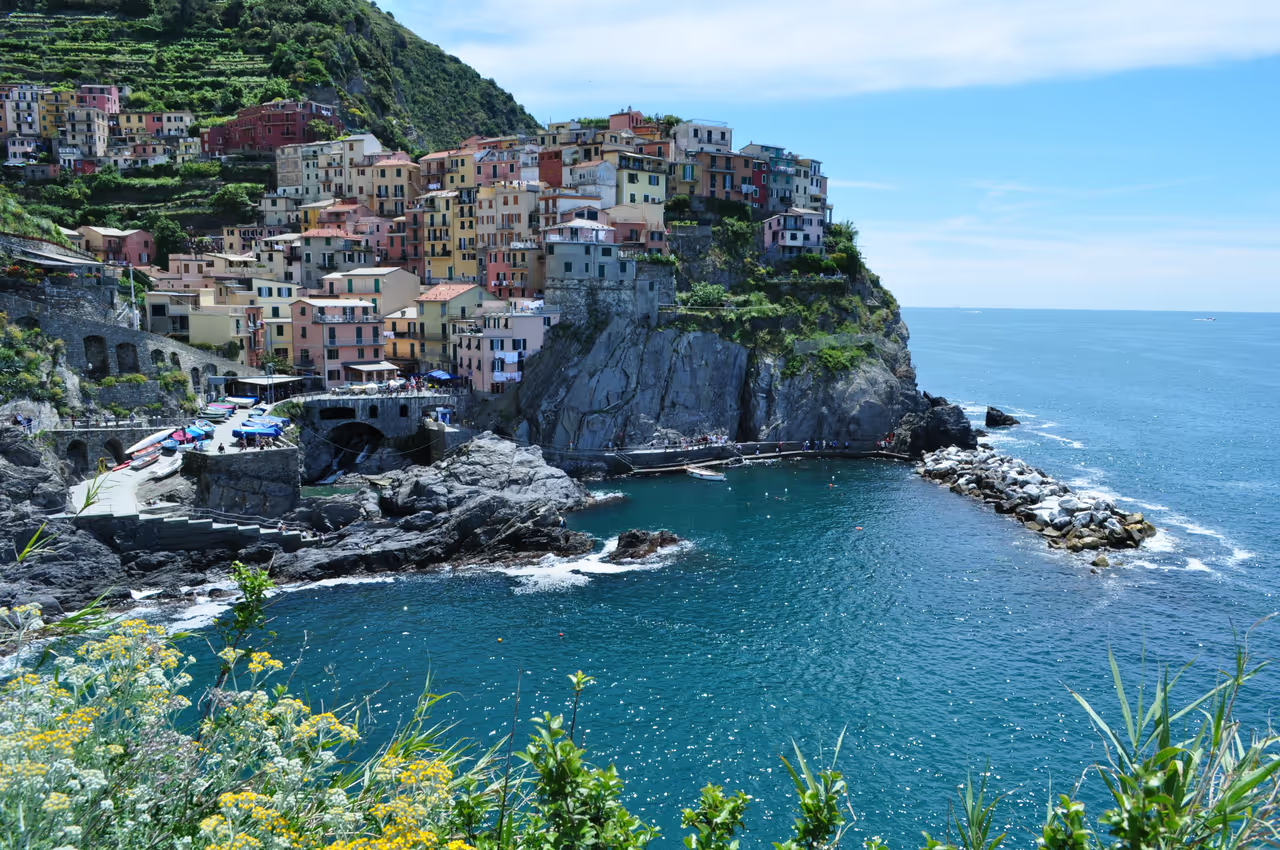
This beautifully straightforward coastal ride is a staple for locals wanting to enjoy the sea breeze on two wheels. Following the wide, dedicated bike path along the city's main promenade, cyclists are treated to uninterrupted views of the sparkling Mediterranean. The route is entirely flat, making it a highly relaxing experience suitable for all skill levels. Along the way, you pass elegant bathing establishments, striking coastal architecture, and open piazzas overlooking the water. The journey gently transitions from the grand urban seafront into the quaint, colourful charm of an ancient fishing village.
Pegli Promenade Ride
Located in the western part of the city, this peaceful route explores a neighbourhood renowned for its historic aristocratic villas and mild microclimate. The ride traces the waterfront, offering a fascinating contrast between the sandy beaches, grand historical architecture, and the distant industrial silhouettes of the port. It is a much quieter alternative to the central city paths, heavily favoured by locals for weekend outings. The flat terrain makes for an effortless glide, allowing you to easily take in the unique atmosphere of this distinct coastal suburb. It is a fantastic way to discover an area that many visitors overlook.
Historic Aqueduct Trail
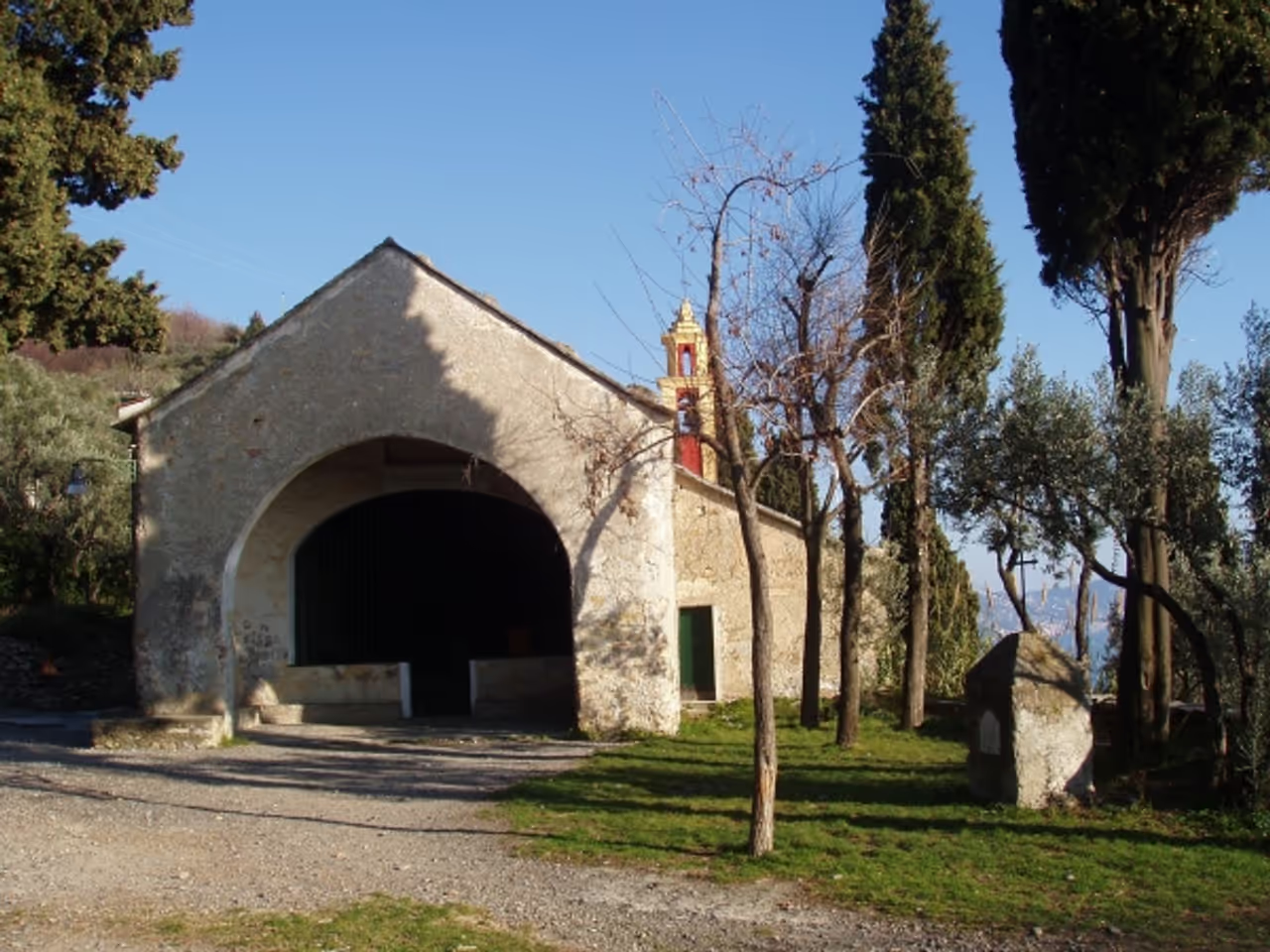
This highly unique route takes cyclists away from the sea and up into the steep, green valleys that cradle the city. The trail follows the remarkably well-preserved stone structures of an ancient aqueduct that supplied water to the city for centuries. Riding along the flat, elevated stone channels provides an incredible sensation of moving through history while being surrounded by dense forests and small rural villages. The path weaves across impressive arched bridges and offers sudden, plunging views down into the Bisagno Valley. It is an adventurous, deeply atmospheric ride that showcases the impressive engineering of the past.
Self-Guided Tours
Heart of the Medieval Republic
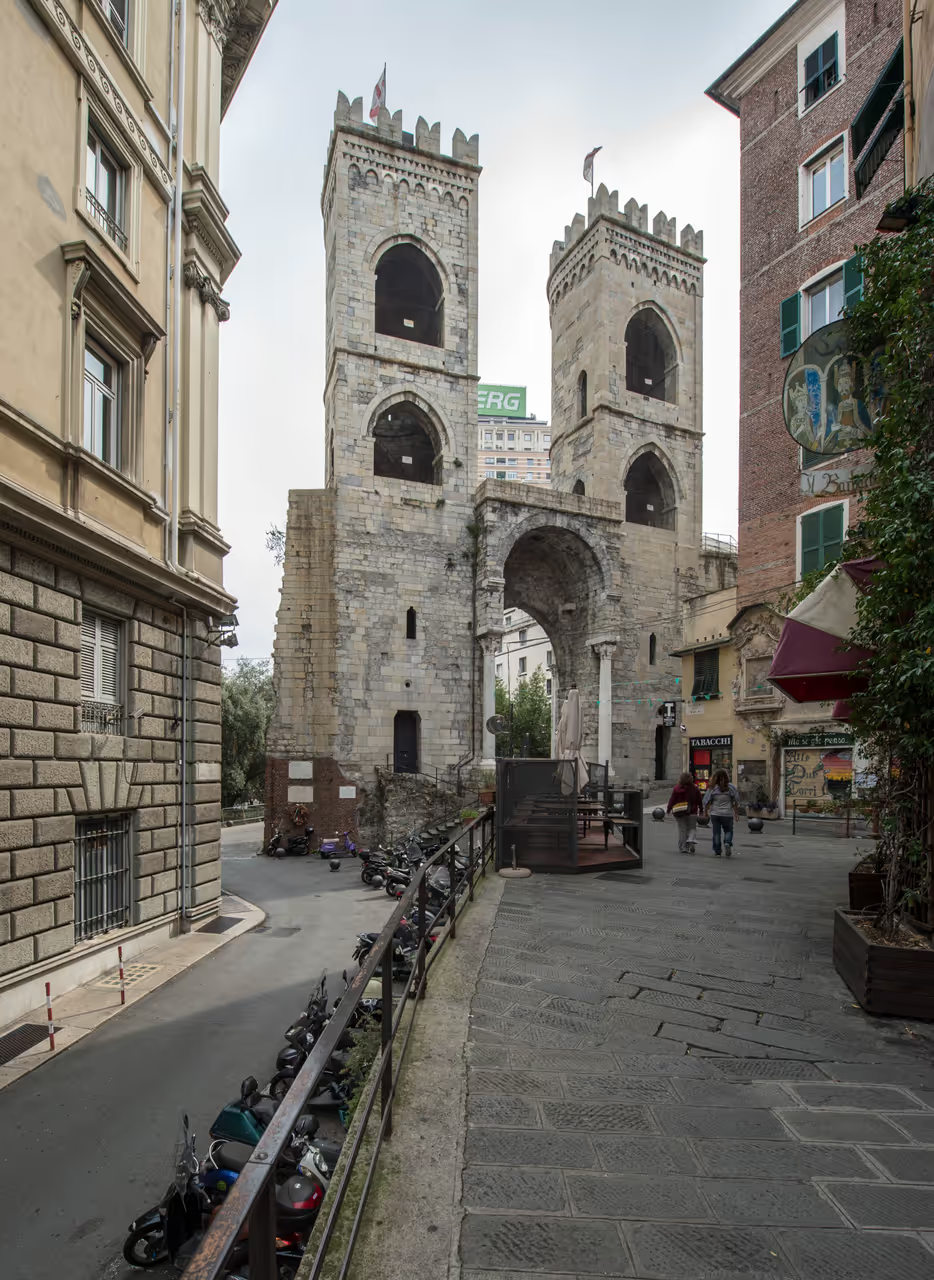
Before the Renaissance palaces were built, the city was a gritty, powerful medieval stronghold. This tour delves deep into the oldest sections of the caruggi, exploring the remnants of the powerful noble families who once fought for control of the republic. The route uncovers stark black-and-white striped churches, fortified tower houses, and ancient cloisters hidden from the main thoroughfares. It is a journey back to the time of the Crusades, maritime dominance, and intense political rivalries. The atmosphere in these ancient, shadowed stones is heavy with centuries of tumultuous history.
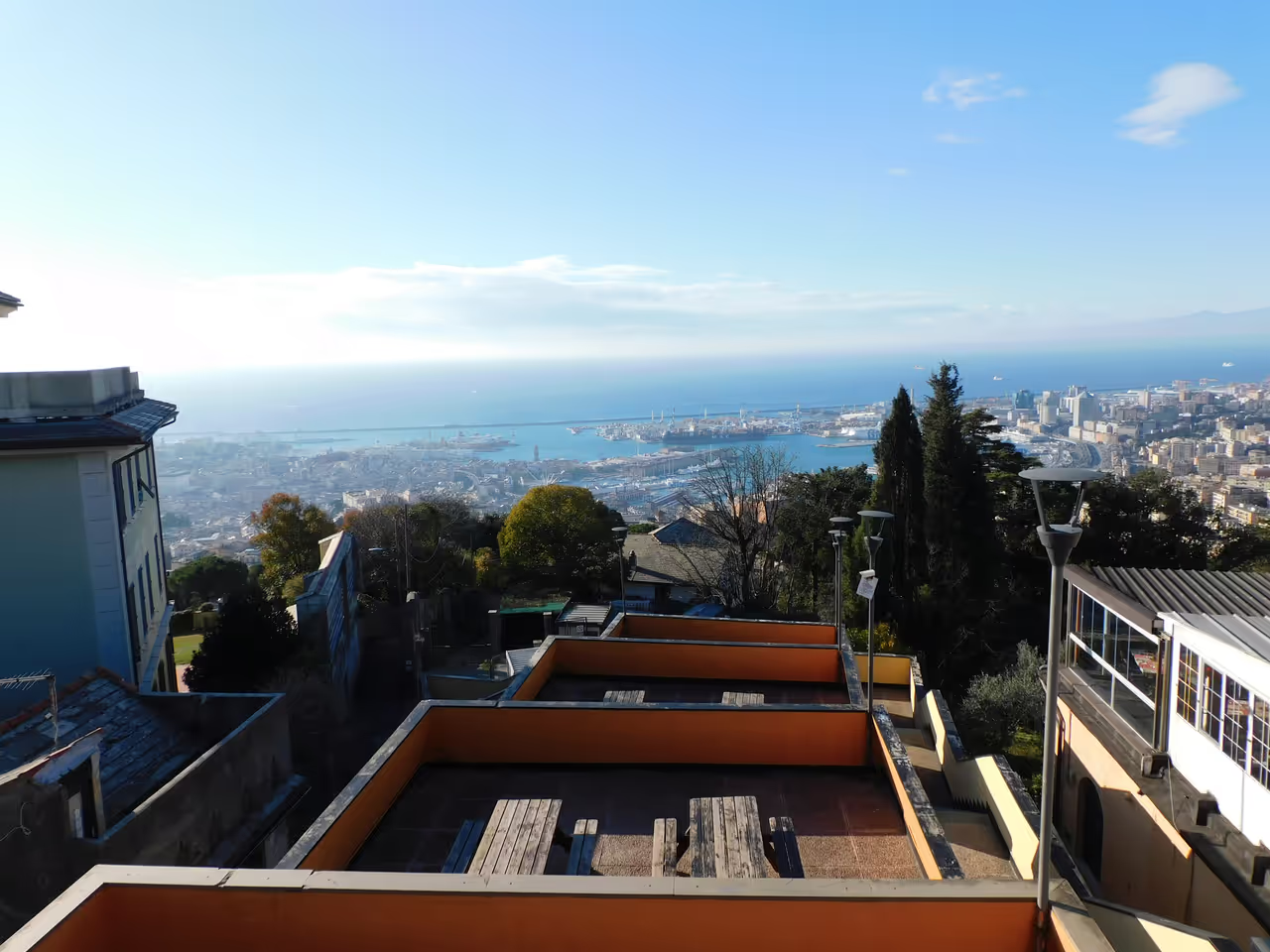
Panoramic Heights
To truly understand the geography of this vertical city, you must leave the crowded port and ascend the steep hills. This tour utilises the city's brilliant network of historic public funiculars and elevators, transforming public transport into a sightseeing adventure. The route connects a series of stunning elevated belvederes, offering sweeping views of the slate rooftops, the harbour, and the Mediterranean horizon. It provides a highly unique perspective on how the city is incredibly squeezed between the mountains and the sea. The contrast between the tight, noisy alleys below and the open, breezy terraces above is remarkable.
- HIGHLY RECOMMENDED
Golden Palaces Route
This tour focuses on the breathtaking legacy of the sixteenth century, an era when the city's bankers were the wealthiest in the world. It traces the paths of the Strada Nuova (now Via Garibaldi) and Via Balbi, streets entirely lined with the magnificent Palazzi dei Rolli. These were the grand aristocratic mansions selected by public lottery to host visiting kings, popes, and ambassadors. The sheer concentration of opulence, featuring massive frescoed courtyards, monumental staircases, and hidden hanging gardens, is staggering. Walking this route provides a vivid understanding of the power and artistic patronage that defined 'The Century of the Genoese'.
Annual Festivals & Events
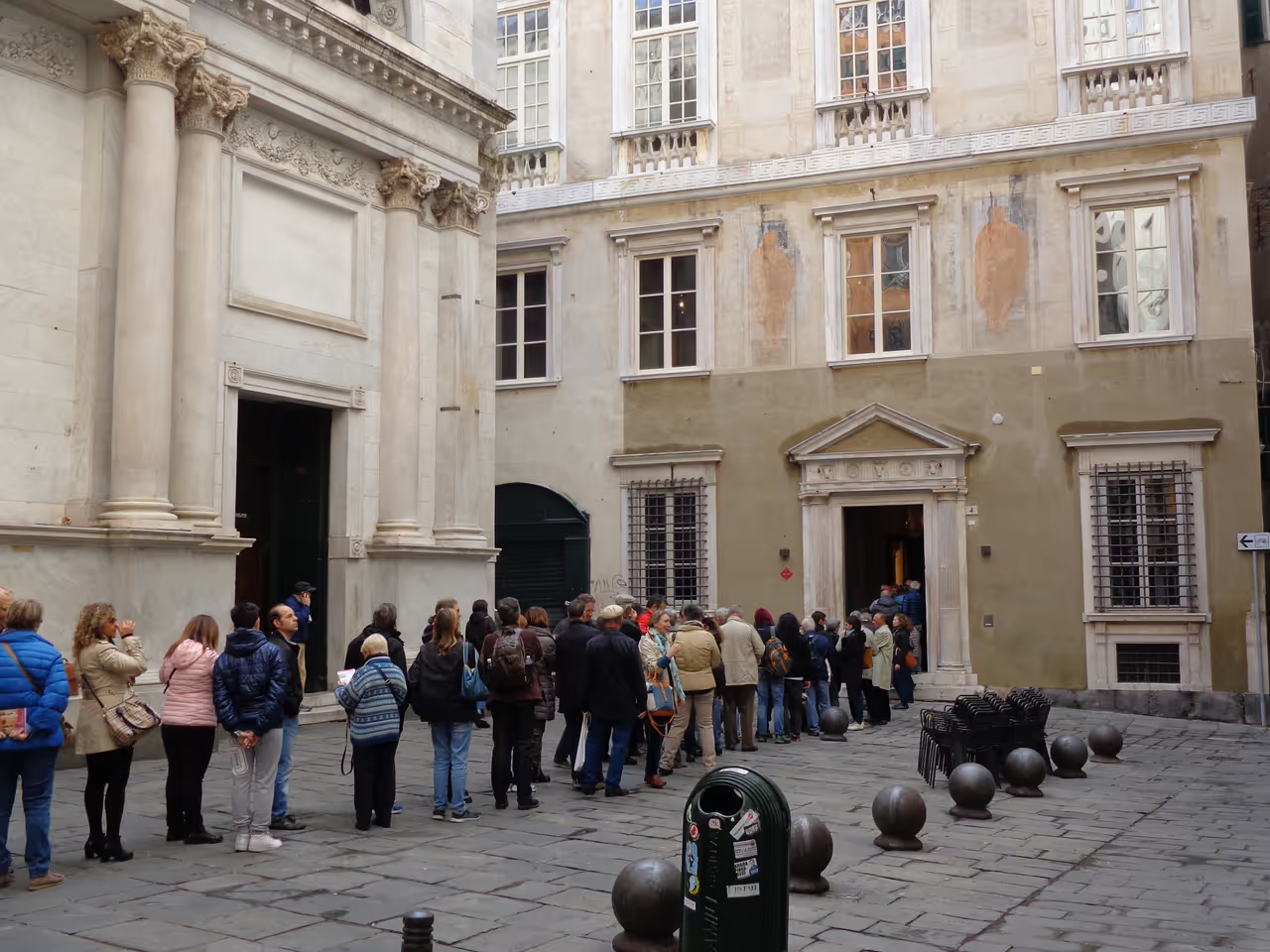 HIGHLY RECOMMENDED
Rolli Days
Twice a year, the city unlocks the doors to its most magnificent private aristocratic mansions, known as the Palazzi dei Rolli. These stunning Renaissance and Baroque palaces, many of which are usually closed to the public, welcome visitors to admire their opulent frescoes, hidden courtyards, and grand staircases. It is a rare opportunity to step inside the private residences that once hosted kings and emperors during the city's golden age. The atmosphere is highly festive, with guided tours, musical performances, and theatrical events bringing the history of these spectacular buildings to life.
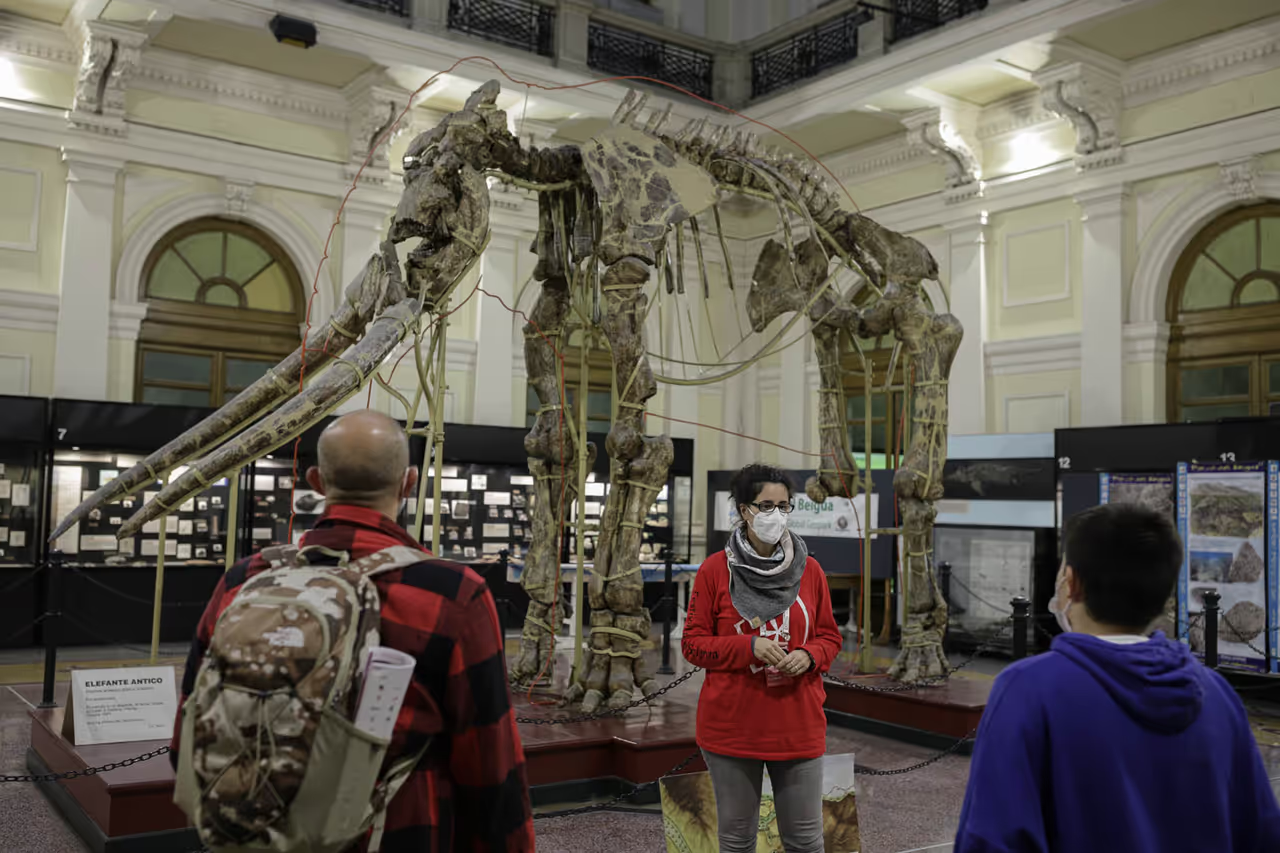
Festival of Science
This massive international event transforms the city into a vibrant hub of scientific discovery, innovation, and education. Hundreds of interactive exhibitions, workshops, and lectures are hosted in historic palaces, museums, and public squares across the centre. It attracts leading global scientists, researchers, and curious minds of all ages who come together to explore complex topics in an accessible and engaging way. The juxtaposition of cutting-edge robotics and physics presentations inside centuries-old Renaissance buildings creates a uniquely captivating experience.
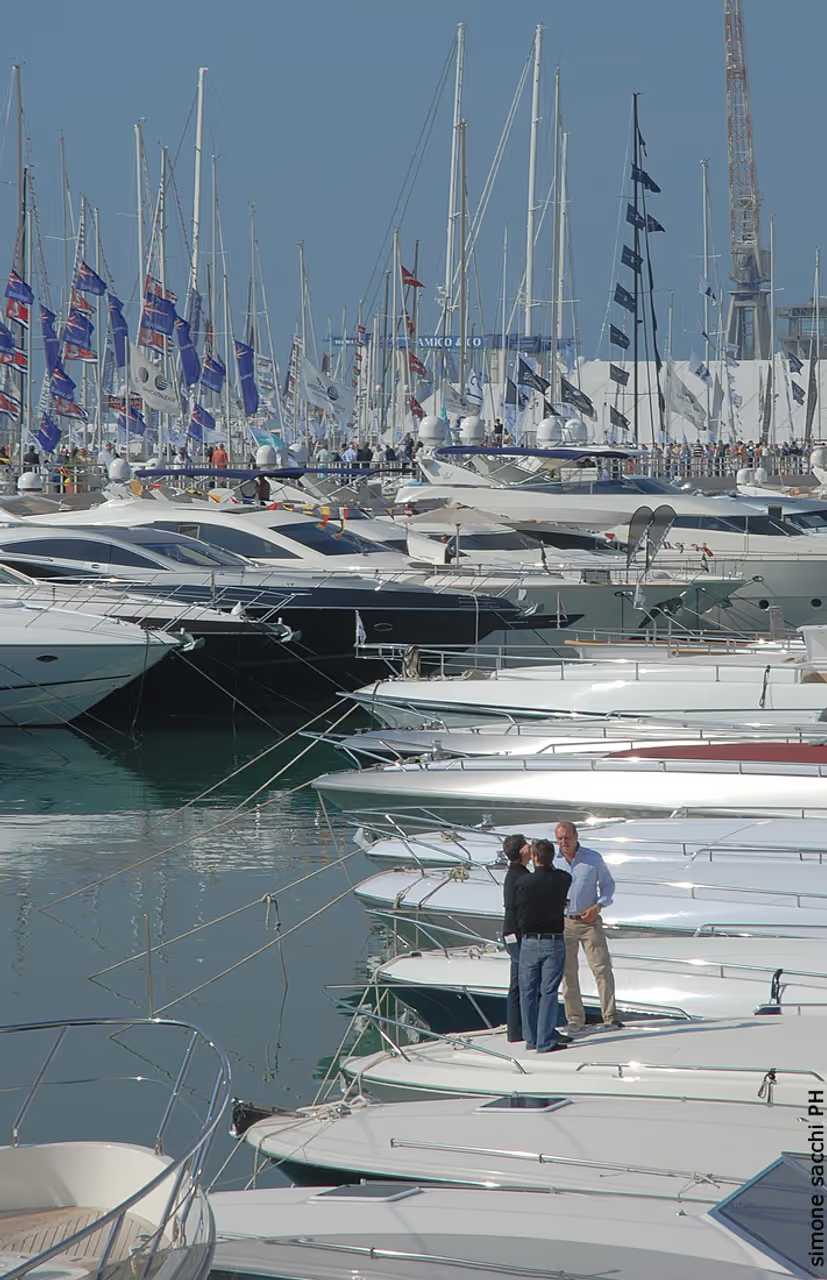
Genoa International Boat Show
As one of the world's premier maritime exhibitions, this event celebrates the city's deep-rooted seafaring heritage on a massive scale. The waterfront area is completely taken over by hundreds of luxury yachts, sleek sailboats, and cutting-edge marine technology from global manufacturers. Visitors can stroll along the docks admiring the spectacular vessels, watch live demonstrations, and soak in the glamorous nautical atmosphere. It is a major event that draws sailing enthusiasts and industry professionals from around the globe to the beautiful Ligurian coast.
Insider Tips
To avoid a steep fine, remember that your standard AMT bus ticket is not valid on the urban Trenitalia trains unless you purchase the slightly more expensive 'integrated' ticket option.
Save your legs when navigating the steep hills by using the city's historic public elevators and funiculars, which are fully integrated into the public transport network.
When ordering focaccia at a bakery, always ask for the pieces that have just come out of the oven; the warm, oily, crispy edges offer an entirely different experience than the cold slices.
Locals never order a cappuccino with a meal, especially seafood; stick to wine or water during lunch, and save the milky coffees strictly for breakfast.
While the historical centre is charming, avoid wandering down the extremely narrow, unlit alleyways near Via di Prè after dark, as they can feel sketchy.
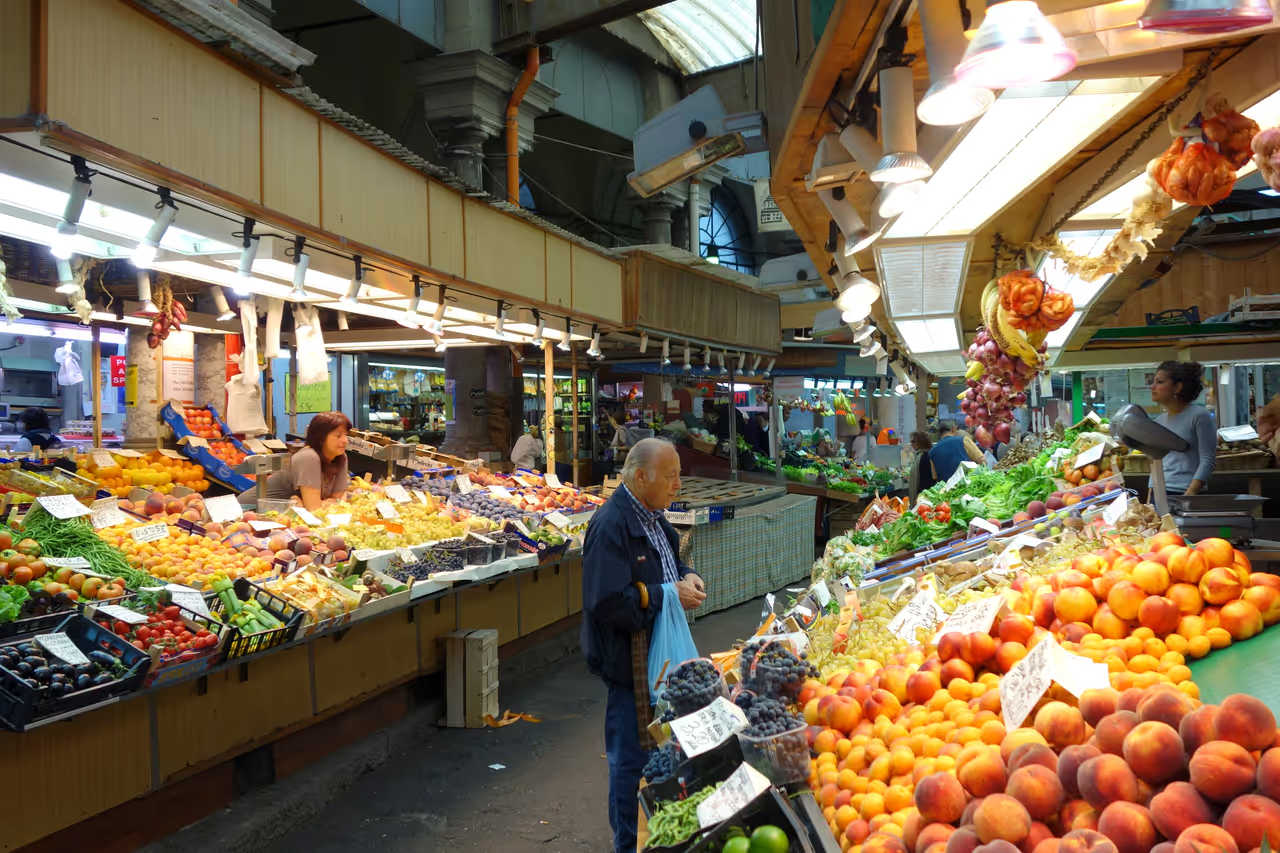
Head to the Mercato Orientale if you want to buy the freshest basil, pine nuts, and local cheeses to attempt making authentic pesto at home.
PERFECT FOR
Genoa is an absolute dream for history enthusiasts, architecture lovers, and foodies craving authentic Italian coastal cuisine. It is perfect for curious wanderers who prefer exploring hidden alleys and experiencing a gritty maritime charm over visiting polished tourist traps. Those who enjoy a blend of cultural depth, vibrant port life, and dramatic seaside landscapes will find themselves completely captivated here.
VIBE
The city feels wonderfully raw and unpolished, wearing its glorious maritime history with a sense of nonchalant pride. Wandering through the shadowy, labyrinthine alleyways, the salty smell of the sea mingles with the aroma of freshly baked focaccia. It is a place of sharp contrasts, where gritty port life operates just steps away from breathtakingly opulent Renaissance palaces.
Frequently Asked Questions about Genoa
While we strive to keep this information accurate and up to date, we recommend verifying any details independently before making decisions based on them.
Similar Destinations in Italy
Continue your journey. Explore these highly recommended cities and uncover more of what Italy has to offer.