Nervi
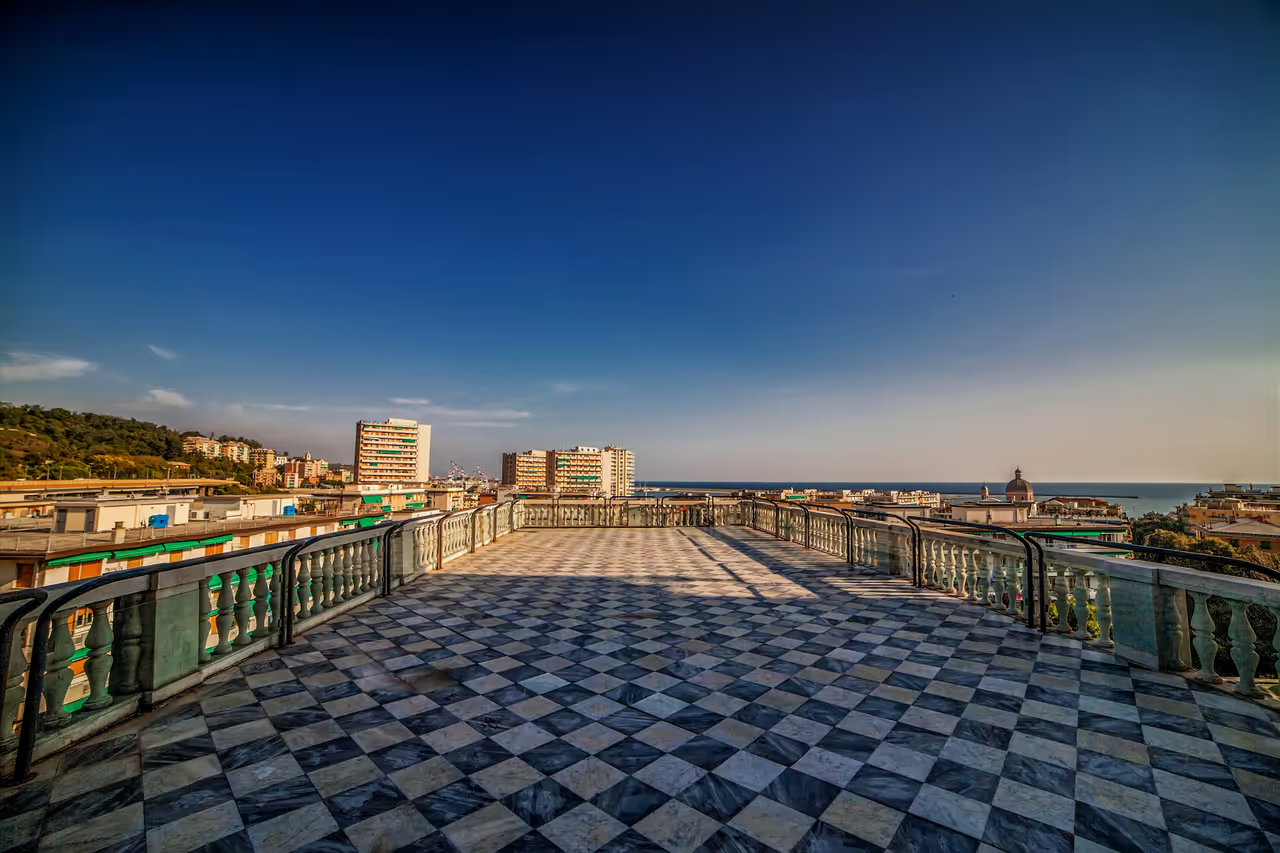
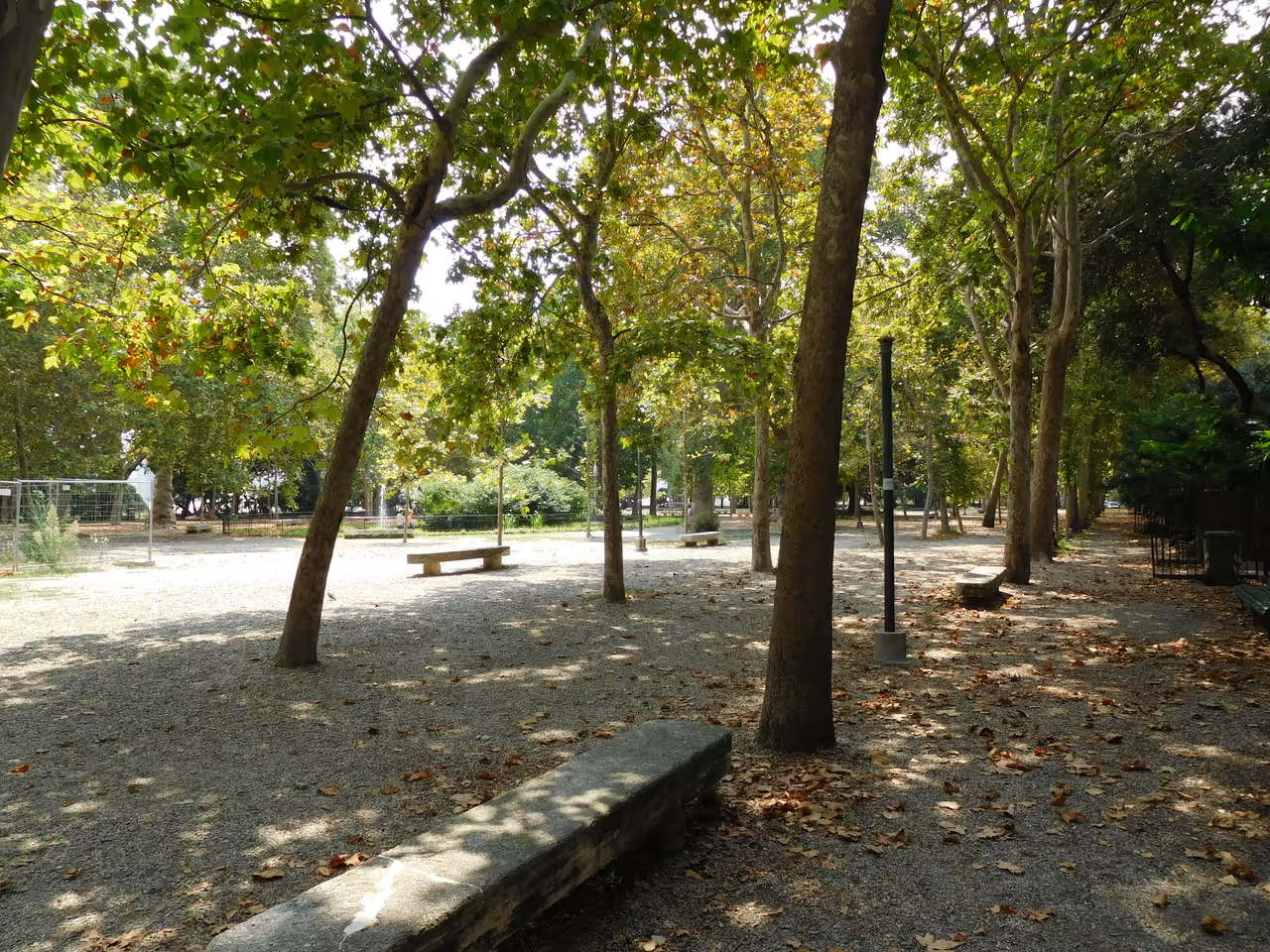
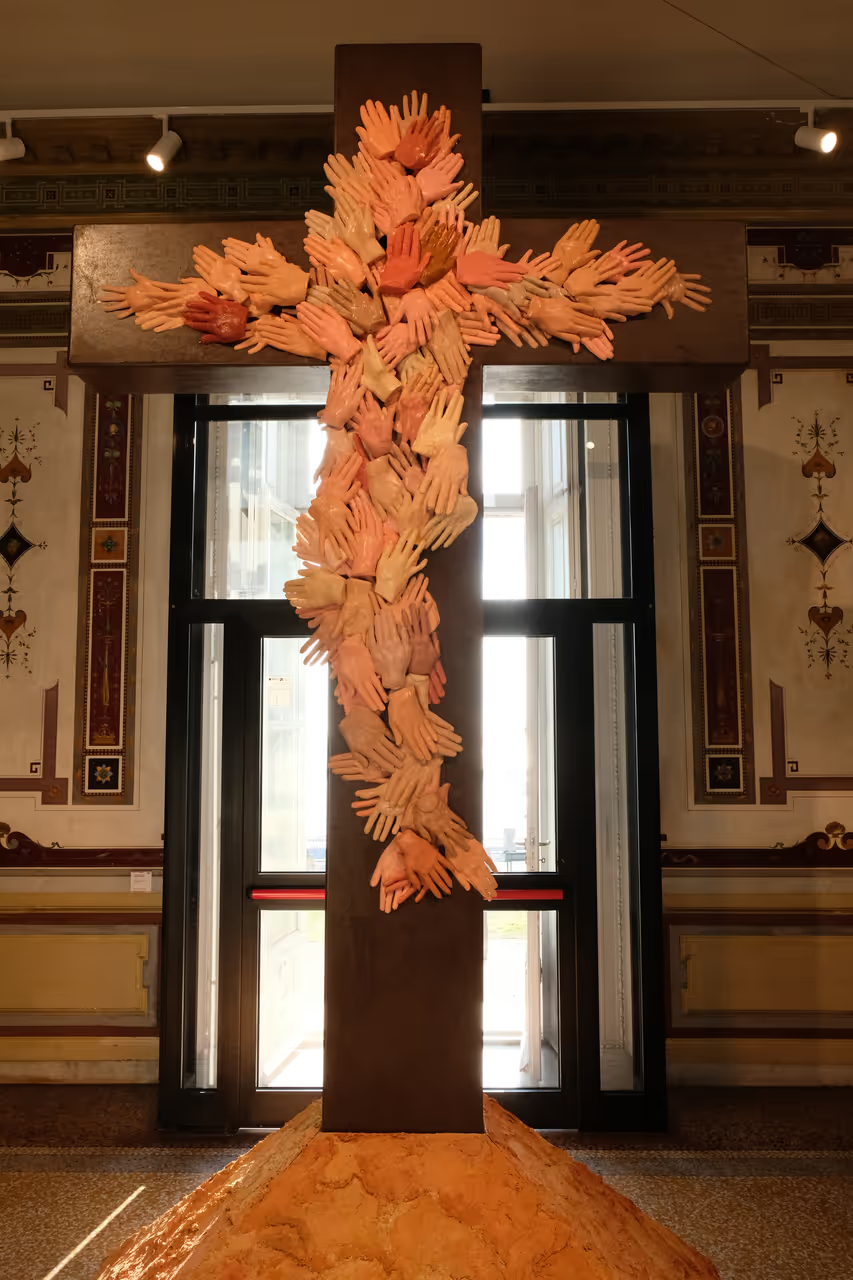
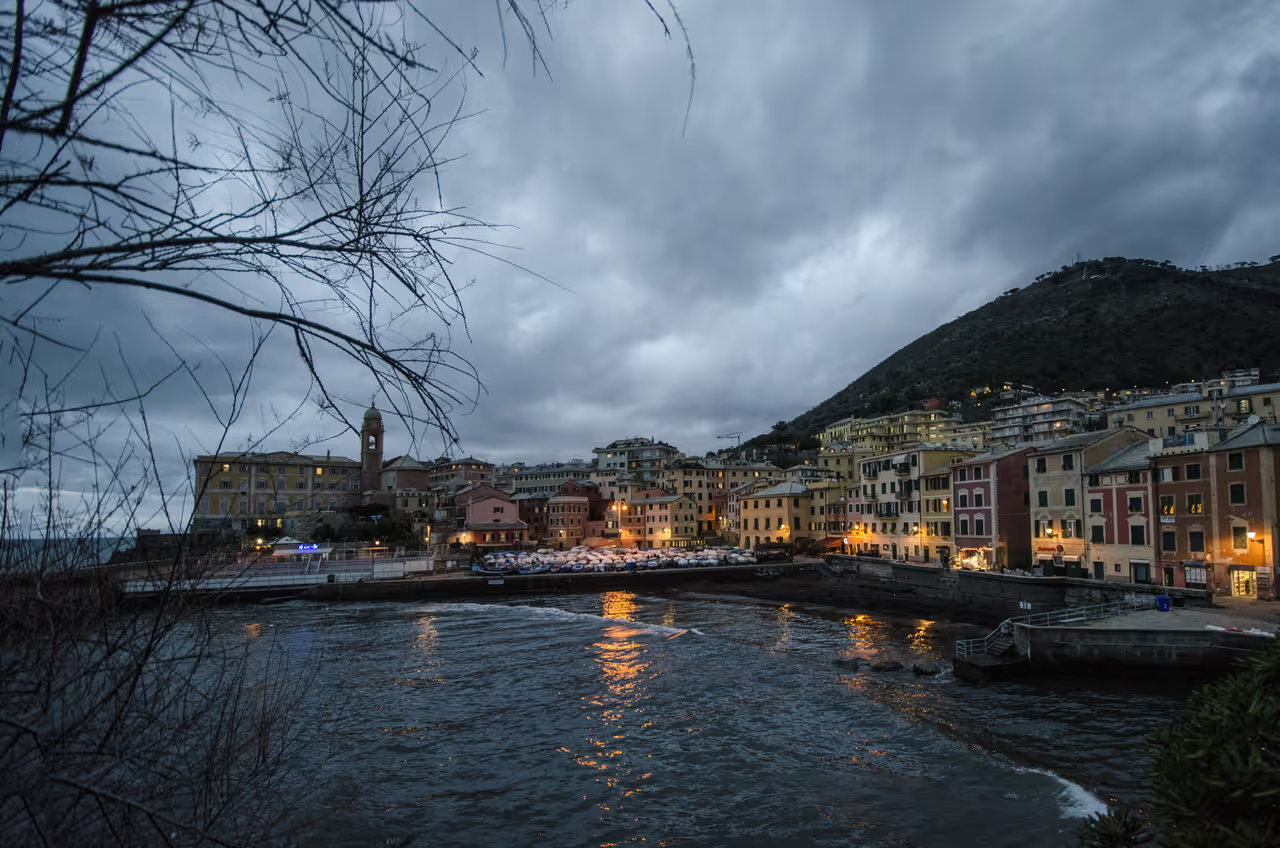
Perched on the eastern edge of Genoa, Nervi is a serene coastal escape that feels like a world away from the city centre. Famous for the Anita Garibaldi Promenade, this stunning cliffside walkway invites you to stroll between the sparkling Mediterranean and historic, lush parklands. Home to a collection of grand noble villas transformed into exceptional art museums, it balances natural beauty with cultural depth. Whether you are exploring the shaded paths of the Parchi di Nervi or watching the waves crash against the rocky coastline, the district offers a uniquely refined atmosphere. It is the perfect spot for those seeking a tranquil afternoon where history, art, and the sea seamlessly collide.
Videos
History of Nervi
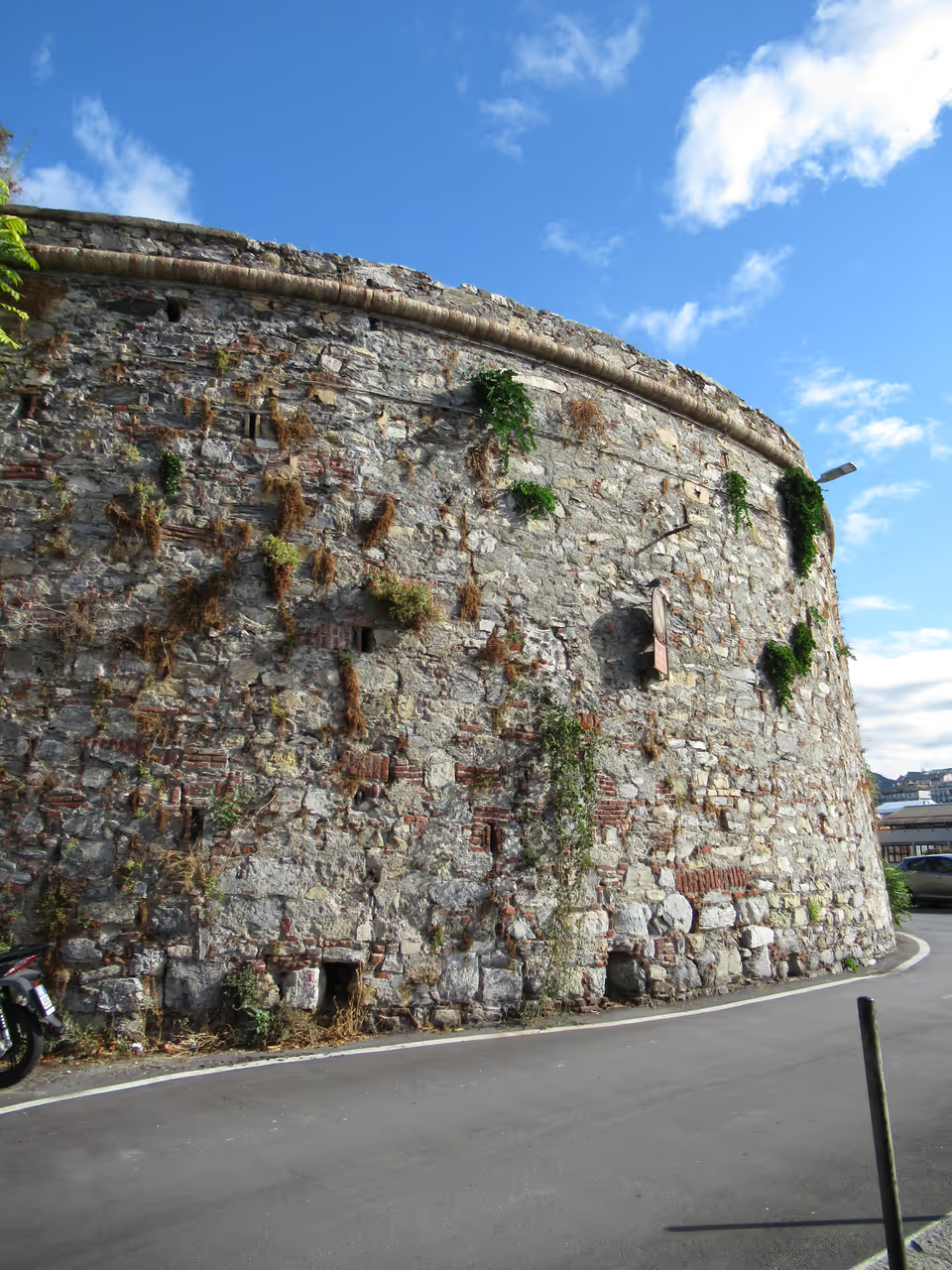
From a modest Roman waystation to a medieval maritime hub, Nervi has always possessed a strategic edge. It was never just a place of passage, but a sanctuary. The defensive towers that still watch over the coastline are silent witnesses to the centuries of pirate raids, particularly from Turkish corsairs, that once threatened these shores. This constant need for vigilance forged the identity of a tough, resilient community that knew how to defend its territory while simultaneously looking out towards the horizon of trade and exploration. As the centuries turned, the rugged defences gave way to refinement. The 18th and 19th centuries saw the arrival of wealthy noble families who realised that Nervi possessed a hidden treasure: a microclimate so mild it felt like a perpetual spring. They built magnificent villas, planted exotic gardens, and transformed the rocky shoreline into a place of leisure. It became a destination for the international elite, a place where the air was said to be curative and the views therapeutic. This era cemented the reputation of the district as a sanctuary for those seeking a more graceful pace of life. Today, that legacy lives on, not in dusty archives, but in the vibrant, leafy paths of its public parks and the grand, echoing halls of its art museums. When the town was annexed into the wider metropolis of Genoa in 1926, it did not lose its soul; instead, it preserved it. Walking along the Anita Garibaldi Promenade, one can still sense that original spirit of discovery, the same view that inspired the nobility and the artists who made this district their home. It remains a rare pocket of the Ligurian coast where time seems to slow down, inviting the modern traveller to pause, breathe, and appreciate the intersection of natural splendour and human history.
Events spanning 661 years
Fun Facts
- • During Roman times, the area served as a strategic station for changing horses on the route connecting the valleys.
- • In the 19th and early 20th centuries, Nervi was a favoured winter retreat for European nobility and wealthy tourists, especially from Russia, who sought the curative sea air.
- • Nervi enjoys a special microclimate where the mountains act as a barrier against cold northern winds, allowing Mediterranean flora to flourish throughout winter.
- • The Anita Garibaldi Promenade was not originally built for leisure but evolved from a simple dirt path used by local fishermen and farmers.
- • The Parchi di Nervi, now public gardens, were once the private, lavishly landscaped grounds of noble villas belonging to families like the Grimaldi and Serra.
- • The Wolfsoniana museum offers a unique glimpse into the decorative arts and design of the early 20th century, covering everything from Art Nouveau to Rationalism.
- • The local coastline features a significant habitat of Posidonia oceanica, a seagrass essential to the Mediterranean ecosystem that thrives in the clean, protected waters here.
- • The name Nervi is thought by some historians to derive from the Roman Emperor Nerva, while others suggest it comes from a Celtic phrase meaning place near the sea.
- • The tiny train station of Sant'Ilario, located within the broader Nervi area, was immortalised by the legendary Italian singer-songwriter Fabrizio De André in his song Bocca di Rosa.
- • Torre Gropallo is also famously known as the Hay Tower, because wet hay was burned on top to create thick smoke signals during pirate attacks.
- • Villa Luxoro, located at the eastern edge of the district, houses a remarkable collection of 18th-century nativity figurines from various Italian traditions.
Nervi FAQ
While we strive to keep this information accurate and up to date, we recommend verifying any details independently before making decisions based on them.
Nervi Map & Neighborhood Explorer
This interactive map is centered on Nervi. Zoom in and move the map around to automatically discover Wikipedia photos and summaries of other nearby sights, monuments, and historical points of interest and stories in real-time!
Places near Nervi
Make the most of your trip. Check out these top-rated spots located nearby.
 1034m
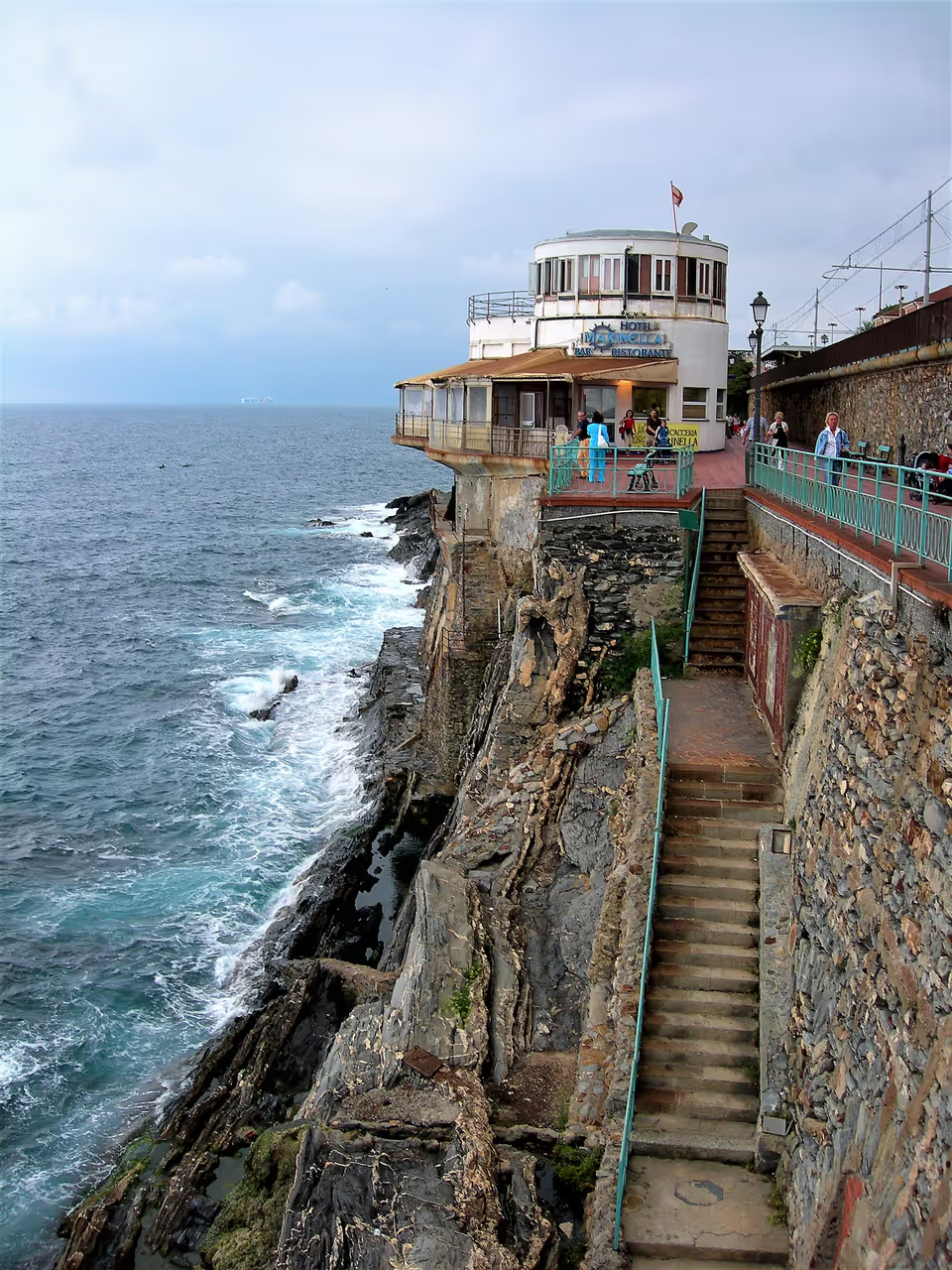
1034mWalk the Nervi Promenade
Taking a leisurely stroll along this spectacular, two-kilometre brick pathway carved directly into the coastal cliffs is a completely free, unforgettable visual treat. The route offers sweeping, uninterrupted views of the crashing Mediterranean waves and dramatic, rocky coves. It is a deeply peaceful escape from the dense urban centre, allowing you to breathe the fresh sea air while admiring the stunning, rugged geology of the Ligurian coast. The path is entirely pedestrianised, making it highly relaxing. The stunning scenery and the gentle sound of the ocean make it one of the most rewarding free activities in the region.
free thing to do view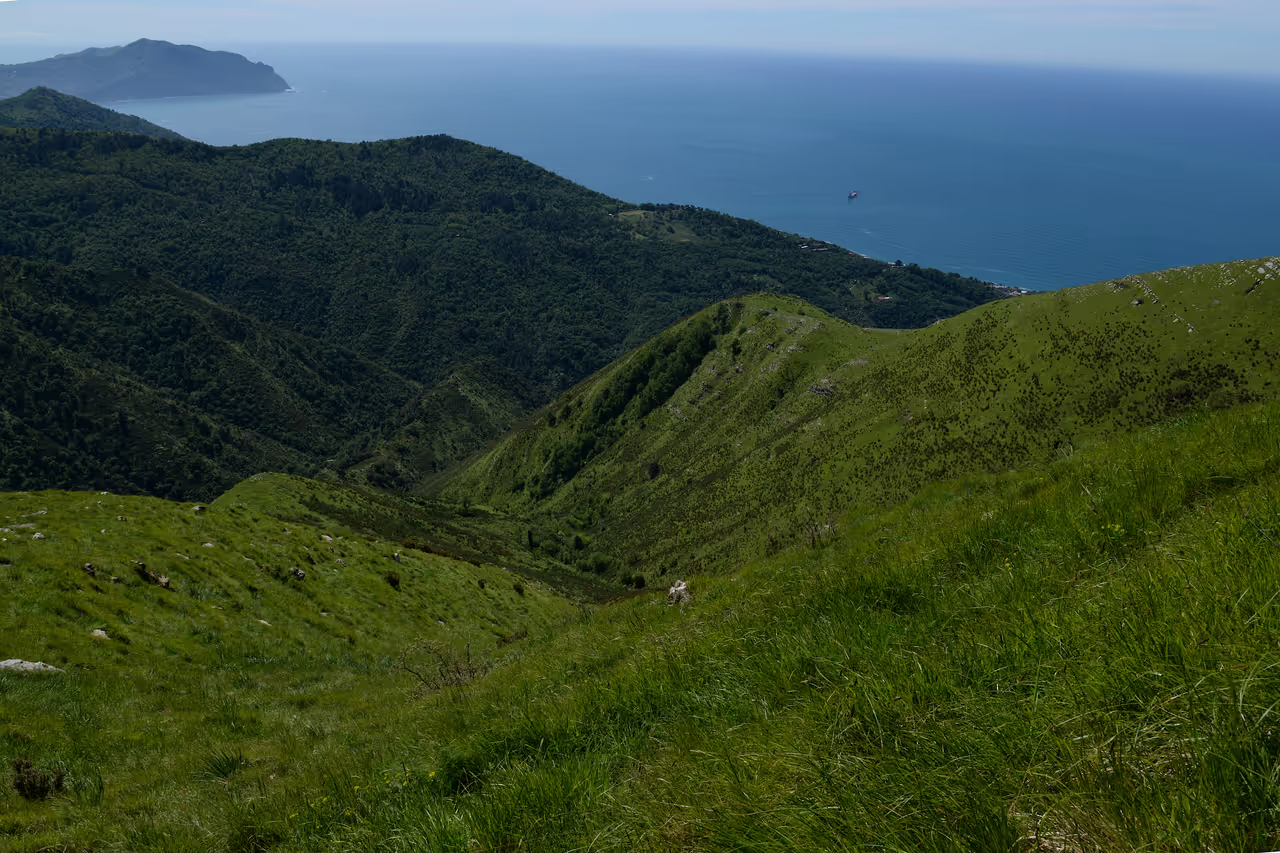 2932m
2932mMount Fasce Viewpoint
For those willing to venture just outside the immediate city centre, the summit of this towering, 834-metre mountain offers the absolute most expansive and breathtaking views of the entire region. Reached via a winding, highly scenic mountain road, the barren, windswept peak provides an incredible vantage point over the coastline. On a clear day, the visibility is staggering; you can see the entire arc of the Ligurian coast, and sometimes even the distant silhouette of the island of Corsica. The contrast between the rugged, wild nature at the summit and the dense, sprawling metropolis stretching out far below is incredibly dramatic. It is the ultimate spot for sweeping, monumental landscape photography.
viewpoint view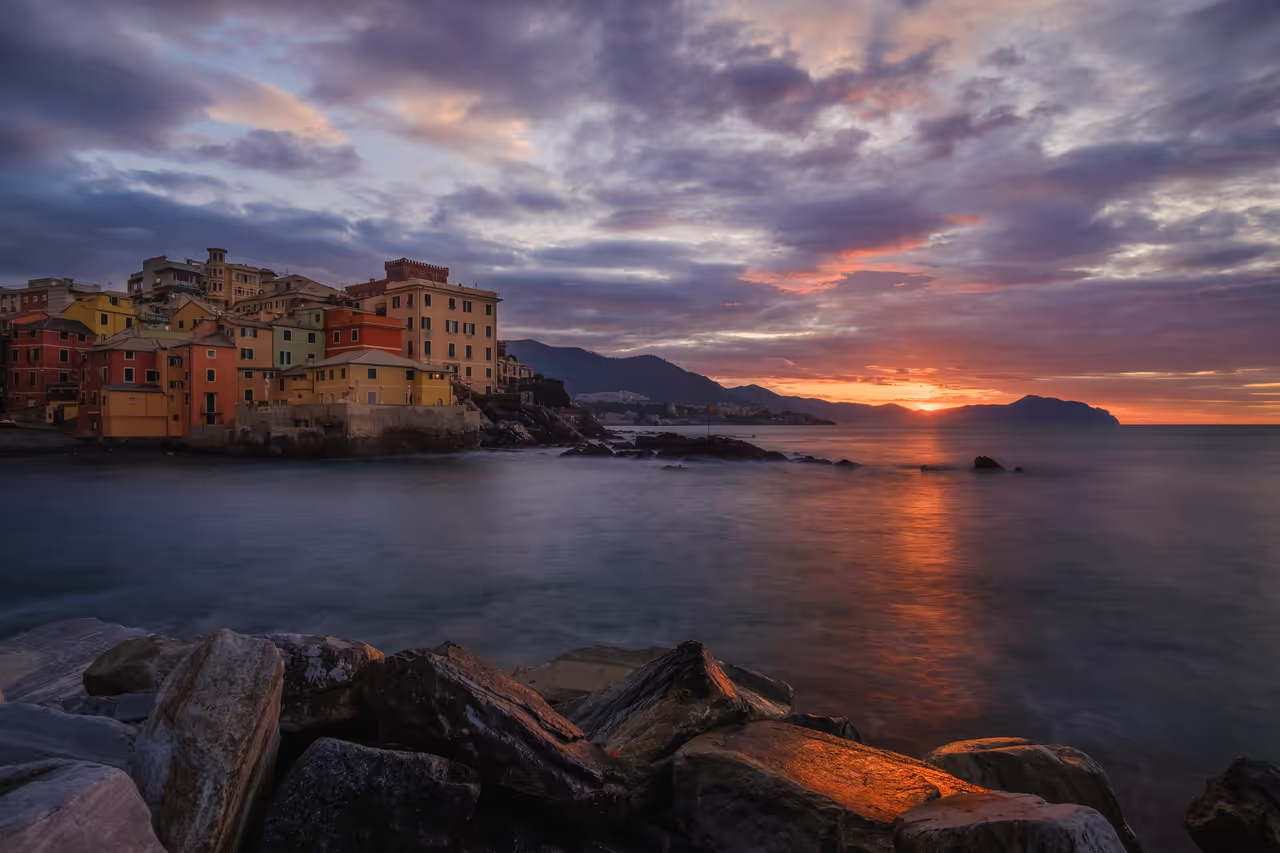 4714m
4714mSea Paths of Boccadasse
While the main beach of the Boccadasse fishing village is famous, the true magic lies in the incredibly steep, narrow brick paths—known locally as 'crêuze'—that climb up the hills directly behind it. These ancient, pedestrian-only walkways are framed by high stone walls and lush, cascading bougainvillea, offering a profound sense of peace just steps away from the busy coastal promenade. Walking up these paths reveals hidden, pastel-coloured houses, tiny secret gardens, and sudden, breathtaking slivers of the blue sea between the rooftops. They are completely inaccessible to cars and feel entirely detached from modern urban life. It is the perfect place to experience the quiet, romantic atmosphere immortalised in traditional local folk songs.
hidden gem view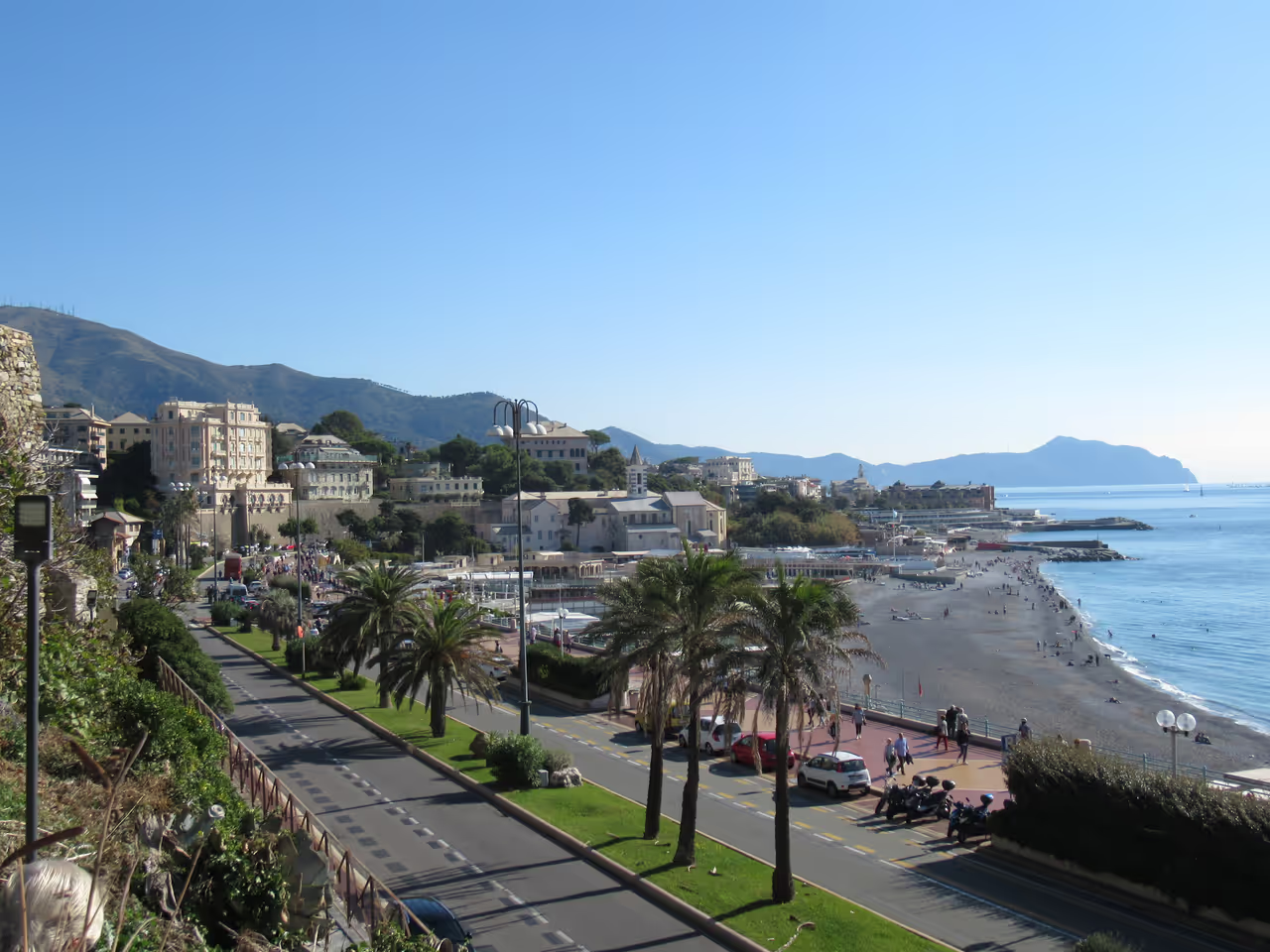 5315m
5315mCorso Italia Sunset
The sweeping, multi-kilometre coastal promenade offers entirely unobstructed, wide-angle views over the Ligurian Sea, making it the premier location for sunset photography. As the sun dips low, it casts a spectacular, warm golden light along the crashing waves and the elegant, palm-lined avenue. The long, curving sea walls provide excellent leading lines for dramatic landscape compositions. Photographers can easily capture the silhouettes of evening joggers, rollerbladers, and distant ships against the vividly coloured sky. The sheer openness of the location allows for expansive, highly evocative coastal imagery.
photo spot view
Featured on These Itineraries and Routes
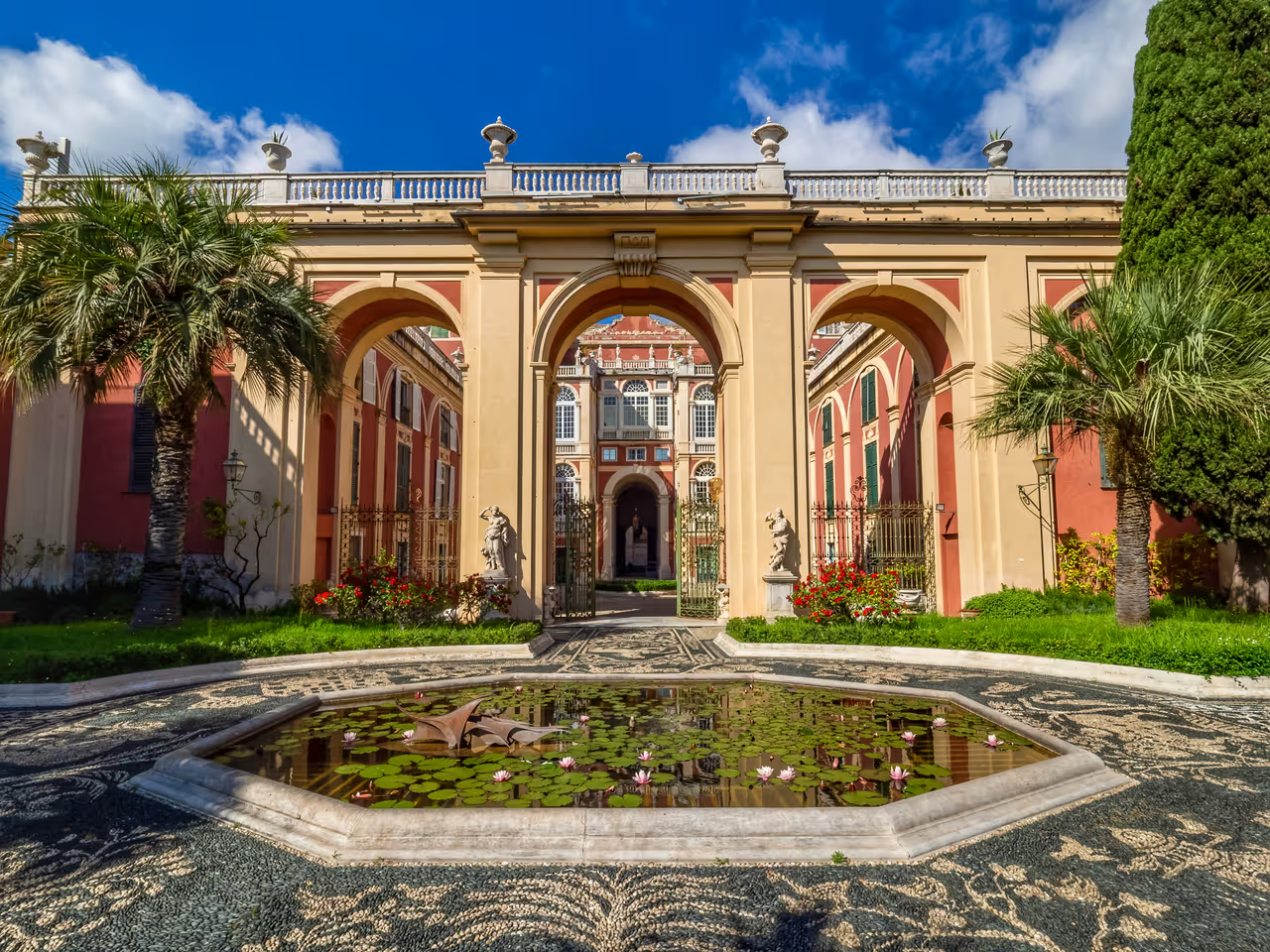
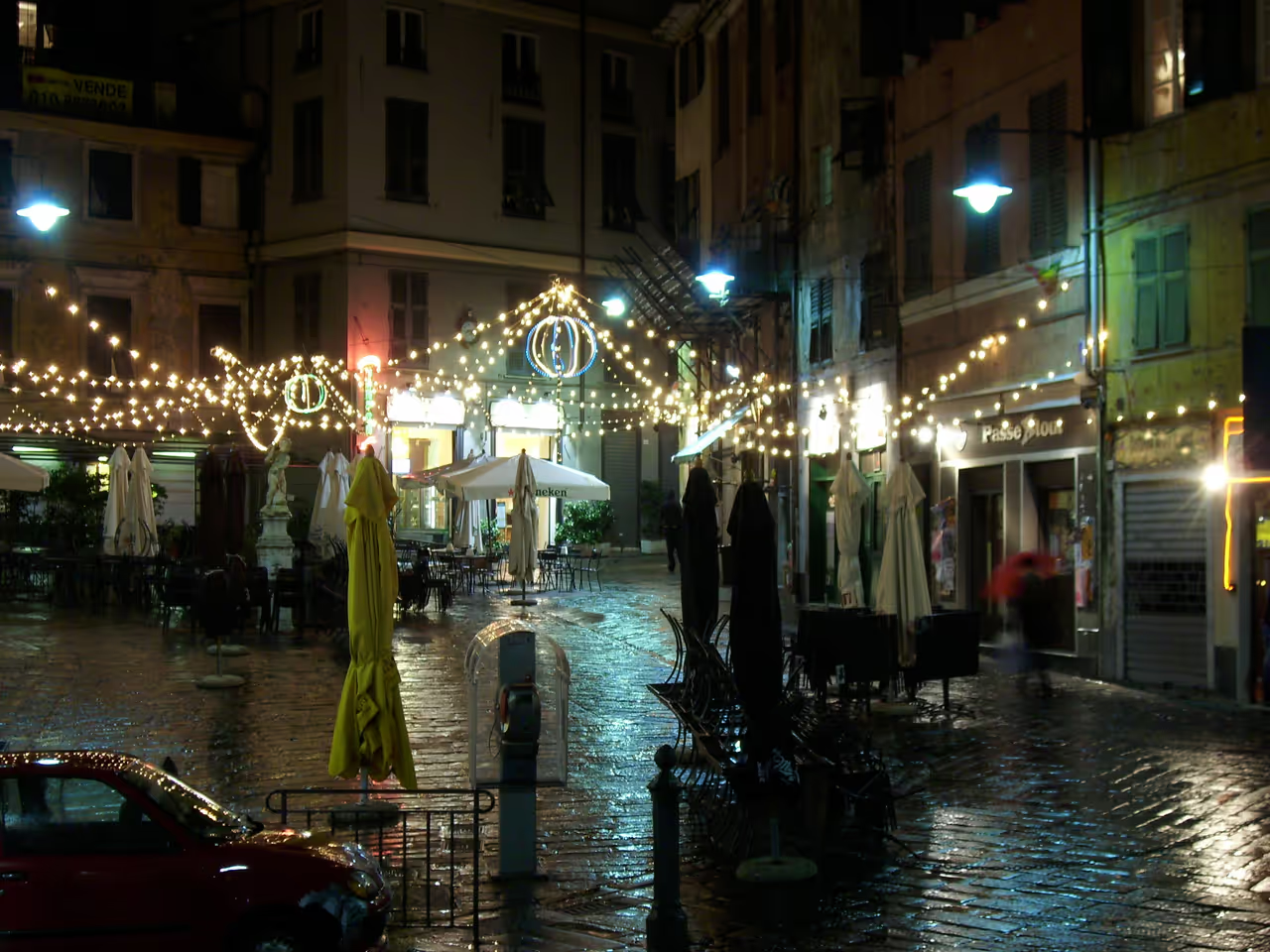
5 Days in Genoa Itinerary
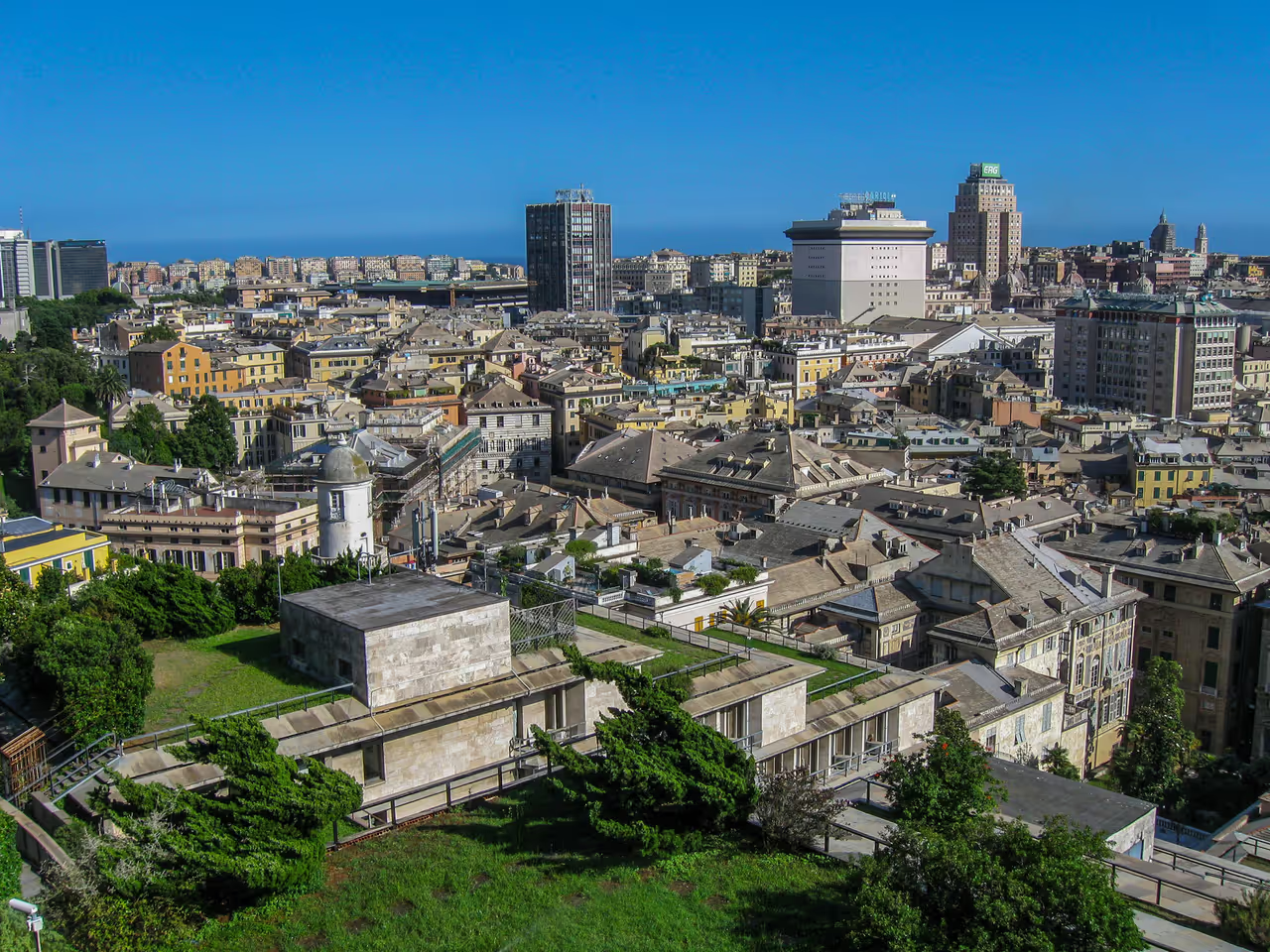
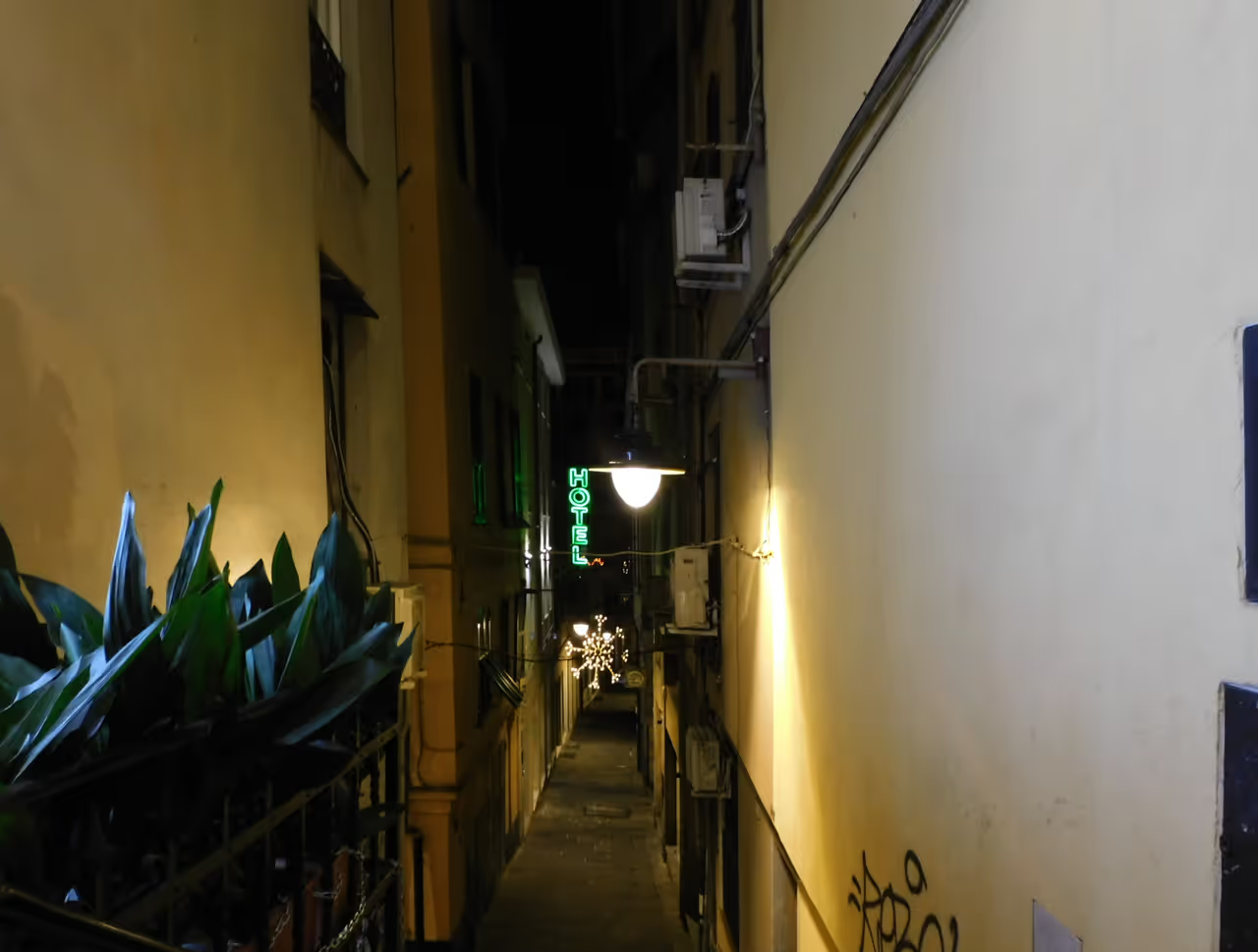
A five-day stay transforms a standard visit into a deeply immersive, comprehensive journey through the region's history, art, and natural beauty. With this extended timeframe, the itinerary expands to include monumental, slightly out-of-the-way sights like the astonishing hillside cemetery and the iconic, towering lighthouse that guards the industrial docks. It also allows for highly rewarding day trips along the dramatic coastline to explore sprawling aristocratic parks carved into the sea cliffs. The pacing is relaxed, providing plenty of time to linger in historic cafes, thoroughly explore the massive art collections, and truly absorb the raw, authentic atmosphere of the winding medieval alleys.
view itinerary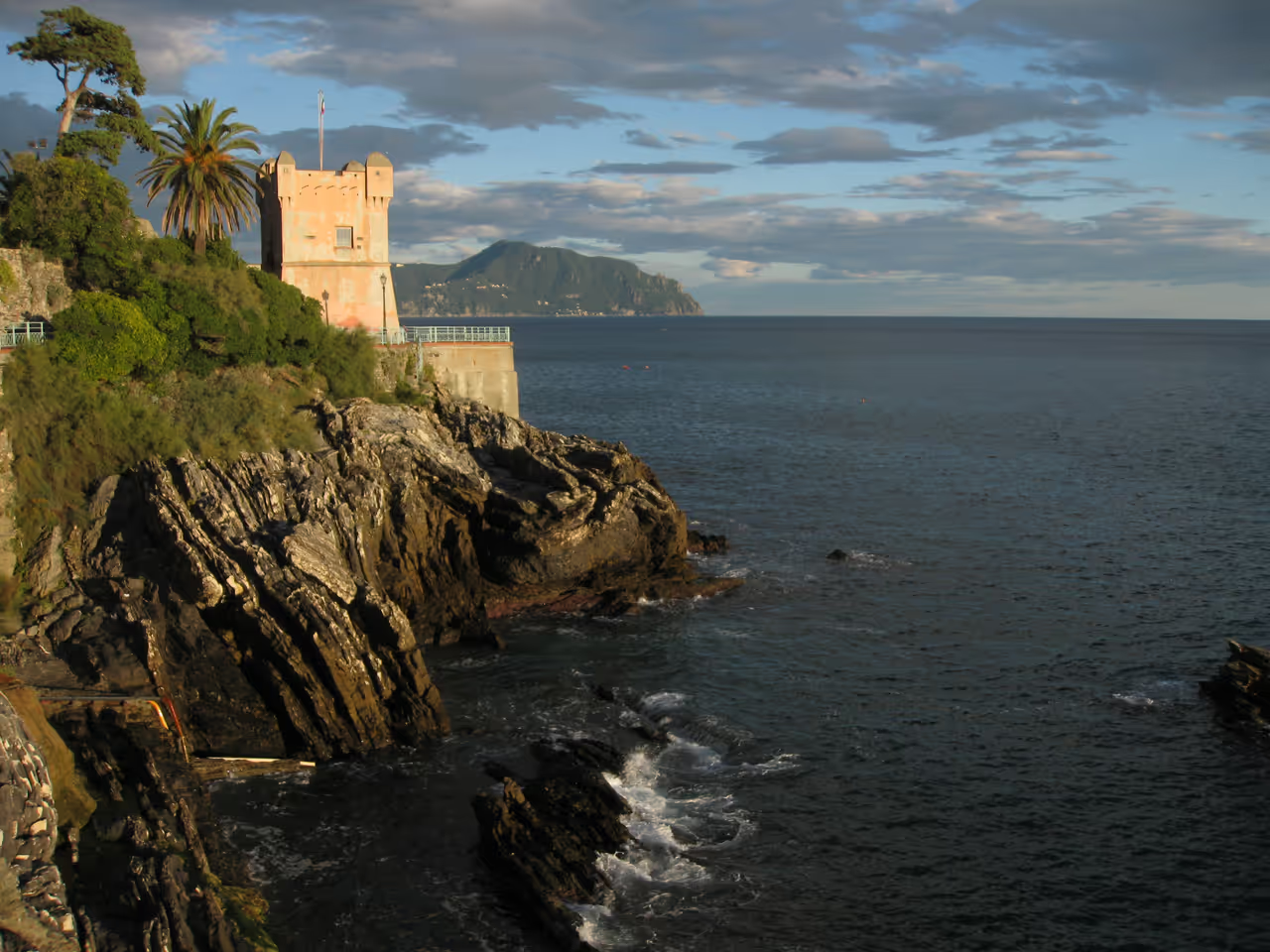
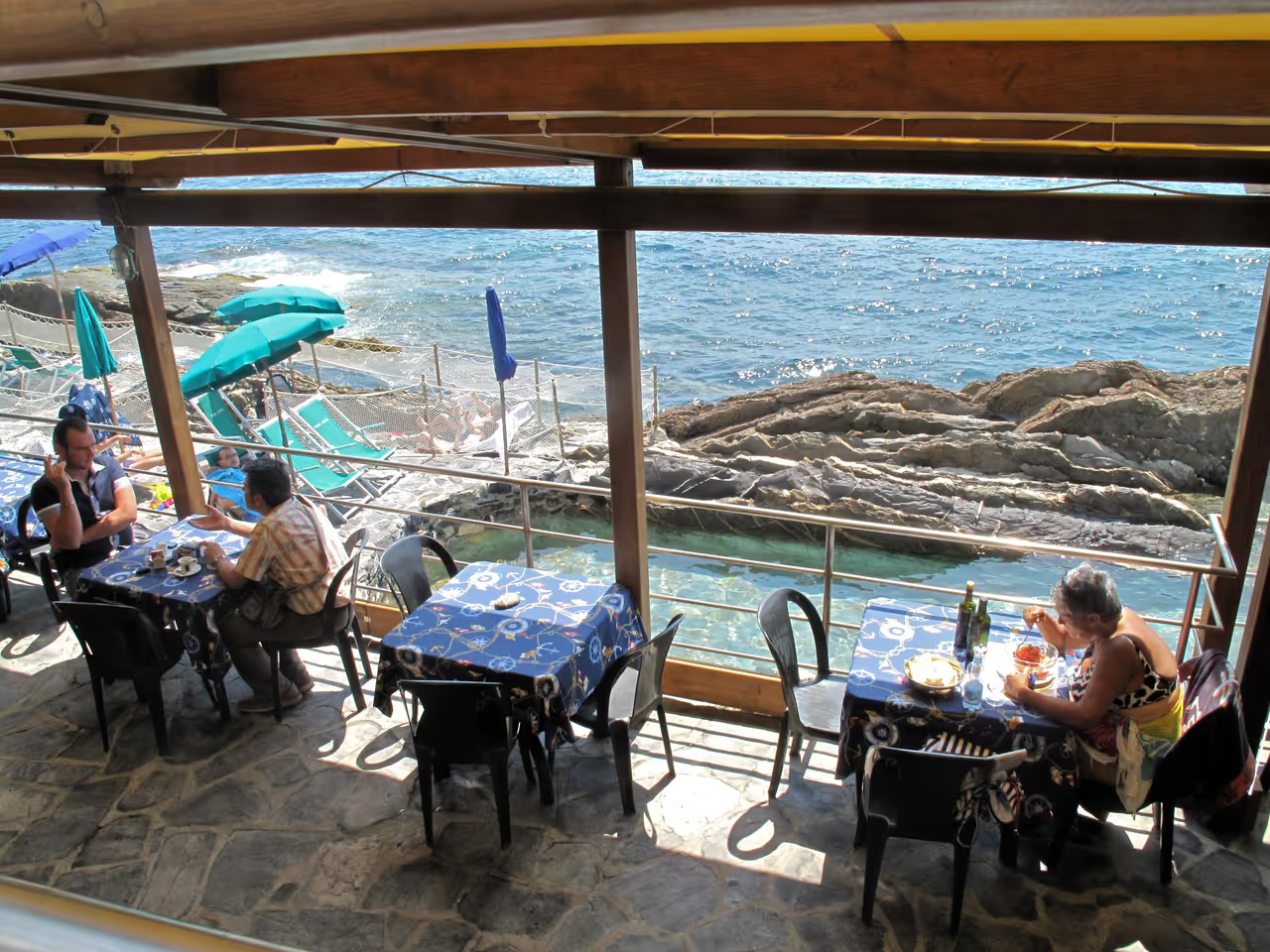
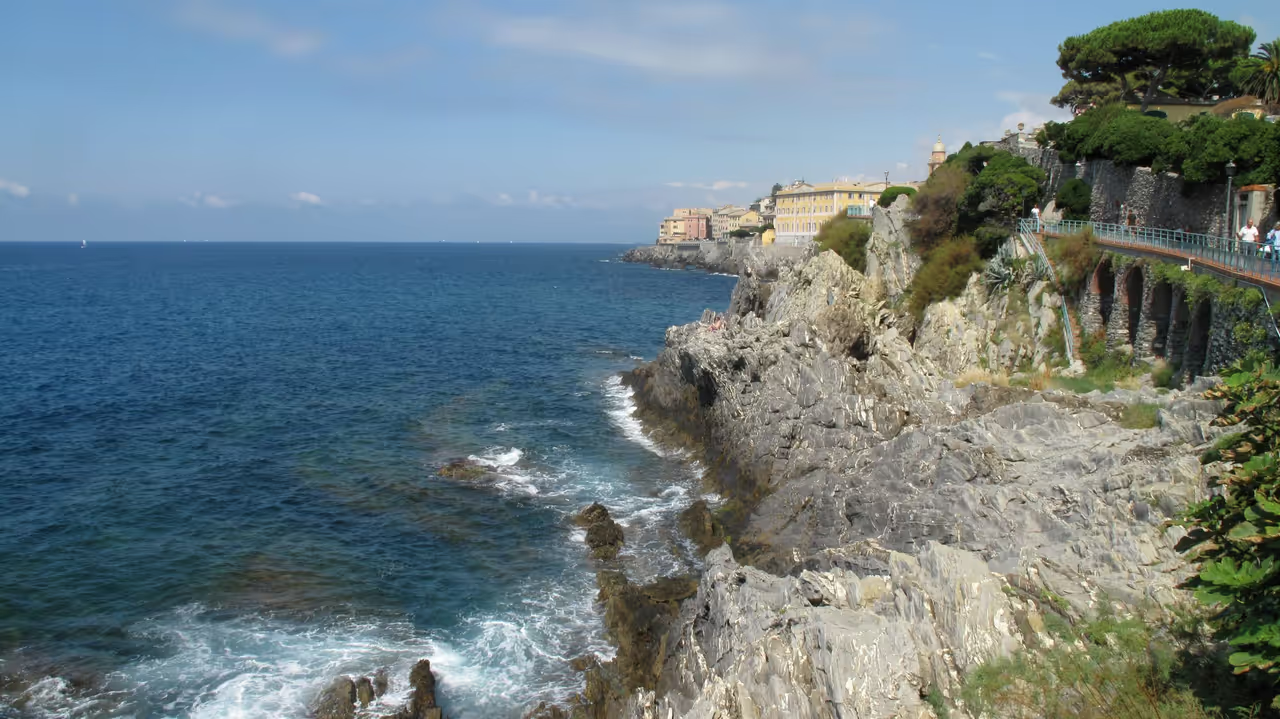
Anita Garibaldi Promenade
Carved directly into the rugged cliff face, this spectacular two-kilometre brick pathway offers one of the most romantic and visually stunning walks in Italy. The promenade winds its way along the coast, hovering just above the crashing waves and hidden rocky coves of the Mediterranean. On one side, you have the endless expanse of the sea, while the other borders a series of magnificent, lushly planted historical parks. The complete absence of cars makes the experience incredibly peaceful, allowing you to fully absorb the sound of the ocean and the scent of the salt air. It is a beloved local ritual to walk this path, especially as the sunlight softens in the late afternoon.
view walking route
See all nature & parks in Genoa
Defensive Walls of Genoa, Villa Durazzo Pallavicini, Spianata dell'Acquasola, Villa Croce Museum of Contemporary Art, Villetta Di Negro...