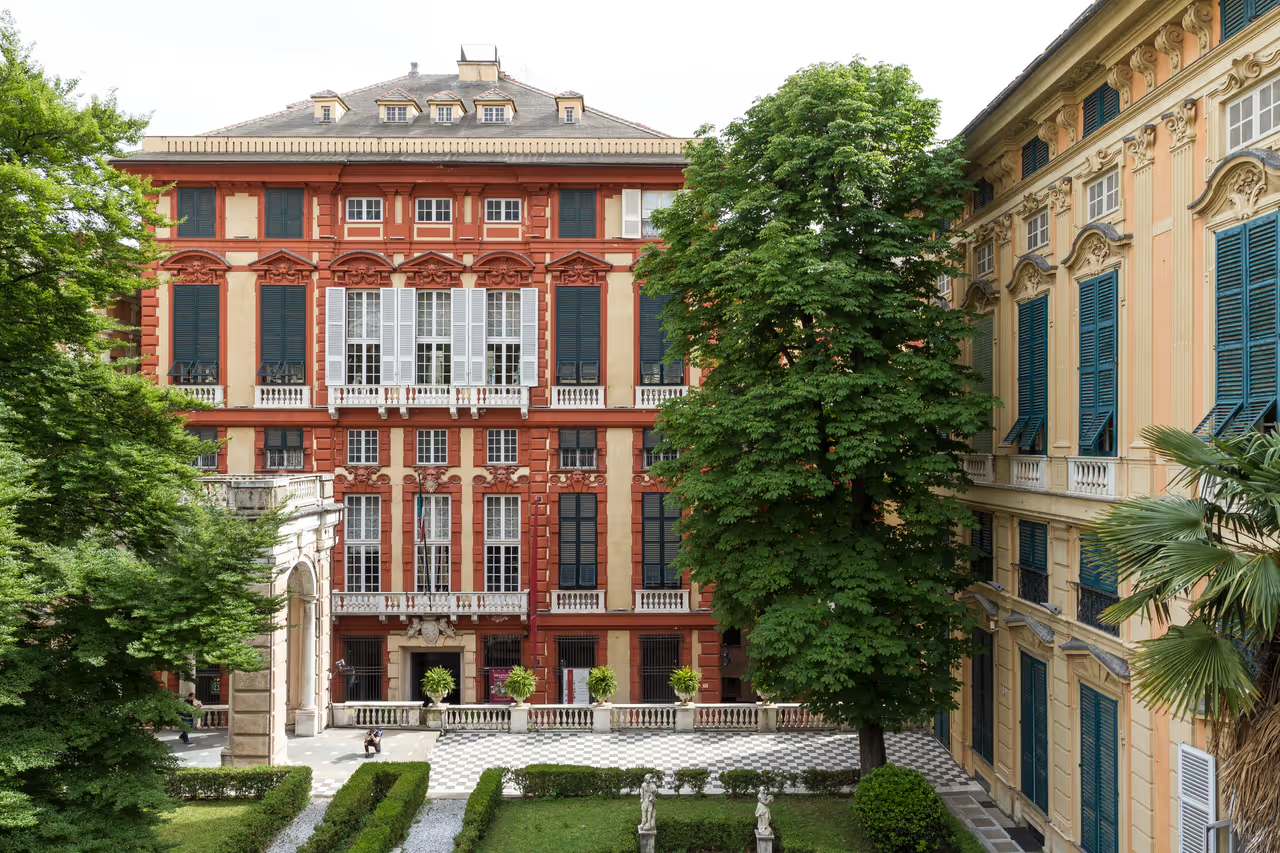
Rolli Palaces and Strade Nuove
Imagine wandering through narrow streets that open into grand, sunlit courtyards where European royals once walked. This collection of 16th and 17th century residences represents the height of Genoa's financial power. These homes were chosen by public lottery to host state dignitaries, turning private family dwellings into palaces of diplomacy. Today, they remain a testament to the influence of Genoese merchants who shaped the aesthetic of modern European architecture. Visiting these sites allows you to walk through the same opulent halls that enchanted artists like Peter Paul Rubens centuries ago. It is an extraordinary experience to step behind these doors and see history preserved in marble, fresco, and stone.
Videos
History of Rolli Palaces and Strade Nuove
During the 16th and 17th centuries, Genoa was a beacon of wealth, dominated by elite families who acted as the bankers to the crowns of Europe. Rather than building a single royal palace, the city’s ruling class created an entirely new way of living. They constructed the Strade Nuove and a series of magnificent residences known as the Rolli, which were designed to project power and sophistication. This was the Genoese Century, a time when the Republic’s influence stretched across the Mediterranean and into the coffers of kings. The Rolli system itself was a stroke of administrative genius. The Senate mandated that the most opulent homes be listed in public registers, or rolli. When a dignitary, a cardinal, or a monarch visited the Republic, the city would draw lots to determine which noble residence would host the guest. This turned the city’s private wealth into a tool of public diplomacy. It meant that a merchant’s home became, for a few days, the official state residence of the most powerful people in Europe. The legacy of this system is immortalised in the architecture that remains today. The iconic sequence of an entrance hall leading to a courtyard, then a grand staircase, and finally a terraced garden became a model for domestic architecture across the continent. Walking these streets offers a rare glimpse into a time when art and finance were intertwined. The UNESCO designation celebrates the buildings alongside the unique social structure that created this urban masterpiece, keeping the spirit of the old Republic alive in the modern day.
Events spanning 433 years
Fun Facts
- • Architecturally, these buildings defined a sequence of entrance hall, courtyard, staircase, and garden that became a blueprint for European urban planning.
- • Despite being family homes, many of the interiors feature exquisite, original frescoes and art collections from the Manierism and Baroque periods.
- • During the Rolli Days, owners open their private residences to the public, offering a rare look into spaces that are typically hidden away.
- • Many of the palaces were constructed on sloping land, which allowed architects to create dramatic, multi-level courtyards that still surprise visitors today.
- • Peter Paul Rubens, a giant of the art world, visited Genoa and was so impressed he published a book specifically highlighting these palaces as the ideal homes for the European gentleman.
- • The Rolli system was unique in history because it legally mandated that private citizens host international diplomats and monarchs.
- • The designation as a UNESCO site covers forty-two distinct palaces, though many more exist throughout the historic centre.
- • The palaces were categorised into different 'bussoli' or lists based on the status of the guest, ranging from cardinals to emperors.
- • The palaces were often designed with the third floor as the main living area, specifically to provide residents with views of the sea.
Rolli Palaces and Strade Nuove FAQ
While we strive to keep this information accurate and up to date, we recommend verifying any details independently before making decisions based on them.
Rolli Palaces and Strade Nuove Map & Neighborhood Explorer
This interactive map is centered on Rolli Palaces and Strade Nuove. Zoom in and move the map around to automatically discover Wikipedia photos and summaries of other nearby sights, monuments, and historical points of interest and stories in real-time!
Places near Rolli Palaces and Strade Nuove
Make the most of your trip. Check out these top-rated spots located nearby.
 111m
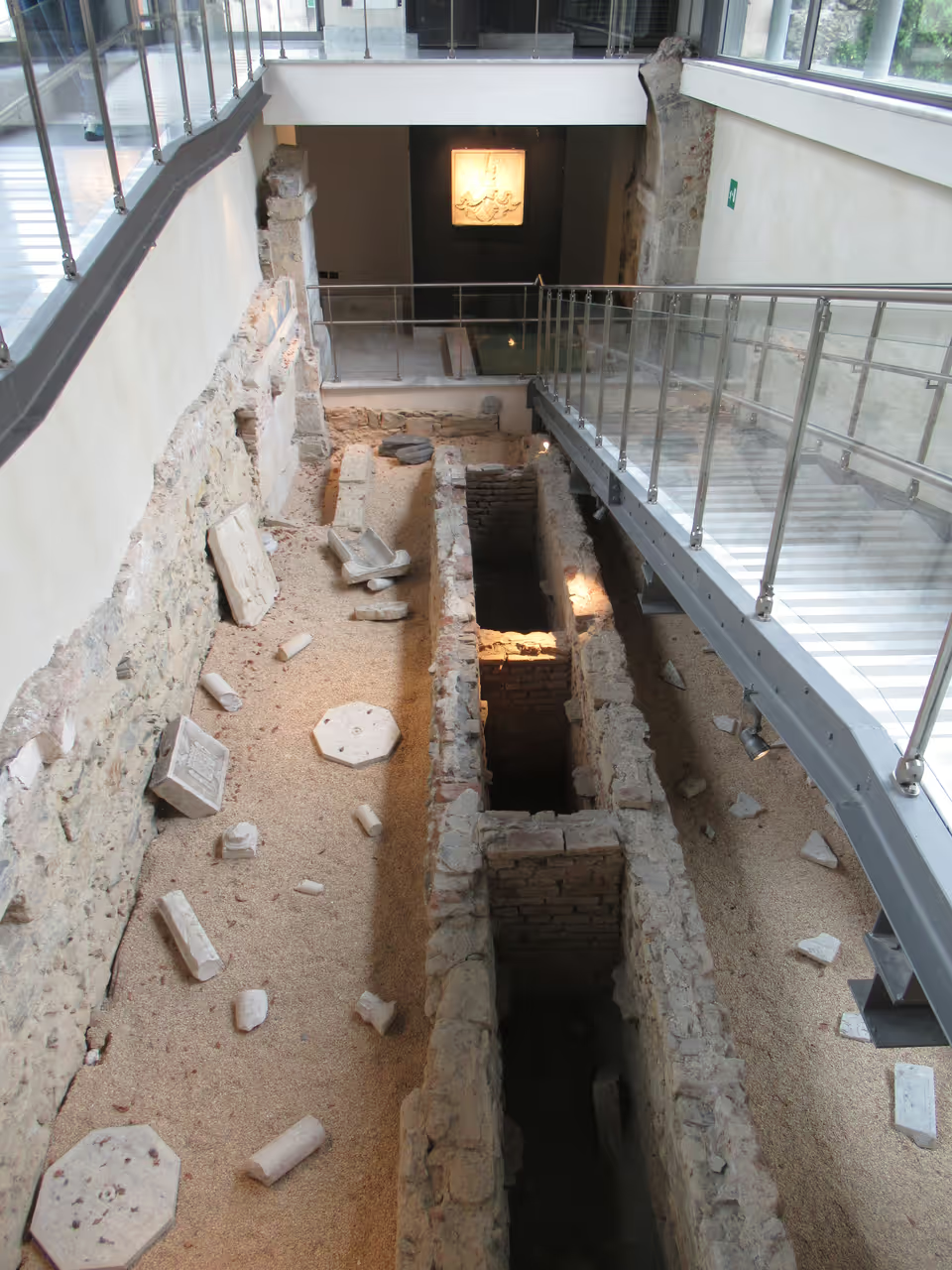
111mWhite Palace
Directly facing its crimson counterpart across the Strada Nuova, this elegant palace is named for the distinctive pale stone used in its sixteenth-century construction. It was built for the immensely powerful Grimaldi family and stands out for its relatively restrained, highly symmetrical, and elegant Renaissance facade. Inside, the palace has been transformed into an exceptional art gallery, but it retains the spatial grandeur of an aristocratic home. The large, airy rooms and the beautiful, serene internal courtyard provide a refined contrast to the heavy Baroque ornamentation found in neighbouring buildings. It is a stunning example of the sophisticated architectural tastes of the early Genoese golden age.
architecture view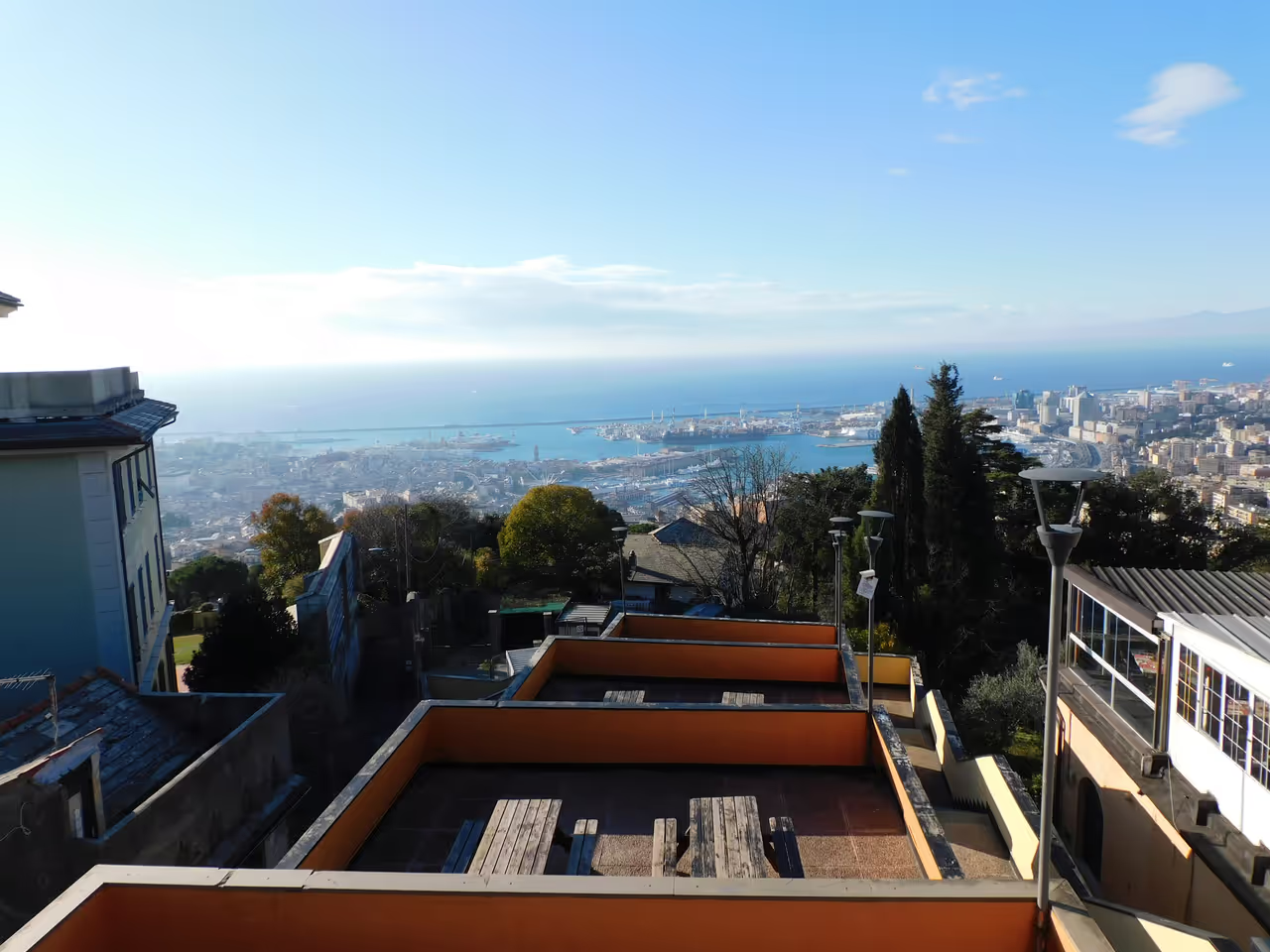 132m
132mRighi Funicular Top Station
Taking the historic, slanted cable railway from the busy city streets all the way up to the Righi terminus offers a spectacular transition from dense urban life to open mountain air. Stepping out of the upper station reveals an astonishing, eagle-eye perspective that captures the true scale of the city's dramatic geography. You can clearly see how the city is violently squeezed into the narrow coastal strip, heavily fortified by the mountains rising sharply behind it. The viewing platforms here provide sweeping vistas of the entire gulf, the industrial port, and the protective ring of seventeenth-century forts along the ridges. It is a highly rewarding, effortless escape into the heights.
viewpoint view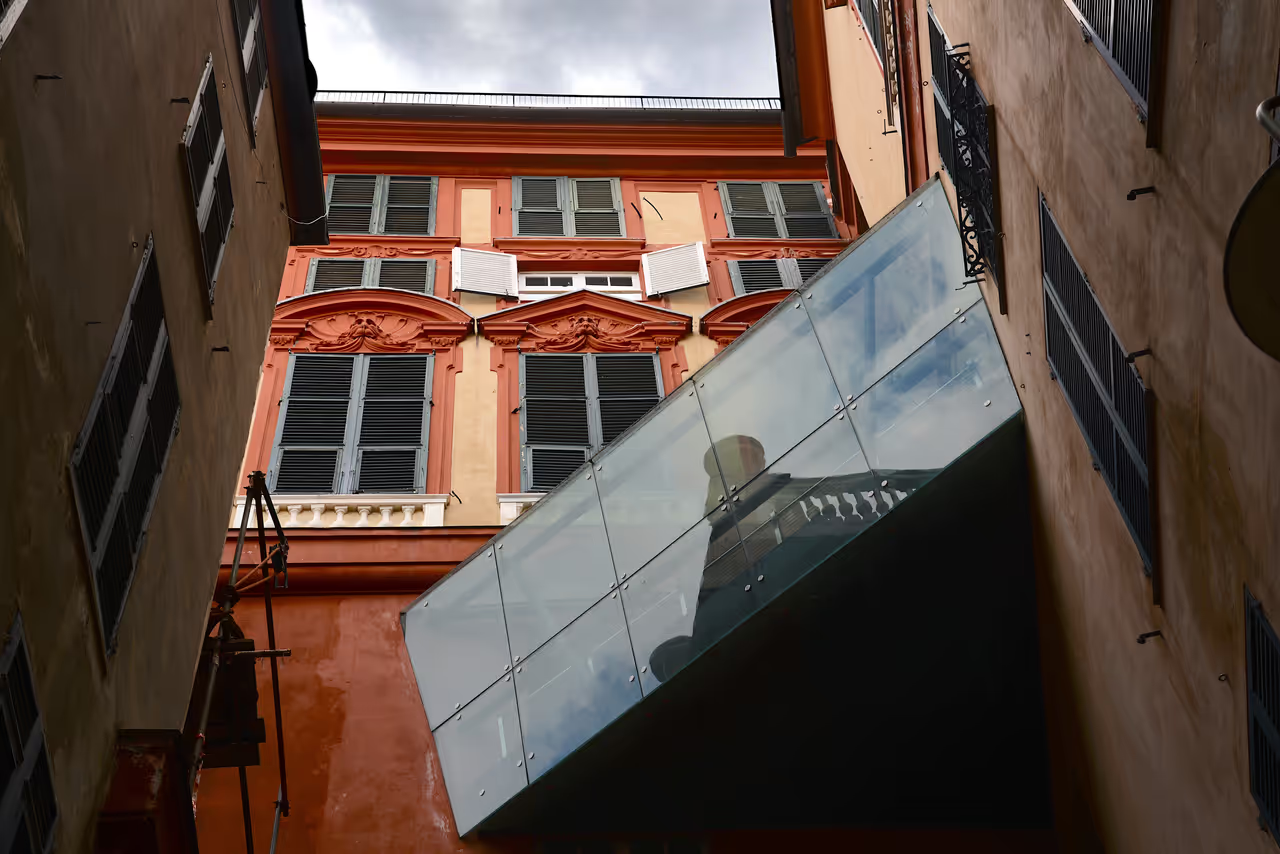 138m
138mRed Palace
Instantly recognisable by its striking, deep crimson facade, this magnificent seventeenth-century mansion is a crown jewel of the Strada Nuova. It was built for the powerful Brignole Sale family and designed to be a bold, highly visible statement of their immense wealth and influence. The interior is a masterpiece of Baroque opulence, featuring incredibly elaborate frescoes that create breathtaking optical illusions on the ceilings. It remains fully furnished with the family's original, luxurious decor, allowing visitors to experience the exact living conditions of the Genoese aristocracy. Taking the elevator to the rooftop provides a highly unexpected, spectacular view over the city's historic core.
architecture view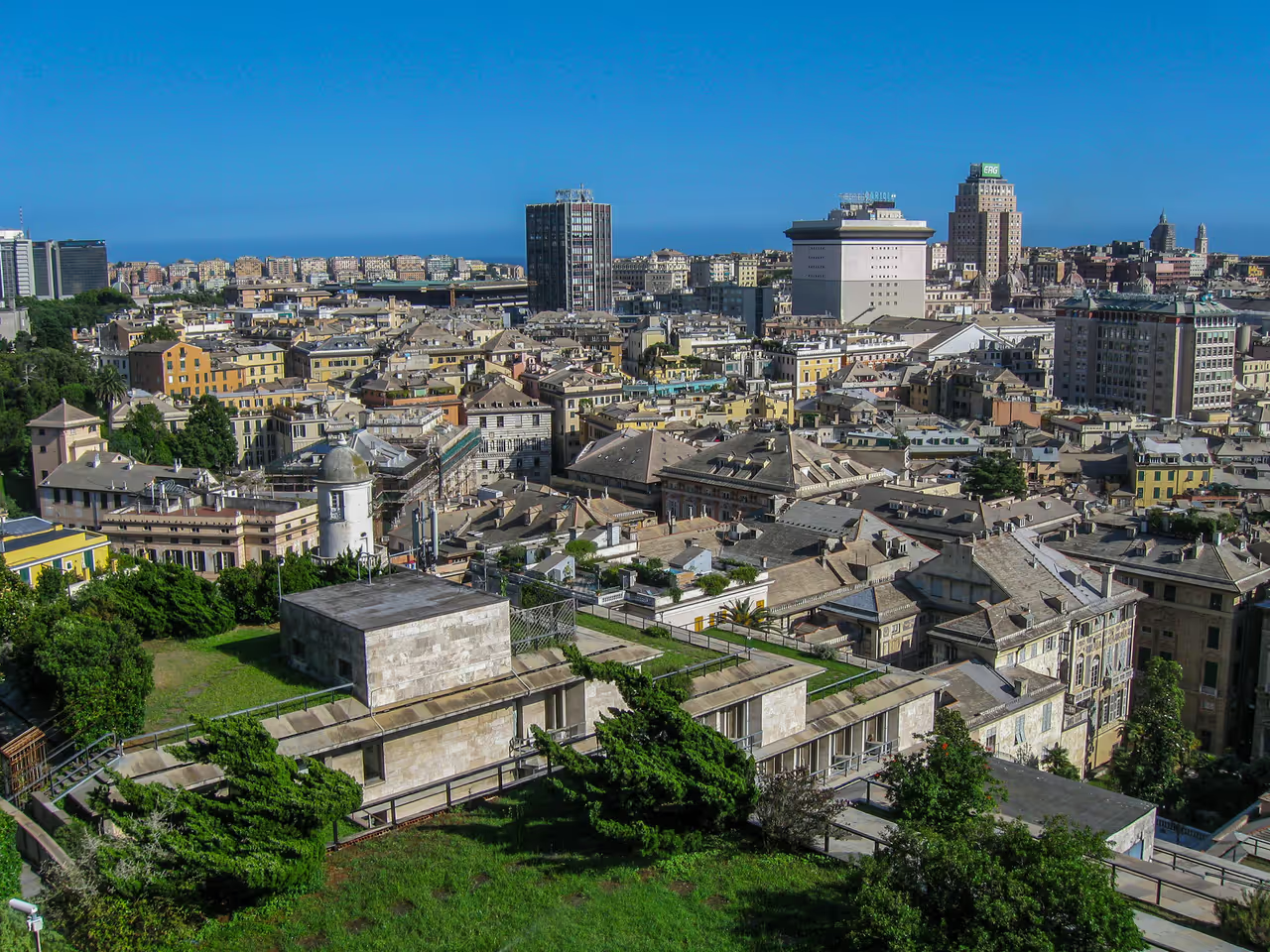 177m
177mCastelletto Esplanade
Suspended high above the historical centre, this expansive, tree-lined balcony provides the most iconic and beloved panoramic view of the city. Accessing the terrace via a beautifully ornate, historic public elevator is an experience in itself, transporting you instantly from the dark, narrow alleys to brilliant, open skies. From the edge, you can look down upon a chaotic sea of slate rooftops, punctuated by church domes and bell towers, leading the eye straight out to the bustling docks and the vast Mediterranean. It is a deeply romantic spot, especially as the setting sun casts a warm golden glow over the ancient stonework. Locals frequently gather here to enjoy artisanal gelato while soaking in the majestic cityscape.
viewpoint view