Defensive Walls of Genoa
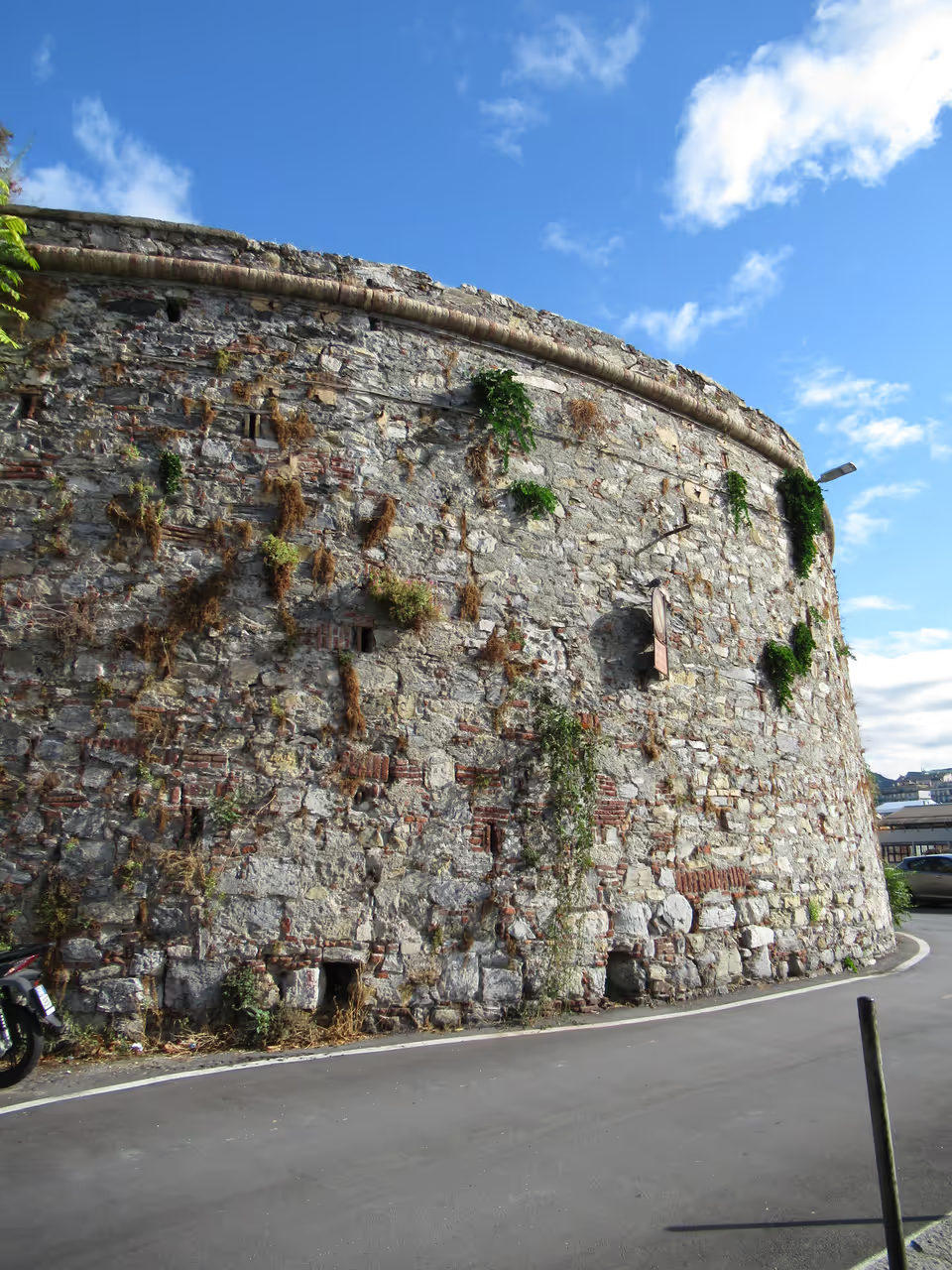
Genoa is not just a city by the sea; it is a fortress carved into the hills. Stretching from the shimmering coastline to the rugged mountain ridges, these ancient defensive walls tell the epic story of a republic that refused to be conquered. Walking along these historic ramparts allows you to step through centuries of history, witnessing everything from Roman foundations to the monumental seventeenth century fortifications. These walls are more than stone structures; they offer breathtaking panoramic views, linking the vibrant harbour district to the tranquil, high altitude forts. Visiting them is an adventure for those who appreciate both architectural prowess and wild, dramatic landscapes.
Videos
History of Defensive Walls of Genoa
Genoa has always been a city of defiance, squeezed into a narrow strip of land between the shimmering Ligurian Sea and the imposing Appennine mountains. The survival of this maritime republic depended entirely on its ability to keep enemies at bay, and the walls were not just a barrier but the very architecture of its identity. While the earliest fortifications date back to ancient Ligurian tribes and Roman outposts, the true spirit of these stone guardians was forged in the heat of conflict. When the Holy Roman Emperor Frederick Barbarossa loomed on the horizon in 1155, the Genoese achieved the impossible. In a display of sheer civic will, the entire population laboured to complete a massive new defensive ring in just fifty three days. By the seventeenth century, the threat of invasion from France and the House of Savoy pushed the Republic to launch an ambitious project: the Mura Nuove. This was engineering on an unprecedented scale. Builders laid almost twenty kilometres of walls, winding them up the steepest slopes to protect not just the harbour, but the hillsides where the city’s heart resided. This ring of stone connected high mountain forts like the Sperone, effectively turning the entire city into an impregnable citadel. It was a golden age of military architecture that left the city with a unique vertical character, visible even today as the urban sprawl climbs higher into the rugged terrain. Today, the legacy of these walls is etched into the very layout of Genoa. While modern urbanisation reclaimed some segments, large swathes of the stone structures remain, repurposed into scenic walking paths and historical landmarks. They are no longer instruments of war but bridges to the past, offering hikers and history enthusiasts the chance to wander through the same gateways that once guarded a superpower of the Mediterranean. These walls remind everyone that Genoa is a city that refused to simply adapt to its geography, opting instead to master it.
Events spanning 2592 years
Fun Facts
- • During the 19th and 20th centuries, significant portions of the walls were demolished to facilitate the expansion of the city's railway network and major thoroughfares.
- • In local residential areas, particularly near Via del Colle, you can still find 'miagette' or little walls that were historically used as foundations for common housing built against the fortifications.
- • Porta Soprana, one of the most iconic gates, was hidden for centuries by houses built against it until major restoration work beginning in the 1890s revealed its original medieval majesty.
- • The 17th century 'Mura Nuove' span nearly twenty kilometres, making them one of the longest continuous defensive walls in the world at the time of their completion.
- • The Barbarossa walls were constructed in a staggering fifty three days, a testament to the desperate civic unity of the Genoese people during a time of existential threat.
- • The Italian poet Petrarch was so awestruck by the grandeur of the city and its walls that he famously bestowed the name 'La Superba' upon Genoa.
- • The architect Galeazzo Alessi designed the stunning Porta Siberia, drawing stylistic inspiration from Michelangelo's work on the Porta di San Miniato in Florence.
- • The defensive system includes high altitude forts, such as Forte Sperone, which are now popular hiking destinations offering unparalleled views over the Mediterranean.
- • The defensive system was so integrated with the city's infrastructure that it incorporated the historical civic aqueduct to provide water to the fortifications.
- • The infamous Malapaga prison, where debtors were held, was located directly along the defensive walls on the waterfront.
- • The walls form a massive, irregular triangular defensive perimeter that climbs the steep terrain, defining the unique vertical layout of the city today.
Defensive Walls of Genoa FAQ
While we strive to keep this information accurate and up to date, we recommend verifying any details independently before making decisions based on them.
Defensive Walls of Genoa Map & Neighborhood Explorer
This interactive map is centered on Defensive Walls of Genoa. Zoom in and move the map around to automatically discover Wikipedia photos and summaries of other nearby sights, monuments, and historical points of interest and stories in real-time!
Places near Defensive Walls of Genoa
Make the most of your trip. Check out these top-rated spots located nearby.
 162m
162mGet Lost in the Caruggi
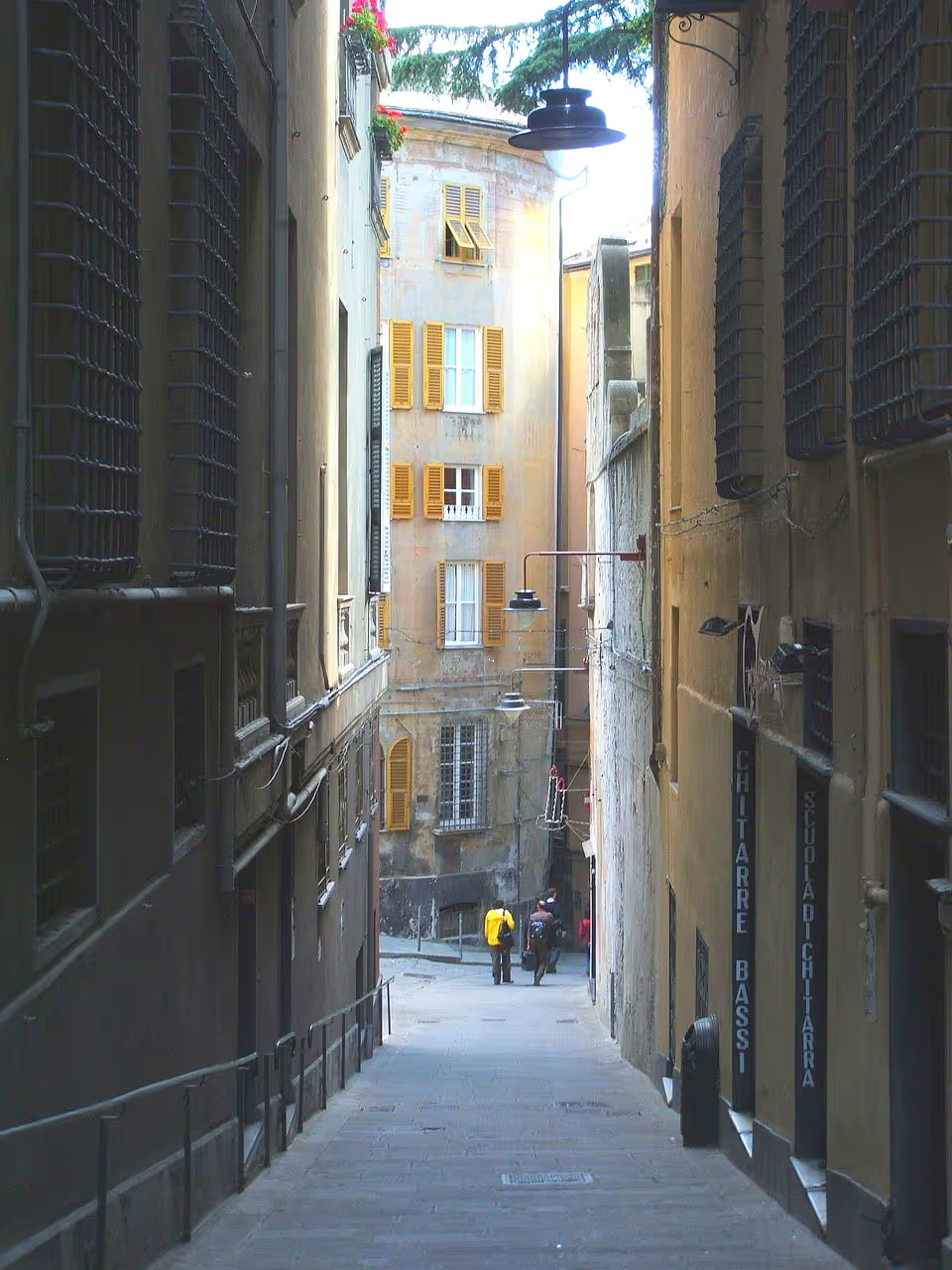
Wandering aimlessly through Europe's largest medieval historical centre costs absolutely nothing but provides an immensely rich experience. The disorienting, labyrinthine network of narrow, high-walled alleyways is the true, beating heart of the ancient port city. You can spend hours simply observing the vibrant local life, admiring the sudden, hidden squares, and spotting remnants of old frescoes peeling off the grand facades. It is an incredibly atmospheric, sensory journey where the smells of bakeries mingle with the sounds of the local dialect. Stepping off the main streets reveals the raw, authentic character of the city that money simply cannot buy.
free thing to do view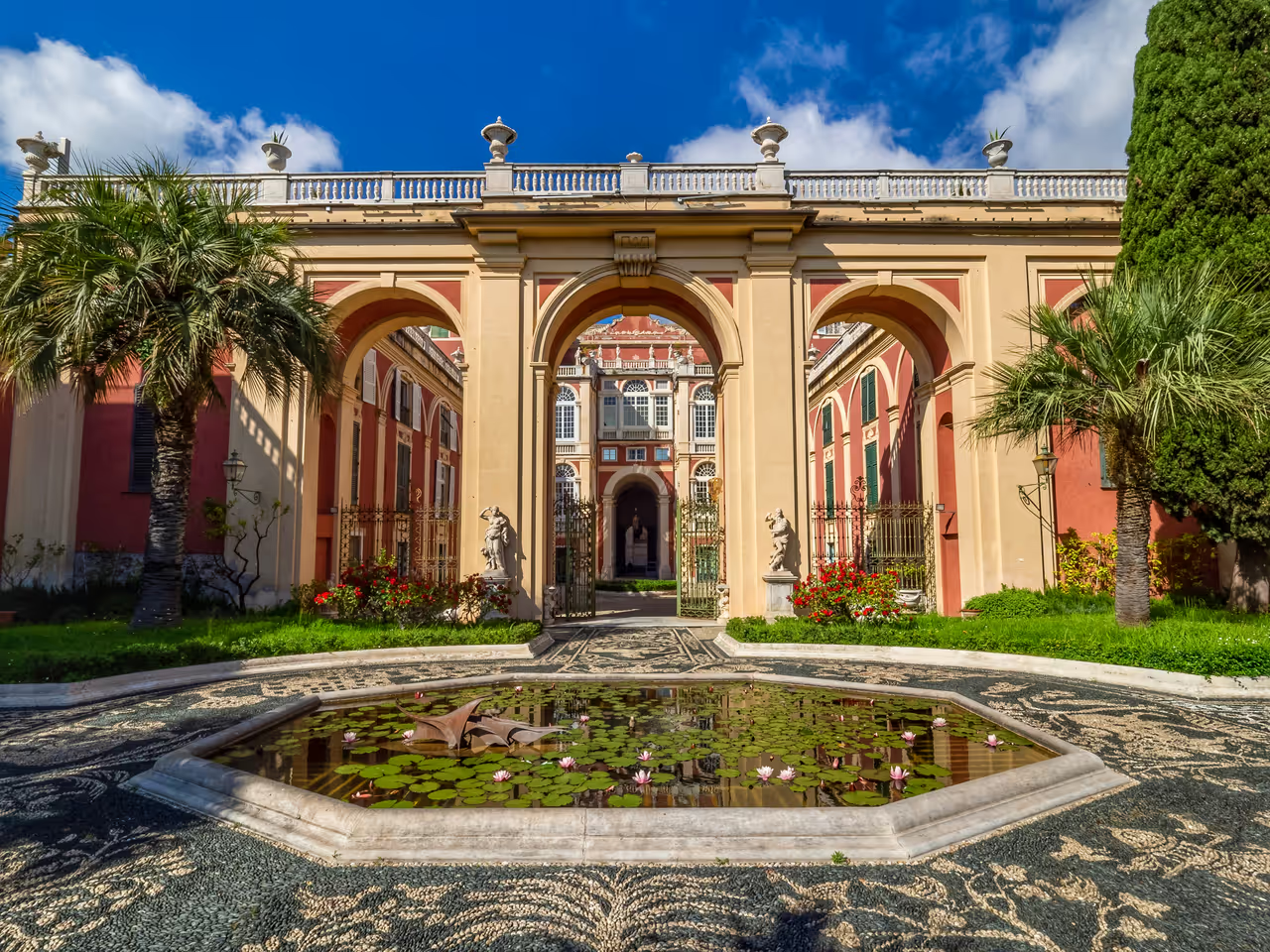 244m
244mRoyal Palace
Constructed in the seventeenth century by the aristocratic Balbi family, this immense complex later became a residence for the Royal House of Savoy, hence its regal title. The architecture is staggeringly grand, designed specifically to rival the most opulent palaces of Europe. Its most famous feature is the spectacular Galleria degli Specchi (Hall of Mirrors), an incredibly ornate, gilded room that reflects light from the sea through massive windows. The palace also boasts a beautifully manicured, hanging terrace garden that offers sweeping, elevated views over the working harbour. The sheer scale and intricate detailing of the stuccowork throughout the rooms are absolutely phenomenal.
architecture view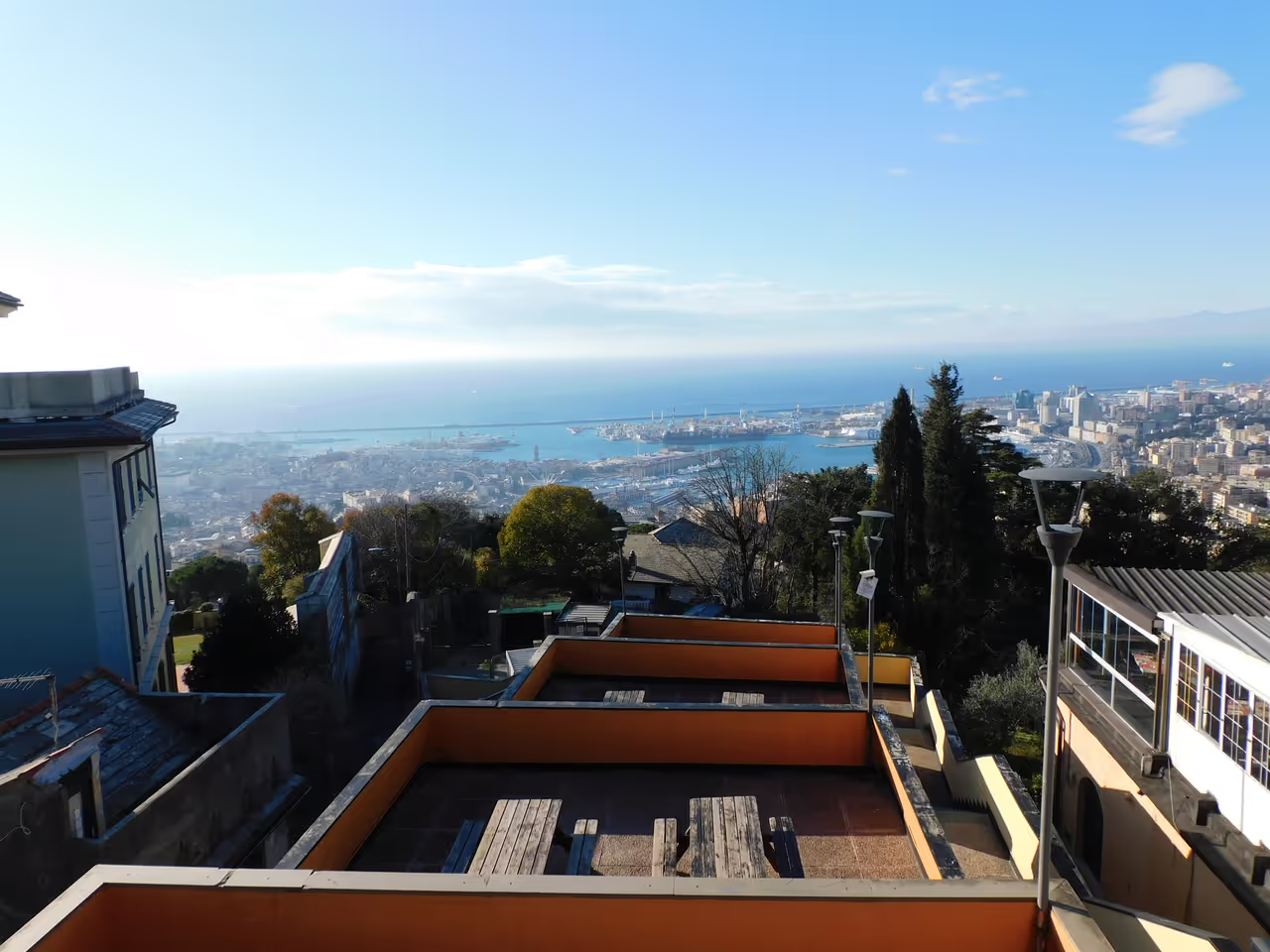 274m
274mRighi Funicular Top Station
Taking the historic, slanted cable railway from the busy city streets all the way up to the Righi terminus offers a spectacular transition from dense urban life to open mountain air. Stepping out of the upper station reveals an astonishing, eagle-eye perspective that captures the true scale of the city's dramatic geography. You can clearly see how the city is violently squeezed into the narrow coastal strip, heavily fortified by the mountains rising sharply behind it. The viewing platforms here provide sweeping vistas of the entire gulf, the industrial port, and the protective ring of seventeenth-century forts along the ridges. It is a highly rewarding, effortless escape into the heights.
viewpoint view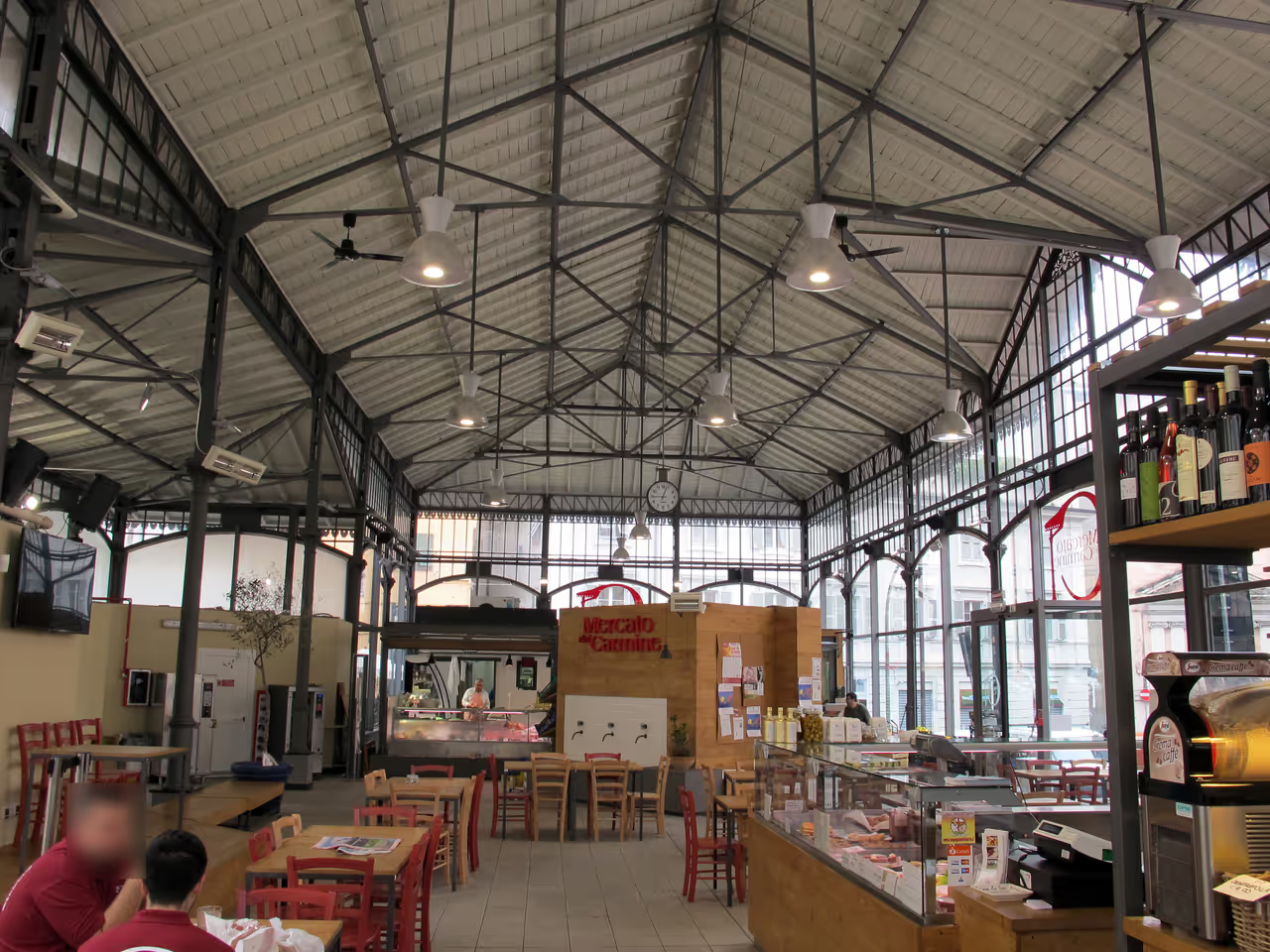 303m
303mCarmine Market
Nestled in the picturesque Carmine neighbourhood, this charming historic market building has been beautifully restored to serve the local community. It features a smaller, highly curated selection of stalls focusing on sustainable, zero-kilometre produce directly from Ligurian farmers and fishermen. The architecture itself is notable, with an elegant iron and glass structure that allows natural light to flood the interior. Inside, you will also find a fantastic casual restaurant that cooks up whatever is fresh from the stalls that day. It is an ideal spot to experience a quieter, more intimate side of the city's food scene away from the main tourist crowds.
market view
See all nature & parks in Genoa
Villa Durazzo Pallavicini, Nervi, Spianata dell'Acquasola, Villa Croce Museum of Contemporary Art, Villetta Di Negro...