Spianata dell'Acquasola
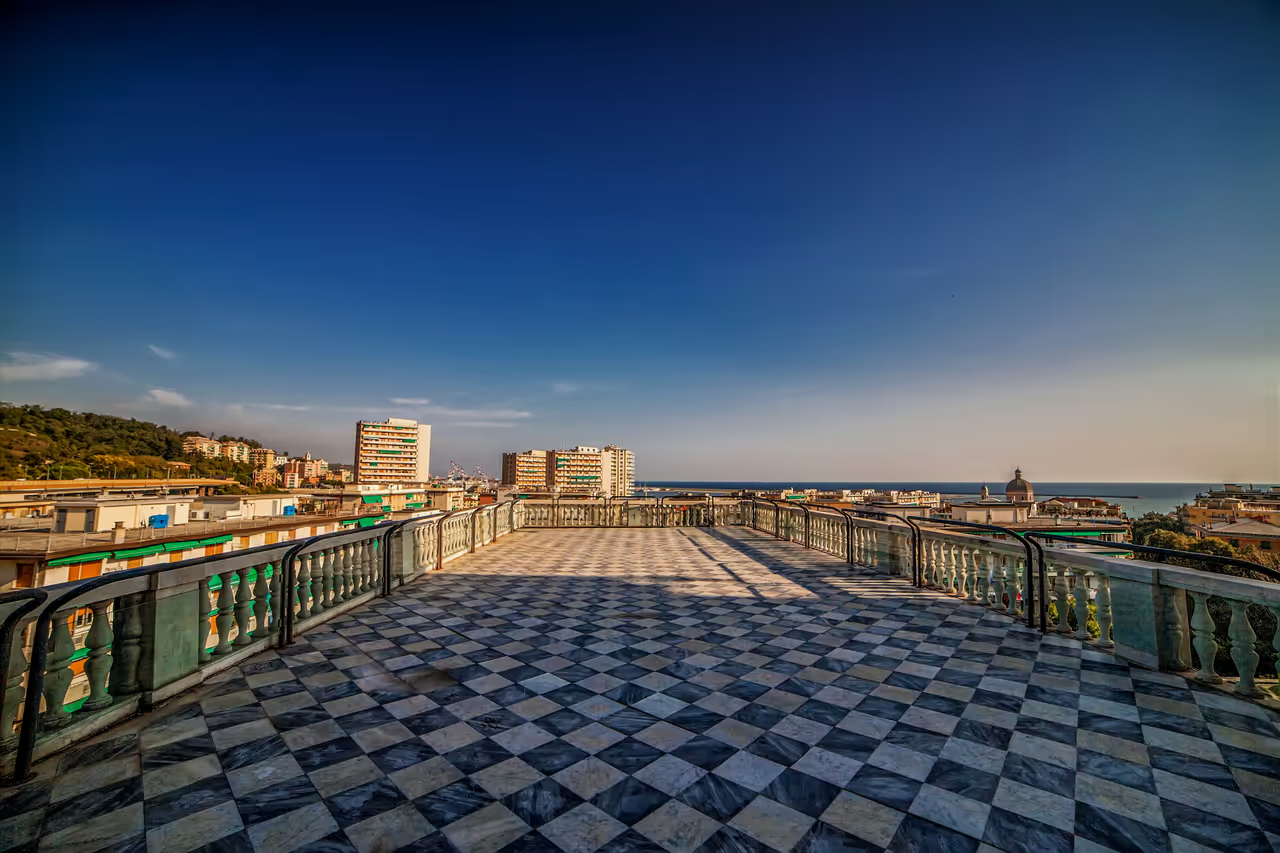
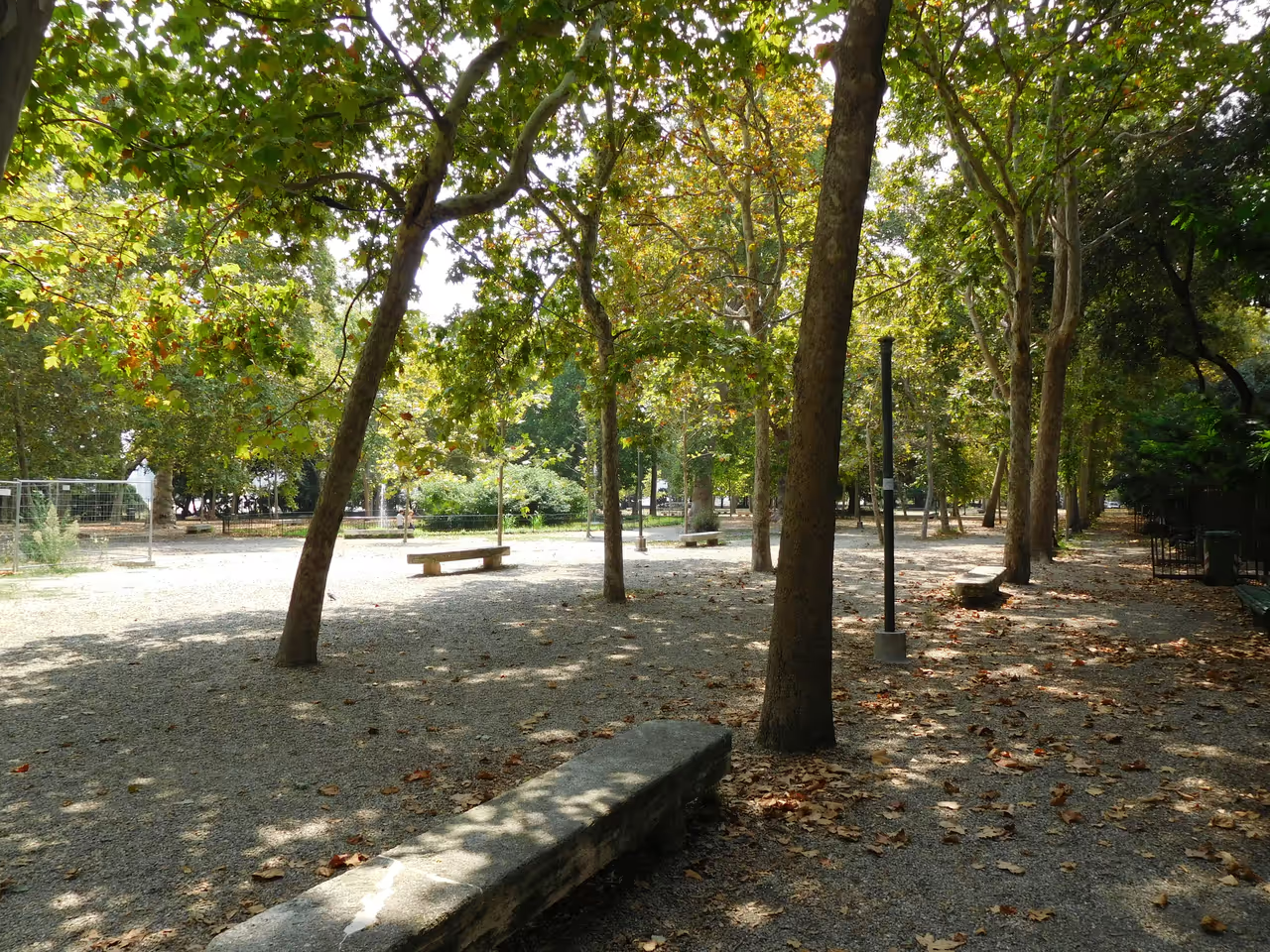
Perched high above the city, the Spianata dell'Acquasola offers a green sanctuary with a view that has enchanted writers for centuries. Once a military bastion and a rugged heap of debris, it was transformed into the first public park in Genoa during the 1800s. Today, it remains a favourite spot for a sunset promenade where the leafy avenues invite long and leisurely walks. Visitors can explore the layers of history hidden beneath their feet, from ancient Etruscan tombs to the mysterious shadows of the old city walls. The atmosphere is one of refined calm, bridging the gap between the historic Portoria district and the grand architecture of Via XX Settembre. It is a place where nature and history intertwine, making it an essential stop for anyone wanting to experience the local soul of Genoa.
Videos
History of Spianata dell'Acquasola
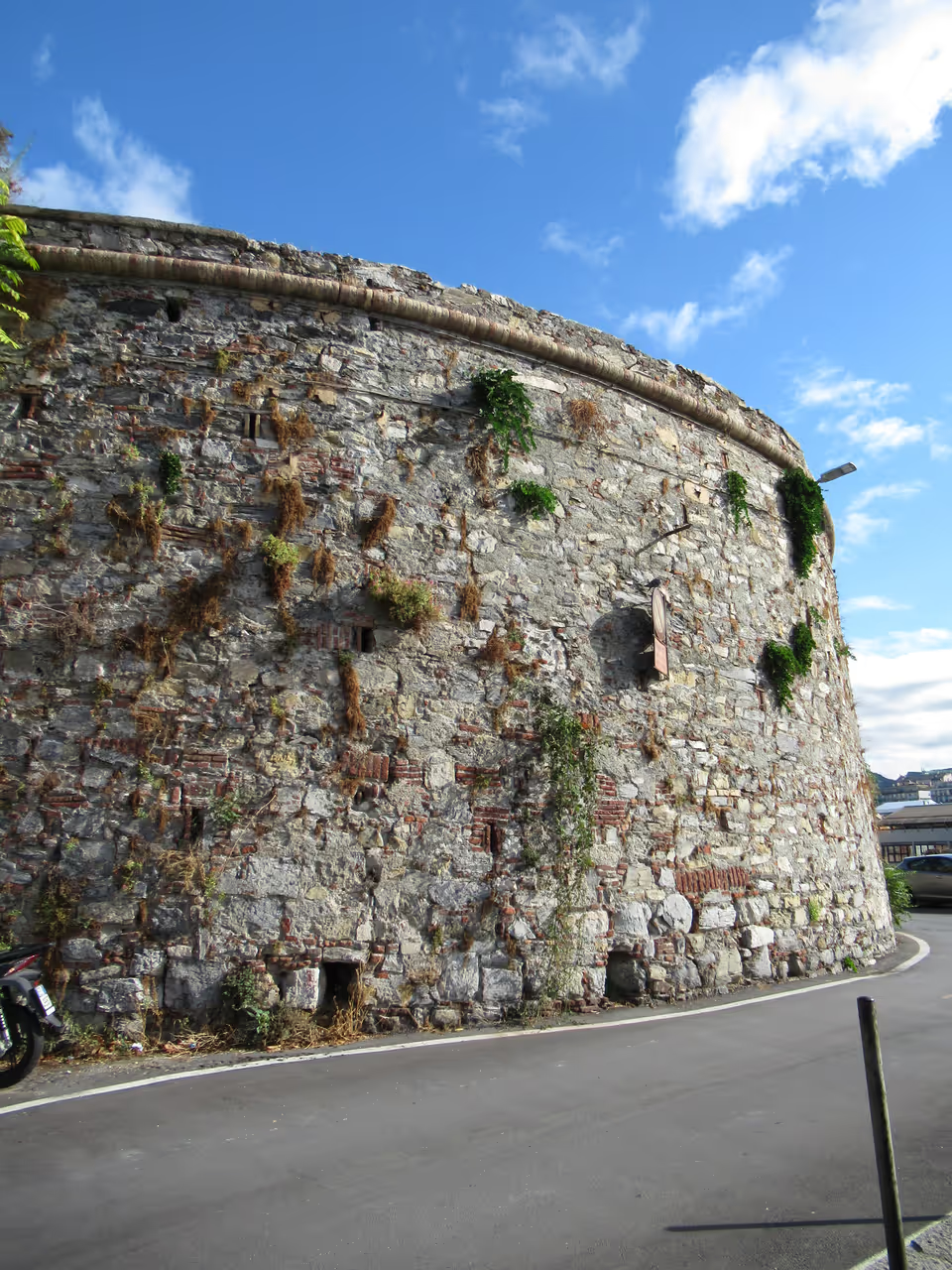
The story of Spianata dell'Acquasola begins long before it became a park, with its ground serving as a sacred site for an Etruscan prince in the 7th century BC. As Genoa grew, the location evolved into a critical military bastion within the city's 14th century walls. By the 16th century, it had gained a less noble reputation as the piles, a dumping ground for the vast amounts of debris generated while building the grand palaces of Via Garibaldi. This rugged terrain eventually found a more sombre purpose during the devastating plague of 1657, when the military tunnels deep beneath the surface were used as a final resting place for thousands of citizens. In the early 19th century, the architect Carlo Barabino looked at this complex site and saw the potential for beauty. He bridged the military past with a new vision of urban leisure, creating a terraced park that became the city's first true public promenade. It quickly became the fashionable heart of Genoa, where the nobility would parade in their carriages and the common folk would gather for music and fresh air. Writers like Charles Dickens and Gustave Flaubert were captivated by its charm, noting how the red roses and the cool fountains offered a refreshing escape from the dense city streets below. Behind the elegant gravel paths and ancient trees lies a spirit of rebellion. During the 1820s, the park became a clandestine headquarters for Giuseppe Mazzini and his fellow revolutionaries, who used the cover of darkness to plan the future of a unified Italy. This mix of high society glamour, tragic history, and political intrigue has left a lasting legacy. Even today, as the sun sets over the nearby Villetta di Negro, the Spianata dell'Acquasola retains a unique character that reflects the many layers of Genoa's enduring history.
Events spanning 2700 years
Fun Facts
- • A spy named Raimondo Doria asked the government to install park lighting specifically so he could more easily watch Mazzini's group at night.
- • Architect Carlo Barabino used recycled marble pillars from the demolished San Domenico church to build parts of the park structure.
- • Deep underground tunnels used for military mines were filled with so many plague victims in 1657 that fluid reportedly seeped through the walls into the streets below.
- • Gustave Flaubert wrote about being mesmerised by a mysterious woman in a white veil he saw while listening to the military band here.
- • Italian revolutionary Giuseppe Mazzini used to meet his secret Carboneria society on a specific park bench here to plot against the government.
- • The famous writer Stendhal noted in 1828 that the park was the best place in the city to be at the exact hour of sunset.
- • The father of Christopher Columbus lived near the Porta dell'Olivella and served as the gatekeeper for this specific section of the city walls.
- • The hill was nicknamed 'i Muggi', meaning the piles, because it was formed from the waste of constructing the high society Strada Nuova.
- • The park acts as a green bridge, connecting the high elevation of Piazza Corvetto to the monumental bridge overlooking the city's main shopping street.
- • The park sits atop the 14th century city walls, which were once the primary defence for the Portoria district.
Spianata dell'Acquasola FAQ
While we strive to keep this information accurate and up to date, we recommend verifying any details independently before making decisions based on them.
Spianata dell'Acquasola Map & Neighborhood Explorer
This interactive map is centered on Spianata dell'Acquasola. Zoom in and move the map around to automatically discover Wikipedia photos and summaries of other nearby sights, monuments, and historical points of interest and stories in real-time!
Places near Spianata dell'Acquasola
Make the most of your trip. Check out these top-rated spots located nearby.
 373m
373mEastern Market
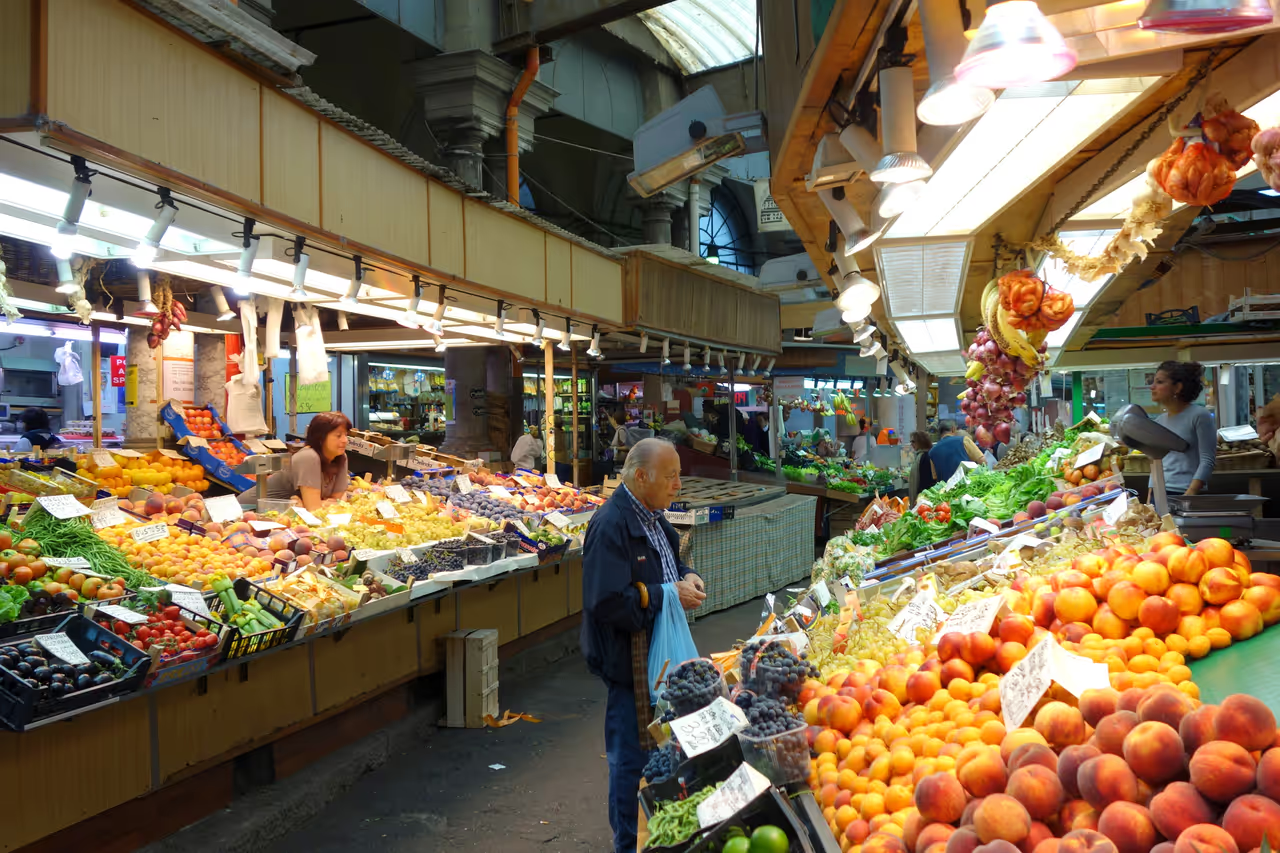
Located in the heart of the shopping district, this lively covered market is an absolute paradise for food lovers and a cornerstone of local daily life. The aisles are packed with vendors selling mountains of vibrant fresh produce, huge wheels of cheese, glistening local seafood, and aromatic spices. The air is thick with the scent of fresh basil, indicating exactly where the city's famous pesto ingredients are sourced. The central area has been beautifully modernised into a sleek food hall, where you can grab a glass of wine and sample exceptional local street food. It is a fantastic place to absorb the energetic, authentic culinary culture of the region.
market view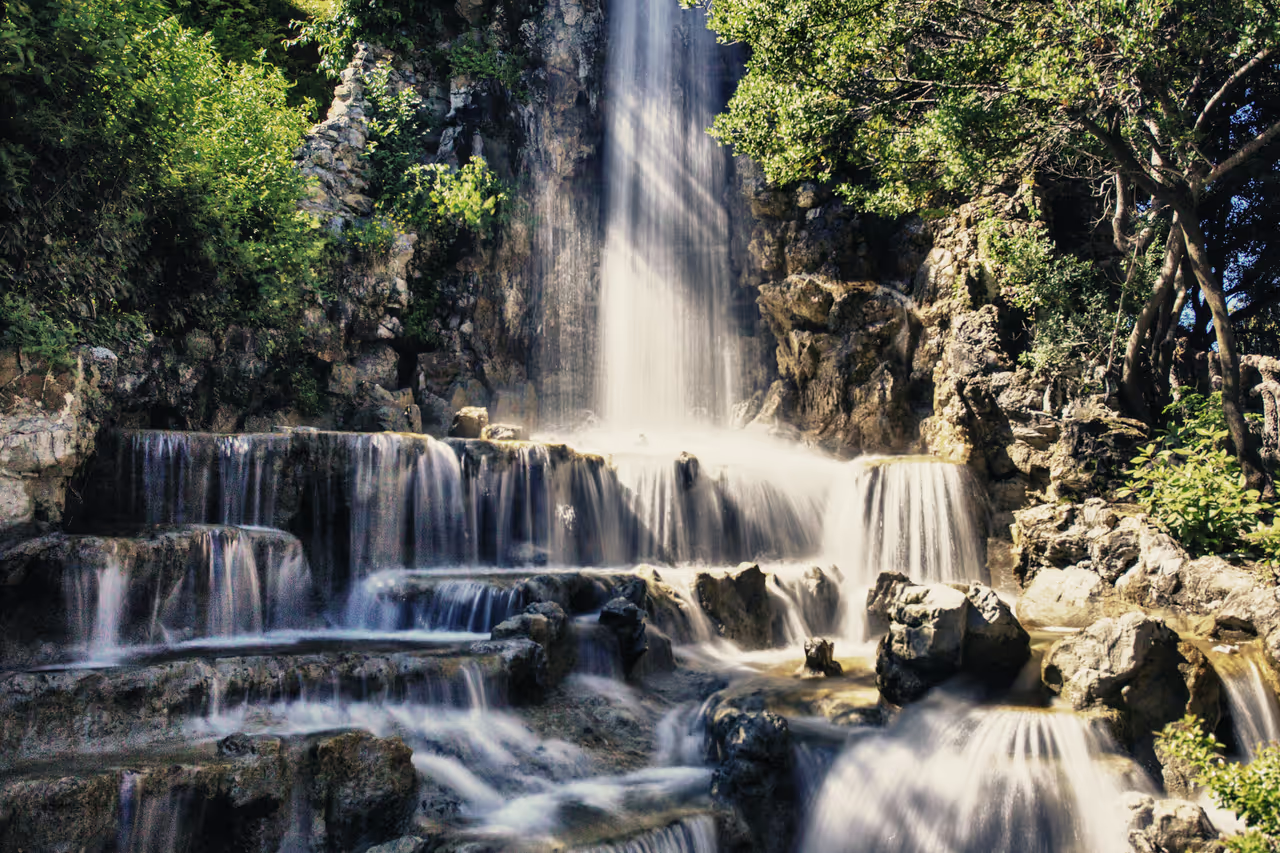 386m
386mVilletta Di Negro
Discover an enchanting urban sanctuary that rises above the city centre, transforming from former defensive walls into a lush green haven. This park offers winding pathways, cascading waterfalls, and serene grottos that provide a peaceful escape from the urban environment. Visitors are drawn to its panoramic views of Genoa and its rich history as a gathering place for nineteenth century intellectuals and artists. Today, the site houses the renowned Edoardo Chiossone Museum of Oriental Art, blending natural beauty with cultural depth. It is a place where nature, architecture, and history converge, inviting you to wander through its heritage.
park & nature view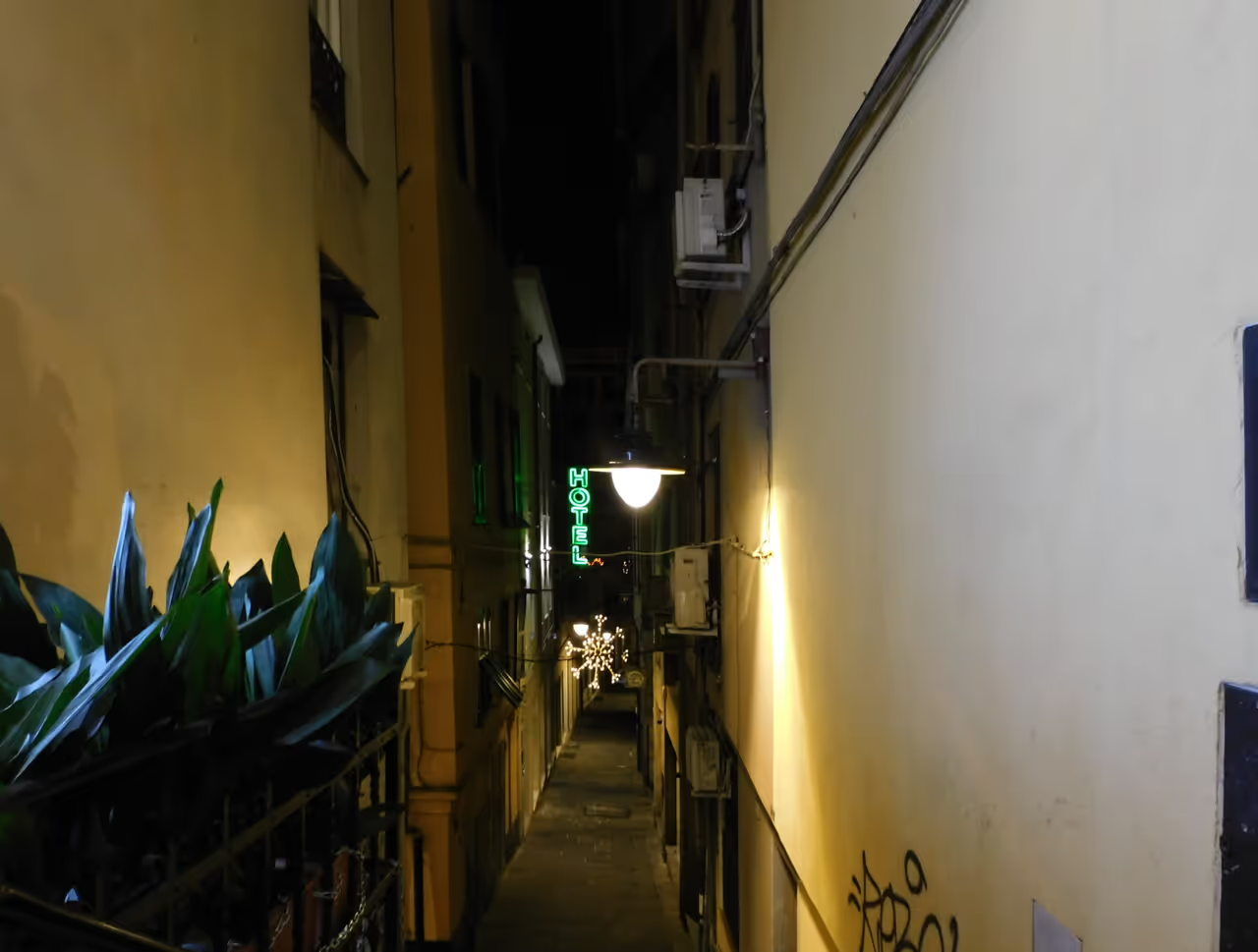 432m
432mGaribaldi Street
Originally known as the 'Strada Nuova' (New Street), this pedestrianised avenue is an awe-inspiring showcase of sixteenth-century wealth. It was designed specifically to house the most powerful aristocratic families of the republic in a series of incredibly opulent mansions. Walking down this street feels like strolling through an open-air museum, with towering, highly decorated facades flanking you on both sides. Many of these buildings form the Musei di Strada Nuova, allowing you to step inside and marvel at their frescoed ceilings and courtyards. It is the absolute pinnacle of the city's architectural grandeur.
highlight view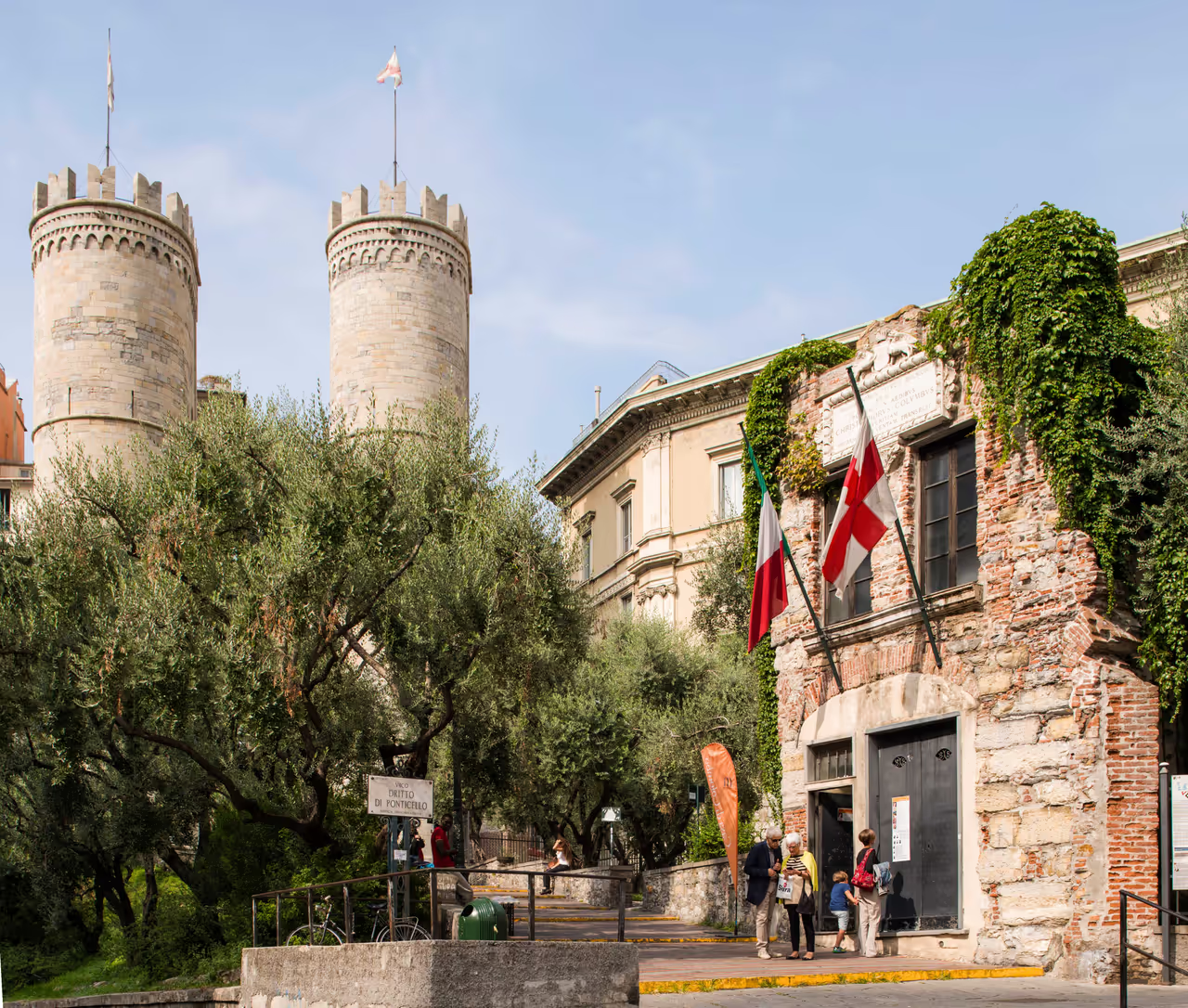 452m
452mChristopher Columbus' House
Located just outside the ancient city walls, this modest, ivy-covered stone building is traditionally identified as the childhood home of the famous explorer. Although the original structure was heavily damaged during a French naval bombardment in 1684, it was carefully reconstructed shortly after. The stark simplicity of the building stands in fascinating contrast to the immense global impact of the man who supposedly grew up here. Stepping inside the cramped rooms offers a glimpse into the humble origins of a navigator whose voyages changed the course of history. It serves as a poignant reminder of the city's profound maritime legacy.
highlight view
See all nature & parks in Genoa
Defensive Walls of Genoa, Villa Durazzo Pallavicini, Nervi, Villa Croce Museum of Contemporary Art, Villetta Di Negro...