Villetta Di Negro
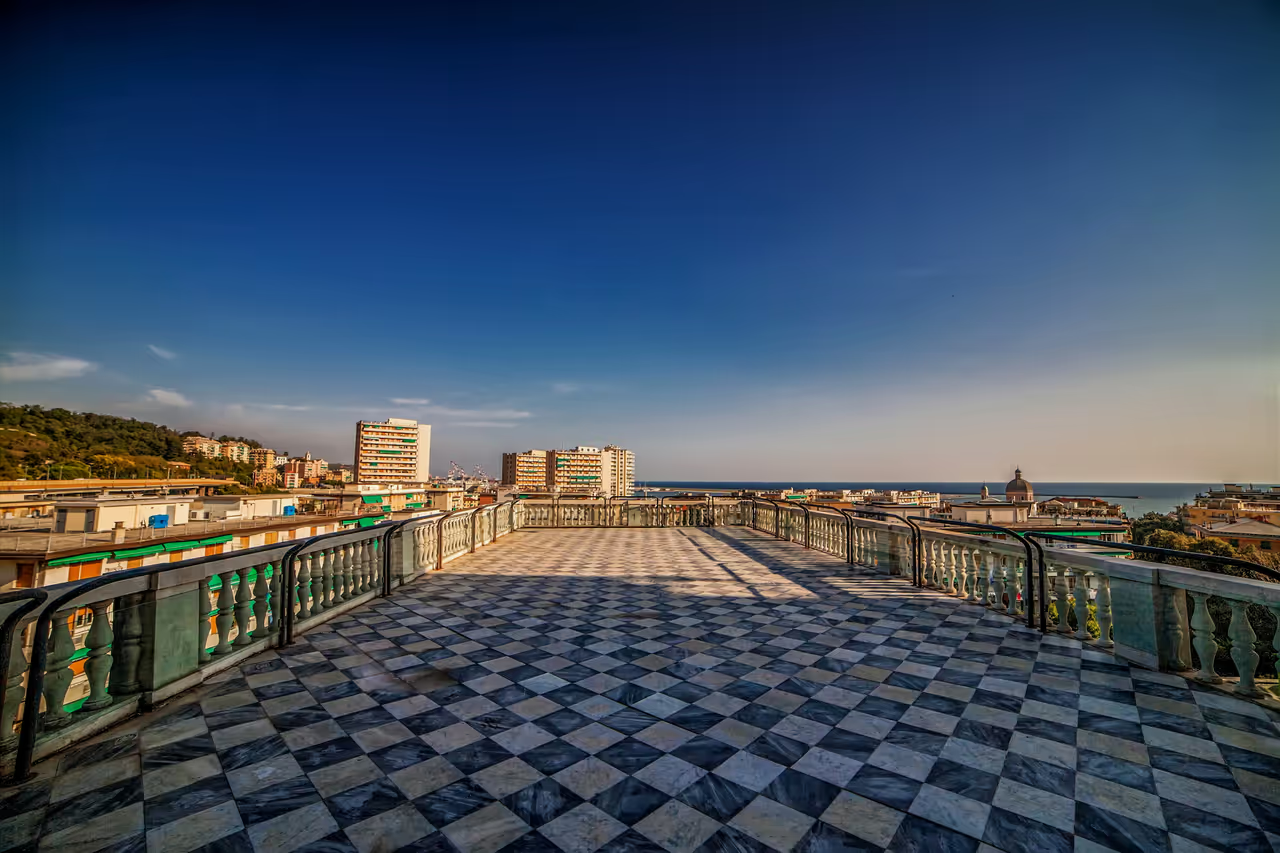
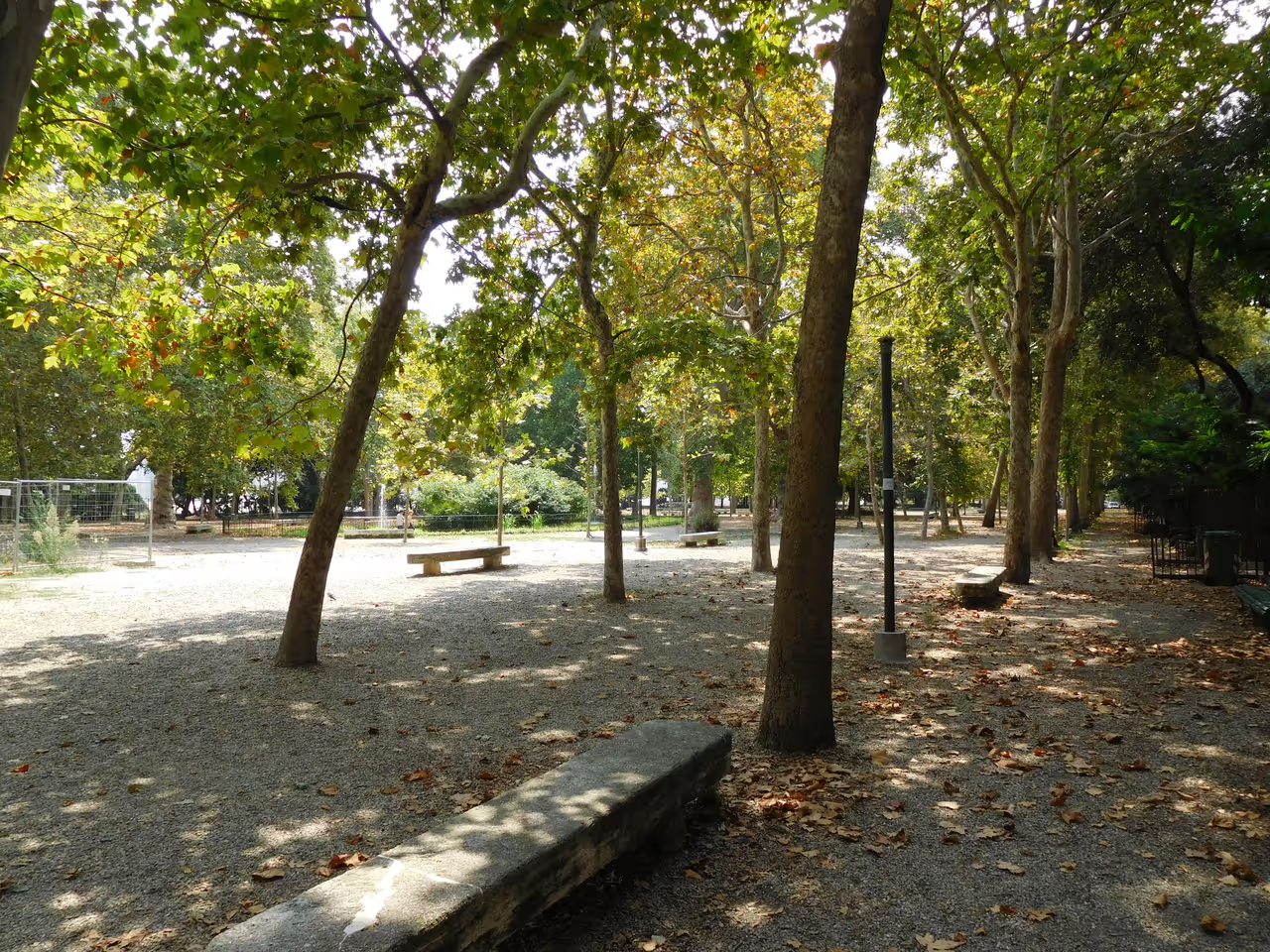
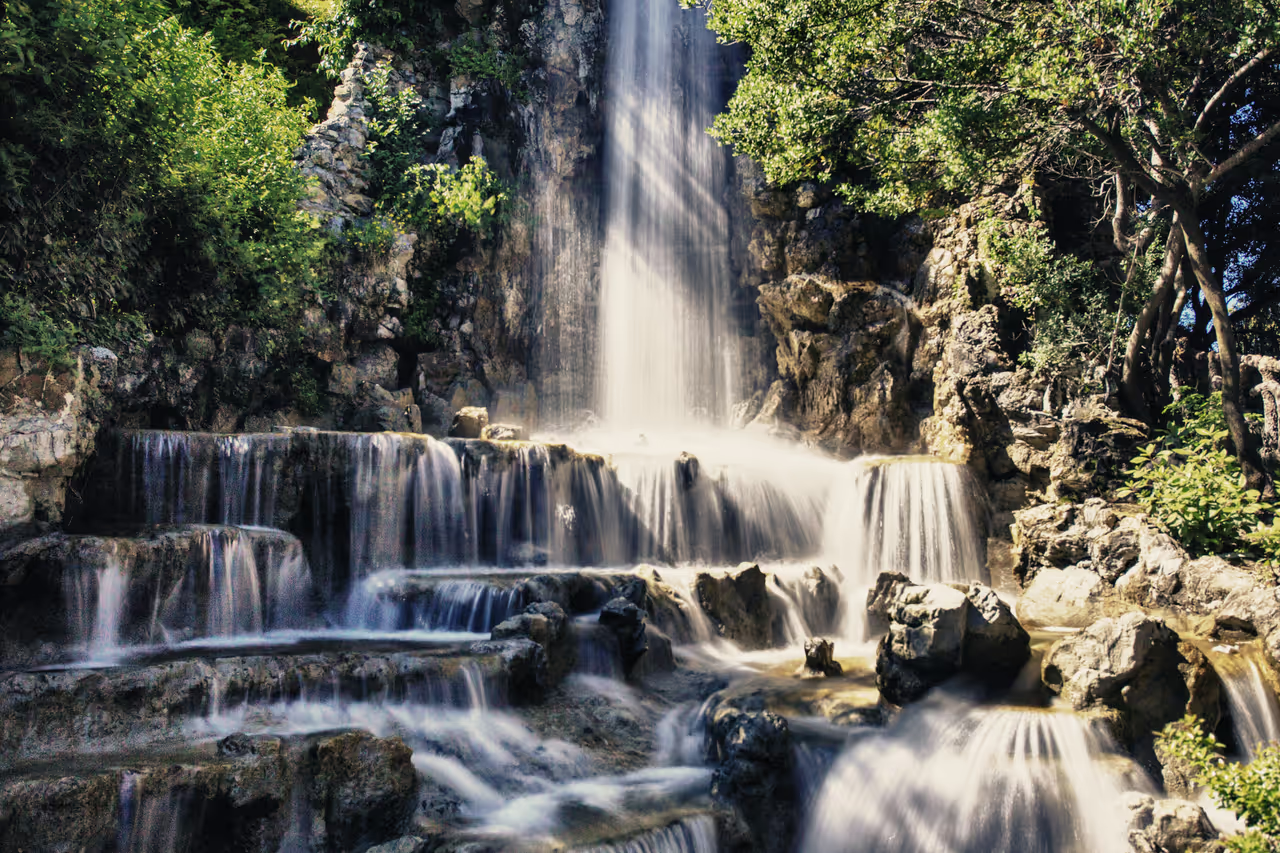
Discover an enchanting urban sanctuary that rises above the city centre, transforming from former defensive walls into a lush green haven. This park offers winding pathways, cascading waterfalls, and serene grottos that provide a peaceful escape from the urban environment. Visitors are drawn to its panoramic views of Genoa and its rich history as a gathering place for nineteenth century intellectuals and artists. Today, the site houses the renowned Edoardo Chiossone Museum of Oriental Art, blending natural beauty with cultural depth. It is a place where nature, architecture, and history converge, inviting you to wander through its heritage.
Videos
History of Villetta Di Negro
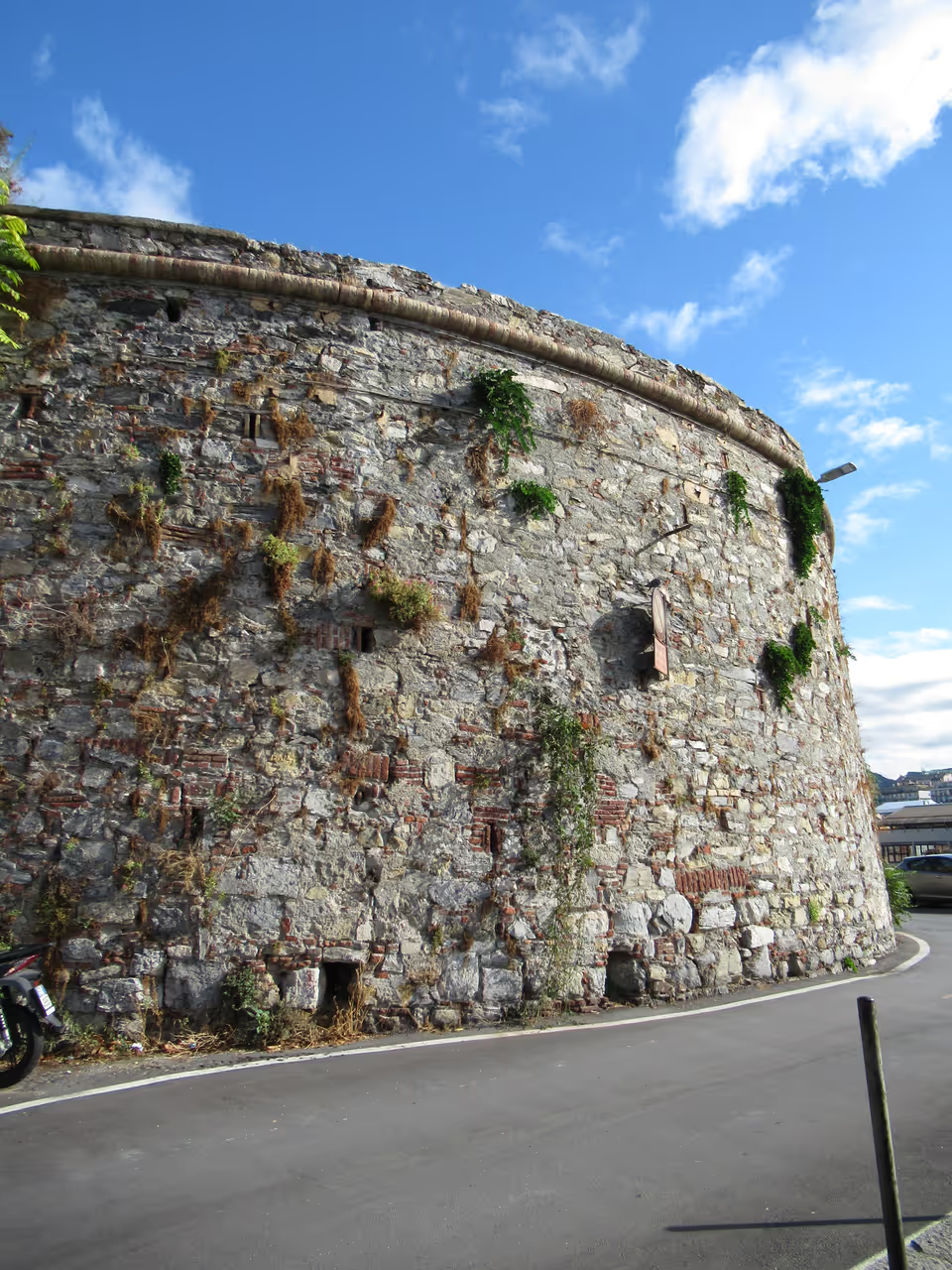
The story of Villetta di Negro is one of constant evolution. Initially established as part of the defensive fortifications surrounding the city, the site was eventually transformed into a botanical garden in the late eighteenth century. Under the care of the Di Negro family, the park blossomed into a vibrant intellectual hub where the greatest minds of the era gathered to exchange ideas and find inspiration. This golden age of creativity saw the grounds filled with rare botanical specimens and classical sculptures. As the world entered the mid twentieth century, the park took on a somber role. Beneath the serene walkways, engineers constructed a sophisticated bunker system to protect citizens during the Second World War. The original villa, which had stood witness to decades of artistic dialogue, was tragically destroyed during aerial bombardments in nineteen forty two. Rising from the ashes, the site reinvented itself once again. The construction of the modern museum dedicated to Edoardo Chiossone breathed new life into the area, ensuring that the legacy of art and learning continued. Today the park stands as a testament to the resilience of Genoa, seamlessly blending the remnants of military history with a peaceful commitment to culture and beauty.
Events spanning 200 years
Fun Facts
- • A stunning statue of Giuseppe Mazzini stands at the park entrance, honouring the iconic figure of the Italian unification movement.
- • Architect Carlo Barabino, who defined much of the urban layout of Genoa, was the creative mind behind the original villa design.
- • Buried beneath the park lies a complex network of air raid shelters built during the Second World War, complete with pedal powered air filtration systems.
- • During the nineteenth century, the villa served as a magnet for Europe leading intellectuals, hosting famous figures including Antonio Canova and Stendhal.
- • Edoardo Chiossone, the namesake of the museum, was a talented engraver who spent decades in Japan, amassing one of the most significant collections of Japanese art in the world.
- • The park features a unique man made waterfall, constructed in the late nineteenth century by excavating part of the ancient city wall.
- • The park has served various functions throughout history, operating as a zoological garden and a museum of natural history before becoming the home of Oriental art.
- • The park sits atop what was once the Bastione di Santa Caterina, a vital part of the city old defensive fortifications.
RESOURCES
Official WebsiteVilletta Di Negro FAQ
While we strive to keep this information accurate and up to date, we recommend verifying any details independently before making decisions based on them.
Villetta Di Negro Map & Neighborhood Explorer
This interactive map is centered on Villetta Di Negro. Zoom in and move the map around to automatically discover Wikipedia photos and summaries of other nearby sights, monuments, and historical points of interest and stories in real-time!
Places near Villetta Di Negro
Make the most of your trip. Check out these top-rated spots located nearby.
 249m
249mRolli Days
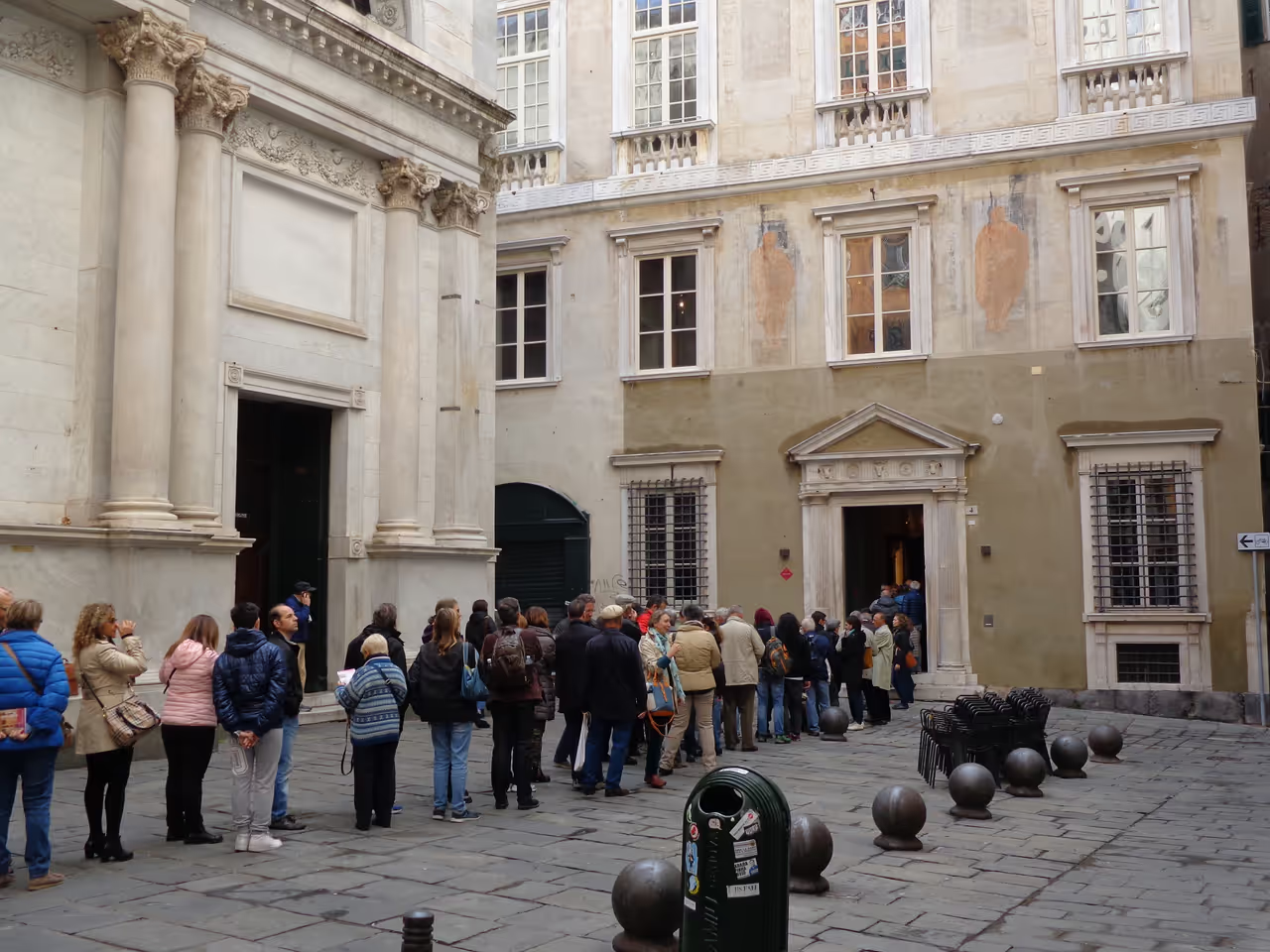
Twice a year, the city unlocks the doors to its most magnificent private aristocratic mansions, known as the Palazzi dei Rolli. These stunning Renaissance and Baroque palaces, many of which are usually closed to the public, welcome visitors to admire their opulent frescoes, hidden courtyards, and grand staircases. It is a rare opportunity to step inside the private residences that once hosted kings and emperors during the city's golden age. The atmosphere is highly festive, with guided tours, musical performances, and theatrical events bringing the history of these spectacular buildings to life.
festival view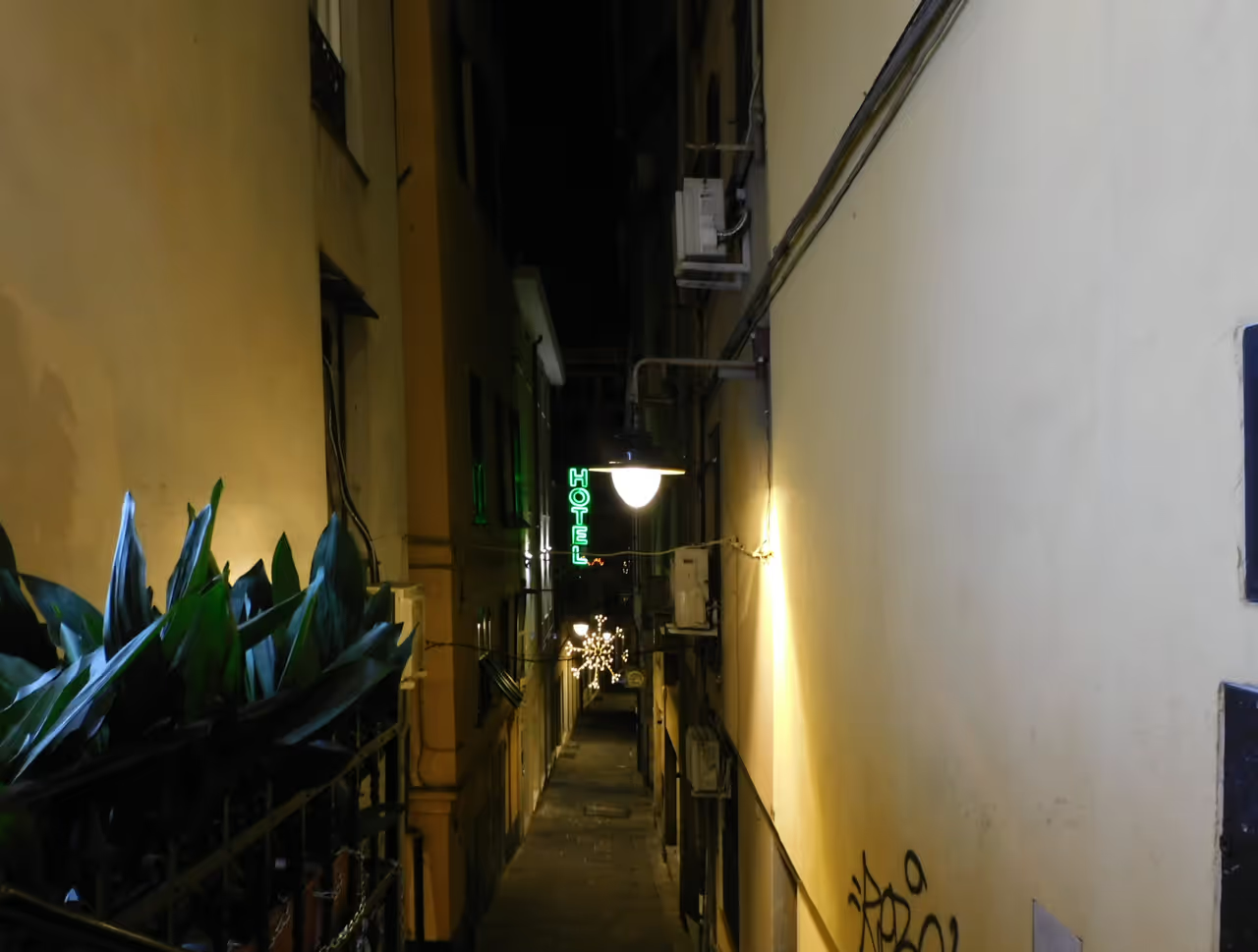 283m
283mGaribaldi Street
Originally known as the 'Strada Nuova' (New Street), this pedestrianised avenue is an awe-inspiring showcase of sixteenth-century wealth. It was designed specifically to house the most powerful aristocratic families of the republic in a series of incredibly opulent mansions. Walking down this street feels like strolling through an open-air museum, with towering, highly decorated facades flanking you on both sides. Many of these buildings form the Musei di Strada Nuova, allowing you to step inside and marvel at their frescoed ceilings and courtyards. It is the absolute pinnacle of the city's architectural grandeur.
highlight view 334m
334mRed Palace
Instantly recognisable by its striking, deep crimson facade, this magnificent seventeenth-century mansion is a crown jewel of the Strada Nuova. It was built for the powerful Brignole Sale family and designed to be a bold, highly visible statement of their immense wealth and influence. The interior is a masterpiece of Baroque opulence, featuring incredibly elaborate frescoes that create breathtaking optical illusions on the ceilings. It remains fully furnished with the family's original, luxurious decor, allowing visitors to experience the exact living conditions of the Genoese aristocracy. Taking the elevator to the rooftop provides a highly unexpected, spectacular view over the city's historic core.
architecture view- 351m
Lavagna Square
Hidden away in a surprisingly tranquil pocket of the historical centre, this charming square offers a slightly more sophisticated and relaxed evening experience. It is framed by beautifully faded pastel buildings and filled with the outdoor tables of several excellent wine bars and intimate bistros. The atmosphere here is decidedly less rowdy than other nightlife hotspots, making it perfect for lingering over a high-quality glass of local Ligurian wine and good conversation. The venues take pride in their curated wine lists and artisanal cheese boards. It is a wonderfully atmospheric spot that feels like a well-kept secret among the locals.
nightlife view
See all nature & parks in Genoa
Defensive Walls of Genoa, Villa Durazzo Pallavicini, Nervi, Spianata dell'Acquasola, Villa Croce Museum of Contemporary Art...