Villa Durazzo Pallavicini
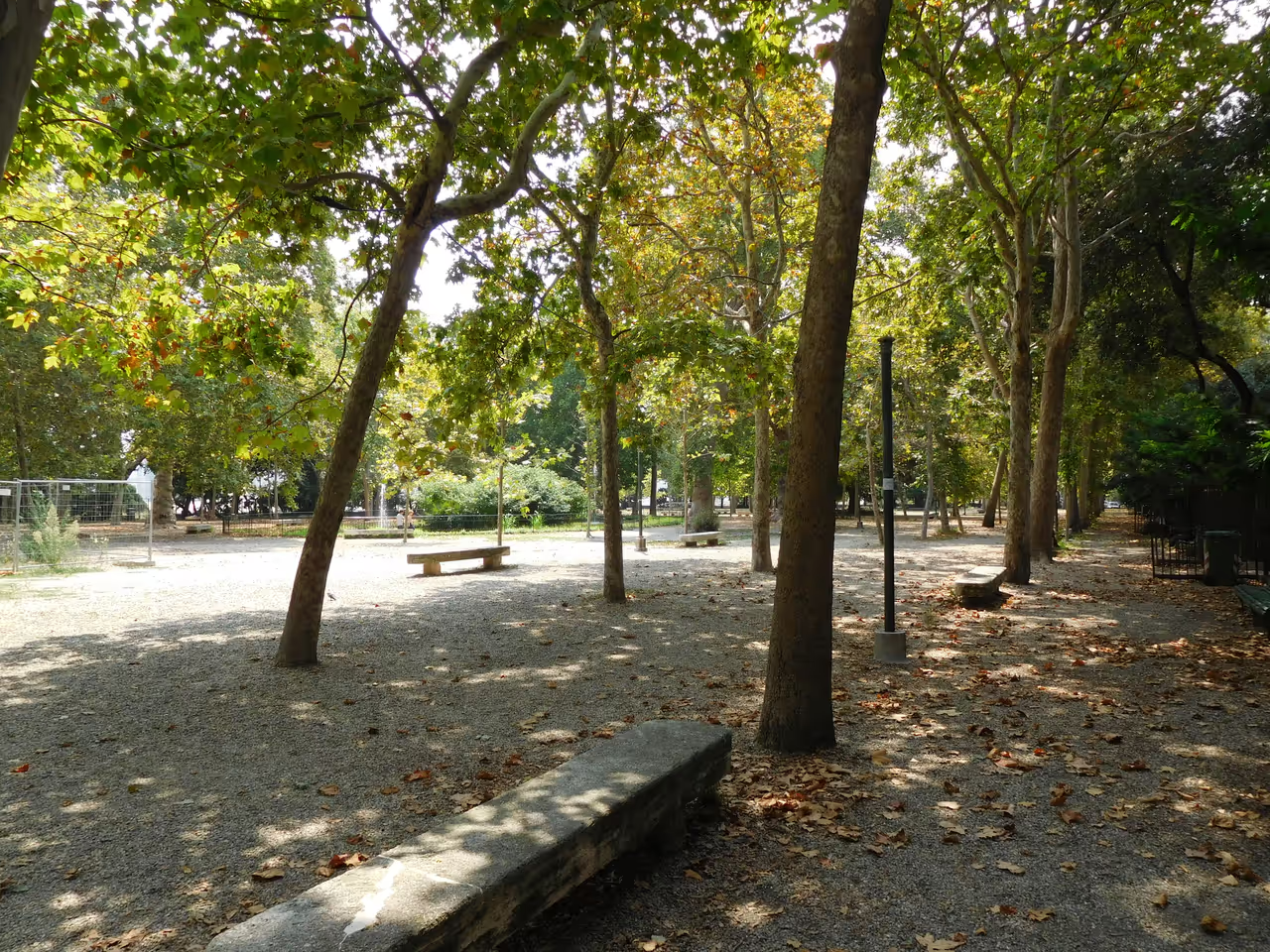
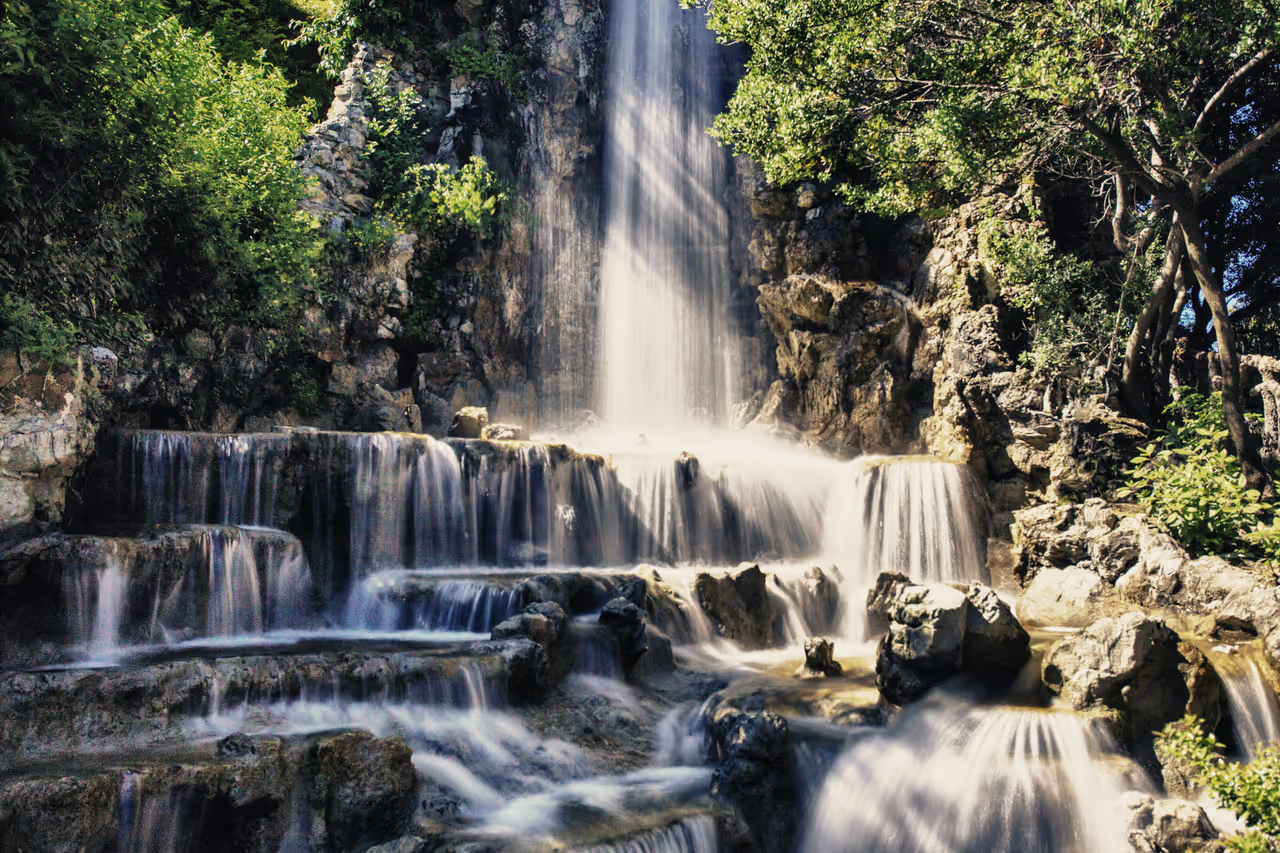
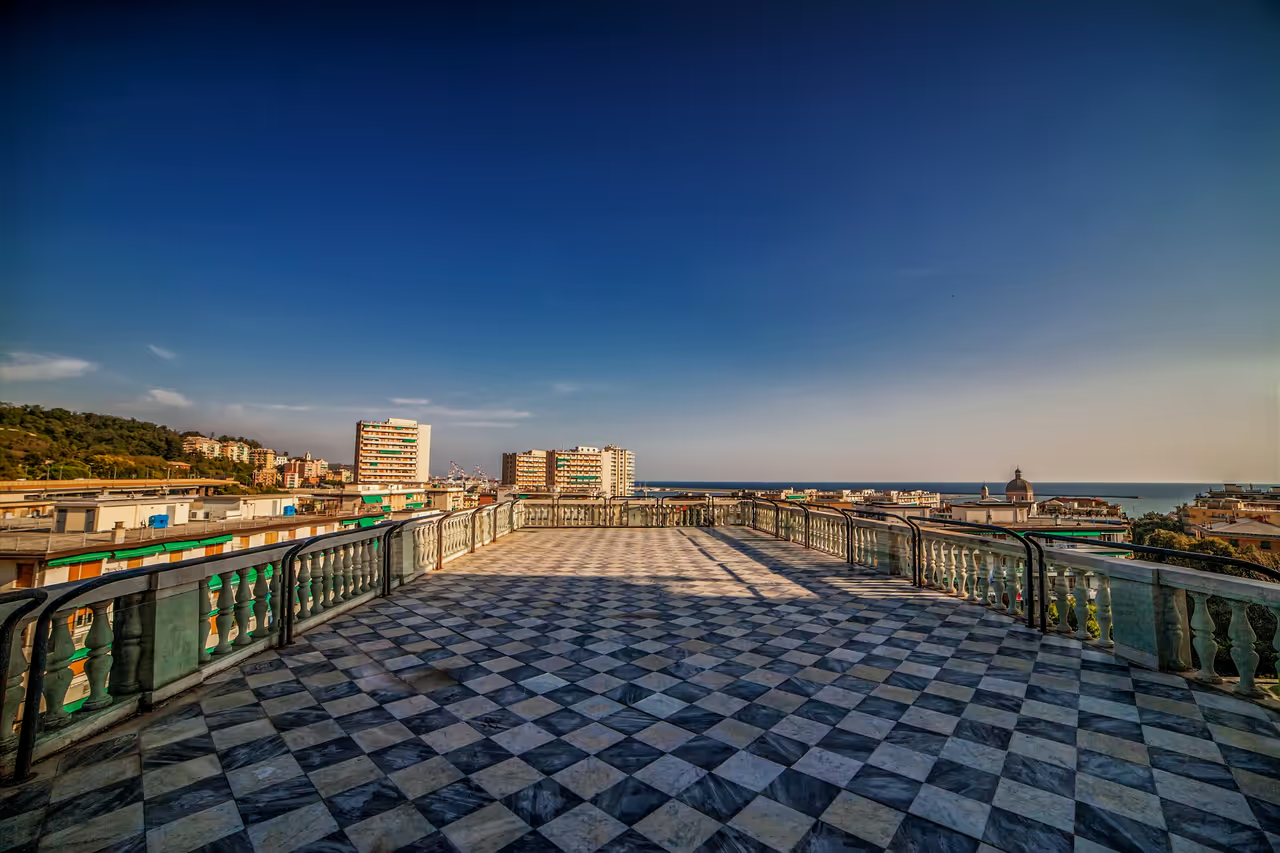
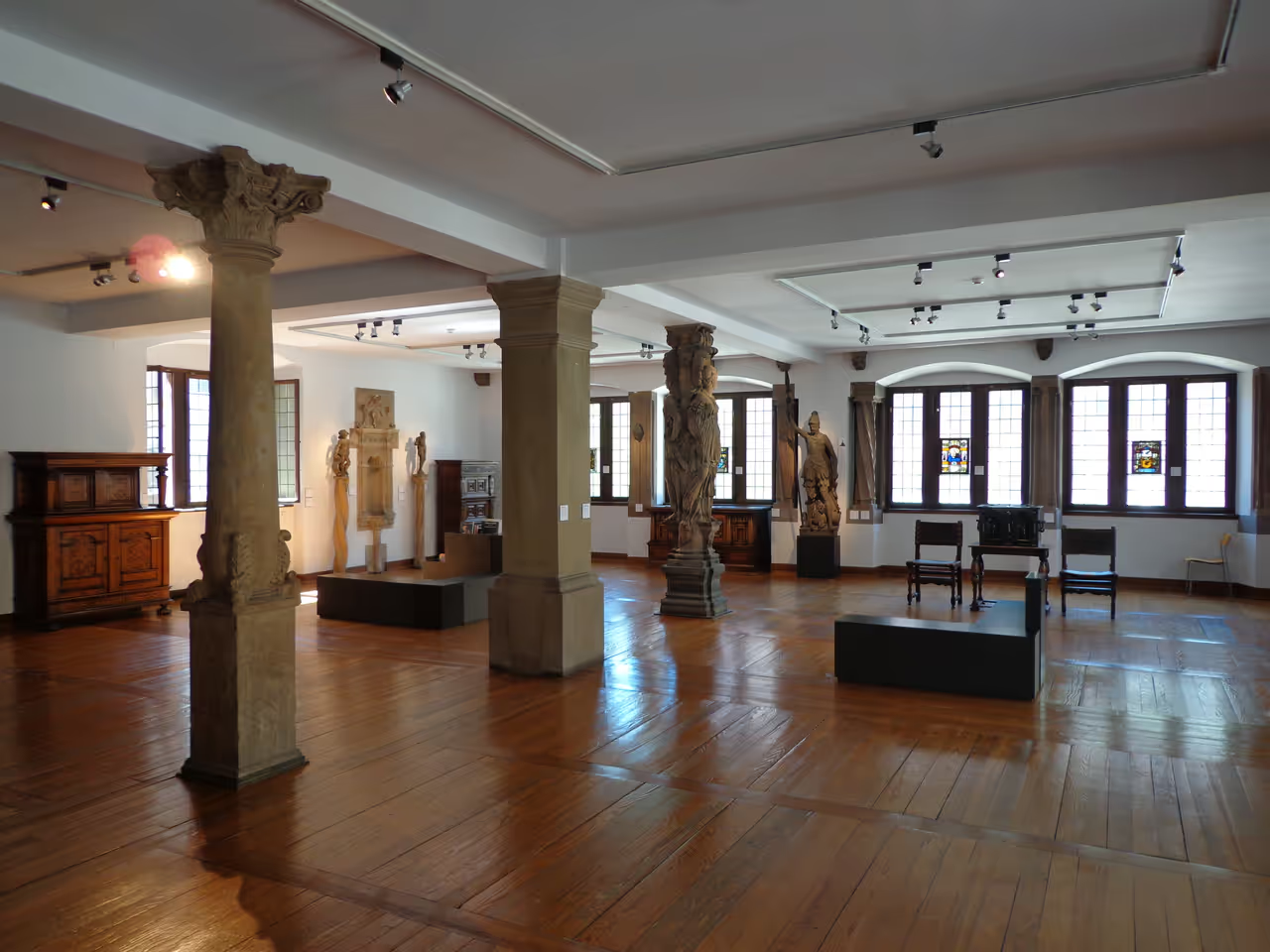
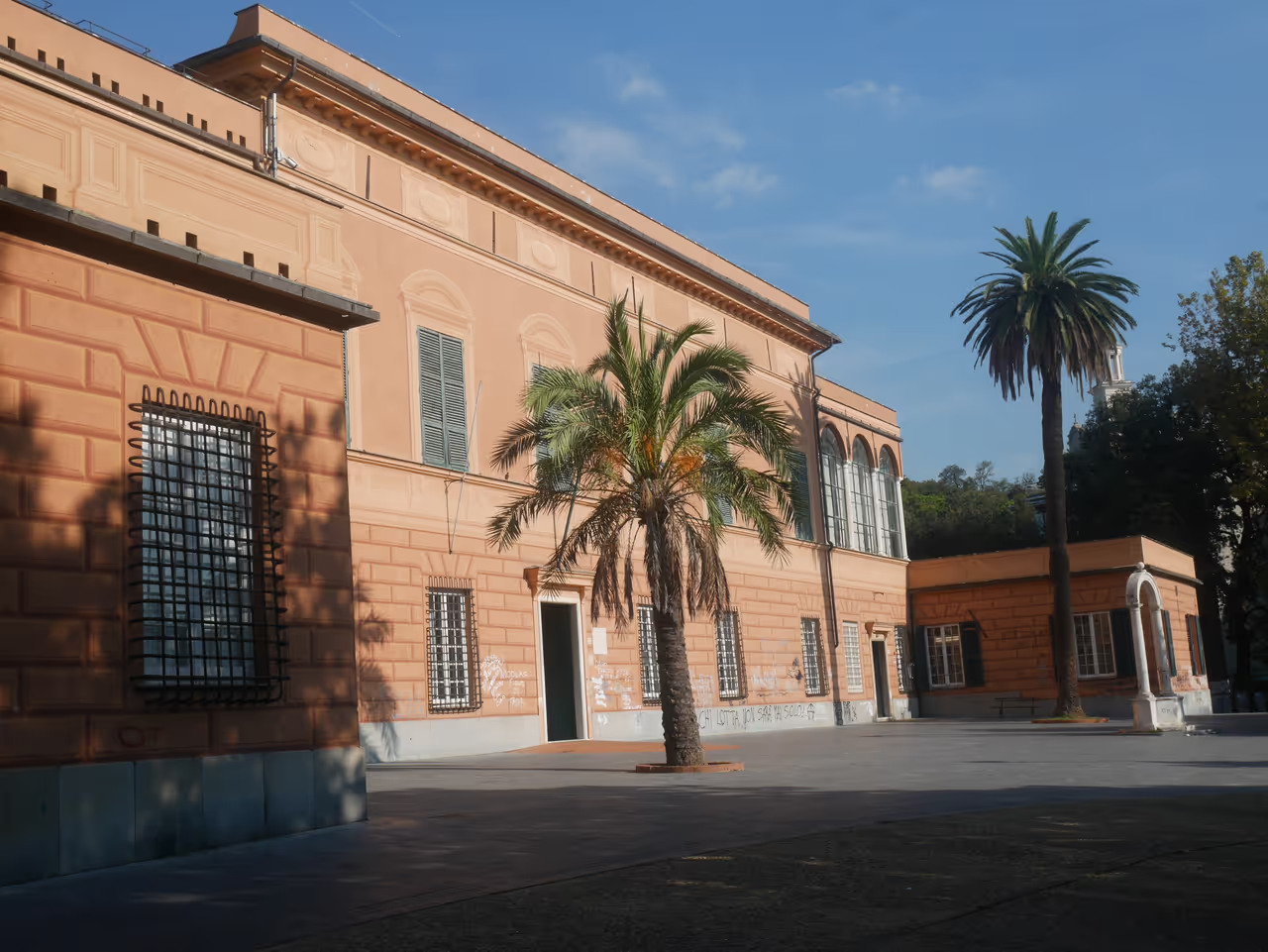
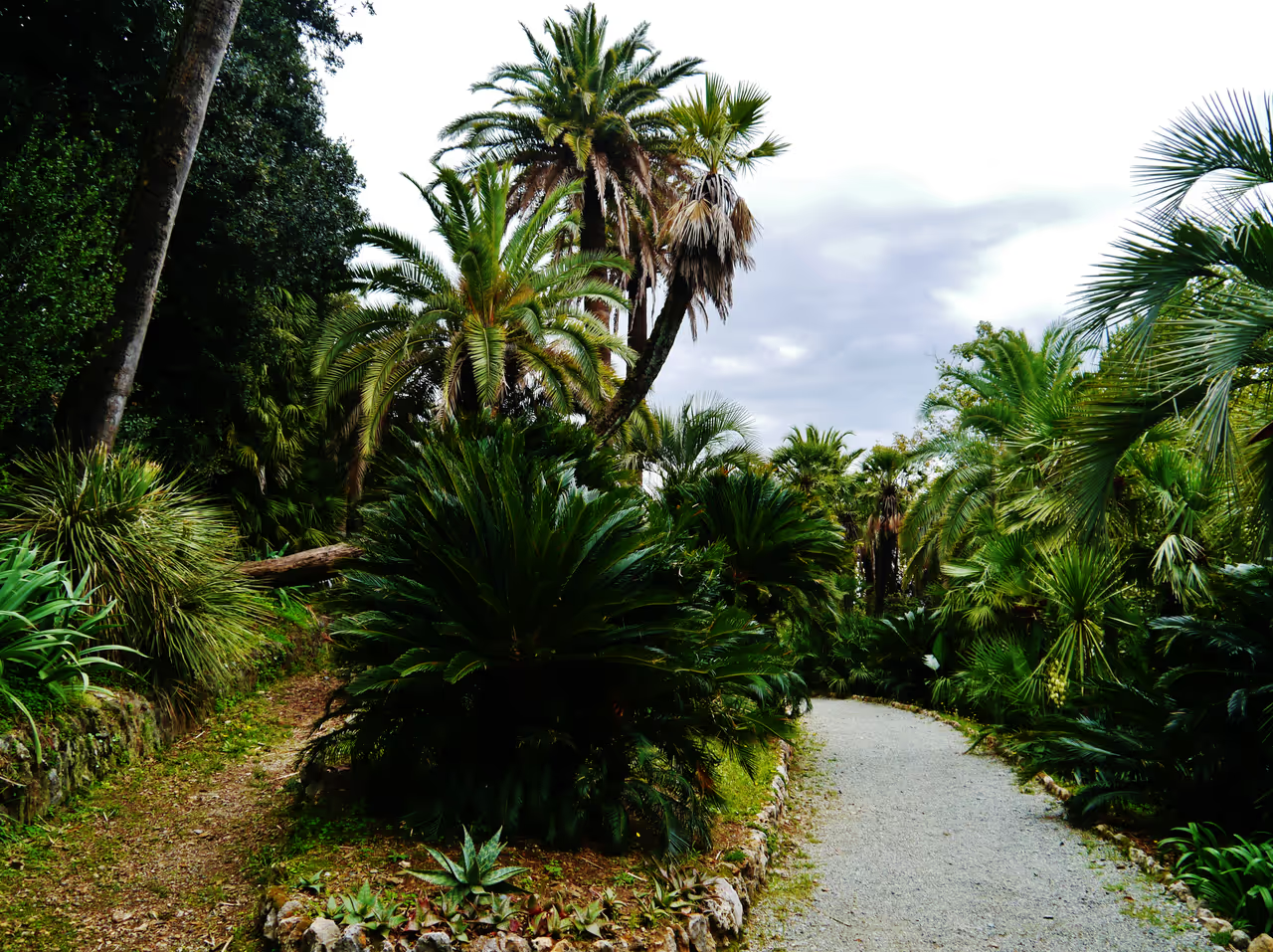
Step into a world of nineteenth-century romanticism at Villa Durazzo Pallavicini, an exquisite architectural gem nestled in the Pegli district of Genoa. This is not just a historic estate, but a sprawling, carefully curated theatrical performance of nature and design that spans nine hectares. As you wander through its meticulously planned paths, you will uncover hidden architectural follies, exotic flora, and an atmosphere that feels torn from the pages of a classic novel. Beyond its botanical wonders, the villa houses the prestigious Museum of Archaeology, offering a deep dive into ancient Ligurian history. It is a place that invites you to slow down, explore, and let your imagination roam free through its enigmatic, masterfully designed landscape.
Videos
History of Villa Durazzo Pallavicini
The park was born in the 1840s when Ignazio Alessandro Pallavicini hired Michele Canzio, a master of stage design for the Teatro Carlo Felice, to transform the hillside estate. Departing from the rigid, exclusionary gardens of the past, Pallavicini envisioned a space that felt like a theatrical journey, a Romantic escape where nature and architecture danced in unison. By designing a narrative path that unfolded like a play, he created an environment that was meant to evoke profound emotional responses from anyone who walked its trails. The experience is structured into a prologue and three distinct acts, leading visitors through a metaphorical transformation. From the Nature act, where one sheds the burdens of urban life, the path winds through the History section featuring medieval ruins and heroic symbols, before reaching the Purification act. Here, visitors traverse a dark, cavernous route that eventually breaks into the bright, serene beauty of the Great Lake. Many enthusiasts believe this layout hides layers of Masonic symbolism, acting as an initiation rite that guides the soul from the distractions of the world toward enlightenment and truth. Following a long history of noble ownership, the villa and its grounds were gifted to the city of Genoa in 1928, provided they remained open to the public for cultural use. While the mid-twentieth century brought challenges, including damage from nearby motorway construction that forced a long closure, the estate has since been meticulously restored to its former glory. Today, it stands not only as a testament to nineteenth-century landscape design but as a vibrant cultural hub housing a world-class archaeological museum, inviting visitors to uncover both ancient secrets and the romantic spirit of a bygone era.
8 Events spanning 417 years
Fun Facts
- • Clelia Durazzo, the original architect of the botanical garden, was a pioneering botanist whose collection brought international renown to the estate.
- • Construction work for the nearby motorway in the 1960s caused significant structural damage to the park, forcing it to close for several decades.
- • Many historians and enthusiasts suggest that the park layout contains hidden Masonic symbolism, intended to reflect an initiation process from the mundane to the enlightened.
- • Michele Canzio, the mind behind the park's romantic design, was also the primary stage designer for Genoa's prestigious Carlo Felice Theatre.
- • The 'Casino di Flora' includes a fascinating hall of mirrors, designed to use opposing reflective surfaces to create an illusion of infinite space.
- • The estate maintains a historic collection of camellias, with many original plantings dating back to the period between 1856 and 1877.
- • The on-site Museum of Archaeology houses the remains of the 'Prince of the Arene Candide', a young man buried twenty-four thousand years ago with an incredibly rich funerary kit.
- • The park features a famous 'Coffee House' and a 'Temple of Diana', classic examples of nineteenth-century architectural whimsy and taste.
- • The park includes an 'Egyptian Obelisk' and a 'Chinese Pagoda', reflecting the nineteenth-century fascination with exotic and global architectural styles.
- • The park is structured as a three-act play, designed by Michele Canzio to take visitors on an emotional journey through nature, history, and purification.
- • The villa served as the site for the famous Arbitration of Leo XIII between Germany and Spain in 1887.
RESOURCES
Official WebsiteVilla Durazzo Pallavicini FAQ
While we strive to keep this information accurate and up to date, we recommend verifying any details independently before making decisions based on them.
Villa Durazzo Pallavicini Map & Neighborhood Explorer
This interactive map is centered on Villa Durazzo Pallavicini. Zoom in and move the map around to automatically discover Wikipedia photos and summaries of other nearby sights, monuments, and historical points of interest and stories in real-time!
Places near Villa Durazzo Pallavicini
Make the most of your trip. Check out these top-rated spots located nearby.
 7464m
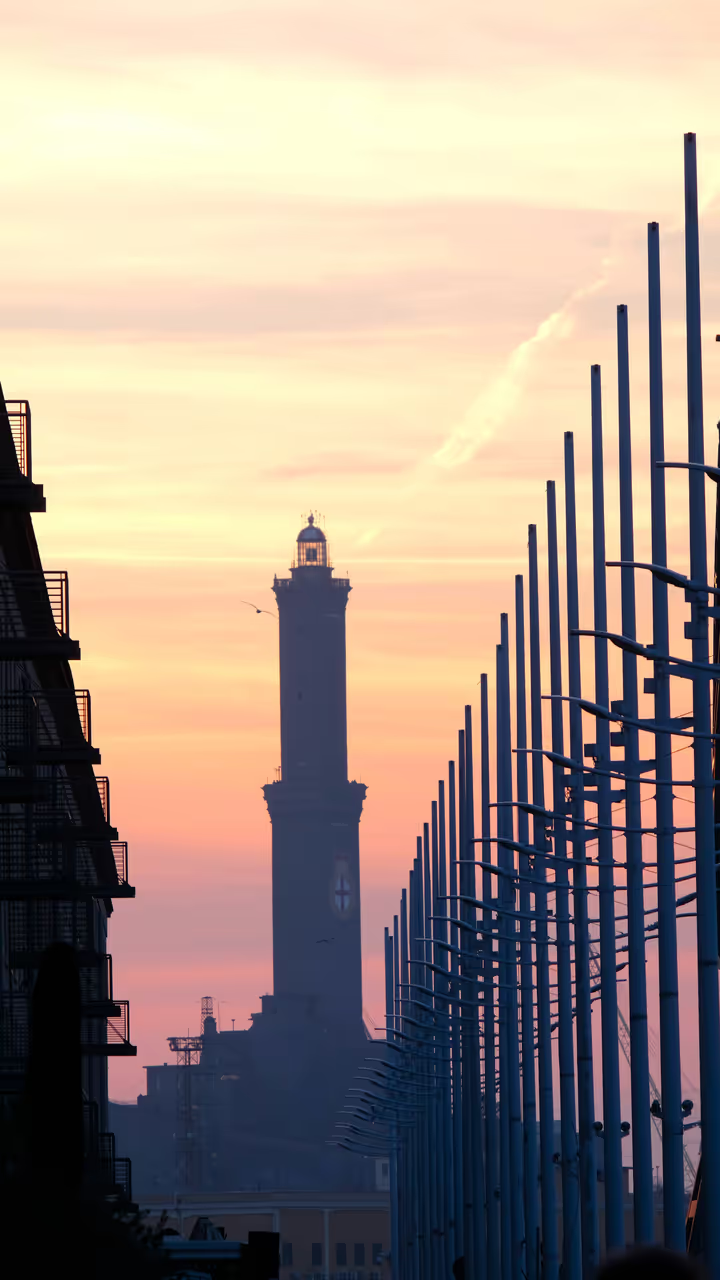
7464mGenoa Lighthouse
Standing proudly as the eternal guardian of the Ligurian capital, the Lanterna di Genova is more than a navigational beacon; it is the true heart and totem of this maritime city. This iconic lighthouse, perched on a rocky promontory overlooking the Mediterranean, has watched over the Genoese coastline for centuries, serving as a silent witness to the ebb and flow of maritime power. Visitors can embark on an atmospheric walk along the ancient city walls, leading right to the foot of this architectural giant. Once there, the climb up its storied stone steps rewards you with breathtaking panoramic views that perfectly capture the unique blend of industrial port energy and historical grandeur. Visiting this site offers a rare glimpse into the soul of the Superba, connecting you directly to the seafaring legacy that defined Italy's relationship with the ocean. It is an essential stop for anyone wanting to understand why Genoa remains the dominant force of the seas in spirit if not in sheer nautical scale today.
attraction view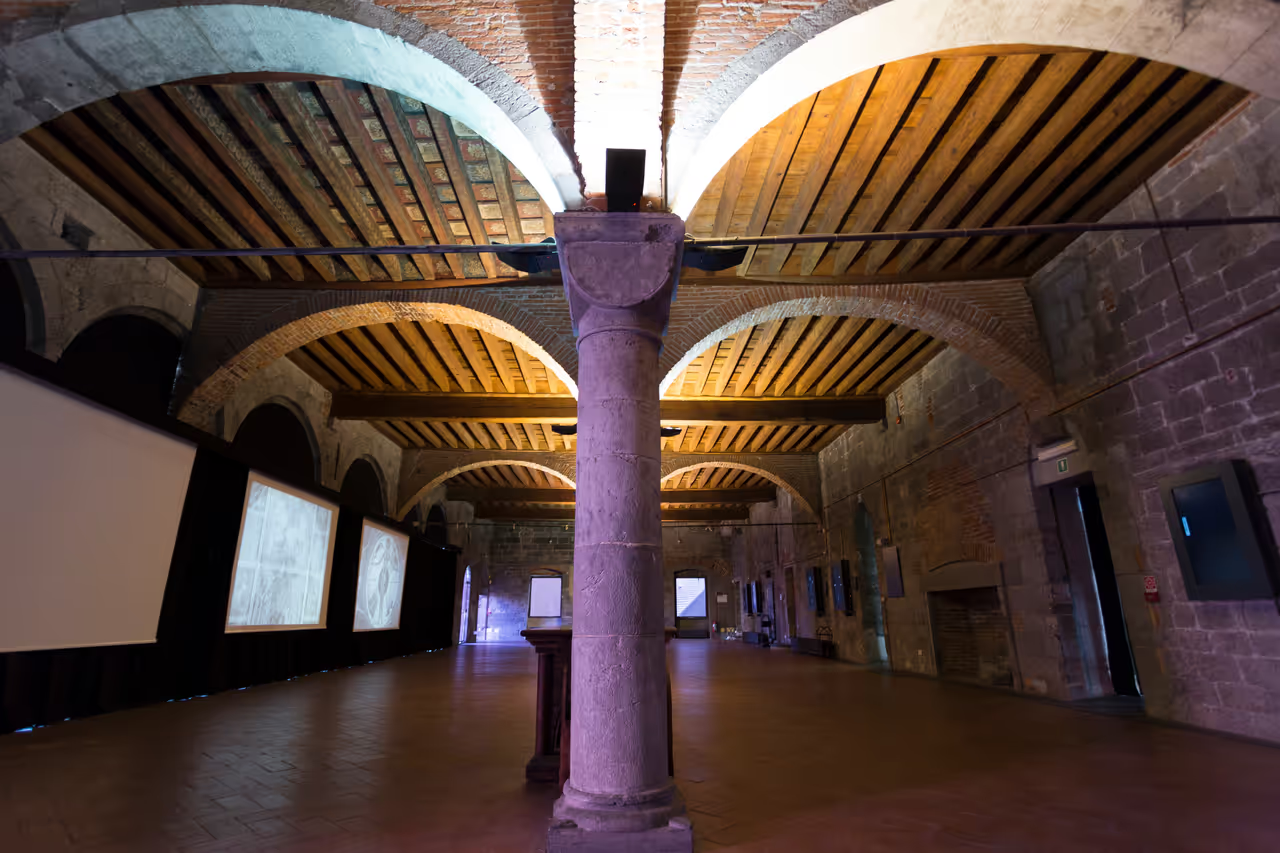 8484m
8484mCommenda of St. John of Pré
Constructed in 1180, this incredibly austere and imposing complex originally served as a vital hospital and shelter for pilgrims and crusaders departing for the Holy Land. The architecture is a stark, powerful example of Romanesque design, featuring thick stone walls, heavy arches, and a complete absence of the decorative flair seen in later centuries. The complex includes two distinct churches stacked directly on top of each other, reflecting the highly functional, protective needs of the Knights Hospitaller who built it. Walking through its stark, vaulted halls offers a profoundly atmospheric glimpse into the city's rugged, martial medieval past. It stands as a dark, striking contrast to the nearby modern port.
architecture view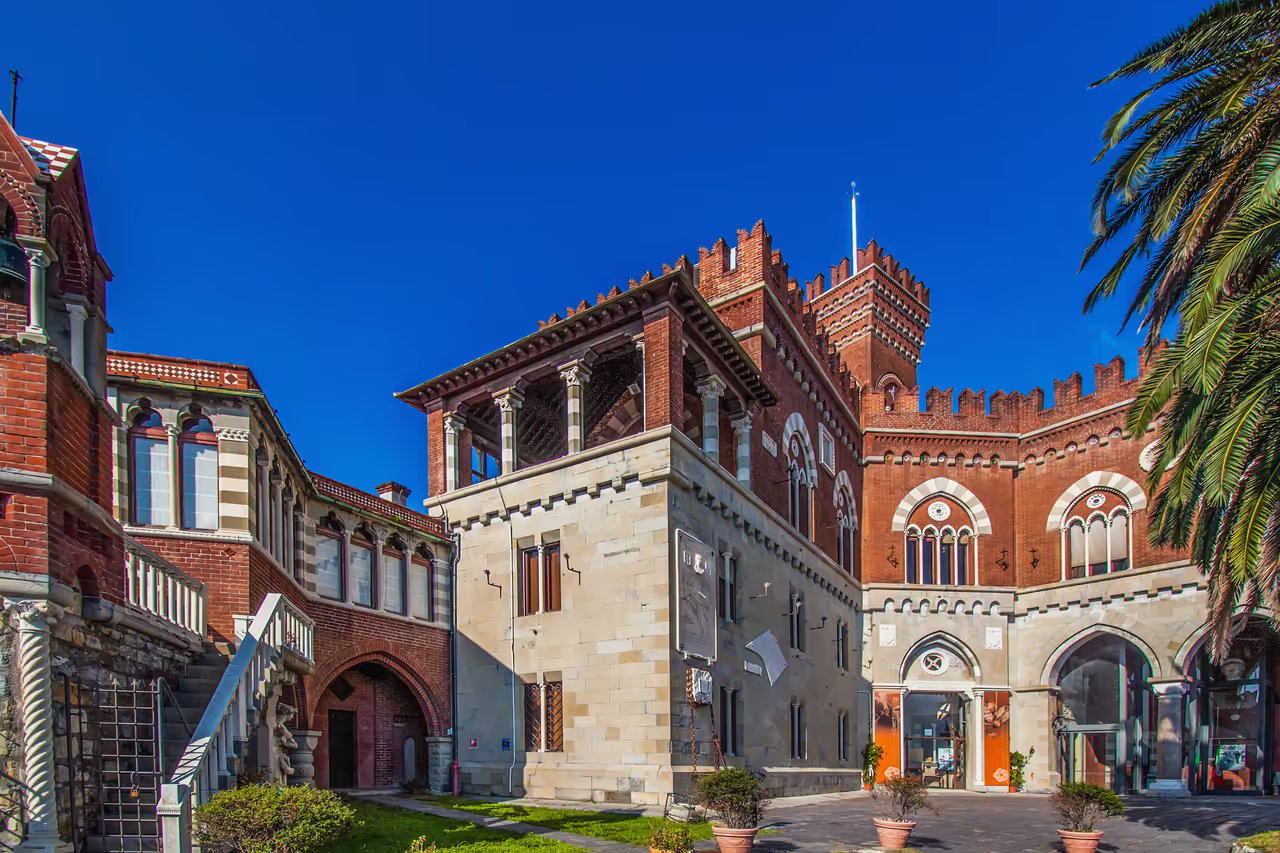 8598m
8598mD'Albertis Castle
Dominating a highly scenic hilltop above the main train station, this incredibly eccentric, neo-Gothic castle was the private residence of Captain Enrico Alberto d'Albertis, a wealthy nineteenth-century sea captain and explorer. The architecture is a wild, theatrical fantasy, blending medieval turrets, Moorish arches, and maritime motifs. Inside, it houses a fascinating museum displaying the massive collection of ethnographic artifacts he gathered during his global nautical voyages. Exploring the rooms feels like stepping into the eclectic mind of an adventurous Victorian explorer. The castle is surrounded by a beautifully lush, exotic garden that offers phenomenal, sweeping views over the entire port.
hidden gem view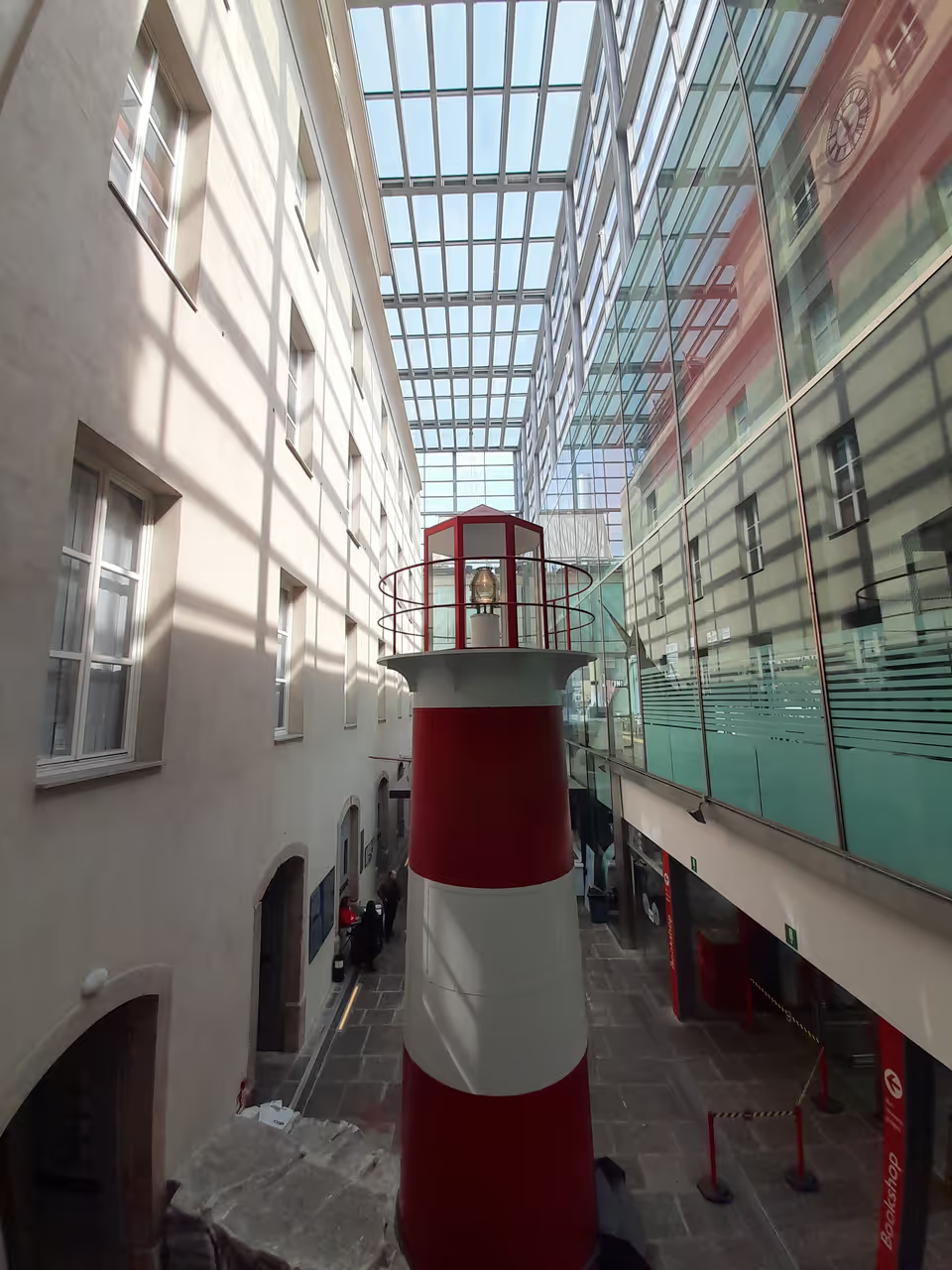 8605m
8605mGalata Maritime Museum
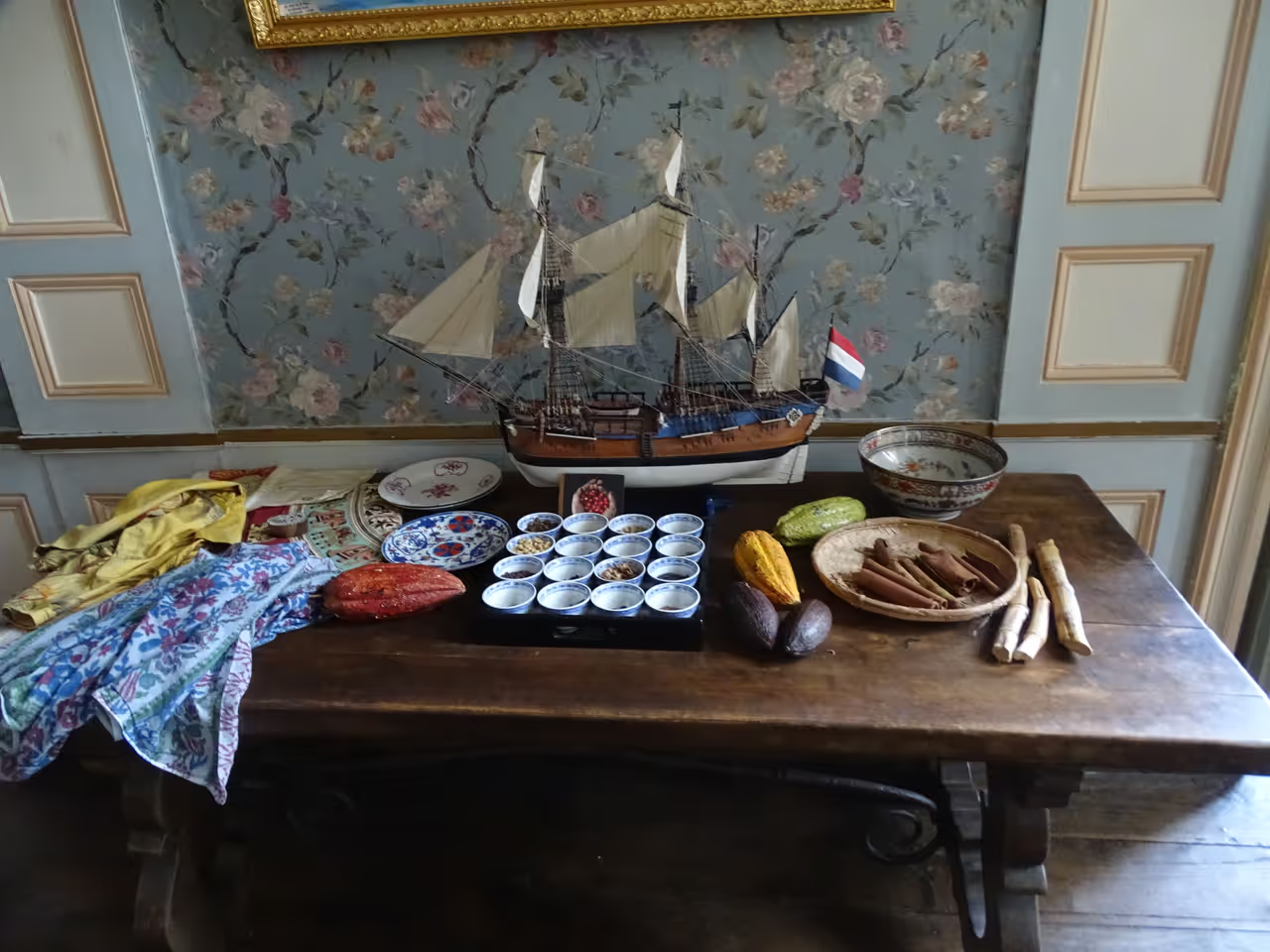
Located in the heart of Genoa's historic port, the Galata Maritime Museum stands as the largest and most immersive maritime museum in the Mediterranean. Visitors can step aboard a life-size reconstruction of a 17th-century galley, feel the thrill of a simulated storm off Cape Horn, and explore the poignant history of Italian migration across the Atlantic. The museum breathes life into centuries of nautical tradition, connecting the city’s storied past with the modern spirit of exploration. Housed in an ancient arsenal building, it seamlessly blends medieval architecture with contemporary design. Whether you are a history enthusiast or just curious about life at sea, this place offers a unique lens through which to view Genoa's identity.
attraction view
Explore Similar Places in These Collections

Featured on This Route
See all nature & parks in Genoa
Defensive Walls of Genoa, Nervi, Spianata dell'Acquasola, Villa Croce Museum of Contemporary Art, Villetta Di Negro...